Komerční sdělení: A character can spend years living inside a game screen. Then one day, they are sitting in a player’s hand.
That is part of what makes trading cards so satisfying for game developers. They turn characters players know through battles, dialogue, quests, or cutscenes into collectible objects. A favorite healer becomes a foil card. A final boss gets a dramatic full-art treatment.
But shrinking character art onto a rectangle is not enough. A great card should still feel like it belongs to the game.
Start With the Character, Not the Card Template
Before opening a layout file, decide what the card is supposed to say about the character.
Is this the protagonist players recognize instantly? A rare enemy? A comic-relief NPC? A hidden form only longtime fans understand?
That answer should influence the visual direction. A powerful boss may suit a darker frame and dramatic pose, while a cheerful companion could use brighter colors.
If you have dozens of characters, group them into categories such as heroes, enemies, factions, classes, or rarity tiers. That gives the collection an internal logic before you decorate individual cards.
Decide What Information Actually Belongs on the Card
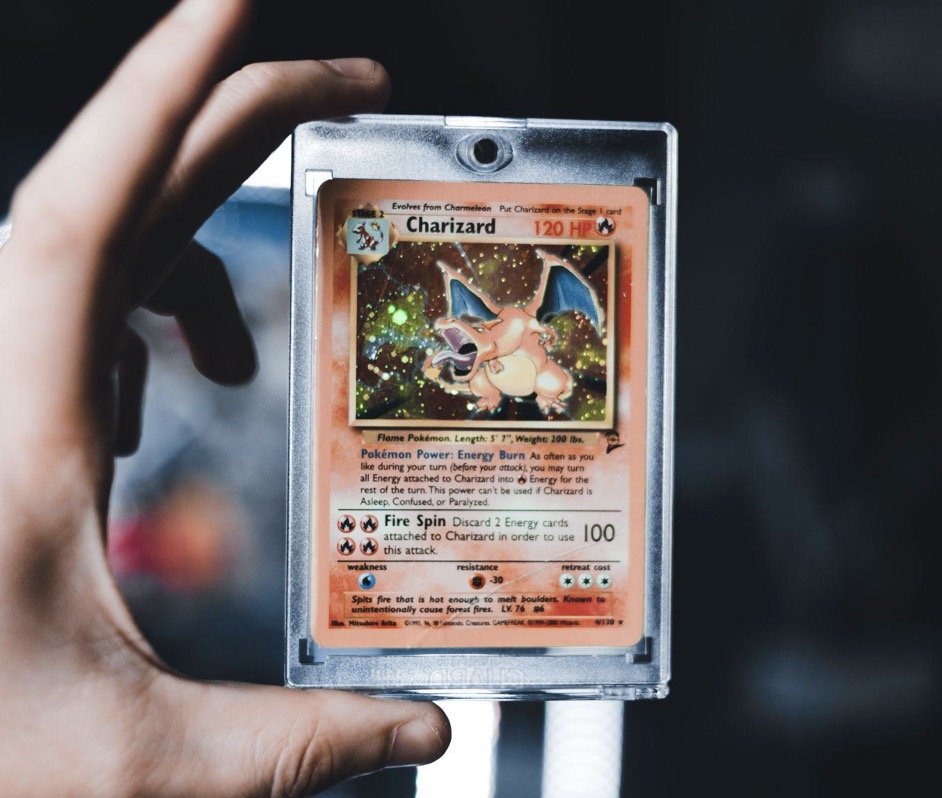
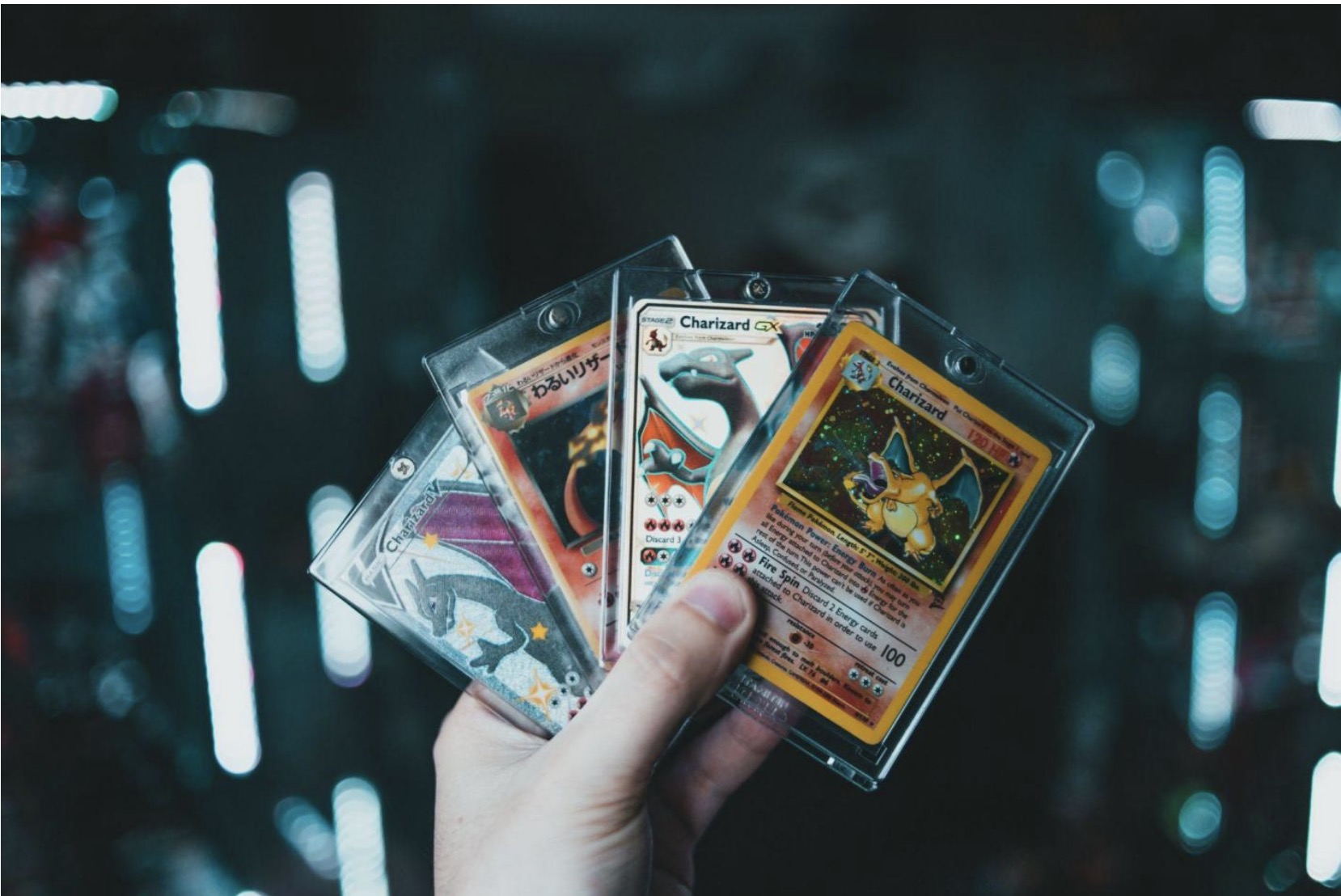
Hand holding a holographic Charizard Pokémon trading card in a protective case.
Game developers have one advantage artists making standalone merch may not: the world already contains information.
Character names, classes, weapons, factions, abilities, quotes, stats, symbols, and lore can all become card elements. The challenge is knowing when to stop.
Ask yourself, “Would a fan enjoy discovering this detail, or am I adding it because there is empty space?”
| Card element | What it can add |
| Character name | Immediate recognition |
| Class or faction | Connects the card to game lore |
| Signature ability | Adds personality or gameplay flavor |
| Short quote | Makes the character feel familiar |
| Rarity mark | Helps organize a collectible set |
| Card number | Makes sets easier to track |
Not every card needs every element. If the cards are collectibles rather than part of a playable card game, there is no need to invent attack values or rules just to imitate a TCG.
Build a Visual System Fans Can Recognize
Once the content is clear, create rules that repeat across the set.
Keep recurring elements such as the logo, name placement, border size, card number, and icon locations consistent. Then use controlled variation for character-specific details.
Color is useful too. One faction might use blue accents while another uses red. Rarity can be communicated through a symbol, border treatment, or special finish instead of redesigning every card.
For developers exploring custom trading card printing, it helps to think about physical production while designing. Card dimensions, bleed, safe areas, color setup, file format, and finish options should follow the printer’s current artwork specifications rather than assumptions from a screen mockup.
- Pro tip: Print a test version at its intended physical size on ordinary paper. If a character name, stat, or tiny lore line is difficult to read there, a special finish will not make it easier to read.
Make the Front and Back Work Together
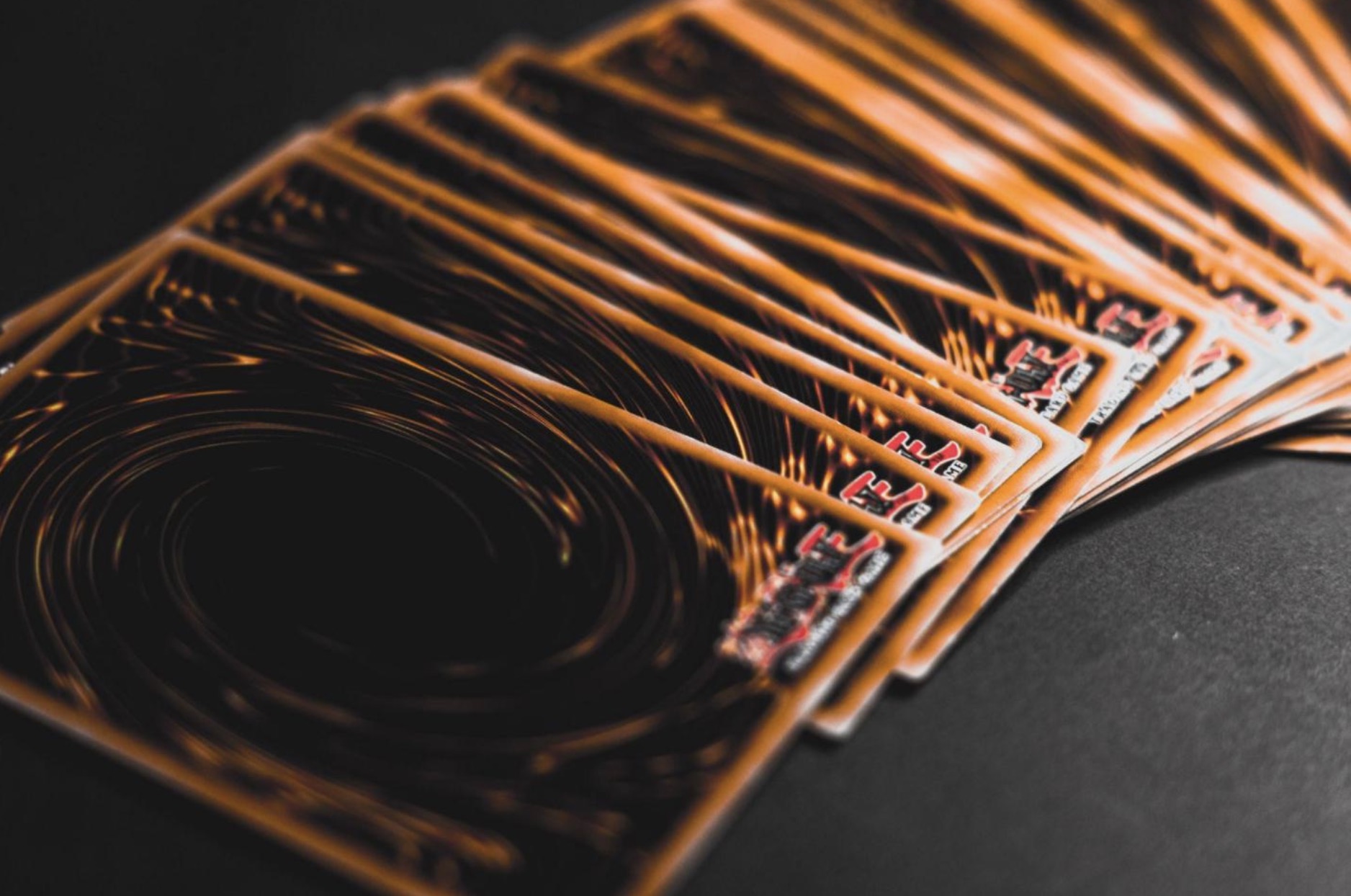
Close-up of several trading cards fanned out face down on a dark surface.
The front usually carries the excitement: character art, name, effects, and collectible information. The back can reinforce the identity of the game.
A shared card back could use a game logo, emblem, map symbol, faction crest, or pattern pulled from the interface. Keeping the same back across a set can make the collection feel unified when cards are stacked or displayed.
If the cards are intended for actual gameplay, avoid backs that reveal which card is coming next. Cards that need to remain hidden should use identical backs unless the rules require otherwise.
Choose Artwork That Survives the Smaller Format
Concept art can look incredible on a monitor and become unreadable on a card.
Before committing to an illustration, shrink it to roughly the final print size. Check whether the face still reads, the silhouette remains clear, and important details are not buried behind text or borders.
Close-ups and strong poses often translate more clearly than scenes packed with several characters.
Turn the Set Into Something Players Want to Collect
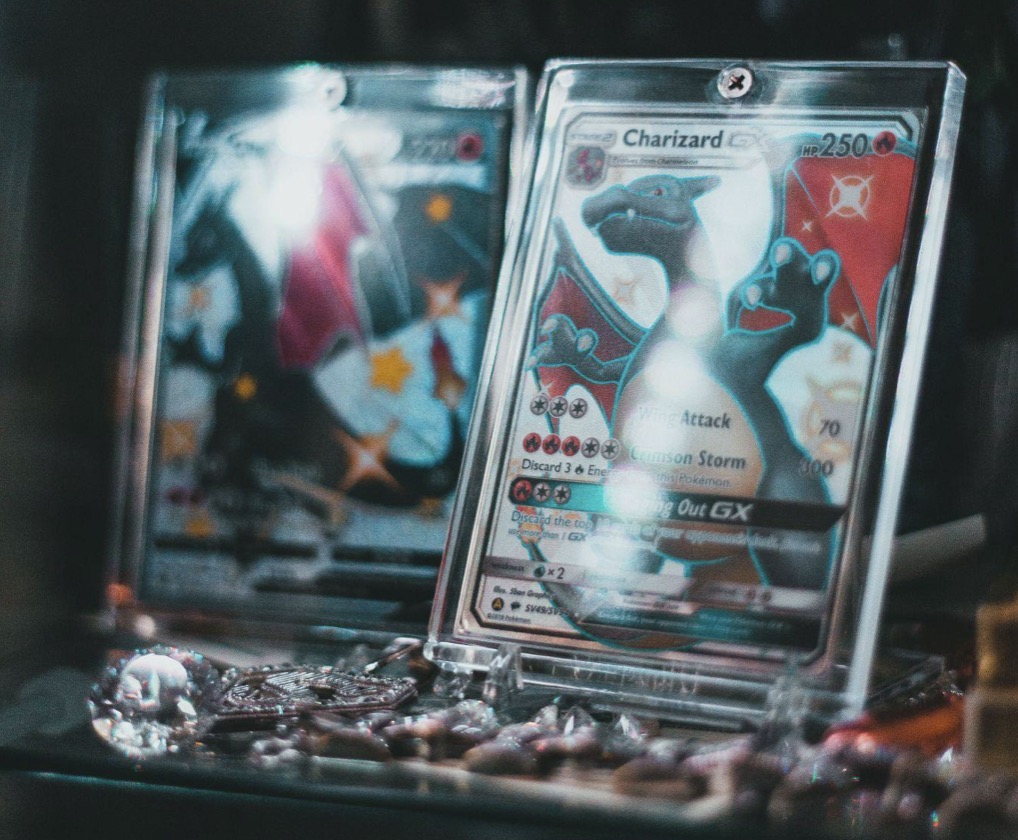
Charizard Pokémon trading cards displayed in protective cases under dramatic lighting.
The best character cards give fans another way to explore a world they already care about.
You can build interest with numbered sets, alternate artwork, special finishes, character groups, or a few harder-to-find designs. Just keep the system understandable. If every card is labeled “ultra rare,” rarity stops feeling special.
Most importantly, think like the player holding the finished card. Would they recognize the character immediately? Would they notice a detail from the game and smile? Would they want to place it next to another card from the same set?
Final Thoughts
Turning game characters into trading cards is ultimately about carrying part of the game world into a physical format.
The strongest cards remain recognizable at a glance, feel connected to the original character, and contain enough thoughtful detail to reward fans who already know the game.
When a player wants to pick up one card, examine it, and place it beside the rest of the set, the character has successfully made the jump from screen to collectible.