The smartphone market is experiencing one of its most difficult periods in recent years, but Apple has reason to be happy. According to the latest report from the analytical company Counterpoint Research, during the third quarter of this year it managed to achieve the highest share of global smartphone shipments for this period, despite the fact that the entire market fell by an incredible 20% year-on-year. Even more interesting is the fact that Apple managed to significantly close the gap on Samsung, which still holds first place, but only very narrowly.
You might be interested in
According to Counterpoint Research, it achieved Apple in the third quarter of this year, it had a share of 22%, while in the same period last year it held only 18% of the market. For the first time in history, it exceeded the 20% mark during the third quarter. Samsung maintained its first place with 23%, followed by Xiaomi with 10%, OPPO with 9% and vivo with 8%. It is Chinese manufacturers who are paying the price for the current situation much more than Apple or Samsung.
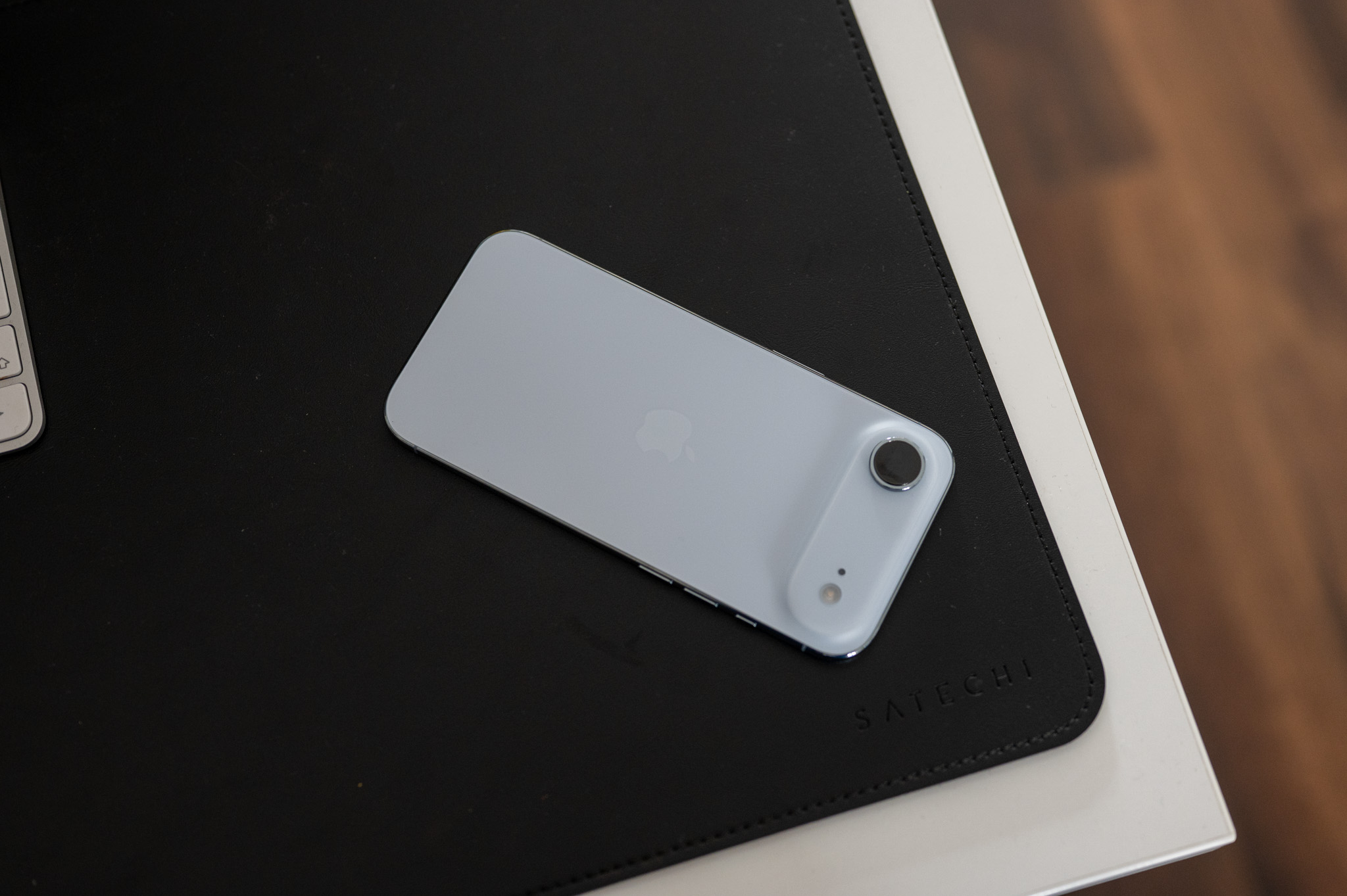
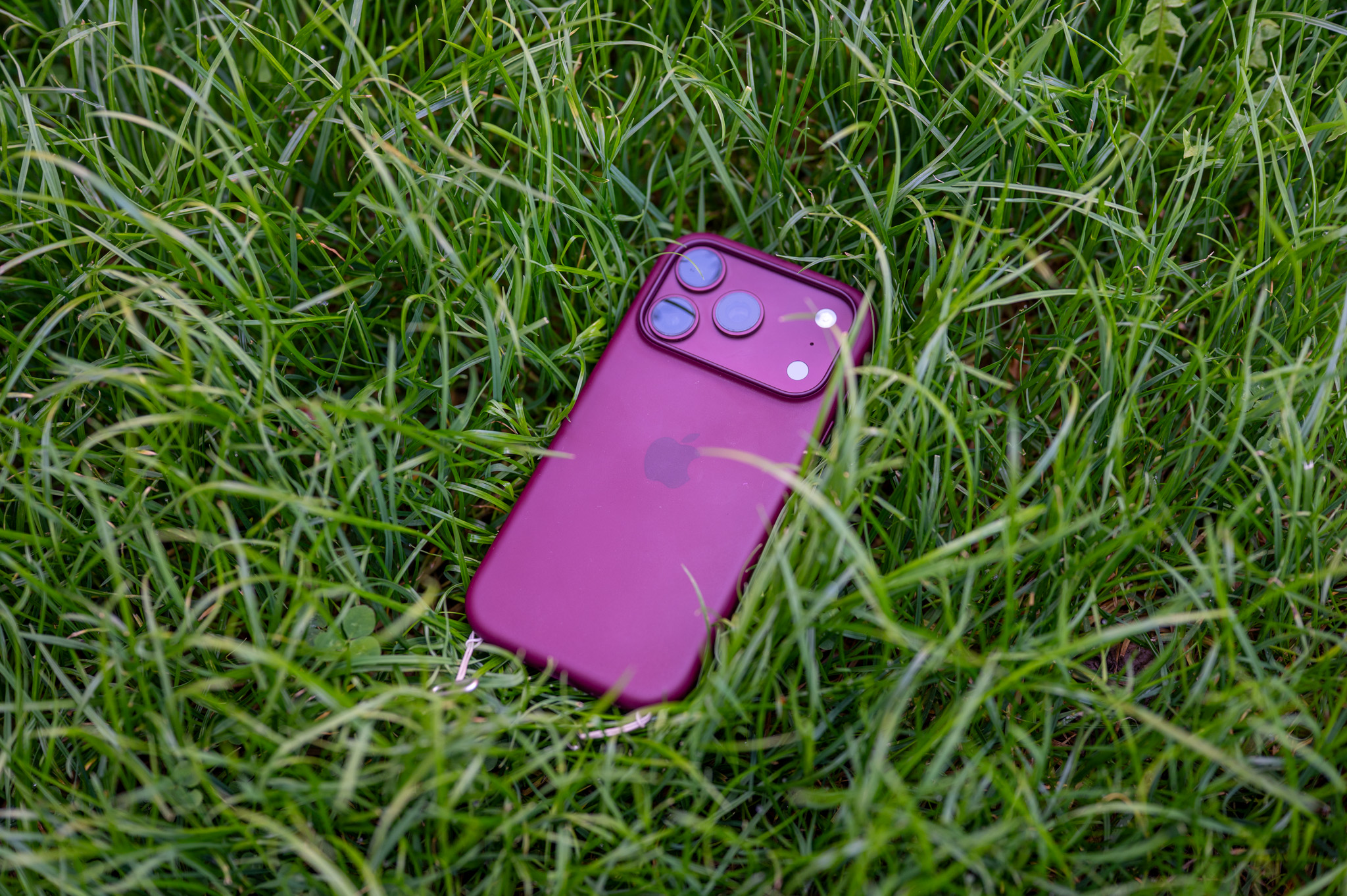
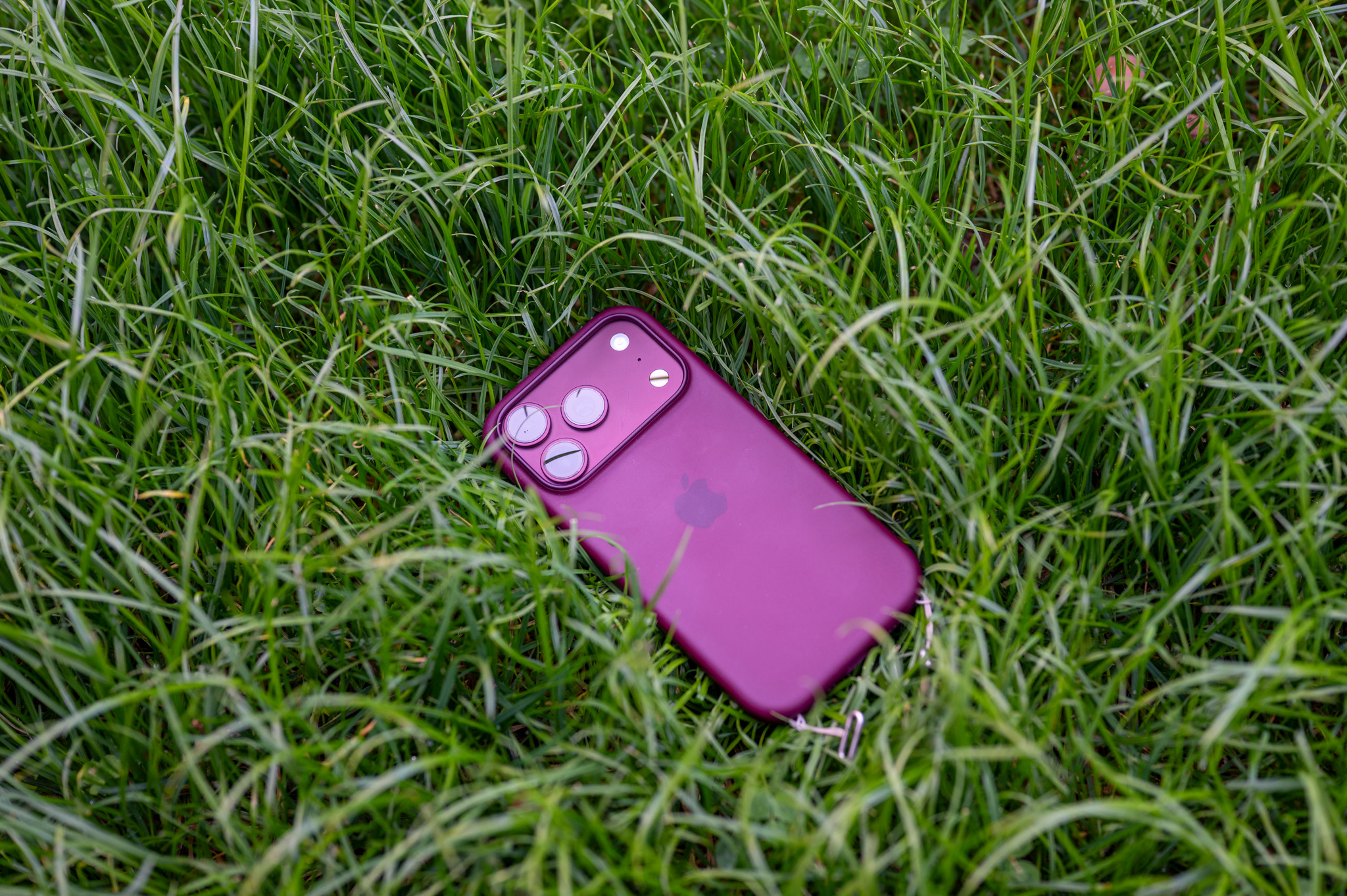
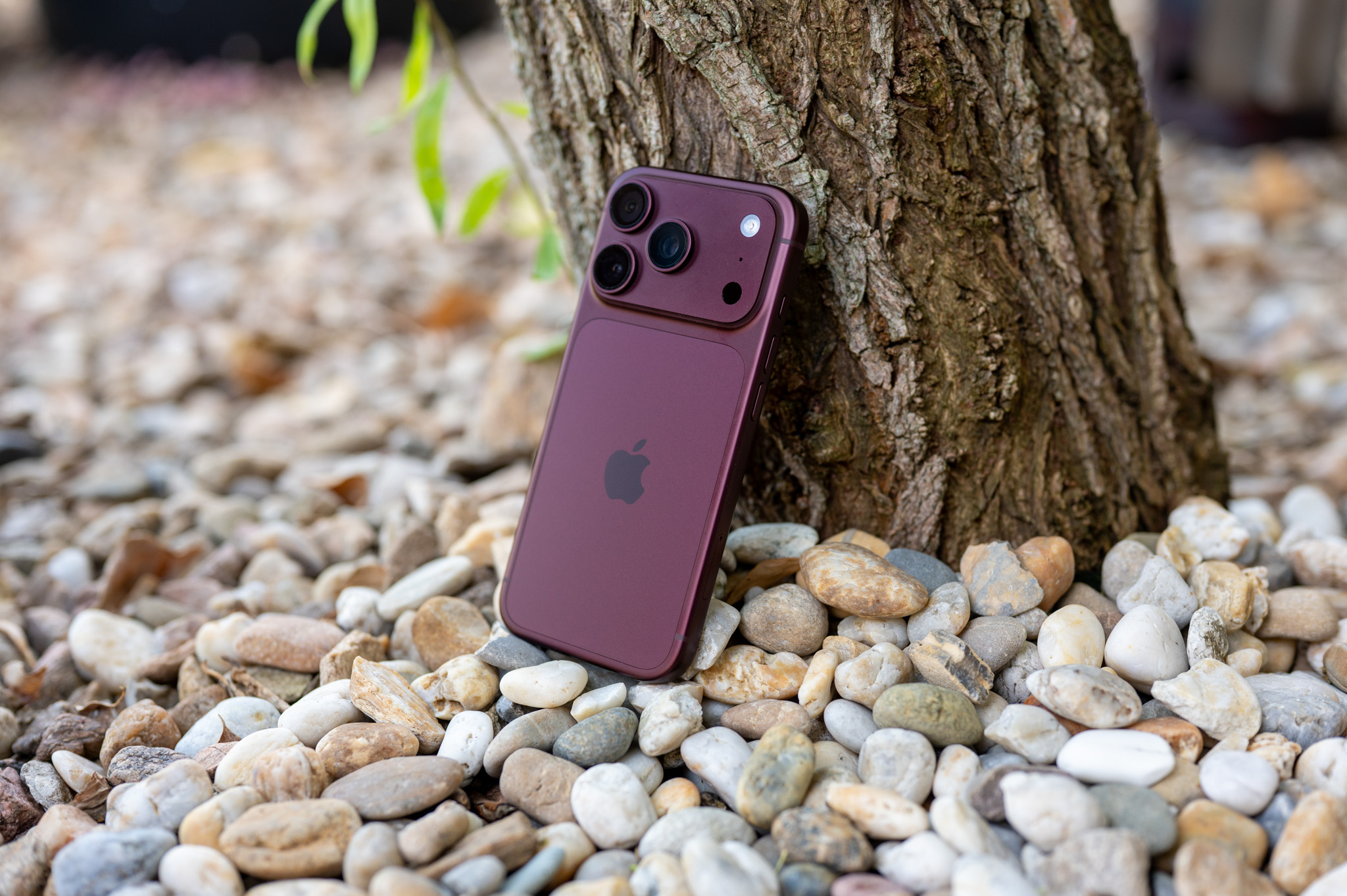
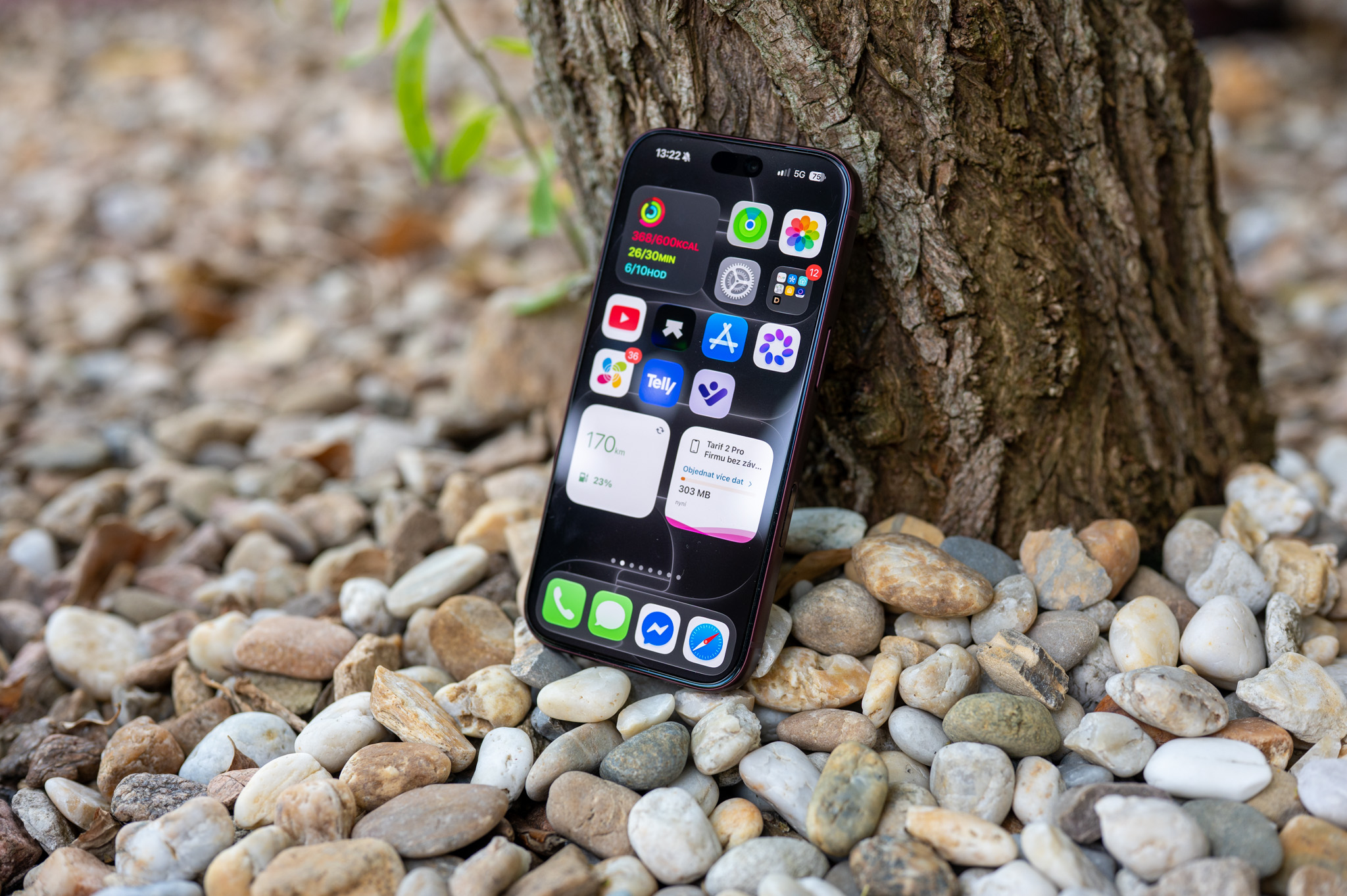
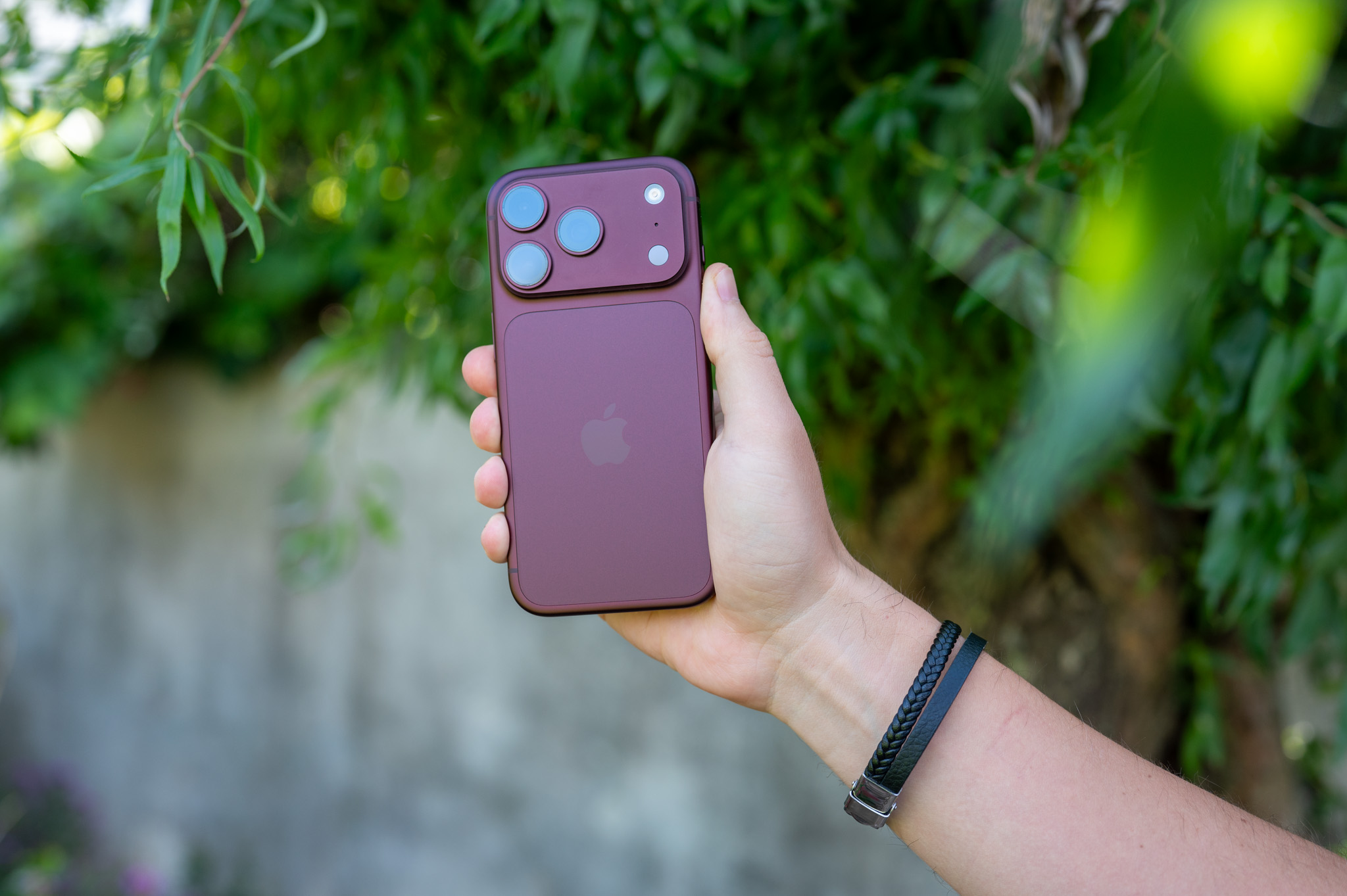
Interestingly, the record market share Applu does not automatically mean a record number of iPhones shipped. Their shipments also fell year-on-year, but less than the market as a whole. According to analysts, this is mainly due to the fact that Apple did not present the basic this fall iPhone 18, which is not due until next year. On the other hand, iPhones 18 Pro a 18 Pro Max have had a stronger start than their predecessors, particularly in China and India. The results are also helped by continued interest in last year's series iPhone 17.
Gallery

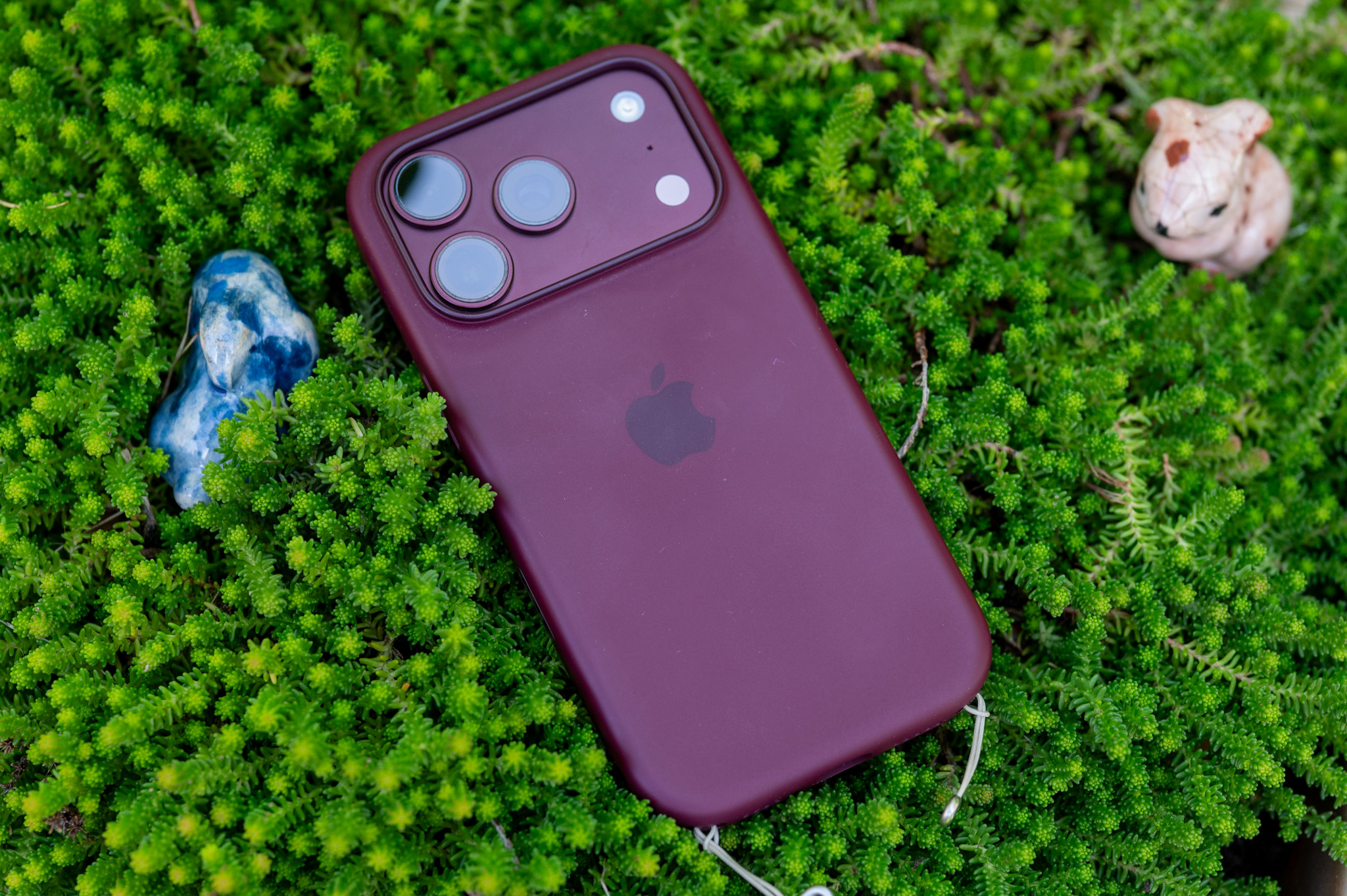
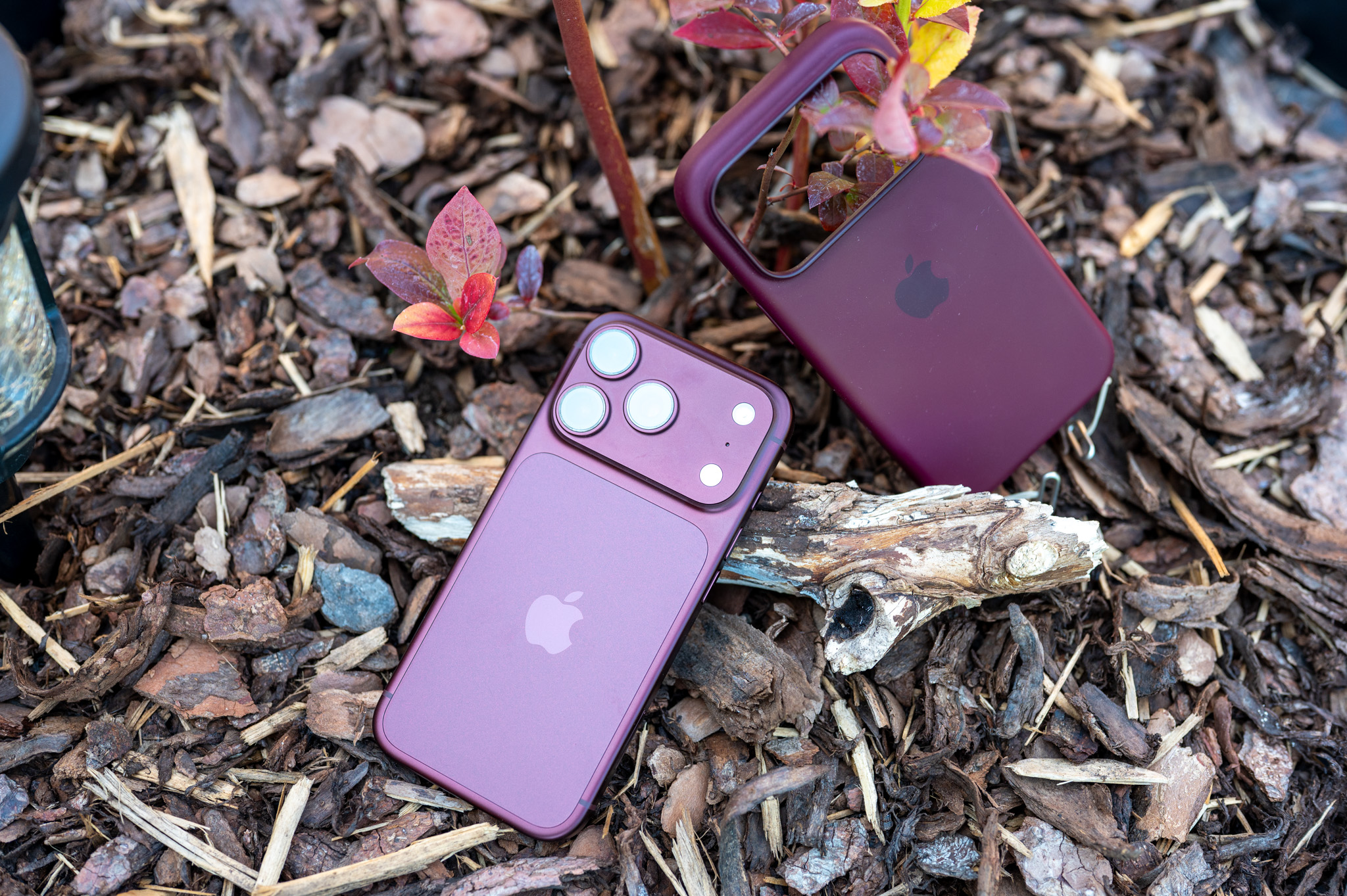
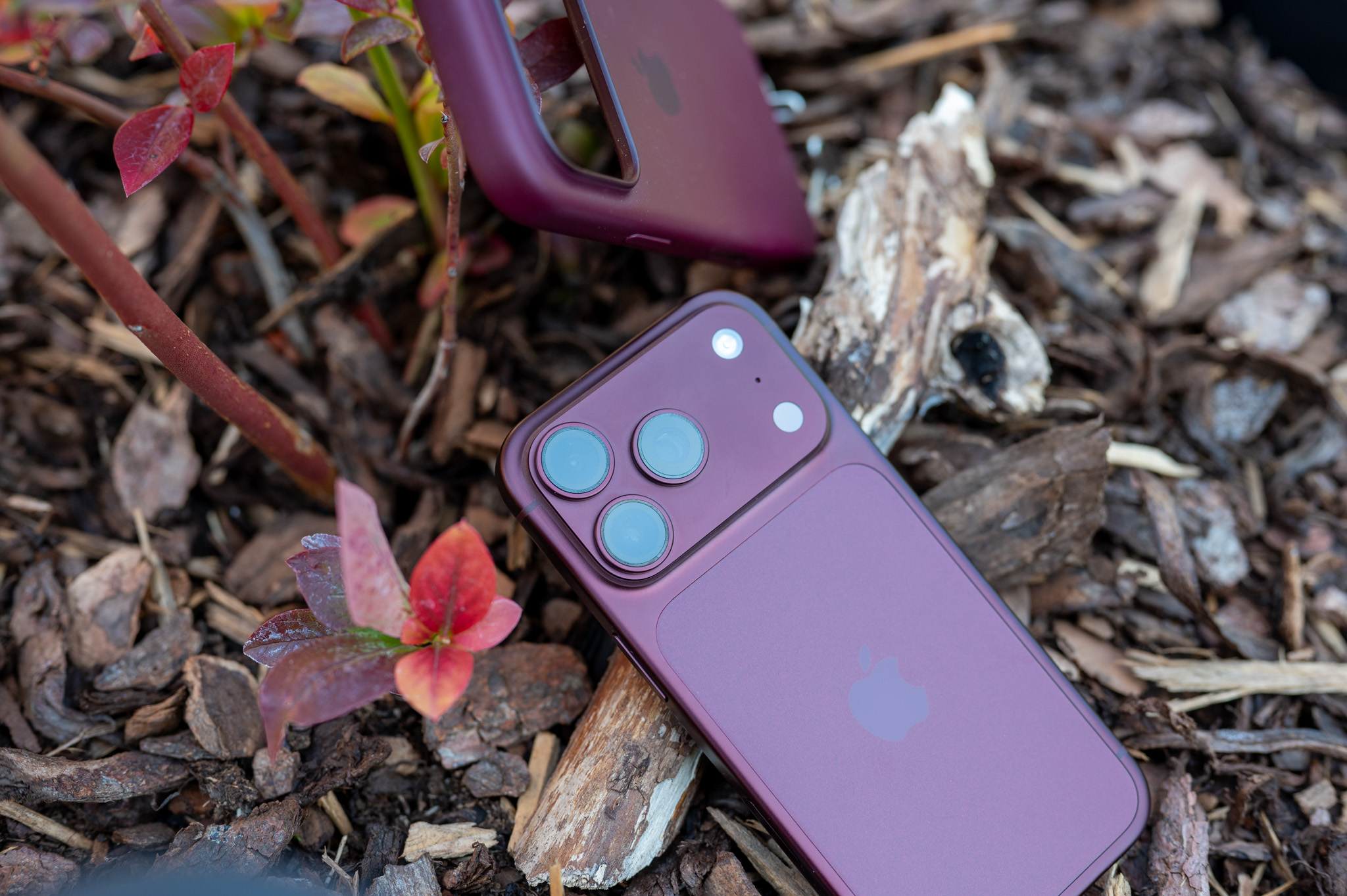
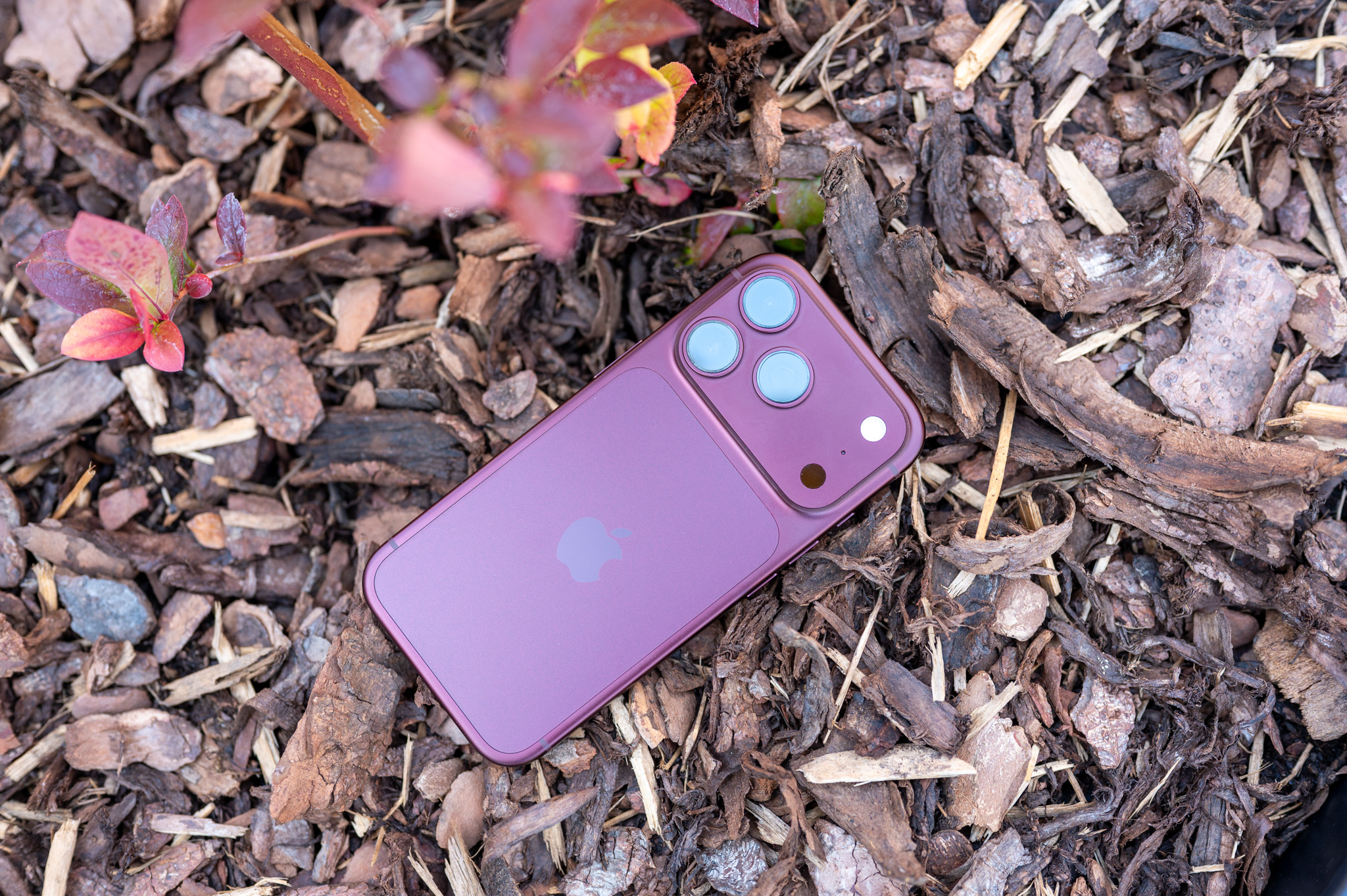
However, the market development itself is considerably less optimistic. Global smartphone shipments fell by 20% year-on-year, which represents the worst third quarter since 2012. The main reason is, unsurprisingly, the ongoing shortage of DRAM and NAND memory chips, the prices of which are rising significantly due to, among other things, huge demand from companies building infrastructure for artificial intelligence. This is increasing costs for manufacturers, which are subsequently reflected in the prices of their devices. According to Counterpoint Research, global retail prices of smartphones have increased by approximately 20% since the beginning of this year. As a result, customers are using their phones longer, are more likely to consider buying refurbished devices, and are generally in a less hurry to exchange them for a new model.
You might be interested in
Moreover, analysts do not expect the situation to improve significantly in the coming months. Manufacturers are expected to continue to focus primarily on more expensive and profitable models, while cheaper smartphones will be under increasing pressure due to rising costs. Apple While it is celebrating a historic success in terms of market share, it is also further evidence of how fundamentally the current memory crisis is changing the entire technology industry. However, I dare say that it is not only the prices that are holding back new phone purchases, but also the fact that manufacturers have been relatively innovating little in recent years. And when we look at what is offered iPhone in recent years, it is said that it is no different for him.