When Apple introduced iOS 26, one look at the display was enough to make it clear that something had changed. Liquid Glass overhauled the look of virtually the entire system, and after years of rather gradual tweaks, it got iPhone a new visual direction. U iOS 27 the situation is almost the opposite. At first glance you might wonder for a moment what is actually new, because Apple this time nestThe entire update is based on another major redesign. The most interesting part is happening beneath the surface.
However, this does not mean that it is iOS 27 small update. Apple it simply continues where it left off last year. It already has the look, now it needs to tighten up the system itself and, above all, fix the area in which its competition has started to lag unpleasantly in recent years – artificial intelligence and SiriSo if you're expecting another visual revolution similar to the transition to iOS 26, you probably won't get it. But if you're curious about how iPhone changes as a smart device and personal assistant, iOS 27 is considerably more interesting.
You might be interested in
The biggest difference between iOS 26 to iOS 27 you can hardly see at first glance
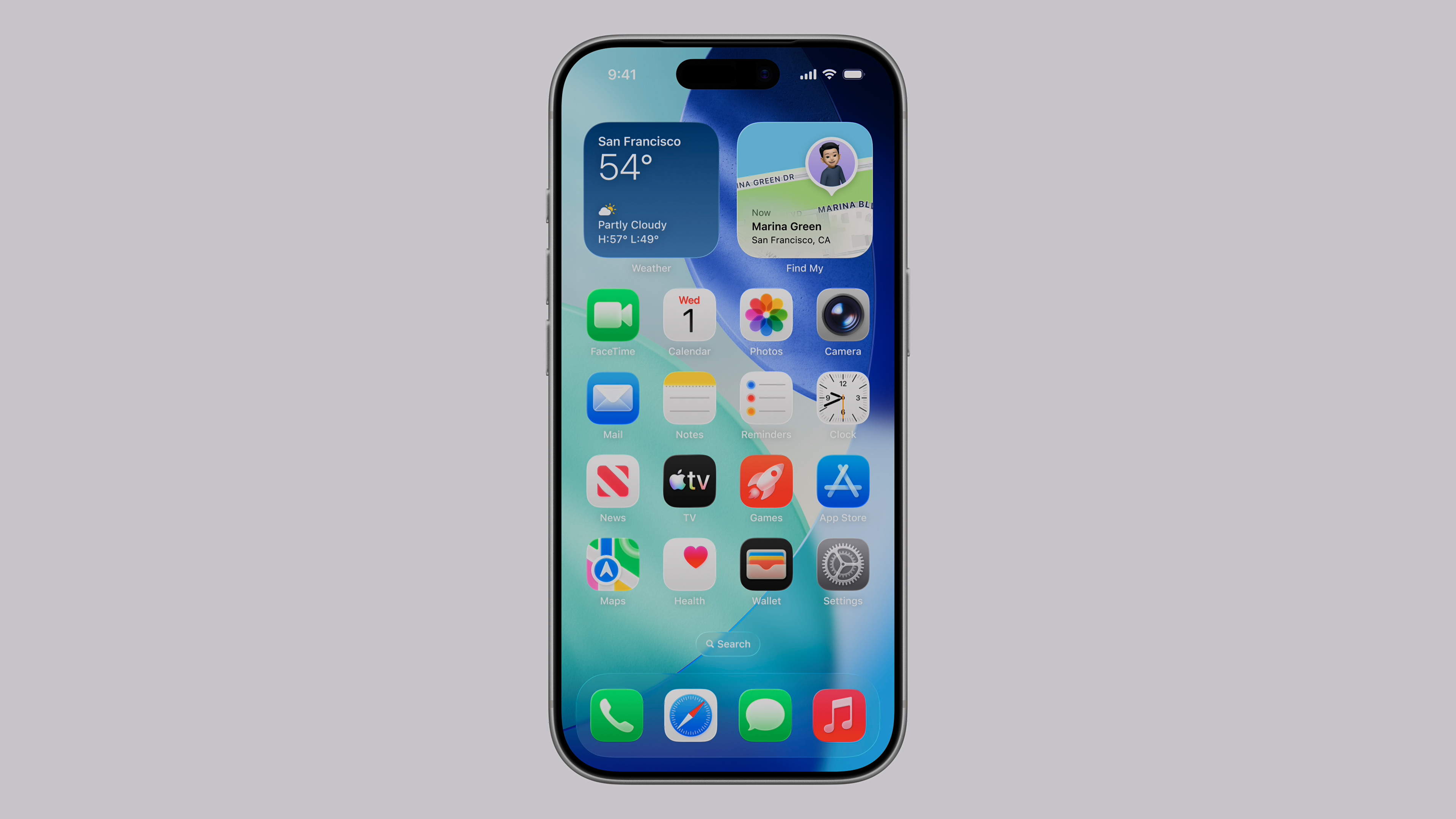
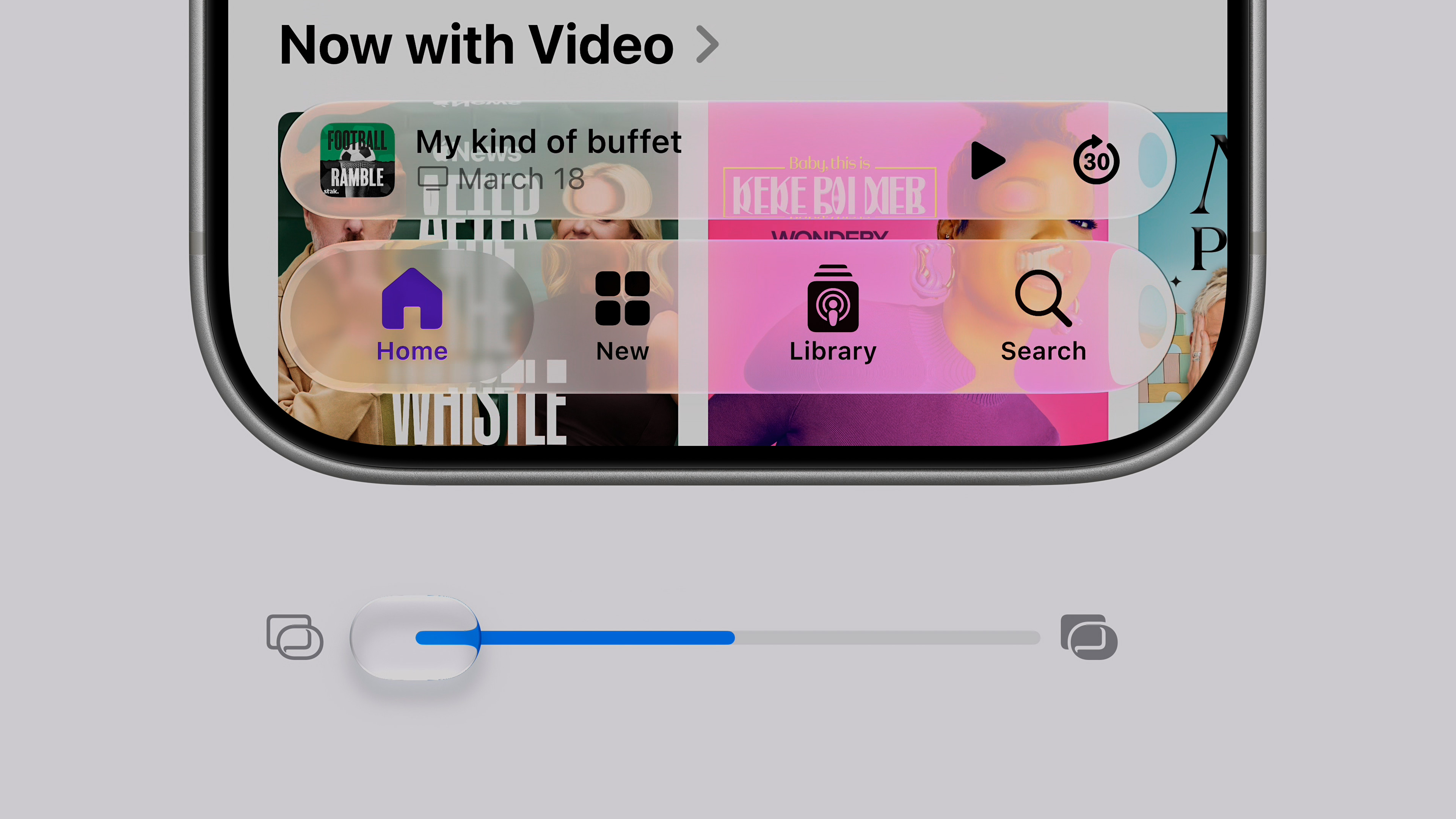
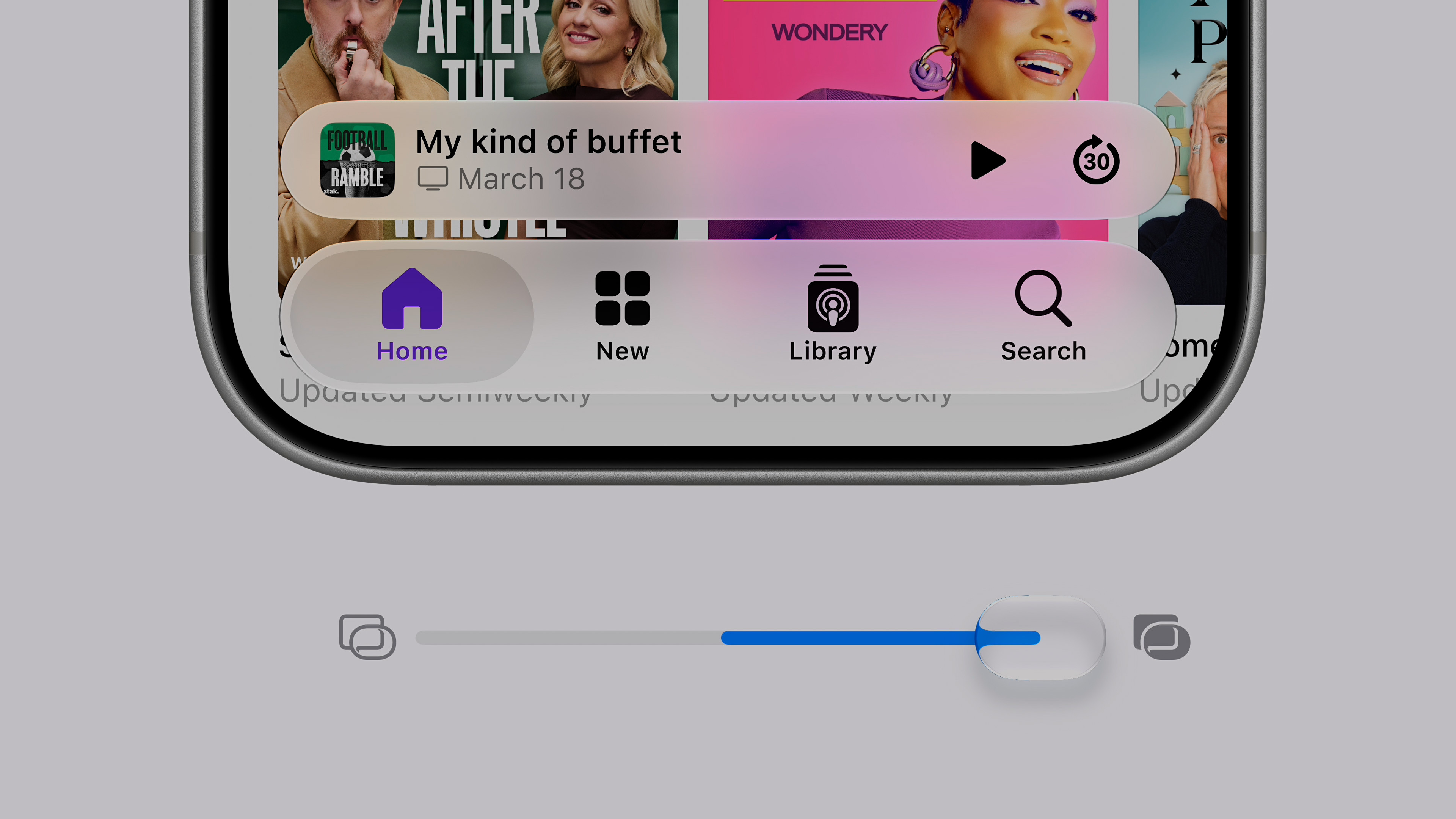
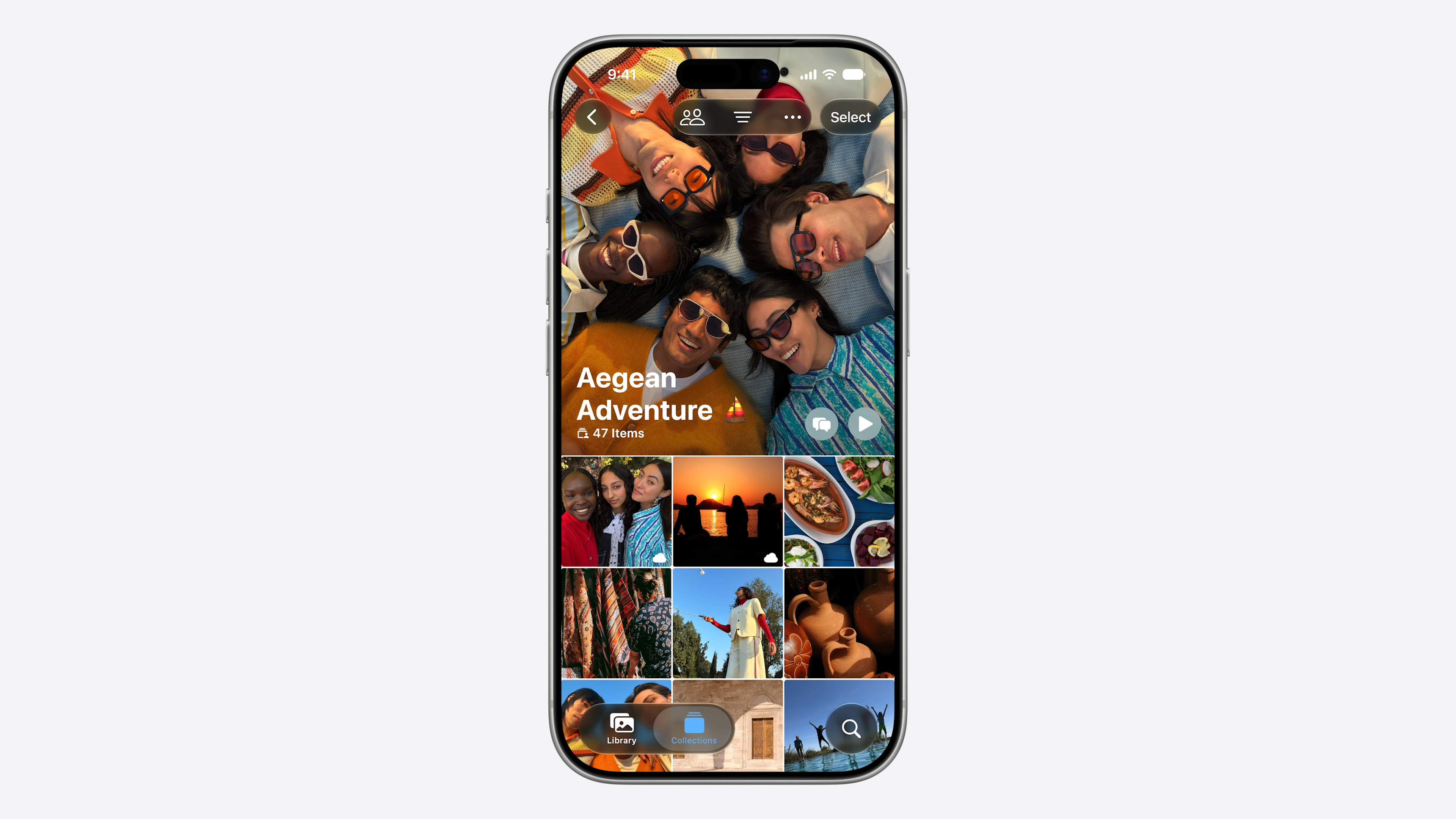
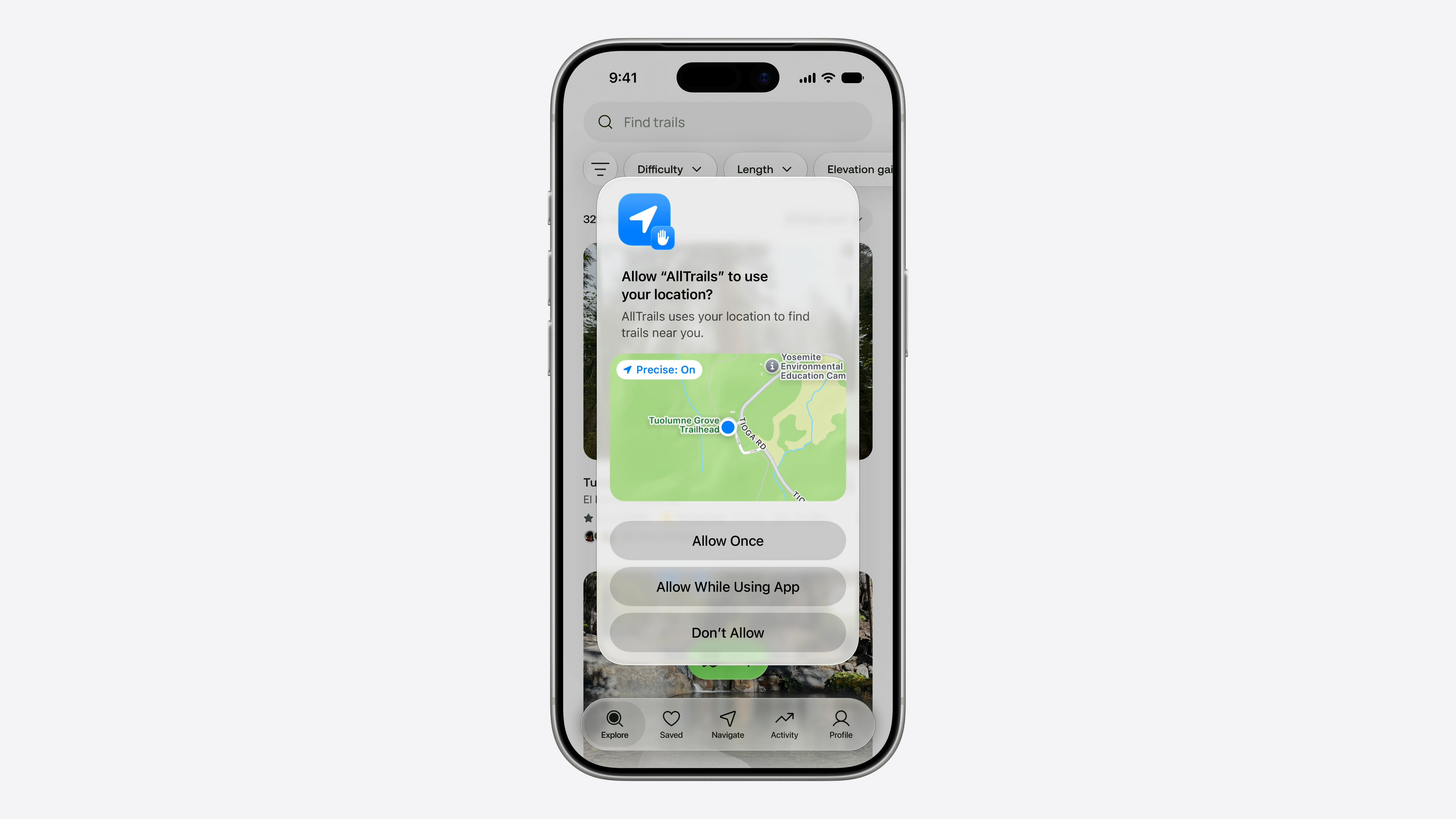
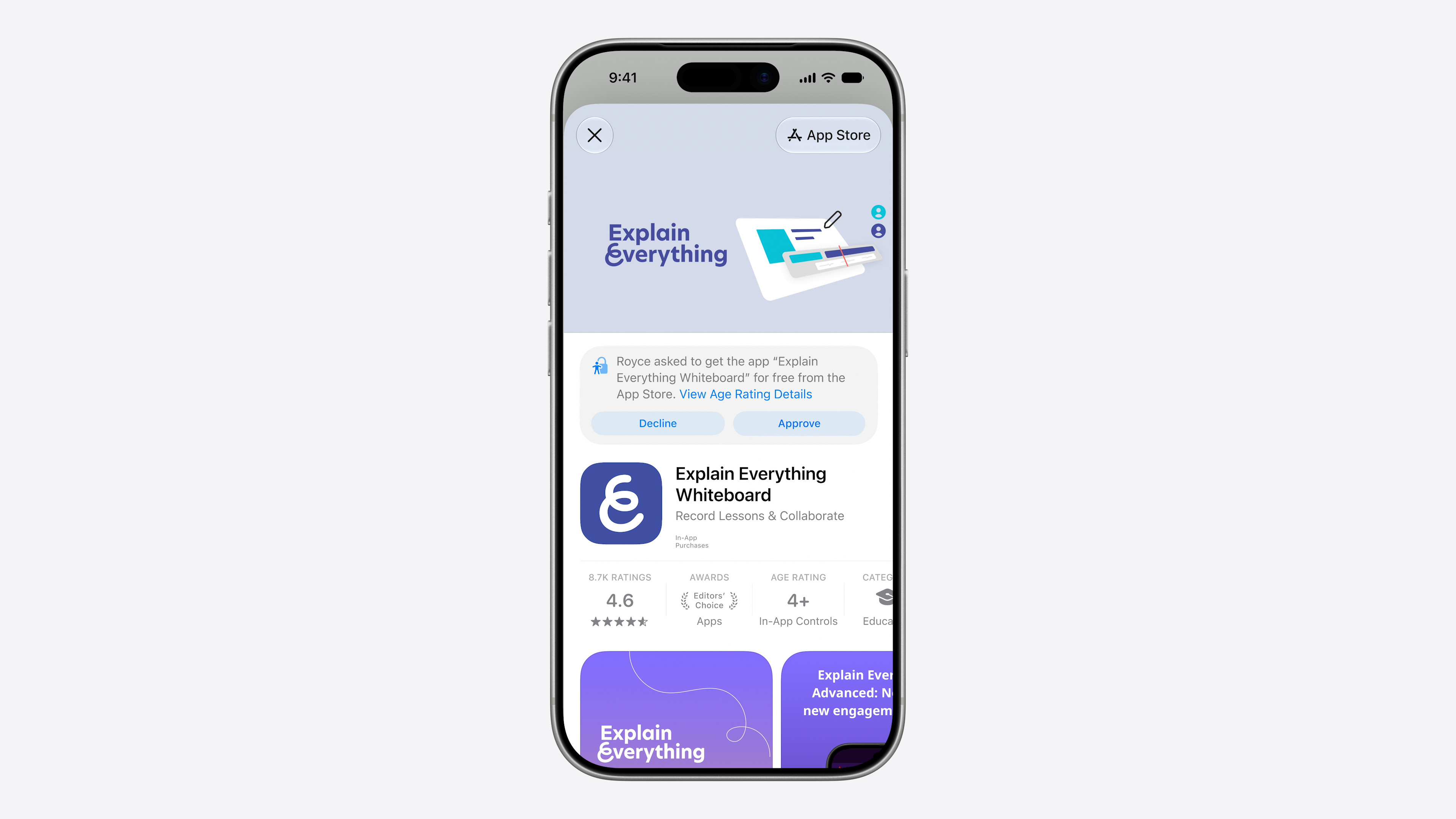
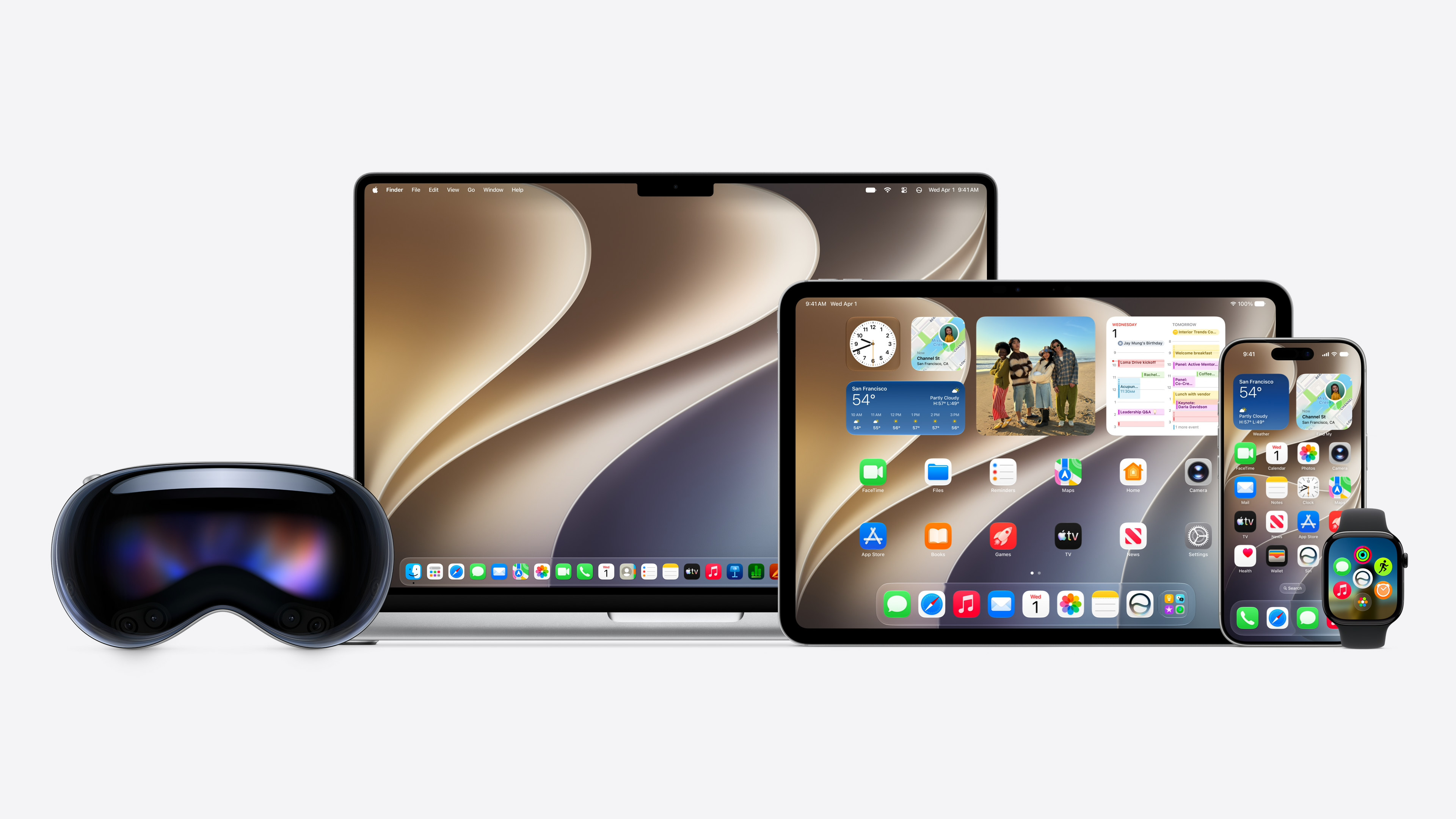
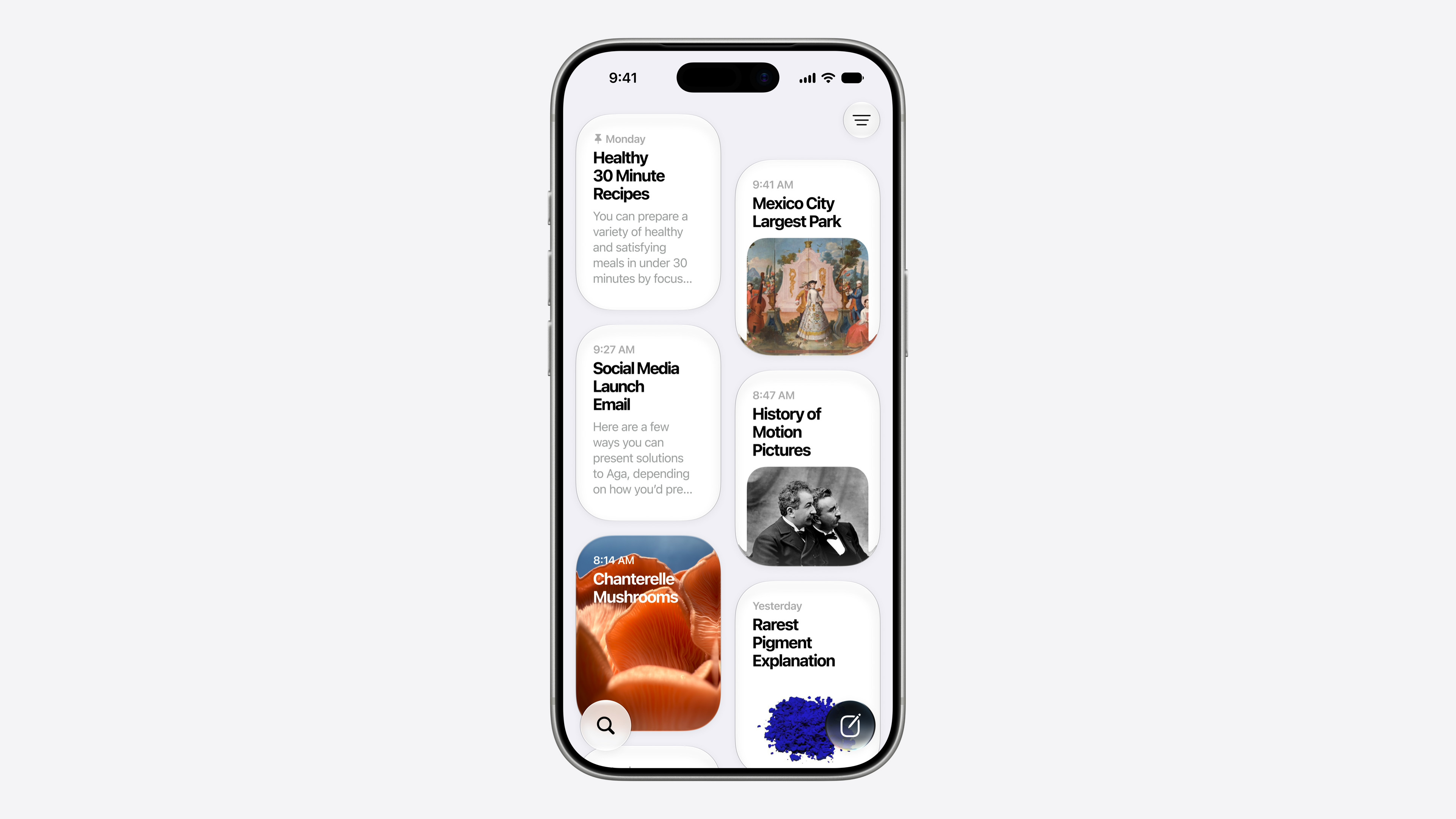
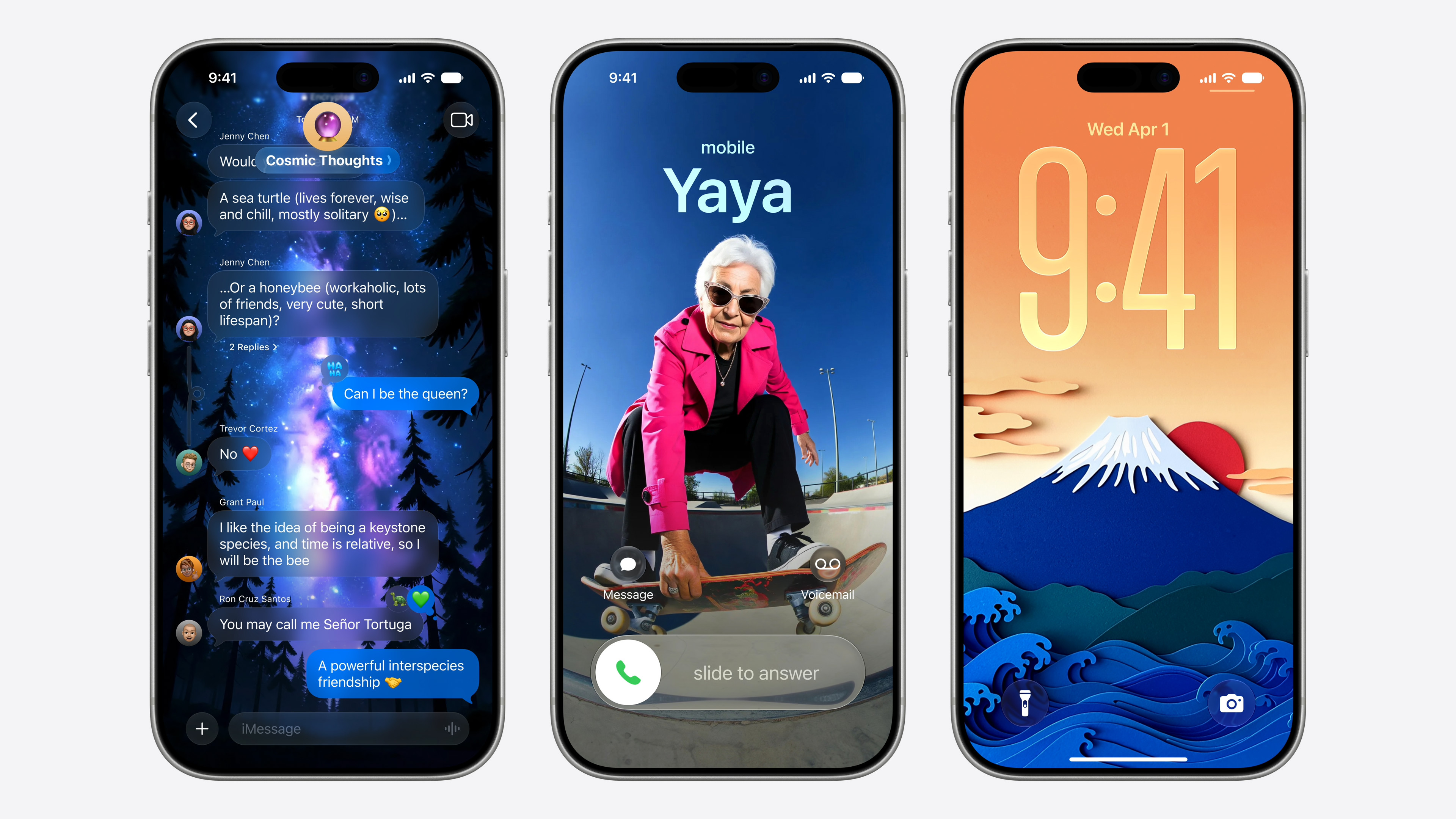
iOS 26 was primarily about Liquid Glass. Apple changed the appearance of buttons, panels, menus, system applications and other parts of the environment and it was practically impossible not to notice the update. Liquid Glass, of course, also continues to iOS 27, it's just no longer the main topic of the entire update. Apple it is gradually fine-tuning and modifying it, but it is not making another complete design turnaround a year after introducing one of the biggest changes in a long time.
And I think that's good. iOS It doesn't need to look completely different every year. It just needs to function better. Apple In addition, after switching to Liquid Glass, it has a lot of space to unify the individual parts of the system, improve readability, animations and interface behavior. The transition from iOS 26 na iOS 27 will therefore not be something like a transition from the old look to Liquid Glass. Visually, it is more of a continuation of the same generation. But while the look remains familiar, a much bigger change is happening around Siri a Apple IntelligenceAnd this is where the difference between the two systems begins to become more significant.
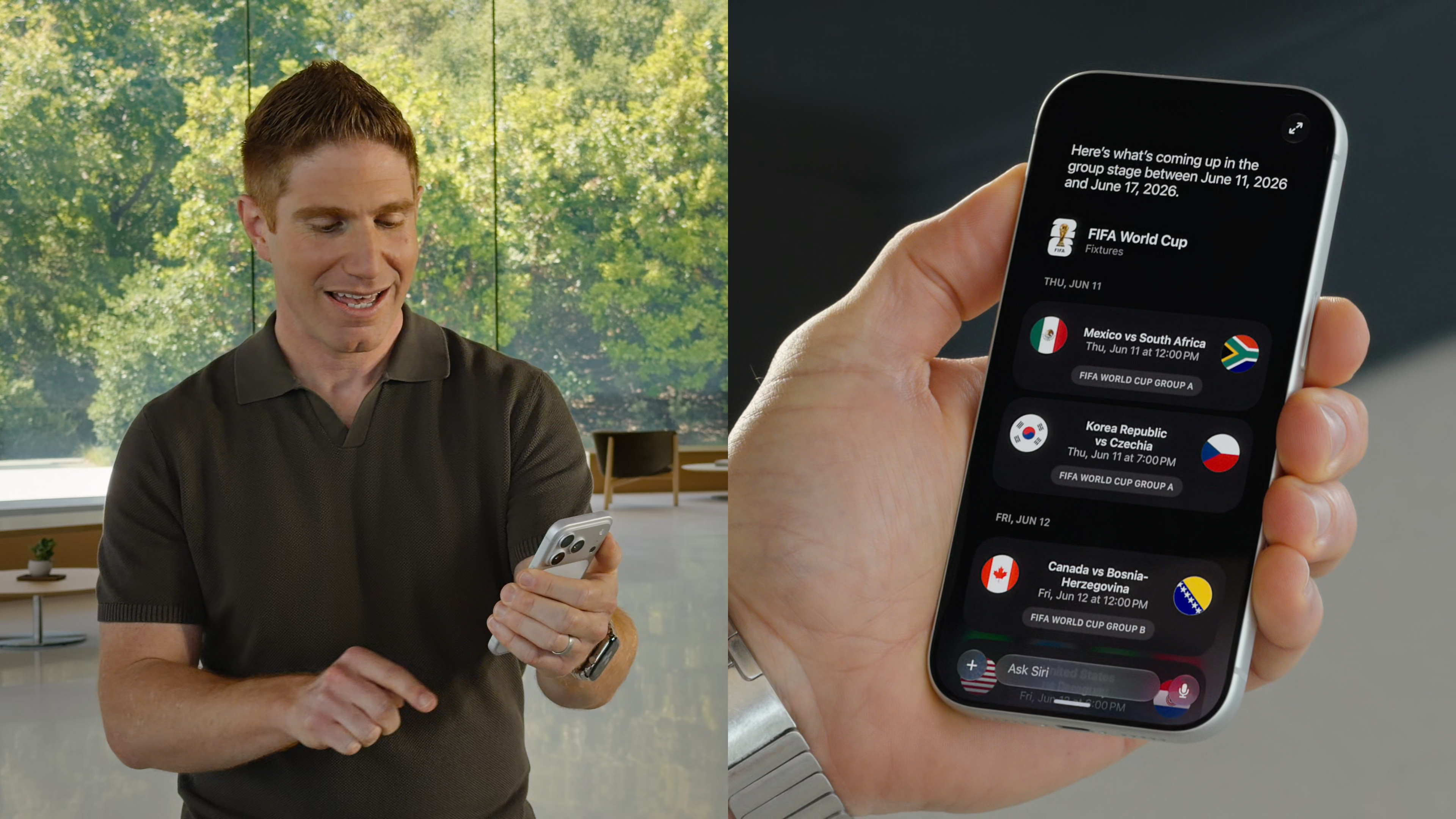
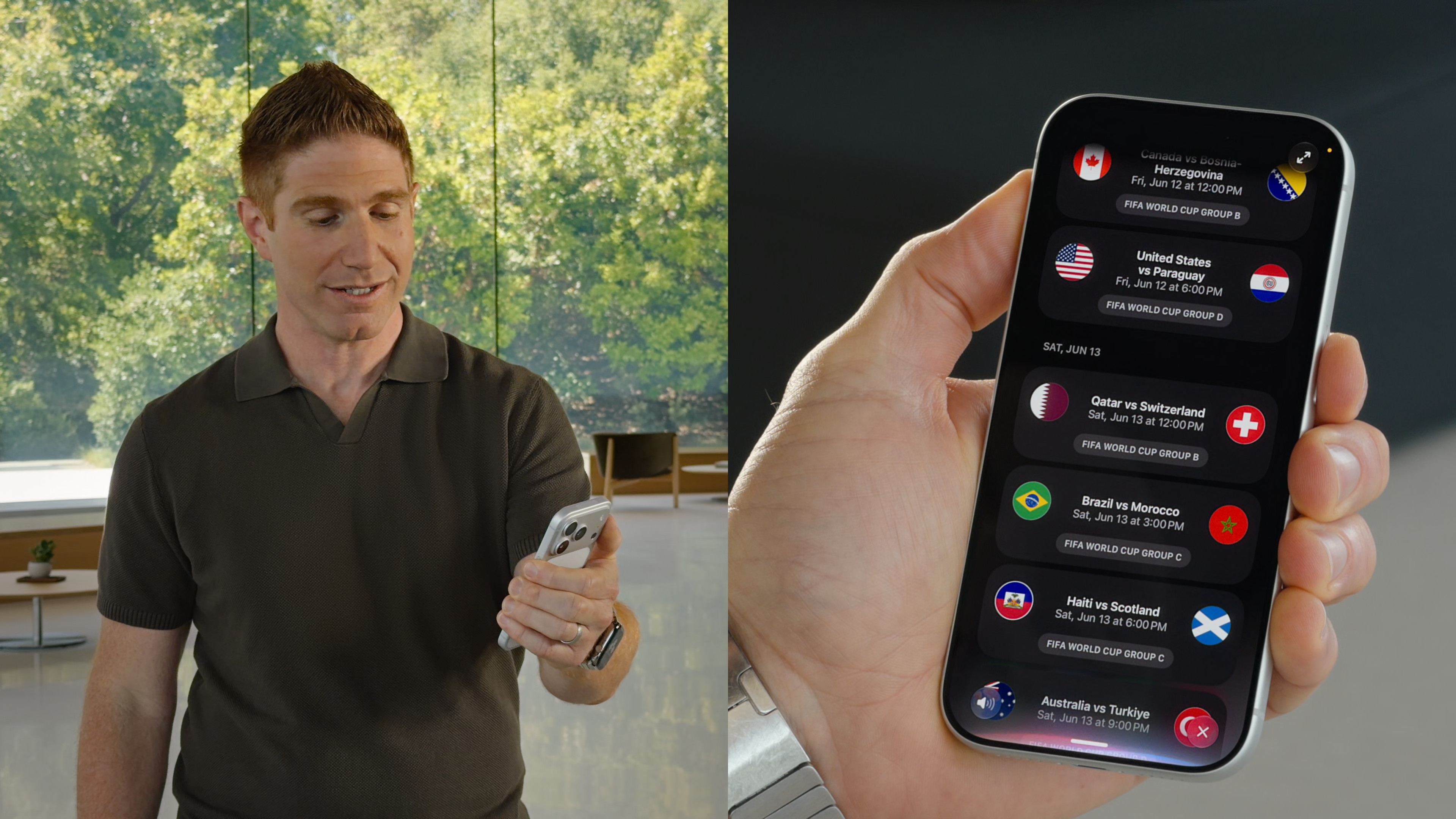
O Siri The same can be said for many years. It works well for setting an alarm, starting music, calling a contact, or making a simple query, but the moment you ask it something more complex, you very quickly run into its limits. ChatGPT, Gemini and other modern AI assistants have further accentuated this difference. Apple therefore at iOS 27 needs to show that Siri it can be more than just a voice remote control for your phone.
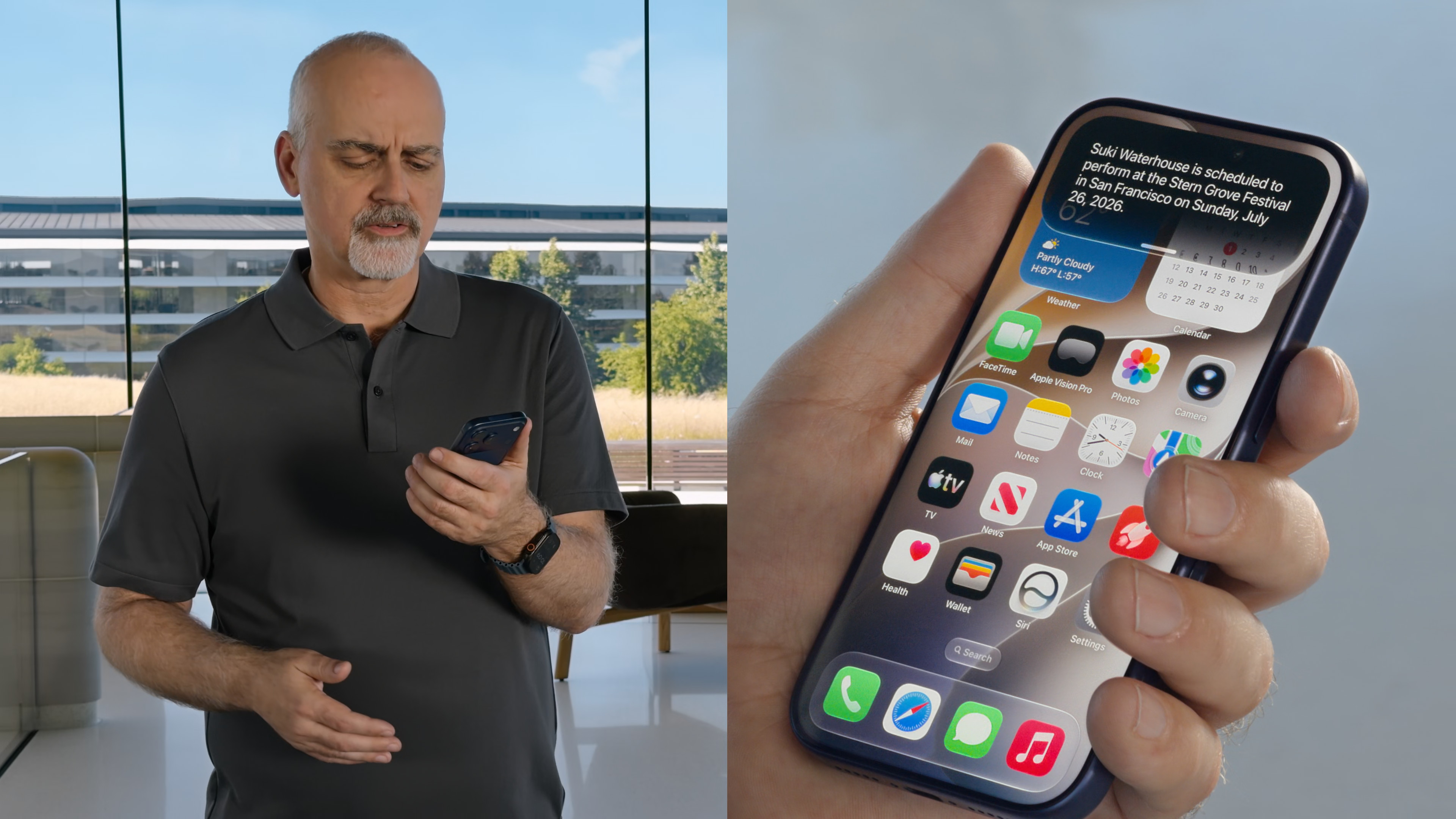
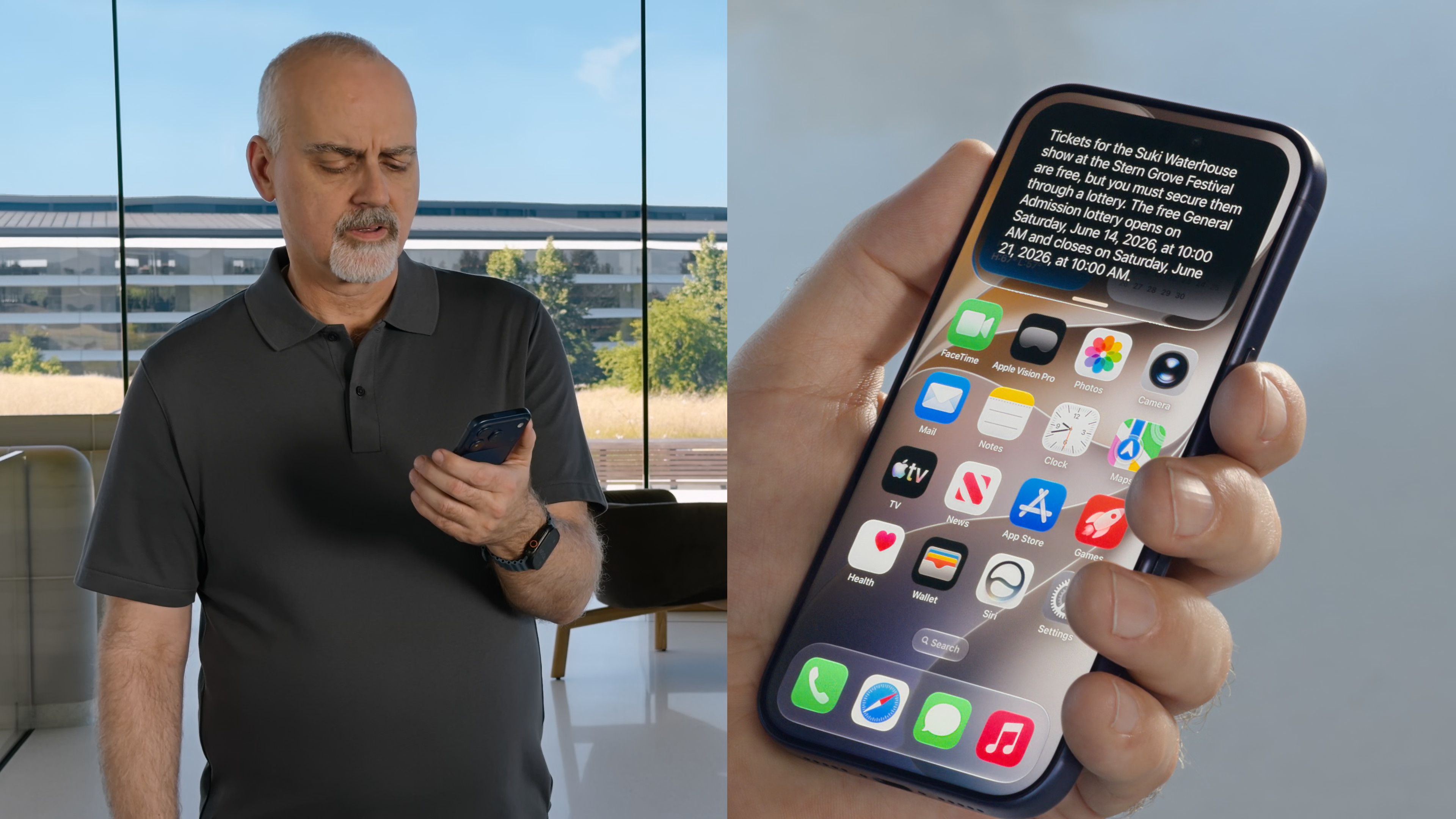
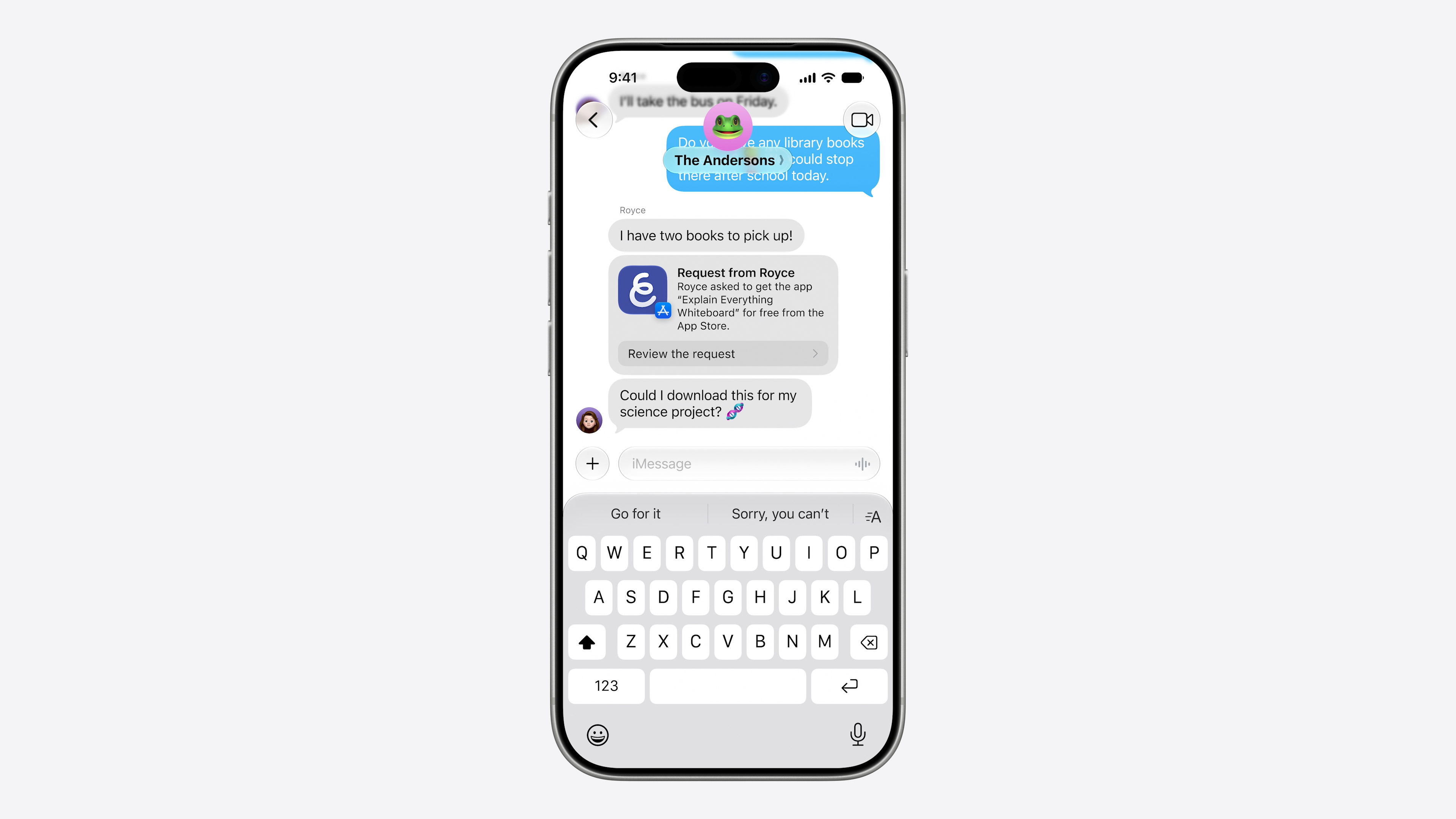
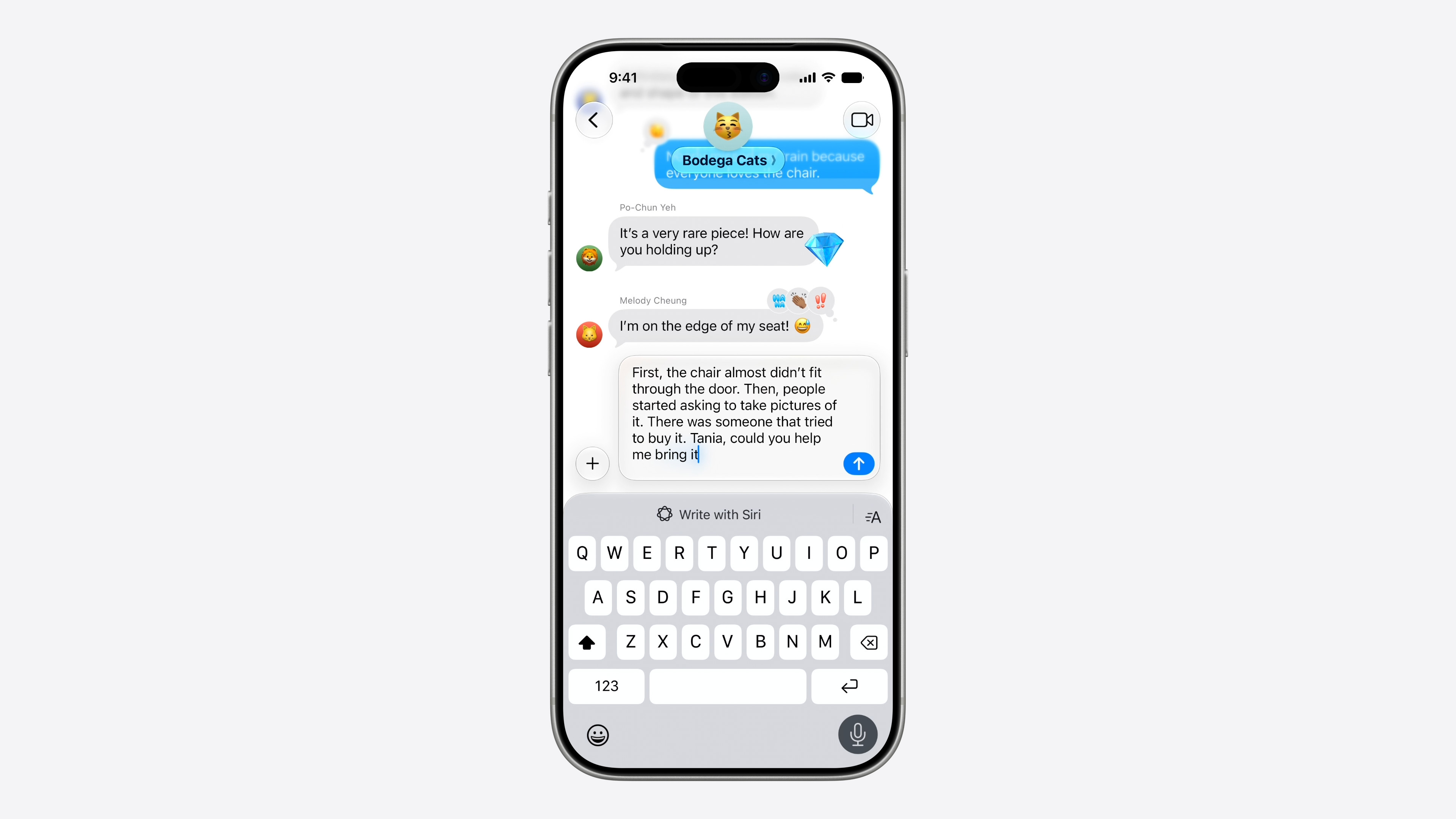
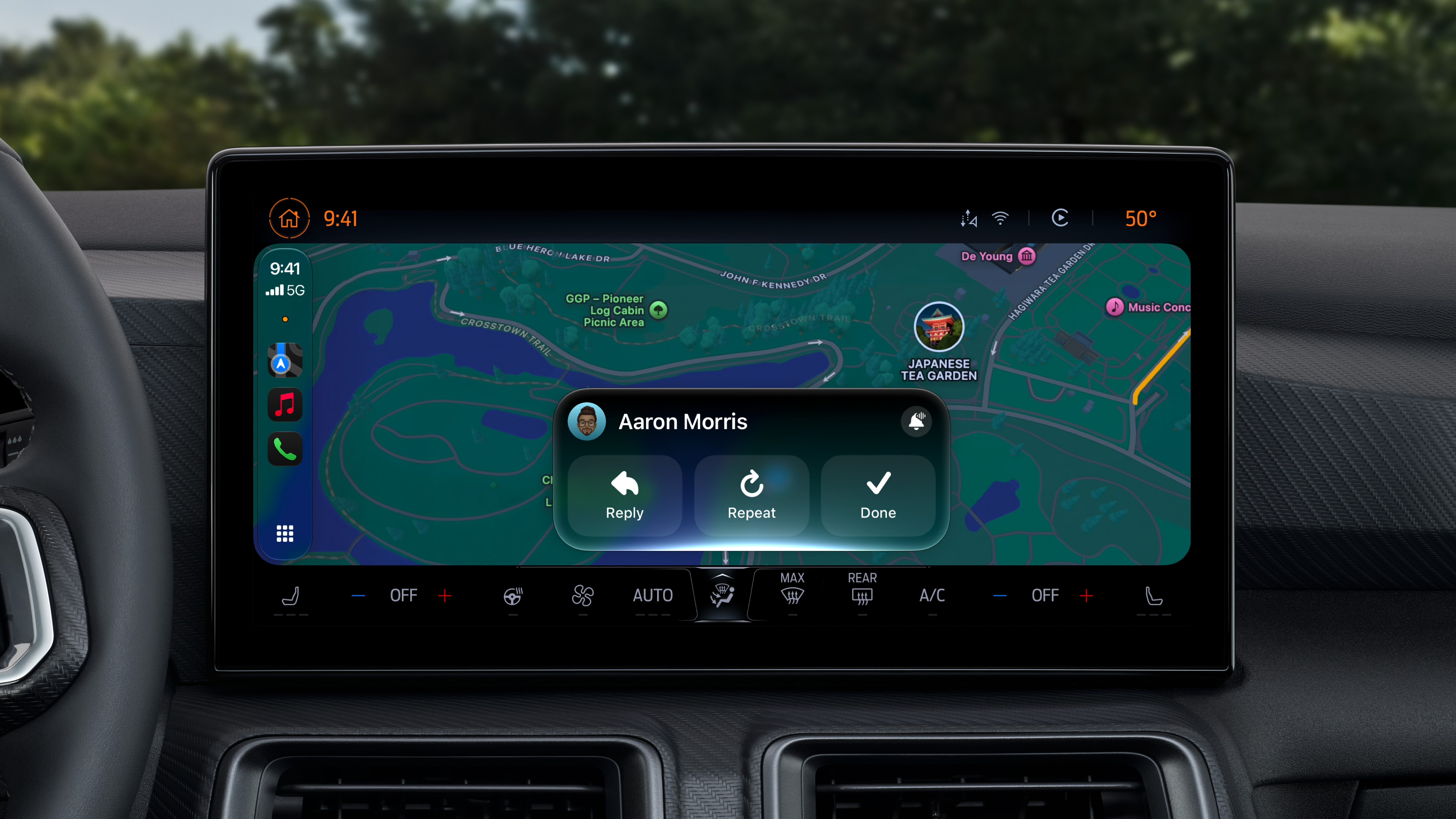
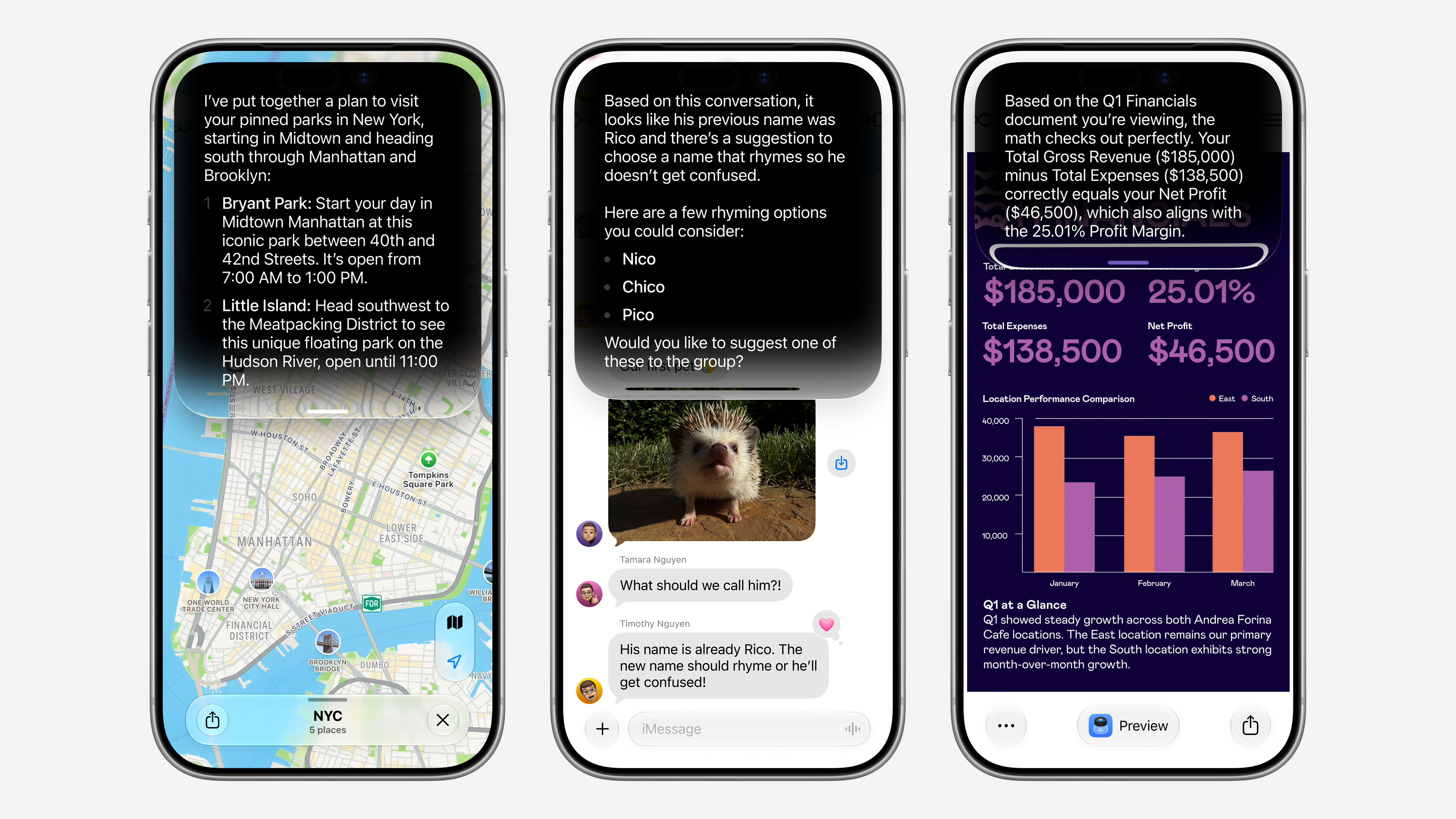
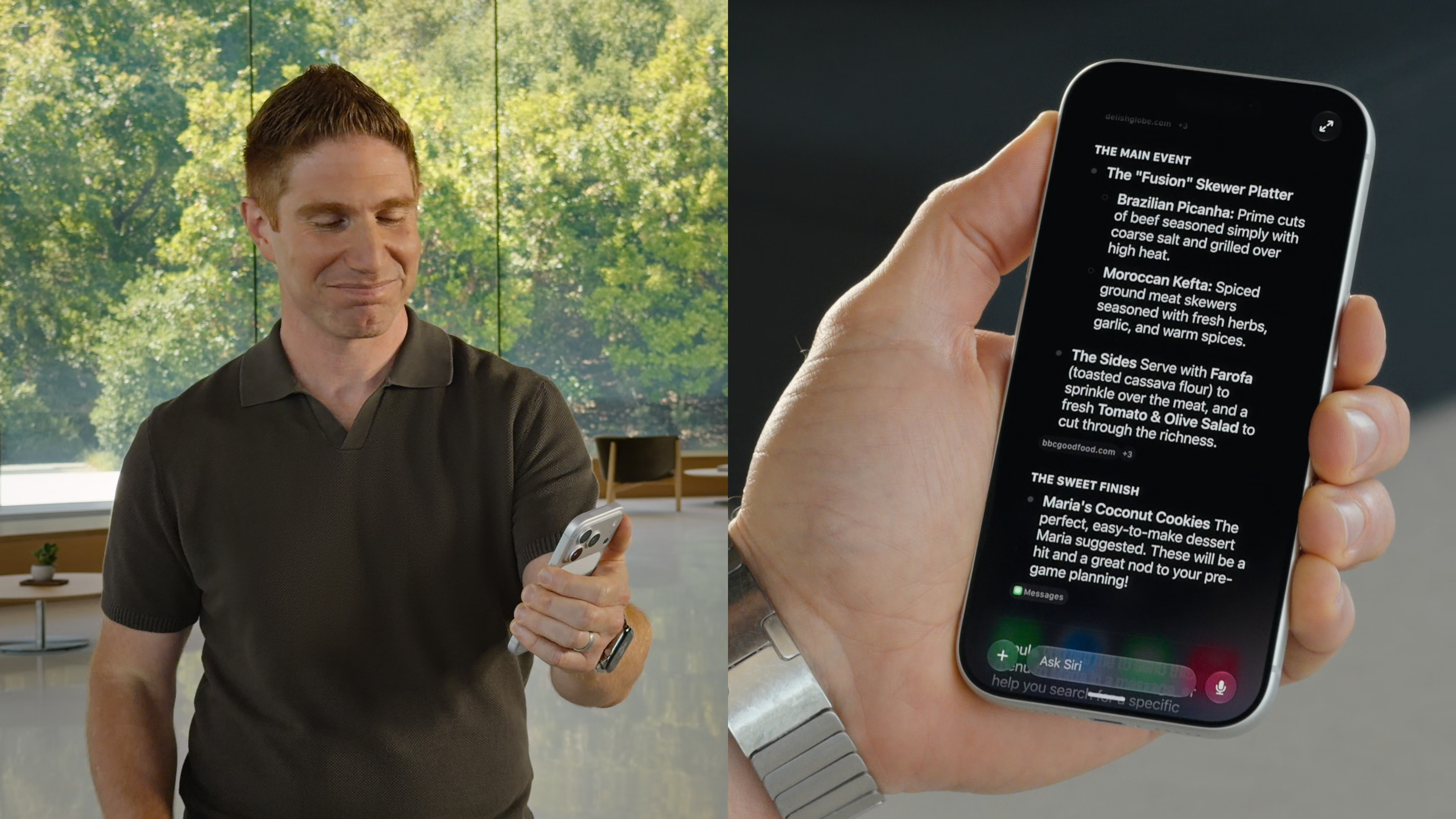
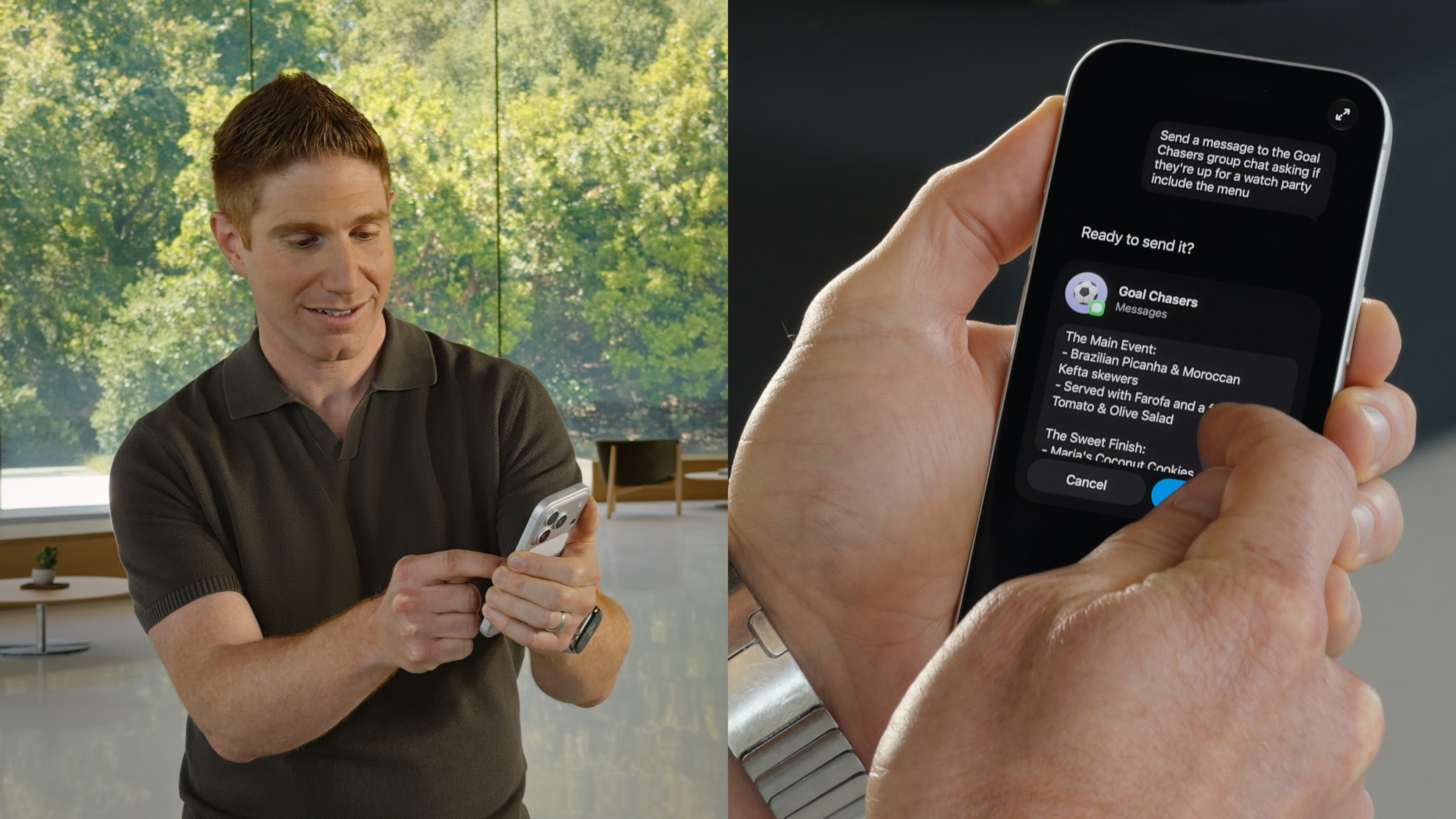
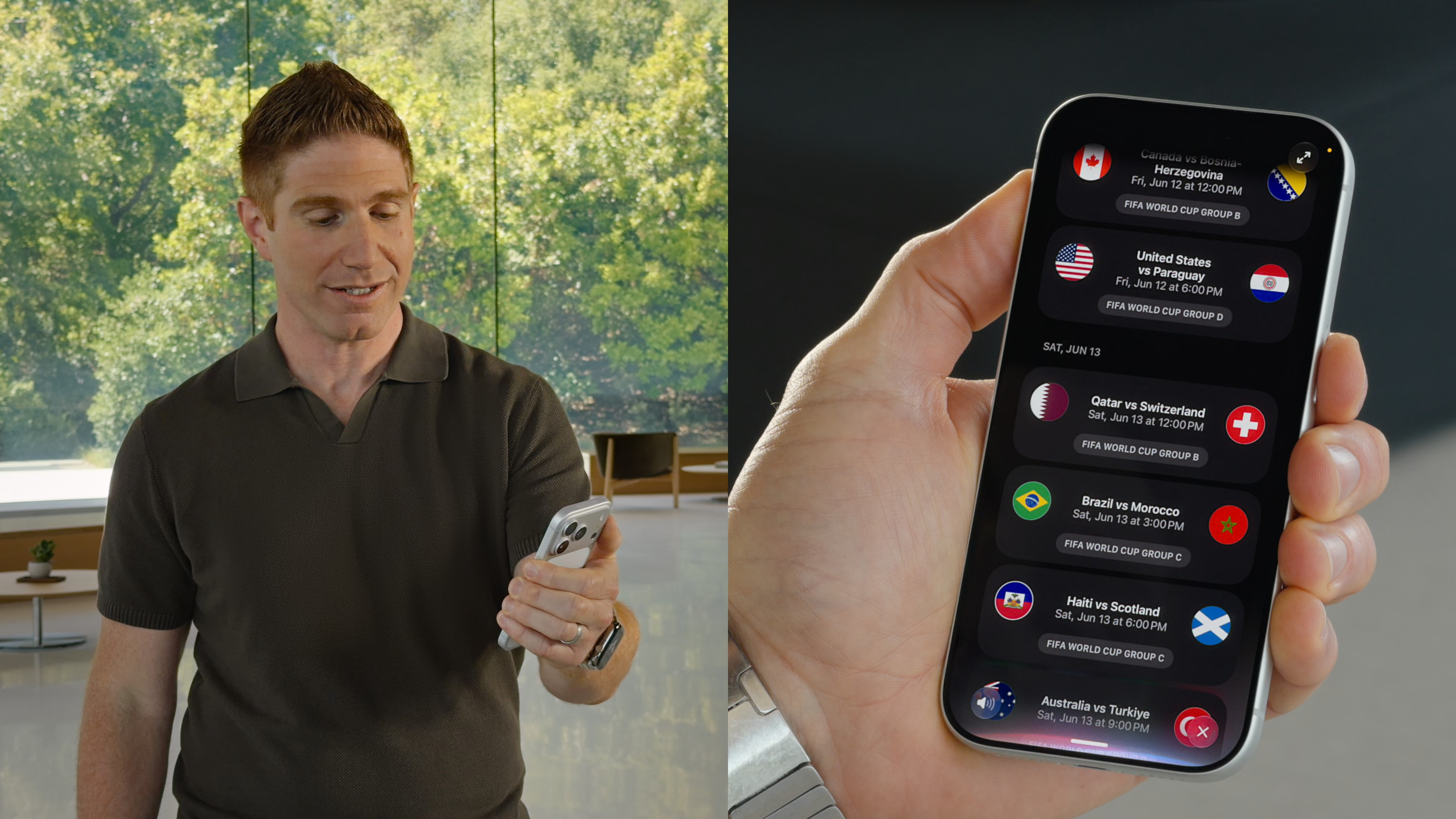
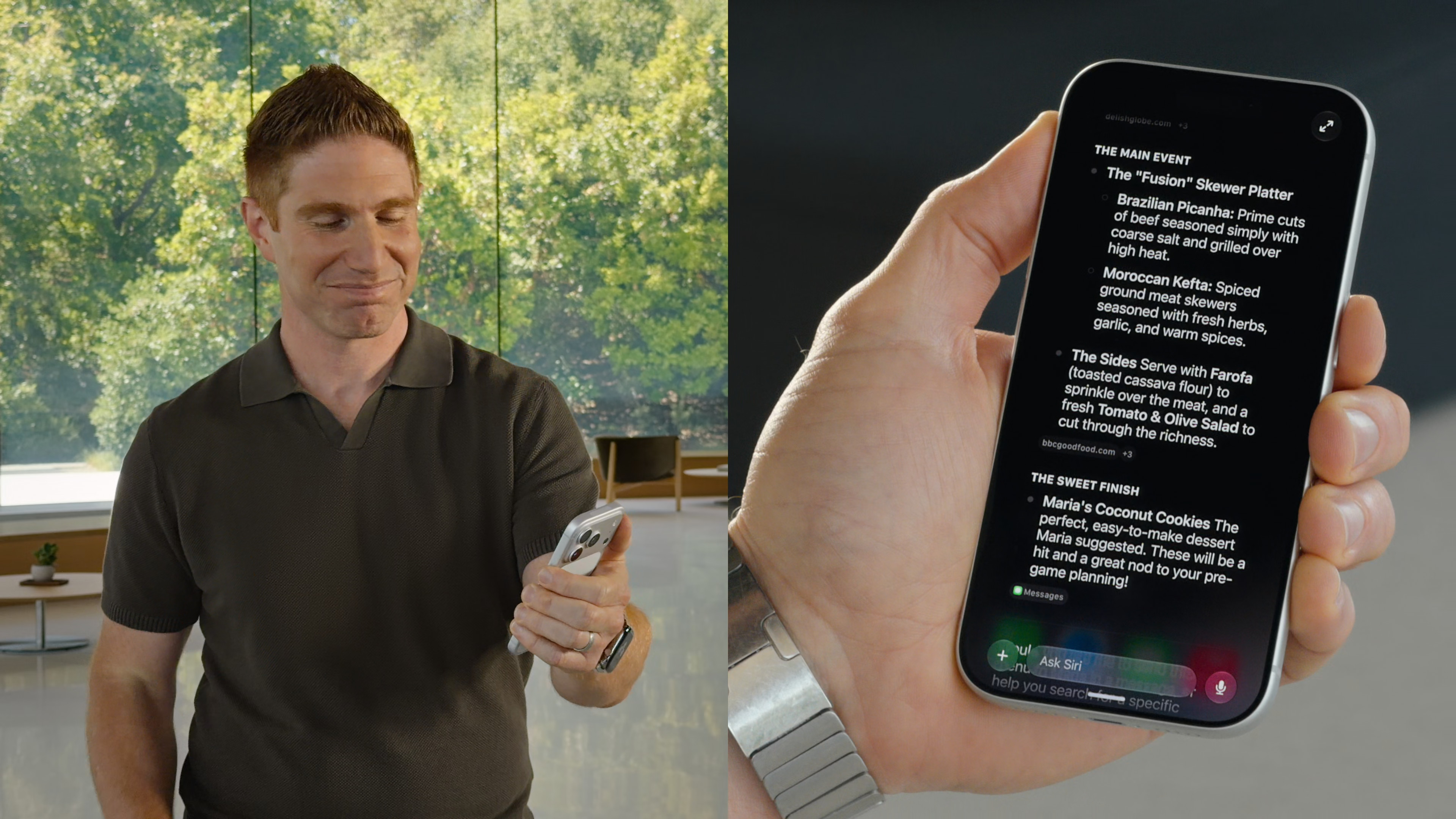
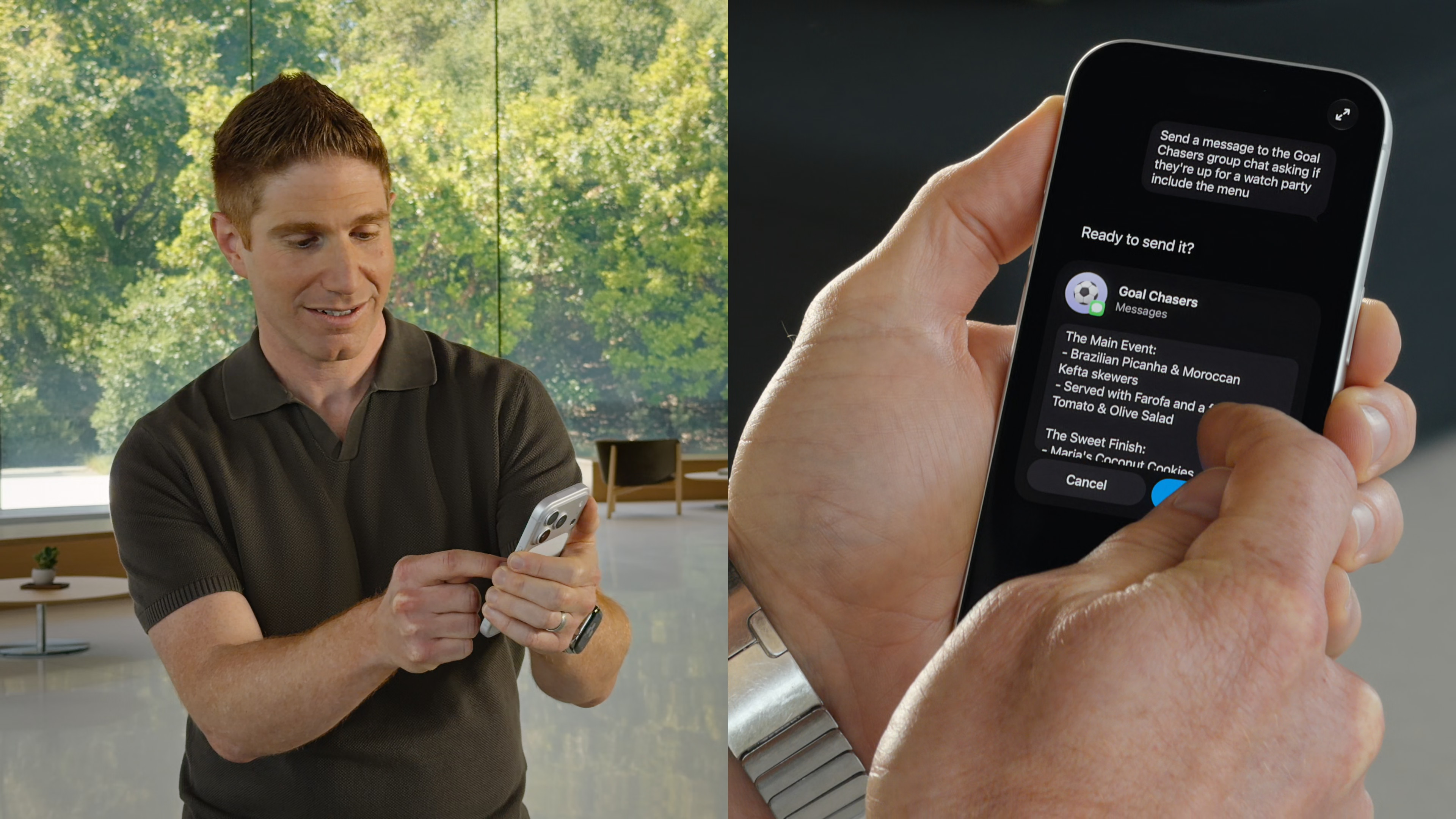
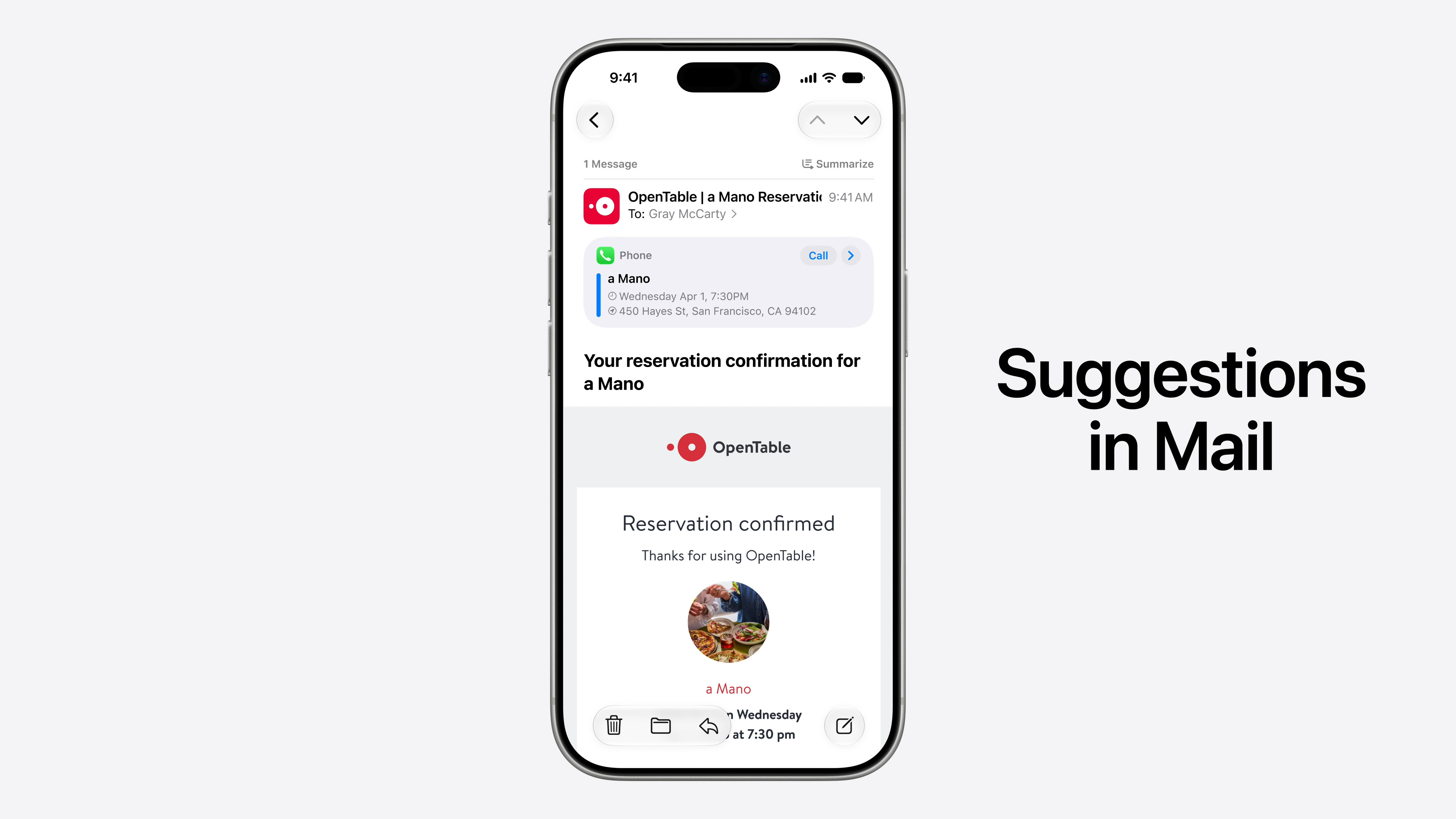
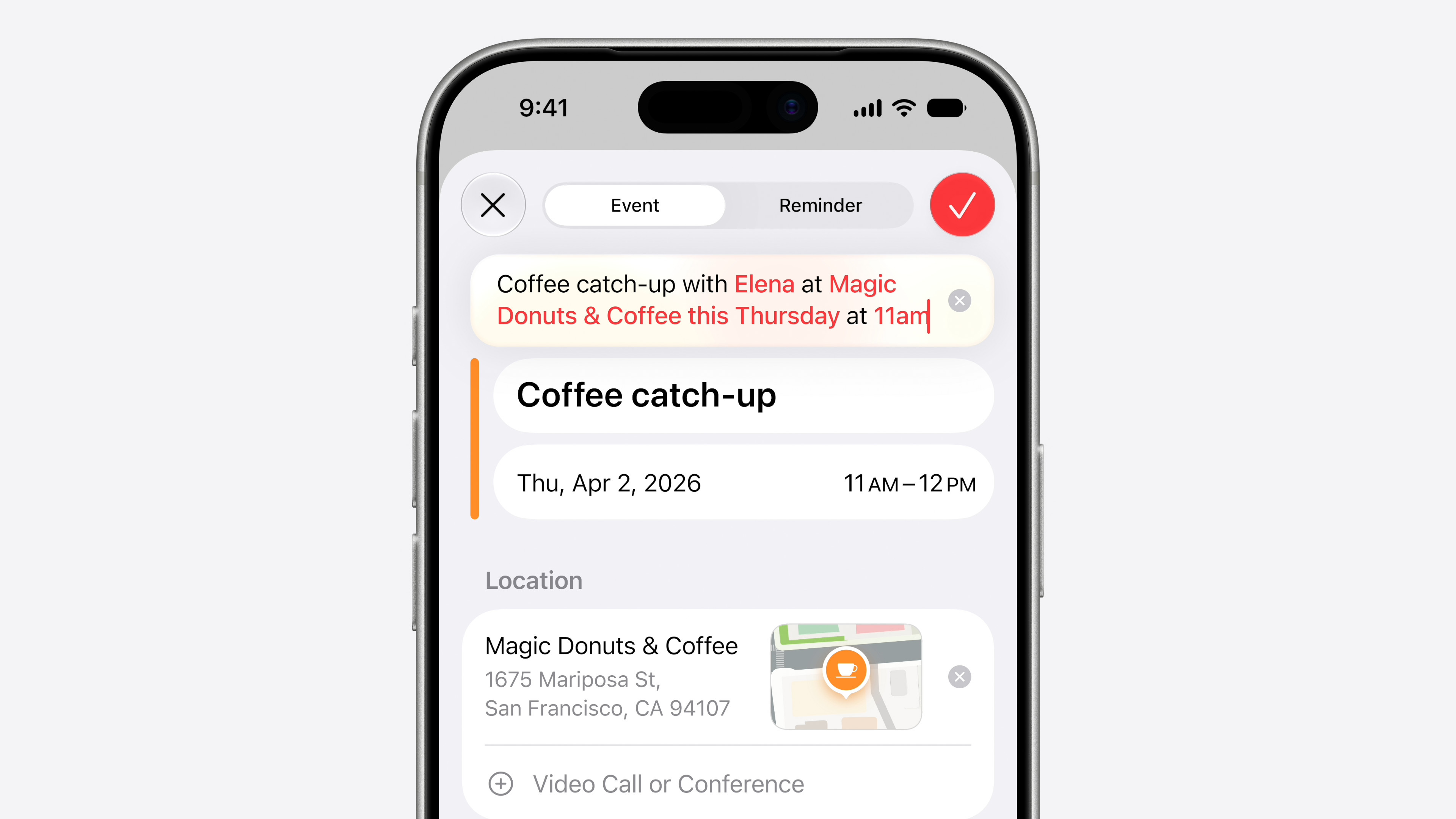
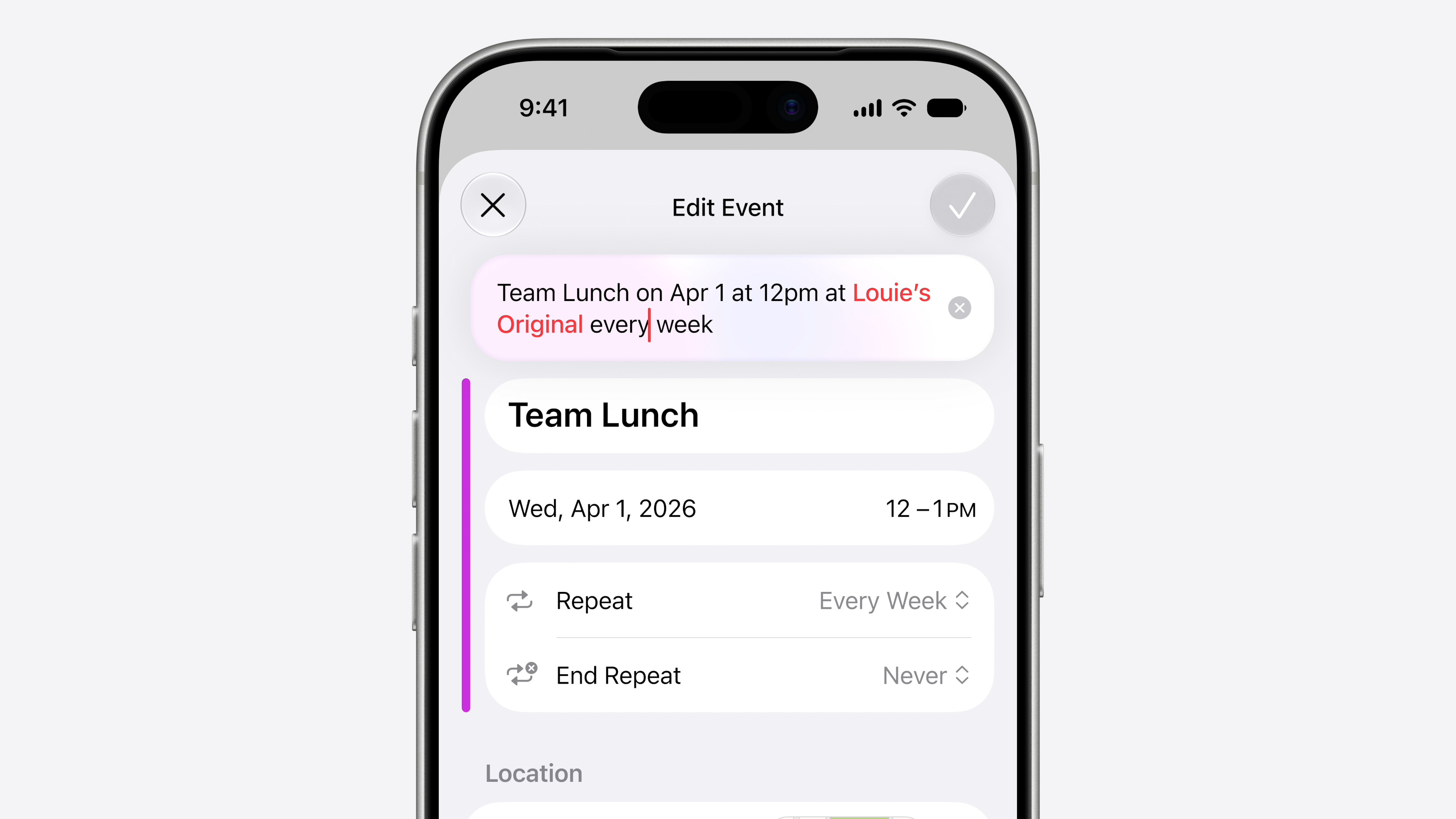
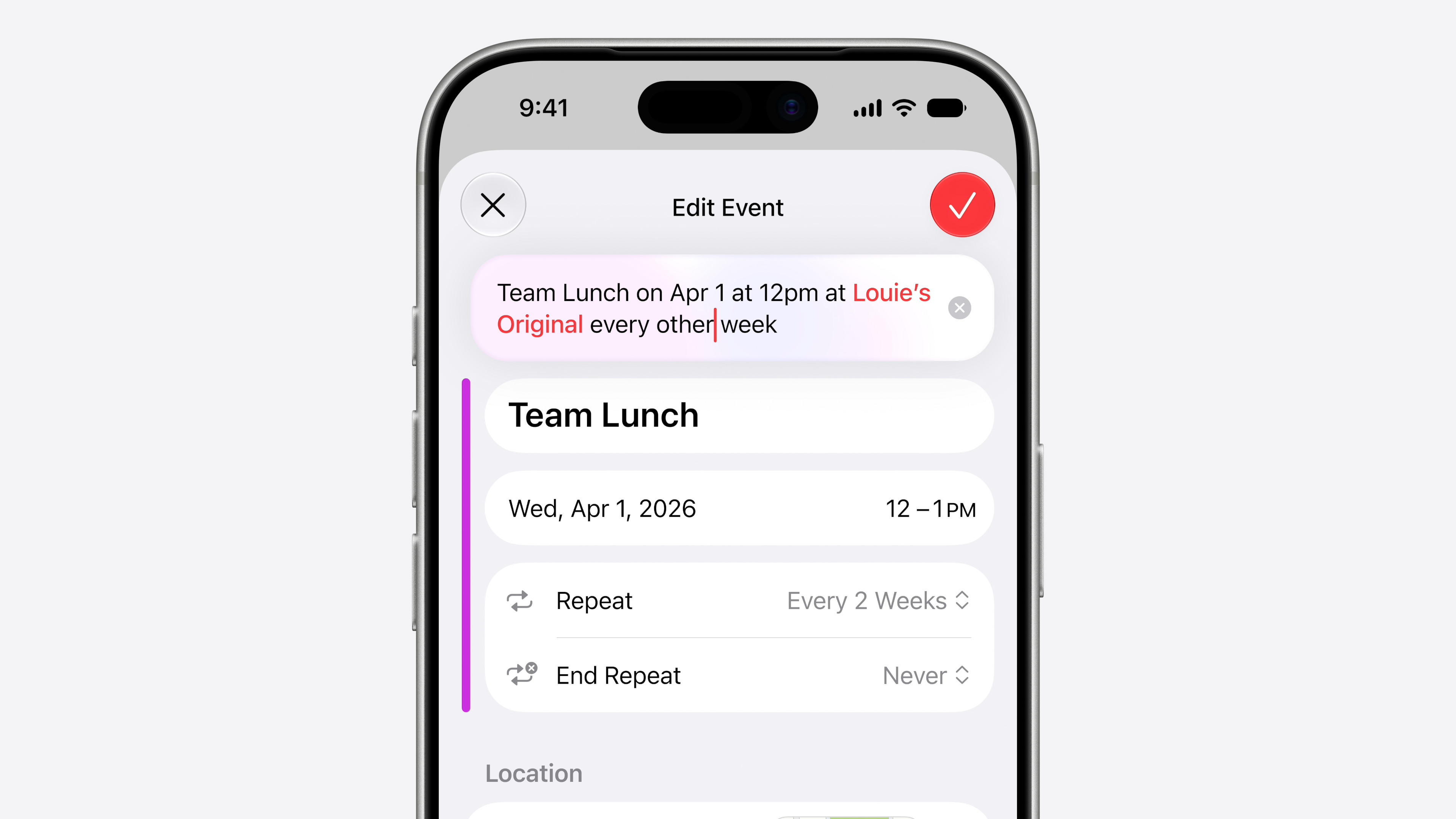
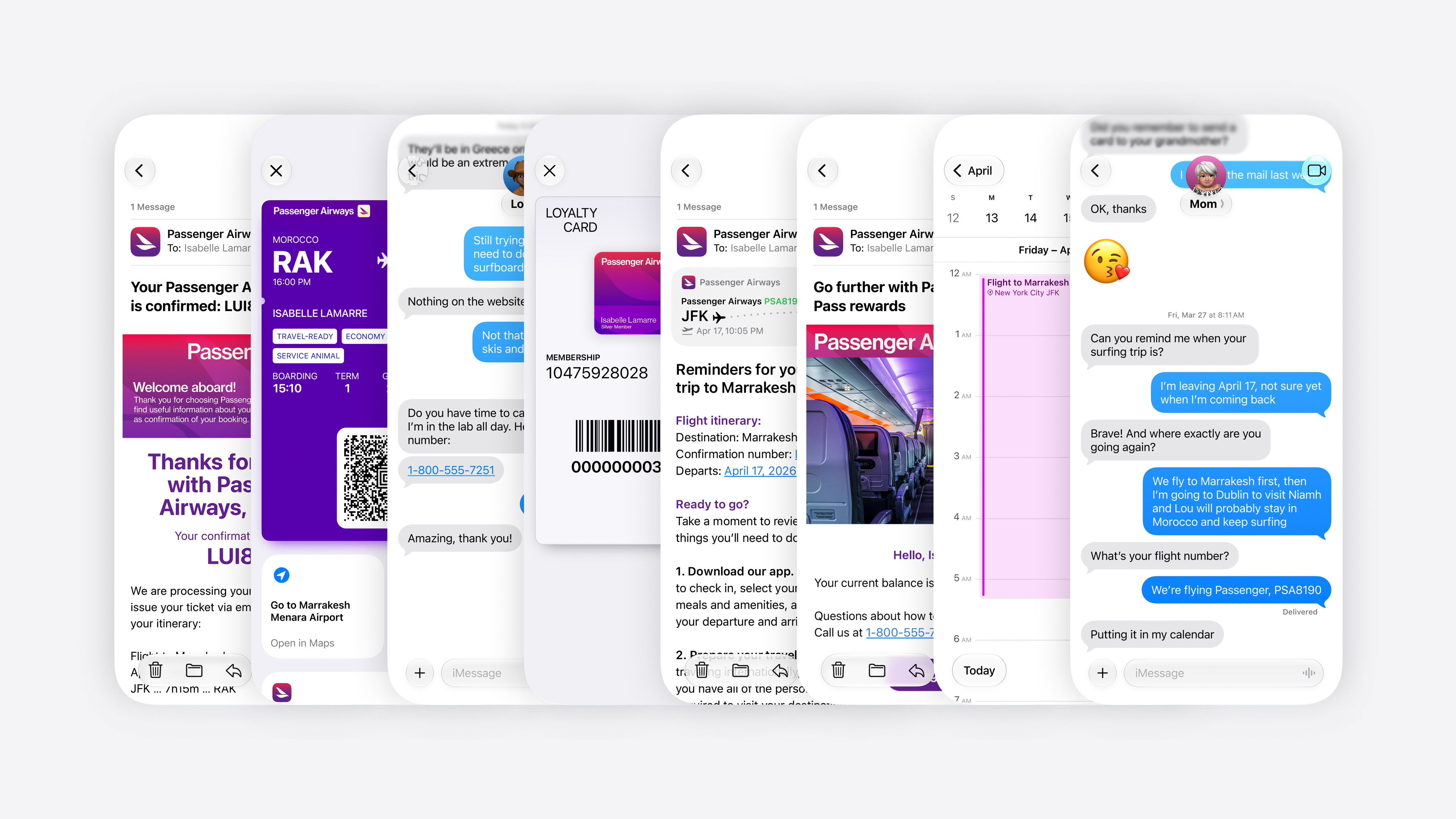
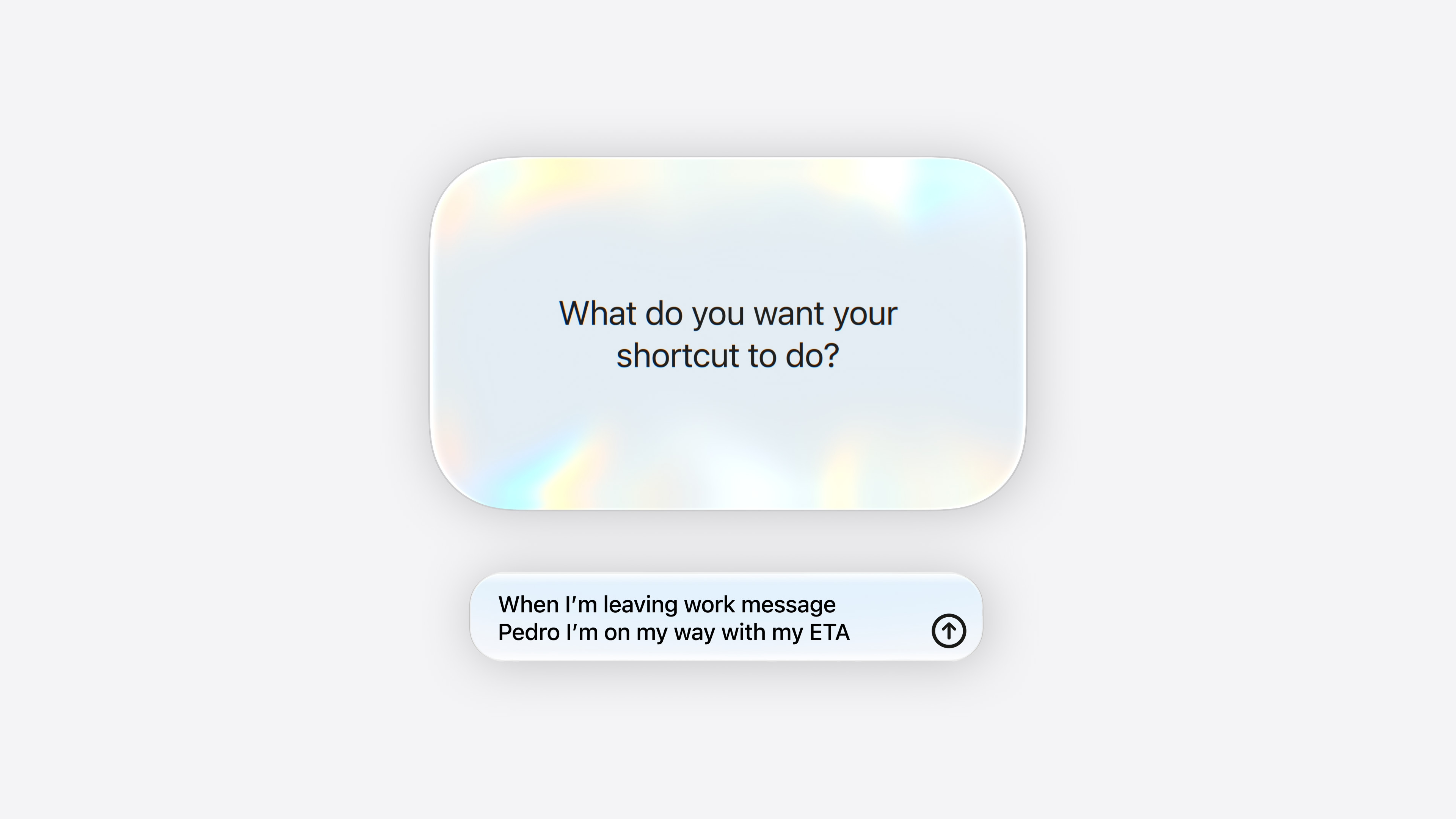
New generation Siri should better understand natural language, handle follow-up questions and, most importantly, work with context. The last point is important. Today, the phone already contains a huge amount of information about our daily lives – photos, messages, emails, notes, calendar events or documents. A modern assistant should not require you to know exactly in which application the information you are looking for is located. For example, imagine that you know that someone sent you information about a reservation a few weeks ago, but you have no idea whether it was in Mail or Messages. The point of the new Siri is the ability to understand a similar request, work with personal context, and find the information you need. This is a much more important change than another graphical effect in the system, because if it works well, it can really change the way you use the iPhone.
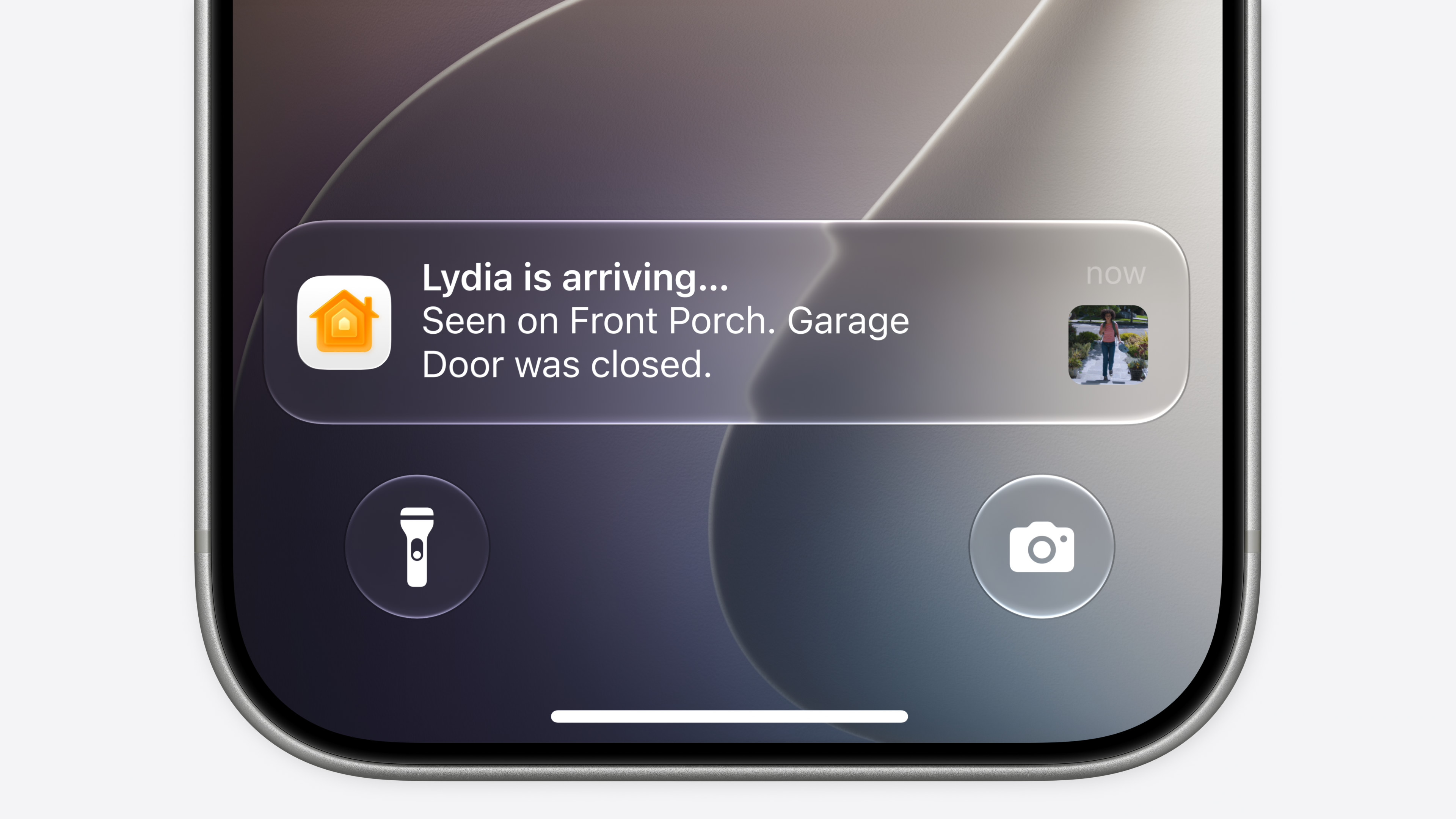
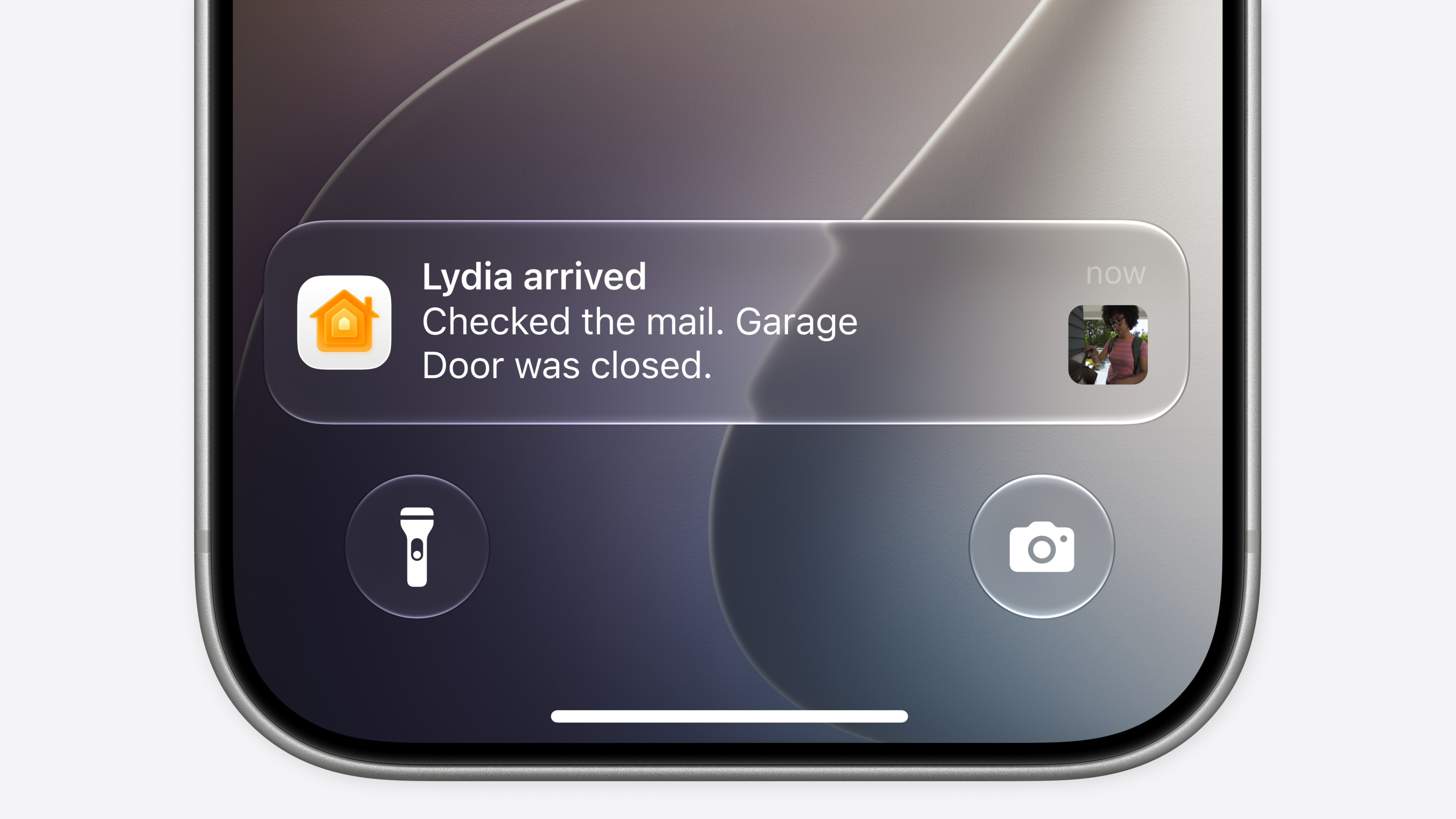
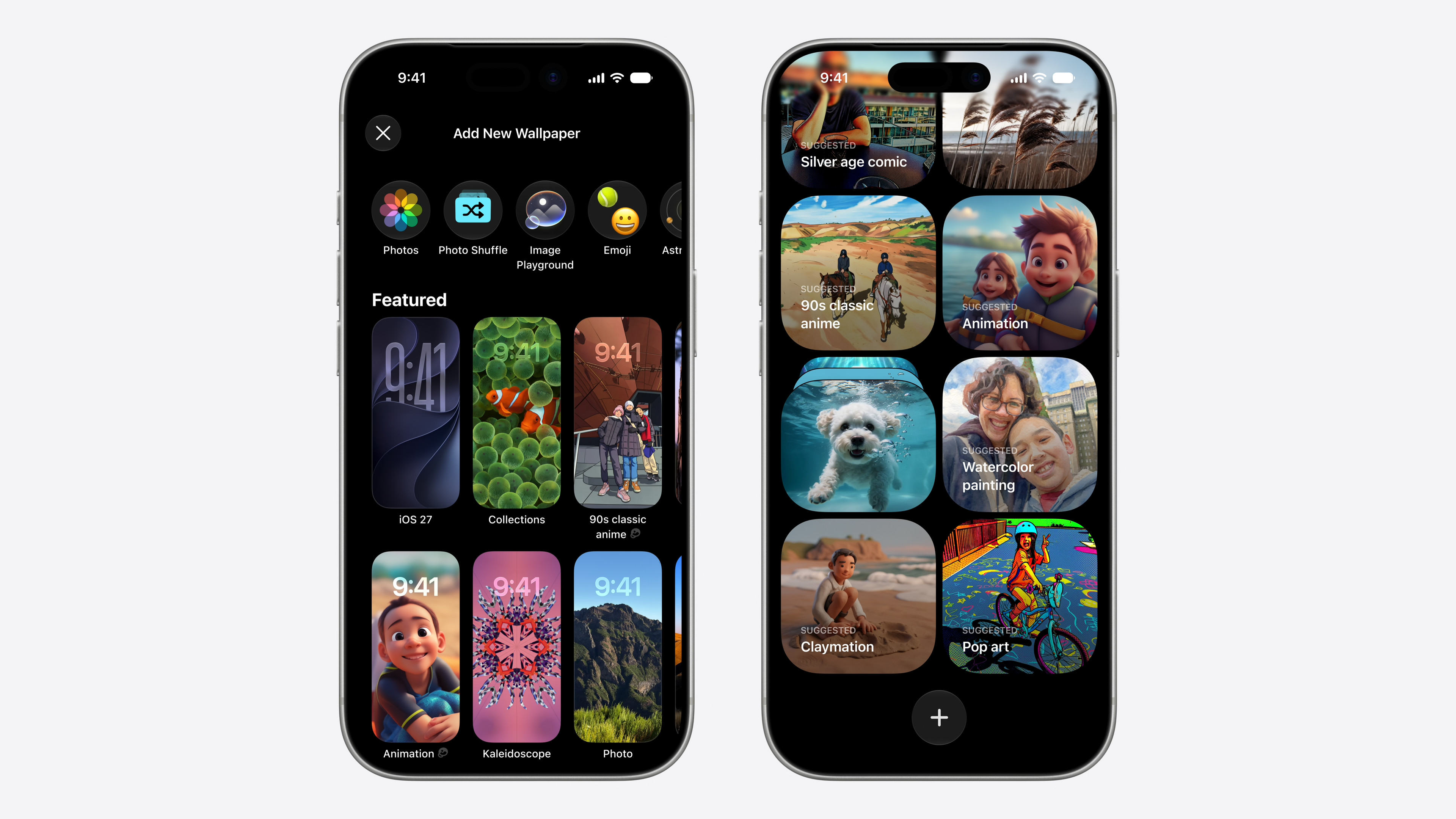
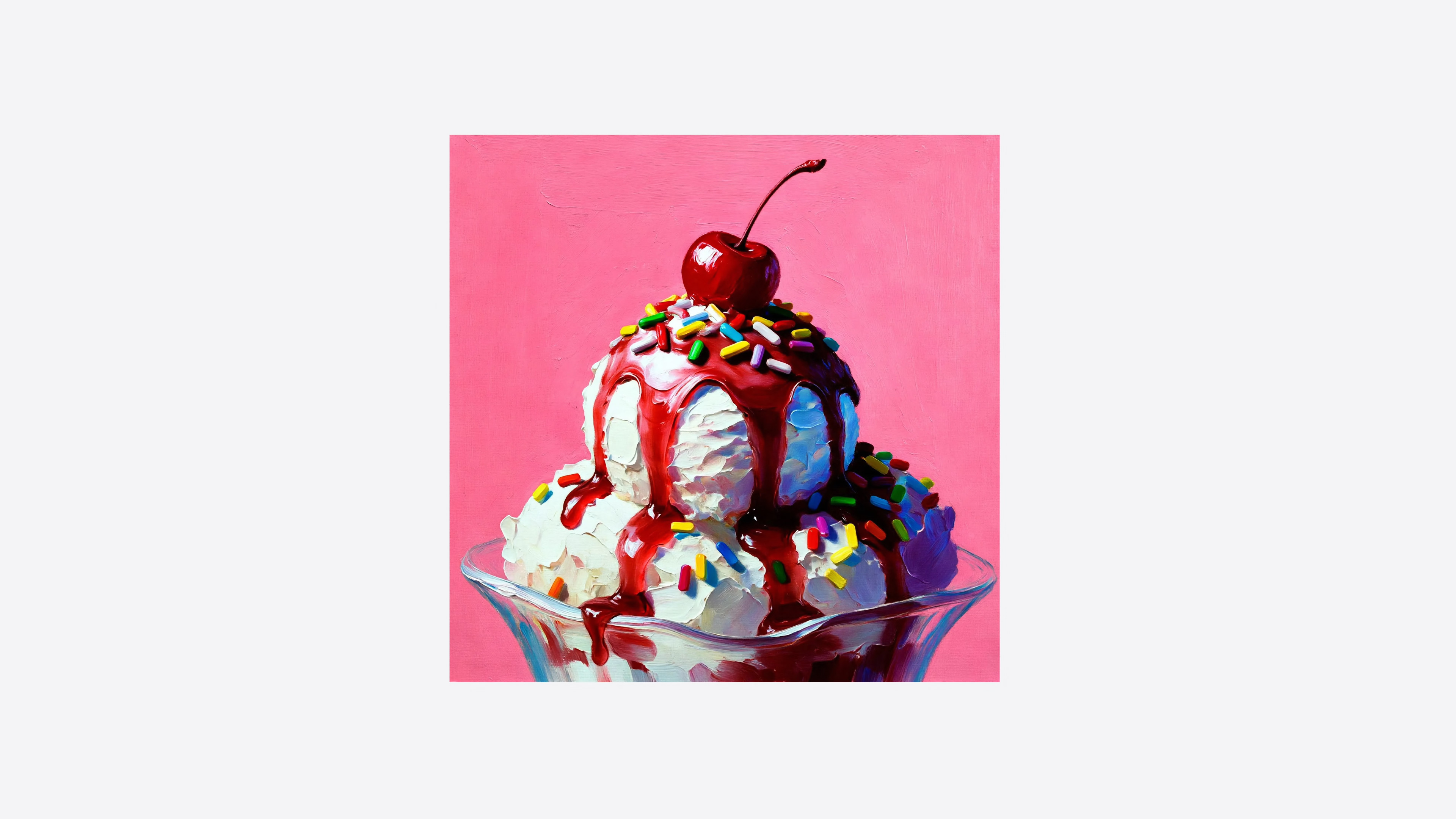
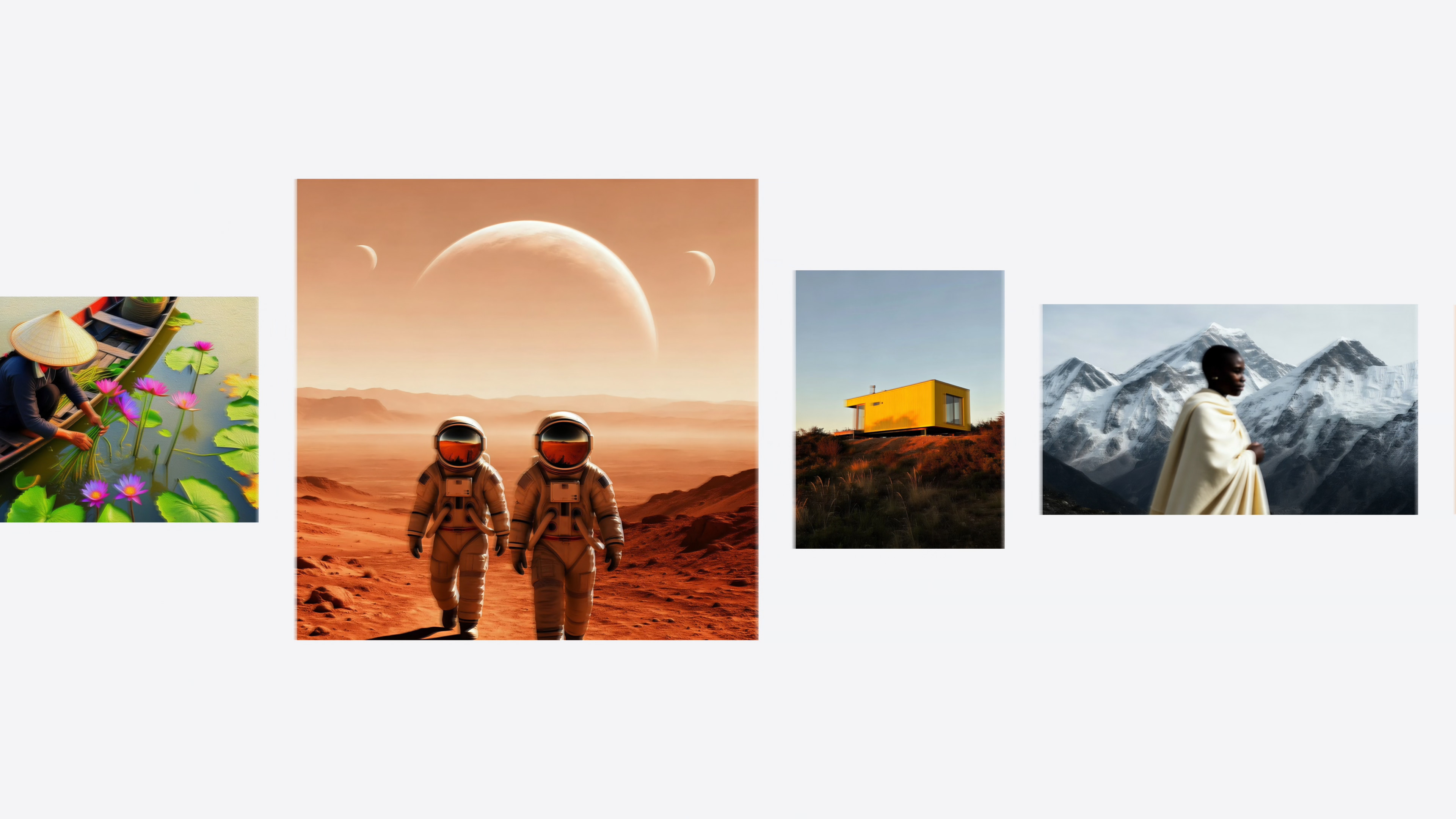
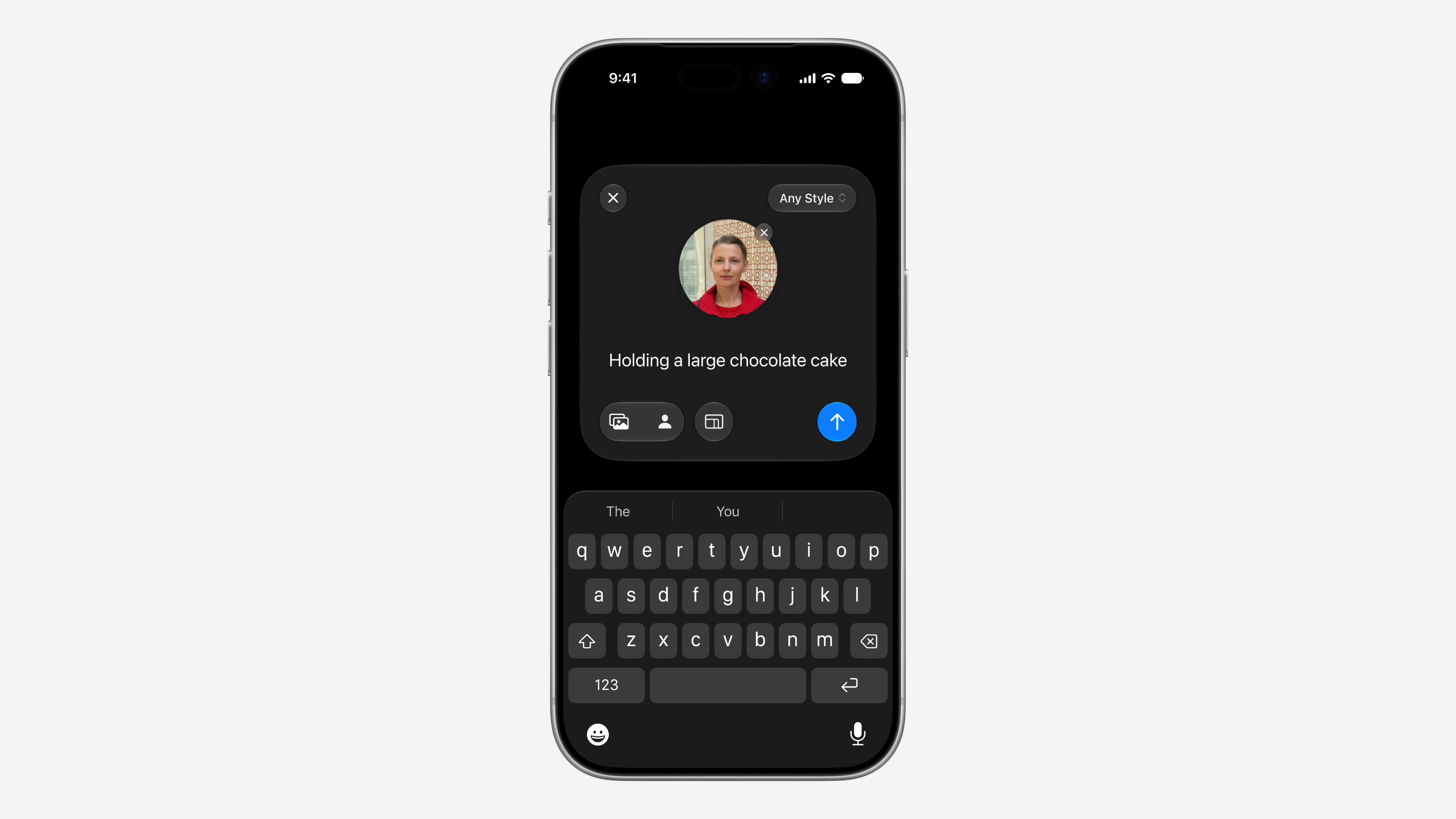
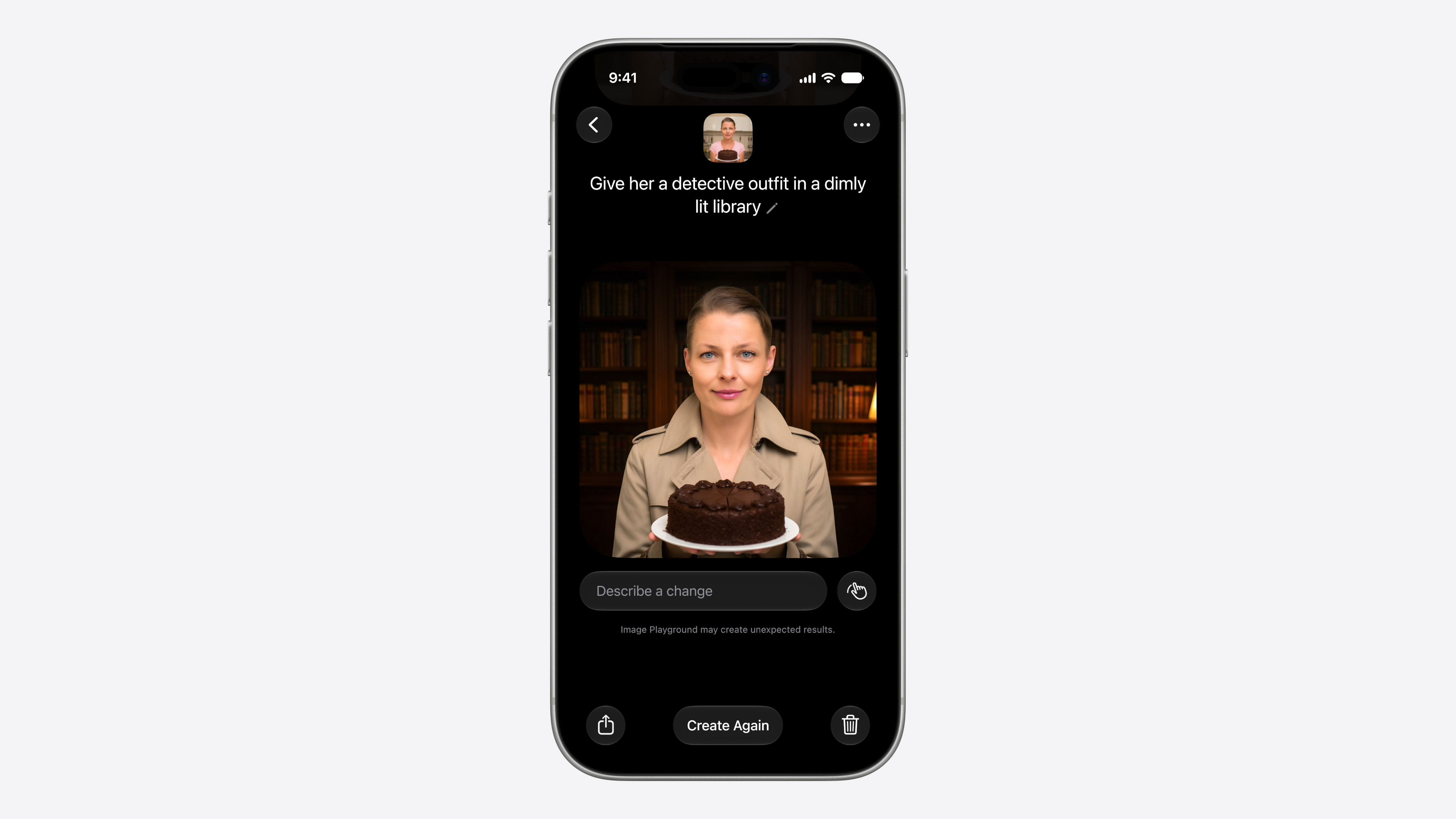
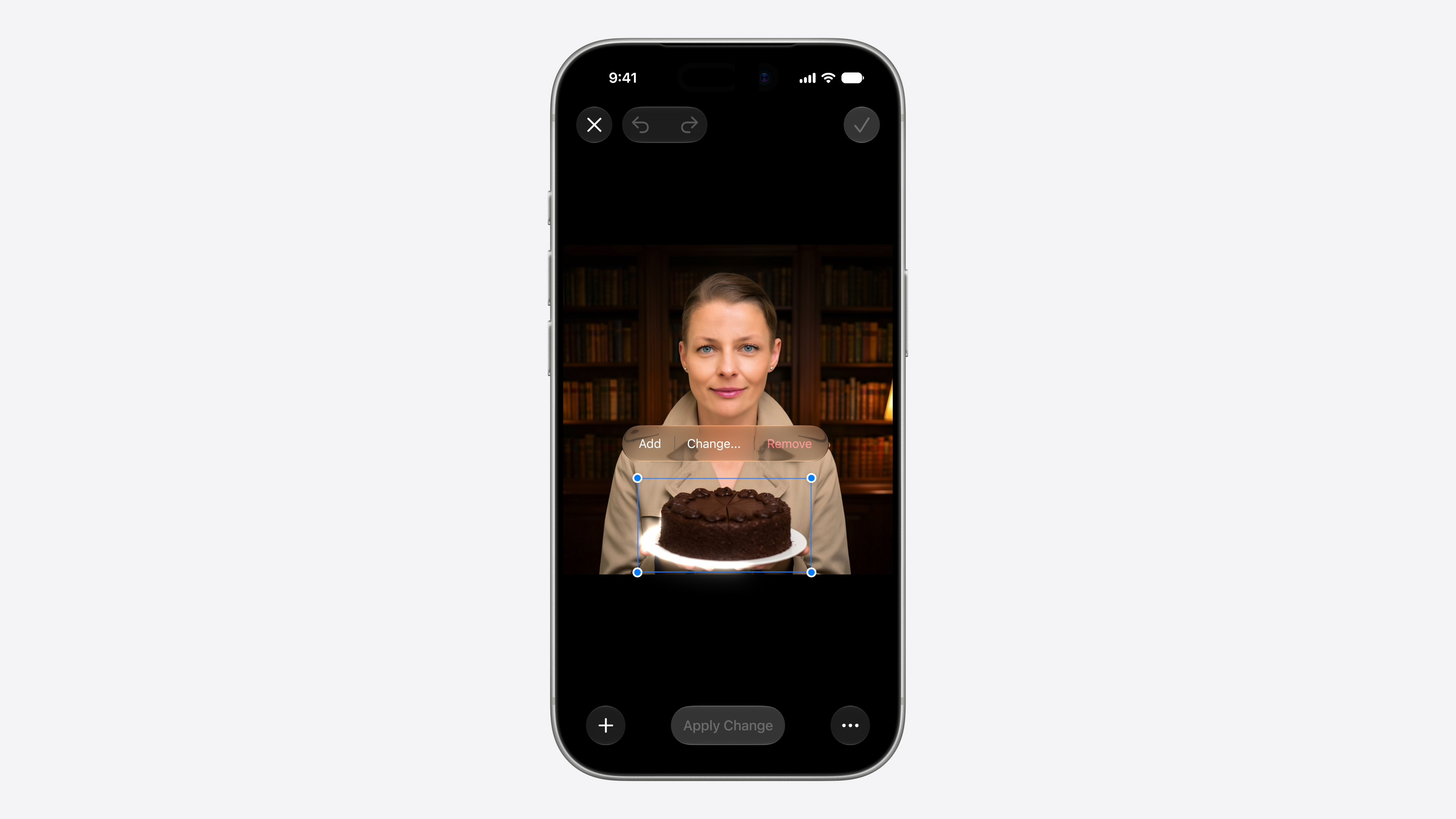
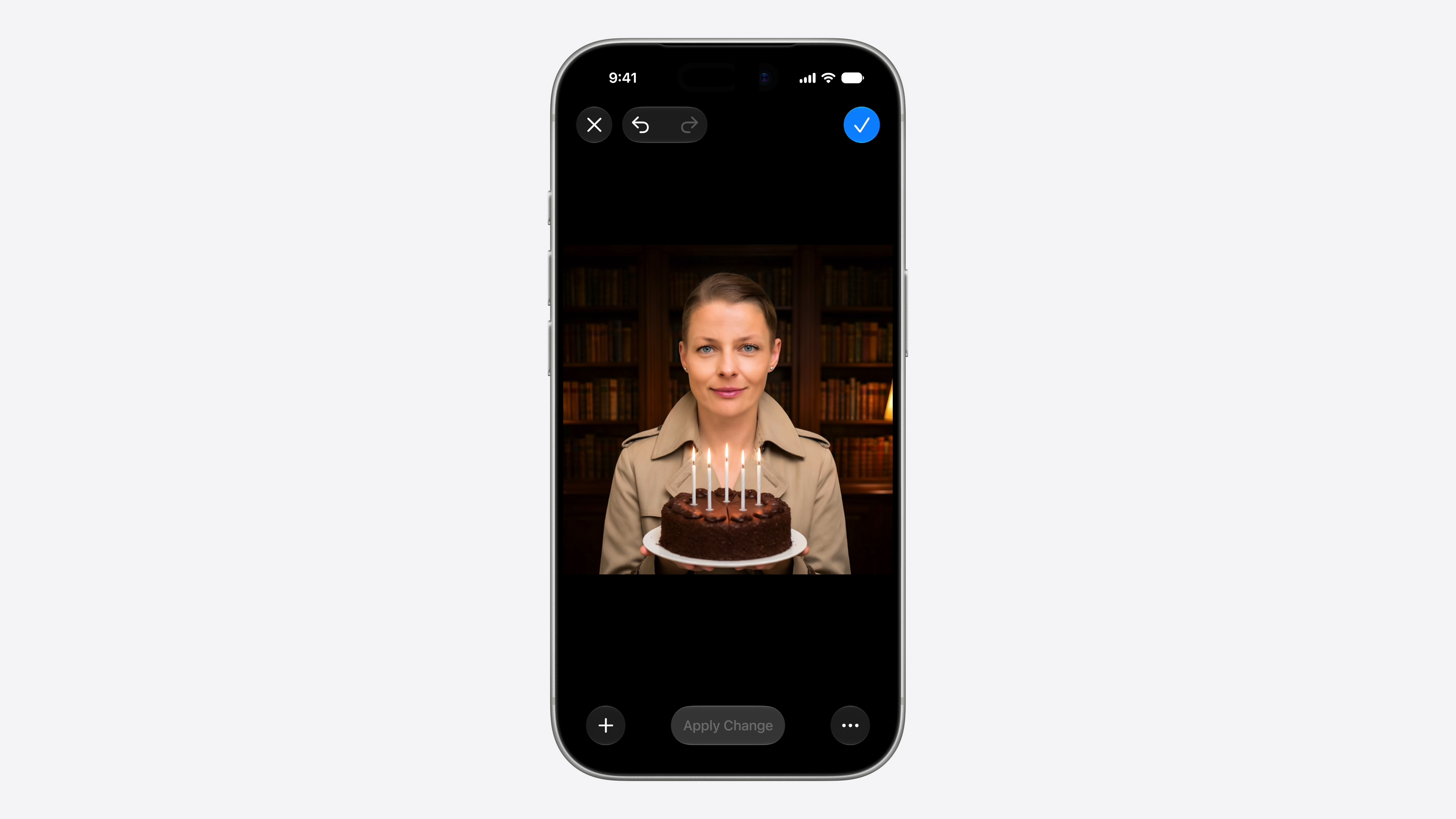
It would be inaccurate to say that iOS 26 was a system without artificial intelligence and iOS 27 brings it at once. Apple Intelligence is part of the previous generation and Apple It already offers, for example, working with text, Genmoji, Image Playground, Visual Intelligence or other functions using generative models. The difference is more in how deeply AI should be integrated into the system. U iOS 26, a number of AI functions act as individual tools. Some create an image, some edit text, some help recognize content. iOS 27 is trying to connect these capabilities more around an assistant that understands what you are doing. If AppIf it manages to deliver on its promises, the biggest change won't be the number of new AI buttons, but how they're connected. That's also why it may be iOS 27 at first glance less impressive than iOS 26, but in everyday use nakonec more important. You can see the design change immediately. You will only recognize a better assistant when it starts saving you time several times a day.
Gallery
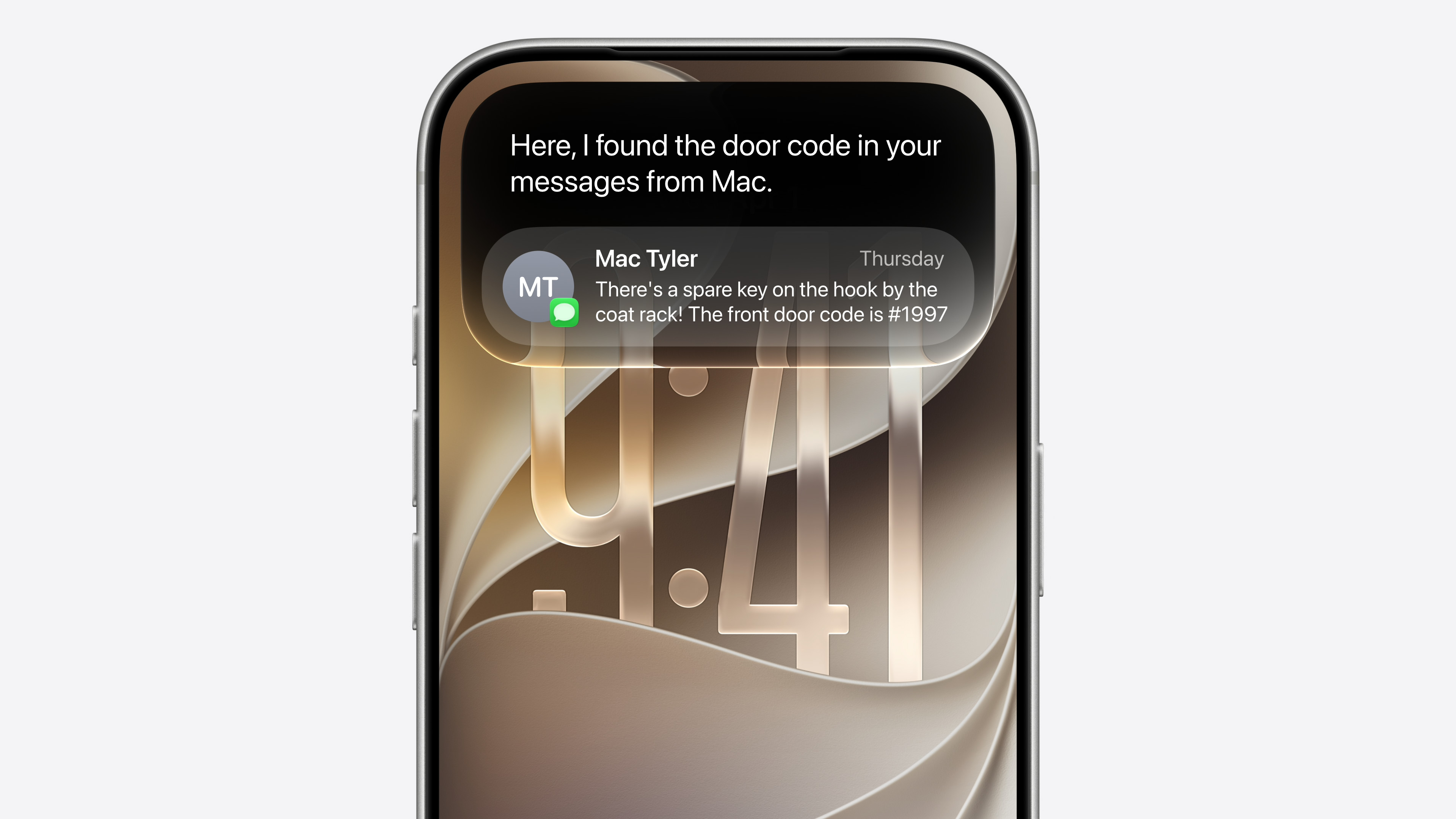
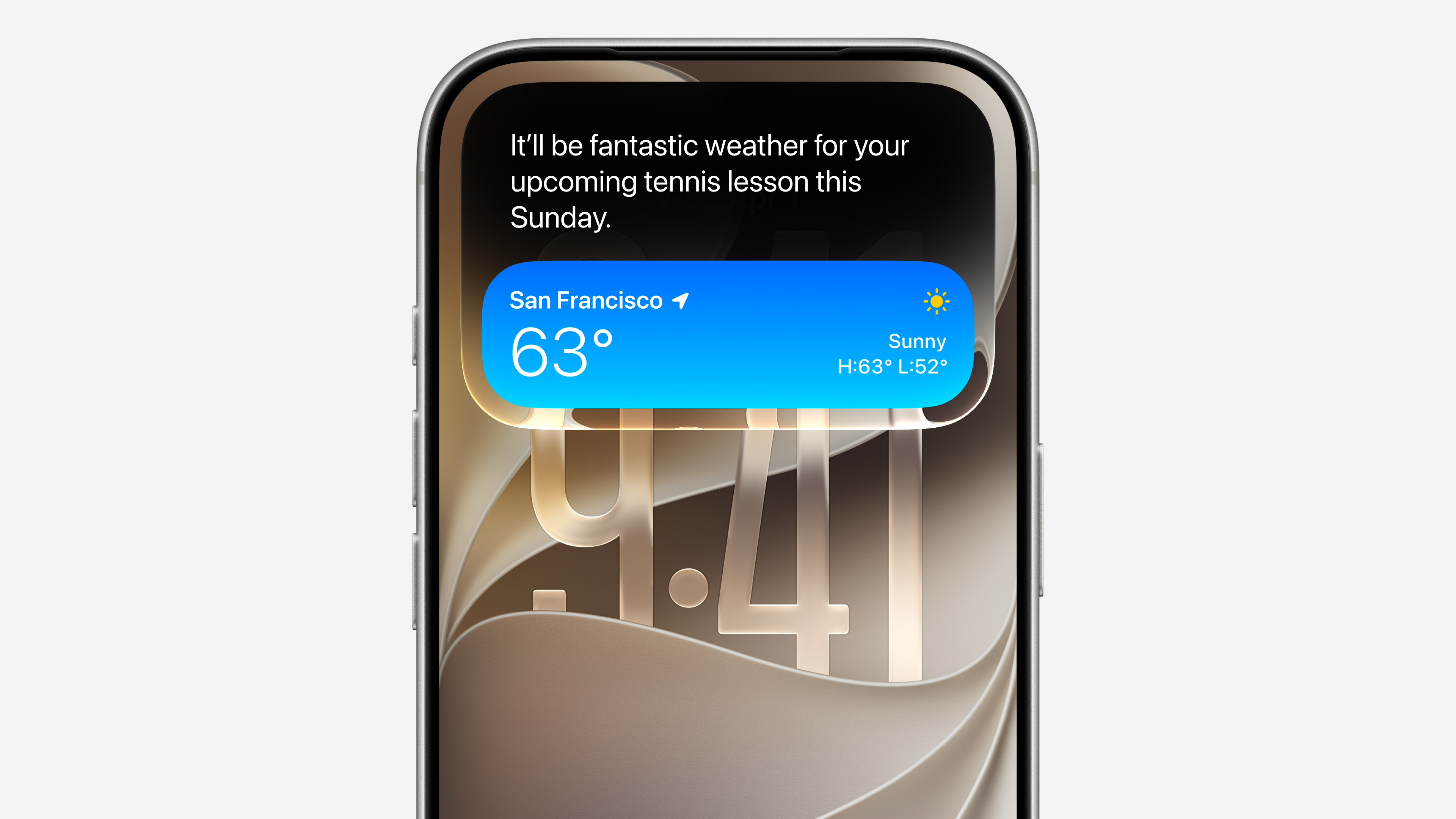
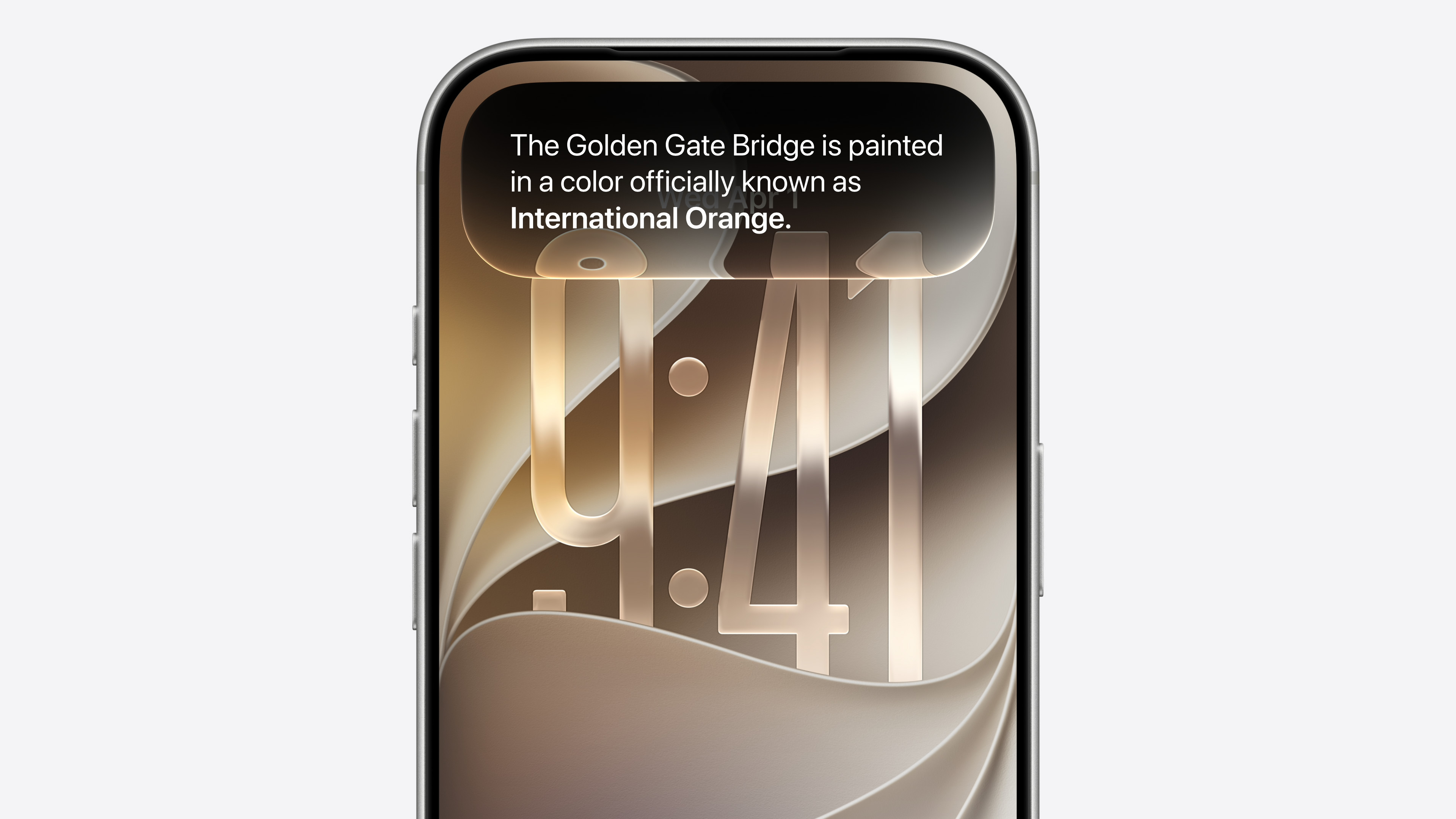
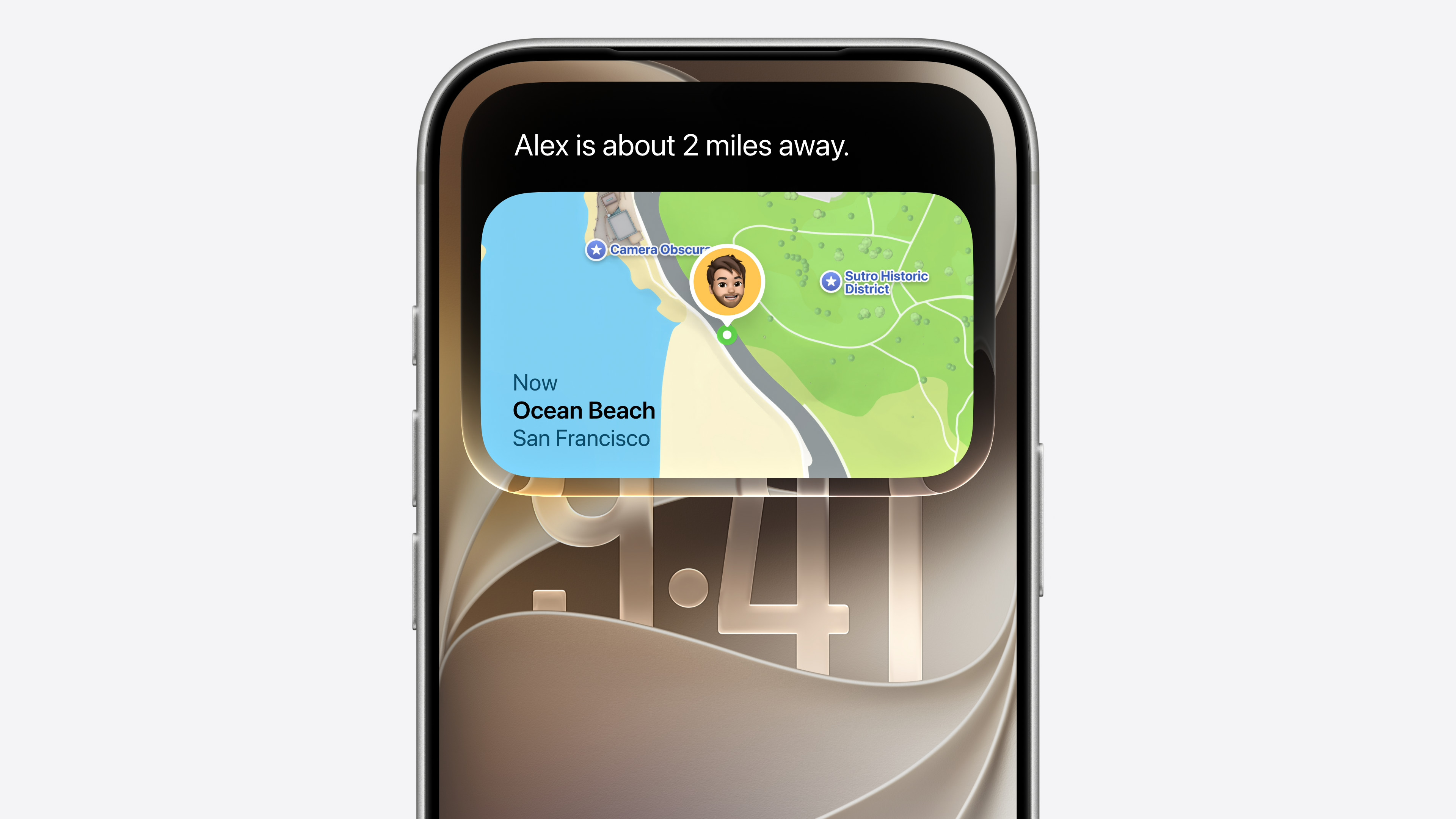
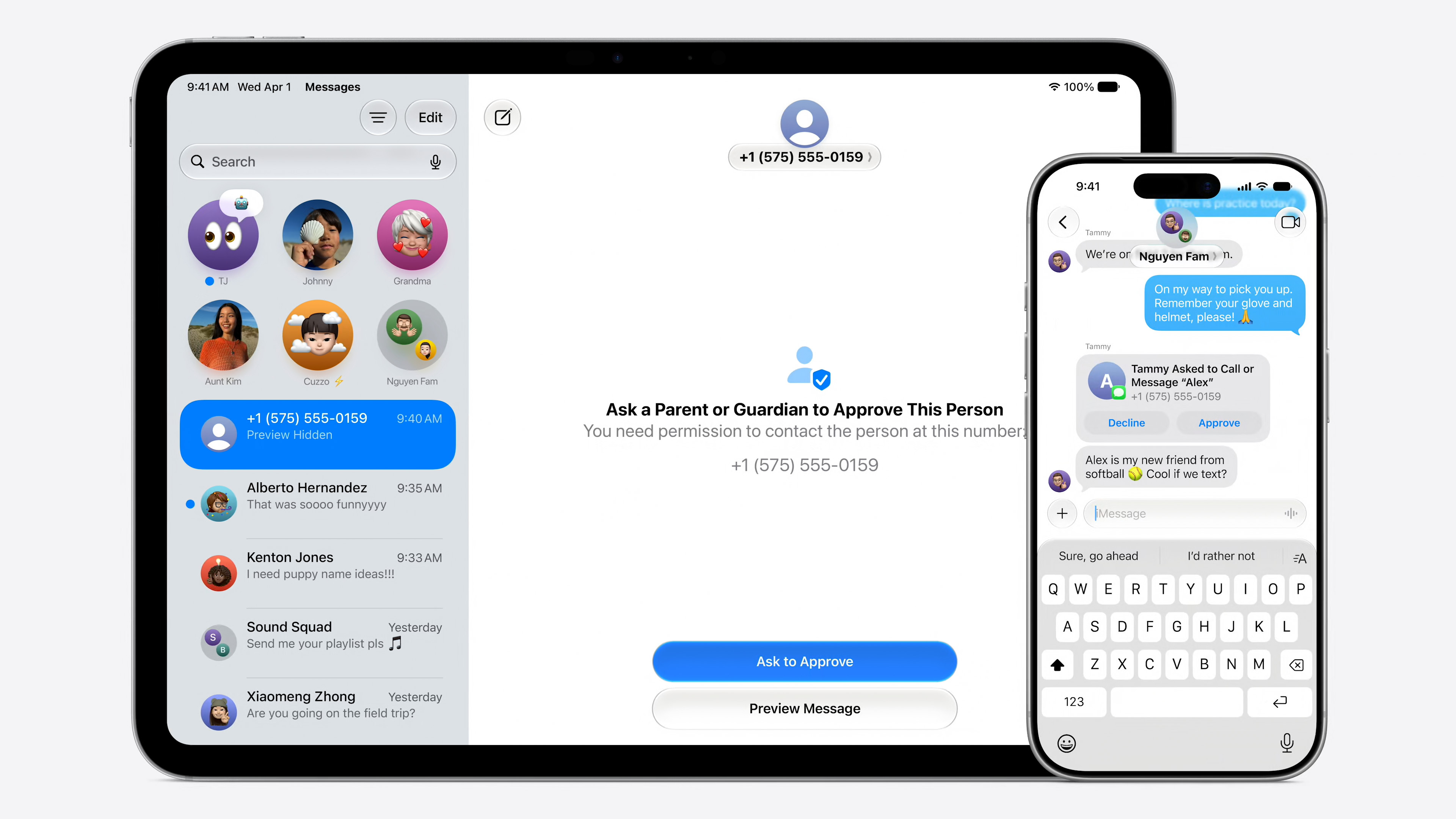
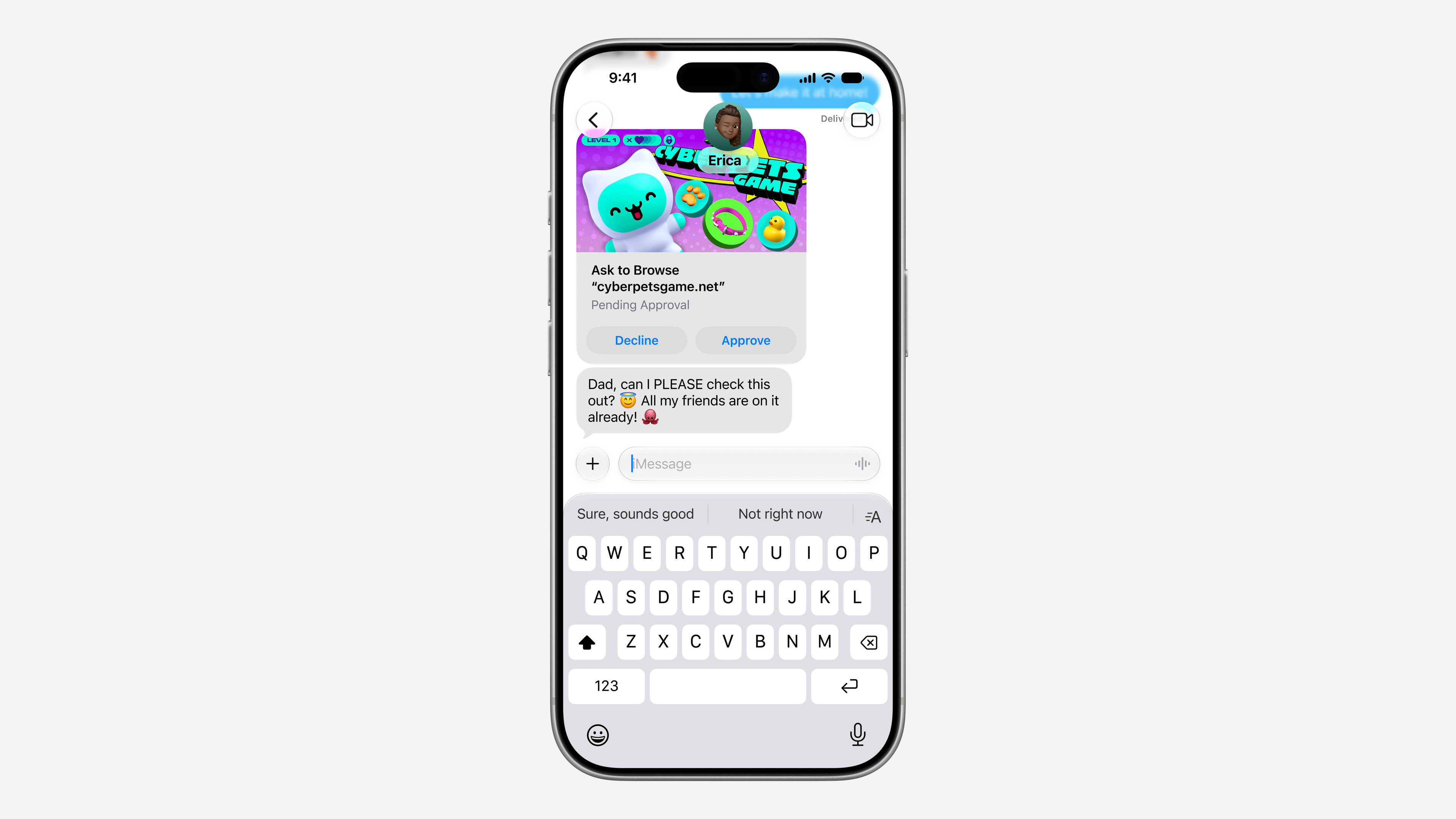
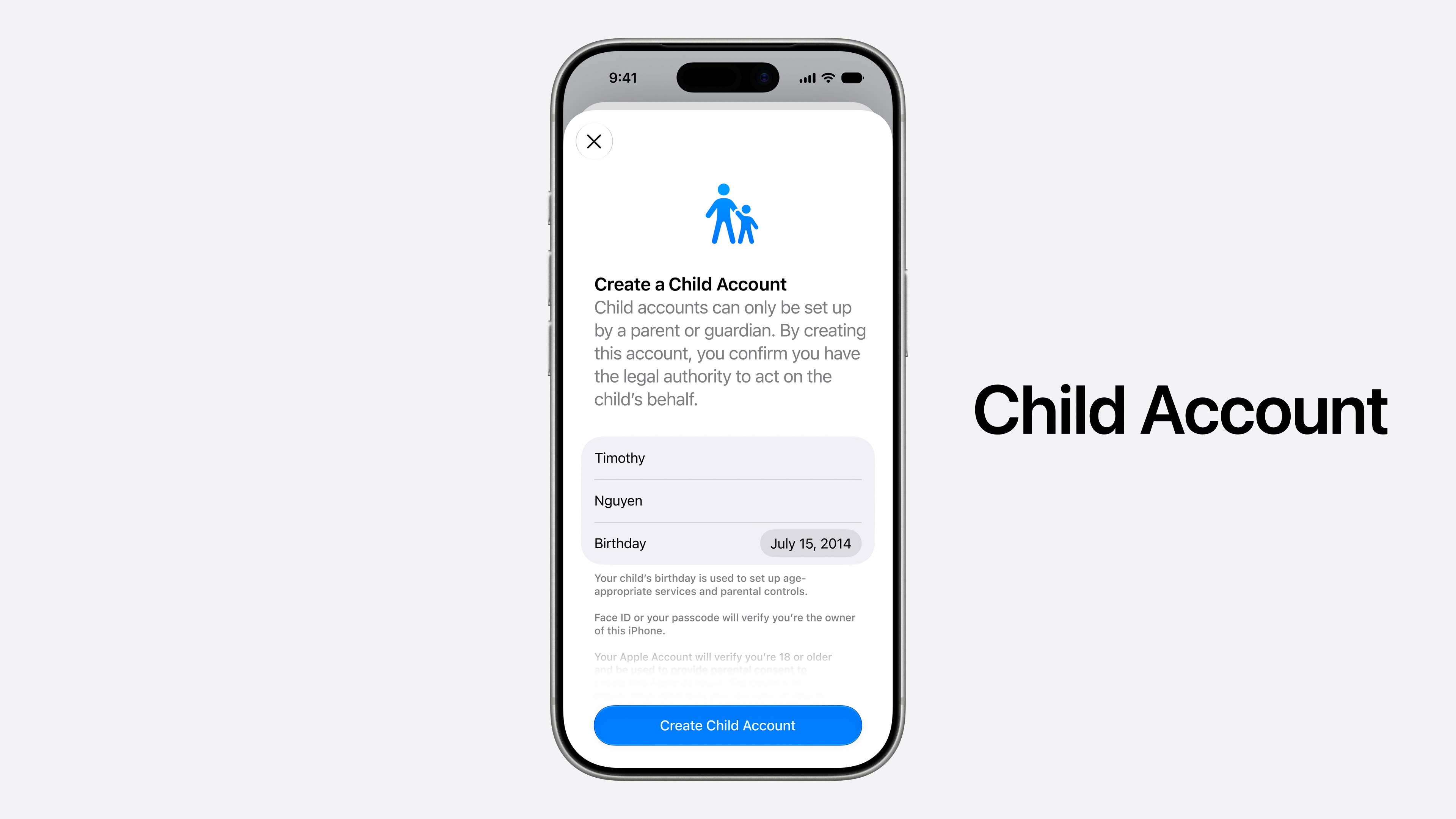
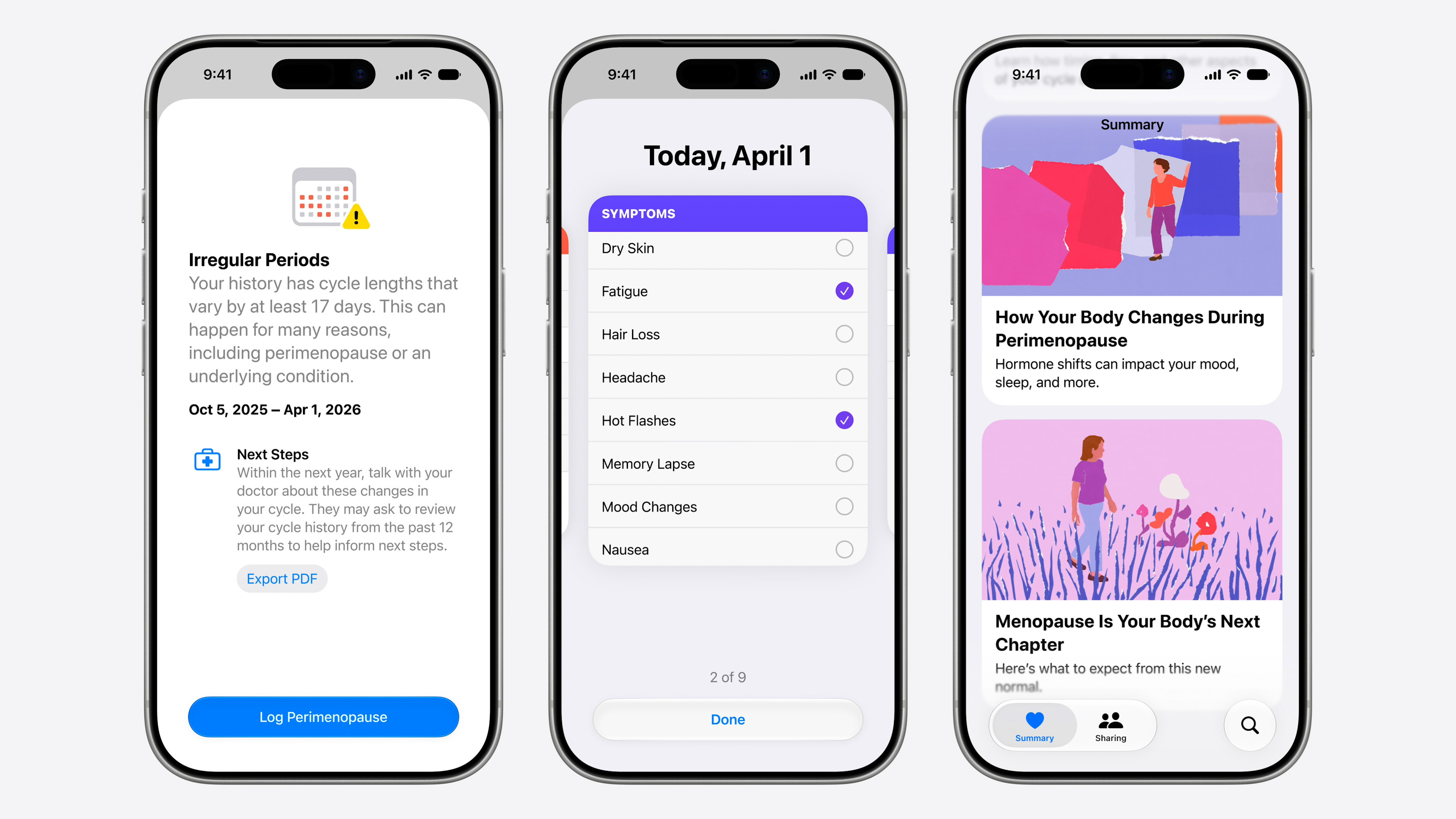
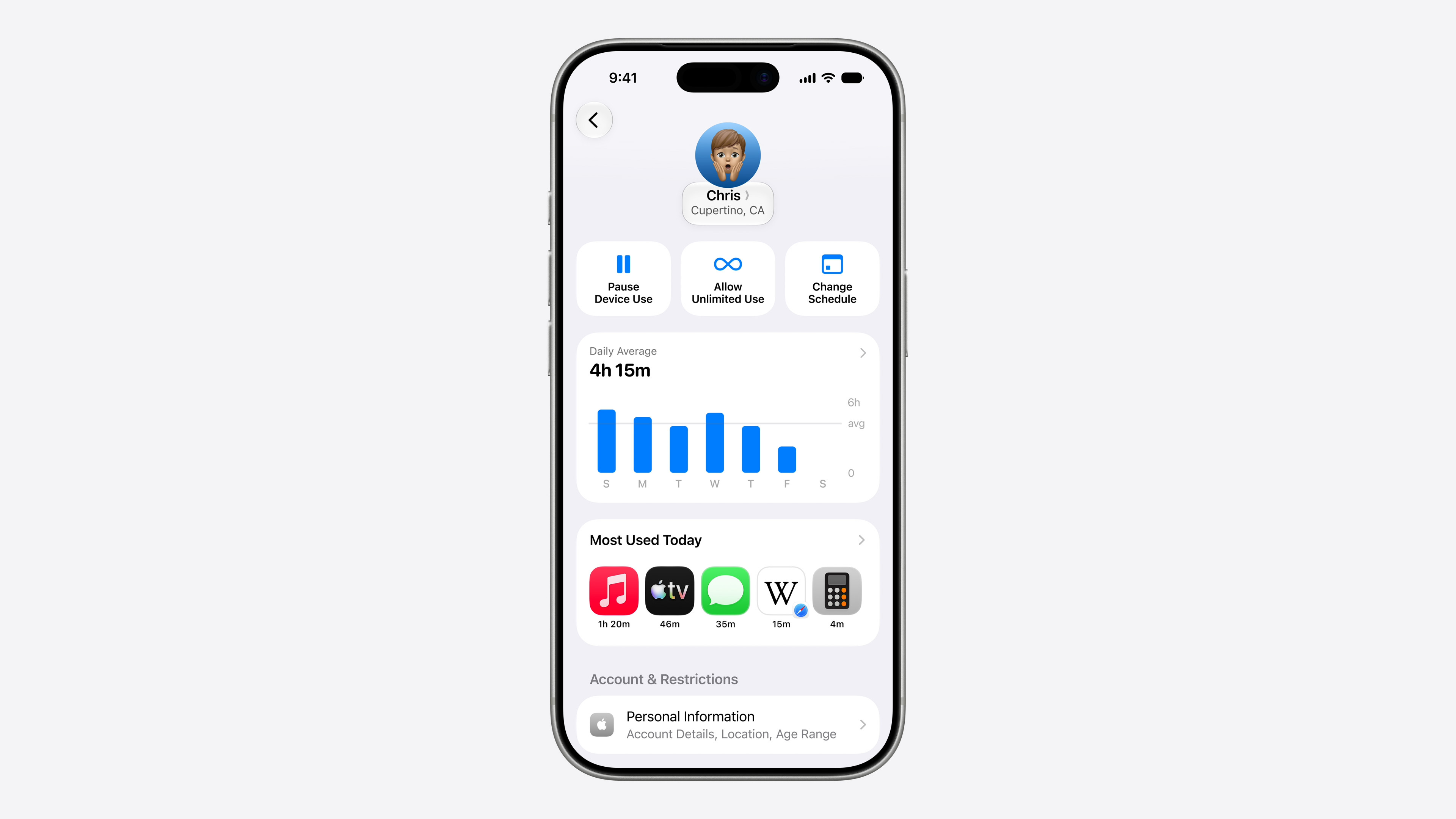
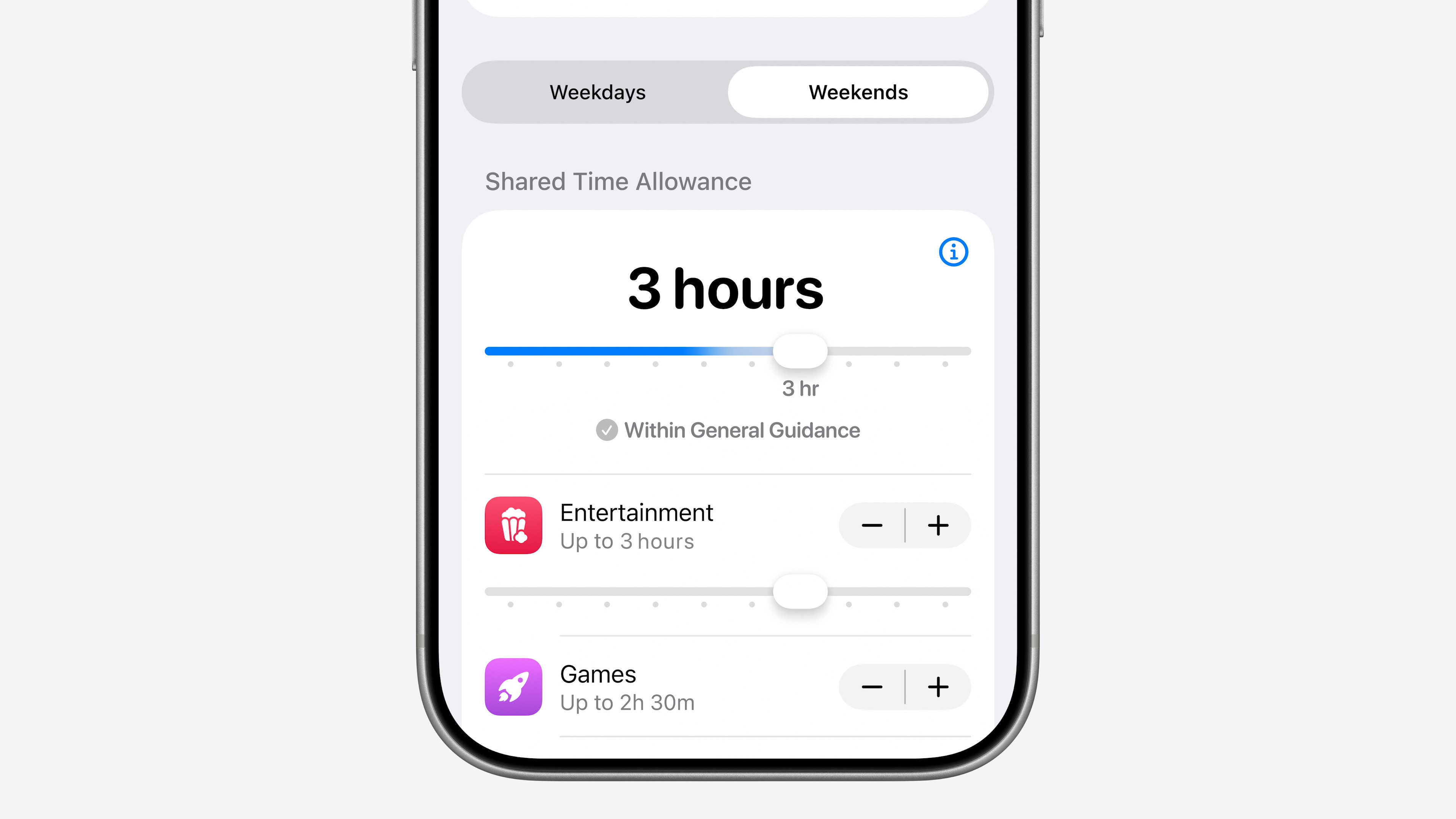
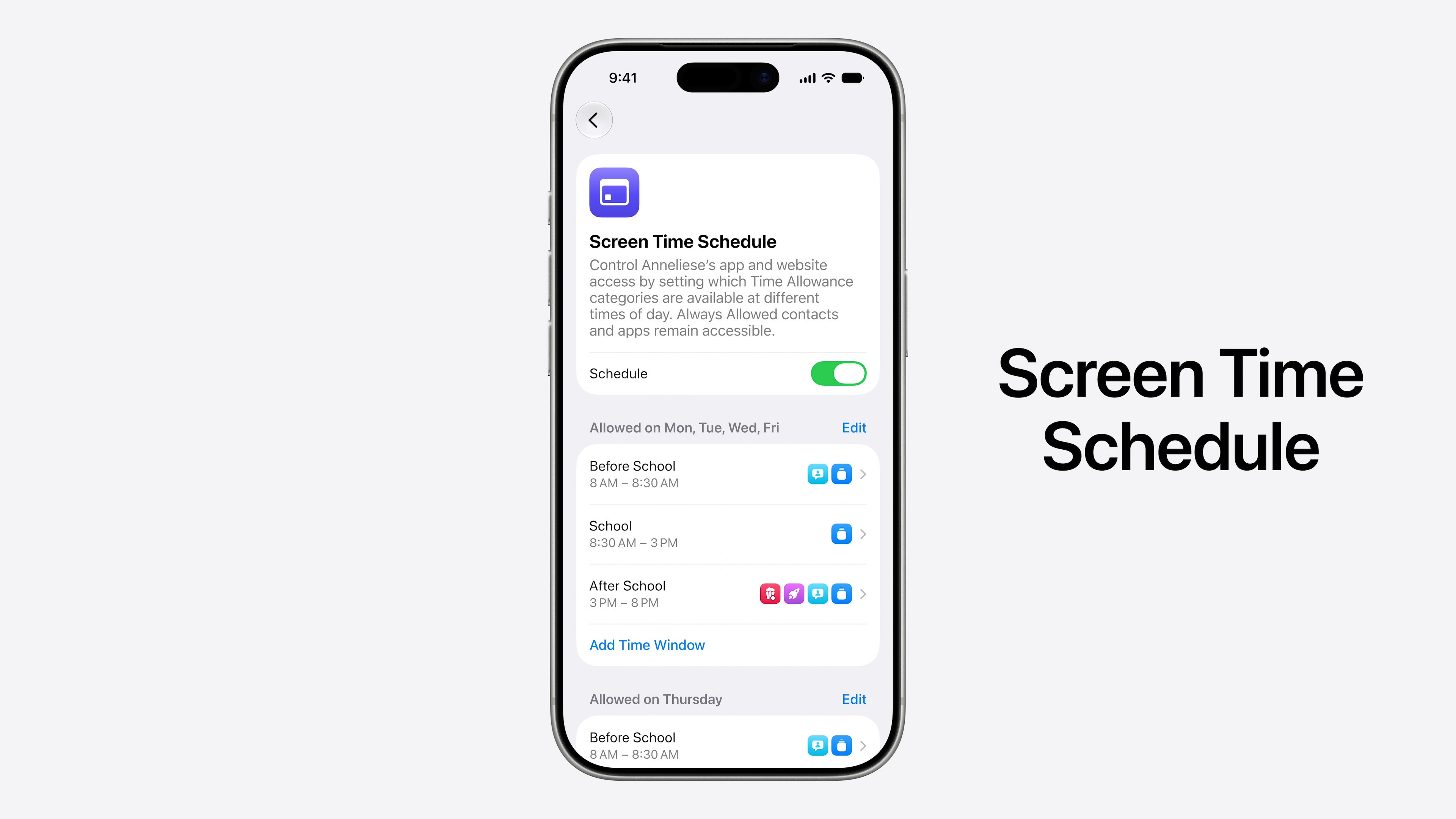
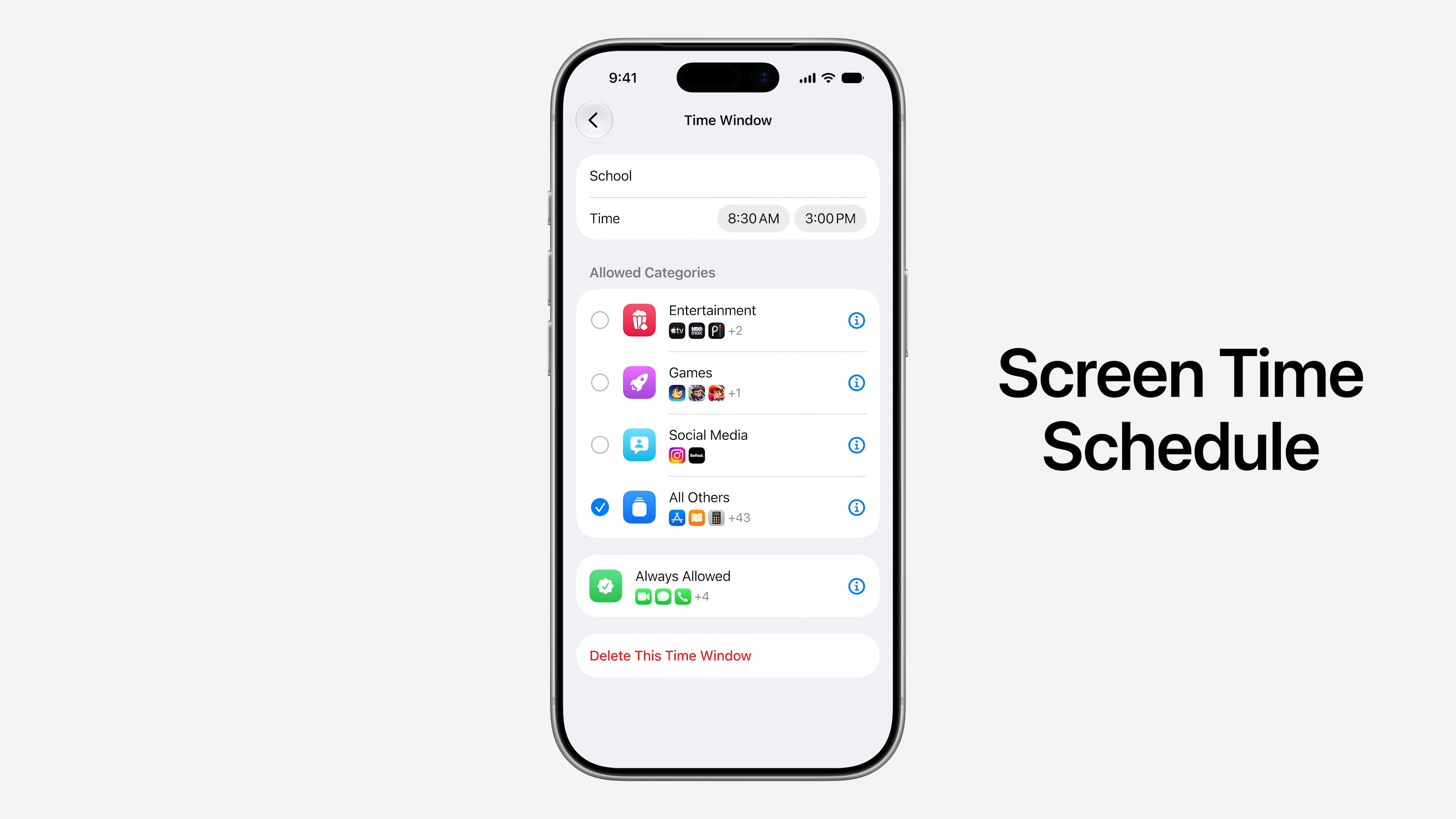
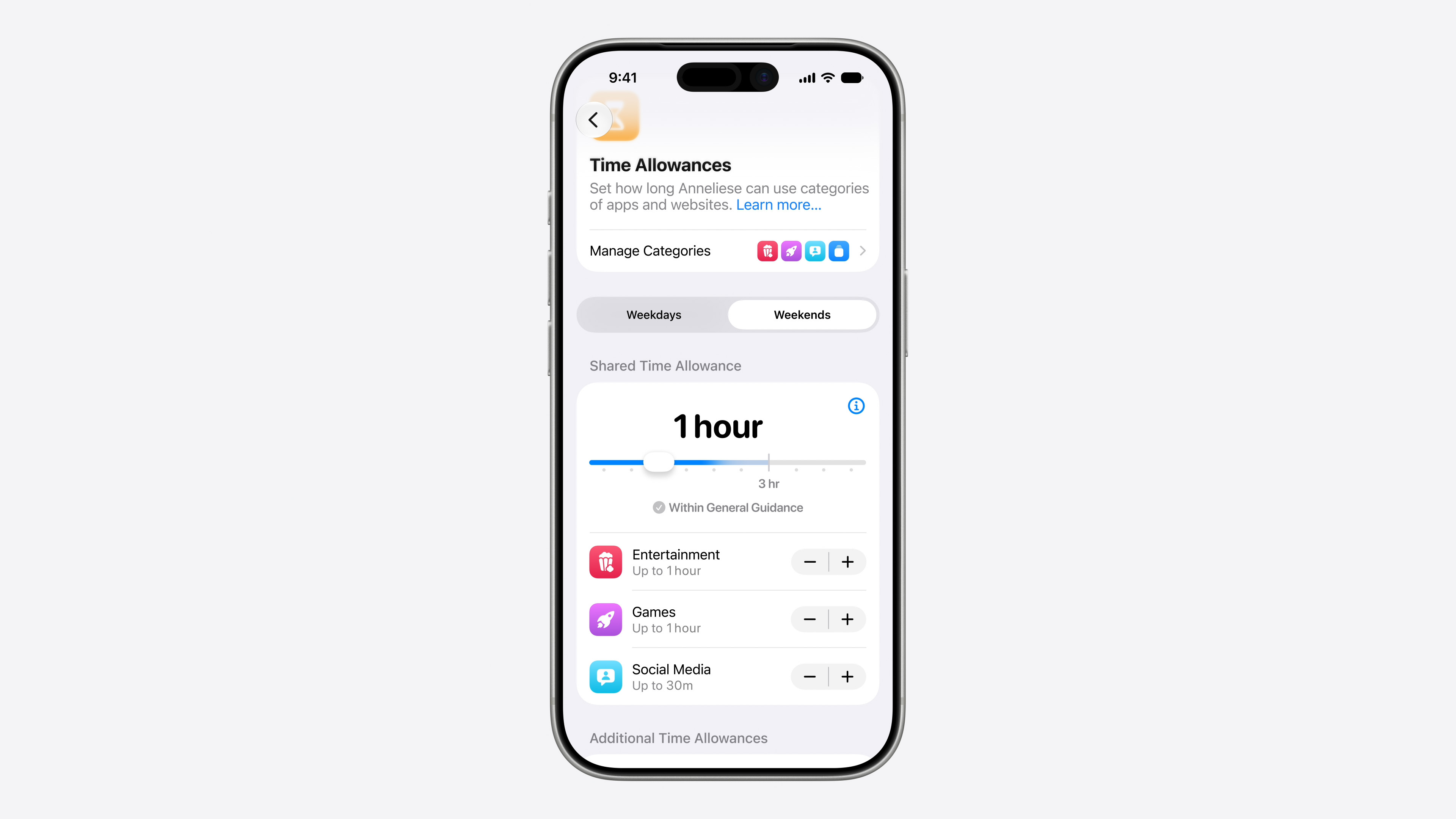
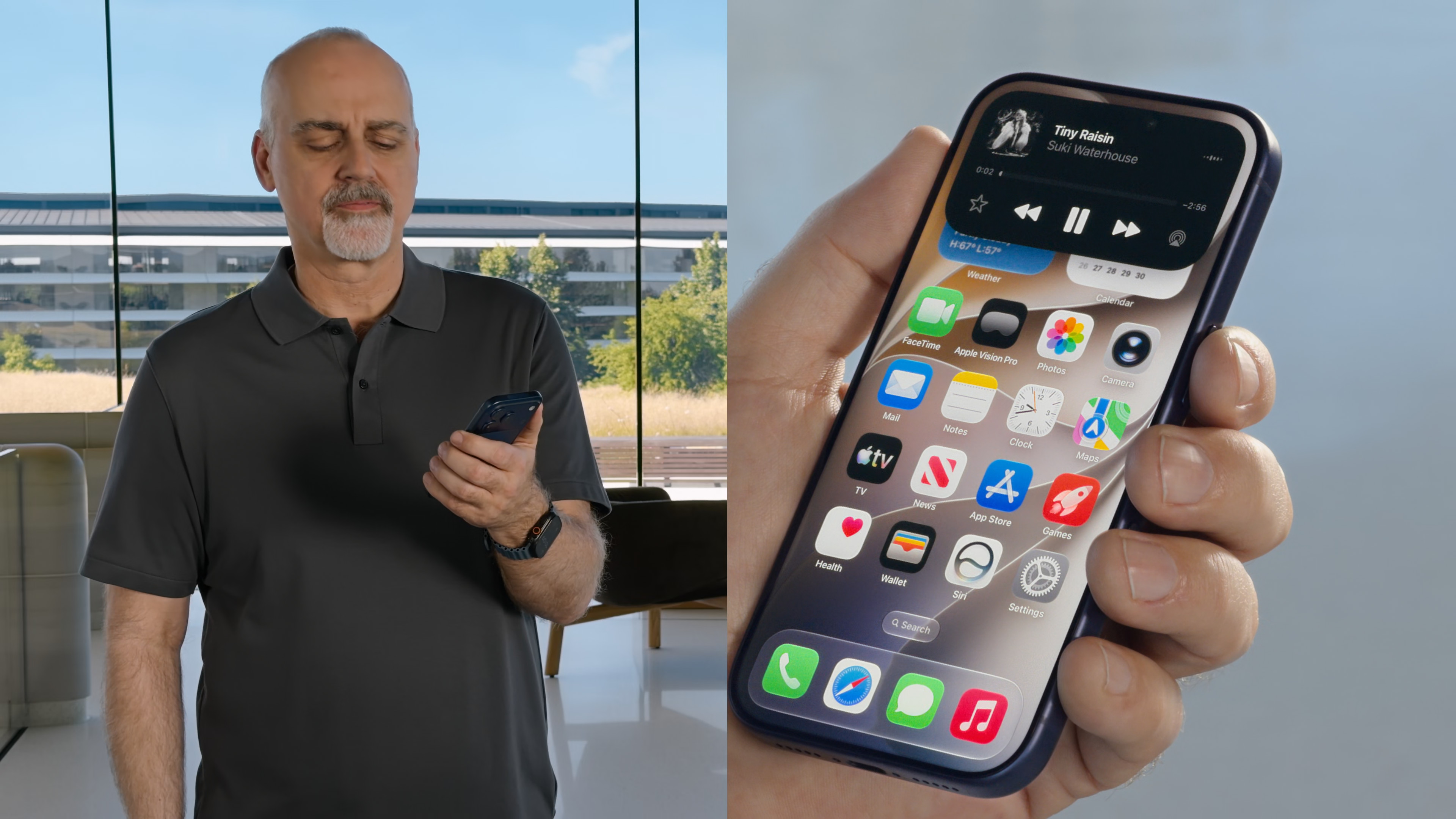
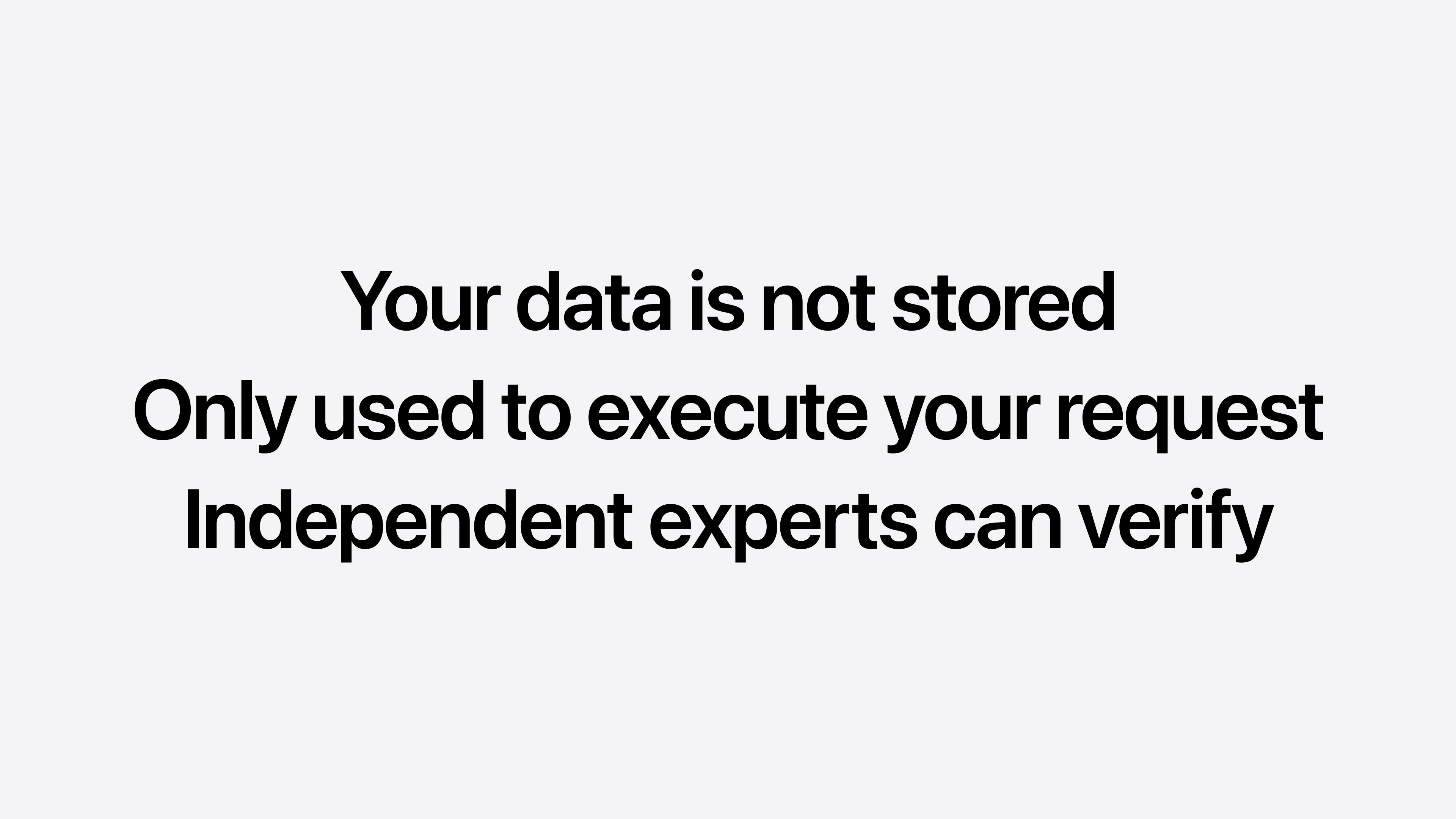
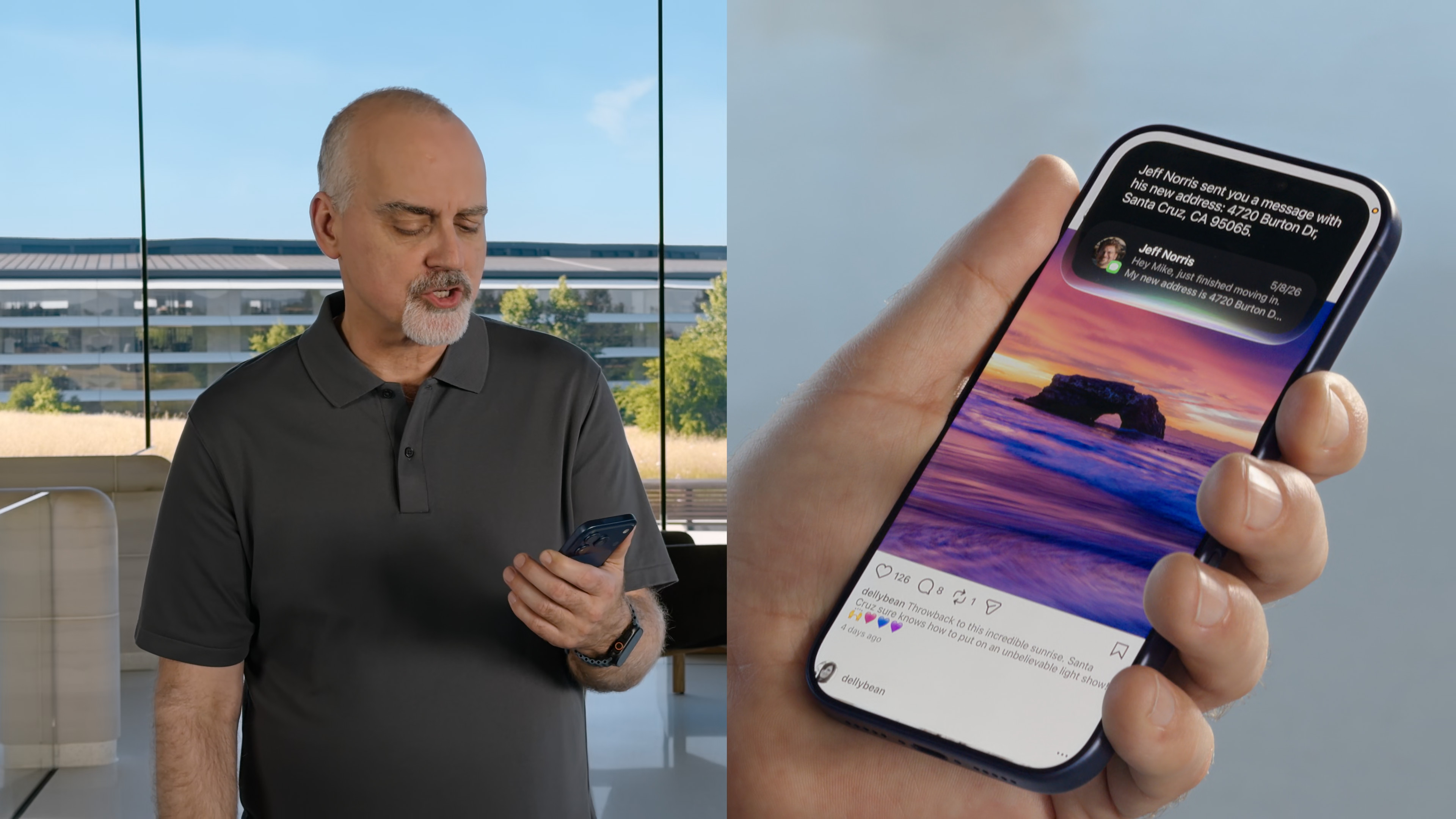
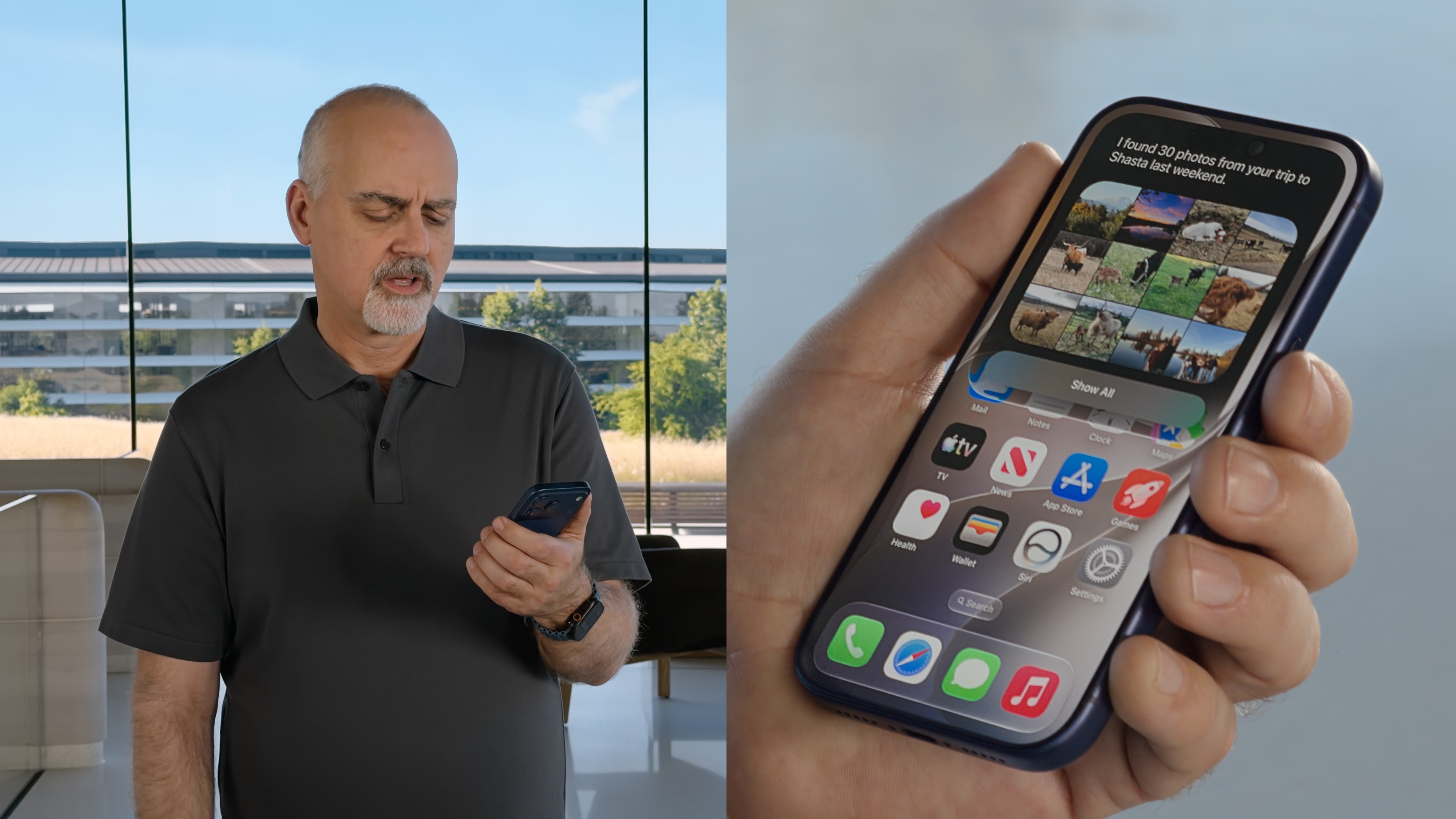
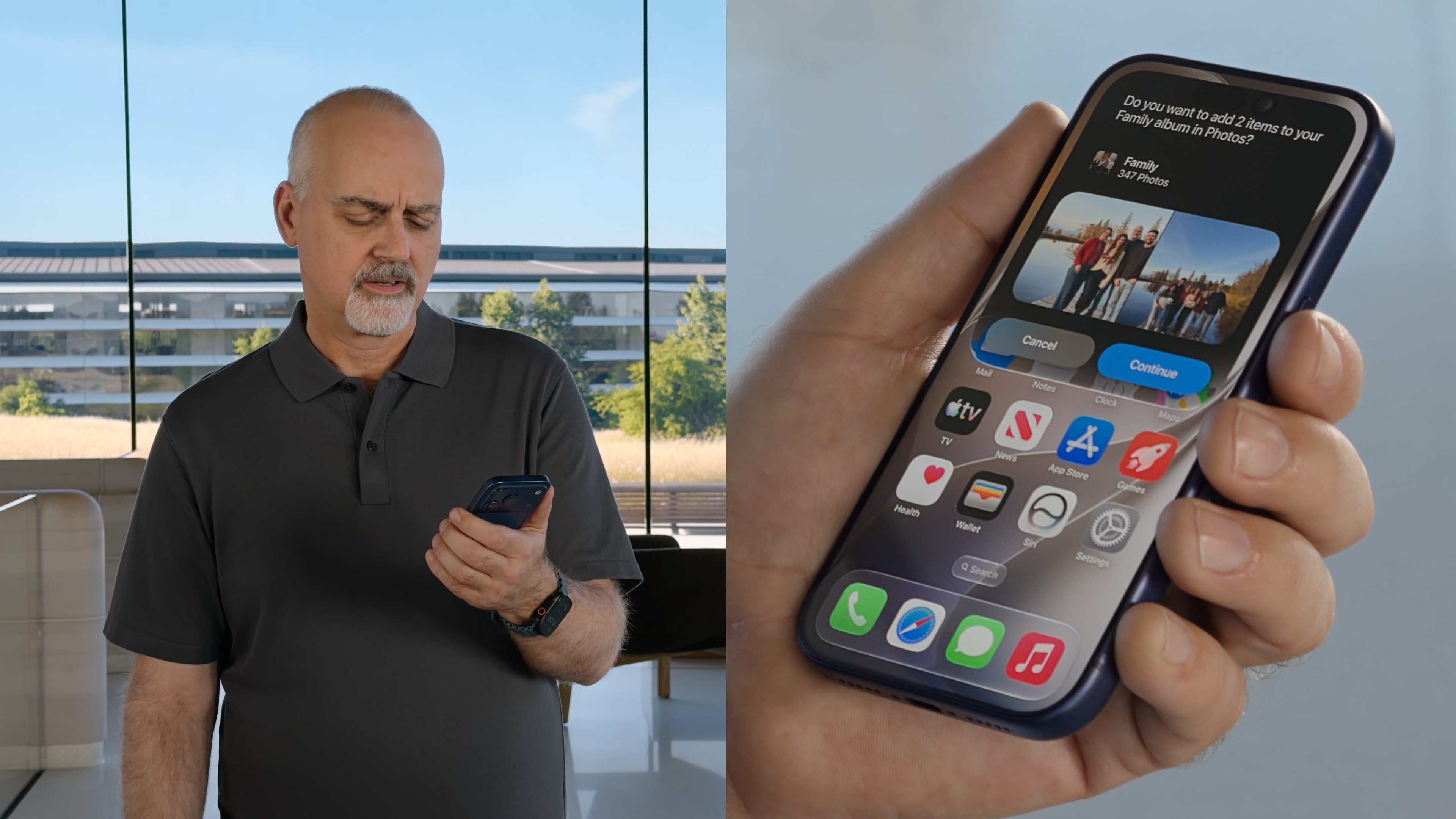
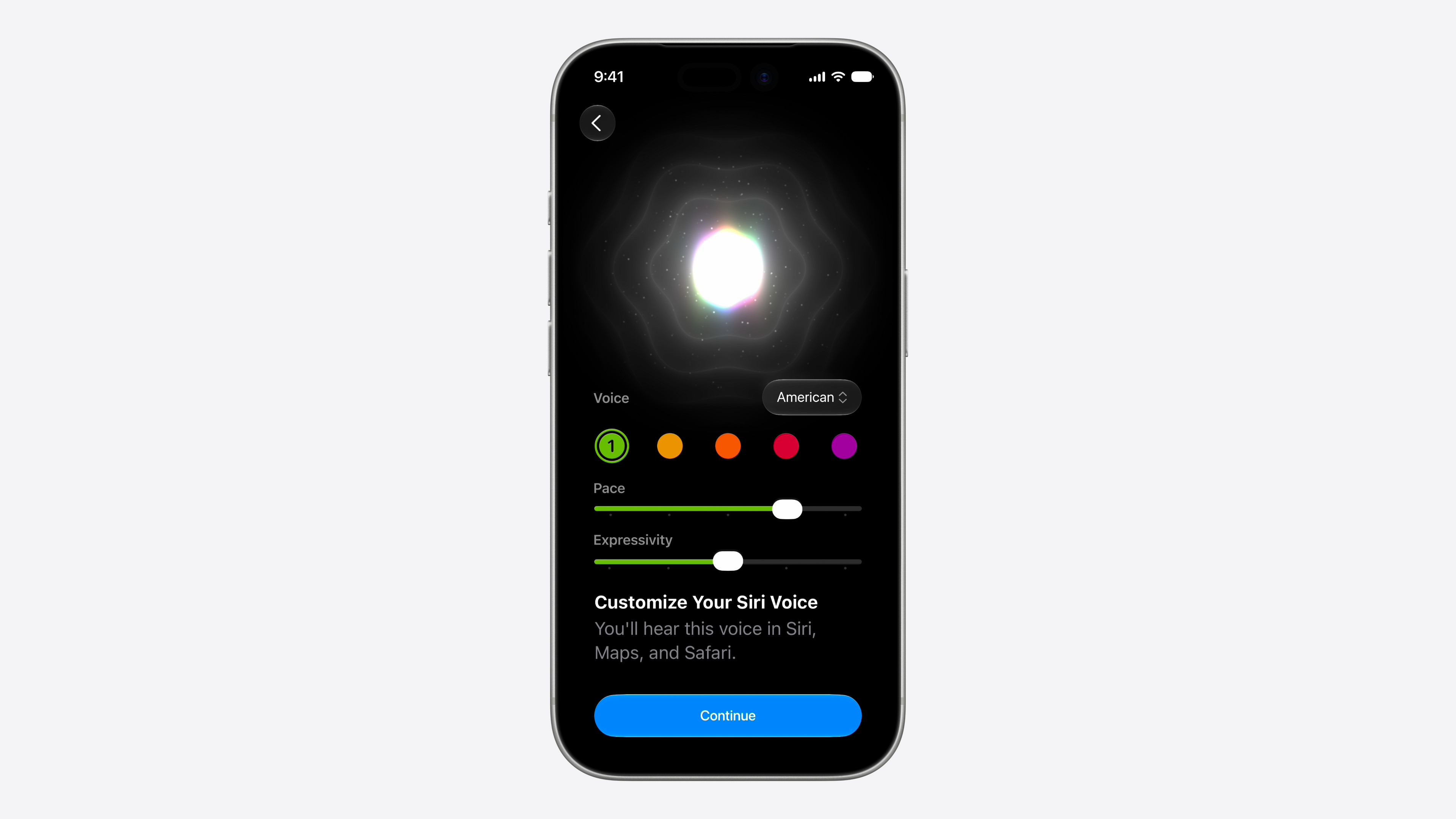
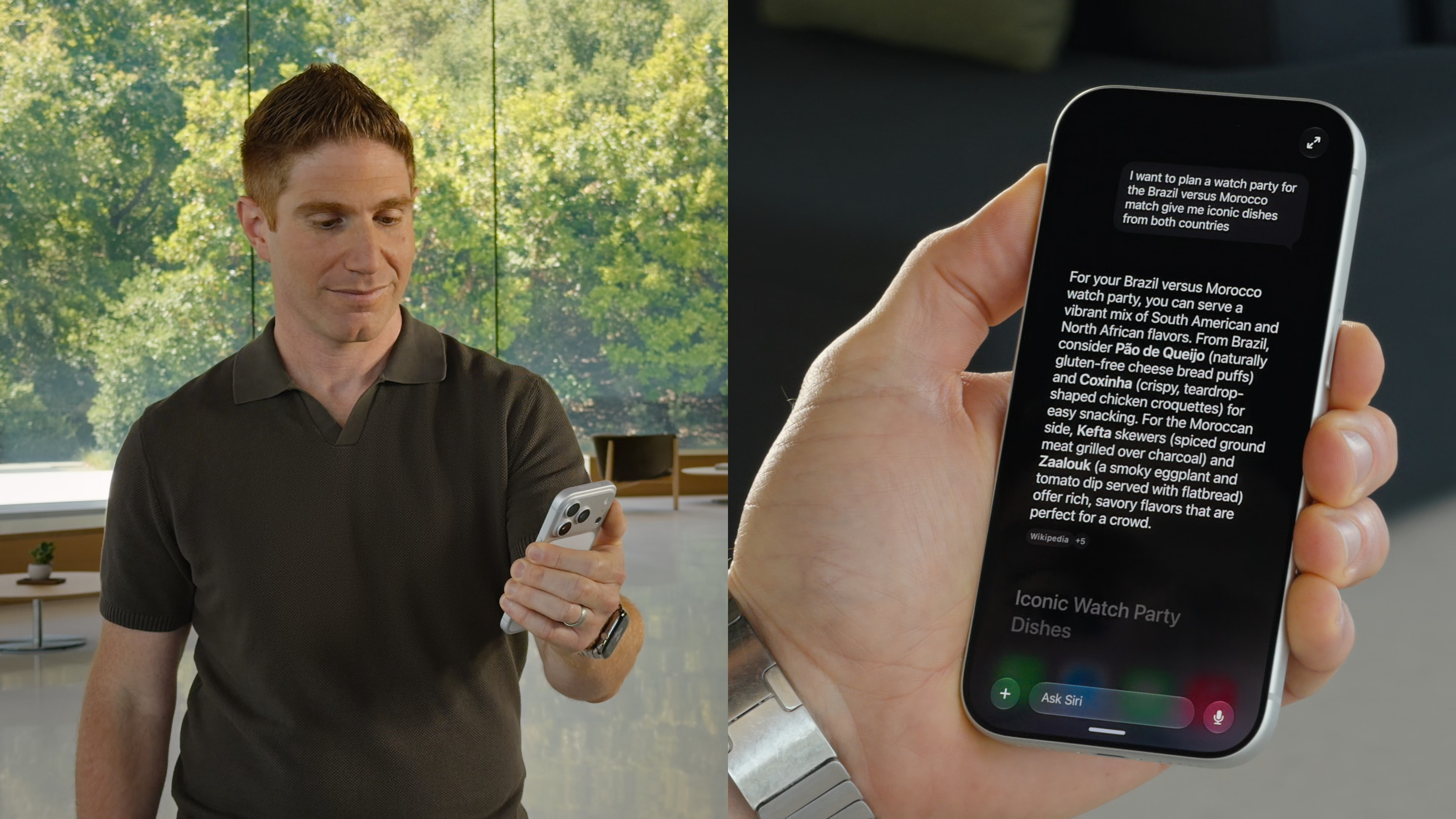
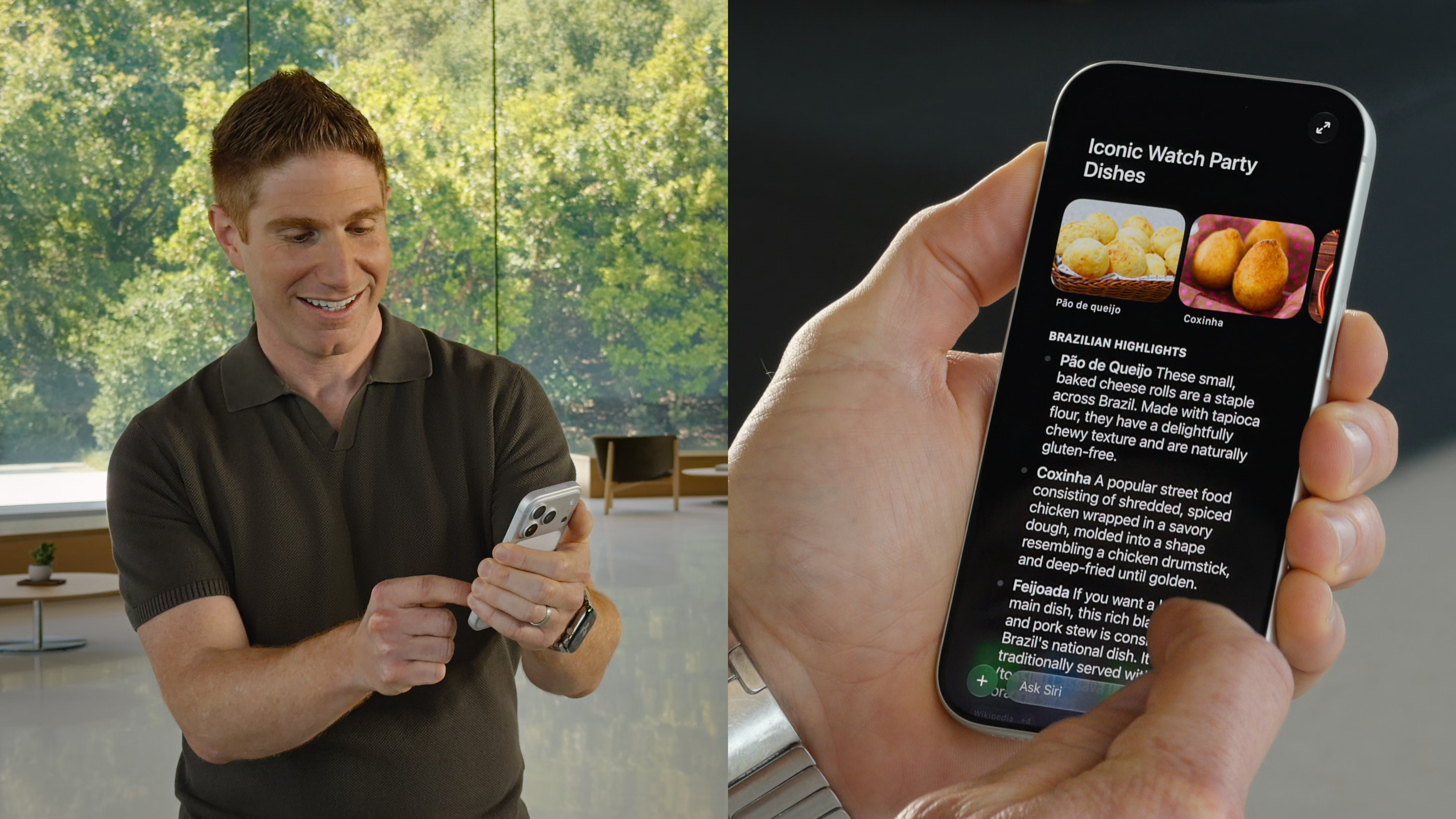
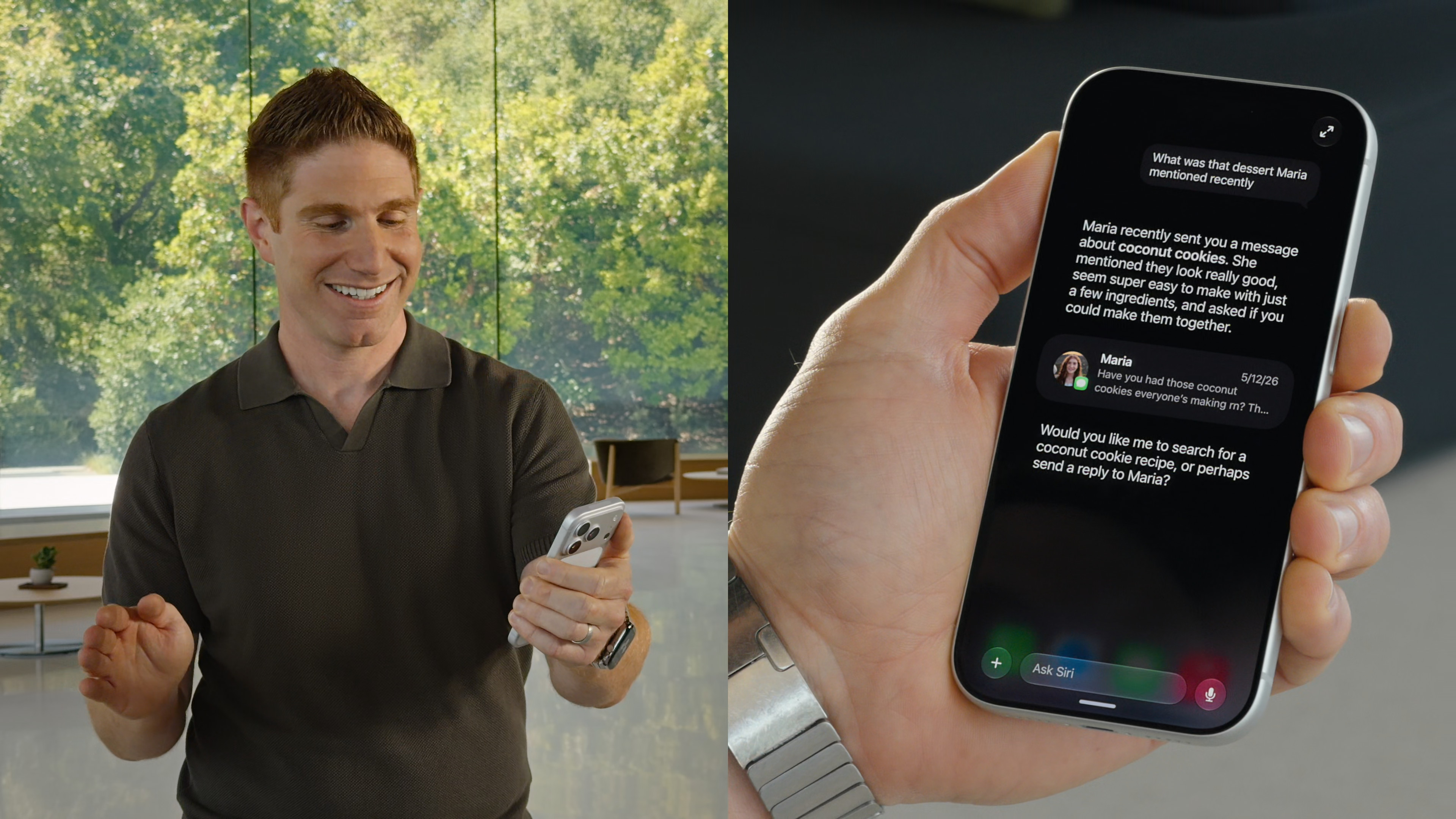
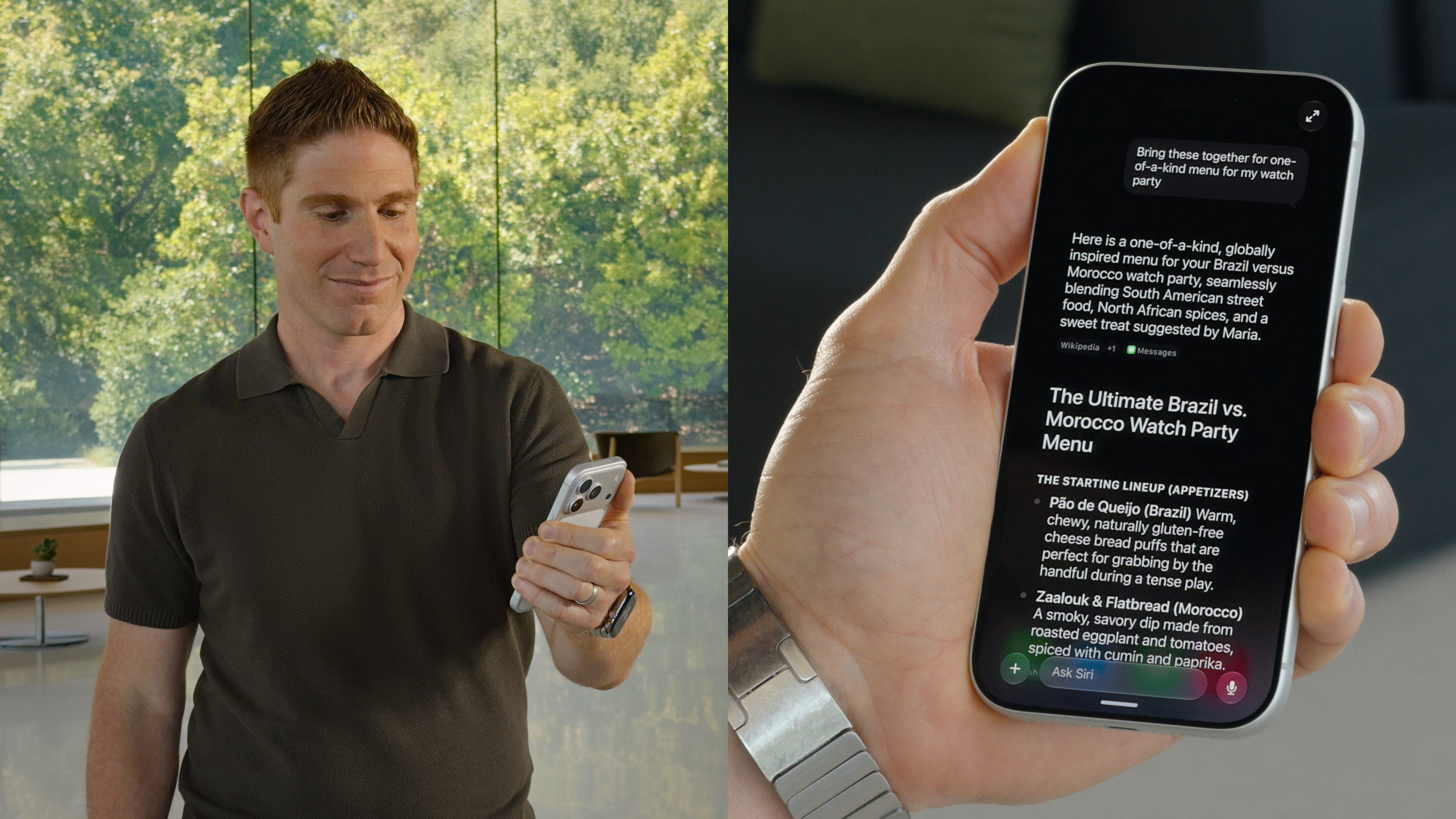
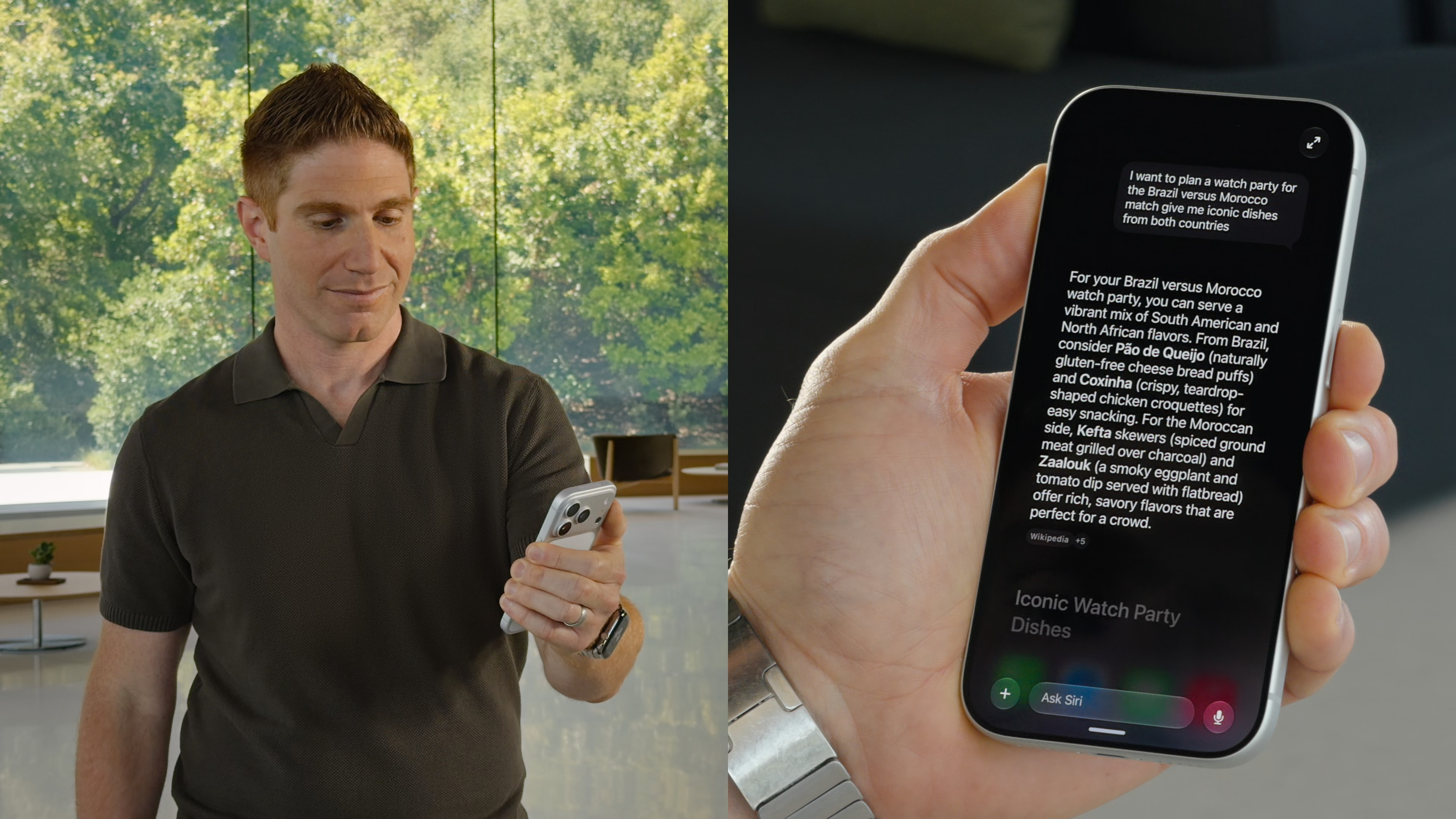
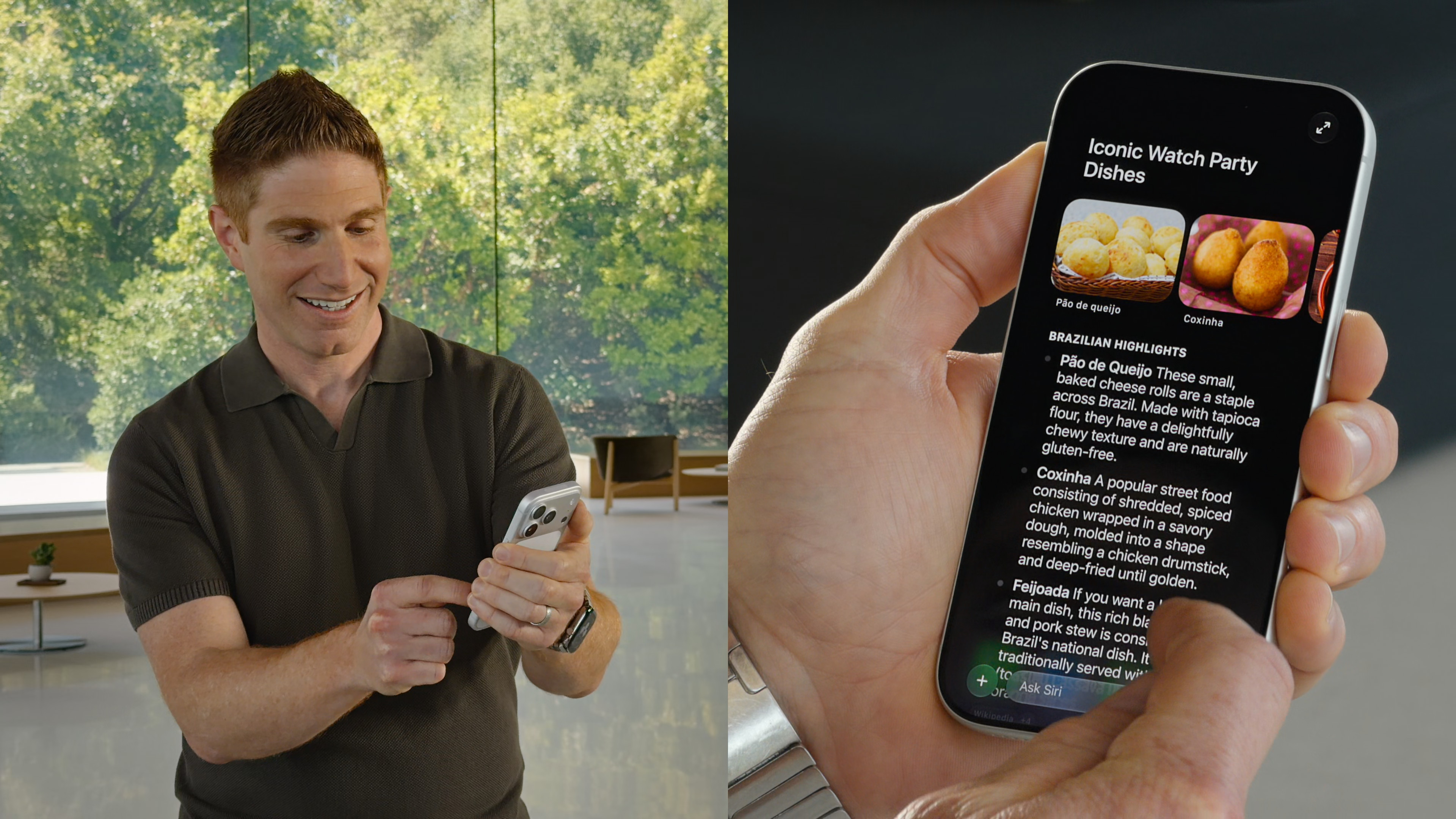
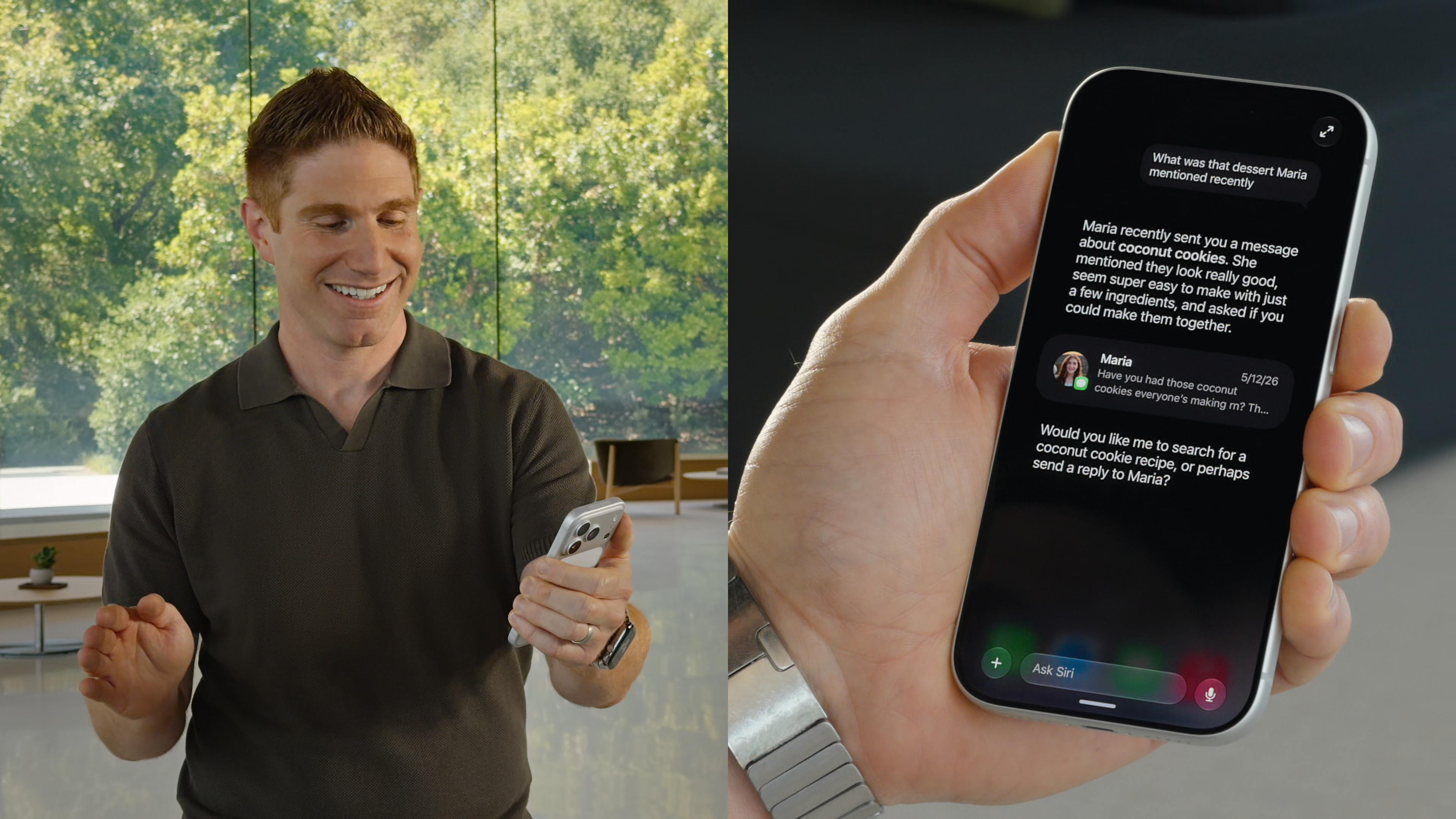
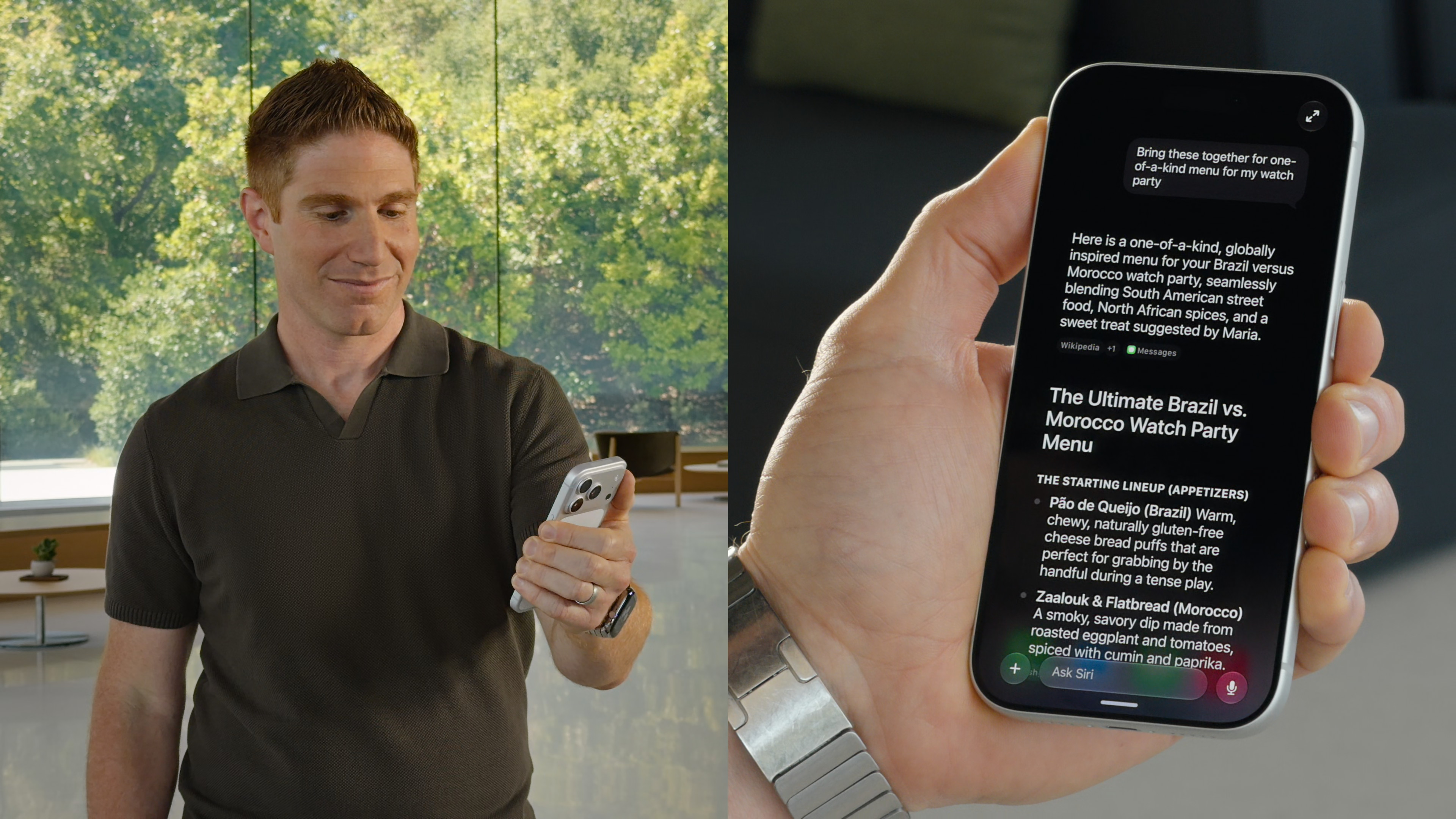
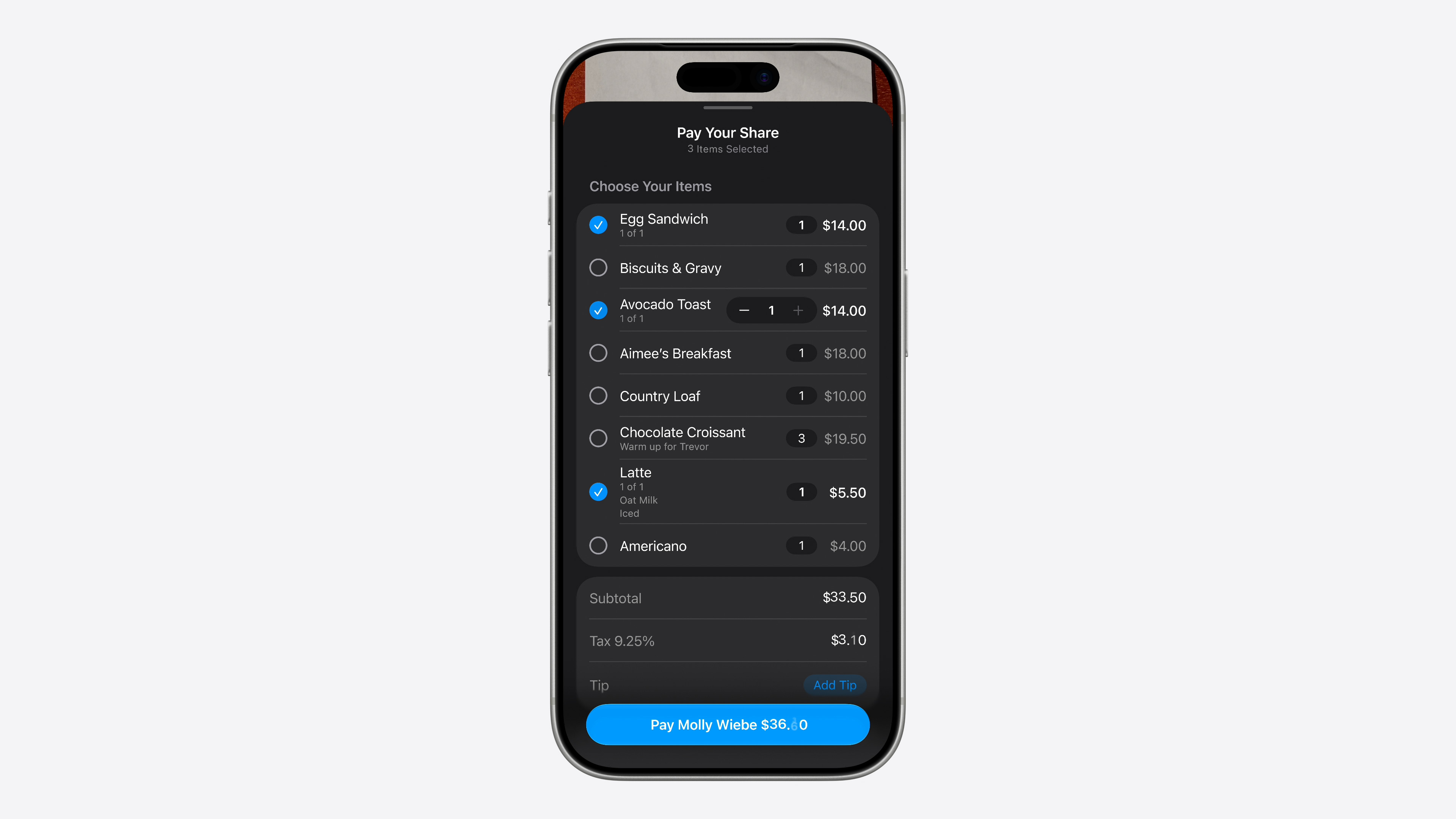
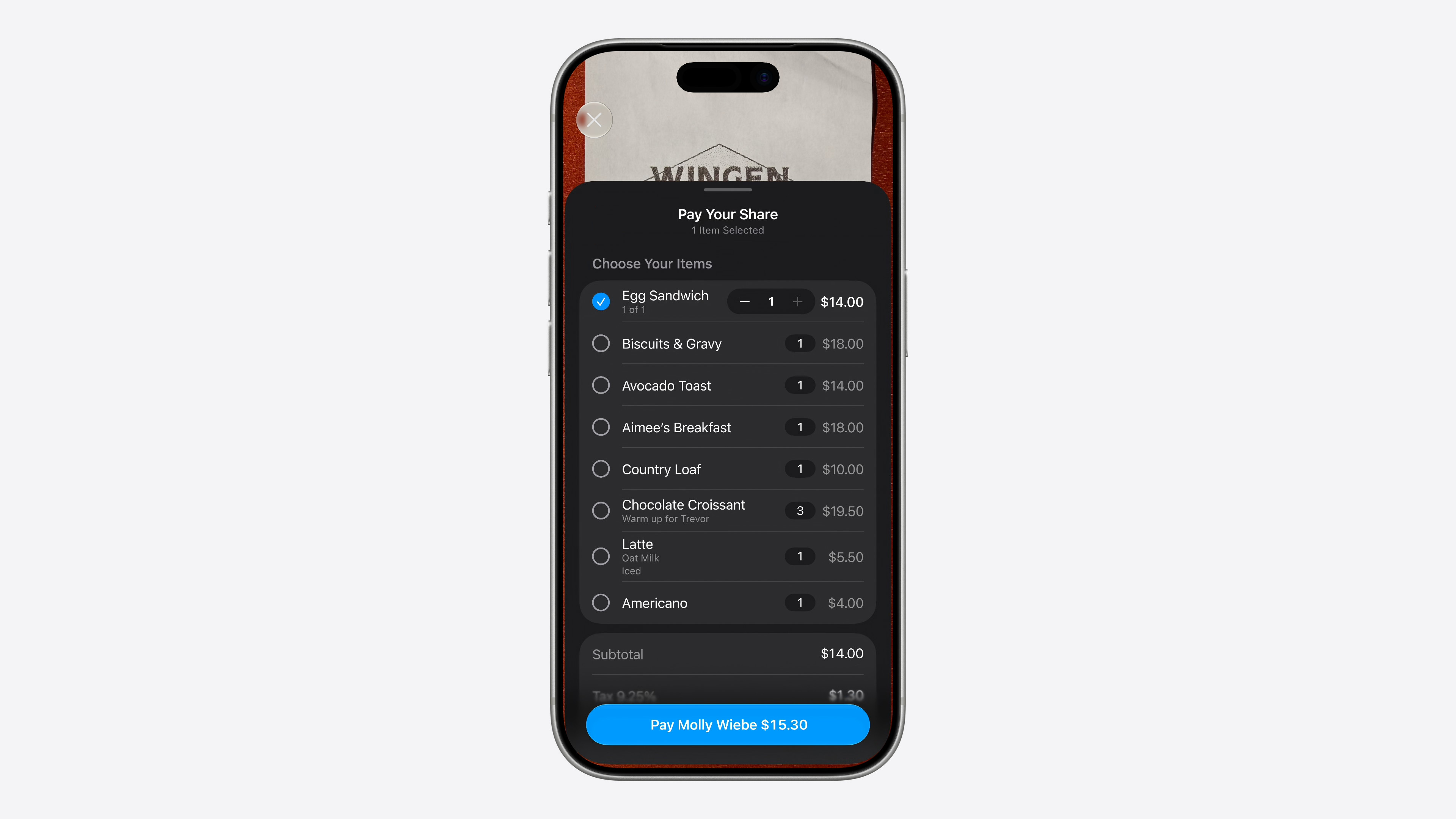
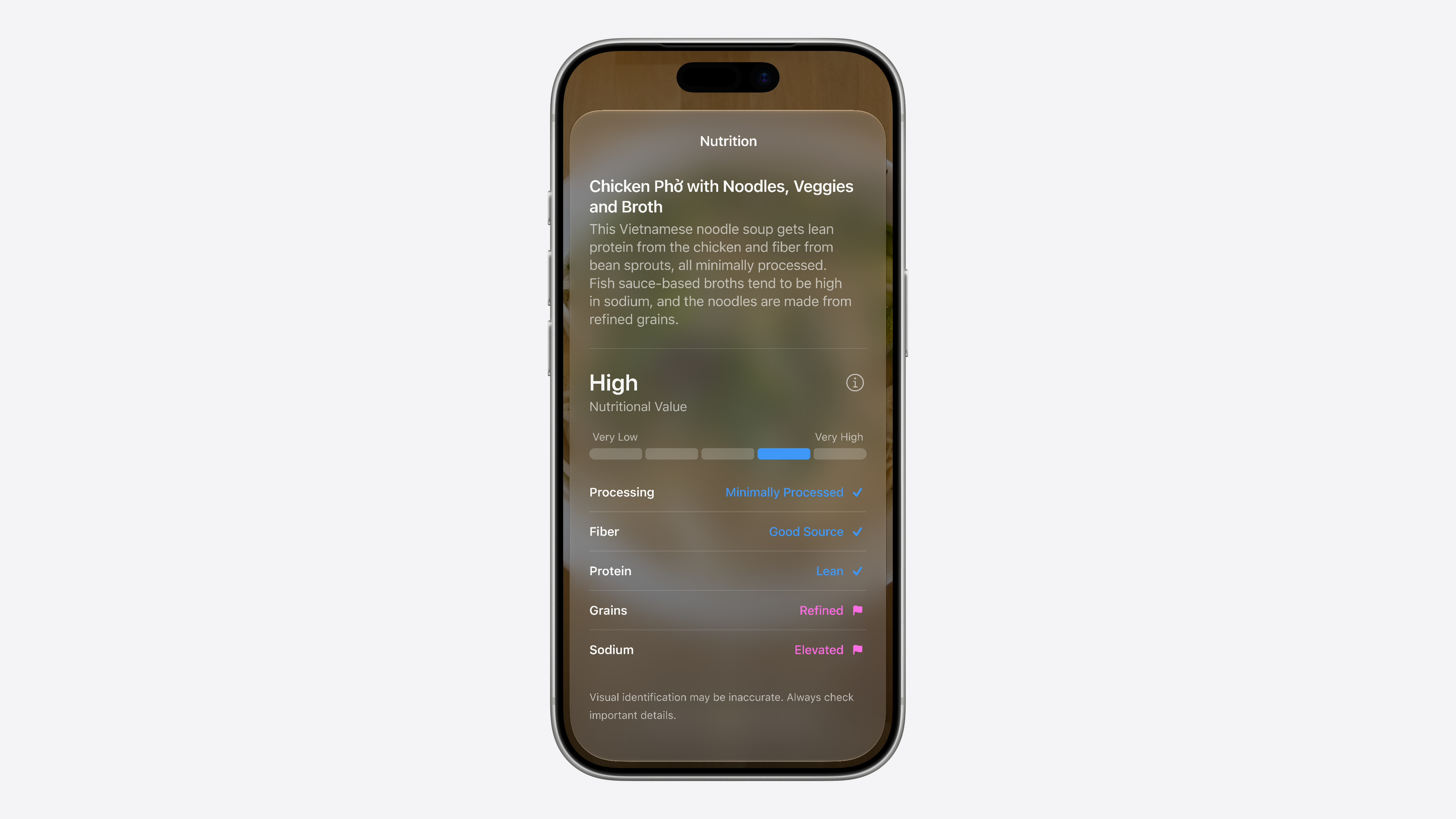
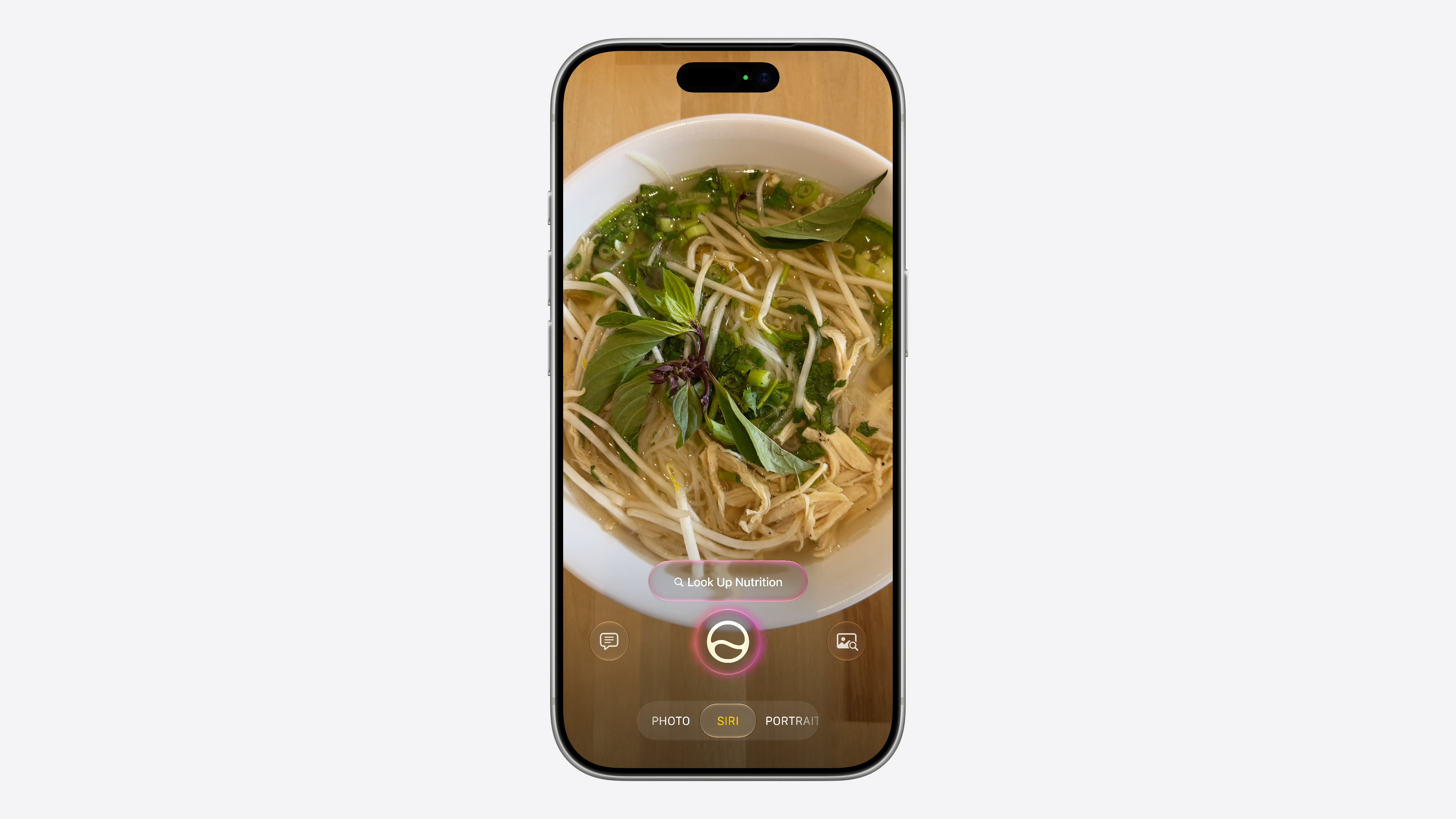
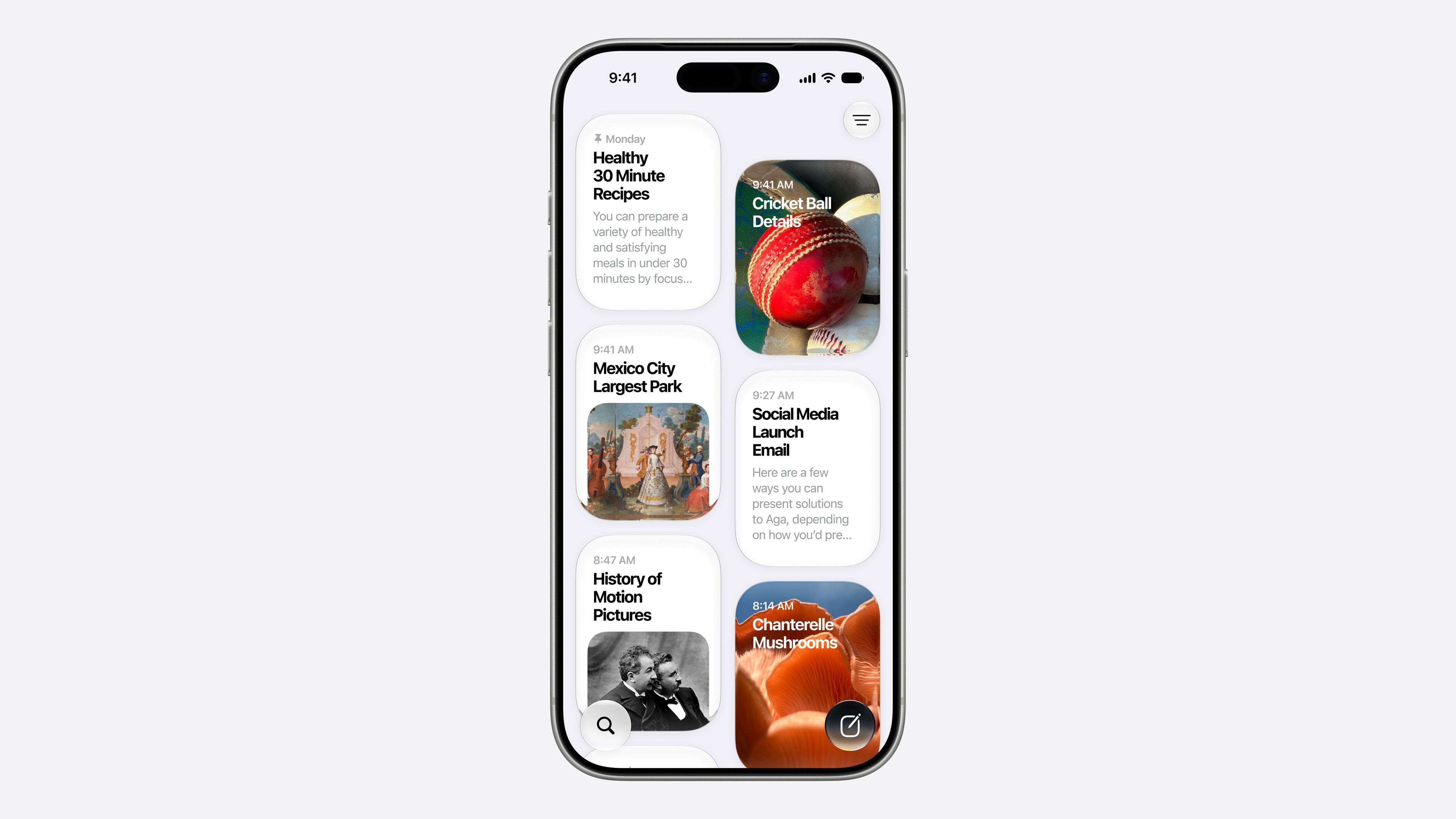
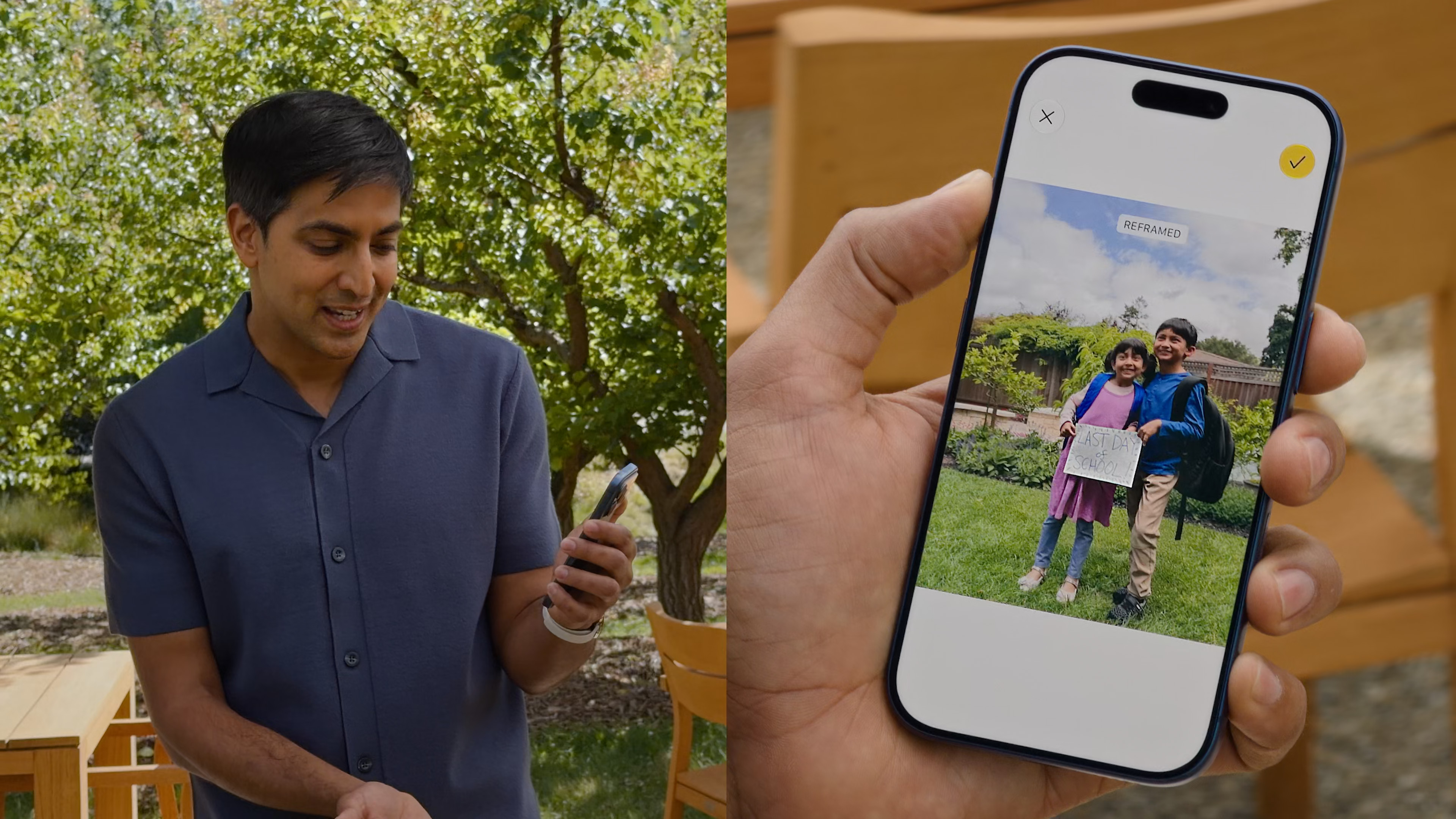
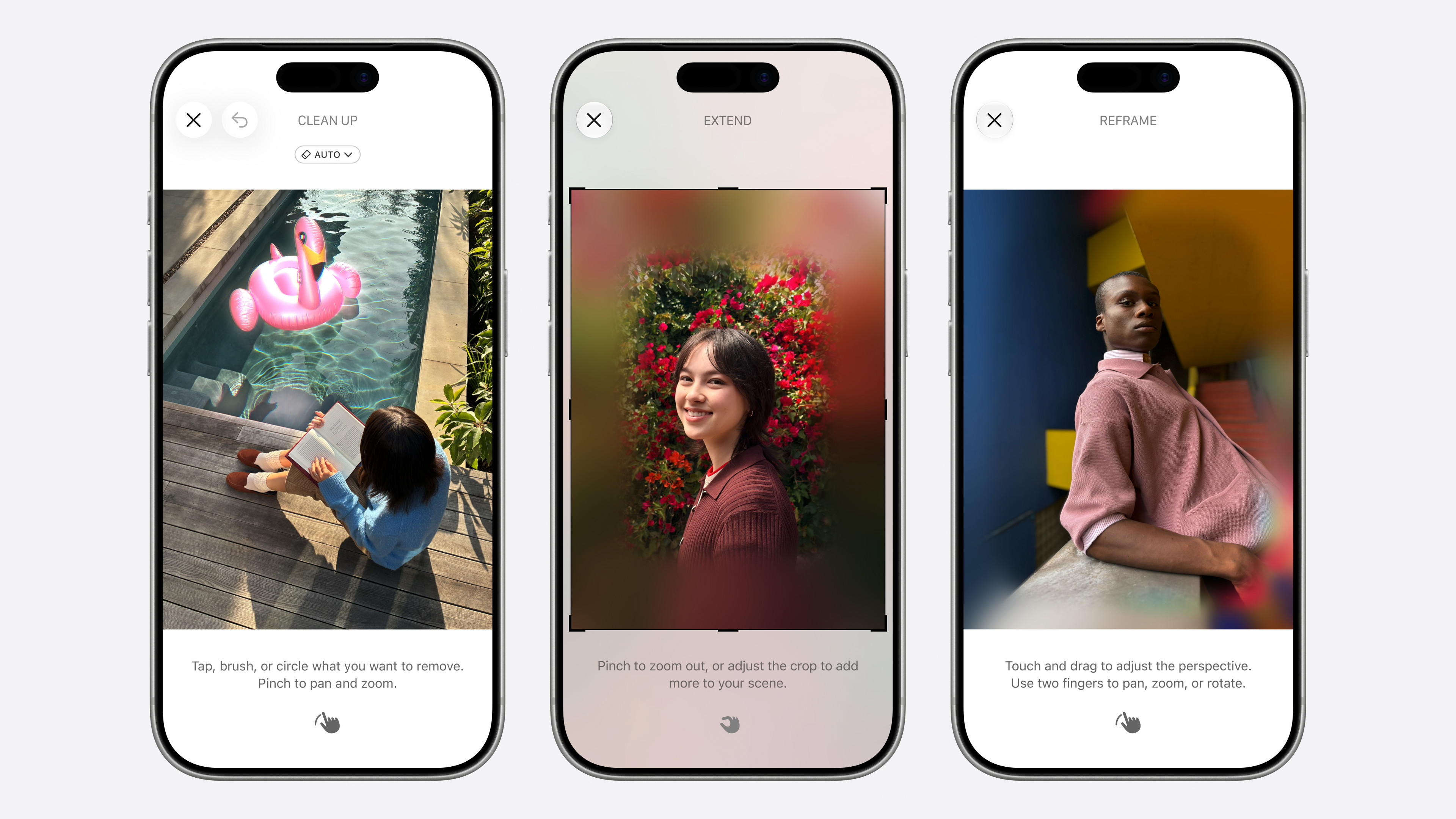
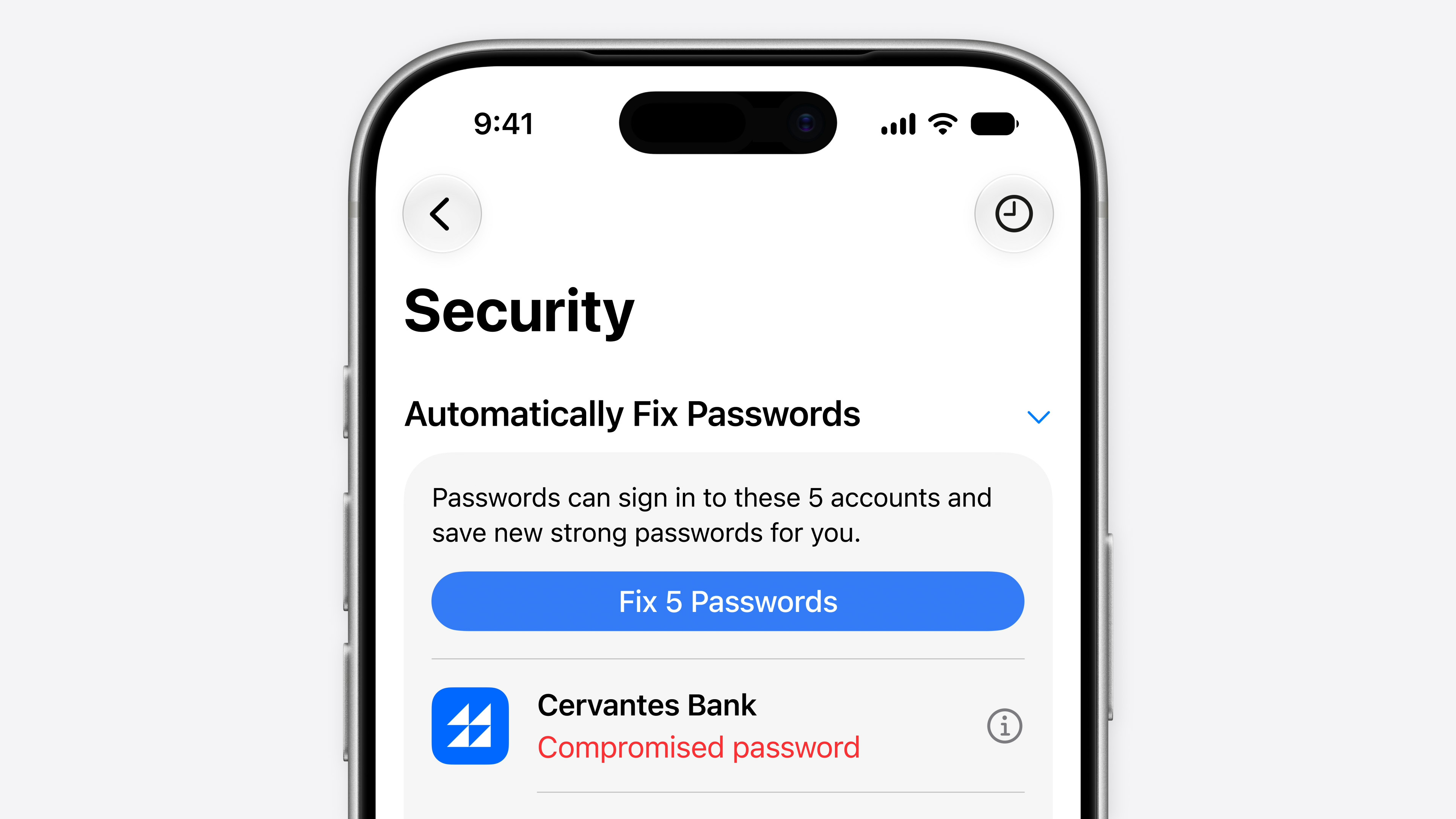
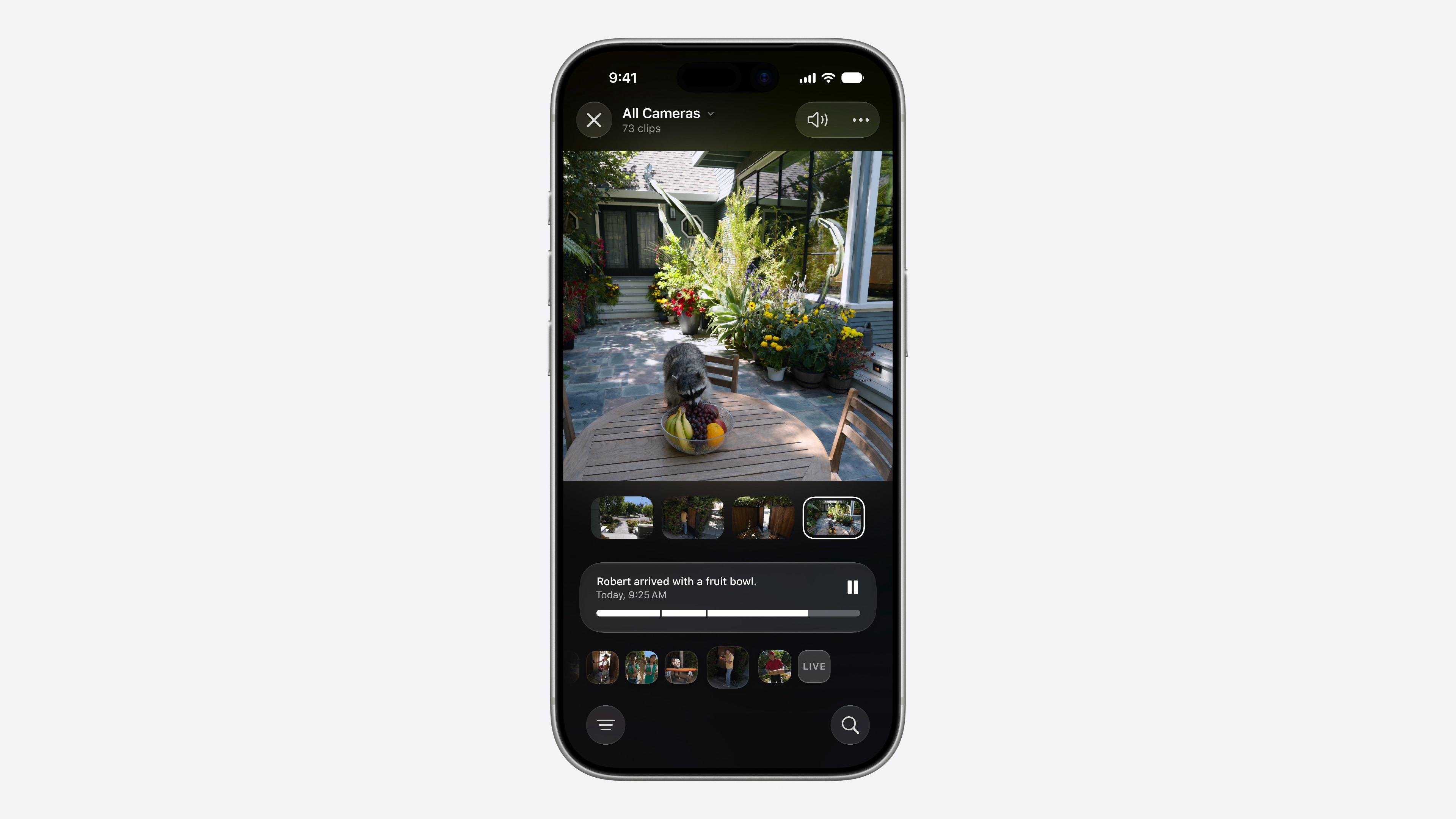
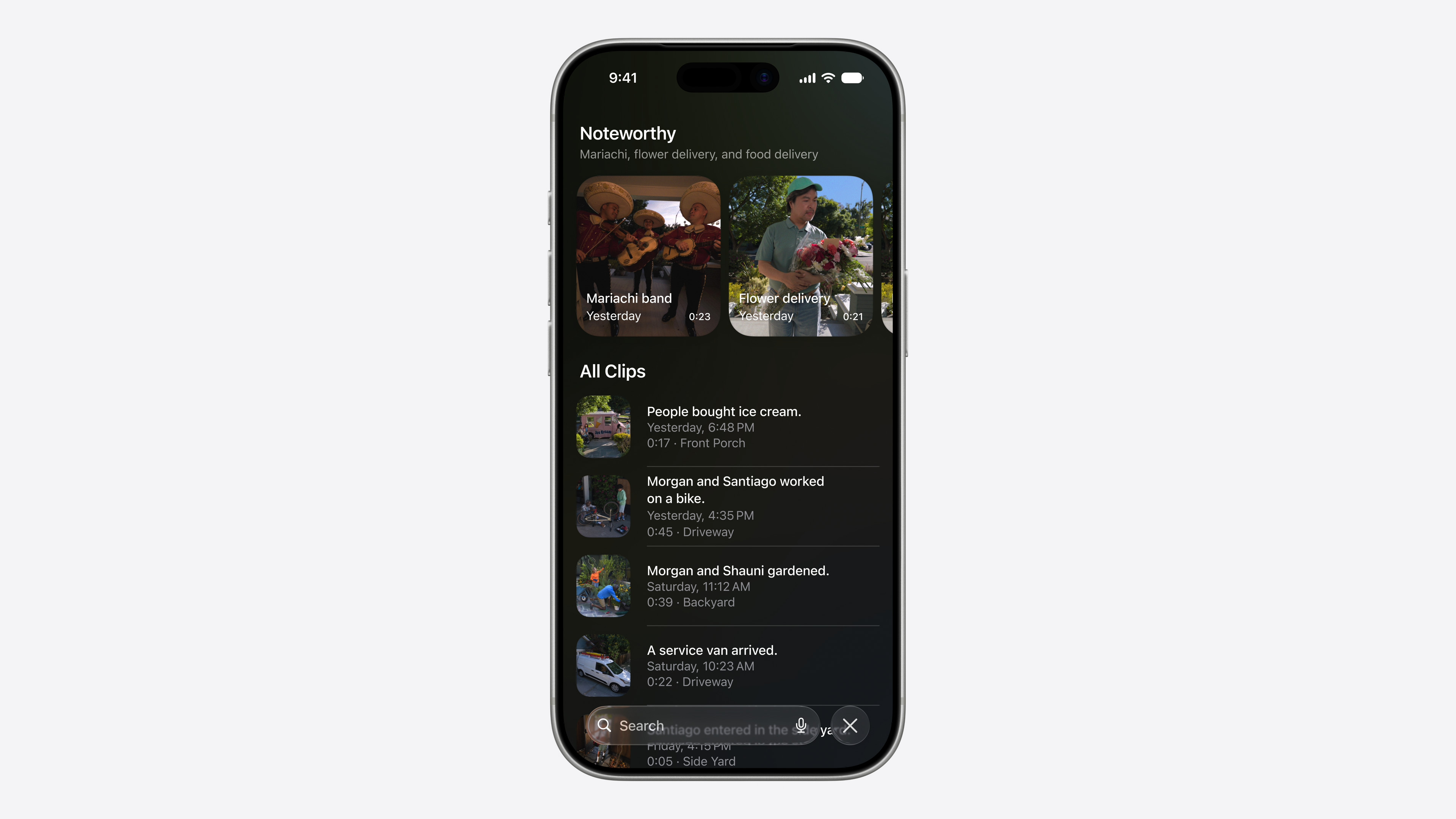
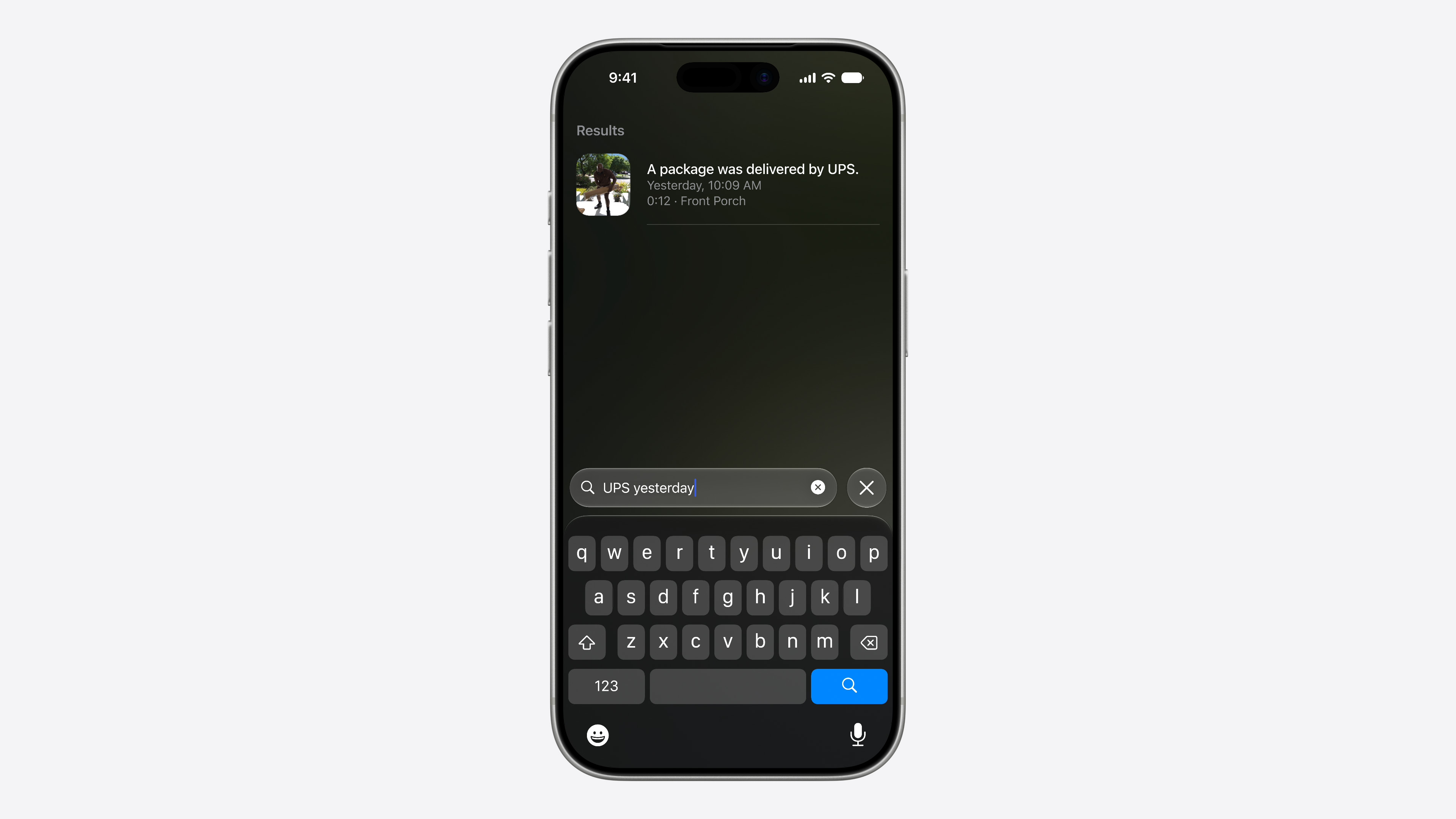
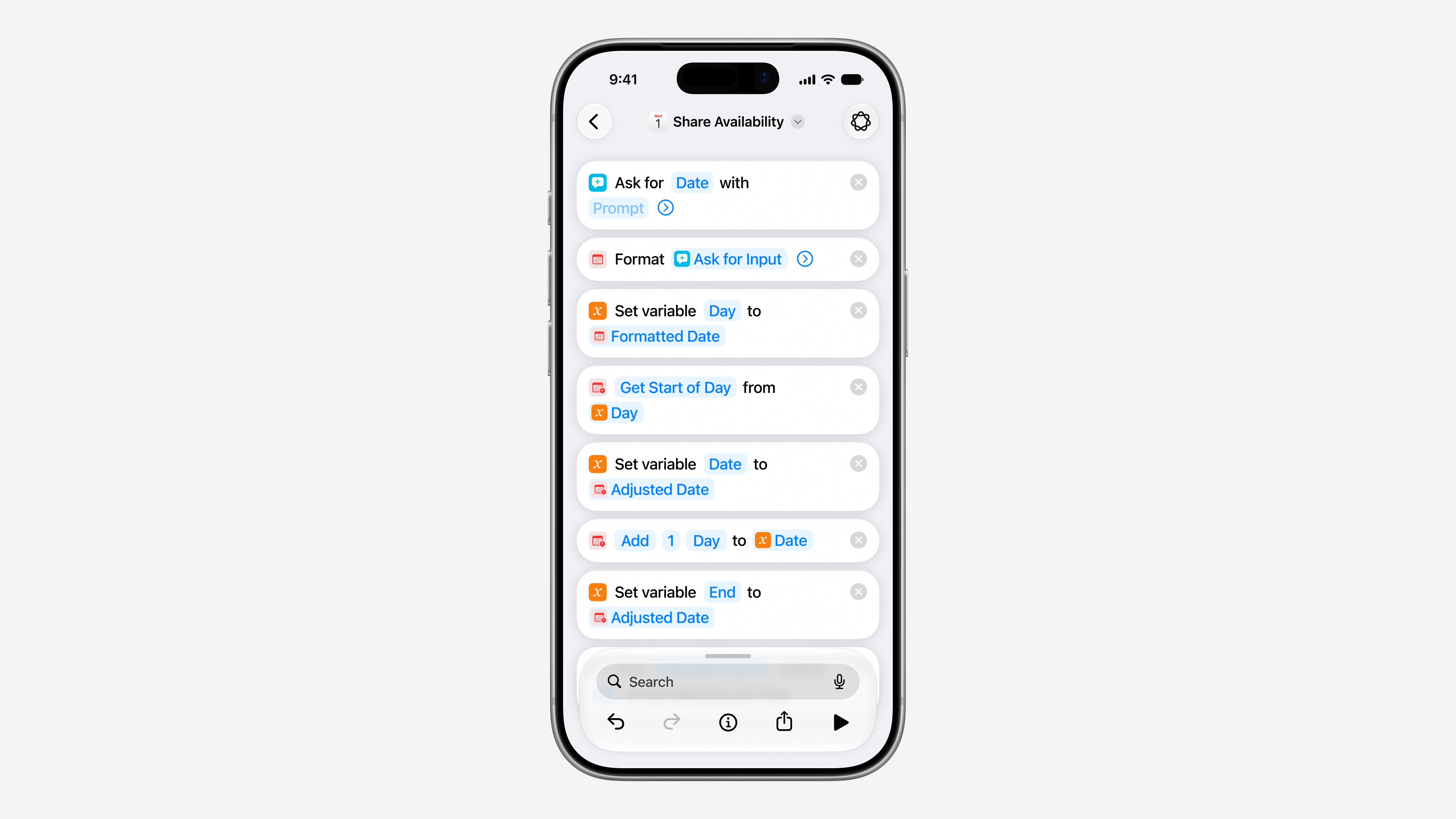














Pro For us in the Czech Republic, the whole comparison has one catch
And here we come to something that I would definitely not overlook when making a decision. Apple Intelligence and individual functions Siri are not simply available to all users at the same time. Availability may vary by region, language, specific feature, and device. This means that the US presentation iOS 27 may not exactly reflect the experience of a Czech user on the day of release.
Therefore, you need to be careful with lists like "20 best features" iOS 27", which take information from American media without further context. The function may be a real part of the system and at the same time may not be available to a Czech user at a given moment. In addition, with AI functions, there is a difference between supporting a specific country and supporting a specific language. Pro For the Czech reader, the more important question is “what will I actually be able to use from this?” than the number of new features themselves. And this is where the difference between iOS 26 to iOS 27 smaller when released than it appears from the presentation Appyou.
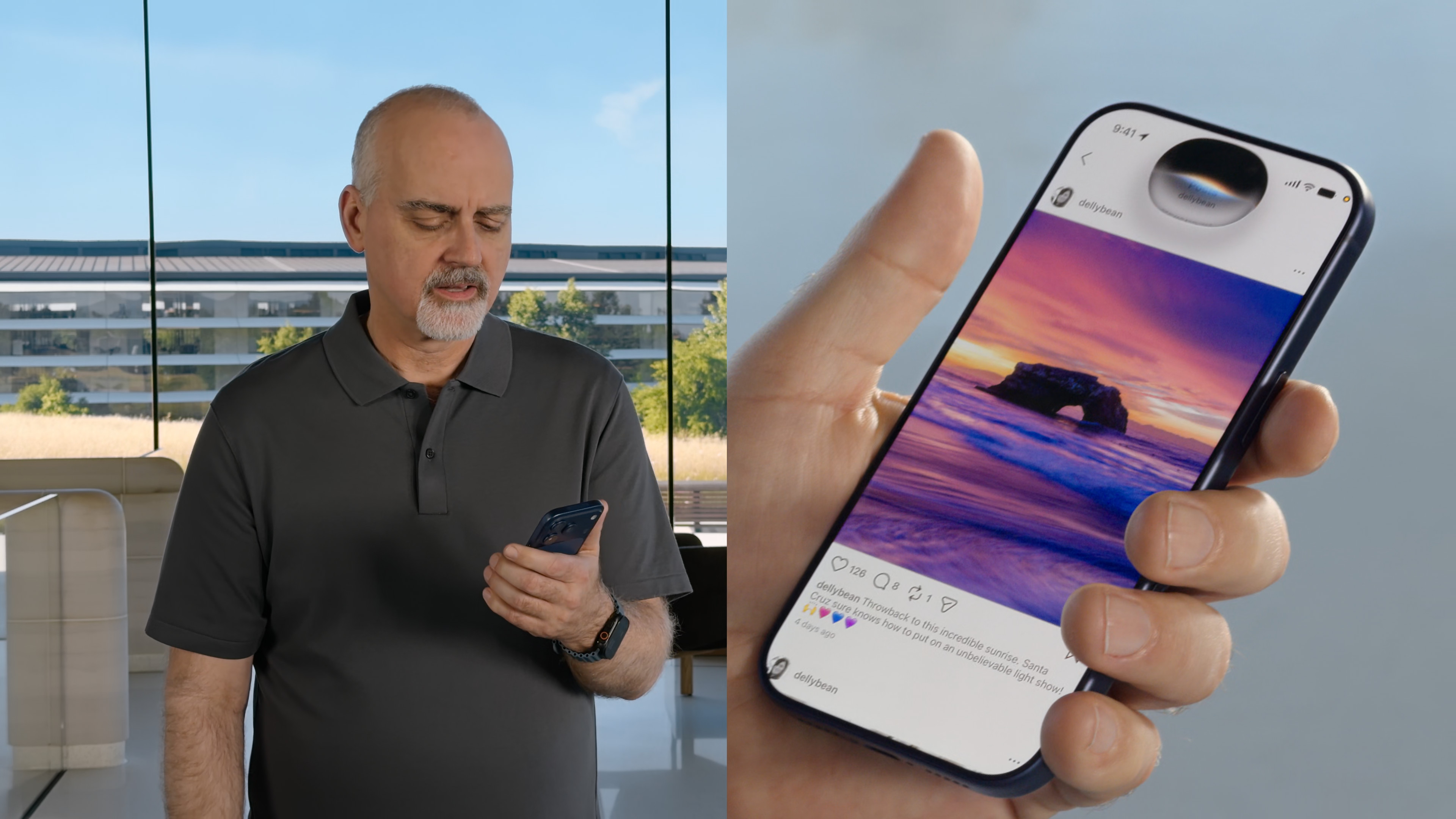
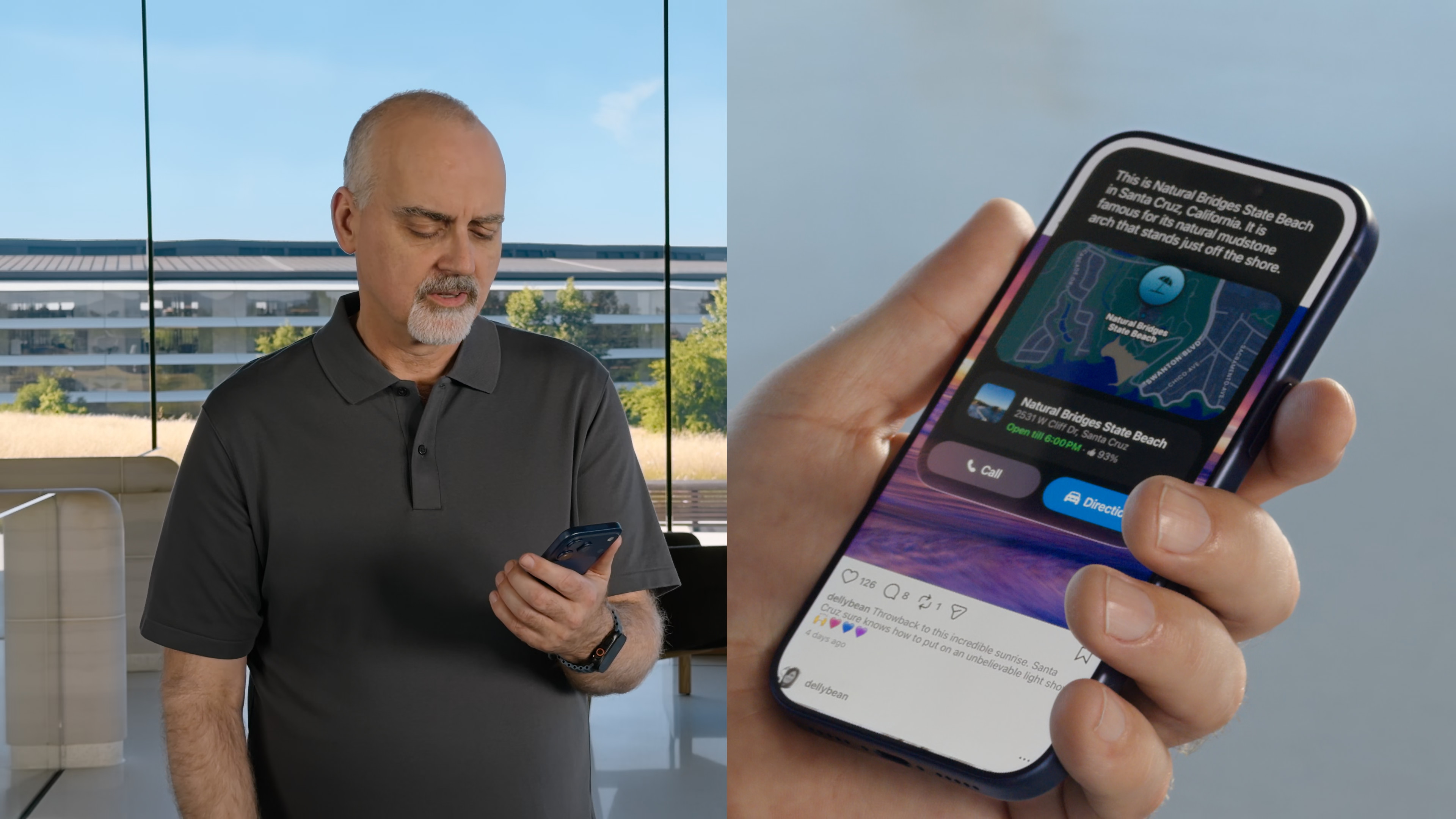
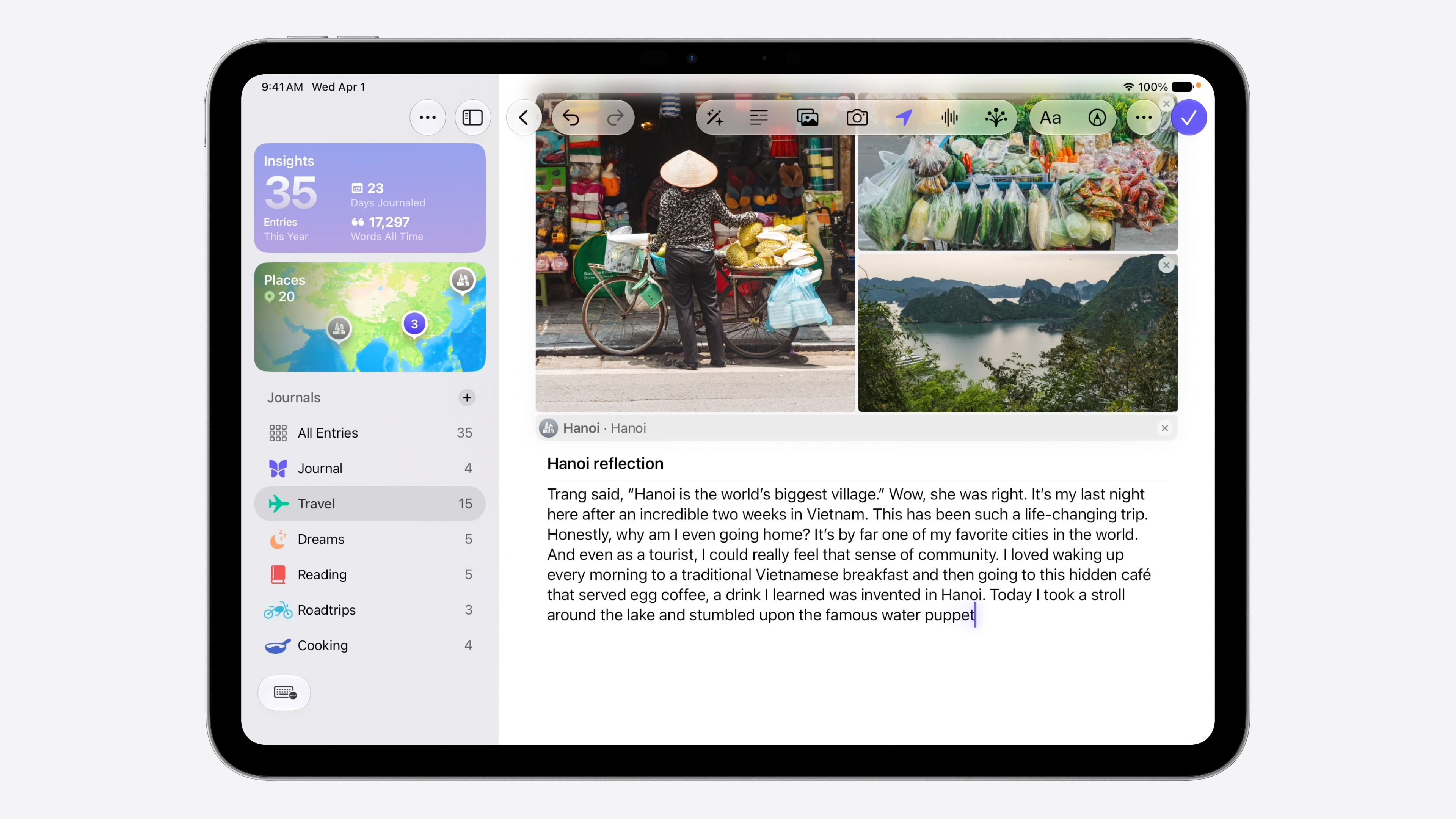
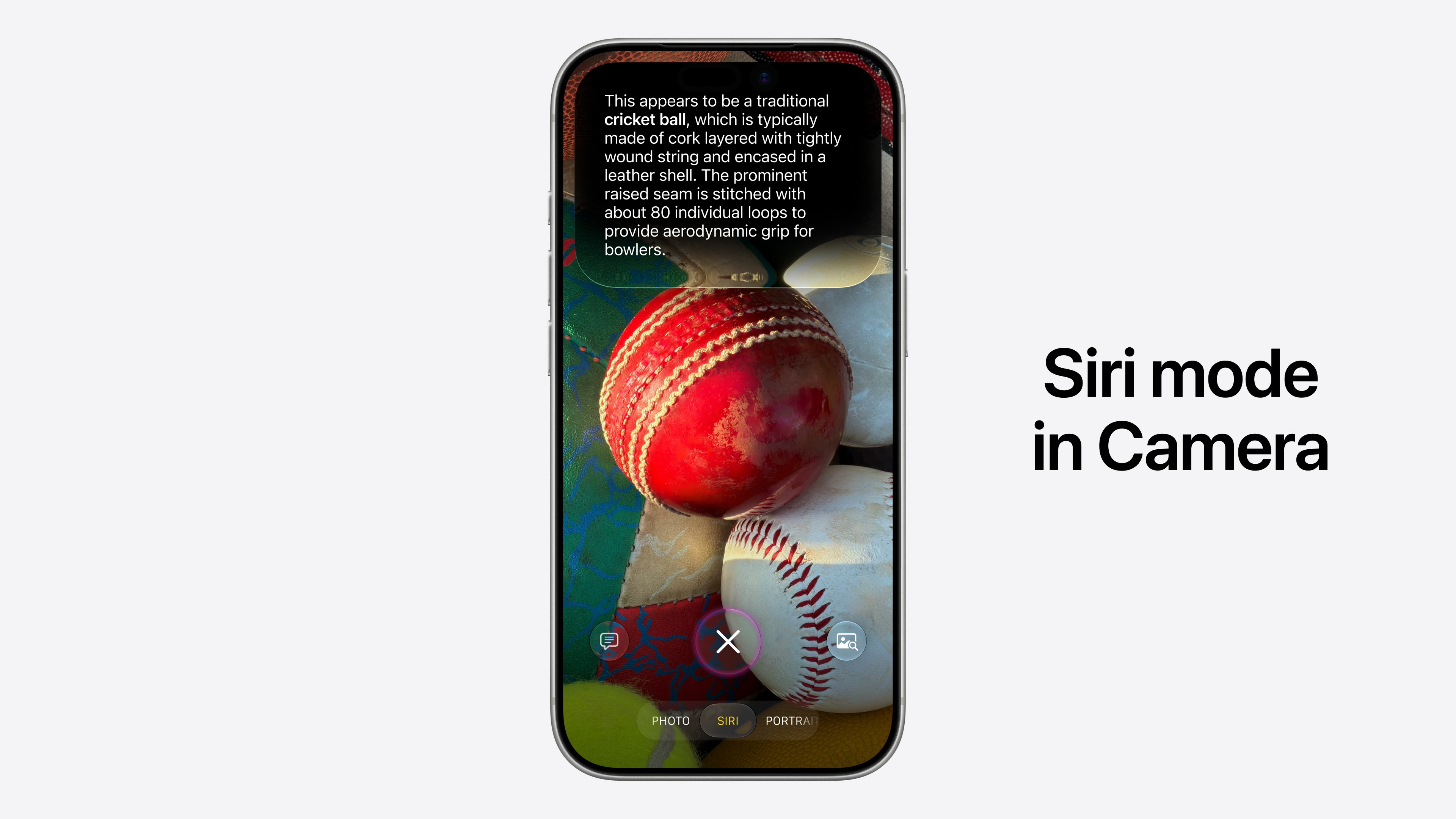
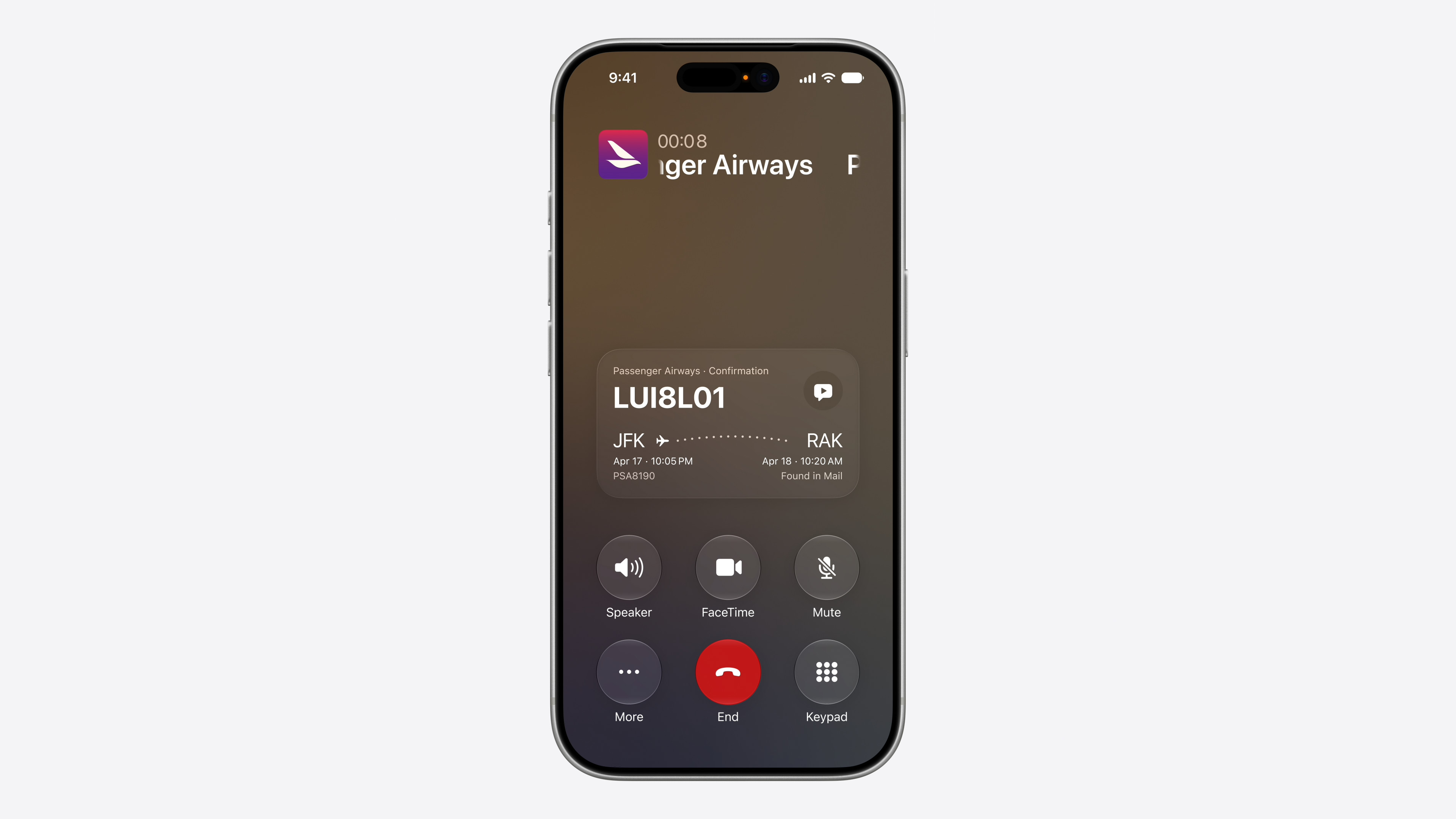
A pretty good example of the development between the two generations is Visual Intelligence. This is no longer completely new iOS 27 to Apple developed its capabilities earlier. More important than the mere existence of this feature, however, is the way it gradually connects it with other parts of the system. The phone no longer works only with what you type to it. It can analyze the content of the screen, a photo or what the camera is currently pointing at. When a more capable Siri, the idea of an assistant to whom you don't have to explain the context in a complicated way starts to make sense. Prohundred sees the same thing as you and you can ask them. This is not a feature I would recommend buying a new one for iPhone or install immediately beta version of the system. But it is interesting as an example of the direction. Apple is trying to remove the boundaries between individual AI tools and make them part of the normal operation of the phone. Whether it will work as well as it sounds in the presentations is, of course, another question.
You might be interested in
Photos and content work change more gradually
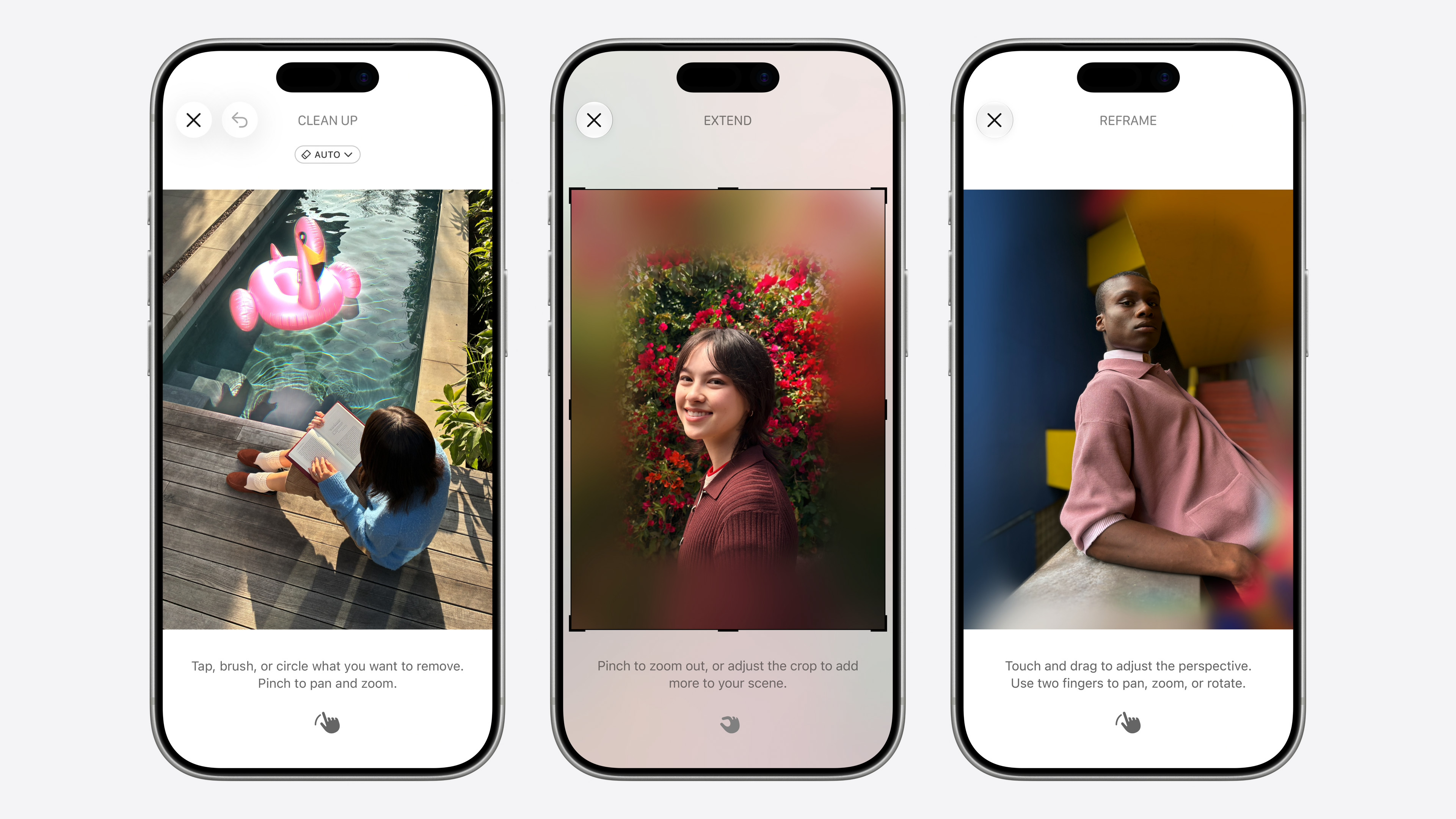
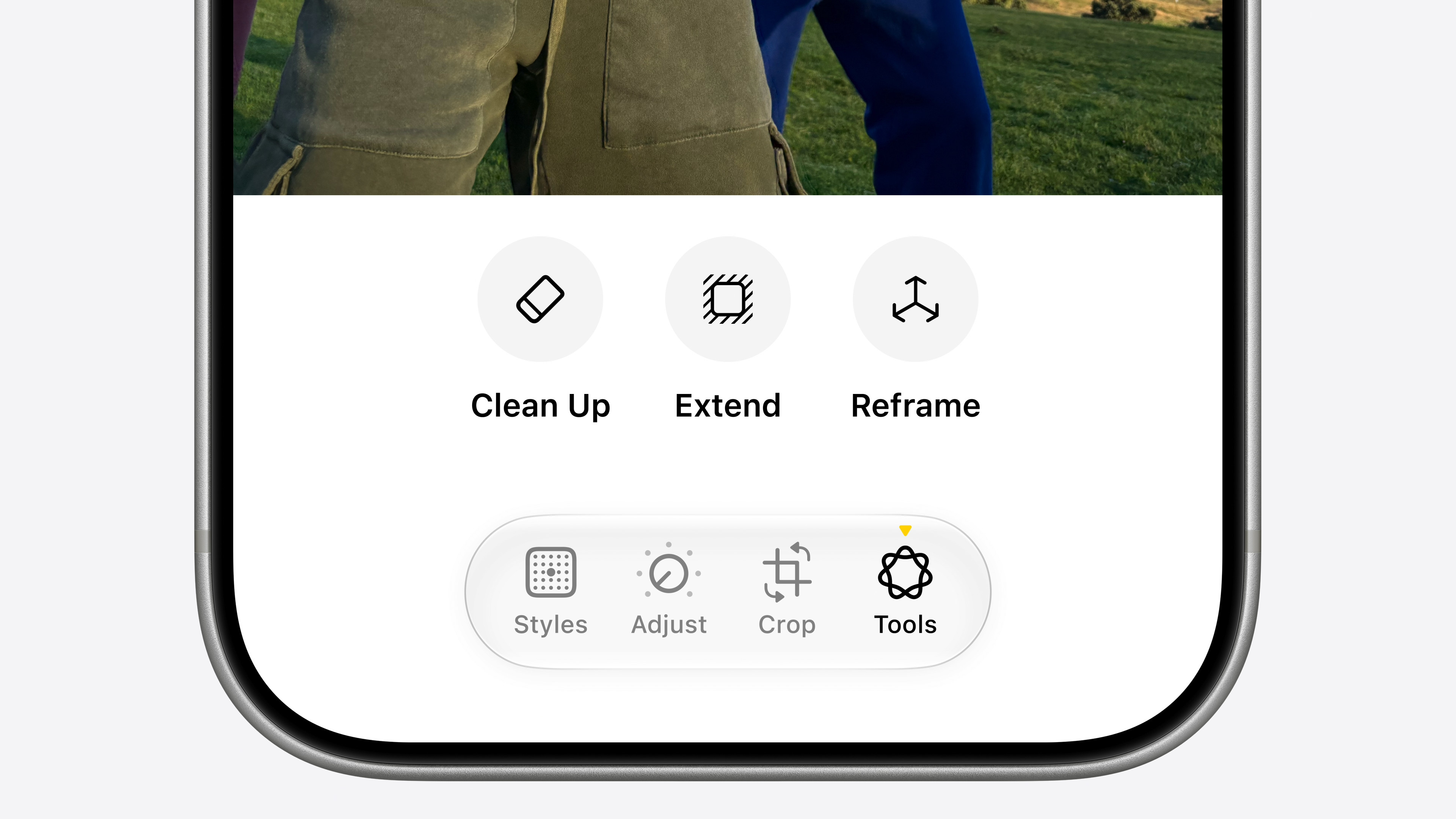
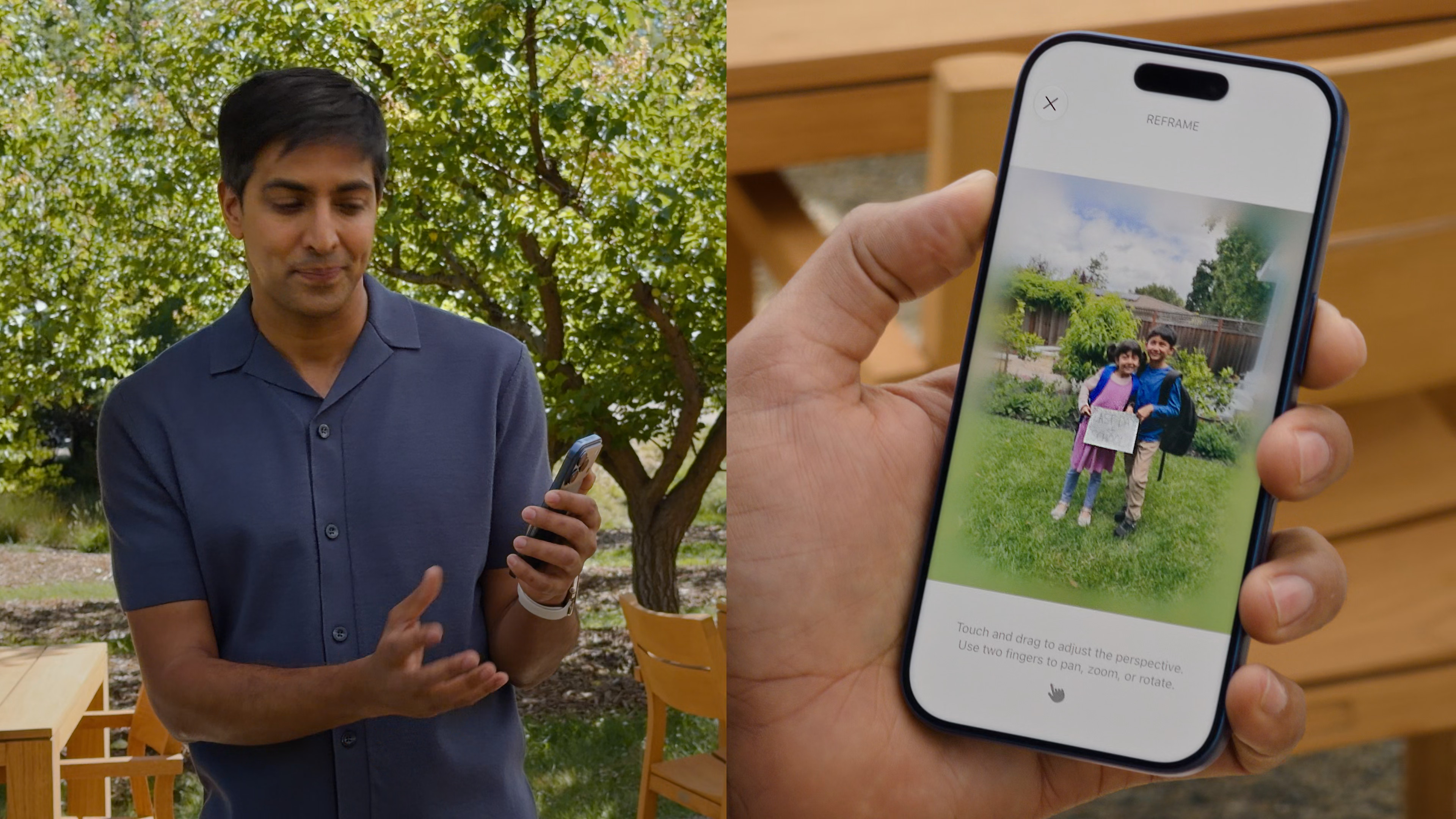
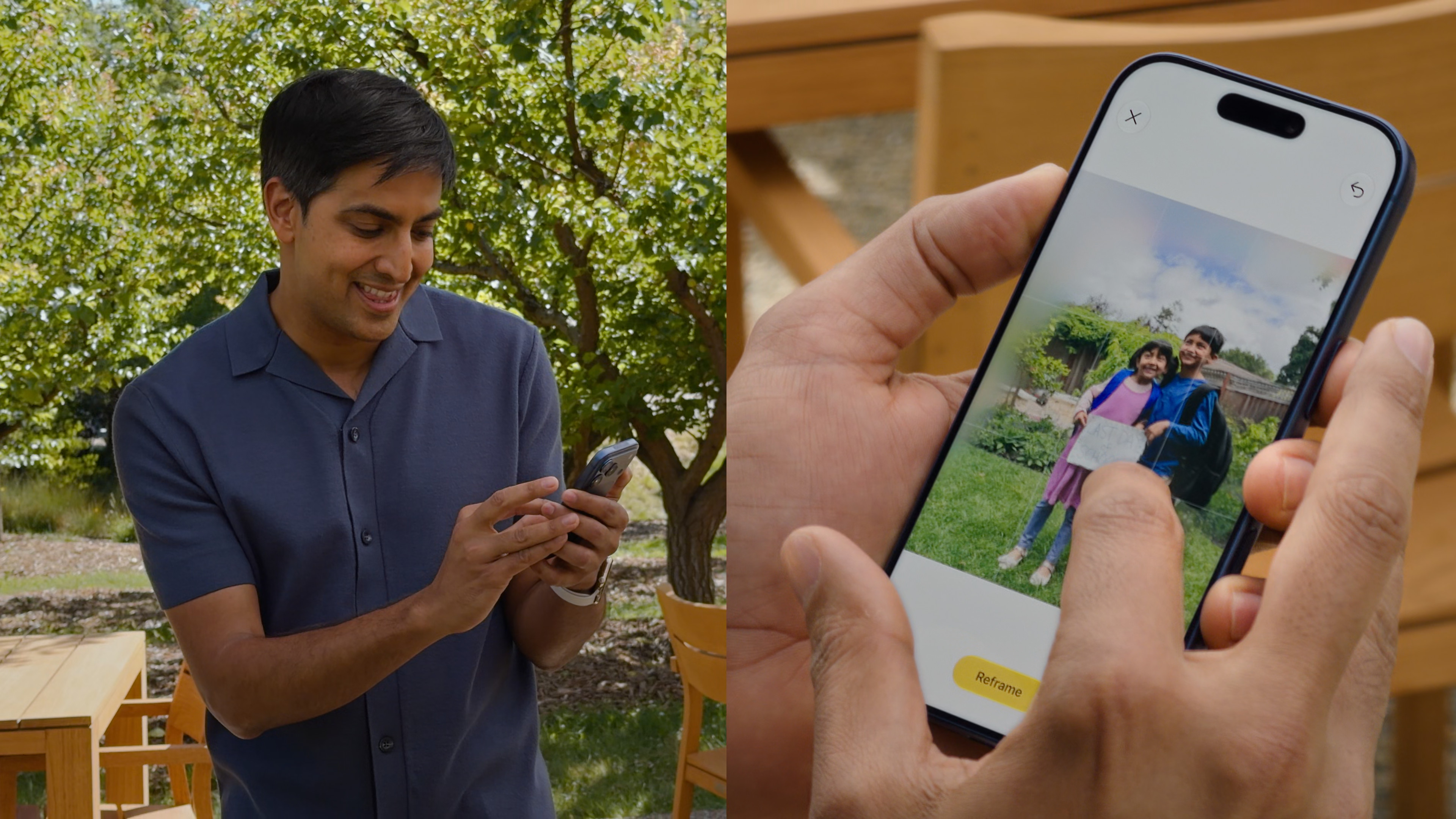
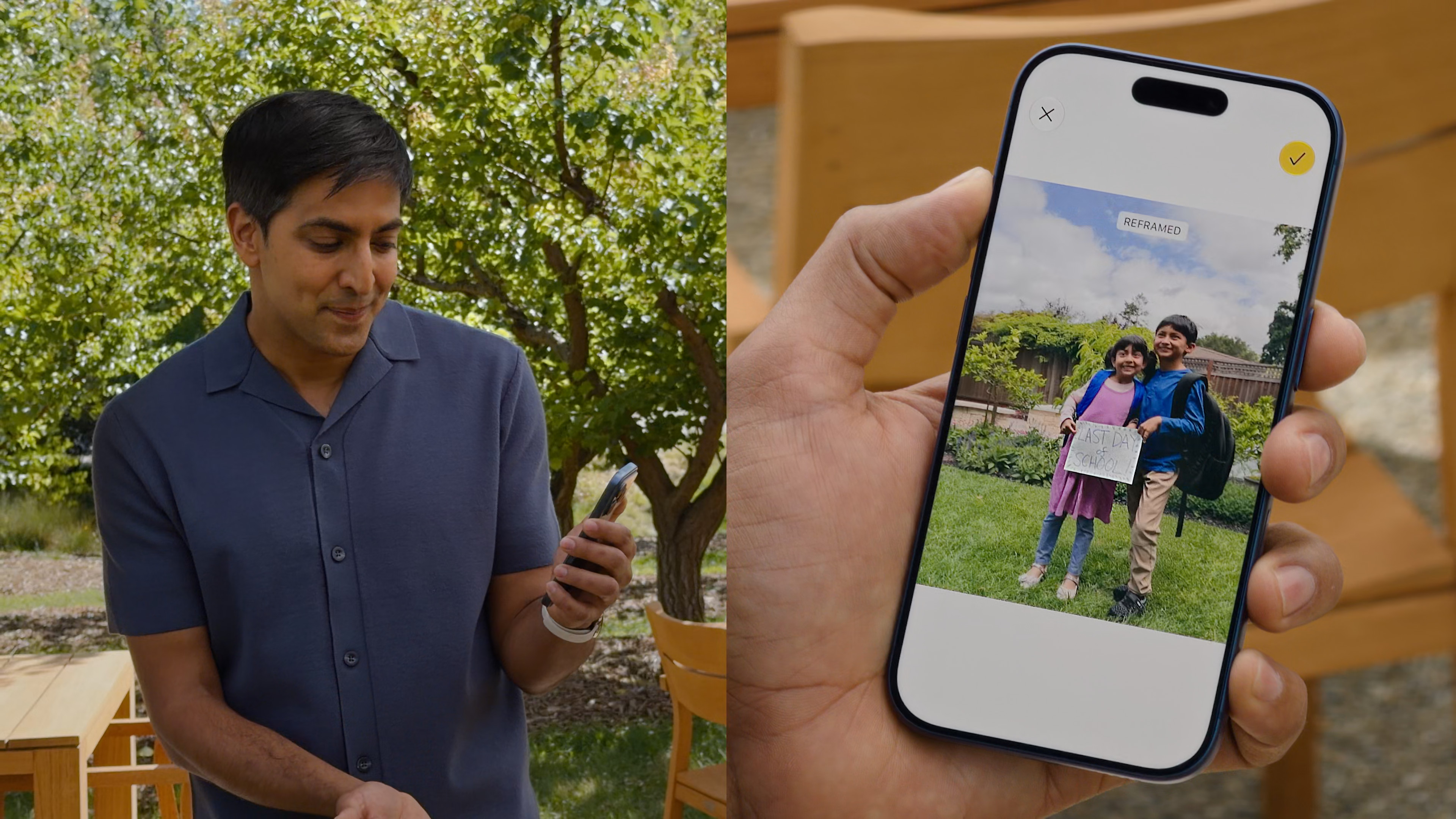
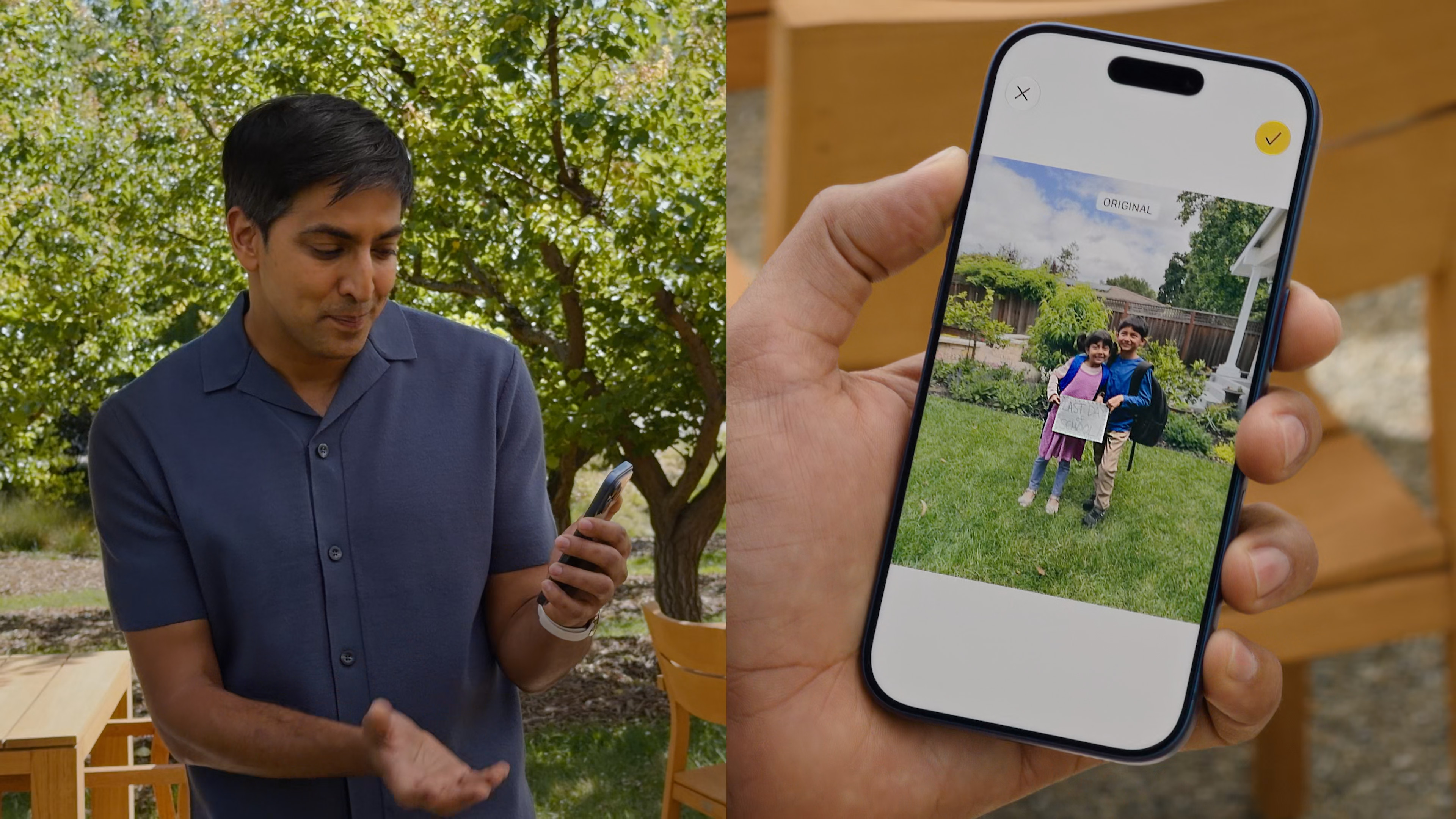
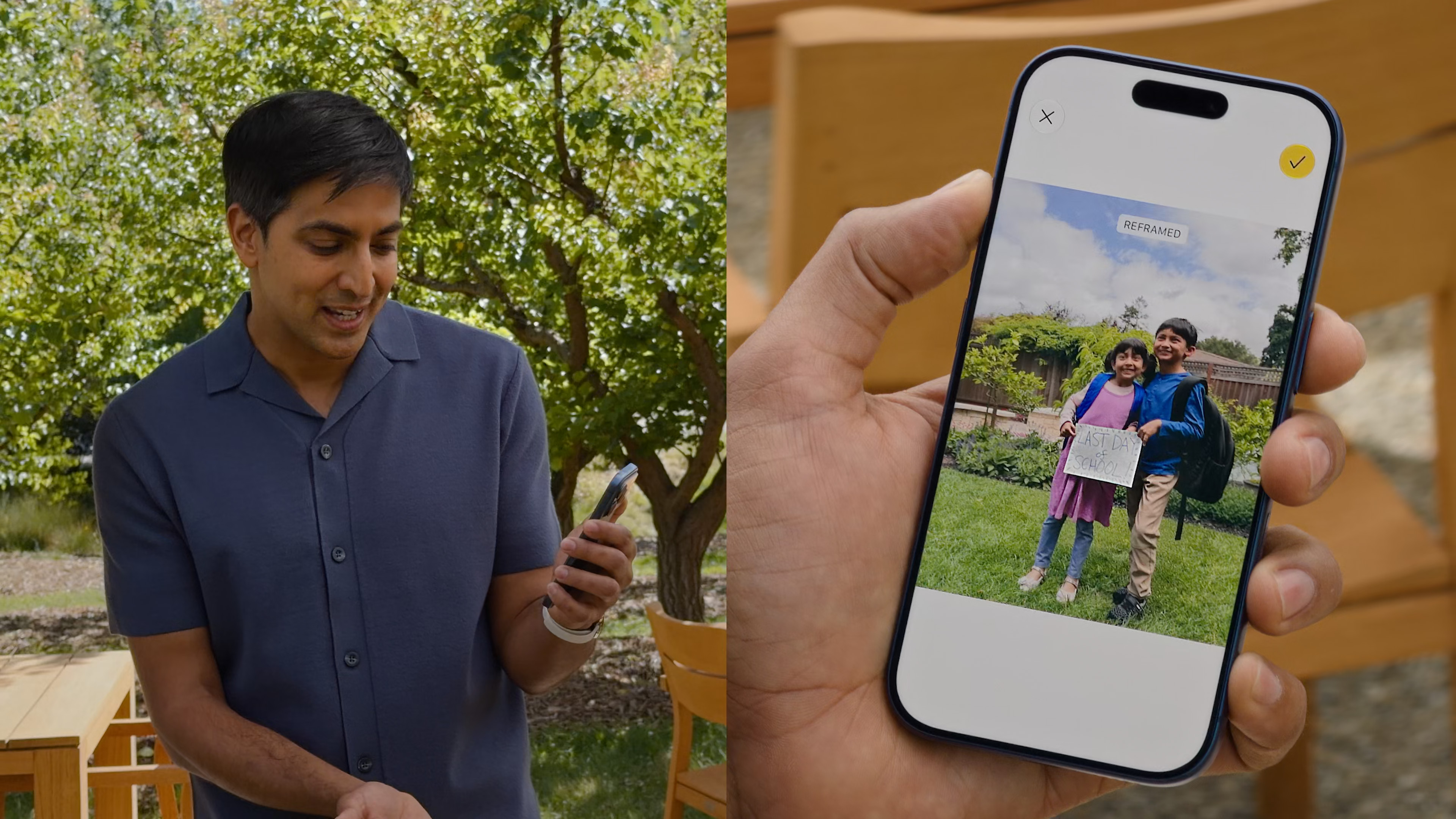
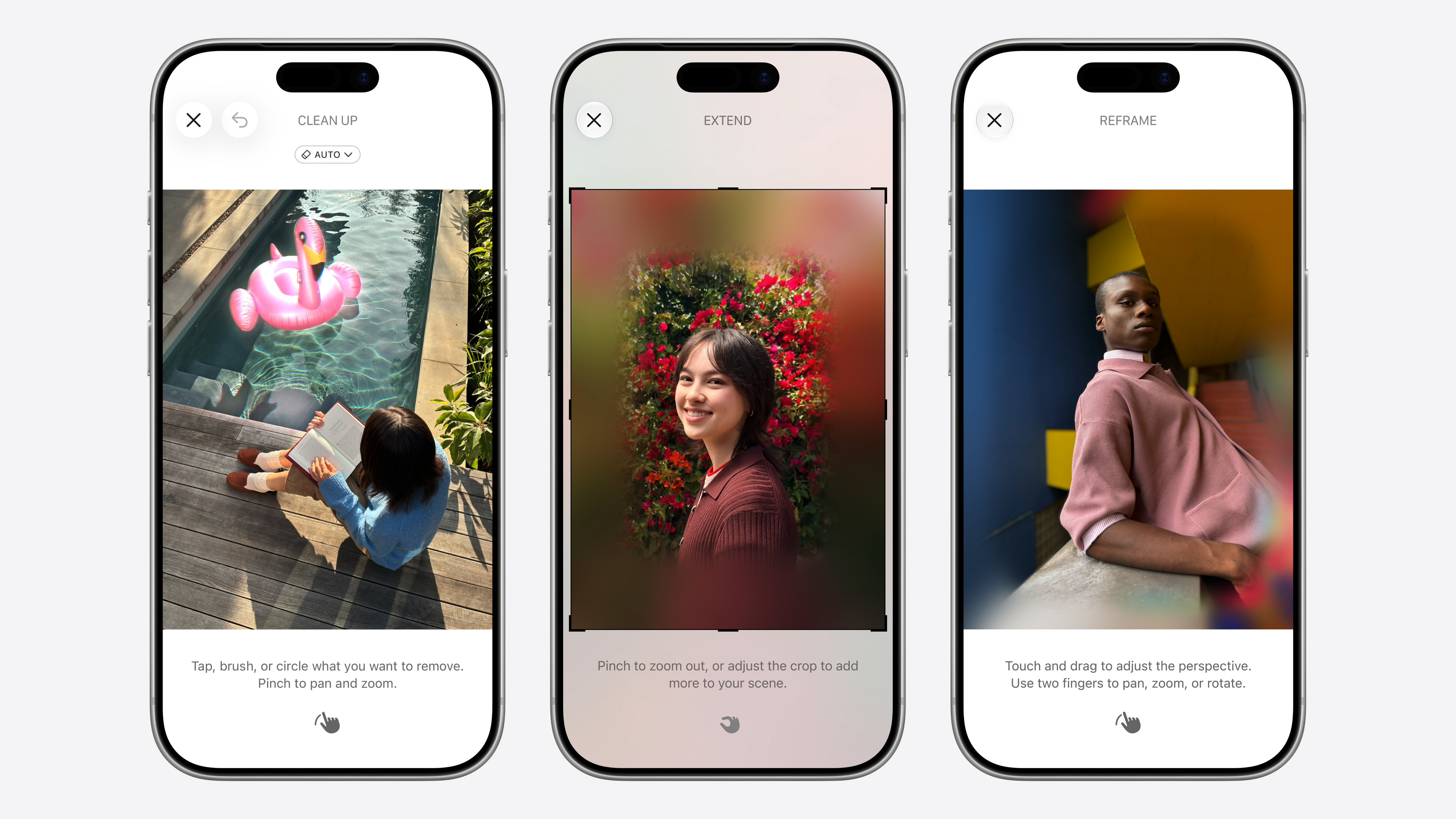
A similar development is also seen in photographs. Apple already in the previous generation offers tools using machine learning and generative AI and iOS 27 continues in this direction. So I wouldn't expect a single feature that completely changes the Photos app. It's more likely a gradual addition of tools that previously required a separate app or manual editing. And that's exactly what the update is all about. iOS 27 in many places does not come up with something that did not exist before. It takes technologies from iOS 26 and tries to make them more capable, more practical and better connected. From a marketing perspective, such a change sells worse than a complete redesign. But from a daily use perspective, it can be nakonec more useful.
What about speed, battery life, and stability? These are things that almost everyone is interested in, but they are also things that are easy to write nonsense about before the final version is released. If someone compares the battery life of a stable iOS 26 with current beta iOS 27 and makes a definitive conclusion from the result, practically comparing two different phases of software development. Beta may contain diagnostic processes, errors, and parts of the system that are not yet optimized.
I would be equally cautious about performance. On a new iPhone, you probably won't notice a difference in app opening a fraction of a second faster. It will be much more interesting to see how iOS 27 behaves on older supported models, whether battery life has deteriorated and how the system manages memory and device temperature. However, we will be able to fairly evaluate this only against the final public version. So if you are using iPhone as a main work phone, I don't see much reason to install iOS 27 just so you have it on day one. After the final version is released, it will be much more sensible to monitor user experience and any bugs for a few days. You won't miss the new system number.
Not everyone iPhone gets the same iOS 27
This is another thing that is often lost when comparing system versions. Compatibility with iOS and compatibility with all its features are not the same thing. Apple may support a specific iPhone model with a new system version, but some features require Apple Intelligence or specific hardware simply won't work on it. Therefore, the owner of an older supported iPhone may receive a new one after the update iOS 27, but his experience will be significantly different from someone with the latest Pro model. The larger the part of the system Apple builds on local AI models and specialized hardware, the more important this difference will be. Therefore, when deciding on an update, it is better to look at the list of new features available for your specific iPhone than the general product side of the system.
More than the new version number might suggest. The basic Liquid Glass visual language, familiar controls, and much of the changes that have been made remain. Apple introduced in the previous generation. iOS 27 is not a reboot. It is a continuation of the same direction with a much greater emphasis on system intelligence. And I don't think that is a weakness. After a major change, it is sometimes better to spend a year fixing, optimizing and developing what already exists than to come up with another redesign at all costs. If Apple at the same time it canoneto make of Siri assistant corresponding to the year 2026, will have iOS 27 its reason for existence even without each icon looking different.
iOS 27 is not the same upgrade for everyone
If you have a new iPhone, you use Apple Intelligence and you are in a region and language setting where the new AI features will be available, there may be a difference versus iOS 26 is quite significant. The biggest changes are not hidden in a new icon or animation, but in the way the system understands your requirements and can work with information. On the other hand, the owner of an older iPhone without support for some AI features can switch to iOS 27 and the first reaction will be calmly: "What's actually different?" And he won't necessarily be wrong. Apple increasingly creates a system whose most interesting features depend on specific hardware. Two people with the same version iOS so the phone can offer quite different options.
So it makes sense to move from iOS 26 na iOS 27?
After the stable version is released, in most cases yes. I see no reason to stay on it for the long term. iOS 26 just because iOS 27 does not bring the same dramatic change in appearance. The new version means further development of the system, security fixes, compatibility with new features and gradually also features that Apple will add during its life cycle. At the same time, however, I would iOS 27 was not overestimated only based on the most impressive AI demonstrations. Pro The real availability of individual functions and, for older iPhones, hardware compatibility will be decisive for the Czech user. Only the combination of these two things will show how big an update iOS 27 for a specific person really is.
You might be interested in
iOS 26 changed appearance. iOS 27 wants to change the way it is used
If I had to summarize both generations as simply as possible, iOS 26 was primarily a change in how iPhone looks, while iOS 27 tries to change what happened to you iPhone can do. Liquid Glass was immediately visible and anyone could form an opinion about it within minutes. The new Siri, personal context, and deeper integration of AI with the system will take time to show whether this is truly a fundamental shift.
That's why I would iOS 27 did not rate according to the number of new functions. If Apple really fix it Siri and if it manages to integrate AI into the system in such a way that a person uses it naturally and does not have to think about where each tool is located, the new version may end up being more important than visually much more noticeable. iOS 26. But if the most interesting features remain limited to a few languages, regions, and the latest hardware, the difference will be significantly smaller for a large part of Czech users. And perhaps that is what is important in comparison iOS 26 to iOS 27 most interesting. For the first time already nestI want to know which version iOS It's becoming just as important what iPhone you use it on, in what language, and which services you use. Apple actually made available in your region.