If you regularly follow the warnings of the Czech Hydrometeorological Institute, you may have noticed a fairly fundamental change since July 1. The Czech Hydrometeorological Institute has launched an innovative warning system that is intended to give people a much better idea of what problems the weather can actually cause. It will no longer be just a question of whether the temperature will exceed a certain limit or how much rain it will rain. Meteorologists will now take into account the real impacts of the weather on everyday life.
You might be interested in
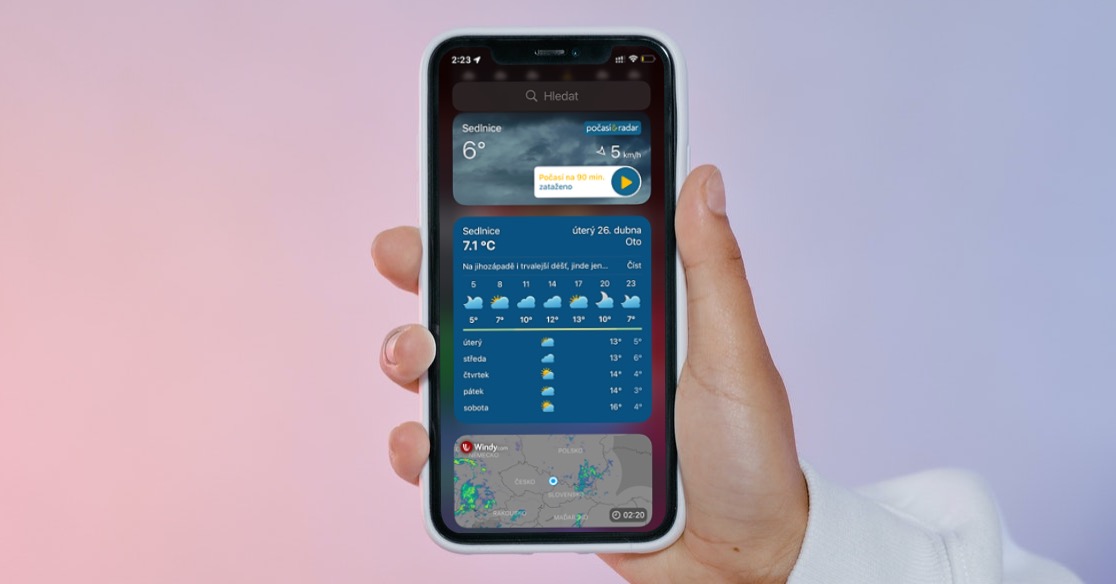
The previous system was based primarily on fixed meteorological values. However, the new approach is significantly more practical. When issuing warnings, meteorologists will take into account, for example, soil saturation during expected rains, the timing of snowfall or ice during the morning rush hour, or other circumstances that can significantly worsen the situation. The goal is to make the warnings better reflect what people actually expect and to make them more understandable not only for the public but also for crisis management units.
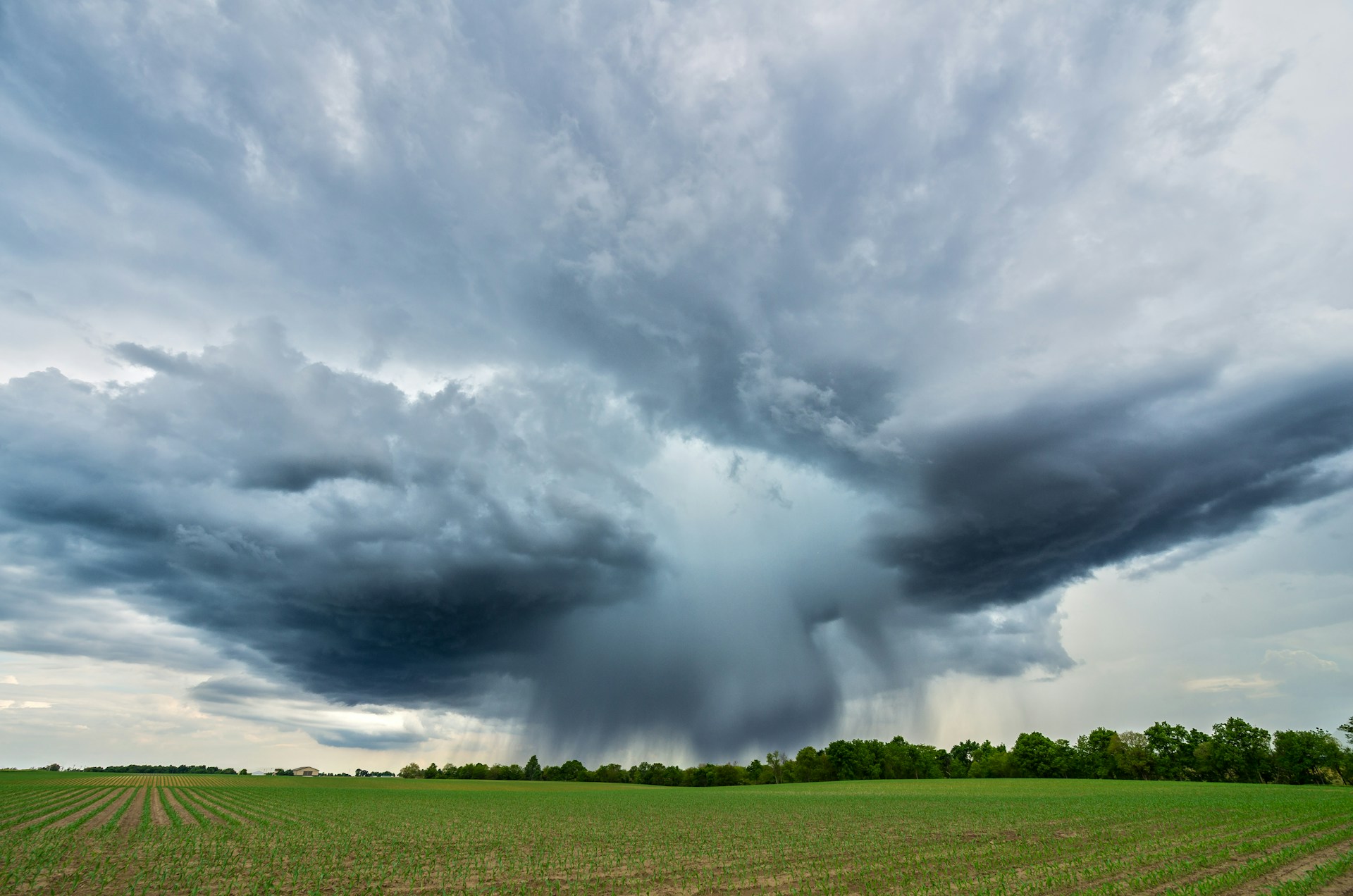
Same temperature, different risk
The biggest change concerns warnings against high and low temperatures. While previously the measured air temperature itself played the main role, the so-called human thermal discomfort will now be assessed. The Czech Meteorological Institute will start using the international UTCI index, which, in addition to temperature, also takes into account air humidity, wind strength or solar radiation intensity. This is why the same 31 °C can now mean a yellow, orange or, in extreme cases, even a red warning, depending on the conditions.
The new system also distinguishes whether high or low temperatures pose a greater risk to human health or to infrastructure and the economy. It is part of the implementation of the Heat system Health Warning System, which is intended to help better protect seniors, small children and other sensitive groups of the population during heat waves or severe frosts.
You might be interested in
The good news is that the color coding of the warnings themselves remains the same. You'll still see yellow, orange, and red levels of danger. But the way meteorologists arrive at them is changing. The new system should better reflect the true danger of the situation and offer more accurate information about what the weather can cause.