Tim Cook a few weeks ago he said that price increases for some products Applu is practically inevitable due to the sharp increase in memory and storage prices. The reason is not only inflation or more expensive production, but mainly artificial intelligence. Many ordinary users have no idea what it actually means Tim Cook What he means when he says AI is driving the price hikes. AI data centers are now consuming huge amounts of memory chips. Companies building AI infrastructure are buying up DRAM, NAND, and other memory chips.onenty in bulk, which limits the availability of these chips for consumer electronics manufacturers. Apple It is one of the most powerful companies in the world and has enormous negotiating power with suppliers, but even that may not be enough in the current situation.
ProThe problem is simple. Chips that were recently mainly aimed at phones, laptops, tablets or SSDs are now increasingly reserved for servers and AI infrastructure. Memory manufacturers naturally prefer the segment where they can achieve higher margins. And that is data centers, not regular consumer electronics. The result is pressure on prices across the industry. Memory and storage are not at the Appno edge detail. iPhone, iPad and Mac are directly dependent on them. And with how Apple As more AI-related features are added to their devices, the need for higher RAM and faster storage is also growing.
The most expensive iPhone they can become the most expensive
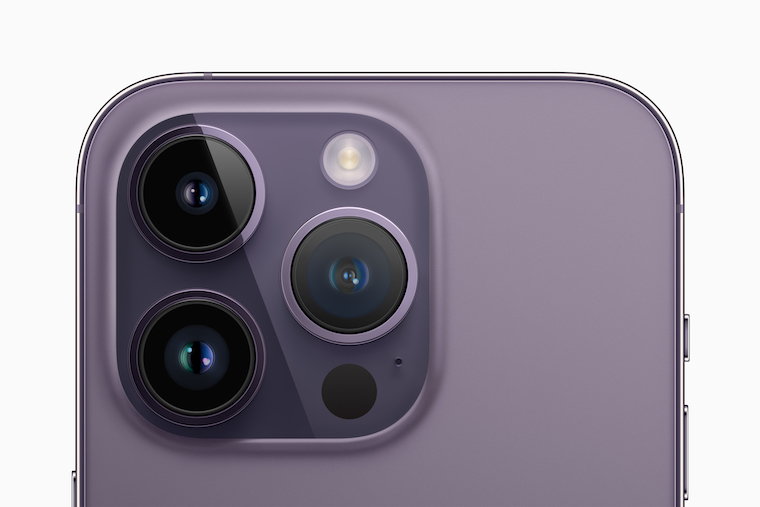
According to analysts, the pressure could be most pronounced on premium models. For future iPhones Pro There is even talk of a possible price increase of up to hundreds of dollars, some estimates say around $270. This does not automatically mean that every iPhone, but it shows the extent of the problem that Apple facing. Apple traditionally tries to cushion cost growth with its own margins, long-term contracts and huge order volumes. But if the memory market falls below long-term pressure due to AI, the company will have only three options: reduce margins, reduce equipment, or transfer part of the costs to customers. And it is the third variaIt's starting to look more and more likely.
The problem is even more noticeable on Macs, as higher RAM and storage configurations are available. Appvery expensive in the long term. If the memory chips themselves become more expensive, this can be reflected not only in the basic prices, but also in the surcharges for higher configurations. That is where Apple large scope to reflect higher costs without at first glance changing the price of the base model. Pro This could be a jarring change for customers. While the base model may remain similar in price, the version people actually want to buy – the one with more memory and storage – could be significantly more expensive than it is today.
If demand for AI hardware continues to grow, we can't expect a quick return to cheaper memory. Production capacities can be increased, but it doesn't happen overnight. Building factories, adjusting production lines, and concluding new supplier contracts takes years. Apple So it may be facing a new reality. The era of being able to hide a large part of the cost fluctuations in its own margin may be coming to an end for memory and storage. And if this prediction comes true, the next generations of iPhones and Macs may be more expensive not because Apple wants to, but because the global AI race gives him virtually no other choice.