
Large Apple The week continues. After yesterday's performance iPhone 17e a iPad Air M4 namely Apple recently expanded its range of monitors and introduced a new generation Studio Display and brand new Studio Display XDR. And if you were expecting just cosmetic changes, here it goes significantly further, especially with XDR varianty.
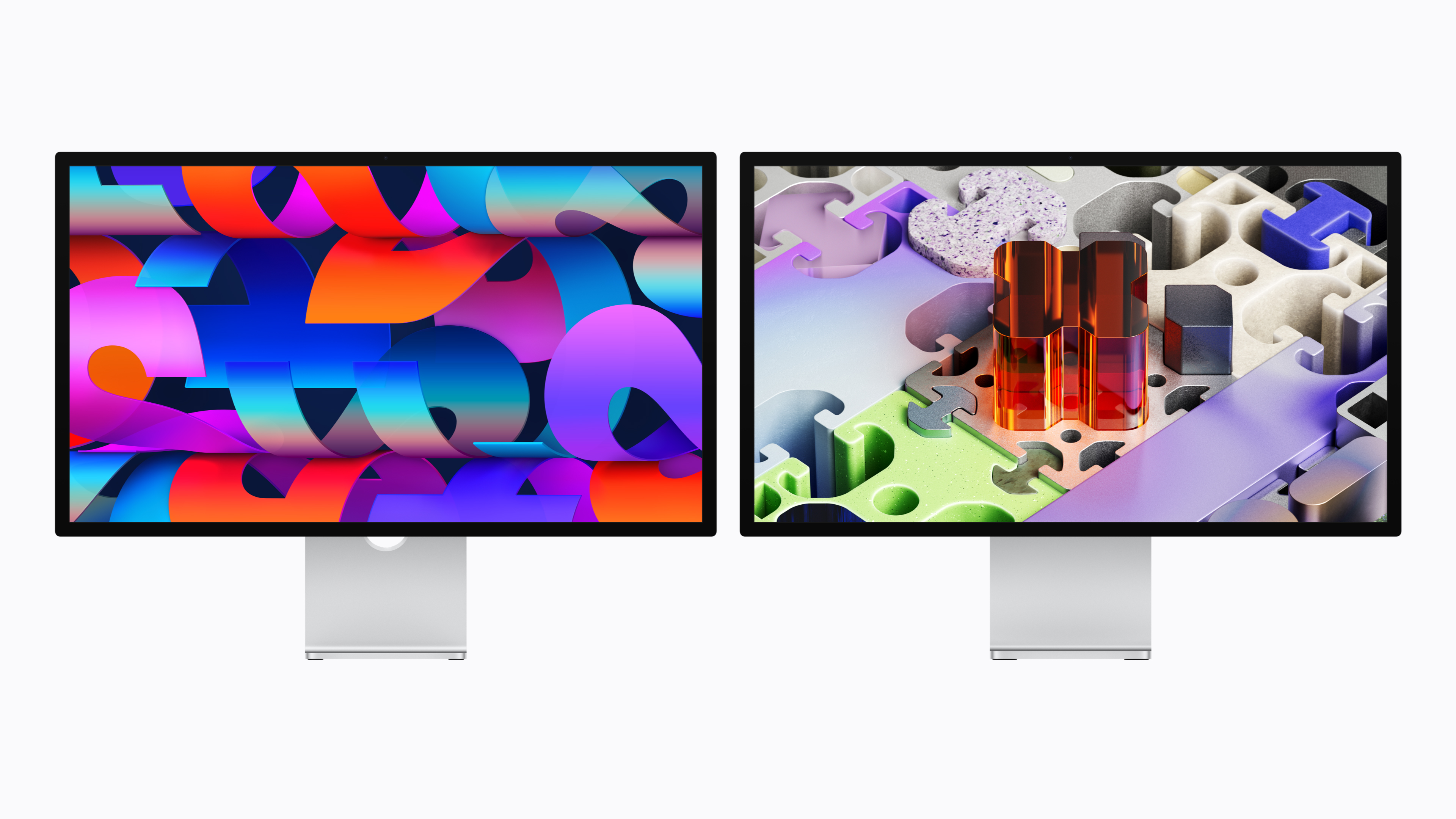
Studio Display: the ideal companion for your Mac
The basis of this monitor is again a 27″ 5K Retina A panel with a resolution of 5120 × 2880, more than 14 million pixels, a brightness of 600 nits and support for the P3 wide color gamut, which in itself sounds like a solid standard for working with photos, video, graphics or even for everyday use.ancelary.
The new feature is a 12MP camera with Center Stagewhich, according to the words Applu now offers better image quality and Desk View support, i.e. viewing the desktop from above. There is also a three-microphone array and a six-speaker system Spatial AudioThere should be 30% more bass than the previous generation, thanks to four redesigned woofers with vibration suppression.
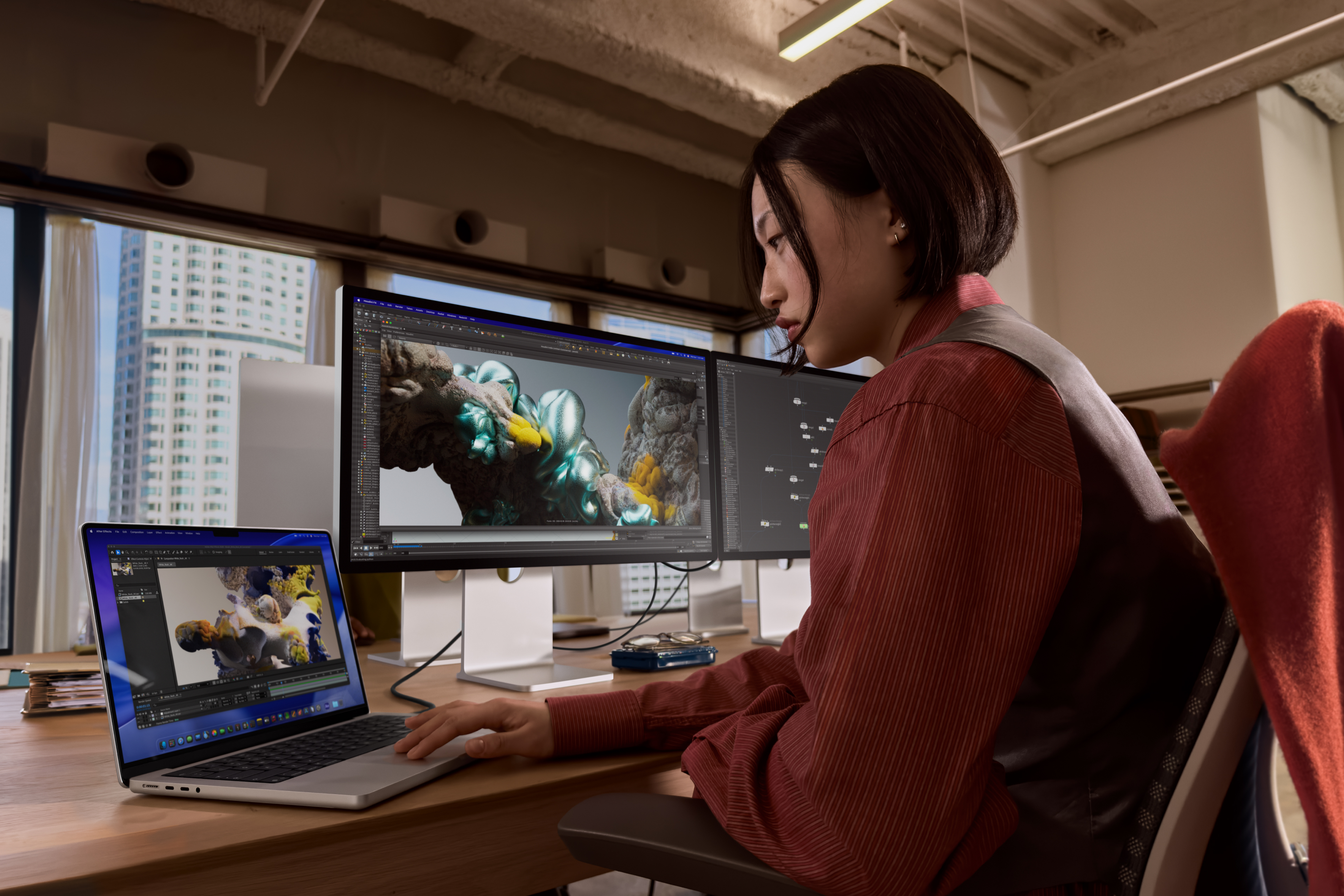
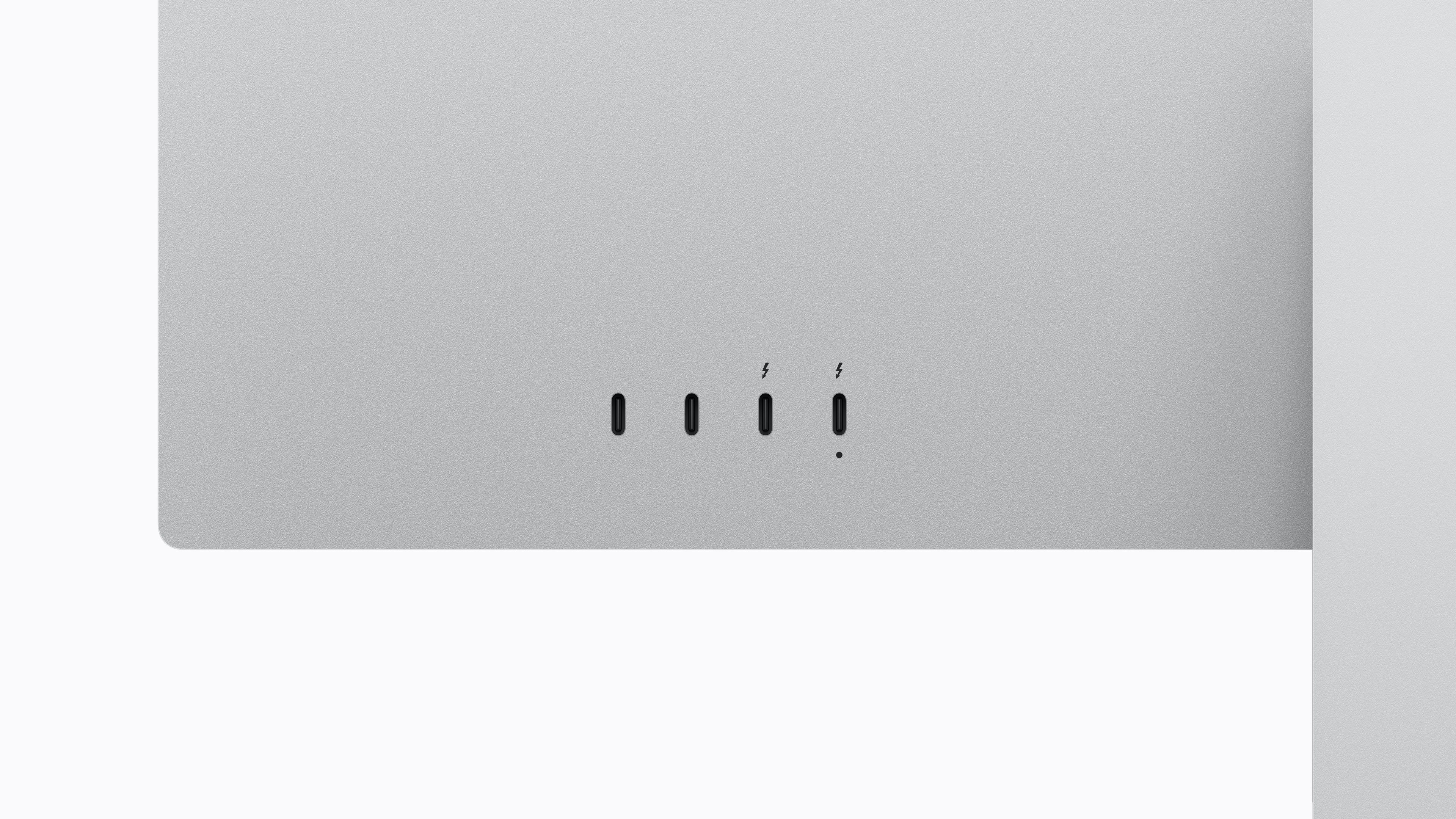
The big innovation compared to the previous generation is the commitment tooneThunderbolt 5. Specifically, there are two Thunderbolt 5 ports and two more USB-C. Via the included Thunderbolt 5 Pro The cable can then deliver up to 96 W to the monitor, which is enough to quickly charge a 14″ MacBooku ProIf you are used to working on multiple monitors, you will be pleased to know that you can now daisy chain up to four. Studio Display adjacent.
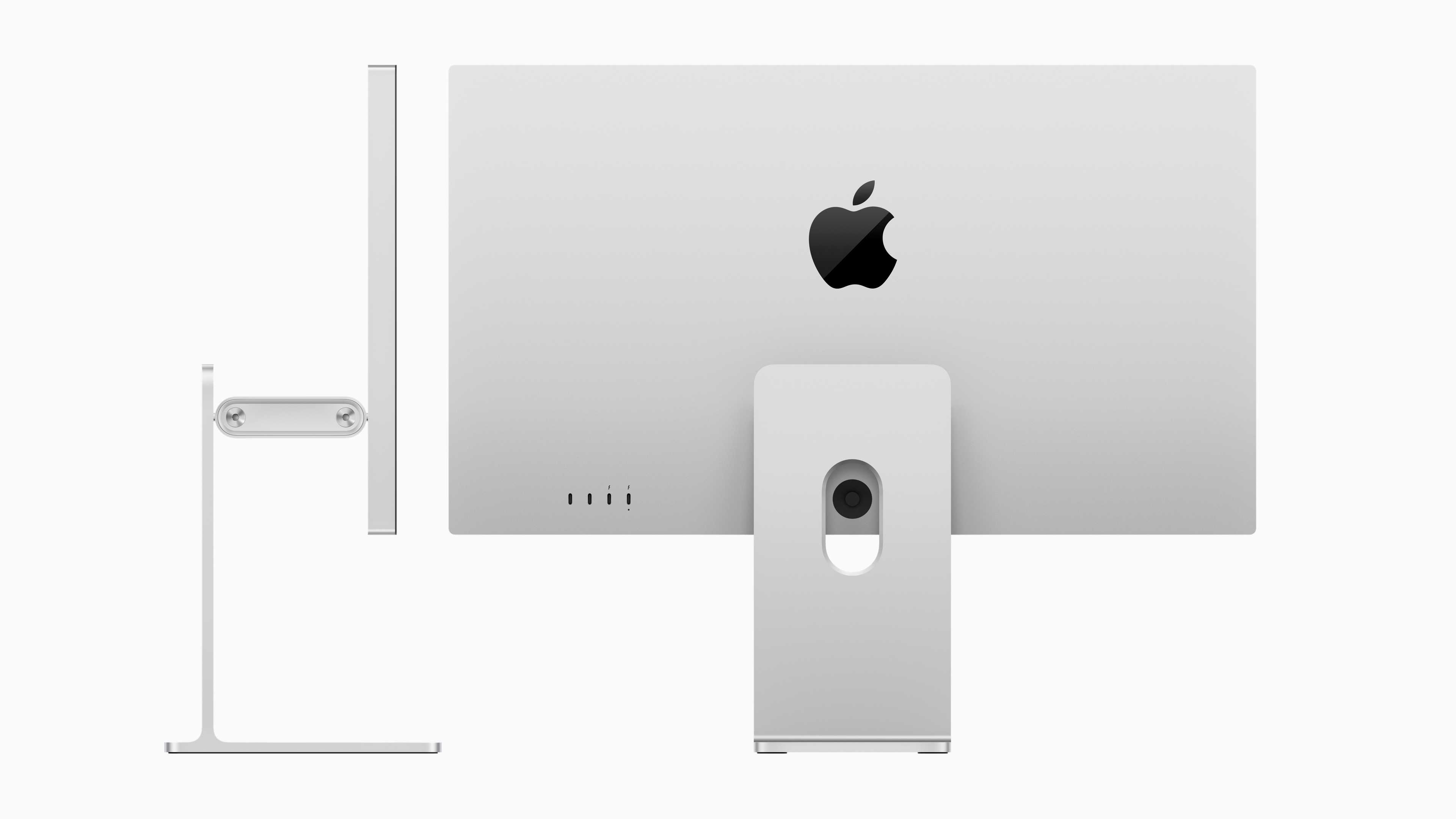
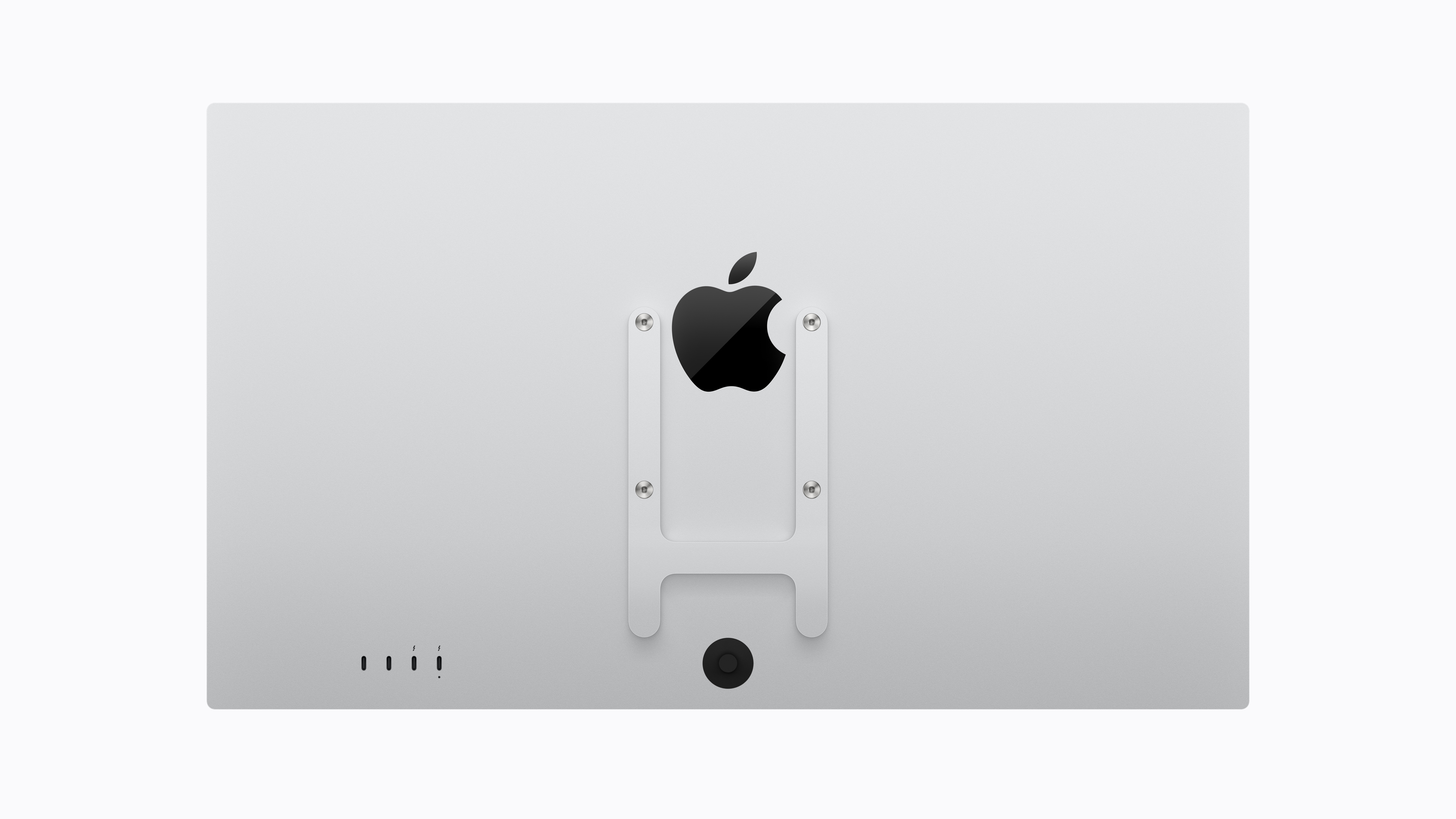
Available in classic or nano-textured glass and a choice of stand with cargoonem, cargoonem height or VESA adapter. In this respect, it is a "classic" that we are used to from the previous Studio Displaye.
Gallery
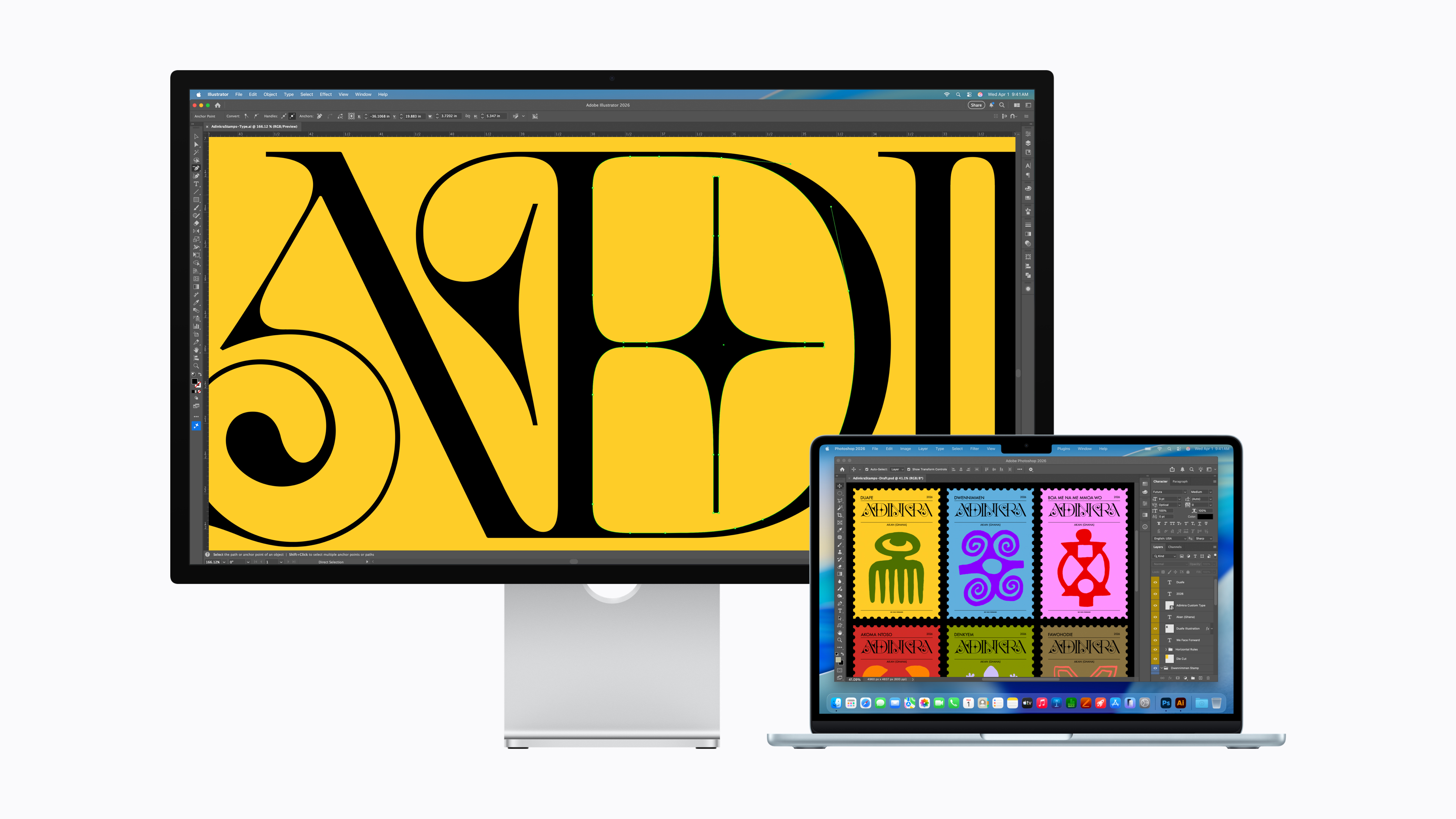
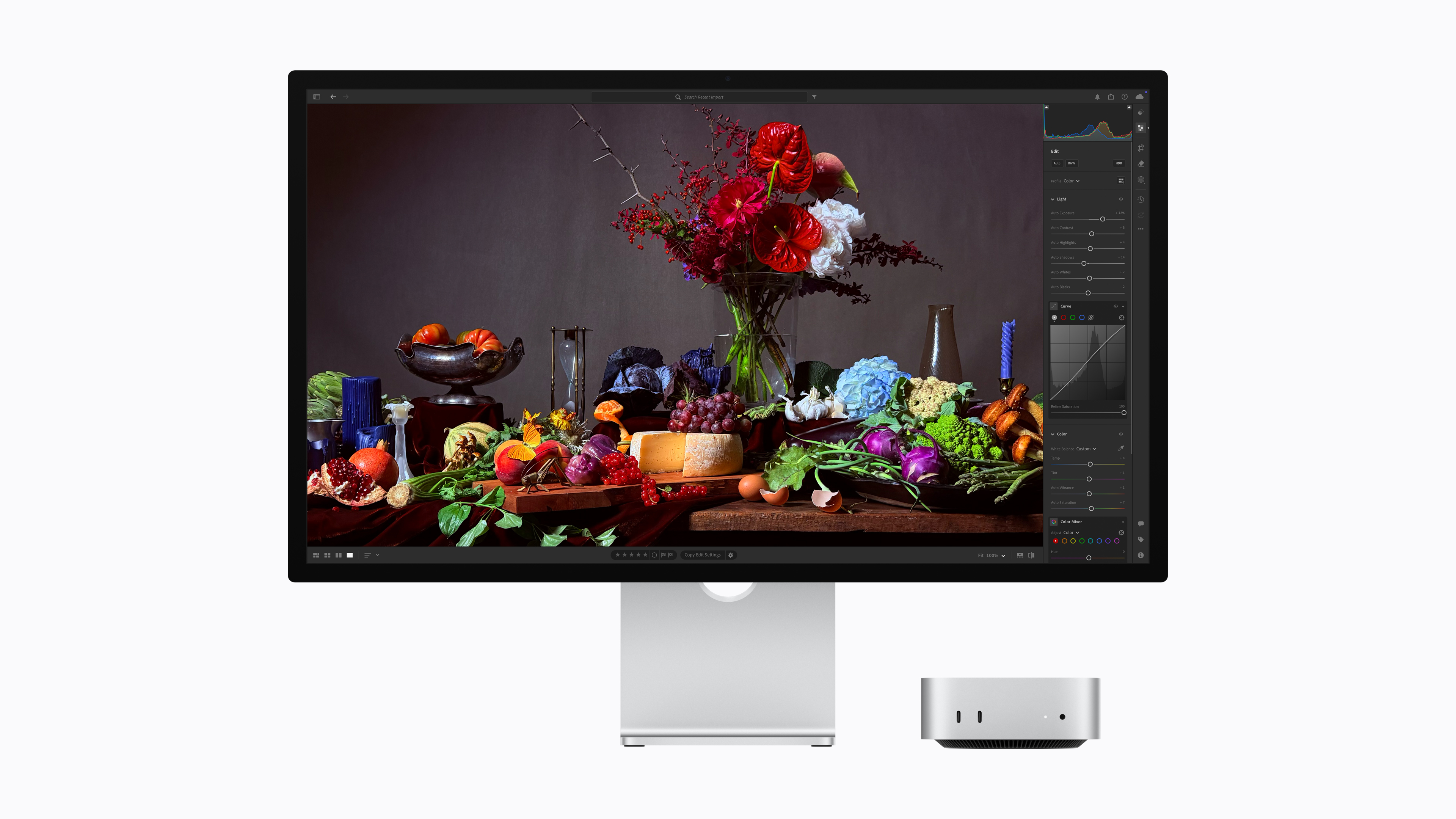
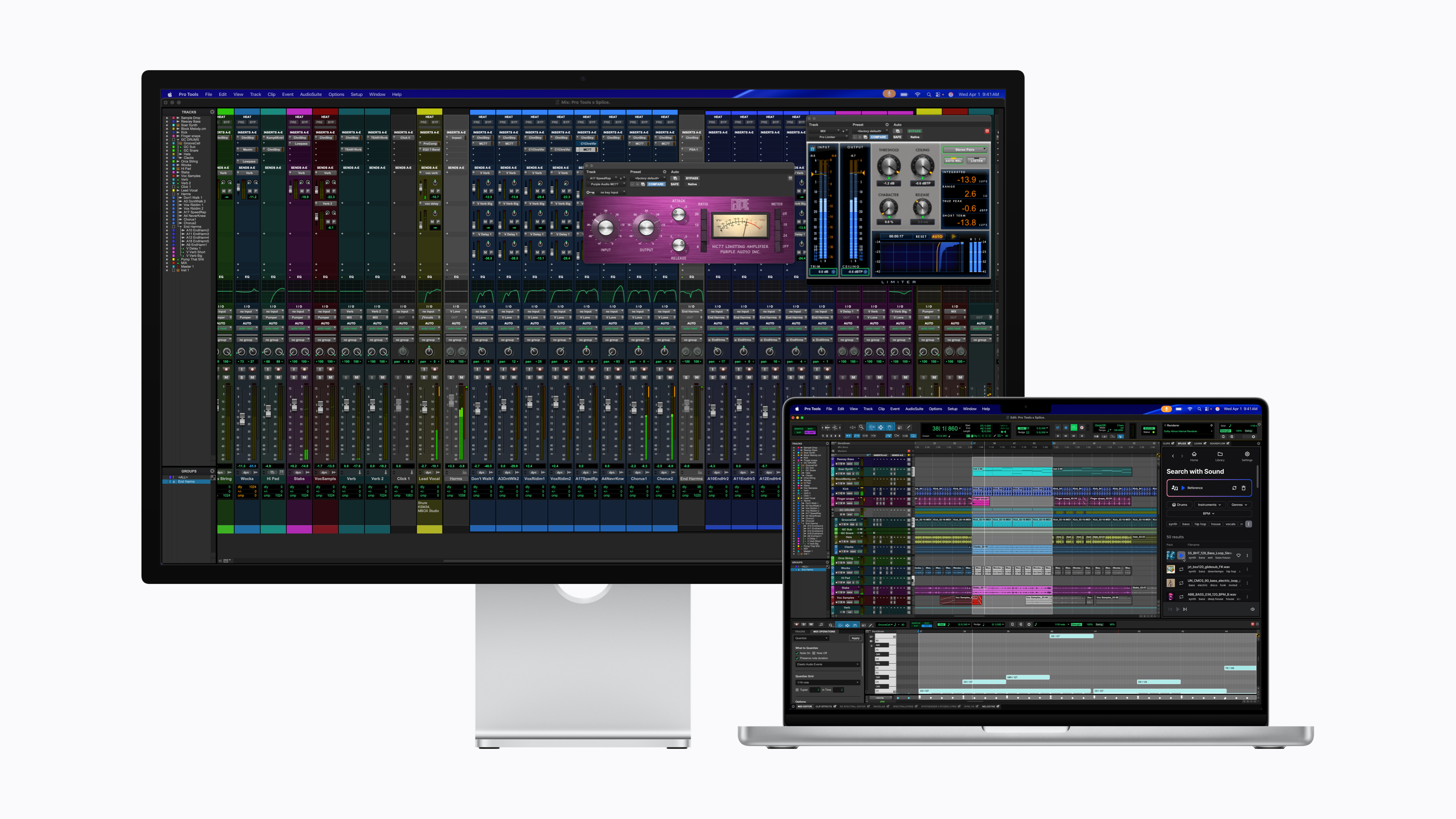
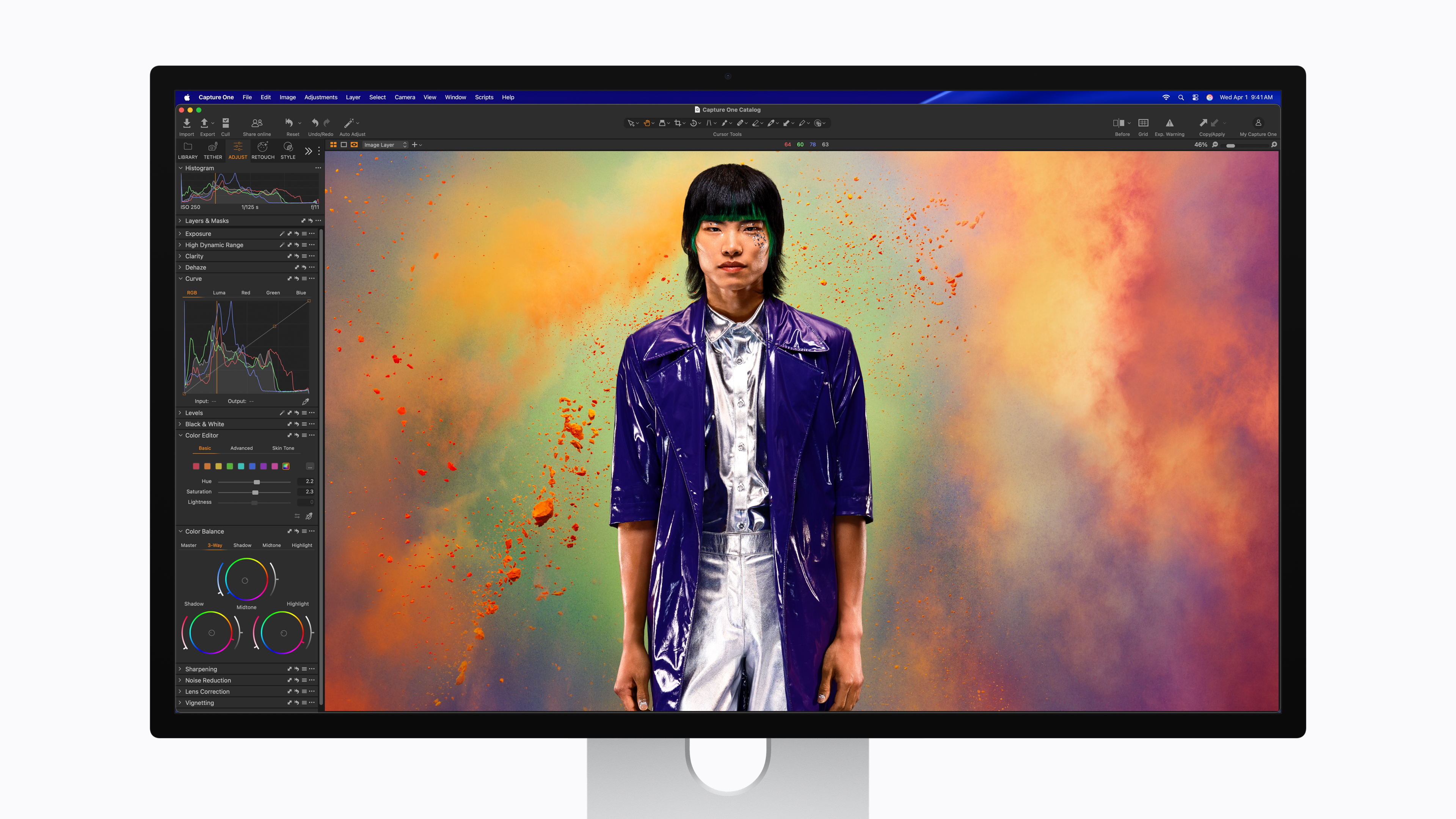
Studio Display XDR: when "for" nestachi
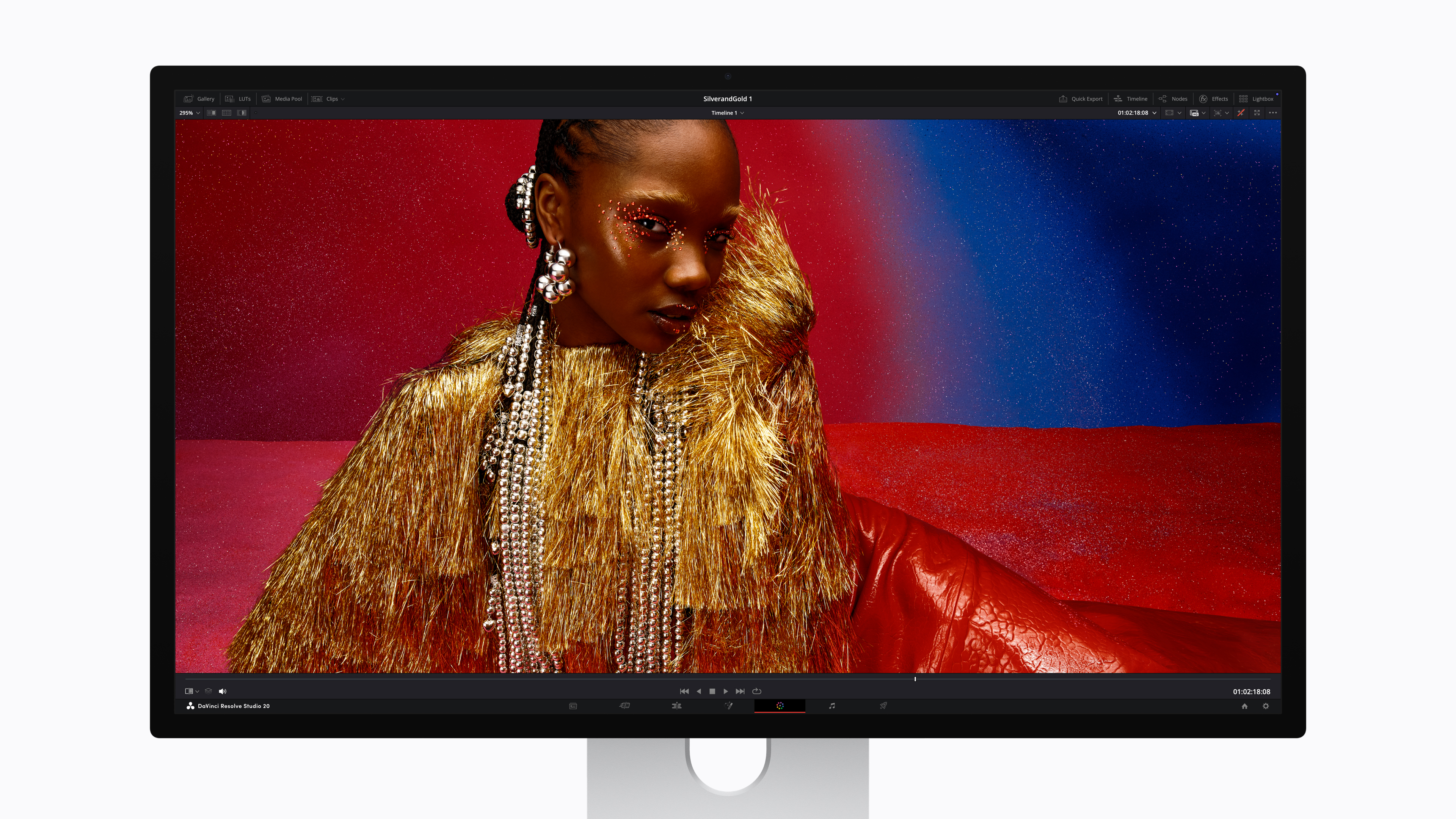
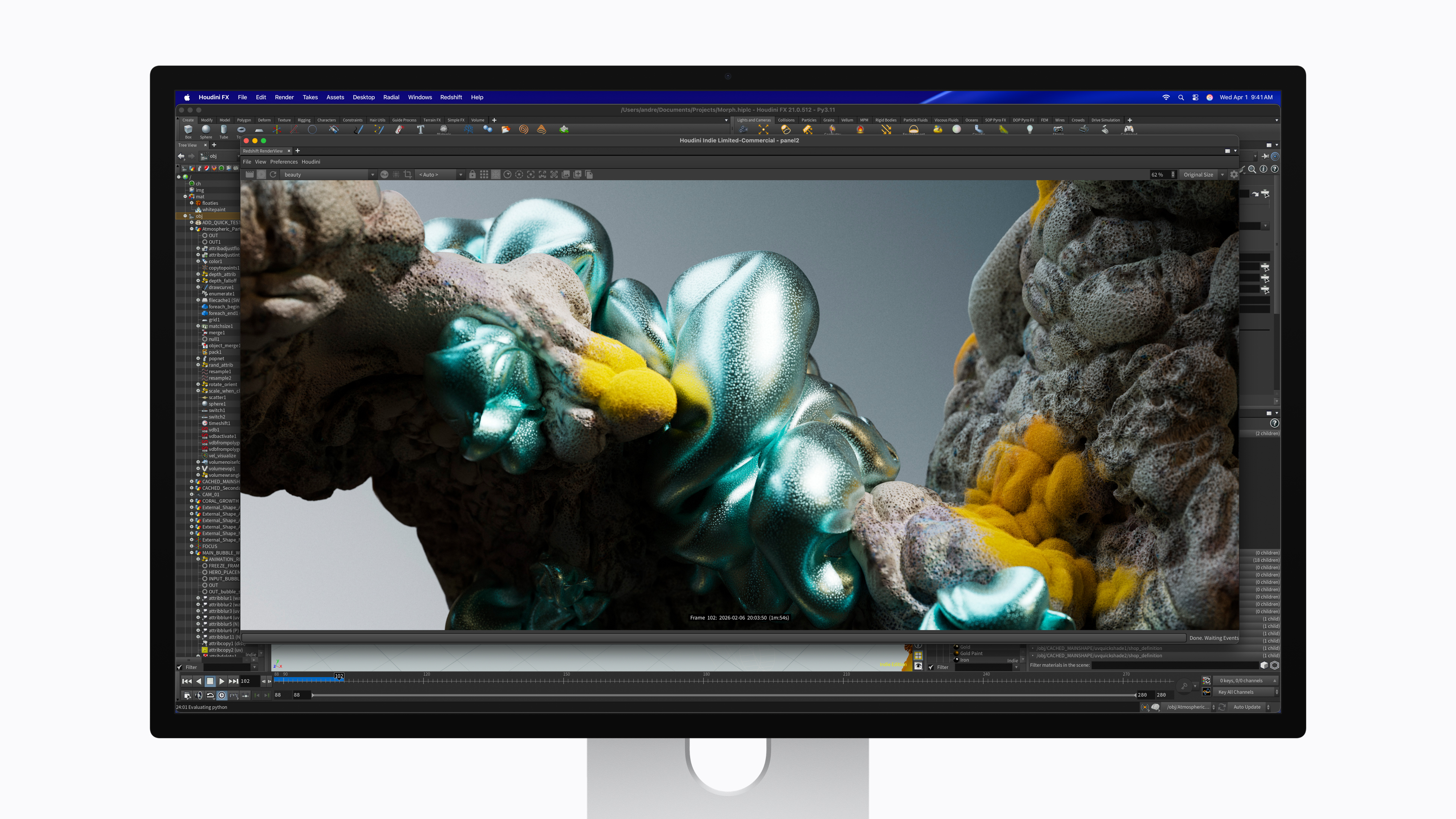
But the real star is Studio Display XDR, which takes XDR technology to a new level. According to the words AppAlthough it is a successor Pro XDR display from 2020, however instead of 32" this model offers "only" 27" 5K Retina resolution, albeit with mini-LED backlight with 2,304 local dimming zones.
The result is up to 1000 nits of brightness in SDR, 2000 nits of peak brightness in HDR, and a contrast ratio of 1,000,000:1. Apple It also promises deep blacks without a noticeable halo effect and an extremely vivid image. There is also a 120Hz refresh rate and Adaptive Sync with variawith a frequency range of 47 to 120 Hz.
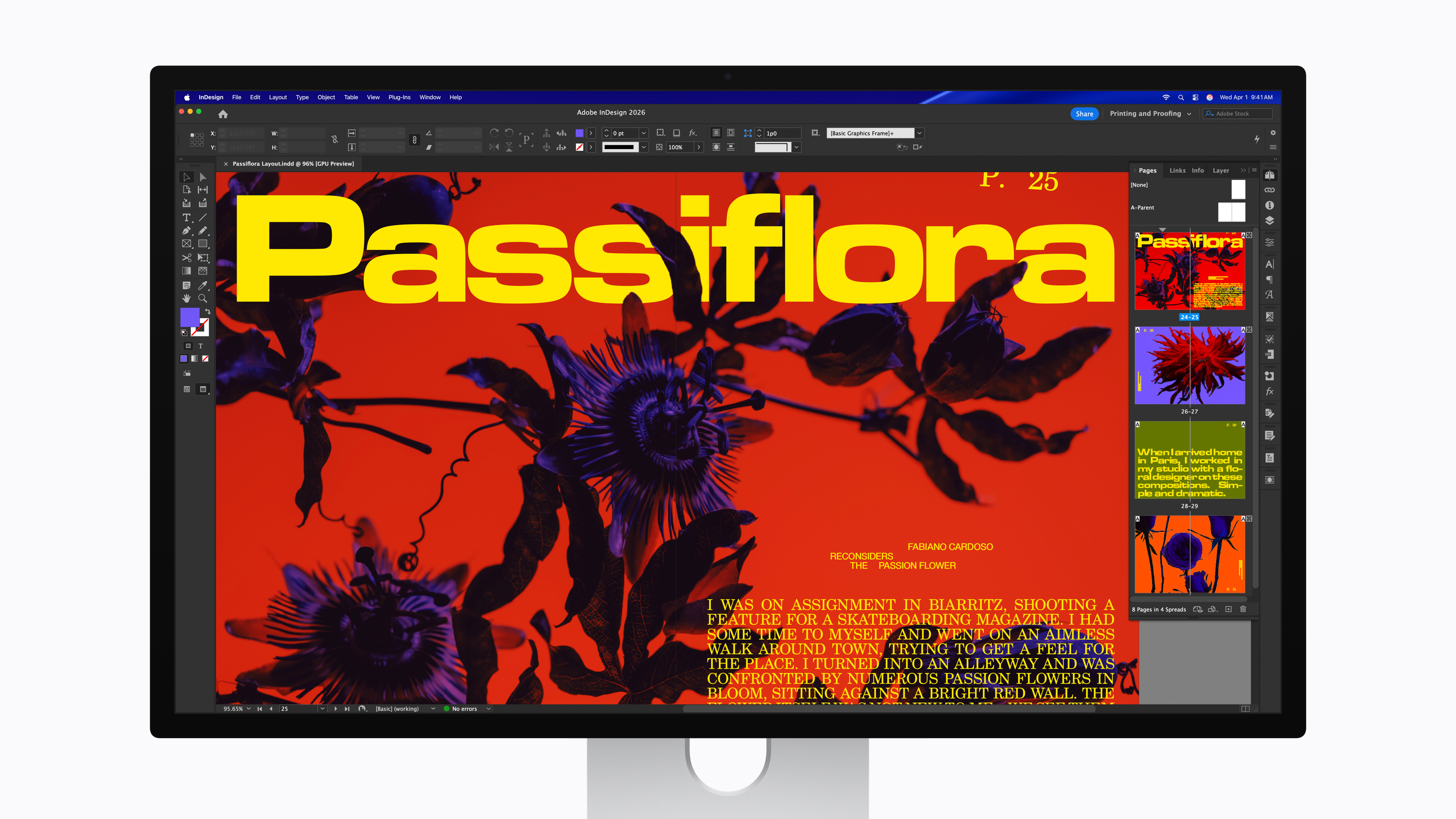
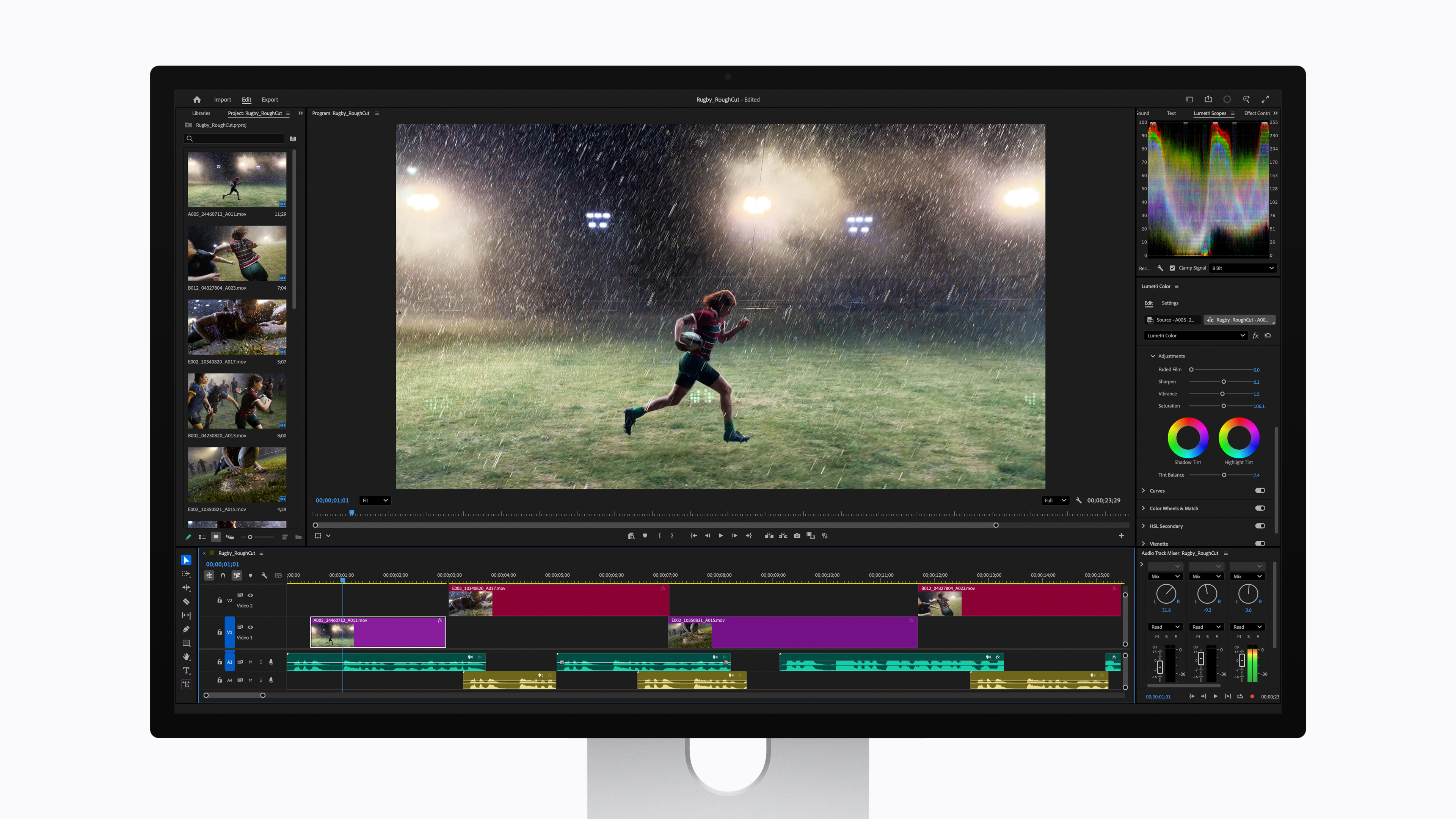
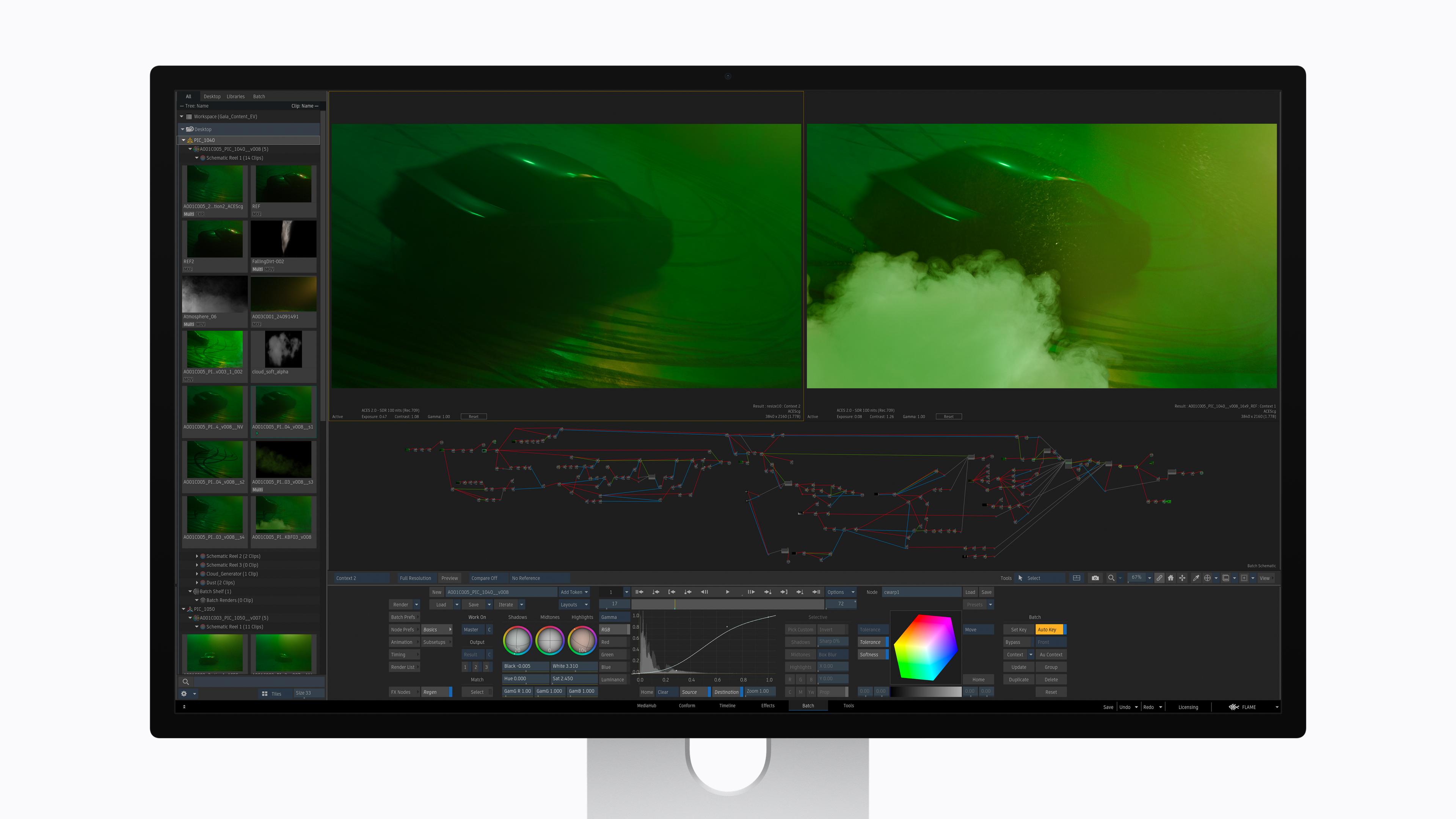
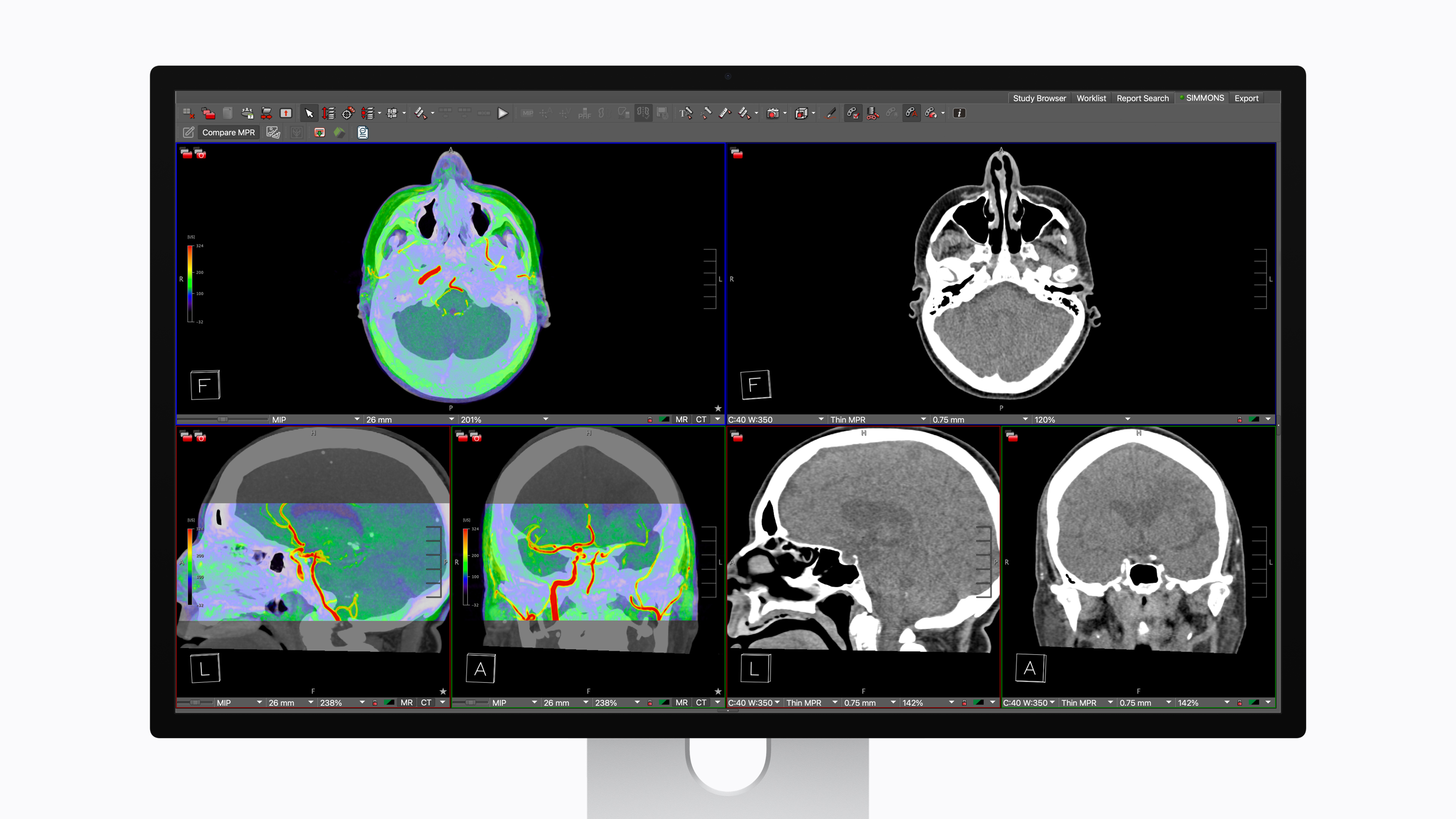
In terms of color rendition, in addition to P3, support for Adobe RGB is increasing, which will be especially appreciated by graphic designers and print studios. Rec. 2020 coverage has, according to the words Applu exceeds 80%, which is a very interesting number for HDR video and color grading. Apple In addition, it is adding DICOM presets for medical imaging and is preparing a Medical Imaging Calibrator tool (pending FDA approval in the US). Studio Display XDR is also heading towards diagnostic radiology.
Like the base model, the XDR version offers 12MP Center Stage camera, Desk View, three microphones and six speakers Spatial AudioThunderbolt 5 is a given here, with the ability to deliver up to 140 W, which is enough even for a 16″ MacBook ProThe stand is height and tilt adjustable with a range of 105 mm and thanks to the counterweight it is supposed to feel "weightless". Of course, there is also VESA varianta.
Gallery
Price and availability
Studio Display starts at $1,599, Studio Display XDR at $3,299. Pre-orders start on March 4, availability is scheduled for March 11. In both cases, these are again relatively expensive pieces, which will certainly find their customers due to the specifications and design.



I don't understand the significance of this basic reissue. apple studios, why do I need TB5 if I still have 5K@60Hz.
Because of the pass-through to other ports in the display. Sure, it's nothing revolutionary, but technically the image after TB5 will take up some of the bandwidth, however it is still available for USB4 maximal bandwidth, the image didn't bite off anything from it.