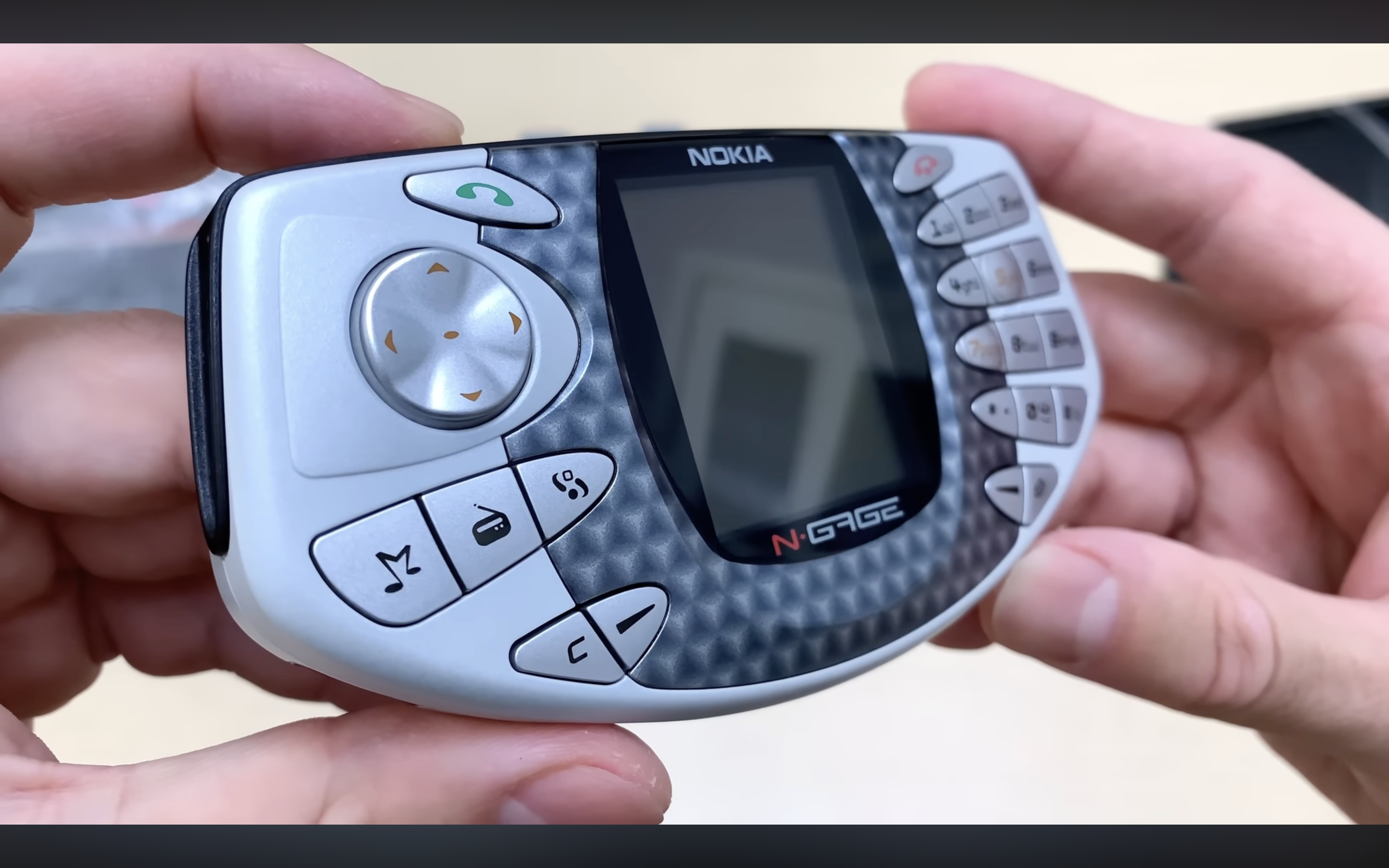
In the fall of 2003, Nokia was at the absolute pinnacle of the mobile market and decided to take an unprecedented step. It introduced the Nokia N-Gage, an ambitious device that was supposed to end the dominance of the Game Boy Advance handheld console.ance from Nintendo. People and experts expected a real revolution from this hybrid. For the first time in history, a full-fledged mobile phone with the Symbian system, an MP3 player, an FM radio and a powerful 3D game console could fit into a single pocket.
Battery-powered game changer and the legendary elephant ear
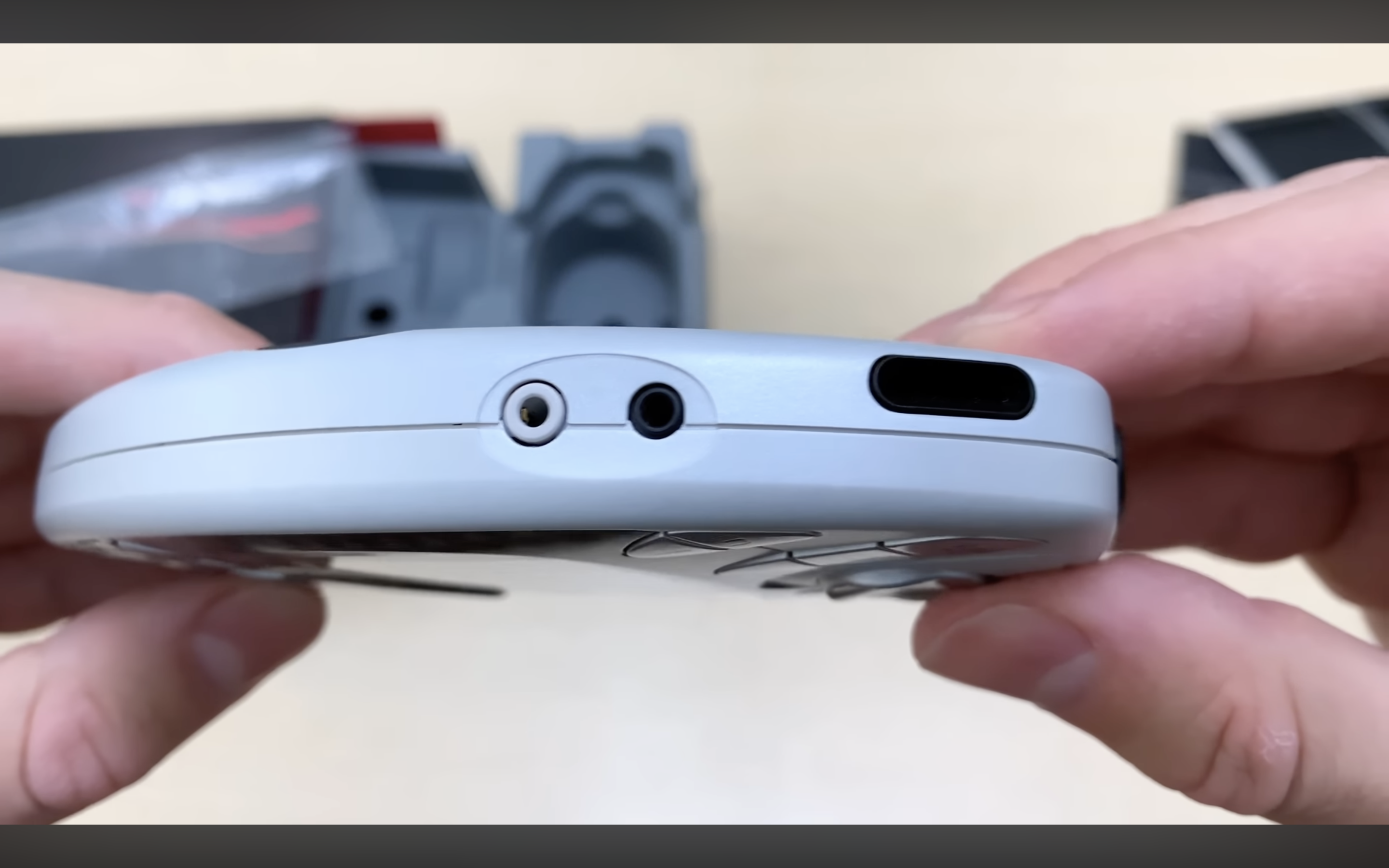
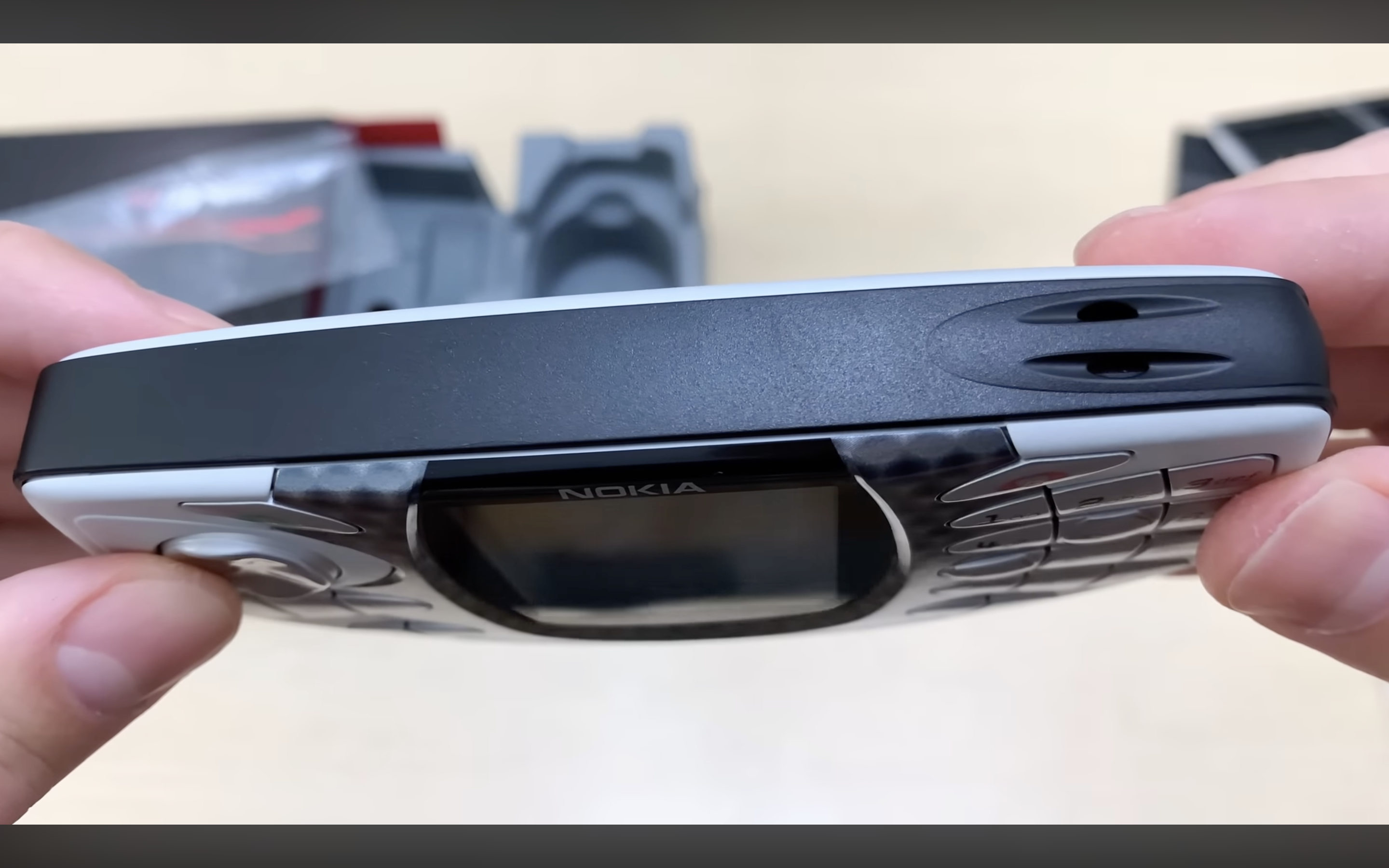
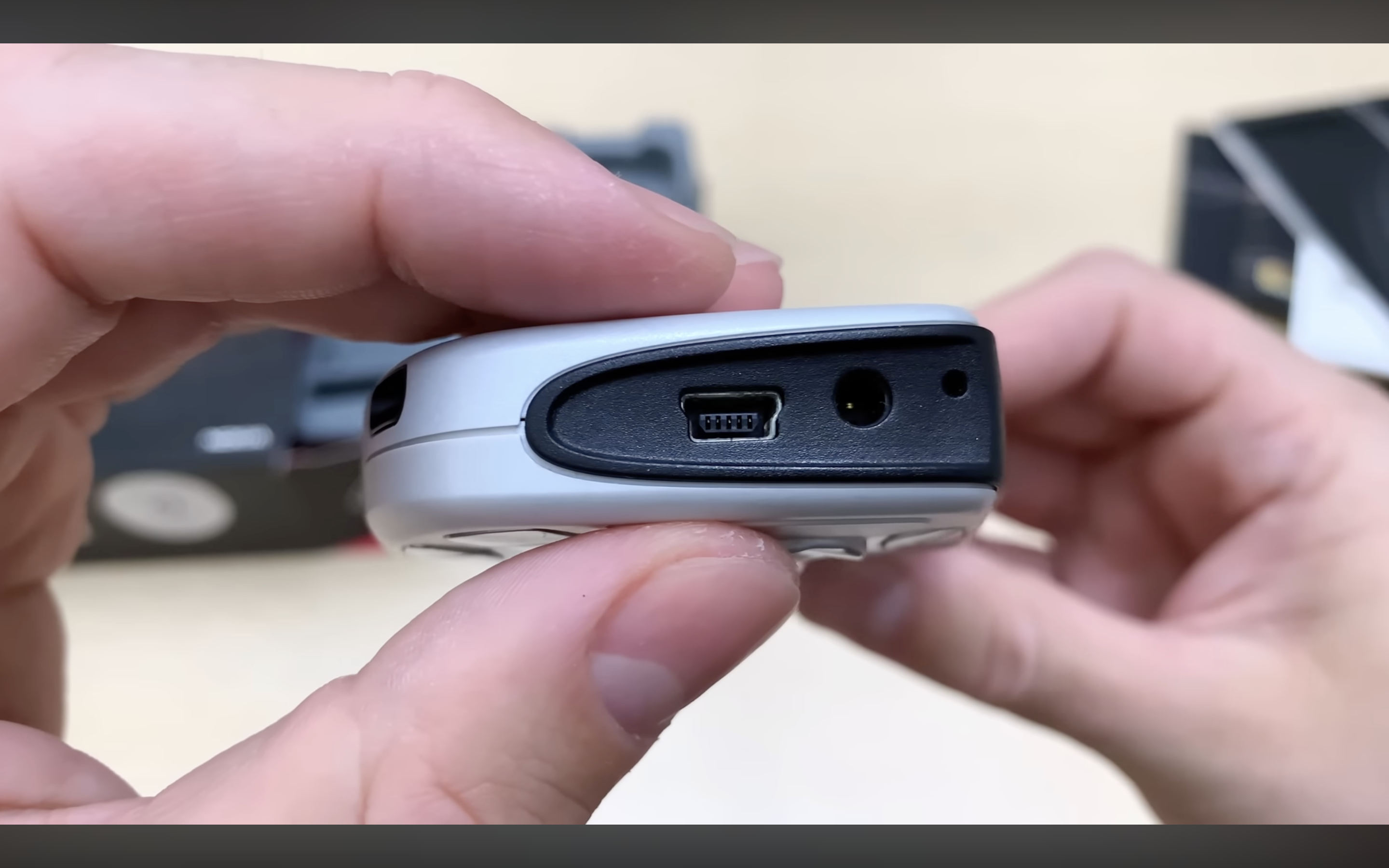
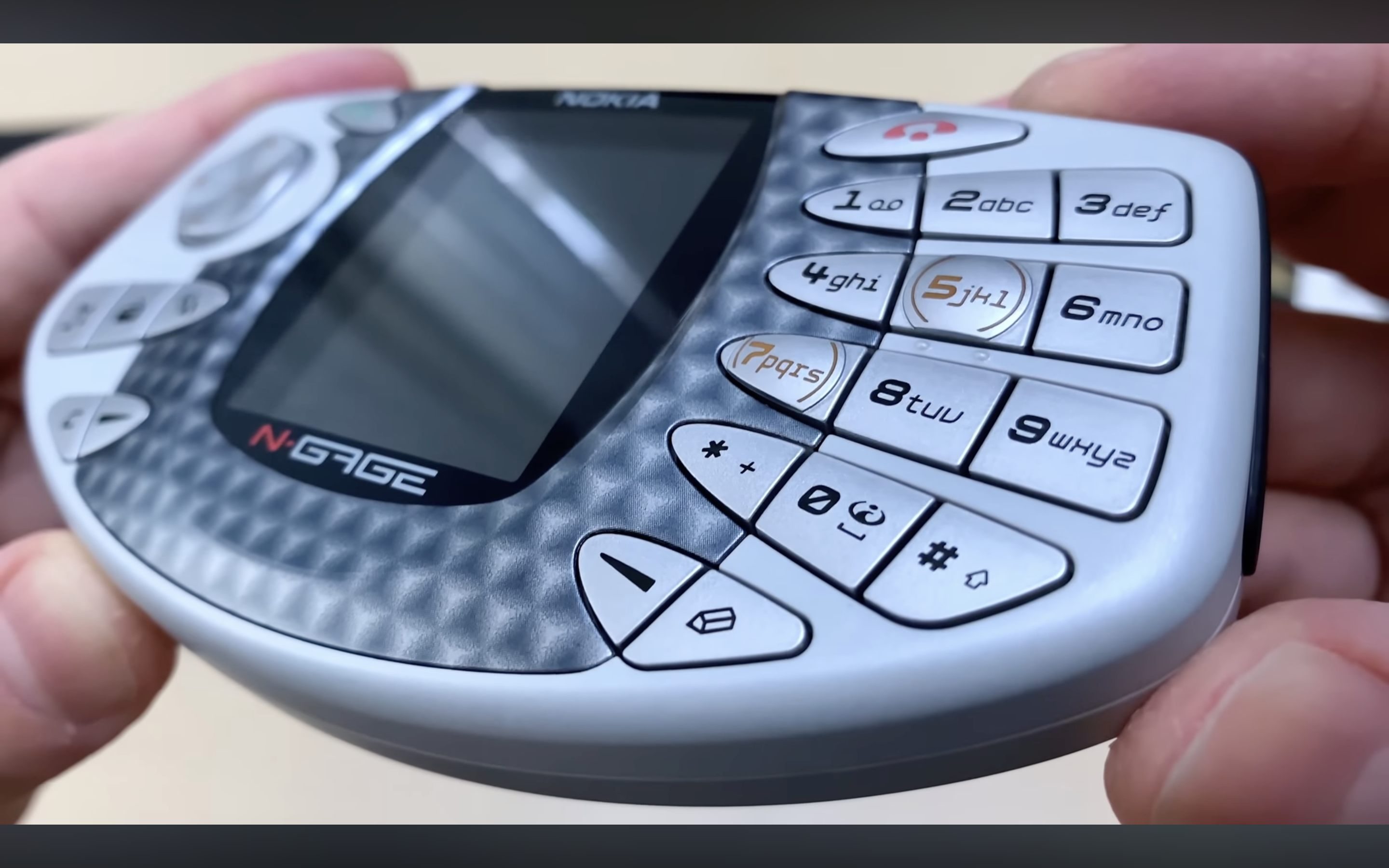
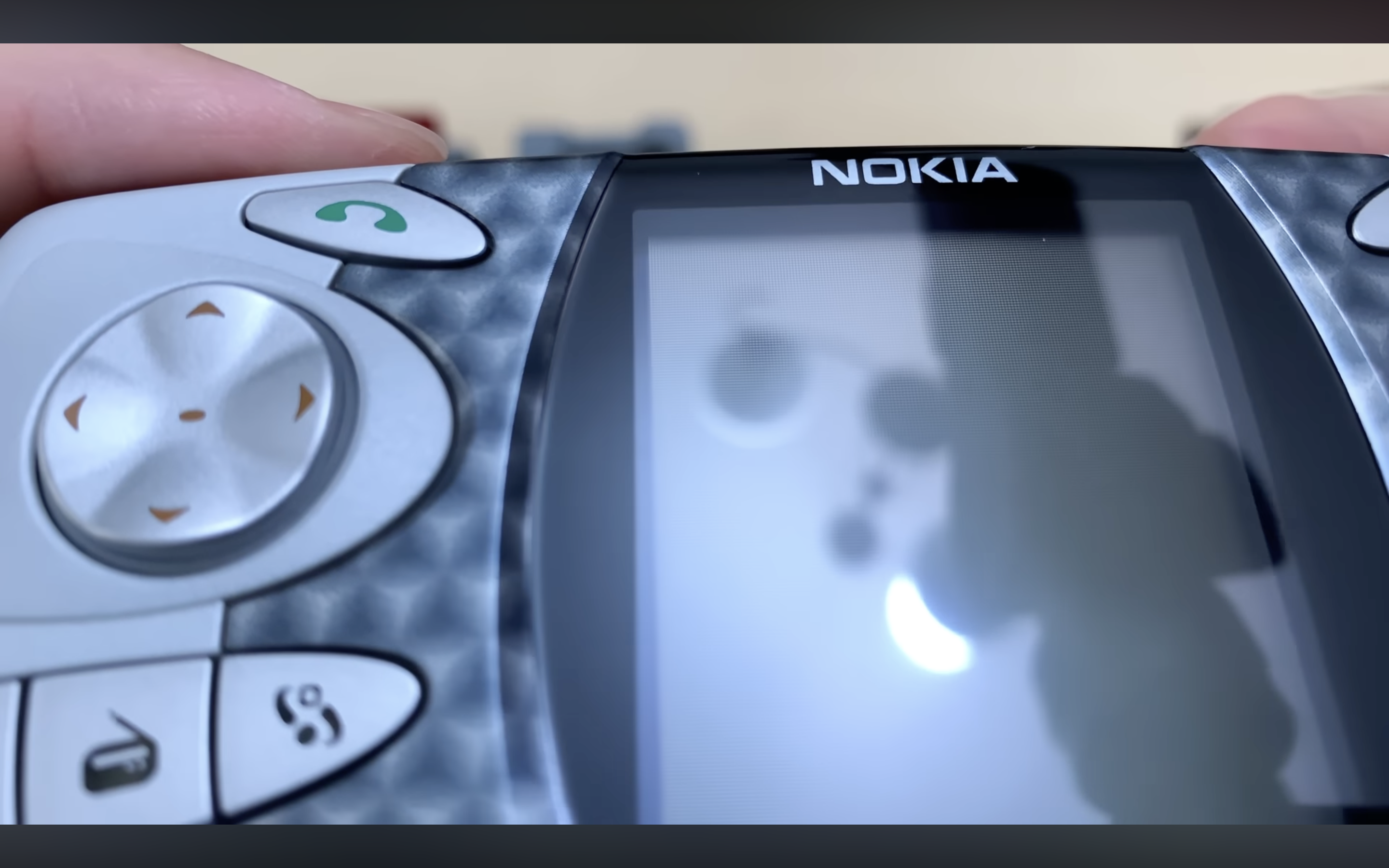
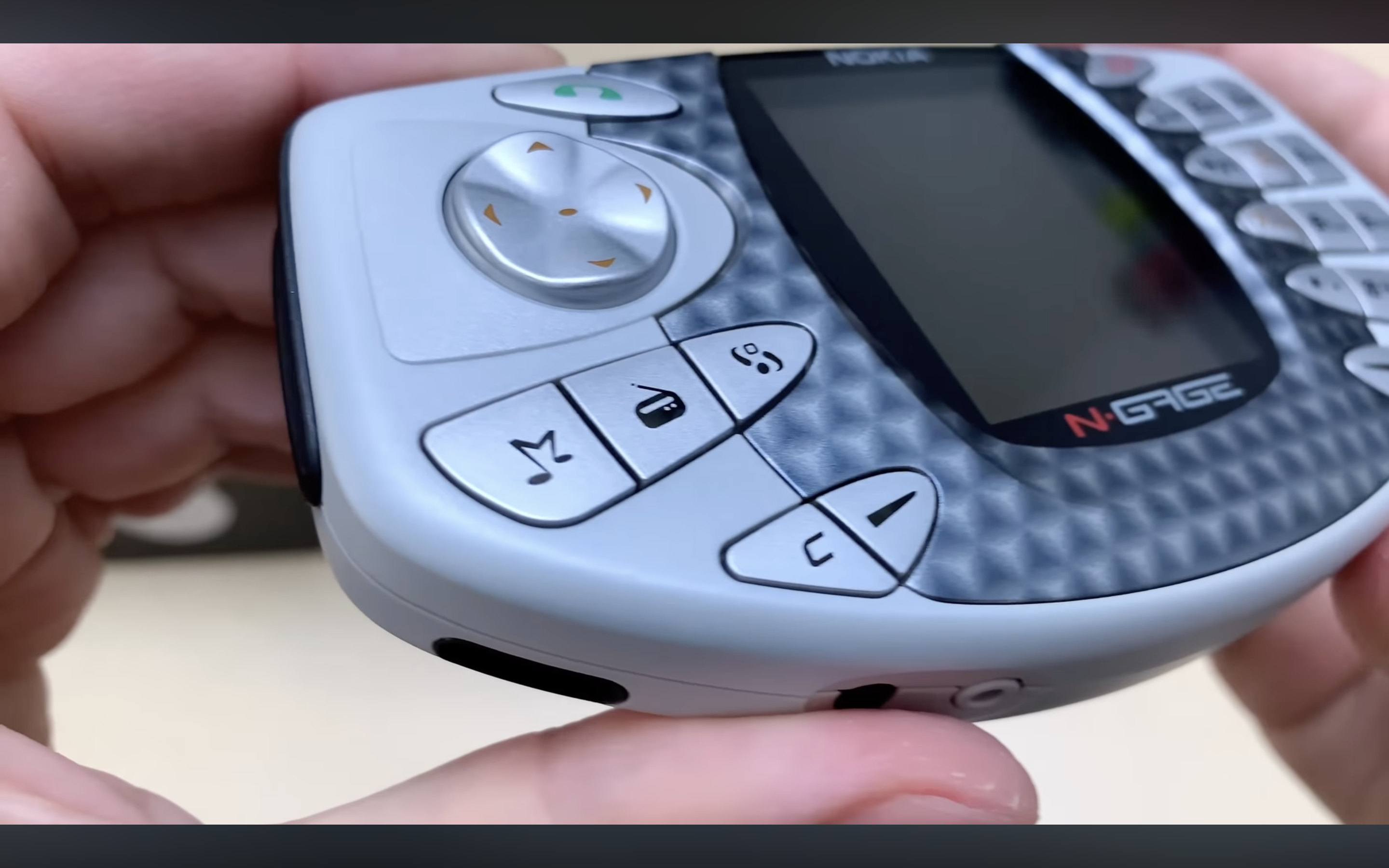
The first generation N-Gage resembled a Mexican taco in shape. The player held the device in both hands and the display in the middle was portrait-oriented, which was simply an unfortunate format for video games. The real shock came when the user wanted to play another title. Games were sold on MMC memory cards, the slot for which was absurdly hidden under the battery. Pro To change the game, it was necessary to completely turn off the phone, remove the back cover, remove the battery, replace the card and restart the device again. Another target of ridicule was the phone itself. The earpiece and microphone were located on the top edge of the device. In order to be able to make a call at all, one had to hold the phone with its narrow edge against the head.
You might be interested in
Three-dimensional hits and high acquisition prices
Despite its design flaws, the N-Gage offered a great gaming experience for its time. Bringing smooth 3D graphics to a mobile phone display was unthinkable in 2003. The lineup featured titles like the full-fledged Tomb Raider, Tony Hawk's Pro Skater, SonicN or Call of Duty. The absolute gem and demonstration of the platform's capabilities was the tactical gem Pathway to Glory. Players could also compete in local multiplayer via Bluetooth or online via the N-Gage Arena data portal.
But this technological prestige did not come for free. The phone itself cost around ten thousand crowns when it was launched, and the prices of individual games ranged from 1,000 to 1,500 crowns. At the time, this was in line with the prices of major titles for desktop computers and classic consoles, which was too expensive for ordinary users and occasional mobile gamers.
Gallery
N-Gage QD as a bug fix that came late
Nokia was well aware of the mistakes of the first generation, so in 2004 it rushed out with the upgraded N-Gage QD model. The second generation brought a much more compact, rounded design with a rubber edge that protected the device from drops and gave it a sportier look. The biggest improvement was the return of the earpiece to the front of the phone, so it could be used withoneThe Finnish manufacturer has also moved the memory card slot to the lower outer edge, allowing for quick game changes on the fly without having to turn off the phone.
However, in order to reduce both manufacturing and selling prices, the QD version had to make painful compromises. Nokia removed the hardware decoder for the stereo MP3 player, the FM radio, and even the standard USB tooneAlthough the second generation was a much better gaming device with improved display backlighting and more comfortable buttons, it could not save the platform. ProThe N-Gage project was an extremely bold experiment.