
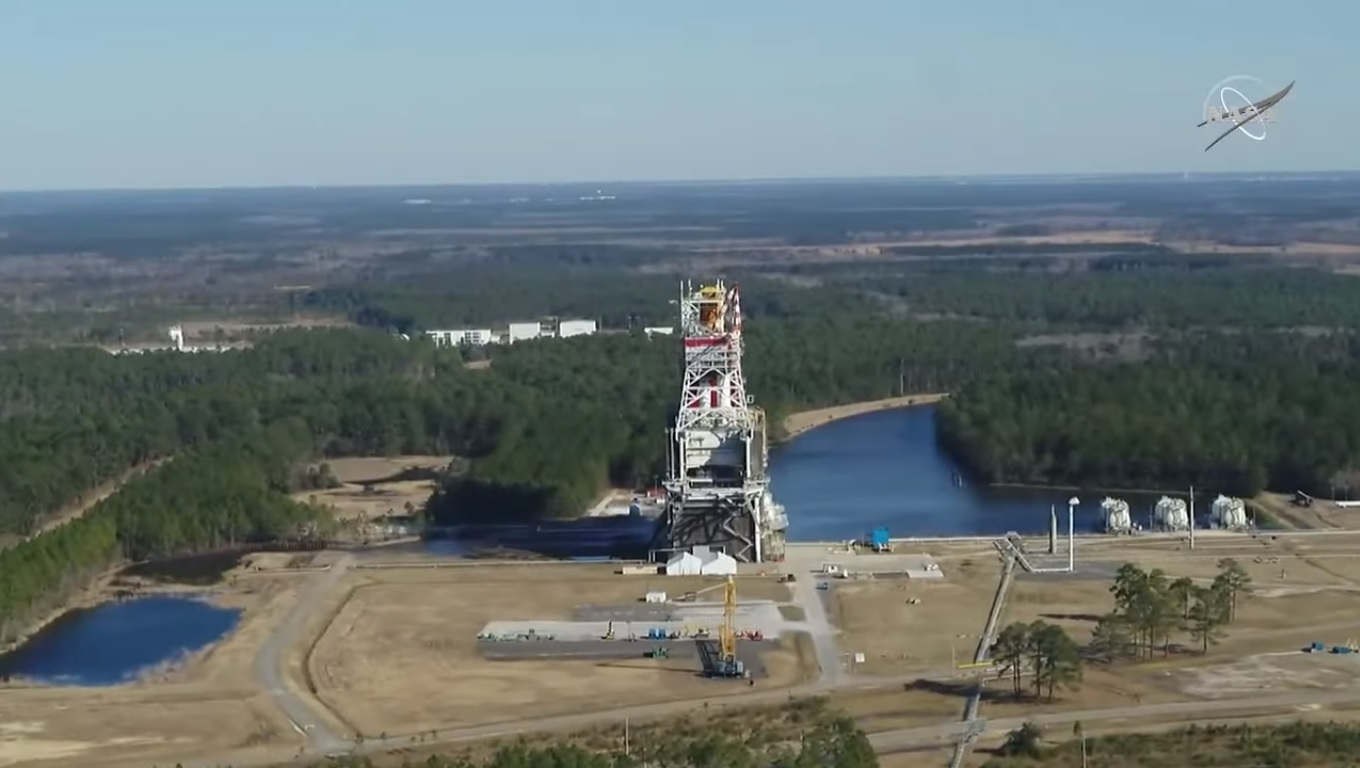
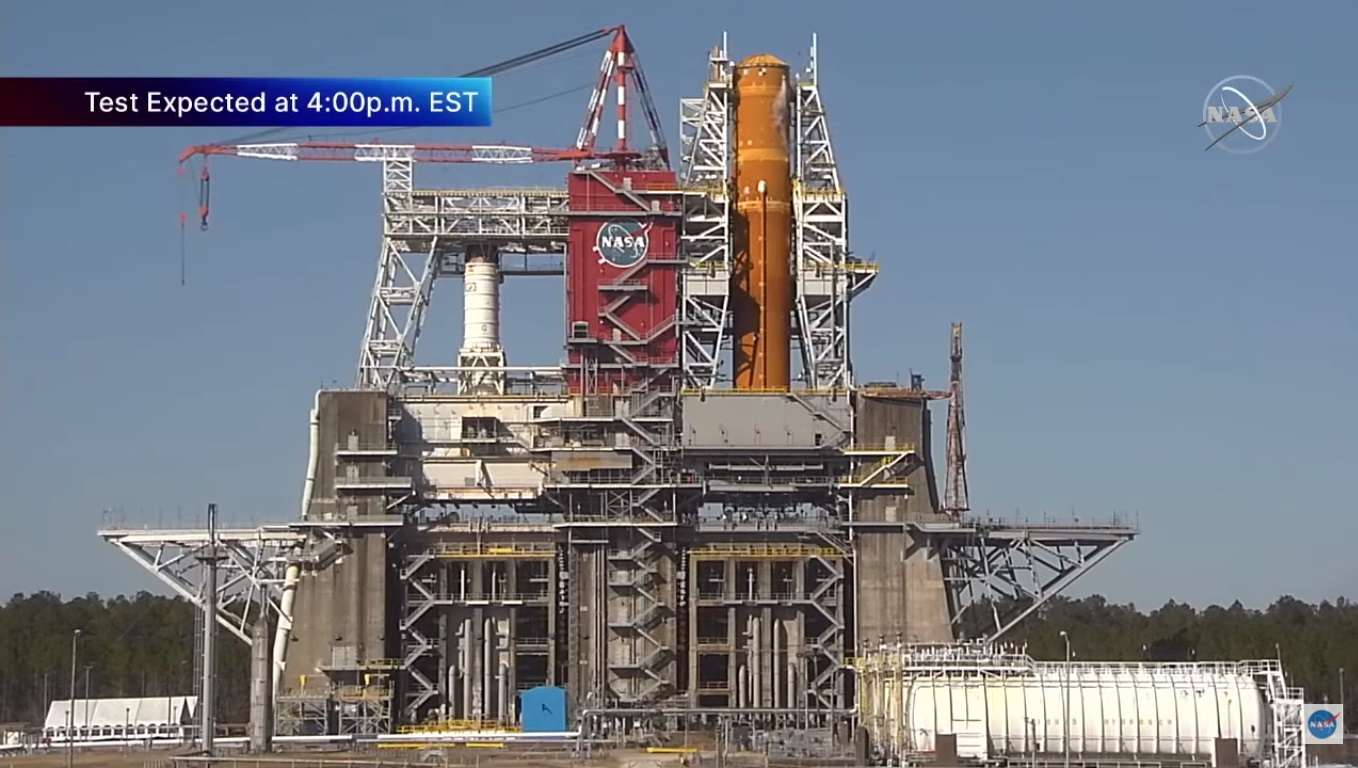
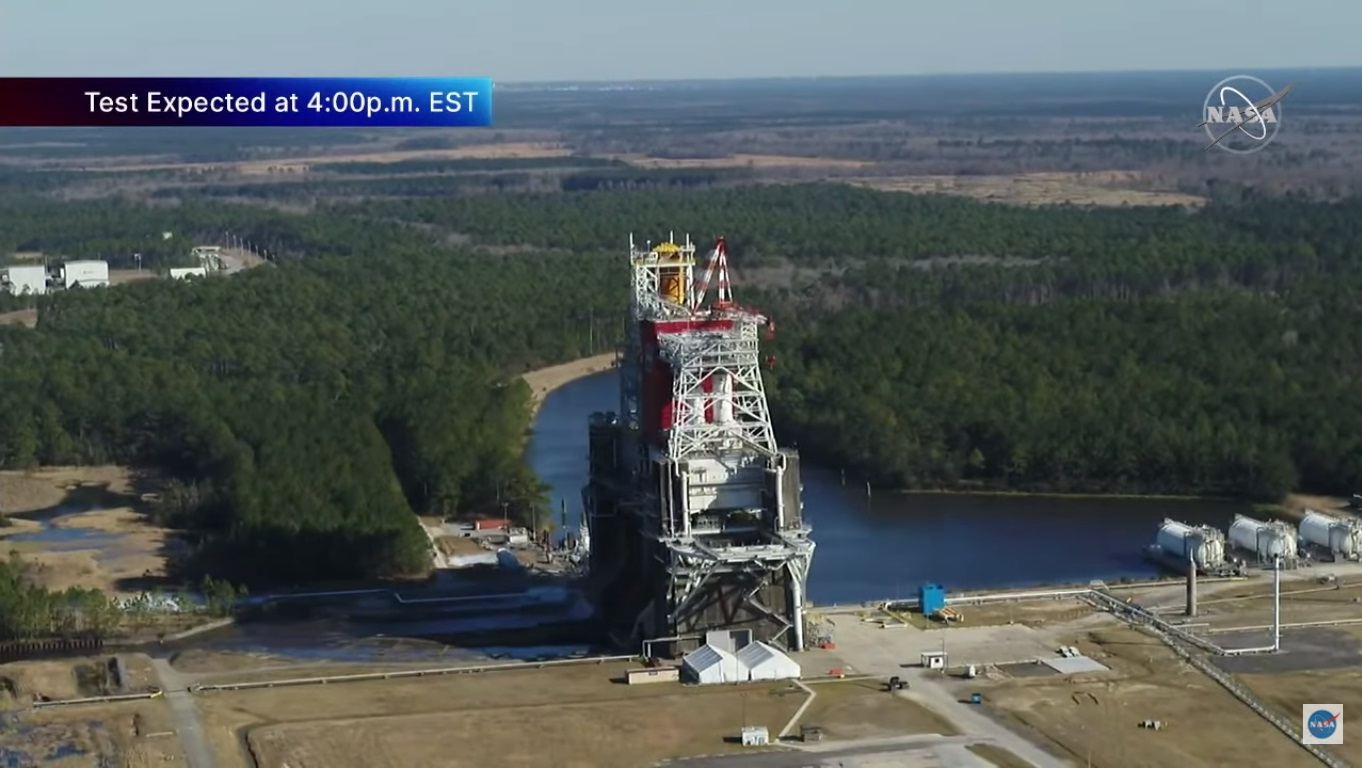
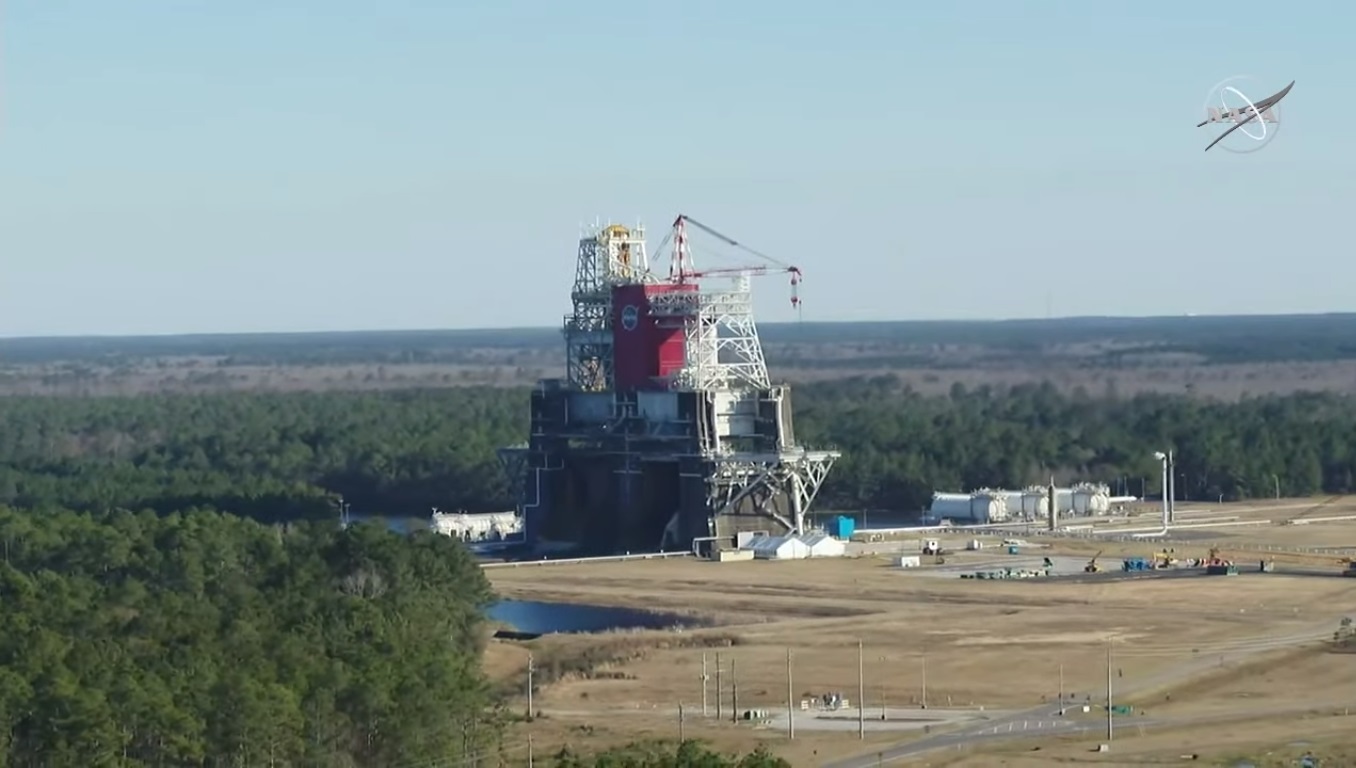
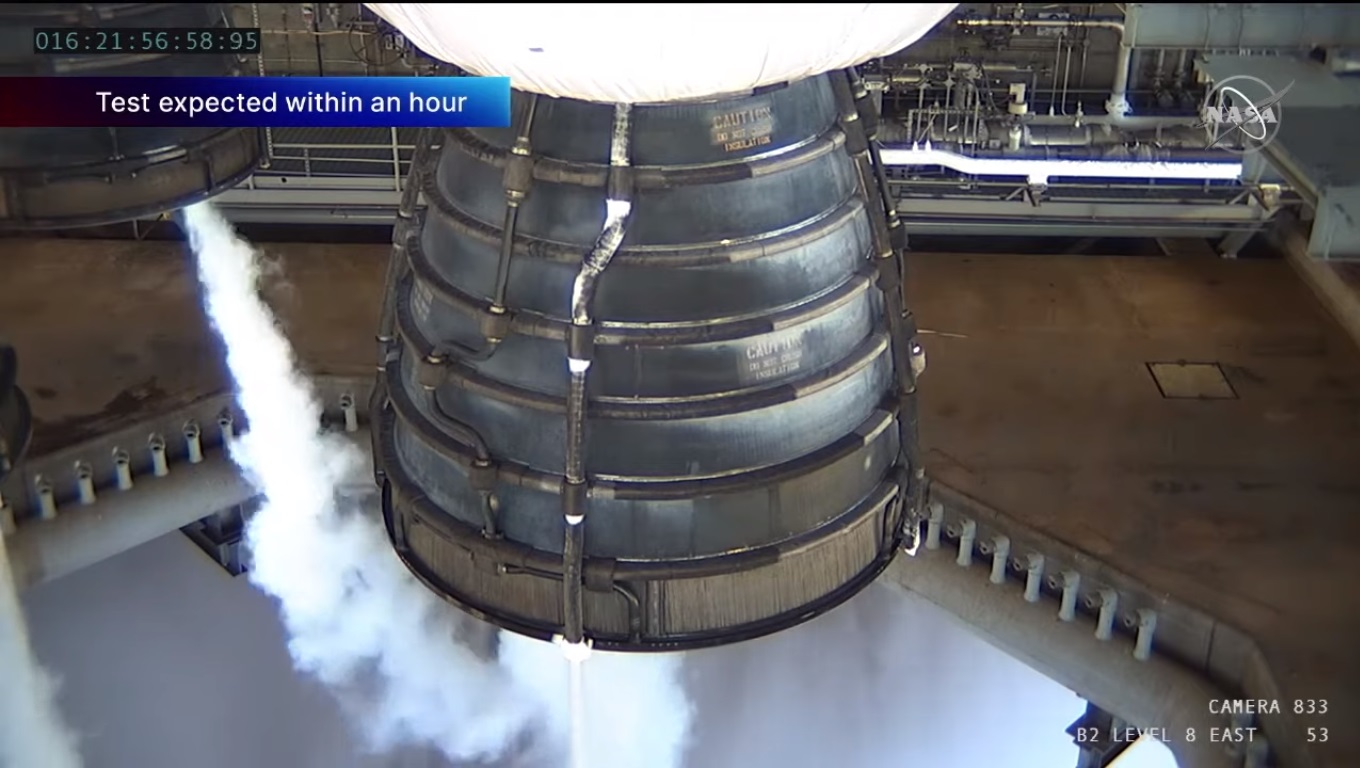
NASA is busy right now. After a successful test of the SLS core stage, which went perfectly, with the engines running for 499 seconds, the 65-meter-tall colossus will now be loaded onto the Pegasus ship and flown to Florida, where it should be in about a month. Boosters and a model of the Orion spacecraft will soon be attached to this part of the rocket, which is supposed to help complete structural tests. If all goes according to plan, the model will be exchanged for the real ship and the whole machine will be sent to the launch pad, where, for example, a test refueling will take place.
You might be interested in
NASA is facing a leadership change after Biden's election. Jim Bridenstine will be leaving, which is no surprise at all, as he once said that the head of NASA and the president should be people who understand each other, and he disagrees with Biden on many things. The US president will nominate him to replace him Billand Nelson, which the current head of NASA also approves. Although he is a politician, he has a lot of experience with the space program. He dealt with it in committees during his political career and in 1986 he even flew into space as the second member of Congress. He returned after ten days. And the Artemis program? As part of the Artemis-1 mission, the SLS should carry a spacecraft into orbit around the moon. This was supposed to happen this year, but due to several problems with testing, it looks like it will not be until spring next year. Currently, another central stage is being produced for the upcoming mission, the goal of which will be a crewed flight around the moon, as early as 2023. The landing of a person on the moon is then to be completed by the Artemis 3 mission, but the 2024 date is still very unlikely.
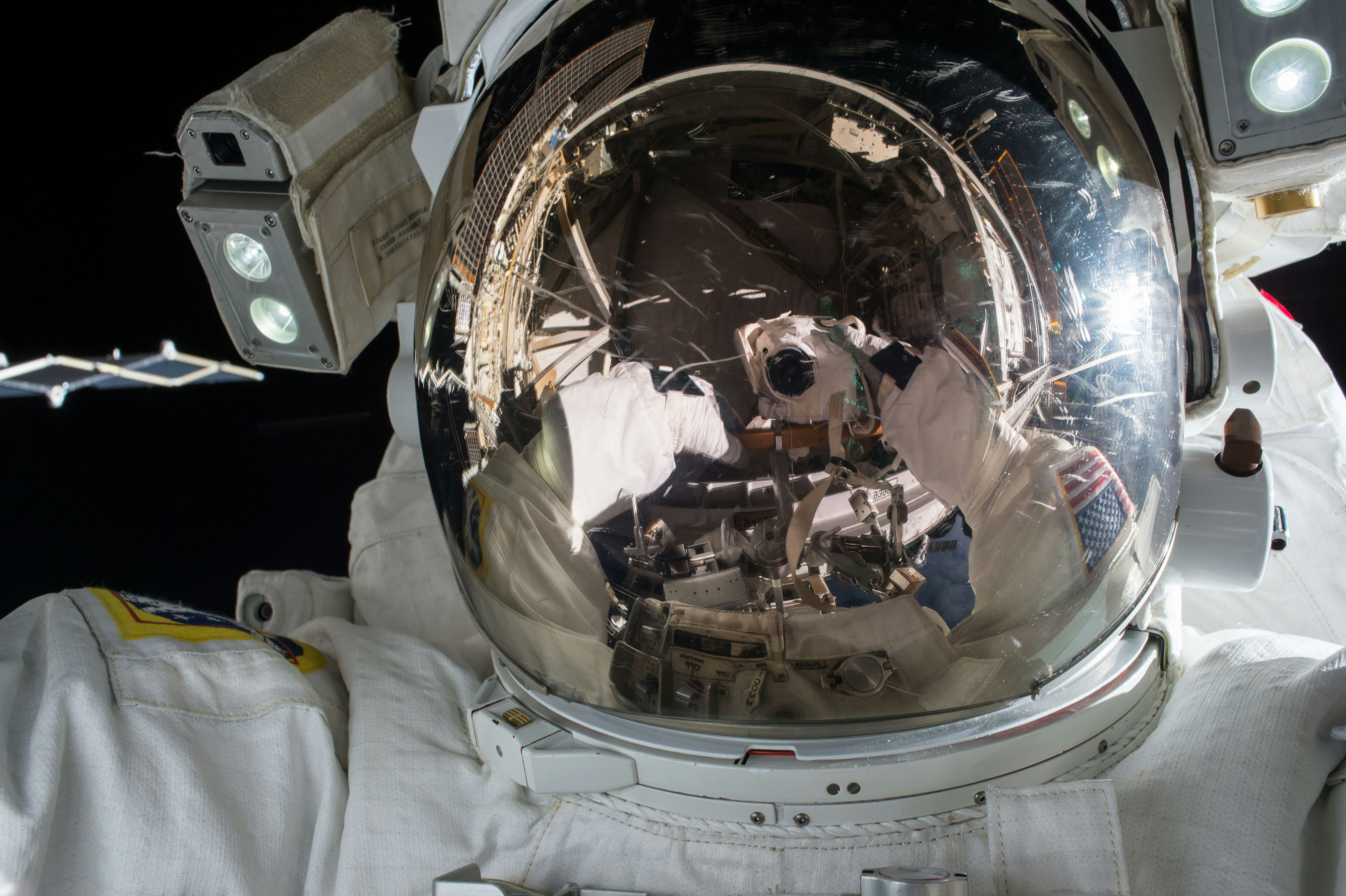






I think that the Artemis mission will be one of the biggest sensations, but only for normal people, because many do not believe that the Americans were on the moon.