
A new blog post has appeared on the website of the Belgian security analysis company ironPeak, which describes a rather serious flaw in the security of some Macs.
You might be interested in

The security flaw mentioned above affects all Macs that have processors from Intel and have the T2 security chip implemented in them. These Macs are vulnerable to an attack that, under specific conditions, could allow an attacker to access the operating system's kernel, making it possible, for example, to bypass some security mechanisms. The good news is that for new Macs with processors from Intel (but also those in the future with Apple Silicon) this bug is either fixed or completely unusable due to a different architecture. However, this security hole still works and will work on most Macs from 2018-2020, as it cannot be fixed in software.
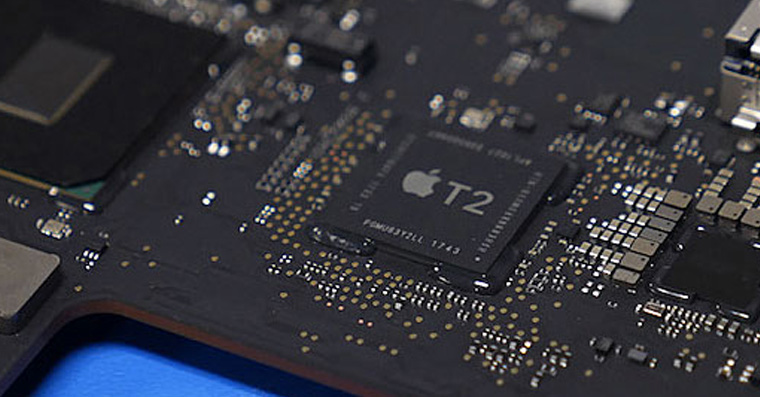
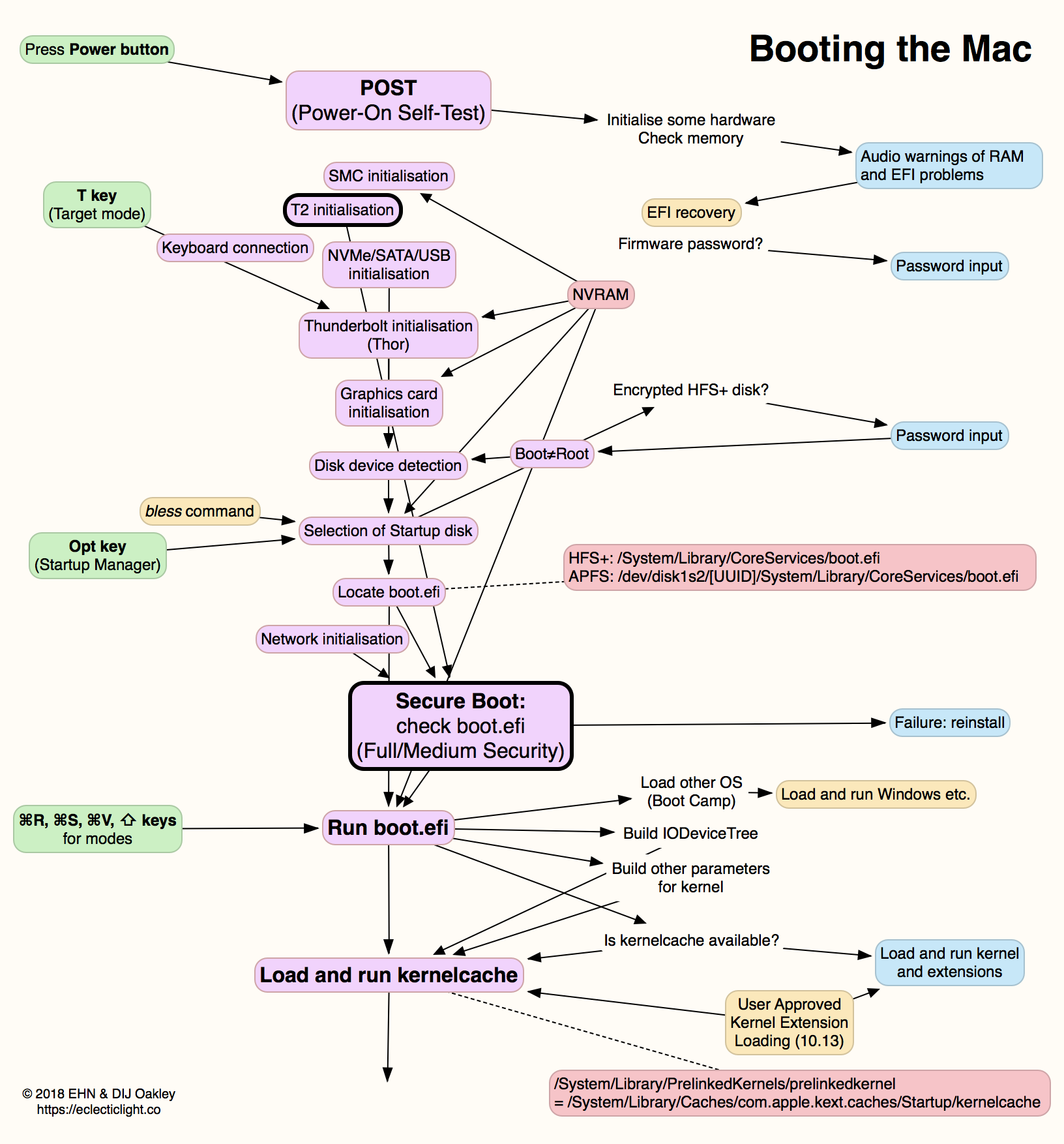
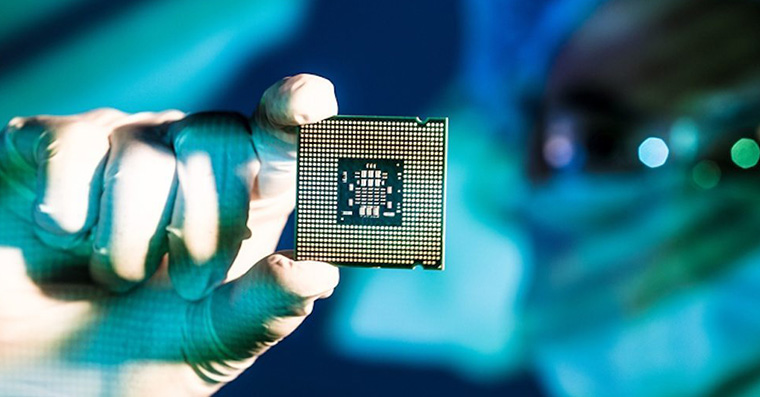
The authors discuss the technical details on their own blog, in short, it is a problem related to the T2 security chip, or rather some of its instructions that the chip executes every time the Mac is turned on, during the so-called boot sequence. ProThe problem occurs when the T2 chip, which runs bridgeOS, verifies the authenticity of the operating system that is booting on the Mac (see diagram below).
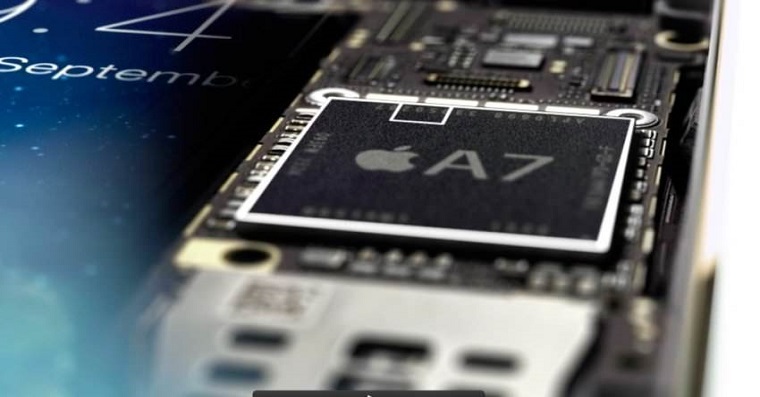
The T2 security chip is based on the A10 processor that appeared in the iPhone 7. Coincidentally, the latter became a popular target for various hackers and jailbreakers because it contained certain security flaws that could be exploited to perform actions that would not otherwise be possible. Since the security hole involved the physical design of the chip, the problem could not be patched with a security hotfix.
With the help of a modified checkm8 exploit and other specific software and hardware equipment, it is relatively easy to bypass the security barriers of the T2 chip and thus get directly to the core of the operating system. Apart from the above, the entire process requires only one more thing – physical access to the compromised Mac.
You might be interested in
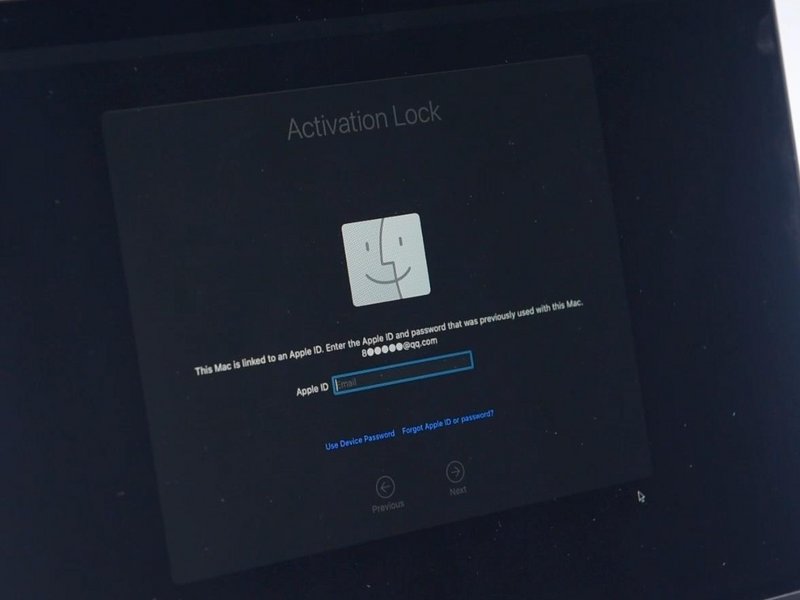
In practice, such an attack means that an attacker can access virtually all the information stored on the Mac. Encryption using FileVault It will only potentially slow down the attacker, as he will not be able to access the data as such, but he can upload a keylogger to the system, sending data to an external receiver. In addition, it is possible to disable the remote Activation lock in root.
The authors of this find reportedly tried to contact them for months Apple with the aim that the company reflects the mistake in some way and miniinformed users about it. The same procedure was allegedly applied to large Apple-centric servers, but here too there was a miniIt is very likely that Apple knows about this problem. However, since it doesn't fit into the "security and privacy first" narrative, and it's impossible to do anything with it, it just plays "dead bug".








If that's true, he has it Apple quite a problem. For example, in my case MacBook Air In 2019, they stated in promotional materials and a video that the T2 chip secures everything, including Boot. If this is not the case and the error is irreparable, the end customer can withdraw from the purchase contract.
Needlessly exaggerated as always. The attacker must have HW access to the device, you act as if another device is impregnable during a HW attack :-D As information ok, but as a concern for the owner? I don't think that if you lose HW, it doesn't matter what product you have from any manufacturer, you can still get the date.
That's quite true, I agree. :)
Yes, it's true, the risk of abuse will probably be small! But on the other hand, we will help you so that similar problems do not occur...
YOU ARE ATTRACTIVE :D :D :D
ARE YOU A NEANDARTHAL????
So pay extra. That makes sense to me.
At least you can change the disk there and not pay a 400% surcharge for it 😉