
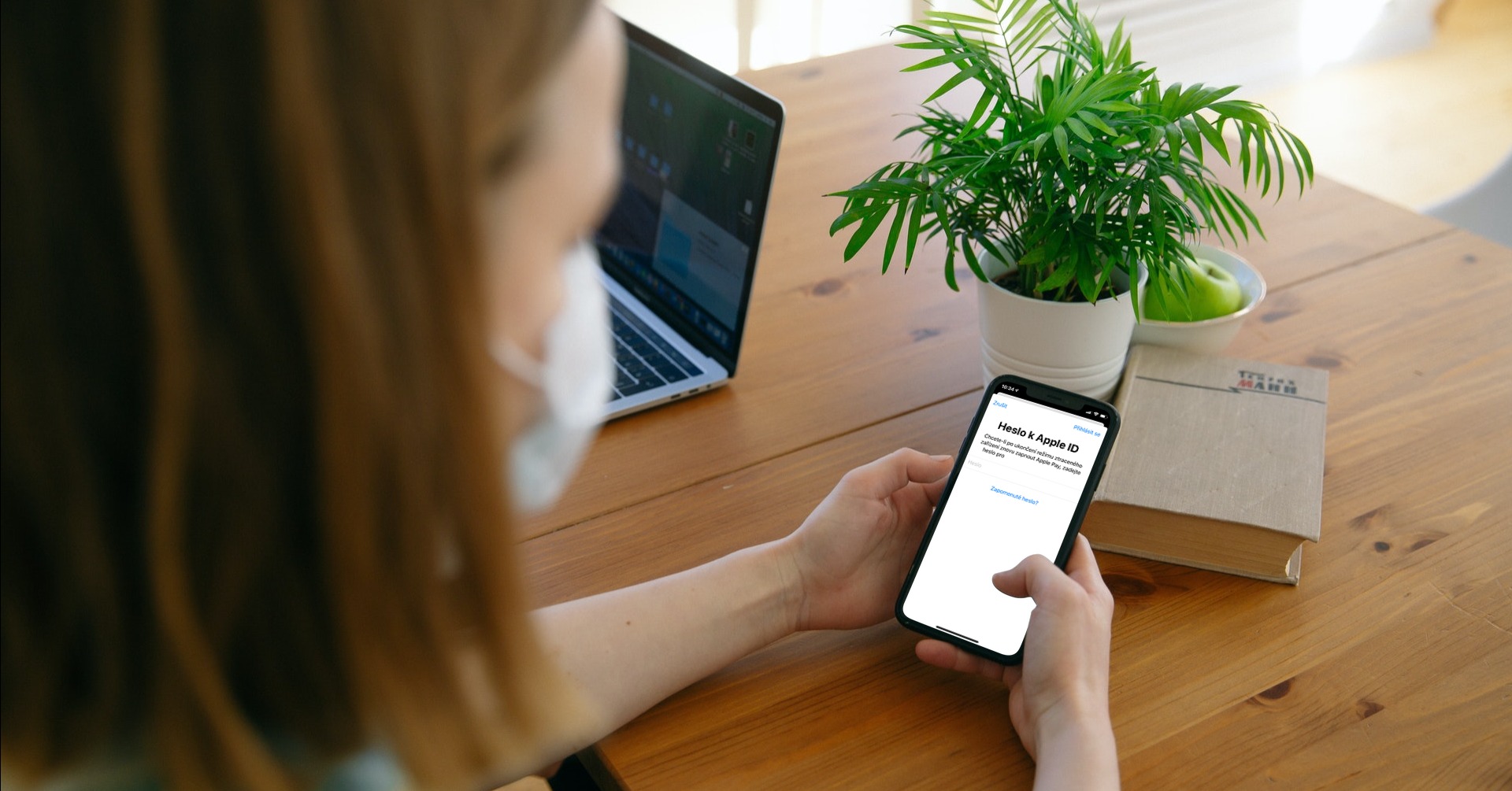
Activation Lock is a security feature that is currently available on the vast majority of devices from Applu. Thanks to it, Apple fans can be sure that no one will get into their iPhone, iPad, Mac or Apple Watch, even if a factory reset is performed with the deletion of all data. The activation lock is tied to the original user of the device, and to remove it, it is necessary to log in using their data k Apple ID, using your email and password. There is no way to break the activation lock and completely bypass it.
You might be interested in
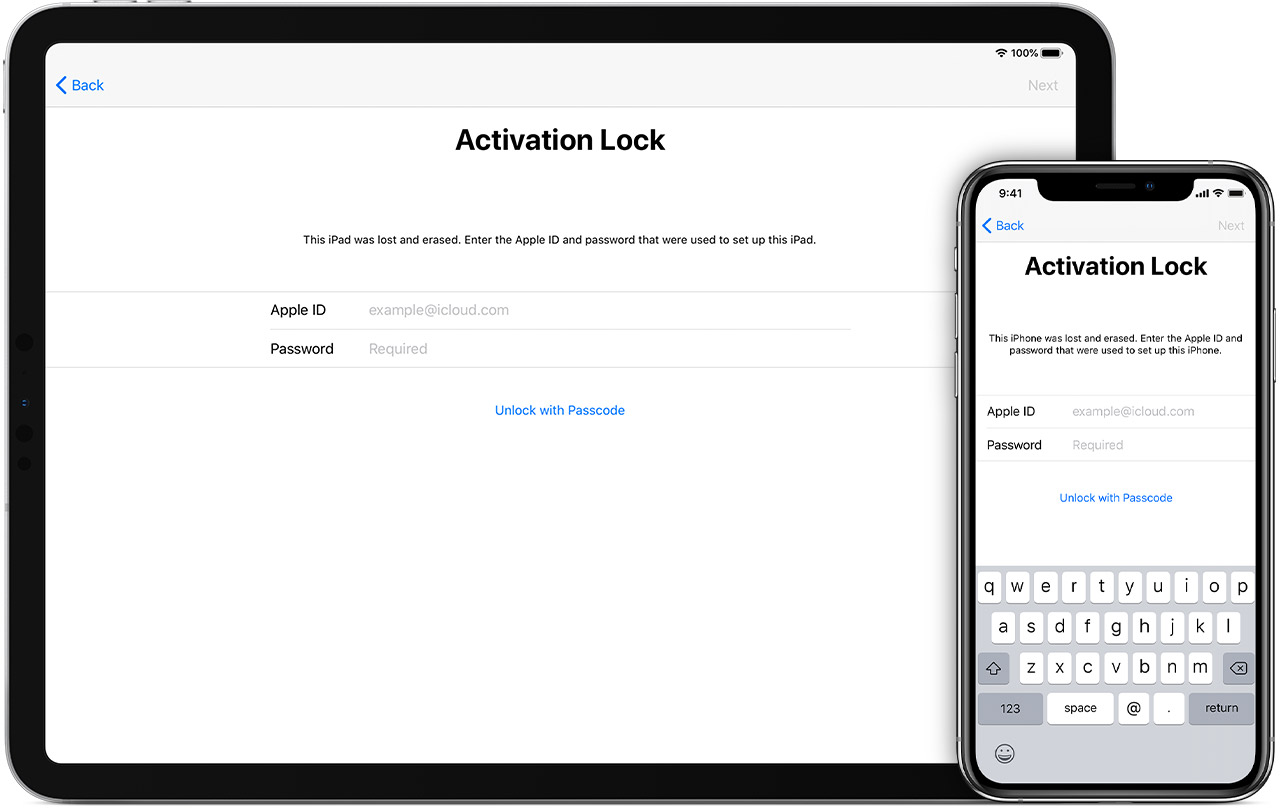
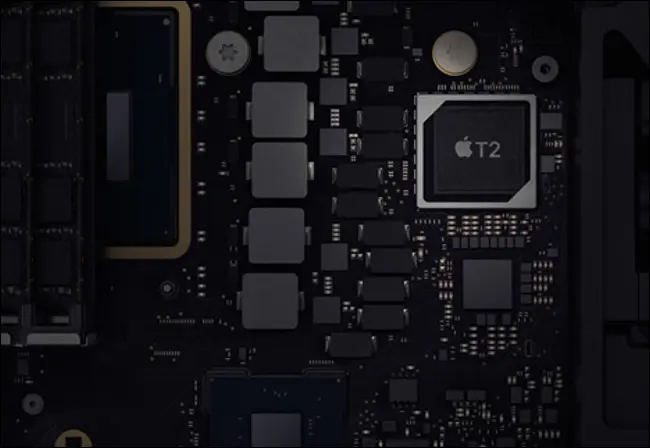
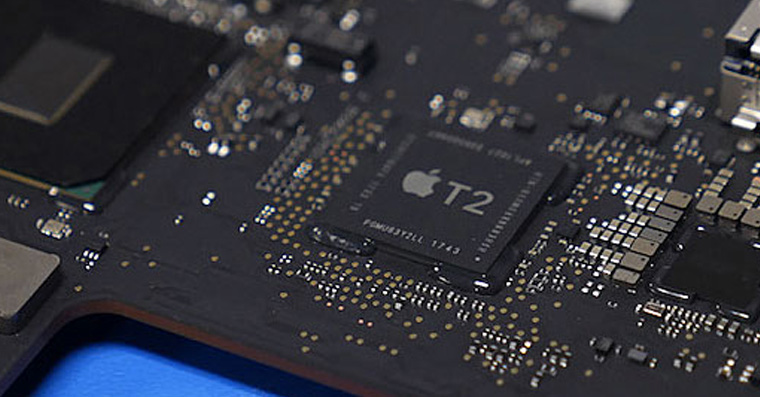
iPhone and iPad have had Activation Lock for a long time, as for Macs, you will find it here on all models that have the T2 security chip. On computers with an Intel processor, this chip is located separately, and if you have a Mac with Apple Silicon, so it's integrated directly into the main M-series chip. A few hackers reported some time ago that they managed to somehow crack the separate T2 security chip in older Macs, and in newer devices with Apple Silicon However, it is practically impossible. In any case, there has never been a fully functional solution that could break the T2 chip in such a way that the activation lock could be removed.
Gallery
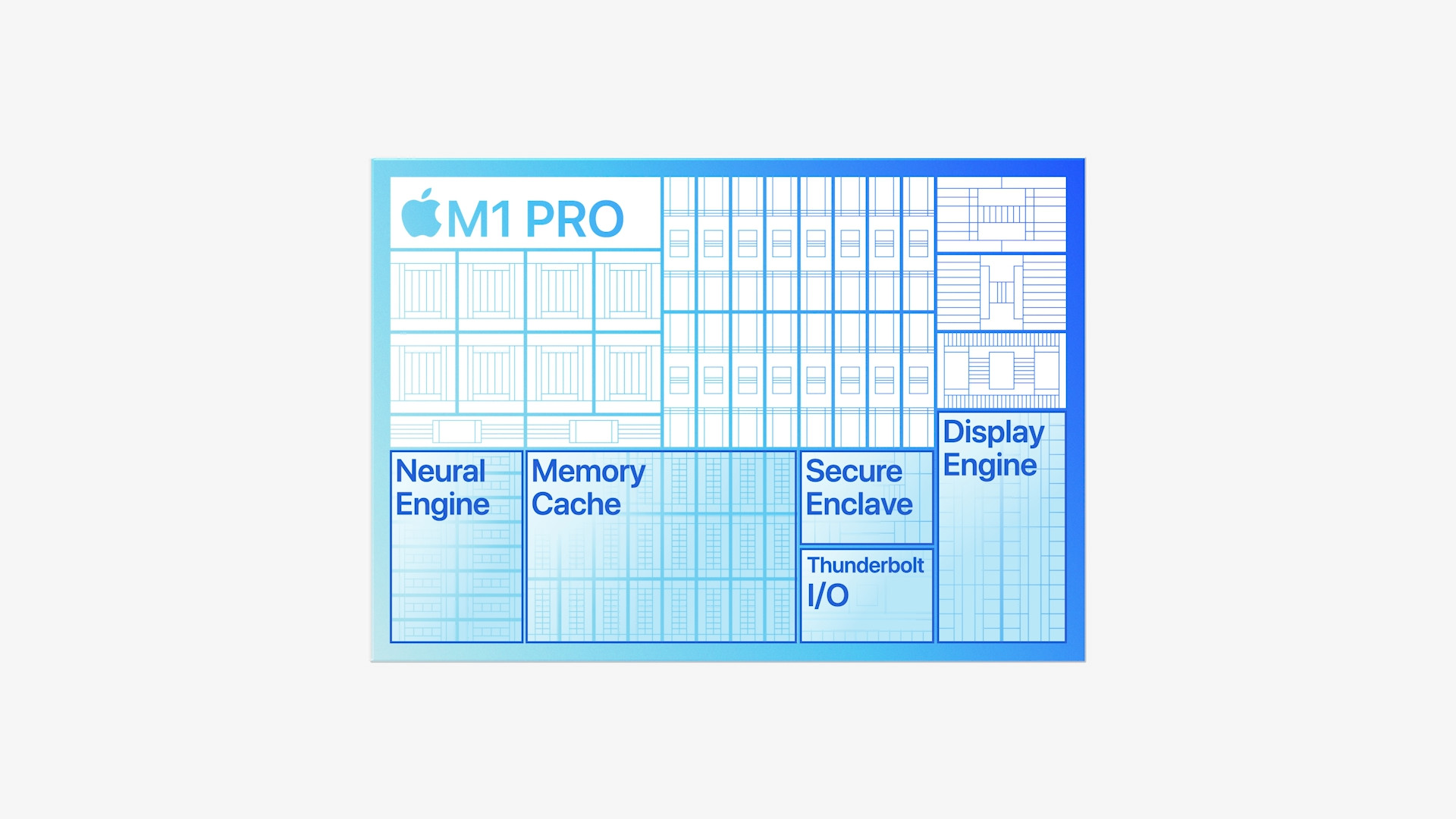



On the one hand, the activation lock is great. Each of us is certain that, for example, in the event of a theft, no one will be able to access our data, and the person in question will not even be able to use the device itself, as it remains locked, which in itself reduces the number of thefts. But there is another side, where the activation lock causes big problems in terms of ecology. If you want to sell your old Mac or other Apple device to someone, you must log out Apple ID and disabling activation lock. Otherwise, the new user will not be able to log in to their account. Apple ID and use the device. However, many individuals and institutions do not take this important step - these are mainly schools or companies that have decided to update their equipment and simply have not deactivated the activation lock on old devices.
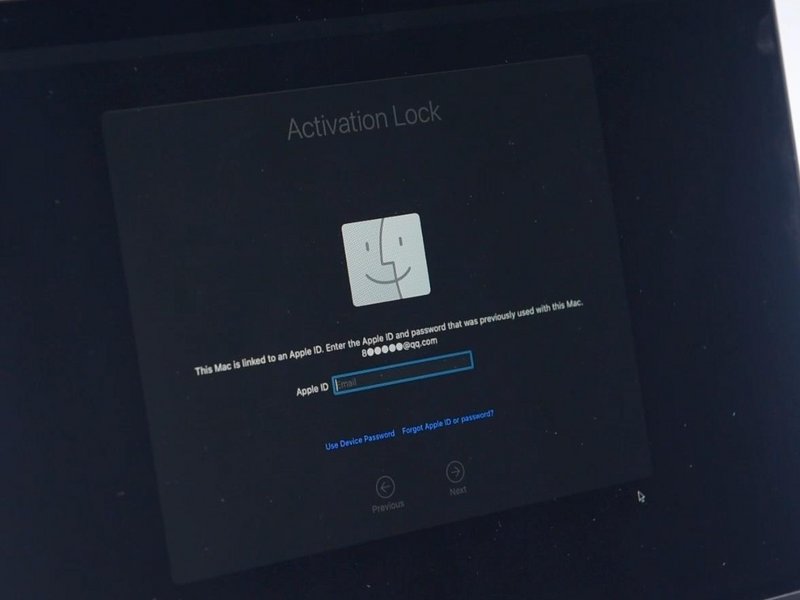
Many service centers have dozens of fully functional Macs in their offices, but they cannot be used because they are protected by activation lock. Repairman John Bumstead, for example, reported this on his Twitter, but he is certainly not the only one. In the vast majority of cases, these repairmen MacBooky will disassemble it into parts and sell absolutely everything except the locked motherboard, which will turn into dust, which is of course unecological. I repeat again that these are fully functional computers, for example, the popular MacBooky Air whether Pro with M1 chips, which could have served another user for many years without any problems. All that was needed was for the original user to log out and unlock within a minute. It is of course nonsense to blame this solution Apple, which is partly to blame for this in terms of the impossibility of canceling the activation lock remotely, the biggest share of the blame lies with the original users, who irresponsibly sell or give away their devices.
As I predicted years ago, Activation Locked T2 MacBooks are flooding into recyclers (15 of these are 2020 M1!) Recyclers willing to violate the R2 cert sell to uncertified barbarians like me who use them for parts, but most just scrap due to liability paranoia. #righttorepair pic.twitter.com/uvsQZK8nJR
— John Bumstead (@RDKLInc) January 17, 2023
John Bumstead suggested a simple solution to this problem, where a new user could, after presenting the serial number, proof of purchase and other details, request Apple about unlocking. If allowed, the original user could receive an email informing them of the unlock request. If the person in question does not respond to the request within 30 days, or does not perform remote unlocking within this period, the device will automatically unlock itself. Hard to say if ever Apple will do something similar, but until then there is a simple solution that should be set in stone. If you ever decide to sell your Apple device, or if your employer will exchange it for a newer one, always log out and deactivate the activation lock. You'll be sure that a fully functional Mac won't end up disassembled for spare parts with a locked motherboard burning, helping the planet environmentally.



But no
Now I don't know what the article is complaining about that it works as it should? Or that those who want to sell it on are often unable to prepare it for sale?
It is written quite clearly in that article…
ProDo you delete comments? It's a fact that most of the articles here are translated from other websites.
Just don't buy disposable electronics
So if I'm going to buy a used laptop from someone, I'll ask them to unlock it. Here again someone is creating a problem where there is none. Most of those locked devices will be stolen, and that's okay Apple will not allow the operation of stolen devices.
You are right or wrong. This is mainly about companies that buy in bulk. I can confirm from my own experience. I work for a company that buys electronics from people. There is a large % of customers who have no idea about a lock and put it there Apple ID only because the system asked them during the initial setup. They don't know how to turn it off or what it's for. We have dozens of such arrangements. All endings in sociastics.
This GB:
Is that a problem?Applu as a manufacturer, or that idiot who apple does he use the product? Well, probably the dumb one sitting on the chair by the keyboard. In our company, the procedure for handing in old "electronics" is clearly defined, it must be checked out and deleted. Otherwise, the IT department will not accept it back to exchange it for a new one. How simple. The user is clearly responsible for it, if it is d.... not even holy water will help!