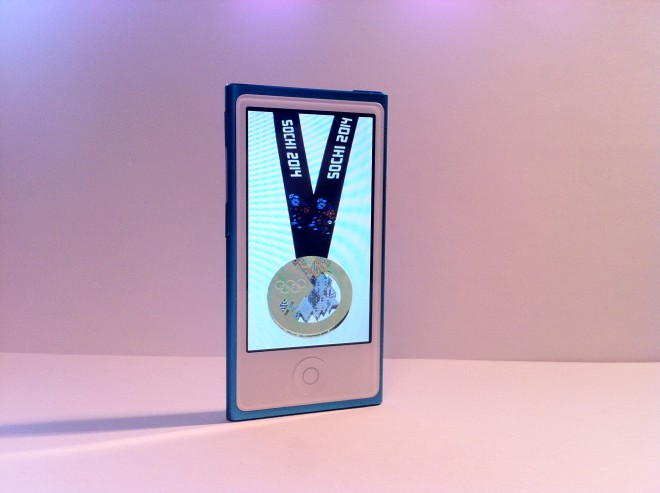
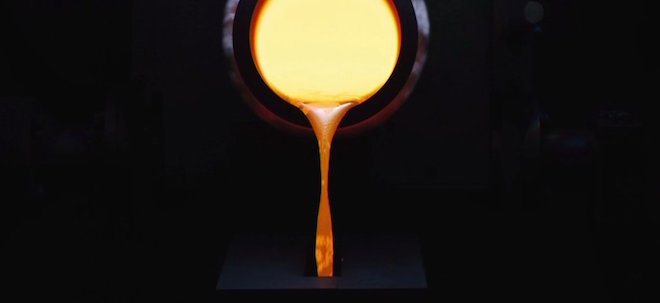
The production of an Olympic medal requires a considerable amount of precious metal. And when several hundred of them have to be produced, it is a relatively expensive process. The Japanese organizers decided to try to use as much electronic waste as possible, however possible. Modern electronics contain a huge amount of precious metals, albeit in very limited quantities. But there is so much so-called "e-waste" that it could significantly help with the production of medals.
This initiative aims to do two things. First, to raise awareness of the “treasures” that can be hidden in electronic waste, and thus motivate Japanese people to sort it better. And second, this process could significantly help Japanese industry, as less valuable raw materials will be lost through more efficient recycling. Japan is very raw material-deficient and has to import most of its industrial raw materials. ProThis step is very logical and, if put into practice, could help save a lot of money.
According to the assumptions, it should be possible to make all the medals only with the help of e-waste recycling. For example, for the London Games, 9,6 kg of gold, 1210 kg of silver and 700 kg of copper were used for the medals. If we compare this with the level of recycling from 2014, the Japanese managed to get 143 kg of gold, 1566 kg of silver and 1,1 tons of copper. The production of medals should thus be covered without a problem. However, this initiative is not only focused on medals, but should also have a deeper impact on the future of the country, as resources are limited and the future should be in efficient recycling.
Source: The Verge