New York is one of the few cities in the world where walking is not a sport or a lifestyle, but an absolute necessity. If you don't want to spend half your day here on the subway or in a car, you just walk. And a lot. After a few days, I stopped looking at the numbers in the Health app because there was no reason to. Twenty to twenty-five thousand steps a day is a completely normal number and in the evening I felt like I had not only seen the city, but really experienced it. It was in this context that the virtual challenges from The Conqueror Challenges started to make surprisingly great sense to me. Yes, at first I just perceived it as some kind of advertisement that jumped out at me on Instagram, but thenonec it turned out to be a really cool thing. Especially if you have kids, let's say between the ages of 3 and 15, they'll love that you're making them walk and they get some real reward.
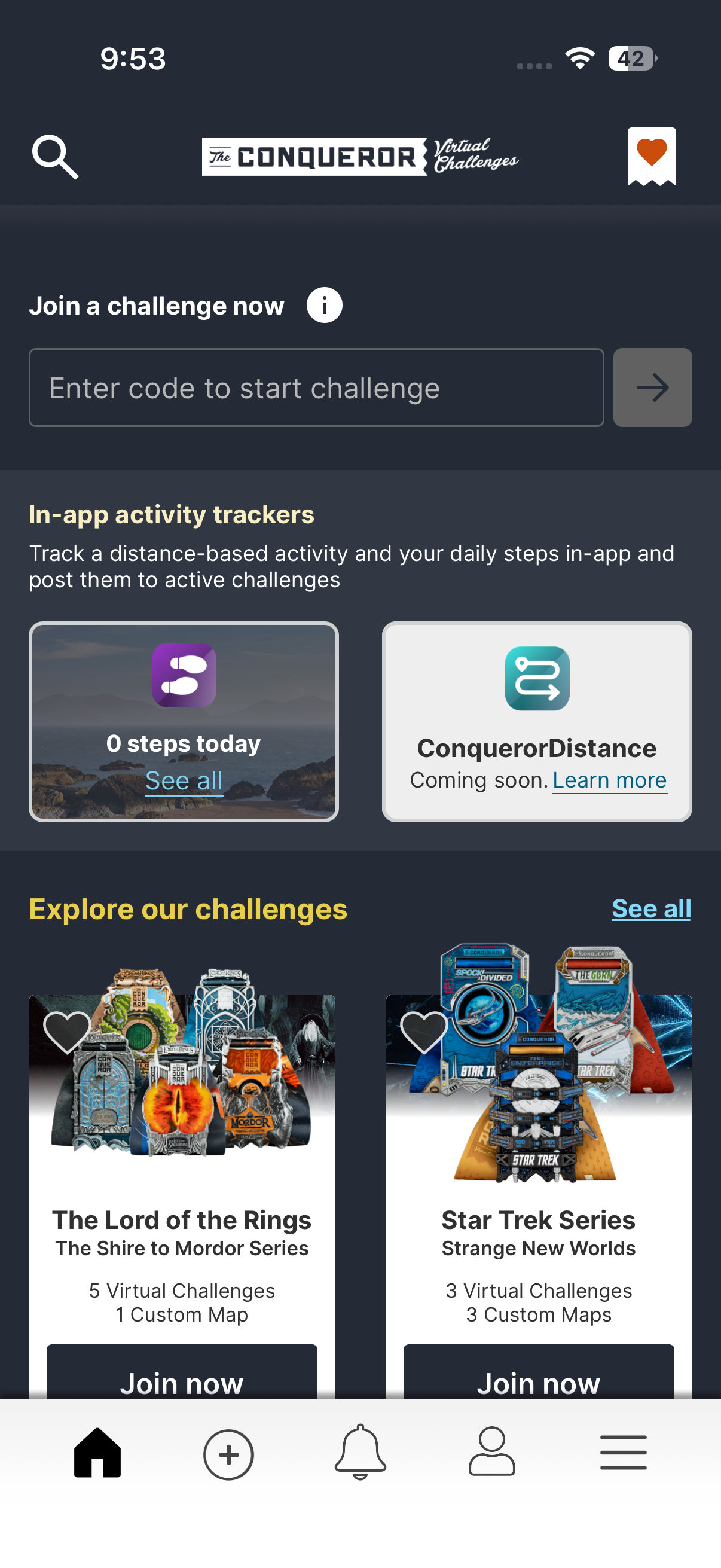
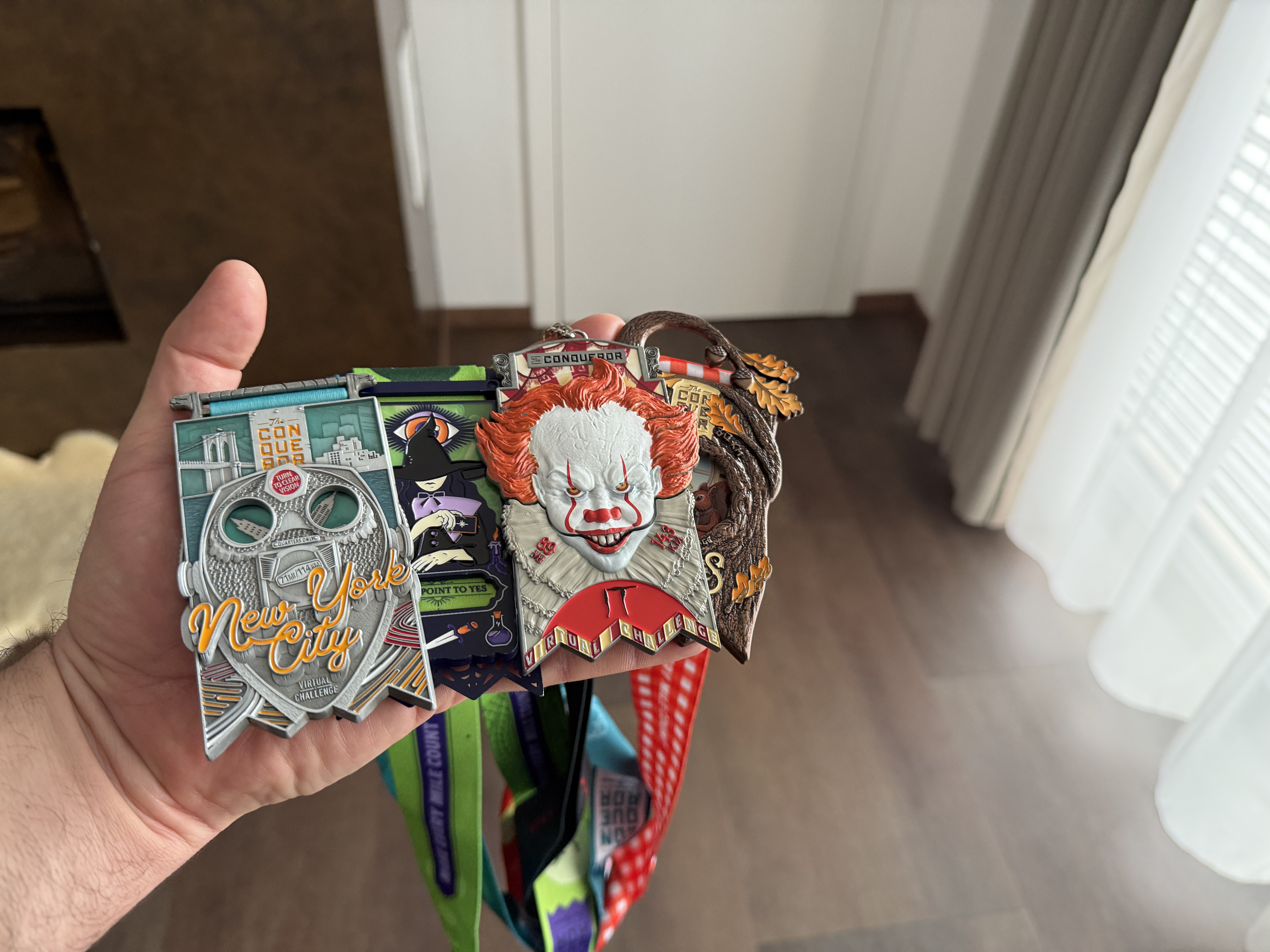
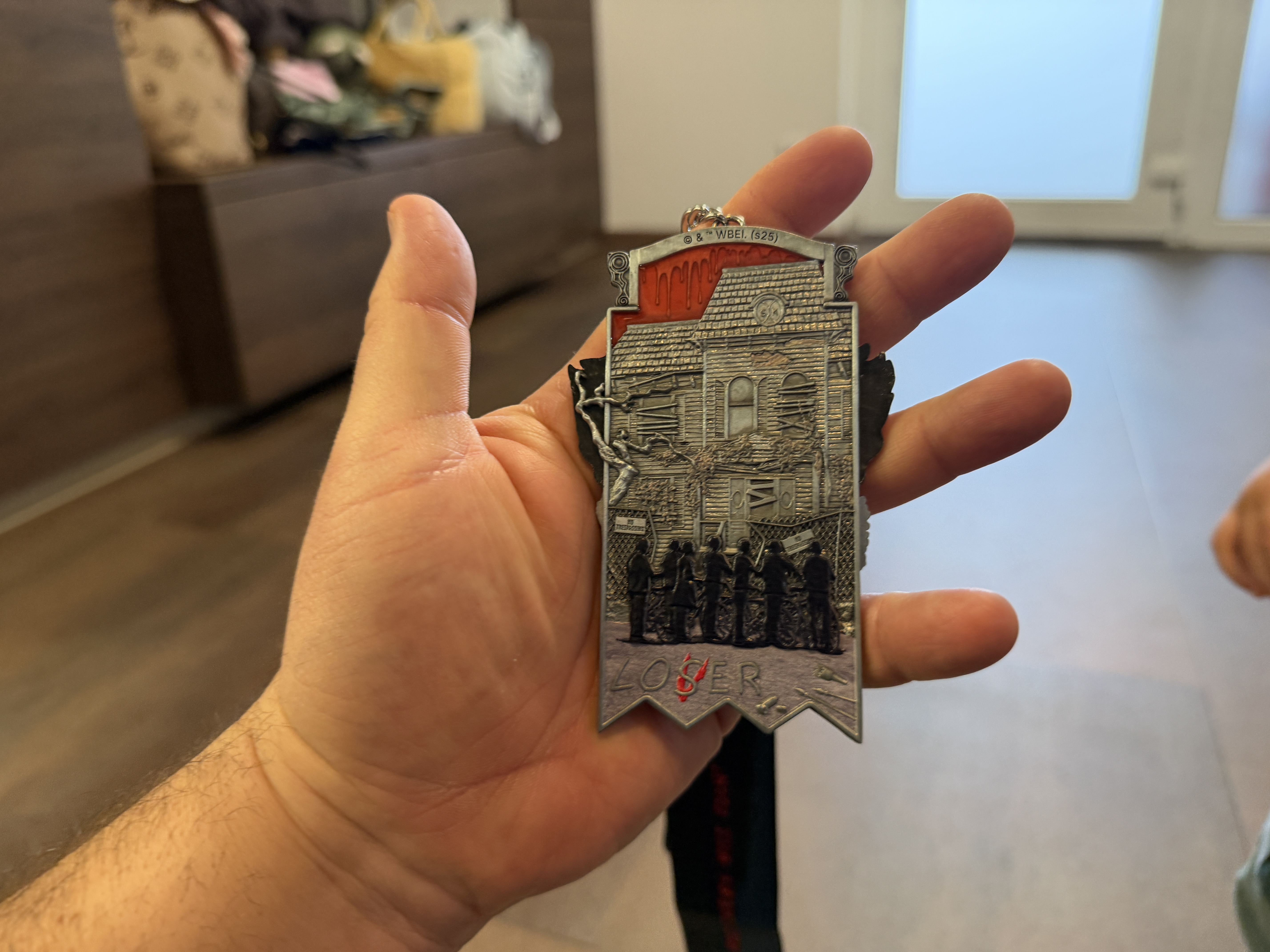
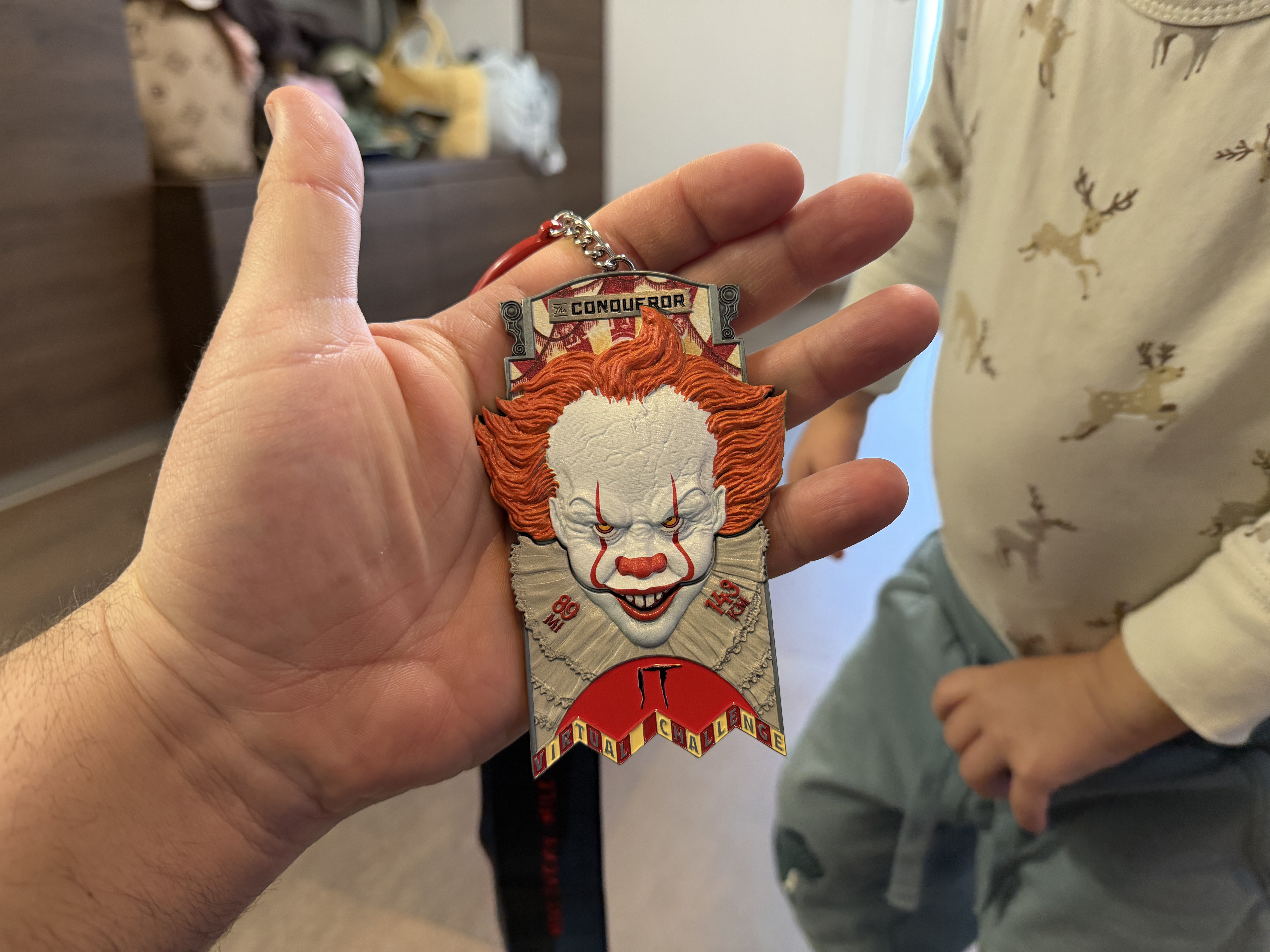
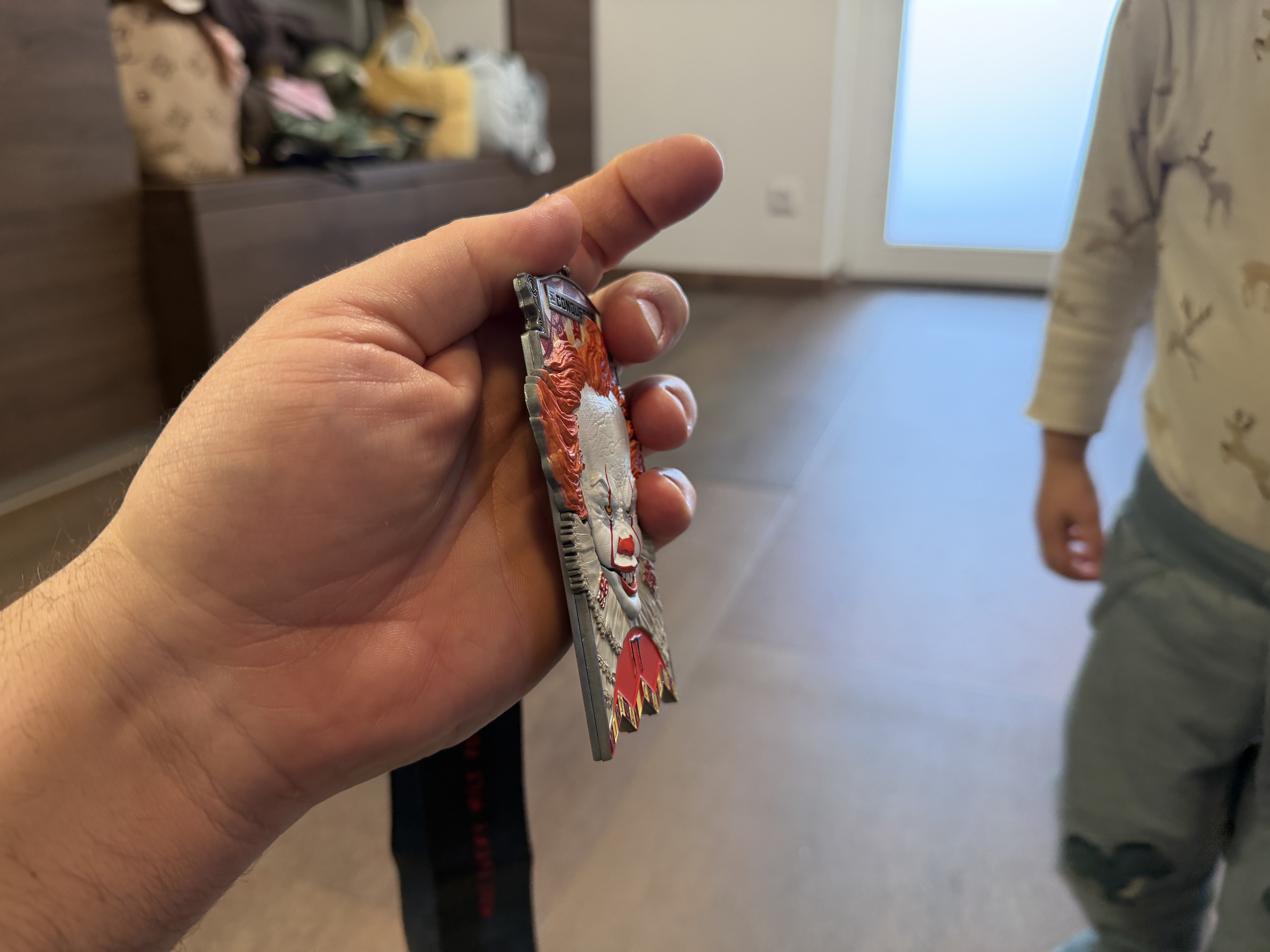
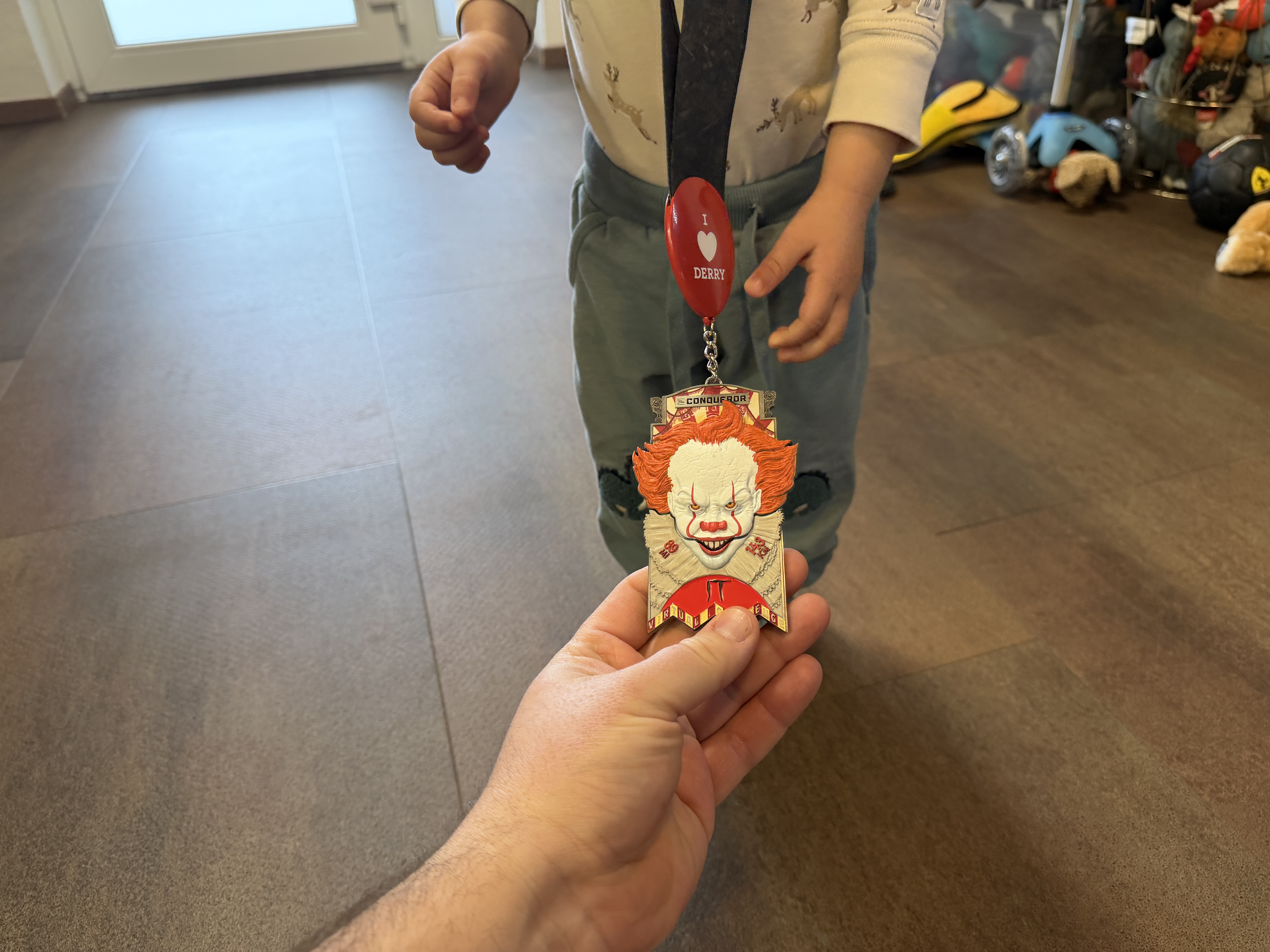
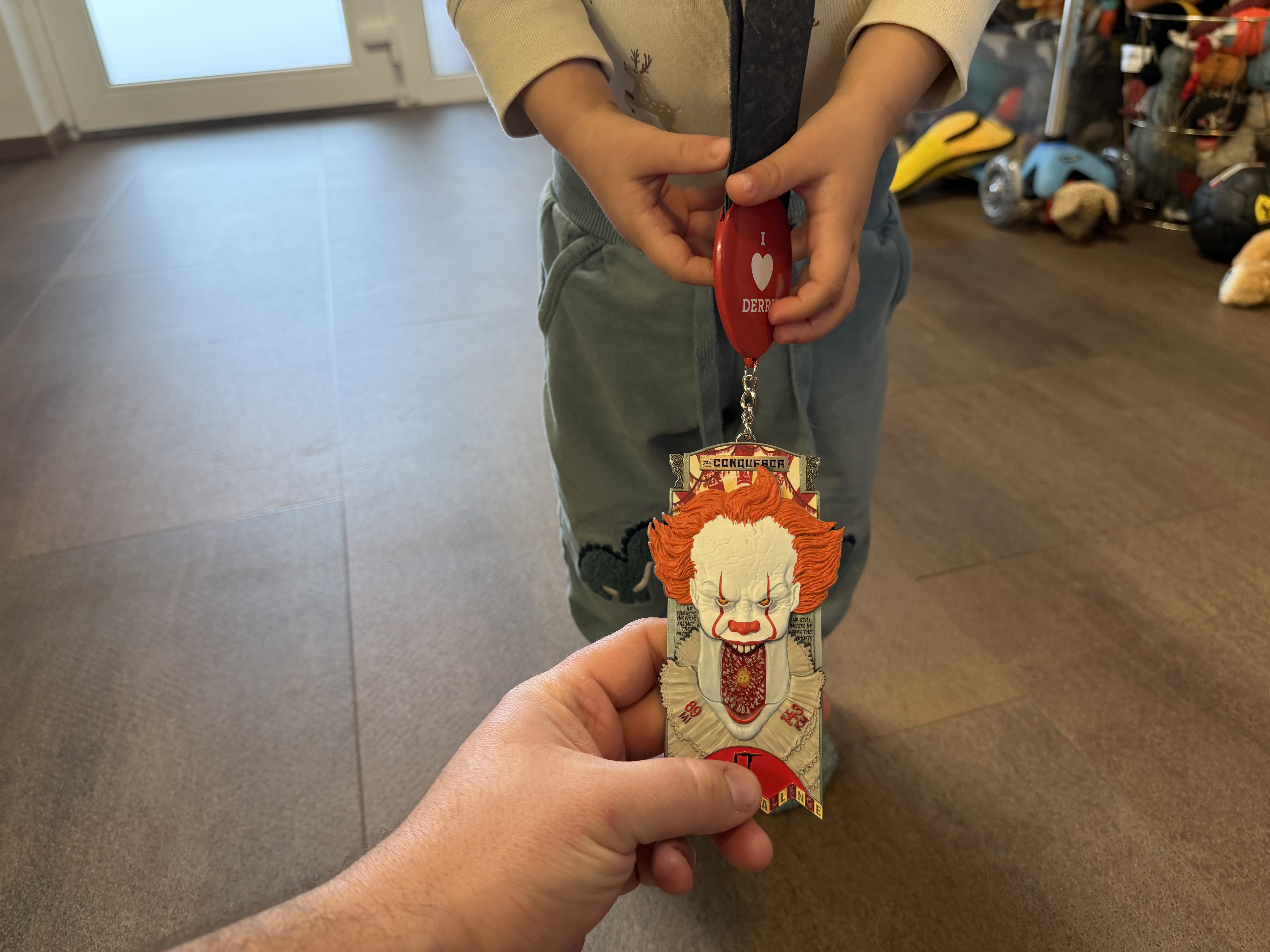
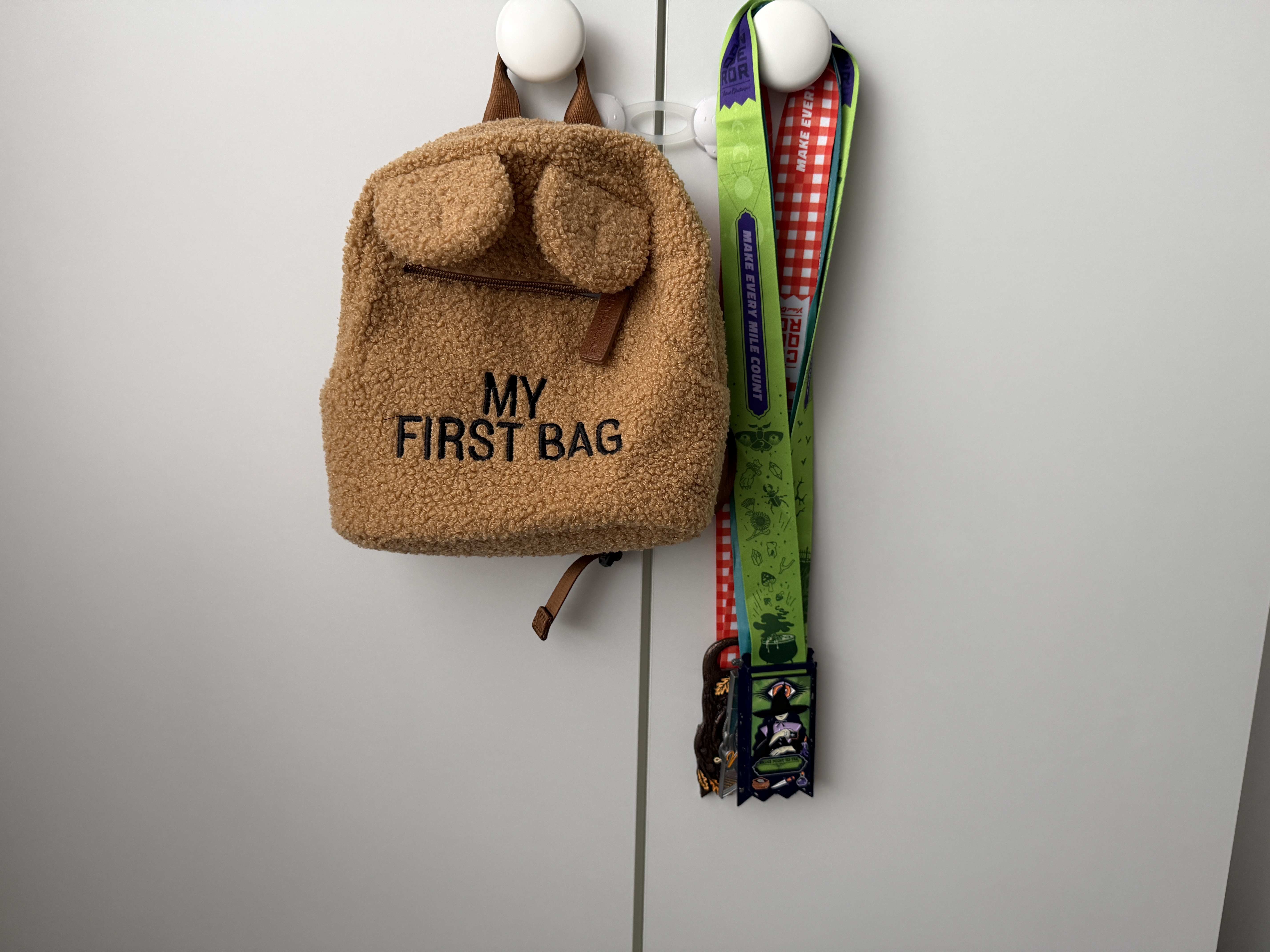
The whole principle is actually simple. You download the app The Conqueror Challenges. You choose a route or challenge that has a specific length in kilometers, and the app calculates the distance for you every day based on how many kilometers you walk. It can be a famous historical route, a fantasy theme, a movie-inspired route, or a completely ordinary challenge focused only on distance. Once you reach the finish line, they send you a physical medal. Not a digital badge, not a congratulatory email, but a real piece of metal that comes to your home in the mail. Moreover, these medals look, as you can see in the photos where we have our own medals, really perfect!
Gallery
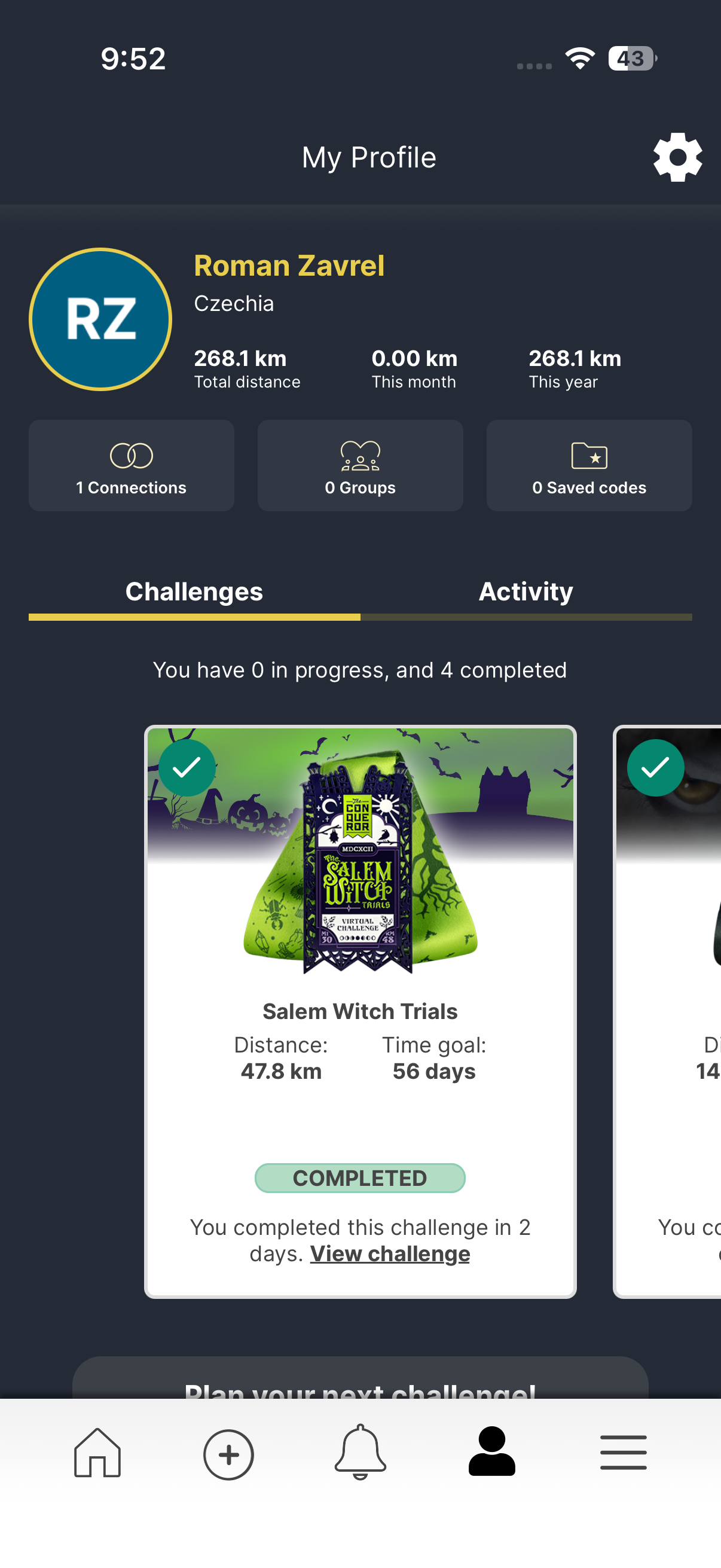
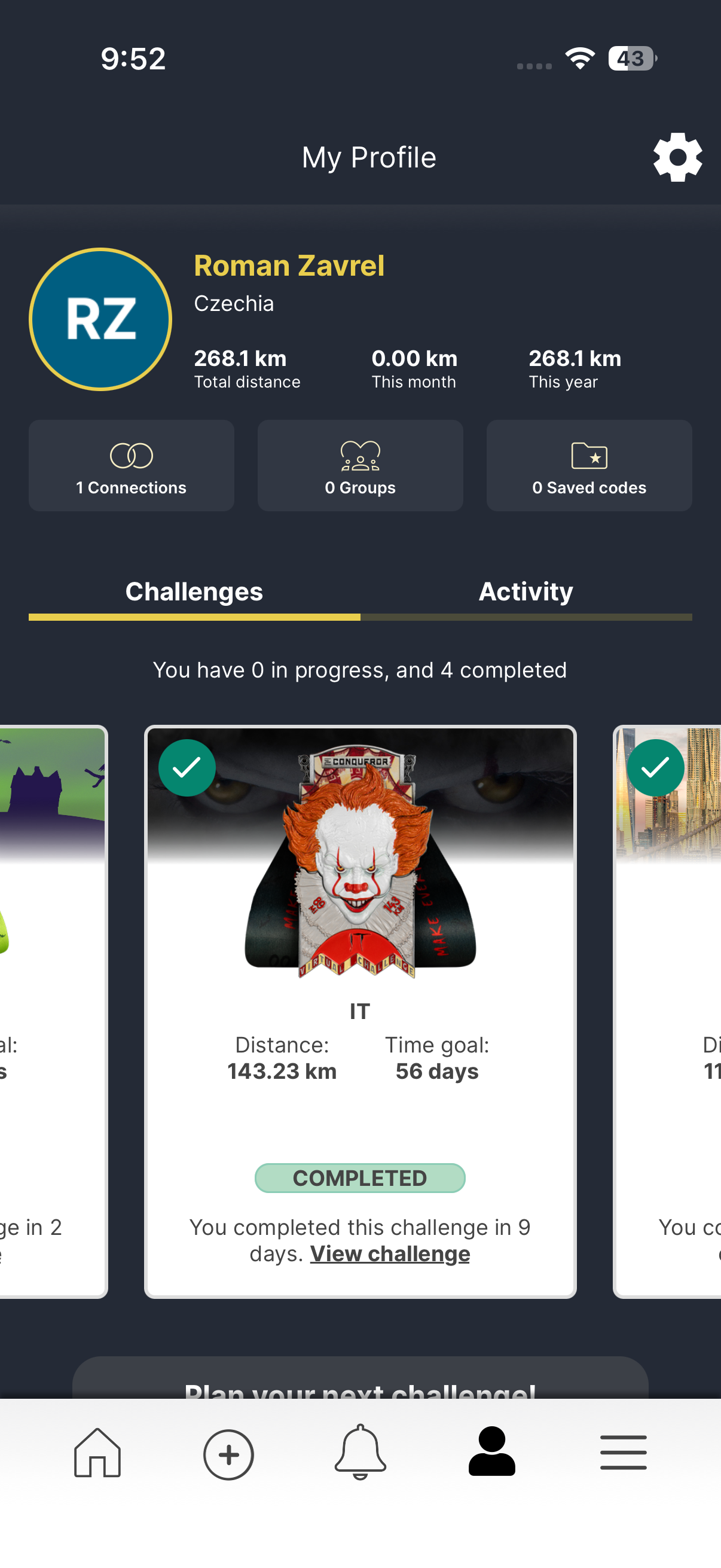
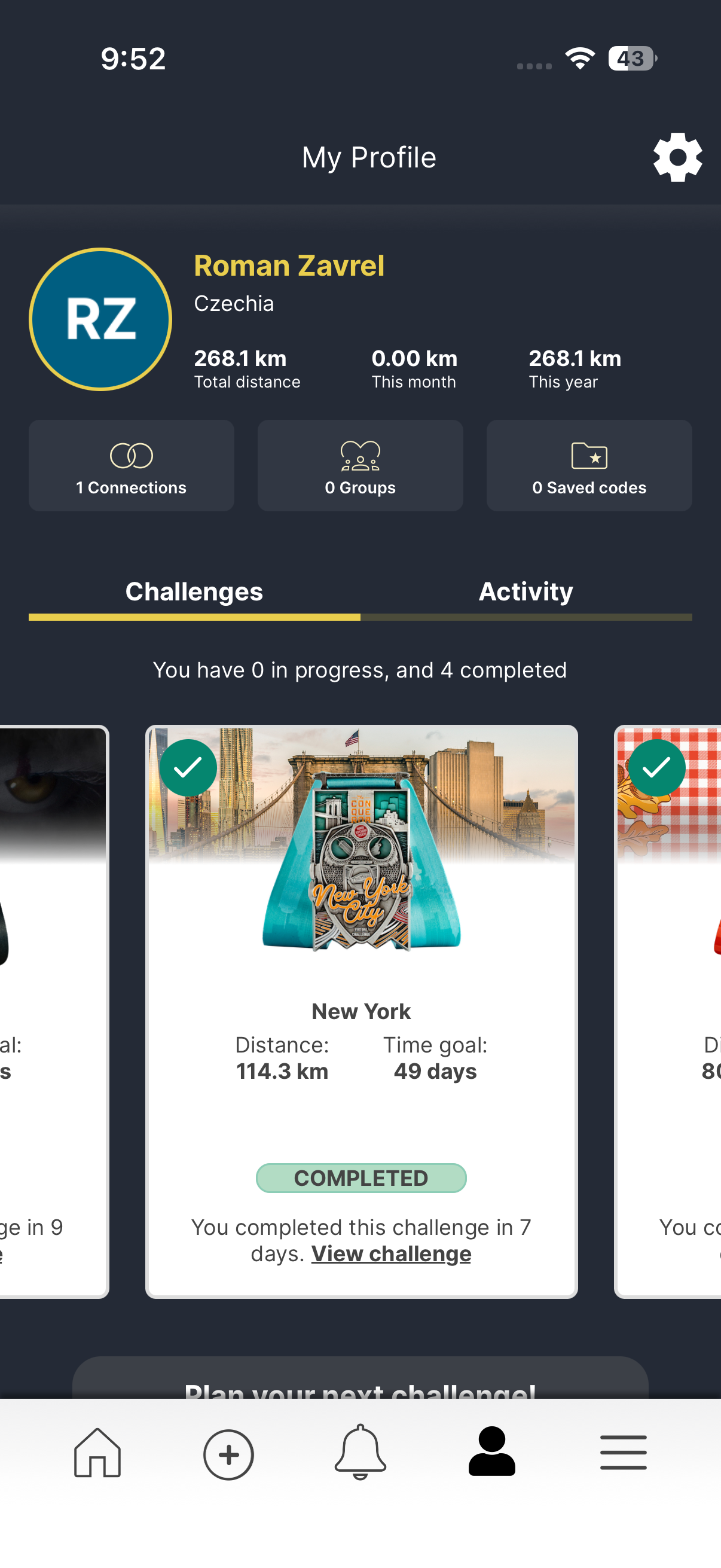
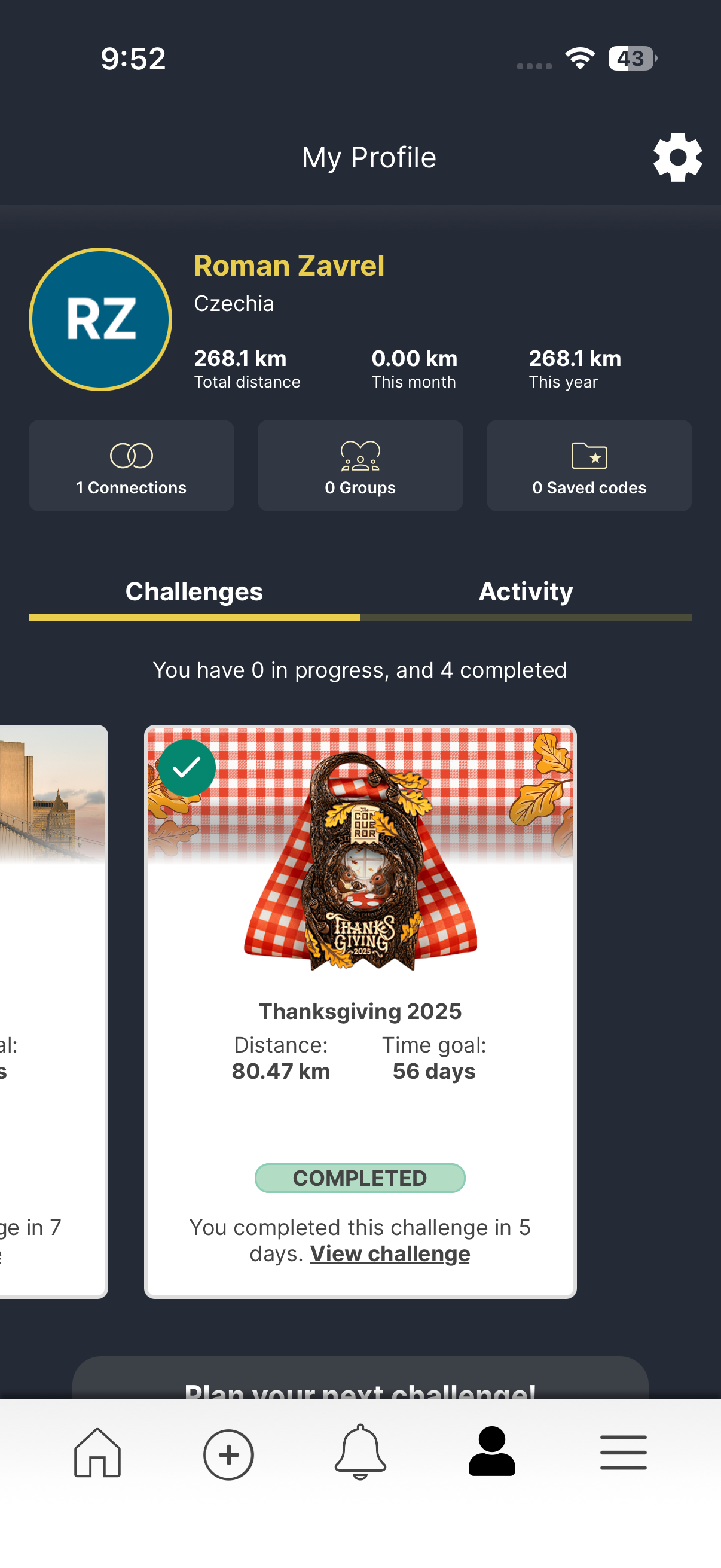
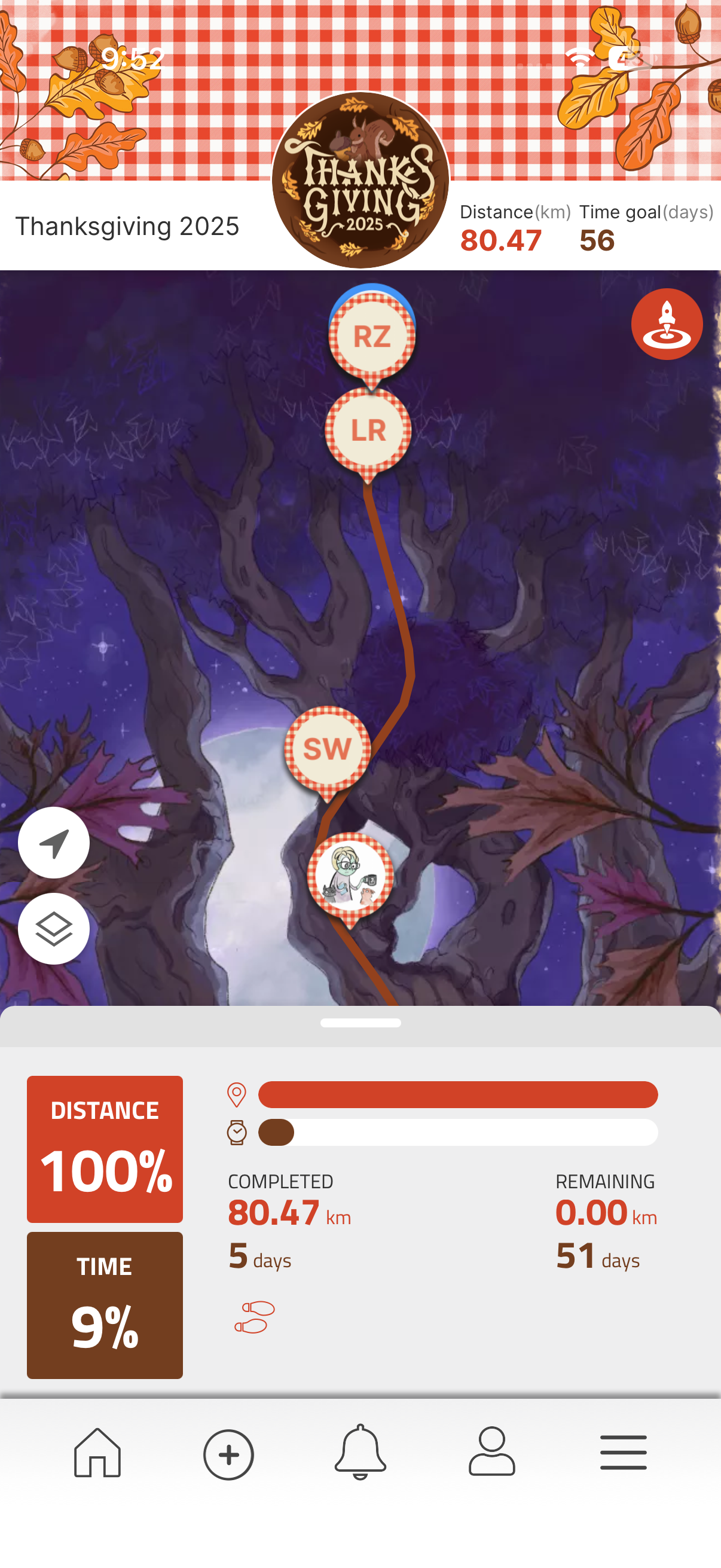
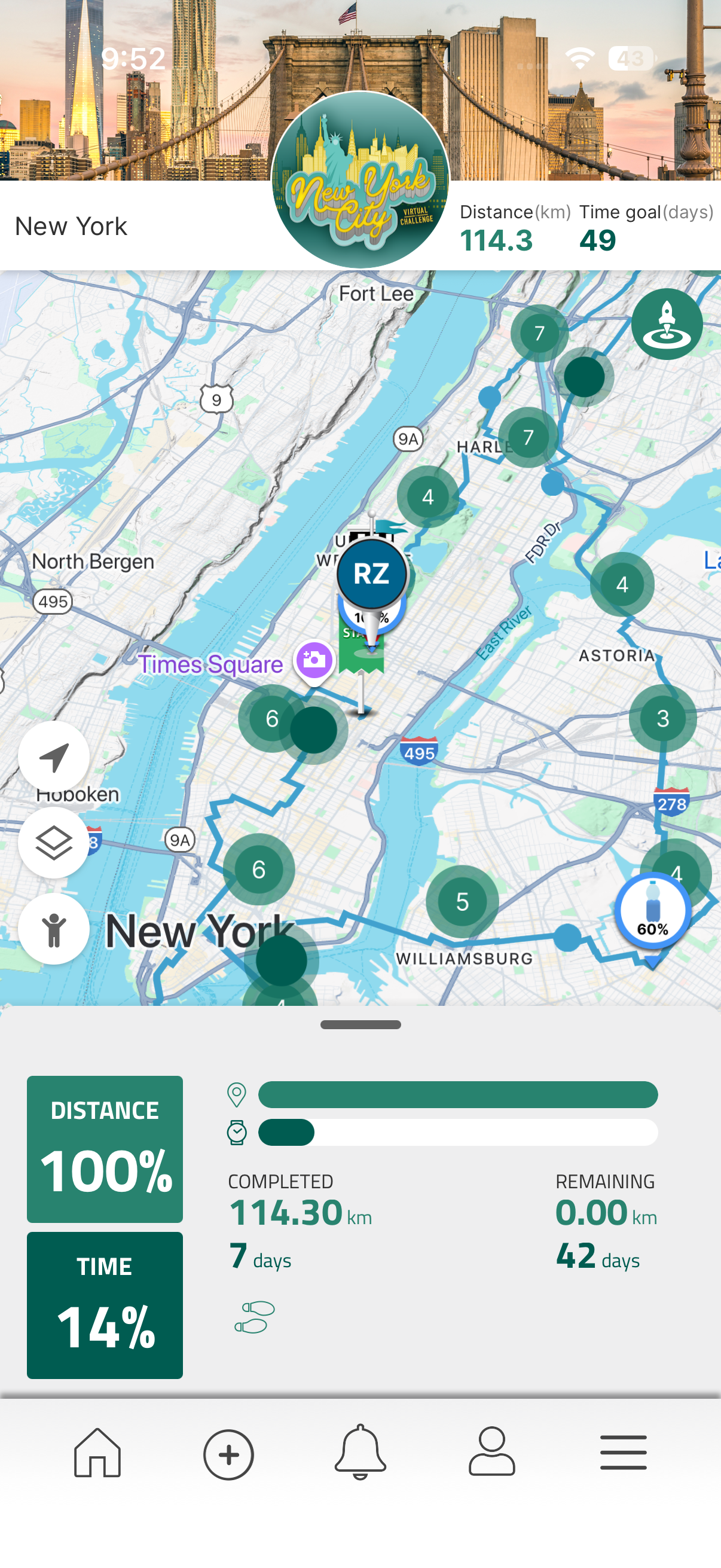
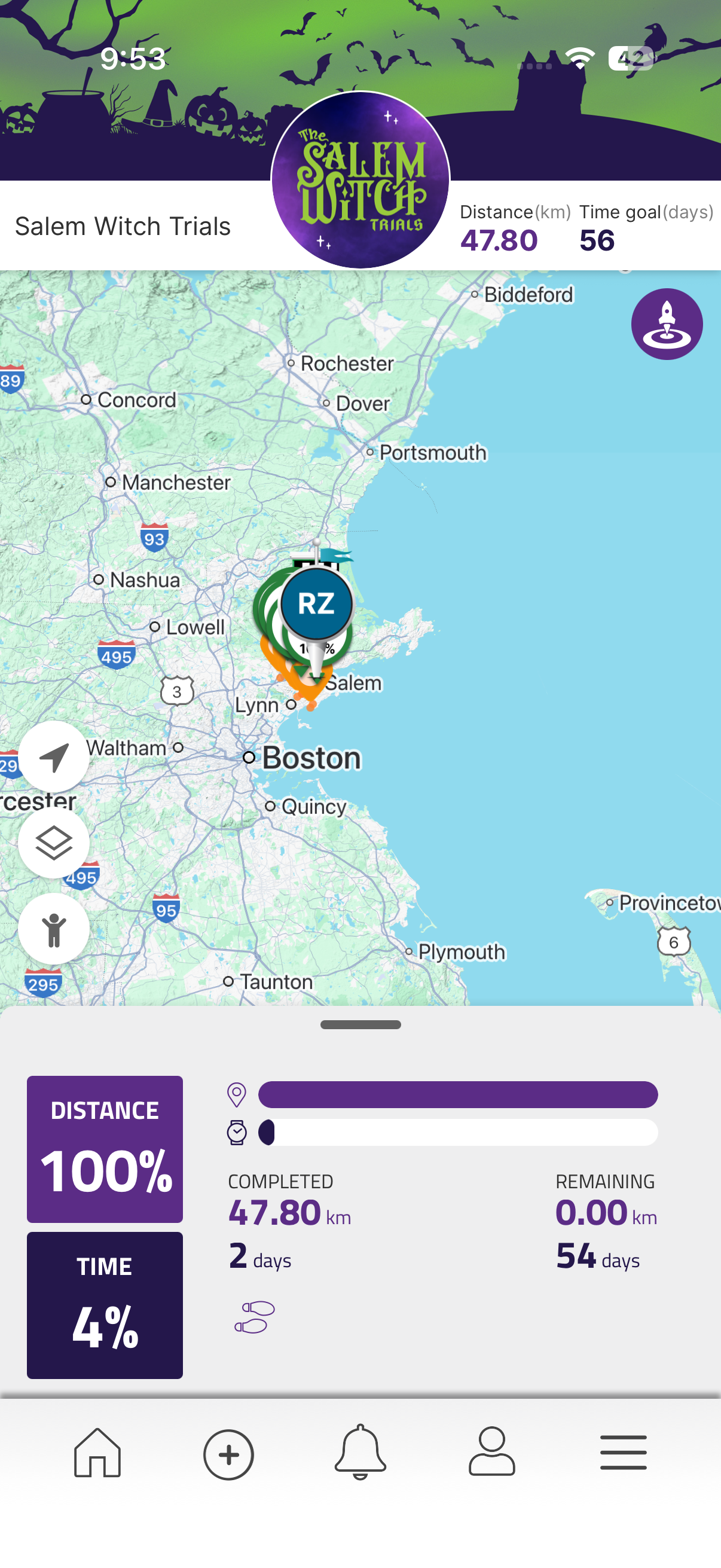
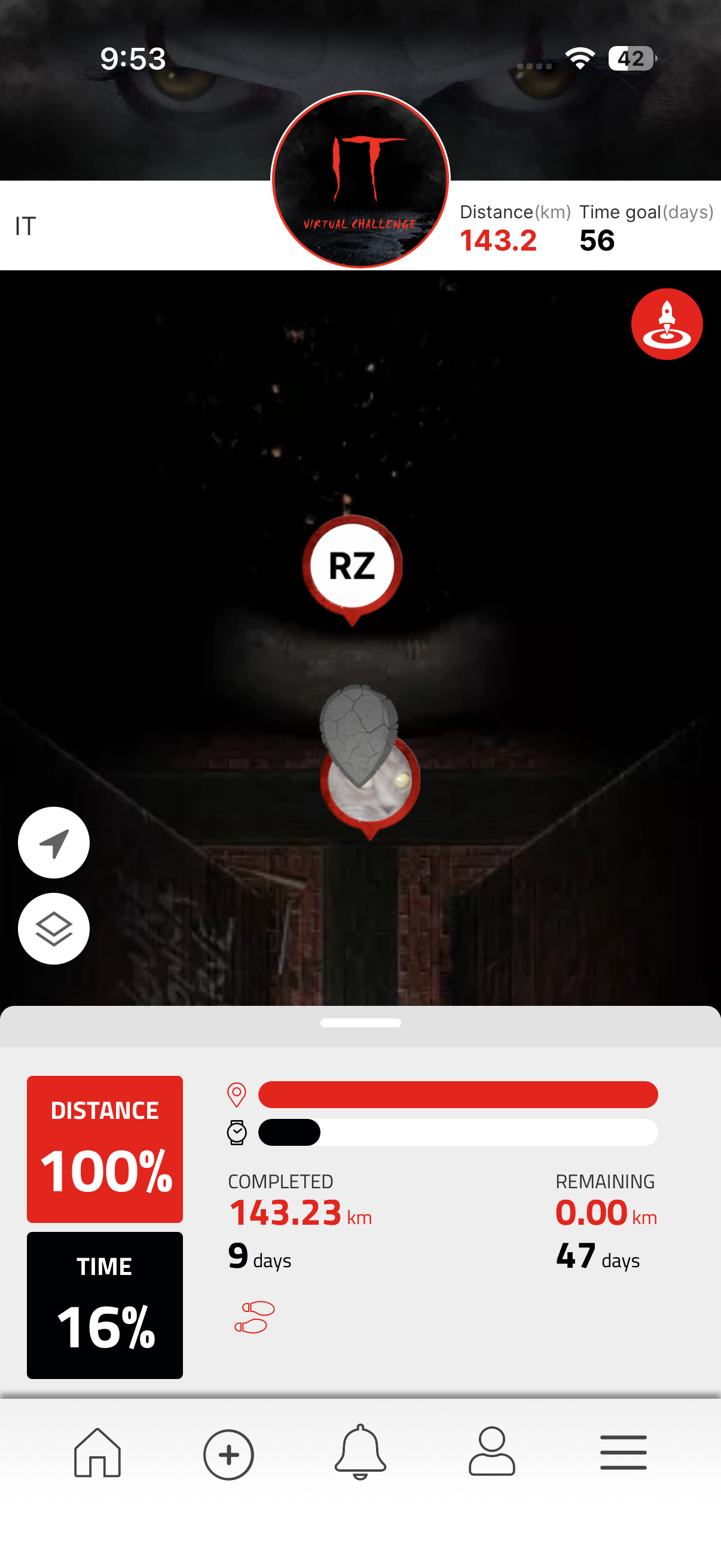
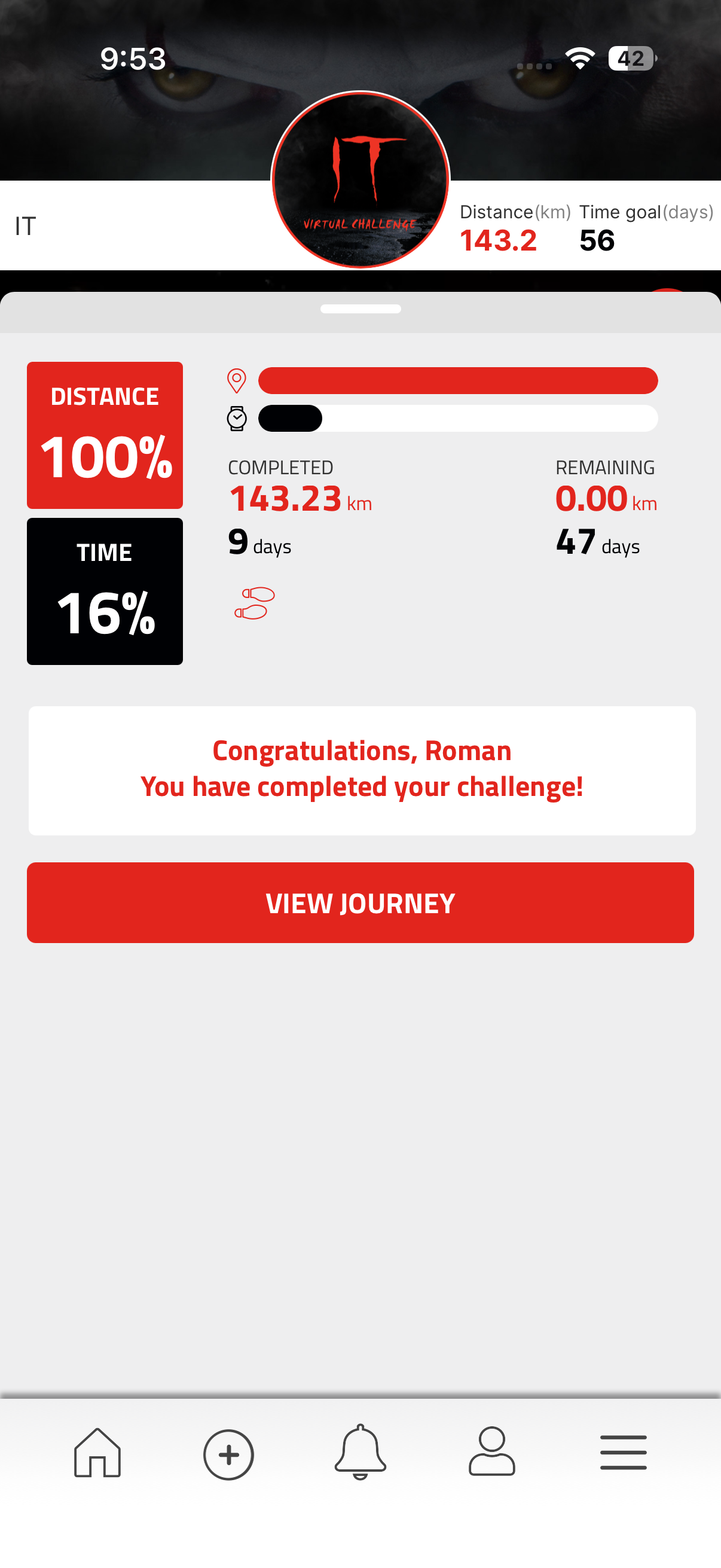
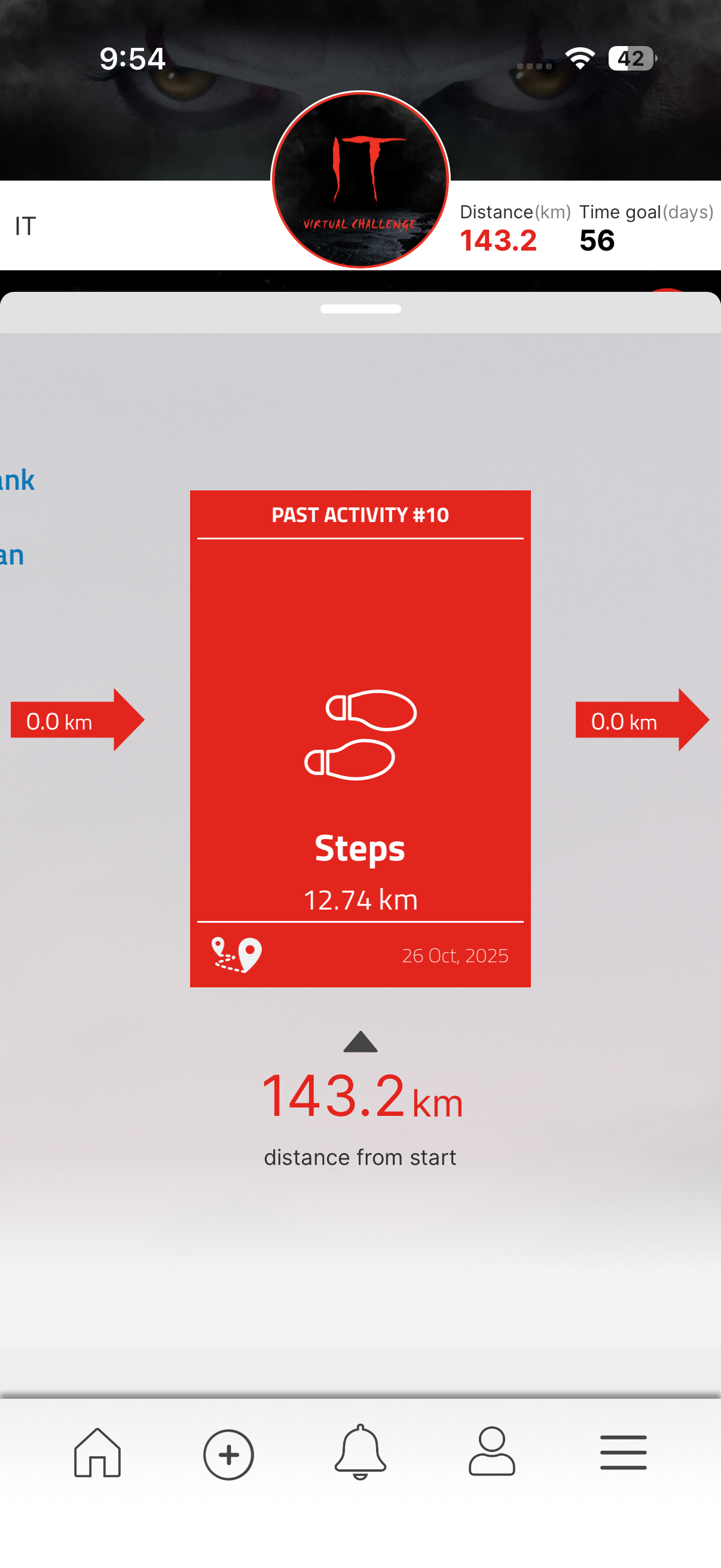
One challenge costs around $30 to $35 depending on the type and current offer. It's not a lot, but when you look at the medals, you feel like they really have value. In addition, they can really motivate children, for example, to not give up and actually achieve a certain goal. The price includes shipping for the medals anywhere in the world, and they always arrived within 14 days after the challenge ended. When I compare this to various fitness apps that charge a monthly subscription and really stop making sense to me after a few weeks, here I know exactly what I'm paying for and what I'm getting.
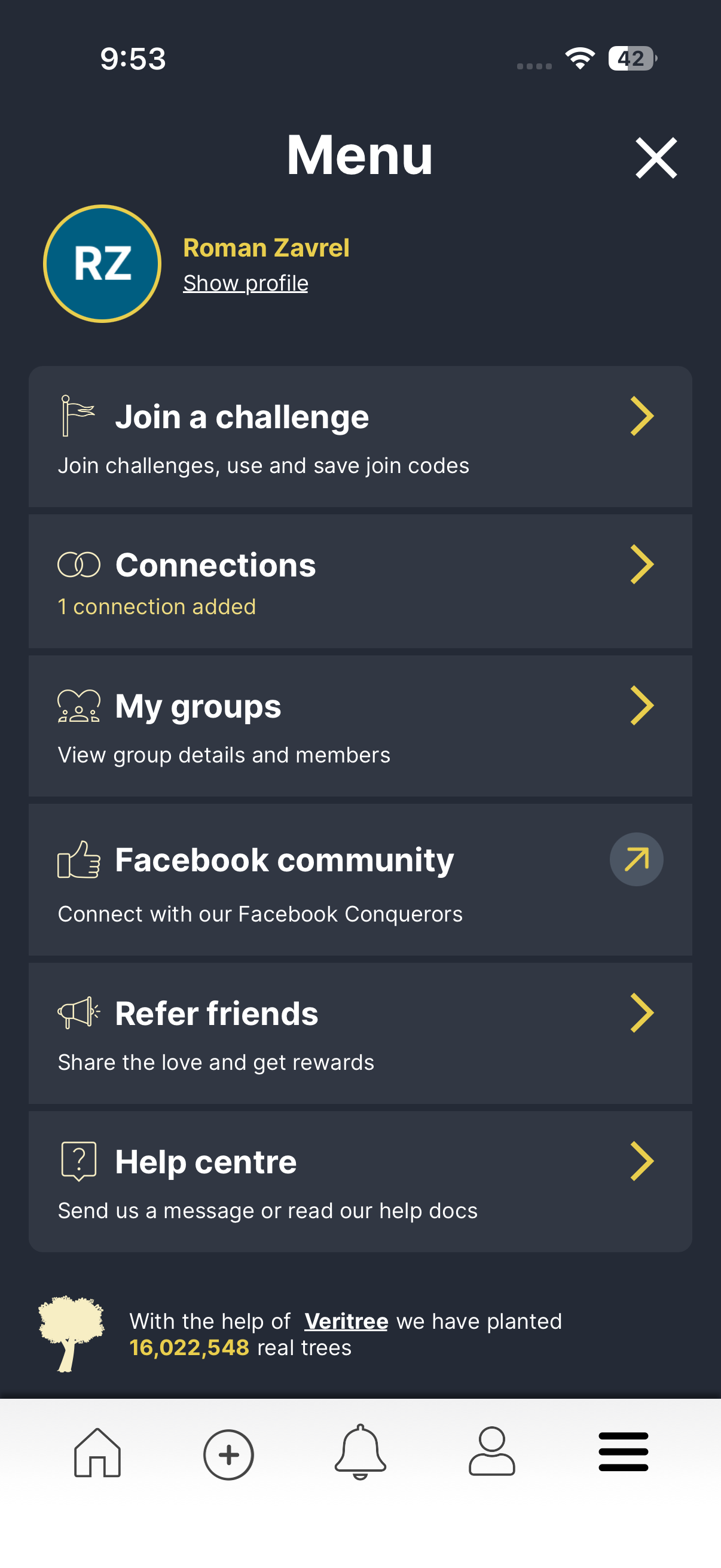
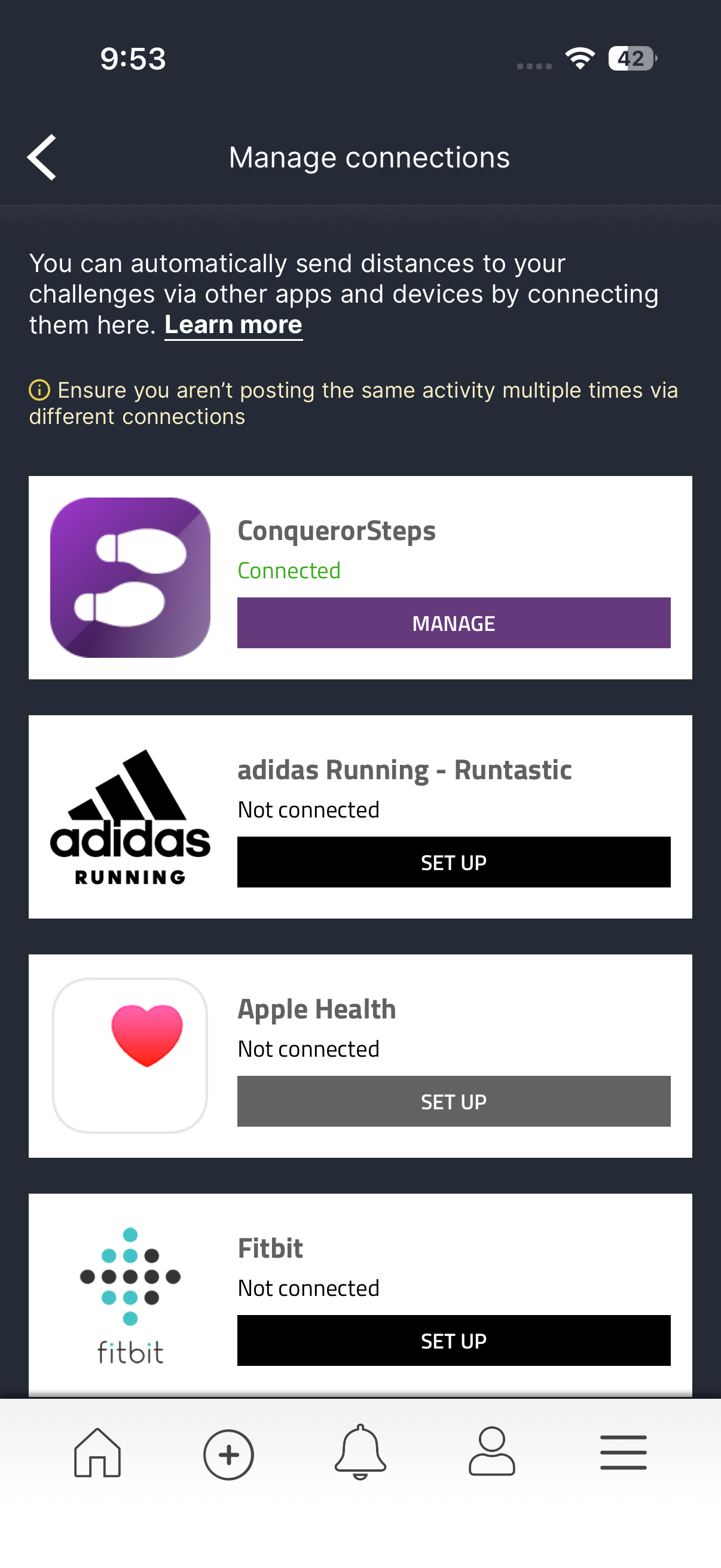
Setting up the app is surprisingly easy and anyone can do it. After registering, you choose a challenge, connect the app to Apple Health or Google Fit and that's basically it. The app takes the step data and converts it into kilometers. If you want, you can also enter the steps manually, which is something that is often talked about. Yes, it is possible. Yes, it can be bypassed and you can get medals even in a few hours. But you will understand very quickly that this completely kills the point of the whole thing. It is not a competition, no one controls you and no one compares you to others. It is purely your decision and your motivation.
Gallery


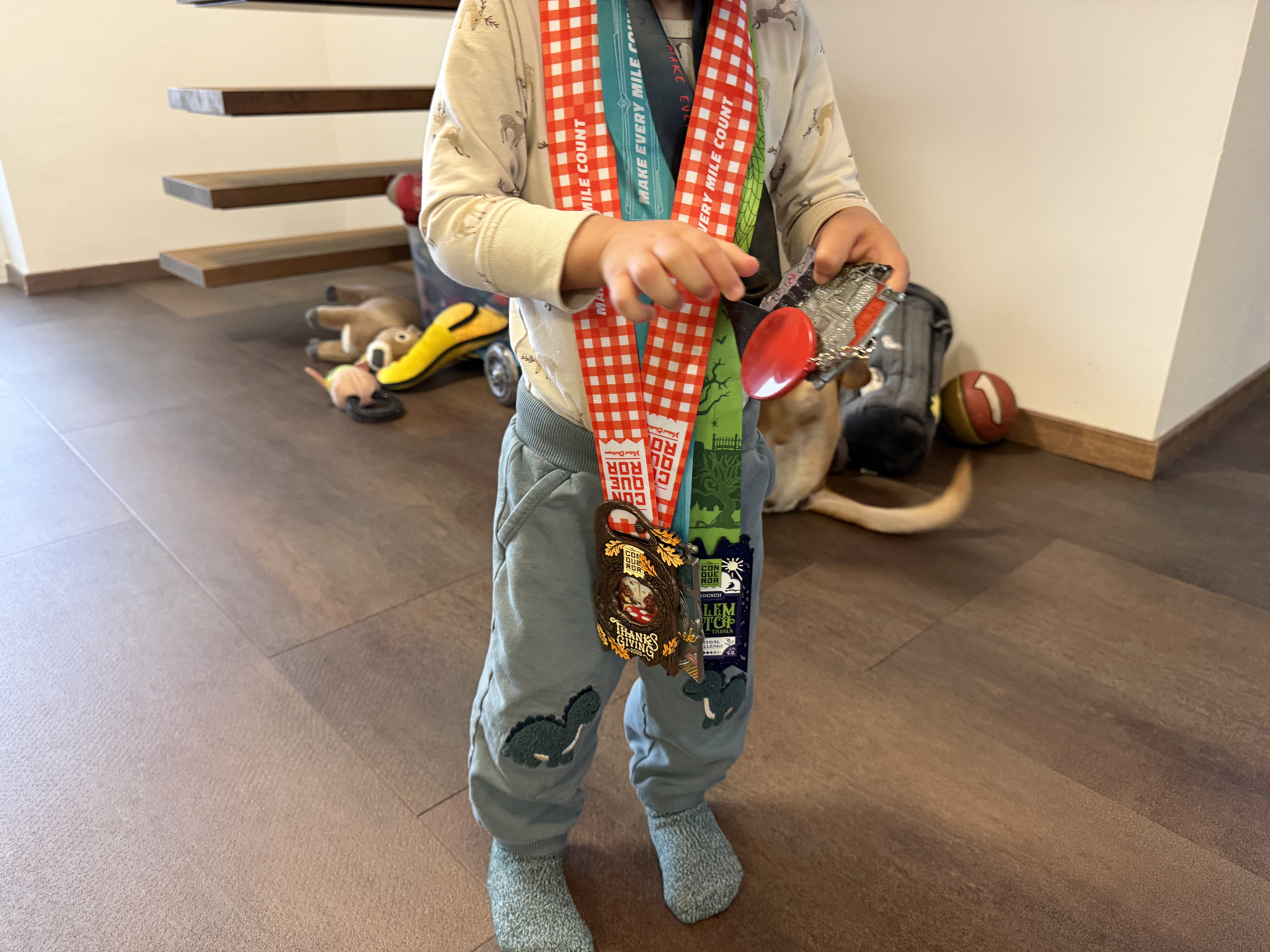
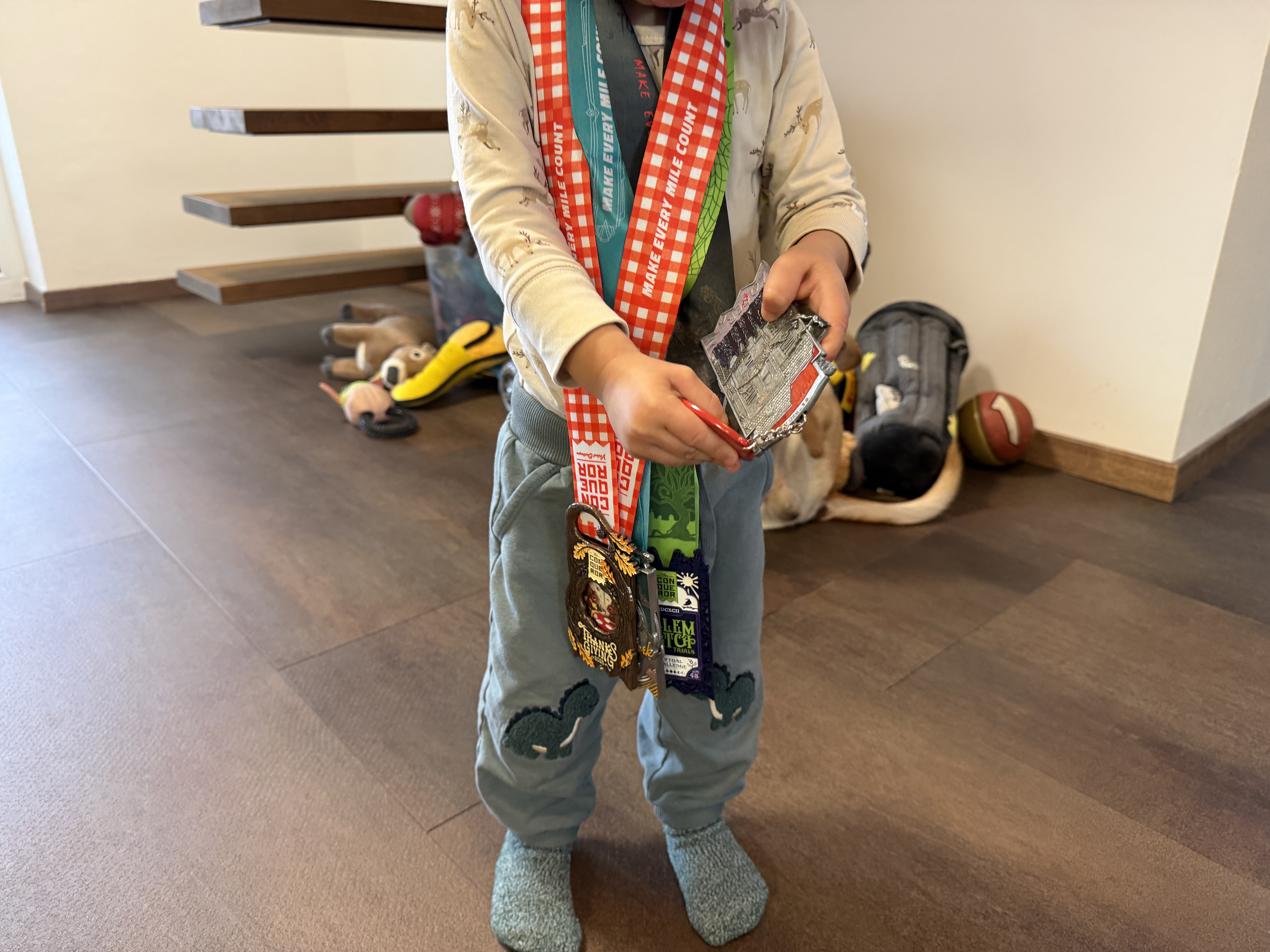
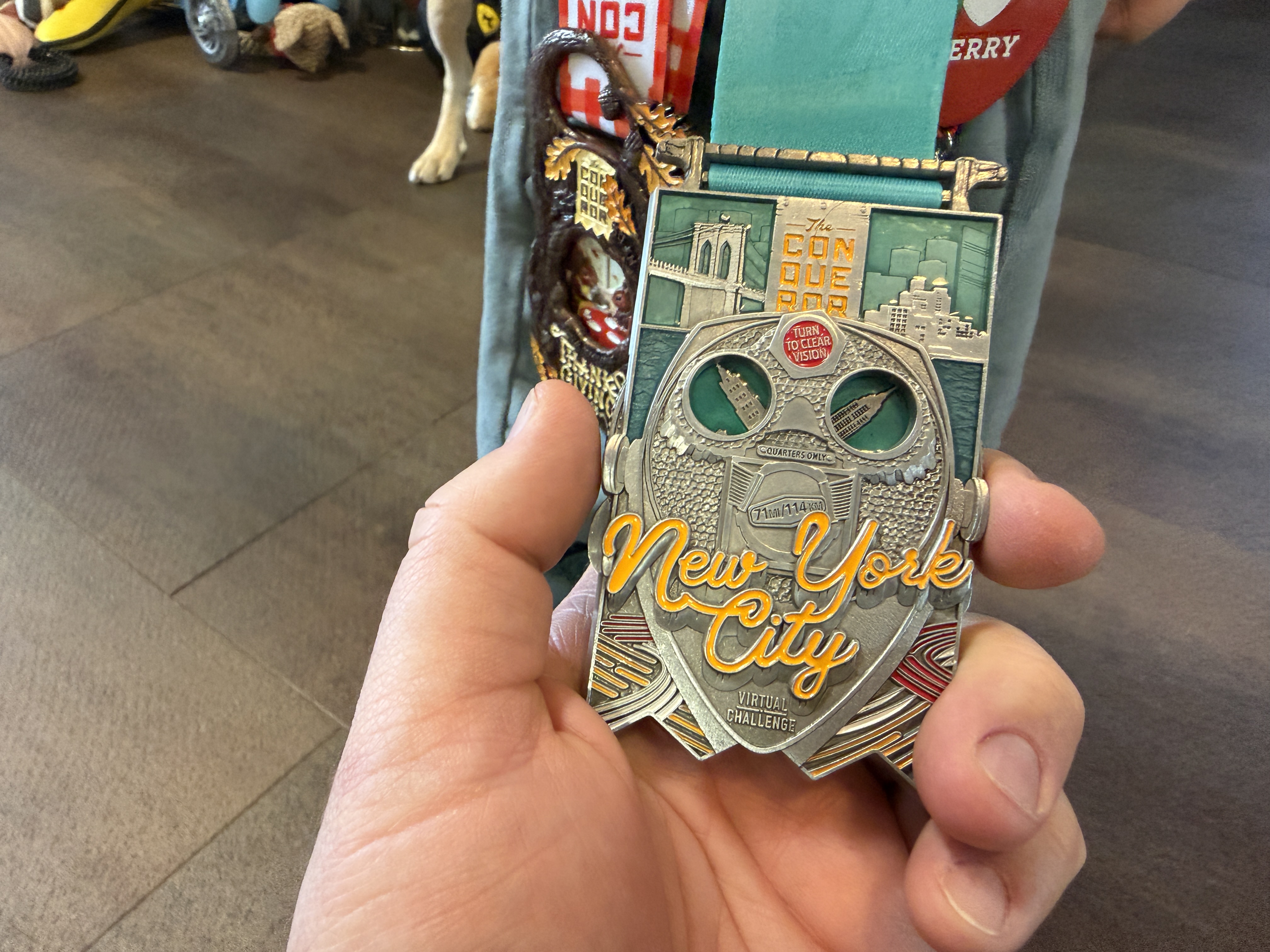
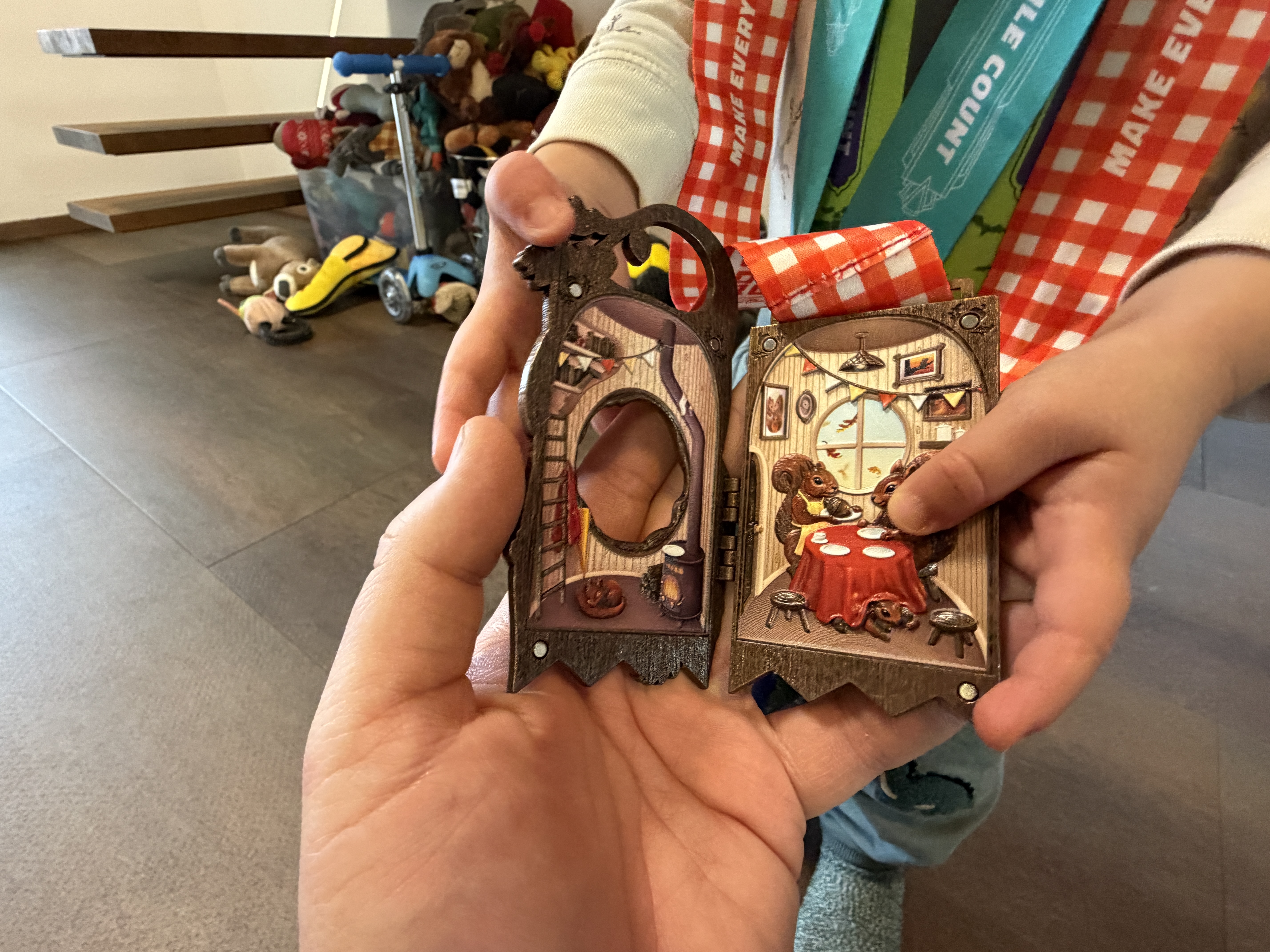
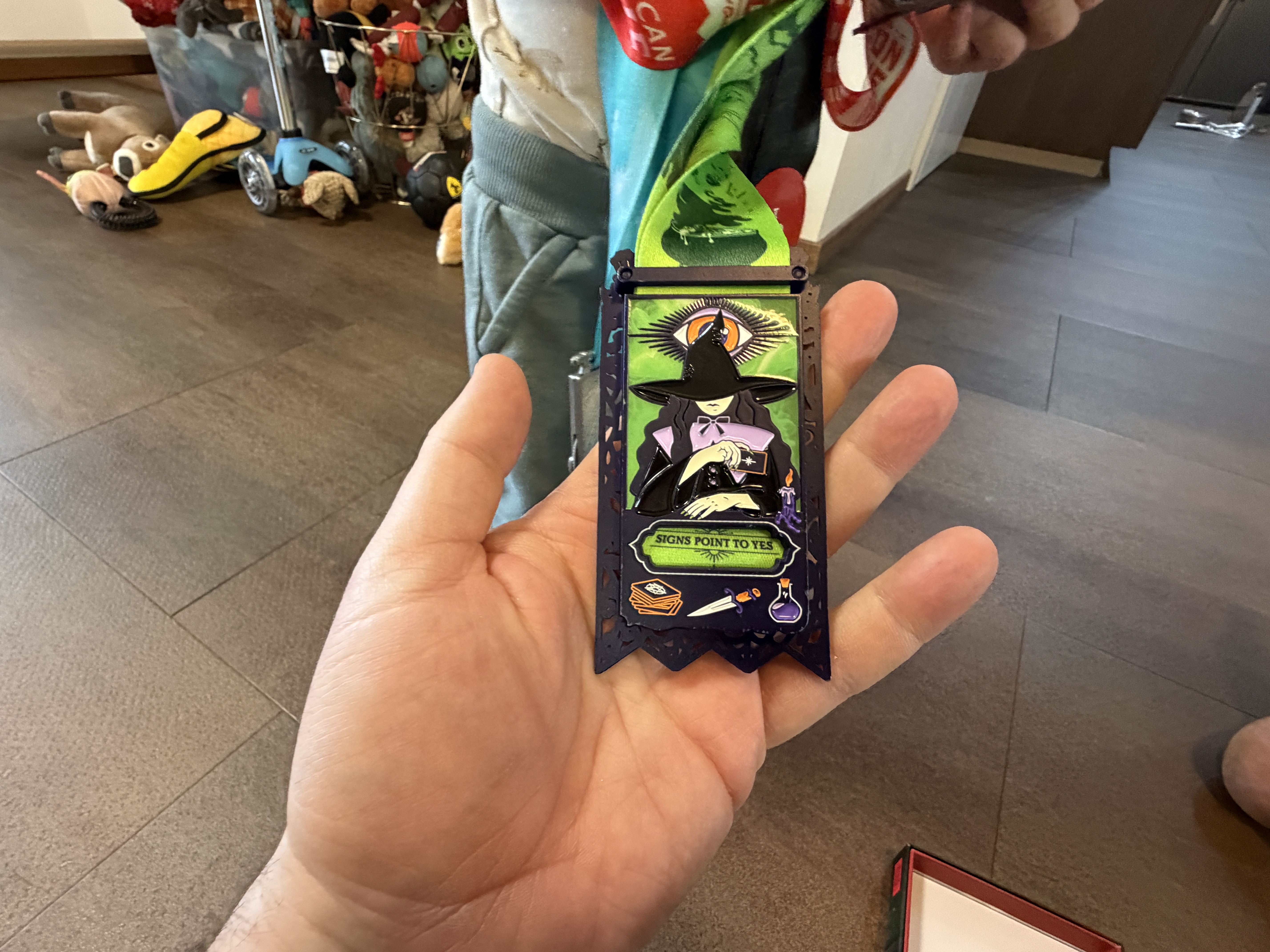
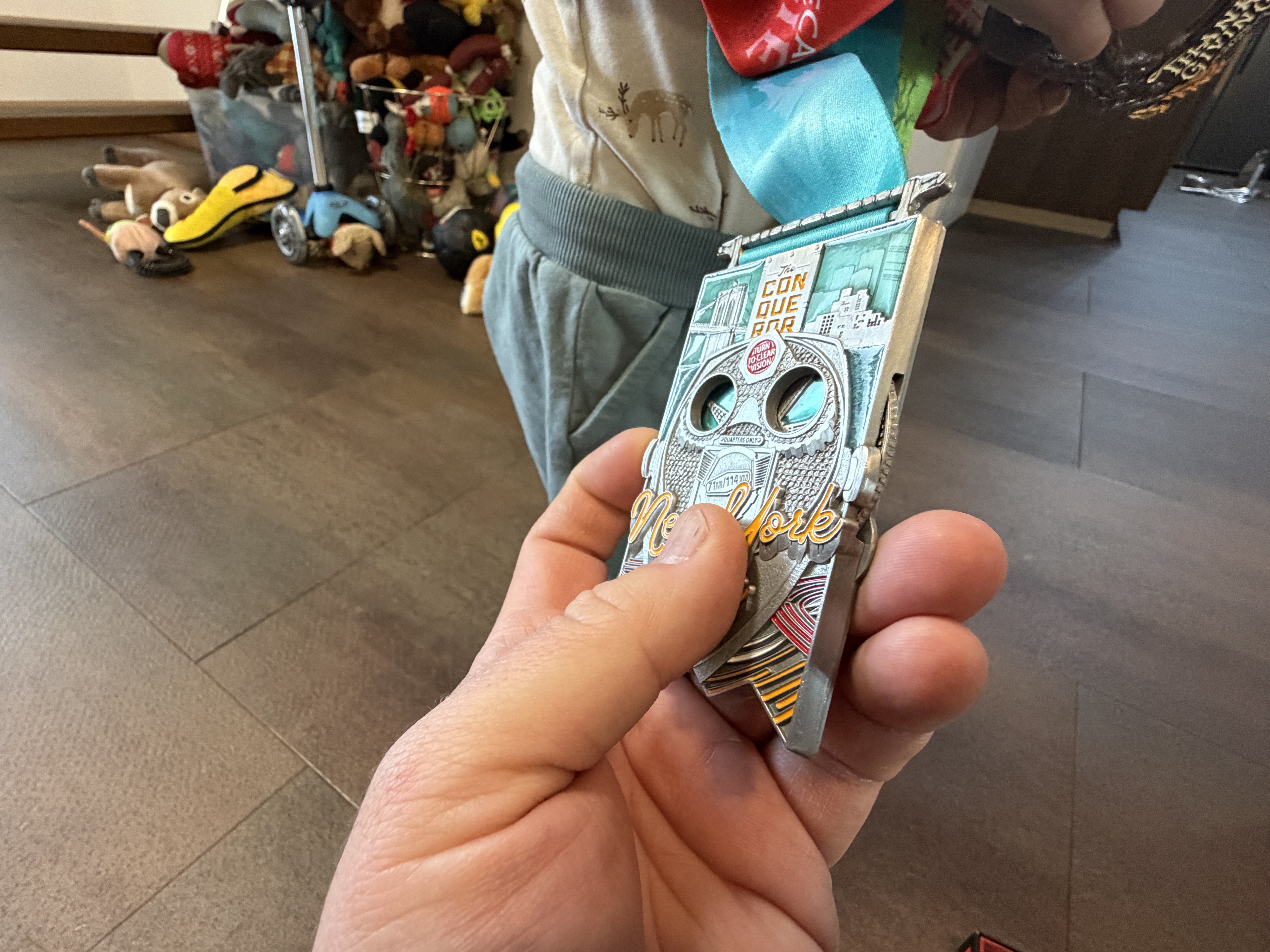
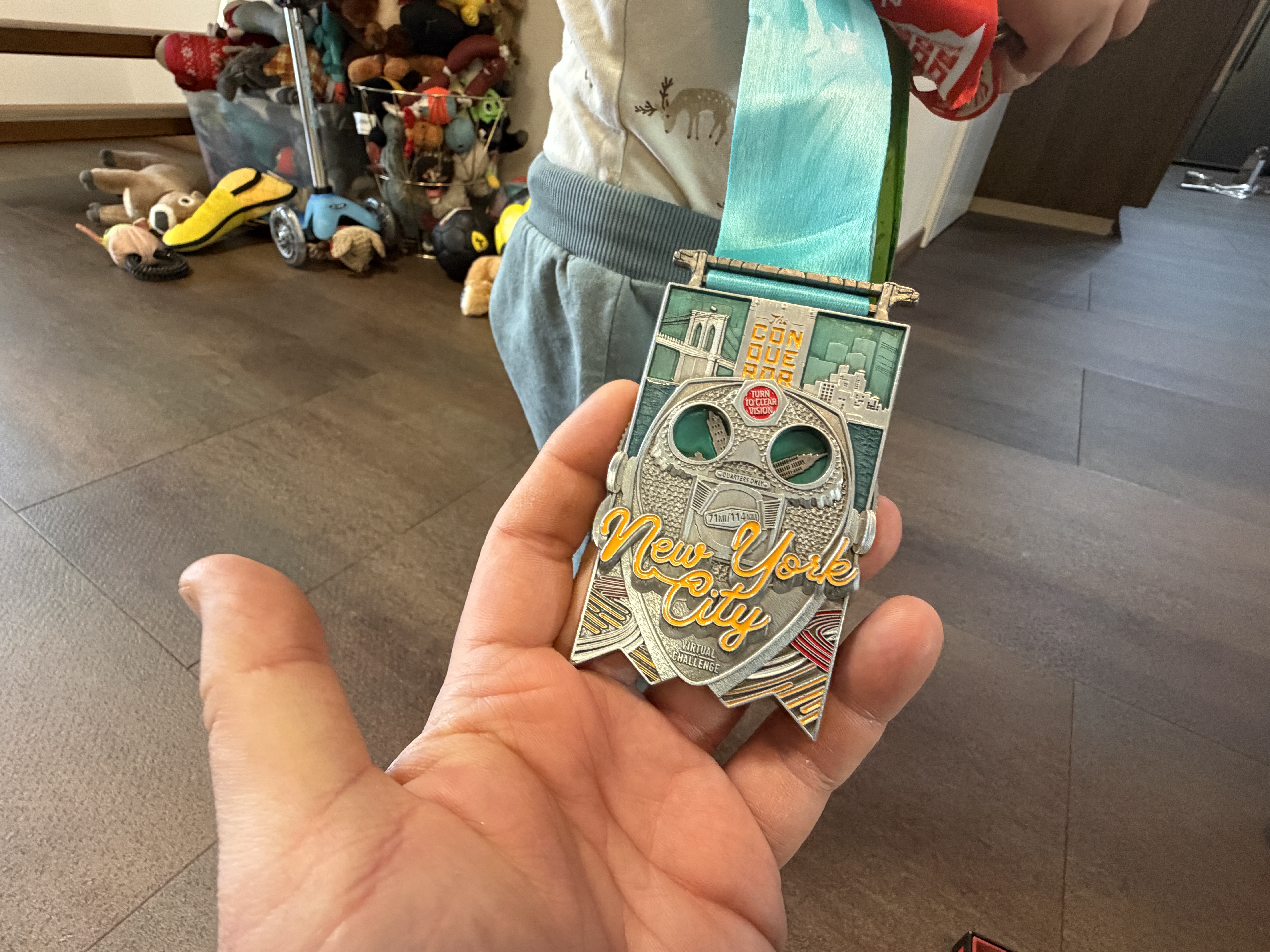
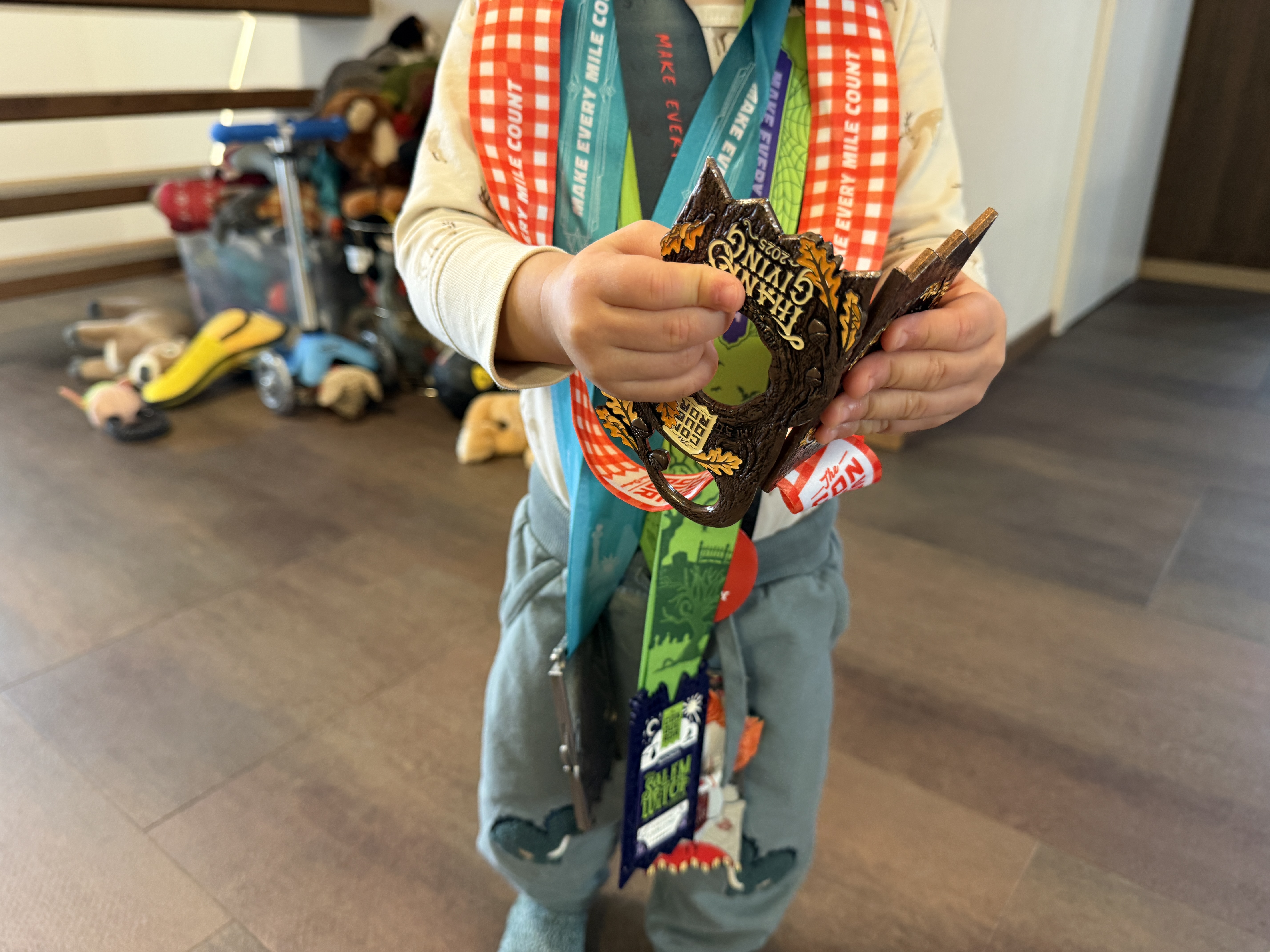

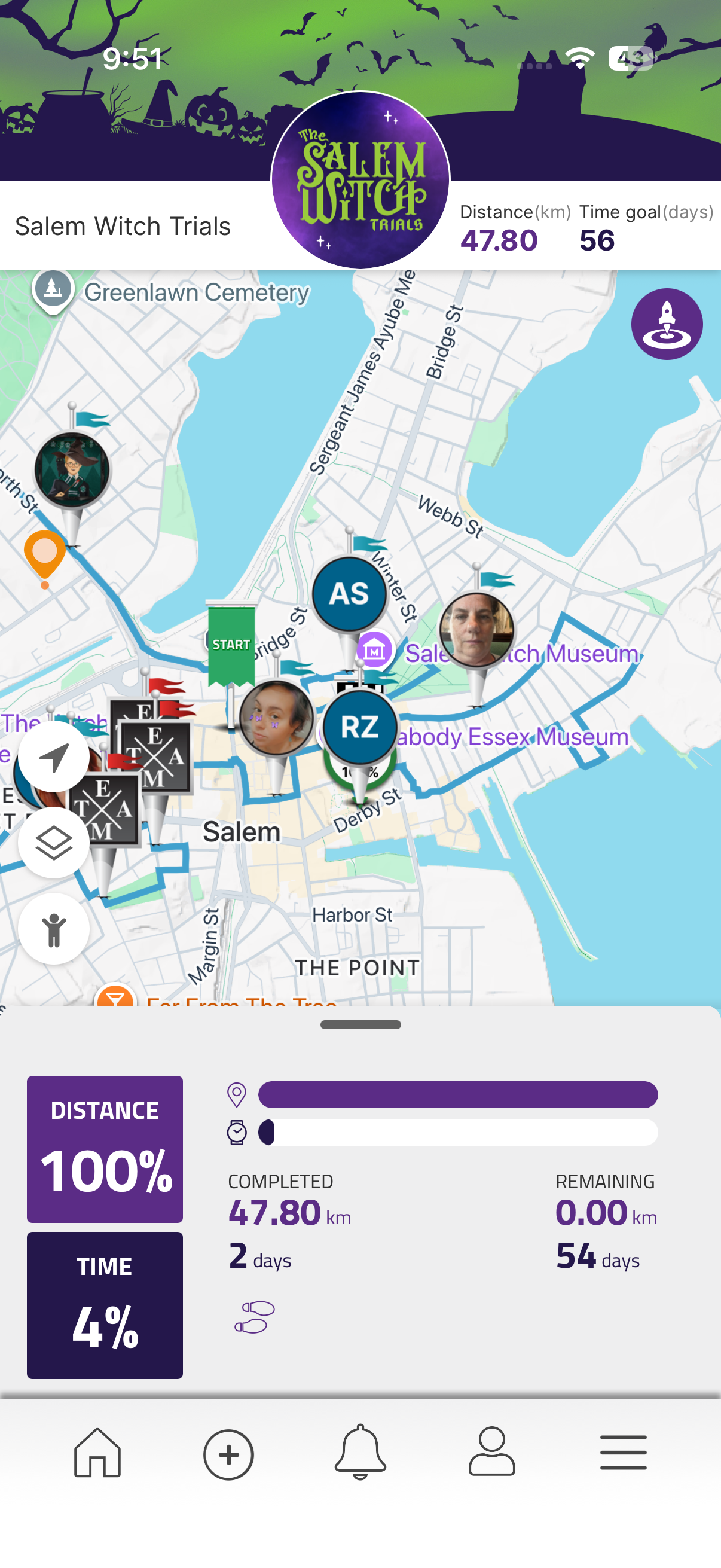
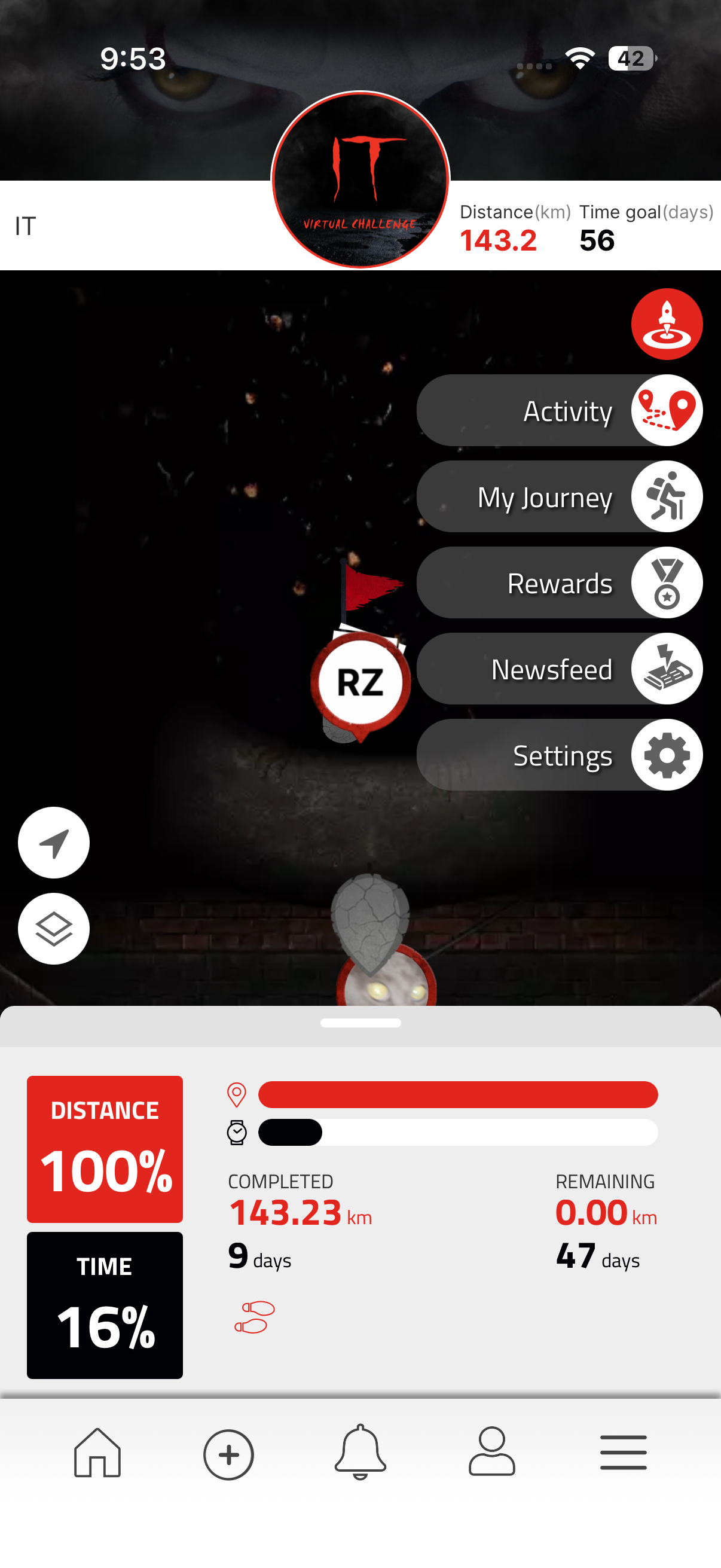
In the app, you see a map of the route you are virtually walking. Every day, your “avatar” moves a little further, and some challenges gradually unlock interesting facts, short stories, or information about the places you are passing through. It’s not overly educational or distracting, but rather a small bonus that gives context to the entire journey. In my case, I physically walk along New Yorku, and I walked through it virtually and places and interesting facts about them were unlocked for me as partial achievements. However, you can easily walk around Brno and virtually walk through, for example, the land from Lord of the Rings or Harry Potter, which you gradually unlock.
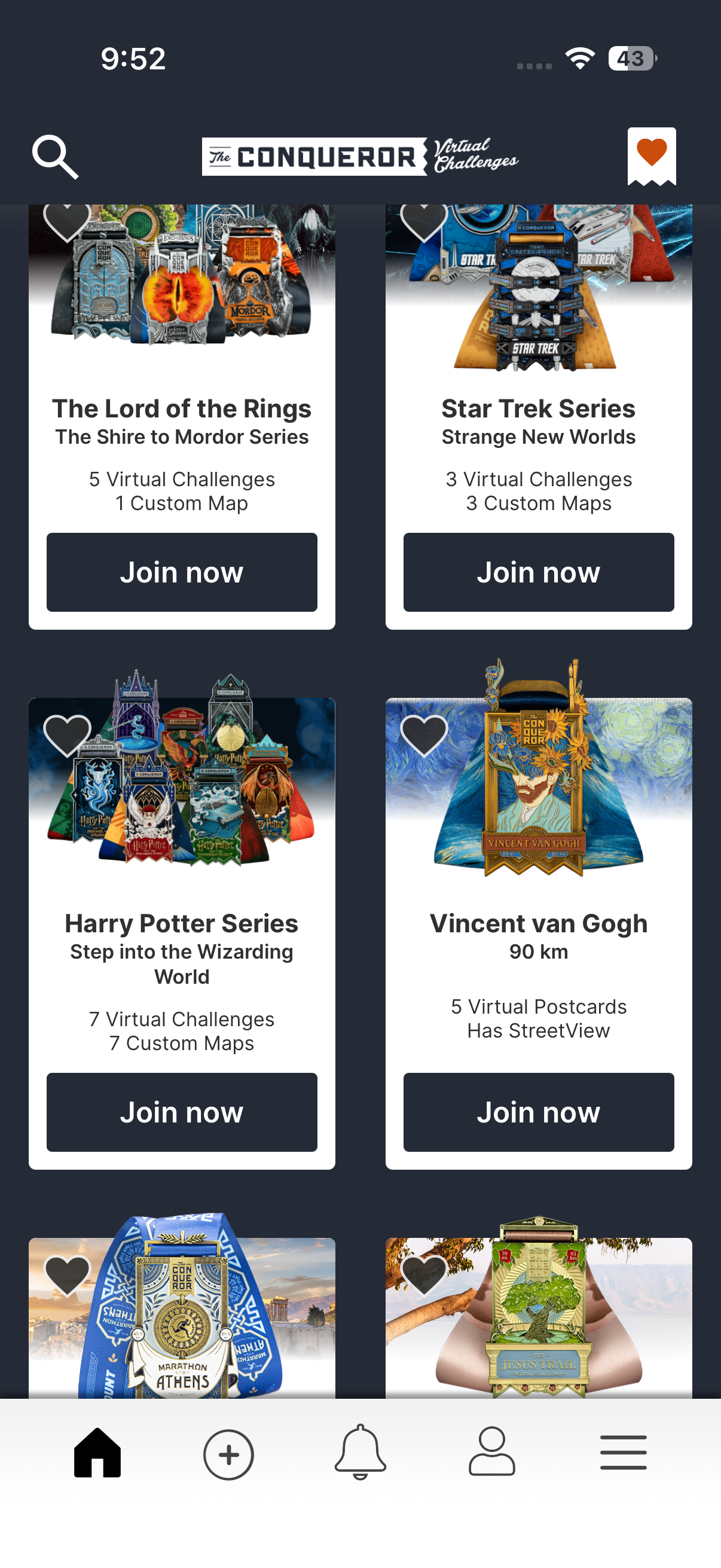
There are really many challenges and I think everyone will find something for themselves here. There are shorter routes that you can complete in a few weeks, but also long challenges that take months. Some are inspired by history, others by films, series or literature. But it's not so much about the topic as it is about the feeling that you have a clear goal in front of you. In New YorkI found myself walking several times instead of taking the subway just because I knew I would be moving around again in the evening. Not out of obligation, but because I enjoyed it.
The big thing is the medals themselves. They are heavy, massive, detailed and really well designed. They are not plastic souvenirs that will end up in a drawer after a week. They have something collectible about them and most importantly they remind you of the specific period when you completed the route. When the medals arrive at your home, they will take you back to the days when you walked around the city, discovered new neighborhoods and fell into bed tired in the evening.
What I also like about The Conqueror is that it doesn't push you anywhere. If you miss a day, nothing happens. If you have a weekend where you walk twice as much, the app will take that into account. It's all about long-term consistency, not performance.oneon the edge of possibilities. And that's why it works even for people who don't consider themselves athletes, but simply want to move more. After a few weeks of using it, I feel like The Conqueror is not about walking, but about the perception of movement. Steps that would otherwise be just a number on the phone suddenly have a story and a goal. Combined with a city like New York It's the perfect combination. You walk anyway, but the challenge makes you feel like you're heading somewhere every day. And when you get your medal home, it's not a reward for the miles you've walked, but a reminder that you've really found the time for yourself.