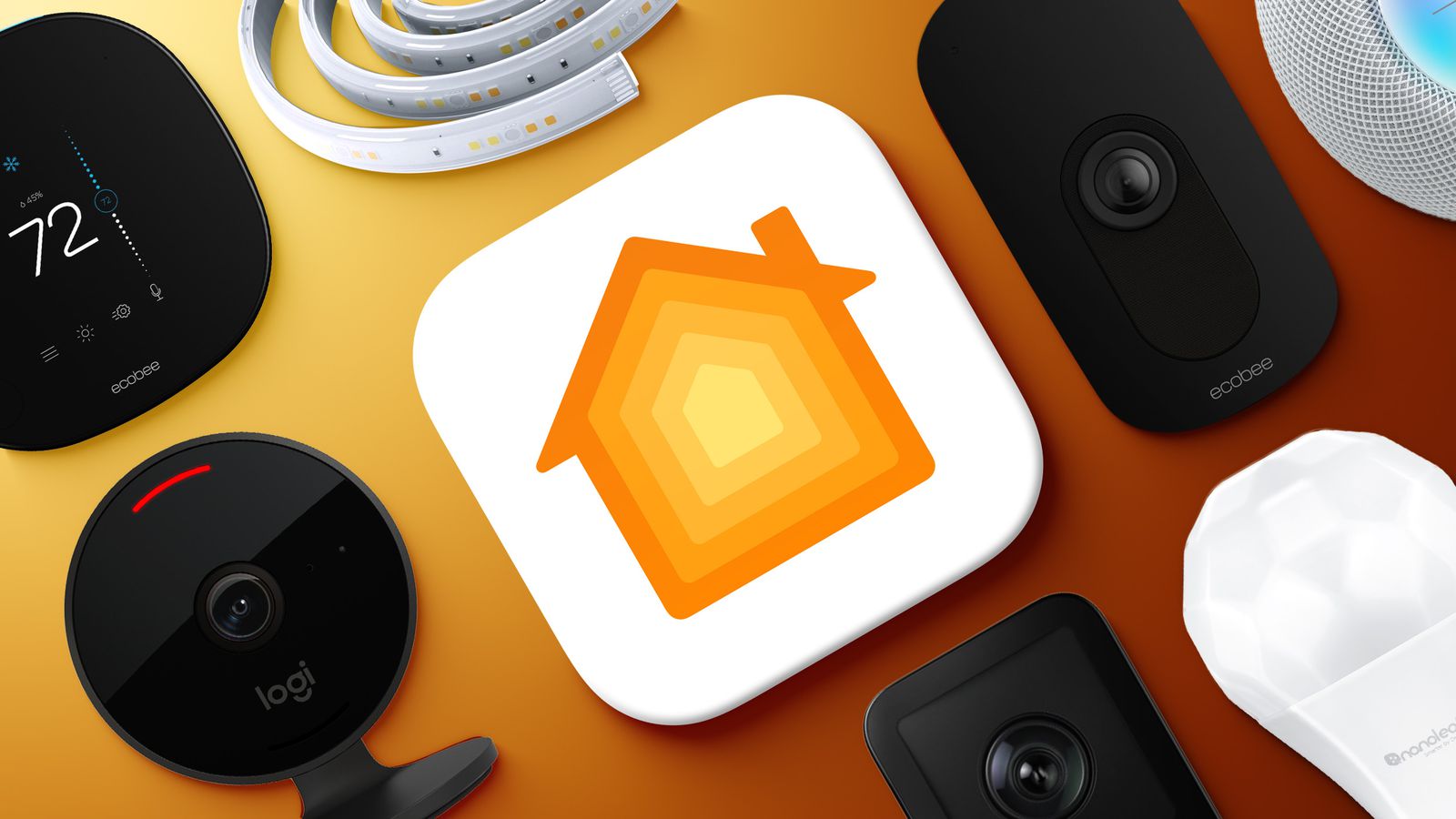
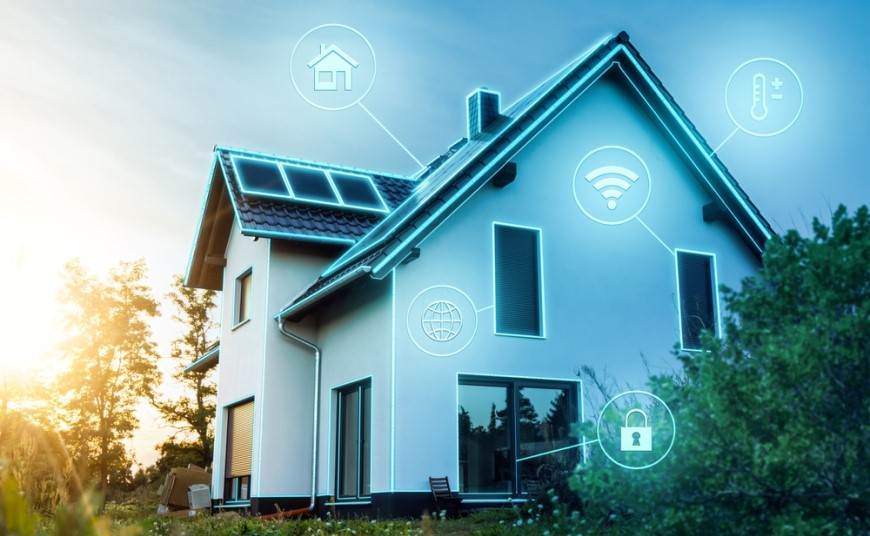
The smart home is moving from individual technological gadgets to a connected system that can monitor the house, respond to movement, control heating and cooling, or automatically adjust lighting. According to the Czech Statistical Office, one fifth of Czech households (20%) had at least one smart device connected to the network in 2024. Smart devices were used for security by 7,7% of households, devices for energy management by 7,8%, and smart home appliances by 15% of households.
The development is also confirmed by sales data DATARTu
Prosmart home devices according to statistics DATARTgrew by around 20% year-on-year. IP cameras saw a 17% increase, while smart heating controls grew by almost 15%. According to DATARTThe smart home is becoming primarily a tool for solving specific needs.
"Customers are increasingly asking less about what they can control with their mobile phones, and more about what technology can actually help them with. They want to keep track of what is happening at home, secure their property, and
and at the same time better manage temperature or energy consumption. Pro"The interconnection of individual devices represents the next phase of the development of the smart home," says Tomáš Krňávek, head of sales department DATARTu.
Home protection starts with prevention. Cottage under surveillance even remotely
Interest in smart security is also supported by the persistent risk of burglary in apartments and family houses.
and recreational facilities. Although the Czech Police points out a decrease in property crime, including home burglaries, a burglary still occurs every two hours in the Czech Republic into an apartment, family house or weekend cottage. chaty.
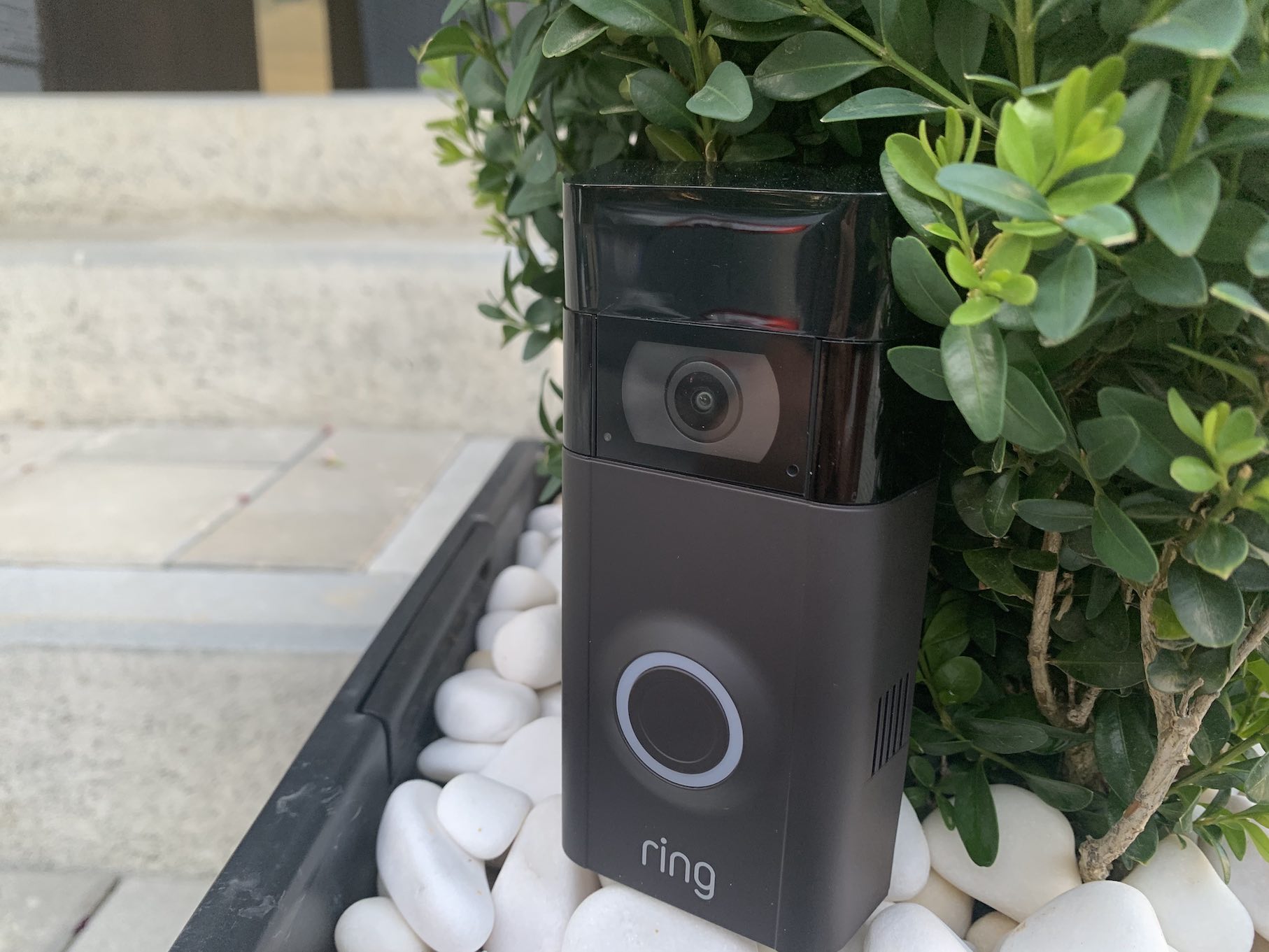
"An important role in prevention is played by a combination of several security elements: from high-quality locks, which are mentioned in DATARTInterest is growing (up 160% year-on-year), from window security to outdoor lighting with motion sensors, smart cameras and other connected technologies. These can immediately alert owners to suspicious movement via their phone, activate a doorbell when the door is opened, alarm or automatically turn on the outdoor light," Tomáš Krňávek explains and adds: "For example, people today buy IP cameras not only for the recording itself, but primarily for the possibility of having their own house, apartment or chat"...under remote control. The 17% year-on-year growth in IP camera sales shows that this is one of the areas where smartness is making a significant impact."
Heat, cold and consumption under control
A significant area in the smart home segment is its contribution to conscious energy management. Smart thermostats, heads and sensors allow you to adapt the heating to the actual operation of the household. The temperature can automatically drop when residents are at work and increase before their return. At the same time, heating can be prepared remotely, for example before arriving at the cottage. “ Heating and cooling systems can thus become one common controlled unit that responds to temperature, time, the presence of people or the current mode of the household,” says Tomáš Krňávek.
The importance of efficient heating is also evidenced by the broader behavior of households, and not only in the Czech Republic. A study published in the journal Technological Forecasting and Social Change, based on a survey of approximately 5,500 respondents from eight European countries, showed that the features of smart thermostats that households appreciate include savings on heating costs, remote temperature control and the ability to monitor changes in consumption. The authors state the potential of smart thermostats to reduce heat energy consumption by up to 10% without losing comfort, with the actual result depending on the specific household and the method of use. “ Smart heating control can adapt the temperature to the current needs of the household. The greatest benefit is automation – the household does not have to be heated to full capacity when no one is home, and at the same time it can be prepared for the return of residents. According to our sales data, the smart heating control category grew by 15% year-on-year,” says Tomáš Krňávek.
The biggest change comes when devices start working together
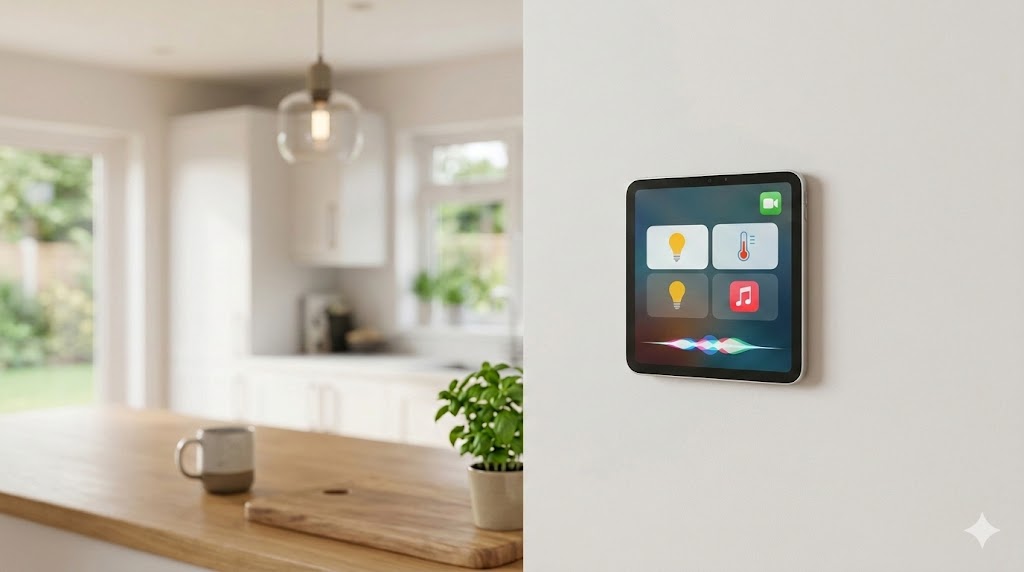
Smart electrical installations can connect lighting, sockets, blinds, heating, cooling and security into common scenarios. A single command when leaving the house can simultaneously turn off the lights, disconnect selected sockets, lower the temperature and activate security. Smart appliances, such as washing machines, dishwashers or robot vacuum cleaners, also fit into this ecosystem. However, these are only one part of the whole. "But the future is not about having as many smart devices as possible at home. The idea is for devices to work together and respond to specific situations," concludes Tomáš Krňávek, head of sales department DATARTu.