In the fall of 1998, Nintendo faced a daunting task. The original Game Boy with its black-and-white display had dominated the market for almost a decade, but the outdated monochrome image required something new. The Japanese manufacturer's answer was the Game Boy Color, a handheld device that opened the door to the world of color graphics for gamers and built a bridge between the 8-bit era and modern handhelds.
Hardware leap and backward compatibility
The heart of the handheld console was a modified eight-bit processor operating at a clock speed of approximately 8 MHz, which was twice the performance of the original model. The display with a resolution of 160 × 144 pixels underwent a fundamental transformation, which was able to display up to 56 shades simultaneously from a total palette of more than 32 thousand colors. Although the panel still lacked backlighting and required playing under a lamp or in direct sunlight, the color jump was breathtaking at the time.
Gallery
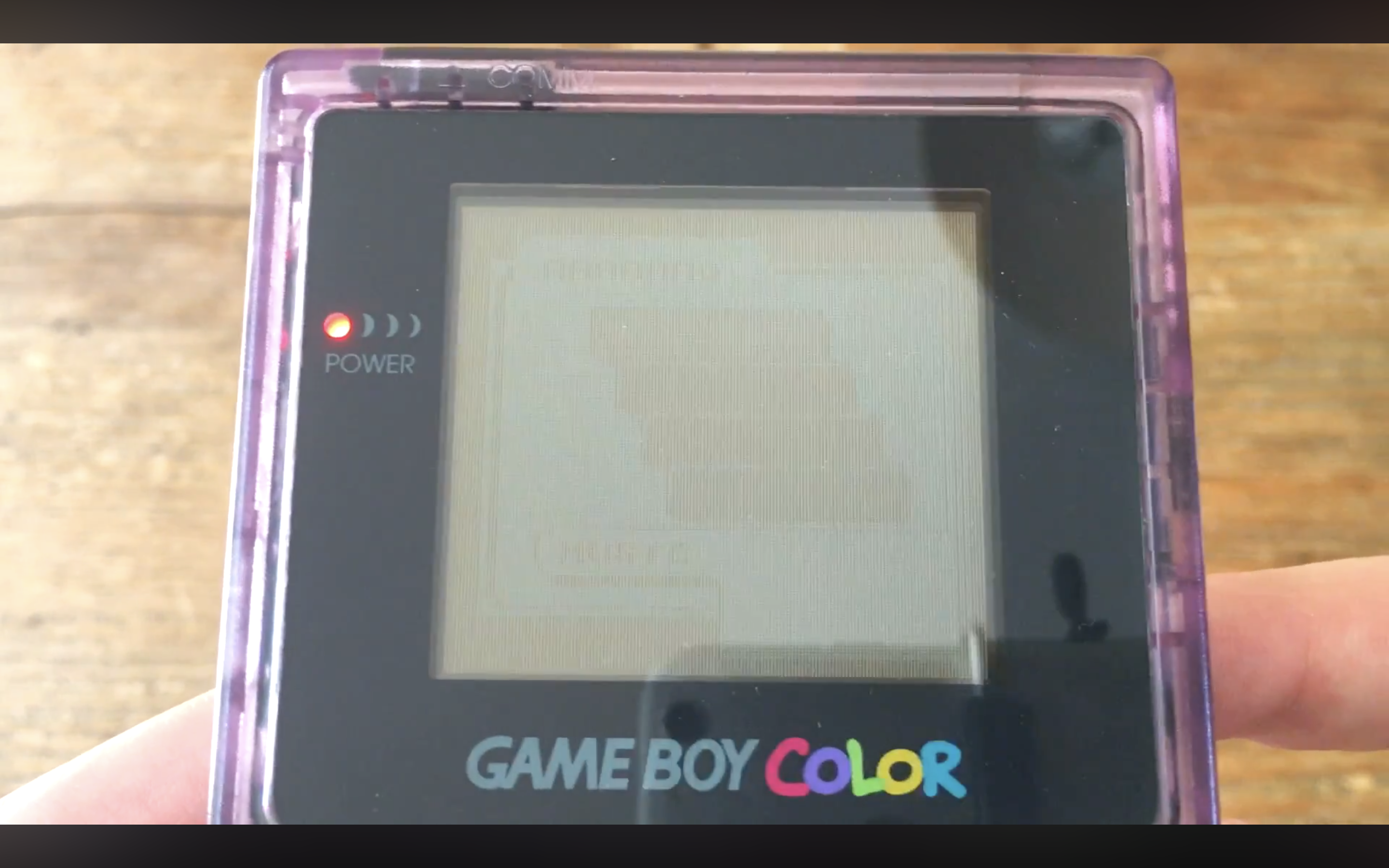
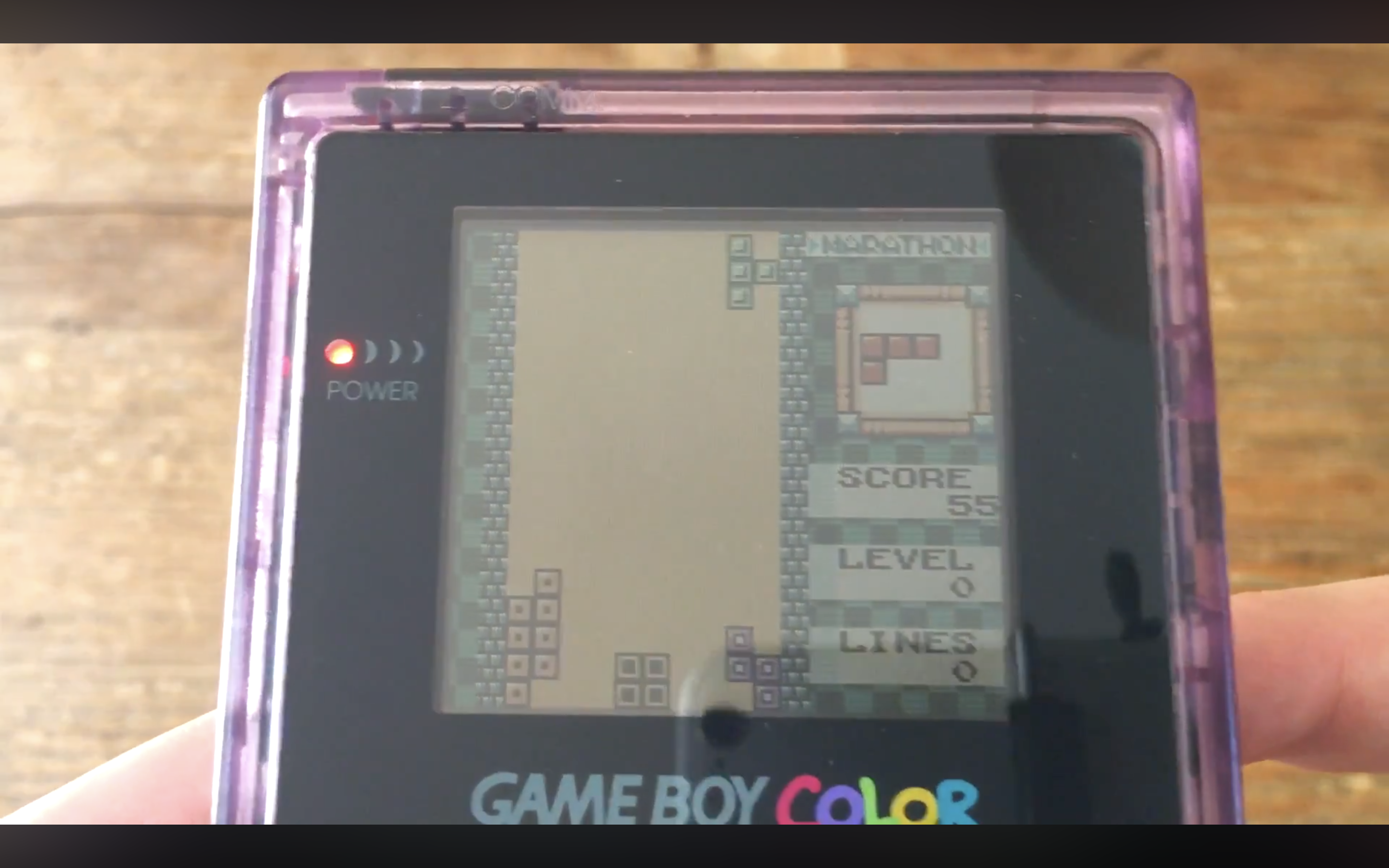
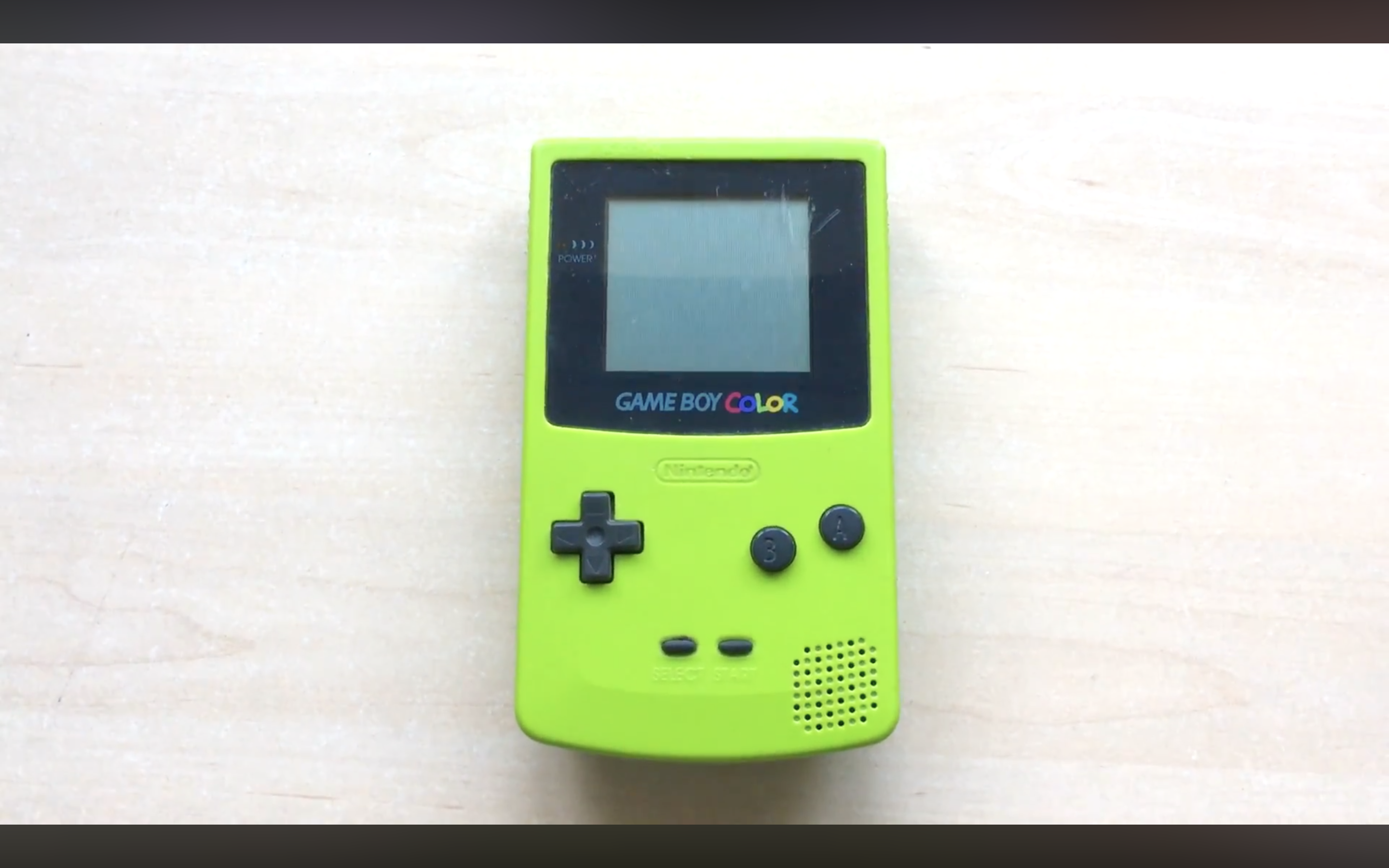
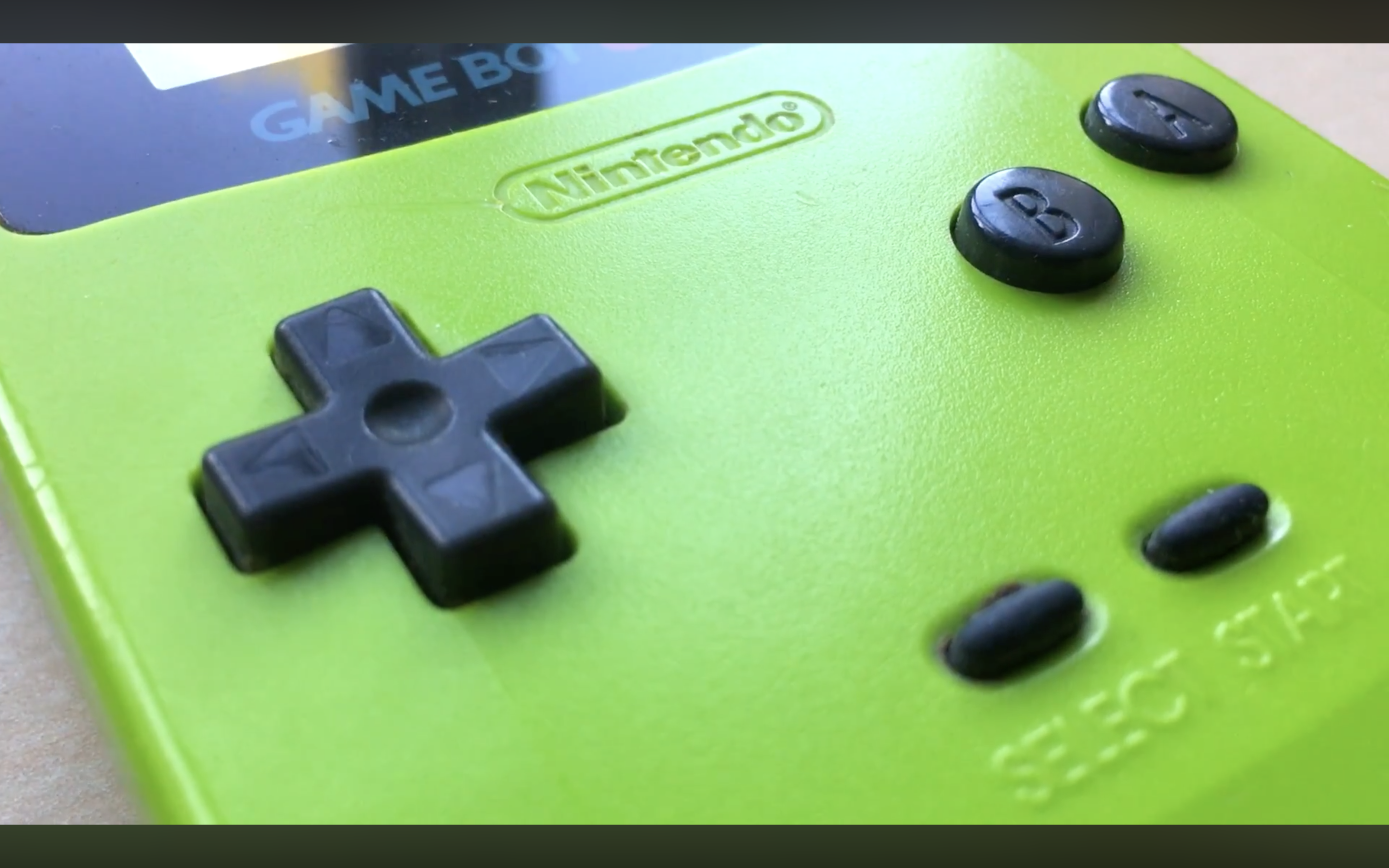
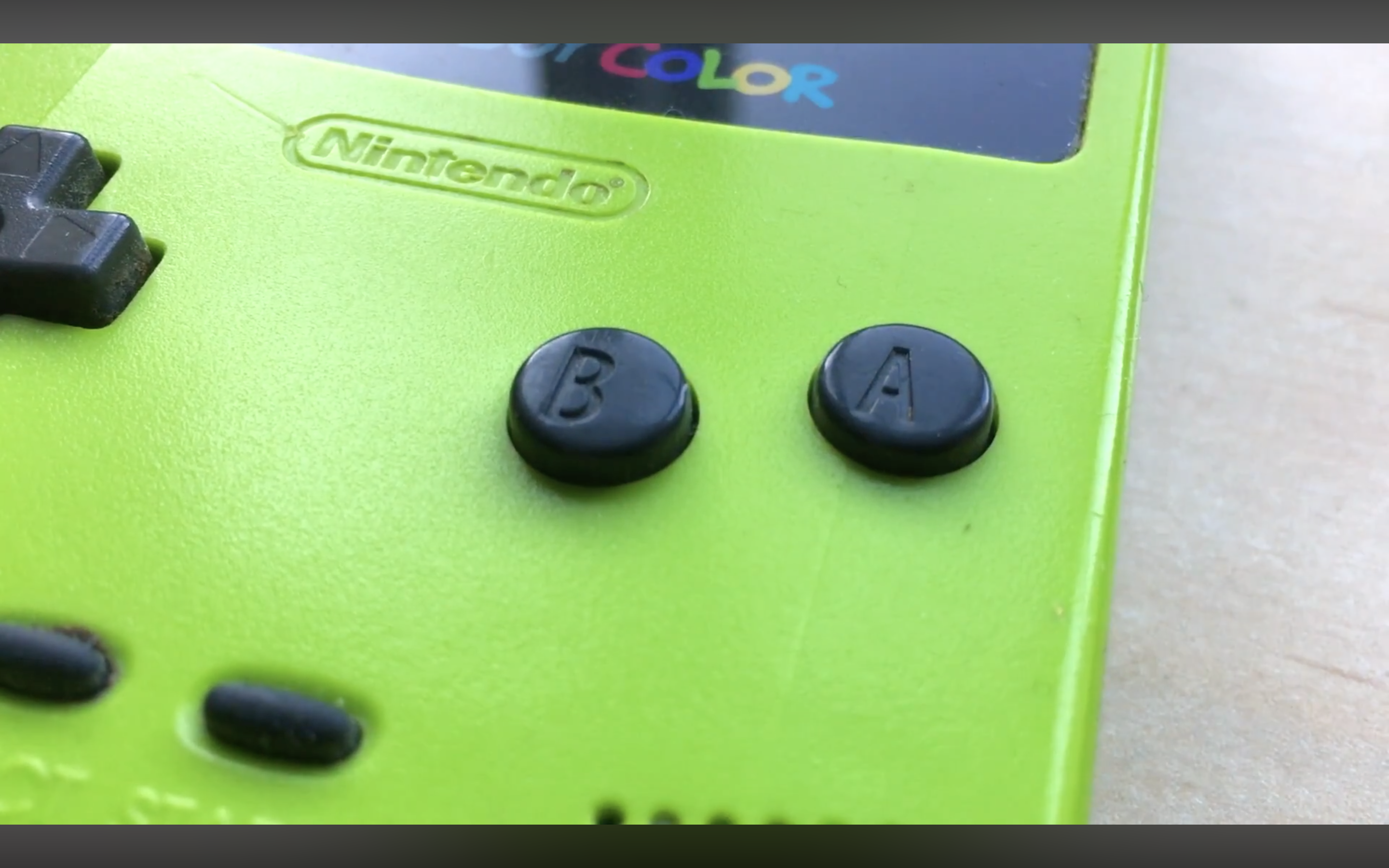
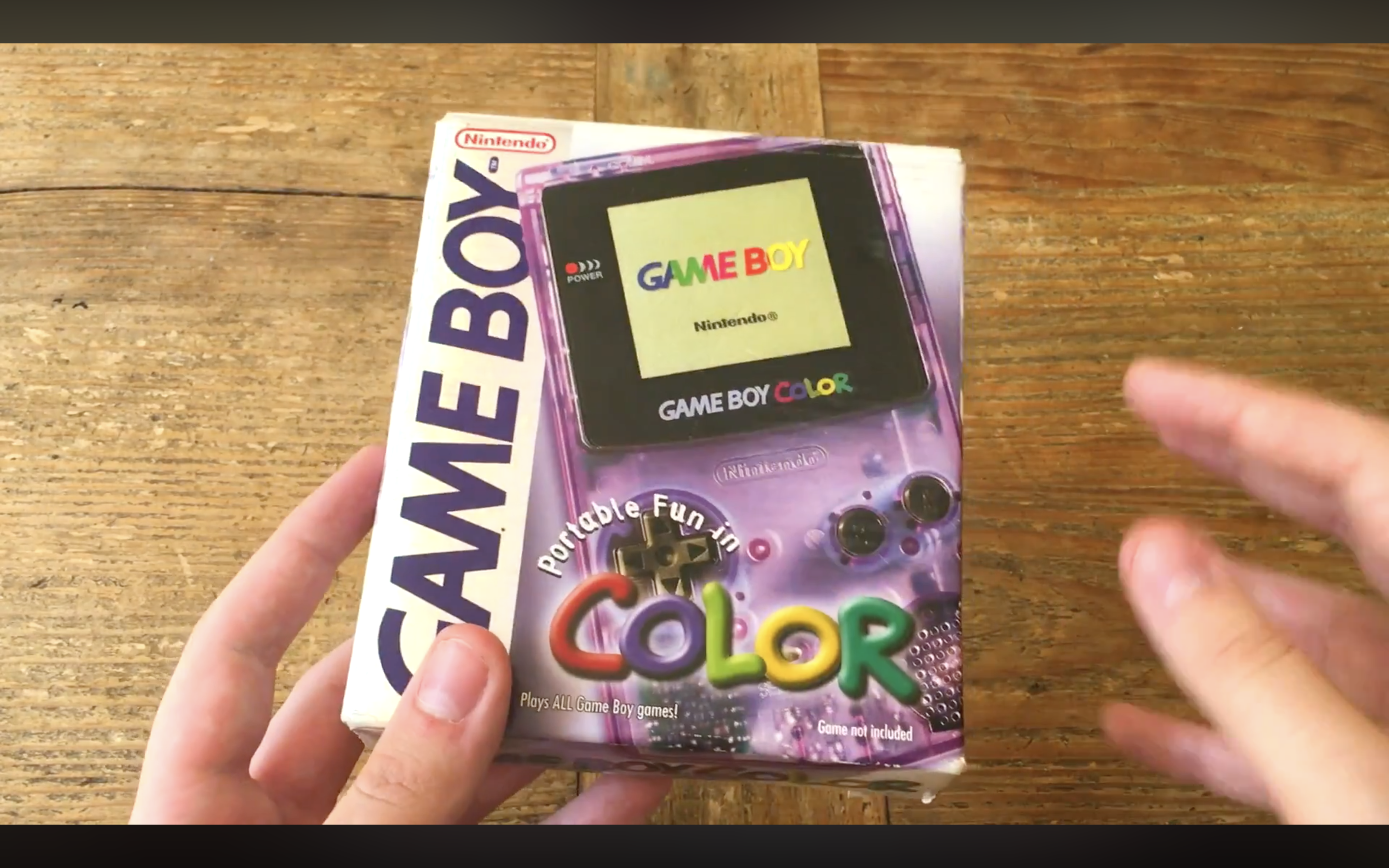
The genius move was 100% backward compatibility. The console allowed you to run old gray cartridge from the original Game Boy, to which the system was able to assign basic color palettes. In addition, the body of the device was reduced in size, switched to powering with two AA batteries and gained an infrared port for wireless communication between players.
Gaming gems led by Pokémon
The real driving force behind sales was the gaming offering. The biggest phenomenon was the second generation of Pokémon Gold and Silver, followed by the Crystal version, which took full advantage of the internal clock and color transitions between day and night. Players also devoured the action-adventure games The Legend of Zelda: Oracle of Seasons and Oracle of Ages, the expanded version of Link's Awakening DX, and the platform games Super Mario Bros. Deluxe and Wario Land 3. Did you have this legend?