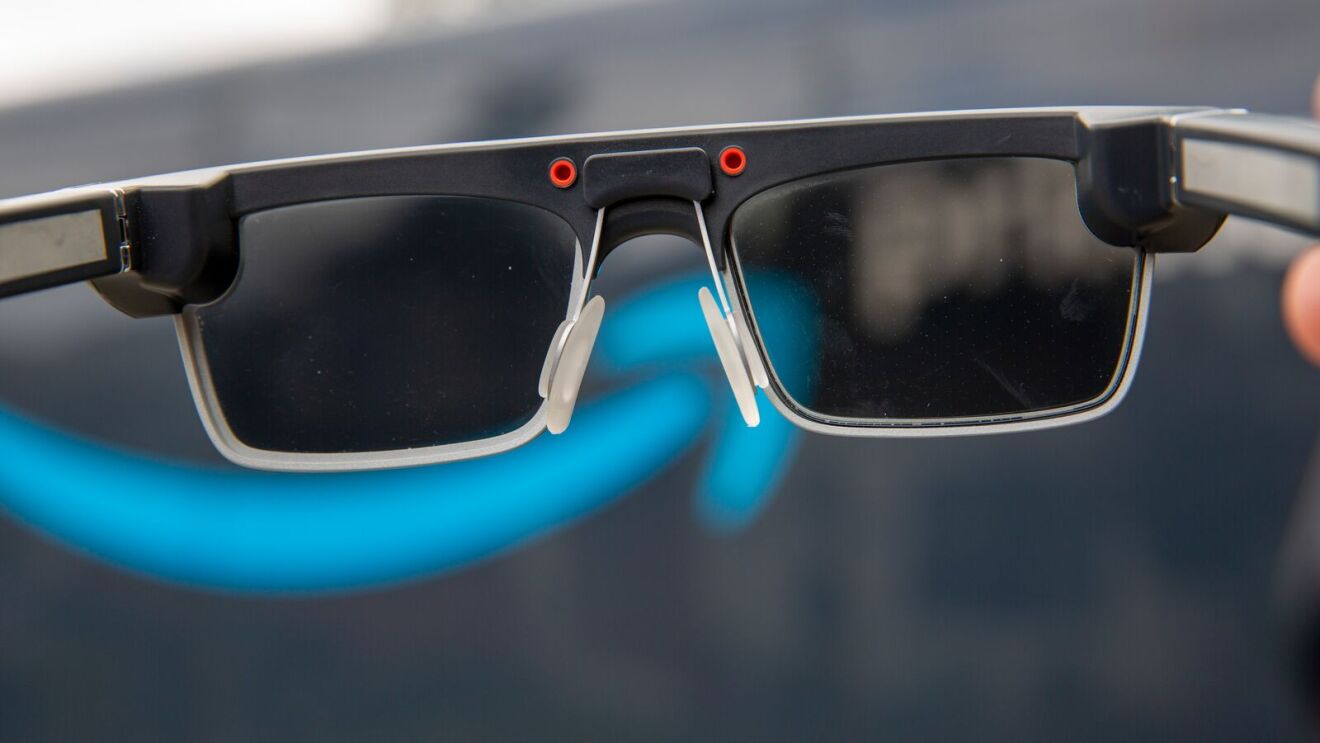
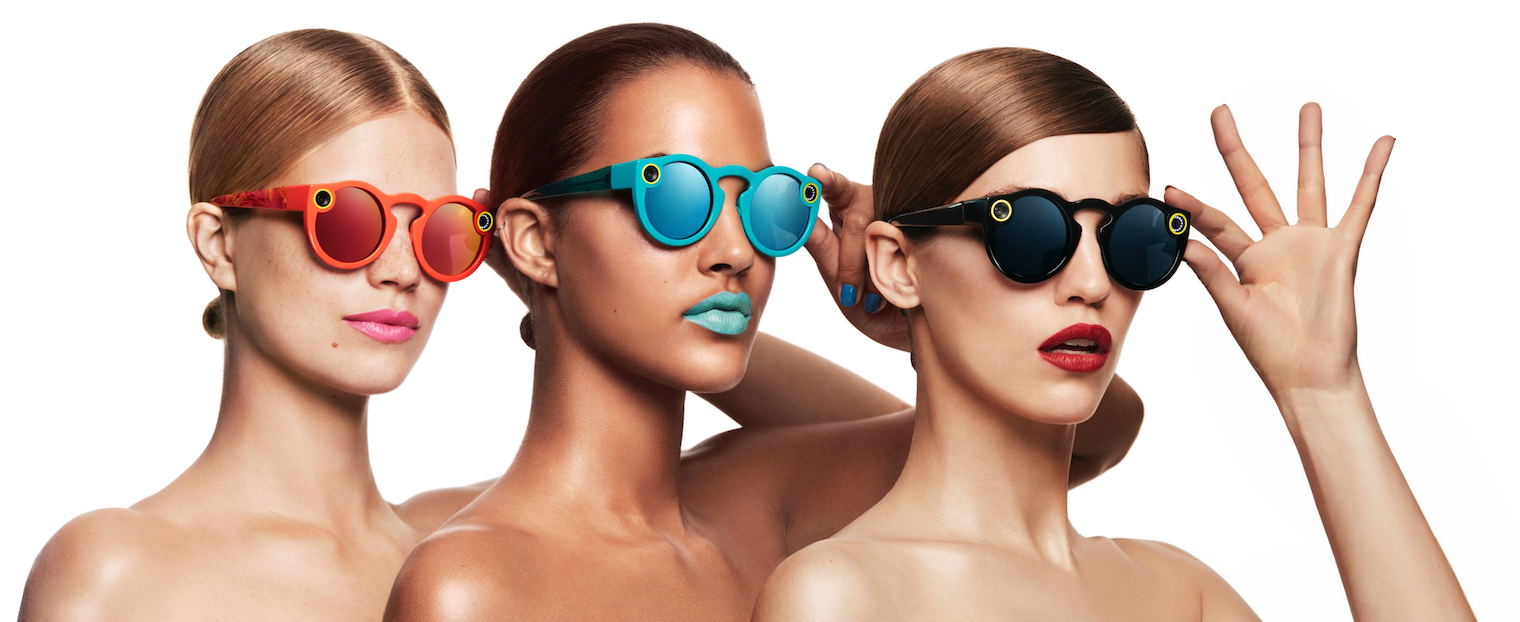
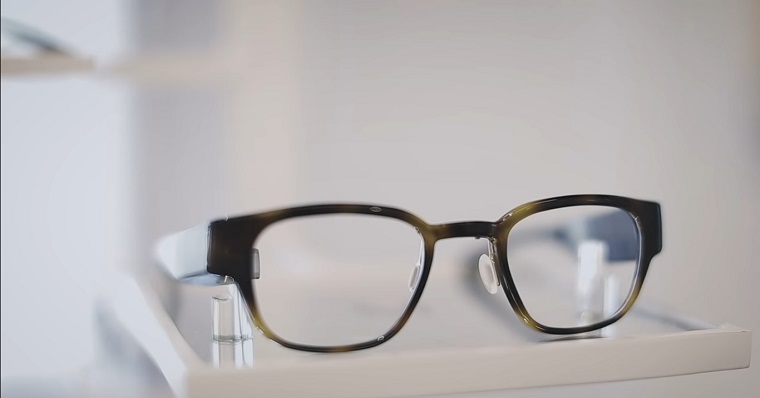
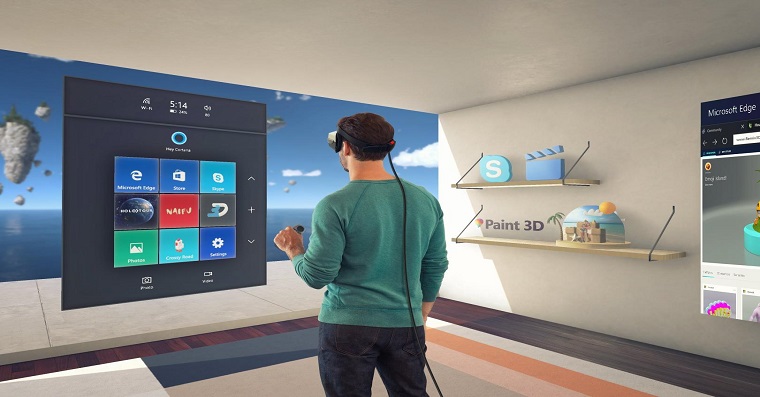
According to the latest information, Meta is testing smart glasses that push the boundaries of wearable electronics even further. While current models can take photos, record videos, or communicate with AI on demand, the upcoming prototype, called "Super Sensing," should work practically continuously. Its task will be to record everything the user sees and hears during the day.
You might be interested in
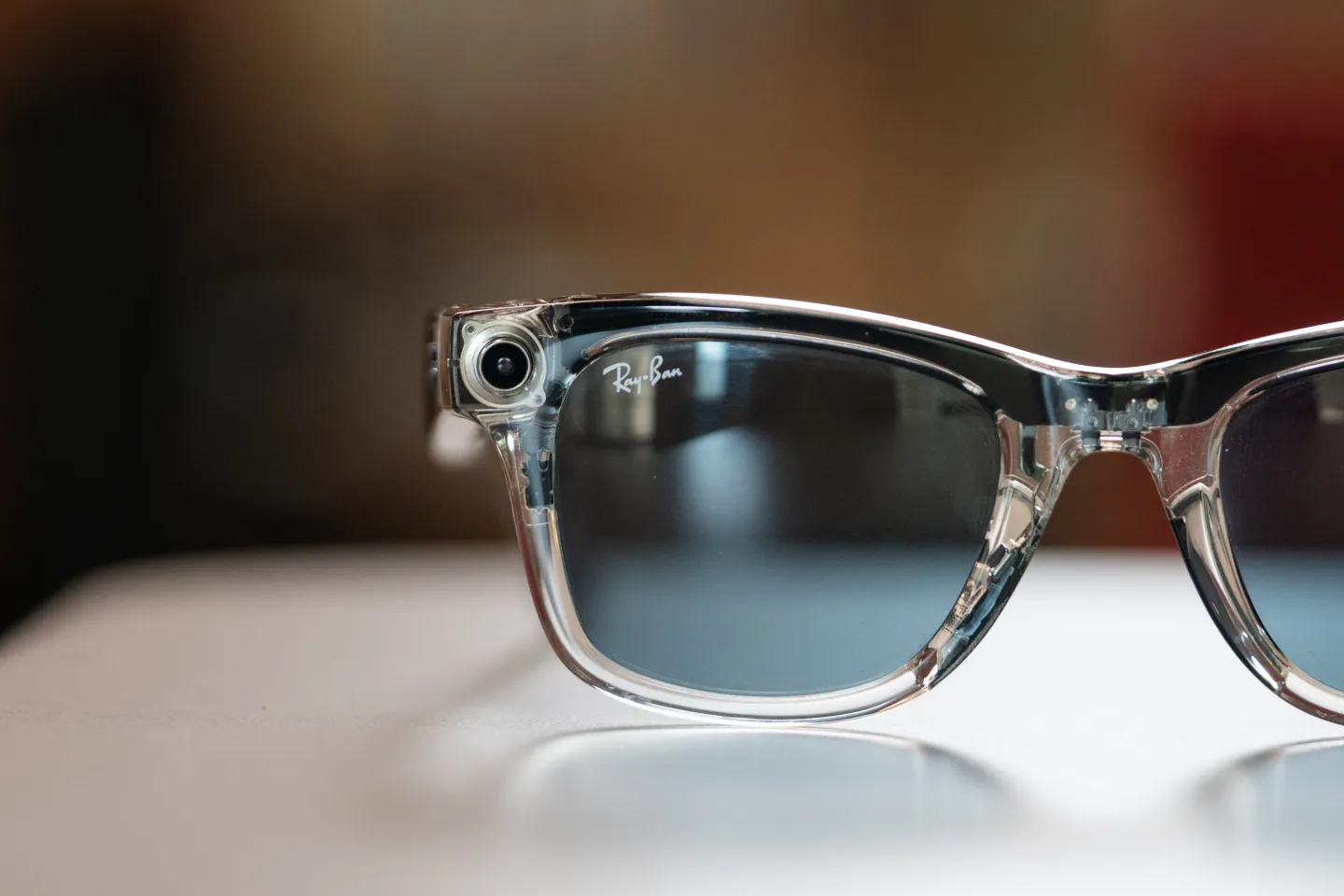
According to available information, the glasses will use cameras and microphones to continuously take pictures and record the surrounding events, while artificial intelligence will then create a kind of digital memory from this data, thanks to which it will be possible to ask at any time, for example, where you left your keys, who you met during the day or what was said at a specific meeting. The goal is to turn AI into a personal assistant that literally remembers every moment of your day, which in my opinion sounds extremely interesting considering that at the moment the glasses actually only function as an accessory, while the new version could be a real partner.
Gallery
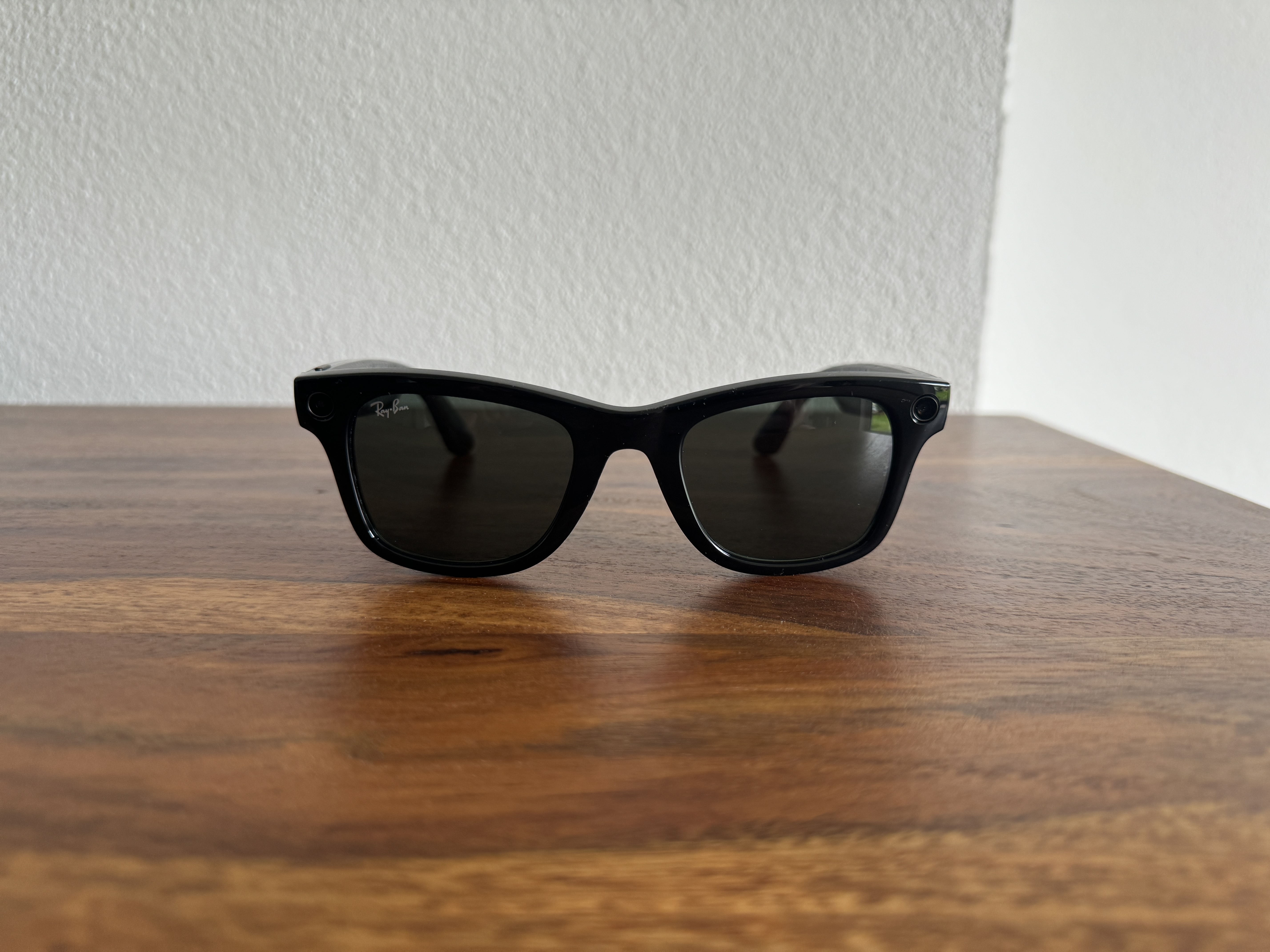
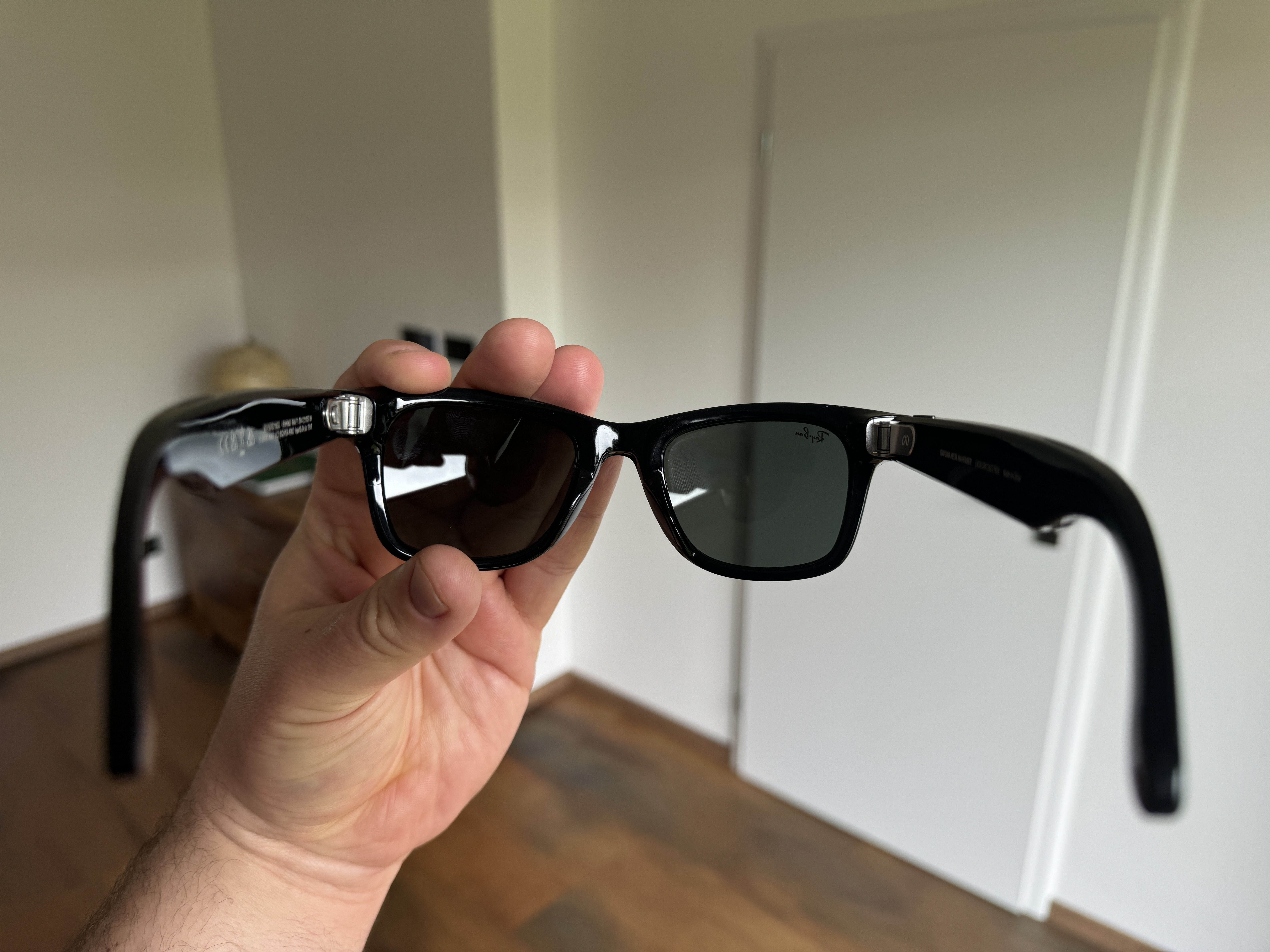
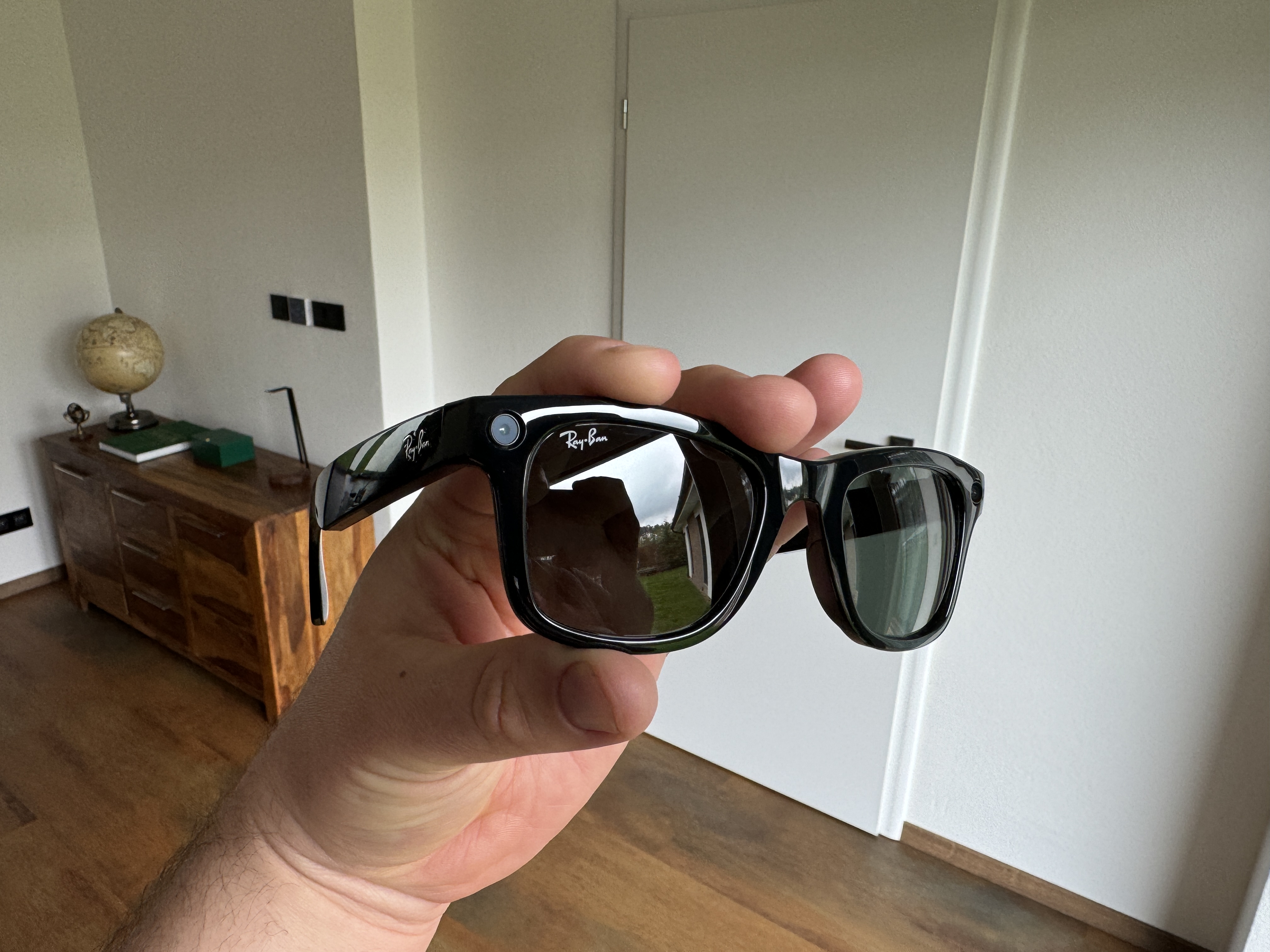
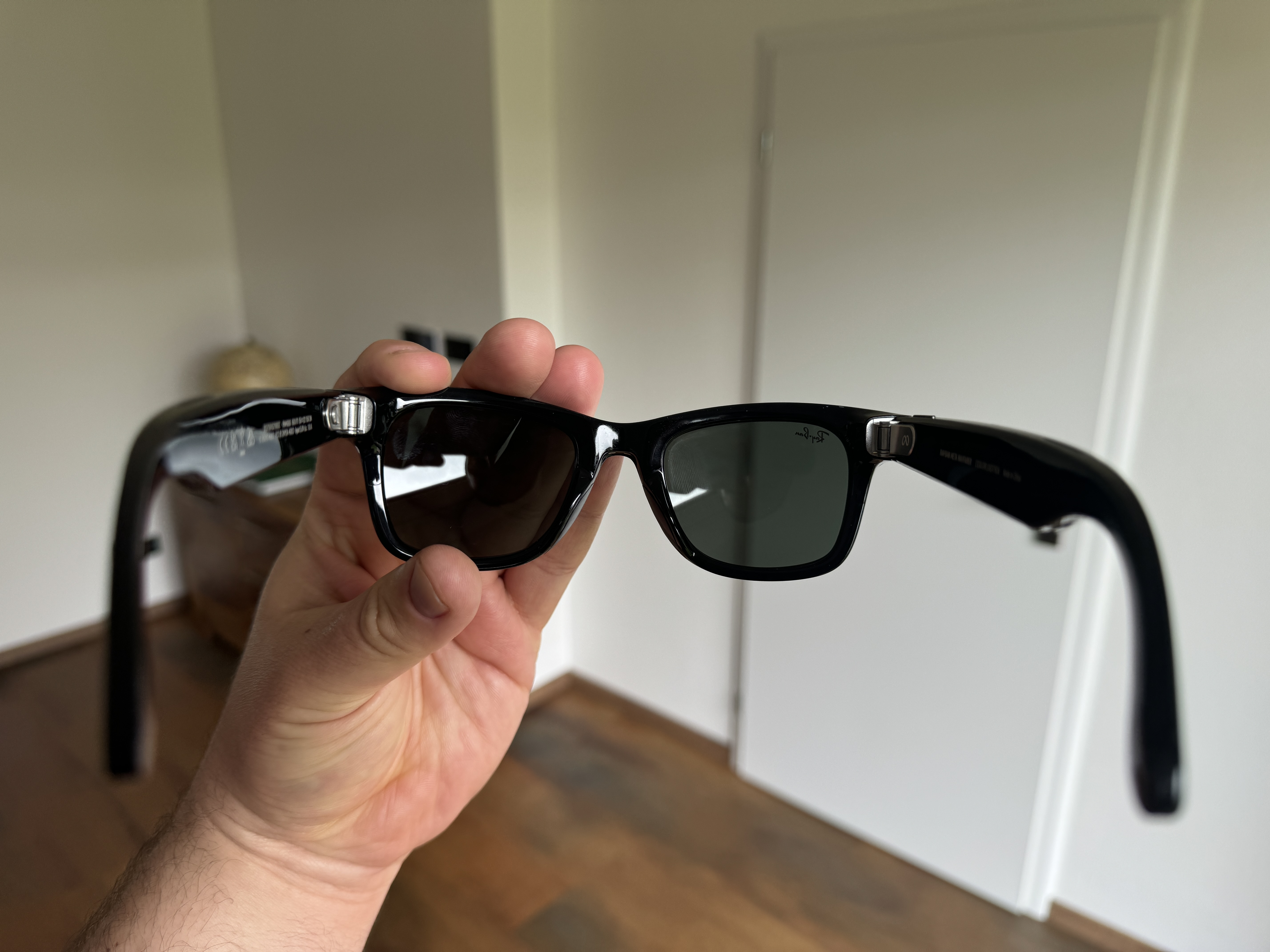
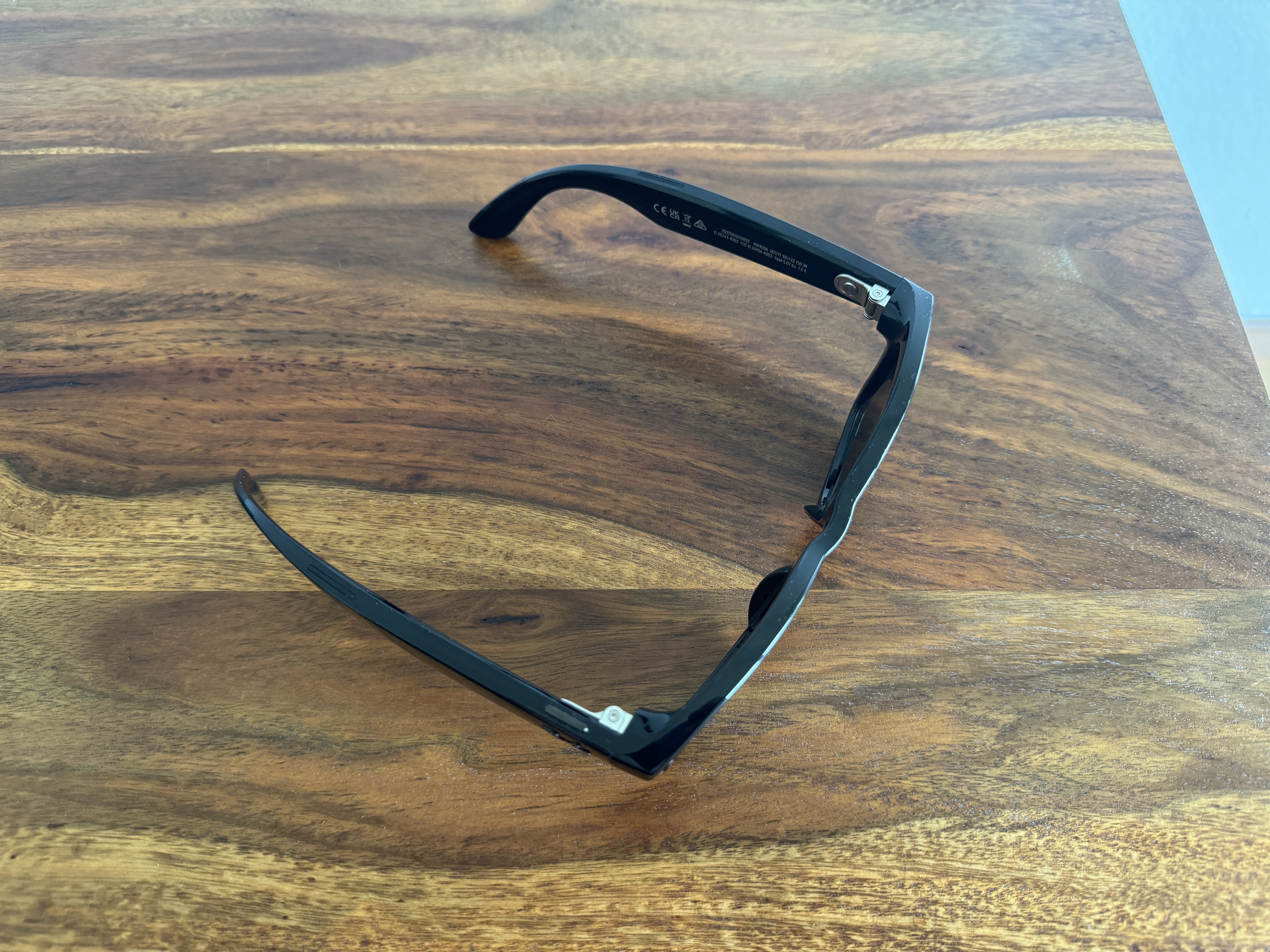
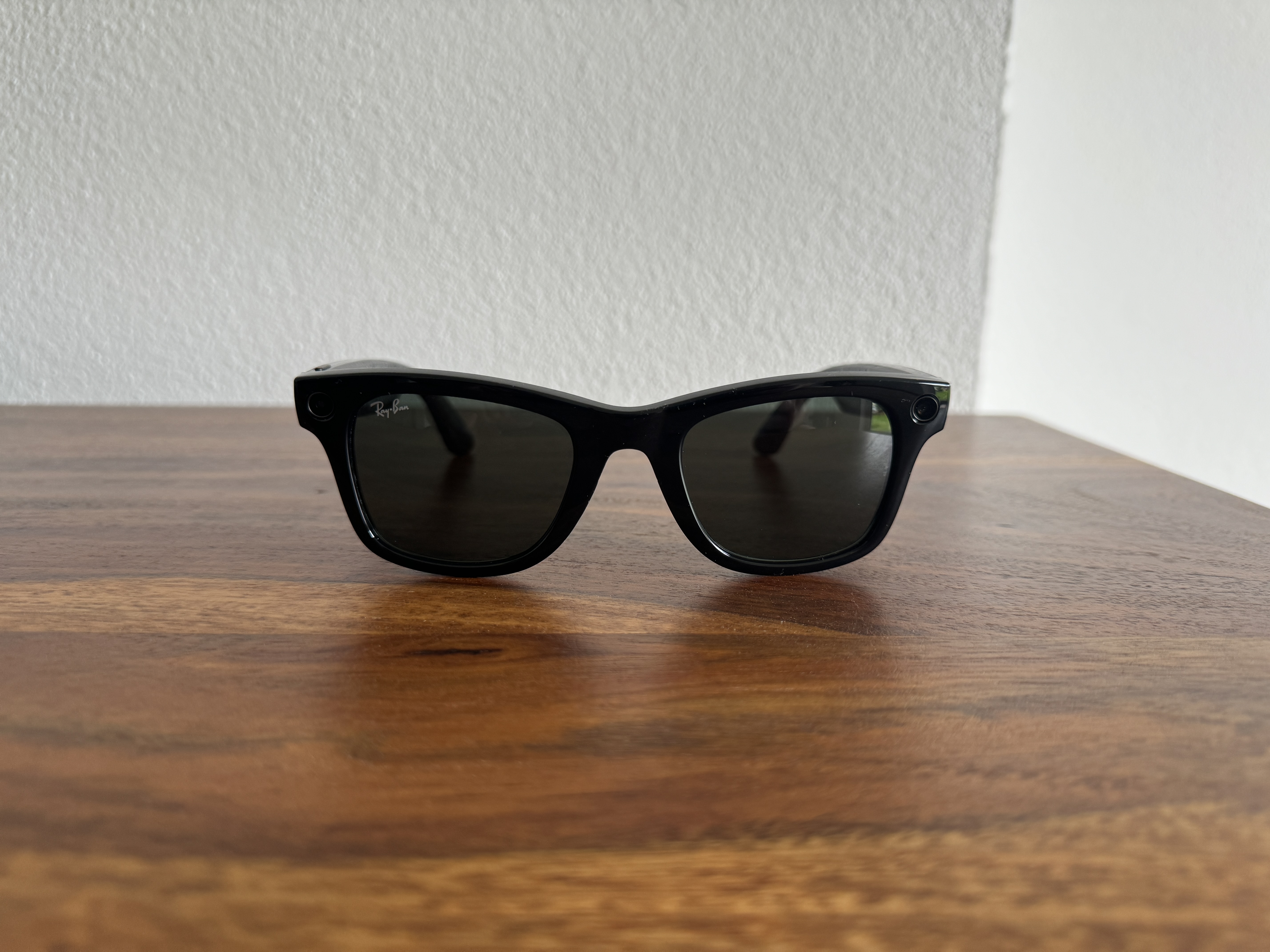
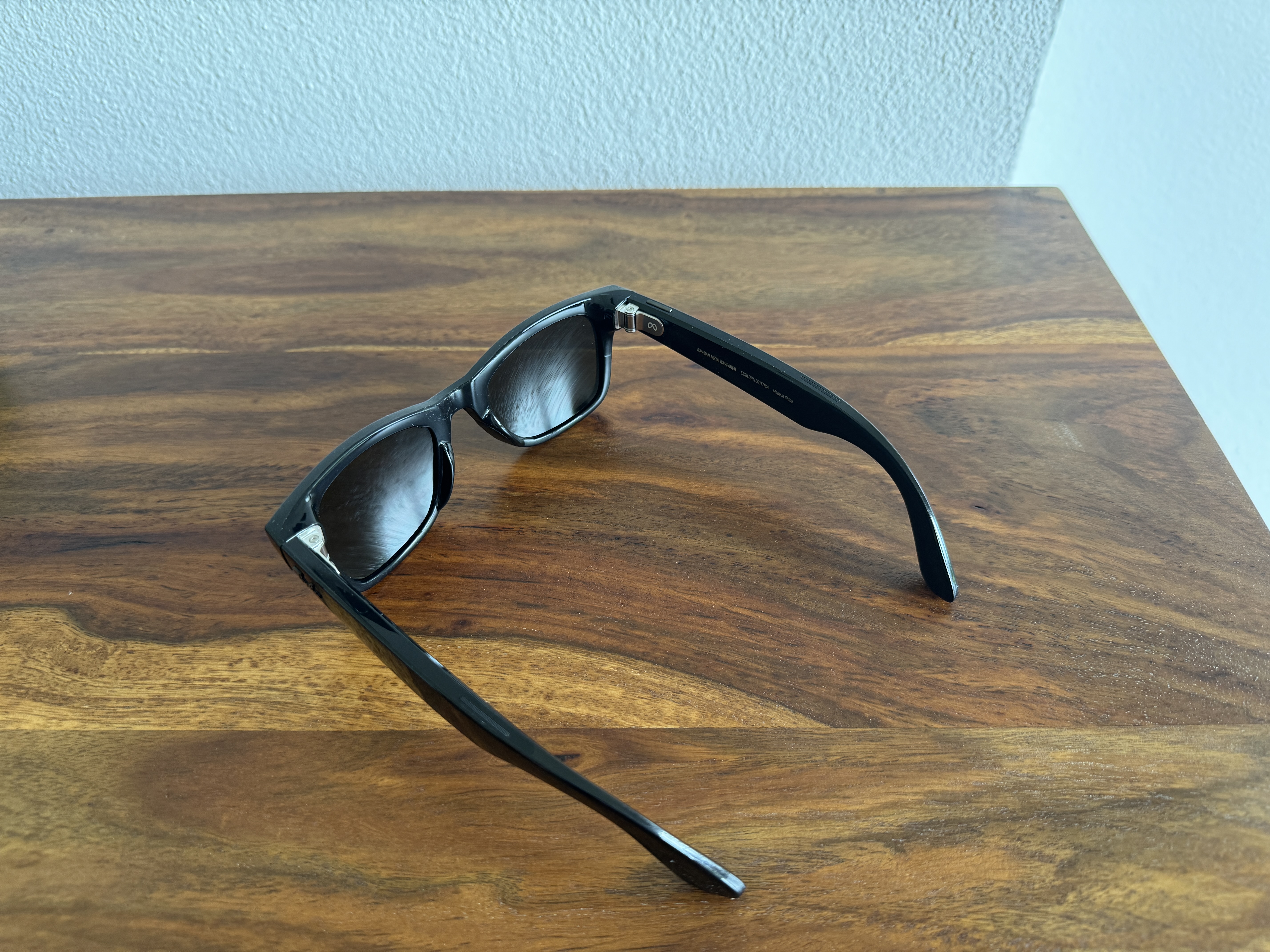
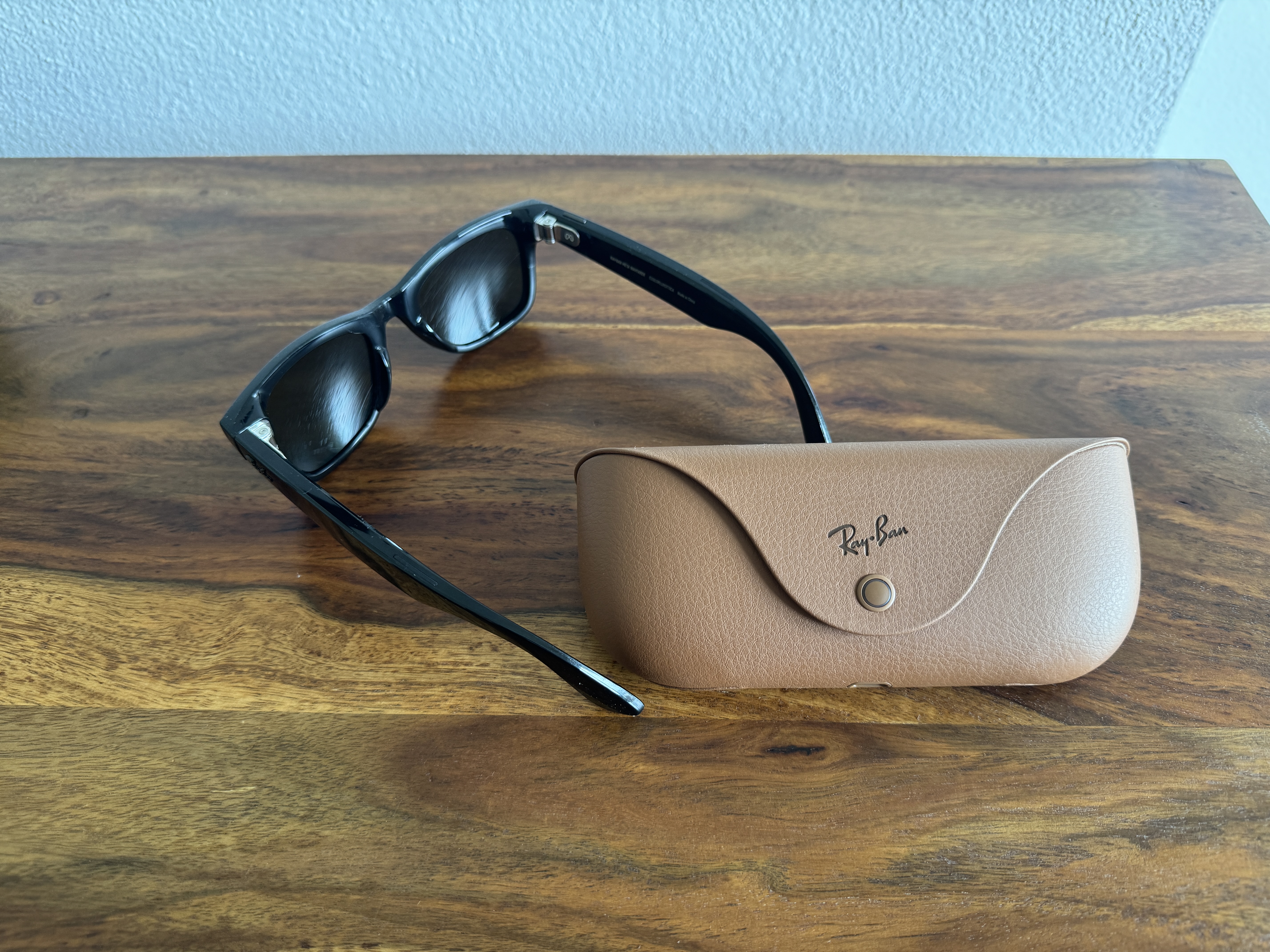
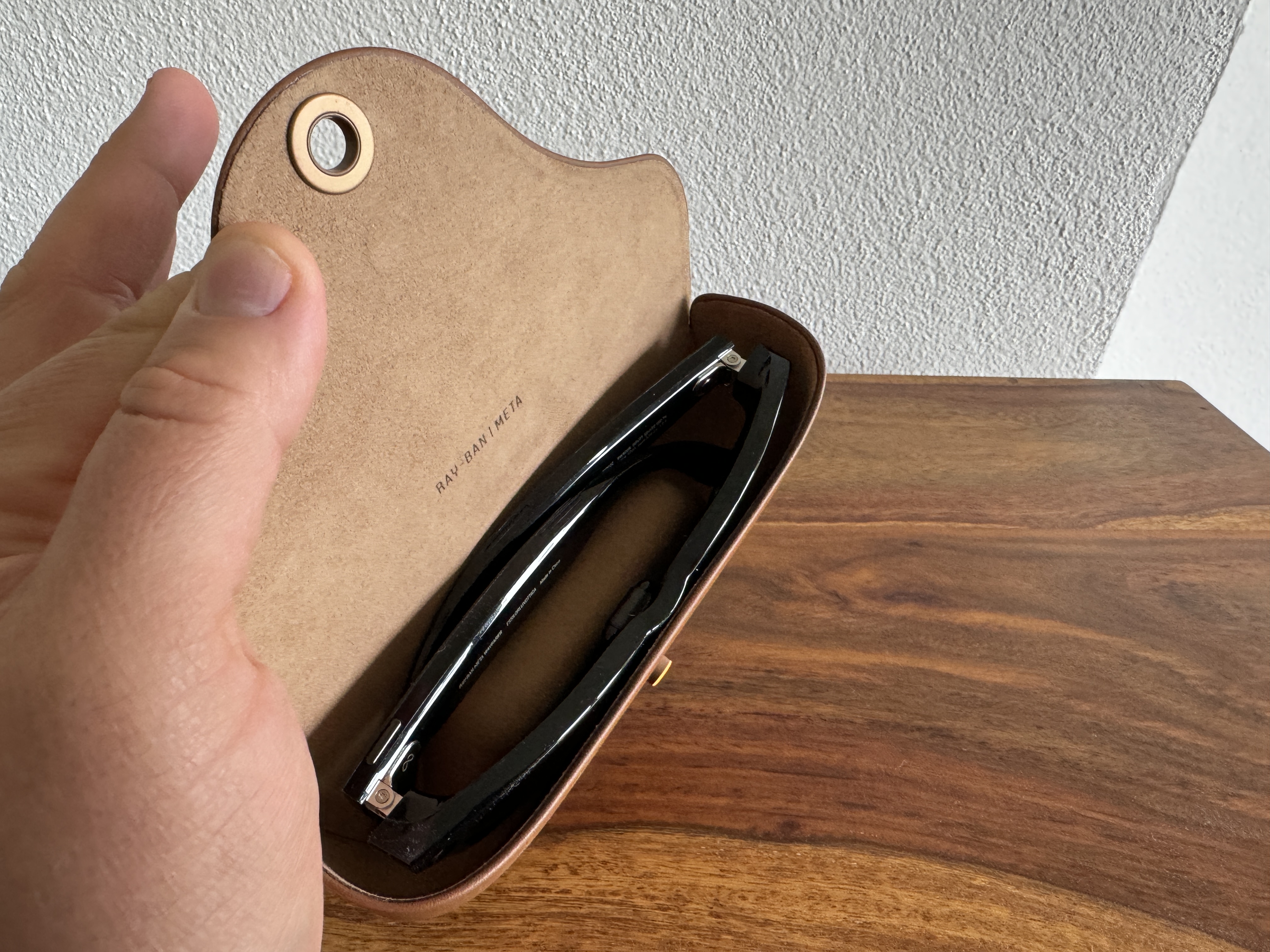
But this immediately raised huge privacy concerns. While today's smart glasses light up an LED when recording, alerting those around them to the active camera, Super Sensing mode is reportedly being considered so that the indicator would not light up at all when passively collecting data, so that people around you would not even know that they are part of the recording. This information has sparked the biggest wave of criticism among privacy experts. However, Meta is already defending itself by saying that the glasses are not supposed to store complete audio not even video recordings, but mainly metadata and information needed for the functioning of artificial intelligence. Nevertheless, questions arise about how the data will be protected, who will have access to it and whether the company will also use it to further train its AI models. Answers to these questions are still lacking.
You might be interested in
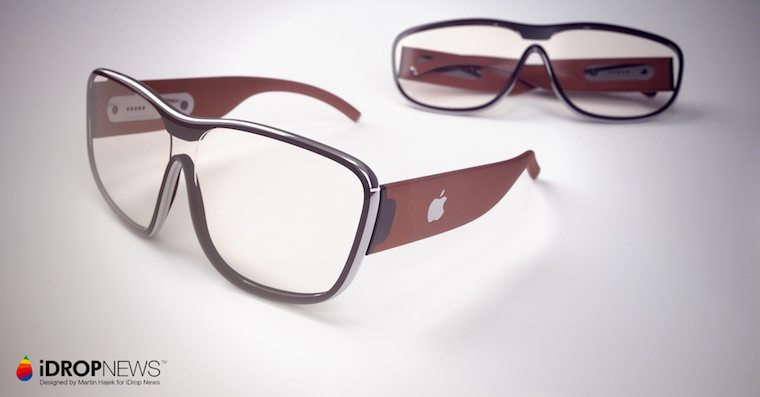
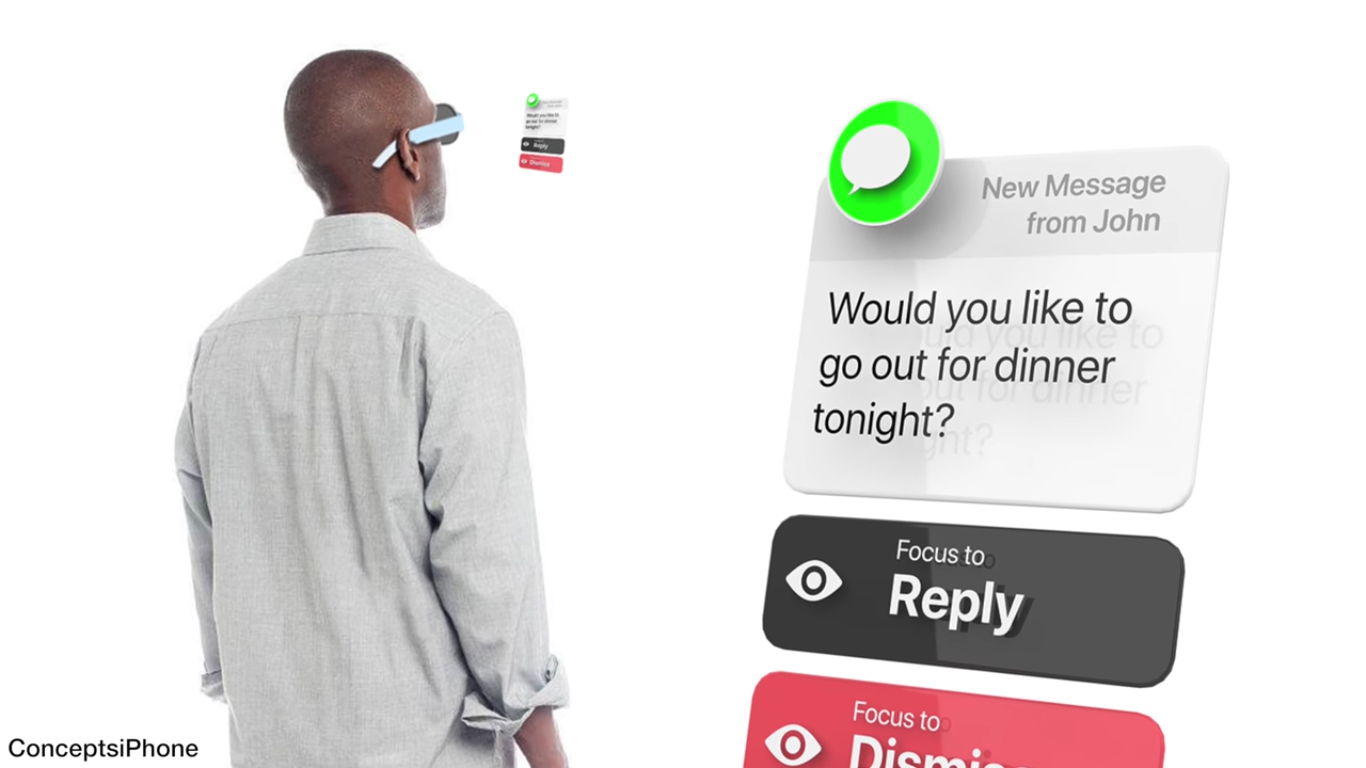
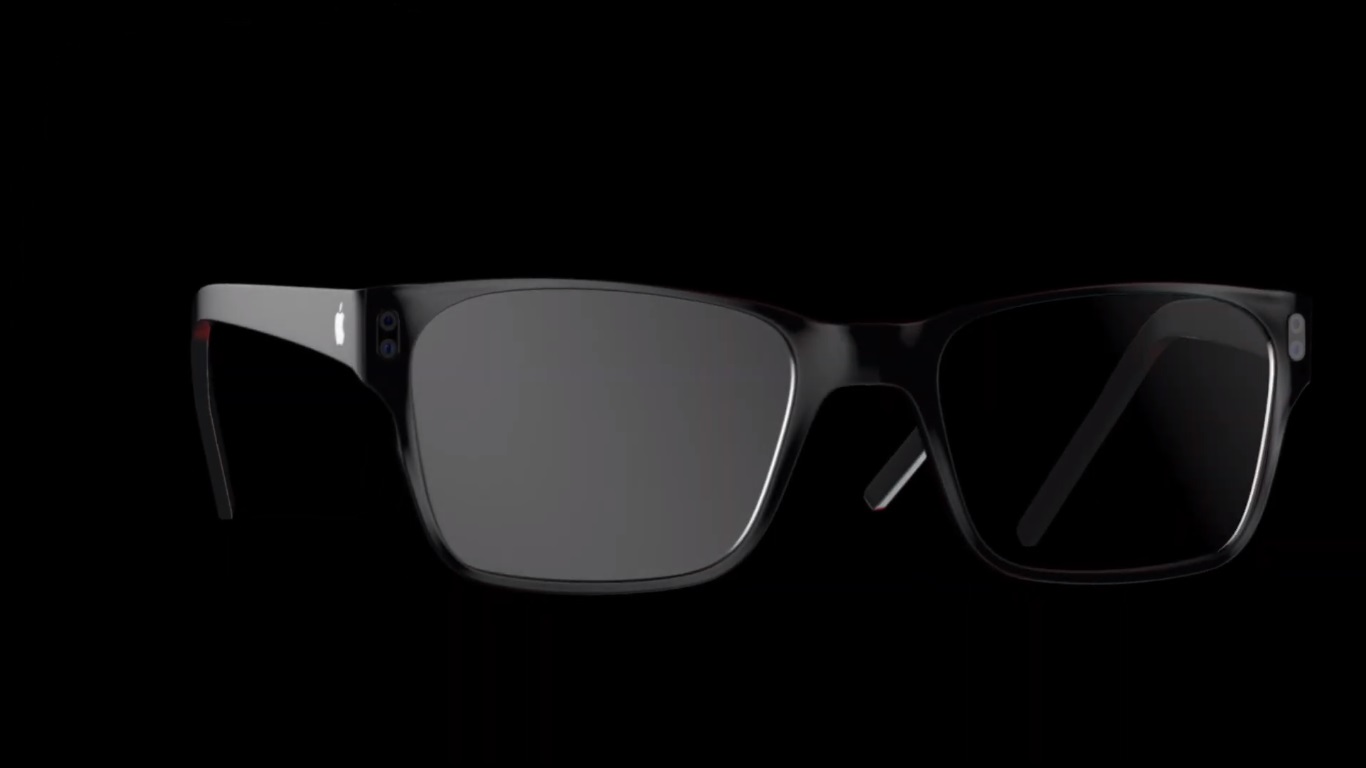
The whole situation is all the more interesting because Apple according to current information, it is working intensively on its own smart glasses, which should arrive next year. If current speculation is confirmed, the Californian giant will have to very carefully find a balance between useful AI functions and privacy protection. It is in this area that it could gain one of its biggest competitive advantages against Meta. However, there is not much time to spare.