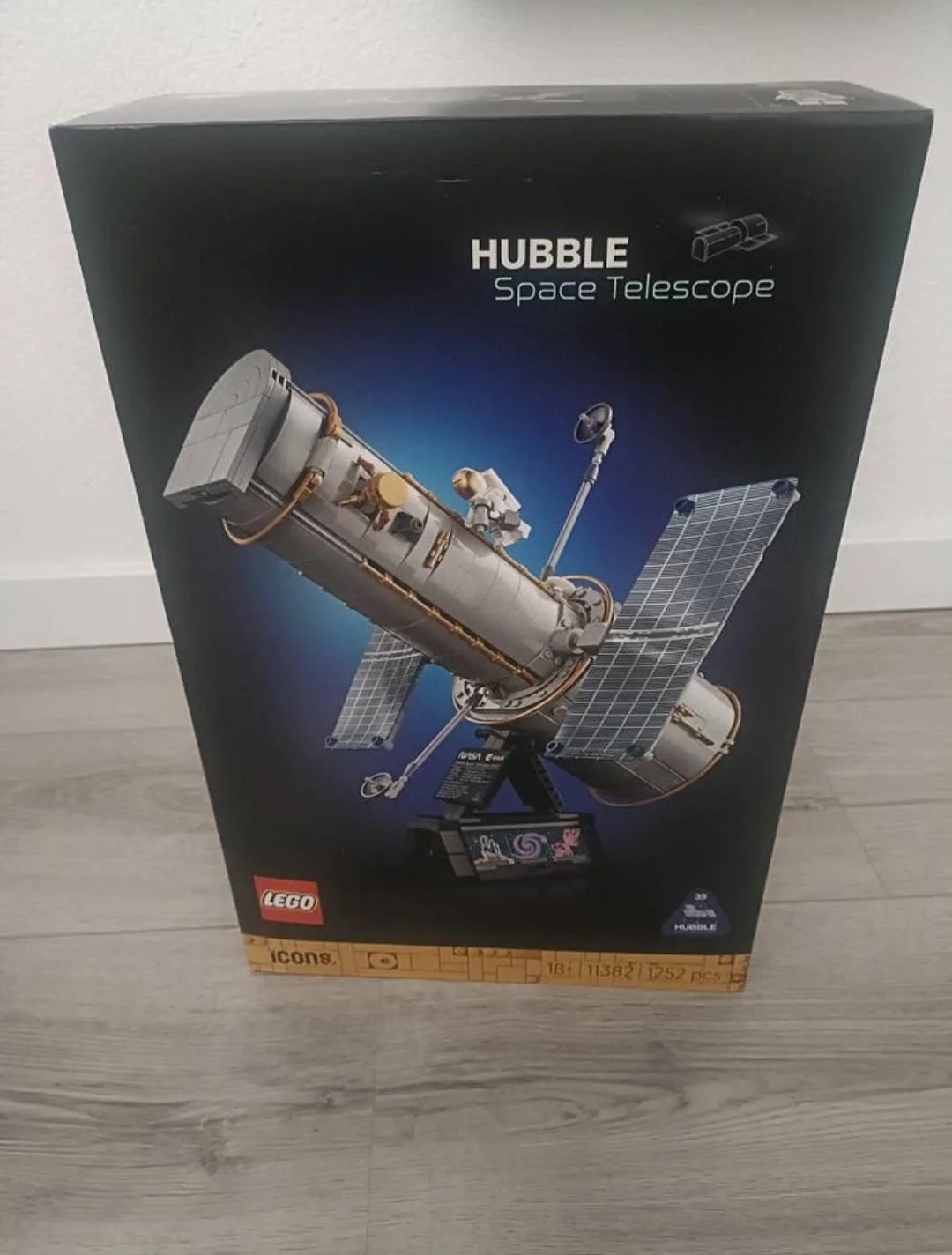
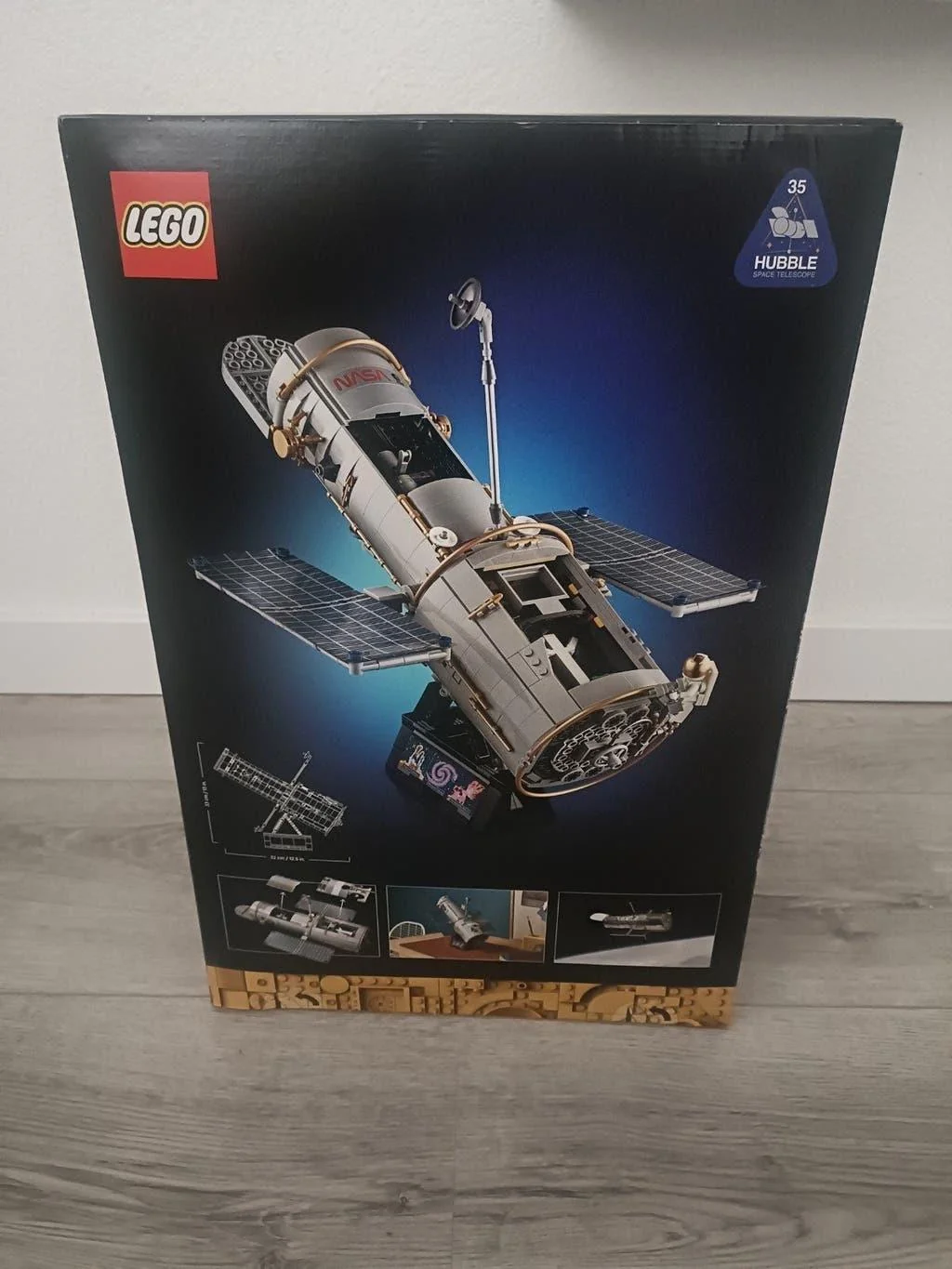
LEGO is clearly not done with space yet, as the first images of the previously unreleased LEGO Icons 11382 Hubble Telescope set have begun to make their way online, paying homage to one of the most important scientific instruments in modern history. If the leaks are true, space fans and adult builders alike will definitely have something to look forward to.
You might be interested in
1552 pieces and premiere in just a few weeks
According to leaked information,oneThe new model is called 11382 and will offer a total of 1552 pieces. It will be among the larger models from the LEGO Icons series intended primarily for adult fans. The price is set at 129,99 euros and, if everything goes according to current plans, it will go on sale on August 1, 2026. The first leaked photos indicate that LEGO has focused on the most faithful processing of the telescope itself this time. It should not be missing the characteristic solar panels, the detailed body of the observatory or the elegant black exhibition stand with an information sign, which is typical for most adult LEGO Icons models. According to available information, the model should also offer several moving parts and opening panels.
Gallery
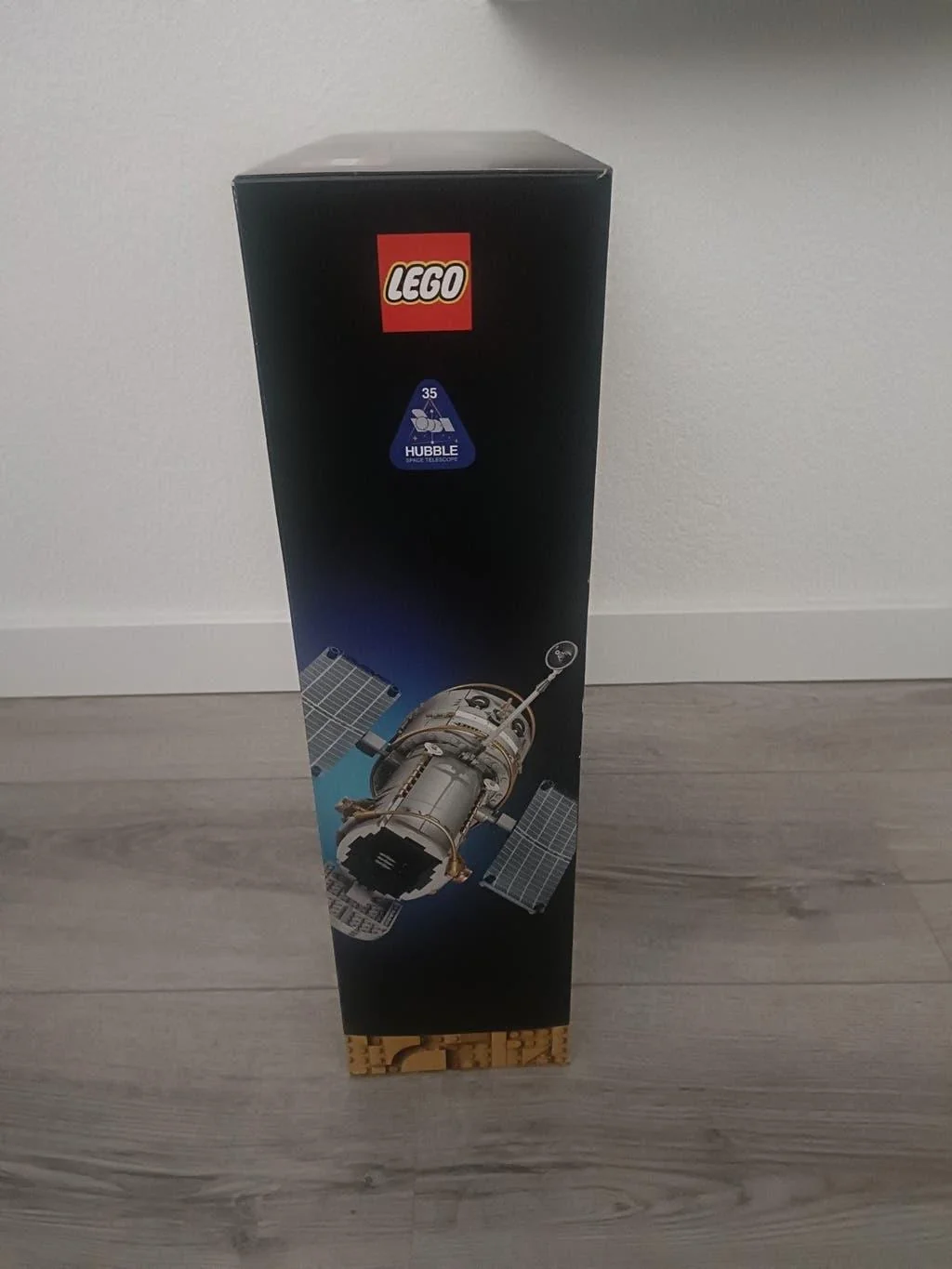
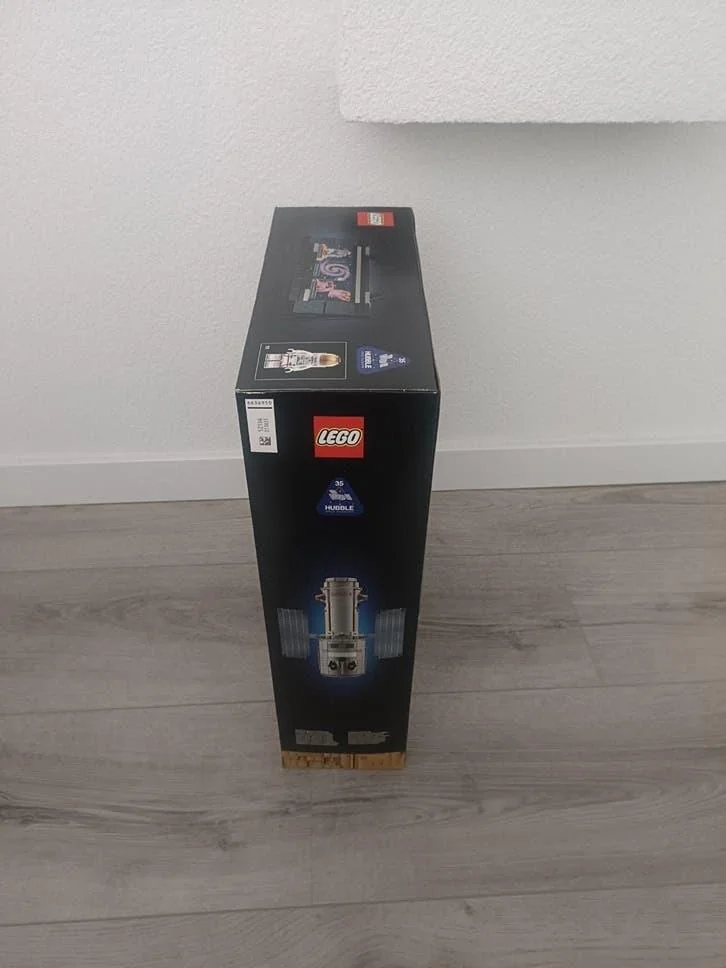
Another tribute to the legendary NASA project
Launched into Earth orbit in 1990, the Hubble Space Telescope remains one of the most important astronomical observatories of all time. It has provided humanity with some of the most famous photographs of the universe and astronomers have made a number of groundbreaking discoveries. It is therefore no surprise that LEGO has chosen it as the next model for its increasingly popular series of space toys.
You might be interested in
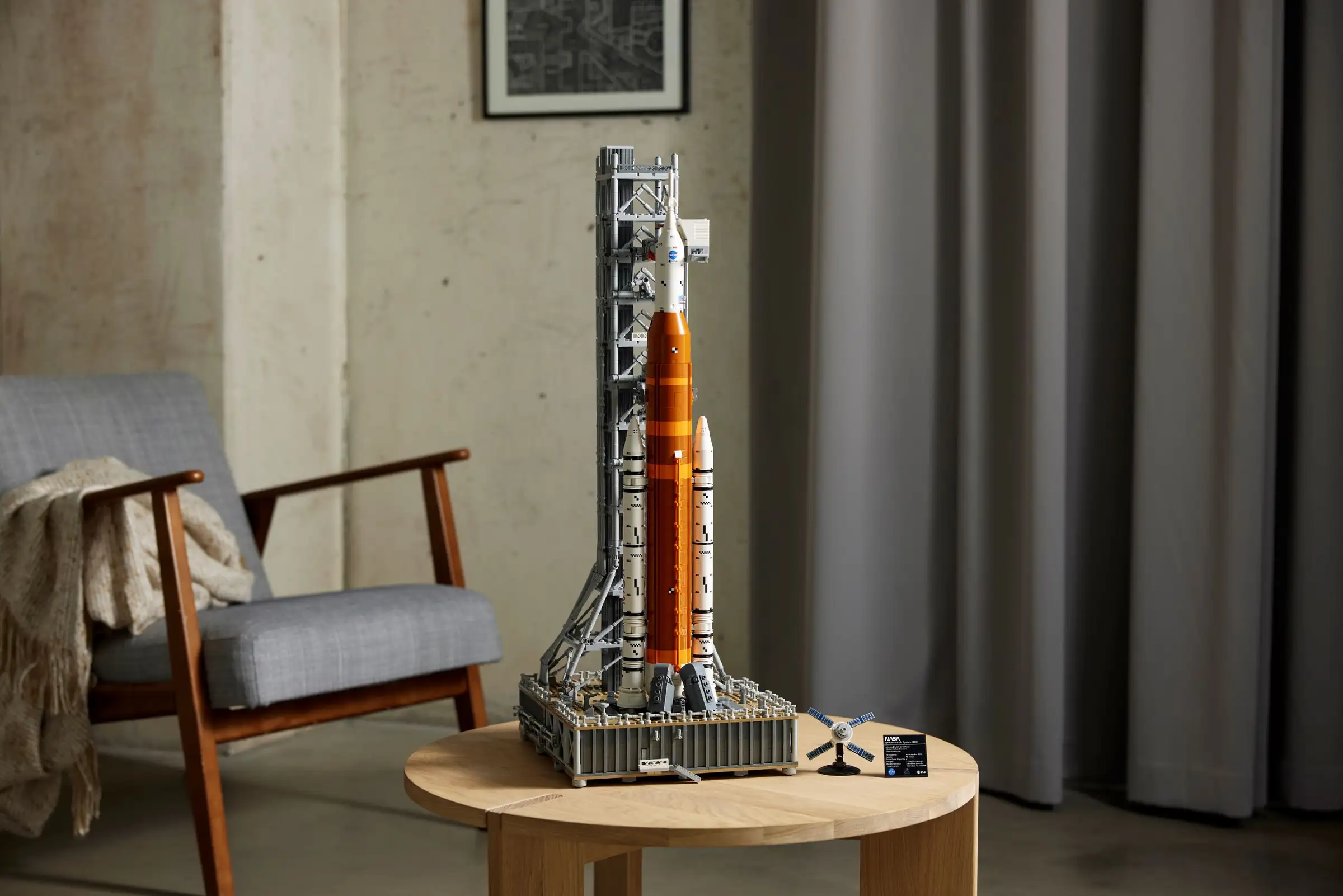
As with other similar leaks, however, all information should be taken with a grain of salt. LEGO has not yet officially unveiled the kit, so the final appearance, price, and some details may still change. However, if the information so far is confirmed, space fans will be waiting for another very attractive exhibition model, which will perfectly complement, for example, the previously released space shuttle Discovery or the Artemis system.