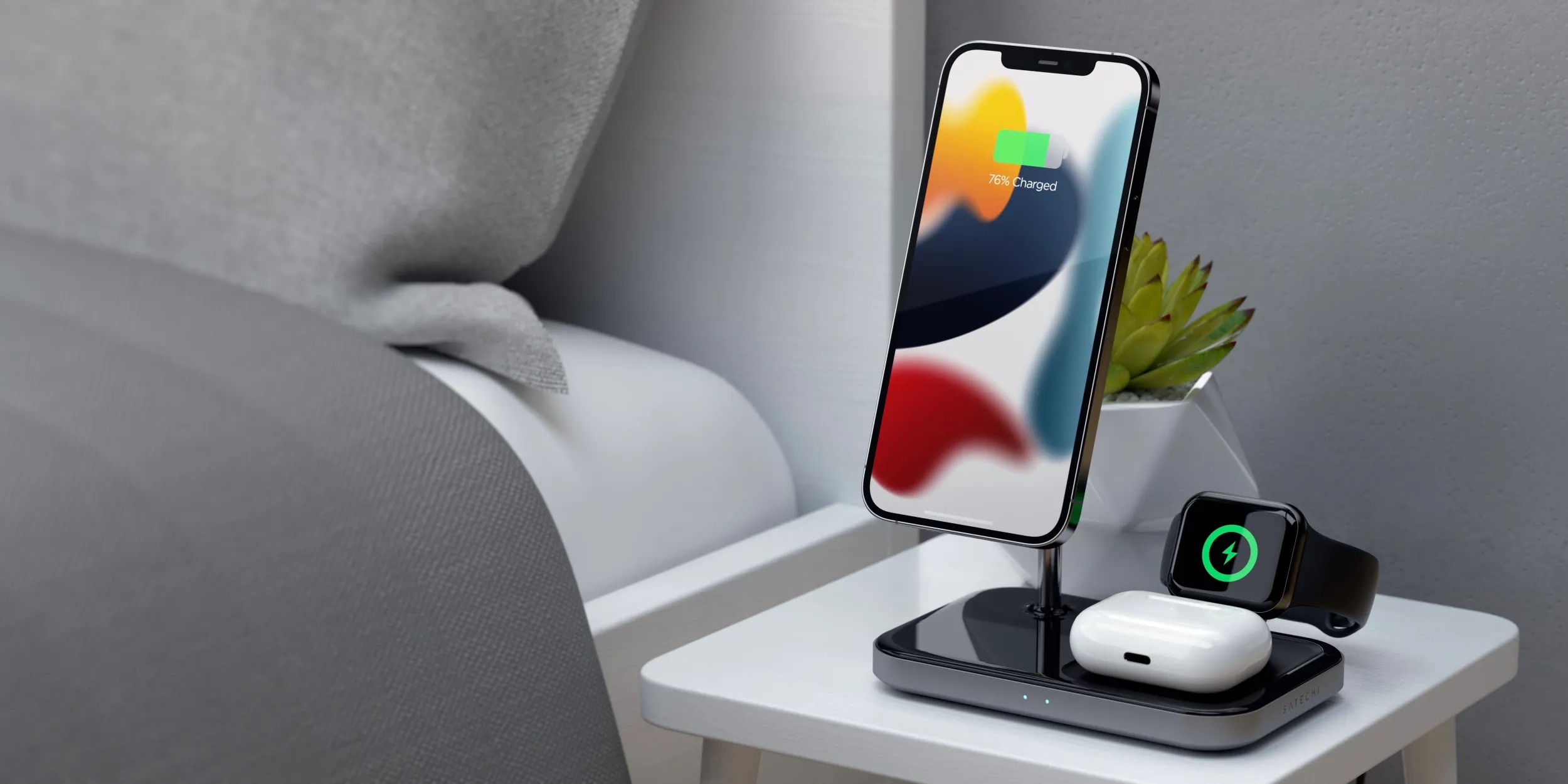
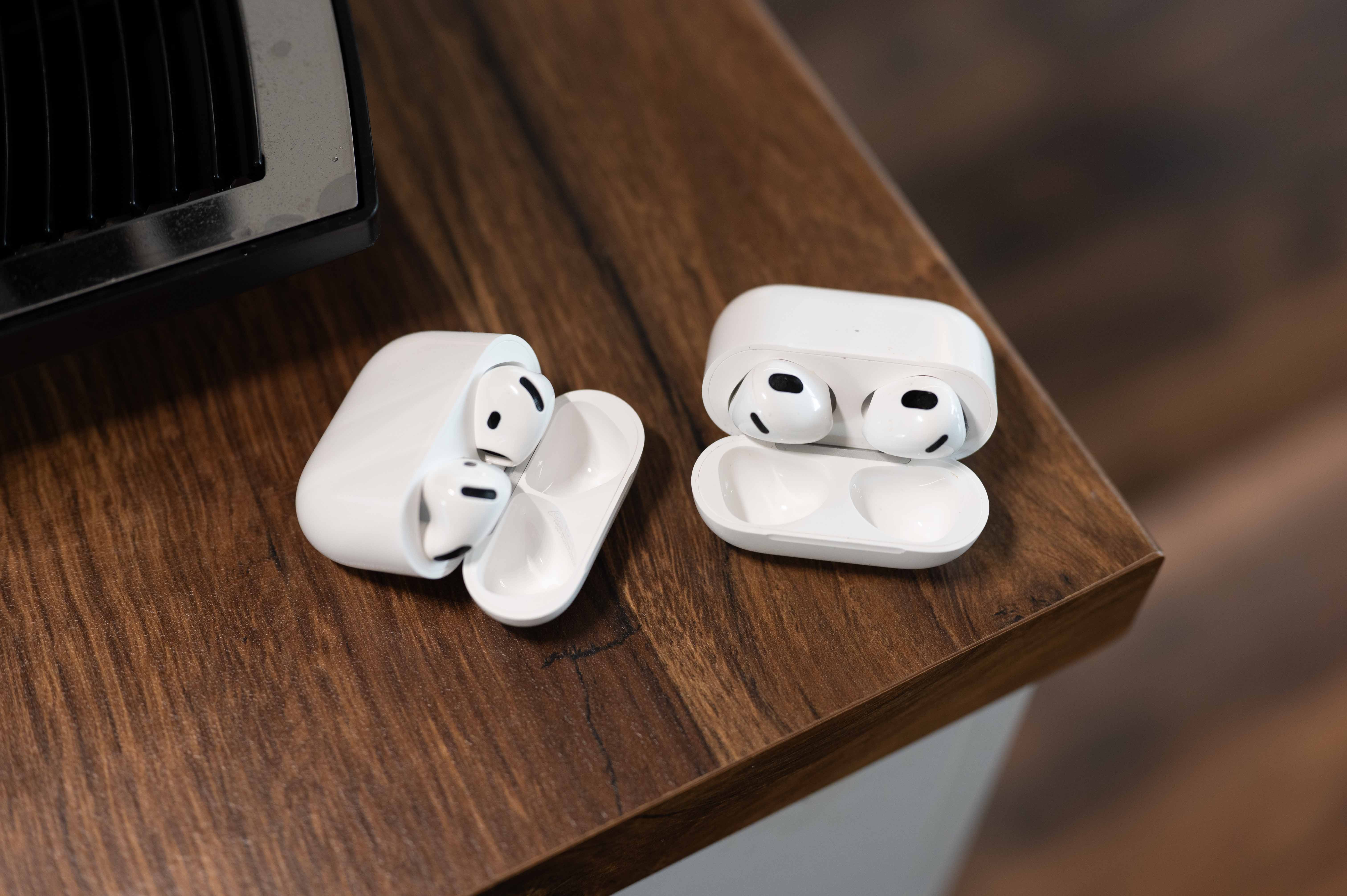
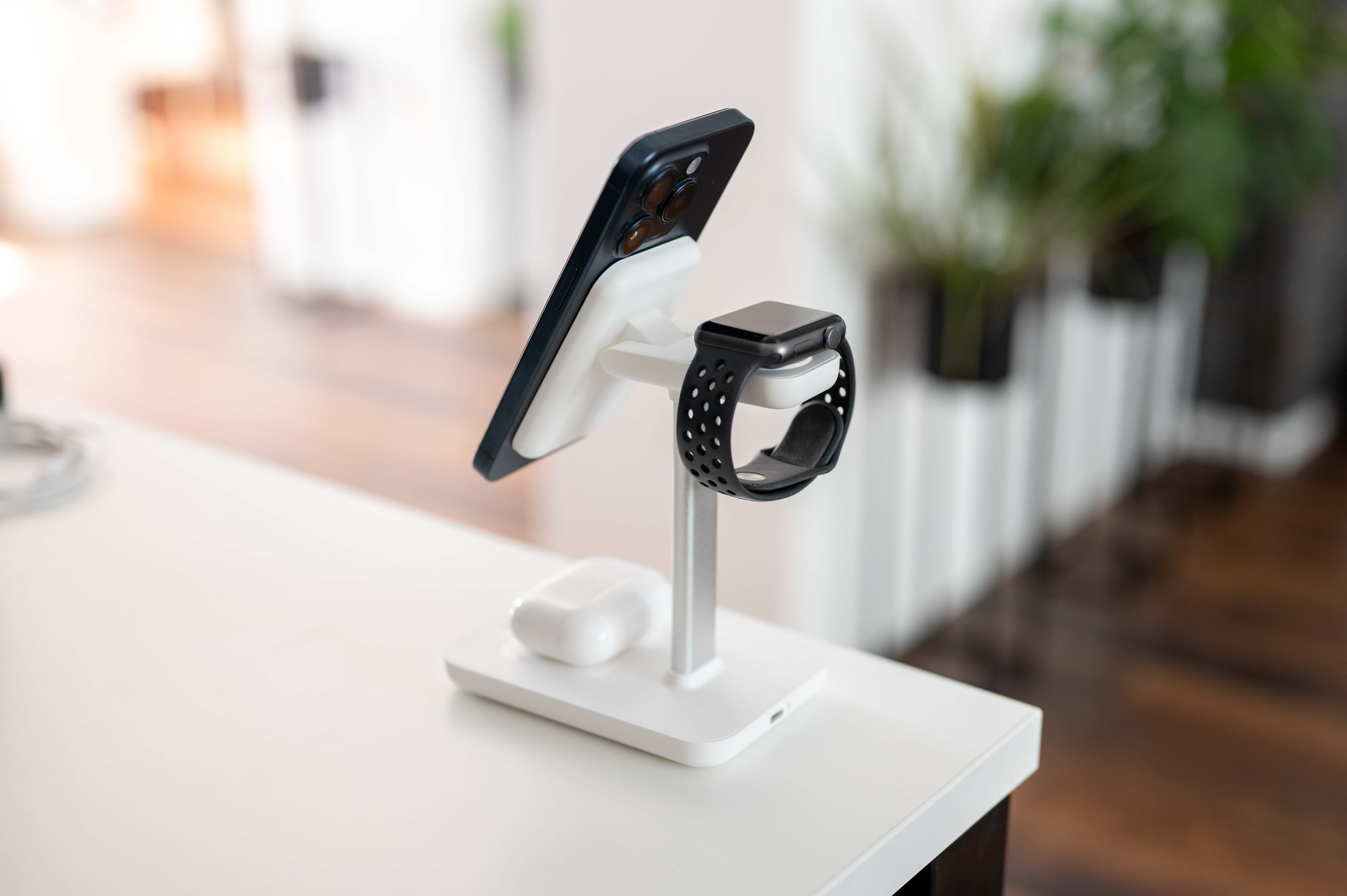
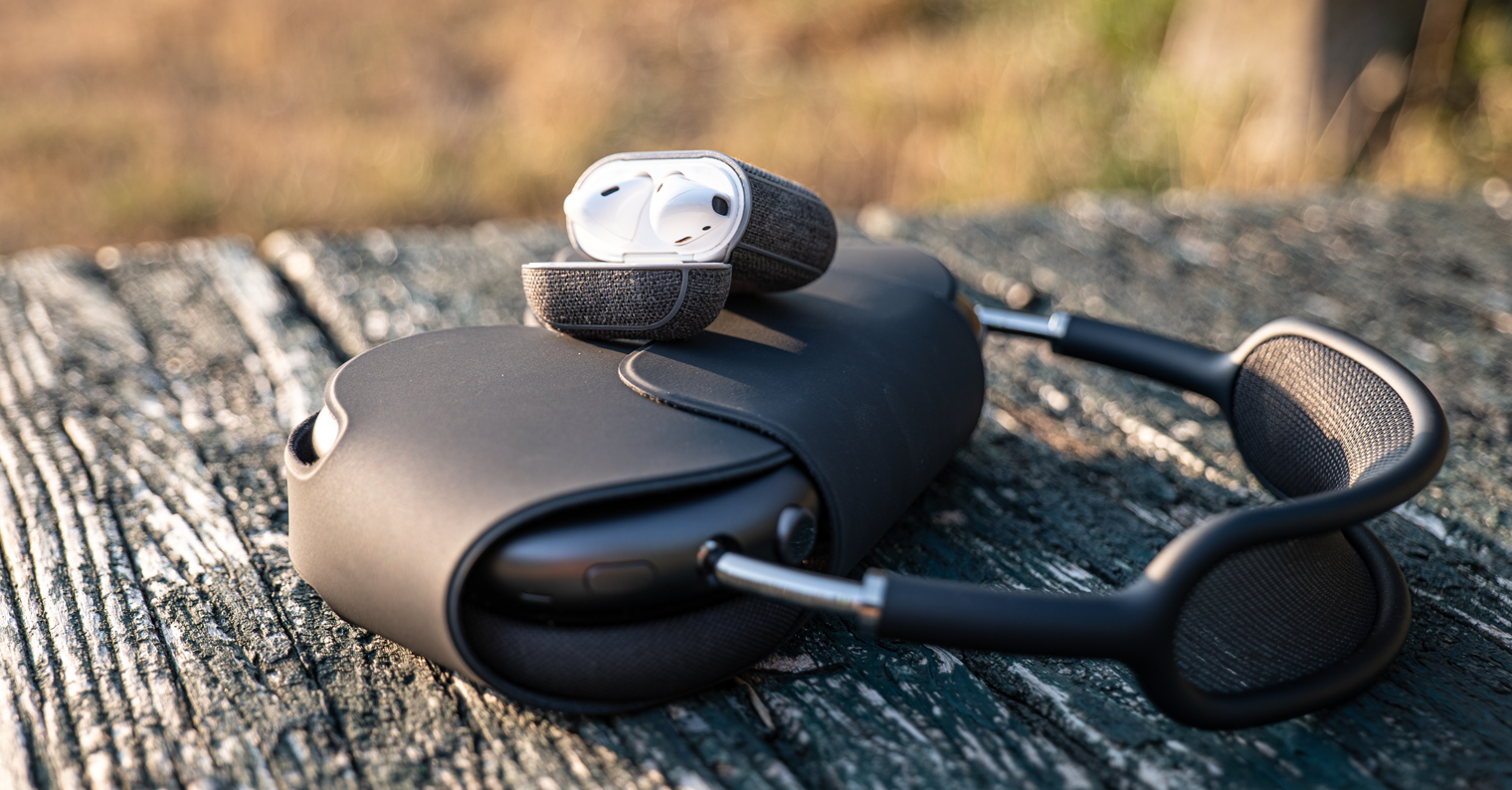
When Apple introduces a new iPhone, Apple Watch or AirPods are almost always praised for their water resistance. Many people therefore think that they can swim with them, dive with them or simply use them in any conditions without any worries. However, the reality is a bit more complicated. Water resistance is not a permanent feature and it also varies significantly between individual products. So what can individual devices really withstand and where is it better not to take unnecessary risks?
You might be interested in
Water resistance is not the same as waterproofness
At the very beginning, one important thing needs to be said. Apple does not claim anywhere that its products are waterproof. It always only talks about water resistance, which is verified by laboratory tests under precisely specified conditions. This means clean fresh water, a specific depth and a precisely specified time of immersion. However, in the real world, the conditions are completely different. A swimming pool contains chlorine, the sea contains salt, a river has a current, and the water exerts much greater force on the device when jumping into a pool than in laboratory testing. Thats why Apple Liquid damage is not covered by the standard warranty, even though the devices have a certain level of protection.
How are the iPhones doing?
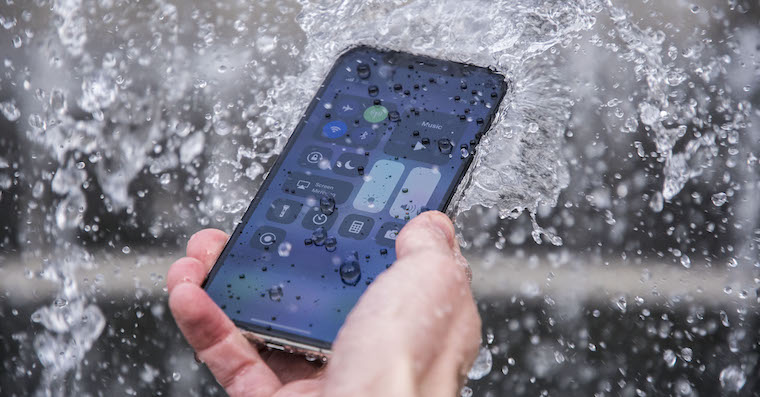
The biggest shift came in 2016 with iPhonem 7 and 7 Plus. These models were the first iPhones with IP67 certification, which meant dust resistance and the ability to be submerged to a depth of one meter for up to 30 minutes.
Since Apple gradually improved its resistance. iPhone XS and XS Max have moved to IP68 certification with two meters, the series iPhone 11 Pro offered four meters and from iPhone 12 Pro Most premium models have been tested to depths of up to six meters for 30 minutes. The latest models, including the iPhone 16, 16 Plus, 16 Pro, 16 Pro Max this year's series too iPhone 17.
However, it should be added that the certification indicates maximal values measured in the laboratory. This certainly does not mean that it is a good idea to leave your phone at the bottom of a pool for half an hour or to regularly film underwater with it. On the contrary, older models before iPhonem 7, for example iPhone SE first generation, iPhone 6s or iPhone 6, they have no official protection against water.
Apple Watch They are in a completely different league.
While for iPhones Apple talking about IP certification, for watches it uses the designation WR, meaning Water Resistance. Apple Watch Series 2 was a huge leap forward, offering a resistance of up to 50 meters. Virtually all subsequent models up to the current one Apple Watch Series 10 have maintained this value. In practice, this means that they are suitable for regular swimming in the pool and in open water. However, this does not mean that they are suitable for everything. Apple does not recommend using regular Apple Watch when water skiing, diving, scuba diving or activities with high water pressure.
If you practice similar sports regularly, they are designed Apple Watch Ultra a Ultra 2. They have WR100 certification according to the ISO 22810 standard and also meet the EN13319 standard for diving computers. Apple They state that they can be used for recreational diving up to a depth of 40 meters. Another very useful feature is the automatic detection of immersion in water. The watch itself activates a water lock, preventing unwanted touches of the display, and after swimming, the speaker uses a series of tones to push the water out.
AirPods can handle rain and sports, but definitely don't go swimming with them
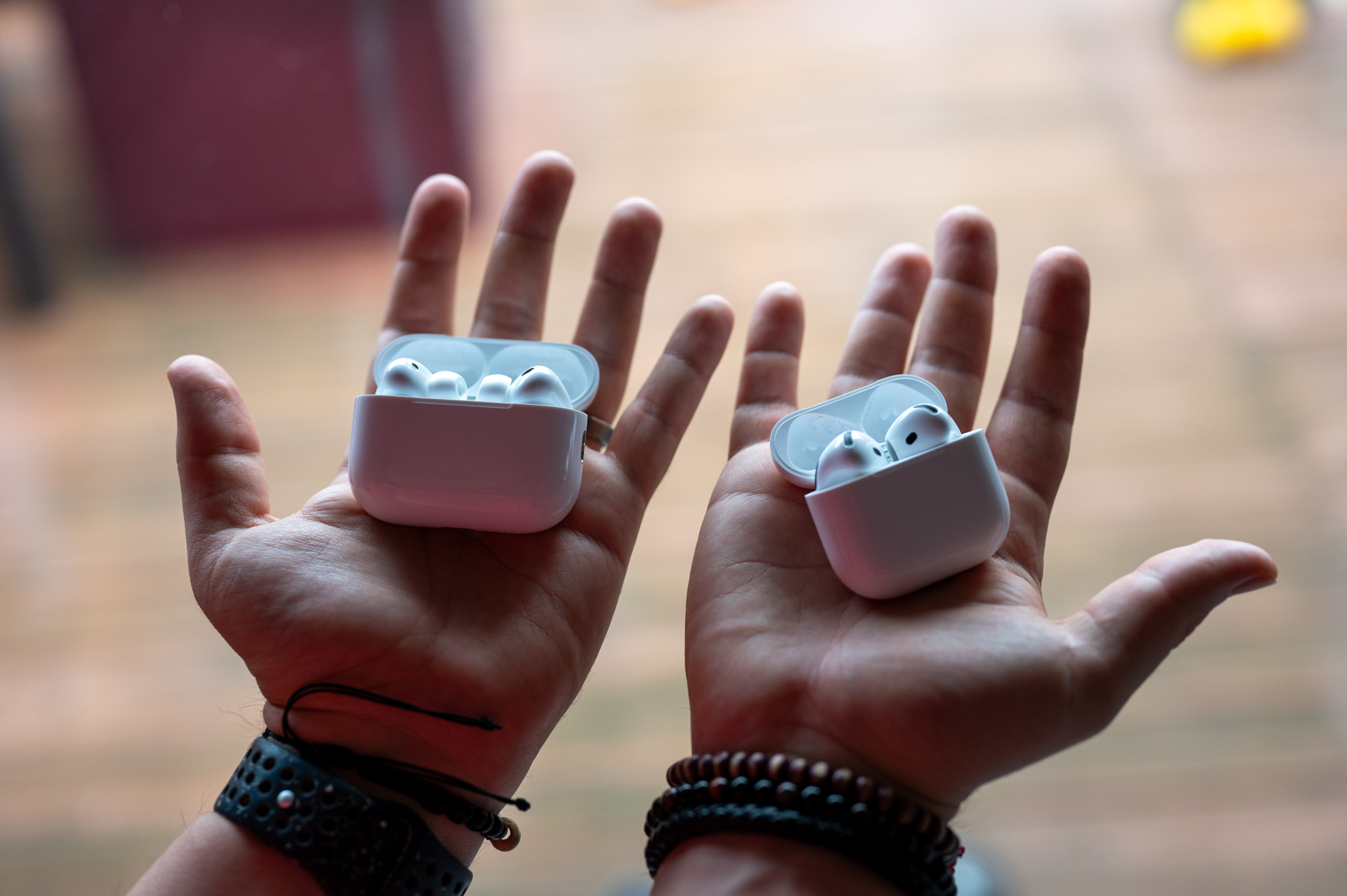
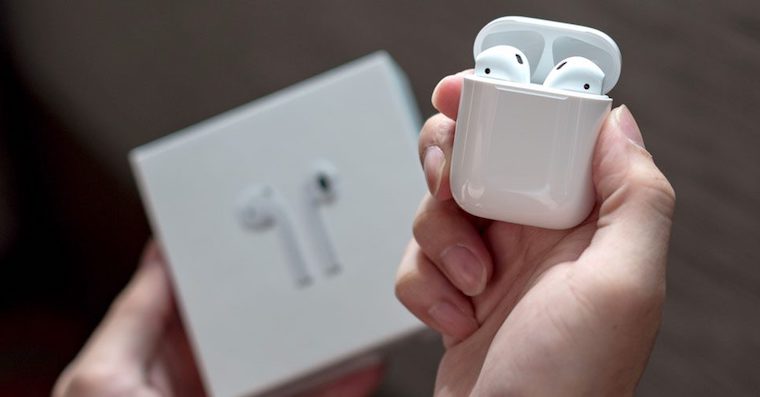
Also at AirPods, resistance gradually developed. The first two generations AirPods had virtually no official protection against water. The situation changed only with AirPods Pro, which have received IPX4 certification. This means resistance to splashes of water and sweat, not immersion.
They offer the same or greater protection today AirPods 3, AirPods 4 and the latest AirPods Pro 3, when for example AirPods 4 offers IP54, AirPods Pro 3 then IP57. In newer generations additionally Apple It protects not only the headphones themselves, but also the charging case, which is useful for example when doing sports or using them in the rain. However, even here, the headphones are not intended for swimming. If you drop them in water, they will probably survive a short contact, but regular use underwater is definitely not their purpose.
You might be interested in
Water resistance deteriorates over time
However, one thing is often forgotten, which can come at a cost.onec quite expensive. Water resistance is not permanent and decreases over time for several reasons. The seals around the display, buttons, speakers oronewhich gradually ages, are affected by high temperatures, frost, frequent charging, phone drops and normal mechanical wear. While the new iPhone can handle rain or brief immersion without any problems, after a few years you simply don't have the same confidence anymore. That's why Apple recommends not exposing devices to water unnecessarily just because they can handle it on paper.
Services are also a big issue. If the device is repaired in an authorized service center and original parts and new sealing elements are used, the original level of resistance should be maintained. However, with unauthorized services, nothing like this is guaranteed. All it takes is a poorly glued display, poor-quality seals or a minor inaccuracy during assembly and the water resistance can be significantly lower than before the repair. You may not notice anything on the outside.
What to do if the device gets wet or falls into water?
If you iPhone, Apple Watch or AirPods get wet, but there is usually no need to panic. It is best to dry the device with a soft cloth and notchat Let it dry naturally. For iPhones with USB-C or Lightning koneTherefore, it is a good idea to wait until the system stops warning about moisture in the battery before charging.onewhich. On the contrary, forget about putting it in rice. Although this "instruction" has been circulating on the Internet for many years, Apple does not recommend it. It is much safer not tochat Allow the device to dry naturally at room temperature.
Consider water resistance as a safety feature, not a feature
So what can we say in conclusion? Water resistance is now a thing of the past for most Apple products at a very high level. Modern iPhones can easily handle rain, spills or accidental drops in water, Apple Watch you can use it safely while swimming and AirThe Pods can handle sweat and bad weather. But it's still good to remember that this is primarily a protection for unexpected situations, not an invitation to use it underwater regularly. The less you test the durability of the device, the greater the risk.ance that it will serve you reliably for several years to come. And that is exactly whatonec much more important than whether the phone can survive half an hour at a depth of six meters.