
Wireless headphones, such as AirPods have become an everyday part of our lives. Phone calls, podcasts, music, videos, work, many of us have them in our ears for several hours a day. AudioBut experts warn that excessive use of in-ear headphones can have unpleasant consequences. And it's not just temporary ear pain.
According to experts, prolonged and loud listening poses the following risks:
- Noise-induced hearing loss
- Tinnitus (whistling, buzzing, or ringing in the ears)
- Gradual hypersensitivity to sound
- Ear infections caused by moisture
- Temporary hearing loss due to earwax buildup
The biggest risk? Volume and listening time
ProThe problem is not only in the headphones themselves, but mainly in how we use them. In-ear design (i.e. plugs directly in the ear) brings the sound very close to the eardrum. If the volume is high and listening lasts for a long time, there can be gradual damage to the sensitive cells in the inner ear. Hearing damage caused by noise is insidious because it is usually painless and comes on slowly. It is similar to high blood pressure, which you usually don't feel and doesn't cause you any problems until something completely fatal happens, such as a heart attack or stroke. In the case of hearing damage, a person only notices it when they start having trouble understanding speech in a noisier environment. Another common consequence is tinnitus, a whistling or buzzing sound in the ears, which can be temporary, but in some cases permanent.
Gallery
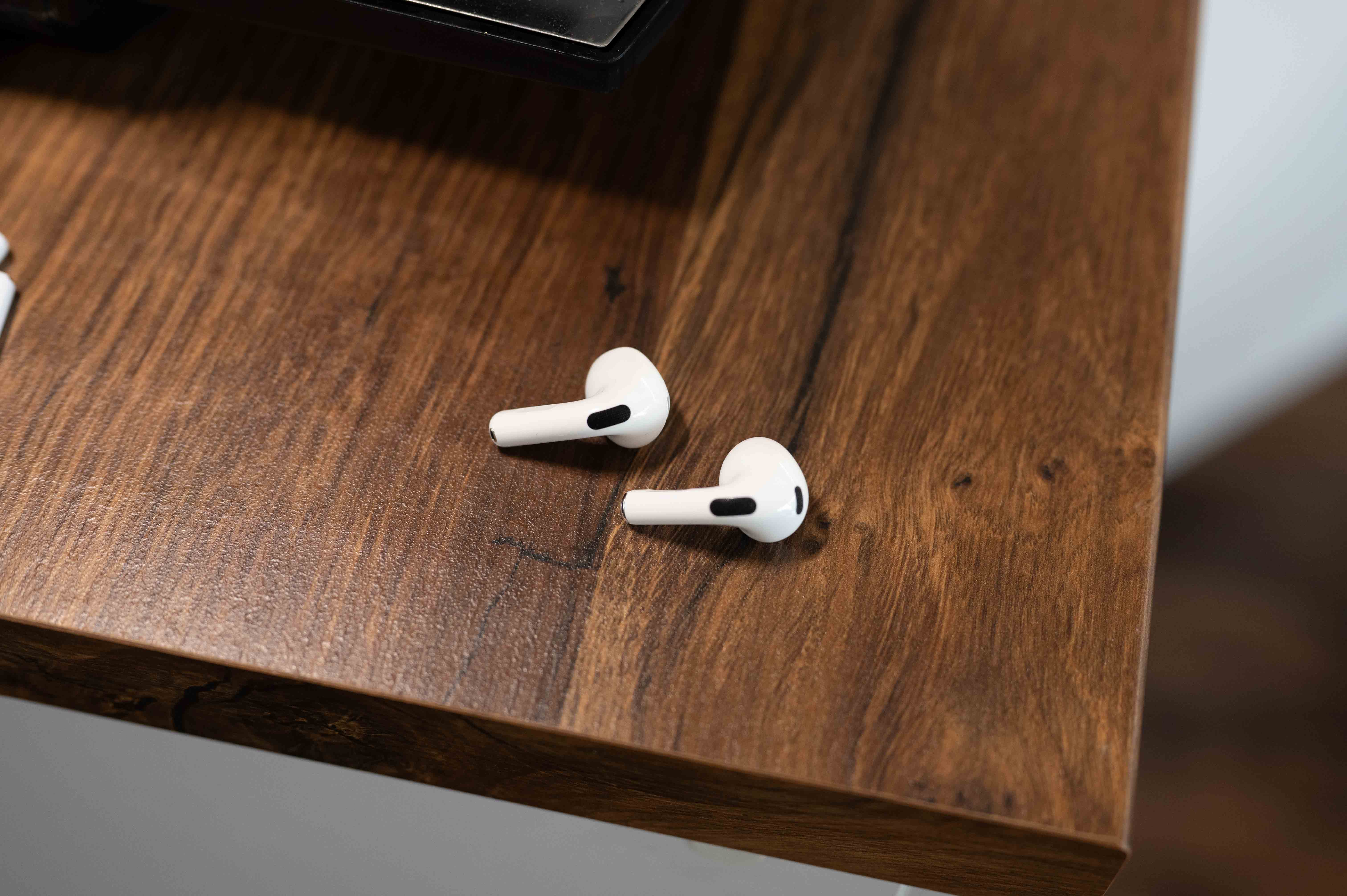
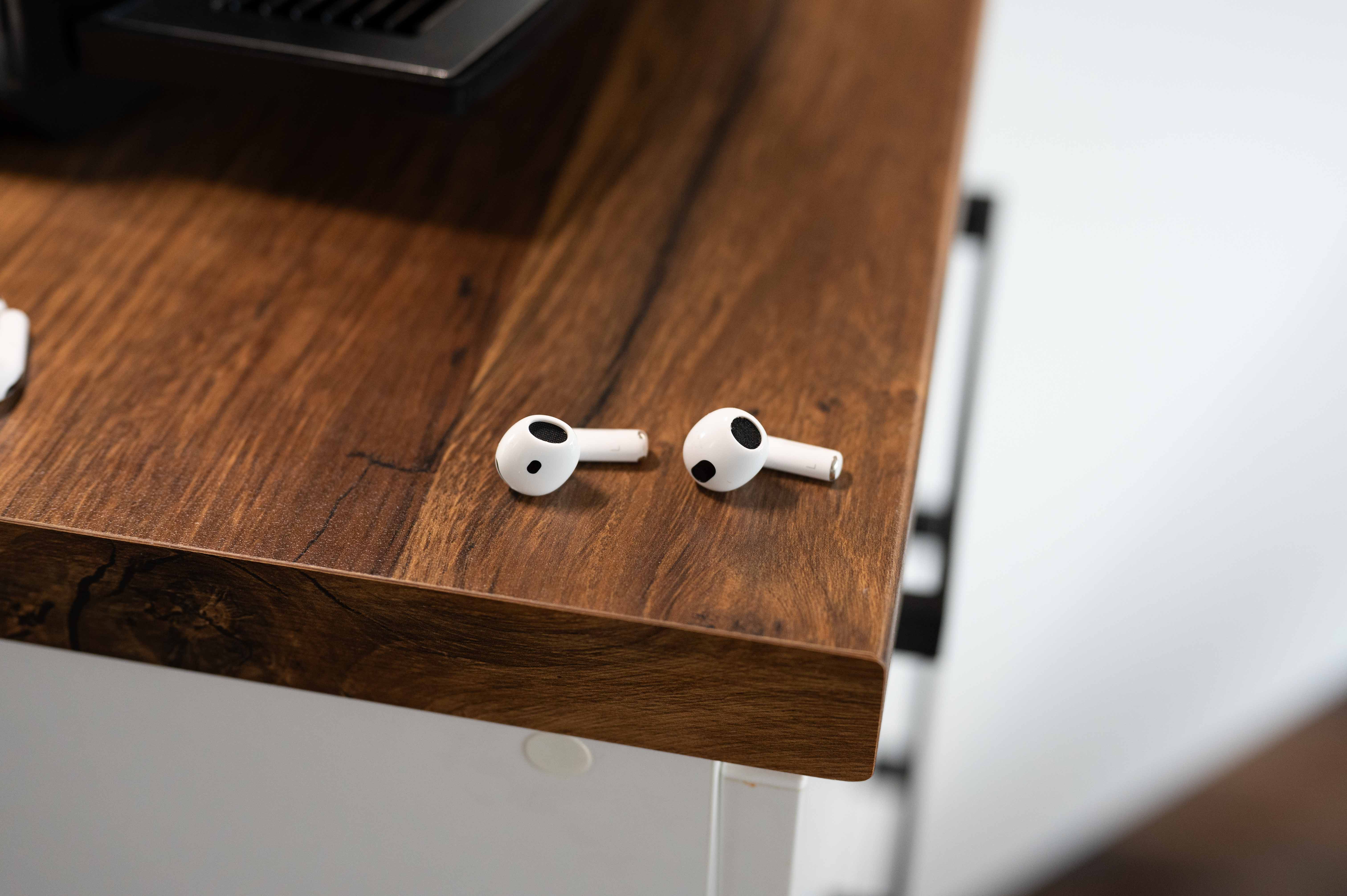
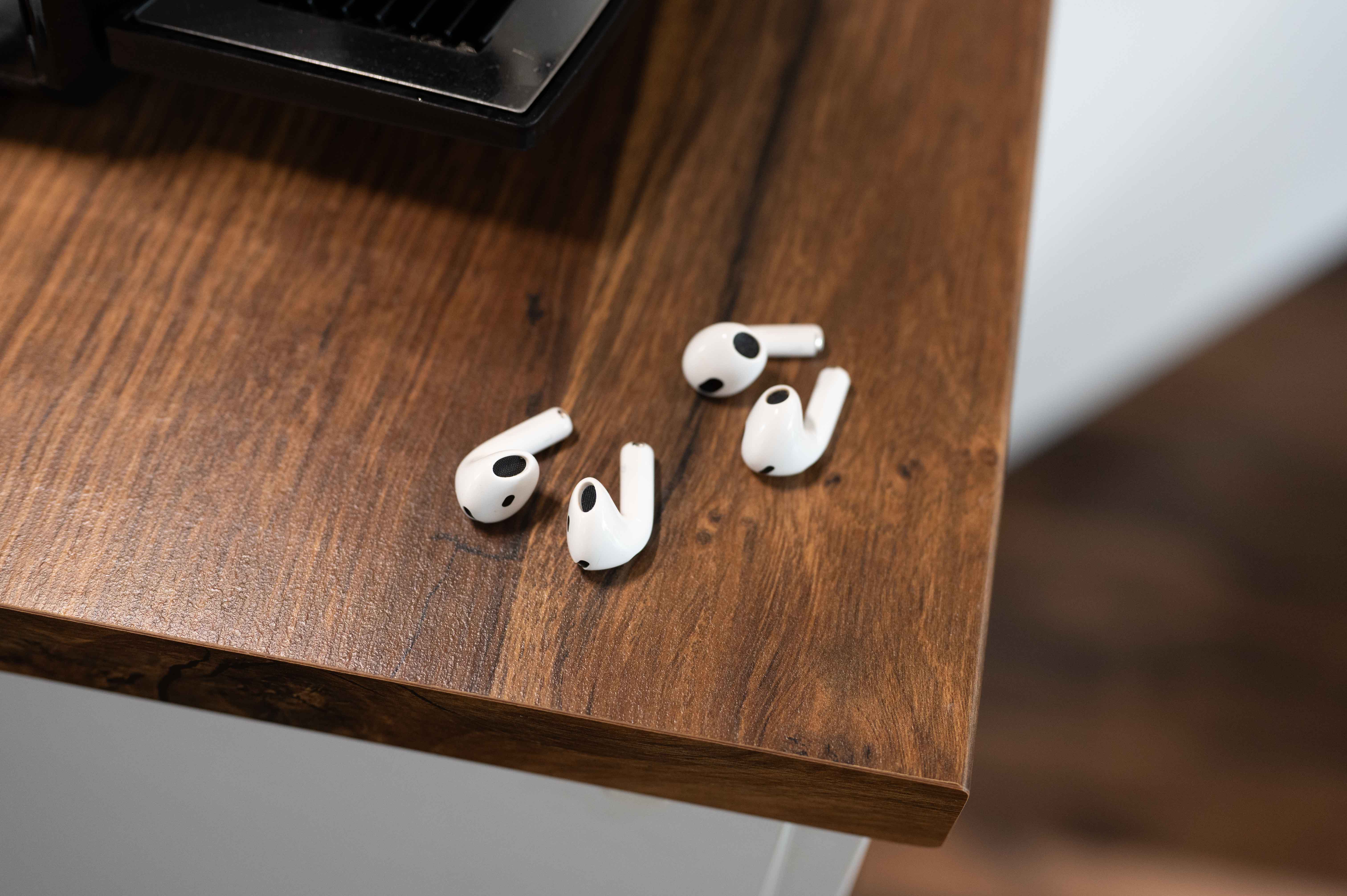
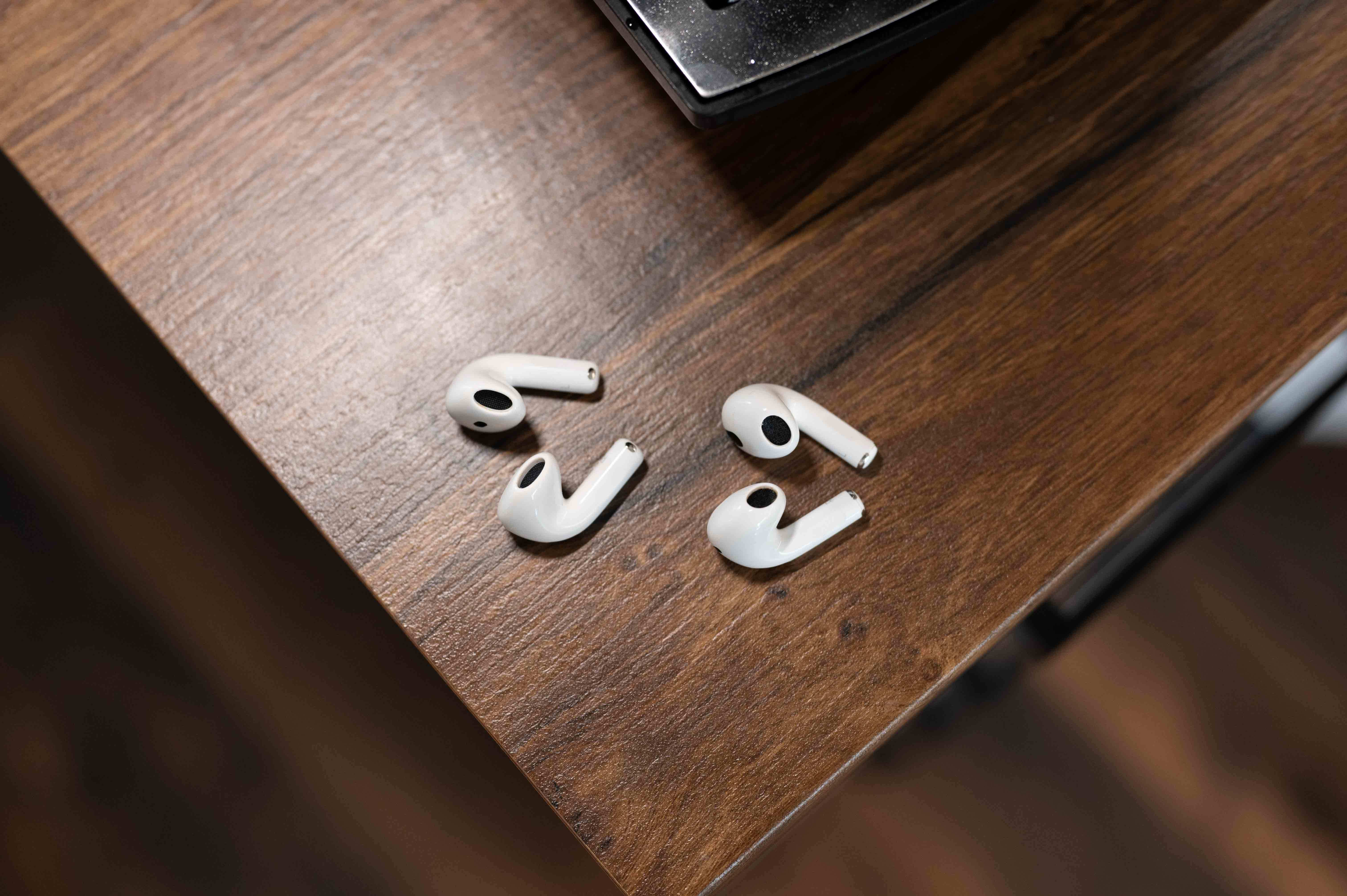
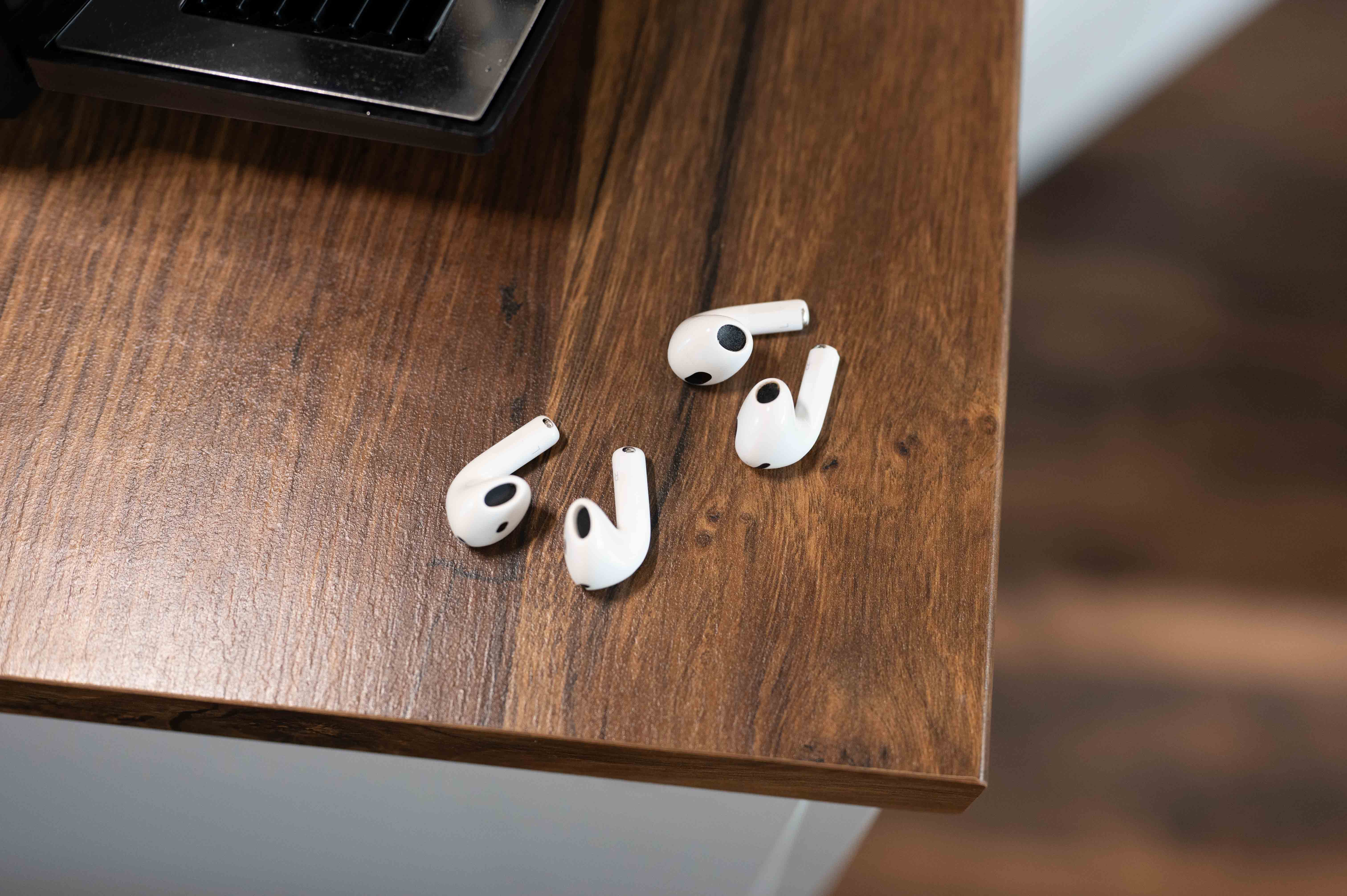
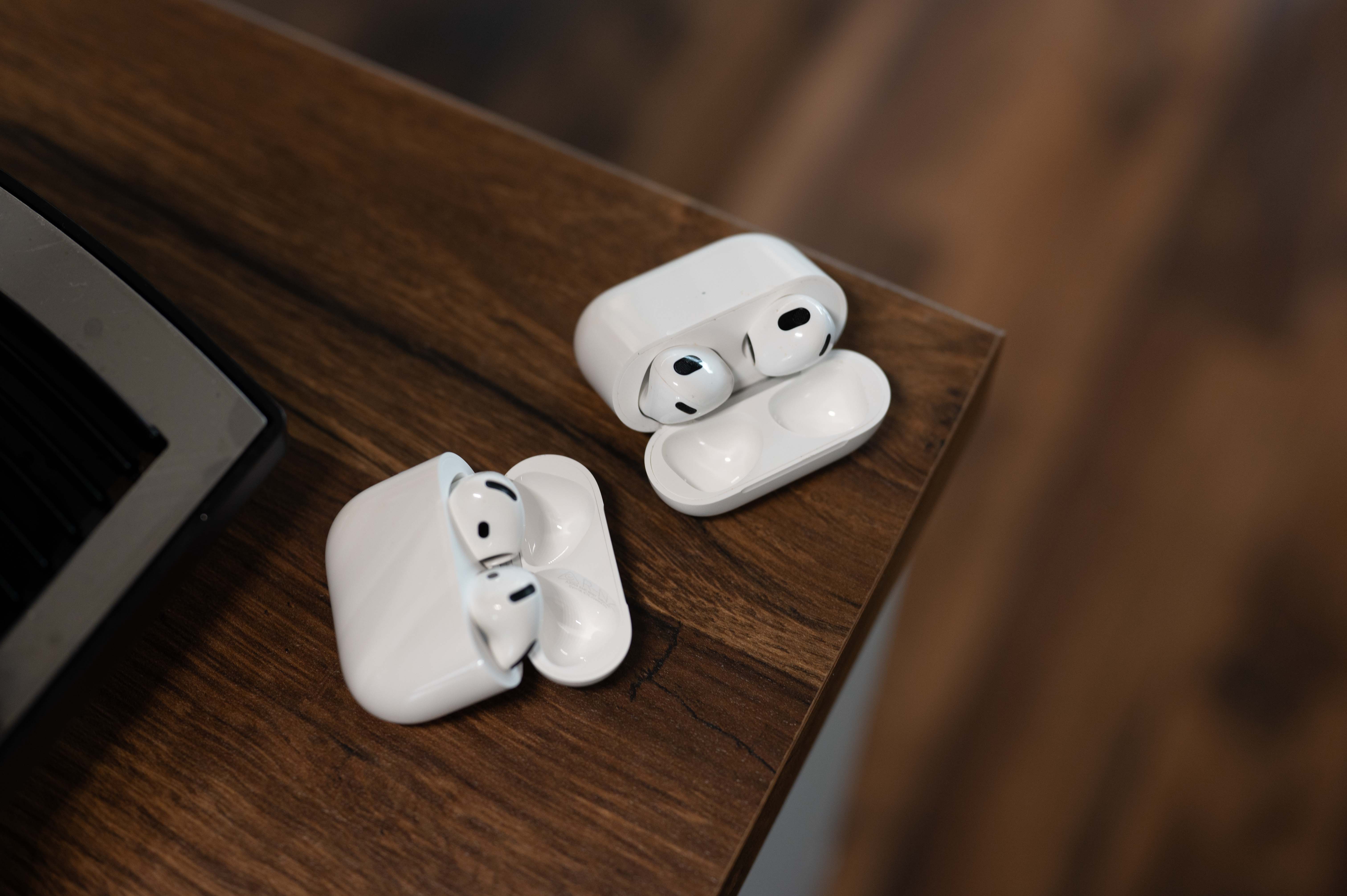
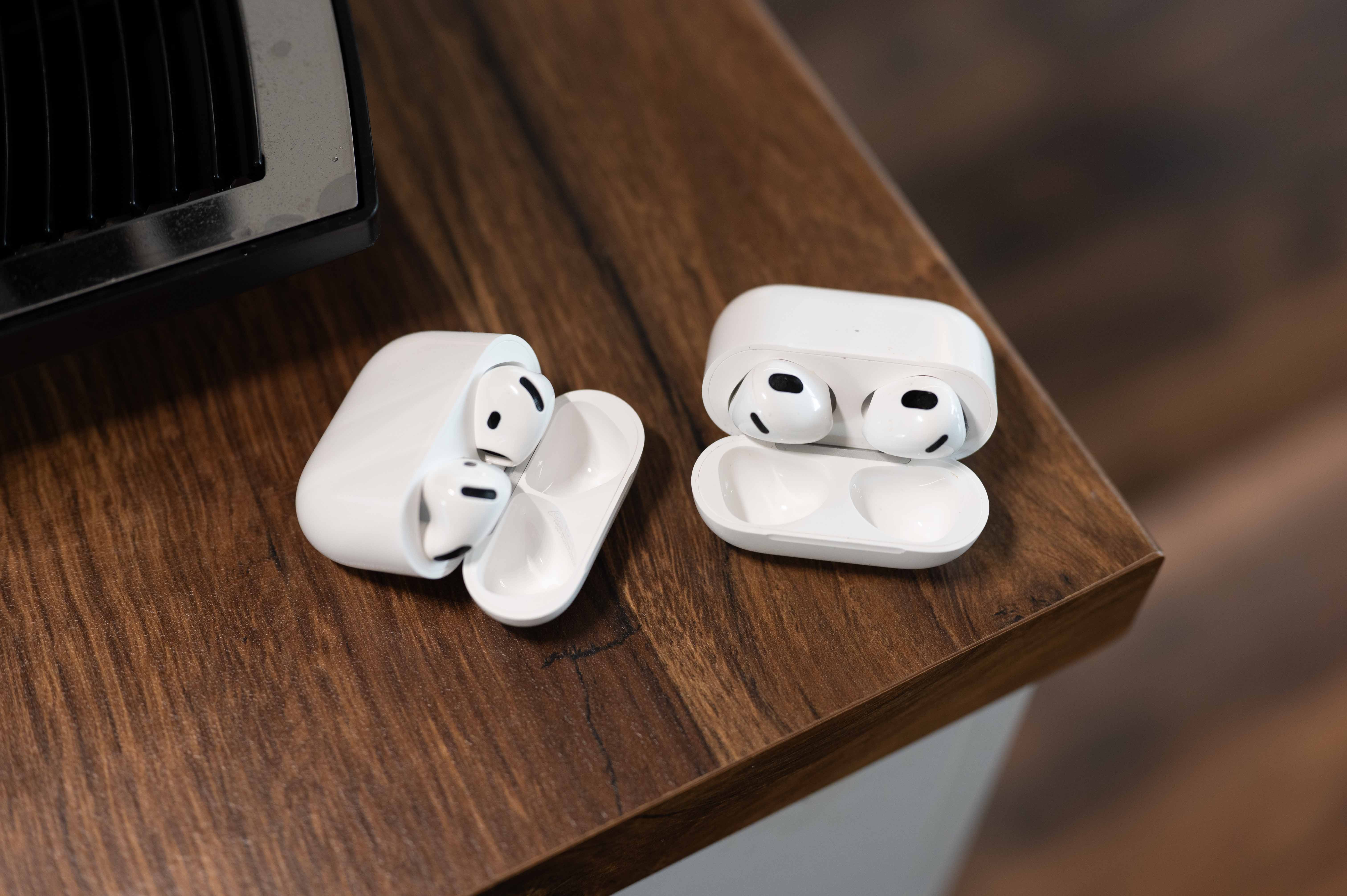
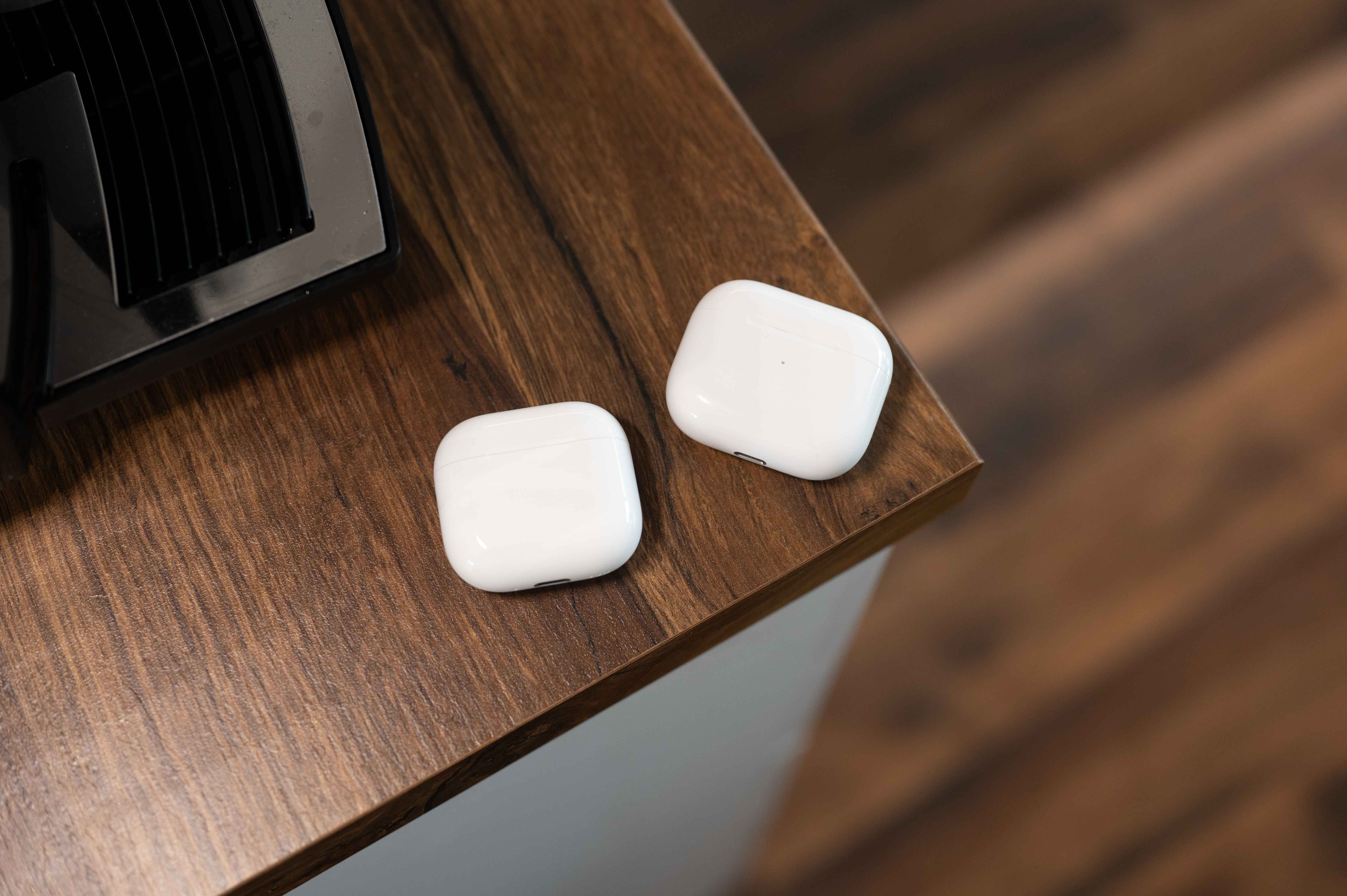
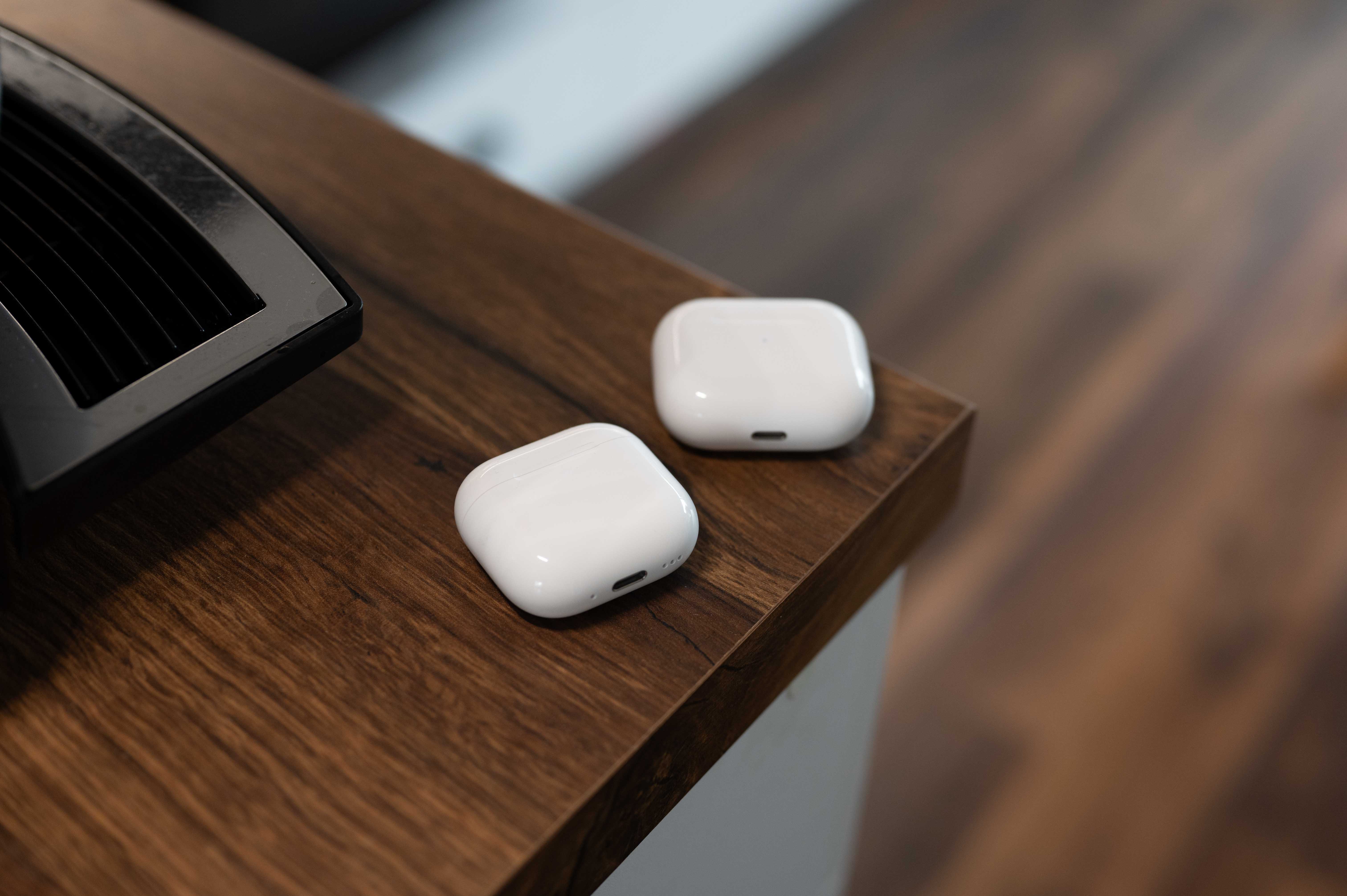
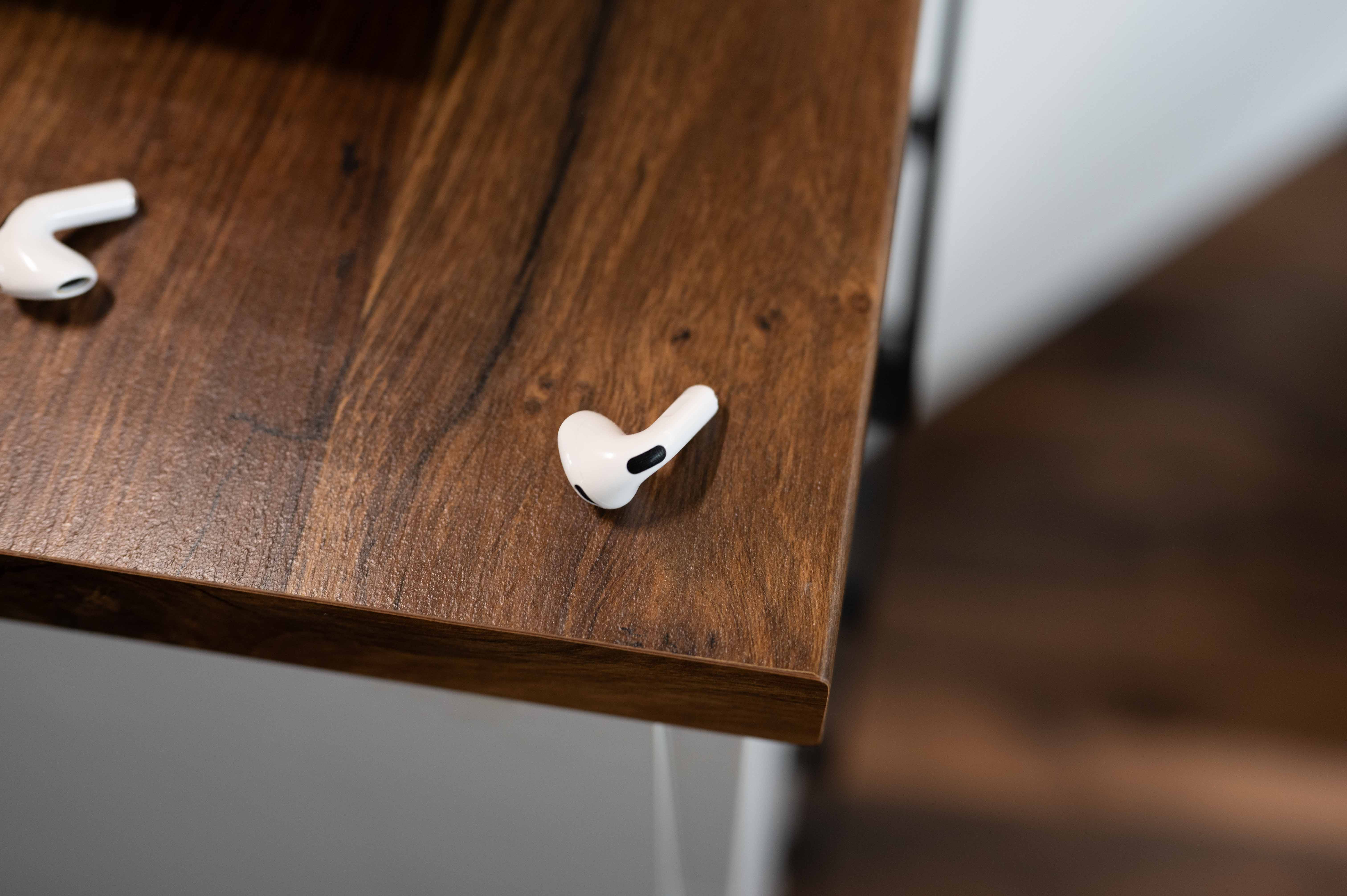
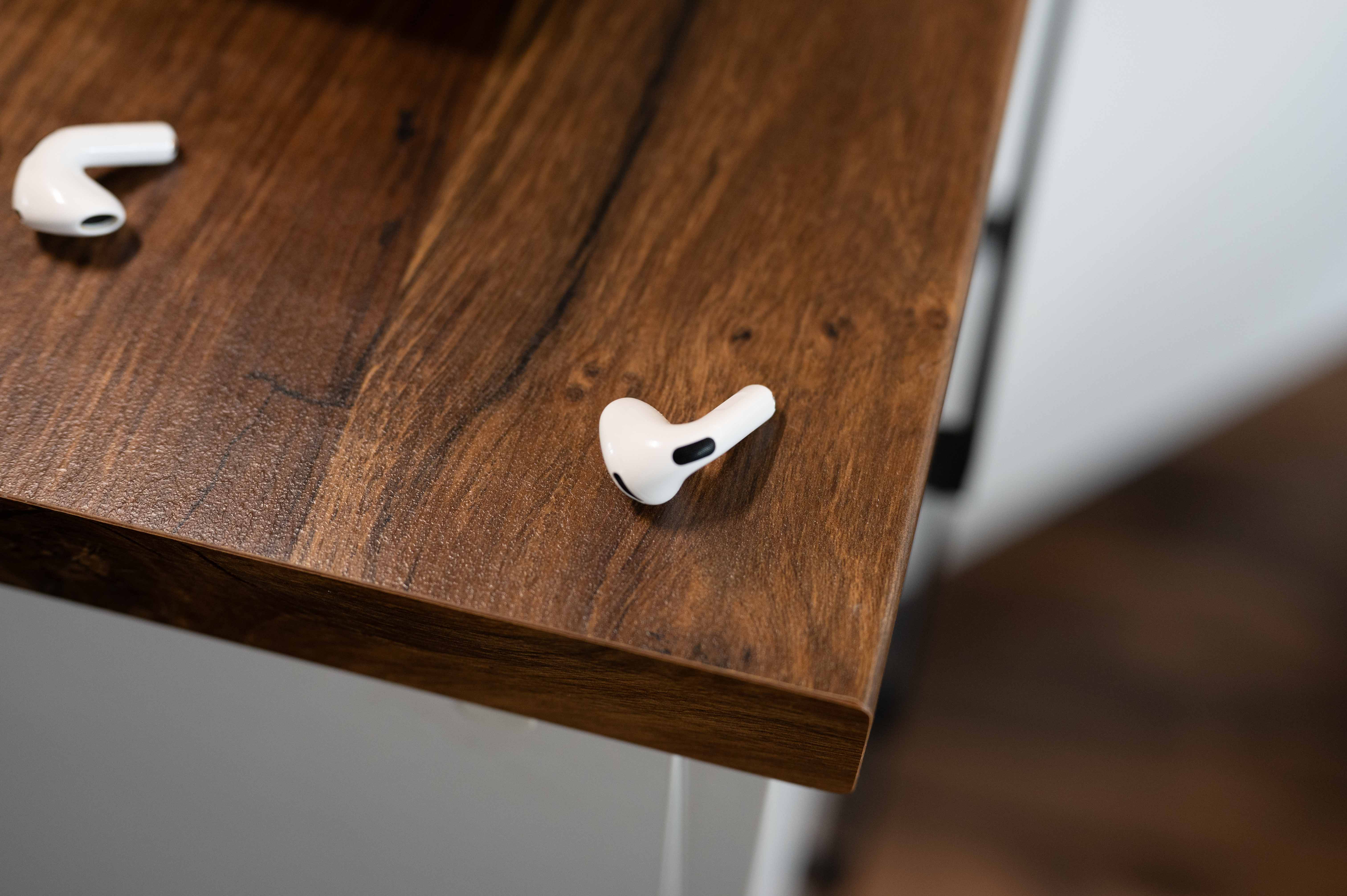
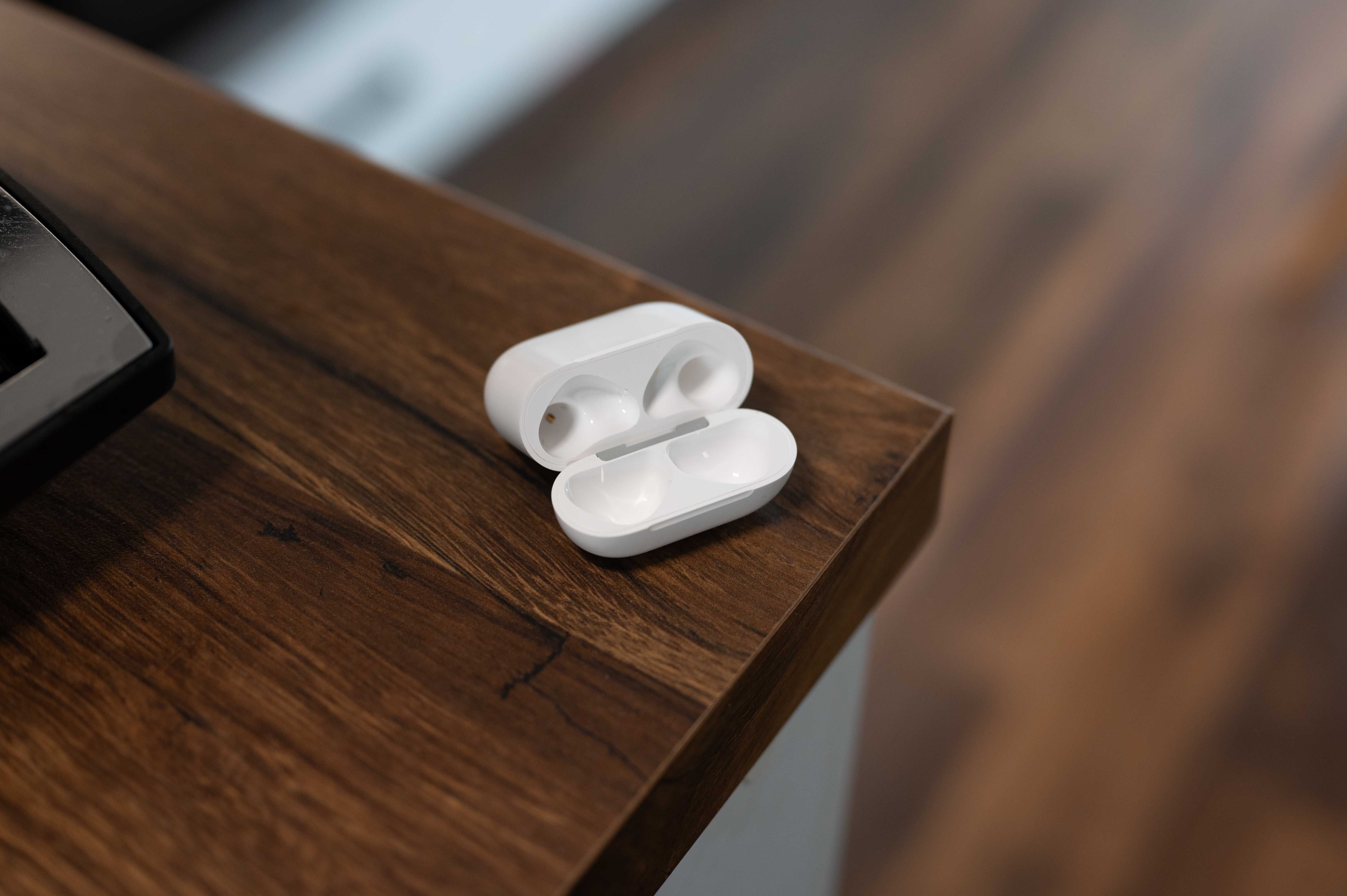

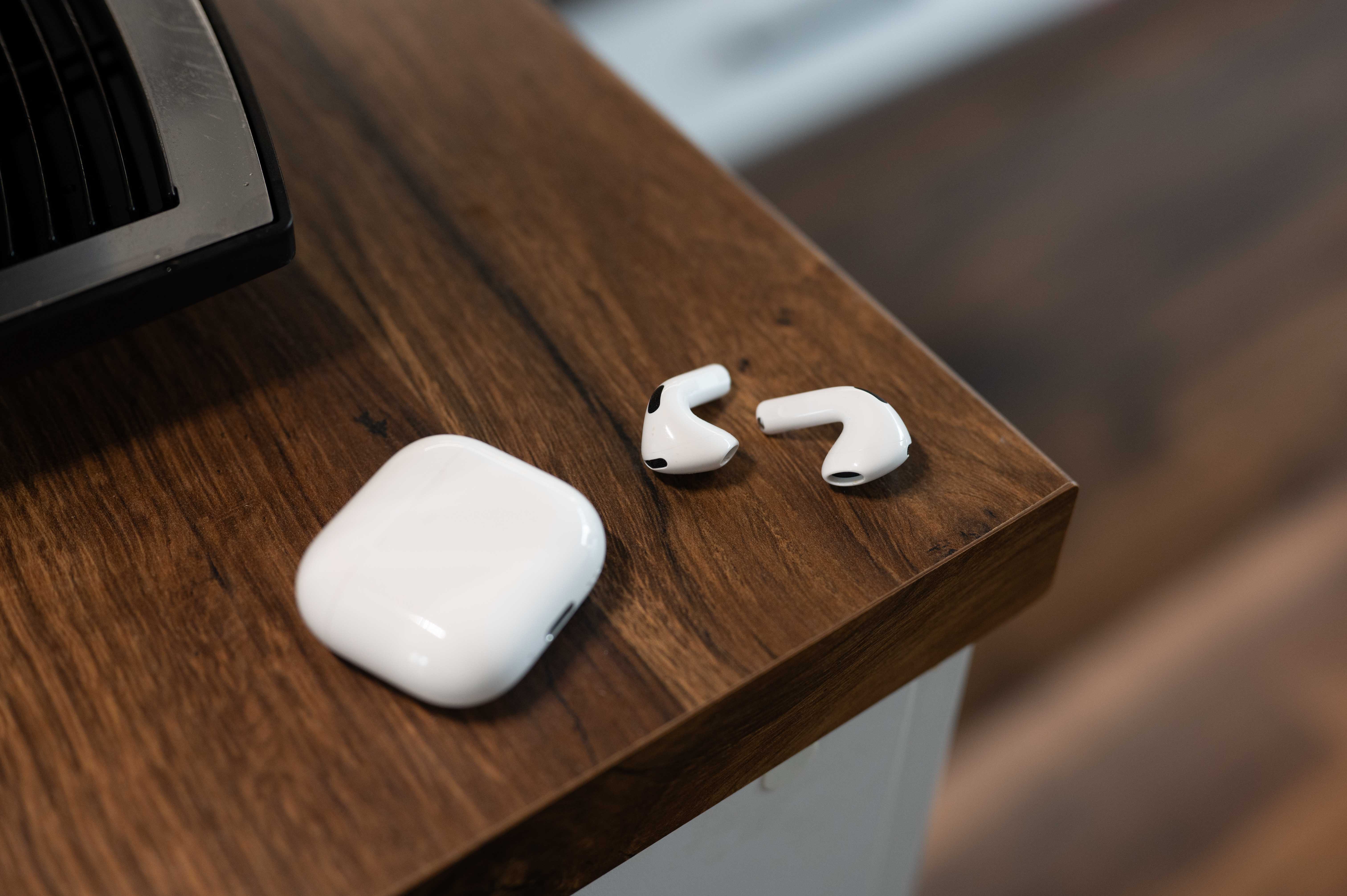



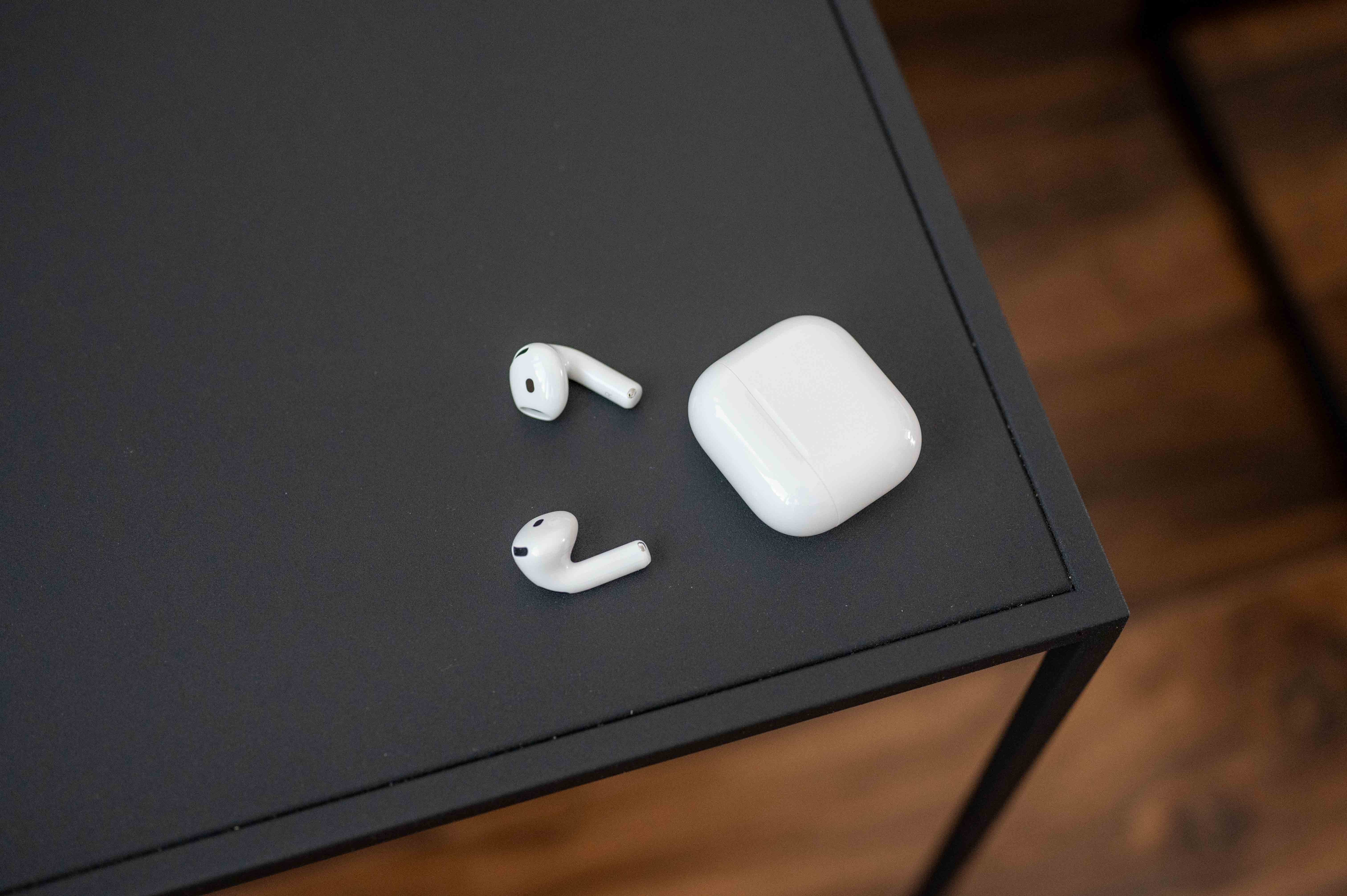

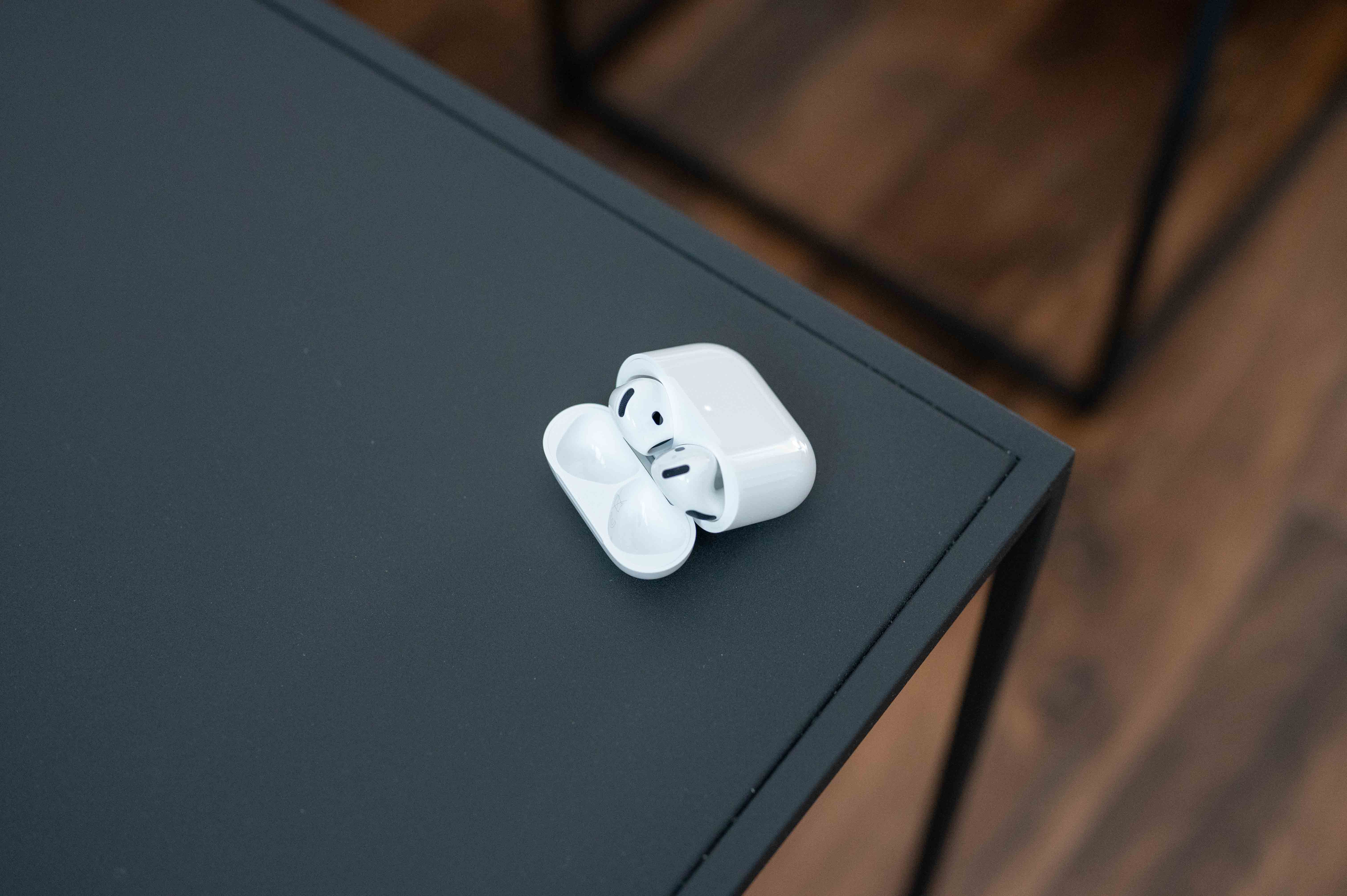
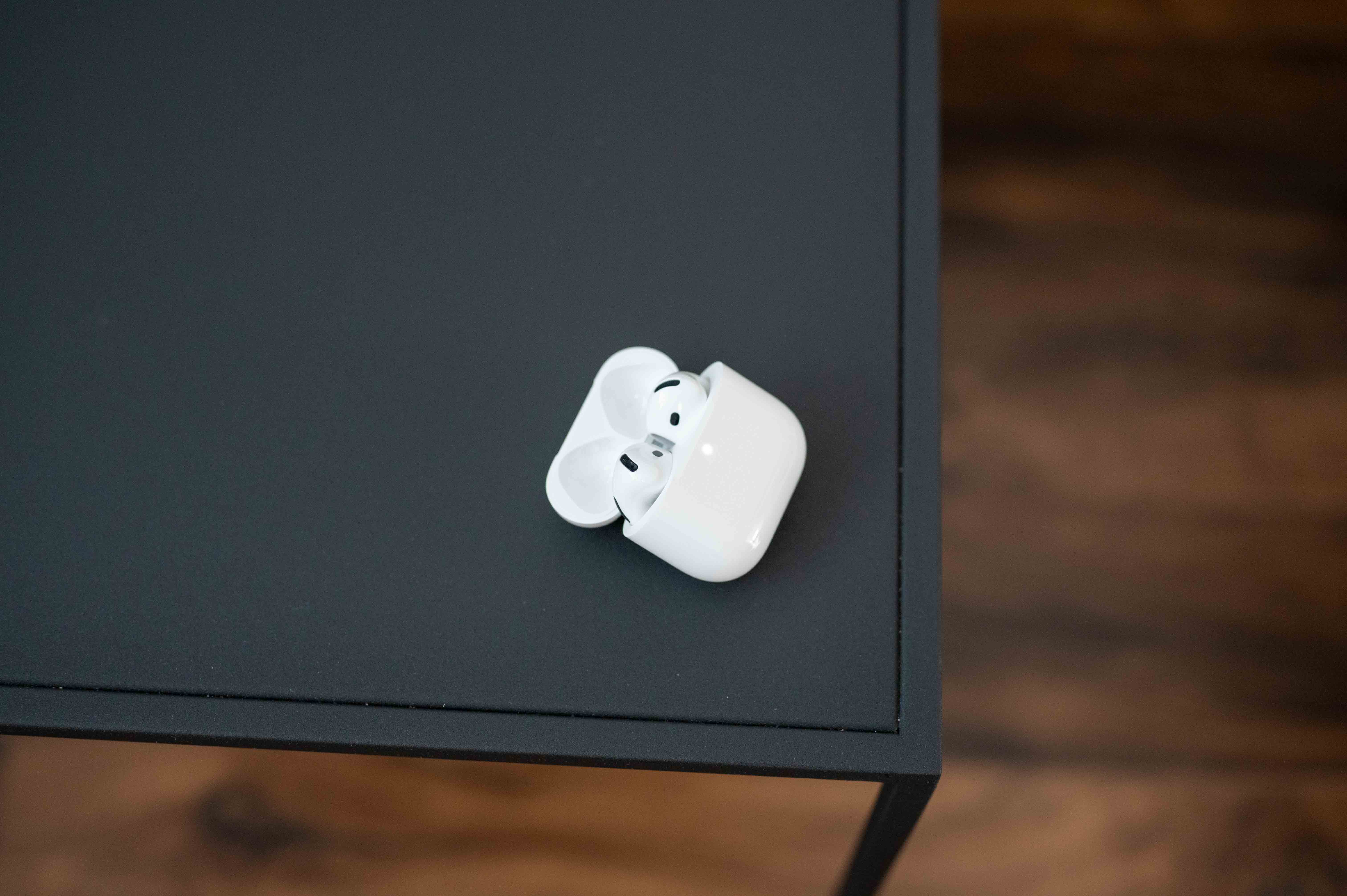

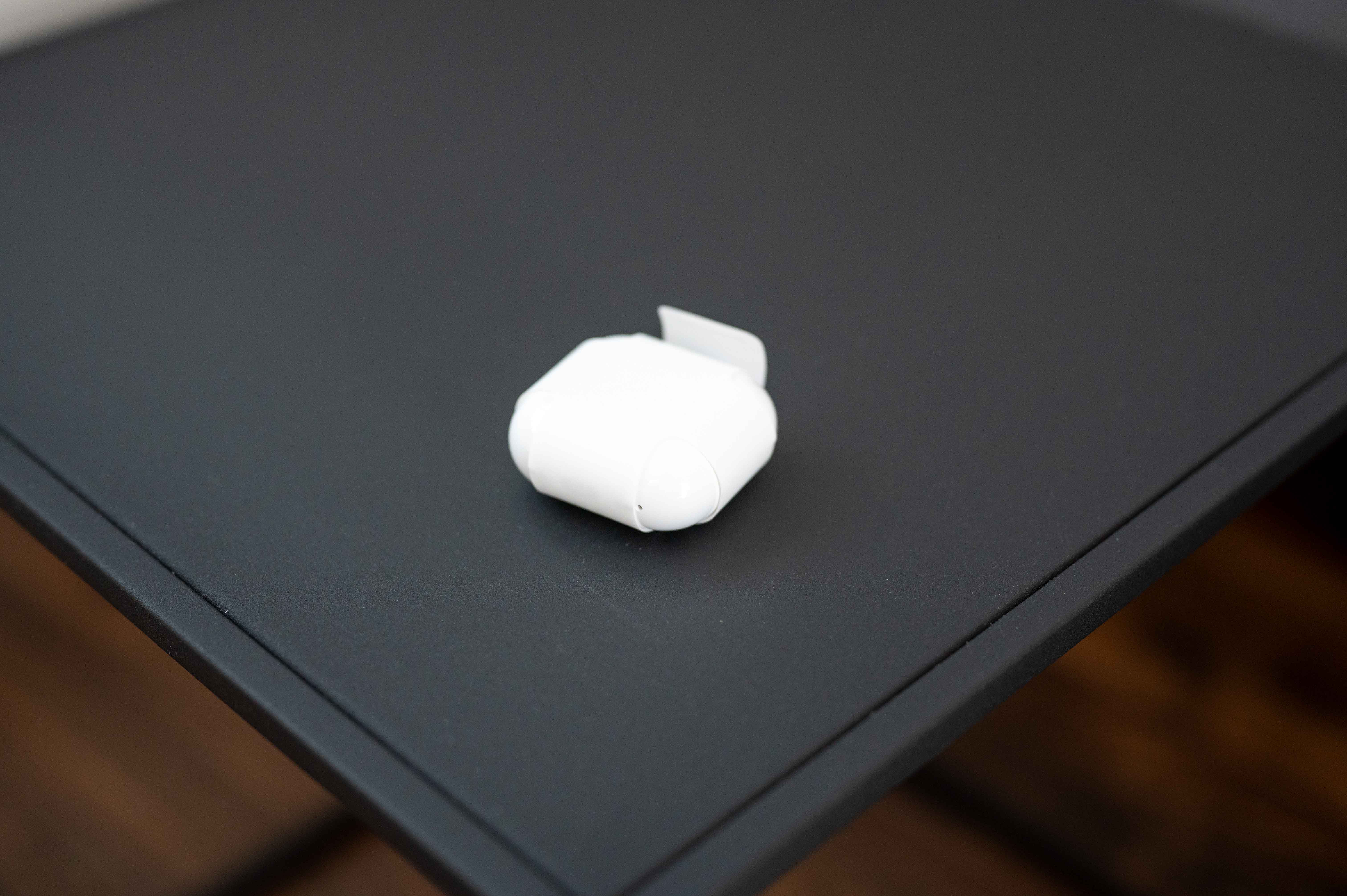

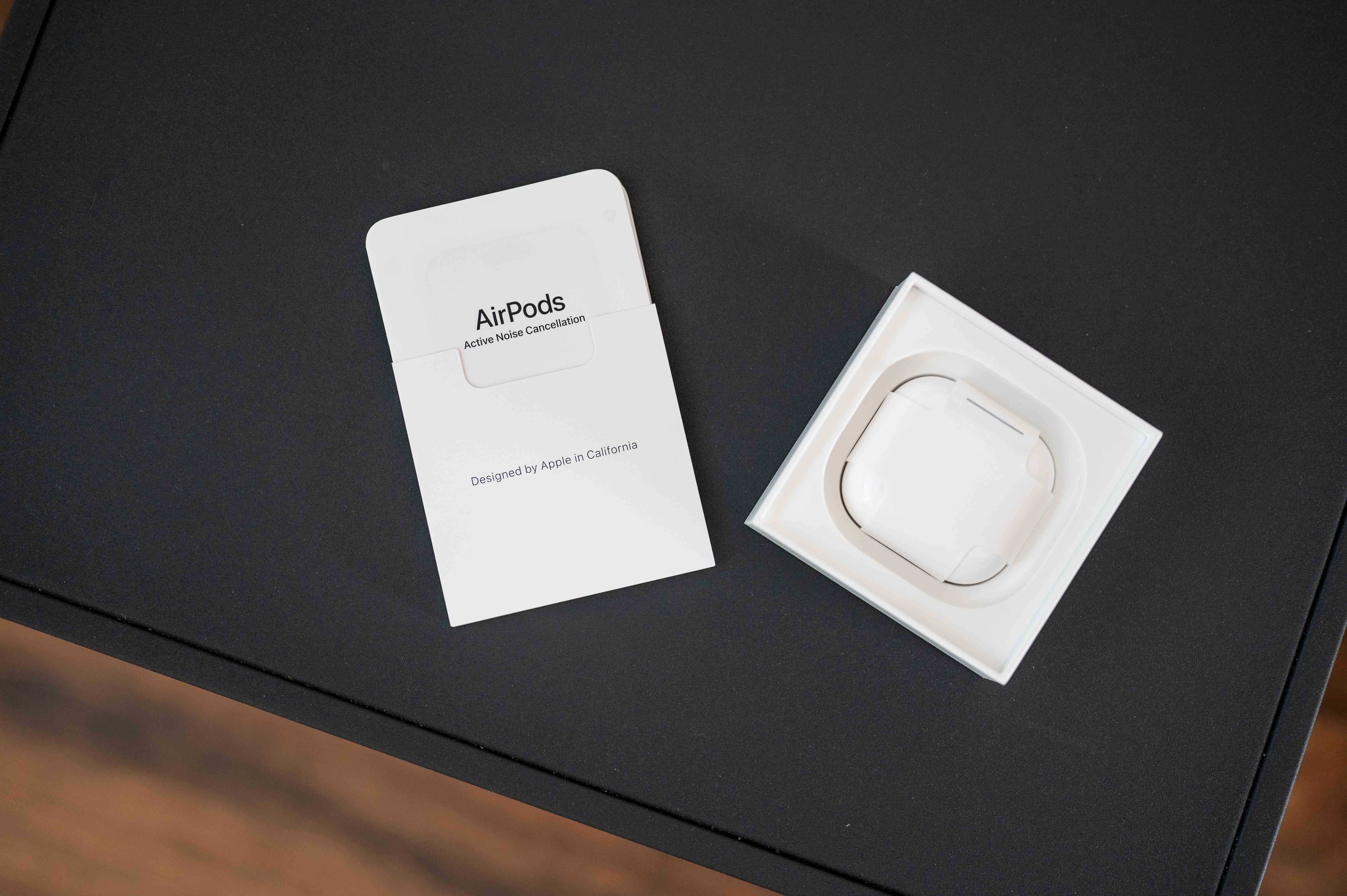
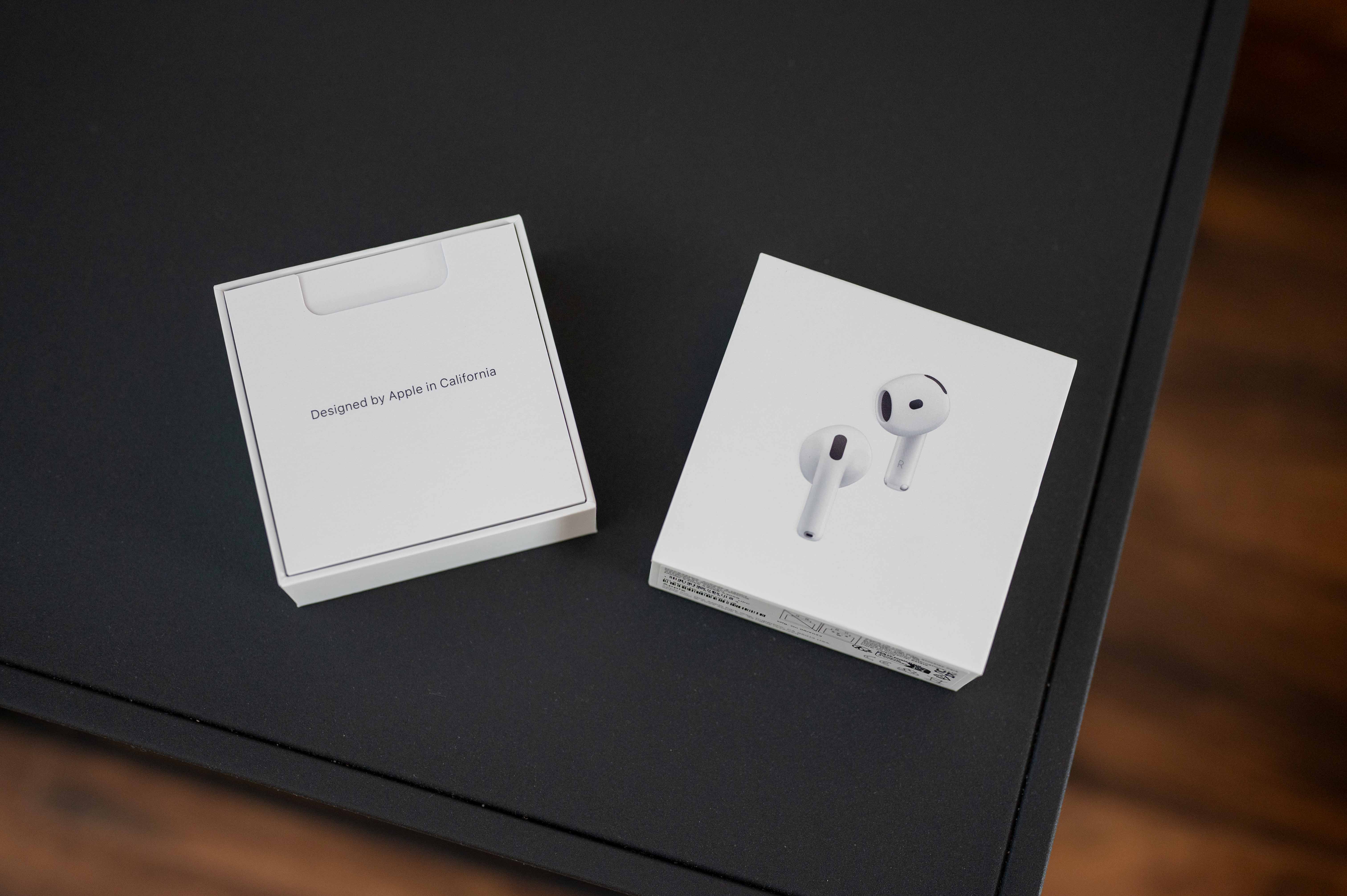
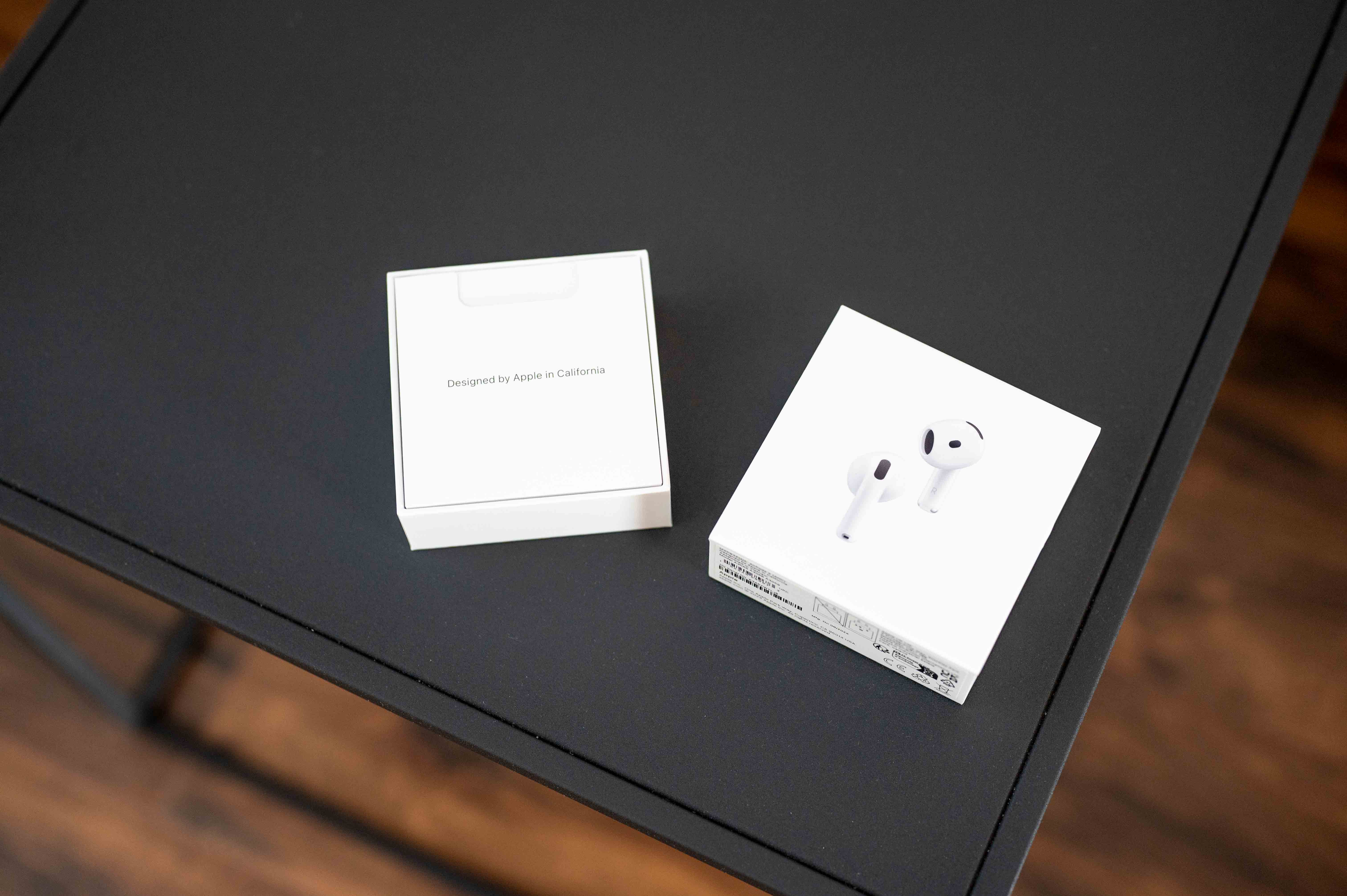

Doctors recommend using the 60/60 rule
AudioThe logos recommend a simple rule known as the 60/60 rule. Listen maxat least 60% maxmaximum volume for no more than 60 minutes at a time. After every hour, your ears should rest for at least 15 to 20 minutes. Using headphones daily is not a problem in itself, but the key is to keep the volume at a safe level and give your hearing regular breaks. Honestly, most people don't even check the 60% volume. ProWe add a hundred when the surroundings are noisy. And that's the problem.
You might be interested in
Risk of inflammation and earwax
Additionally, wearing in-ear headphones for long periods of time creates a warm, moist environment in the ear. This is the perfect environment for bacteria to grow, which can lead to ear infections. Another thing that is less talked about: headphones can push earwax deeper into the ear canal. The result can be temporary hearing loss or a feeling of stuffiness in the ears. Many people then only address the problem when they have to go to the doctor for a rinse. Apple has been aware of the risks of listening to loud music for a long time. iPhone can warn you if you listen at too high a volume for a long time. The history of these warnings and settings maxYou can find the decibel limit in: Settings → Sounds & Haptics → Headphone Safety. Another useful feature is the Headphone Sound Levels section in the Health app, where you can find an overview of your noise exposure over time. This way, you can find out quite accurately whether you are already overdoing it with the volume. Unfortunately, most people have never opened this section. In doing so, it can literally save your hearing. AirPods are not the problem. Irresponsible use is. It is important to emphasize that AirPods or other headphones are not "harmful" in and of themselves. ProThe problem is a combination of high volume, long use without breaks, and ignoring system warnings.
If you use headphones daily while working or traveling, follow these simple rules:
- Turn down the volume (ideally below 60%)
- Take regular breaks
- Track your data in the Health app
- Clean your headphones and ears
- Don't drown out ambient noise with extreme amplification
We only have one ear. And while new AirYou can buy Pods at any time, you can't get your hearing back. It might be worth opening your stats in the Health app tonight and seeing how you're really doing.



It's true with the cleaning, the ear gets dirtier, I regularly clean it with a tissue
I with a needle
It would be good to add a photo of the In-ear headphones (i.e. the plugs directly in the ear) to the gallery :D
be sure to put whatever you want where you want :-)