
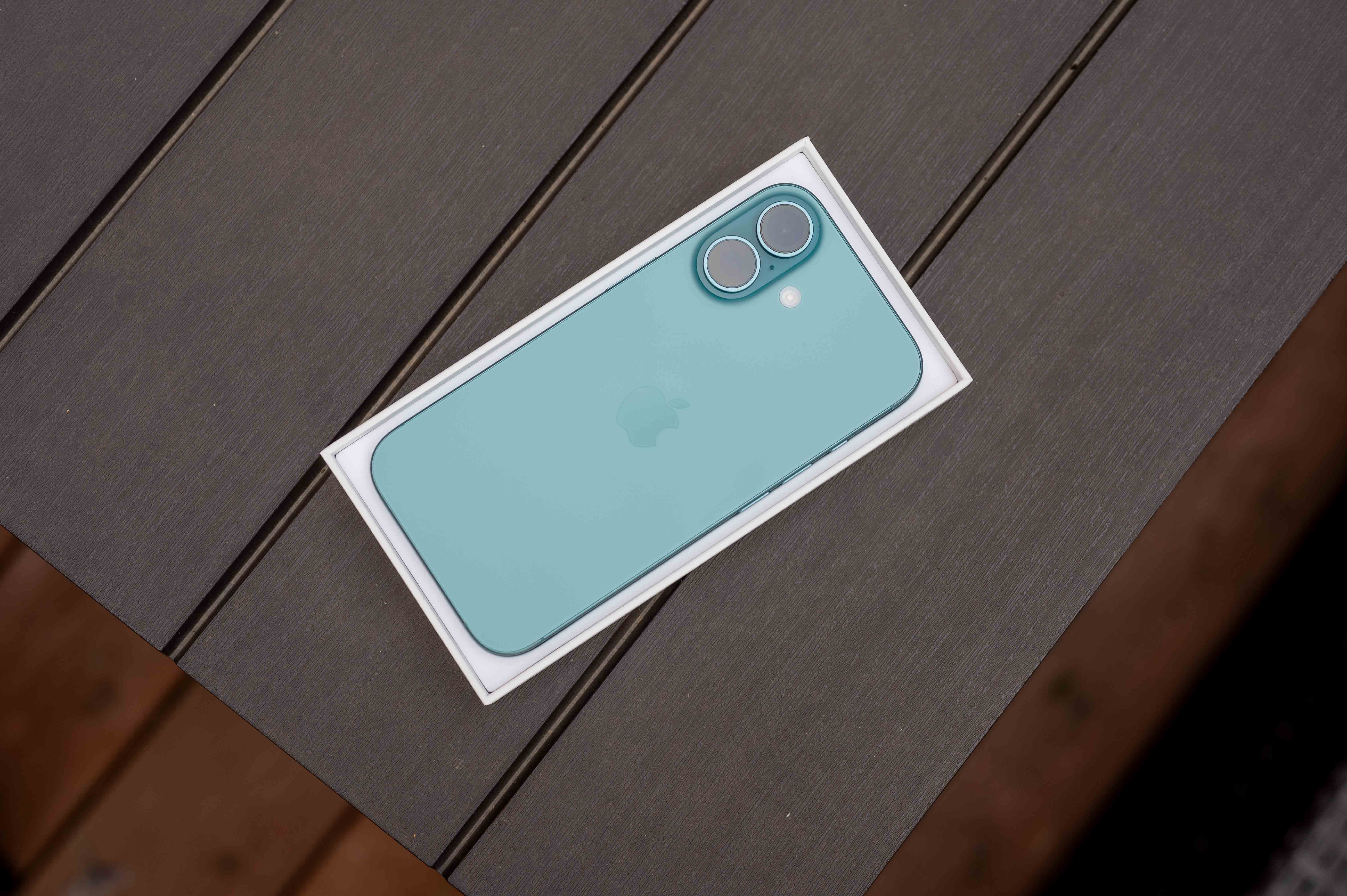
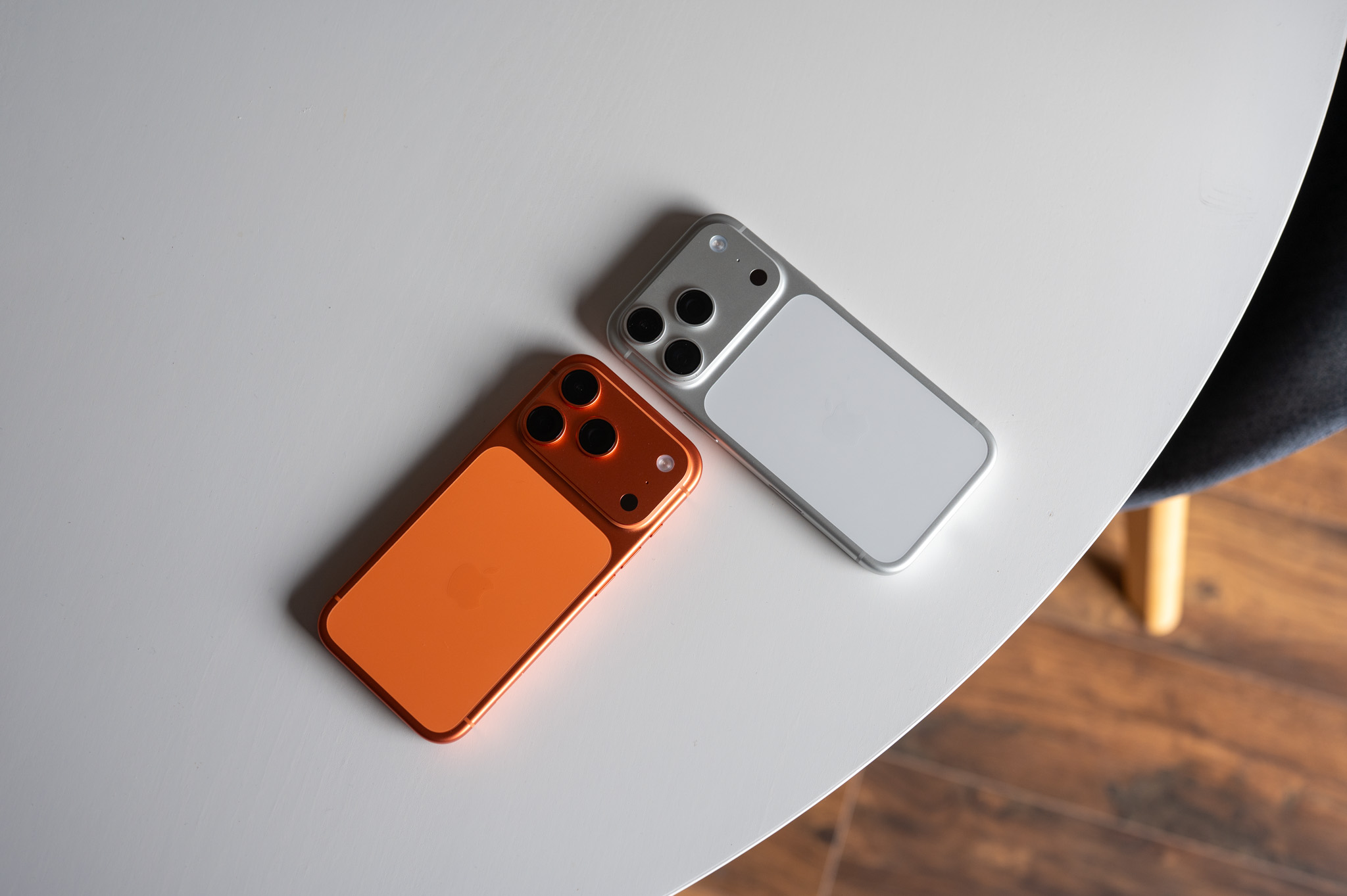
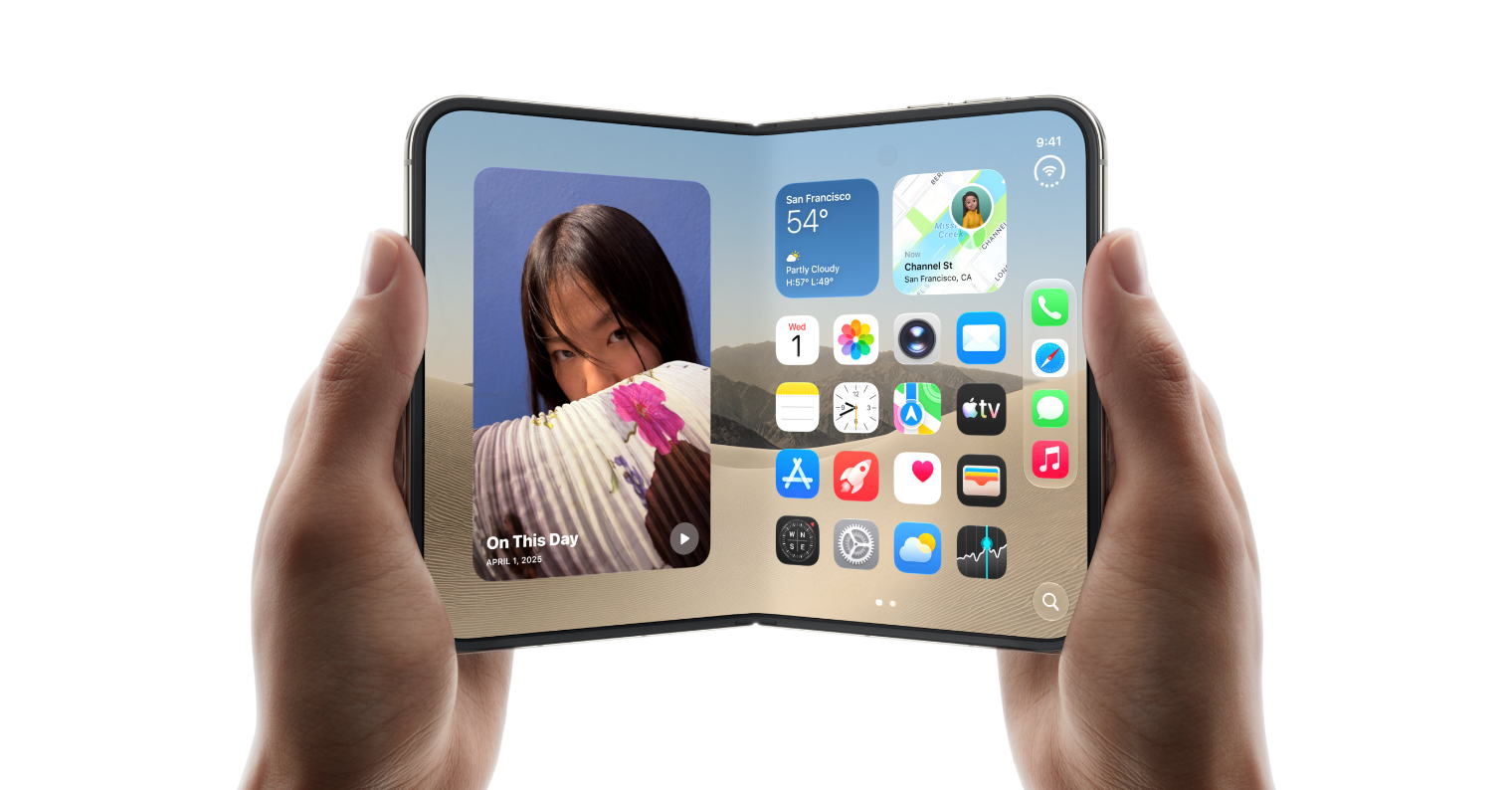
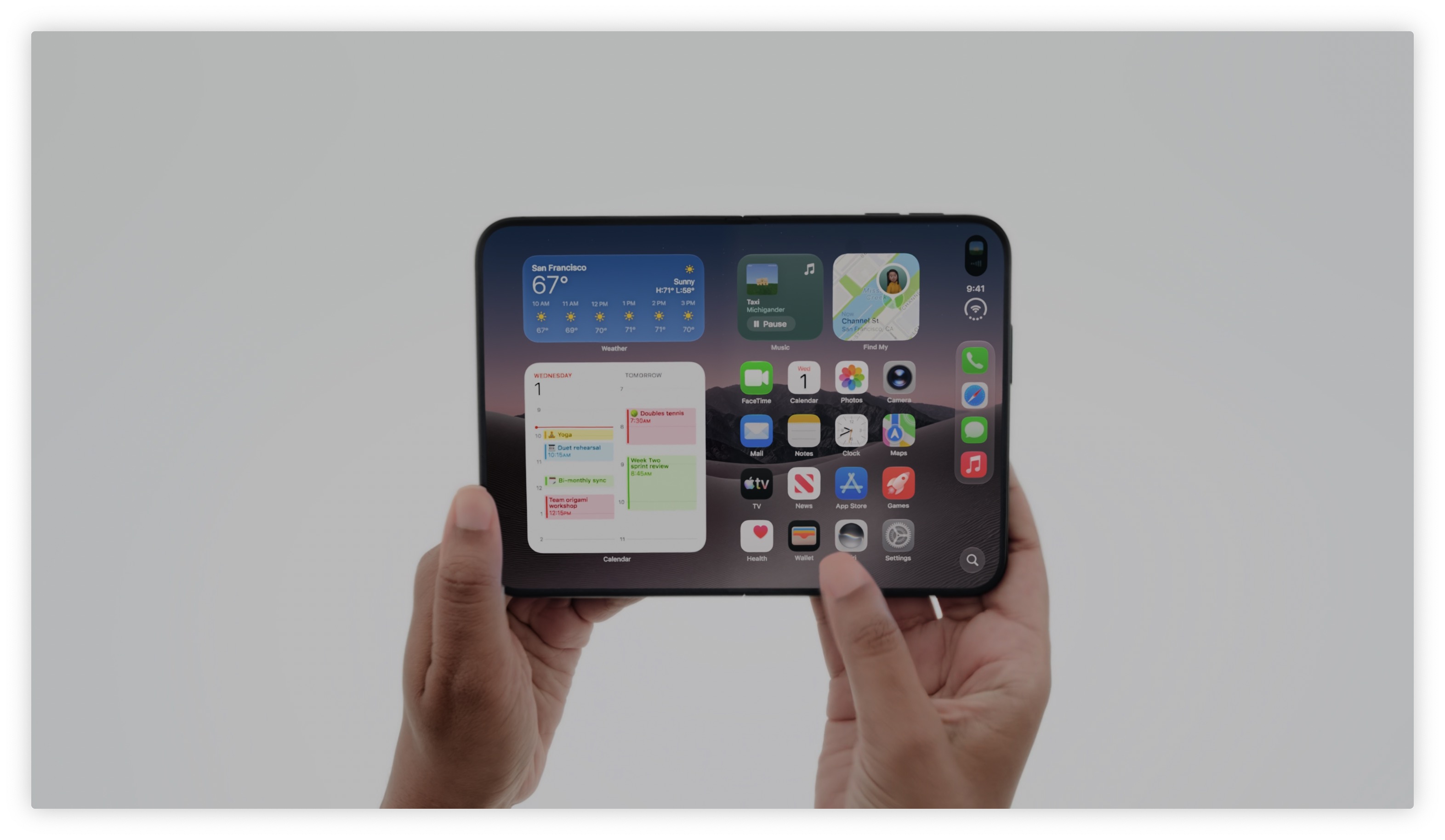
Prothat's a review iPhone 17 Pro successfully behind me, I started playing intensively in the last few days with another recently introduced iPhoneIt's the thinnest and most beautiful in recent years. Of course, it can't be anything other than the iPhone Air, which is undoubtedly the most elegant phoneonem, which in recent years Apple introduced, and at the same time, according to some leaks, a kind of technological precursor to the first flexible iPhone, which should see the light of day next year. And to entice you as much as possible to review this phone, I will reveal part of its testing to you now. I have already measured maximal charging performance, which quite surprised me.
You might be interested in

In recent years we have been minialmost at Pro models are used to the fact that at peak times, with sufficiently powerful adapters, charging power exceeding 30W could easily be achieved. After all, with iPhone 17 Pro I managed to measure when charging with cable in maxI have almost 34W, which is already a very solid speed. However, if you were expecting to get similar values with the iPhone Air, you are wrong. Our editorial measurements have shown that when charging with a cable, you get maxat least 18,8W. However, there is one major but. Since it has iPhone Air a relatively small battery (specifically 3149 mAh, while iPhone 17 Pro has 4252 mAh), it can charge it quickly even with lower poweronem. The truth is that you can charge it "only" from 0 to 50% in 30 minutes, while iPhone 17 Pro you can charge from 0 to 50% in just 20 minutes, however, even fast charging in the iPhone Air is sufficient. After all, we were used to 50% in 30 minutes until this year, as all previous generations only offered this maximal speed.

Although of course we can only guess why Apple on iPhone Air offers only this "slow" wired charging compared to Pro models and indeed the base iPhone 17, I think the most likely answer to this puzzle is the need to keep the battery cool enough while charging. The truth is that it has iPhone Air tends to "heat up" quite a bit under higher load or charging, especially in the area of its photomodule, where most of the important components are located.onents. Apple so he probably just didn't want the battery to degrade significantly due to higher temperatures.
Gallery










Prooh my god, buying such an expensive phone and having to test it myself because it has apple customers are completely screwed..