
Carl Pei, founder and CEO of technology brand Nothing, is definitely not taking things too seriously. Even though his company's investors include Tony Fadell, the man who helped Appto create the iPod, in an interview with Wired magazine, Pei addressed today's Applu didn't take the bait. The company that once introduced him to the world of technology is, he says, no longer what it used to be. And it certainly doesn't end there.
"Personally, I Apple in his youth he was very inspired by products such as the first iPod, the first iPhone. Thanks to them, I decided to enter this industry. But today it is just a giant corporation that has long lost its creativity. Pro the younger generation is no longer inspiring at all"," said Pei, adding that this stagnation is opening up space for new brands such as NothingThat's why he and his team are trying to build a brand that will be "inspiring again."
She also came under fire from criticism Apple Intelligence, i.e. an AI tool that was supposed to bring a fundamental revolution to the apple world. "Loni Apple made around Apple Intelligence huge hello. And a year later? It's just generated emojis. Users are rightly skeptical"," Pei didn't take the napkins.
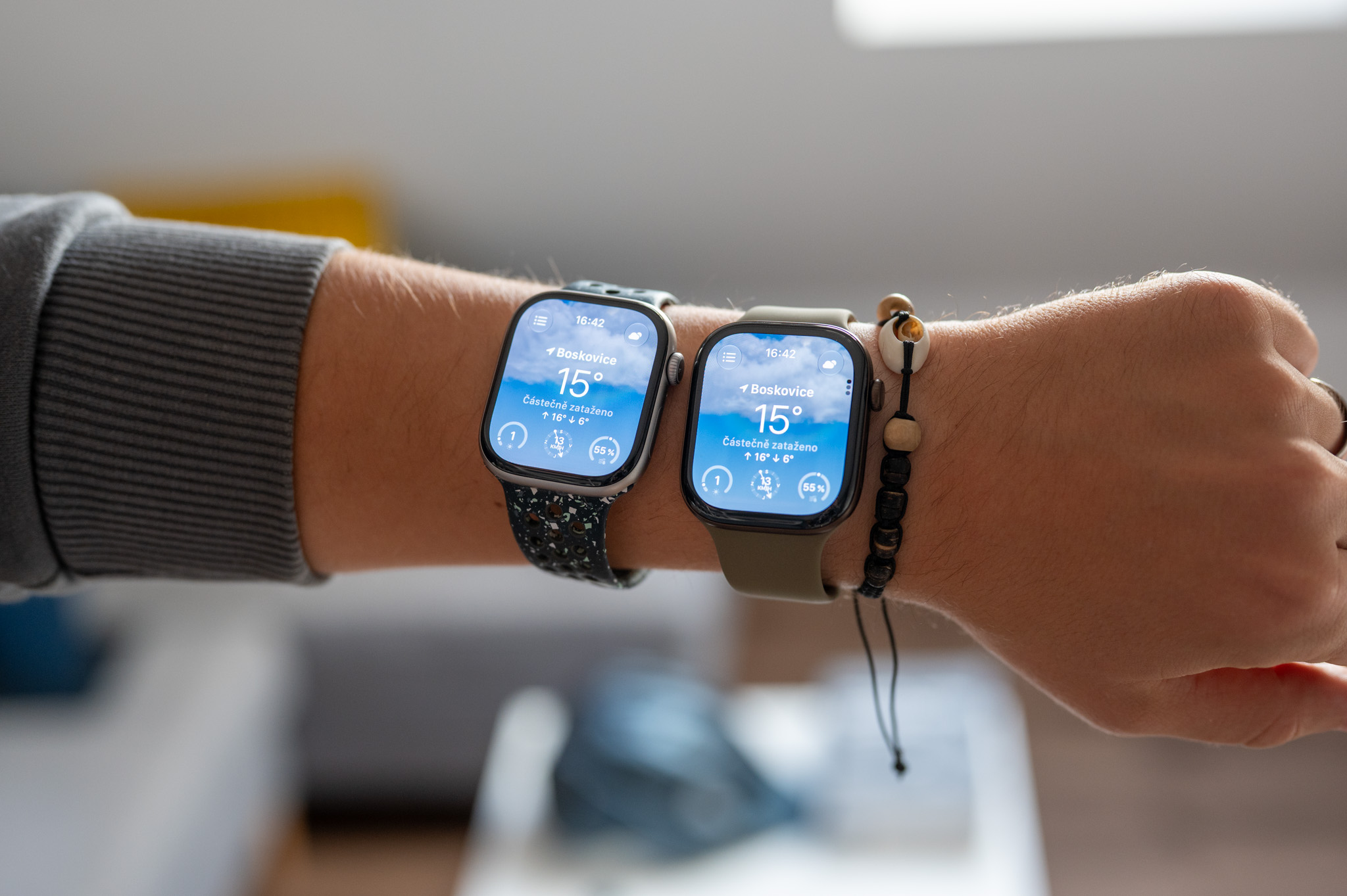
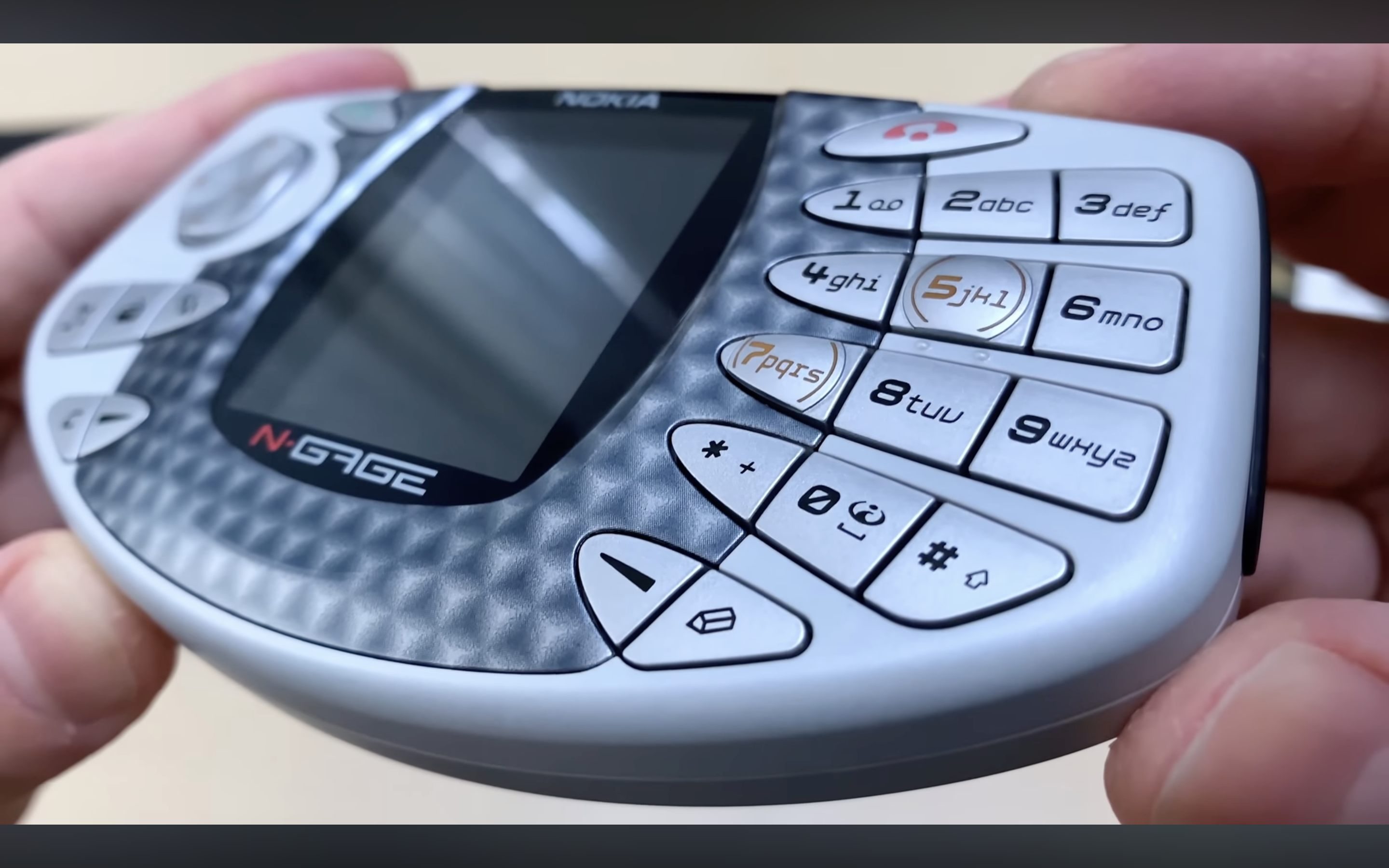
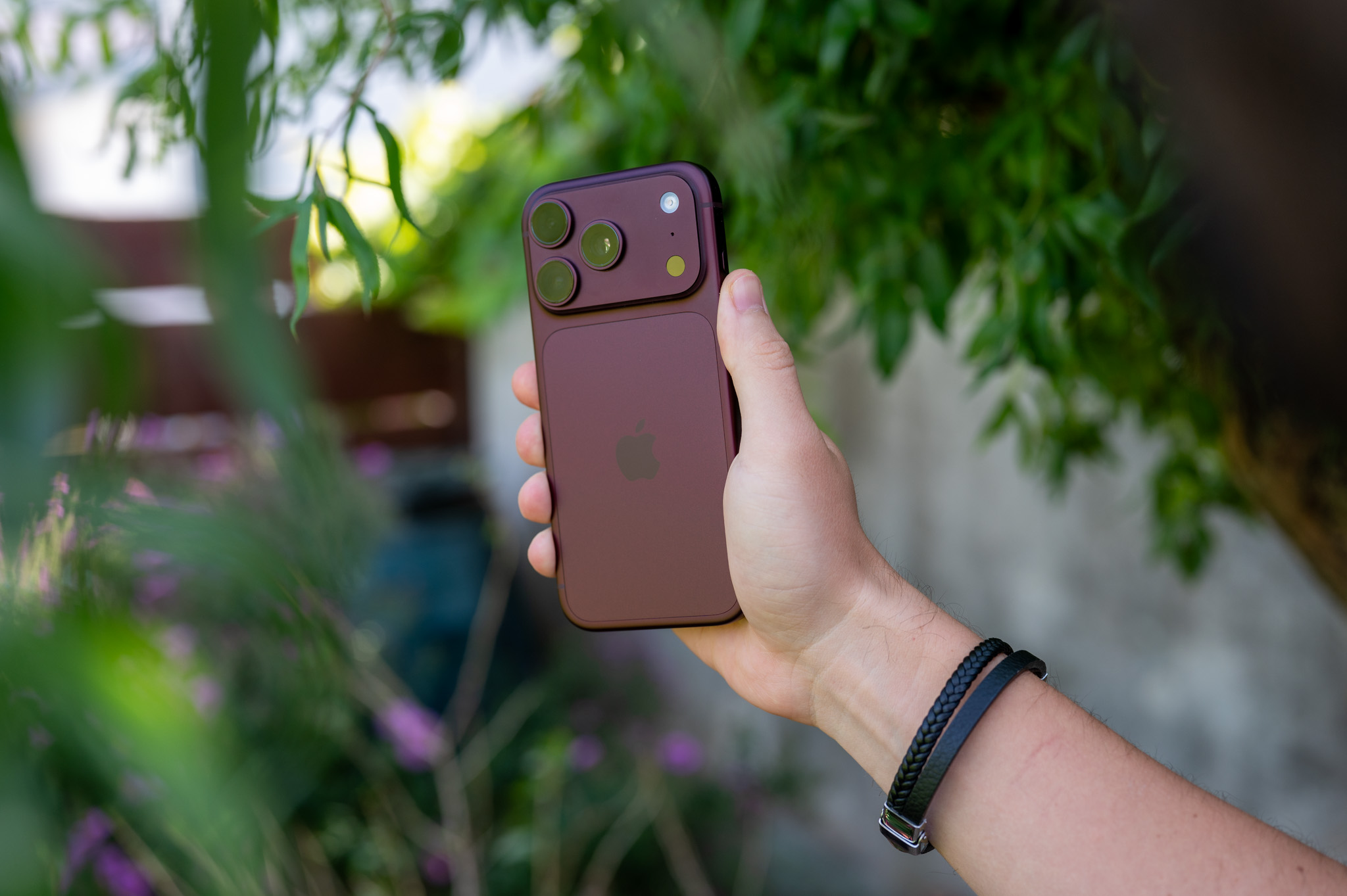
This is what Nothing products look like
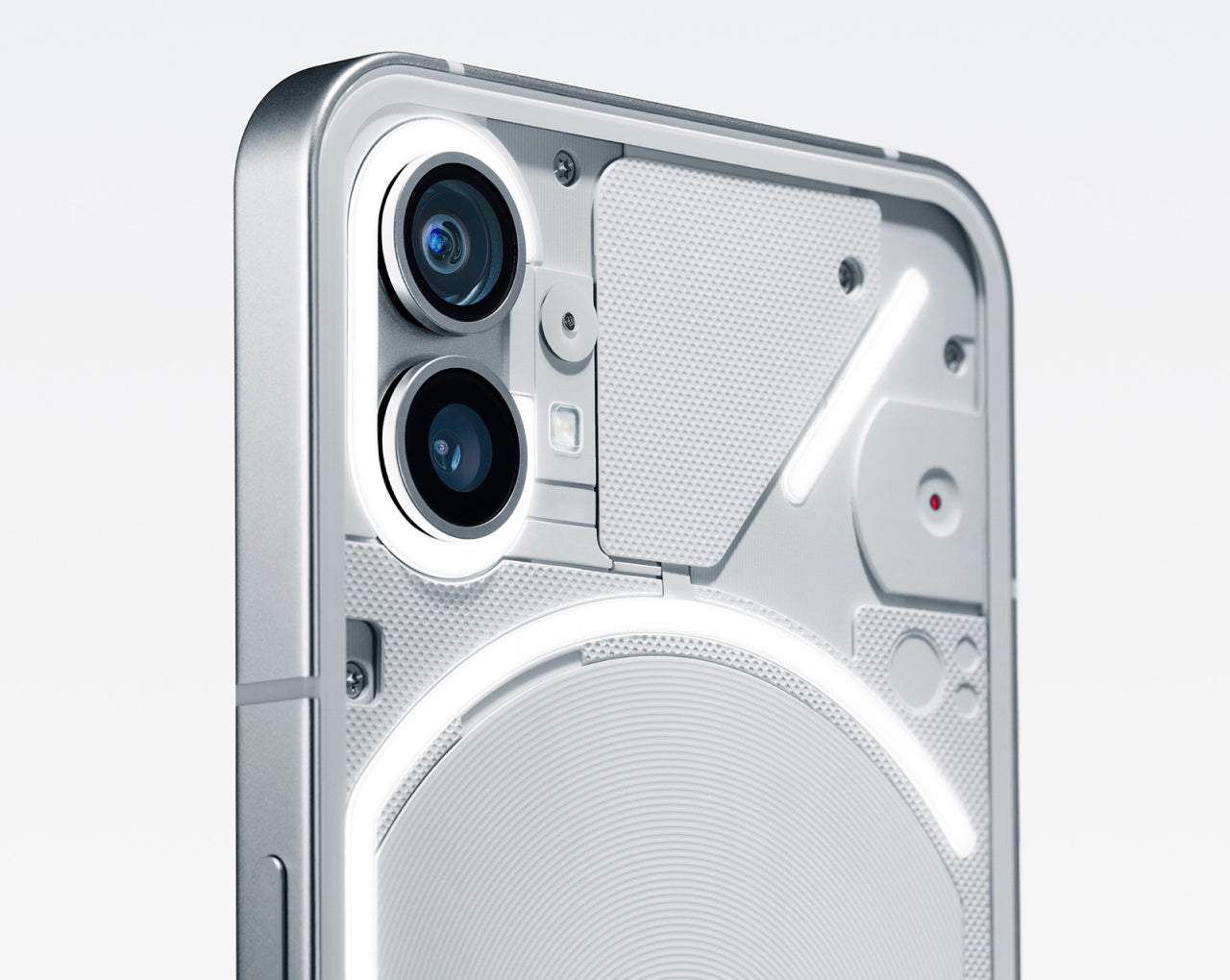
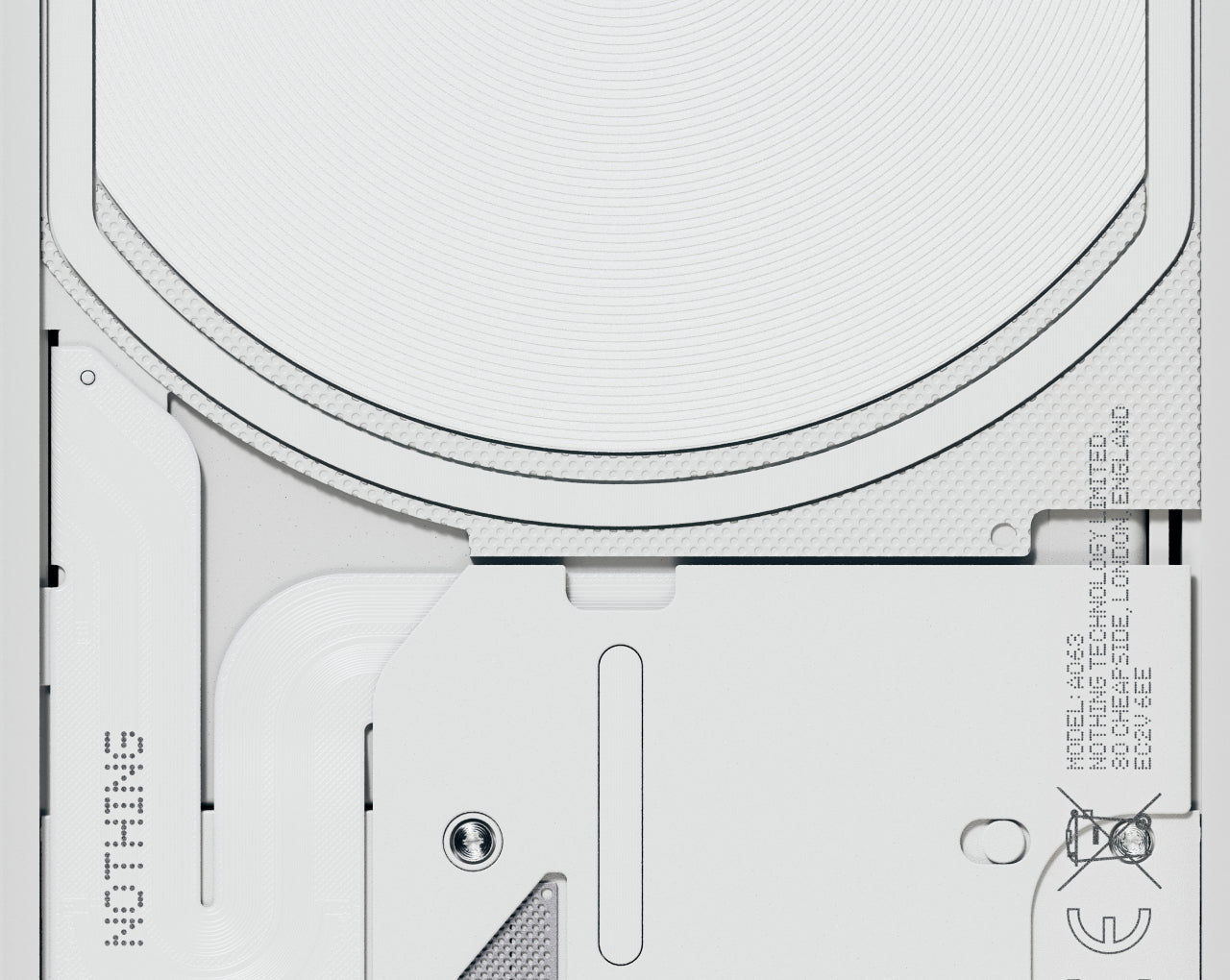
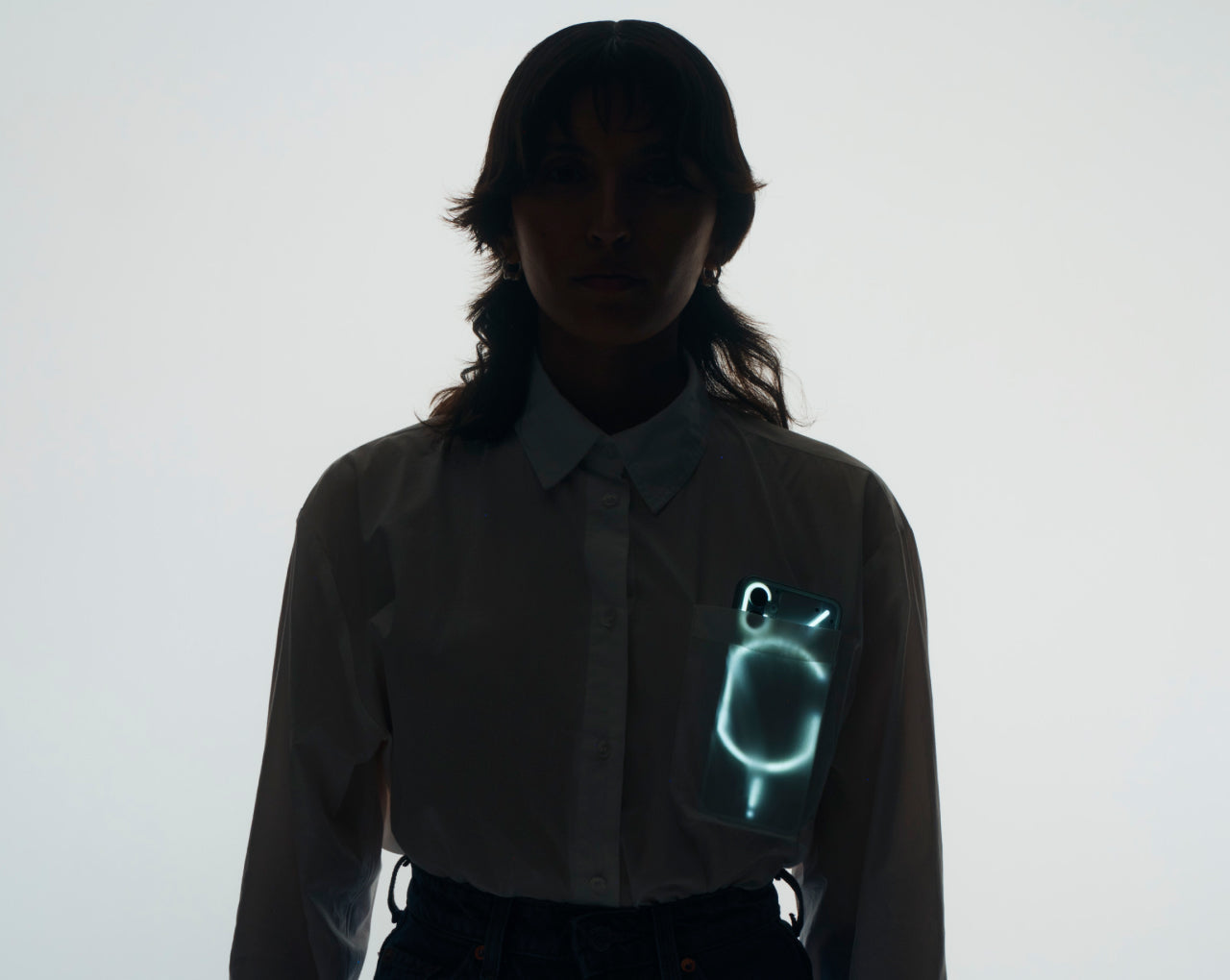

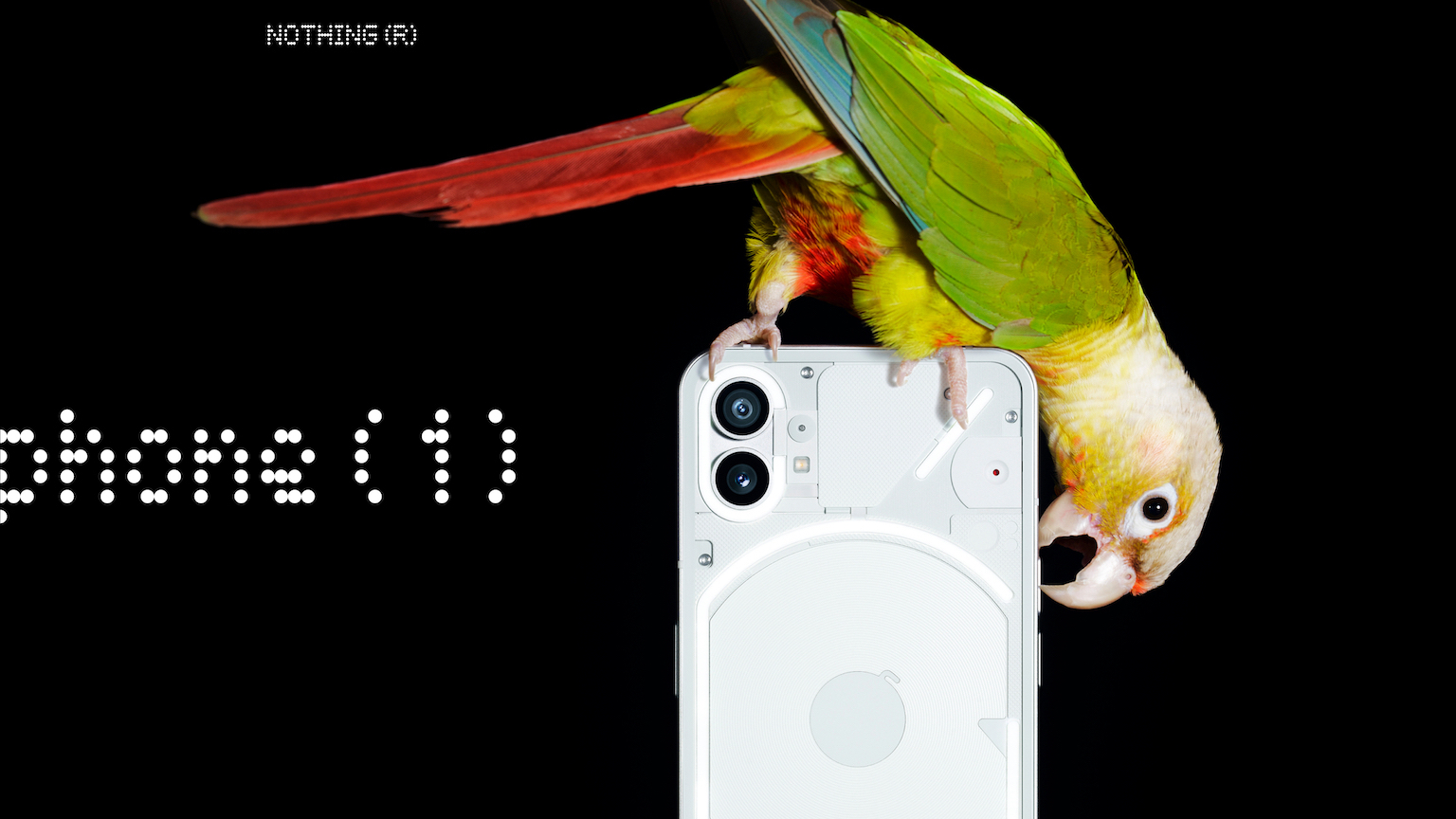
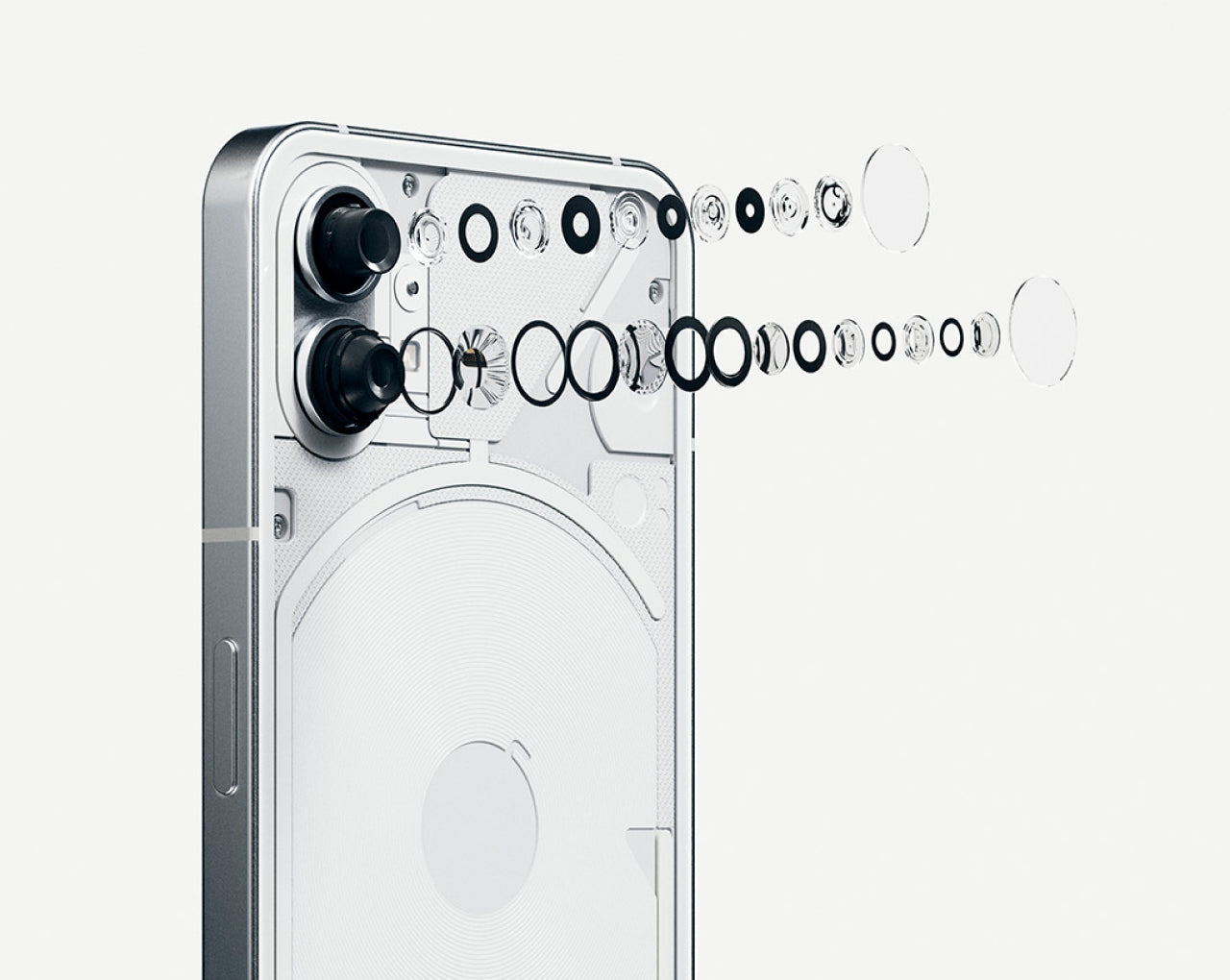
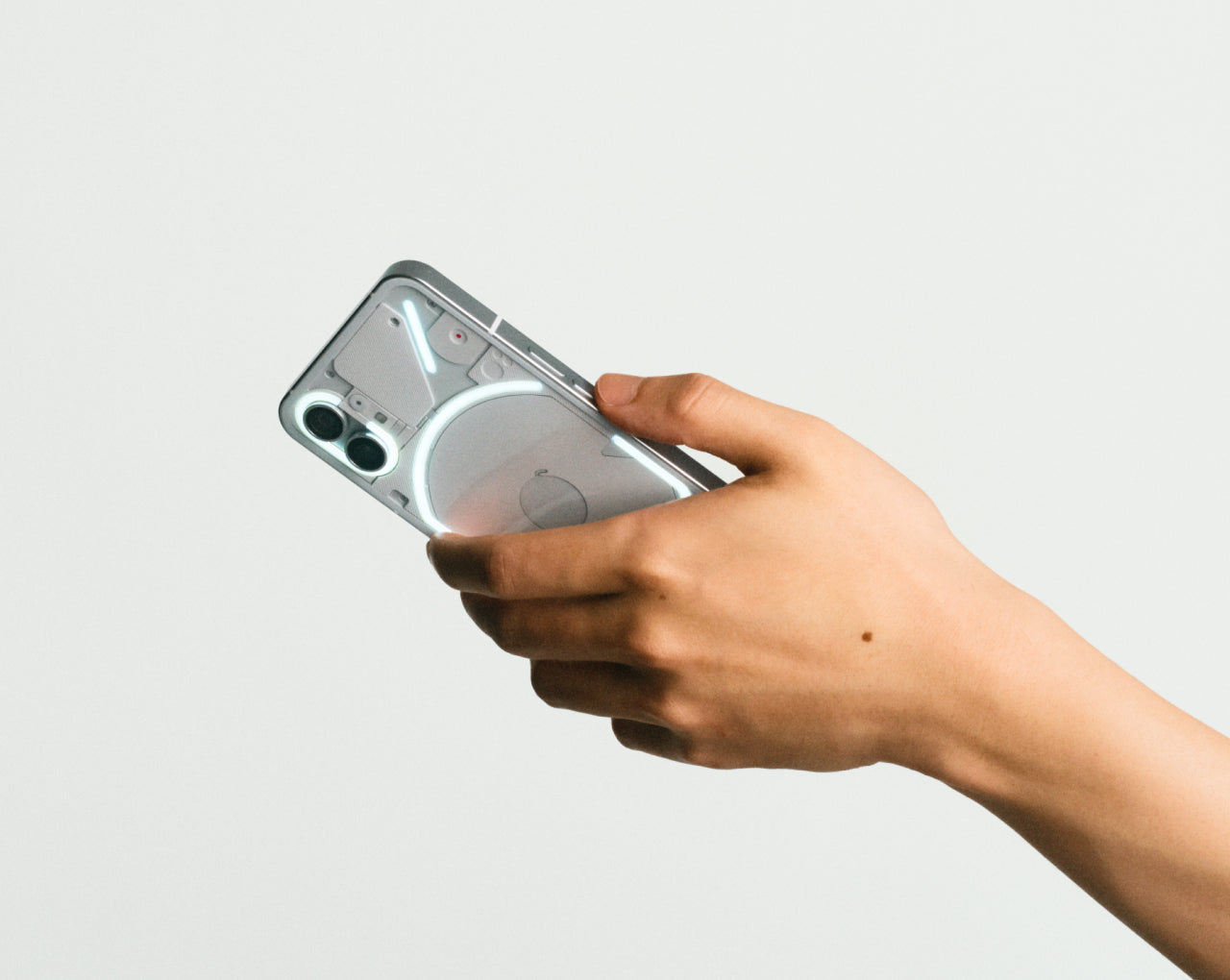
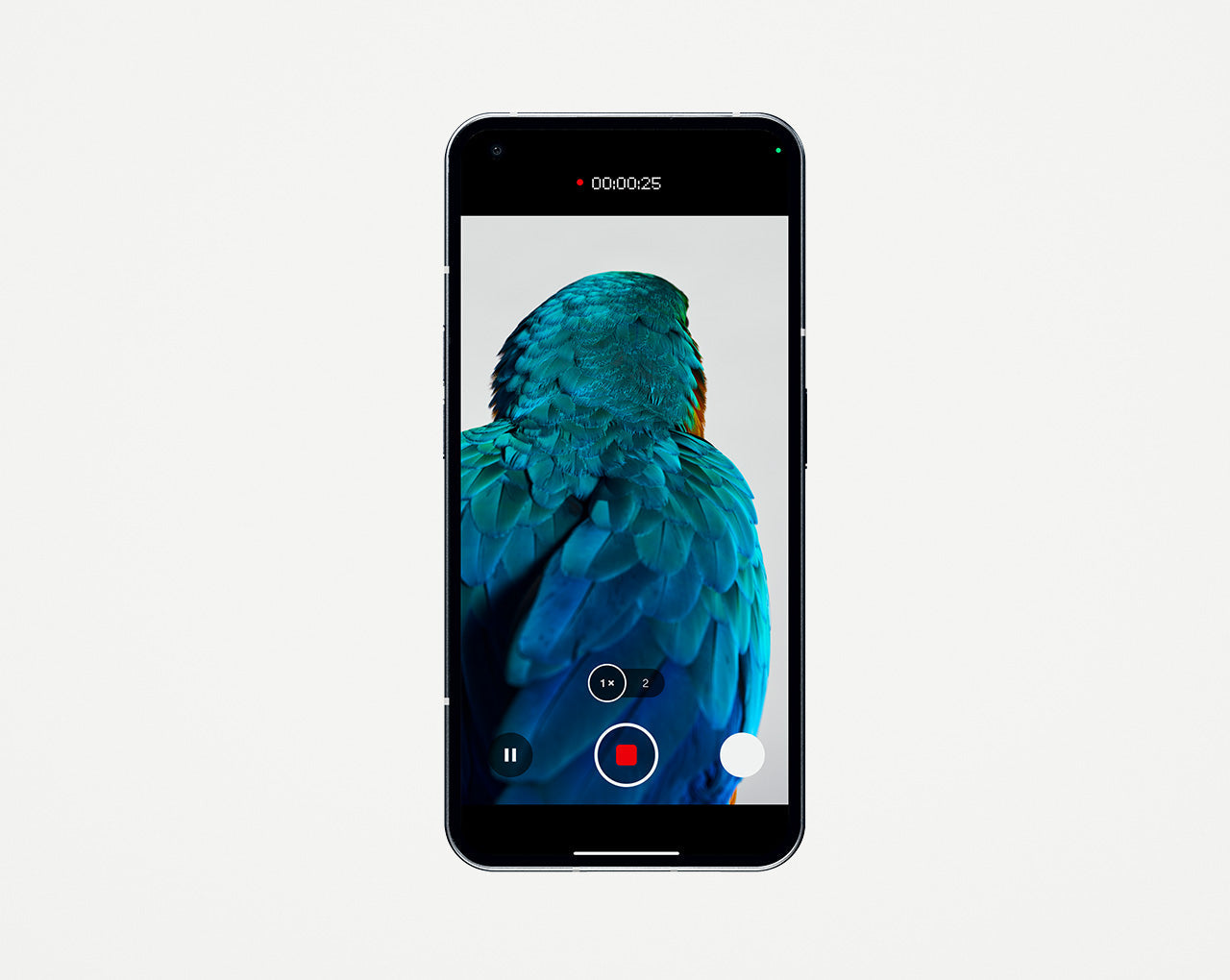
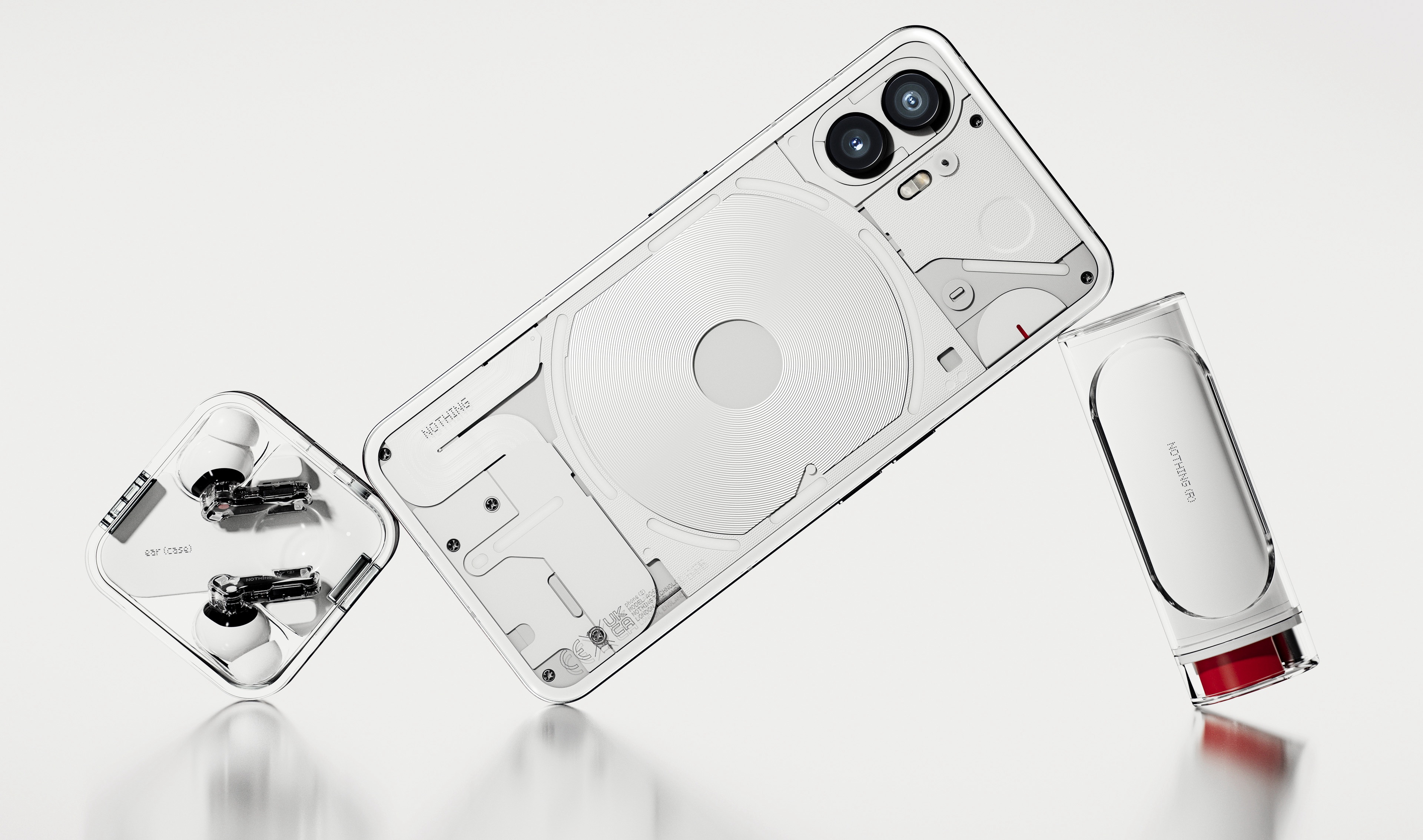
And speaking of artificial intelligence, according to him, it is the future of the entire industry . And with it comes a radical change in how we will treat smartphones. " In a few years, we will have only one single application on our phone, and that will be the operating system itself ," Pei said specifically. According to him, the operating system is to become a personal agent that will know our needs, predict our actions and act independently. " Today, we have to plan every task, open the phone and type everything in ourselves. But in the future, the system will take care of what we want or need. It will suggest a solution and immediately implement it. Automated, proactive, smart ," believes the founder of Nothing.
And when should this revolution happen? Pei is a realist. According to him, we will have to wait and see. miniat least 7 to 10 years. "Today, if we said we were going to completely remove apps, no one would buy the phone. We have to go step by step, debug, test, learn. Users have to go through this journey with us..” Pei may be talking about a future that is still far away. But it is also one that is definitely worth paying attention to – especially if Apple it is truly starting to lose what once made it special.

I am quite skeptical about this conclusion.
This idea is not new, visionaries had this idea 50-60 years ago, only it wasn't about mobile phones, but about computers. Back then, it was said that one day a computer would take care of everything in the home.
A lot of time has passed since then, and it doesn't matter if it's a computer or a phone, but what you don't teach him, what you don't tell him, what you don't write down, he won't do.
And on the one hand, that's good. ProNo, artificial intelligence should determine how we will keep our apartment or house warm. It will calculate that it will be best to heat it at 8°C and flush the toilet once a day, and we will die in the cold, in the dirt and in the stench, because according to the AI's computational models, it will be the most economical and sensible.
For example, I have been working with budgets and financial and investment plans all my life. You might think, these are just numbers. Yes, they are, but those numbers correspond to and speak about some ideas, needs, they are not constantly repeating monotonous formulas. No AI can design another budget based on one budget... the assignment is not always the same and a person always has to take this into account. AI cannot be taught that, even though they are just numbers that reflect and express something. And that's the point, this nonsense about AI and their skills in the future can only be claimed by people with a limited approach and a limited view of the matter, without deeper knowledge of reality.
Just look at the scene from the trilogy Sun, Hay... In the third part, they buy a computer and plan what it will do for them, but it doesn't do anything, the computer won't come to the barn to throw hay for the rabbits. Maybe it will remind them that they need to be fed, calmed down, etc., but that's all. And before that, someone has to feed the technology with that data. So whether it's a mobile phone or a computer, it's always just a kind of extended memory that at most reminds the person in question of something if they first record it in it or helps them calculate it if you fill it with the right data and formulas...
I must strongly object to this one-sided and outdated vision of artificial intelligence. Your view is based on a fundamental misunderstanding of the current state of technology.
Progress is not just quantitative, but qualitative
Comparing today’s AI to computers from 50 years ago is like comparing a car to a carriage – yes, they both serve as transportation, but the principle of operation is completely different. Today’s machine learning systems can recognize patterns that humans can’t even see and make predictions based on vast amounts of data. These are not “extended memory” but systems capable of independent learning and adaptation.
Smart homes already work efficiently today
Your idea of an AI that “sets the water temperature to 8°C and flushes once a day” is a caricature. Today’s smart home management systems learn from your habits, take your preferences into account, and gradually optimize energy consumption while maintaining comfort. Thermostat Nest for example, it can save 10-23% of energy without reducing comfort – the exact opposite of your concerns.
AI already handles budgets and financial planning today
Your argument about budgets is particularly weak. AI systems already help banks make lending decisions, manage investment portfolios, and analyze financial behavior in ways that outperform even experienced experts. Robo-advisors manage billions of dollars and often outperform human advisors. AI can not only design a budget based on another budget, but can identify hidden patterns in thousands of budgets simultaneously.
Your example from "Sun, Hay" is irrelevant
A movie from the 80s as an argument against current technology? That's like criticizing airplanes based on the Wright brothers' attempt. Today, there are autonomous tractors, robotic cattle feeding systems, and AI that can predict animal diseases before a veterinarian.
Current AI goes beyond programming
The biggest flaw in your thinking is the idea that AI just performs pre-programmed tasks. Modern systems can:
– Generate new content (text, images, music)
– Solve problems they have never seen before
– Learn from your mistakes
– Combine knowledge from different fields in new ways
He who ignores the present has a limited perspective.
Your final statement about “limited access” is paradoxical – limited access is suffered by those who refuse to see existing AI applications. While you argue with thirty-year-old films, AI today already:
– Diagnoses cancer more accurately than doctors
– Drives autonomous vehicles
– Translates in real time
– Discovers new drugs
Your skepticism is not based on the reality of current technology, but on nostalgia for a simpler world. The future of AI is not about replacing human judgment, but about augmenting and improving it.