
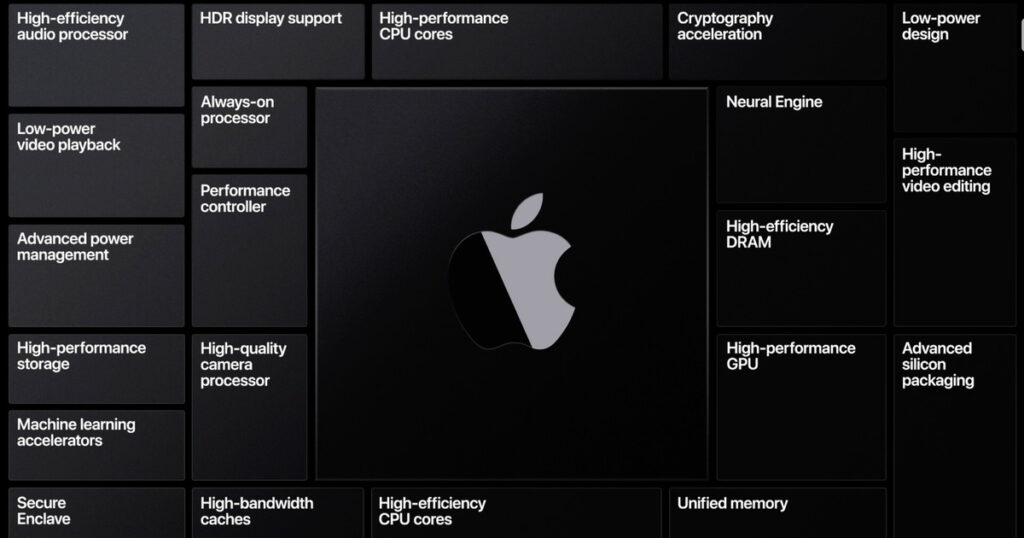
Freshly introduced iPhone He was the first to receive the 16e Apple the product it developed, the 5G modem C1, which is the first step towards the Californian giant eliminating Qualcomm's 5G modems from its devices in the future. One could say that this is an extremely fundamental step, which is comparable to the introduction of the M1 computer chip in the field of chips. All the more so for fans AppIt's amazing how Apple He dismissed this matter, even though it deserved to be shouted out to the world, so to speak. It almost raises the question of whether this is not a deliberate cover-up on his part.
Gallery
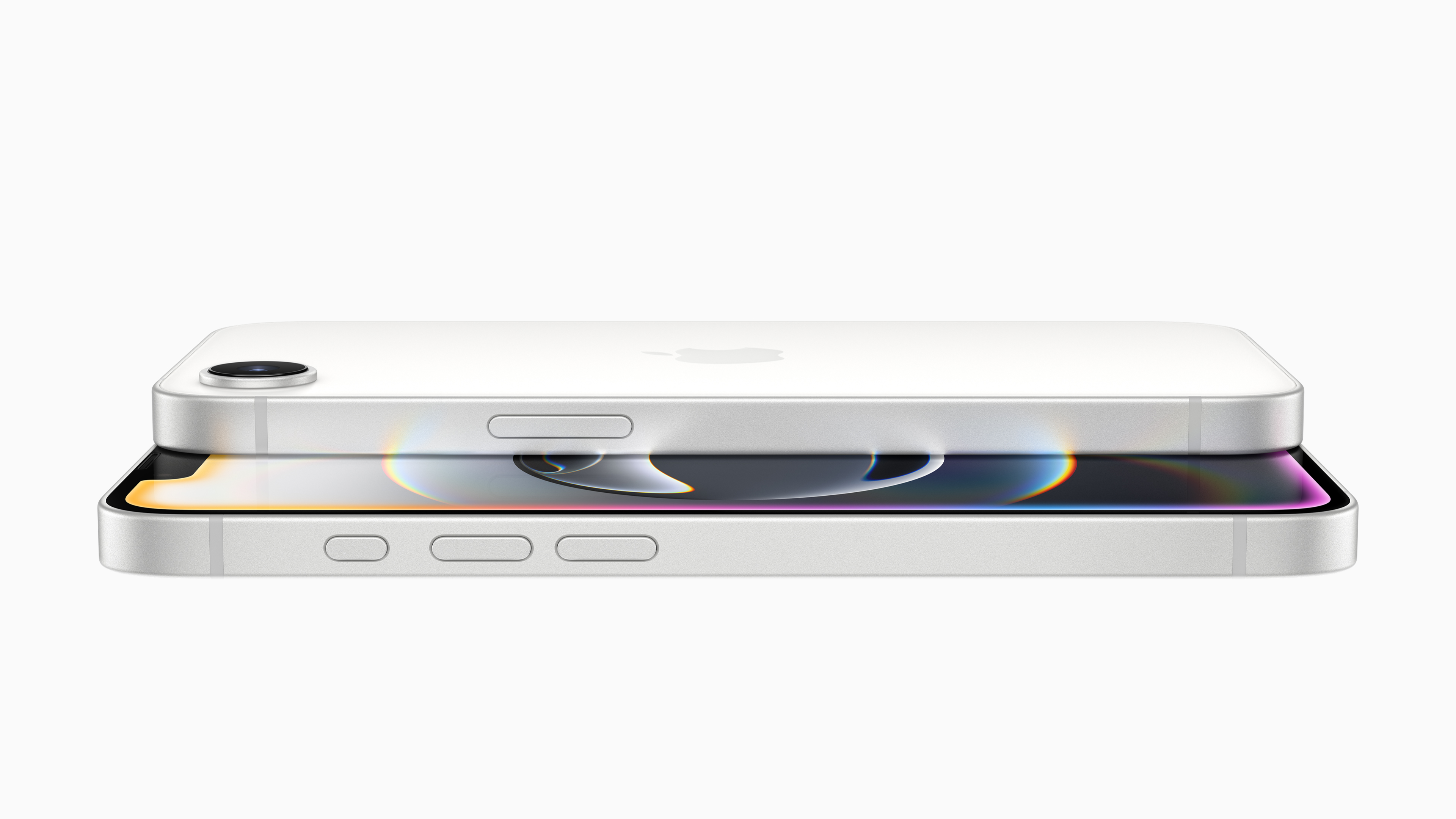
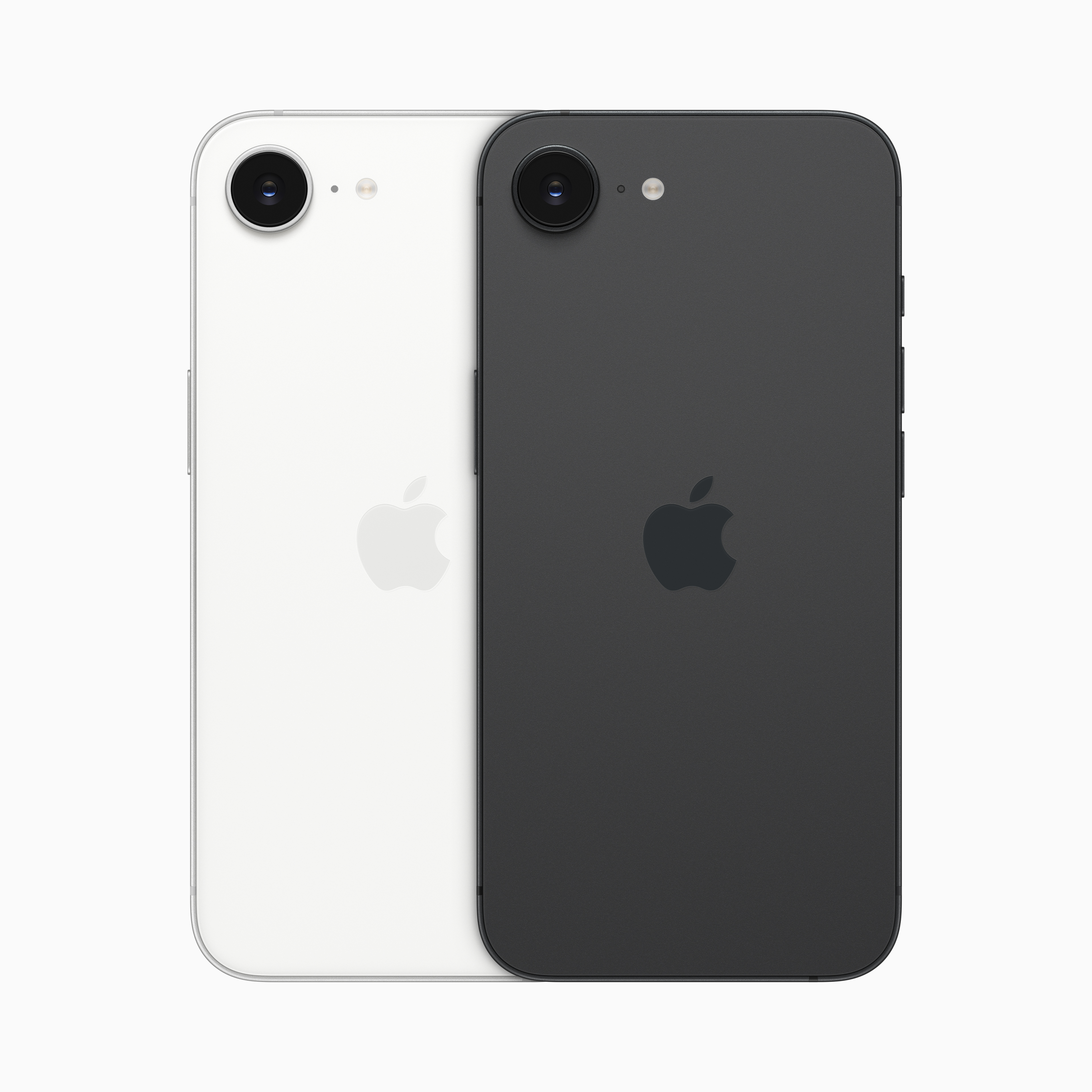
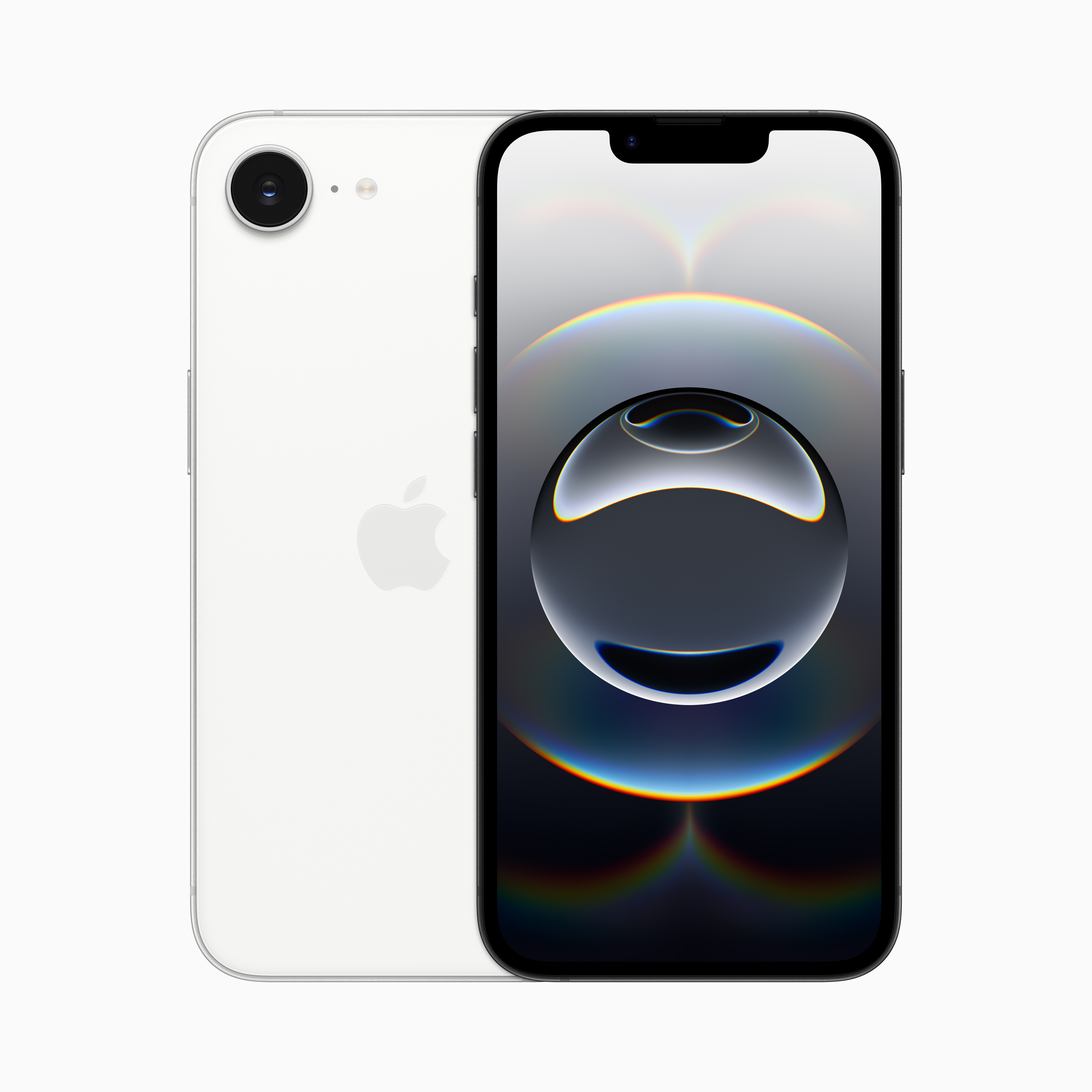
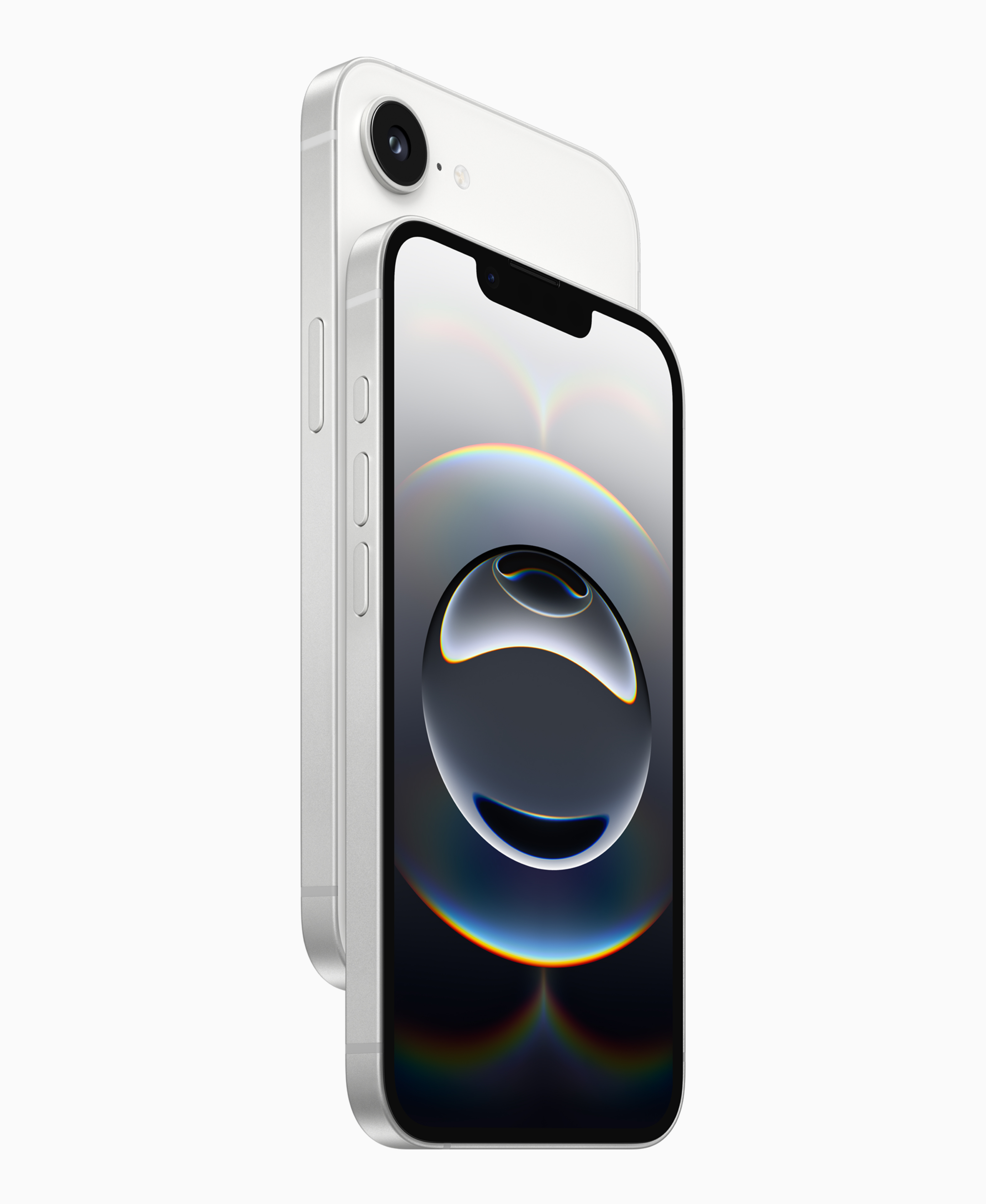
That Apple developing its own 5G modem has been rumored for many years, and some time ago even Apple bought Intel's modem division in an attempt to create its own solution, thanks to which it would not have to depend on any partner. It was because of 5G modems that the patent war between Qualcomm and Applem, which was averted after a while, but it was already clear that this was a rather volatile truce and that as soon as it could Apple to run away from the collaboration, he will gladly do so. Nevertheless, he devoted only a few words to his first 5G modem in the press release and about 15 seconds in the accompanying video, where he did not take it apart at all, but only sent it as the most energy-efficient modem that has ever been in an iPhone.
All this confusion around the C1 modem is due to the fact that it was probably primarily thanks to it that he was able to Apple to extend the battery life of the iPhone 16e by an incredible 16 hours compared to the iPhone 4, very strange and unsurprisingly raises a number of questions. What exactly is behind this style of communication, we can only guess, but reporter Mark Gurman from BloombergFor example, he points to a possible agreement with Qualcomm, which he must Apple to be followed for some time, combined with the fact that the solution from Applu may not be exactly comparable to Qualcomm in terms of performance. For example, it lacks mmWave support, i.e. ultrahigh-speed connection, for which a specific network is required and unavailable in the Czech Republic. However, it is precisely because of mmWave that Apple miniat least this year for iPhones 17 Pro It is unlikely that it will switch to its own solution. However, once it can develop its C-series modems at least to the level of Qualcomm in terms of network connectivity, the presentation of this entire project will be practically 100% considerably more luxurious.






since it's like this, there's probably something behind it... I like it apple but sometimes they lie and don't always tell the whole truth. I need to test it on a large scale and I am also curious about that. 17 is too close and I probably don't want to risk it yet, or there is a contract with qualcomm, so it is better not to violate it and they have time to test and develop C1. in one/couple of years it will be squeezed out and then they will give it to 18/19...
Maybe soon all the HW and components will be from Applu. No supply chain. Ald pure apple.
We'll have to wait a long time for that, especially for displays ;-)
It is primarily about the economics of such steps.
In the case of a modem, and perhaps primarily here (when we see how many resources are put into it) Apple moreover, he invests in the sweat of his brow over the years) and about full control over a key element, which is very important (not only) for data security – the modem itself is also computer with a hackable OS as well as possible both HW and SW backdoors.
The C16 16G modem may not have any effect on the increase in 1e video playback times compared to 5, because Apple The Specs does not explicitly state whether the data for streaming video flows through it or over Wi-Fi.
Personally, I'm betting on Wi-Fi, which was and still is much less energy-intensive and Apple it certainly gives the best possible value.
Otherwise, for streamed video it's +3 hours, for on-site video it's +4 hours.
The underclocked A18 with -1 GPU core certainly plays a significant role, as well as, and I would say especially, the display with a standard (typical) resolution that is about 20% lower than the one shown above. max. brightness (800 vs 1000 nits), so 51084 points less resolution (it's "only" -16% compared to 1,7-bit resolution, but every unlit dot counts, especially when the +3h are actually only +16,7% /18 vs 21h/, +4h = +18,2% /22 vs 26h/, which also corresponds to the 20% difference in brightness).
Apple Unfortunately, it does not state the testing conditions, but such company tests are usually performed at 50% brightness, i.e. ± 400 vs 500 nits, which is of course again the aforementioned -20% compared to brightness 16.
Furthermore, we do not yet know the capacity of the 16e battery, it may beonec paradoxically even higher than at 16, but I consider that the least likely so far.
Correction: it is not the same, however :-)
The larger flashlight 16e compared to 16 is not goodonec is completely out of the question, because the promo video starts at 3:49 and talks about: The completely new internal design of the 16e, which is optimized for a larger battery :-)
Of course, only if they don't compare it to SE3 ;-)