
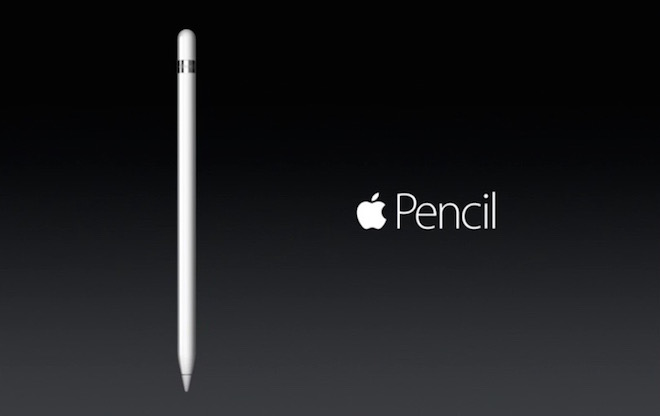
When Steve Jobs in 2007 represented the first iPhone, with the famous disdain foronesl question: “Who wants a stylus?” He was referring to the then-current use of touch pens to control devices, which he considered unnecessary and outdated. Jobs’ vision was clear – our fingers are the best and most intuitive way to interact with touch devices. This idea became the basis of the design approach Appproducts for many years. However, on November 11, 2015, four years after Jobs' death, Apple for the first time he reconsidered his position and introduced Apple Pencil – a stylus that was supposed to serve as the perfect complement to the then newly released iPad Pro. Today, exactly 9 years since the Apple Pencil started selling, we can say that this product caused a small revolution in the user interface and became a key tool for professionals and creatives.
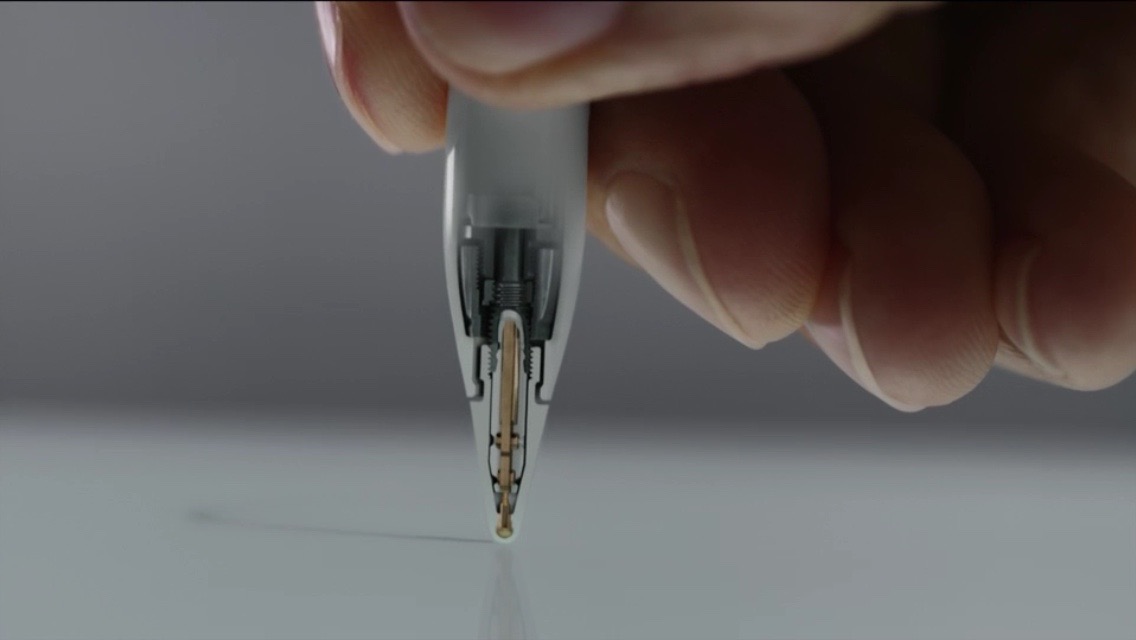
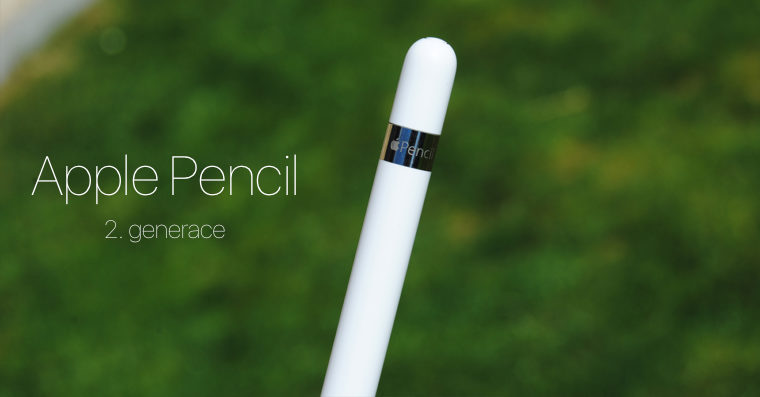
Apple Pencil offered a precision that was not available on the market before, not only in terms of hardware but also in terms of software optimization that allowed for smooth writing and drawing on the display. It was much more than just a “stylus” – Apple Pencil marked the entry into the world of precise digital creation.
Apple Pencil as a tool for professionals
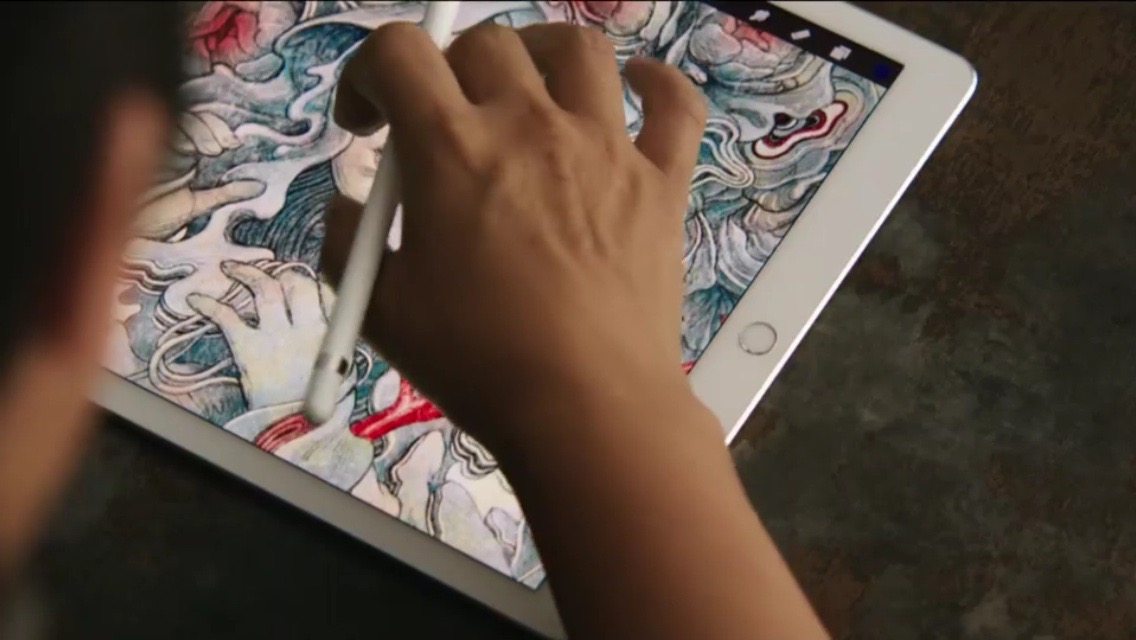
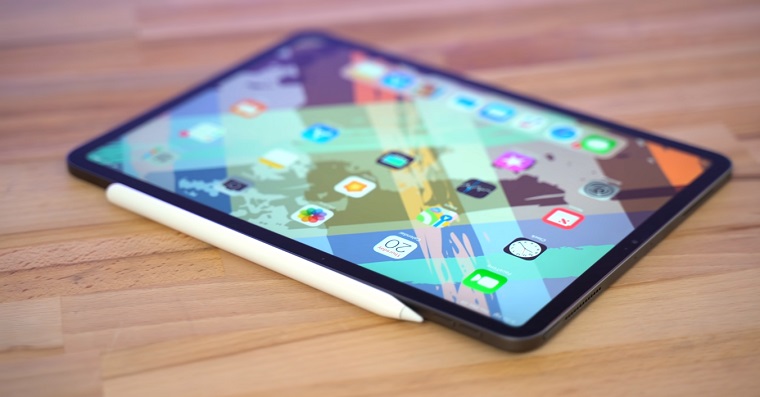
One of the main reasons for success Apple Pencil was aimed at professionals and creatives. Combined with the iPad Pro se Apple Pencil It became an ideal tool for illustrators, graphic designers, architects and other professionals who required precise control over their digital work. Its pressure and tilt sensitivity allowed for strokes of varying thickness, giving a natural drawing feel. Apple Pencil proved to be a crucial innovation for graphic designers, who suddenly gained a mobile and flexible studiothat they could carry with them everywhere.
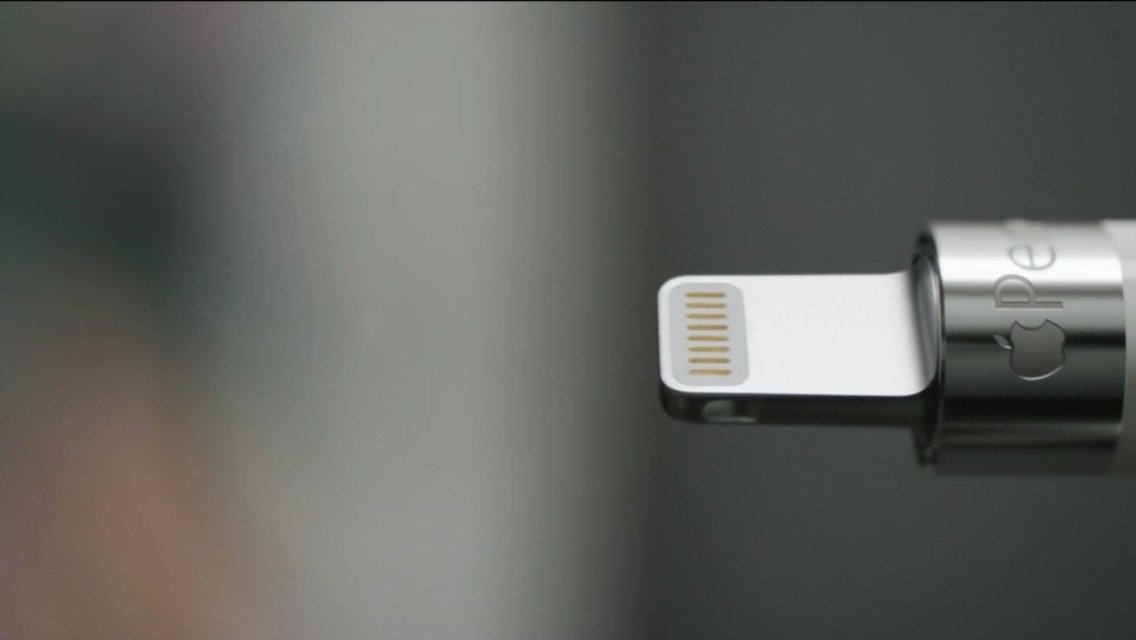
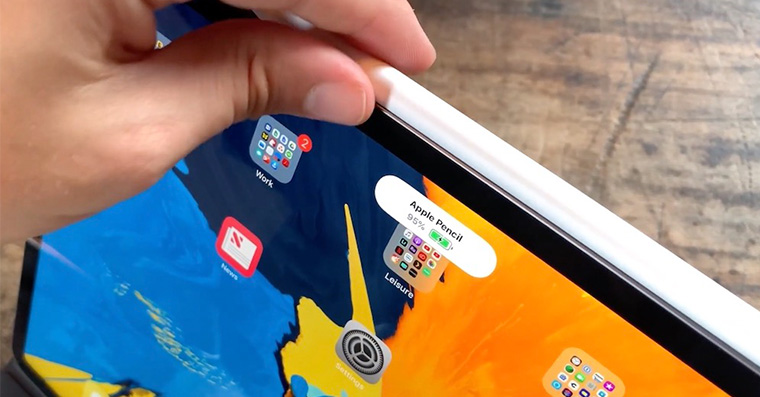
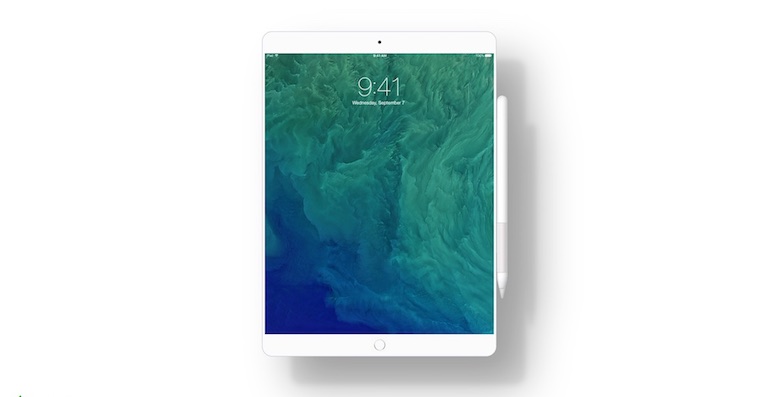
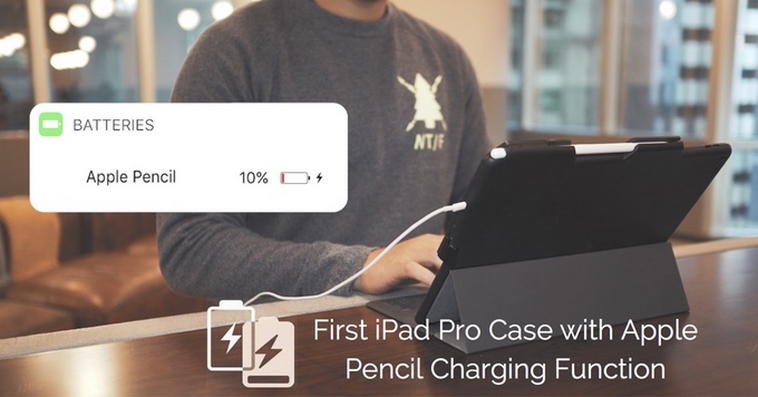
Although there were competing products, Apple Pencil It stood out with its intuitive functionality and deep integration with the iPadOS operating system. Apple gradually added support for features such as double-tap to change tools or magnetic charging on the side of the device, making it easier to use on a daily basis. This stylus gradually became an integral part of the professional workflow and showed that Apple he can not only create a stylus, but also make it an important and necessary tool.
Despite Jobs' skepticism
Performance Apple Pencil sparked controversy among experts and fans Applu mixed reactions. Many remembered Jobs's famous aversion to styluses and saw this move as a departure from Jobs' vision. Of course Apple he has shown that he can respond to the changing needs of the market and move his products forward, even knowing that it goes against some of Jobs' original principles. The fact that Apple Pencil has found its firm place in the market, proving that Apple he managed to accept and adapt to new trends.
Moreover, Jobs' criticism of styluses was justified in the context of the time - his statement was directed at the outdated and clumsy styluses that were necessary for older touch devices due to their low sensitivity and poor user experience. Apple Pencil However, it was not just a traditional stylus, but a fully connected digital tool that used modern technology to provide a more natural and accurate writing and drawing experience.
Gallery

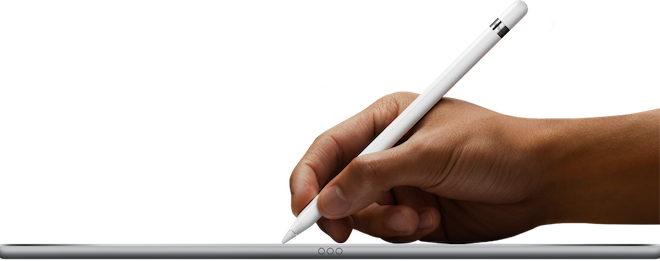
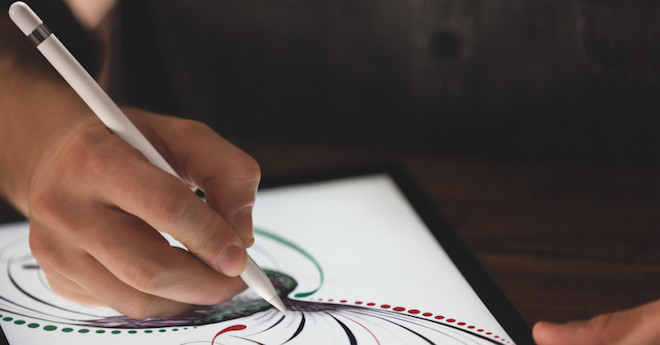
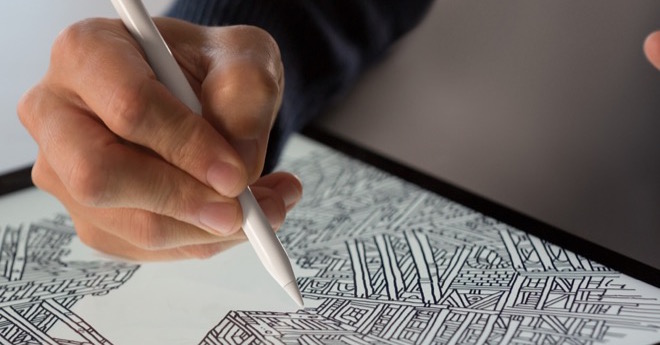
Apple Pencil as a symbol of creativity
Nine years after its launch Apple Pencil became a symbol of creativity and professional work. Although Steve Jobs once rejected the stylus, Apple it has shown that it can take to its mercy even technologies that were previously considered obsolete. Apple Pencil has become an indispensable tool for professionals and creatives and today is indisputable proof that adaptability and innovation are key values that Appallow us to stay at the forefront of the technology industry.




An excellent tool if used in combination with a screen film that feels like a person writing on paper (resistance, texture, feel... ) ... on a clean screen it didn't work for me at all and using a stylus to write or anything else was very uncomfortable and unnatural …
Good day
please the brand you use..
ďakujem