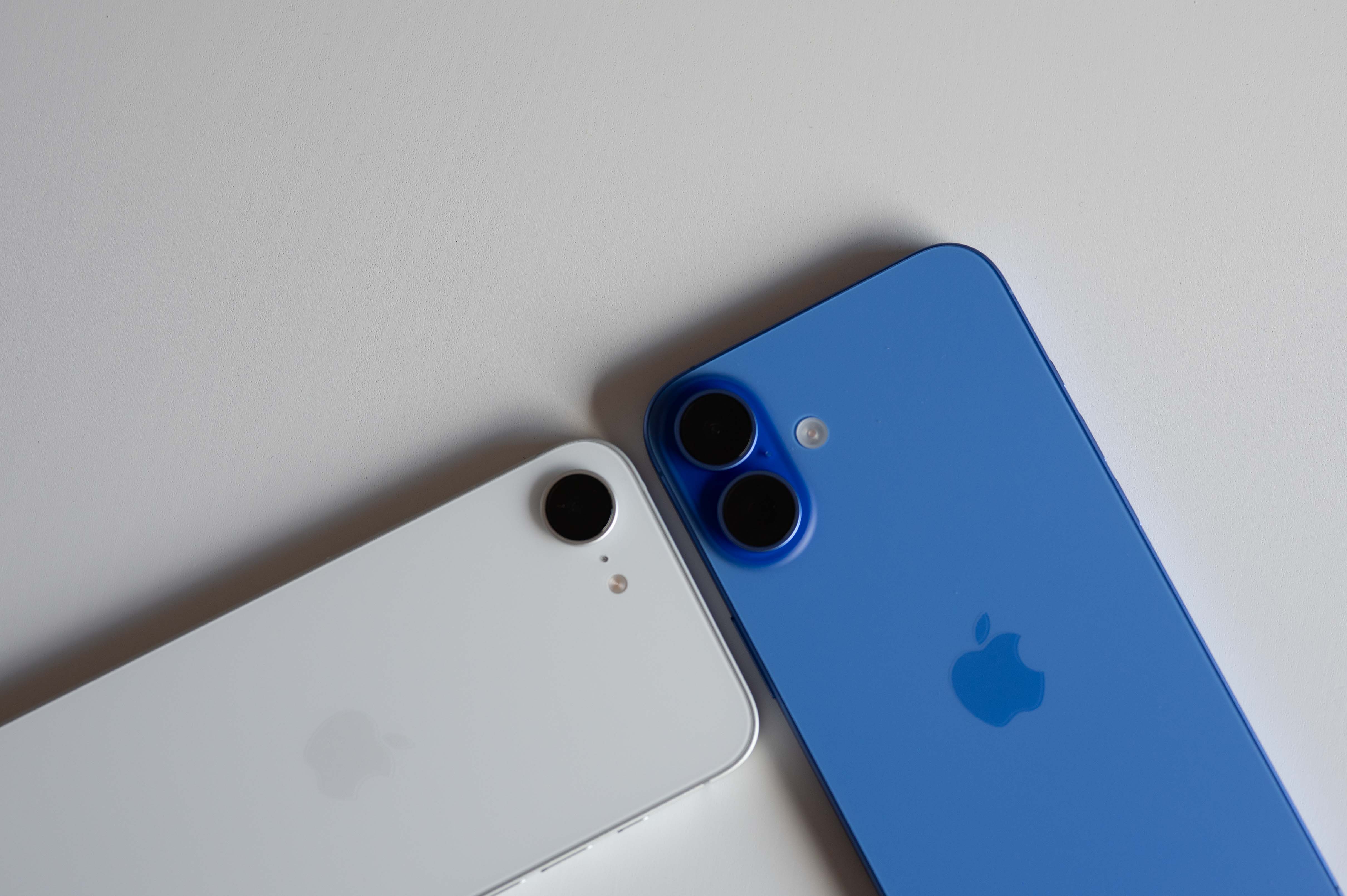
If you buy iPhones primarily for their fantastic photography capabilities, you will definitely be pleased with the following lines. In the next two years, the company plans to improve the photography of its phones significantly, especially in the iPhone 11 series. ProThese plans have now been confirmed by reliable analyst Ming-Chi Kuo, so it's a bit of an exaggeration to say that these upgrades can now be counted on more or less "for real".
You might be interested in

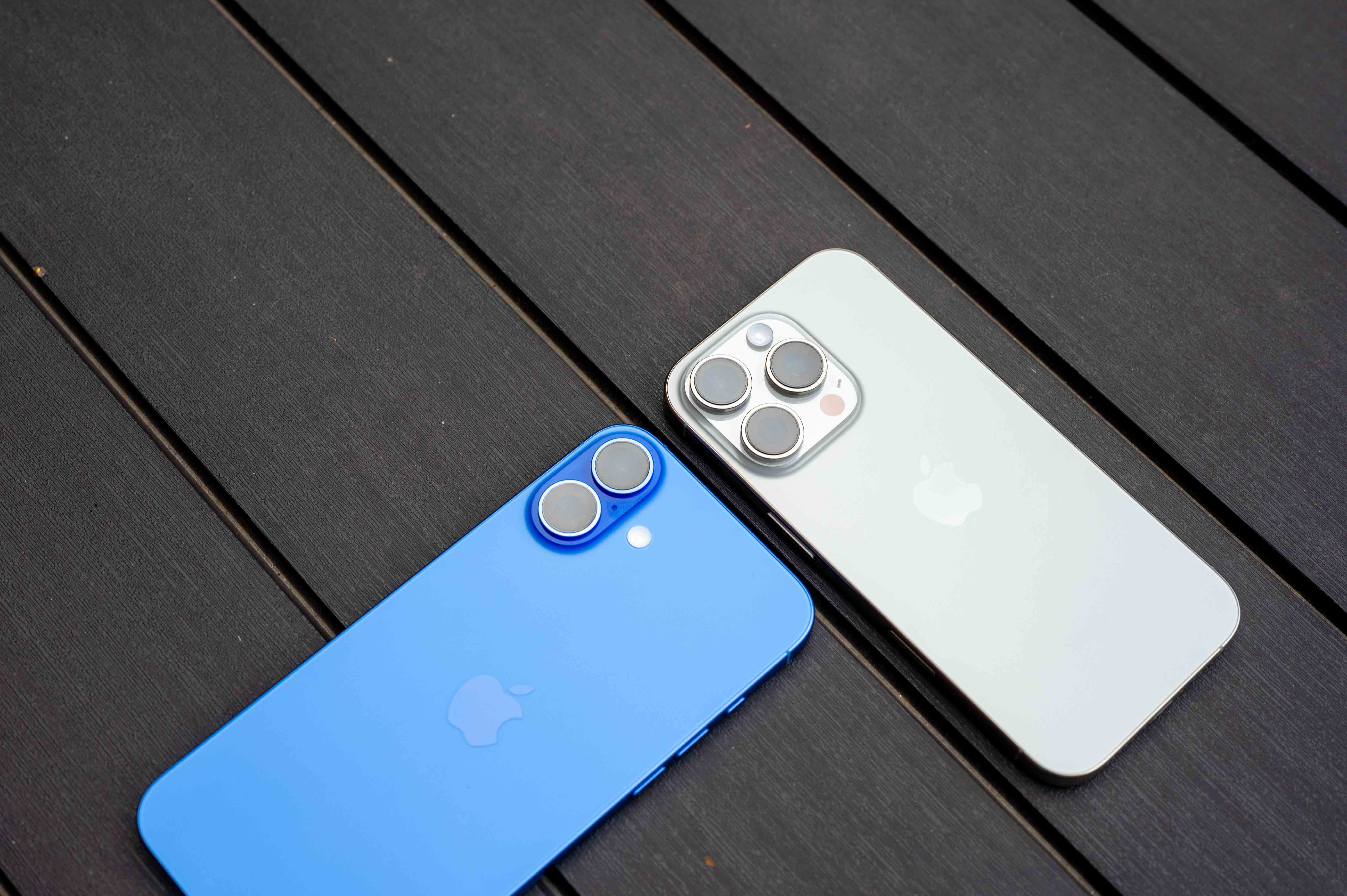
It has been rumored for some time that he has Apple in the plan after he deployed at this year's ultrawide-angle camera of iPhones 16 Pro resolution of 48MPx, switch to this resolution for the telephoto lens as well, and it is this upgrade that Ming-Chi Kuo confirms. If this really happens, photos taken through the telephoto lens will have a significantly higher resolution, which could Apple use even in adding another "fake" zoom, as he did last year with the wide-angle camera. This is because it can take photos at 1x and 2x zoom, and when you shoot at 1x zoom you get a 48MPx photo, while when you shoot at 2x zoom you get "only" a 12MPx photo, which is actually a section of the 48MPx photo without loss of quality due to the high resolution of the original photo. If so Apple will use the same strategy for the telephoto lens, it is possible that it will offer a similar higher (perhaps 10x) optical zoom without loss of quality, albeit "only" with a 12MP image resolution.
You might be interested in
Variablind for view
However, it has a significantly more interesting novelty Apple preparing for 2026 for iPhones 18 ProThe phones are expected to receive the main, wide-angle Fusion lens. variaA variable aperture, which would, in very simple terms, allow the camera to control the amount of light entering the lens, allowing the aperture to adapt to different lighting conditions. This would give us greater control not only over depth of field, but also over the photography itself in different lighting situations. iPhone would therefore again be a little closer to classic cameras, although it is appropriate to add here in one breath that it would Apple was far from the first to come up with a similar solution for the phone. It is used in some form by, for example, Samsung or Xiaomi.