
The Russian invasion of Ukraine is a perfect example of what the modern concept of war looks like. In addition to physical battles, the war is also raging in cyberspace, where Russia is on one side and, with a bit of exaggeration, the rest of the world, led by the hacker group Anonymous or Elonem Musk and his Starlink space internet. It was sent to Ukraine shortly after the invasion began in an attempt to provide the country with functional communication channels after Russian soldiers began to physically destroy them on a large scale. And although Russia does not like Ukraine's operation via Starlink, it is short on it for now.
You might be interested in
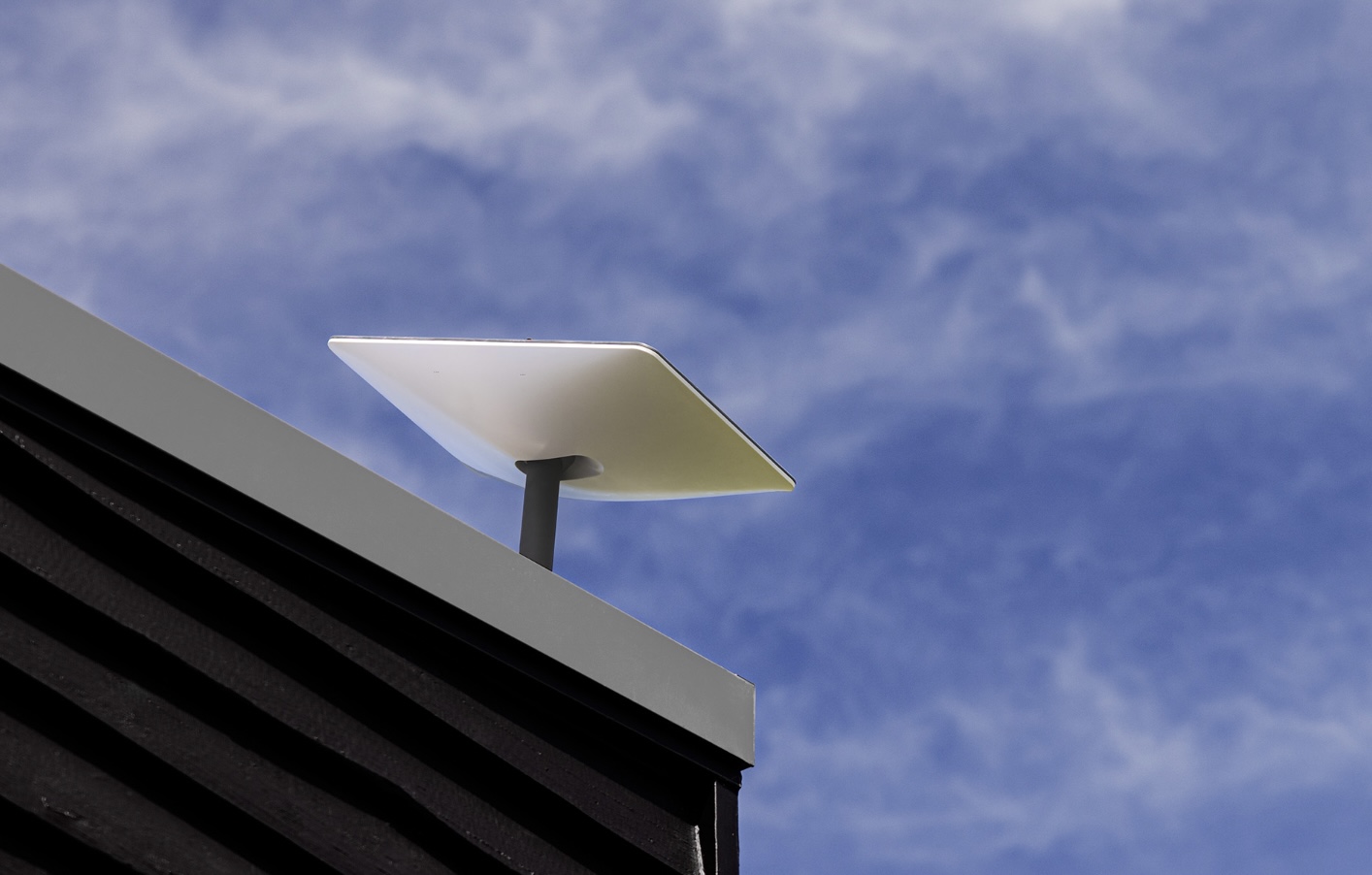
The Defensnews portal drew attention to interesting statements made by the director of the electronic warfare section at miniThe US Department of Defense, which shows that shortly after the delivery of Starlinks to Ukraine, Russia tried to disable them using software using a cyber attack. However, it failed to do so thanks to the abilities of the engineers behind Starlink, who were able to not only repel the attack, but also stop it with a single line of code. Since then, Russia has been short on Starlink, thanks to which Ukraine is able to communicate via the Internet, which is very helpful in the ongoing war. After all, it is supposed to receive many of the coordinates of Russian targets via the Internet and, de facto, use it to target its attacks.
Gallery
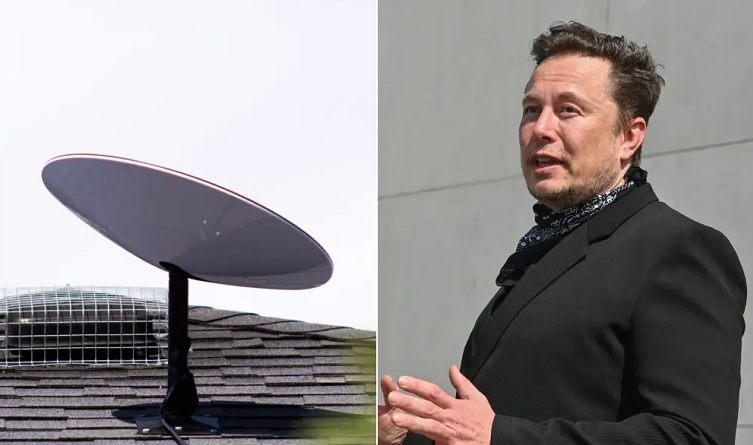

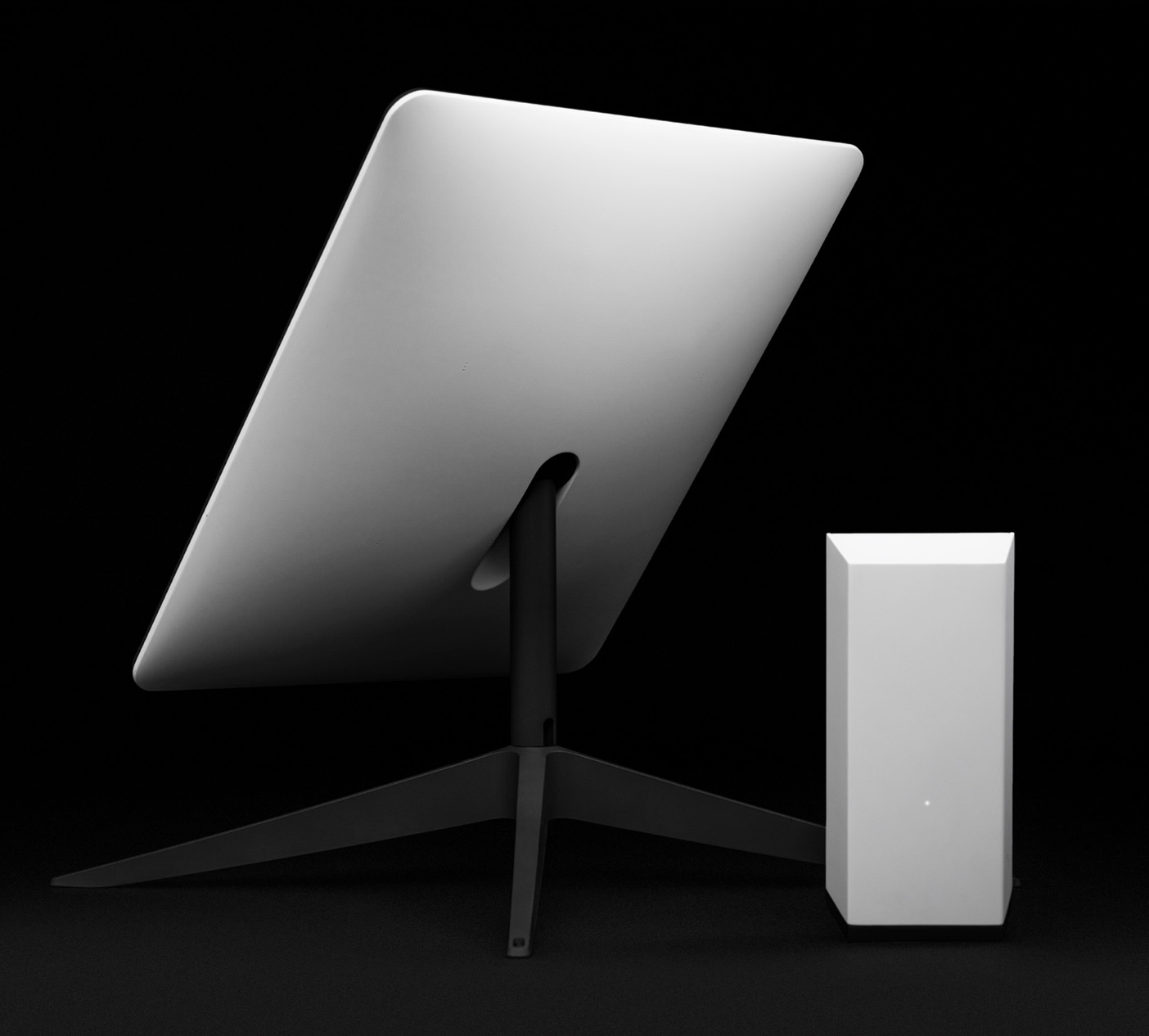
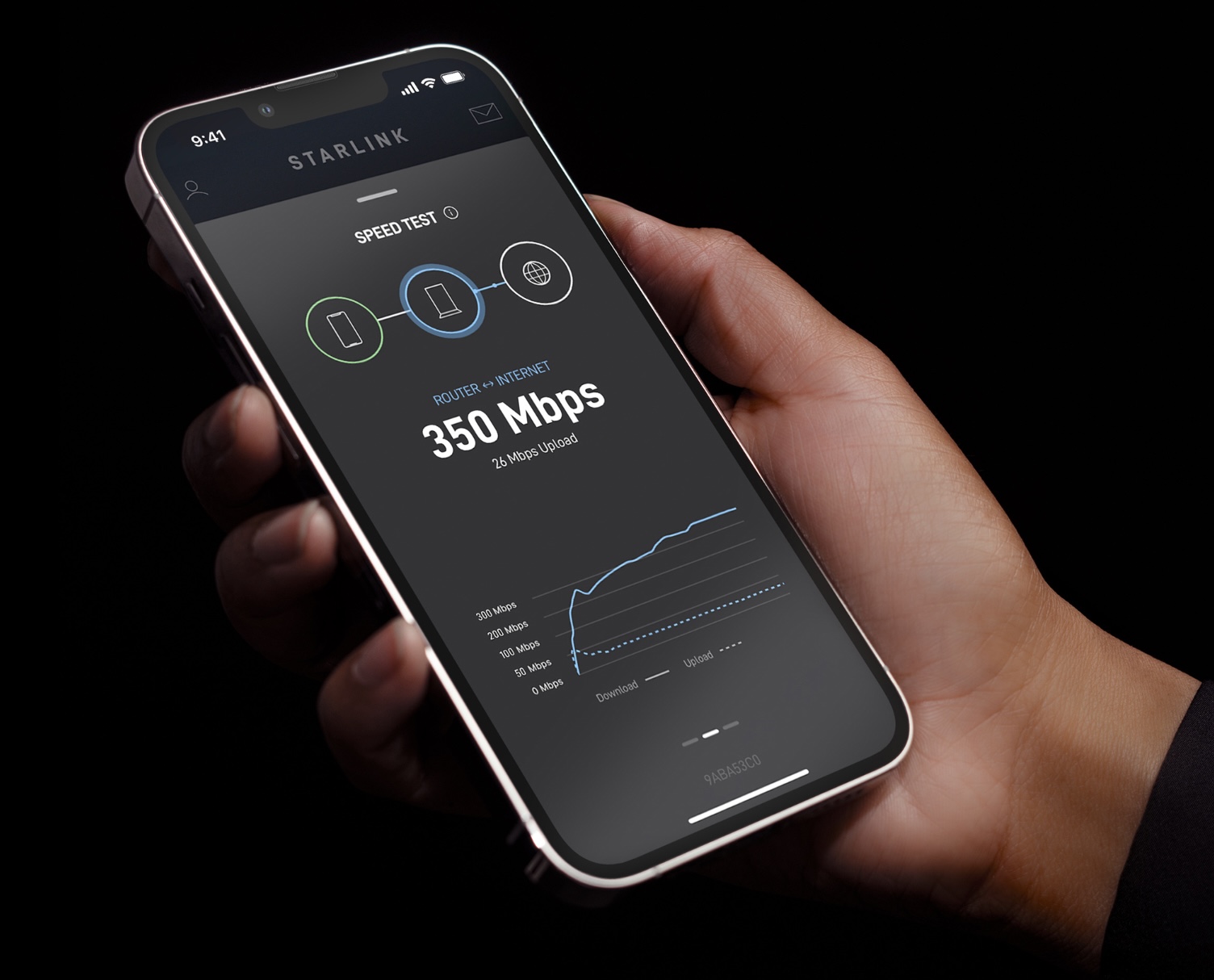
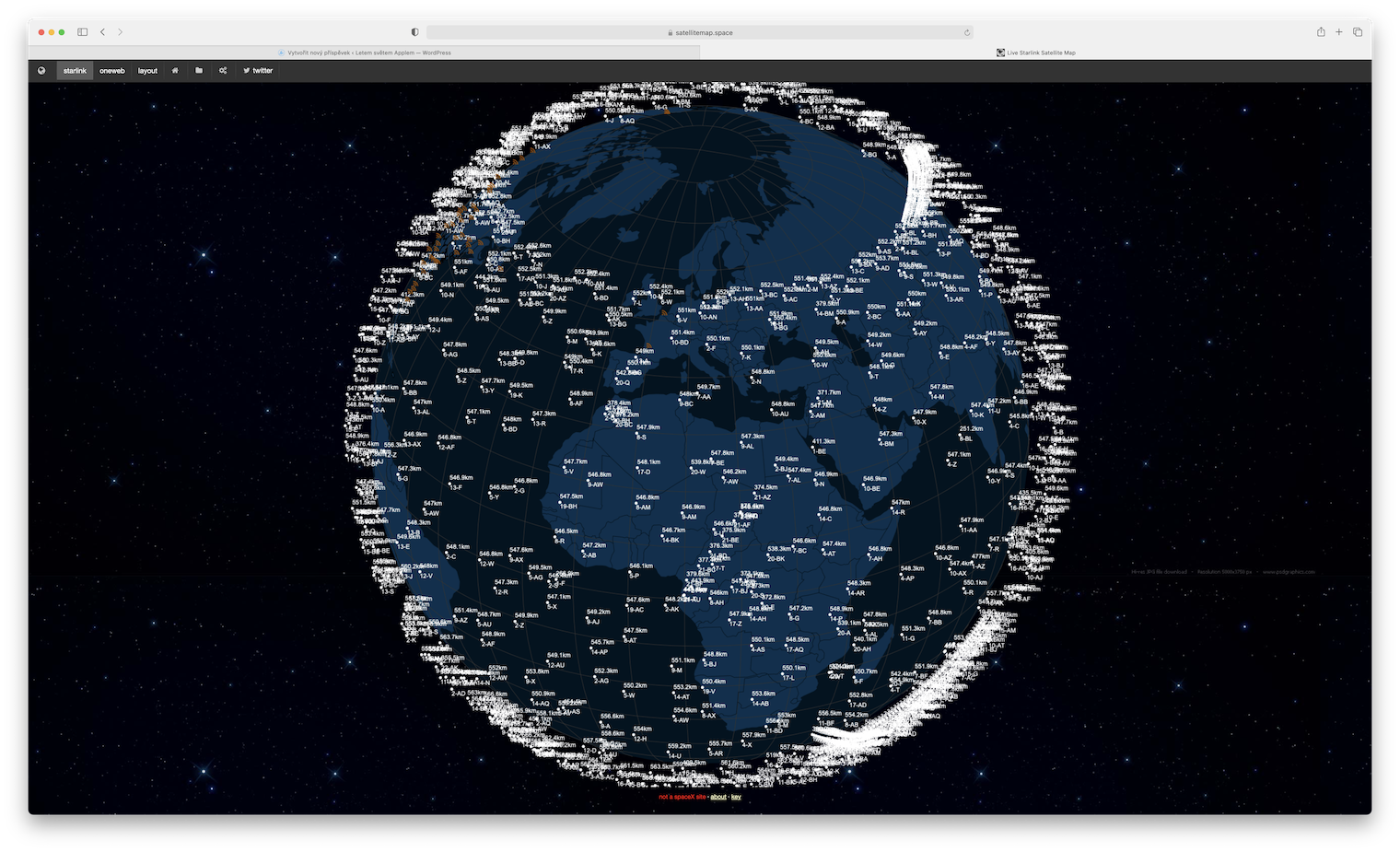
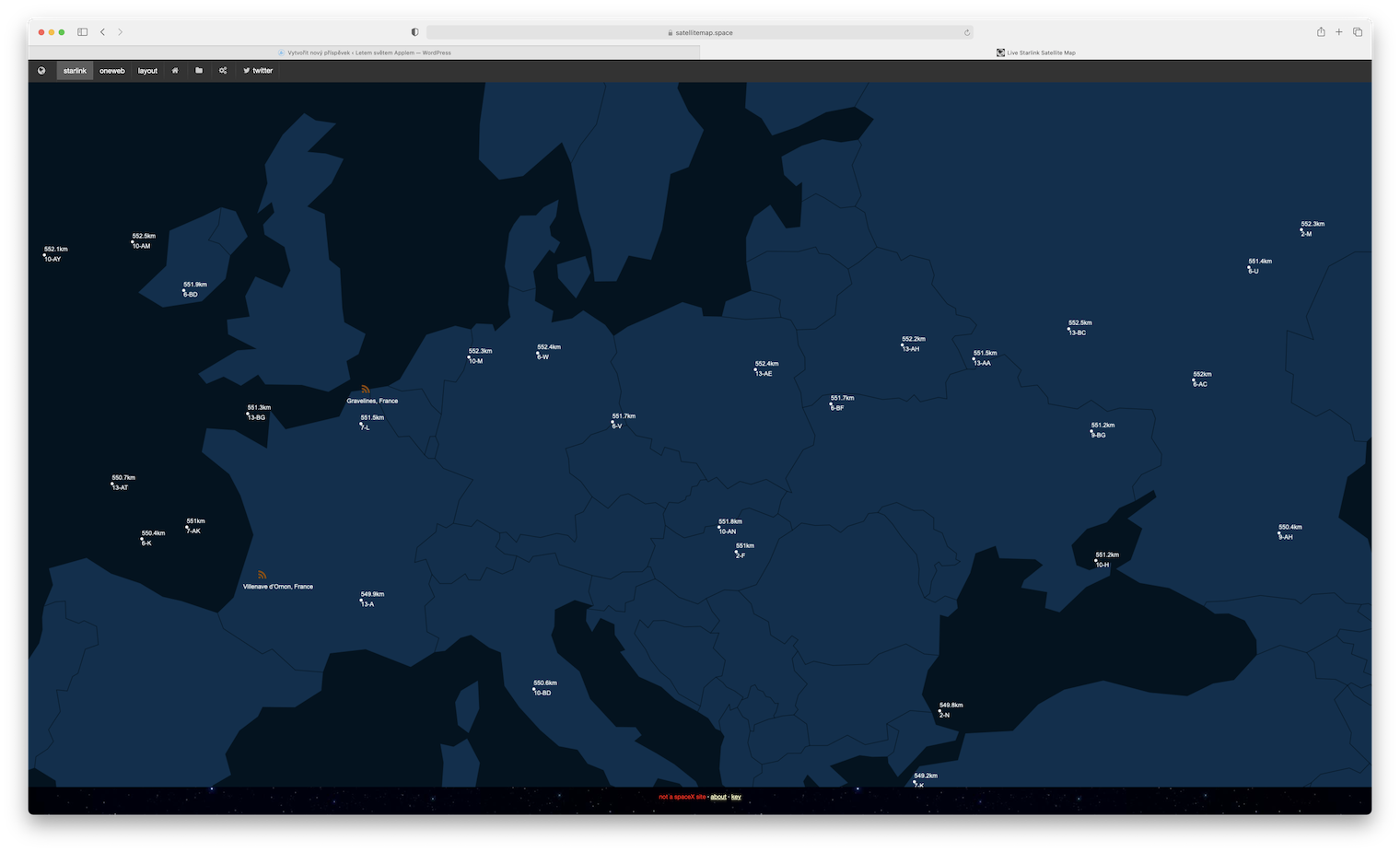
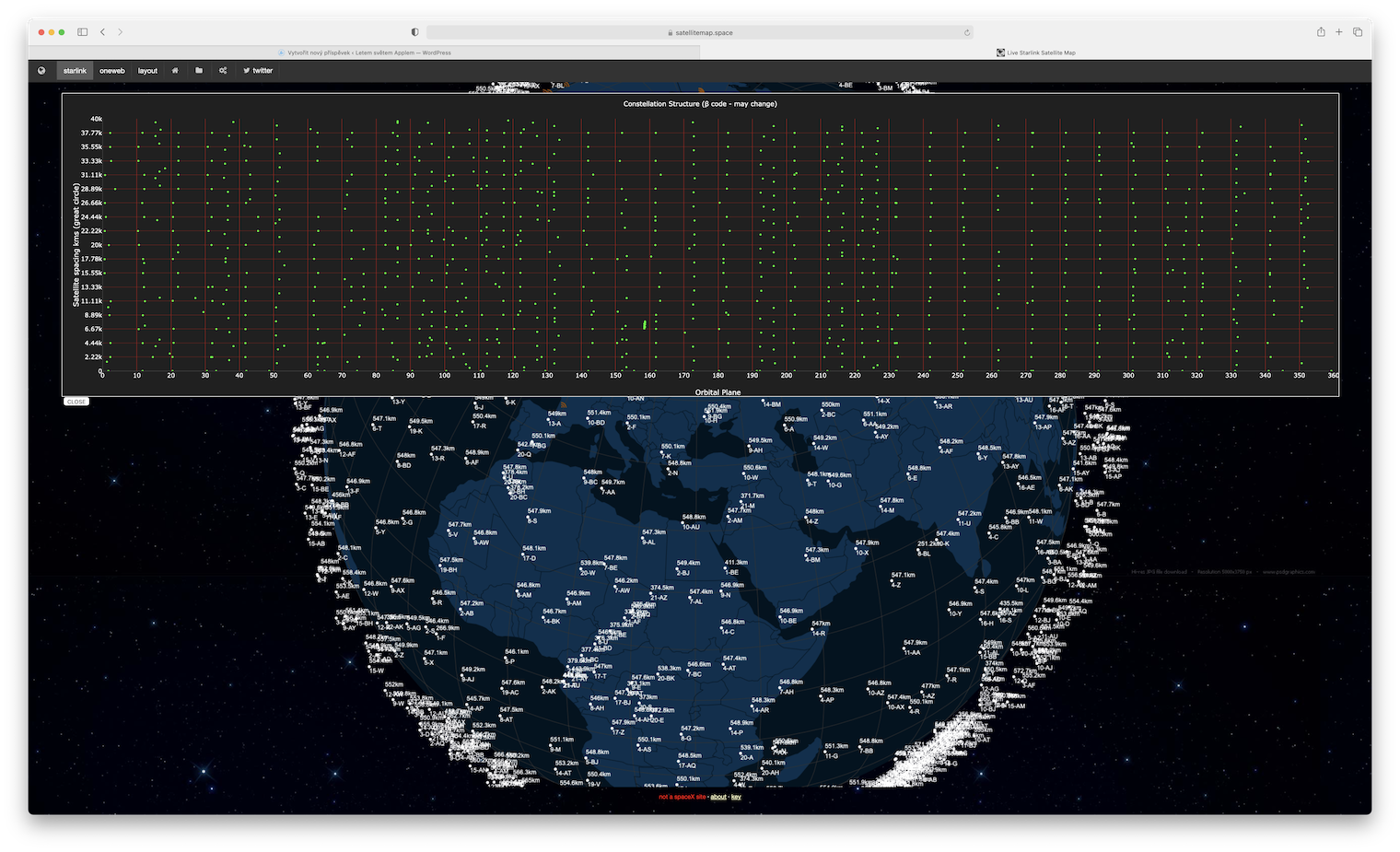
Although Musk's space internet has been quite harshly criticized in the past (even the closest one) both for its price and speed, as well as for polluting the Earth's orbit, it now appears that similar technology undoubtedly has its place in the world. And who knows, perhaps thanks to its usefulness in a war conflict, it will become more popular among ordinary users, who will understand that it is truly reliable thanks to its deployment. The more people will use Starlink, the cheaper it will be according to Musk's words from the past.








Who gave Musk the right to pollute the space around the earth with his overpriced brothel? I hope that he'll work it out after that, when it all settles down there...
However, feel free to launch your own satellite into space. I believe that 99,9% of people on Earth will not break a vein and you will infest the orbit just like Musk.