
While the front pages of the world media have been filling the front pages for several weeks with the vicissitudes associated with the efforts of the outgoing American President Donald Trump to reverse the result of the recent elections, somewhat out of the spotlight, a law is currently being discussed in the local Congress, which should limit the possibilities of American companies to use forced labor in China. According to newly released report to The Washington Post, however Apple, despite its proclaimed policy of promoting human rights, spends resources to soften this law.
You might be interested in
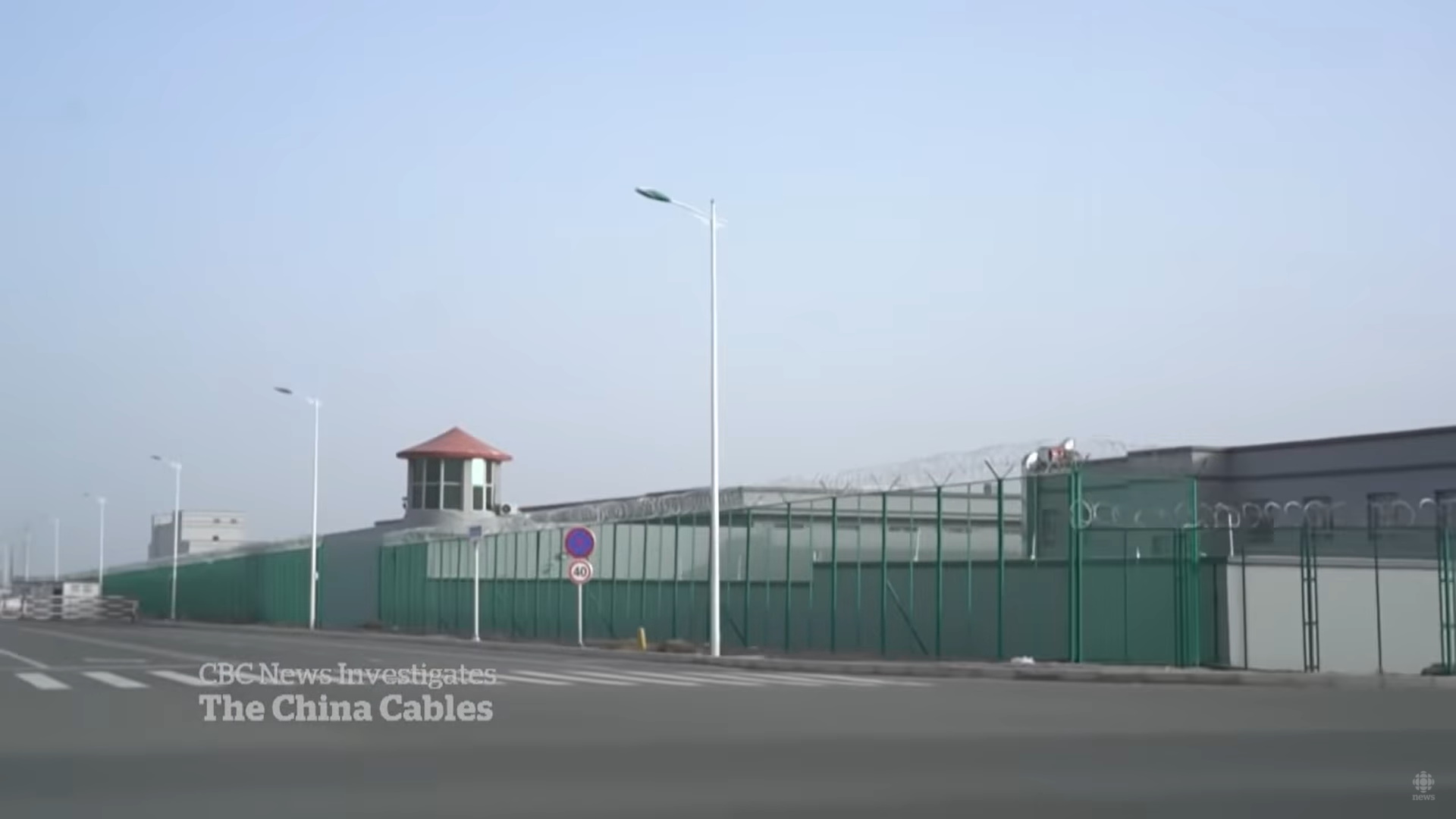
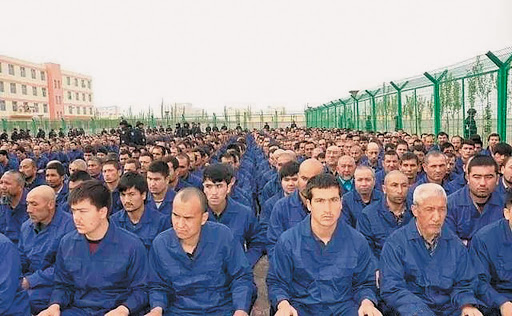
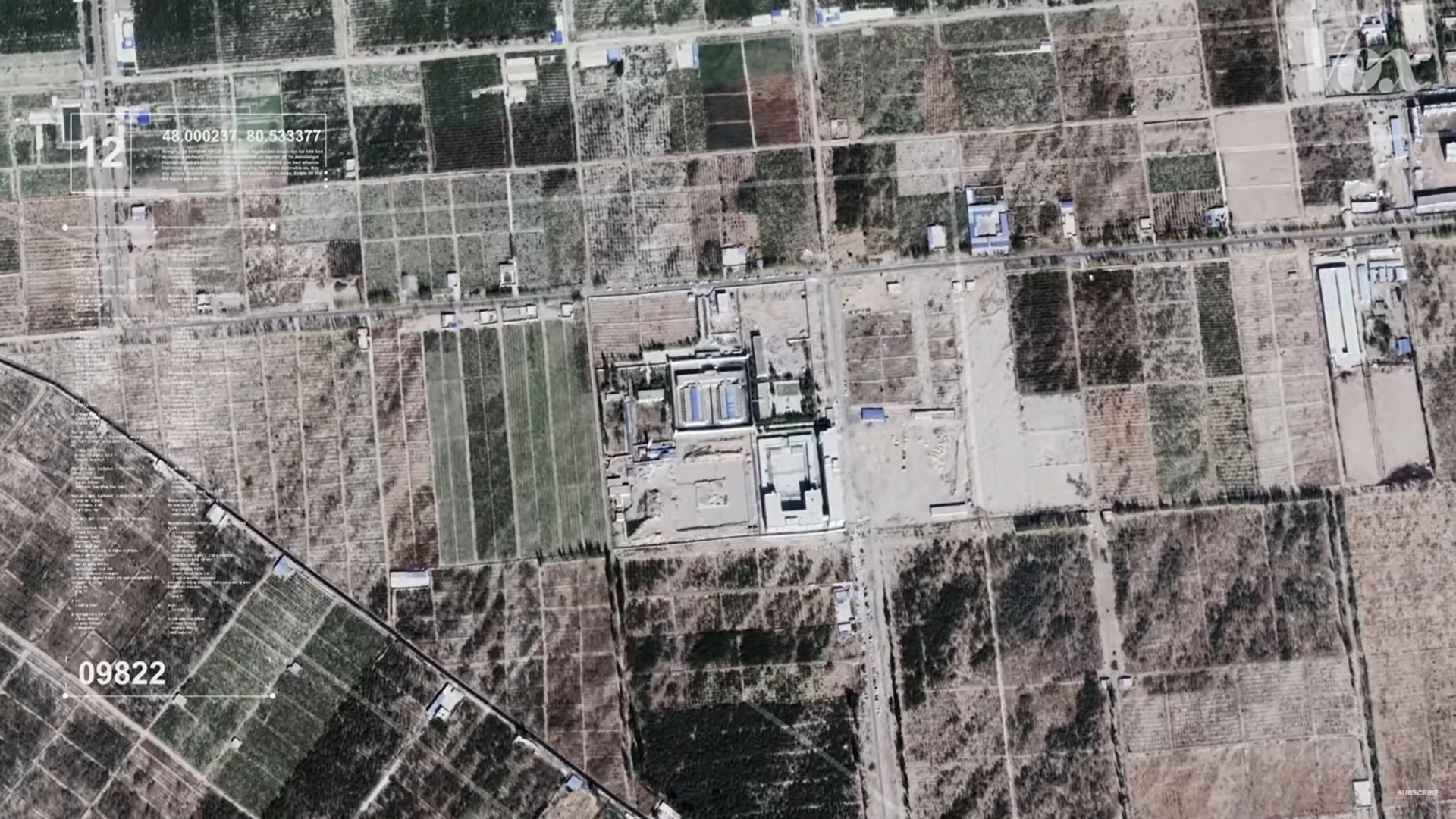
Law entitled Uyghur Forced Labor Prevention Act, if passed, would require American companies to garancand that they do not use forced labor in China. The legislation specifically refers to the practice in the Chinese region of Xinjiang, where the local Muslim population of Uyghurs is systematically oppressed, who are placed in "re-education camps". In addition to further violations of basic human rights, including forced sterilizations and abortions, these also function as factories in which workers are forced to participate in Chinese exports to the rest of the world under the threat of further repression by the communist apparatus.
Gallery
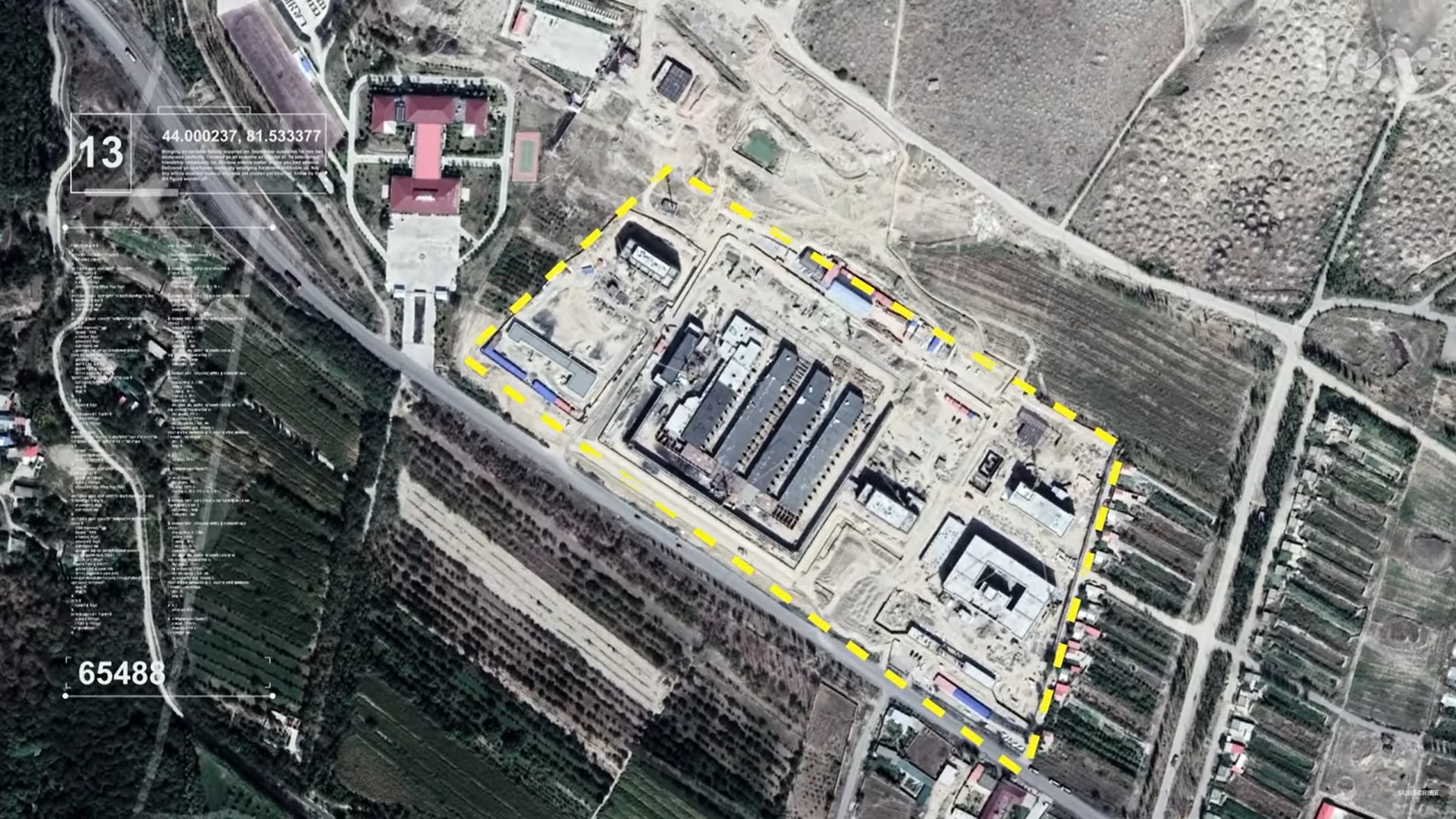
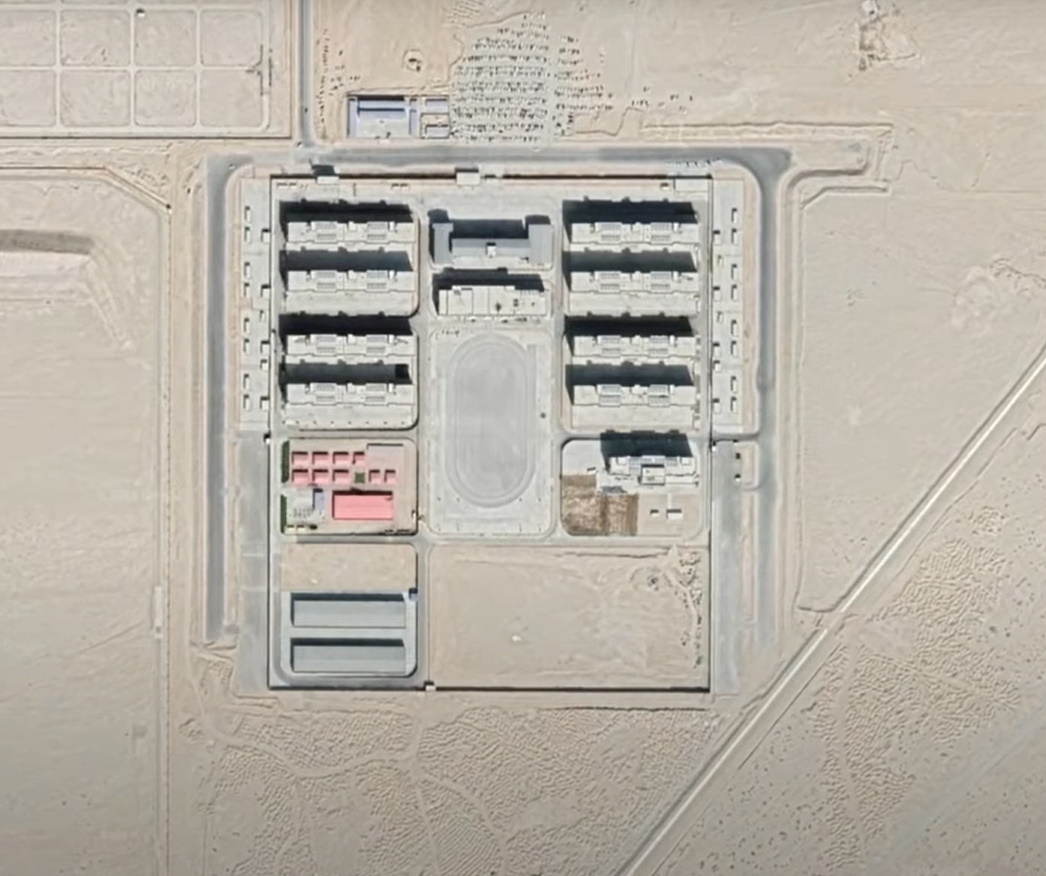
The proposed bill is currently being considered by the United States Senate. According to unnamed sources, among its staff areanci, to which The Washington Post report refers, however, Apple hired a lobbying firm in the upper house of the US Congress to try to weaken the law. The two Senate staff who came up with the information from closed-door meetings with this company said that they Apple joined a number of American companies seeking to change the wording of the law. And although they did not specify the specific issues they were AppIf the law is objectionable, the changes pushed by society should focus on mitigating it.
Apple has already run into trouble with the issue of forced labor in China in the past. For example, in March this year, when the company was accused of using forced labor to produce T-shirts for its employees in China.ance. Some of the factories that form part of the technology giant's supply chain are also located directly in the problematic region of Xinjiang. The current wording of the law would apparently prohibit their use, and it is possible that this will be Apple it is trying to prevent its lobby - according to speculation, for example by introducing stricter audits instead of moving its production capacity. Inspections in factories at the same time Apple performs and even by is causing some of its Chinese suppliers considerable trouble.
In any case, Cupertino's efforts to influence the law do not appear in the best light. Especially considering the fact that Apple even himself Tim Cook They condemn forced labor in their official statements and do not hesitate to publicly express their positions in support of human rights. "Apple he would prefer if we all just sat here and talked about it and they didn't have to lift a finger. Now they are in shock, because for the first time they can feel the real consequences, which will also be able to be effectively enforced." Cathy Feingold, Director of the International Department of the AFL-CIO trade union, summarized the situation surrounding the law in a report.
You might be interested in







Of course, Apple is just hiding behind empty lying phrases, just like when he boasted that not adding a charger is protecting the environment. Also a lie, it has already been calculated that it has a worse impact on the environment than if it were in the package. Just Apple just save moneyancea or will sell people a charger separately for a lot of money. And personal data protection? Well, we'll see how it turns out, but there are already investigations underway in several countries that Safari adds its own tracking modules to the browsing.
go to Chrome you will be happier :D
The others don't have to hide because they're on everyone's ass.
The best example is fanatics like those who come here to preach their inventions.