
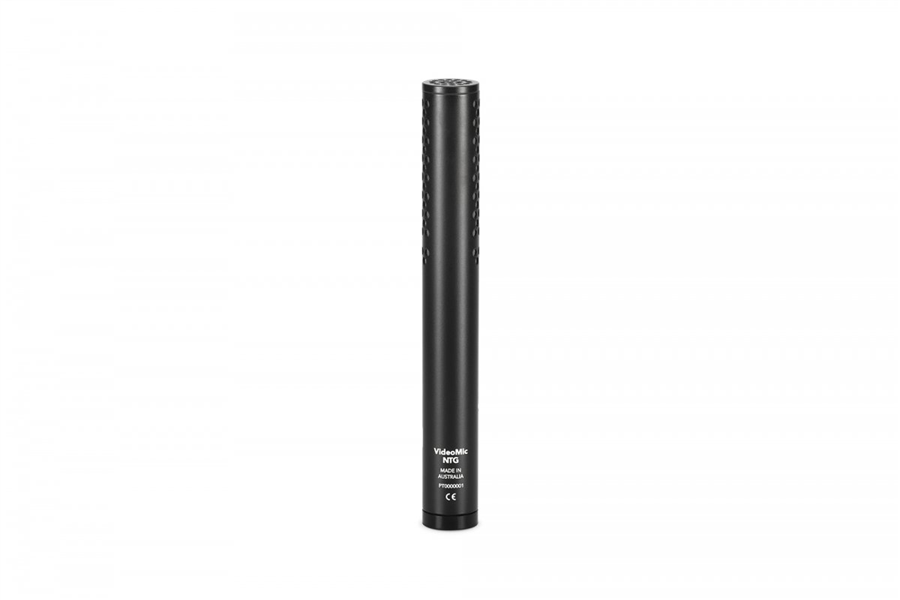
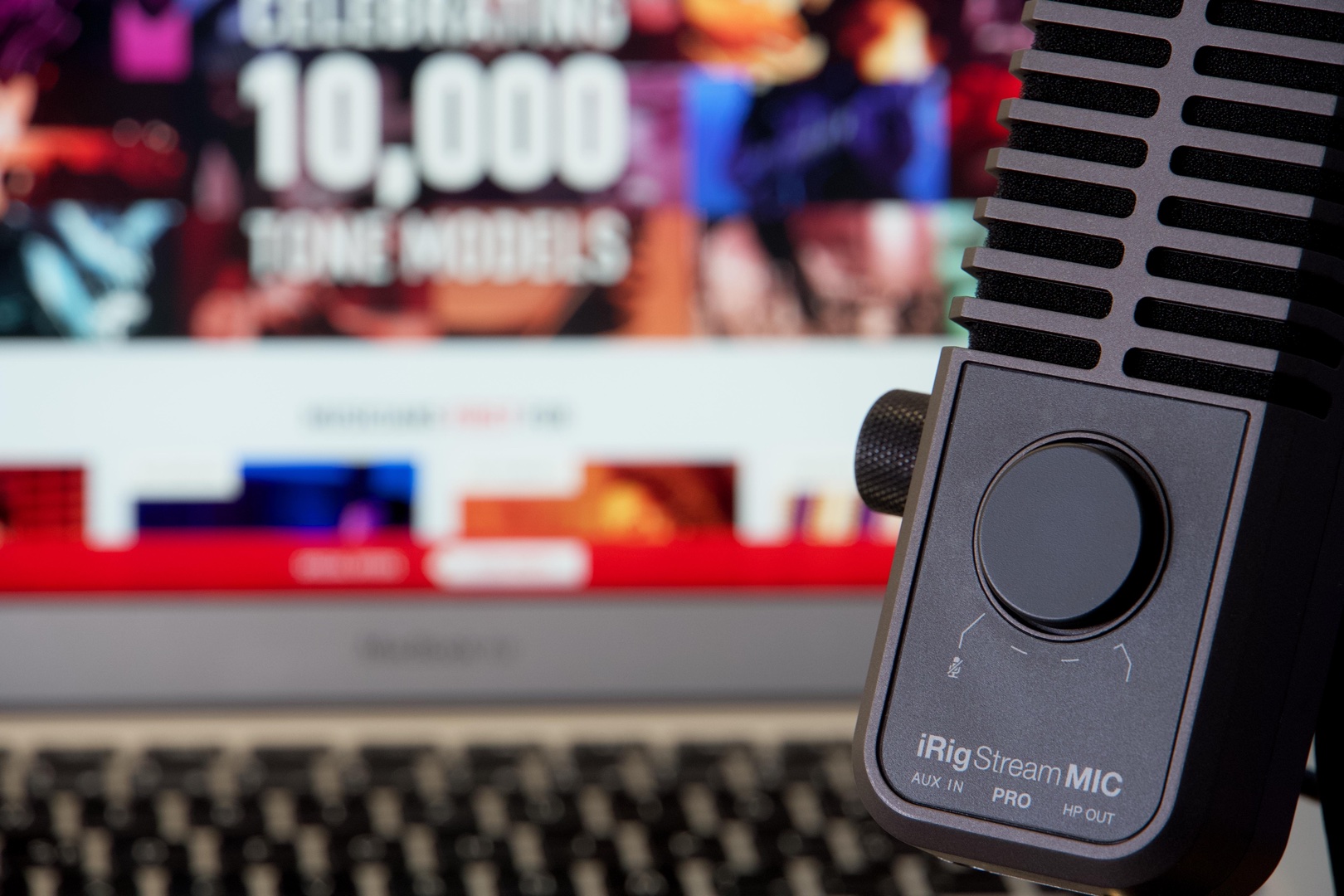
Although the internal microphones of iPhones, iPads and iPod touches are quite sufficient for basic sound recording, they cannot compete with additional microphones. Their quality is significantly higher, which is why they are used by practically everyone who is serious about their work, in which sound plays one of the main roles. A great choice for Apple fans is the VideoMic NTG microphone, which has long been known as one of the most versatile directional microphones on the market. It is suitable for podcasts, vlogs, and audio or video calls.
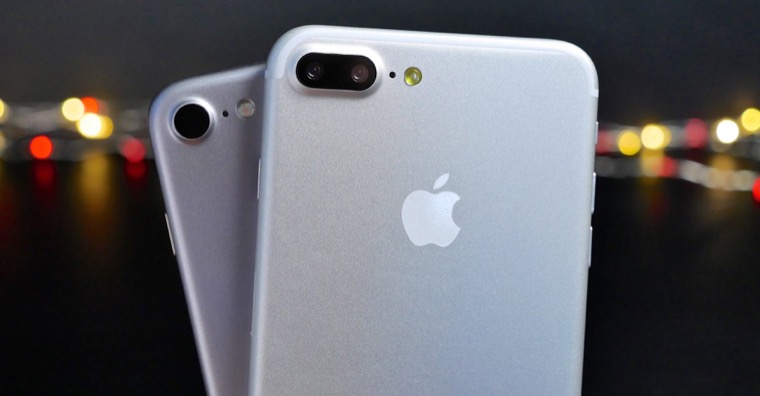
In the past, it was possible to microphone with mobile devices from the workshop Applu-powered operating systems iOS and iPadOS can be connected using only 3,5mm jack konewhich. However, it was removed from iPhones in 2016, which made the microphone's usability for Apple users quite problematic. Fortunately, this is changing now. The VideoMic NTG has received a firmware update (downloadable here), thanks to which it is now able to work even when connected via Lightning port. A cable, for example, is great for this. SC15 from the RODE workshop with USB-C terminals and just LightningThe icing on the cake is that the manufacturer even obtained Made For certification for the microphone. iPhone (MFi) issued directly Applem, which guarantees 100% compatibility with mobile Apple devices. Of course, however, it is also true that in addition to LightningIt is still possible to connect a microphone via 3,5mm jackif the device used still has it.
The microphone connected to an Apple mobile device can be used to record audio in any application downloaded from App Store, and therefore with native applications from the workshop Applu. In addition, you will definitely appreciate the dual way audiotransmission between microphonesoneme iOS/iPadOS devices that can be used with USB-C/Lightningu also use the option to connect headphones with 3,5mm jackdirectly to the microphone, which gives you an excellent overview of the sound being recorded. And if you don't like the recording, you can edit it right away using variaa rotary control directly on the microphone body.
Another interesting feature is The Safety Channel function, which can be simply described as a second audio track recorded with 20db attenuation compared to the main recording. This ensures that, for example, when the volume of the recorded sound is suddenly increased, it is quite easy to remove the distortion in post-production, which the main track usually cannot avoid during similar changes in the volume of the recording. However, the microphone can also be used in a completely standard way - i.e. as a classic hi-end piece with its own 24bit/48kHz AD conversion and one-track audio recording, which is at a very high level.
Gallery
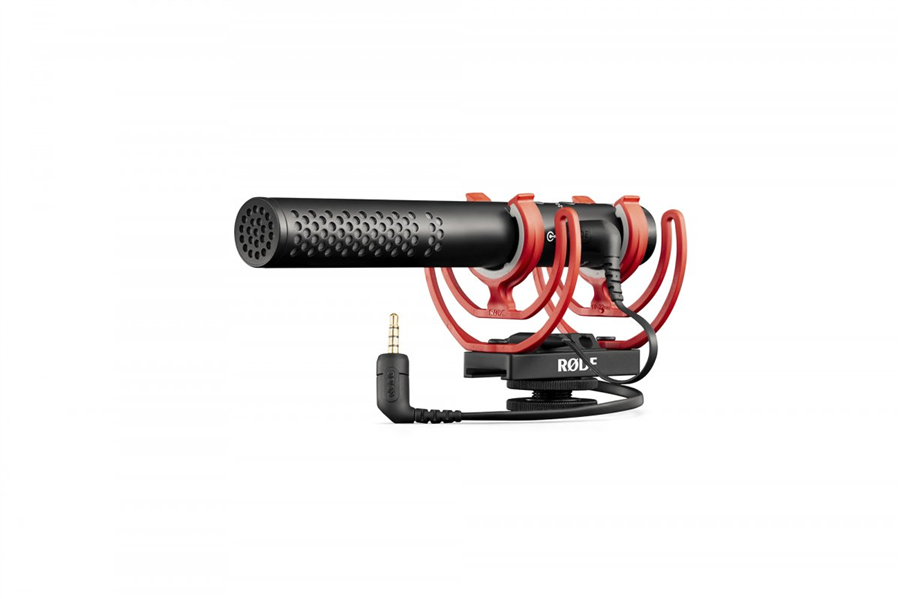
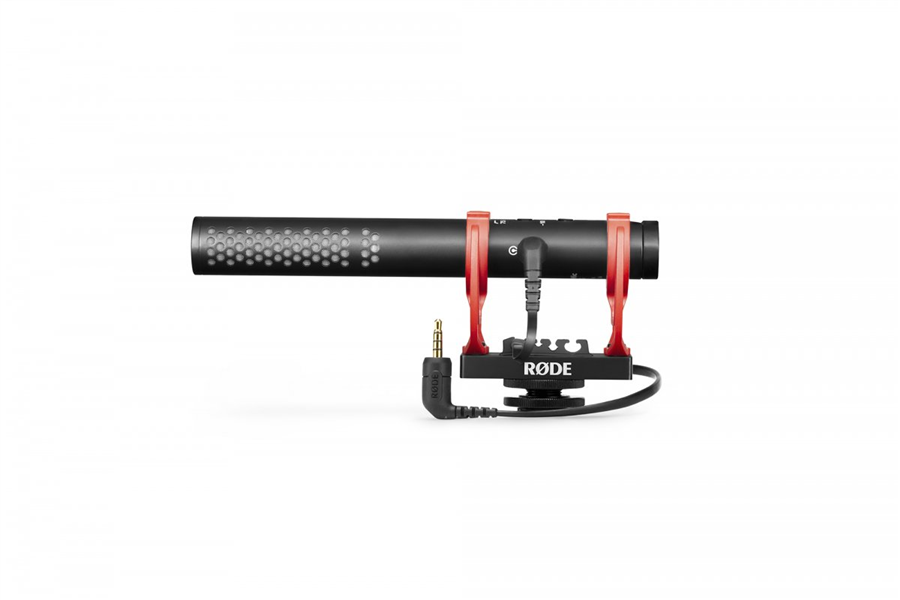
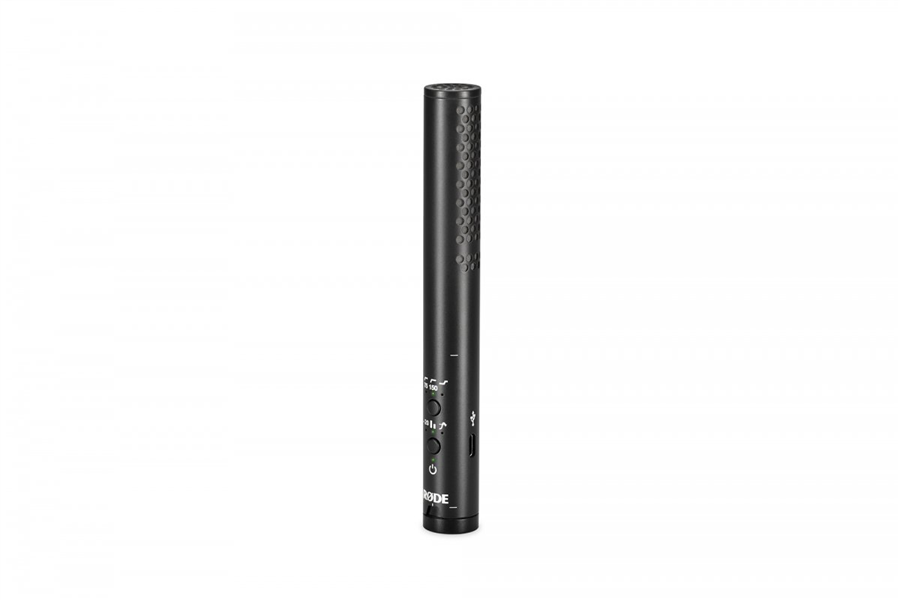
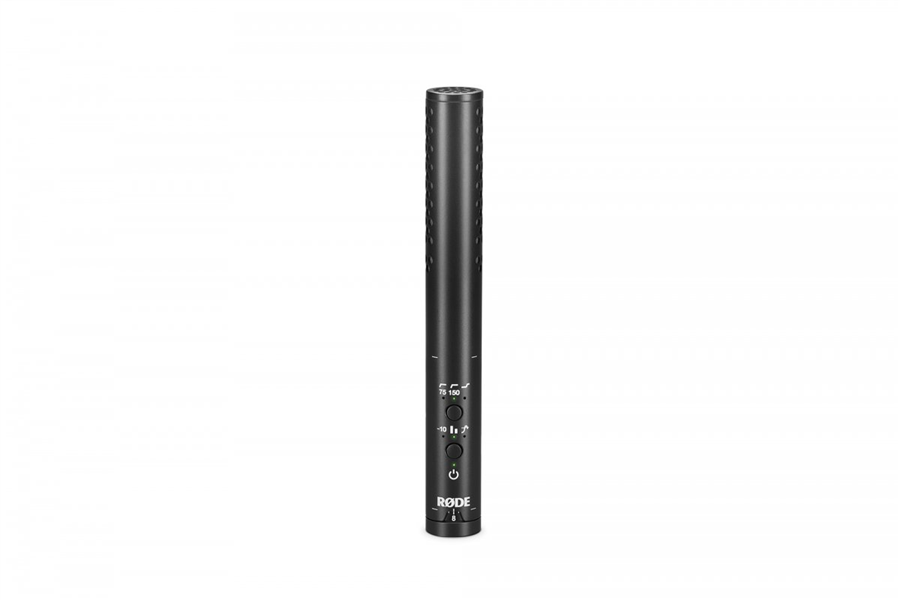
Androids will also come to their senses
In addition to mobile devices from the workshop Applu is a microphone that can be used with cameras or phones with Android OS, to which it can be connected using a cable RODE SC16 with USB-C/USB-C terminals. The good news for Android owners is that the microphone manufacturer is constantly working on its software improvements, which, among other things, improve the quality of the recorded sound. So installing new microphone firmwares is definitely in order, as well as buying one if you are serious about audio recording.
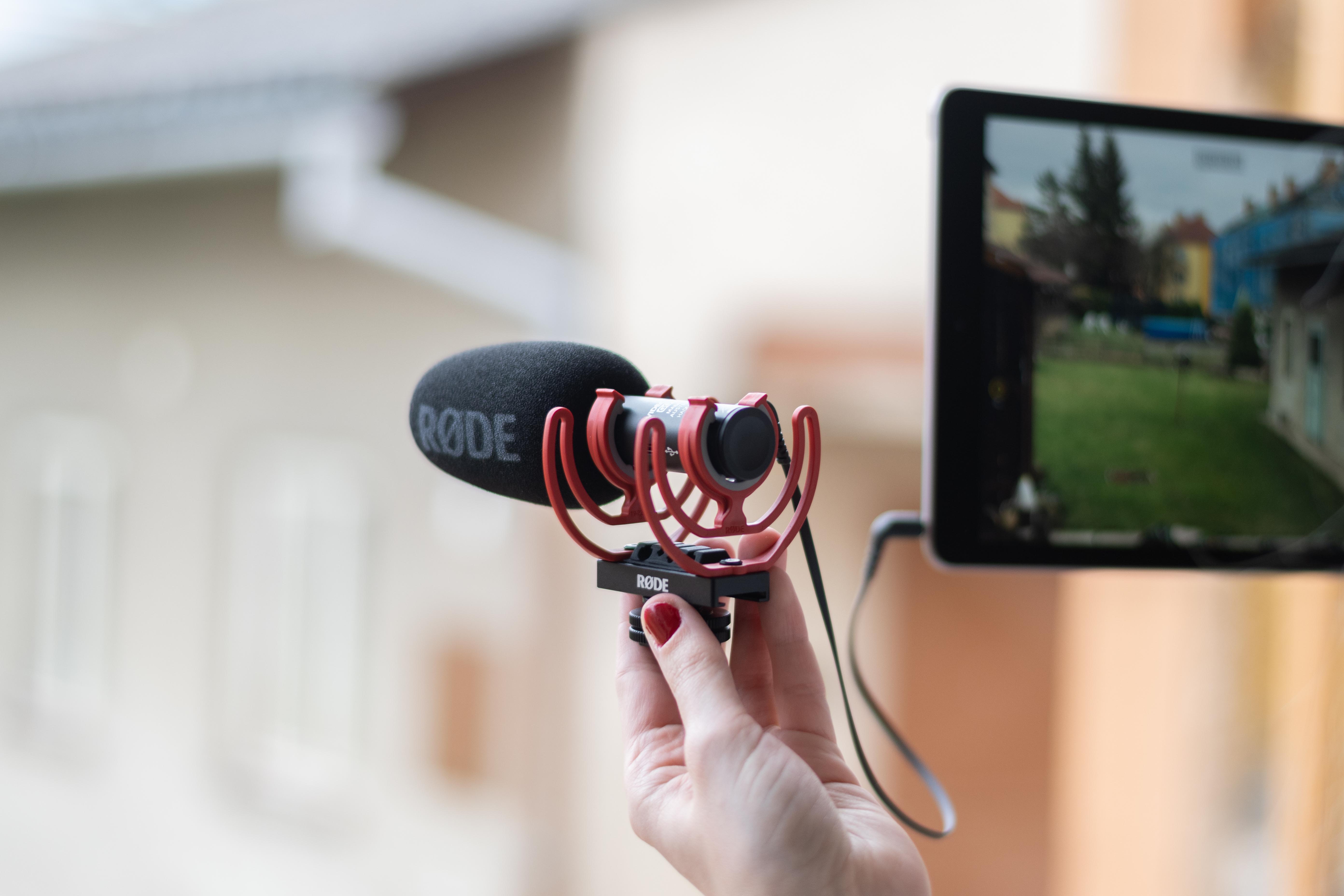
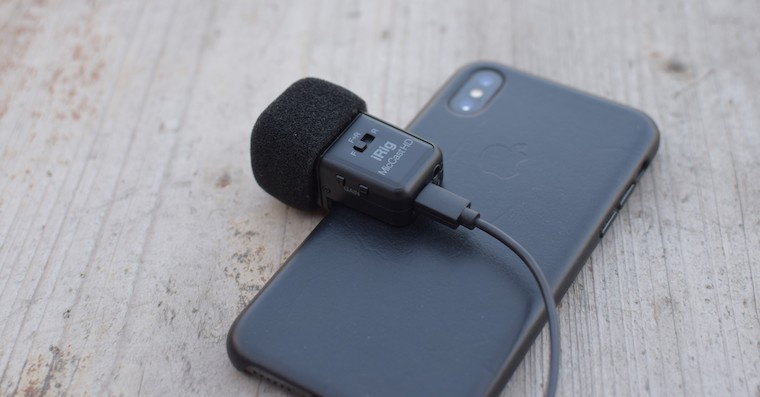
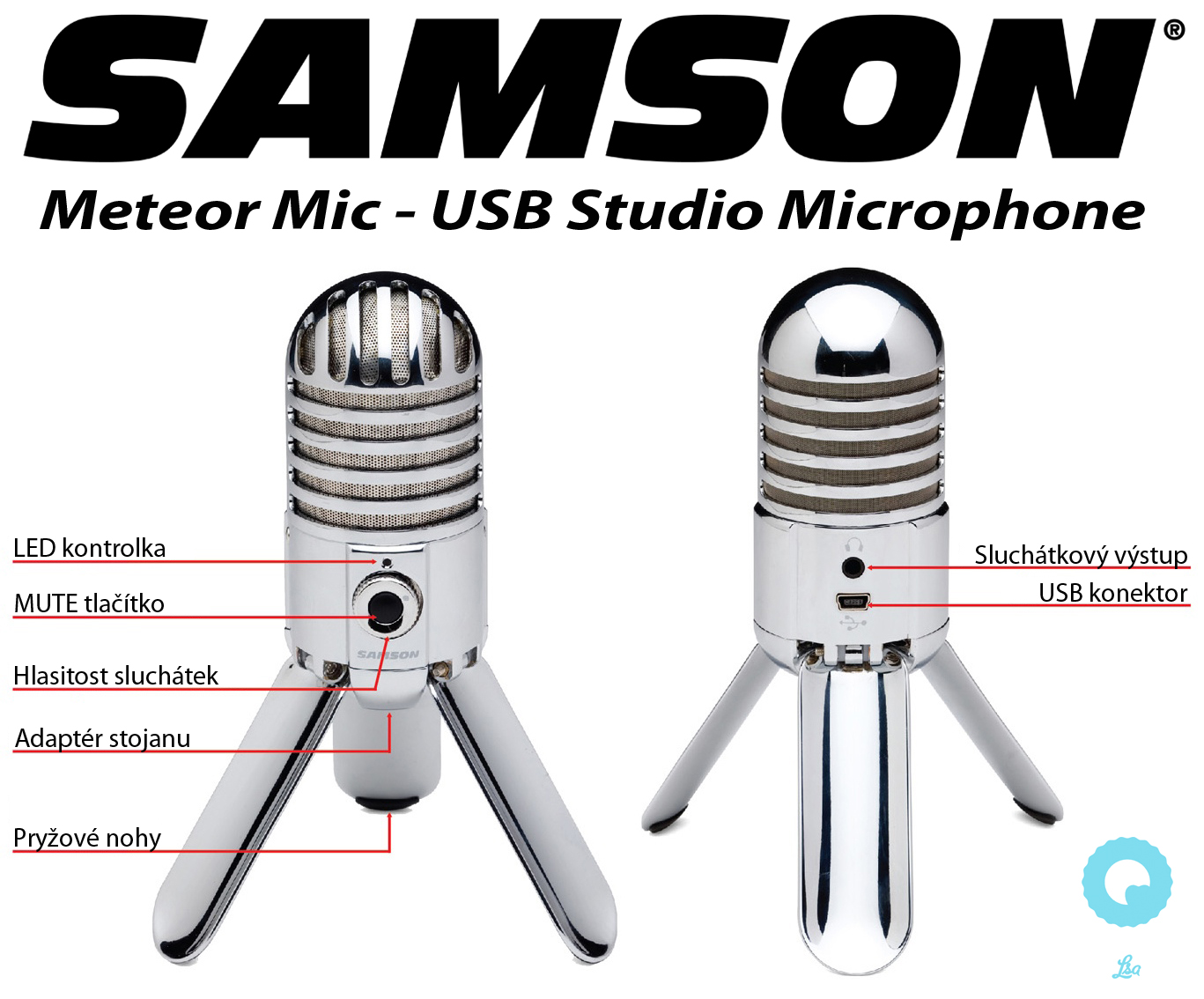



I use the RODE VideoMic Me-L and it's a whole different level compared to the built-in microphone. With an external microphone,oneYou can tell how poorly the built-in microphone records.