
Apple mobile operating system iOS has undergone a number of changes since its inception. In one of our previous articles we introduced newsbrought by its individual versions, today we will focus more on its gradual development since the iPhone OS to the present day.
You might be interested in

iPhone OS 1
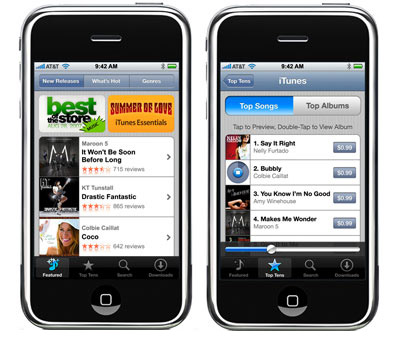
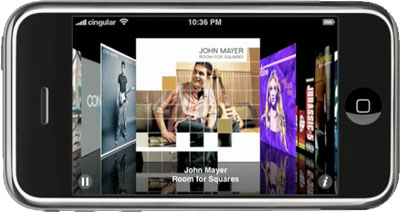
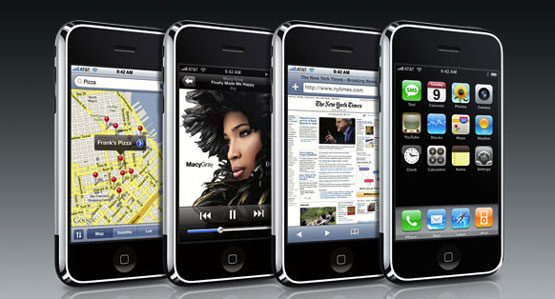
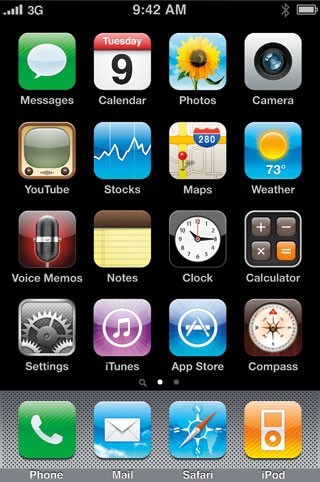
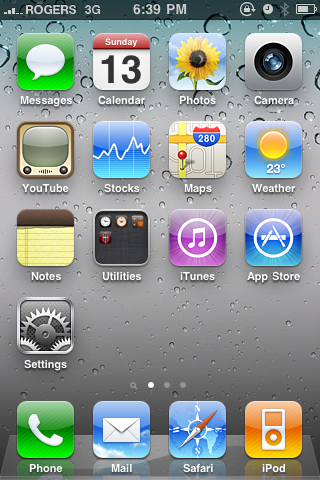
iPhone OS 1 was the first publicly released major version of the smartphone operating system since Applu. It was released on June 29, 2007, and was intended for the first generation iPod touch and the first generation iPhone. The first version of the operating system for Apple's mobile devices was characterized by the absence of Notification Center, multitasking features, or native Reminders. Users did not have the ability to set a desktop wallpaper. In version iPhone iTunes was added to OS 1.1.1. The latest version of the operating system iPhone The OS was version 1.1.5, followed by the operating system iPhone OS 2. iPhone OS 1 offered native applications Calendar, Photos, Camera, YouTube, Stocks, Maps, Weather, Clock, Calculator and Notes, in Dockthere were icons for phone, email, Safari and the iPod application.
iPhone OS 2
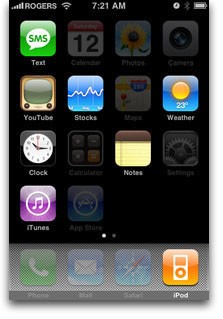
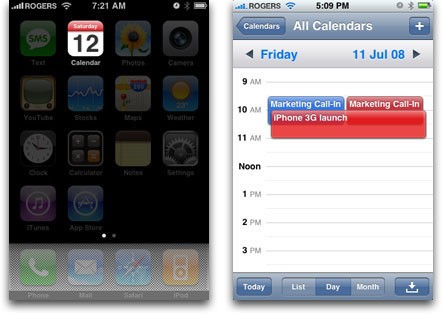
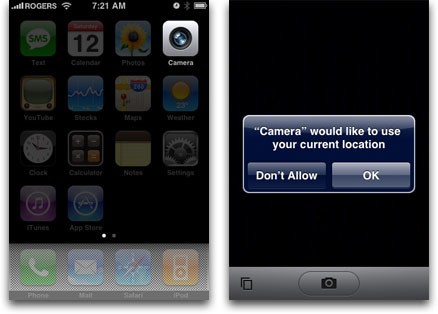
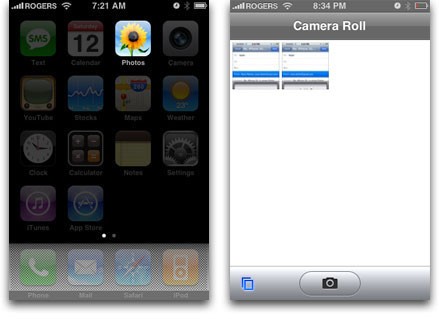
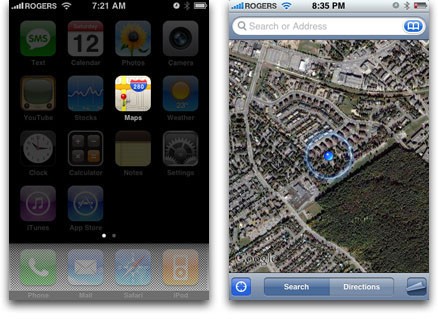
Operating system iPhone OS 2 was introduced at WWDC June 9, 2008, it was released on July 11 of the same year. In the operating system iPhone OS 2 had its premiere App Store, which allowed users to download applications from third-party developers to their smartphones. The native Mail application was iPhone OS 2 has been redesigned, offering support for MS attachments Office and iWork. Native Contacts has a new search function and the ability to import from a SIM card. Maps has added navigation for public transport and walking, the calculator has gained the ability to switch to the scientific version when rotated to landscape. Settings has added the ability to turn on Wi-Fi in Airplane mode. Latest version iPhone OS 2 was released in January 2009 and was named 2.2.1.
iPhone OS 3
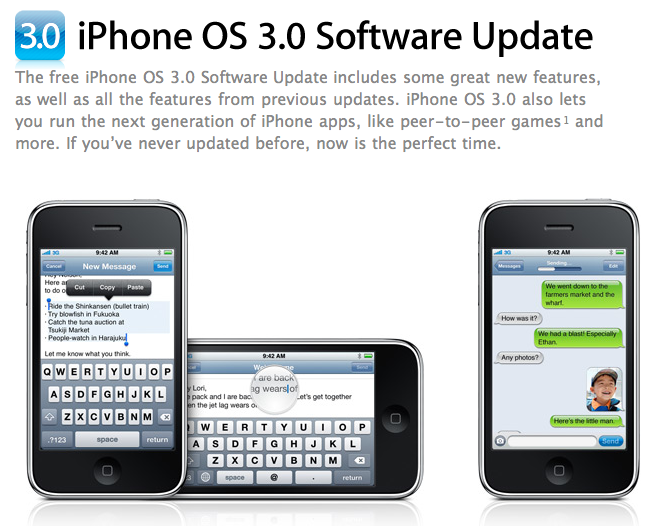
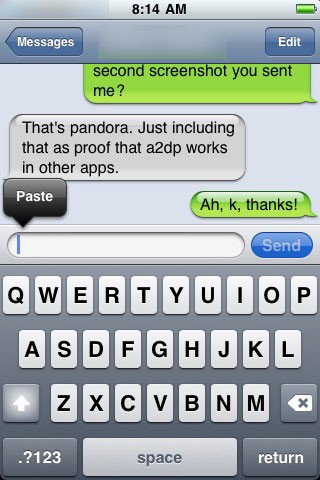
Company Apple introduced the operating system iPhone OS 3 on WWDC on June 8, 2009 and released it on June 17 of the same year. iPhone OS 3 brought a system-wide function of copying and pasting text or images and the function of undoing the last action by shaking the phone. Developers were given the opportunity to implement in-app purchases, users received MMS support, and the ability to send voice messages was added to the native Messages. Another new feature was the Voice Memos application, and the native Camera gained support for recording videos (on the iPhone 3GS). The iPhone's home screen gained the ability to display up to 11 pages, thus accommodating 180 images.oneto applications. Latest version of the operating system iPhone OS 3 was named 3.2.2 and was released in August 2010.
iOS 4
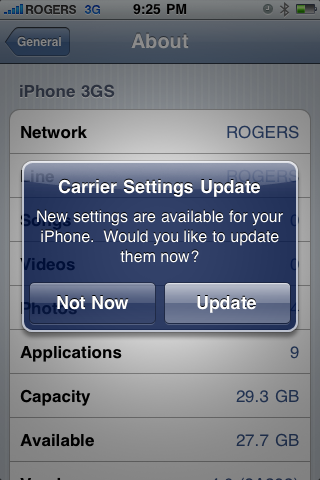

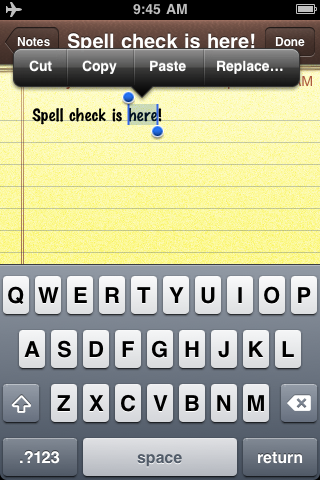
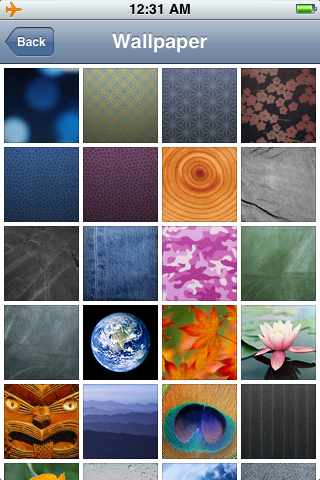
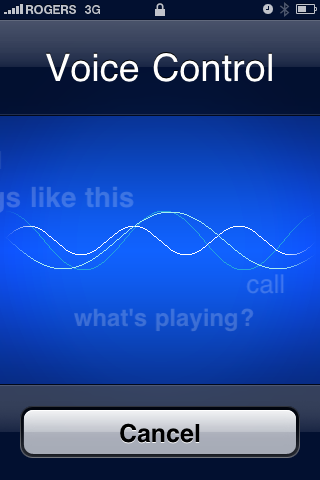
With operating system iOS 4 was accompanied by a number of firsts. It was the first operating system for mobile devices since Applu, which was called iOS, and also the first operating system with multitasking support. The company Apple released it on June 21, 2010, in addition to multitasking it brought iOS 4 the ability to organize application icons into folders, support for multiple email accounts in the native Mail app, andBooks, support for iMove and the ability to create playlists. Users also gained the ability to donate to the app from App Store to someone else, they got a spell check function for selected languages, the ability to activate a personal hotspot (on the iPhone 4) or the ability to rent movies. An application has been added Game Center and the option to display the Notification Center by swiping down from the top of the screen. iOS 4 was also the last operating system to feature the Mona Lisa wallpaper and where users could enjoy the iPod and Voice Control applications. The last version of the operating system iOS 4 was named 4.3.5 and was released in July 2011.
iOS 5
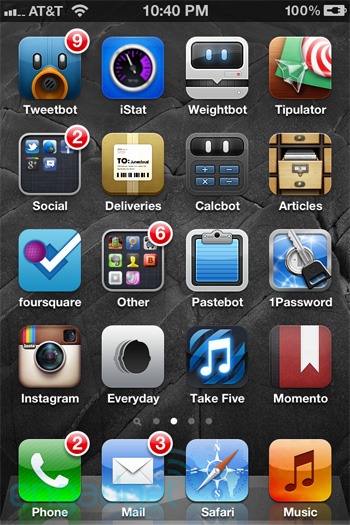
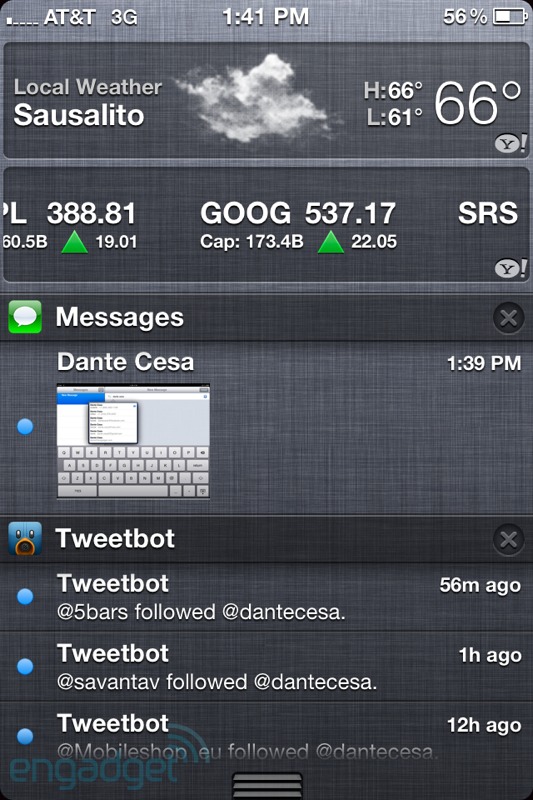
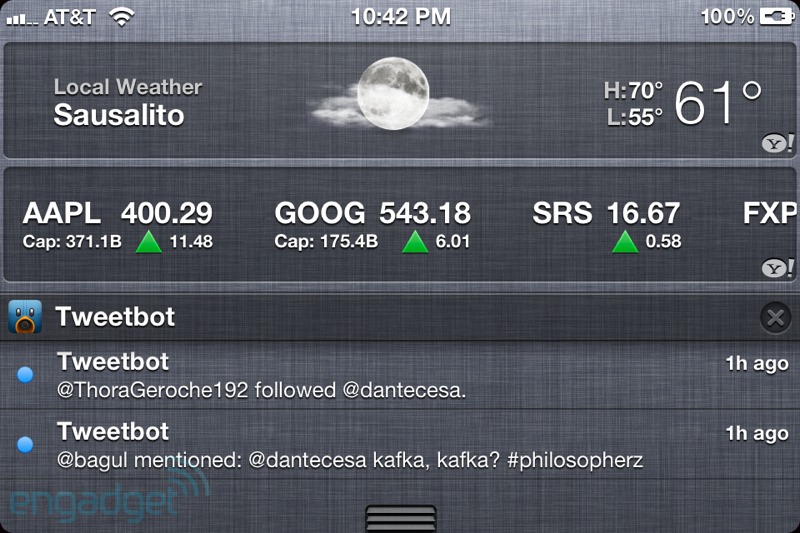
Operating system iOS 5 was released in October 2011. Users received redesigned notifications with the option to display temporary banners. The system also addedCloud for storing and synchronizing data, and Apple fans were also pleased with the new service iMessageFor the first time ever, it was possible to update the operating system over-the-air.air, without the need to connect to iTunes. iOS 5 saw deeper integration with Twitter, owners of Apple tablets gained support for multitasking gestures, a shortcut for quick access to the native Camera appeared on the lock screen. Users also gained the ability to flag emails in the native Mail, a web browser Safari was enhanced with a reading list and the option of anonymous browsing. The iPod application was replaced by the Music application, and the Newsstand application was also added. The voice assistant arrived with great success Siri. Latest version of the operating system iOS 5 was named 5.1.1 and was released in May 2012.
iOS 6
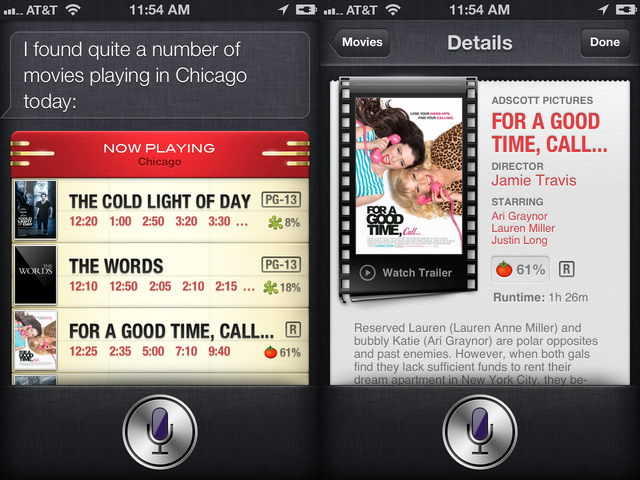
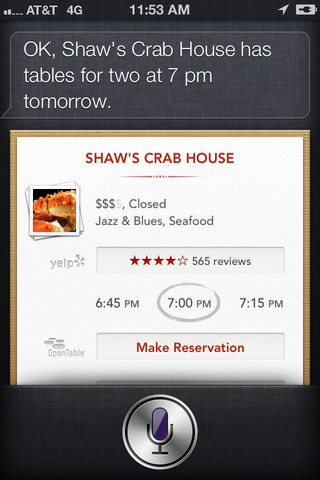
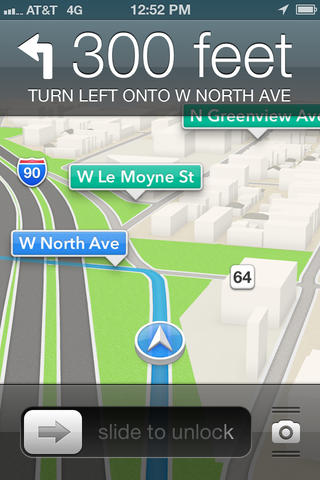
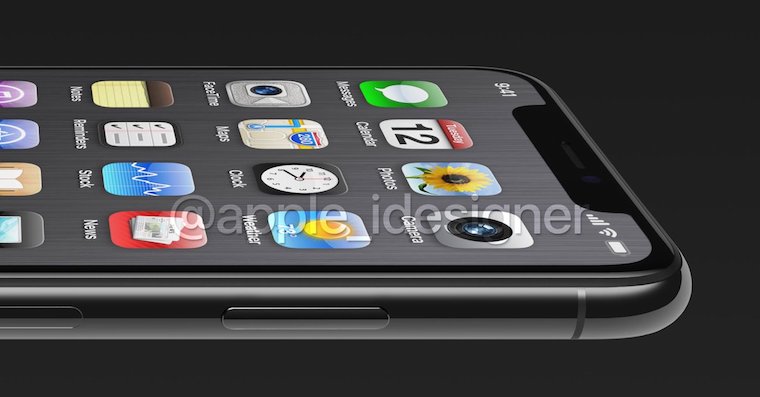
Operating system iOS 6 was released on September 19, 2012. The main new features included a completely redesigned native Maps from Applu, improved Siri with support for multiple languages and regions, and the ability to communicate sports scores. Facebook has achieved full integration with iOS, the ability to share photos has also arrived. Users have seen a new native application called Passbook, FaceTime services for voice and video calls with other Apple users, and the ability to create a VIP list has been added to the native Mail. Web browser Safari gained an offline reading list function, and accessibility improvements were also made. The native Clock app came to the iPad, while apps disappeared from the system Google Maps and YouTube. Operating system iOS 6 also marked the end of the skeuomorphism that many users loved, and for the first time a new system wallpaper was added. The latest version of the operating system iOS 6 was named 6.1.6 and was released in February 2014.
iOS 7
Gallery
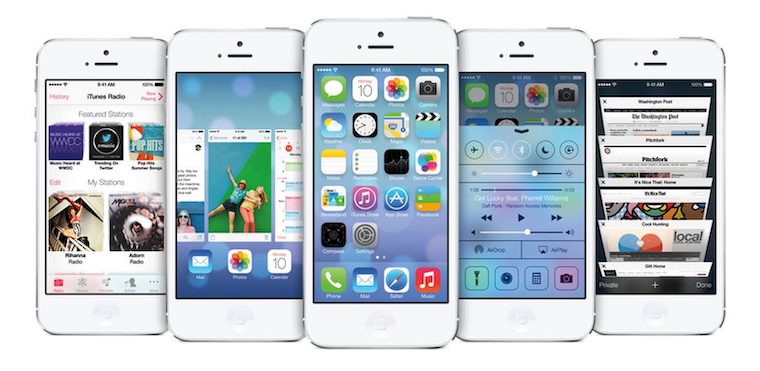
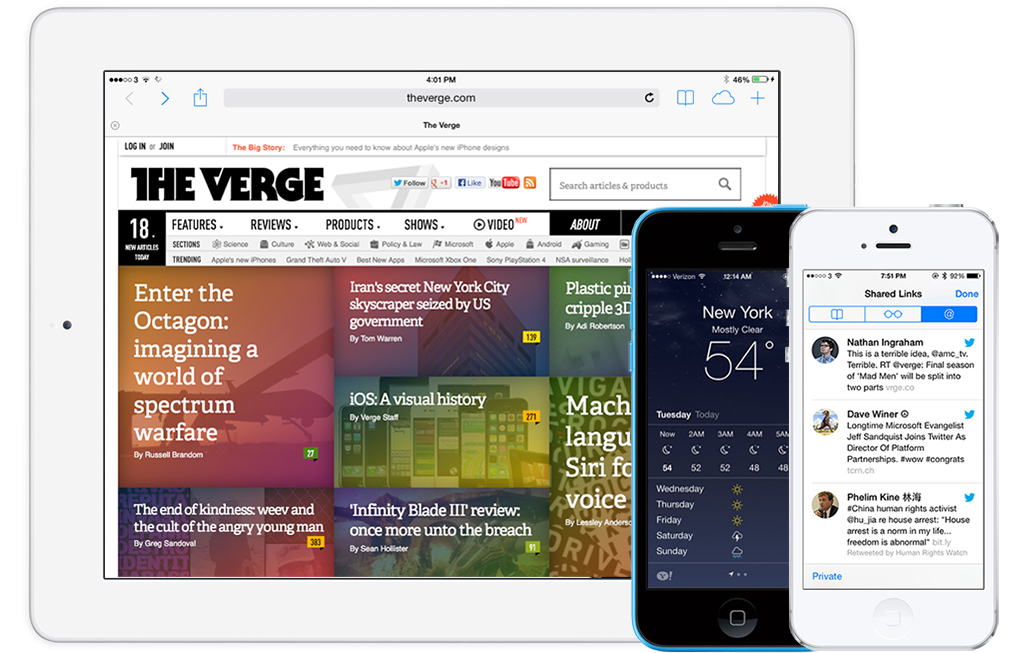
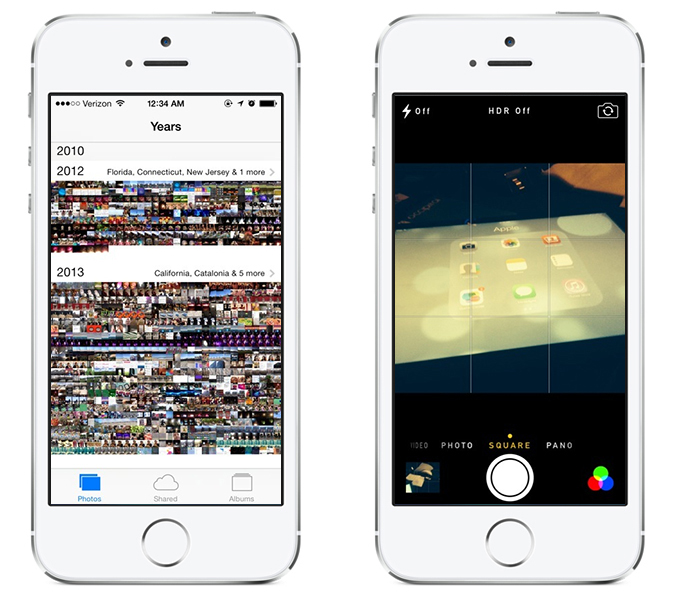
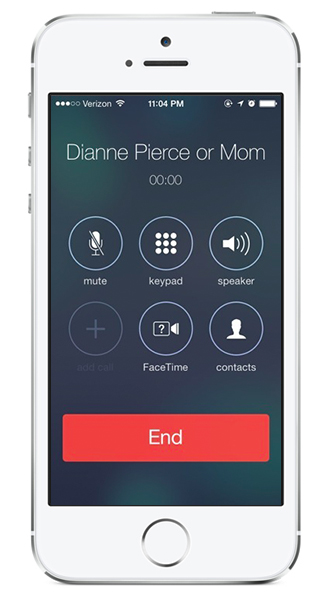
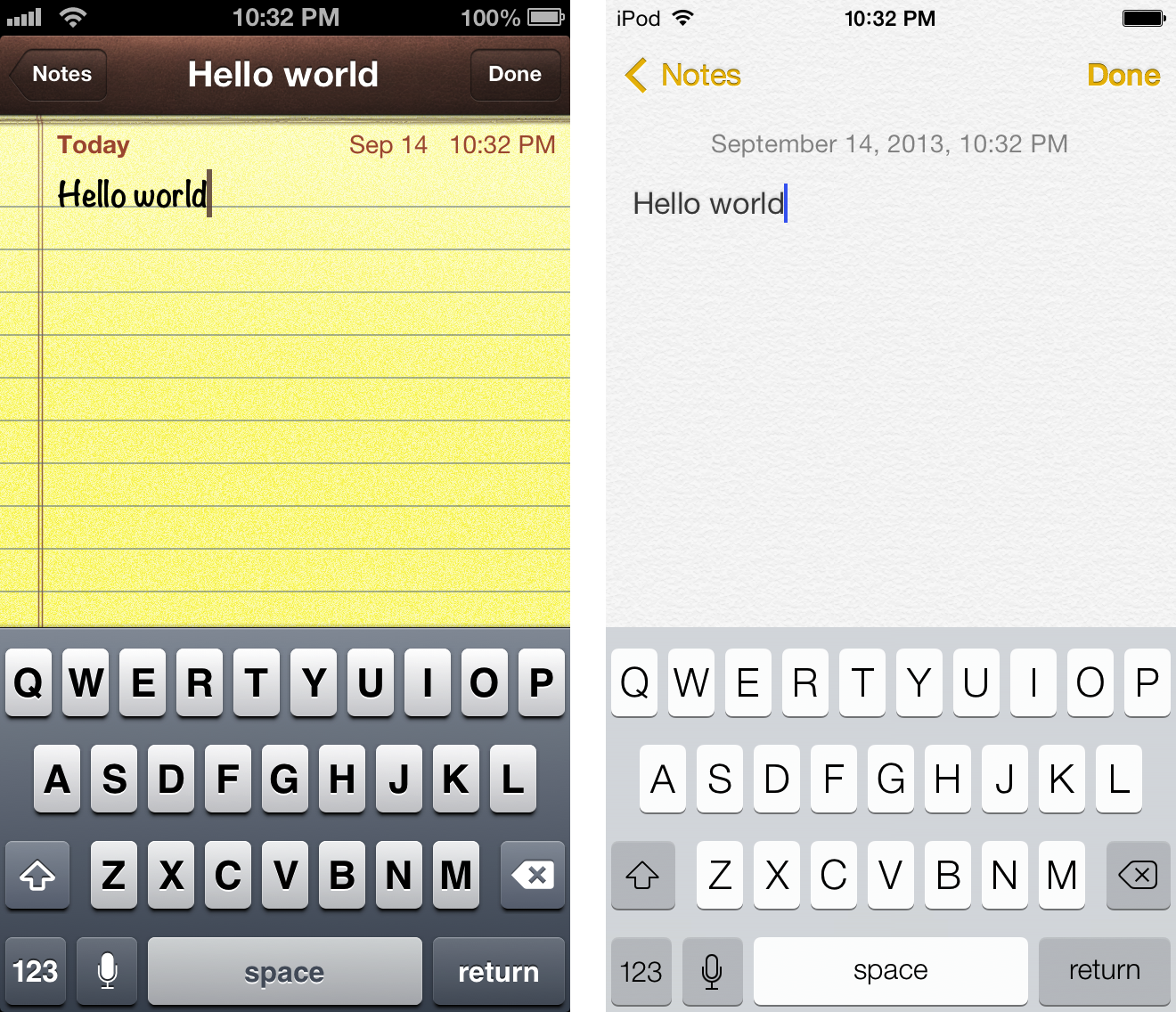
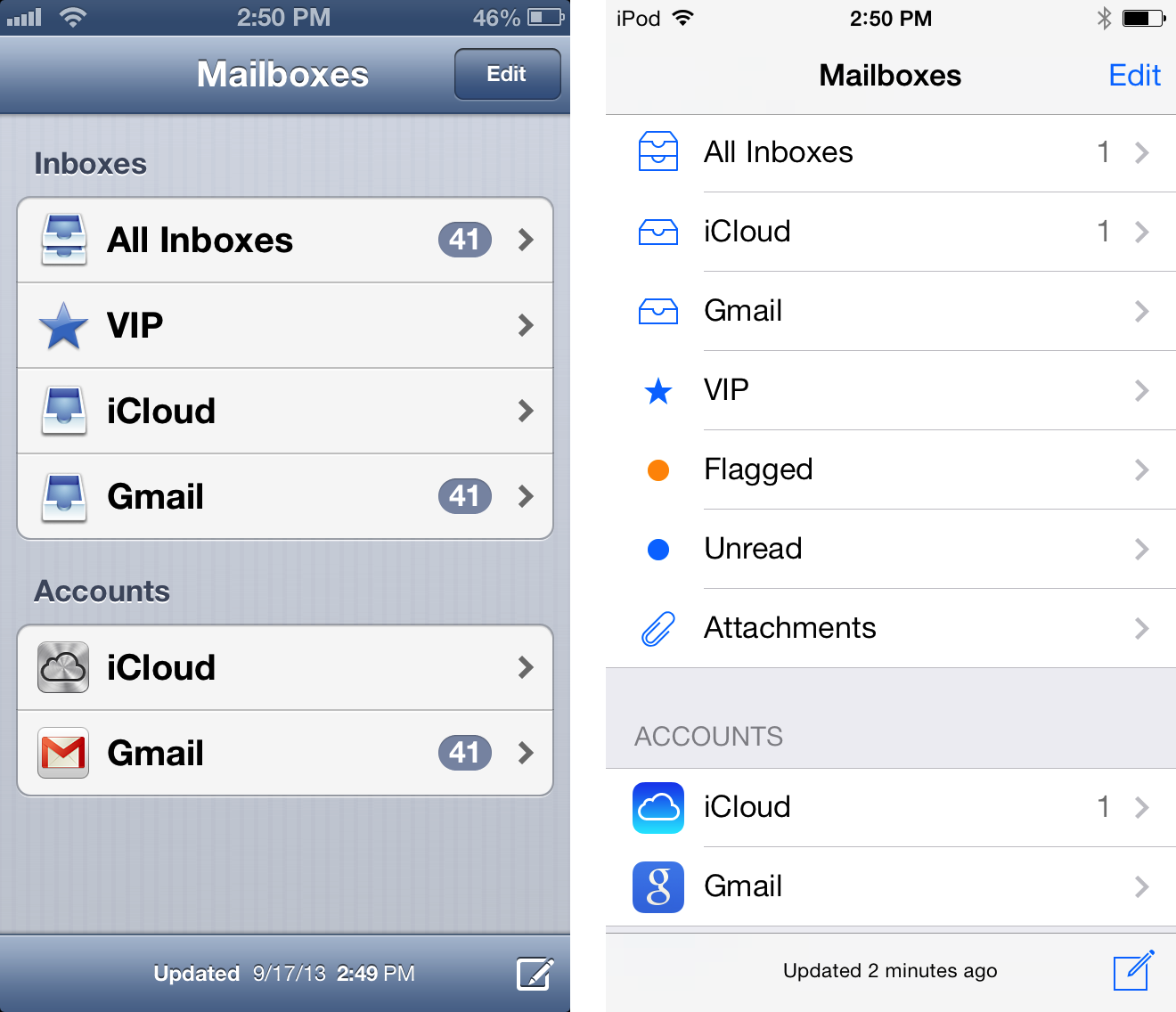
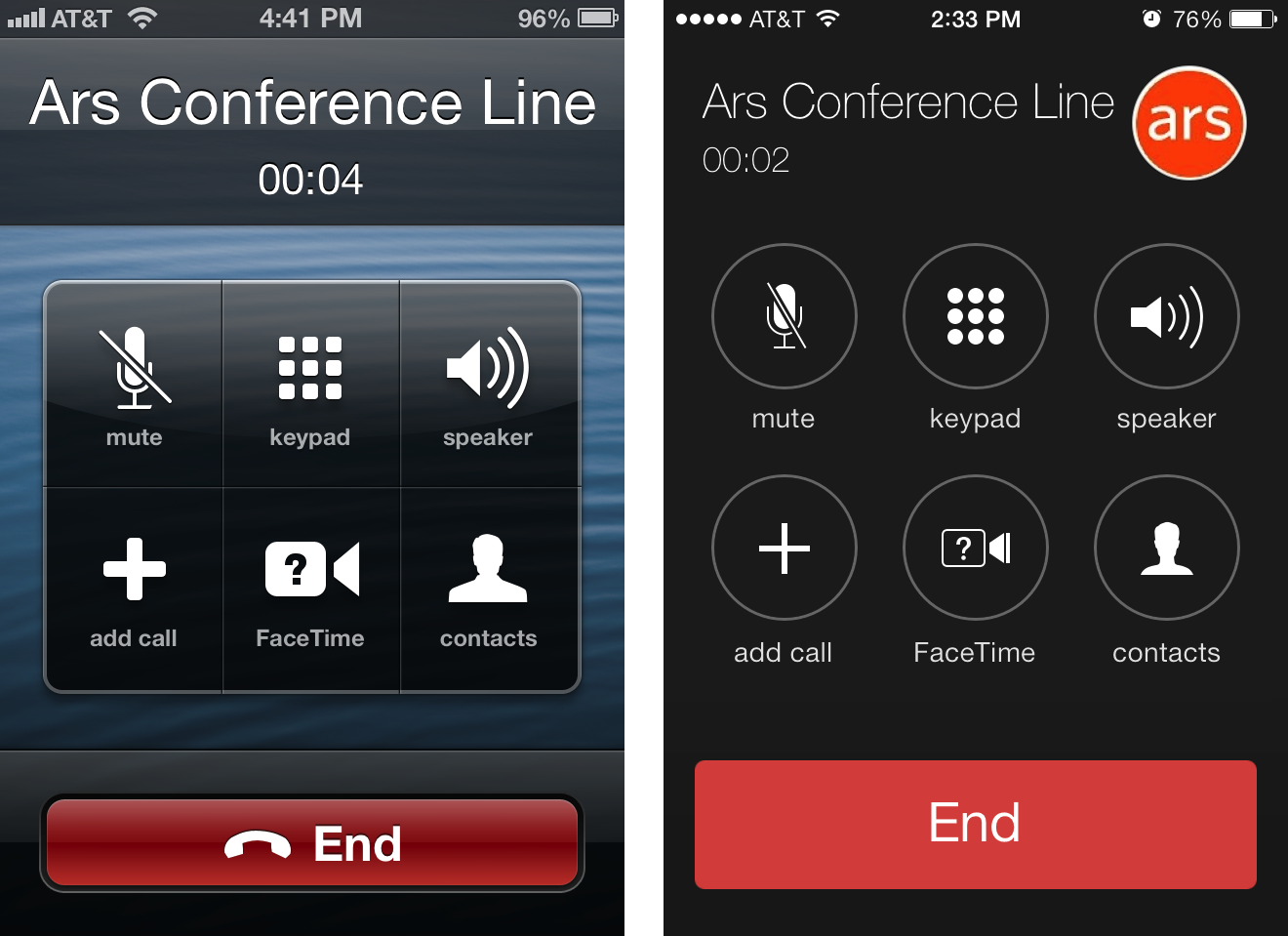
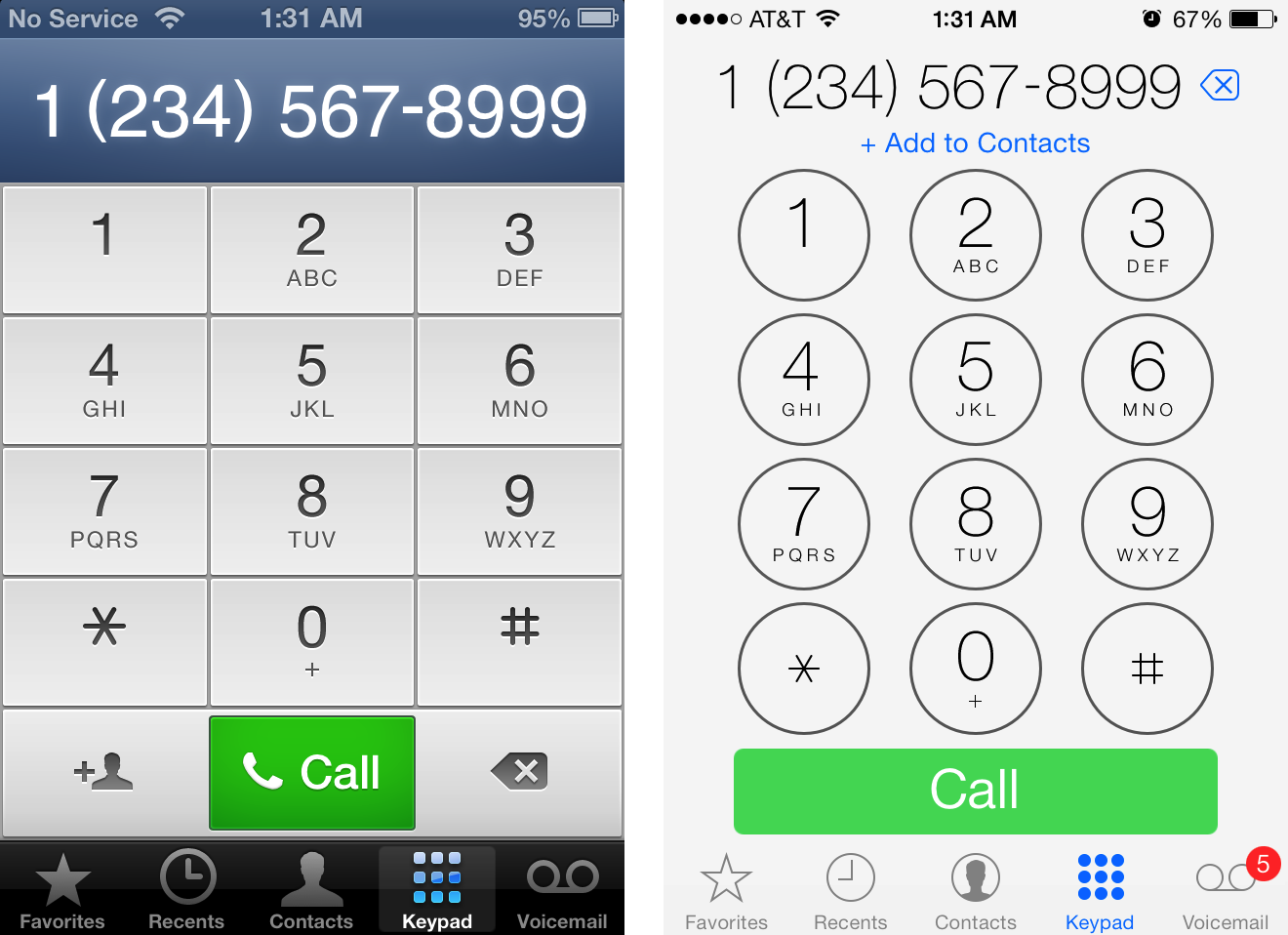

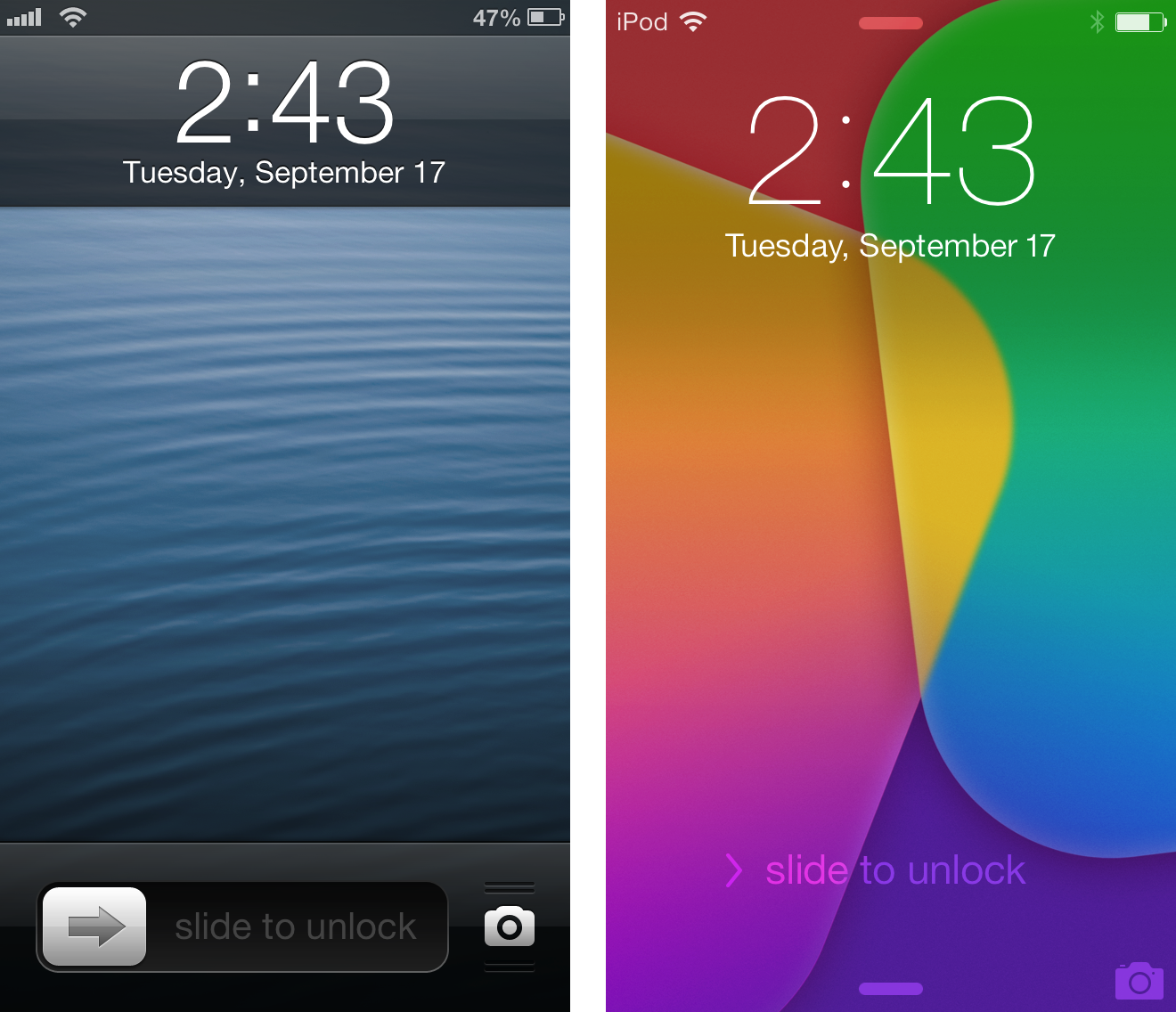
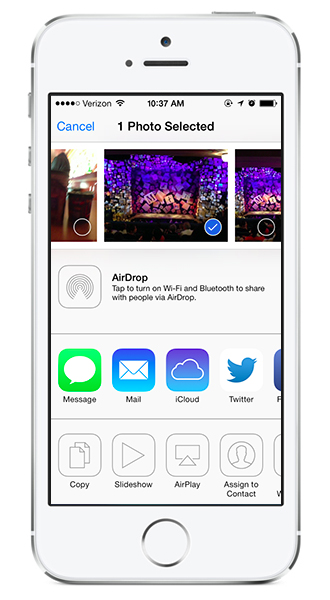
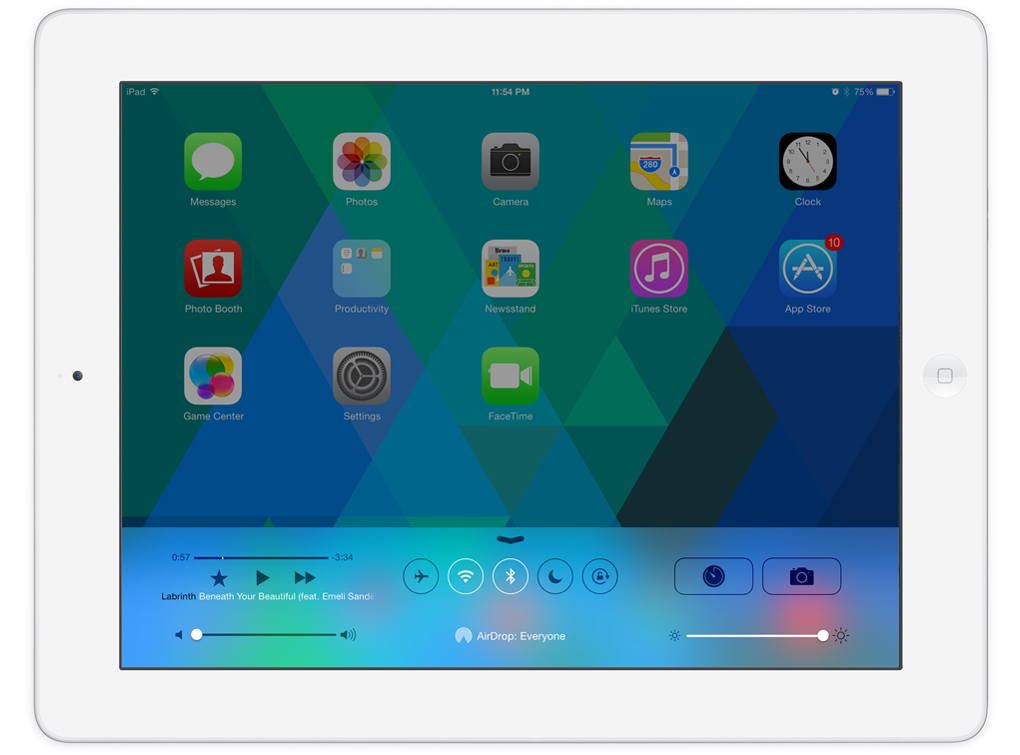
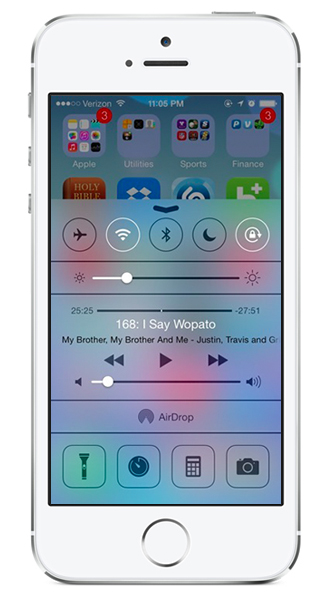
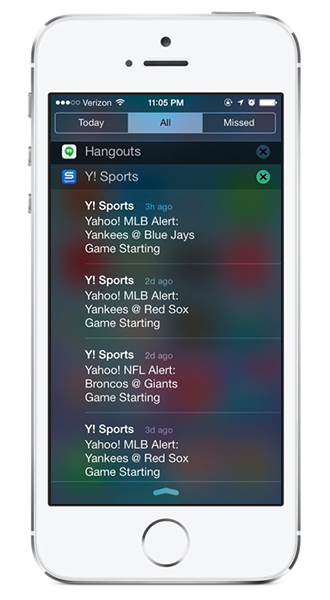
Operating system iOS 7, released in September 2013, was famous for itsonem from skeuomorphism. It brought a complete redesign of the user interface with new icons, appearance, font and effects. It added a Control Center with the ability to manageoneactivity, brightness, media control or features AirPlay a AirDrop, multitasking now has the ability to display previews of all running applications or background updates. In the web browser Safari added smart search and Keychain support on iCloudu, parental controls and the ability to add an unlimited number of cards. The native Camera has gained the ability to switch between modes by dragging along with live previews of filters, an assistant Siri has received a new look, new voices and wider control options. FaceTime now supports voice-only calls. The latest version of the operating system iOS 7 was named 7.1.2 and was released in June 2014.
You might be interested in
iOS 8
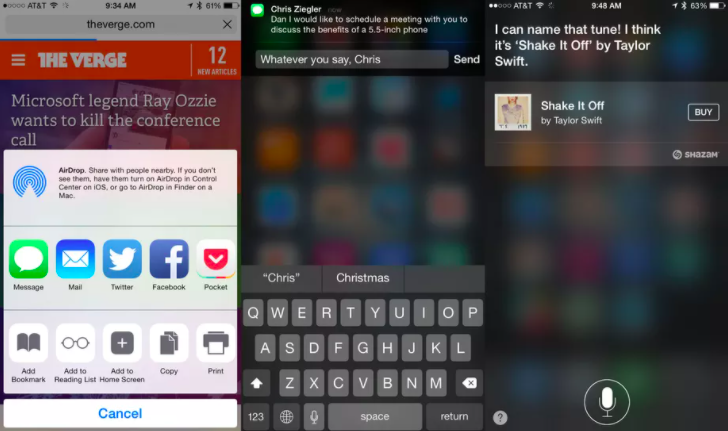
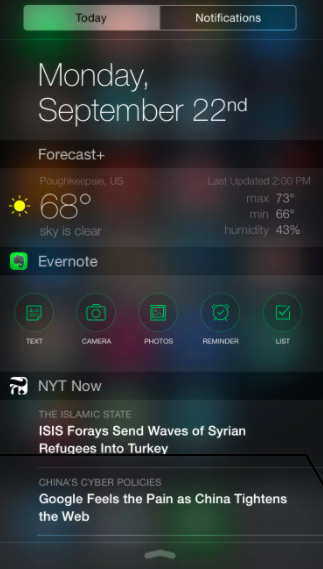
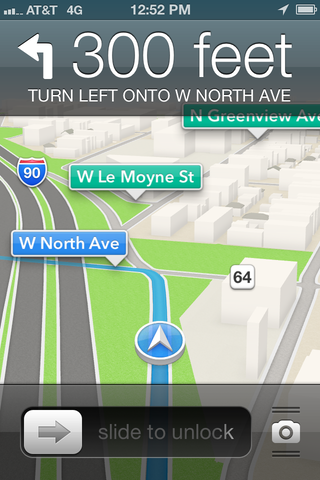
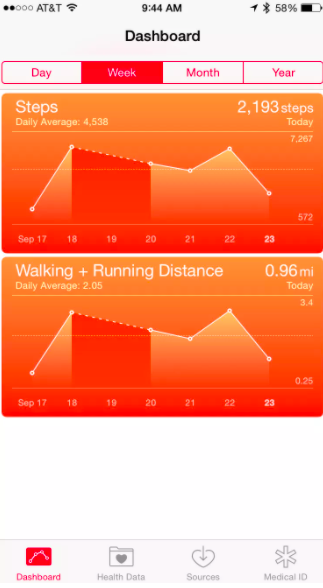
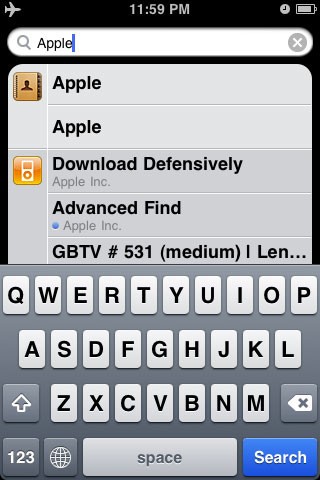
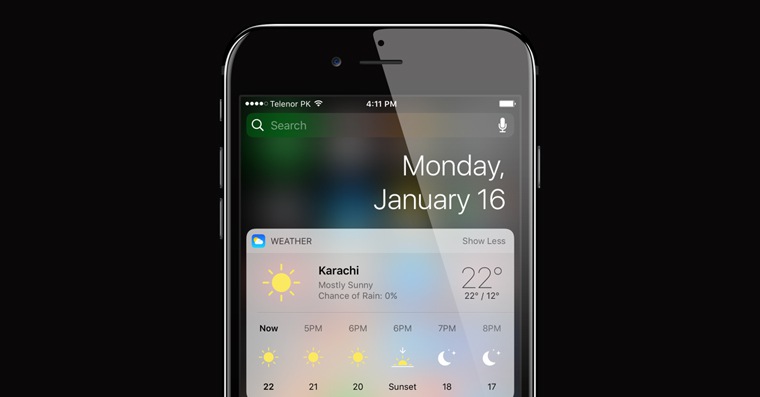
Operating system iOS 8 was released on September 17, 2014. It premiered the new native Watch and Health apps, while the last native Newsstand and PassBook appeared in it. In iOS 8 introduced the useful Continuity feature along with the Handoff for even more effective communication between individual Apple devices, suggestions in Spotlight search results, Family Sharing, or QuickType for the keyboard. Notification Center has gained support for widgetWith third-party applications, users have gained the ability to install third-party keyboards. Apple introduced a music streaming service Apple Music. The native Camera has added a self-timer and time-lapse, Photos has received support for the photo library on iCloudwith richer editing options, in App The store has added the ability to discover new content. The platform has been added HomeKit for controlling a smart home, new text editing options have been added to Notes. The Weather app now uses data from The Weather Channel instead of Yahoo, and a Tips app has also been added with information about features in iOS. Latest version of the operating system iOS 8 was named 8.4.1 and was released in August 2015.
iOS 9
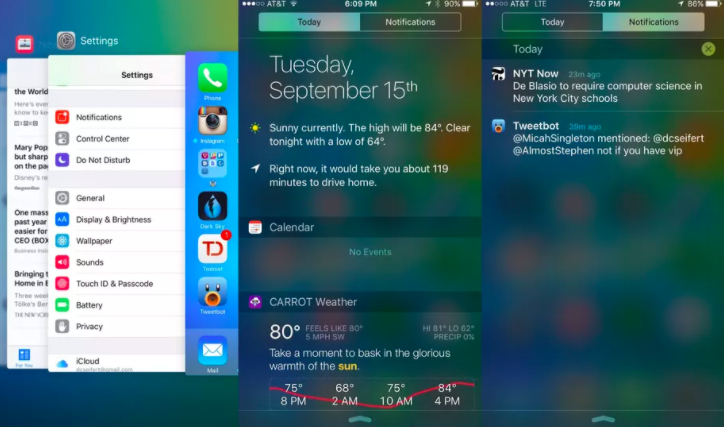
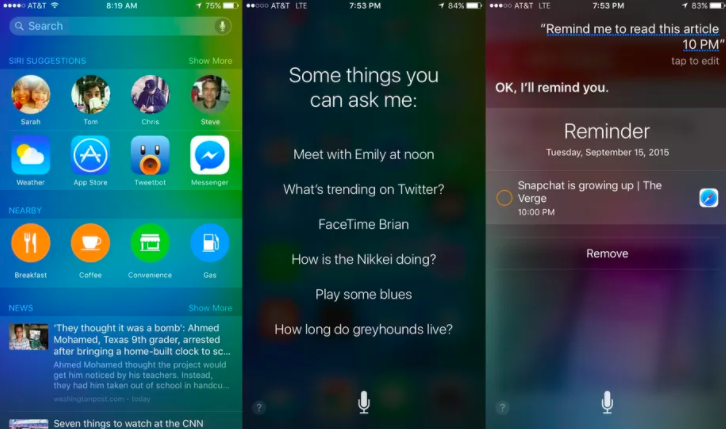
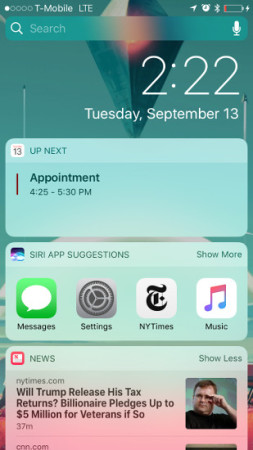
Operating system iOS 9 was introduced at WWDC in June 2015, it was released in September of the same year. Apple but for the first time ever, it allowed developers to try out its betaversion that was available immediately after the conference. Betathe public version was released in July. Apple in case of iOS 9 focused more on partial improvements and extending battery life. In iOS 9 saw the last appearance of the “Swipe to Unlock” feature, the Newsstand app was replaced by the News app. Native Notes added the ability to draw using various tools, Maps gained support for public transit, and Apple also introduced Night Shift to switch to a warmer color setting in lower light. Added Peek and Pop for compatible iPhones, new multitasking features on iPad. Latest version of the operating system iOS 9 was named 9.3.6 and was released in July 2019.
iOS 10
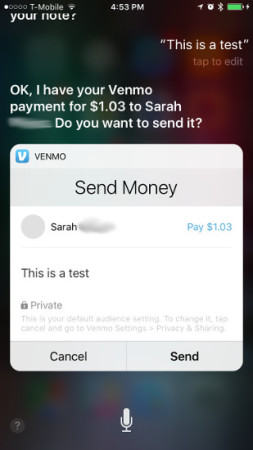

Operating system iOS 10 was released in September 2016. In App The store was added with the arrival iOS 10 Categories sections, native Calendar gets more management and settings options, and iPad owners get a programming app Swift Playgrounds. The Camera app added the Live Photo feature, Clock got the Grocery feature as part of the Health extension, and it was possible to add favorite contacts in Contacts. A new native Home app was added for managing smart home elements, Maps gained the ability to connect to the calendar. Messages added the ability to add effects, stickers, and play games, and Notes got the ability to collaborate. In native Photos, users could use advanced search, and the Memories feature was also added. In the operating system iOS 10 also added the feature of unlocking the phone by pressing HomeButton, 3D Touch support on compatible iPhone models and integration Siri s iOS applications. Latest version of the operating system iOS 10 was named 10.3.4 and was released in July 2019.
iOS 11
Gallery
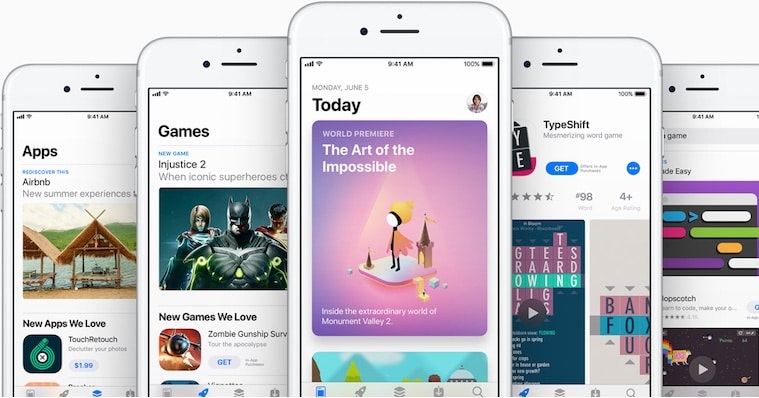
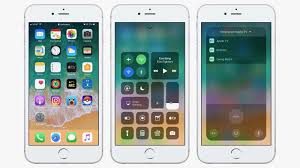
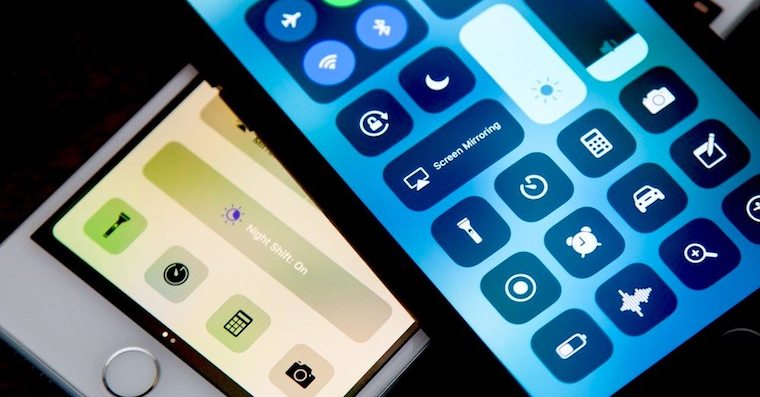
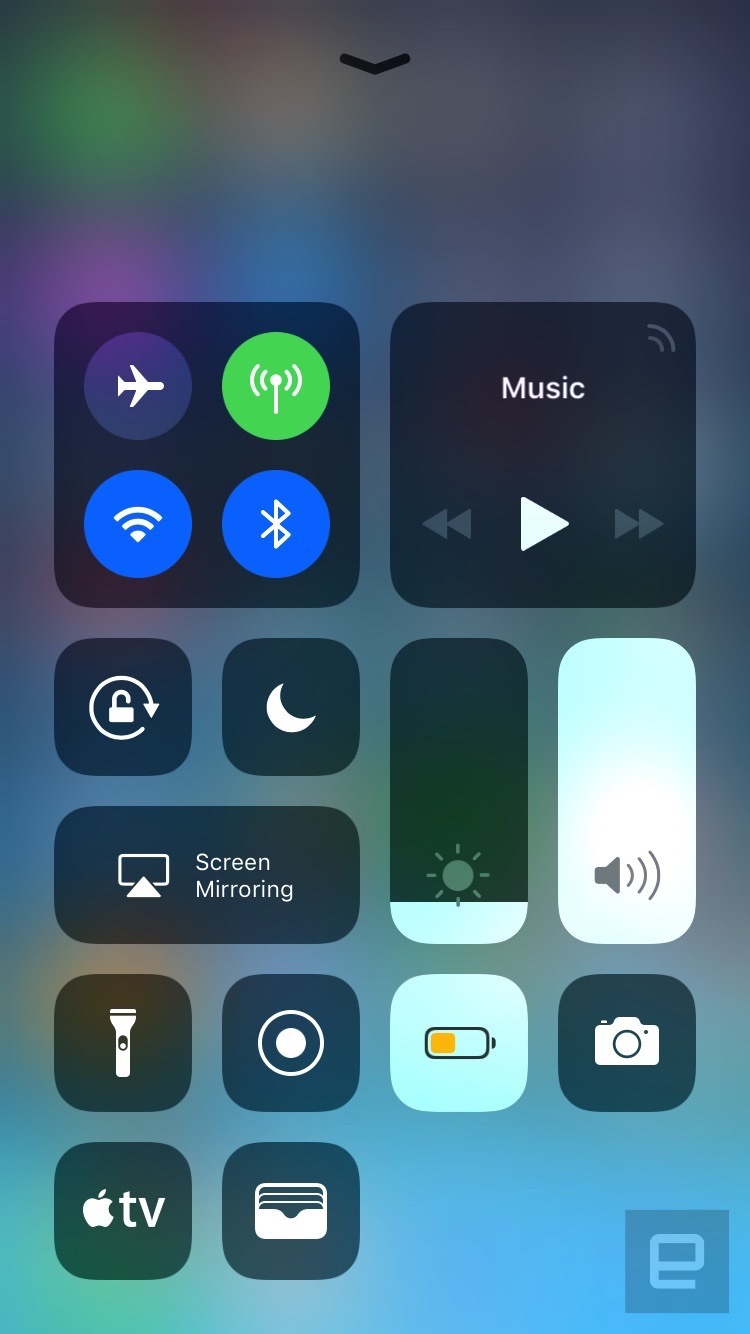
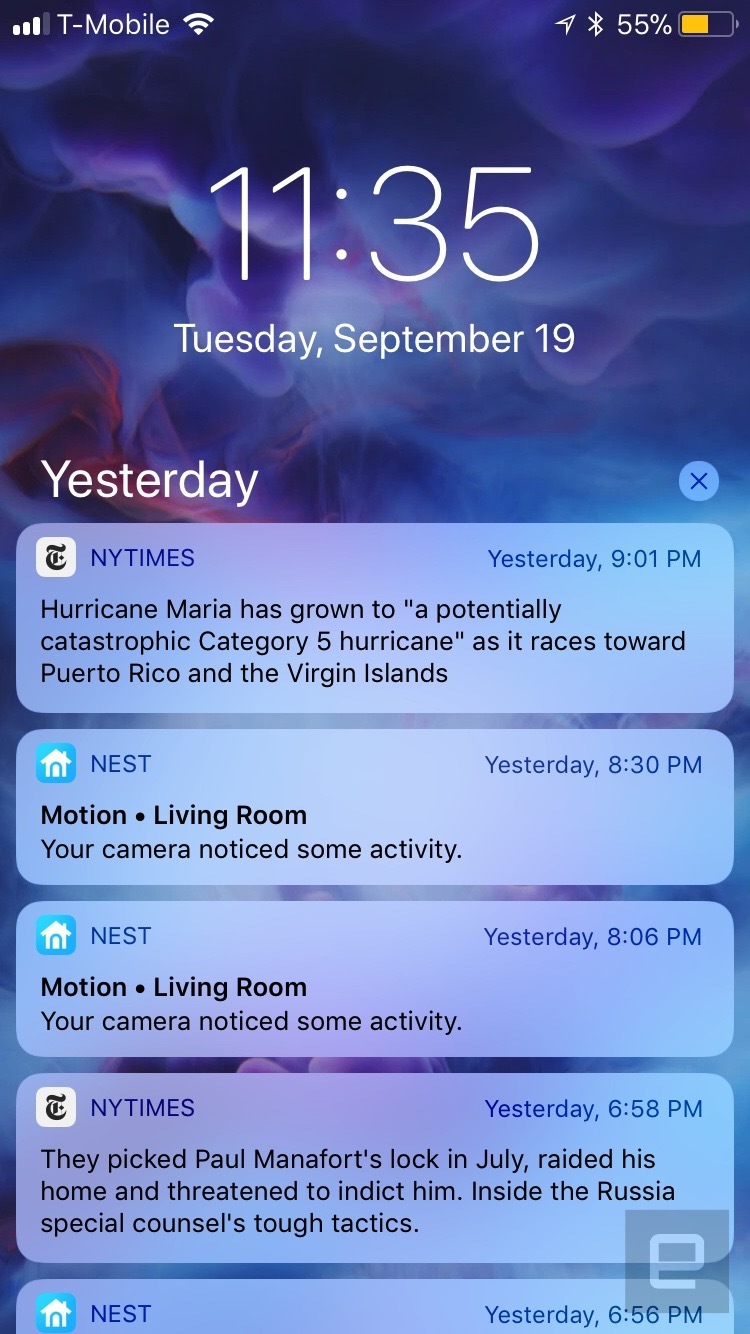
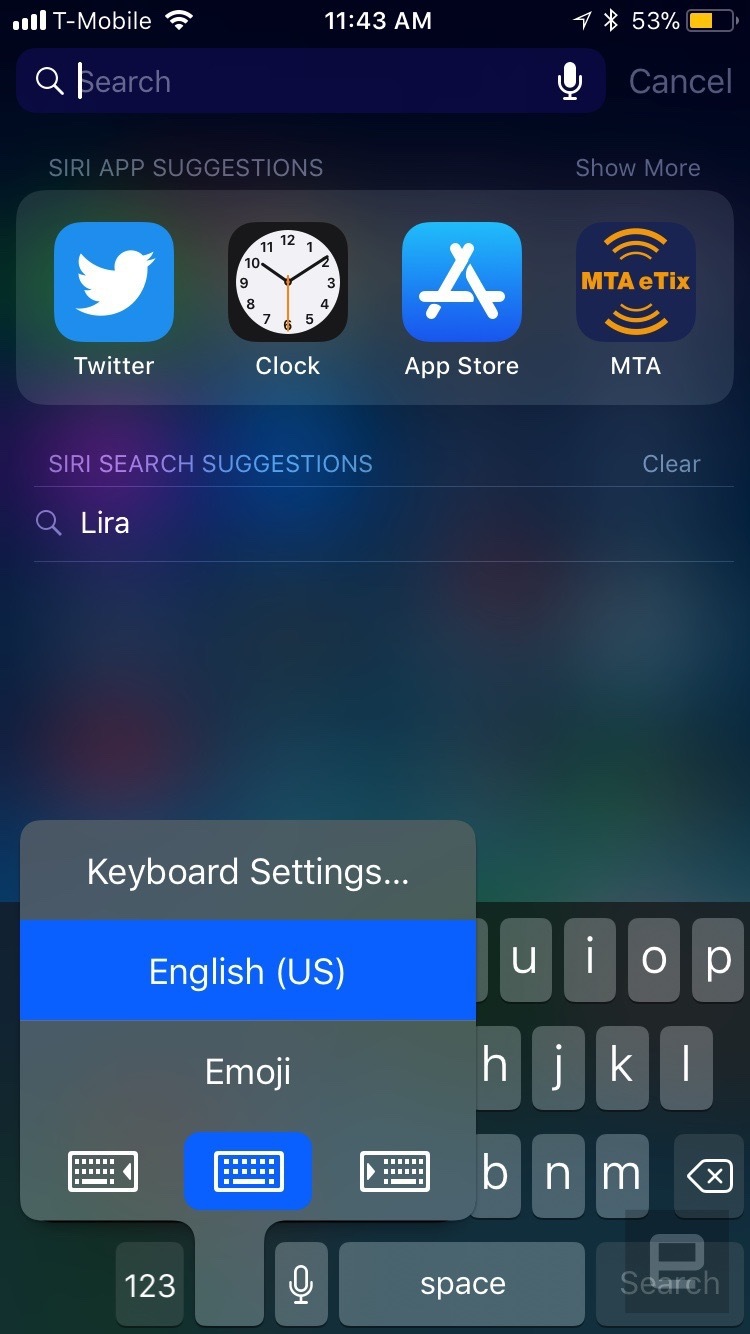
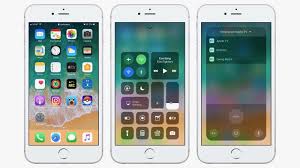
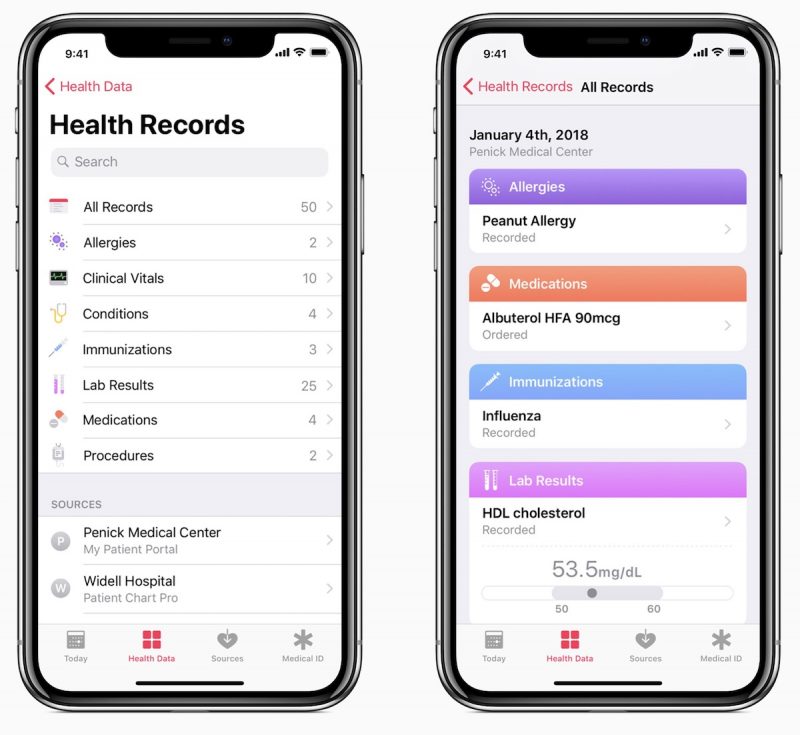
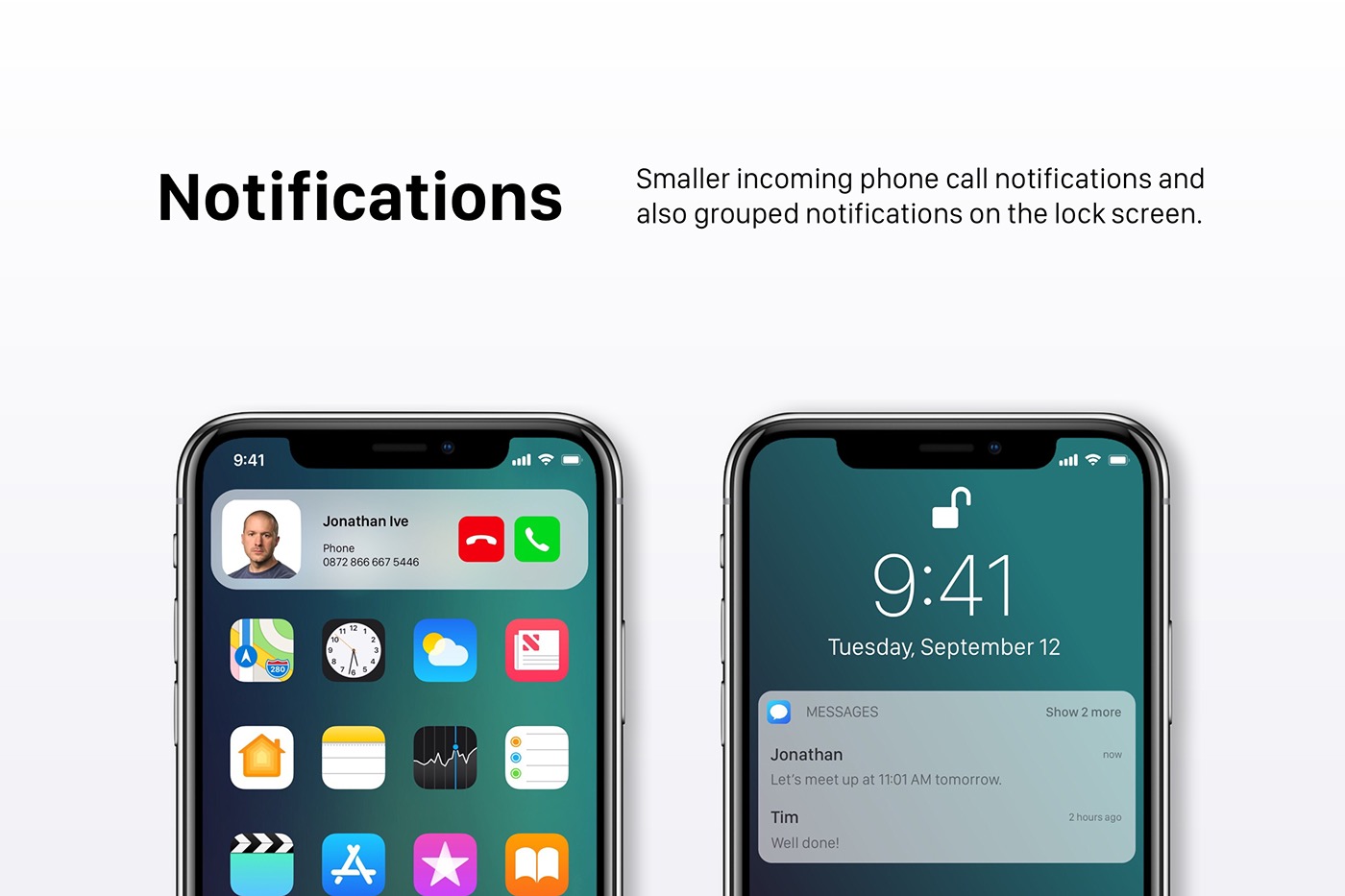
Company Apple released its operating system iOS 11 in September 2017. In App The Store has added Today, Games, and Apps panels, Siri has received a number of improvements and new capabilities, including the ability to create to-do lists, the native Camera has received support for image stabilization, HDR, and True Tone flash in portrait mode, as well as support for HEIF and HEVC formats or the automatic detection and scanning of QR codes. New effects have been added to the Live Photo function, Maps has received a more detailed display of the interior of airports or larger shopping malls and the Flyover function. The Do Not Disturb While Driving function has been added, to DockIt was possible to add more apps, iPad owners saw improvements to the Slide Over and Split View features, or the ability to go to Notes by tapping Apple Pencil on the tablet's lock screen. A new Files app has been added, HomeKit offered support for a wide range of smart home accessories. Users have received more options for customizing the Control Center or, for example, the ability to share access to Wi-Fi networks. The latest version of the operating system iOS 11 was named 11.4.1 and was released in July 2017.
iOS 12
Gallery
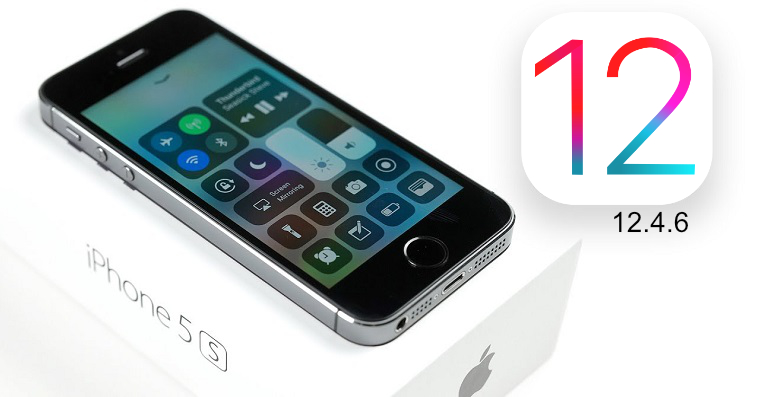
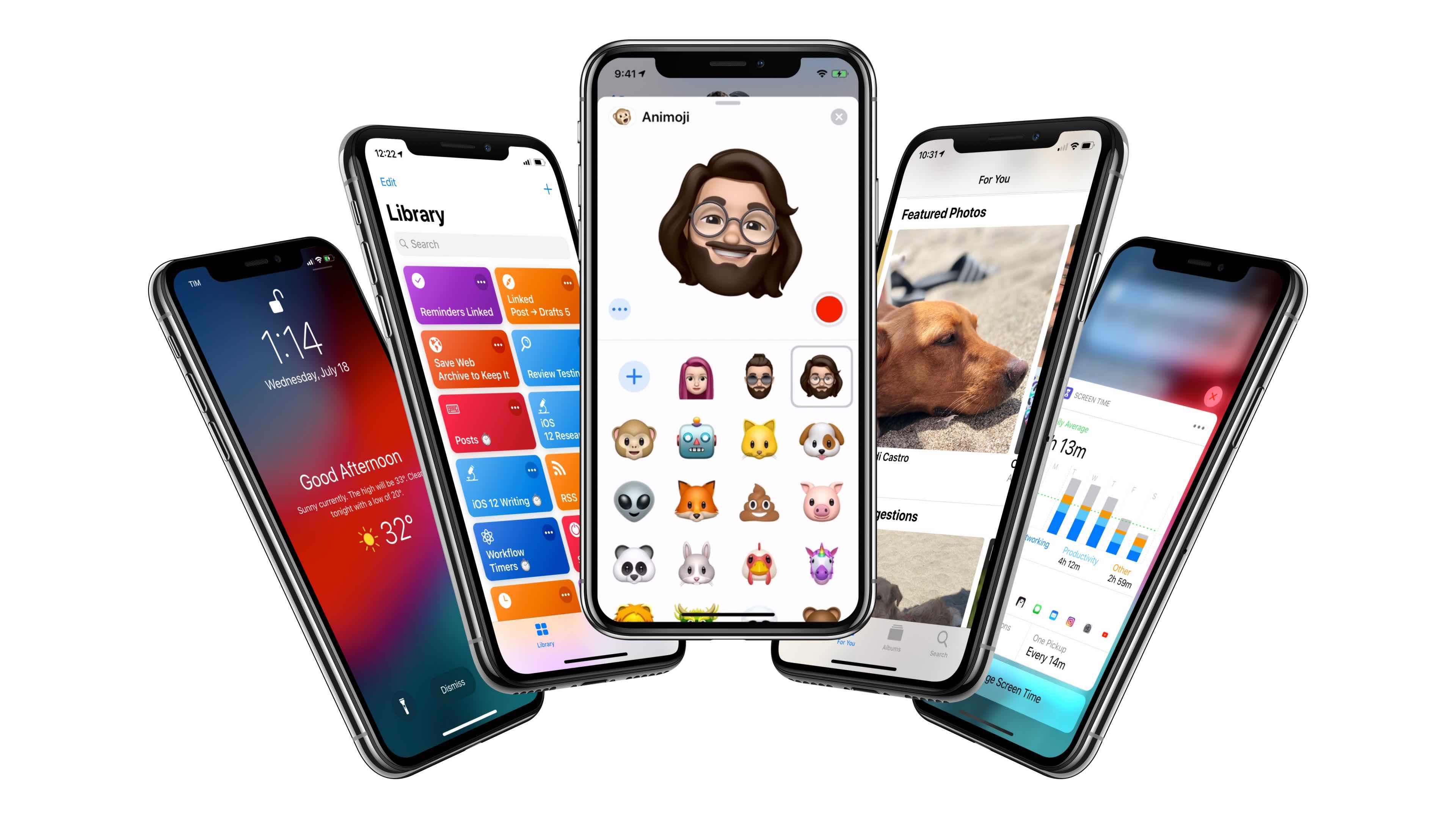
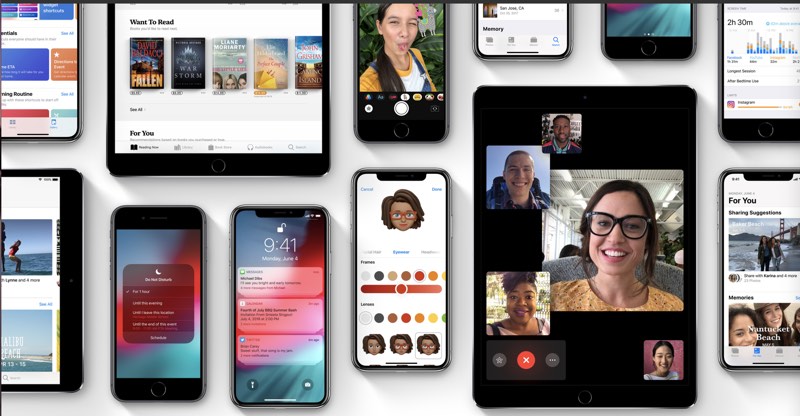
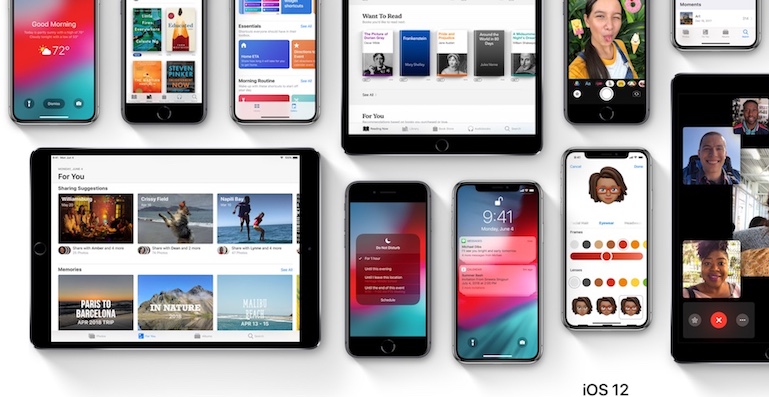
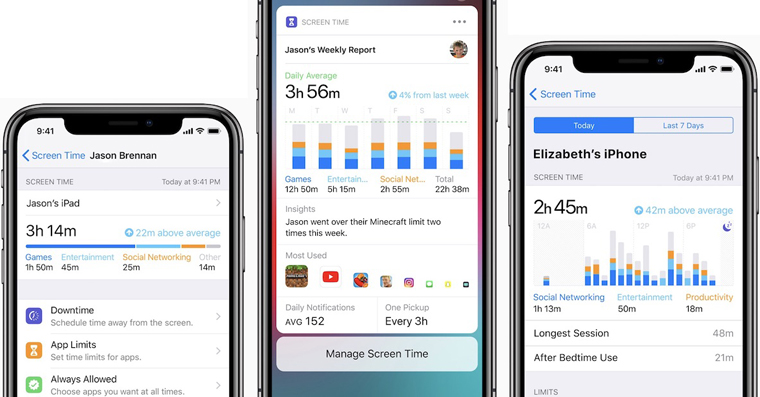
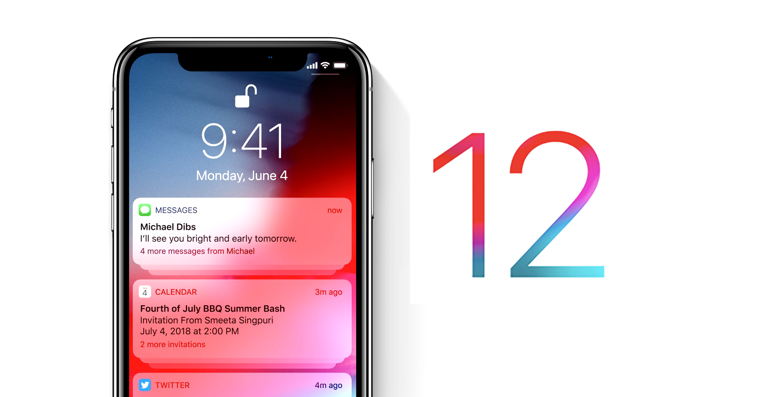
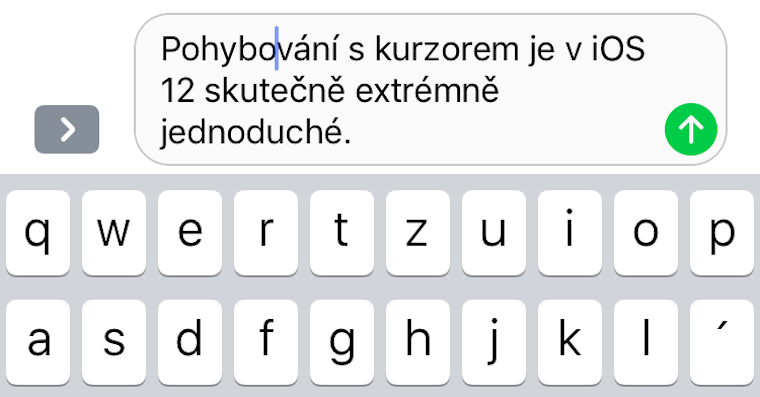
Operating system iOS 12 was released in September 2018. It was the last version iOS, which offered support for iPads. iOS 12 brought, for example, the Screen Time feature, Shortcuts Siri, platform support ARKit 2 and support for third-party navigation for CarPlay. The ability to create and use Memoji has been added to Messages, and a new native Measurement application using augmented reality has also appeared. Native andBooks were renamed to Apple Books, and iPad owners have received native applications Dictaphone and Stocks. The latest version of the operating system iOS 12 was named 12.4.8 and was released in July 2020.
iOS 13
Gallery
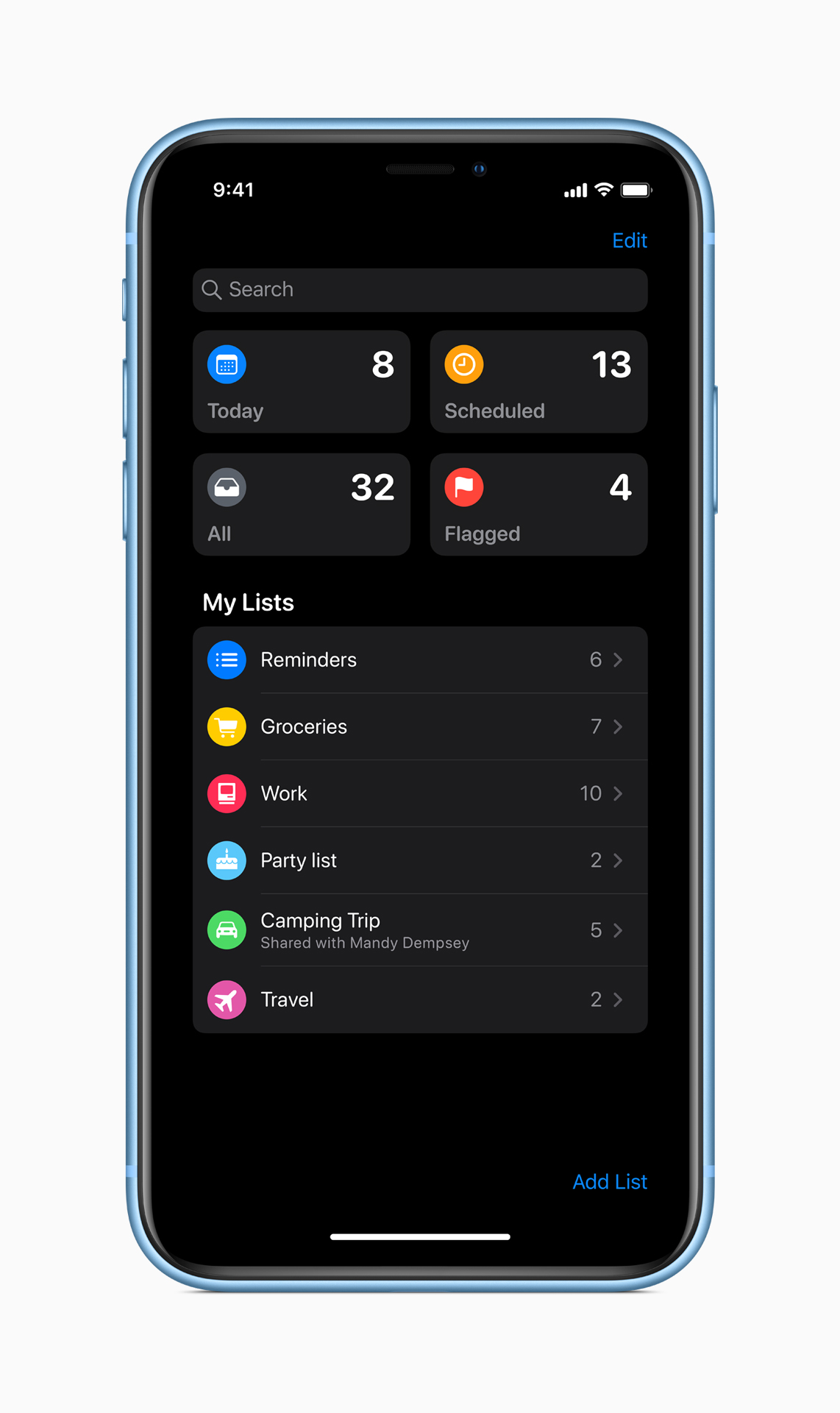
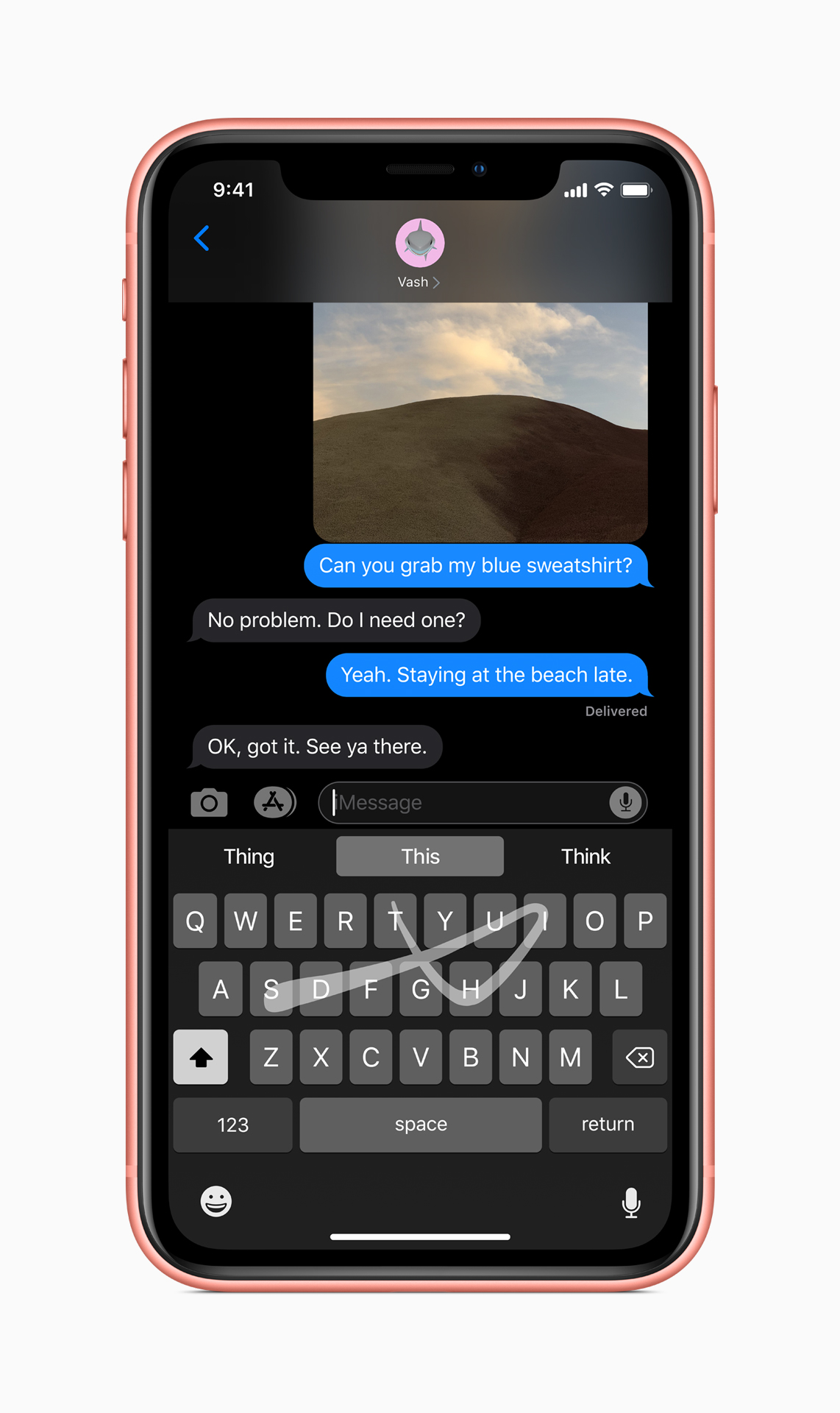
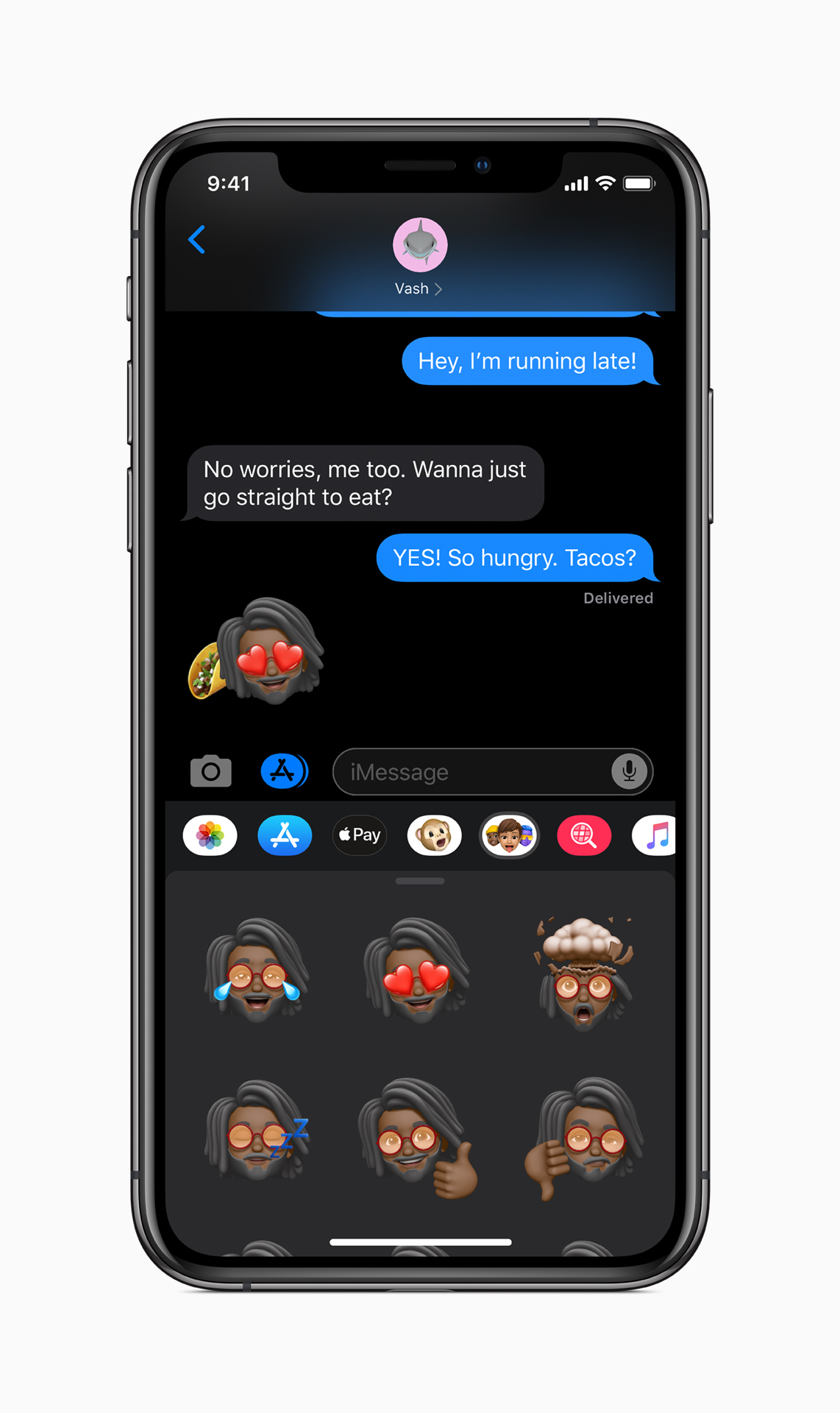
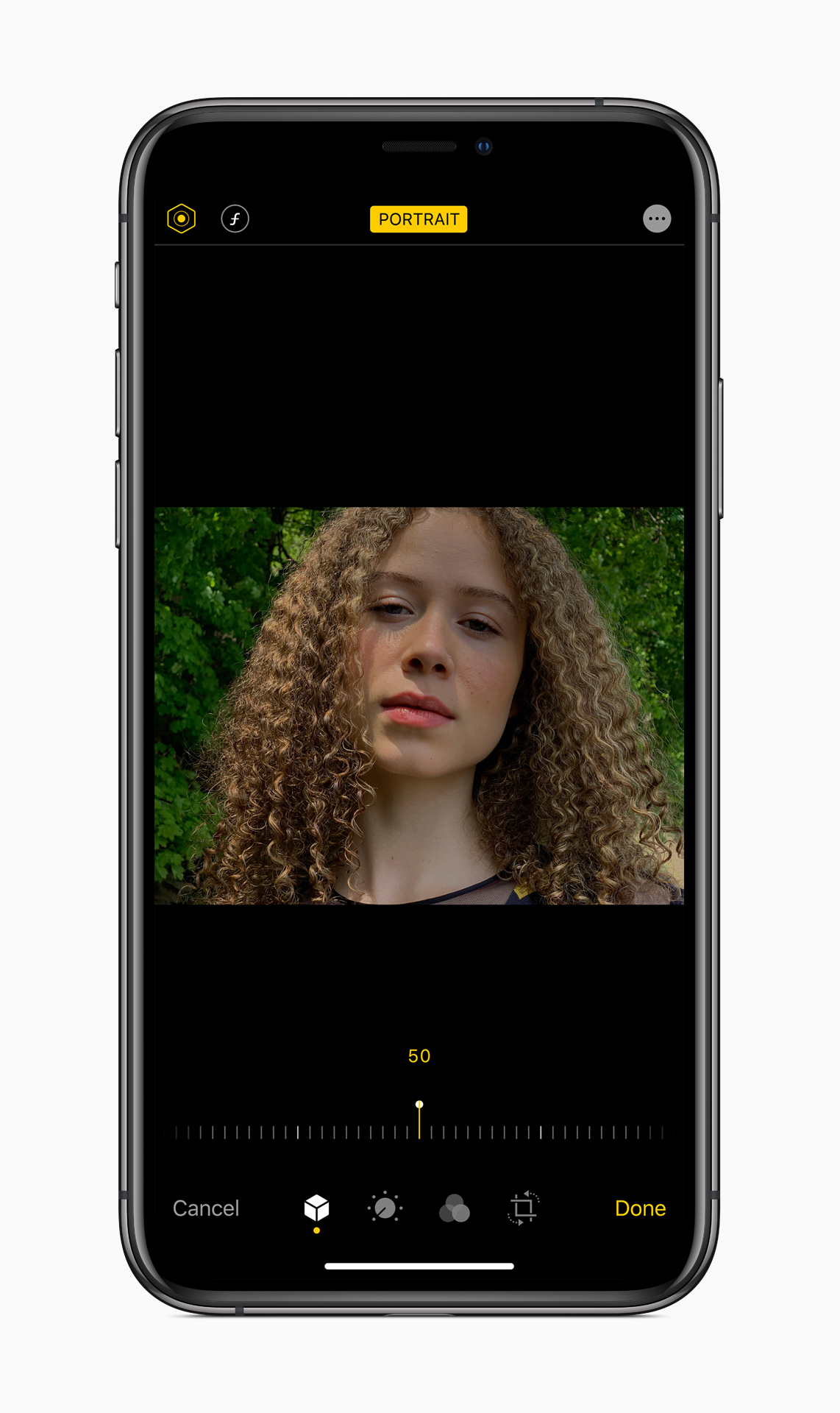
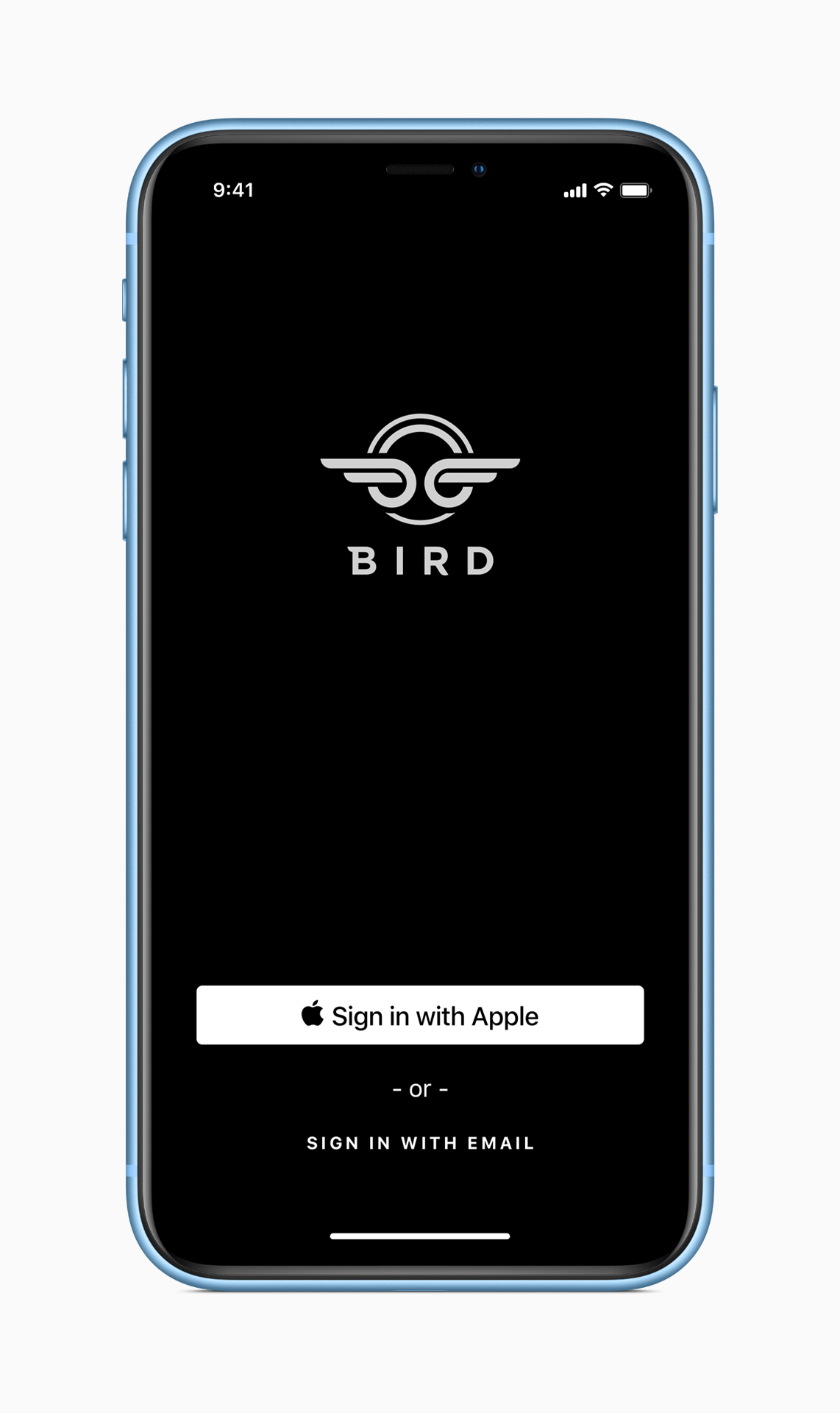
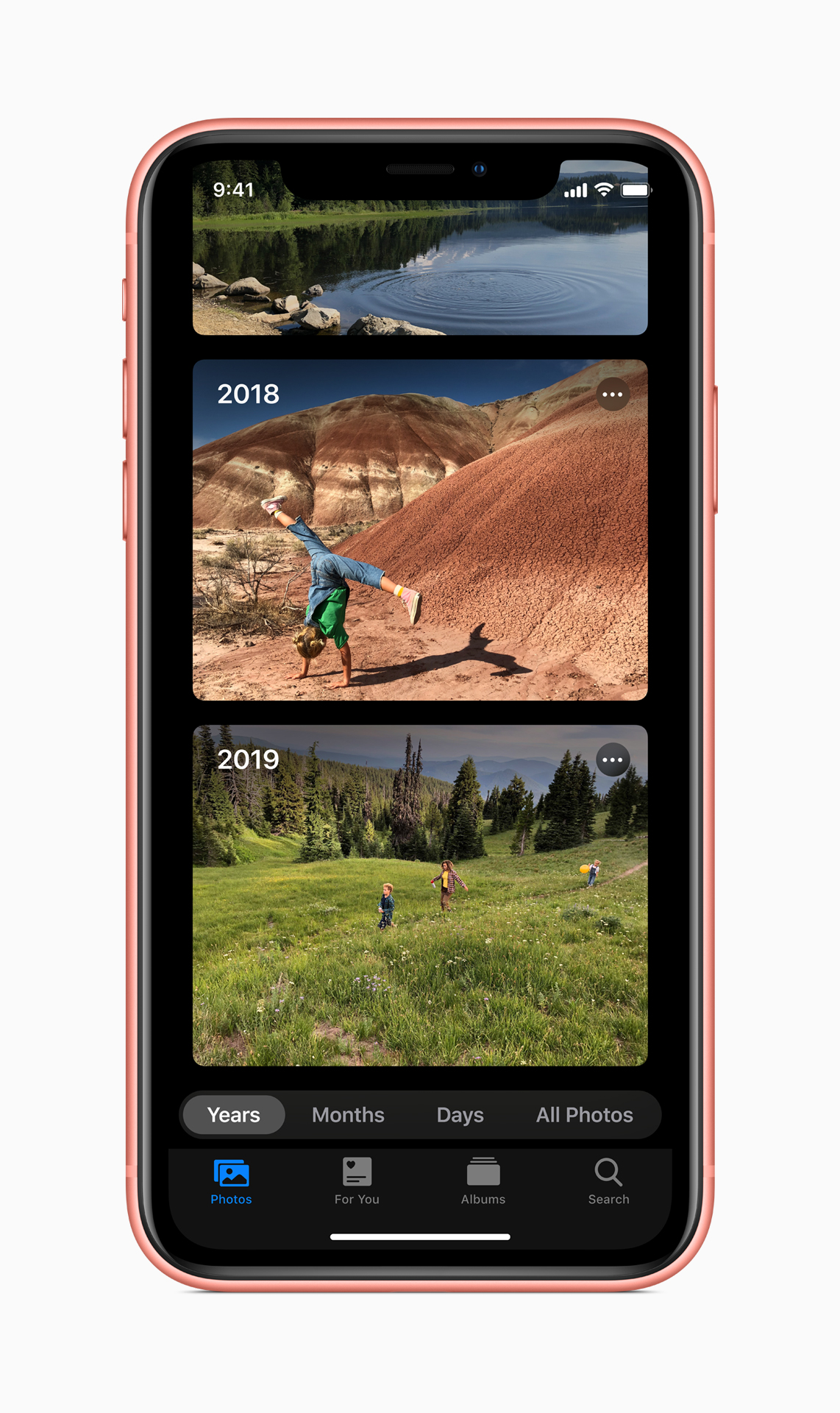
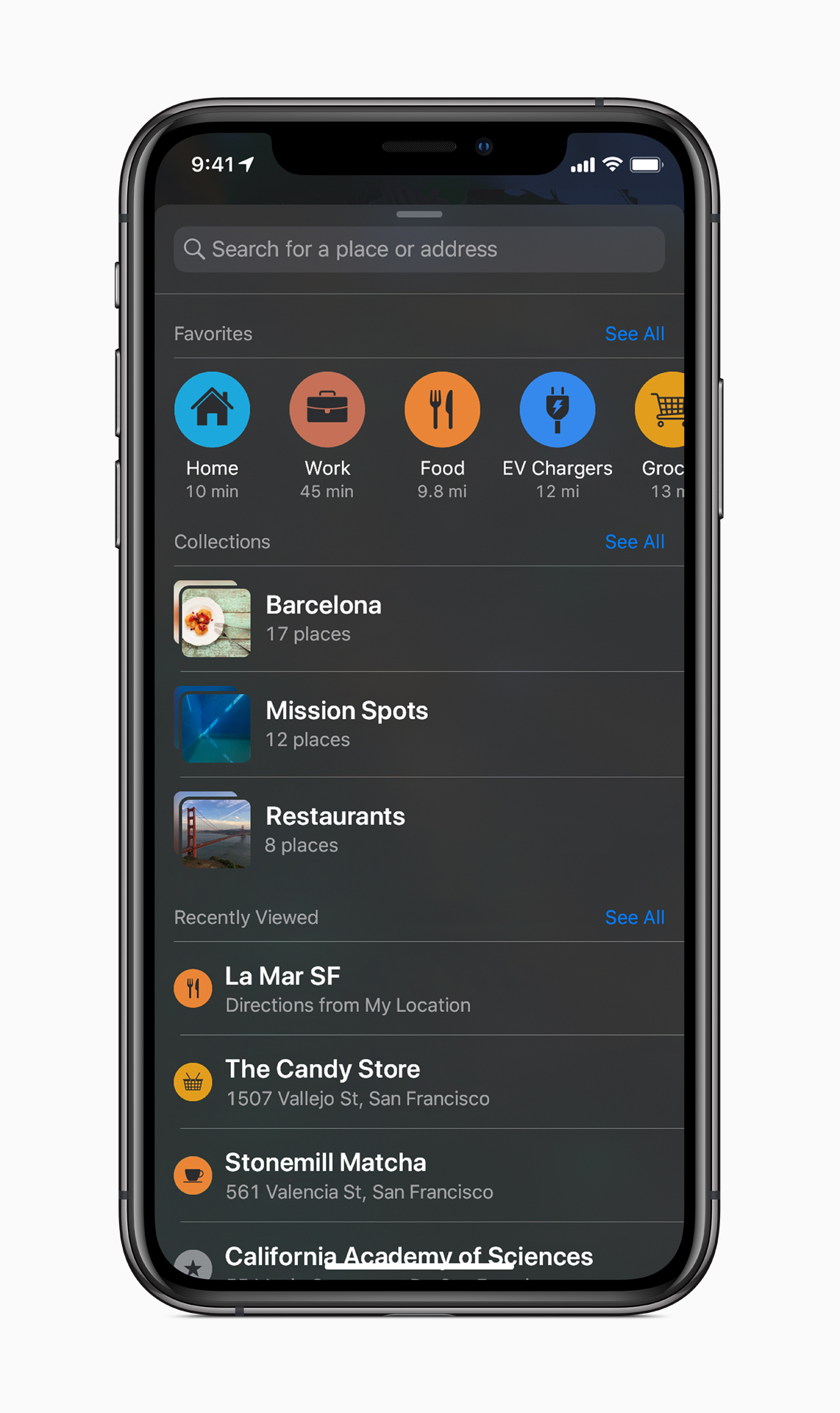
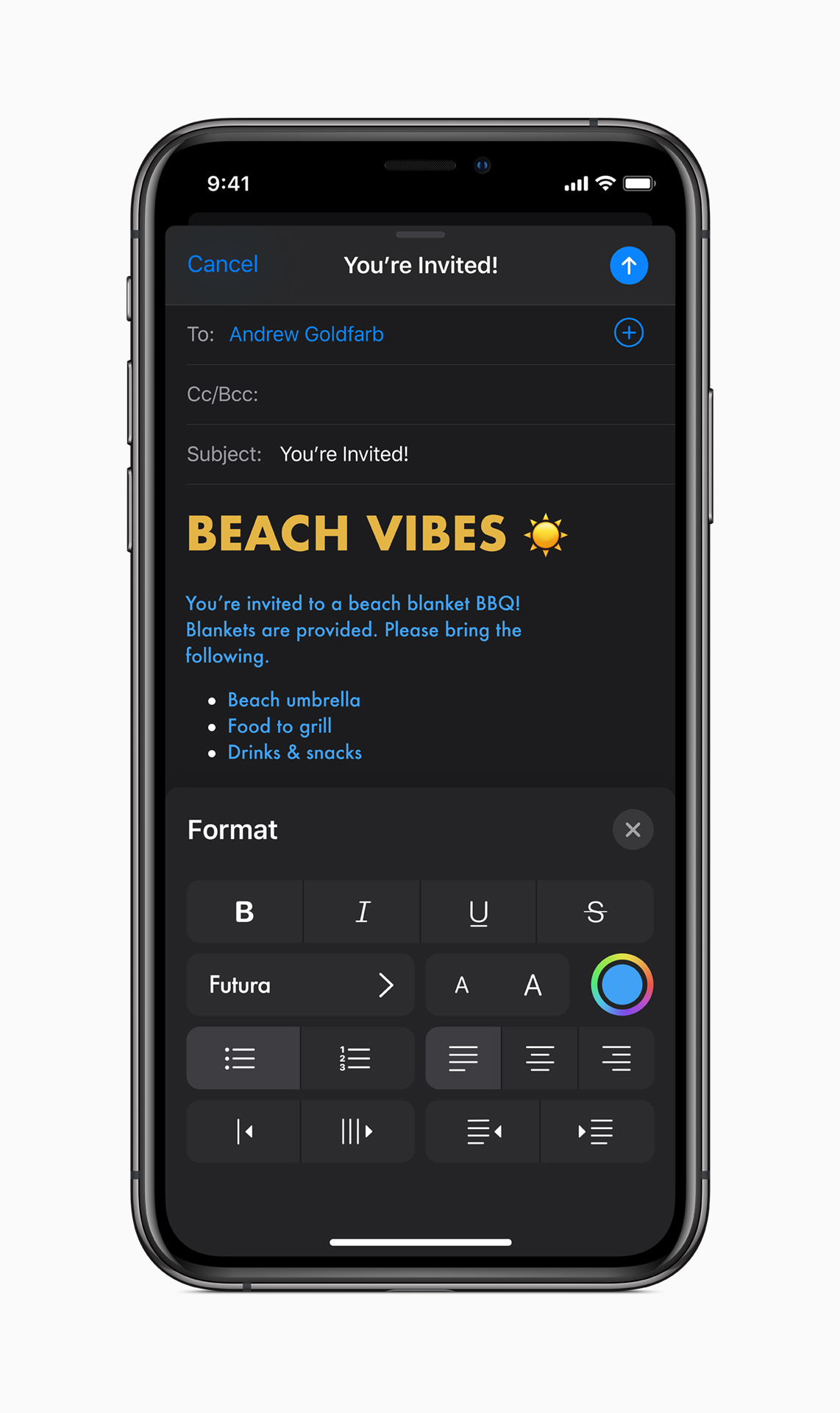
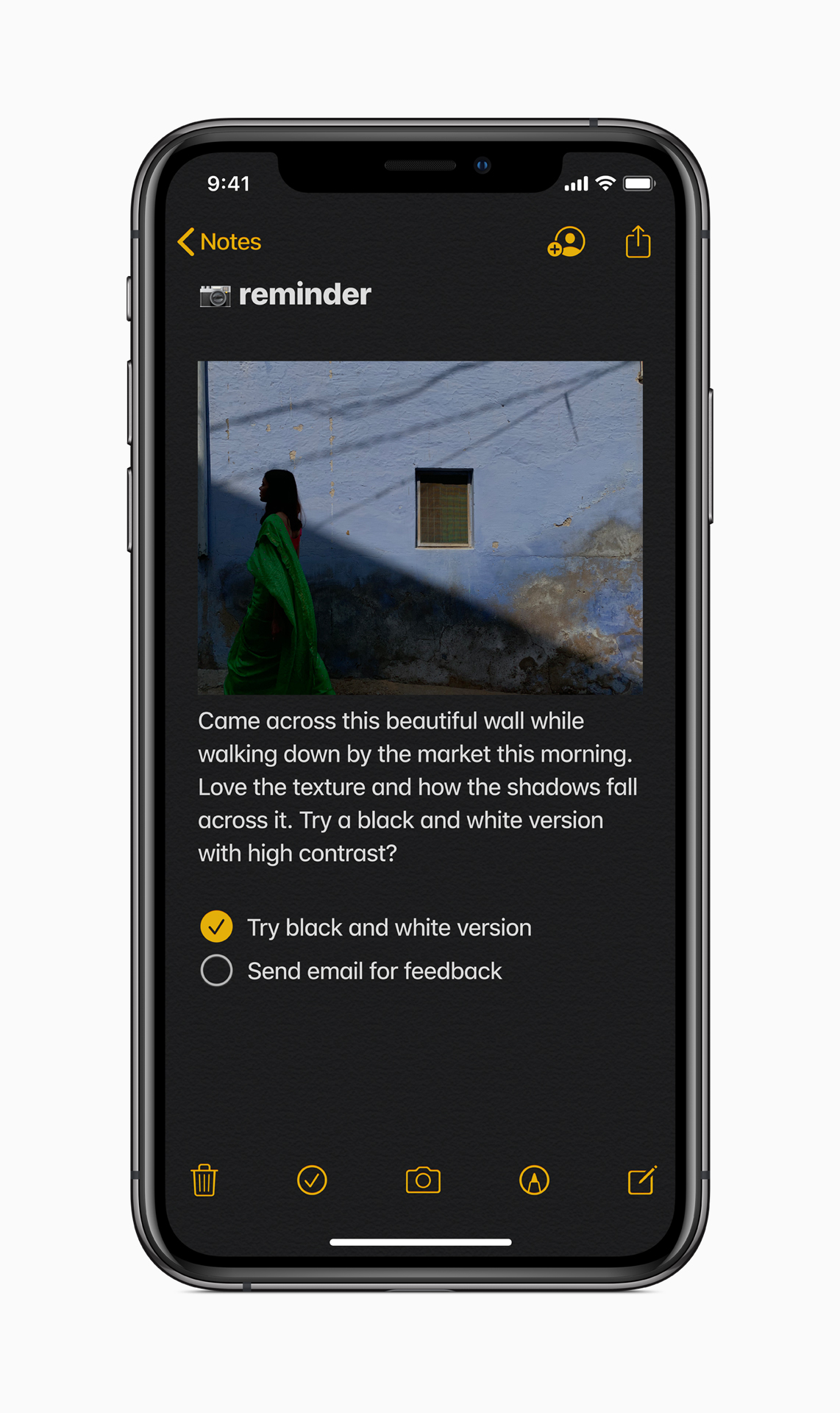

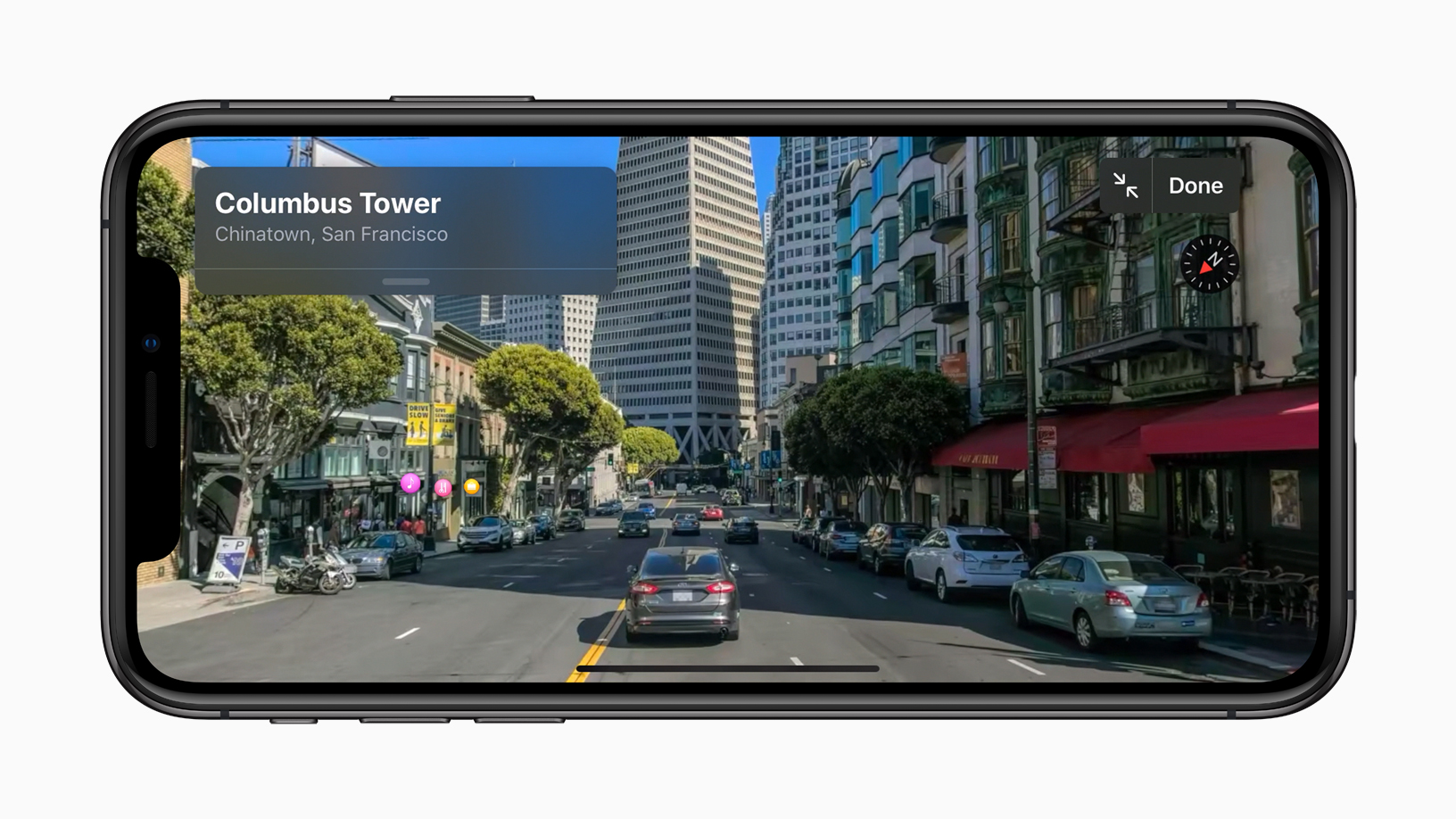
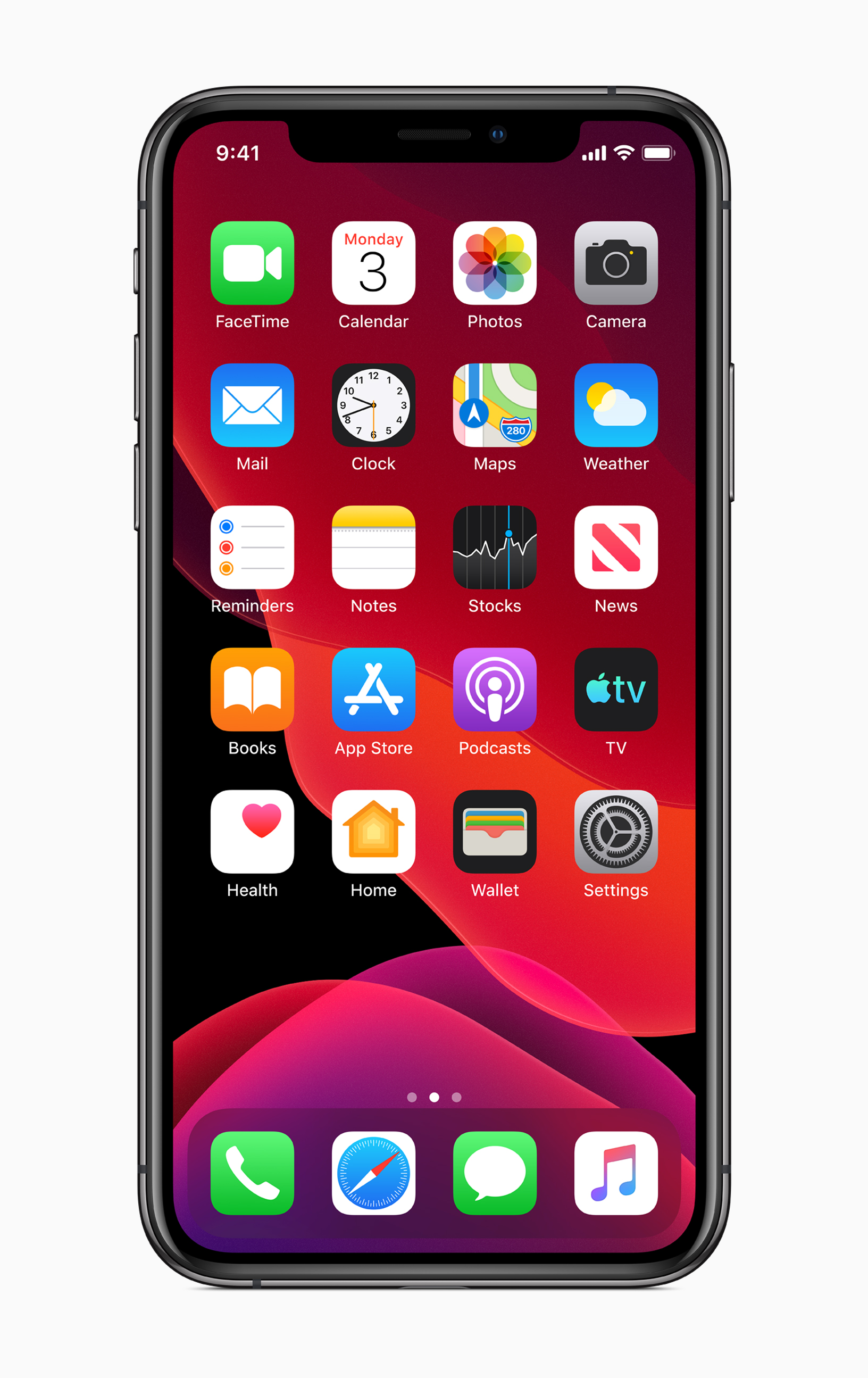
Operating system iOS 13 was released in September 2019. Apple significantly improved the way sensitive data is handled – users have gained much more options for deciding what data individual applications will have access to. With iOS 13 also brought a system-wide dark mode, changes to some control elements, and the QuickPath function for the keyboard. Pro Gestures were now available for working with text, and users could use the Sign in with function to log in and register in various applications. Apple. The option to set your own Memoji as a profile picture has been added, the native Maps have received the Look Around function. Apple also in iOS 14 redesigned the native Reminders or Photos user interface. A significant event was the division of operating systems for iPhone and iPad on iOS 13 and iPadOS 13. The latest version of the operating system iOS 13 was labeled 13.7 and was released in September 2020.
iOS 14
Gallery
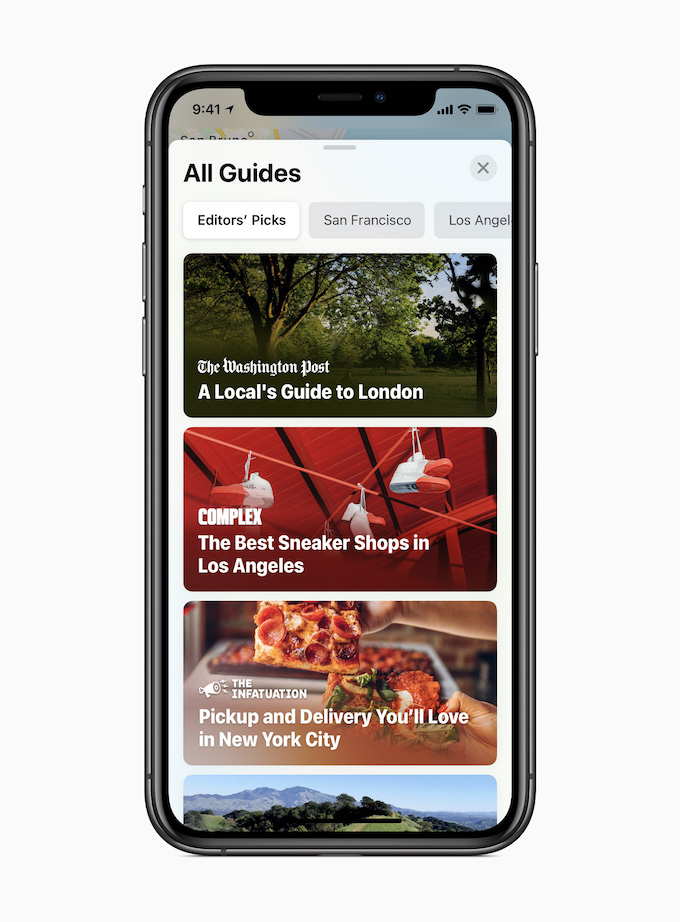
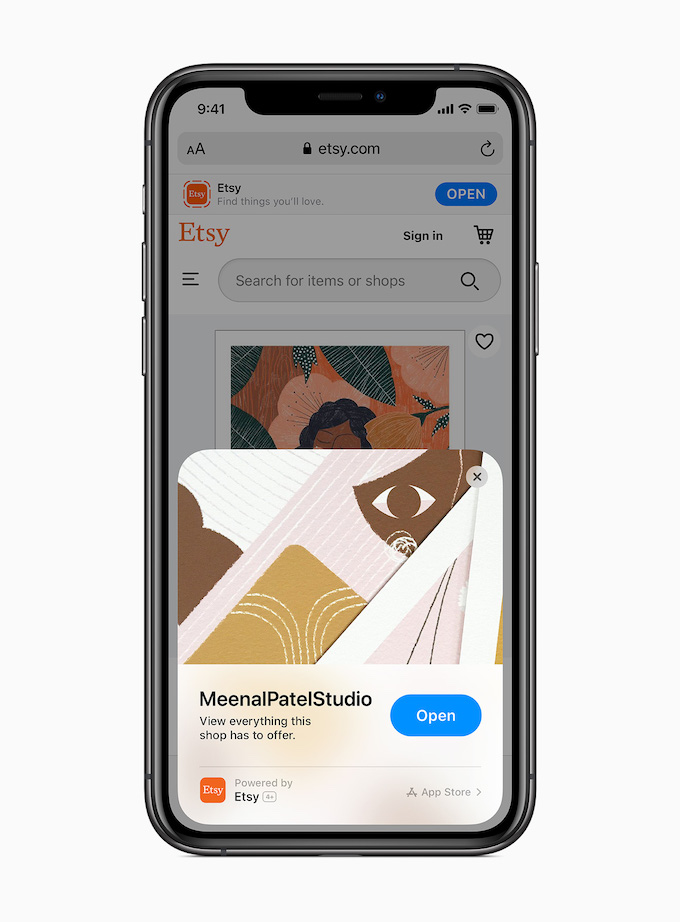
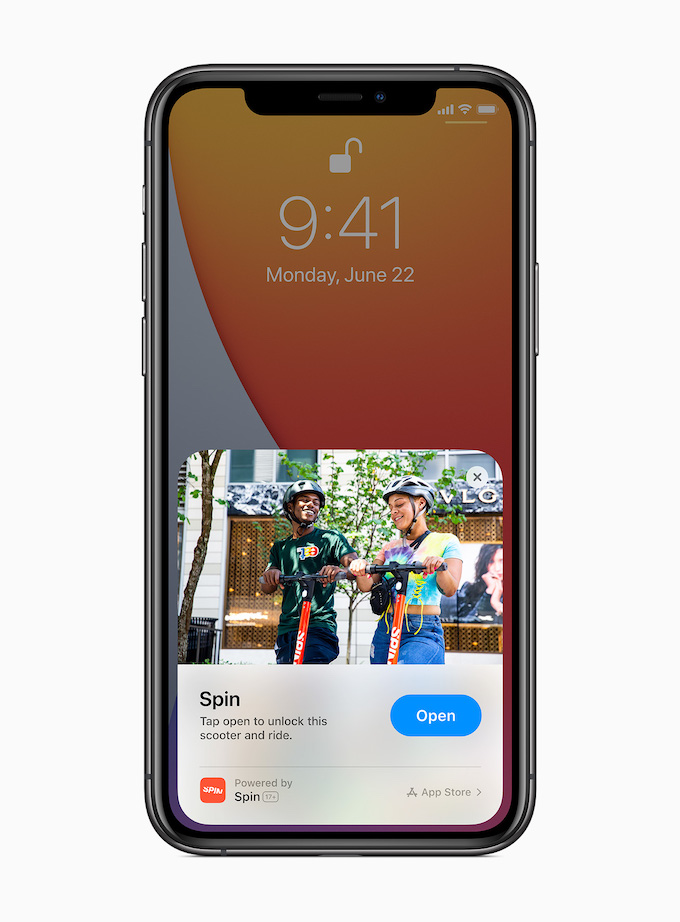
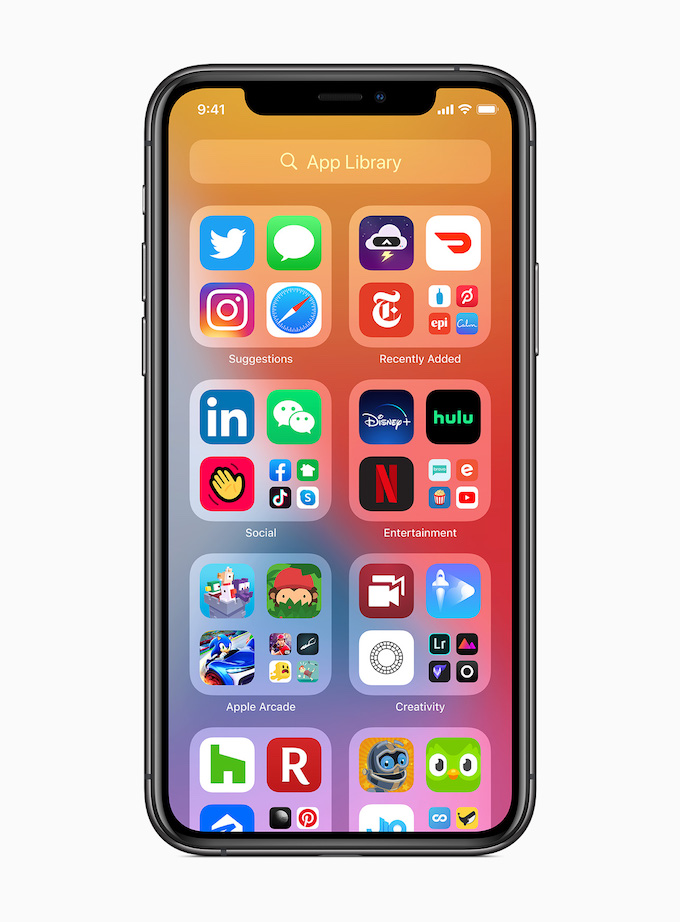
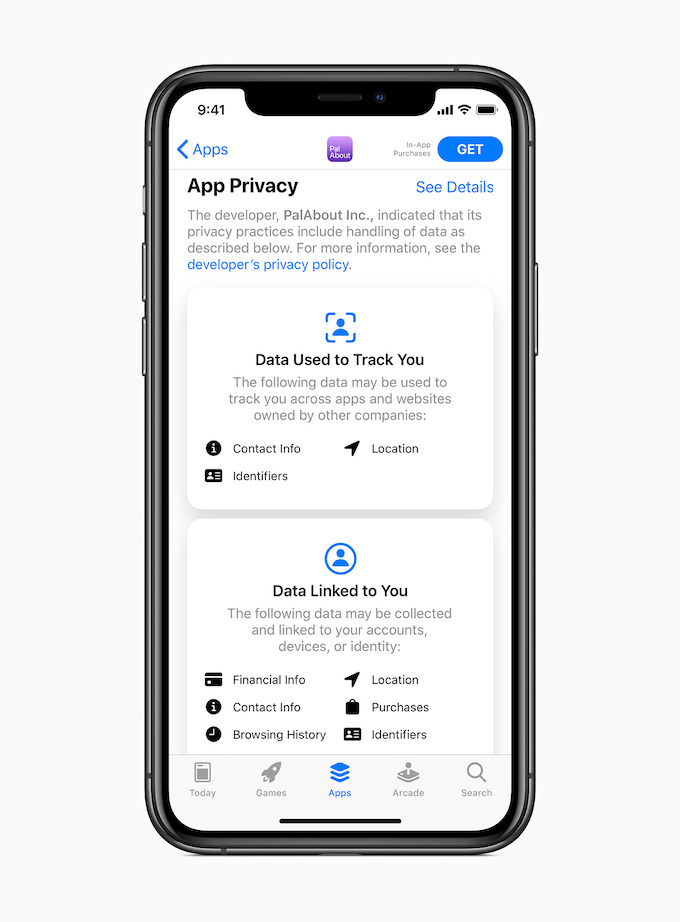
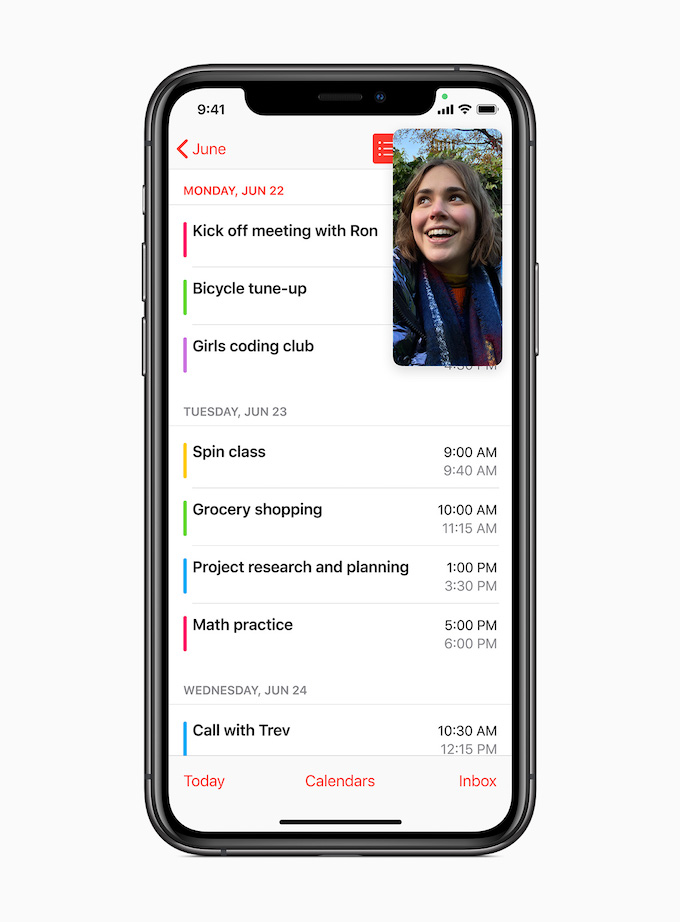
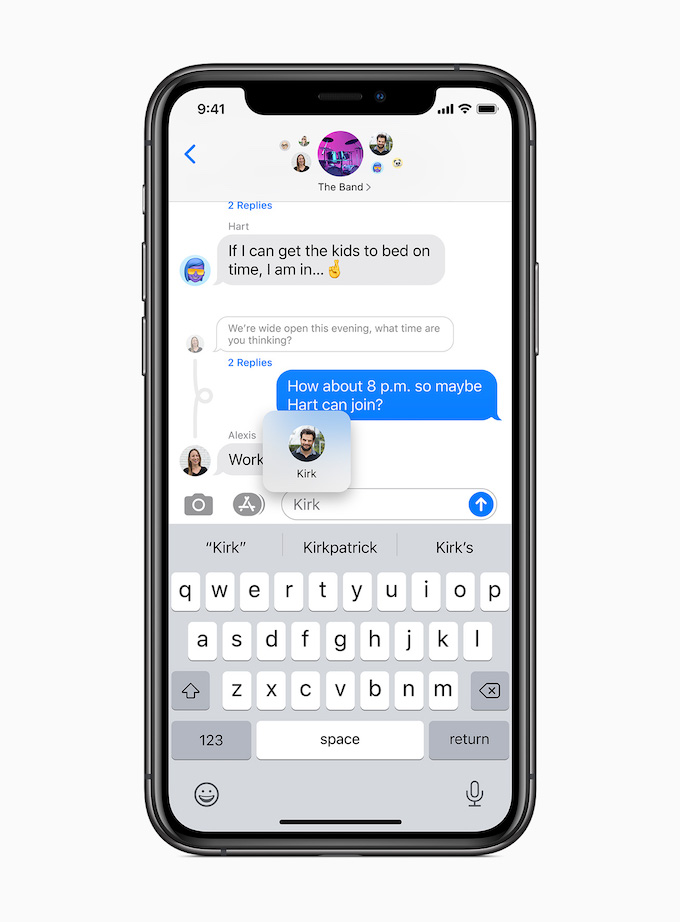
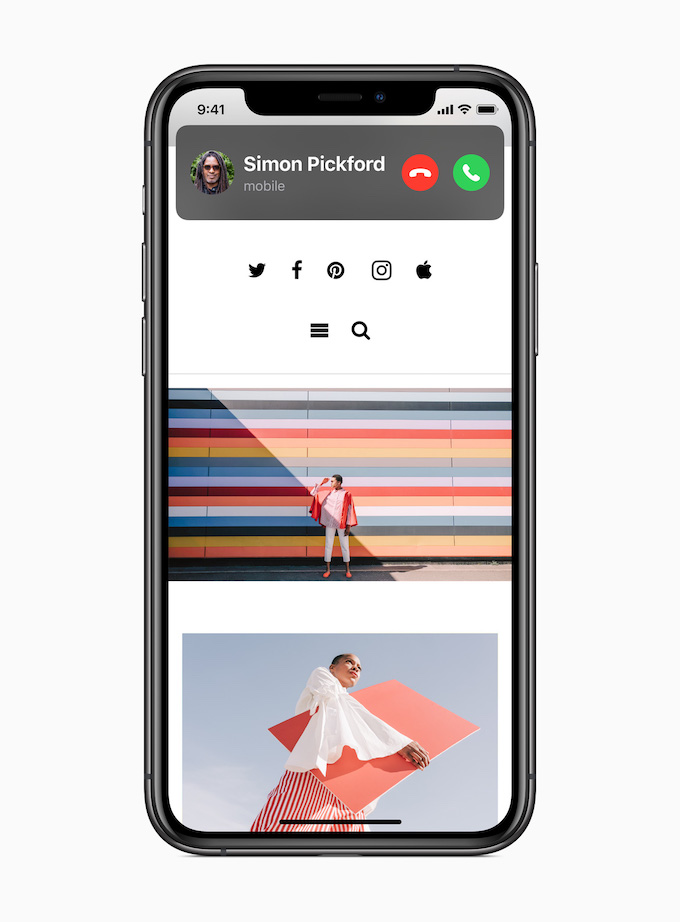
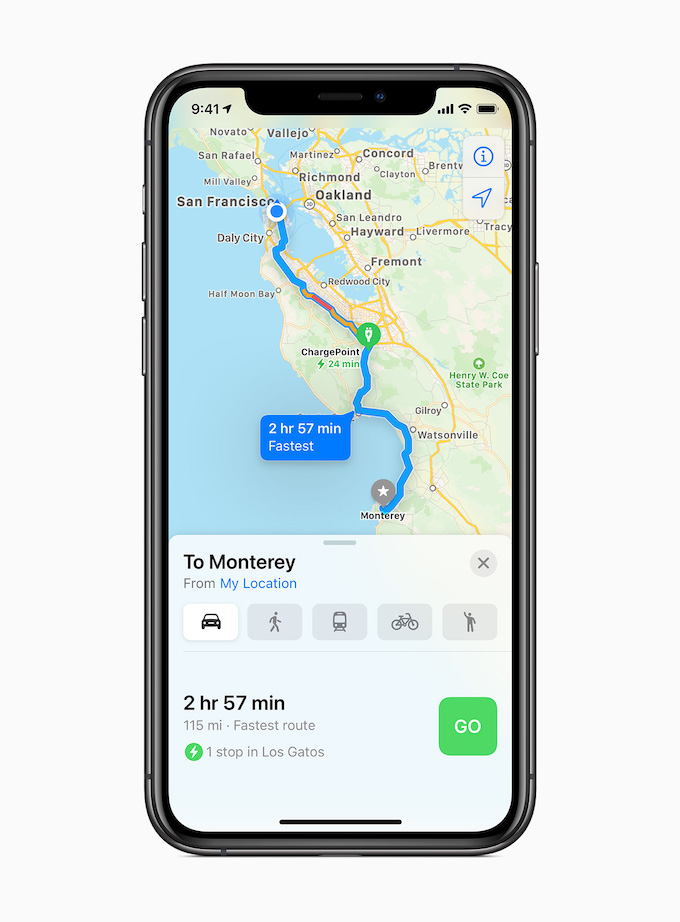
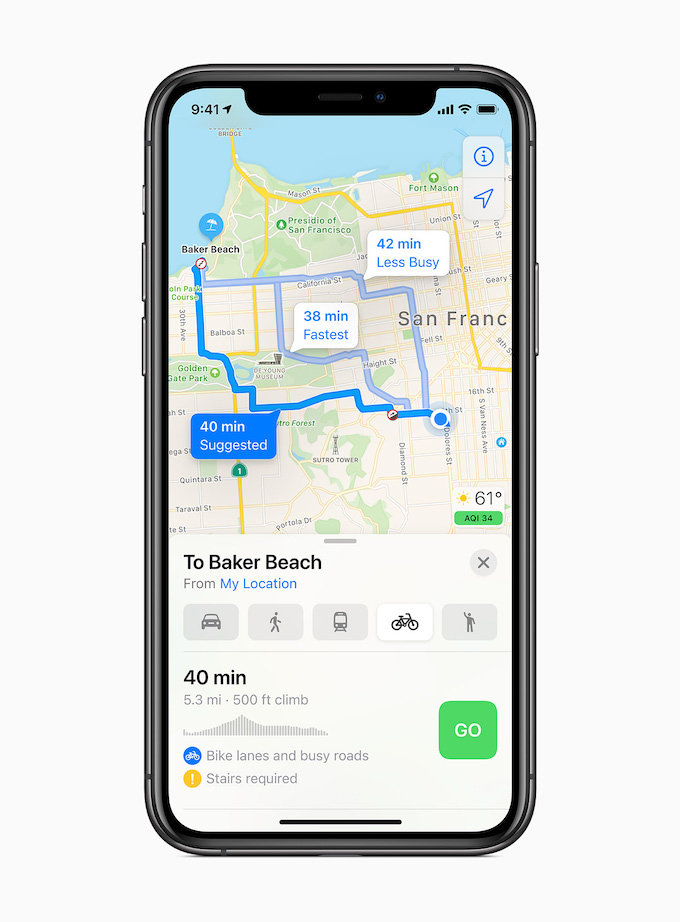
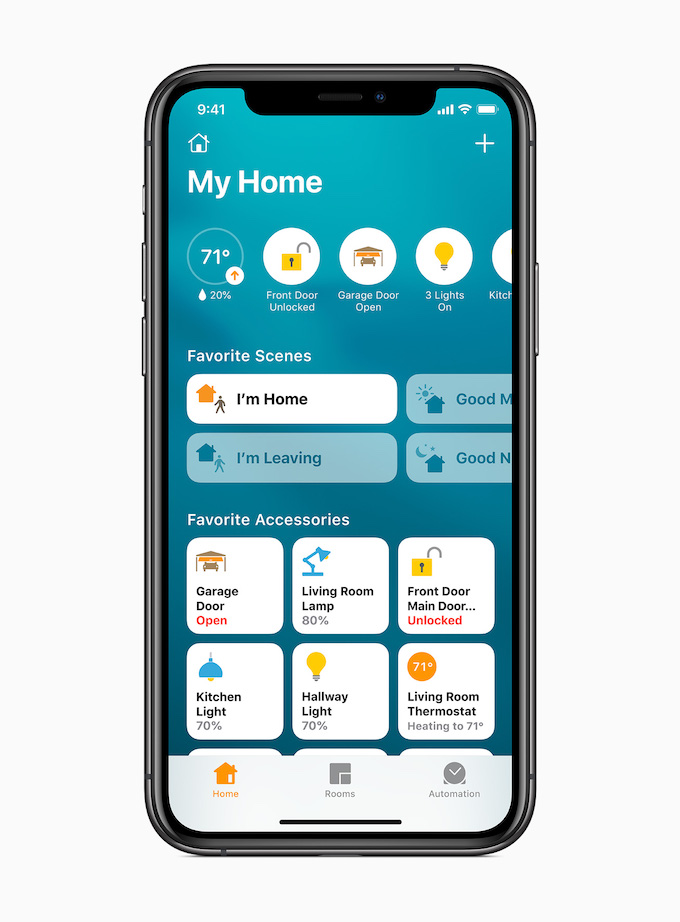
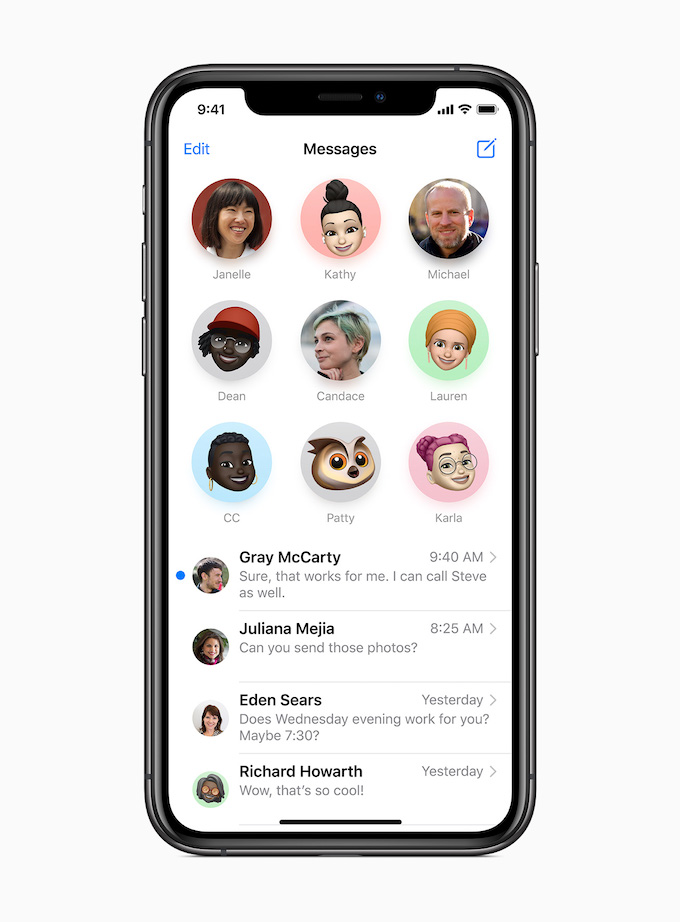
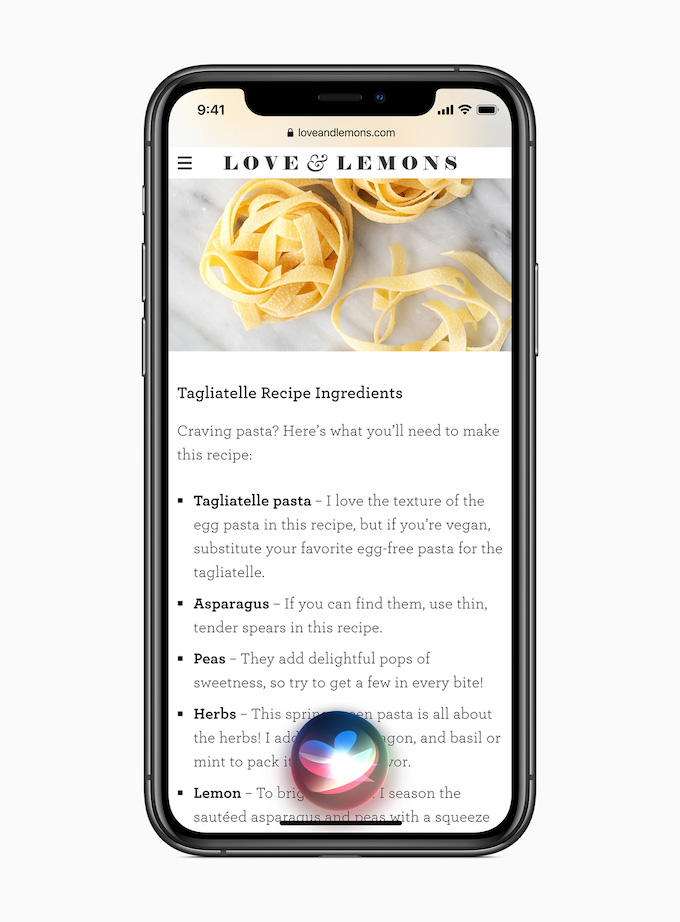
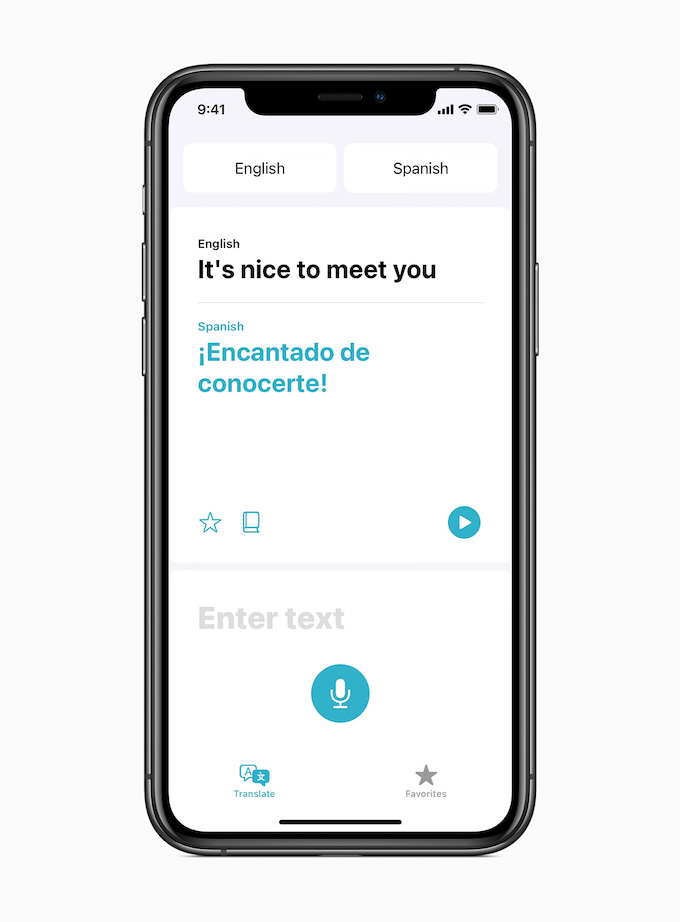
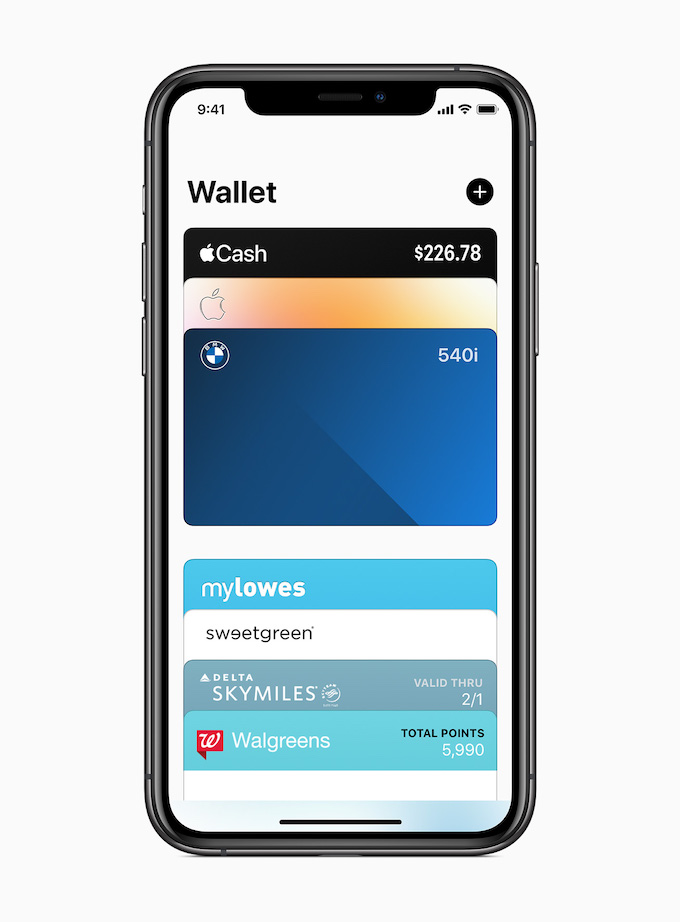
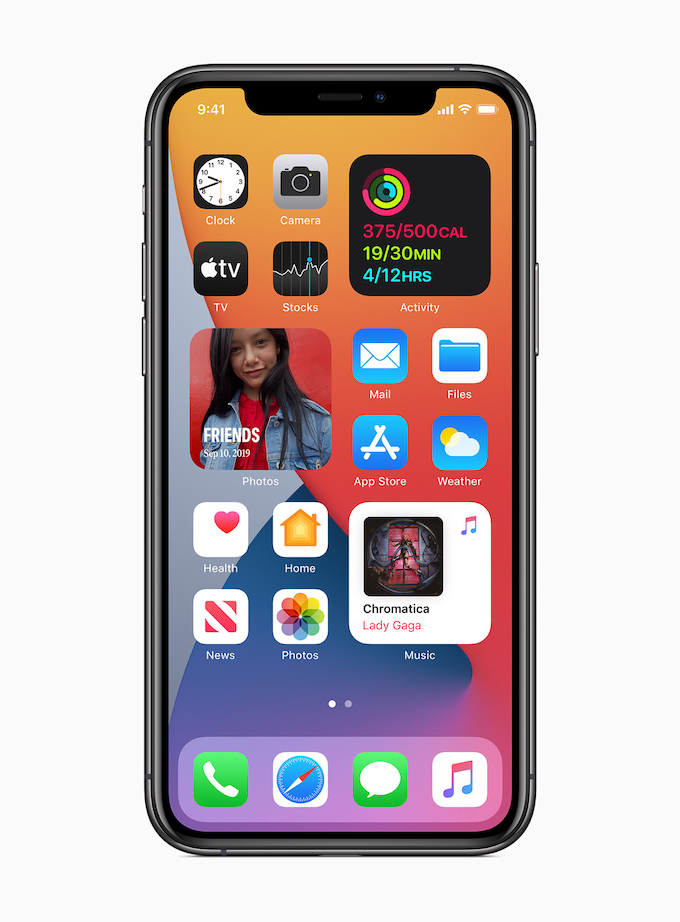
Operating system iOS 14 was released to the general public in September 2020. Apple along with it, it introduced features such as App Clips, App Library, or the ability to unlock your car using NFC chip in the iPhone. Added the ability to add widgets to the iPhone home screen, Picture-in-Picture for streaming apps and FaceTime, and other privacy improvements or the ability to search for emoji on the keyboard. As part of accessibility, it was possible to assign a specific function to a double tap on the back of the iPhone on newer iPhones, and the Sound Recognition feature was also added. The interface for Siri and calls have been given a more compact display in the form of a panel at the top of the display. In native Messages, users have gained the ability to pin conversations and improvements to group conversations. Web browser Safari It has gained the function of translating pages and displaying an overview of tracking tools, and a new native application for translations has been added.





Anyway, that system had its charm before the complete change came with the seven :) The current 14 is terrible for me with those dots for each desktop on the main screen.. how did they create that mega gap there.. it unnecessarily reduces the font of the icons on the desktop.
For me, the best and most sophisticated system was with Iphonem 4 therefore IOS 4 then still possible ios 6 but from 7 onwards it was downhill :)
I would be interested in knowing if there would be a possibility to change the appearance, for example, to IOS 6 how many people would use it. Many users prefer a cleaner look which IOS 6 was for me.
Many...me too
How many more times will you repeat this article?