
Smart watch Apple Watch have been a part of our lives for several years. The operating system is also inextricably linked to them watchOS, which has of course undergone a number of changes and improvements since the release of its first version, and has also received a lot of new features. In today's article, we will summarize everything that its versions have brought since watchOS 1 after watchOS 7.
You might be interested in
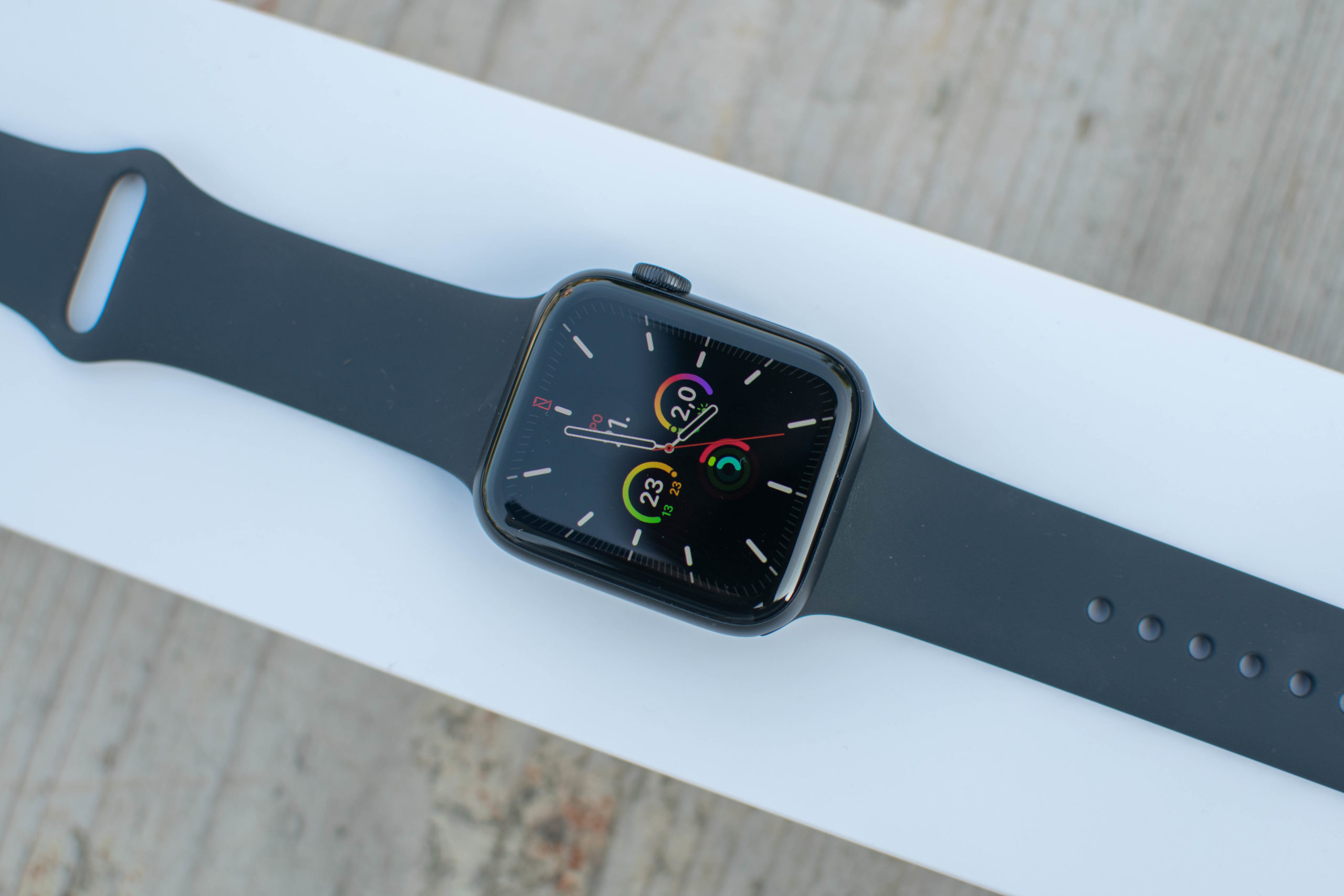
watchOS 1
Gallery
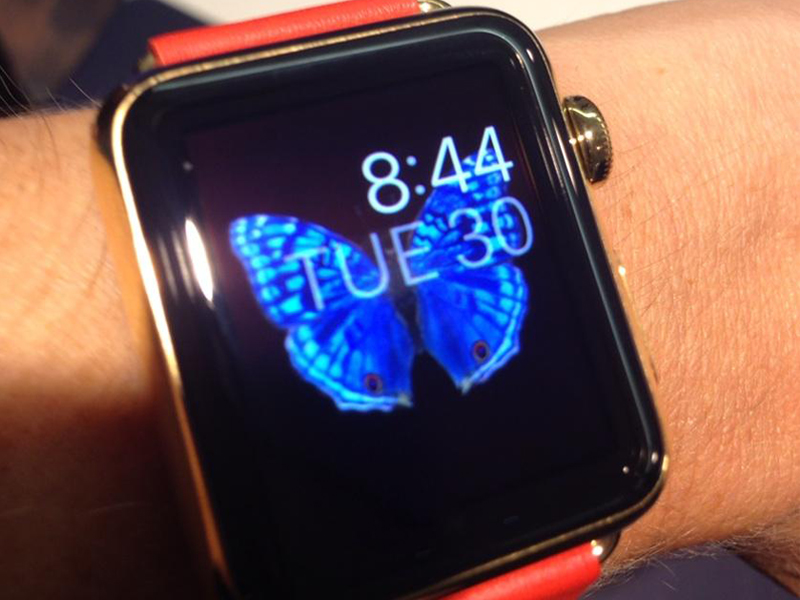
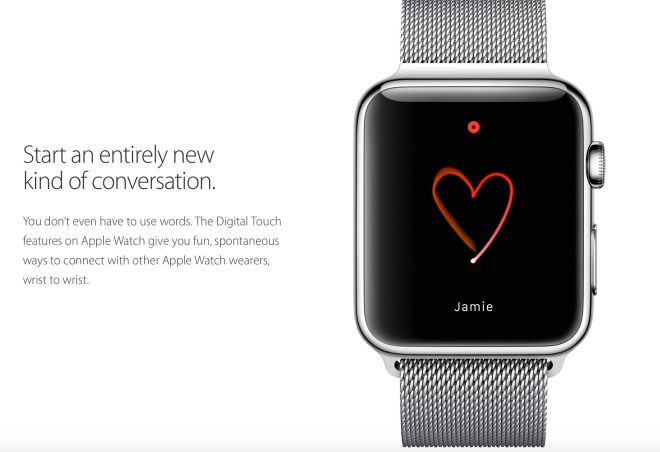
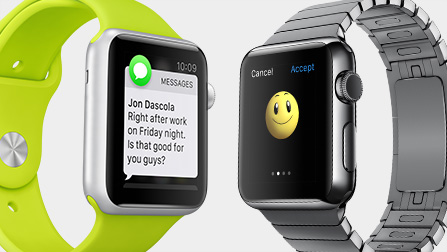
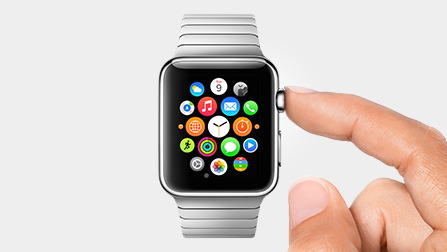
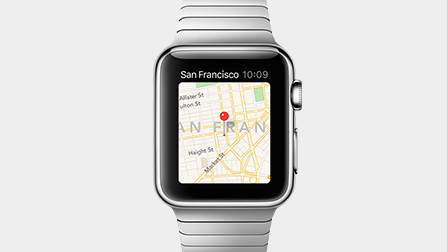
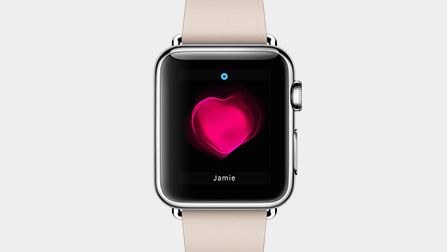
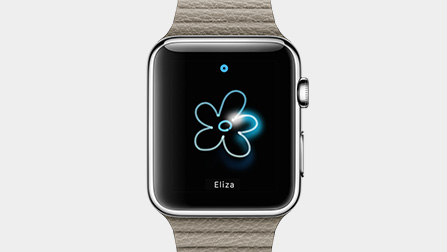
Operating system watchOS 1 was introduced along with the first (or zero if you prefer) generation Apple Watch in the second half of April 2015. It was based on the operating system iOS 8, and featured circular app icons on the home screen. It offered a zoom function by rotating the digital crown, and included Chronograph, Modular, Color, Utility, Mickey Mouse, Astronomy, Simple, and Motion watch faces. Operating system watchOS offered twenty native applications including Activity, News, Maps or Weather, over time, expanded activity measurement options were added, improved support Siri, a hyphenation feature, and support for additional languages. The latest version, 1.0.1, was released in May 2015.
watchOS 2
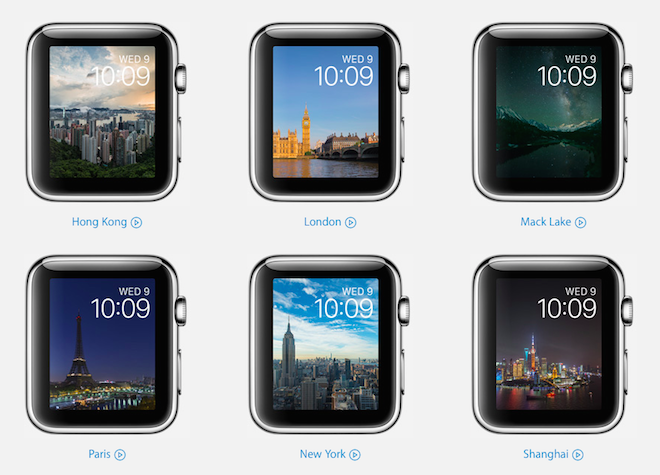
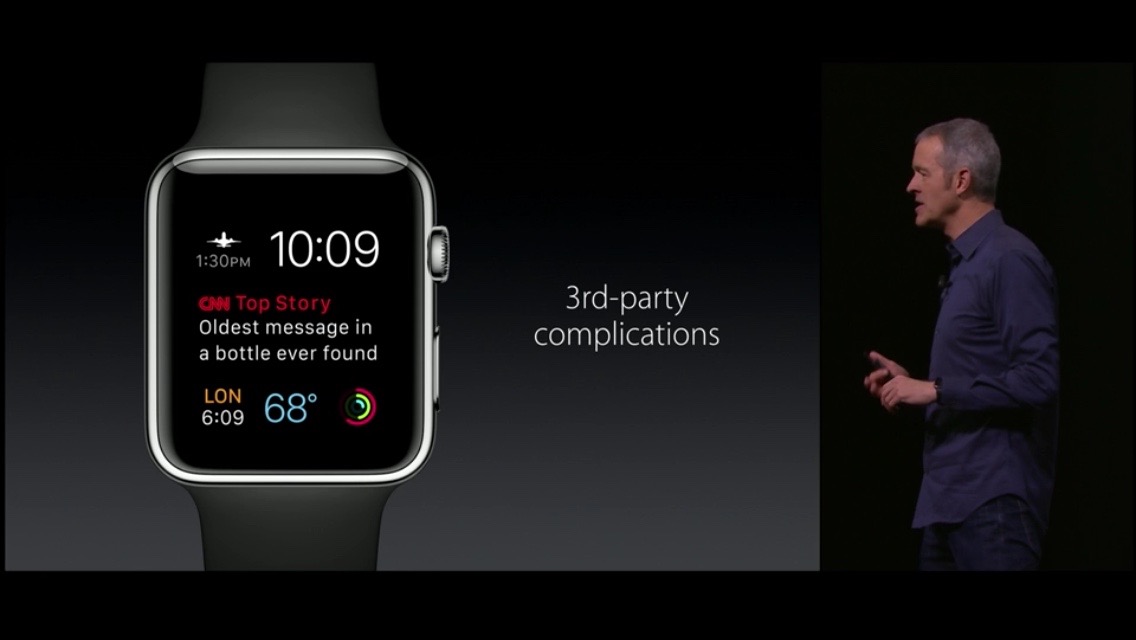
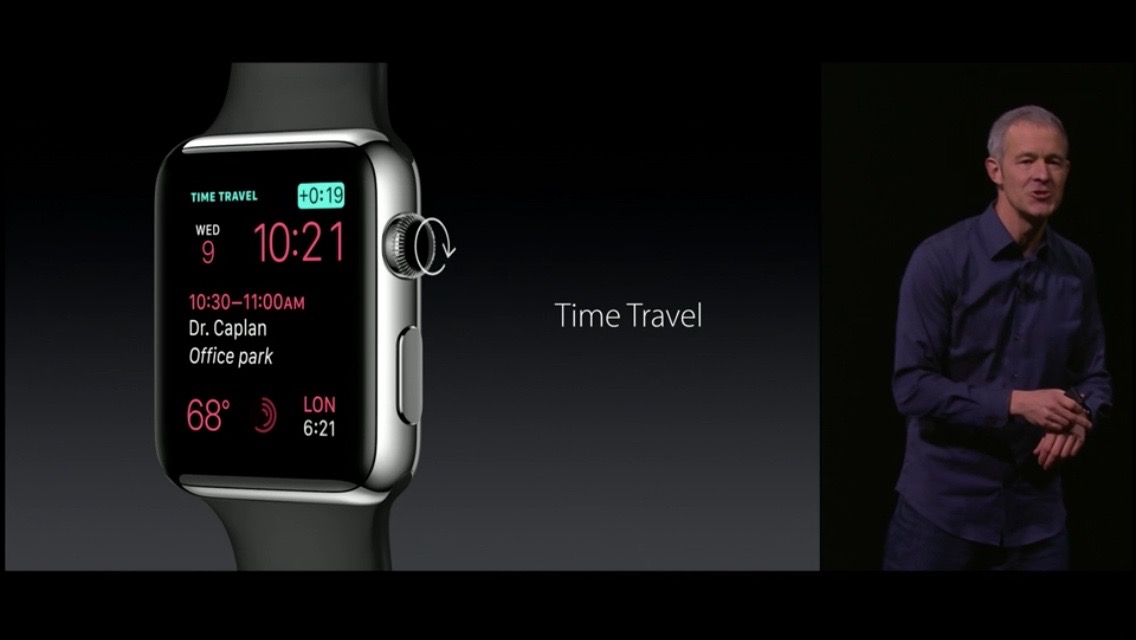
Operating system watchOS 2 was released in September 2015. It added Time Lapse, Photos with Live Photo support, new colors for the modular watch face, and more customization options. A welcome addition was support for complications for third-party apps, the company Apple with the arrival watchOS 2 also introduced a bedside table mode, where Apple Watch when connected to a charger, they could function as a desk alarm clock. Users also received support for voice calls via FaceTime, support for the platform HomeKit and the ability to include exercises from third-party apps in the green activity circle. Operating system watchOS 2 also offered the option to mute activity notifications, support Apple Pay and the ability to add friends. Maps will be updated with the arrival of watchOS 2 received more features, gradually adding the ability to reply to emails using dictation, emoji and smart replies. Other innovations included, for example, activation lock, and third-party applications gained access to the accelerometer, heart rate sensor, microphone and other system components. Unlike watchOS 1 is watchOS 2 has seen multiple versions with even more improvements and new features, such as the ability to pair one iPhone with multiple watches.
watchOS 3
Gallery
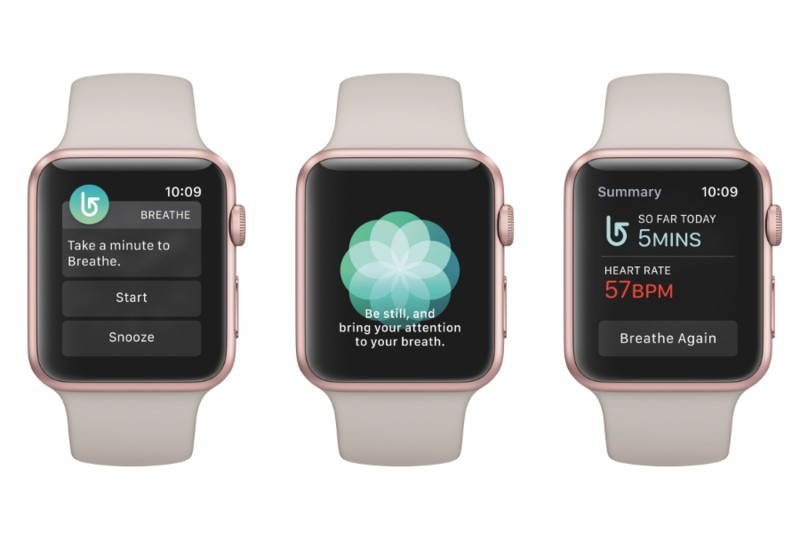
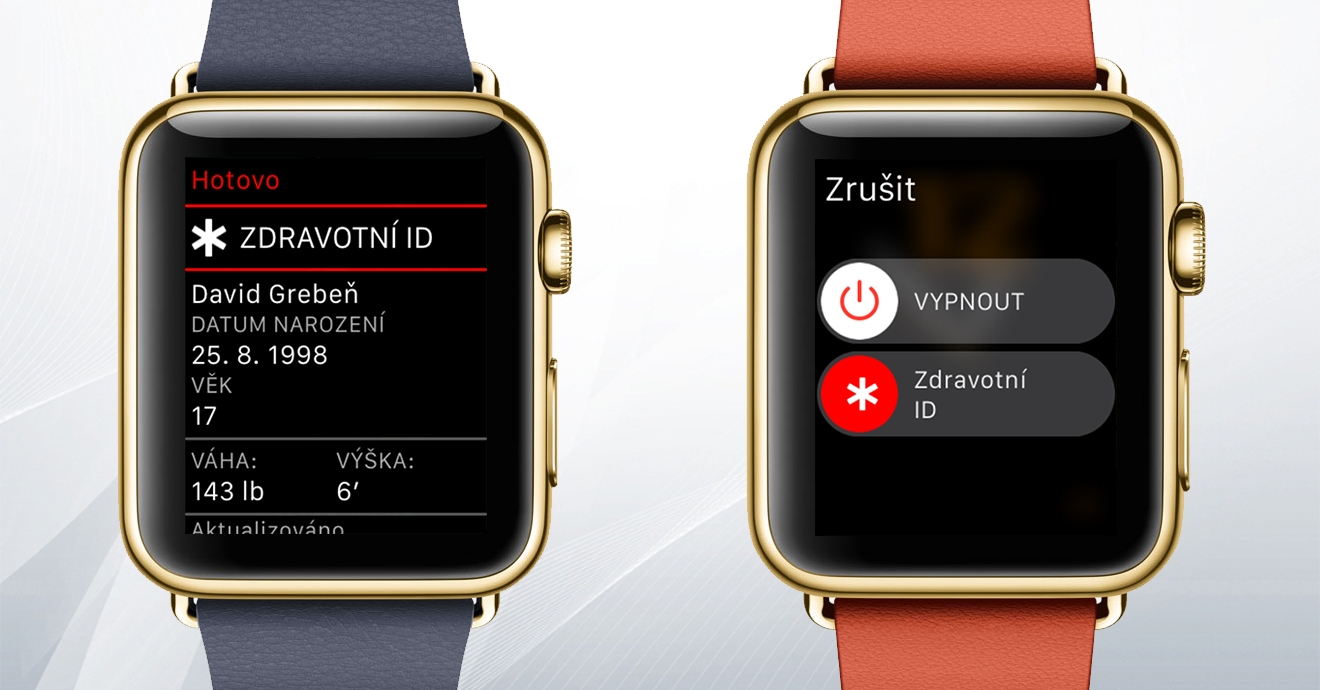
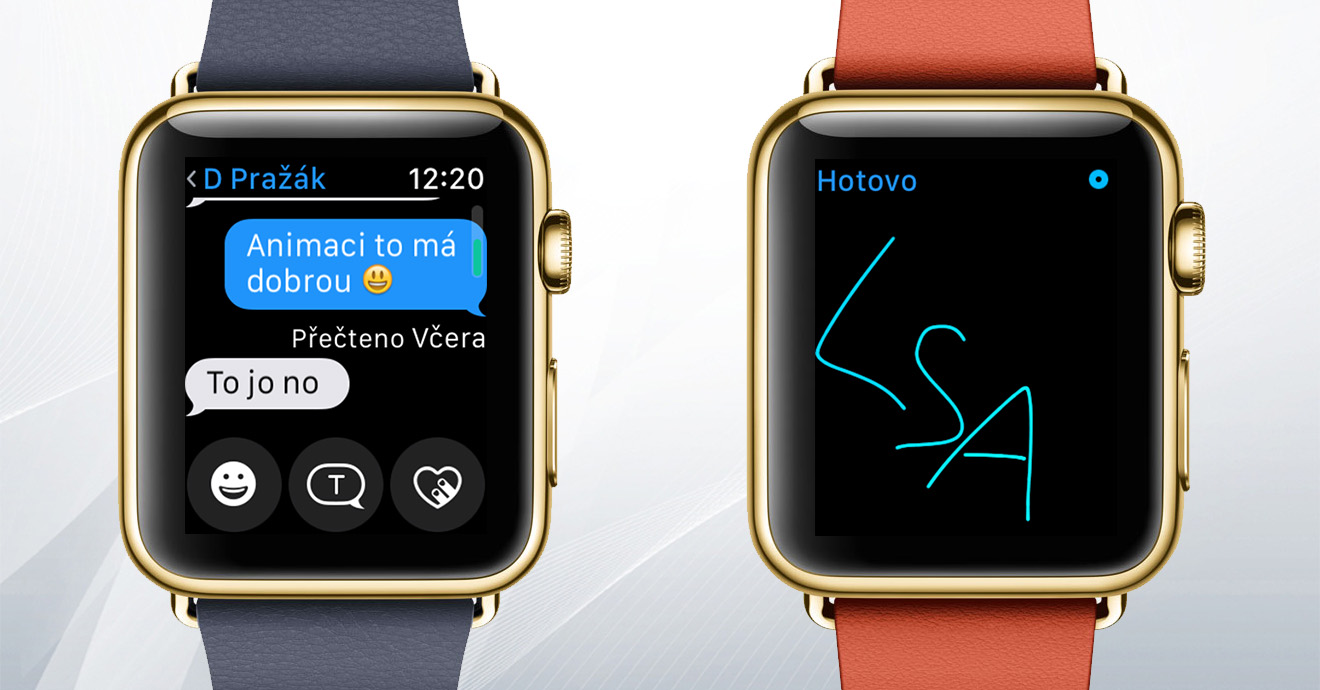
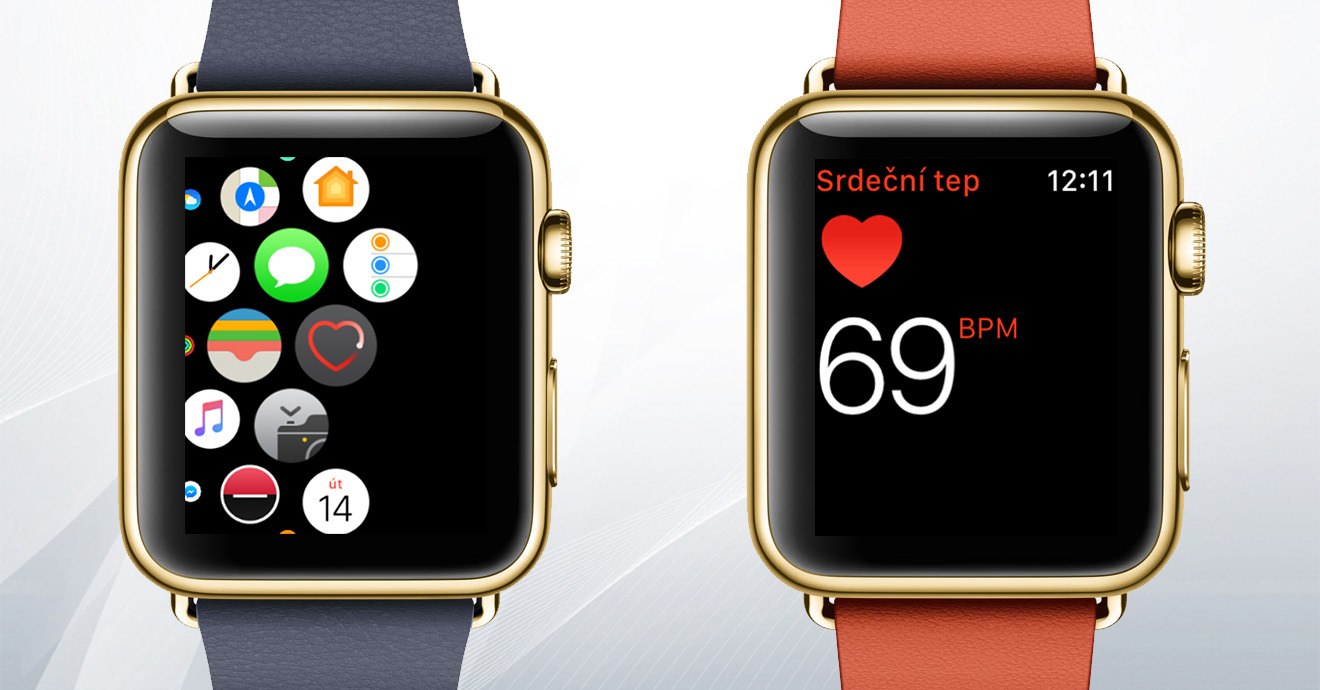
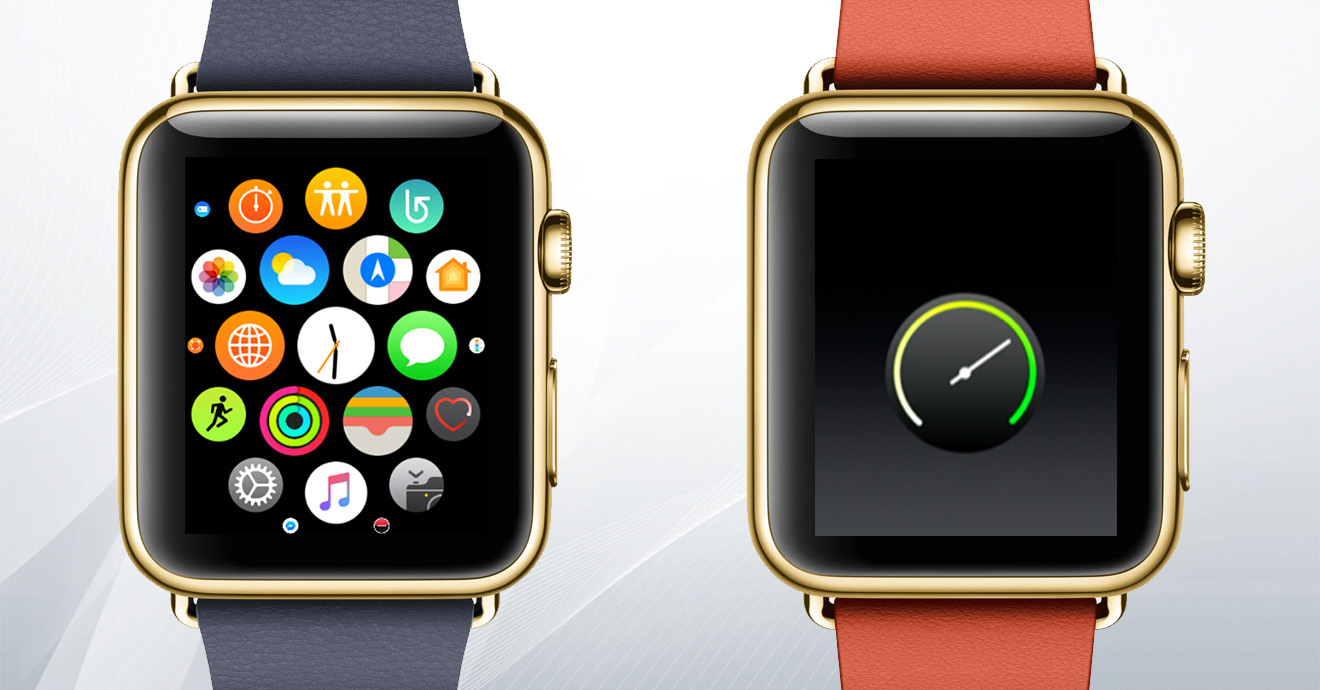
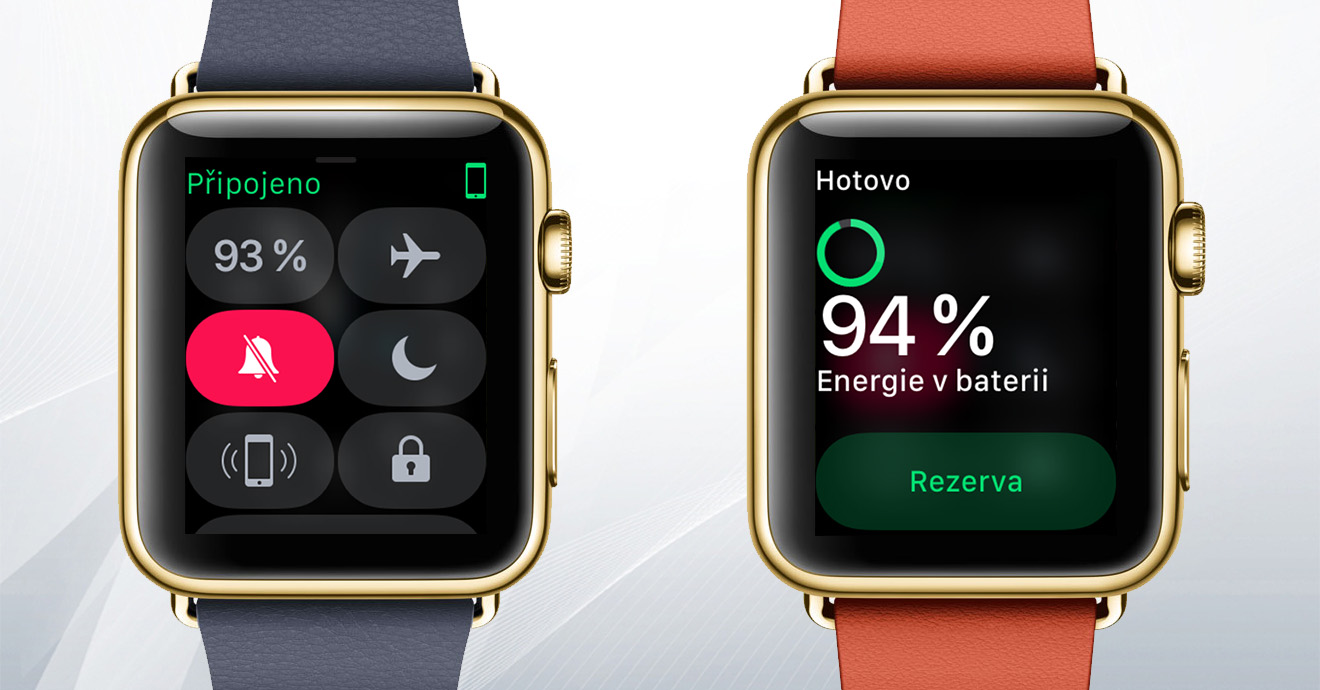
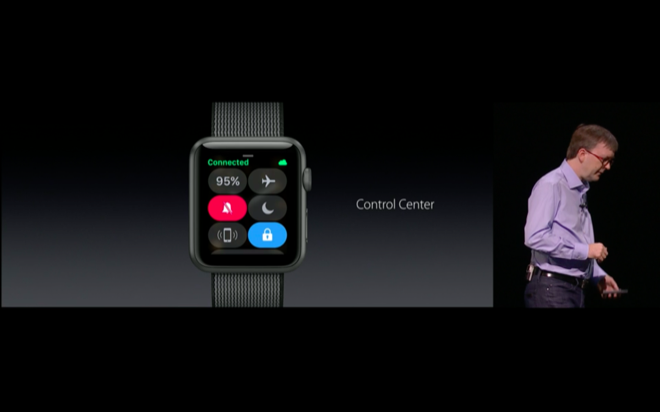
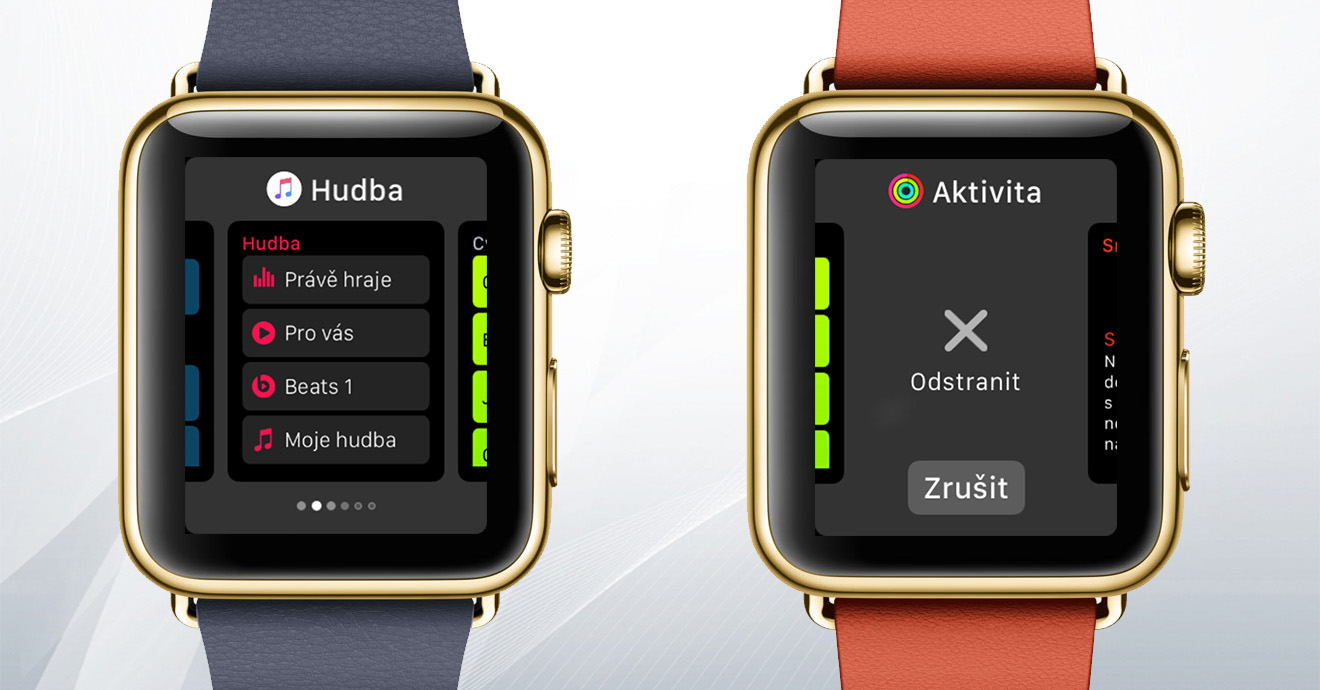
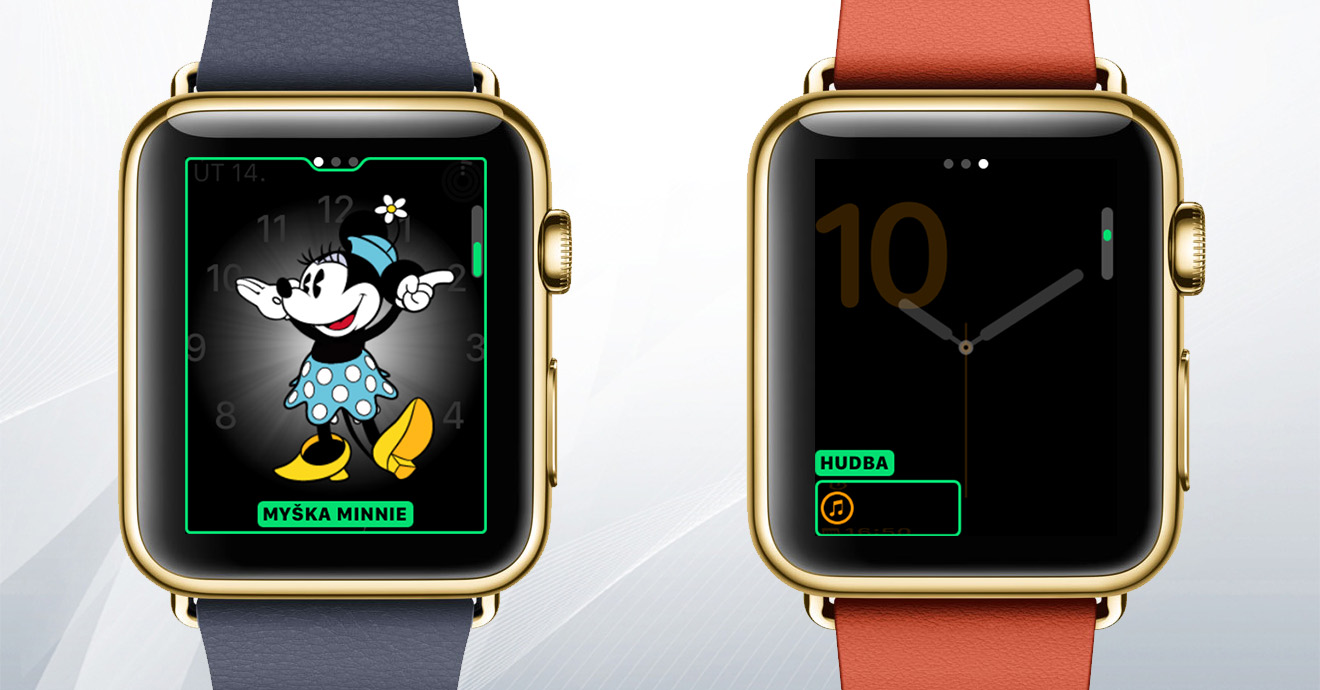
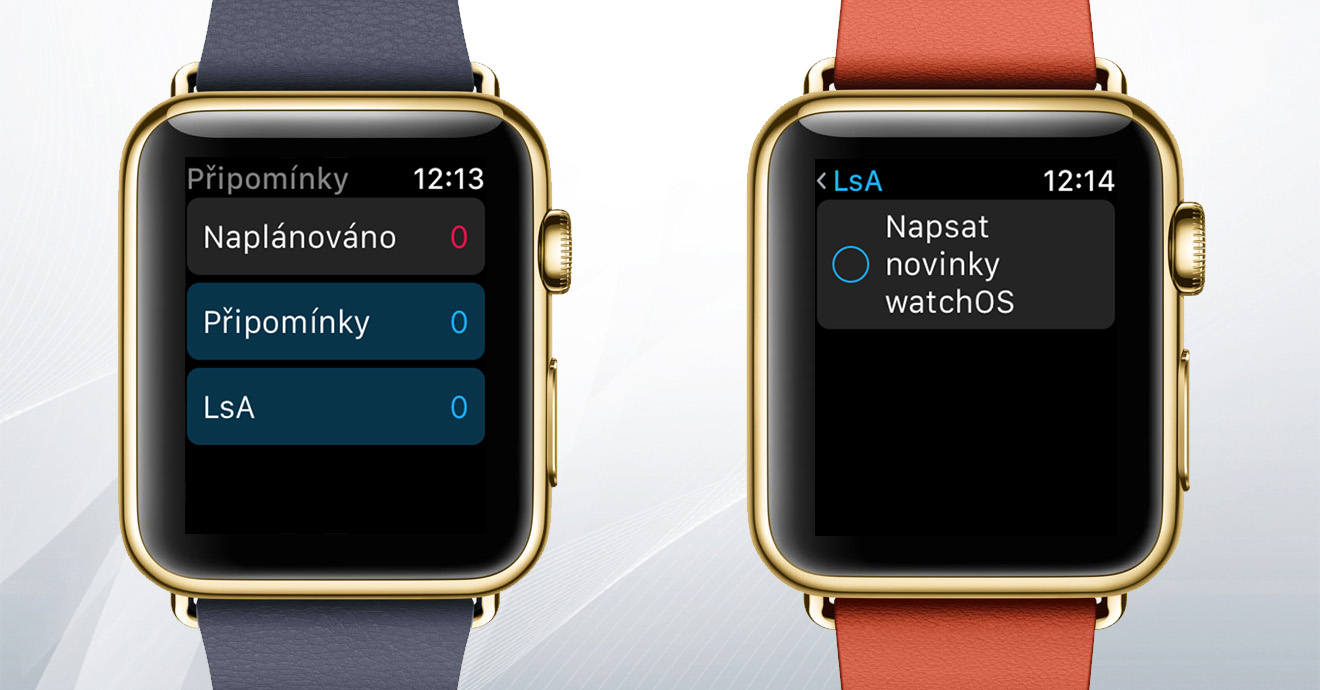
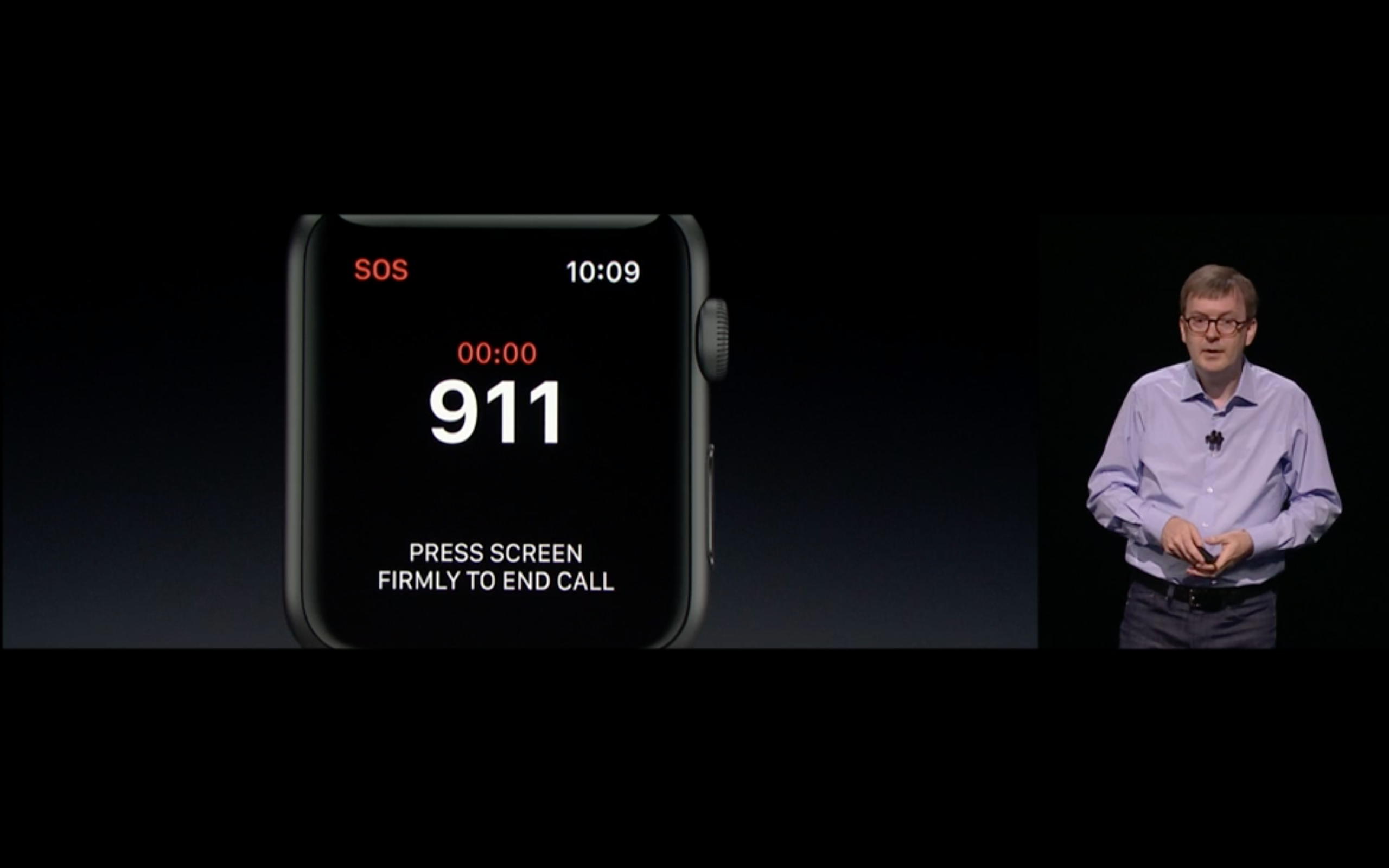
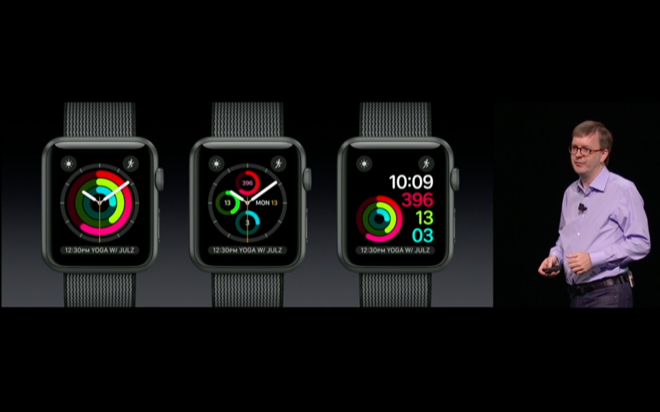
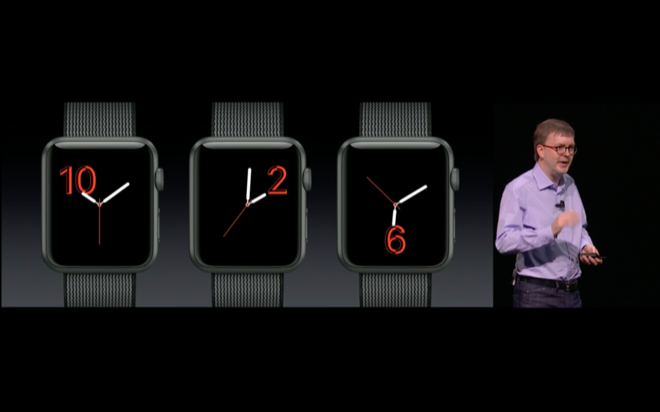
Operating system watchOS 3 was released to the public in September 2016. In DockThe ability to view your most used apps has been added, users can quickly and easily switch between watch faces by swiping up, or activate Control Center by swiping up from the bottom of the display. The Minnie Mouse, Activity, and Numbers watch faces have been added, and the Photos, Time Lapse, and Motion watch faces have received complication support. Users can now add complications from the Workout, Music, and Messages apps in the Watch Pro app. iPhone a gallery of watch faces was added. In the Activity application, it was possible to share and compare activity rings, and the option of automatic pausing during running appeared. A new native Breathing application was added, animations for handwritten messages and the option to reply to messages and emails in notifications. Users gained the ability to write with a finger on the display, the Emergency SOS function and the ability to display a health ID. Operating system watchOS 3 also brought the ability to control smart home elements, the Reminders and Find Friends applications, support Apple Pay for third-party apps and new control options for Calendar. Users could now use their Apple Watch as a remote control for the Camera on their iPhone, and support for effects was added to the Messages app. In one of the latest versions of the operating system watchOS 3 then added cinema mode.
watchOS 4
Gallery
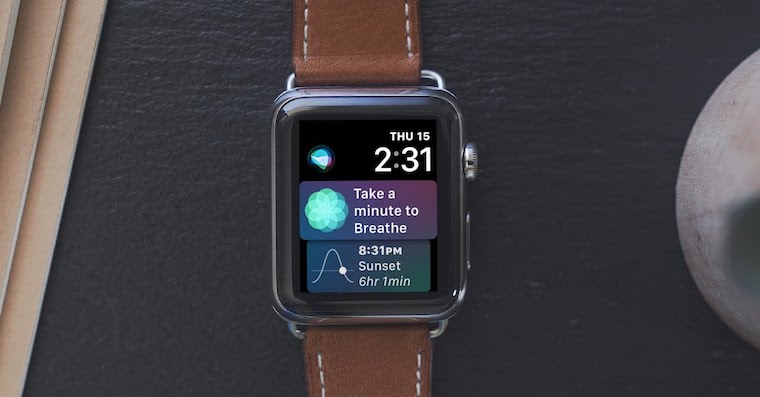
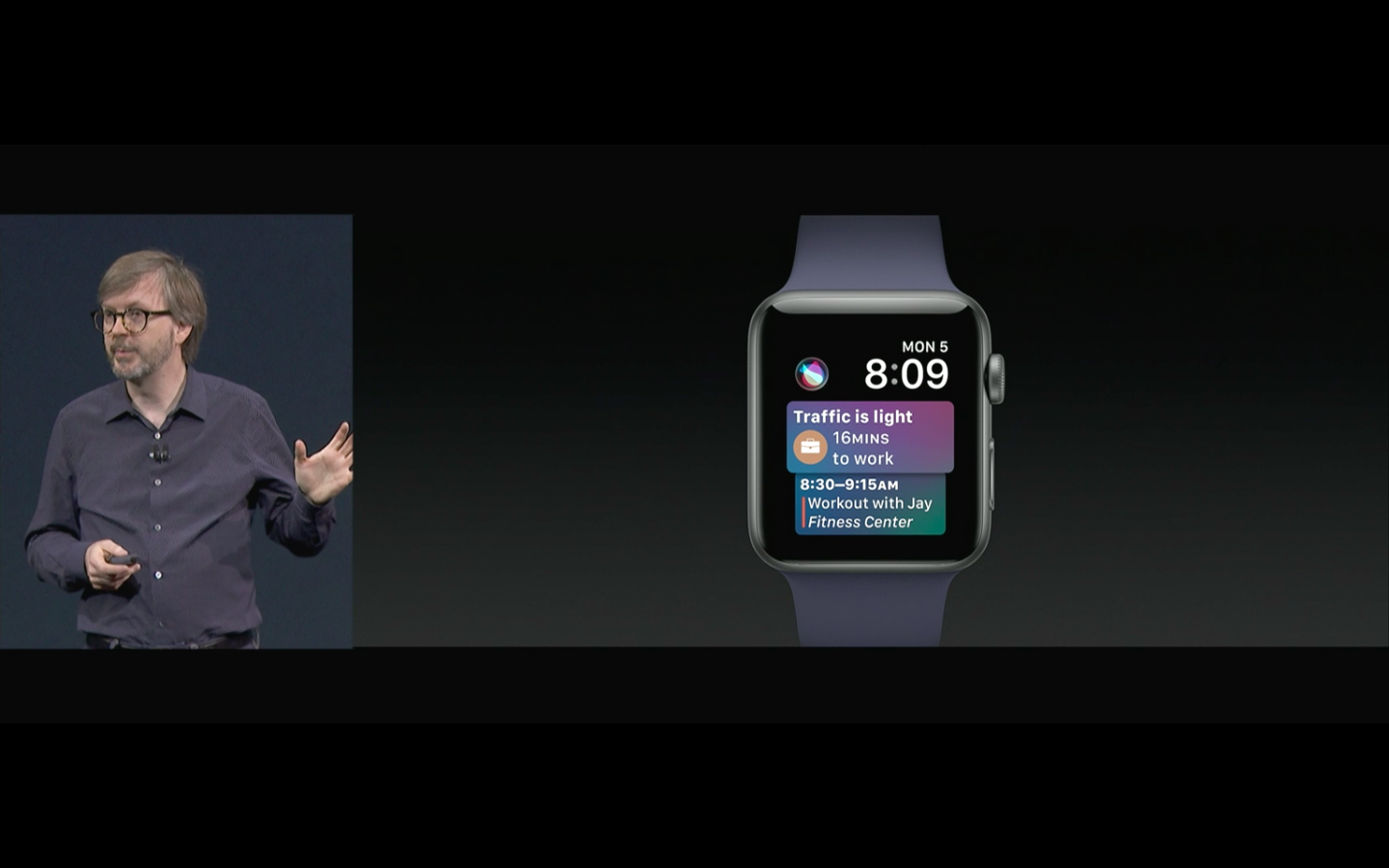
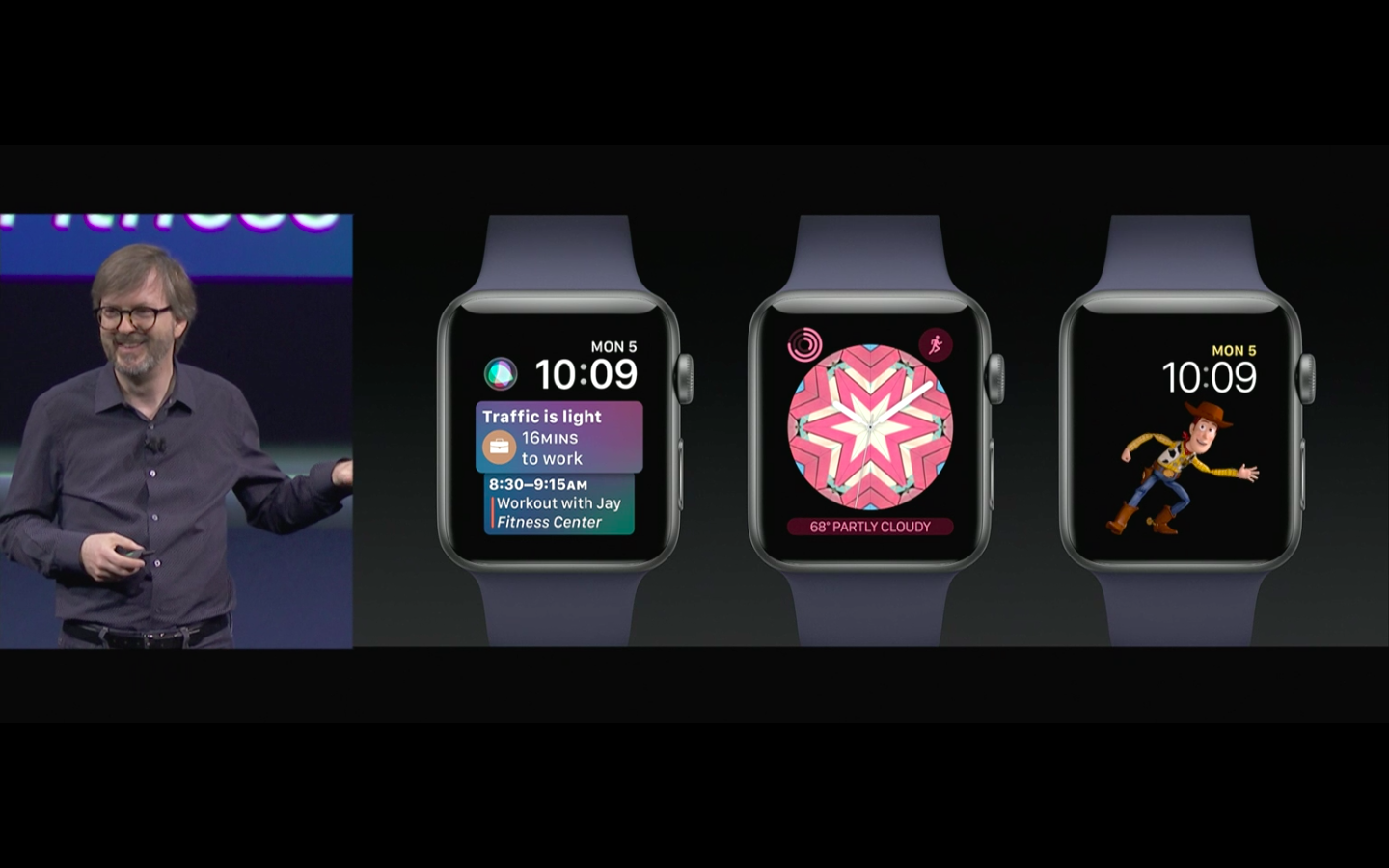
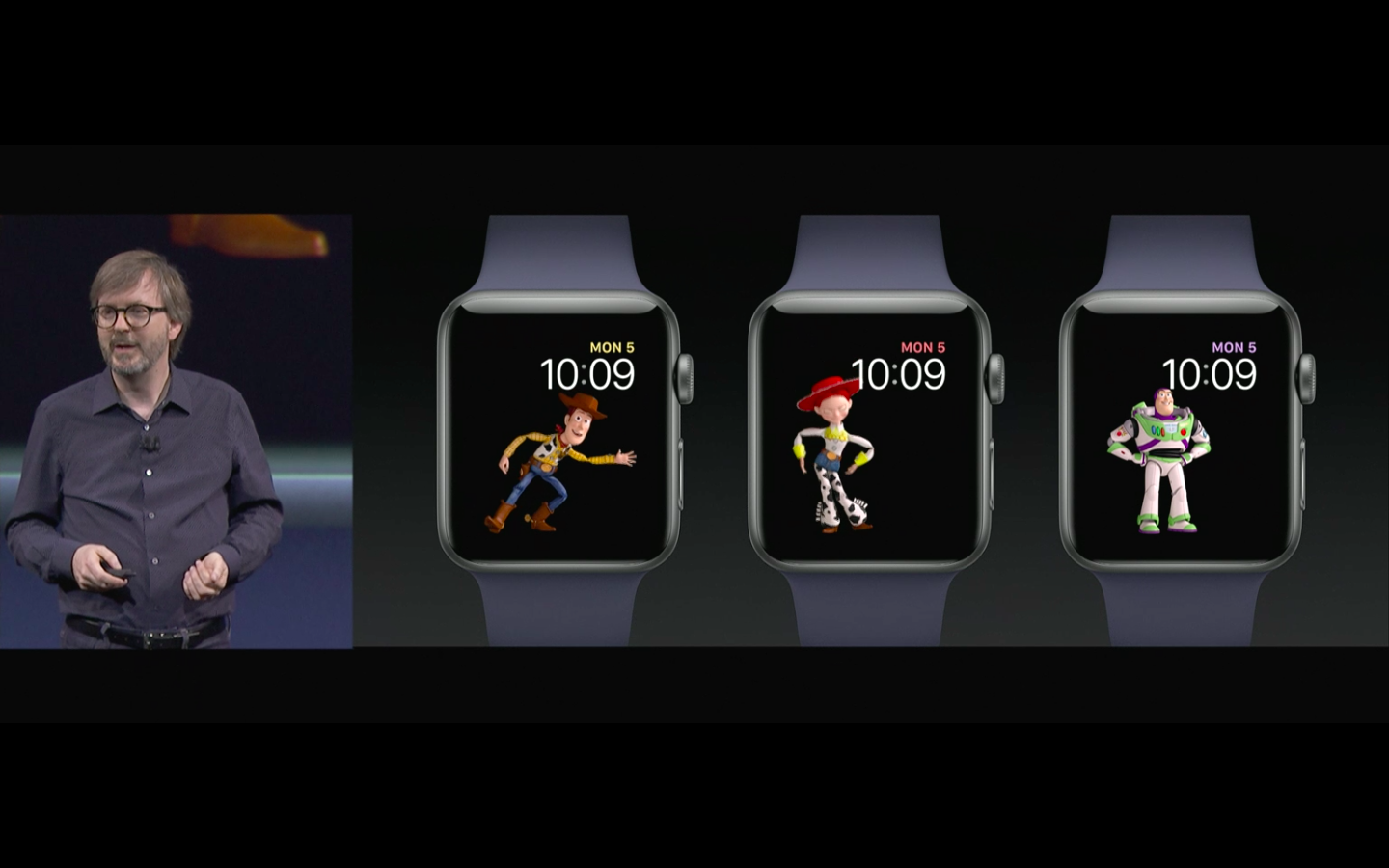
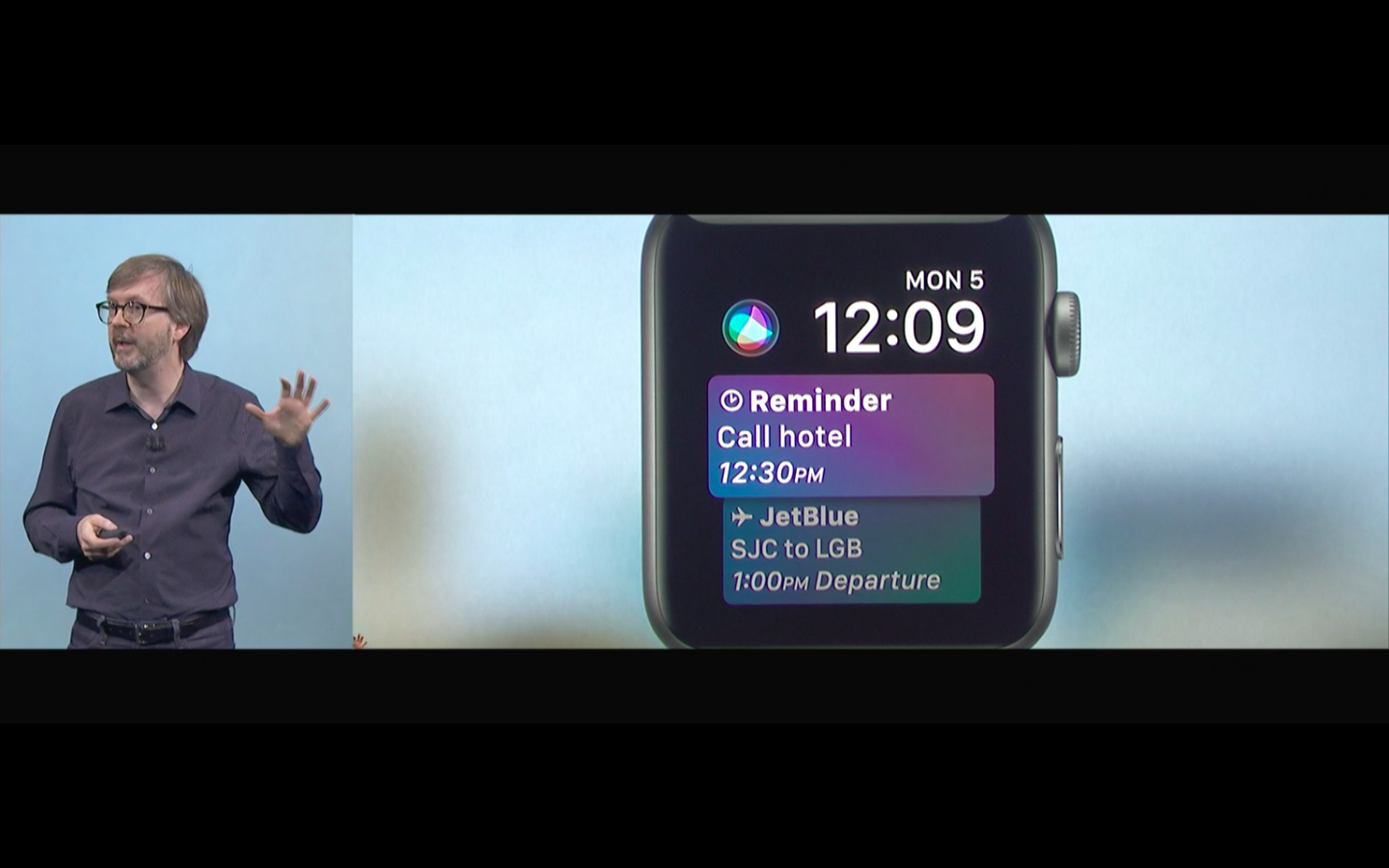
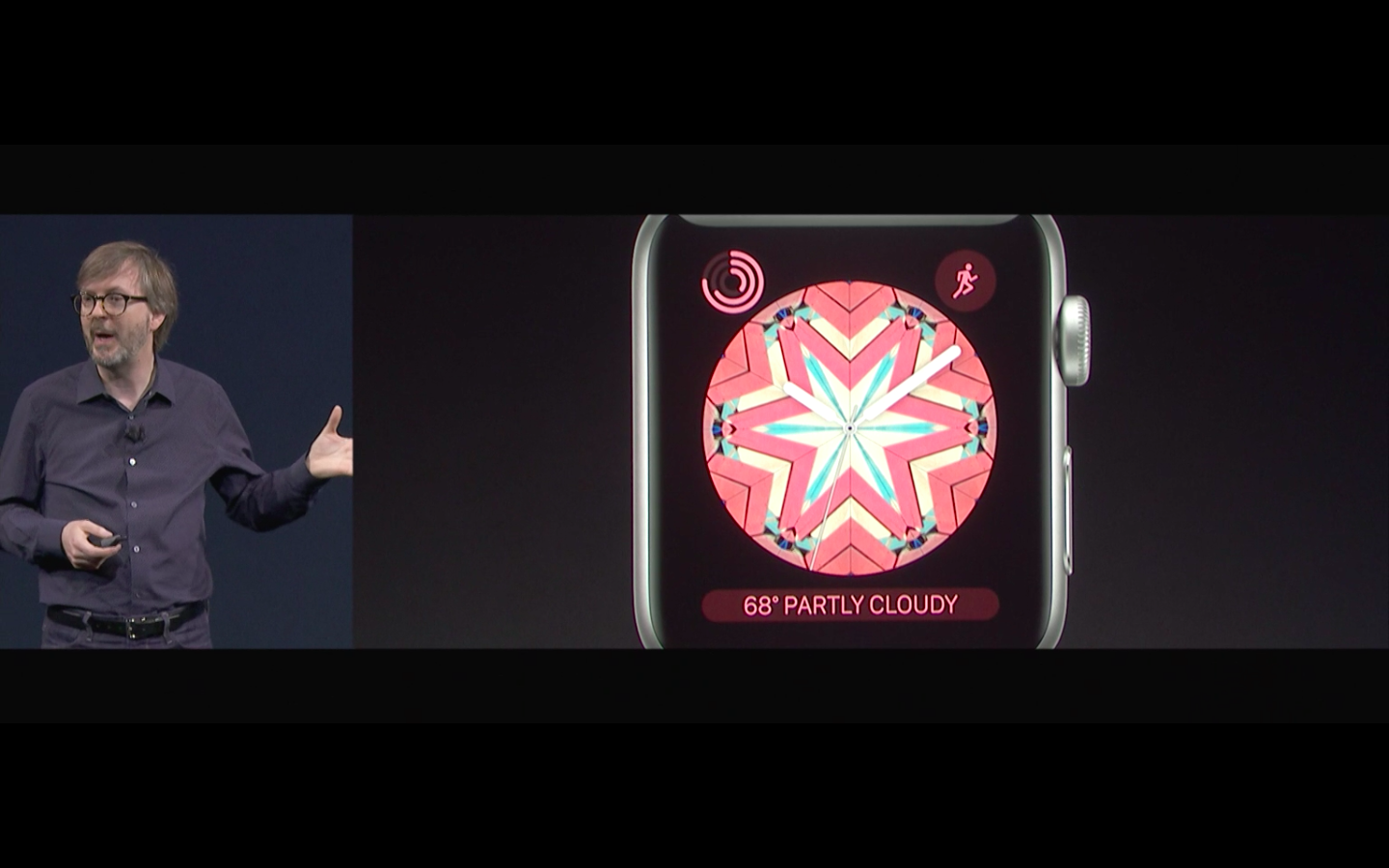
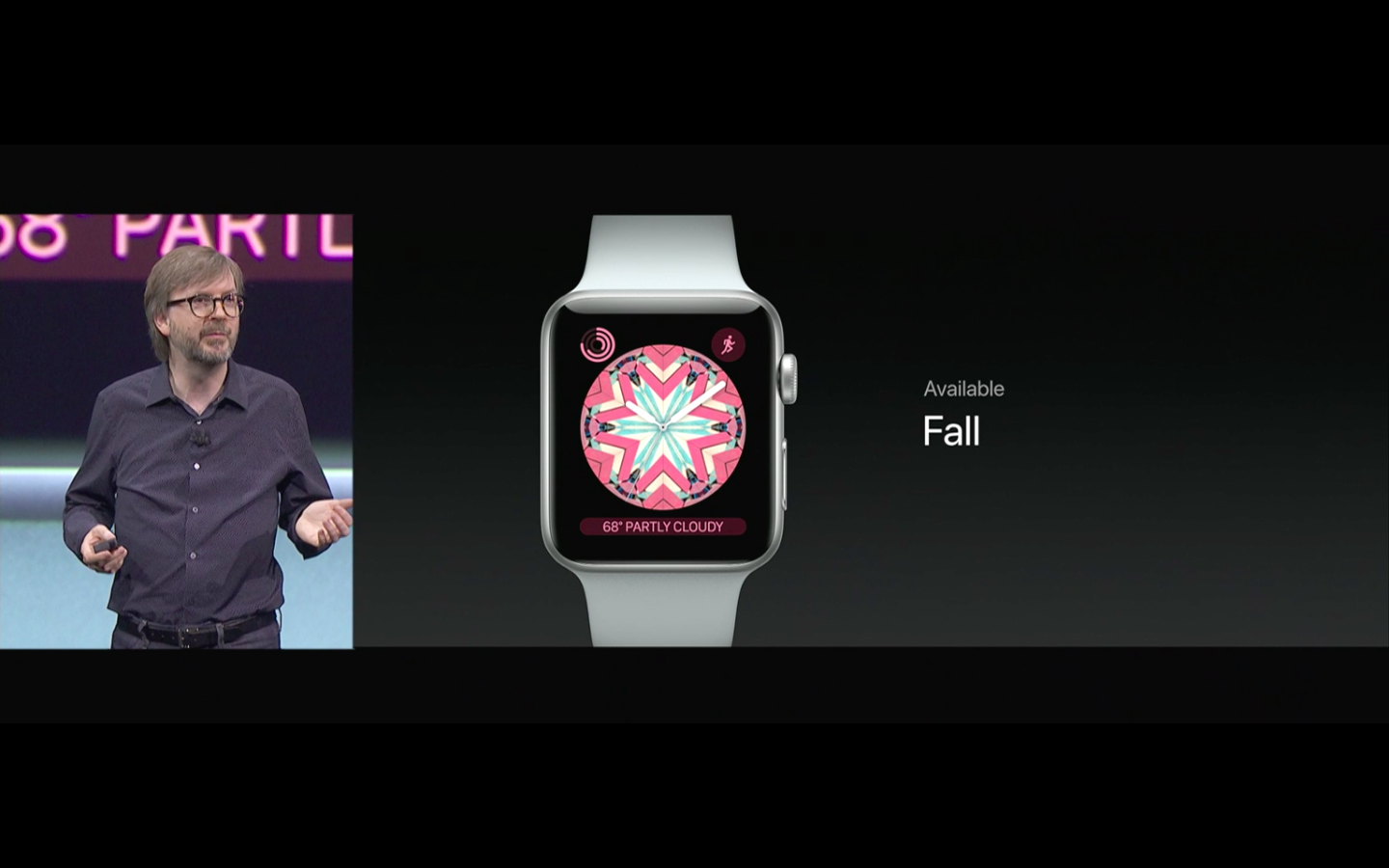
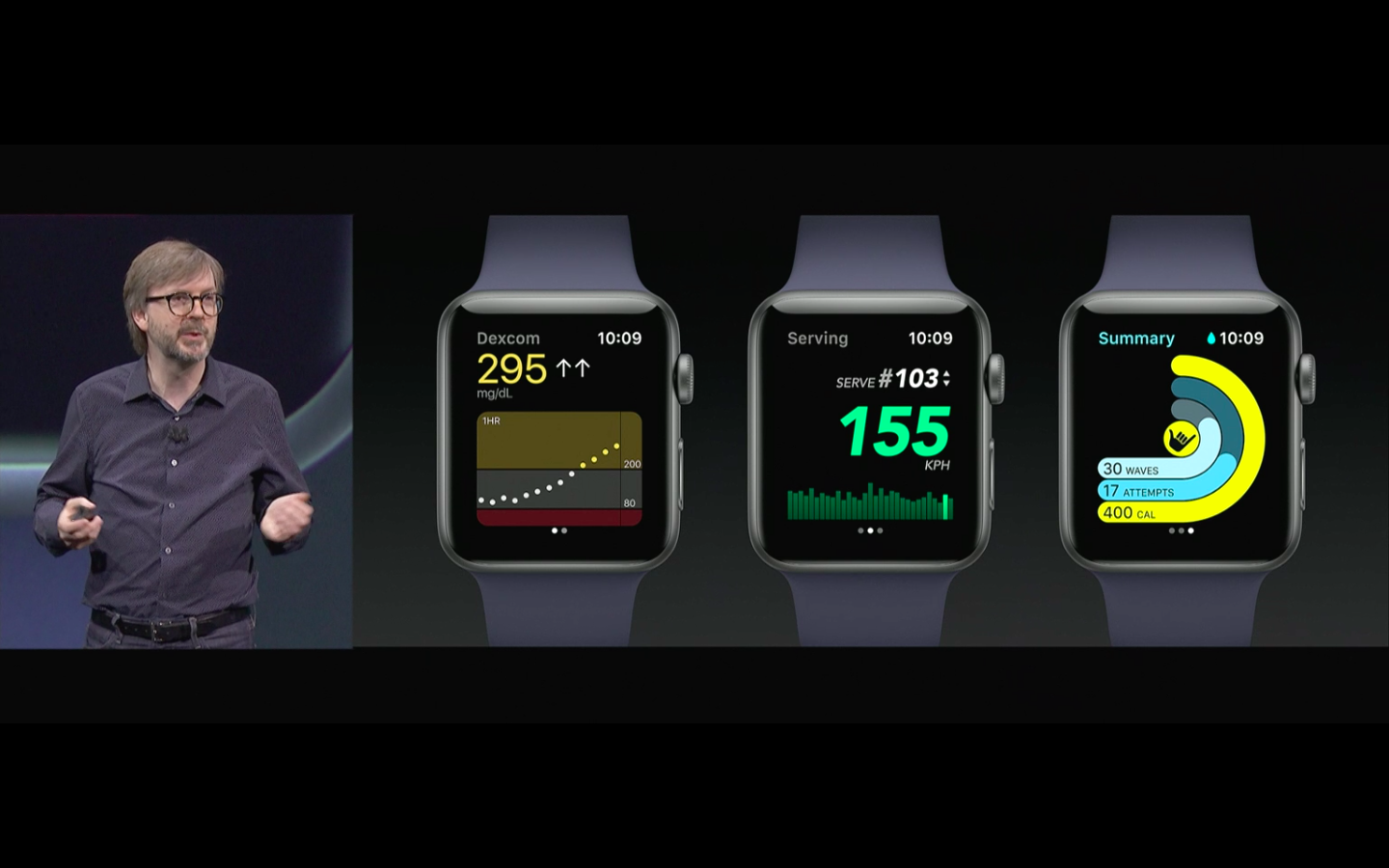
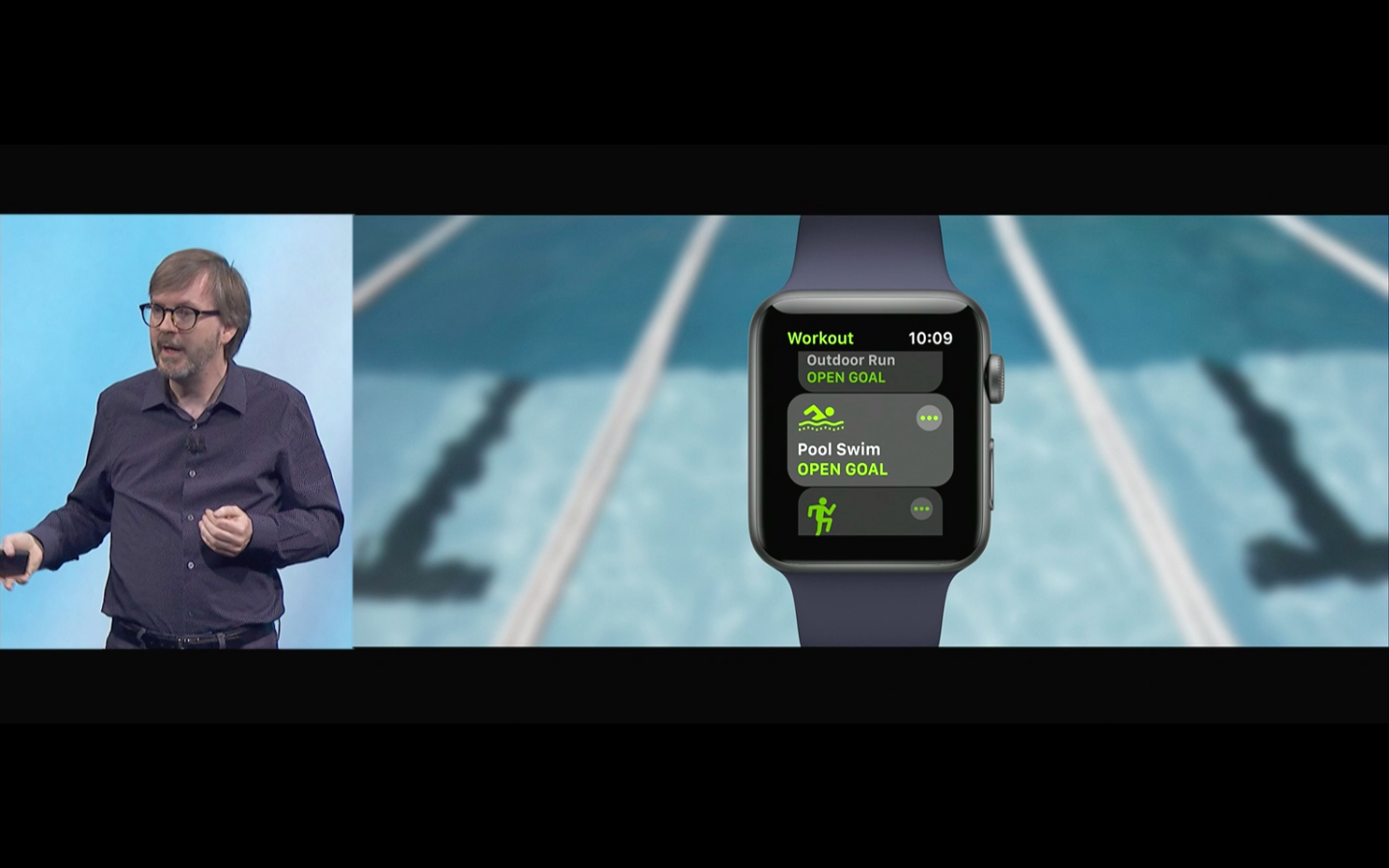

Company Apple released an operating system watchOS 4 in September 2017. Watch faces Siri received updates based on time, location, and daily habits, and animated watch faces based on Toy Story themes and a Kaleidoscope watch face were added. Operating system watchOS 4 also brought complications for Siri, heart rate, playback and messages, the Activity app has personalized notifications, monthly challenges or full-screen animations when closing circles. The native Exercise app has been completely redesigned, with support for HIIT workouts, the option of synchronized playlists when starting an exercise or the option of automatically activating Do Not Disturb mode when starting an exercise. The heart rate app has new graph options, resting heart rate measurement, walking average and other metrics, and a high heart rate notification function has also been added. The native Music app has also been redesigned, users in selected regionsonech have received the News application. In DockIt was possible to display recently used applications, it was now possible to sort application icons on the home screen alphabetically. The Mail application received support for gesture control, and new timer options were added. In subsequent versions of the operating system watchOS 4 is Apple focused more on fixing minor bugs, but also added playback and volume control options for HomePod.
watchOS 5
Gallery
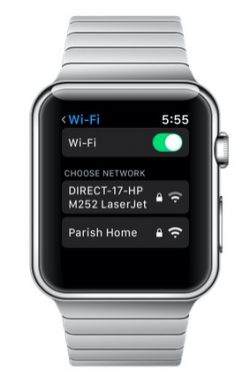
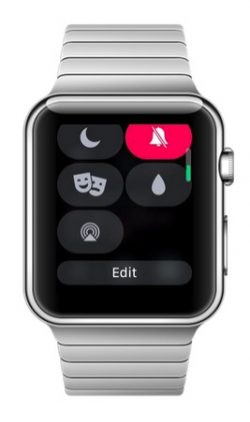
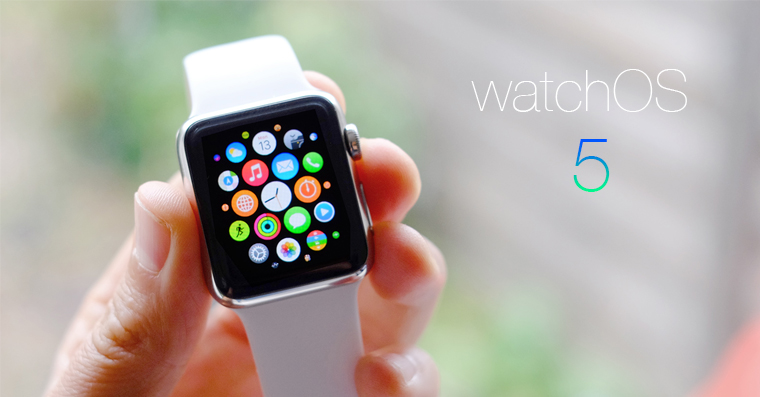
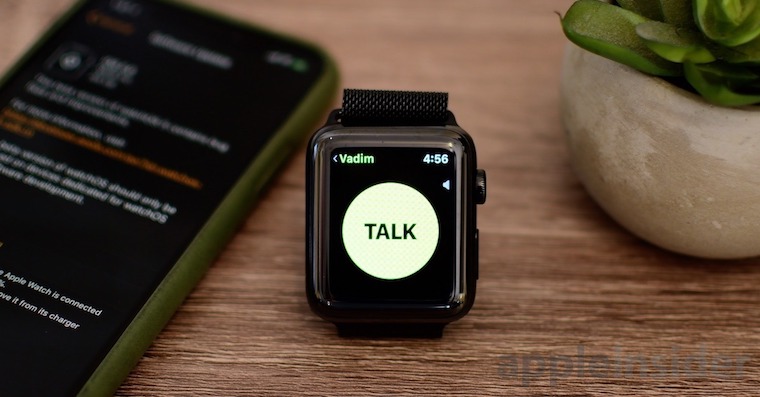
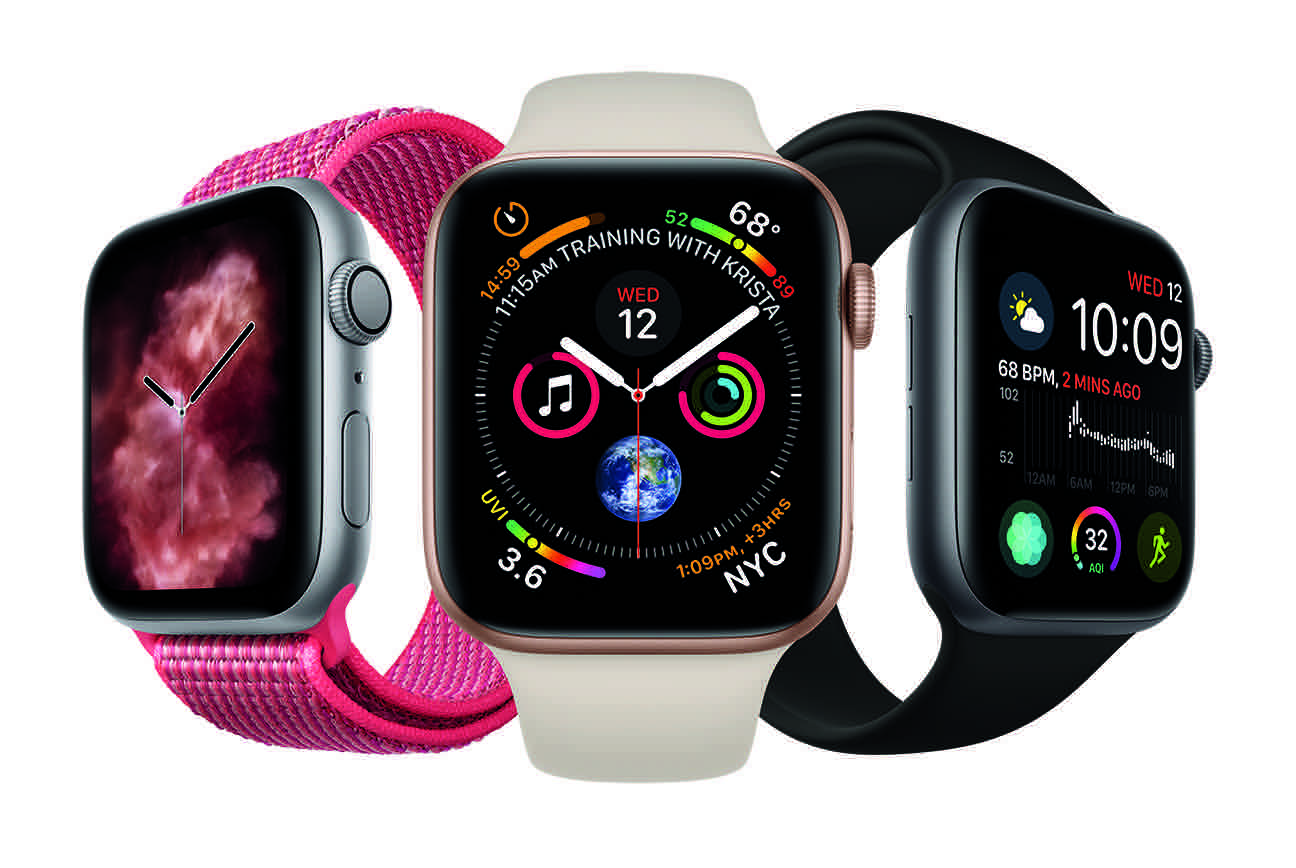
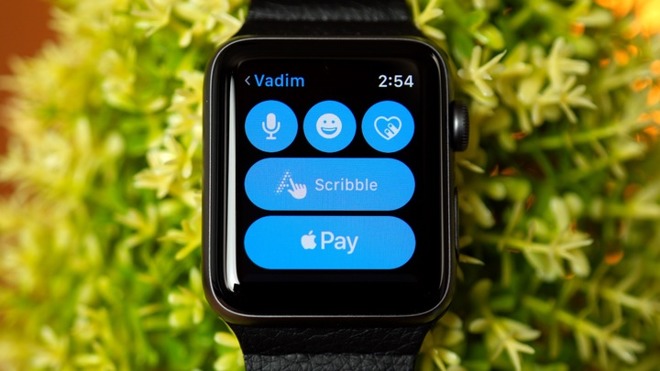
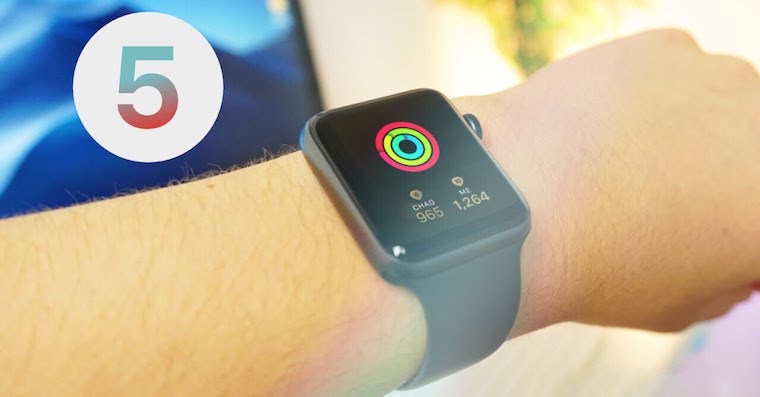
Operating system watchOS 5 was released to the public in September 2018. The native Exercise app added yoga and hiking along with automatic exercise recognition, and users got a Podcasts app with the ability to download episodes and activate Siri by simply raising your wrist and saying a command. Notifications have gained in watchOS 5 new look, native News now has the ability to display web pages. In watchOS 5, it was possible to set a schedule for Do Not Disturb mode depending on time or location, and in subsequent versions of this operating system, partial bug fixes were gradually introduced, especially for new features. Users gradually received the ECG function, irregular heartbeat notification, and Walkie-Talkie functions.
watchOS 6
Gallery
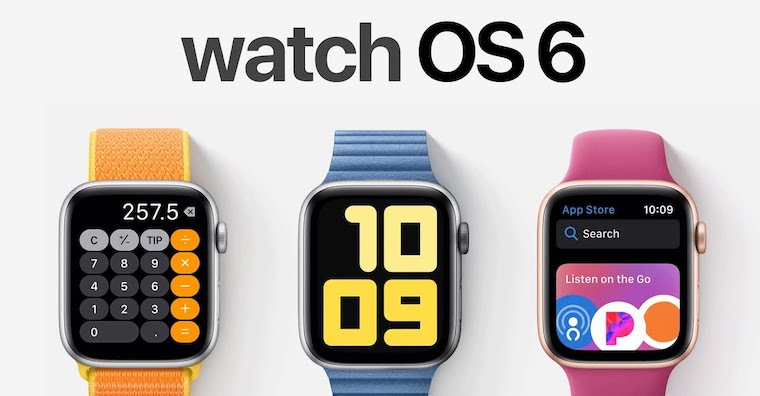
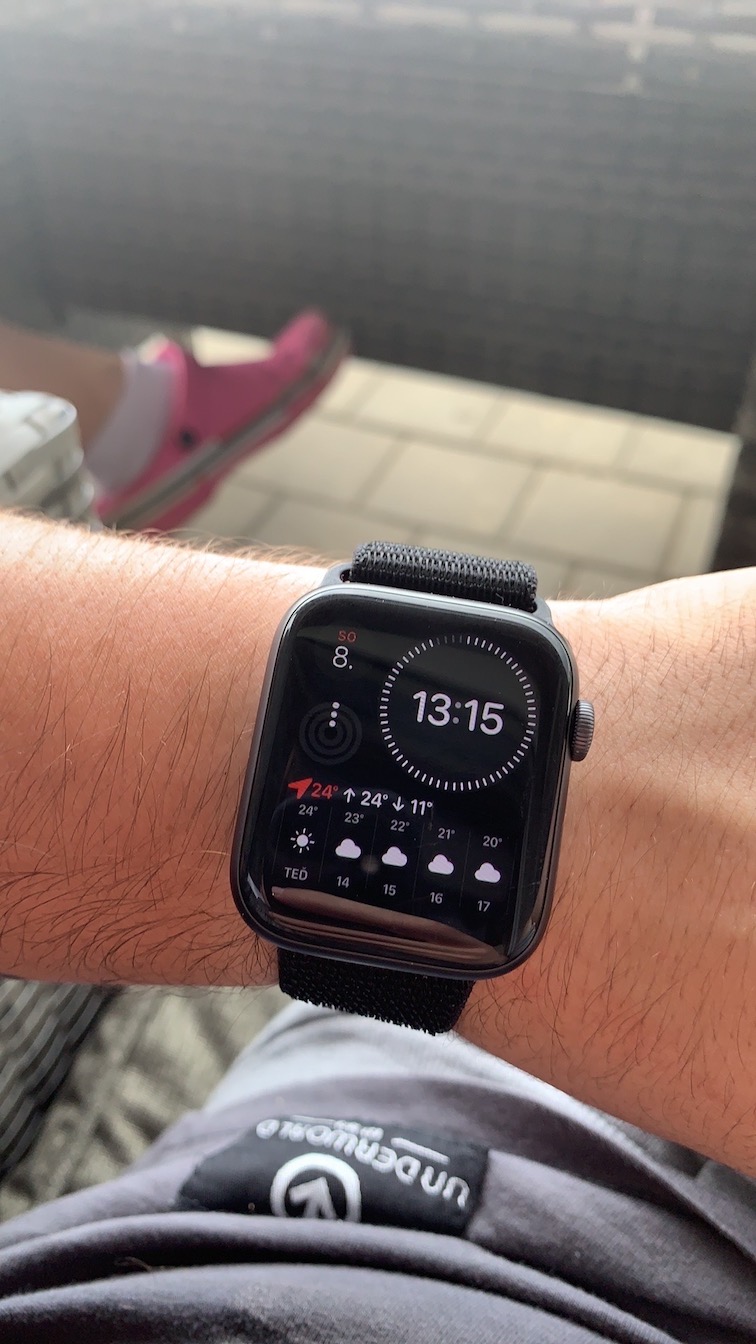
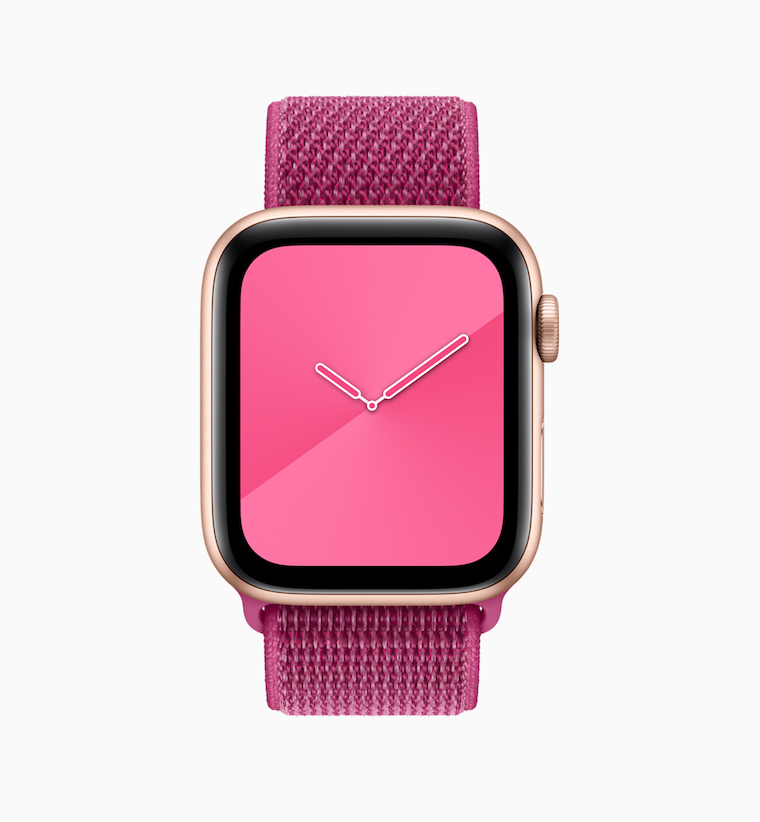
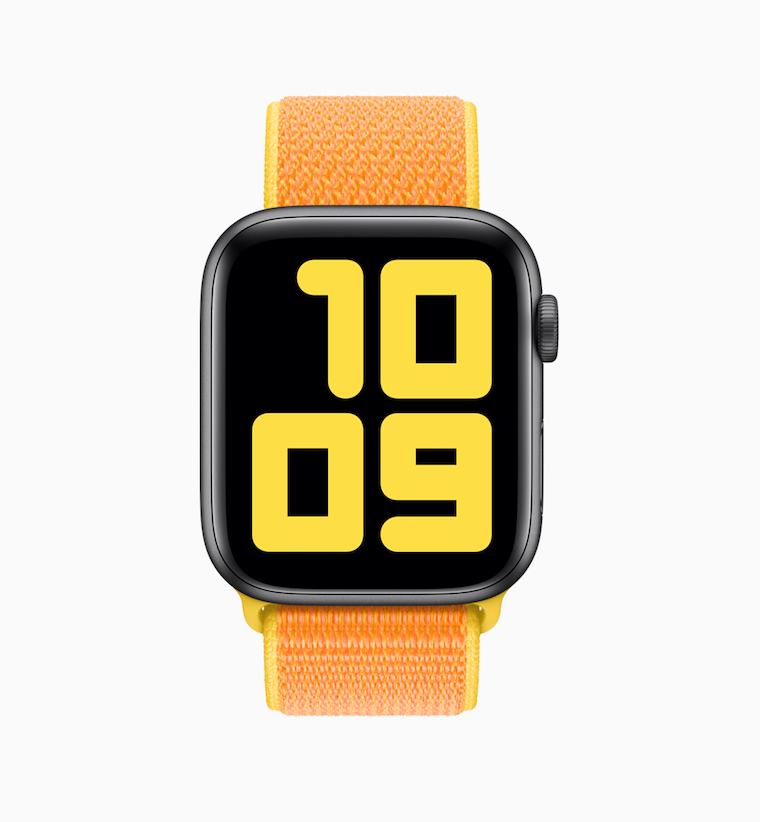
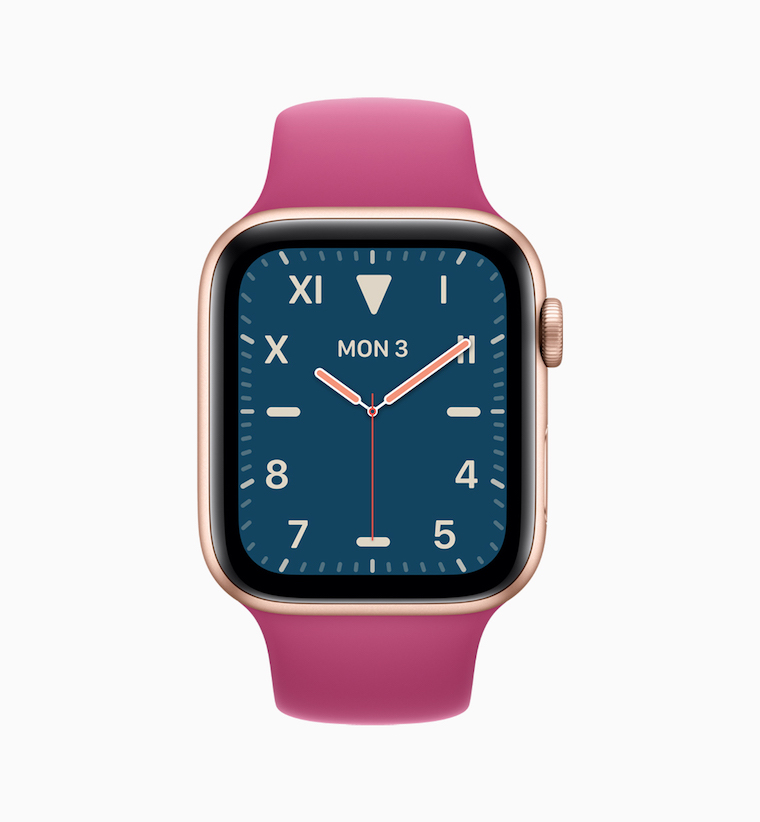
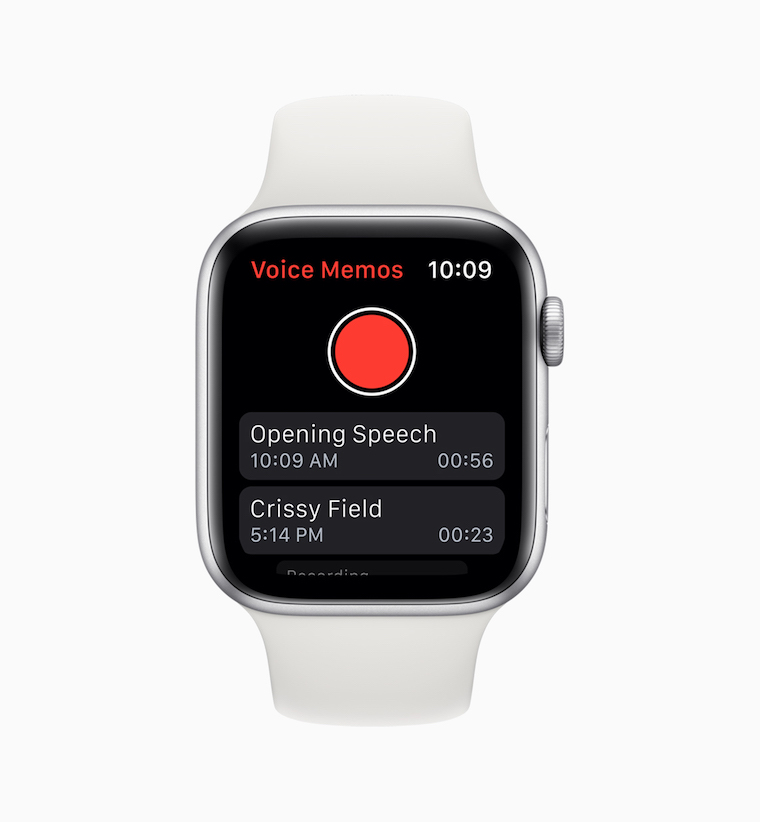
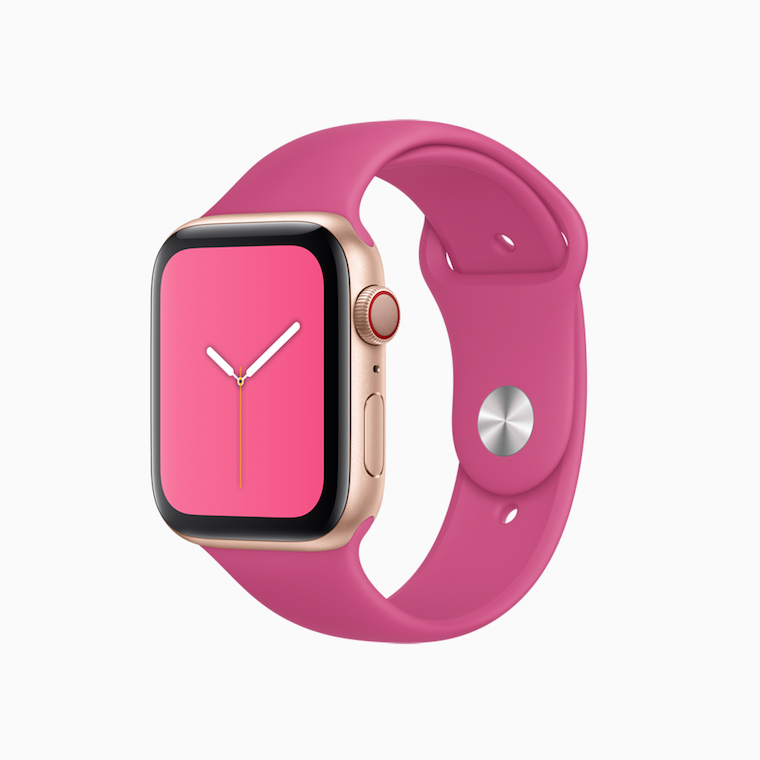
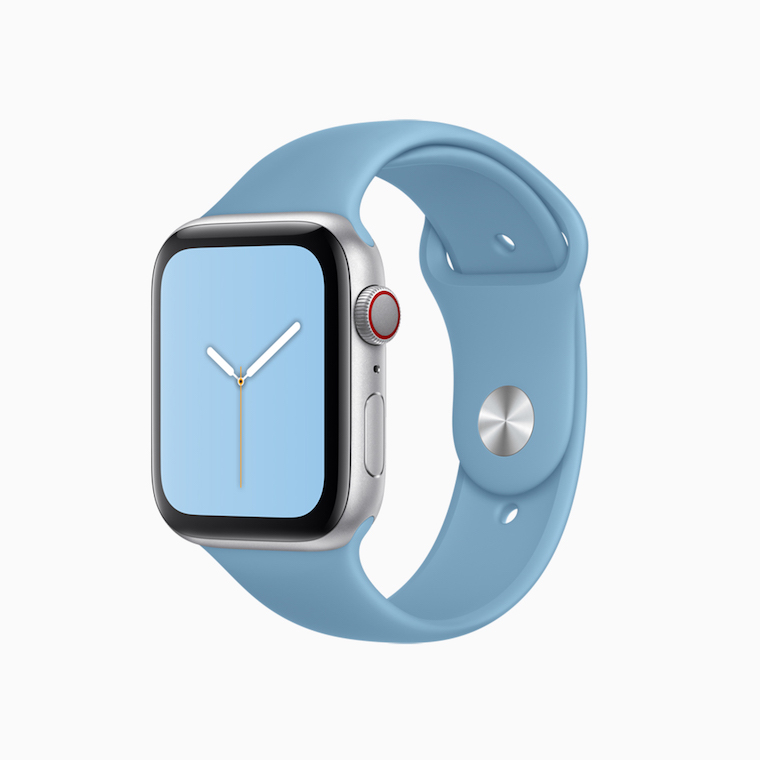
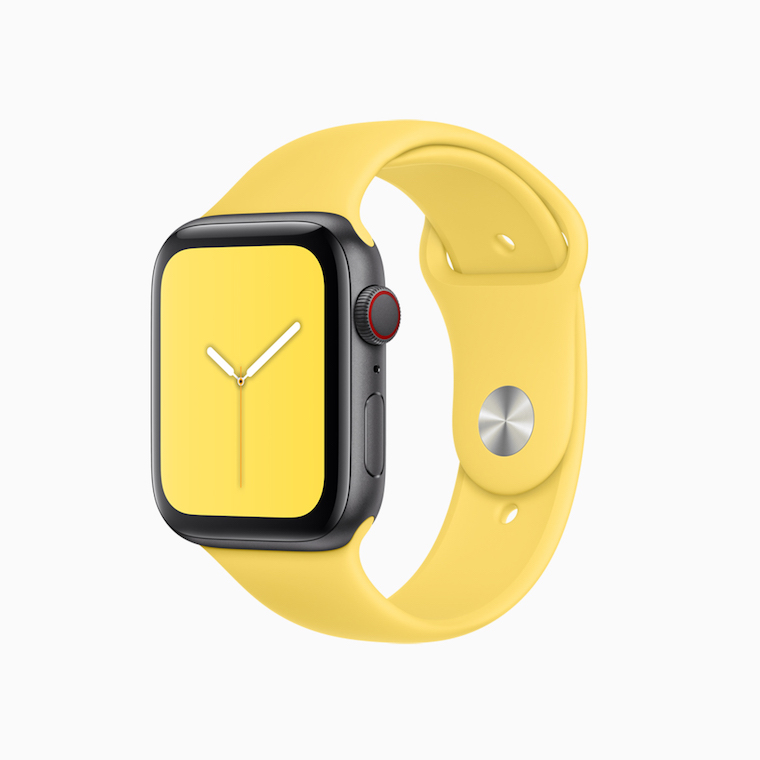
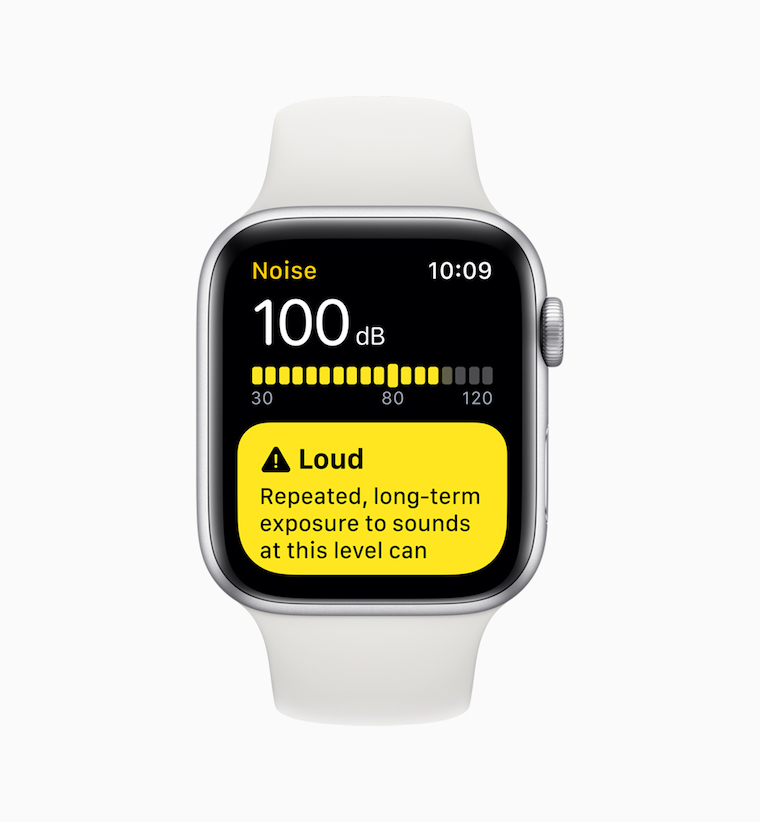
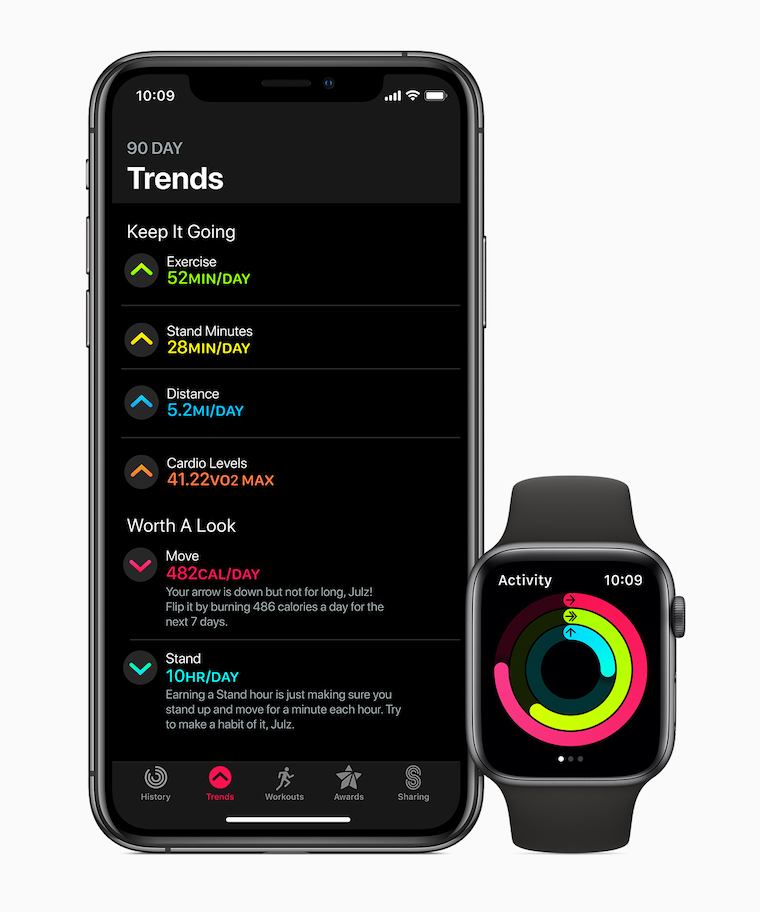
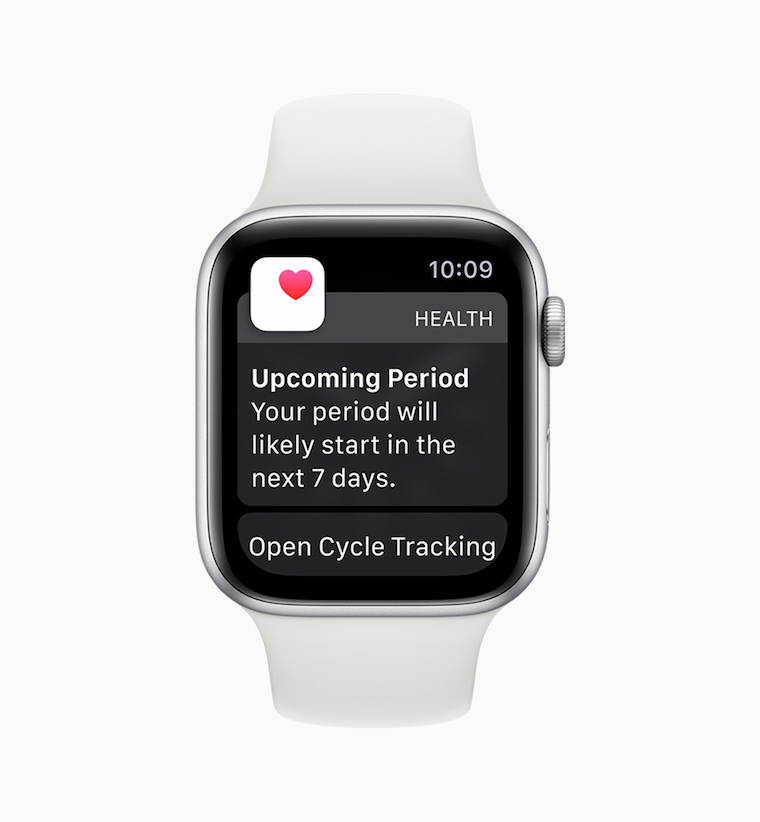
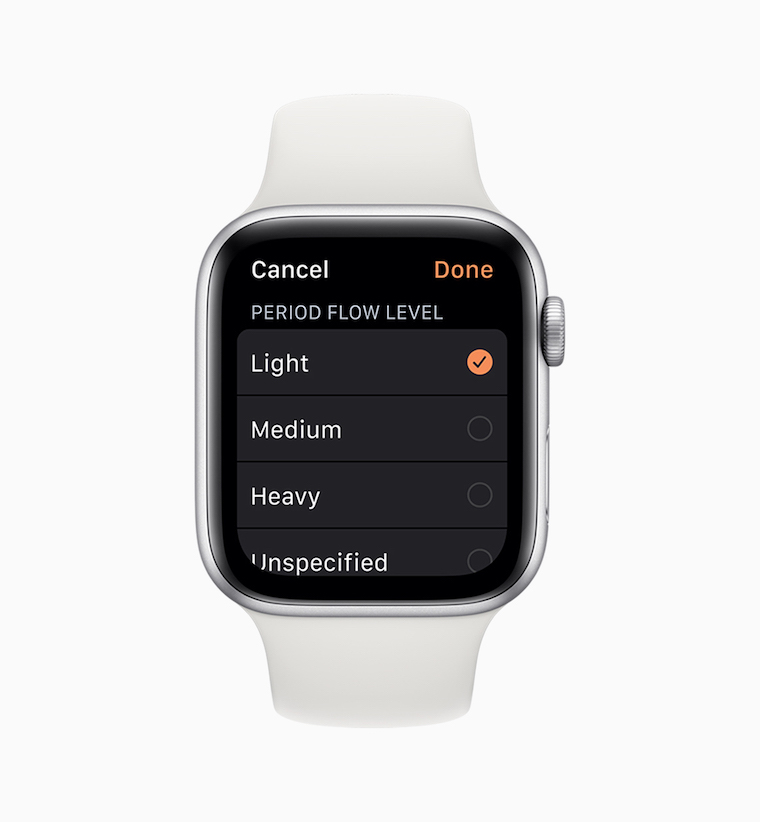
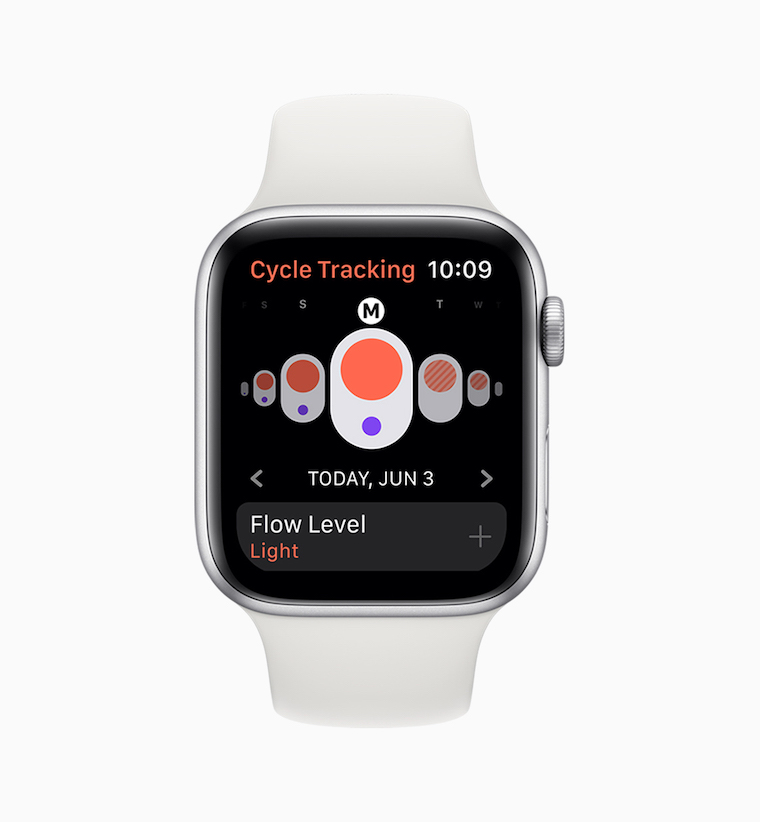
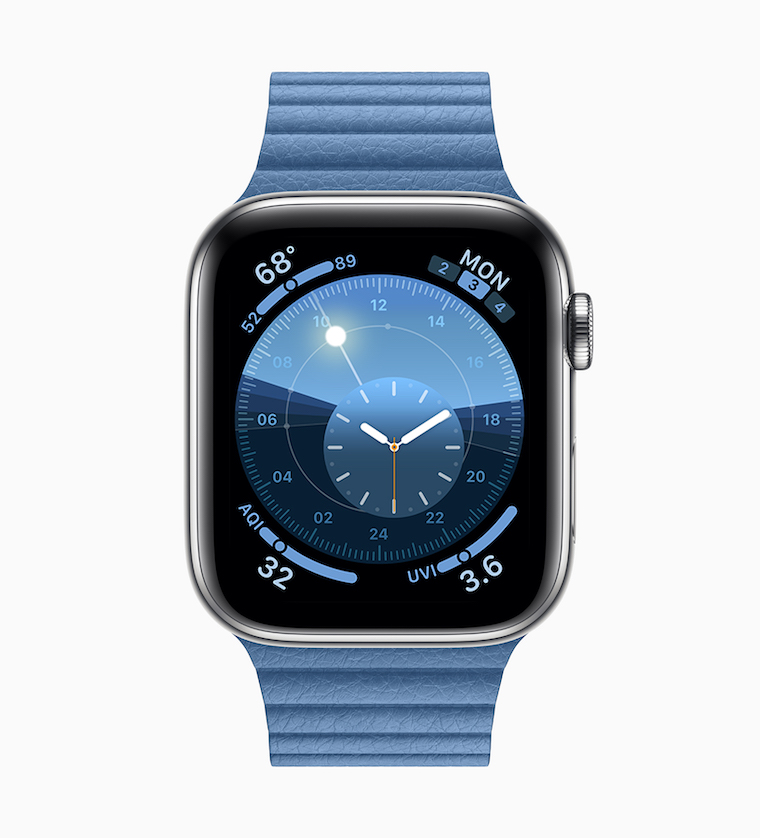
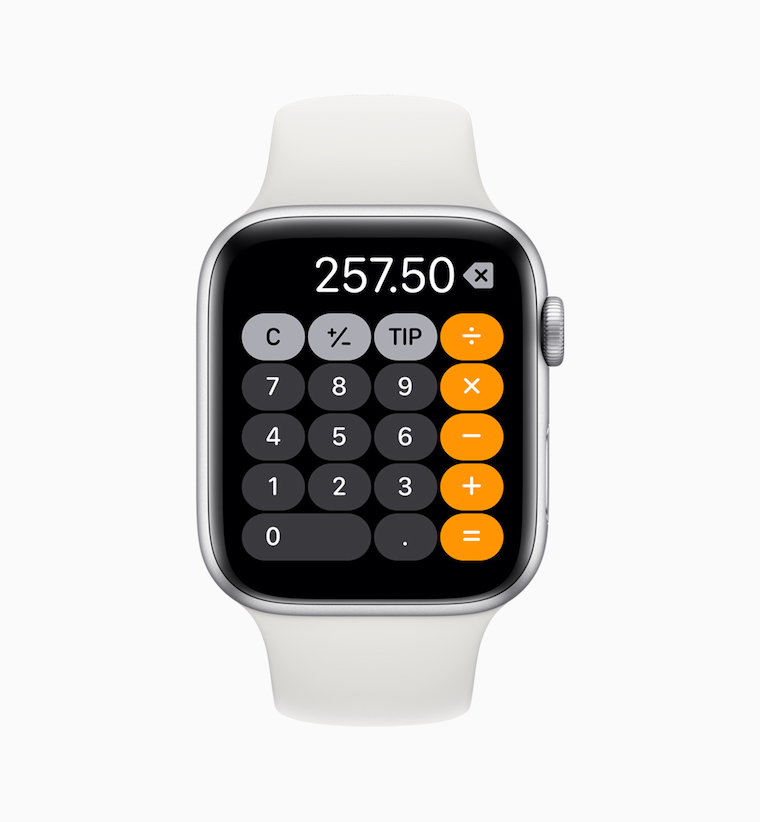
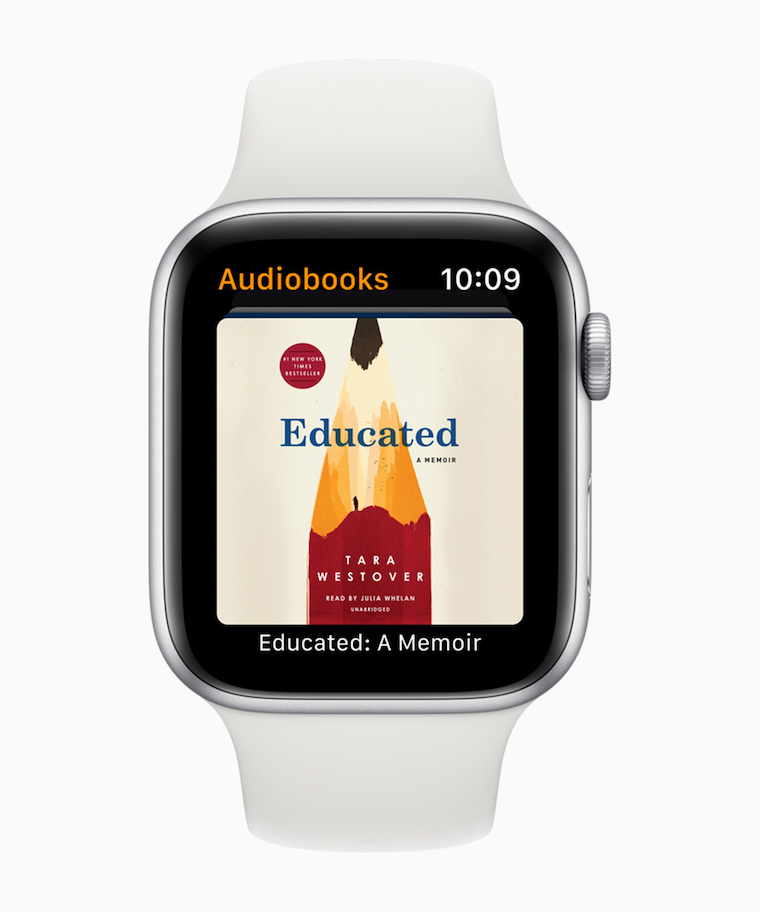
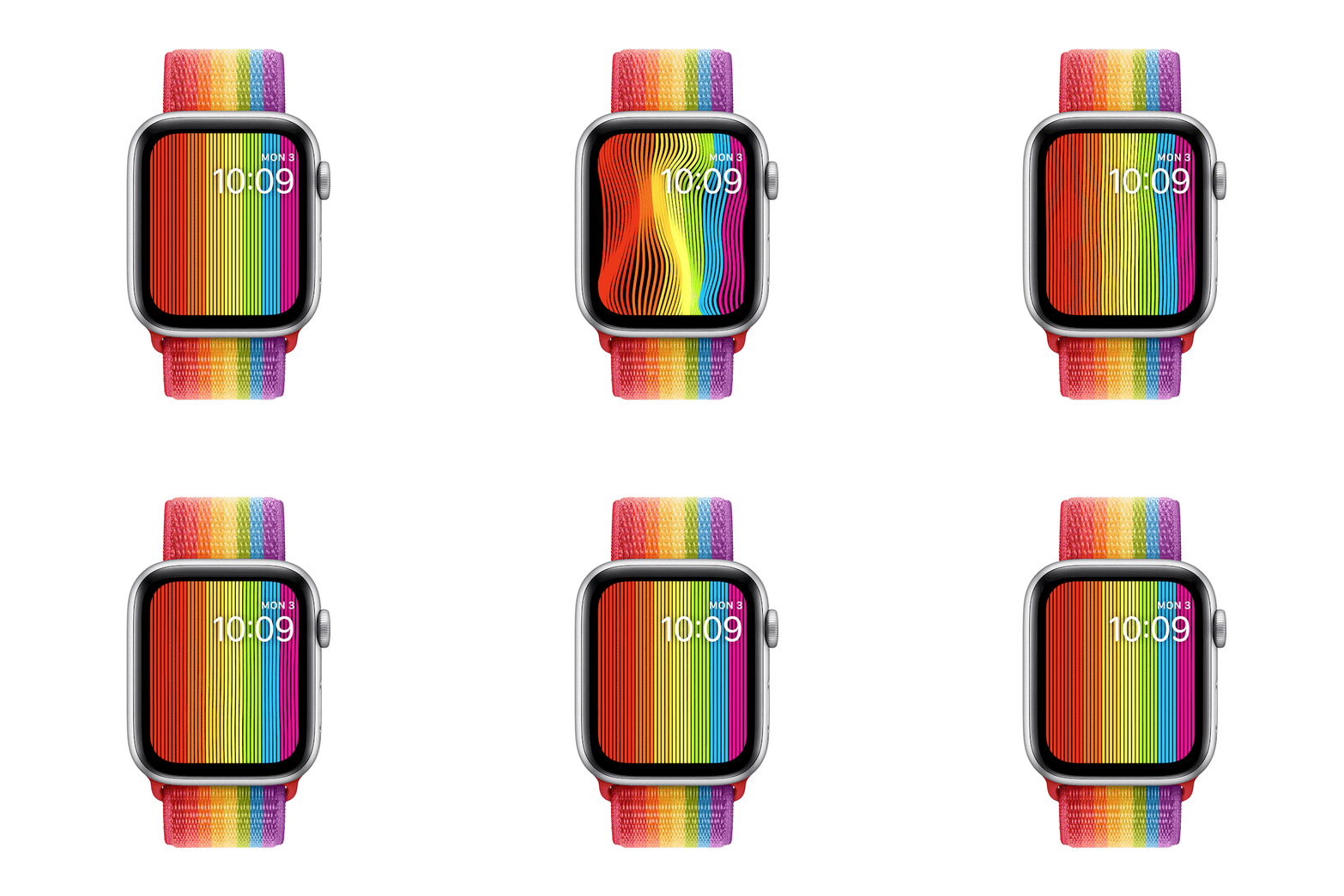
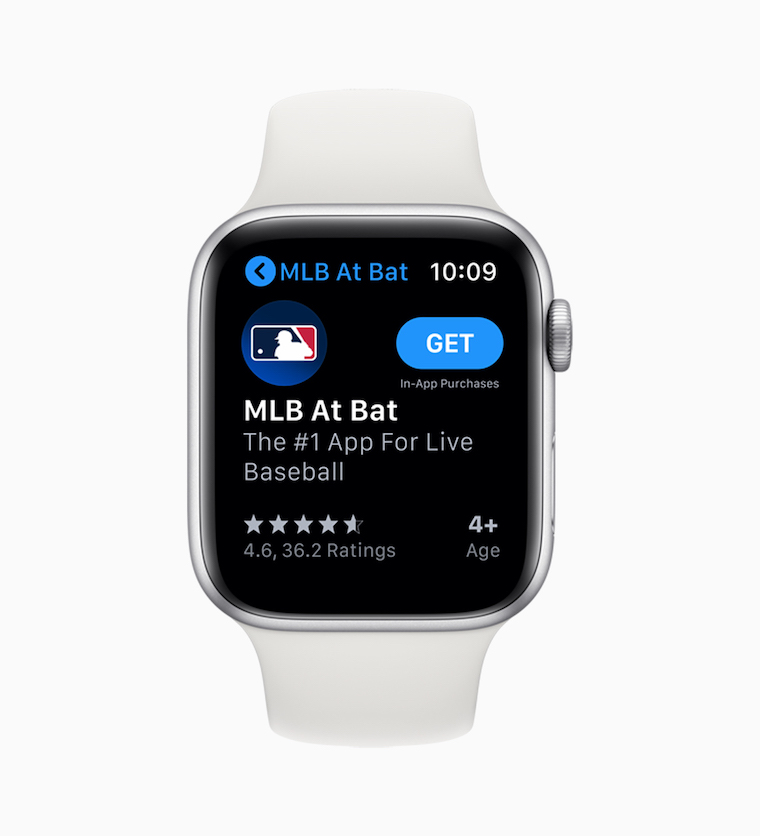
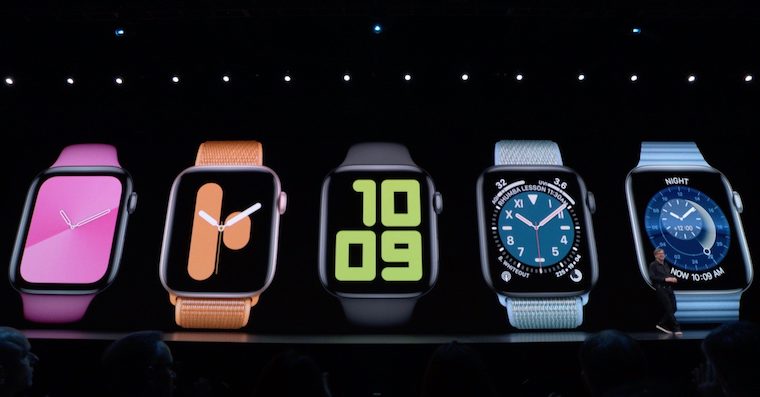
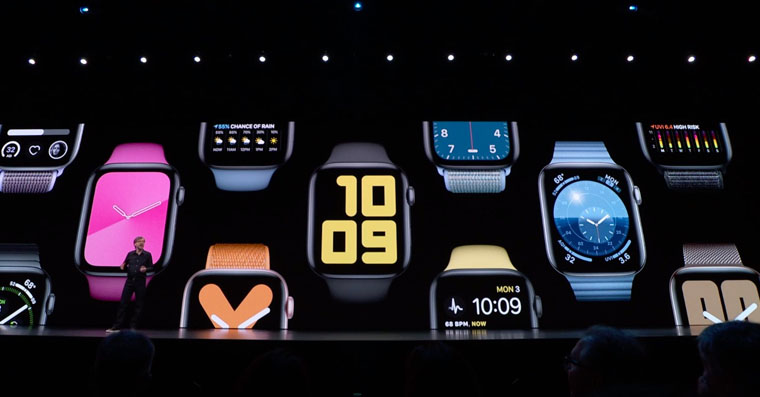
Operating system watchOS 6 was released in September 2019. A new Cycle Tracking feature was added to the native Health, Apple Watch gained the ability to measure ambient noise levels, a Dictaphone function, or perhaps the ability to listen audiobooks. Users got their own App A hundred for Apple Watch, so downloading new applications was no longer necessary iPhone. Trend tracking functionality has been added to the Activity app, and new measurement options have been added to the native Workout app. Siri na Apple Watch could be used to recognize the song currently being played, Numerals, Meridian, Gradient, Californian, Sundial and Modular compact dial were added to the gallery of dials. It was now possible to change the order of the dials directly on the display Apple Watch by moving, a notification function has been added for every full hour or half hour.
watchOS 7
Gallery
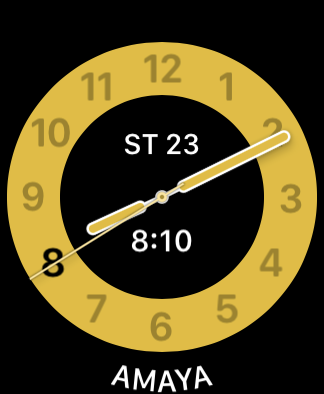
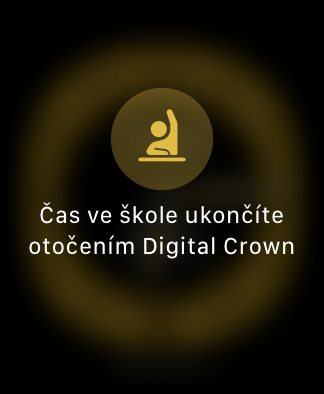
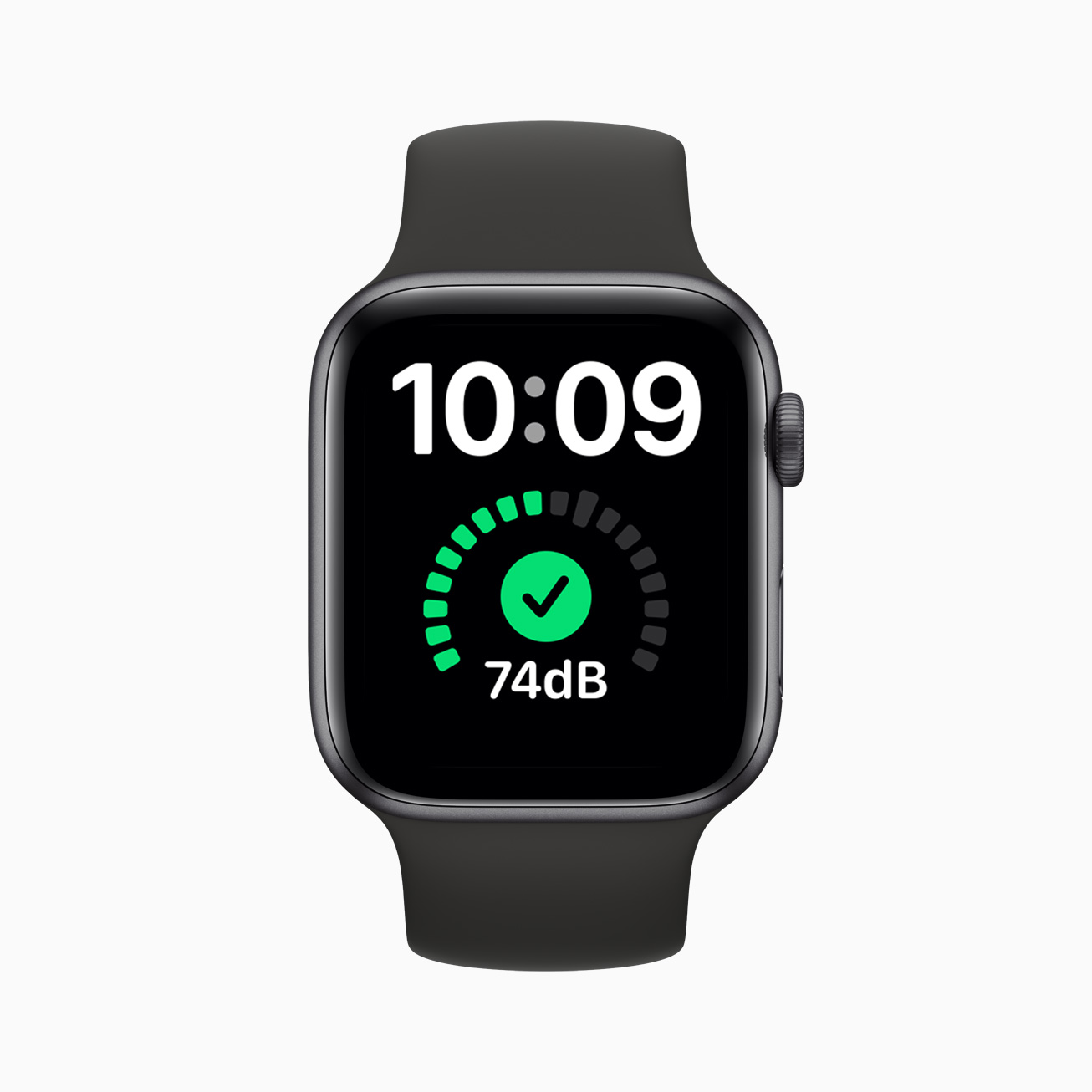
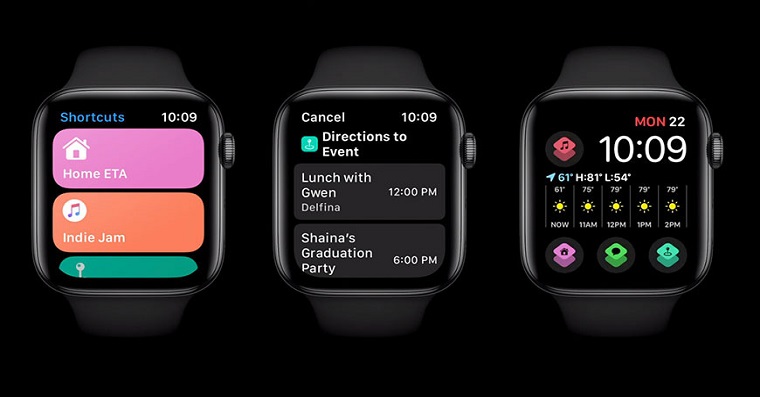
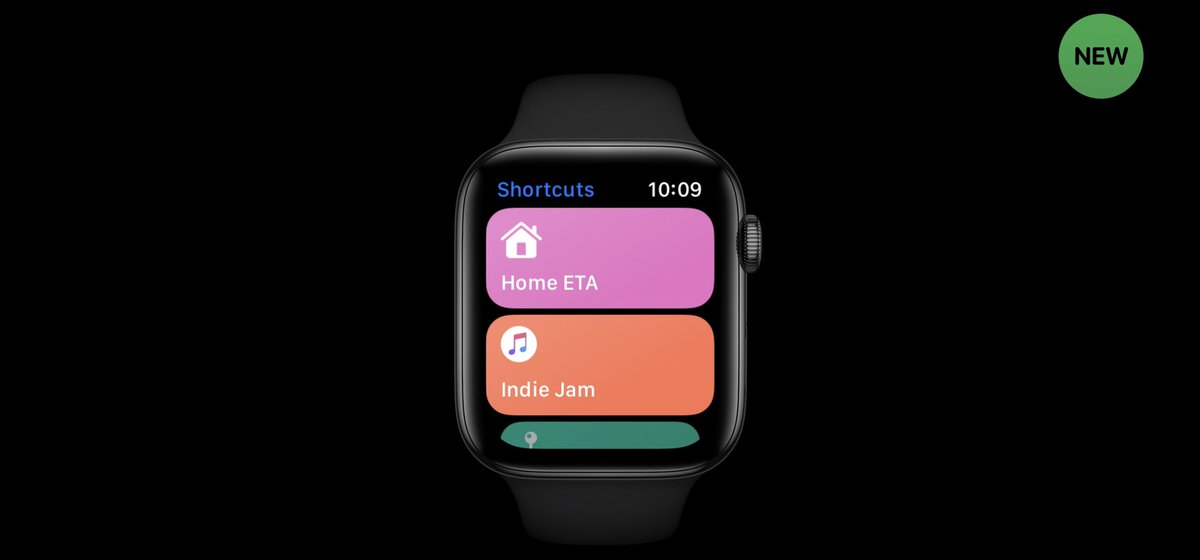
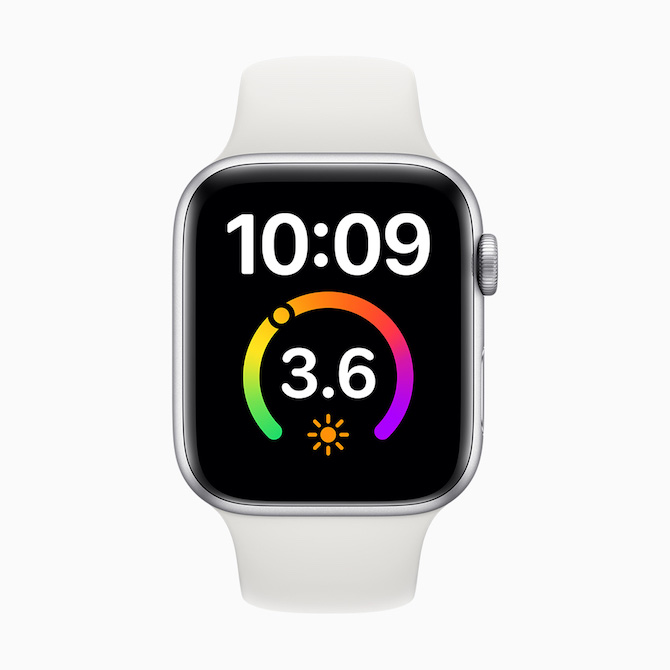
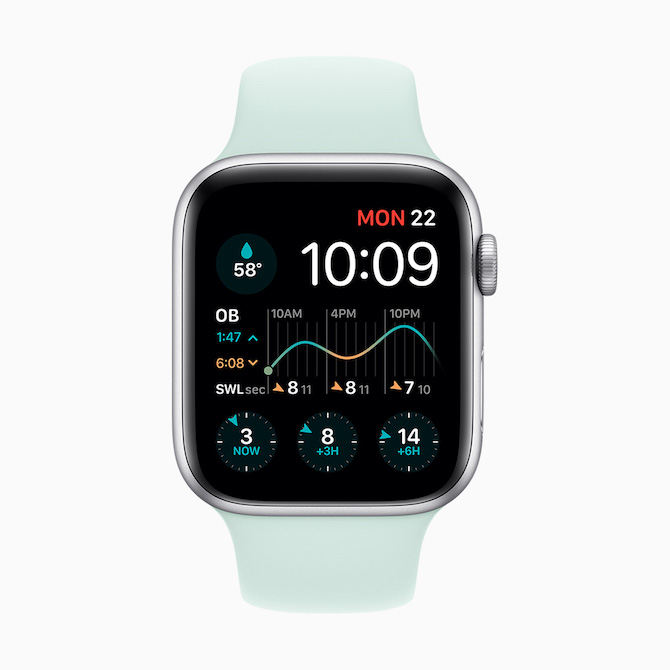
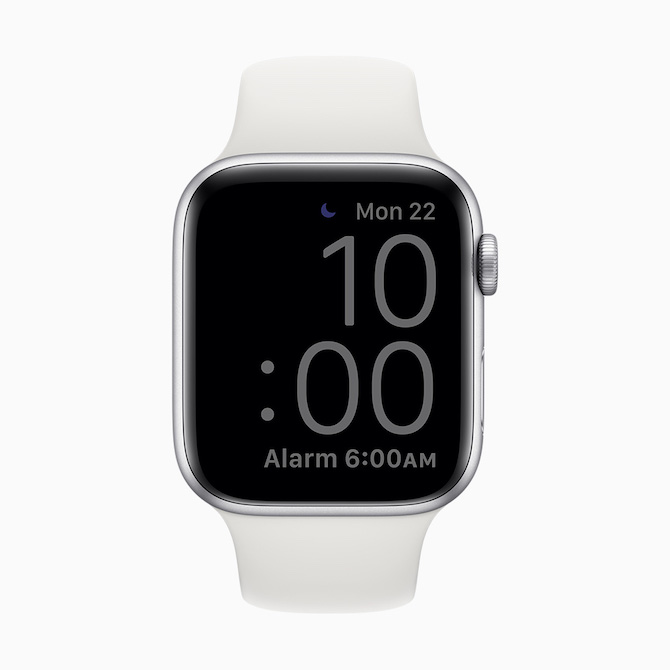
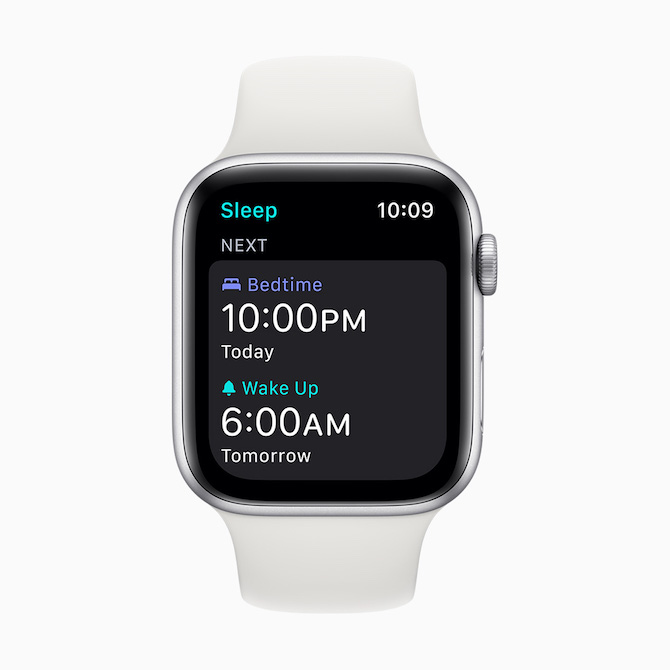

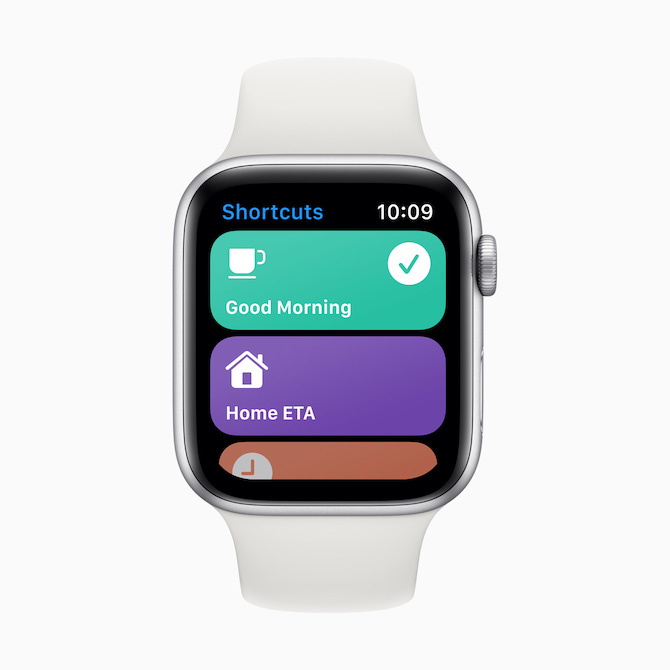
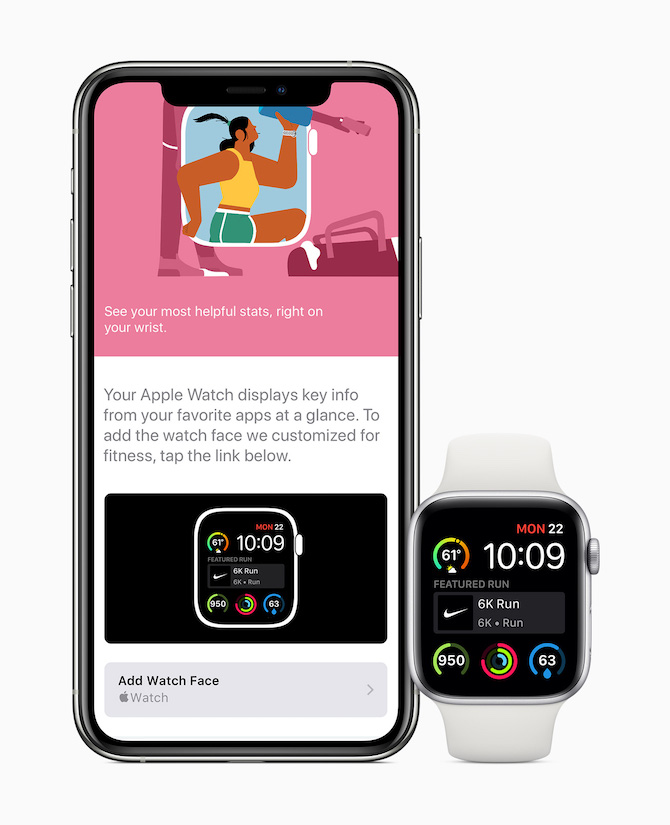
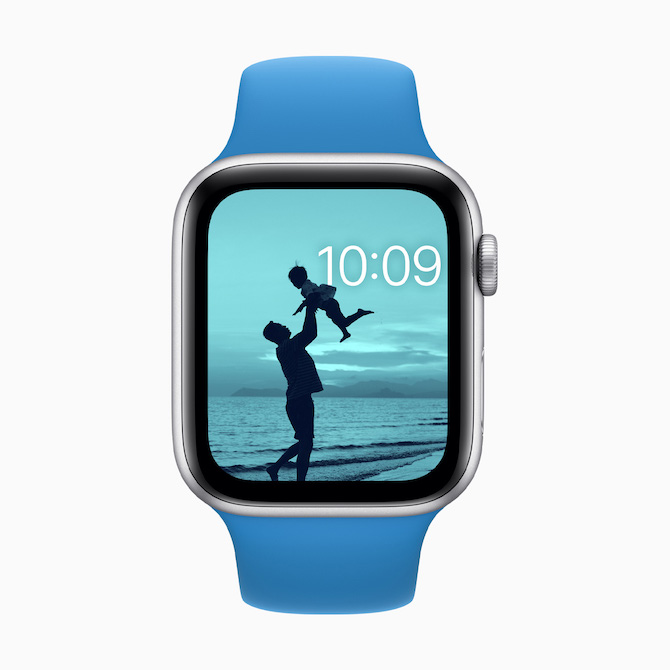
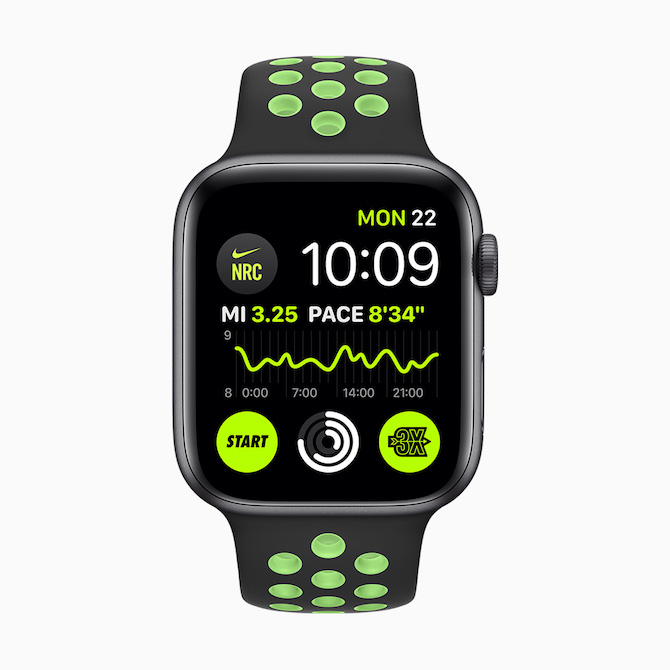
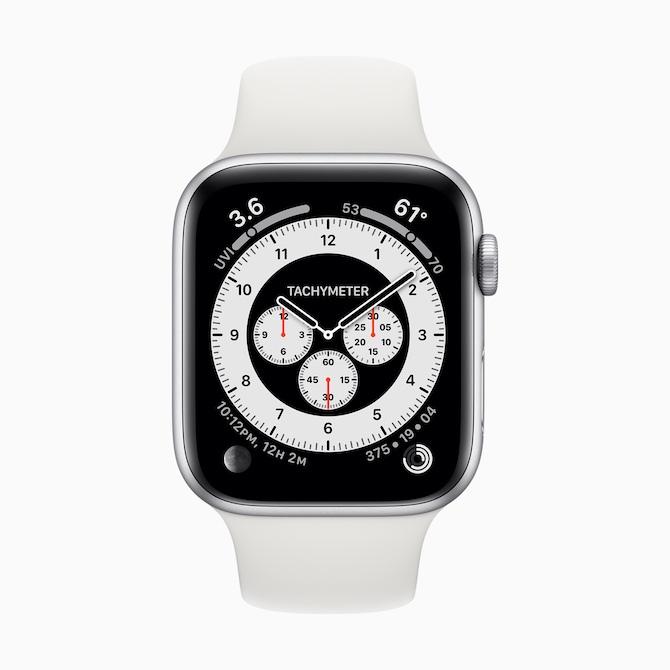
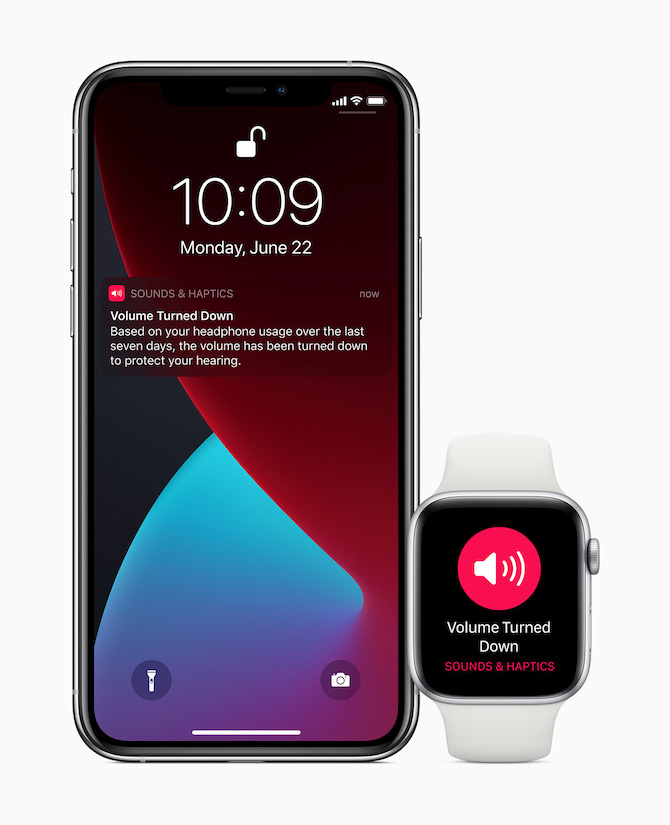
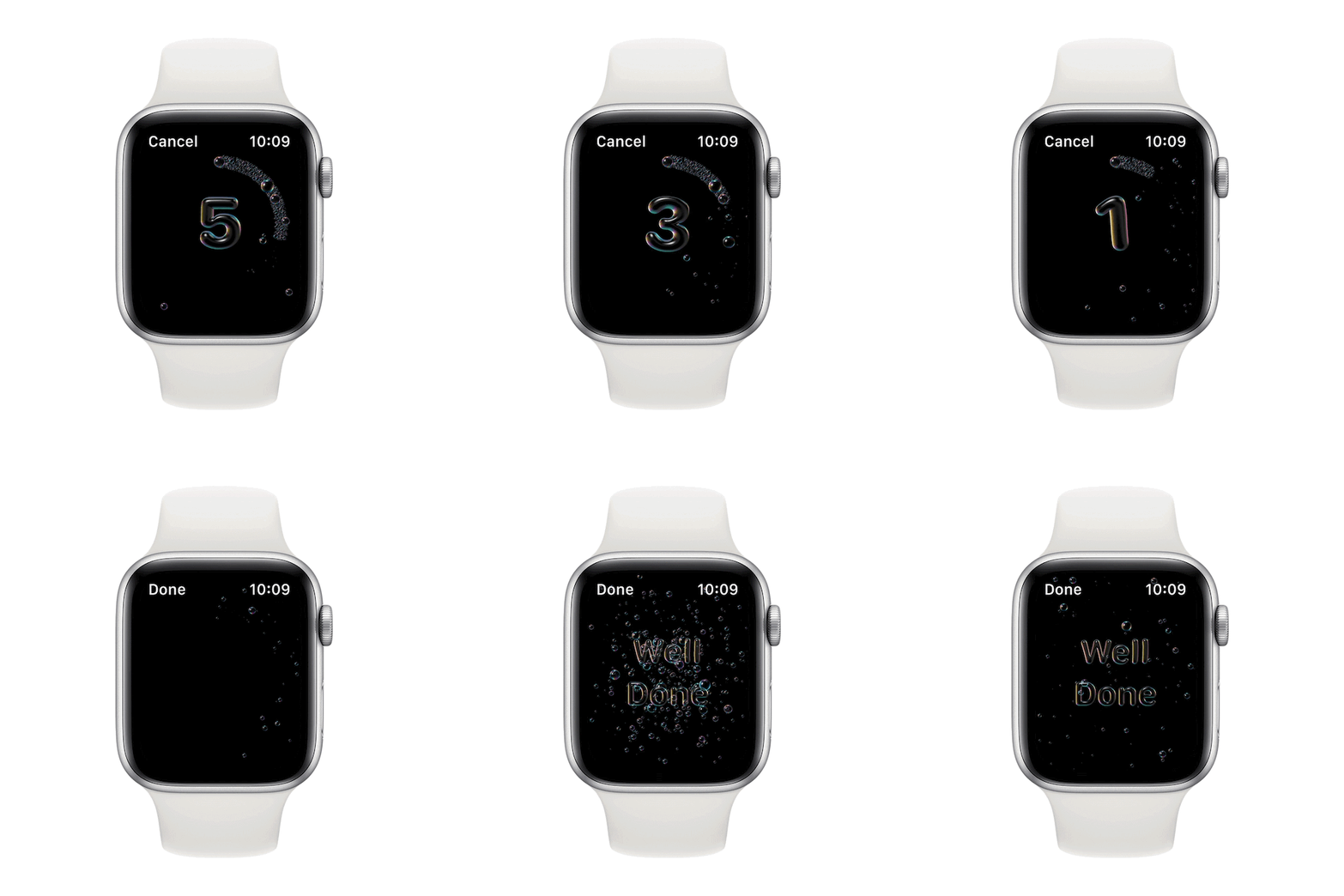
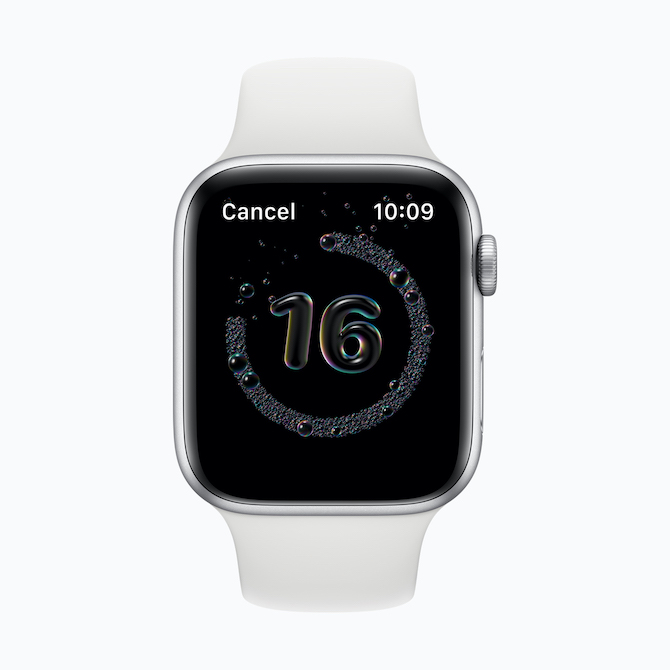

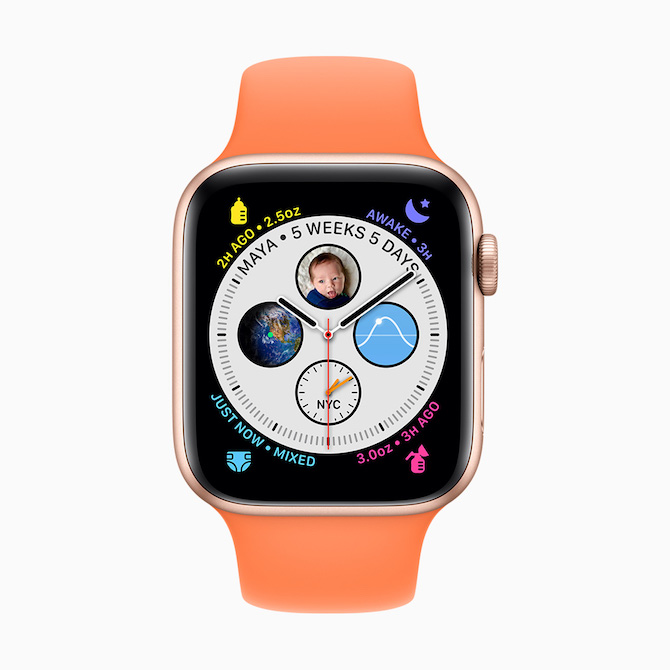
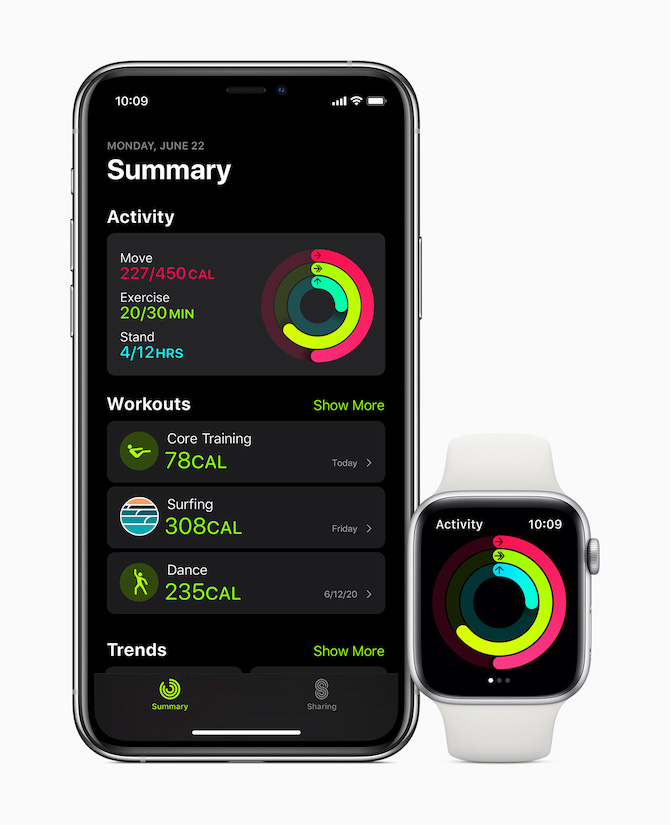
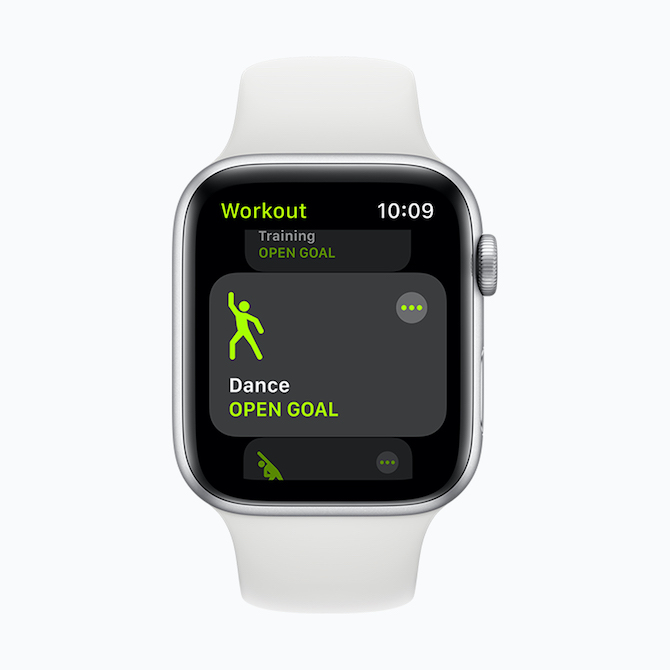
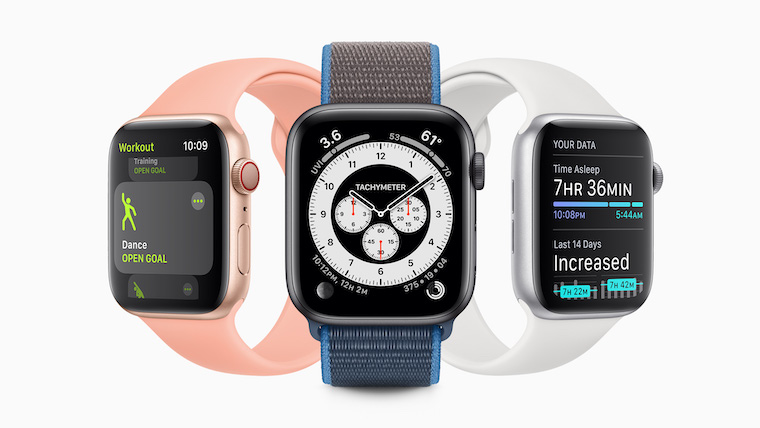
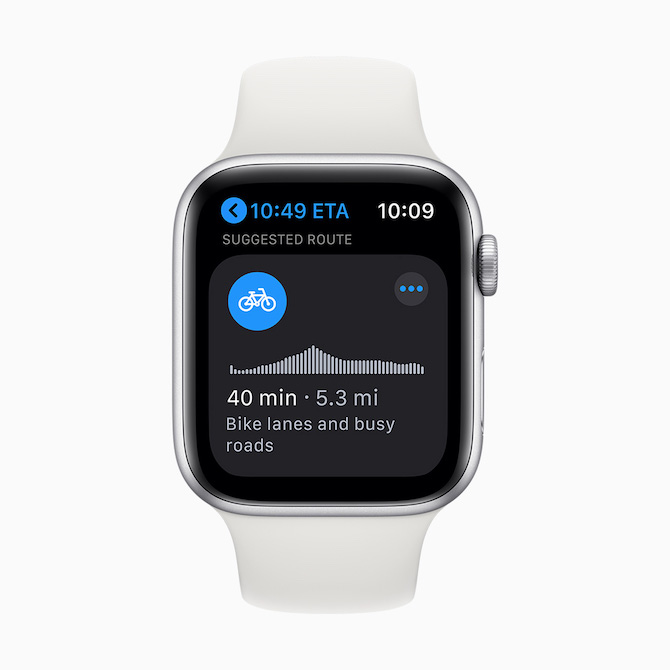
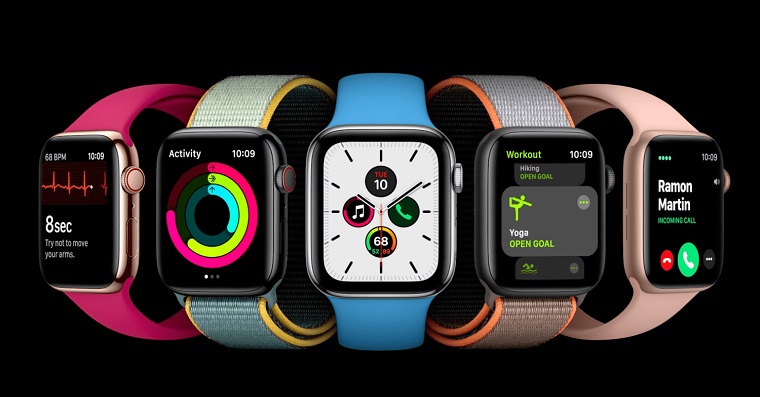
watchOS 7 is the latest version of the operating system for the Apple Watch. With its arrival, users have received watch faces ProStraps, Typograph, Artistic watch faces, GMT, Memoji watch face, Chronograph Pro and the Countdown watch face. Watch faces can now be shared via text message, but can also be downloaded from the Internet. The big news is the Sleep app with associated features such as Nightly Calm. There's also a Handwashing feature, new categories in the native Workout app, a School Time feature, and new control and management options within the family. With the arrival of the operating system watchOS 7 introduced Apple new Memoji app, Maps has received several improvements and Siri can be used for instant translations. Users have gained the ability to change goals in activity circles, and the interface for editing watch faces and complications has received a practical overhaul.





Pull your head out of the box and use, for example, Google. Ticwatch doesn't tell you anything either?
And they don't have Huawei wear os 😅 zero
I DON'T HAVE HUAVEN😆😆:):):):)
I HAVE ULEFONE ANDROID.😀XD