It's been a few weeks since we reported on the protracted and rather ambiguous dispute between Applehas a wide range of users who own or have owned iPhone 4 and 4s. The reason was the FaceTime communication application, which until 2012 operated on the basis of a peer-to-peer model, i.e. a direct connection between two devices. However, due to allegations of patent infringement by VirnetX, it was Apple forced to stop supporting this type of connection and focus exclusively on the use of third-party servers. Although the court almost accepted the apple company and its appeal, the technology giant nevertheless agreed to pay 18 million dollars in damages.
Gallery

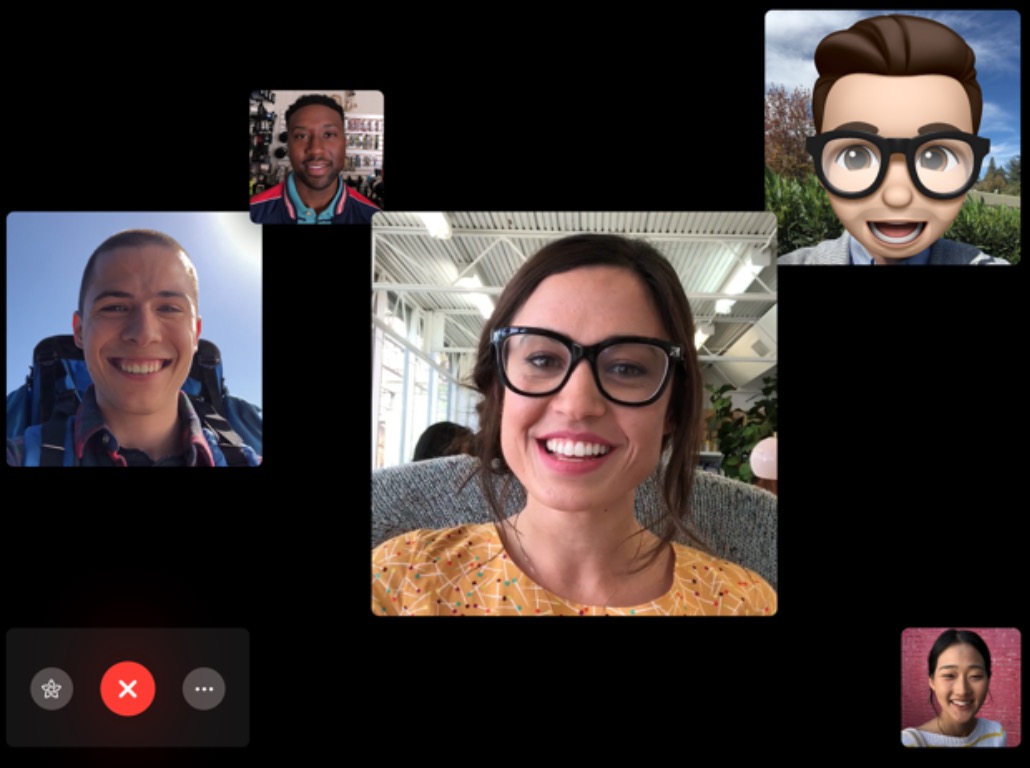
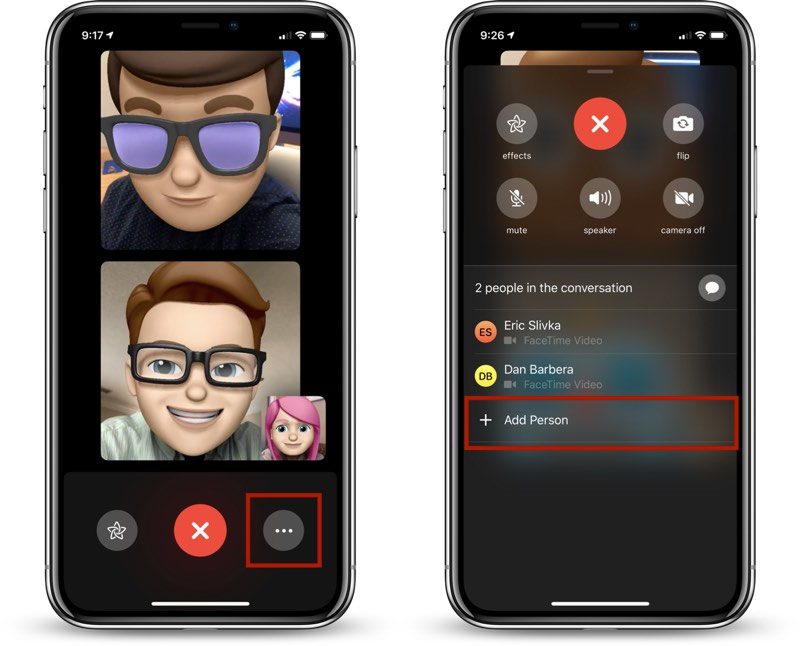

Lawsuits regarding AppThere's nothing new under the sun, but the allegations surrounding FaceTime have taken a completely unexpected turn. When Apple introduced the technology in 2010, it used a peer-to-peer connection, meaning a direct encrypted connection without any middleman. Two years later, however, VirnetX complained that Apple stole its patent, and the tech giant was forced to switch to third-party servers, namely Akamai. However, this was highly disadvantageous in the long run and cost millions of dollars in rent alone, which forced Apple look for their own safe solution. Engineers in iOS 7 came up with a new method that ensured that the apple company did not have to depend on external servers and could provide all users with the same service without exception. That is, except for the owners of the iPhone 4 and 4s, who could not upgrade to the new system version and, according to them, were forced to buy a new phone. However, it should be noted that the butter on the head is not only AppleThe technology in question would be on older iOS unfeasible, so the company's move is understandable.
You might be interested in
Until now, this was a well-known and well-publicized story, from which until recently it seemed that the company would emerge as the winner, the whole matter was probably cut short by a few emails that engineers exchanged. AppThey explicitly state that the Apple company simply does not want to maintain the contract with Akamai and that the maintenance is too demanding, so the whole thing is wrapped up in such a way that the technology giant can terminate the contract and iOS 7 to introduce its own technology. This understandably outraged users, and this strategy was not understood even before the judge. Apple so he nodded to a relatively "beneficial" offer, which is a settlement with compensation in the amount of 18 million dollars. The two lead plaintiffs, Christina Grace and Ken Potter, will each receive a check for $7500, and the attorneys will take home $5.4 million in fees and $1.1 million in expenses. However, it is certainly not possible to argue that it was only about that Apple to milk In total, the plaintiff paid an incredible 8 million and 398 thousand dollars for the courts over several years.