
If you have never heard of the Chinese company TCL, then know that it is the second largest manufacturer of televisions and displays in the world, behind only Samsung. After successfully conquering China and a large part of the United States, this giant decided to spread its wings and also conquer Europe, where it has been operating for a good number of years, but only now is there a greater interest in its televisions. It may be even more of a surprise for some of you that a tenth of the production is handled by a huge production complex hidden in the Polish town of Żyrardów, about half an hour away from Warsaw. That's where all the magic happens that TCL devices abound. And that's exactly what TCL invited us to, thanks to which we had the opportunity to look behind the curtain, put the company's representatives on the test and find out what makes the company so different from the competition.
You might be interested in
A factory like any other? Not quite
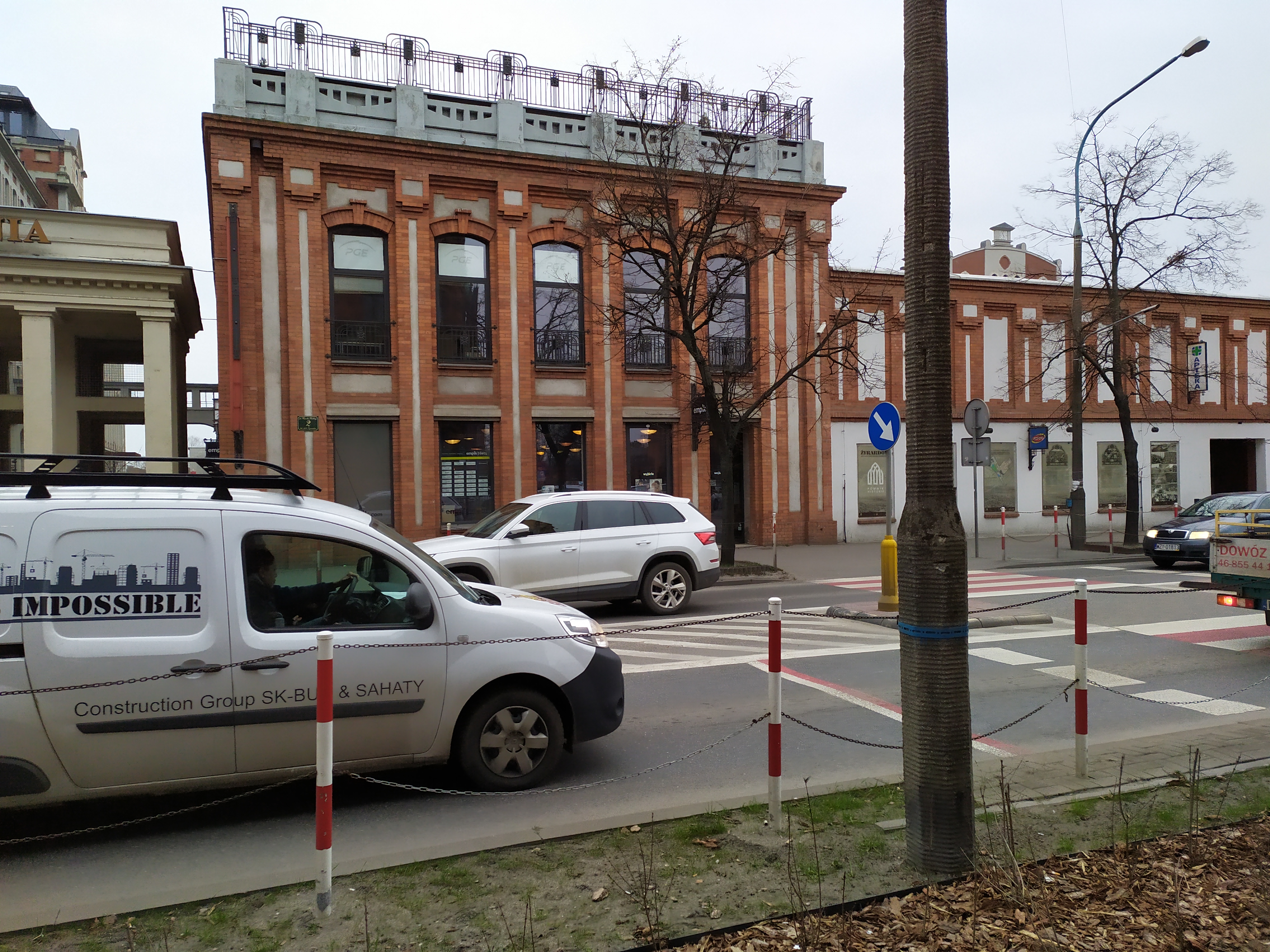
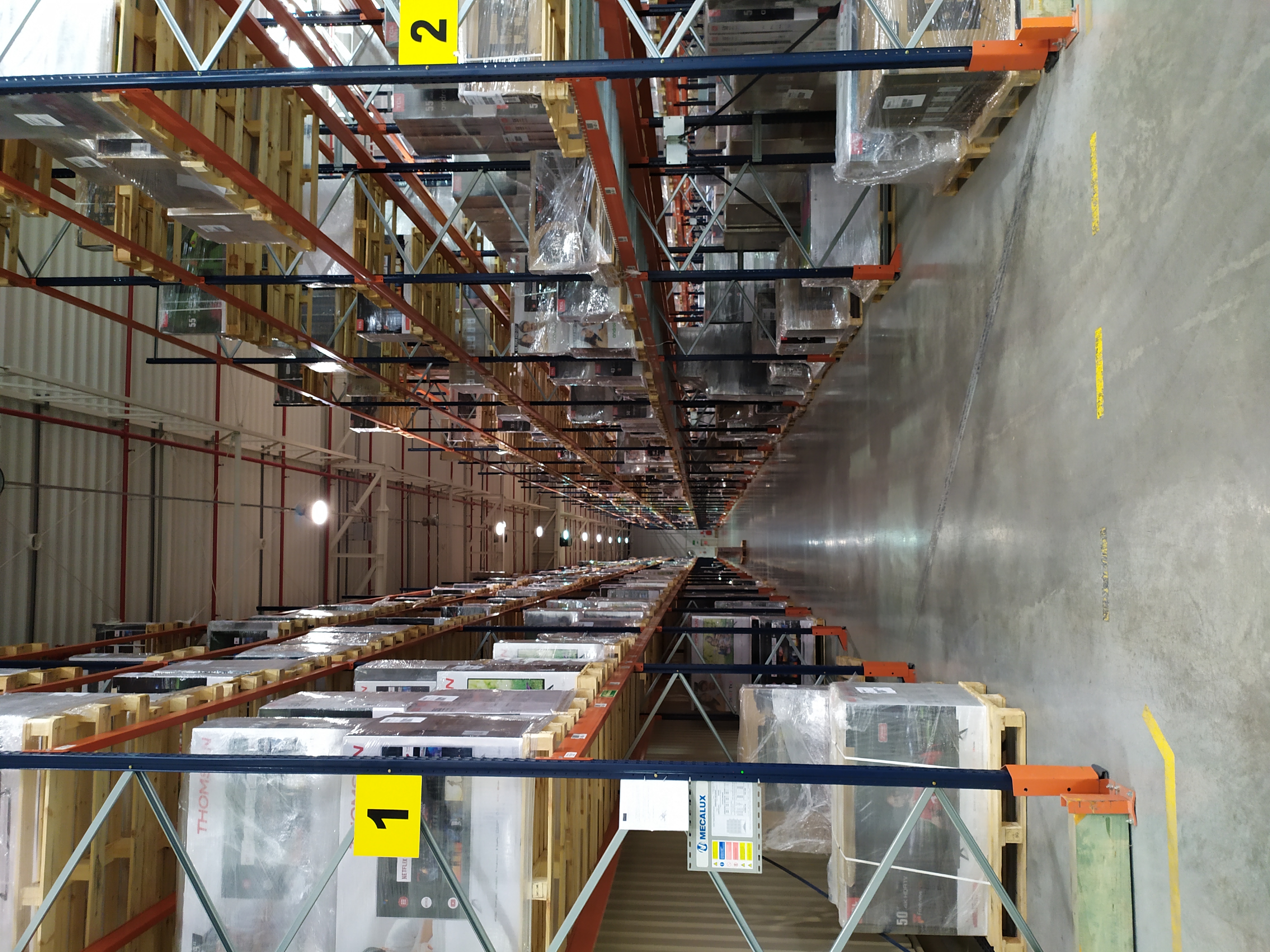
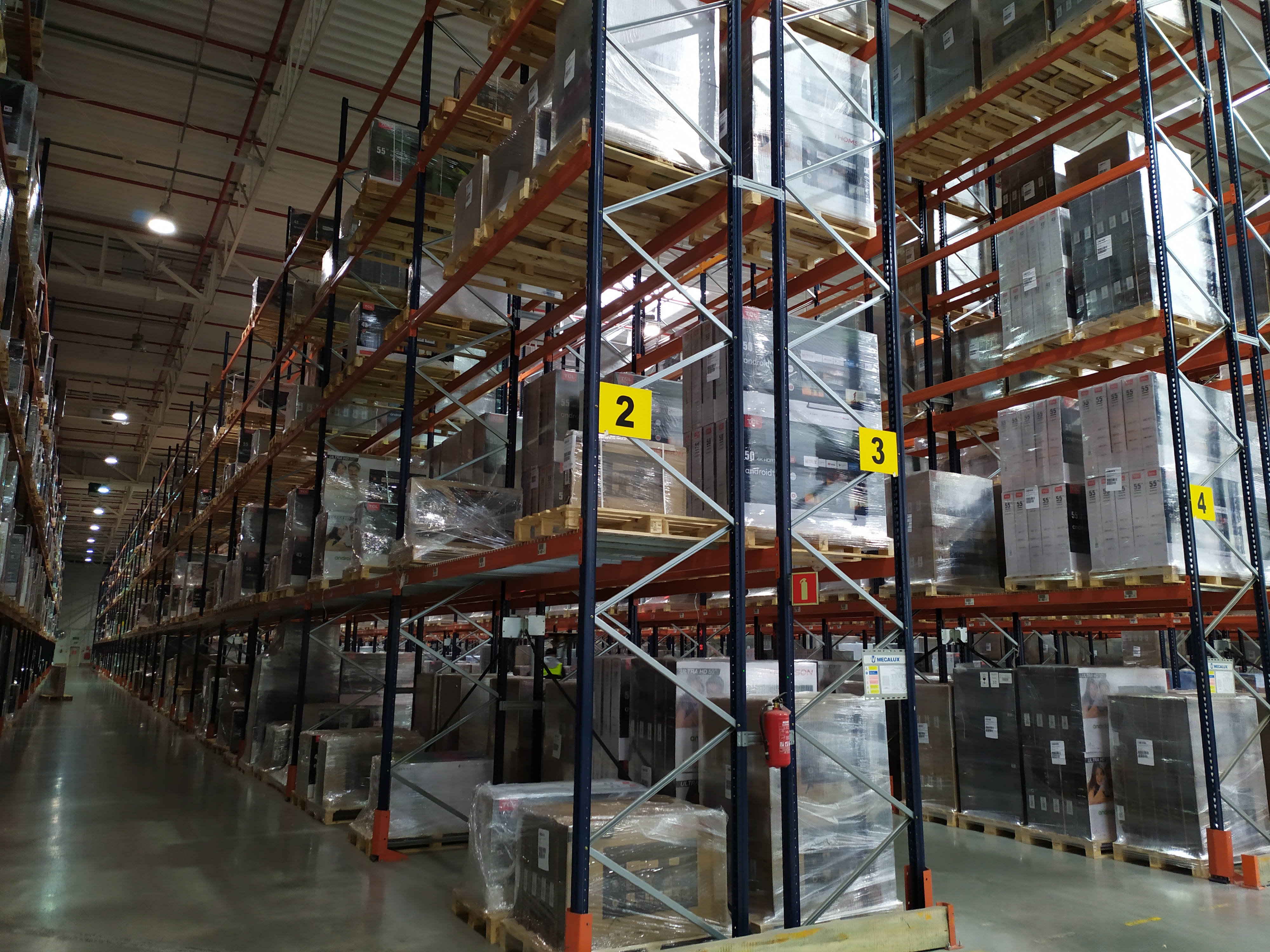
After the night spent at the airport hotel, we got a call from Marcin, the manager of the factory there, which he has been taking care of for 16 years and is also involved in its further development. His oozing optimism and undisguised enthusiasm made it clear that we had a lot to look forward to and none of us had probably seen anything like it before. After a short introduction to the rest of the journalists in the hotel lobby, we were picked up by the company's driver, who successfully drove us through the main part of Warsaw, and not long after, we were already speeding along one of the highways to the town of Żyrardów, over 50 kilometers away. It currently houses 5 production lines, which together form a huge TCL factory. Marcin didn't delay too much and after a short introduction to the company, he started the tour.
The factory has been in operation since 1997 and has undergone a number of renovations and expansions over the years, transforming the originally small, inconspicuous factory into the giant's largest European production complex. It was also the site where the old cathode ray tube televisions from Thomson, with which TCL shared the factory for a long time, were also made. Nakonec, however, Thomson was swallowed up by this corporation and has been under the same brand since 2007. At that time, of course, it switched to modern technologies, namely LCD and the latest IPS panels.
But more surprising is the volume of production itself, which can easily be measured even with the largest manufacturers. Annually, TCL produces 36 million TV sets worldwide, and less than a tenth, i.e. 3,6 million, comes from the Polish factory. In addition, during last November, a new record was set, namely 310 pieces produced in just one month (on average, "only" about half can be produced per month). However, the average annual volume is approximately 2 million pieces. The company also has the option of custom-assembling equipment for other companies, but they prefer not to brag about this fact too much, as they usually pass off their equipment as entirely their own.
As far as the production process is concerned, it does not differ much from other manufacturers and maintains a high level of efficiency thanks to a few simple steps that the workers have to follow. The first thing to do is to install the software, its security and, above all, the basic settings with which the TV will arrive in the customer's living room. My inquisitive question was directed at whether the factory has its own IT team that oversees possible attacks and security breaches. However, Marcin reassured me that nowadays the company pays attention to this aspect as well and understandably has specialized, trained workers.
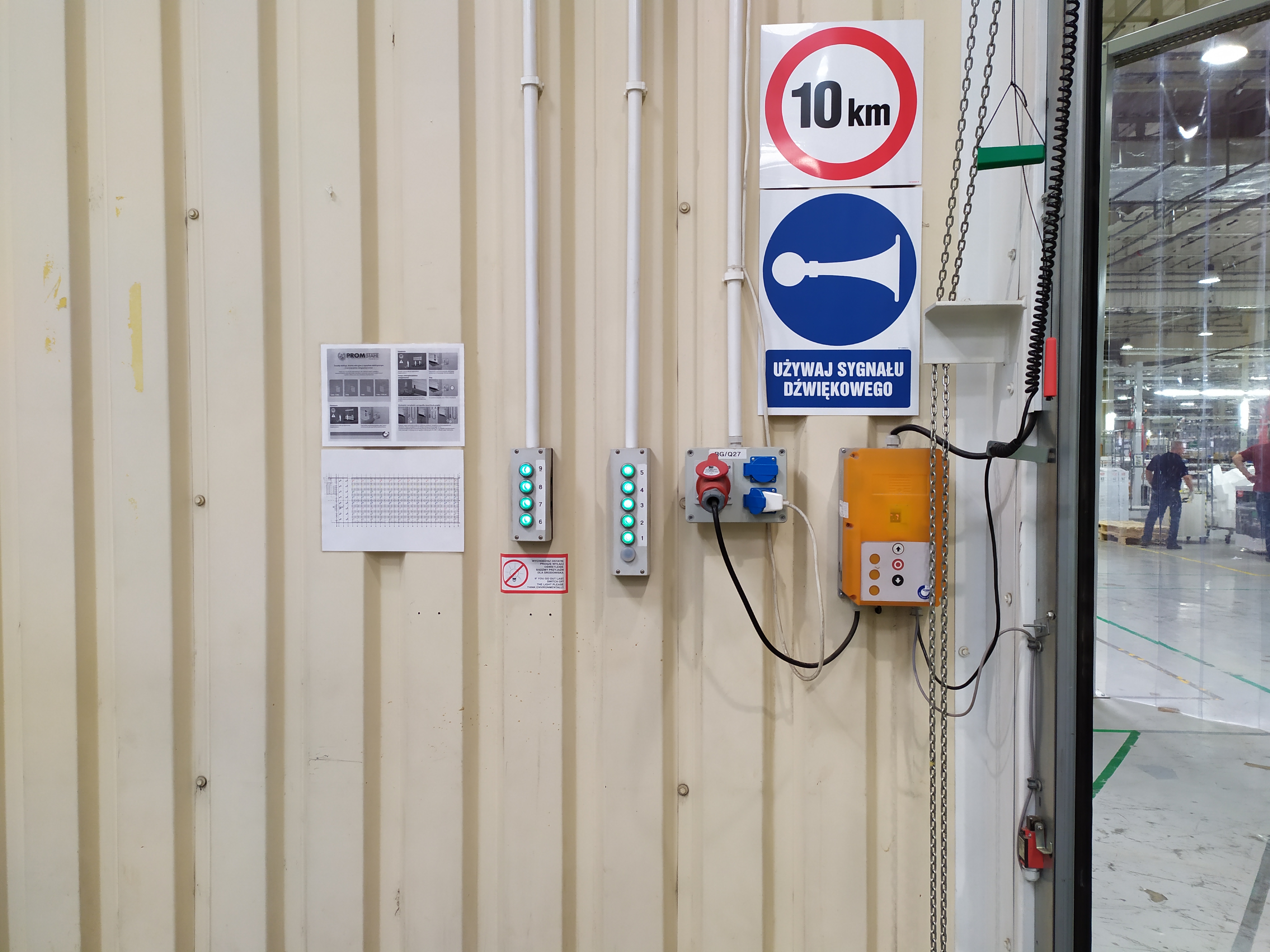
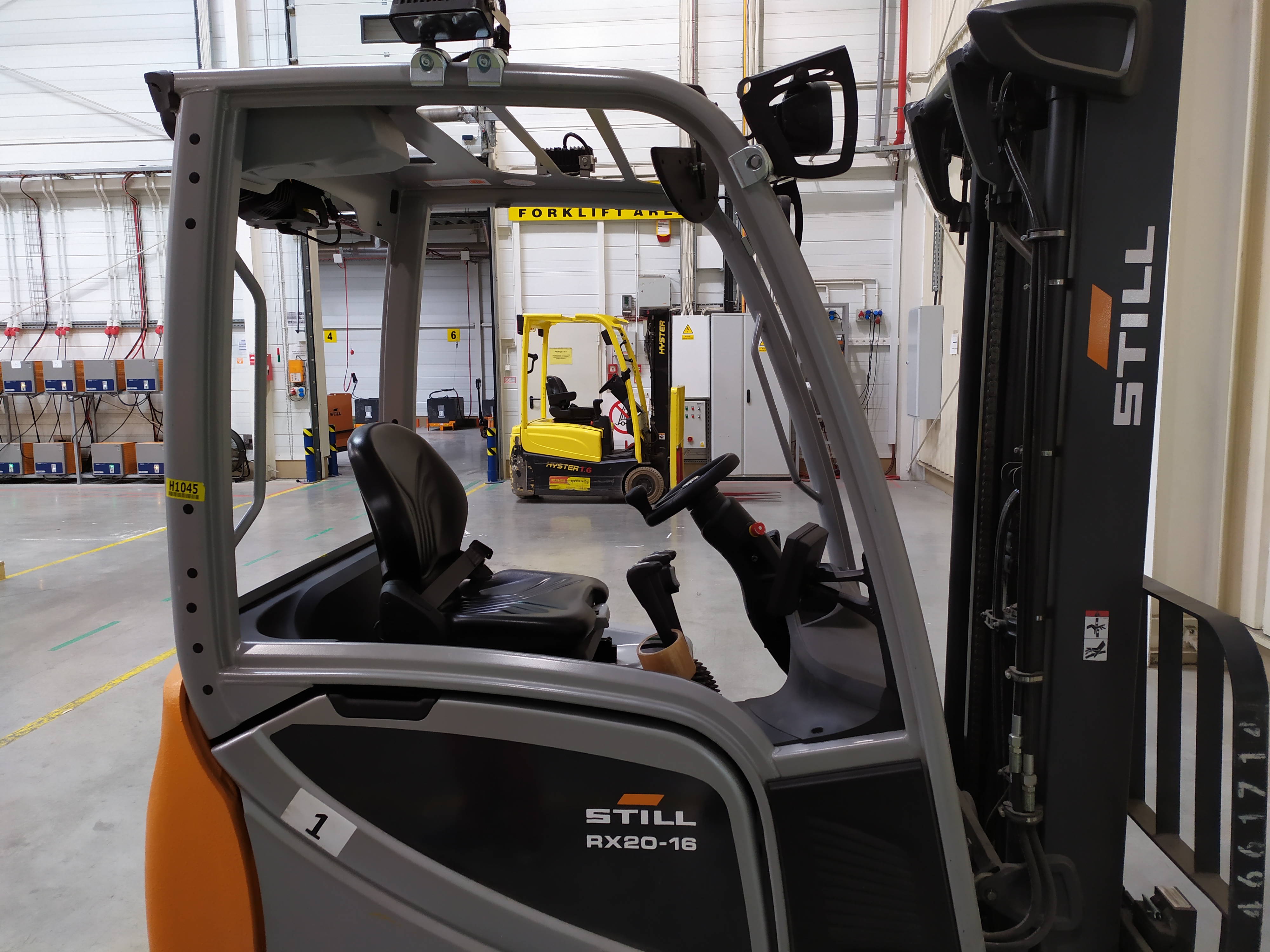
After the software part comes the assembly, which is relatively fast and simple thanks to the pre-prepared and mounted screens. The initial composition is taken care of by the partner factories in the cities of Chengdu, Huizhou and, more recently, Wuhan, which has been quite popular. All you have to do is remove the cover from the prefab, enrich the body of the TV with a few electronic internals, reassemble everything and send it on. Everything is controlled by a sophisticated system and there is a computer at each line that checks the correctness of the assembly and in the event of an error does not let the piece go on. In addition, the computer assigns each piece a unique serial number, which makes it easy to find and can be withdrawn from circulation in case of damage. However, due to the high number of checks, the total percentage of similar cases is only a few per thousand. The company even has its own broadcast, where it covers all the necessary standards set by the European Union and the United States.
Timeless technologies of the future and the vision of TCL. What is hiding under the hood?
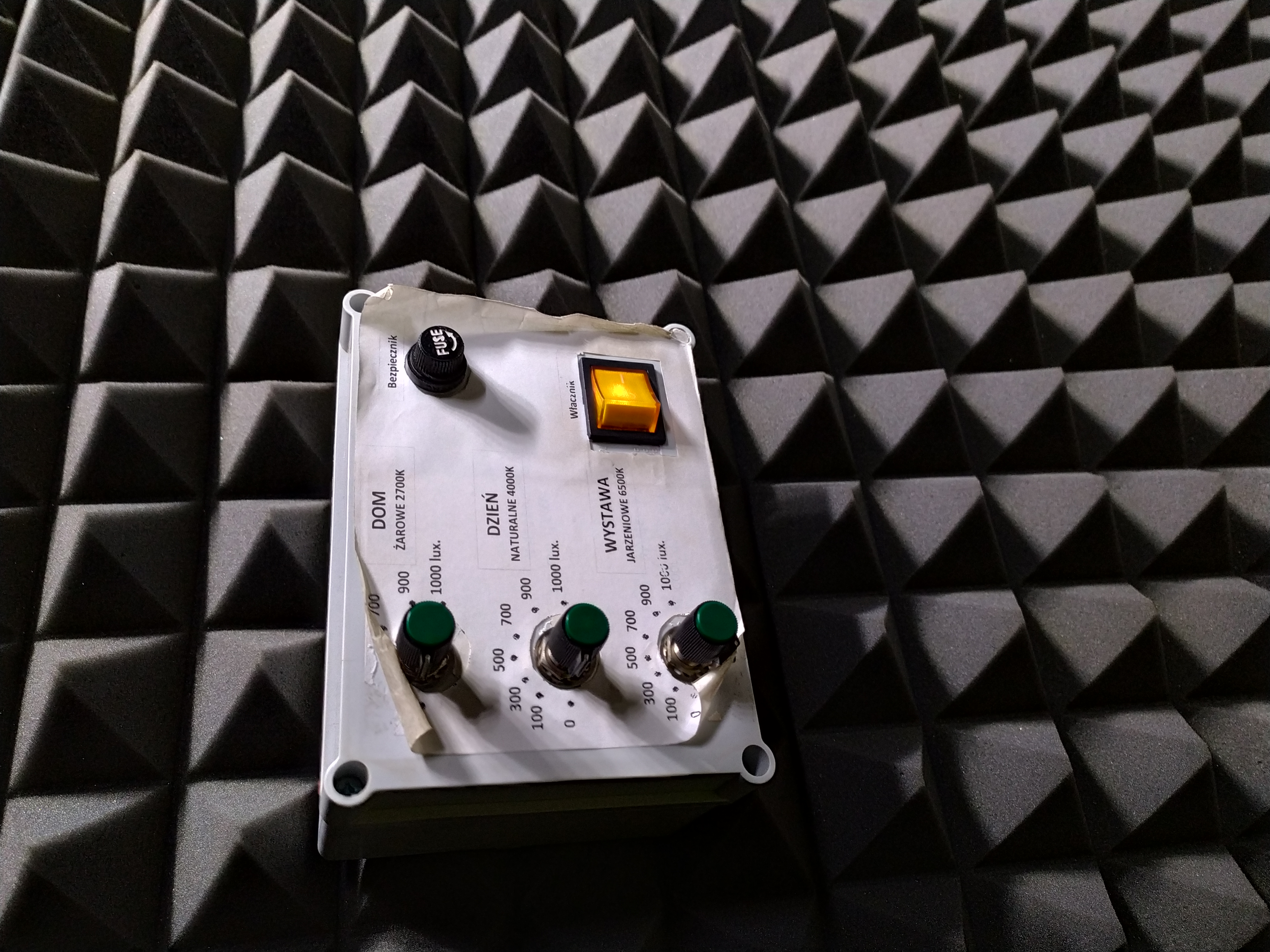
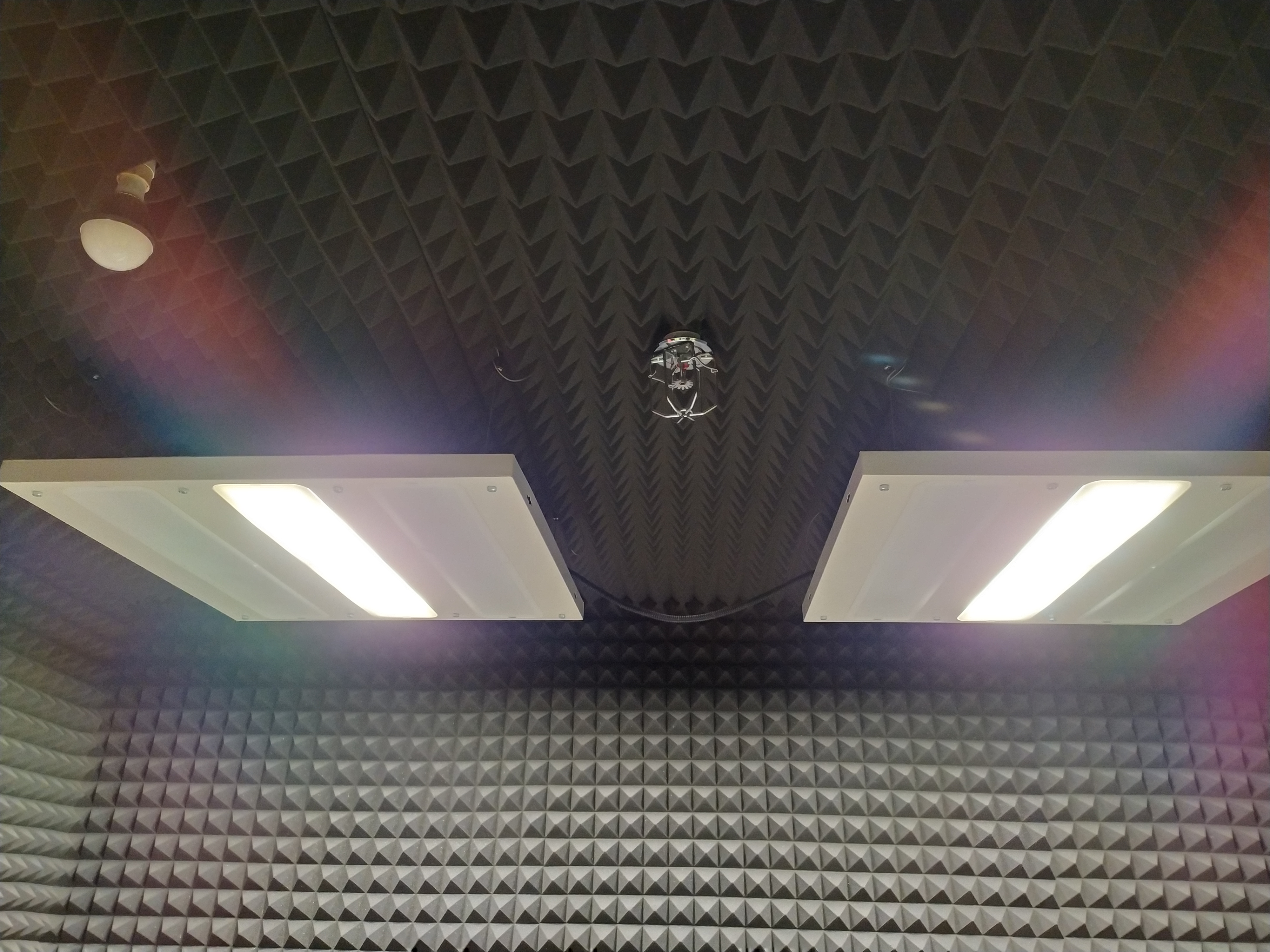
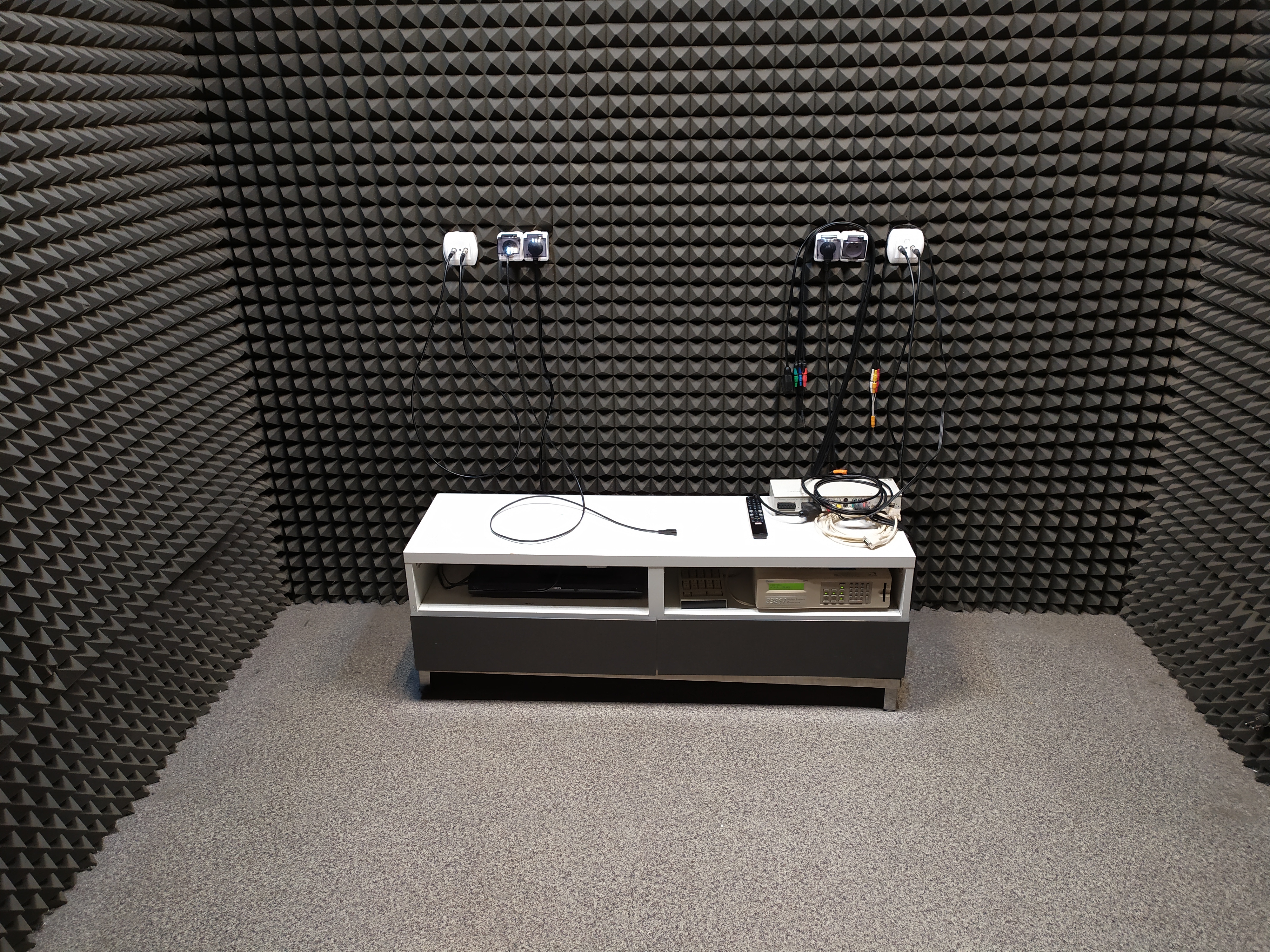
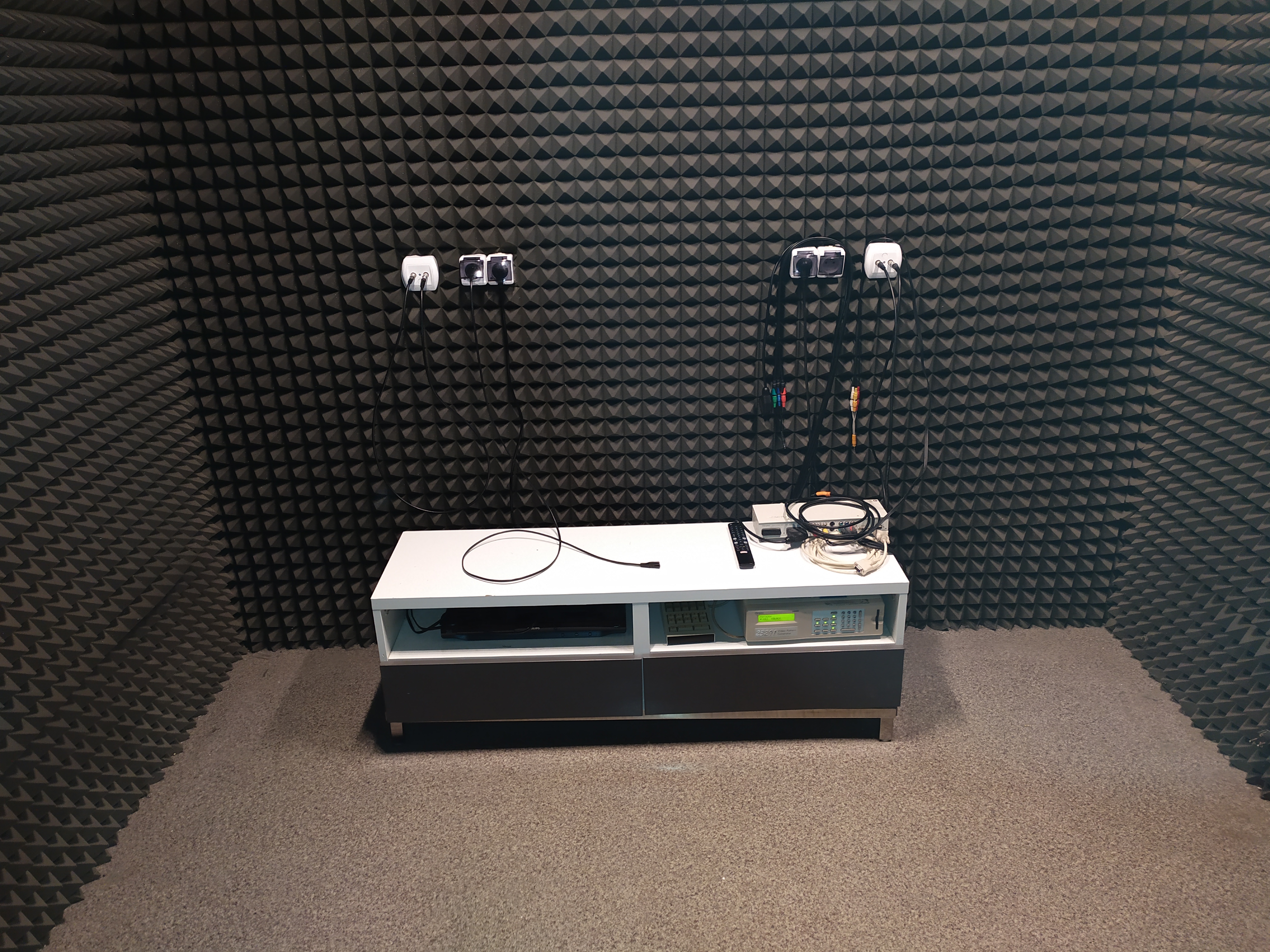
Much more interesting was the quality control and testing part, which consists of banging a rubber mallet on the back of the TV and watching how it reacts. This is how you detect possible bad contacts, which is very often a stumbling block. According to Marcin, 98% of defects are caused by insufficient contact between the components.oneThen comes the packaging process, which is largely automated and the operator only pays attention to ensuring that the equipment is sufficiently protected and any risk of damage during transport is minimized. minias much as possible. But that is still far from beingonec, the factory boasts a number of test rooms, where 3,5% of the total production volume ends up. The tests aim to reveal whether the TVs can handle even the harshest conditions, nestandard conditions including frost, heat, or rapid temperature changes. That is why Marcin and other colleagues took us to a room where the temperature was around 45 to 50 degrees and about 100 TVs were currently enjoying the sauna. Another room, on the other hand, offered a temperature between -20 and -40 degrees, but for understandable reasons we could only look through the hardened glass door. Of course, there was also a drop test, i.e. throwing TVs from a great height, testing how much tension the piece can handle, and a vibration plate with a platform that tests the attachment of the device to the wall.
Gallery
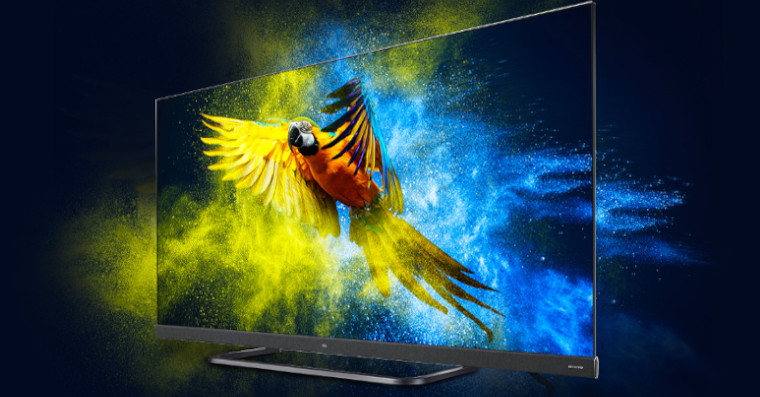
That ended our tour and we were ushered into a small but cozy conference room where Marek Mackiejewski, Director of Production and Implementation of Technological Procedures for Europe, was waiting for us. He gave us a short presentation about future plans and more detailed information. In addition to the upcoming models, we also learned about the planned investments in a new generation of TVs, which are expected to amount to up to $14 billion, and special uLED, mLED and JOLED displays, which TCL intends to use in rollable and foldable screens, or in smart cockpits of future cars. There was also a mention of artificial intelligence, which the giant is actively working on and even has its own research team in Warsaw, and adaptive gamma, which recognizes what mode the TV is in and adjusts the image accordingly. Honorable mentions were also given to technology Dolby Atmos, which is available, for example, in the Onkyo soundbar under the TCL brand, and HDR 10+, which ensures a perfectly sharp image. In addition, this year, updates to Android 10 and voice control are also expected for high-end models. In addition to LCD and OLED, the company focuses mainly on the production of QLED panels. However, the flagship X10 boasts the best resolution by far, which has both a QLED panel and miniLEDs, i.e. additional layers of material that improve color. In total, 15 diodes are used for backlighting, divided into 360 zones, which actively set local dimming, i.e. partial darkening, and calibrate the contrast "on the fly".
You might be interested in
Try to break things or Ten Tests
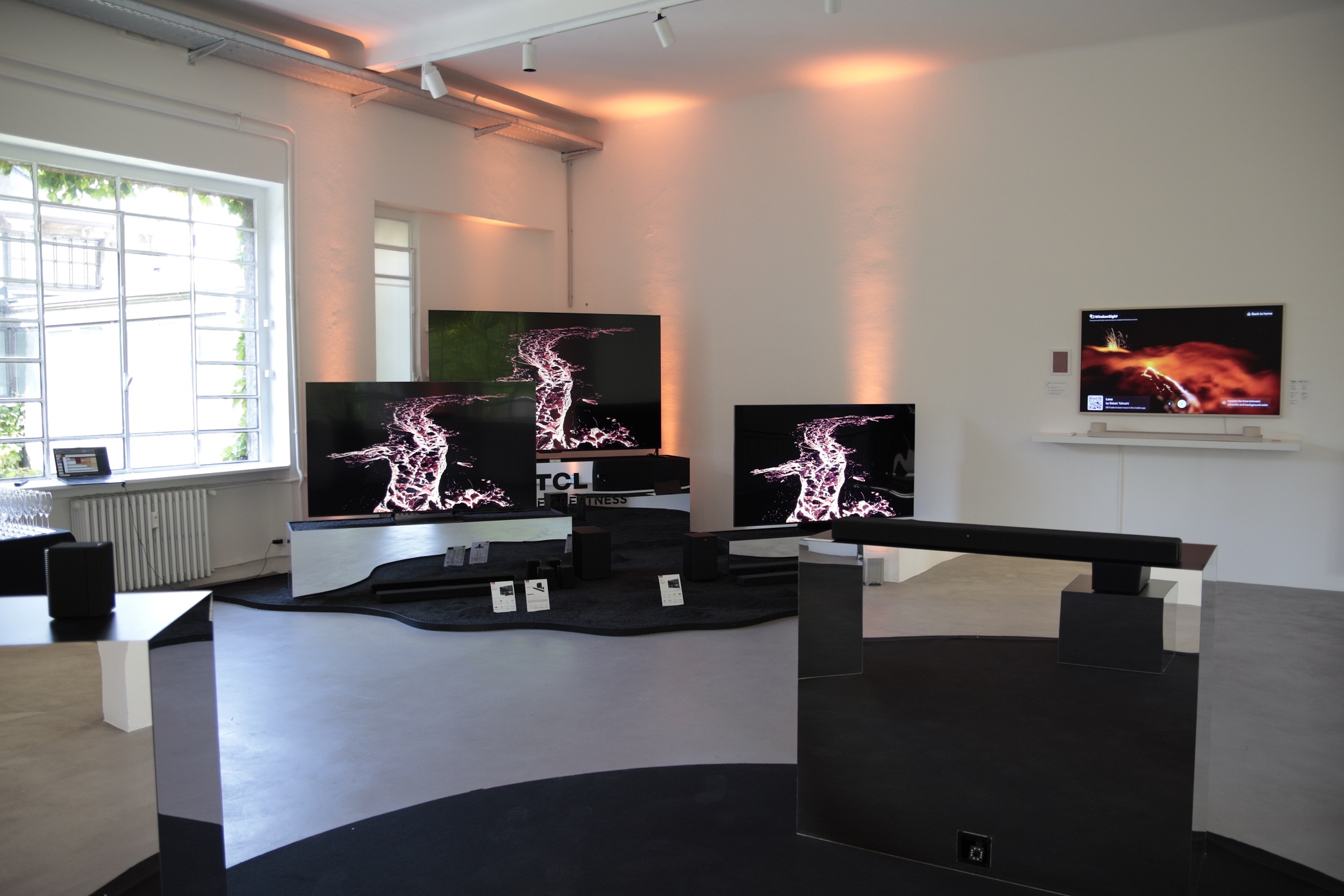
Right after this short introduction, Marek invited us to use the equipment there and test several TVs that were available. There were also several remote controls, subwoofers, soundbars and a whole host of other gadgets that we could play with. While our colleagues used the benchmark and compared the brightness and color of the individual models, we immediately started testing the X10's game mode and the results were not too surprising. The settings corresponded exactly to what the manufacturer promised and we even managed tochat and a few extra options. In addition to all HDR standards, the TV also offered Dolby Atmos, Hbb TV 2.0 and brightness up to 1100 nits. The manufacturer did not lie in the measurement values, quite the opposite. The only flaw in the beauty was the long loading and delay that occurred when switching between HDMI ports. But the latency was different excelents and in addition to the colors themselves, the device also surprised with its responsiveness, which corresponds to about 20 milliseconds. And it is not surprising, the X10 model went on the market with a price tag of 65 thousand, so it is definitely not an affordable piece aimed at the masses.
Gallery
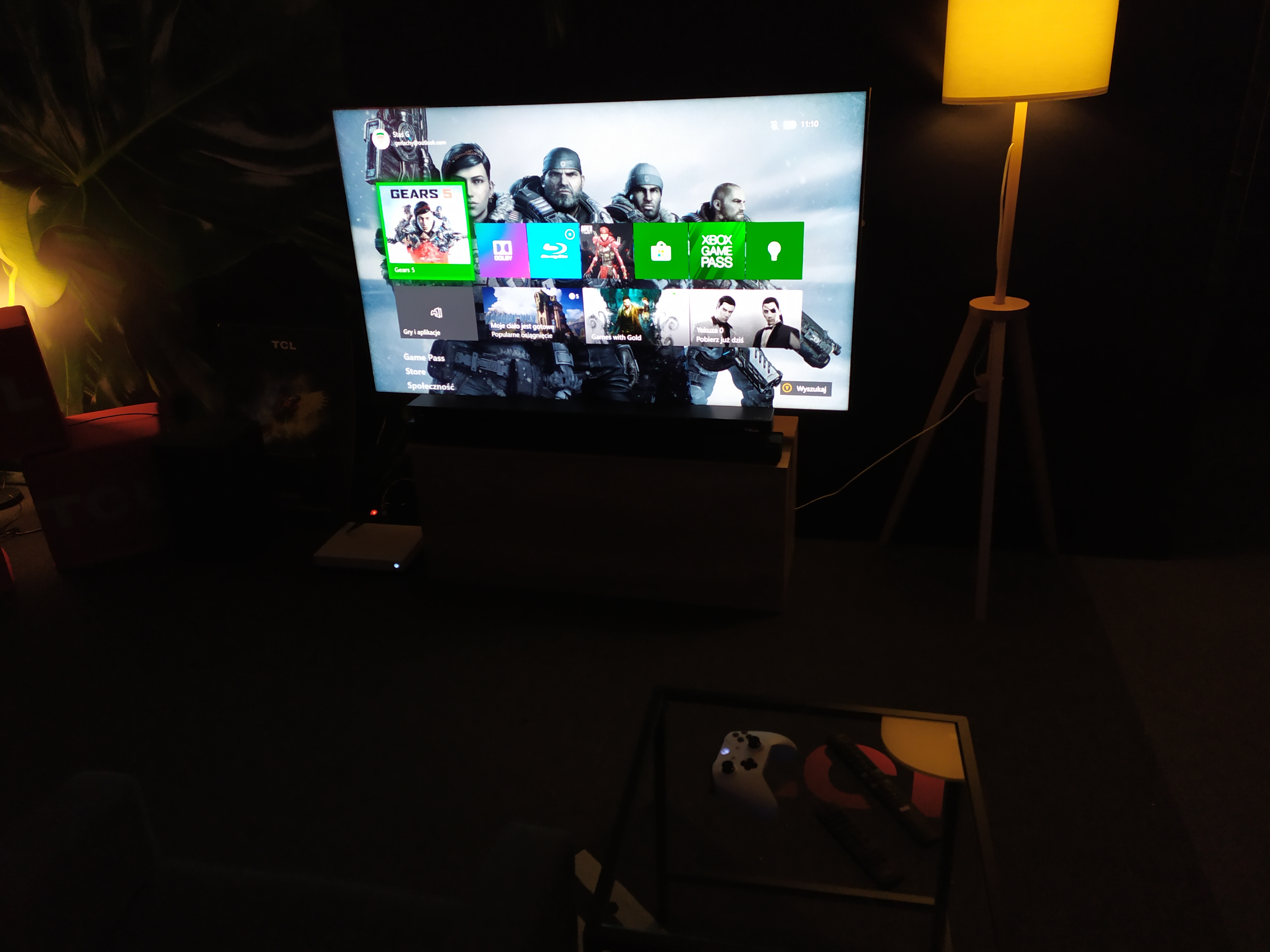
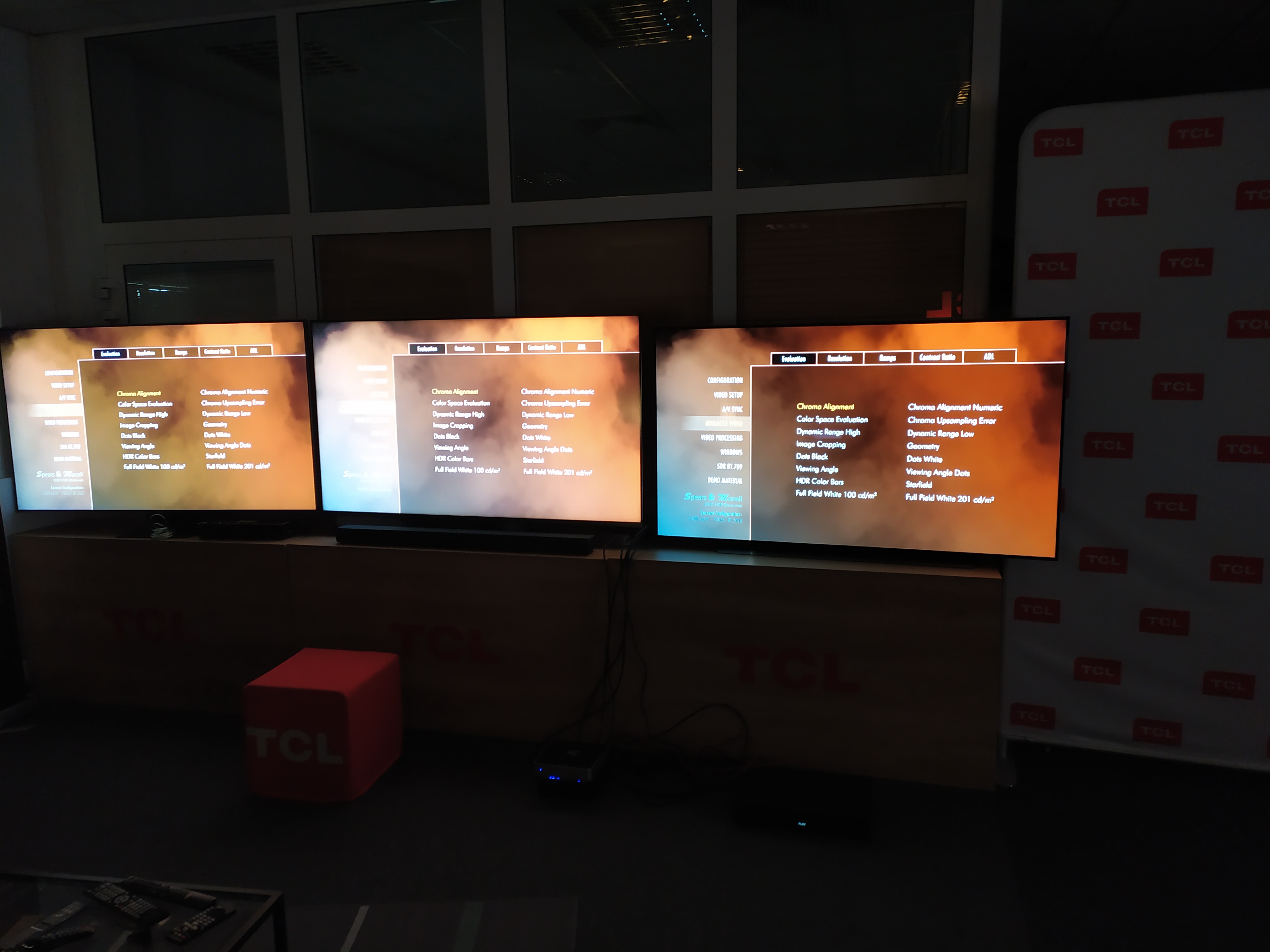
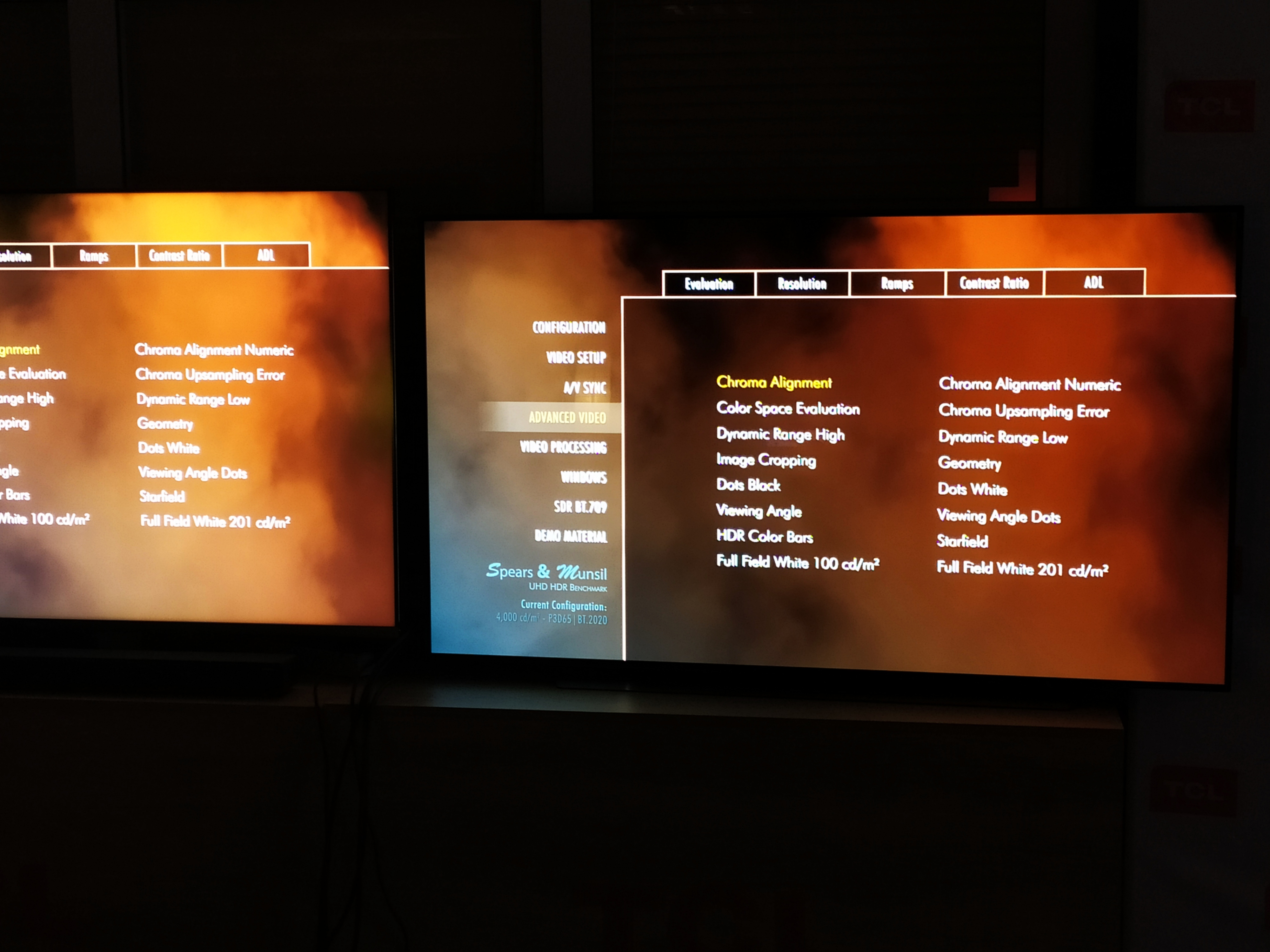
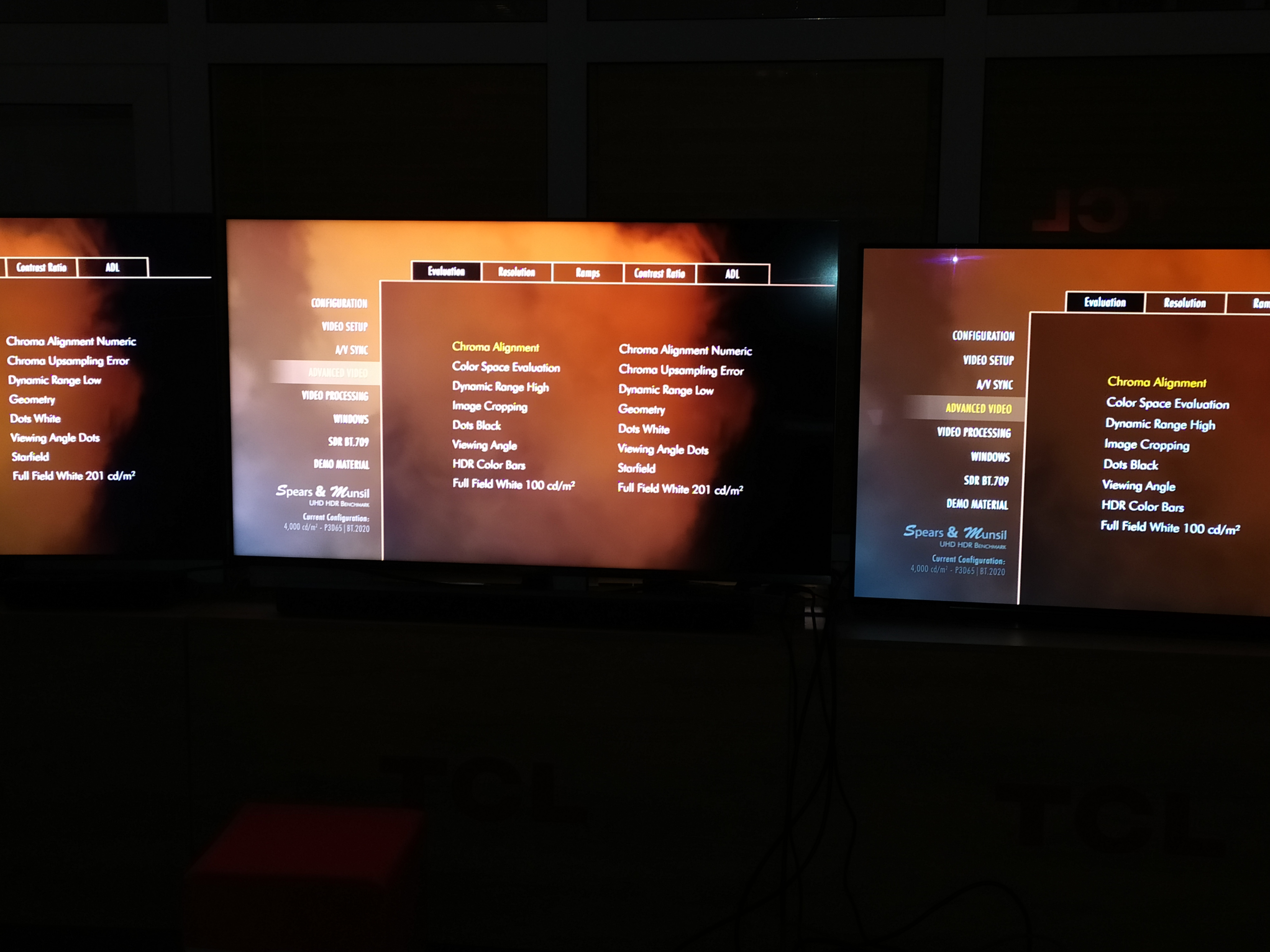
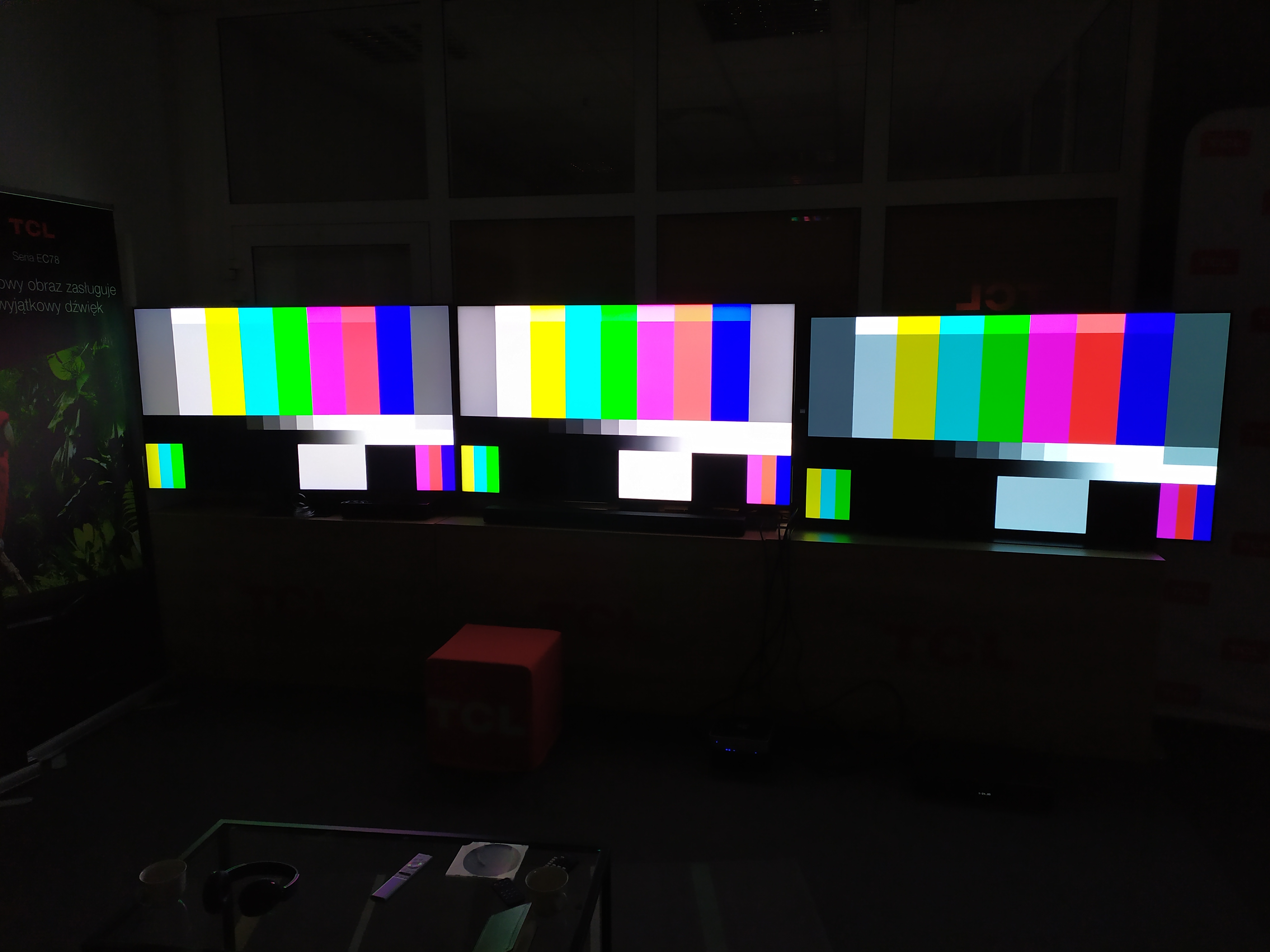
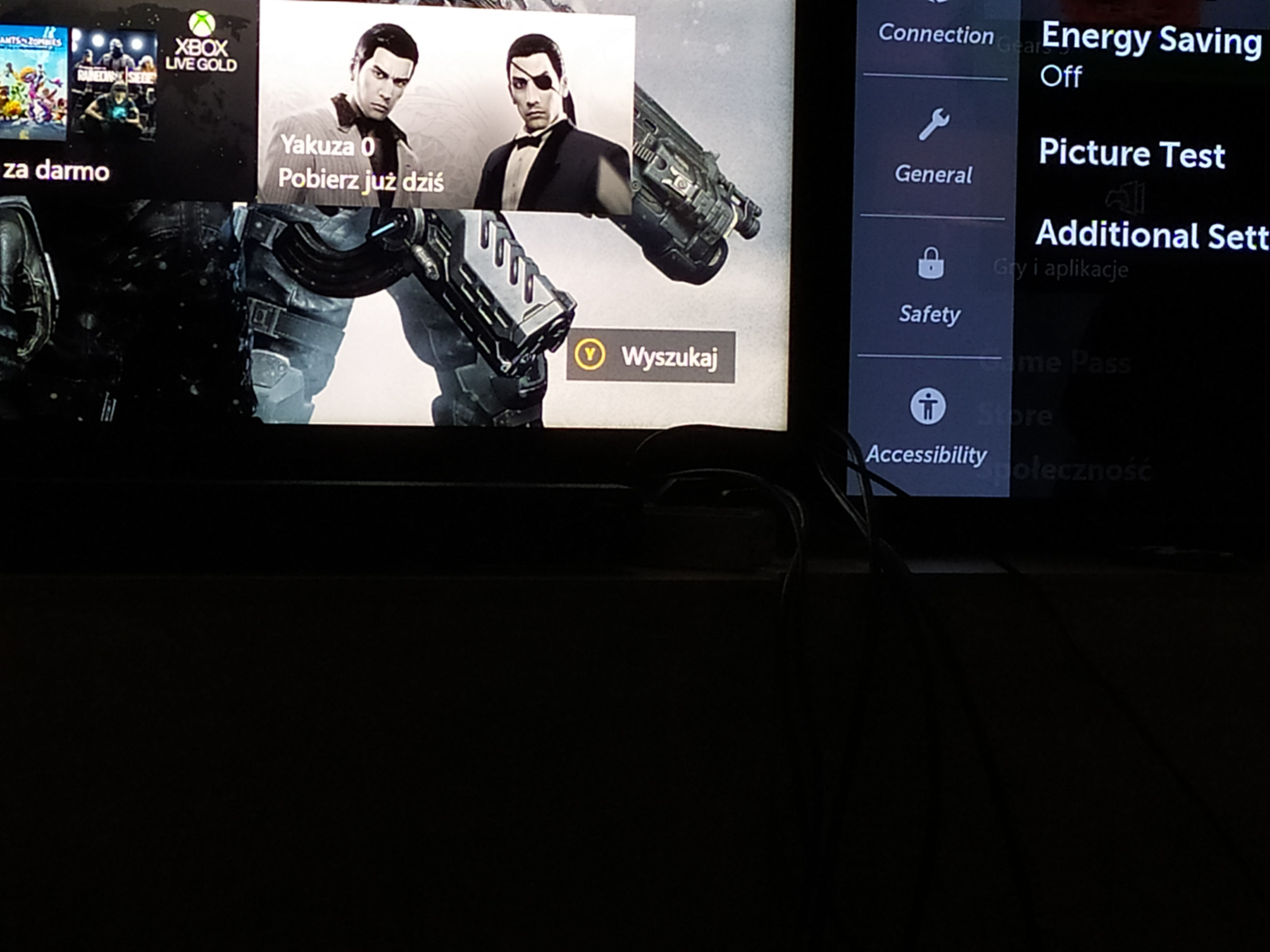
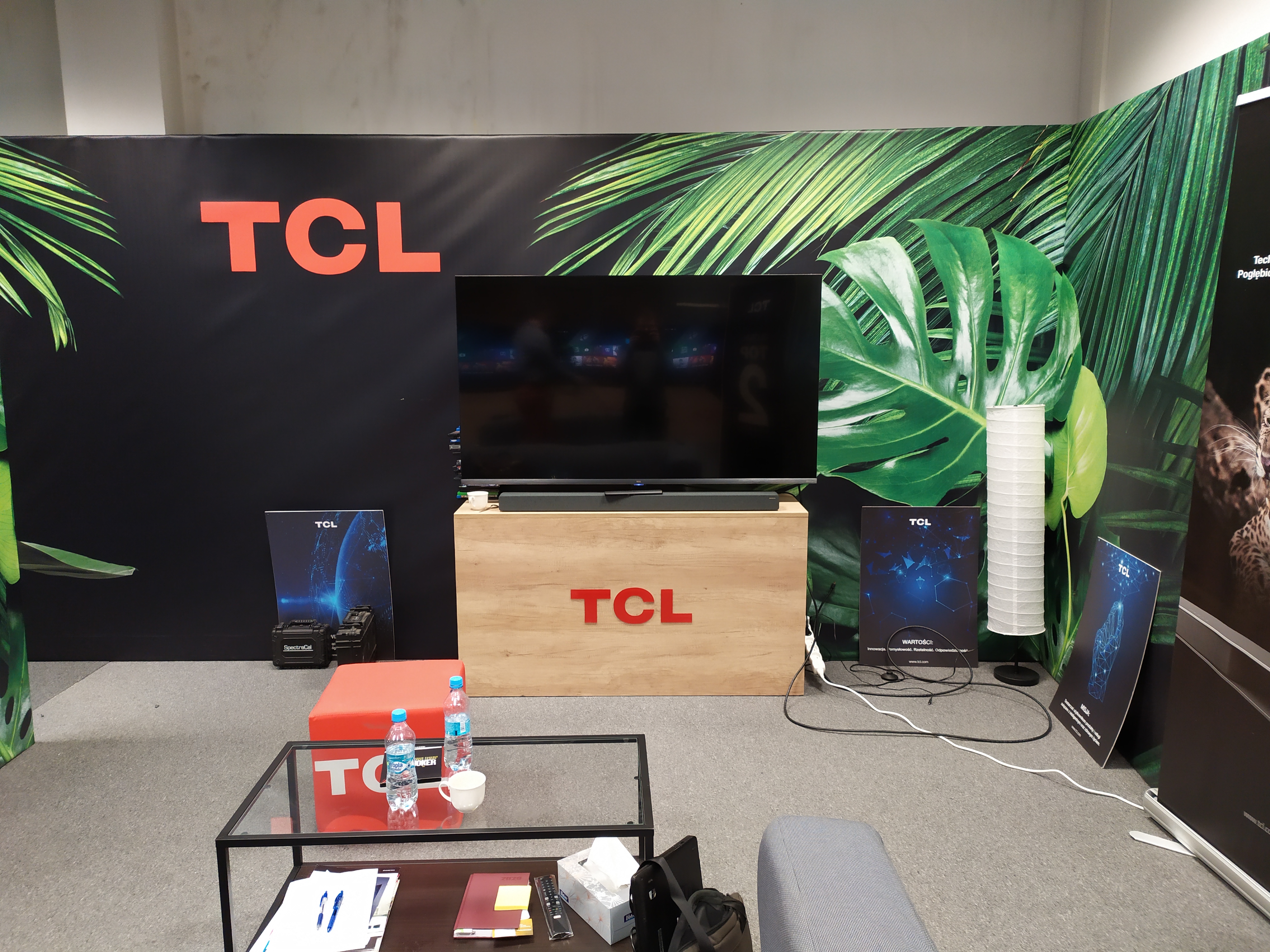
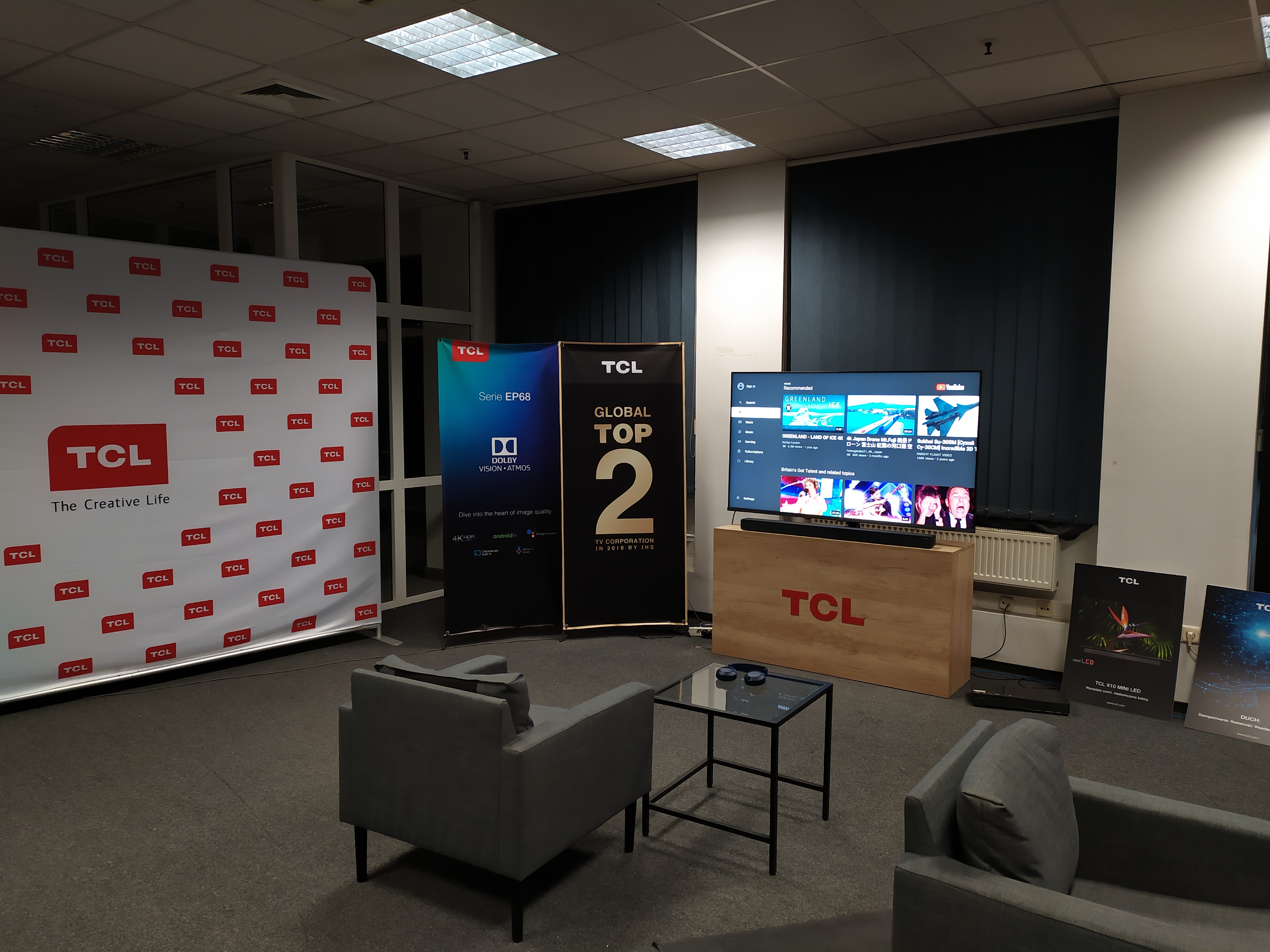
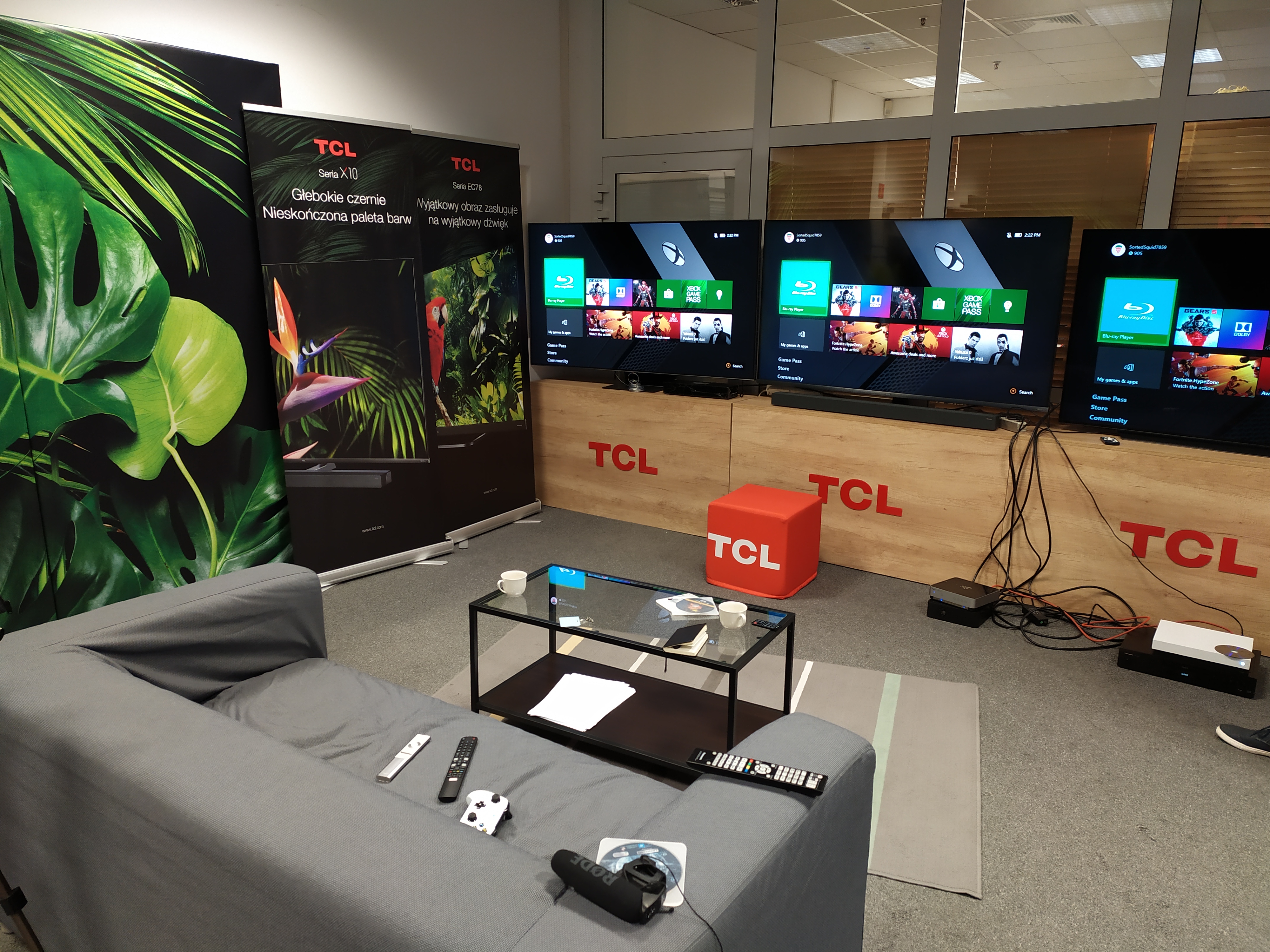
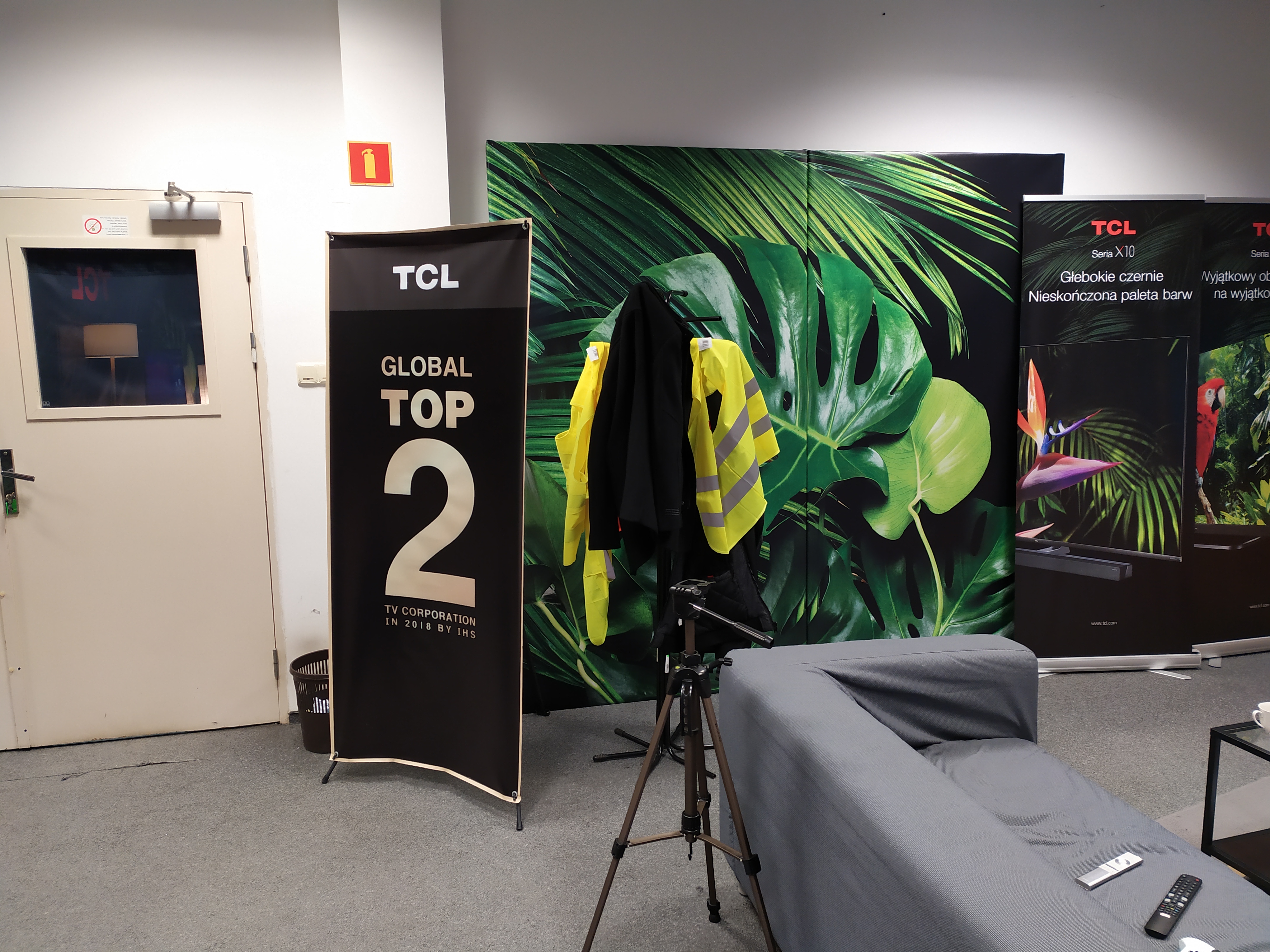
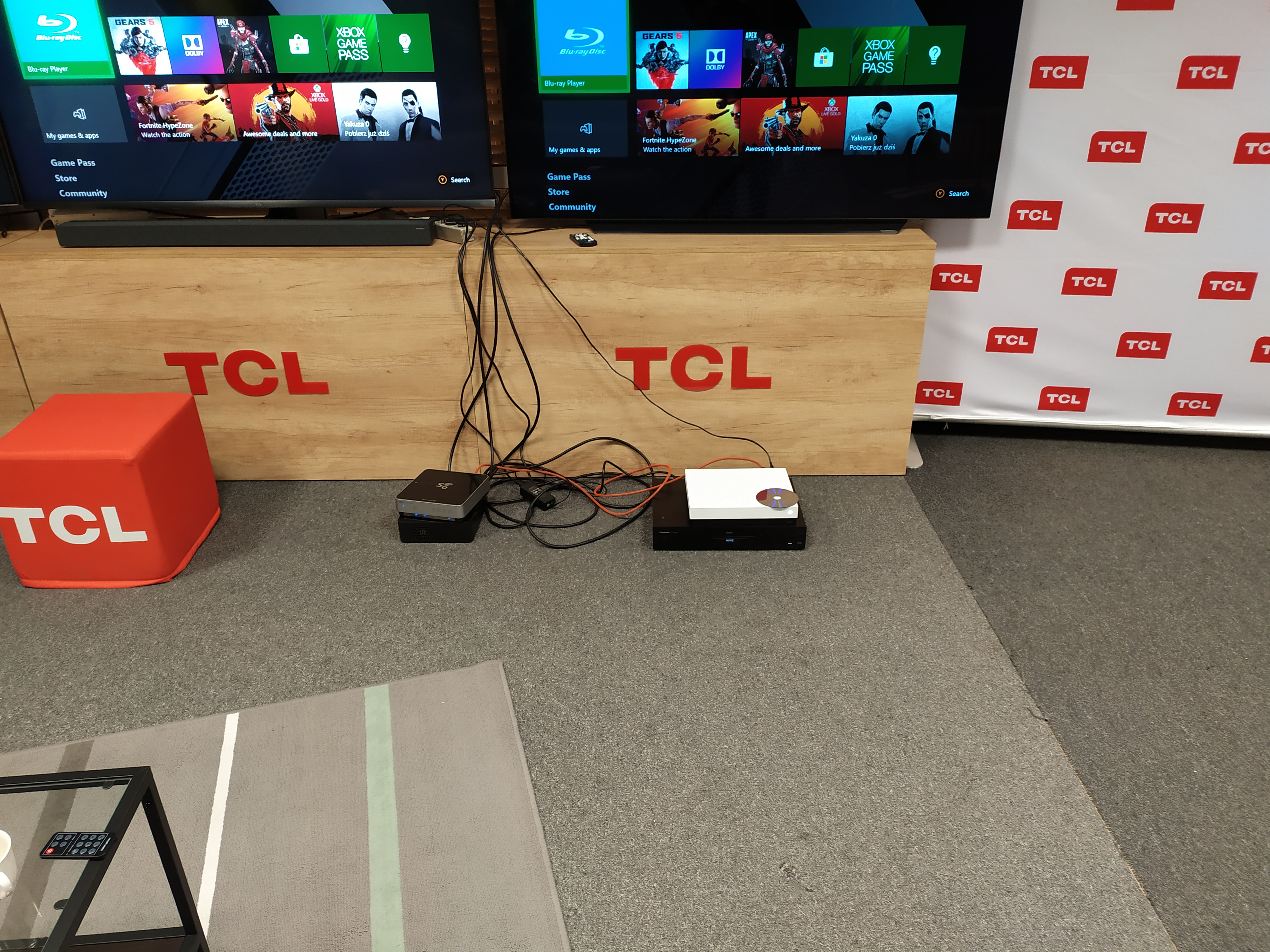
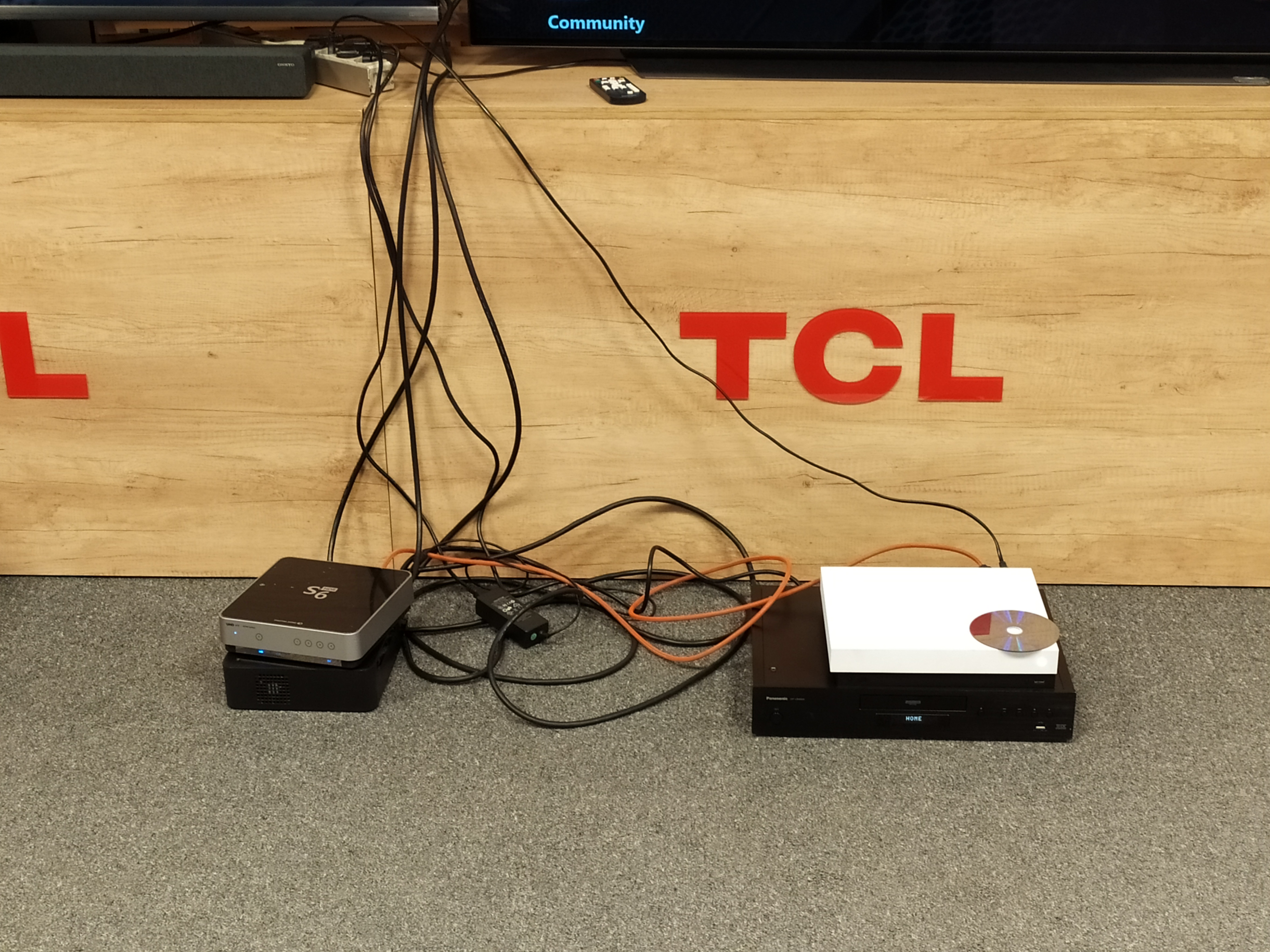
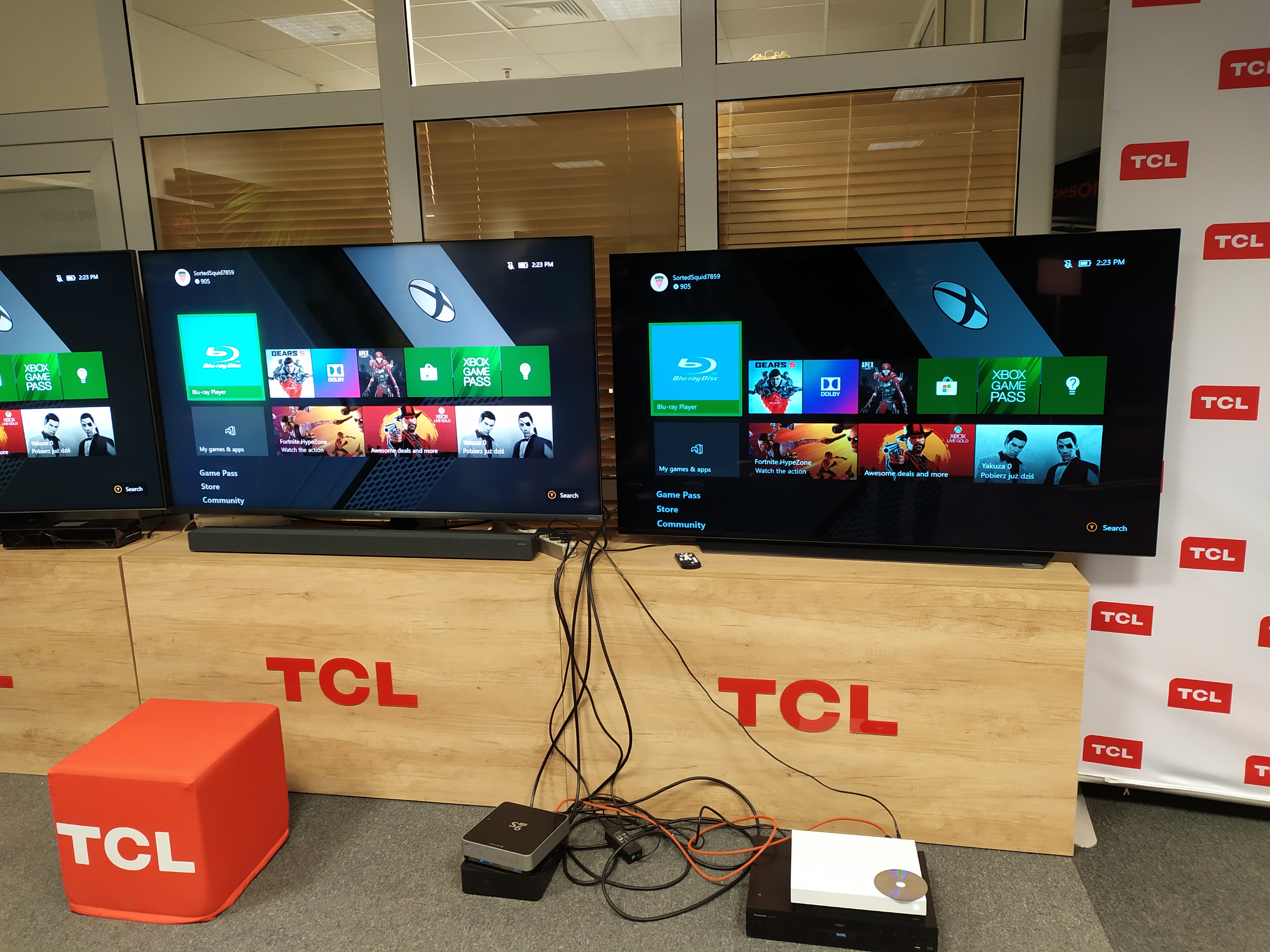
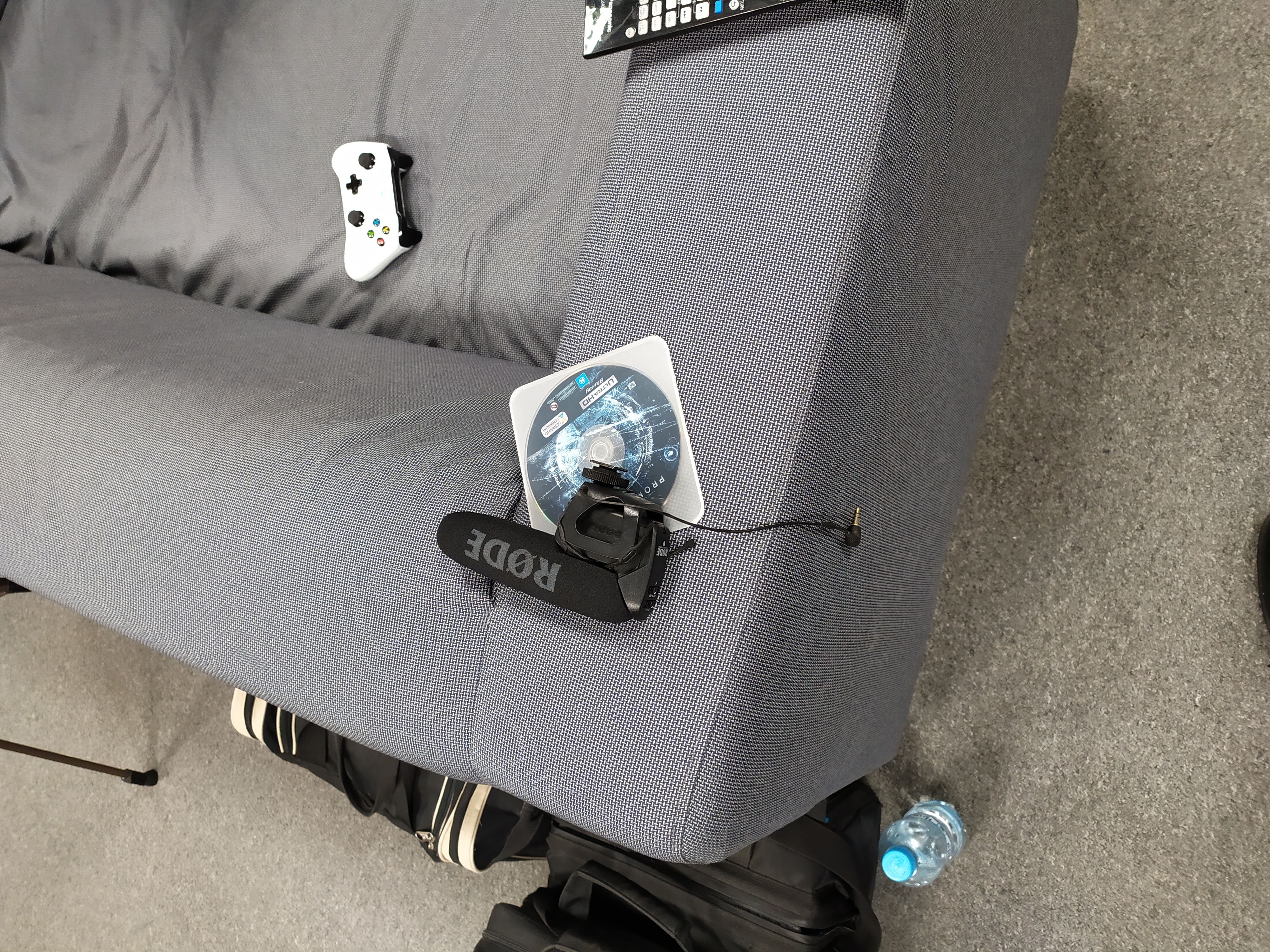
We could test almost anything and all devices were in their basic settings, so TCL had the utmost confidence in this regard and let us uncover errors that competing companies would otherwise try to hide as much as possible. Pro There were also several Samsung and LG TVs in the room for comparison, which could also be manipulated at will. We were definitely grateful for the overall openness of Marek and Marcin, who did not hide anything and, on the contrary, admitted the small indentations that televisions sometimes cannot avoid.
Bottom line, sum up - the excursion to the TCL complex exceeded our expectations. We were actually worried about unnecessary PR and marketing talk, but the opposite was true and the company was pleasantly surprised. We'll see what this Chinese giant comes up with next, but judging by its busy schedule, it looks like we have a lot to look forward to. And at the end of our modest reportage, we can perhaps only entice you with the fact that the manufacturer, deep in the bowels of Polish and Chinese factories, will also start tinkering with more affordable models with groundbreaking technologies that will blow your mind.




Nice article, thanks