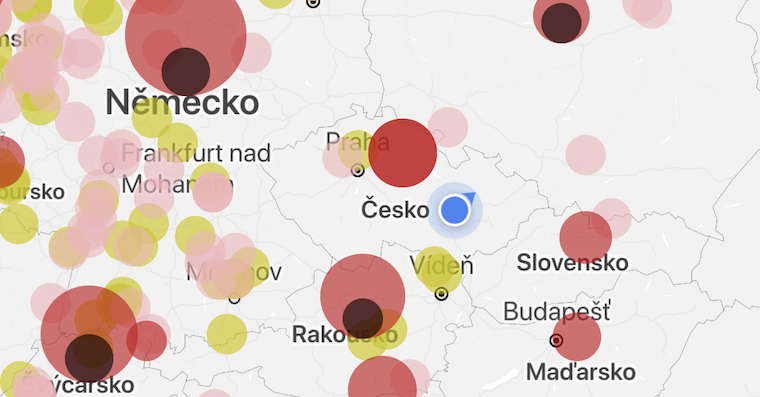
The dangerous contagion in the form of the coronavirus, also known as COVID-19, does not stop even two months after the outbreak and with an increasingly destructive force decimates not only China, but also the surrounding countries and the whole world. Europe and the United States, which have so far been spared similar problems, are slowly starting to panic. Fortunately, the governments of individual countries are taking vigorous but necessary steps to prevent the virus from spreading further and to slow down its expansion. Not even the tech giants, who are working hard on applications that map the coronavirus and warn ordinary citizens about potential infection, are lazing around.
You might be interested in

Although multinational corporations are often the target of criticism and act as scapegoats when the going gets tough, they are also relied on by not only users but also by statesmen and representatives of individual countries. An example is China, which has teamed up with local technology giants and is actively working on mobile applications that help monitor the spread of the virus and warn residents of the potential risk of infection. While some focus exclusively on providing up-to-date information and a kind of news, others use maps to determine the highest concentration of infected people and strongly recommend that tourists and residents avoid such places. The leading companies developing new applications are Tencent and Alibaba, which are currently focusing on software that will monitor people's health. Ali is making the greatest progress in this regard.pay, which falls under Alibaba. The company rushed to come up with a system based on colored QR codes that direct users to a website with their profile. There, people can fill in their identification number, report a trip out of town, or confess their color and tell authorities that they are suffering from a fever, a strong cough, or flu symptoms.
Gallery
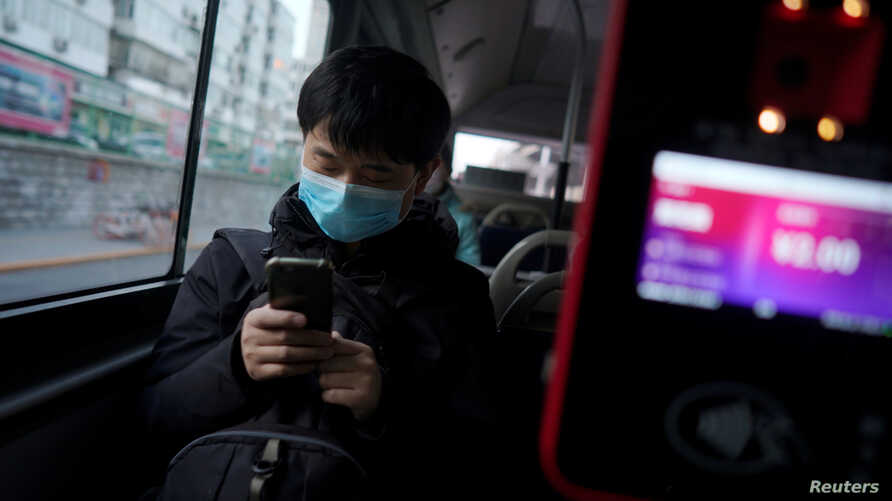


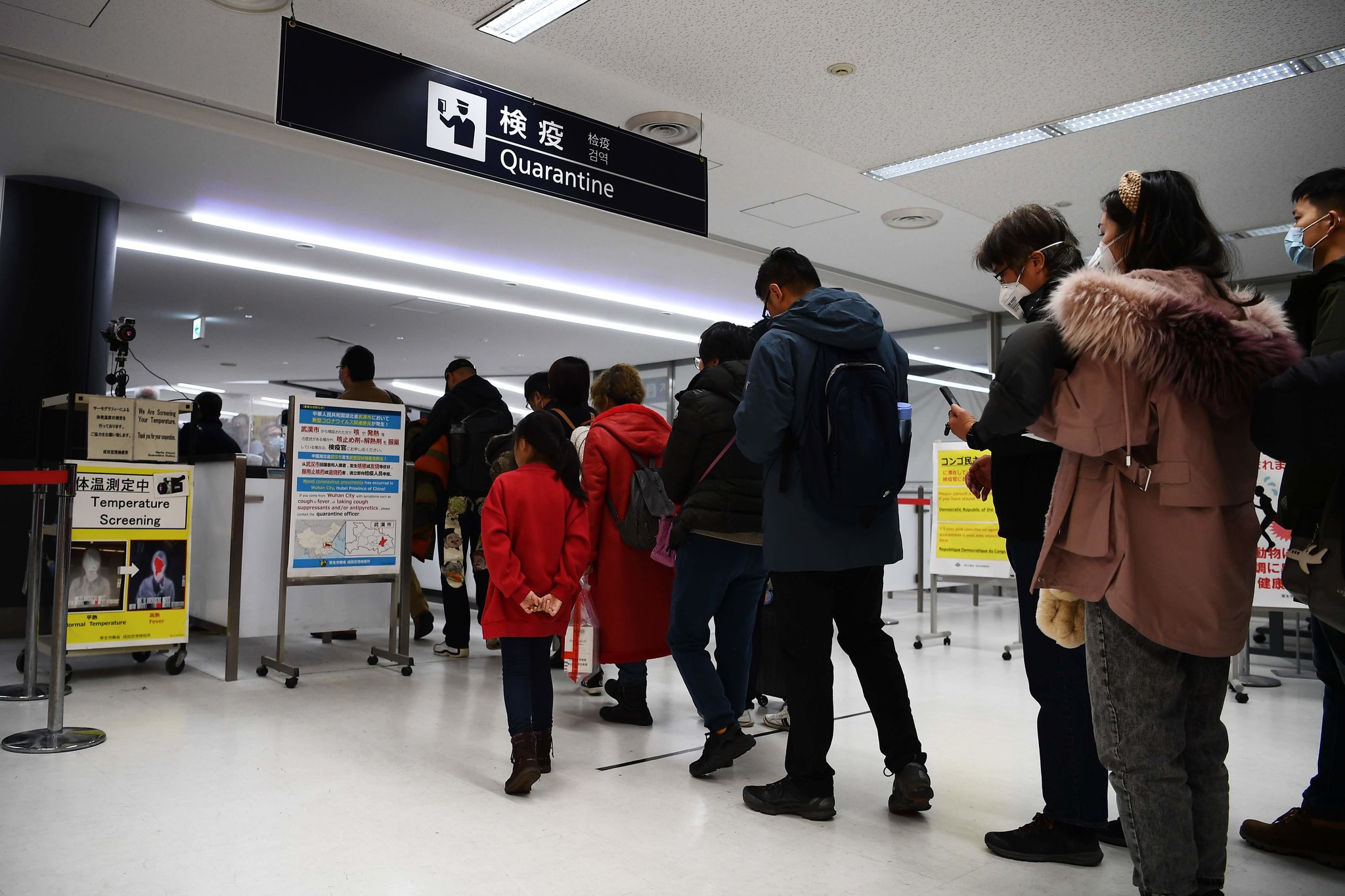
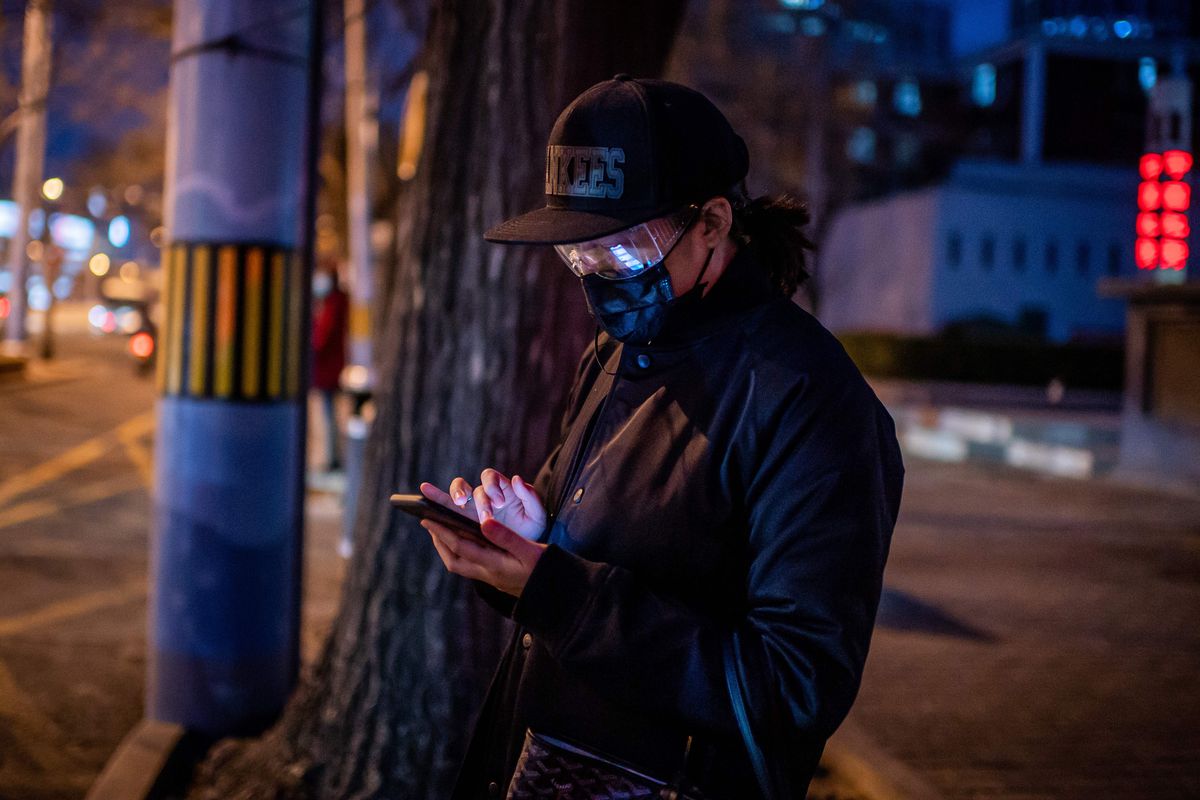

After successfully completing them on the phoneonem will receive a QR code with a color depending on whether they suffer from health problems or not. Thanks to this, it is possible to estimate whether a person may be infectious or whether they only have mild symptoms that are not dangerous to the surrounding area. While red means immediate isolation for 14 days and communication with the authorities using the DingTalk application, in the case of yellow, it is enough to isolate for 7 days. Green then, of course, means that the user is fine and can travel as desired. The system is to be put into operation mainly at railway stations, along main roads and anywhere where there is a large concentration of people. Then, it is enough to attach the sent QR code to the terminal and prove that the user does not suffer from coronavirus. Although it can be argued that this system can be easily fooled, several police officers will be stationed at each checkpoint, who will additionally check body temperature and any symptoms.
You might be interested in
The innovative application will only apply to the city of Hangzhou and surrounding areas for now, the rest of China will probably have to wait a while. ProHowever, the process should not last too long, mainly due to the rapid spread and incubation period. A similar system has also been developed by rival technology giant Tencent, which is behind the extensive social network WeChat. While Alibaba mainly covers Zhejiang province, the latter company has focused on Shenzhen and Guangdong province. In any case, these are just a handful of a number of similarly effective applications that contribute to slowing the spread and protecting residents. For example, another software from Tencent collects information about infected people and warns of places where the incident occurred. QuantUrban, which has set a similar goal, has also come up with a not very different application. However, this initiative has a relatively calming effect on users, and although no one can know in advance where further transmission between a healthy and infected individual will occur, at least risk areas can be avoided. Mobile operators are also helping in this regard, and based on GPS location, they can send customers information about where they have been in the previous 14 days and whether they have been in an infected zone. We will see whether similar steps by the government and companies will lead to greater safety and a slowdown in the spread of the disease.