
The Internet is almost as commonplace as electricity these days. Most of us use it at home or in the office.ancThe users connect mainly via WiFi, where unlike mobile tariffs there is no FUP, i.e. a limit on the amount of downloaded data. However, there may be certain restrictions on WiFi as well, if we have an unworthy modem, for example. How can we recognize the modern internet today? As part of the series Reliable Internet with an Operator UPC we bring a few concepts that are connected with it on the Internet.
Wi-Fi booster
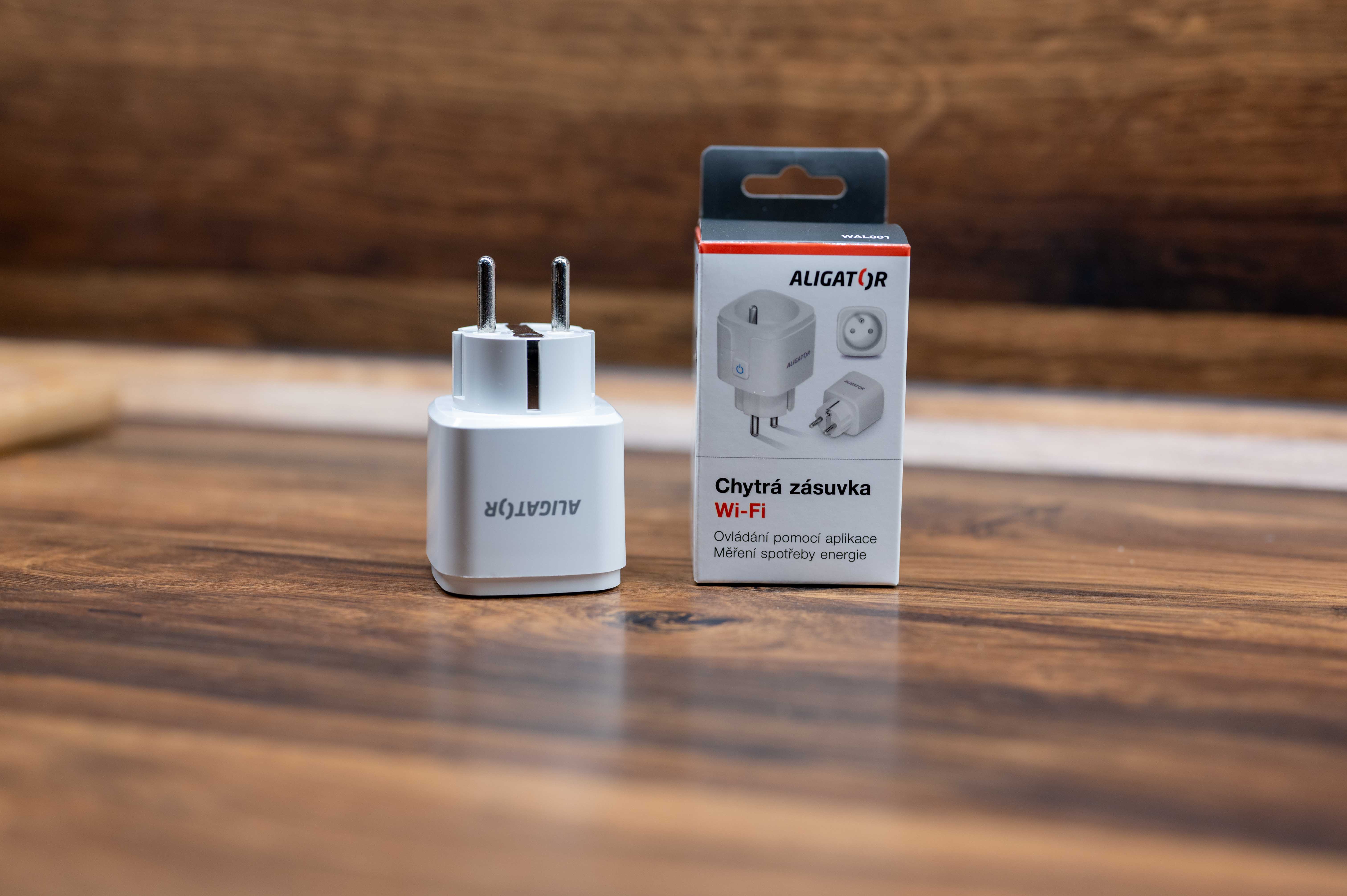
Customers most often judge the quality of their internet by how their home WiFi works. This can be influenced by several factors, and it often happens in apartments and houses that the signal from the modem is excellent in some rooms, but weak in others, sometimes even none. A so-called WiFi booster , or Powerline adapter, can help with this, which is a modern device that creates an internet network from the home electrical network and thus extends the internet throughout the home. Thanks to it, you can very easily and quickly get a signal from one side of the apartment to the other, just through electrical outlets.
Switch with WiFi to the 5 GHz band
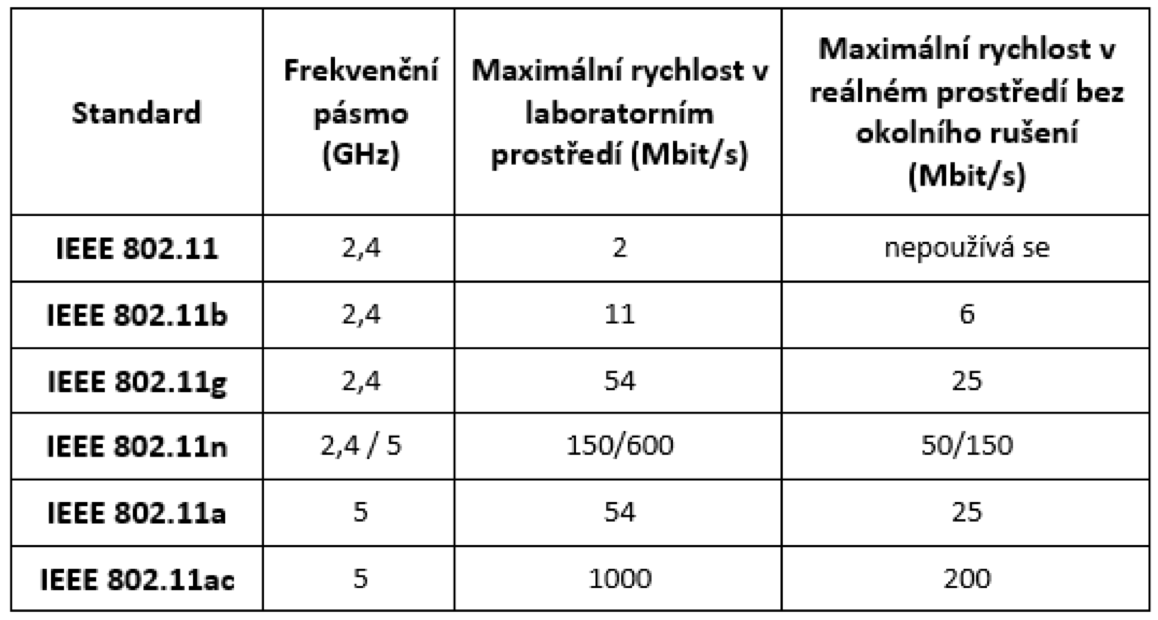
You may have encountered a situation where content from the Internet takes forever to download, or the connection is interrupted in the middle, and you have to start over. Or you can't watch a video in peace because it keeps stopping. The modem may be behind this. Current WiFi works in two modes, older ones use the 2,4 GHz frequency and new ones use 5 GHz. It is ideal to invest in a smarter WiFi modem. It can already evaluate which band is better for a specific situation and automatically switch to it. You will automatically get such a modem if you become a UPC customer. The 5 GHz band represents a newer and more advanced range for Wi-Fi broadcasting, it also has more channels that do not overlap. This limits signal interference from neighbors, for example. However, it is also necessary to take into account that 5 GHz is better for speed, but it also penetrates walls more poorly, which is why 5 GHz is ideal for covering larger rooms and 2,4 GHz for more complex apartments.
Thanks to the IPv6 protocol, you will soon be able to connect your refrigerator to the Internet
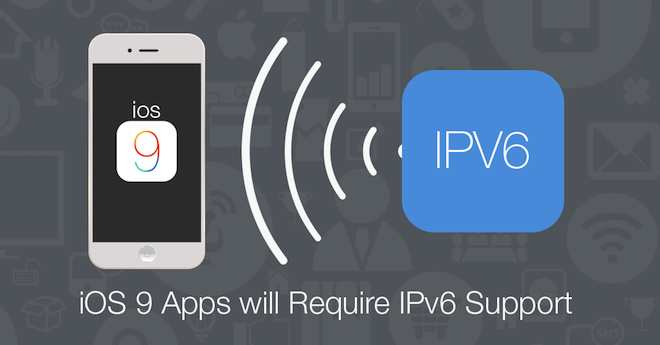
For example, the so-called IPv6, Internet Protocol version 6, is also related to the modern Internet. It is a new generation of Internet Protocol numbers, an improvement of IP version 4 (IPv4), which was introduced in 1982. Although IPv6 does not bring any direct benefits, it shows where the internet is heading and that a good internet connection will play an increasingly important role in households. IPv6 brings a massive expansion of the address space, i.e. the possibility to assign all devices their own IPv6 address. Even now, the average household has about ten devices connected to WiFi, most often mobile phones, computers, game consoles. In the future, smart TVs, refrigerators and other home appliances will be added to them.
HTTPS for greater security and speed
Website operators are also switching to a new protocol, from the older HTTP to HTTPS. It is the first letters of the Internet address that are worth watching. For example, banks have had HTTPS for a long time, but it is becoming more and more widespread on many other websites, including UPCWith HTTPS, you can be sure that you are on a trusted website that also loads faster. If you have your website on it, search engines will favor it in natural search results. For example, it already does this Seznam.czThe older protocol is less trustworthy and exposes users to more risks.
The basis is a quality network
If you want to have a truly reliable internet that will not be affected by bad weather or weather conditions, will provide you with unlimited data volume and stable speed, the best choice is a fiber optic connection. UPC is constantly expanding its fiber optic network, last year alone it made it available to another 19,900 households and currently the network of this operator in the Czech Republic is within reach of 1,529,300 households.
For tips on how to improve your internet connection, check out these articles:
You might be interested in
You might be interested in
You might be interested in
- You can also find more information on the website UPC.






The author should study how new routers work in aka mesh mode. The article is from 2 years ago
"He can already evaluate by himself which band is better for a specific situation and automatically switches to it. You will automatically get such a modem if you become a UPC customer."
Well, that's total nonsense. The biggest problem with a home Wi-Fi router is when AutoChannel is set on it.
In the case of routers with a "five-pointer", it would certainly be appropriate to mention that the device with which one connects to the wifi must support it, otherwise 5 GHz is completely useless to you.
It had to be written by someone who is not familiar with it at all. So for the author of the article: A modem with a Wifi router transmits either dual band or single band, depending on how it is configured. In the case of dualband, it is the client who chooses which band to connect to, and various factors determine this. There will be automatic logic that selects the most suitable band according to criteria (stronger signal, higher line speed), or a manually set band preference.
Nonsense and advertising. If you have 5GHz wifi then it is usable max in 1 room in the second through the wall the situation is much worse than with 2.4GHz. The biggest problem is that everyone connects the router as they please and does not scan and tune the channel so as not to disturb others. The advice is that wifi does not work so make it even stronger, it is even worse. Then the whole apartment building interferes.
I have a house built of bricks and the transfer of the 5GHz band is not as bad as you write. Otherwise, you are obviously writing about reinforced concrete walls.