
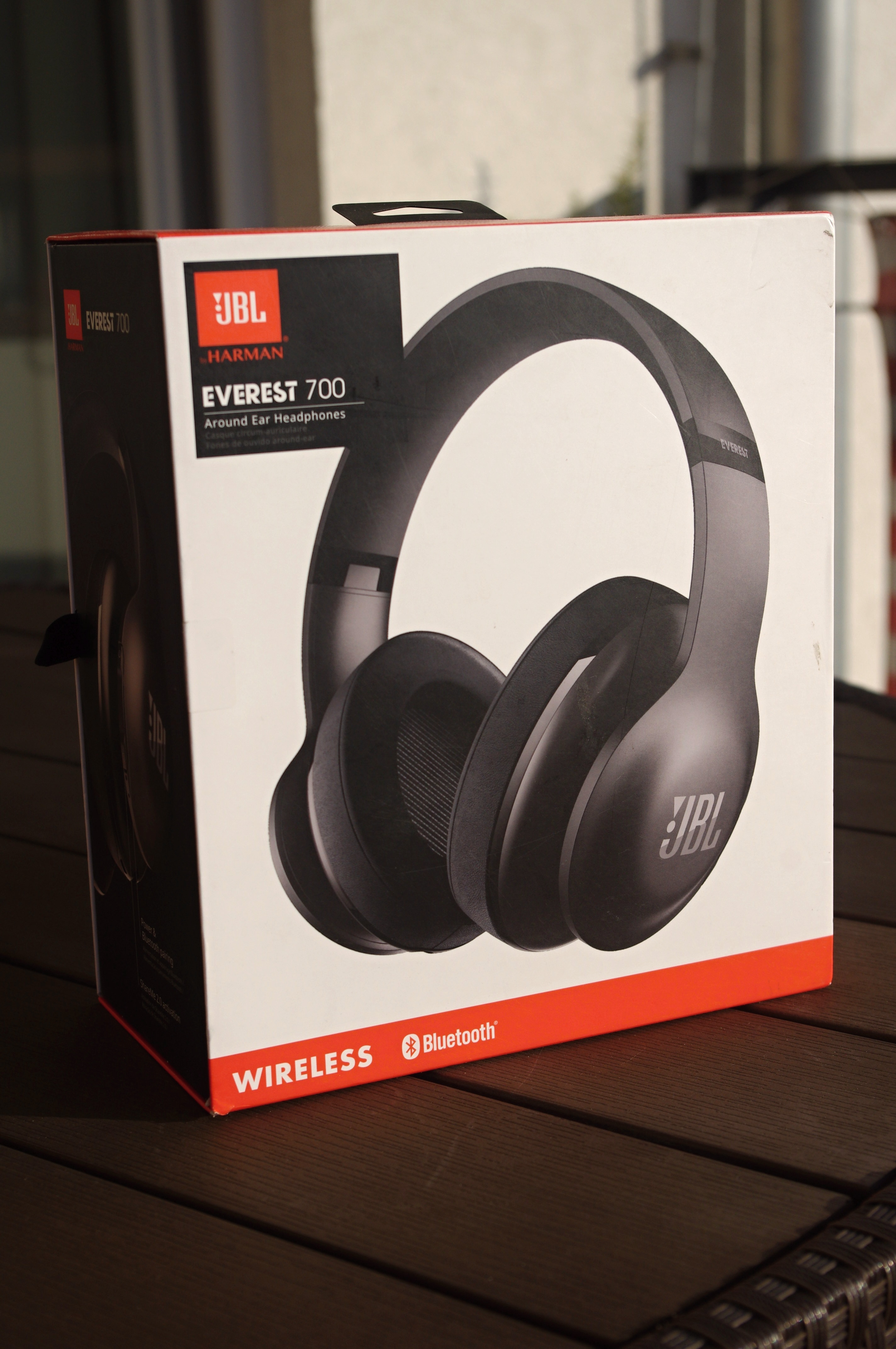
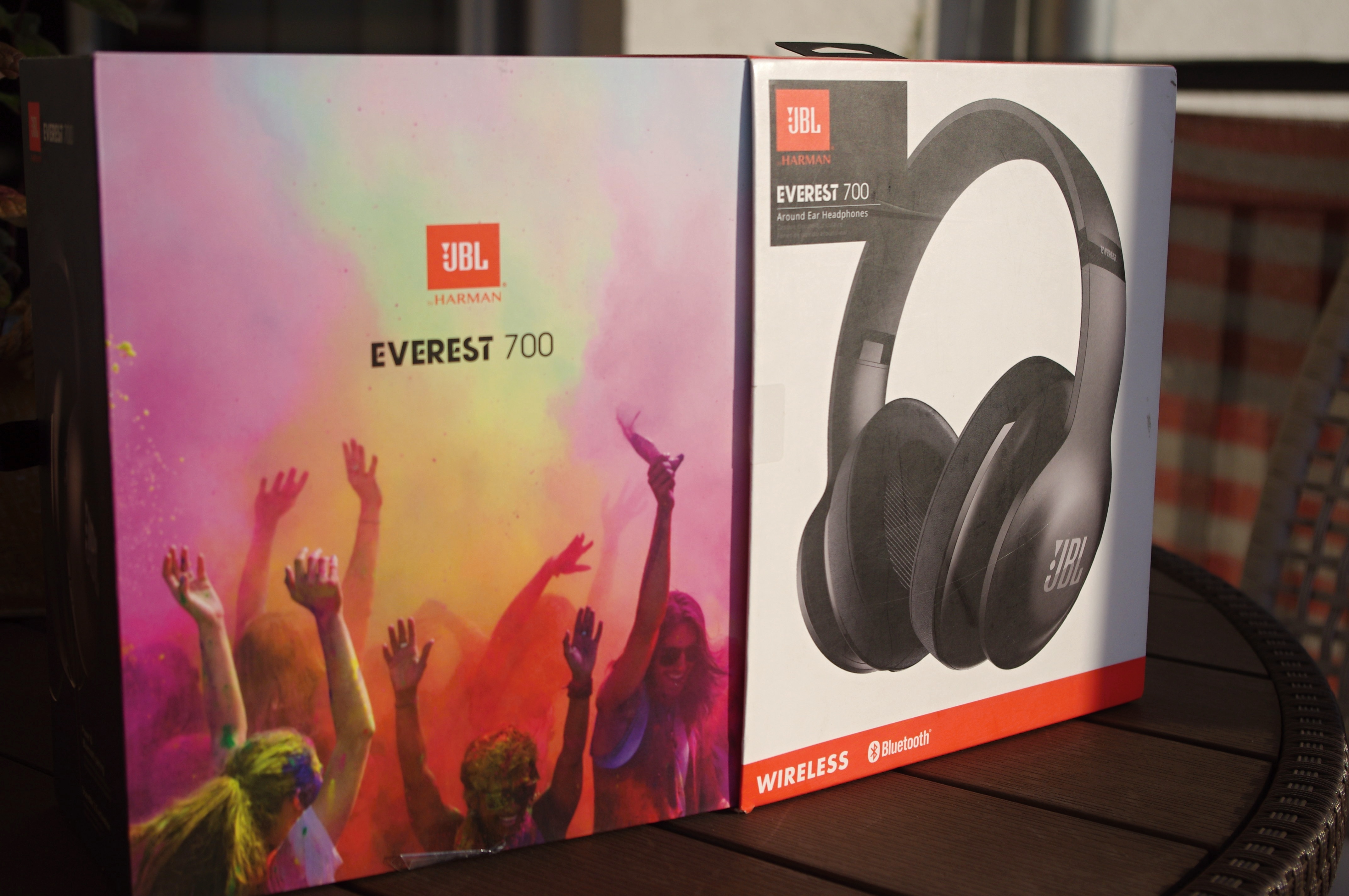
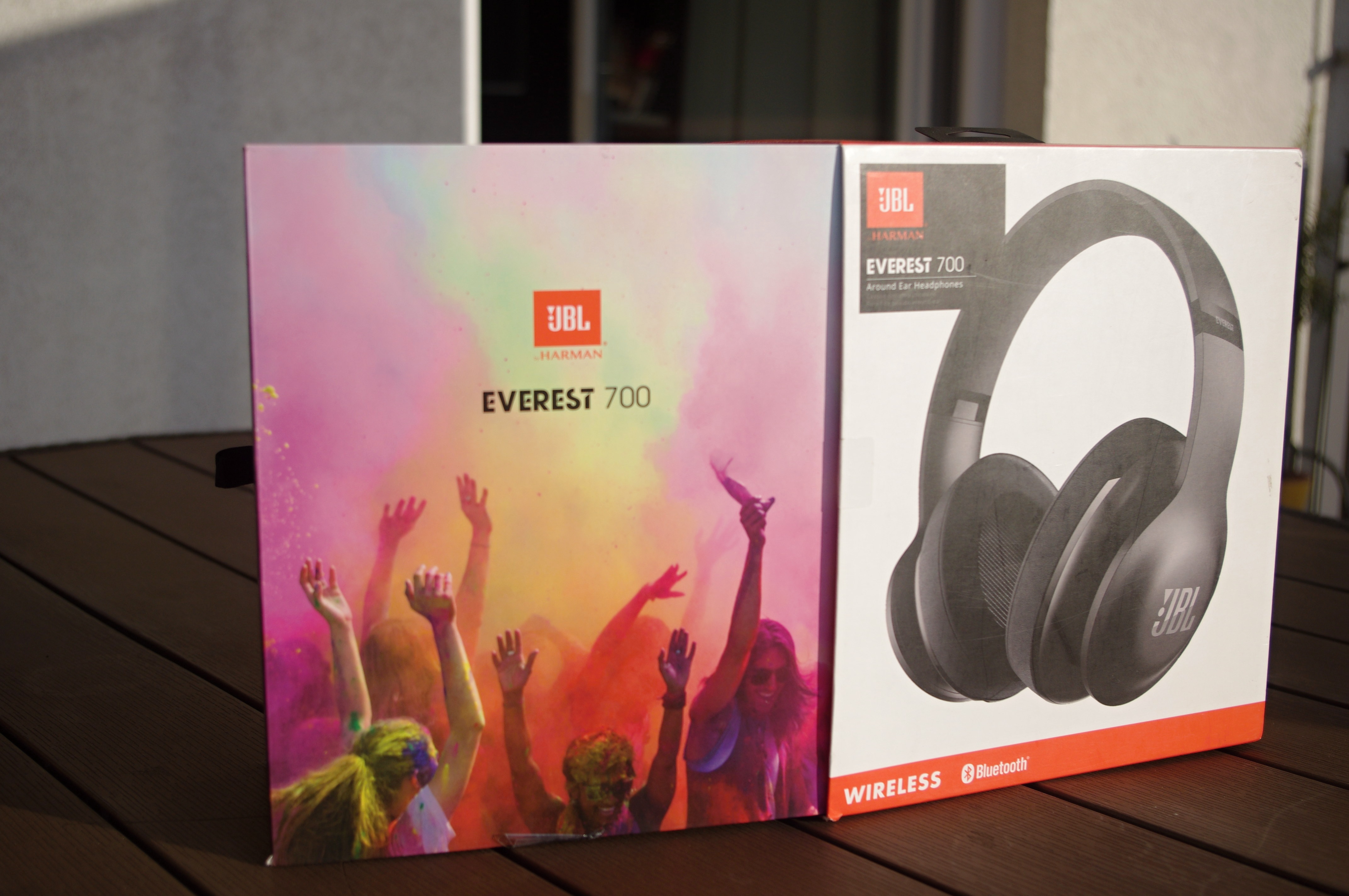
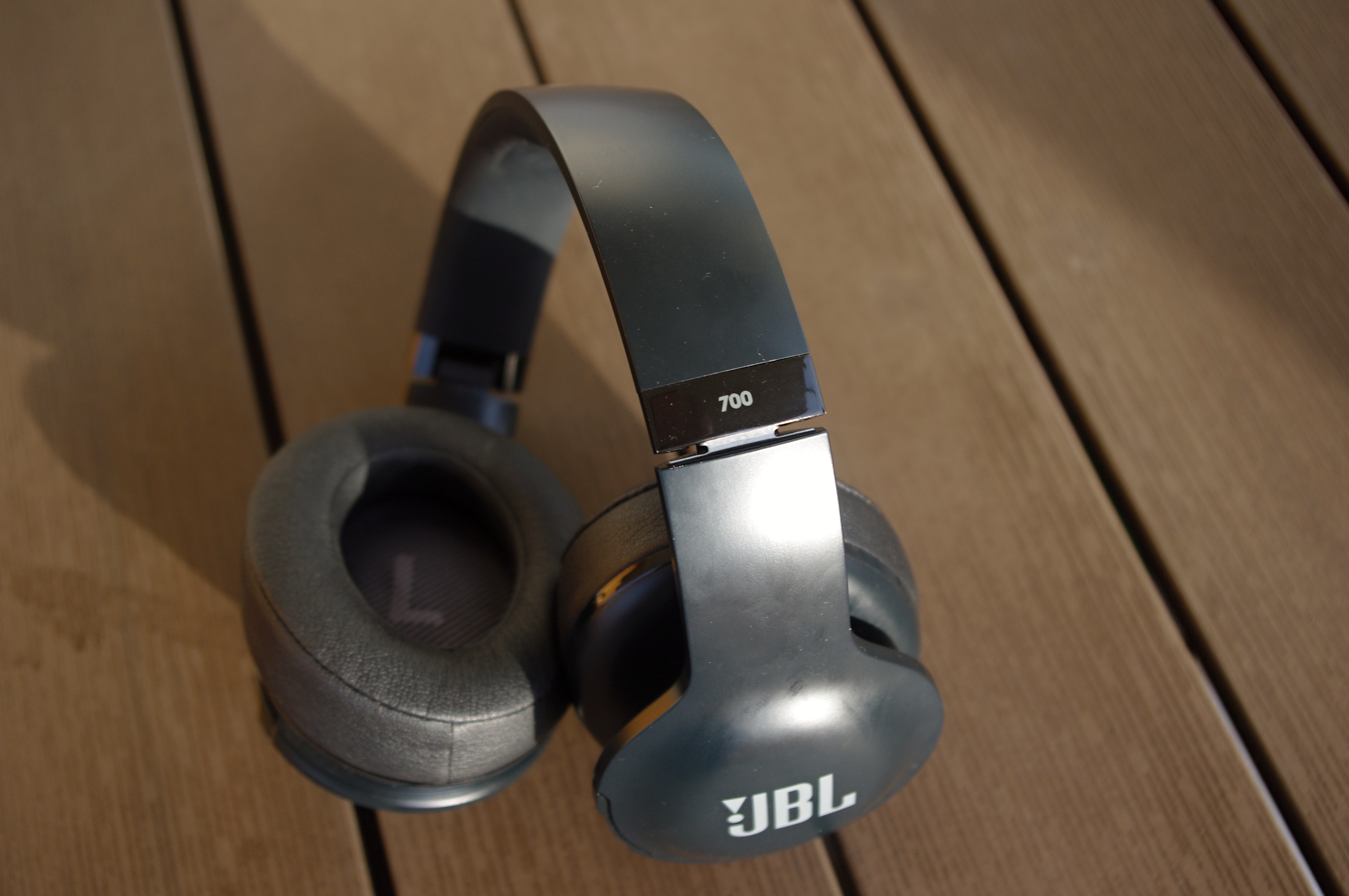
Last week, you could find a review of the JBL Everest 300 headphones on our website . These are mid-range Bluetooth headphones and they were quite surprising. But what happens if we move up a notch in the product ranking? The JBL Everest 700 is a kind of flagship of the company in the consumer Bluetooth headphone segment. Only the Everest Elite models sit above them, which also offer active ambient noise cancellation. In our country, the 700 series is sold for prices around five and a half thousand crowns. In today's review, we will look at what they actually are and, above all, how (well) they play.
Gallery
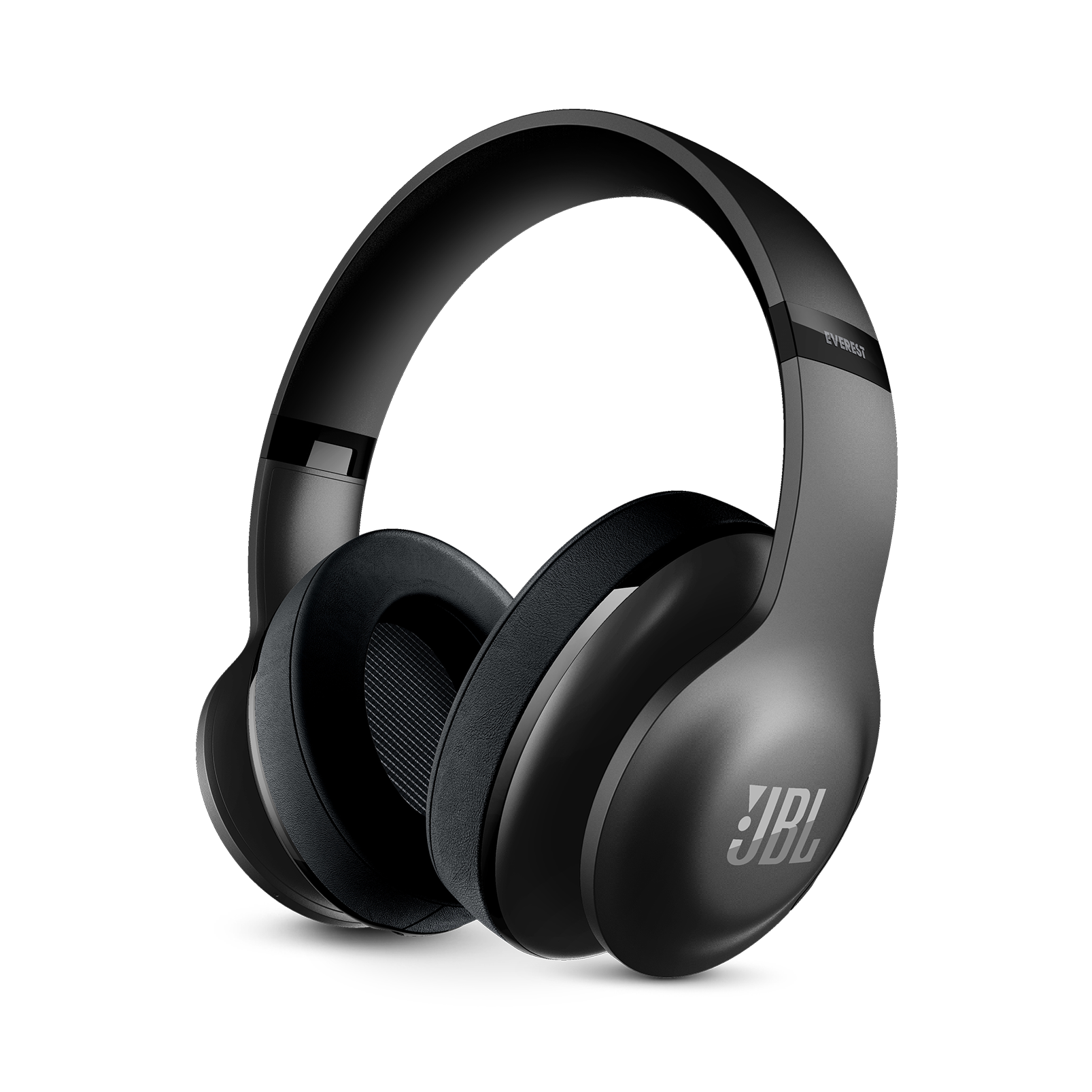
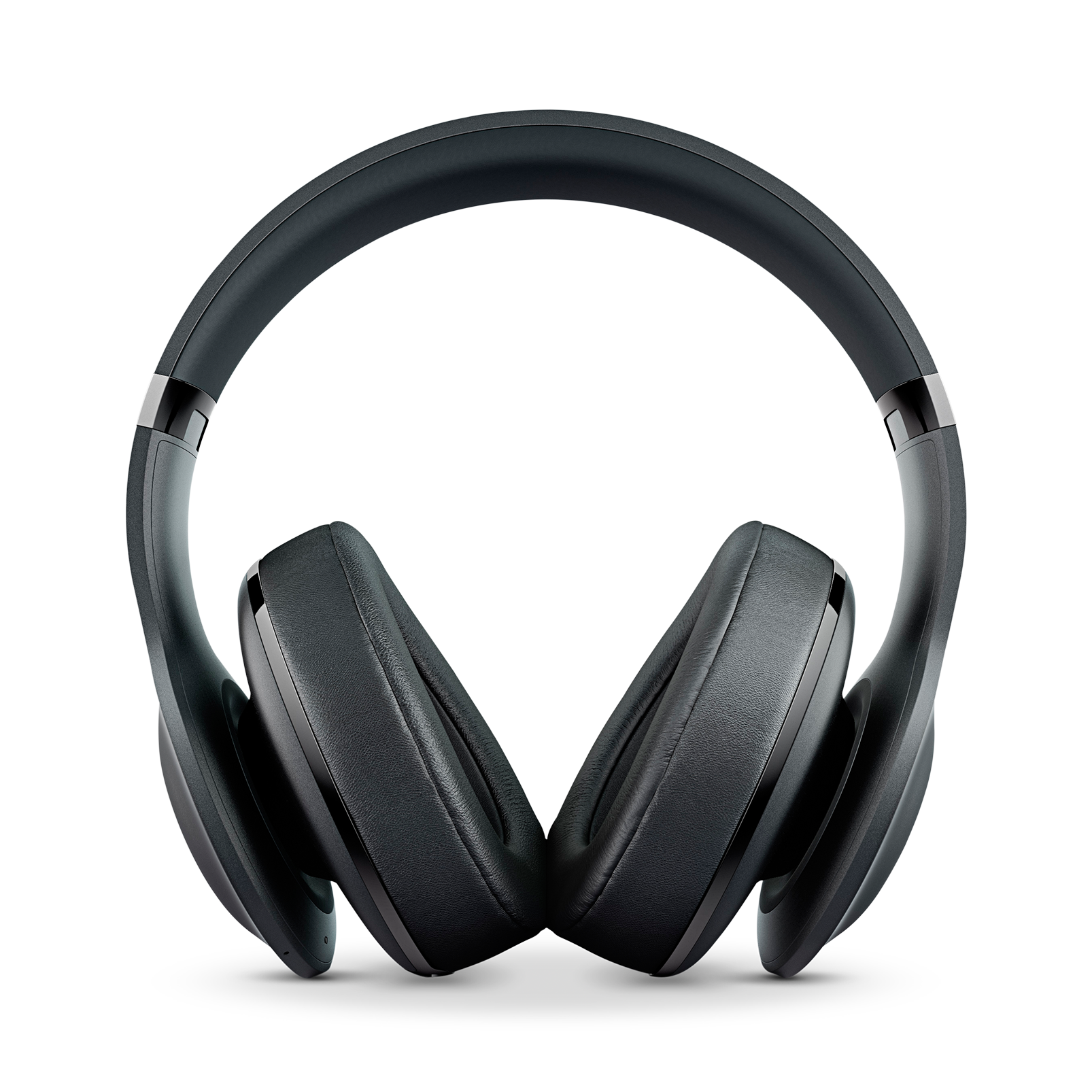
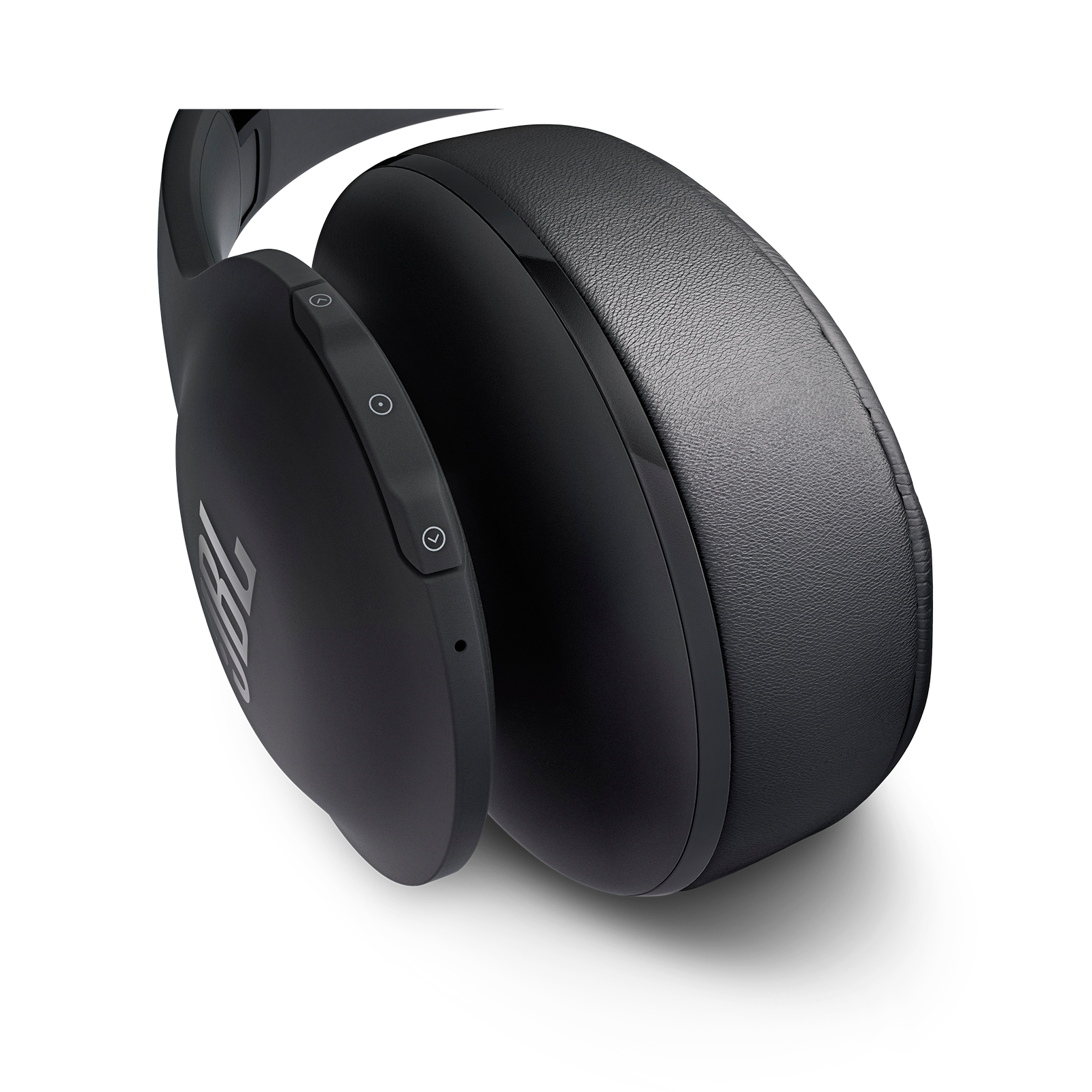
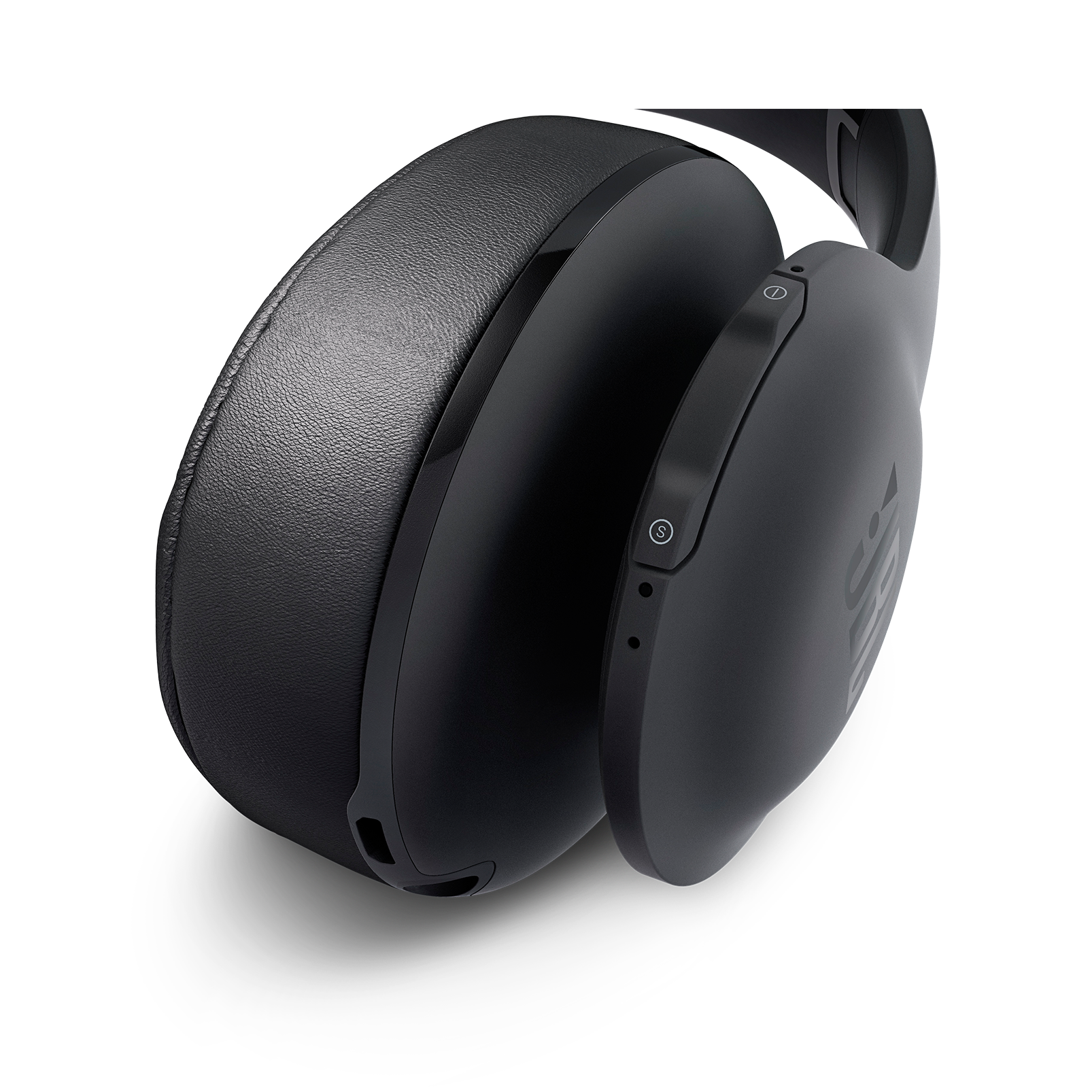
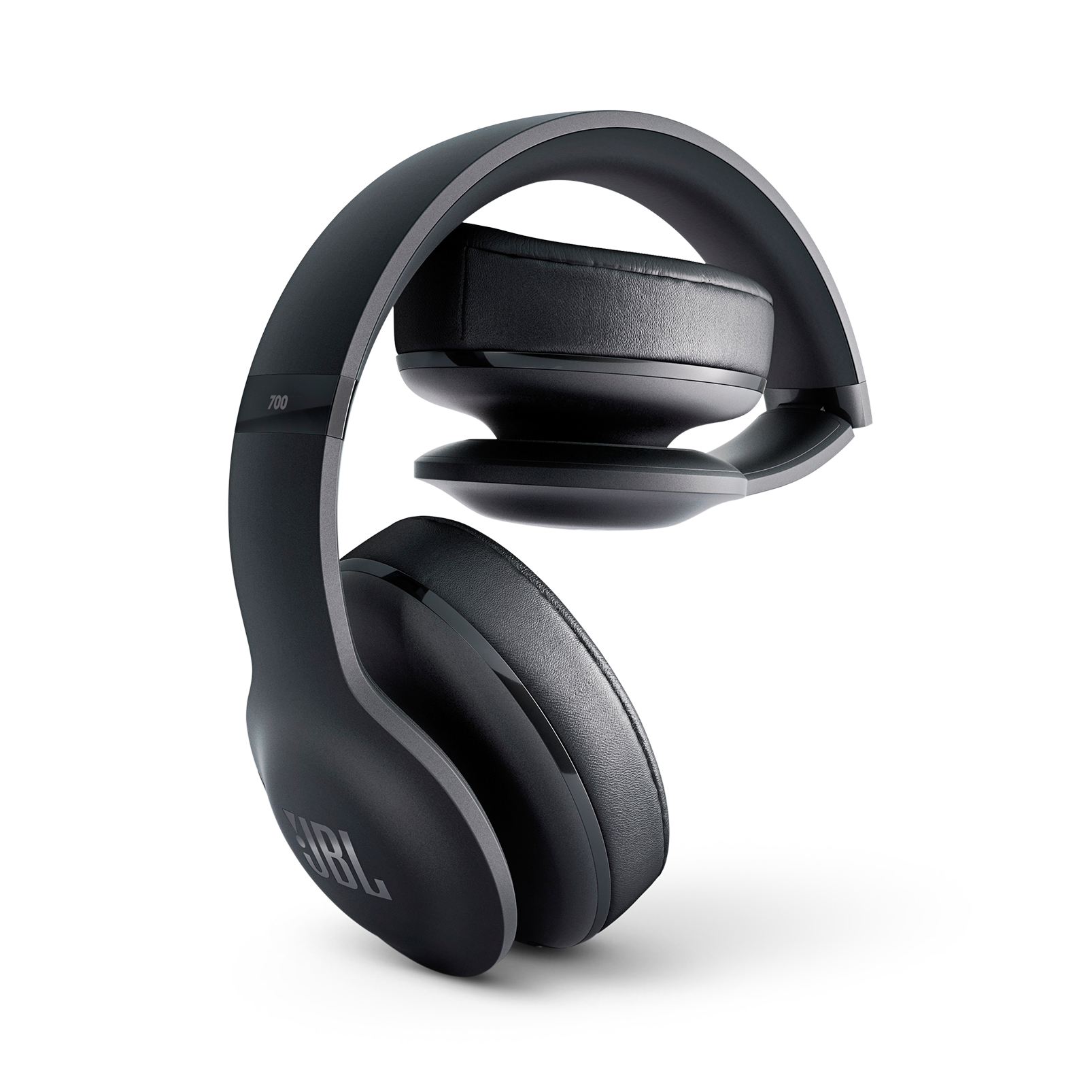
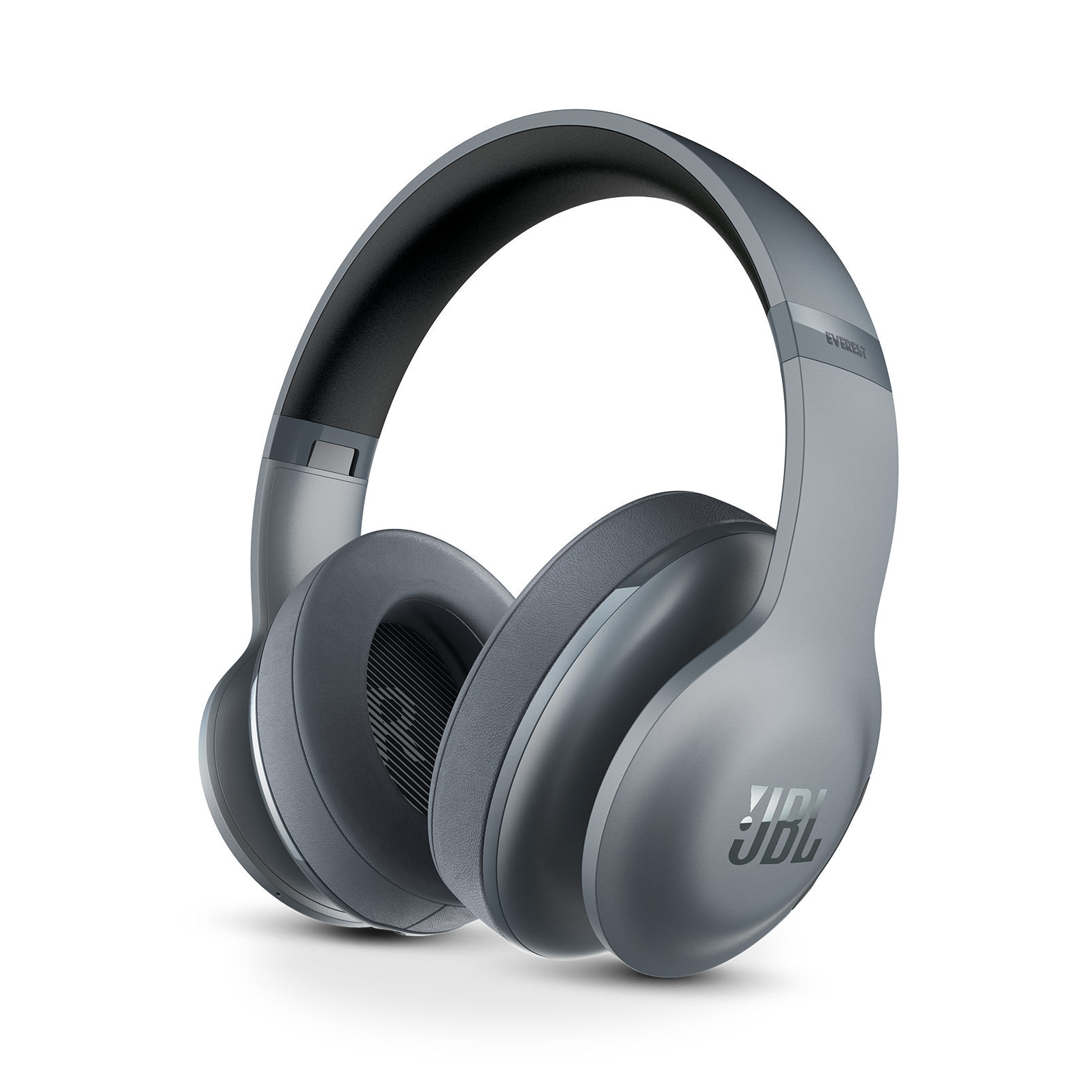
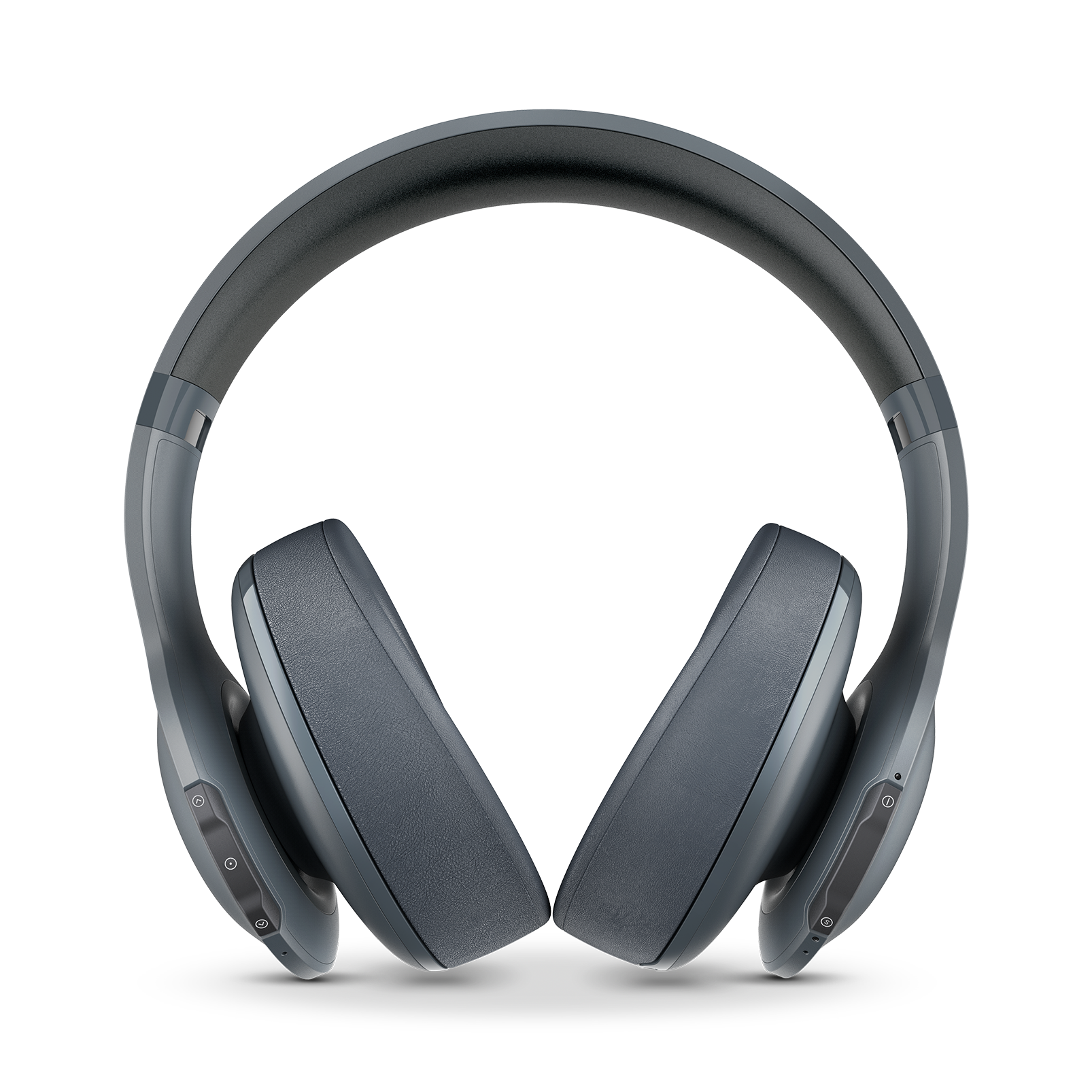
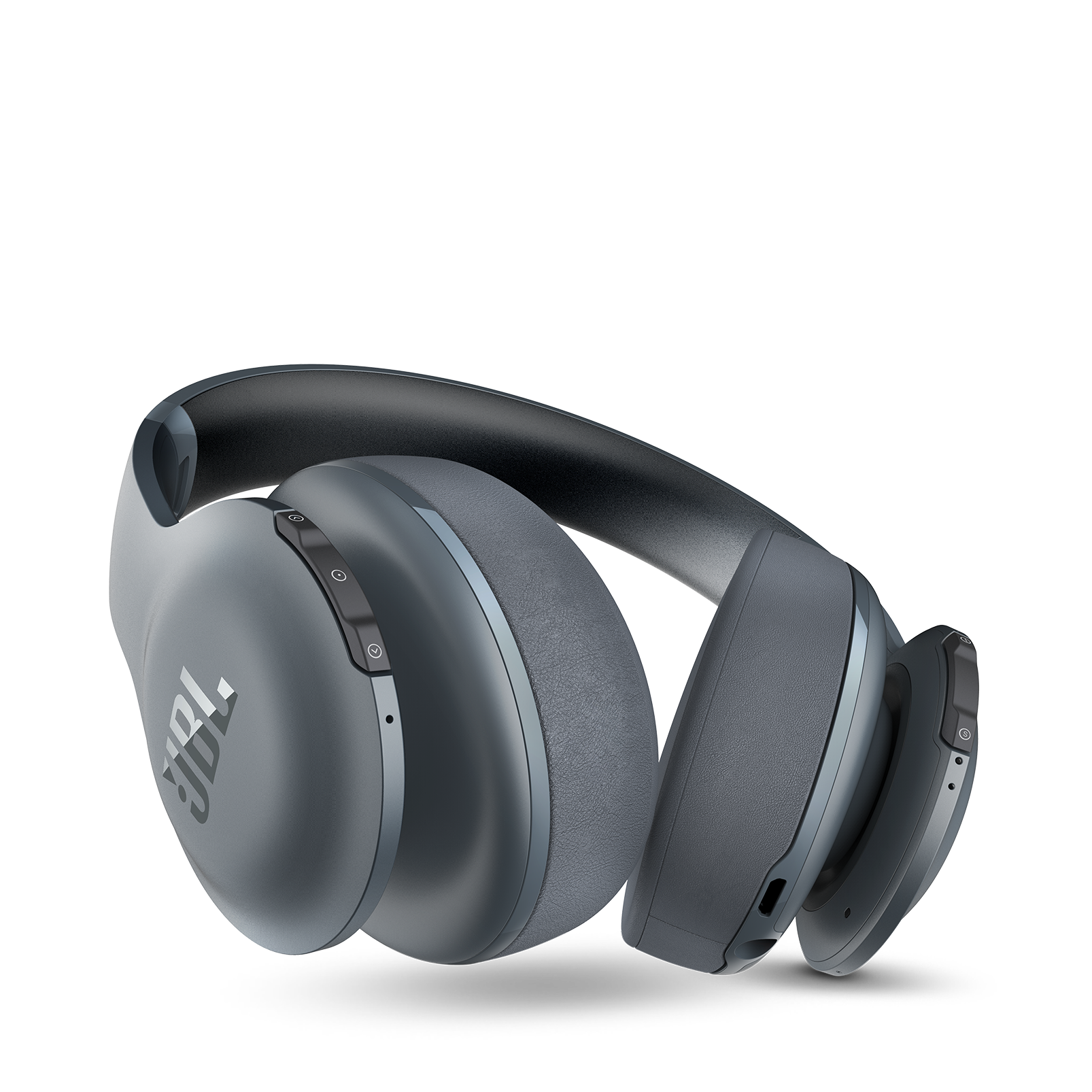
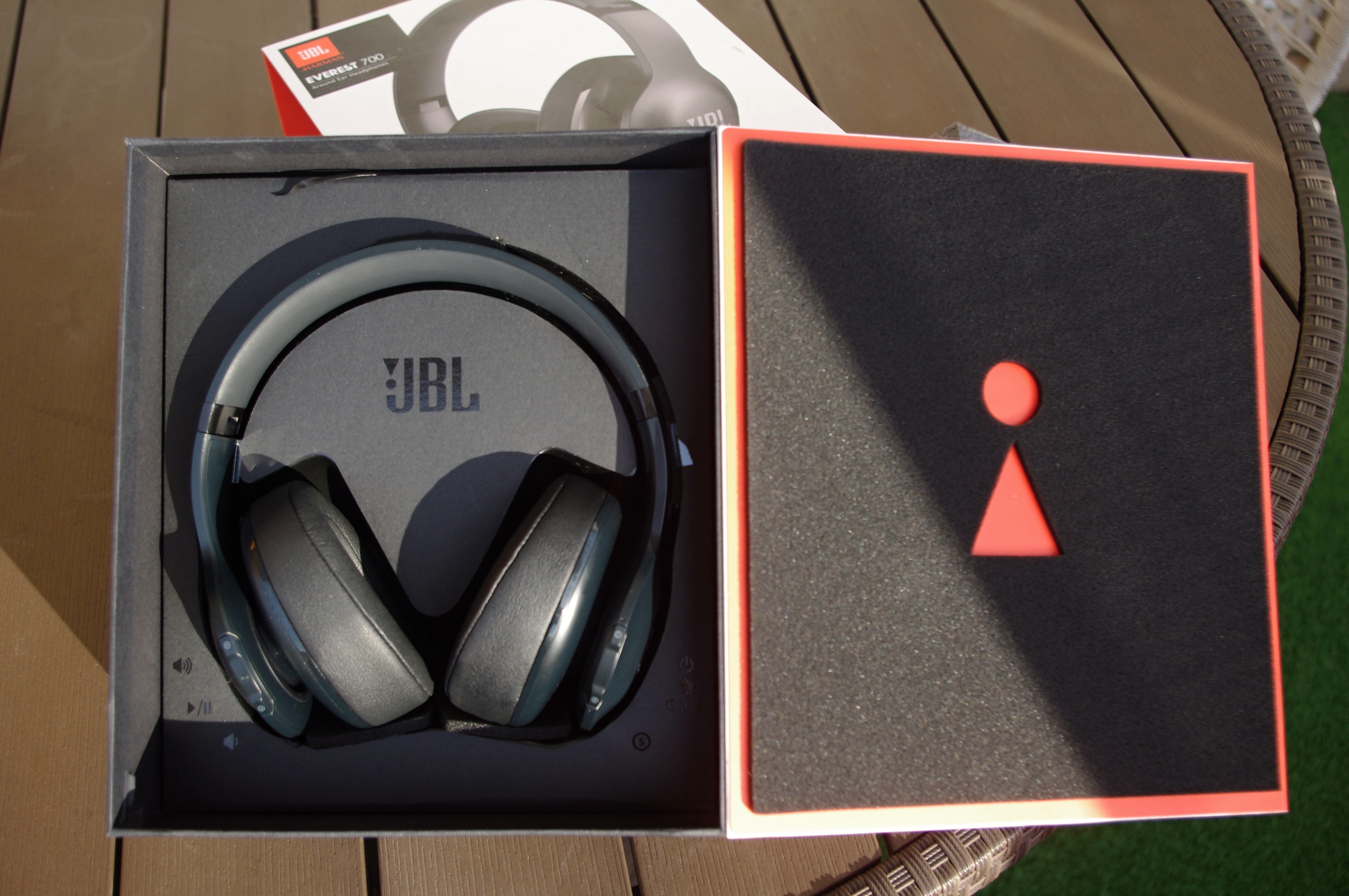
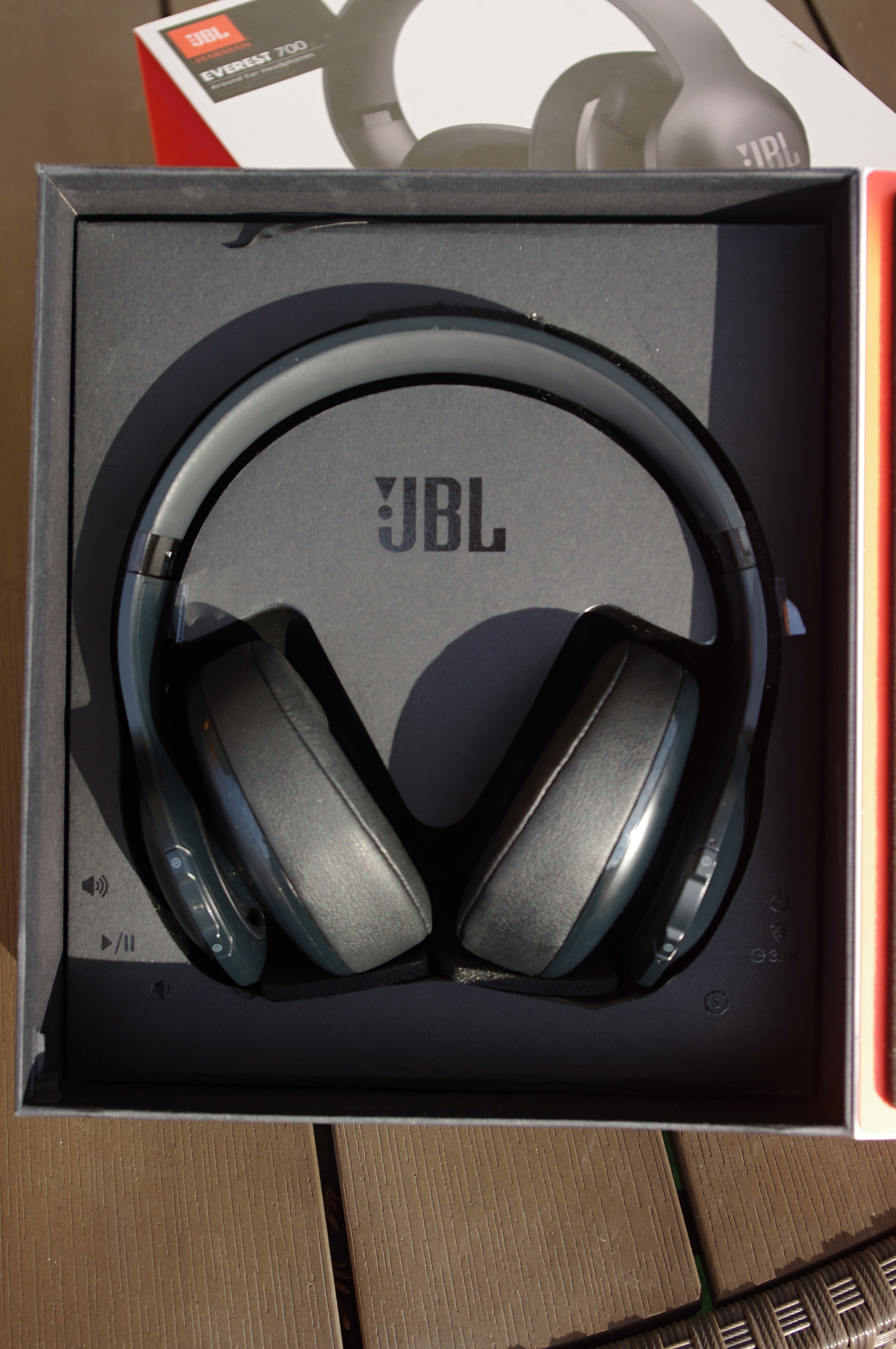
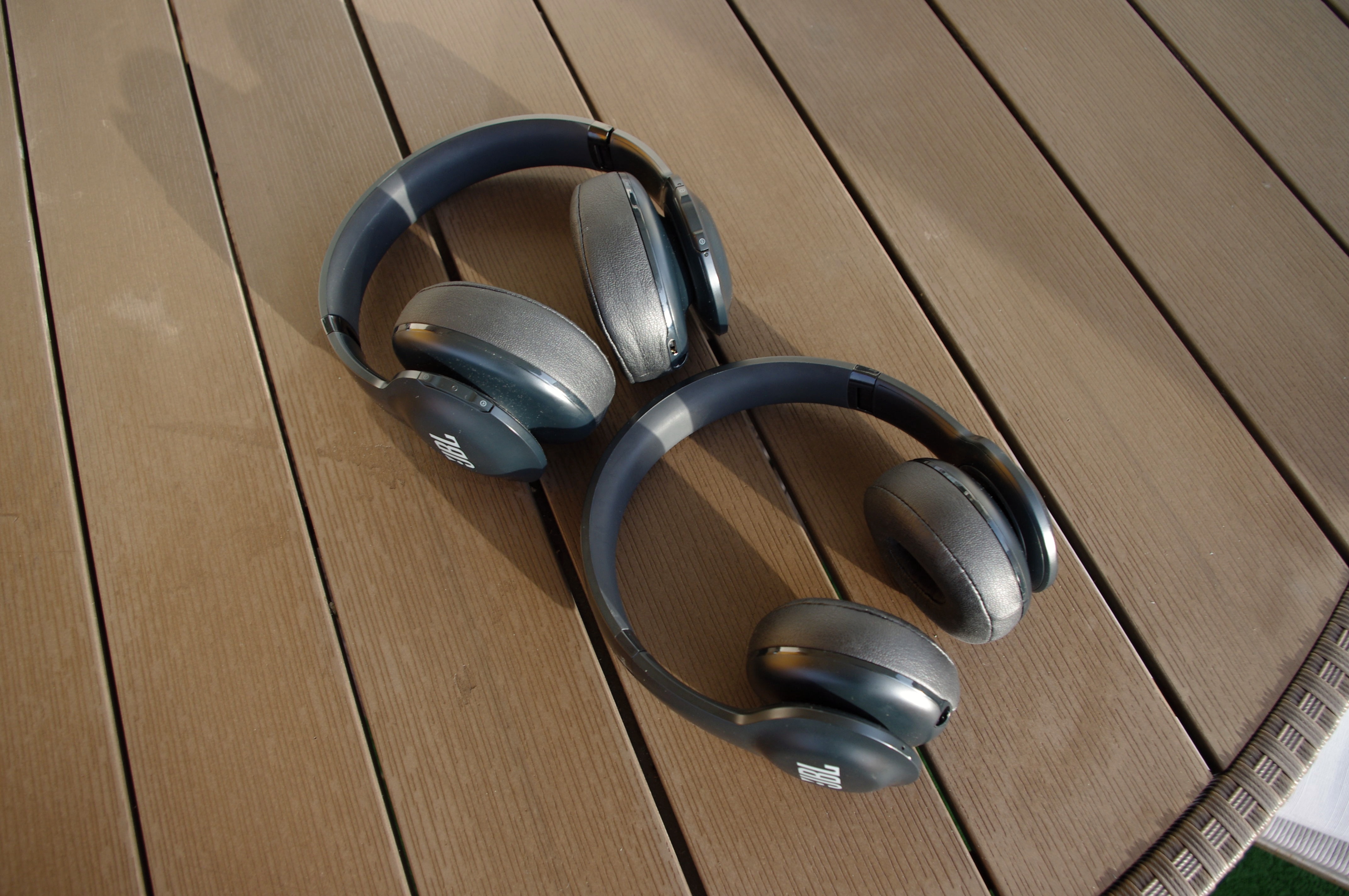
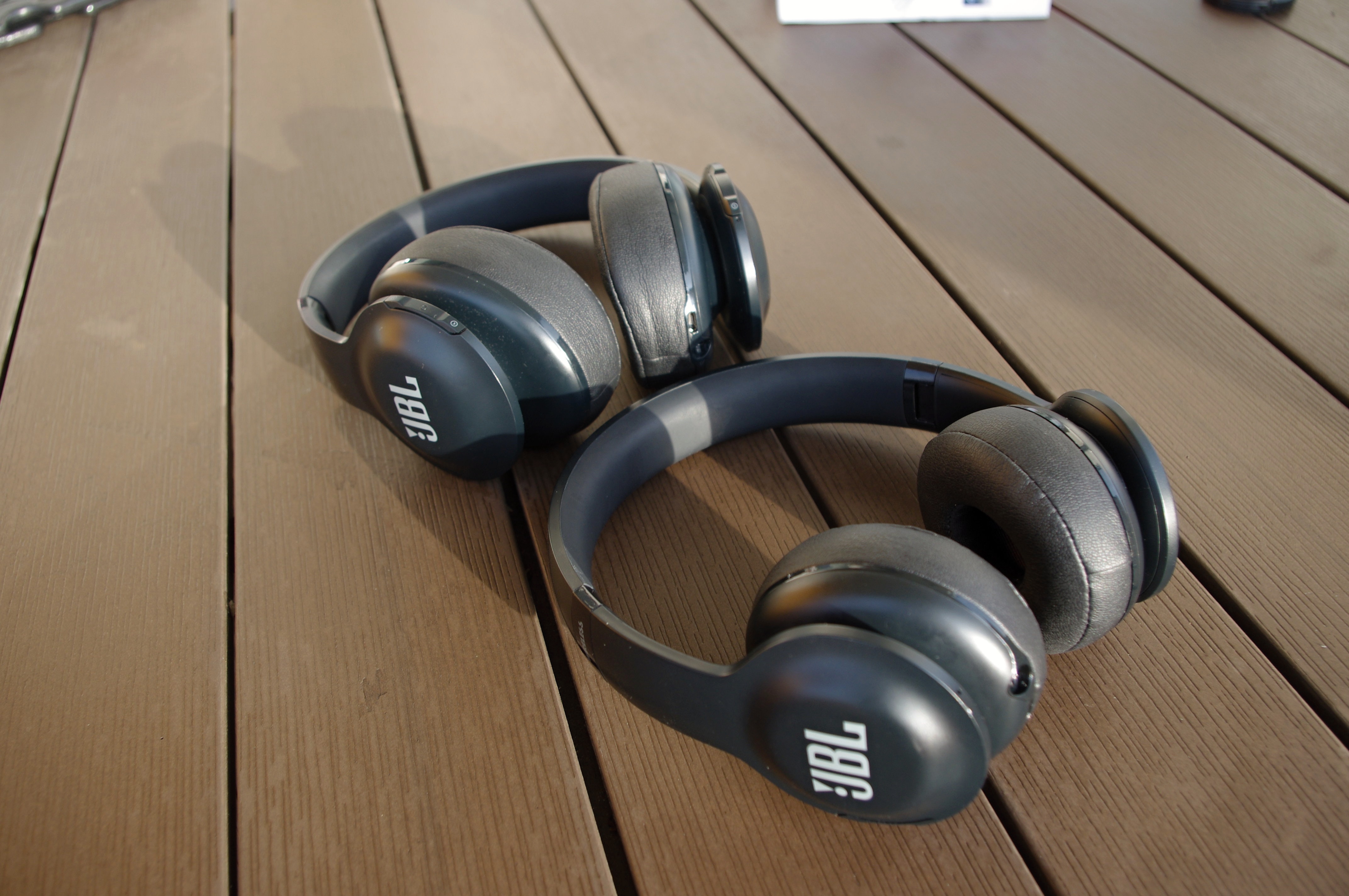
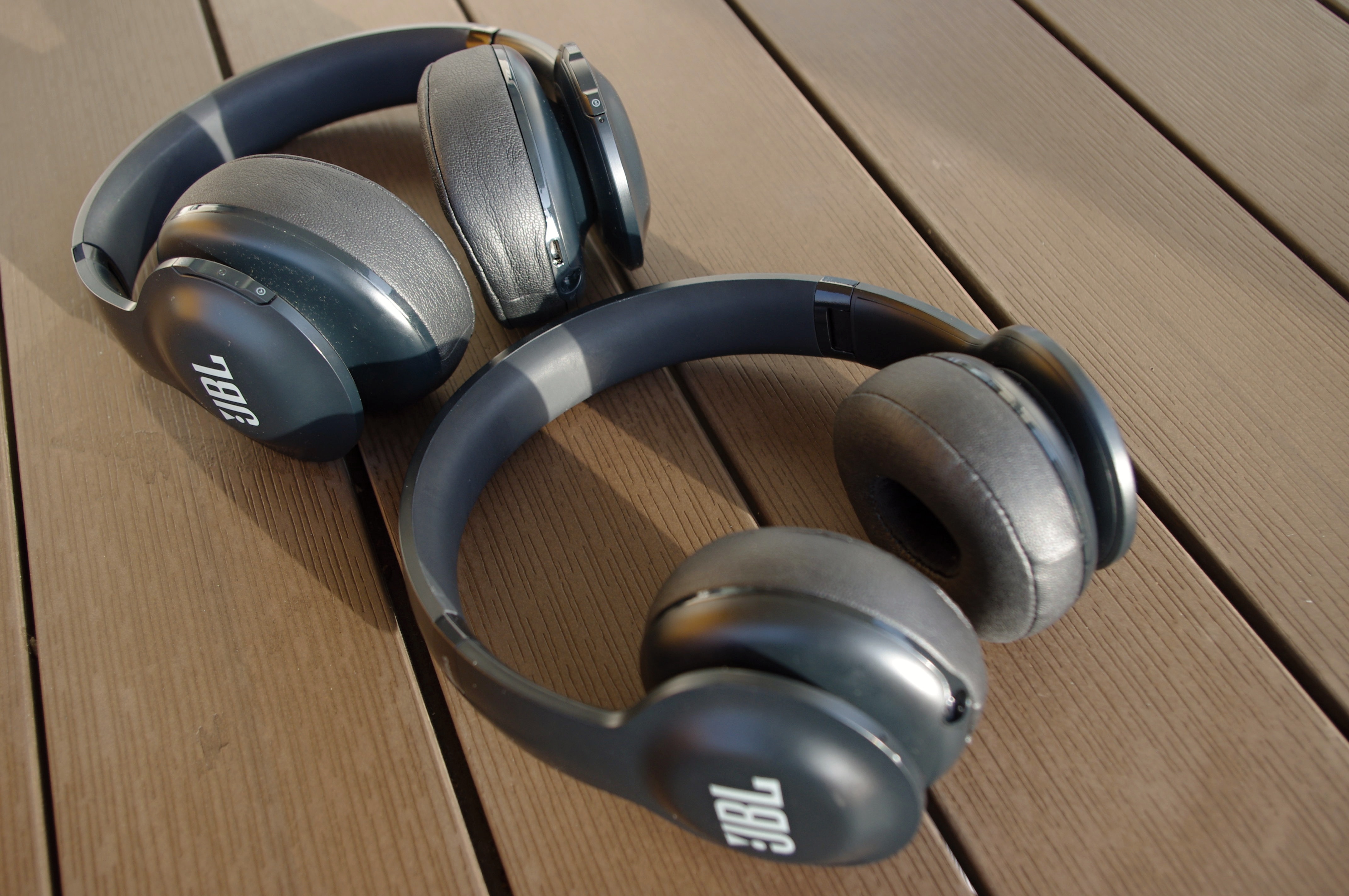
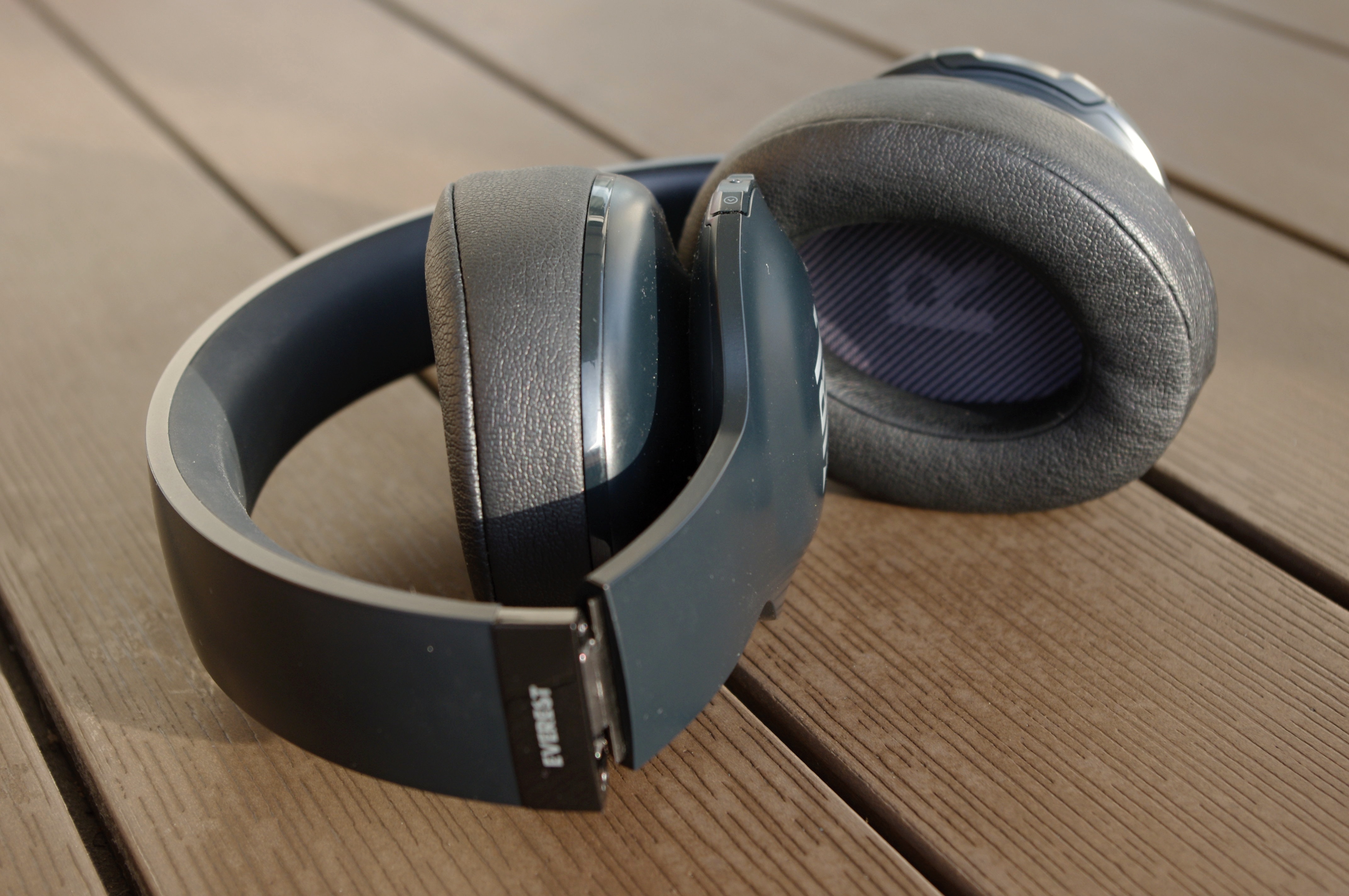
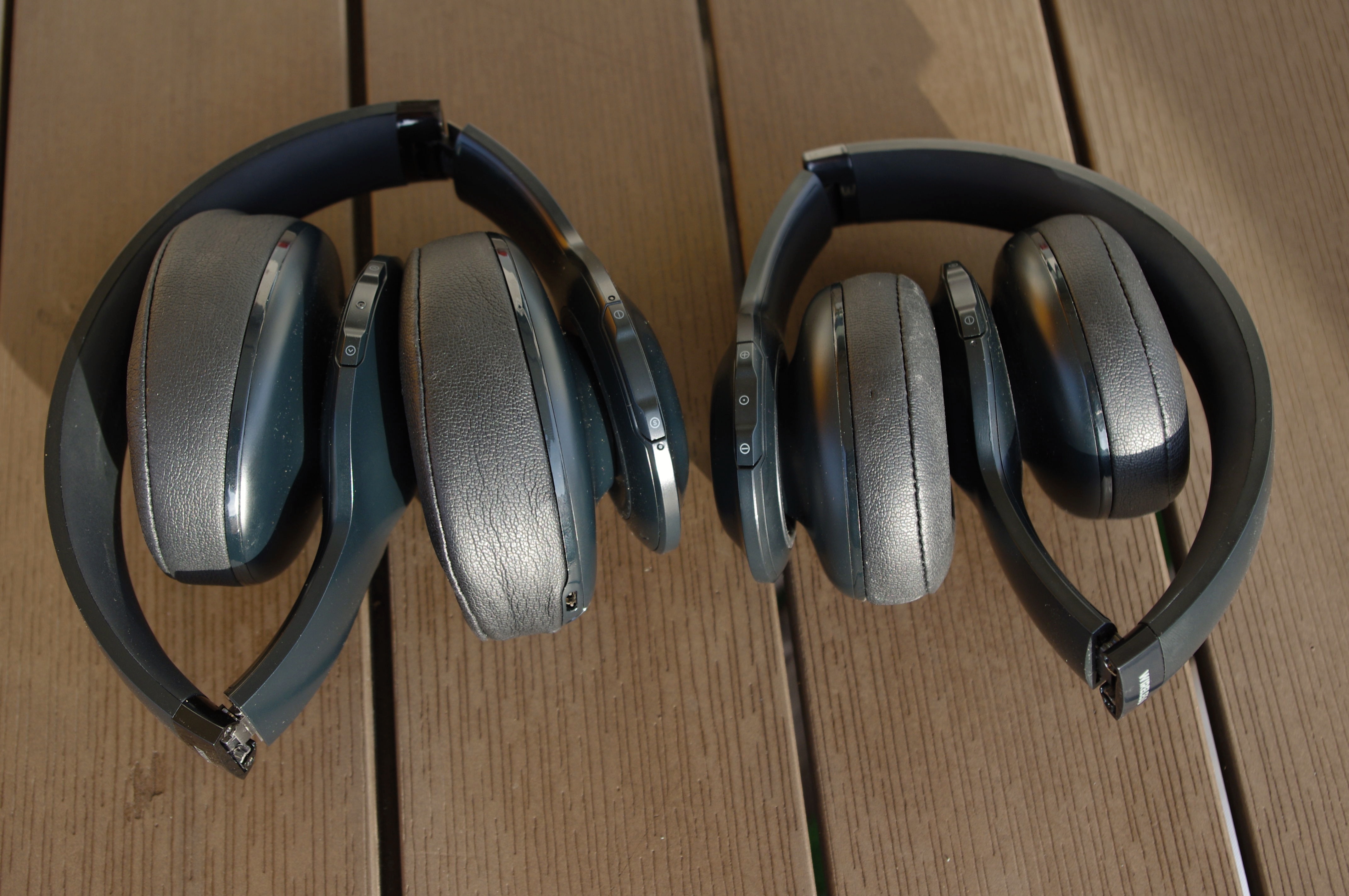
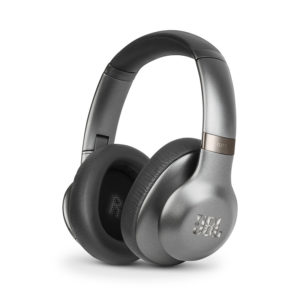
Since this is the same range as the Everest 300 tested yesterday, many of the controls are the same. They are headphones in general very similar. The biggest difference is noticeable right out of the box. Compared to the lower model, these are significantly larger. These are full-fledged headphones that completely cover your ears. This method of construction is responsible for the fact that the sevens are more powerful.
Specifications
According to the official manufacturer's specifications, the 300 and 700 are not much different in terms of hardware. The headphones offer a dynamic range of 10 - 22kHz, a sensitivity of 102db/1kHz, maxMaximum volume 117dB and drivery with a size of 40mm. Bluetooth 4.1 takes care of wireless transmission. The larger headphones also contain a larger battery, which in this case has a capacity of 850mAh and takes two and a half hours to fully charge. The weight (without cable) is 274 grams. According to the manufacturer, the battery life is up to 25 hours of listening. You can find more specifications here.
Design and ergonomics
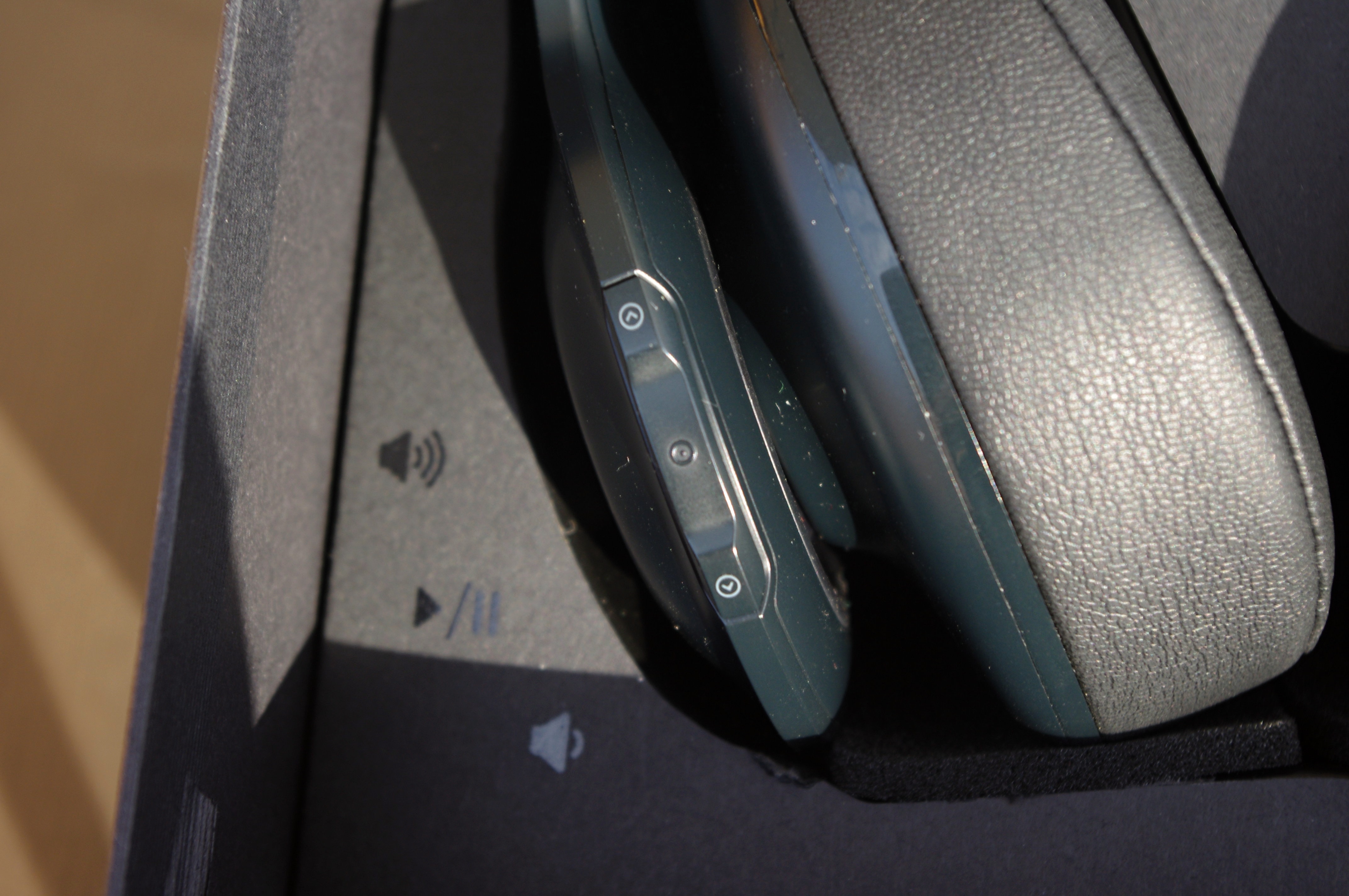
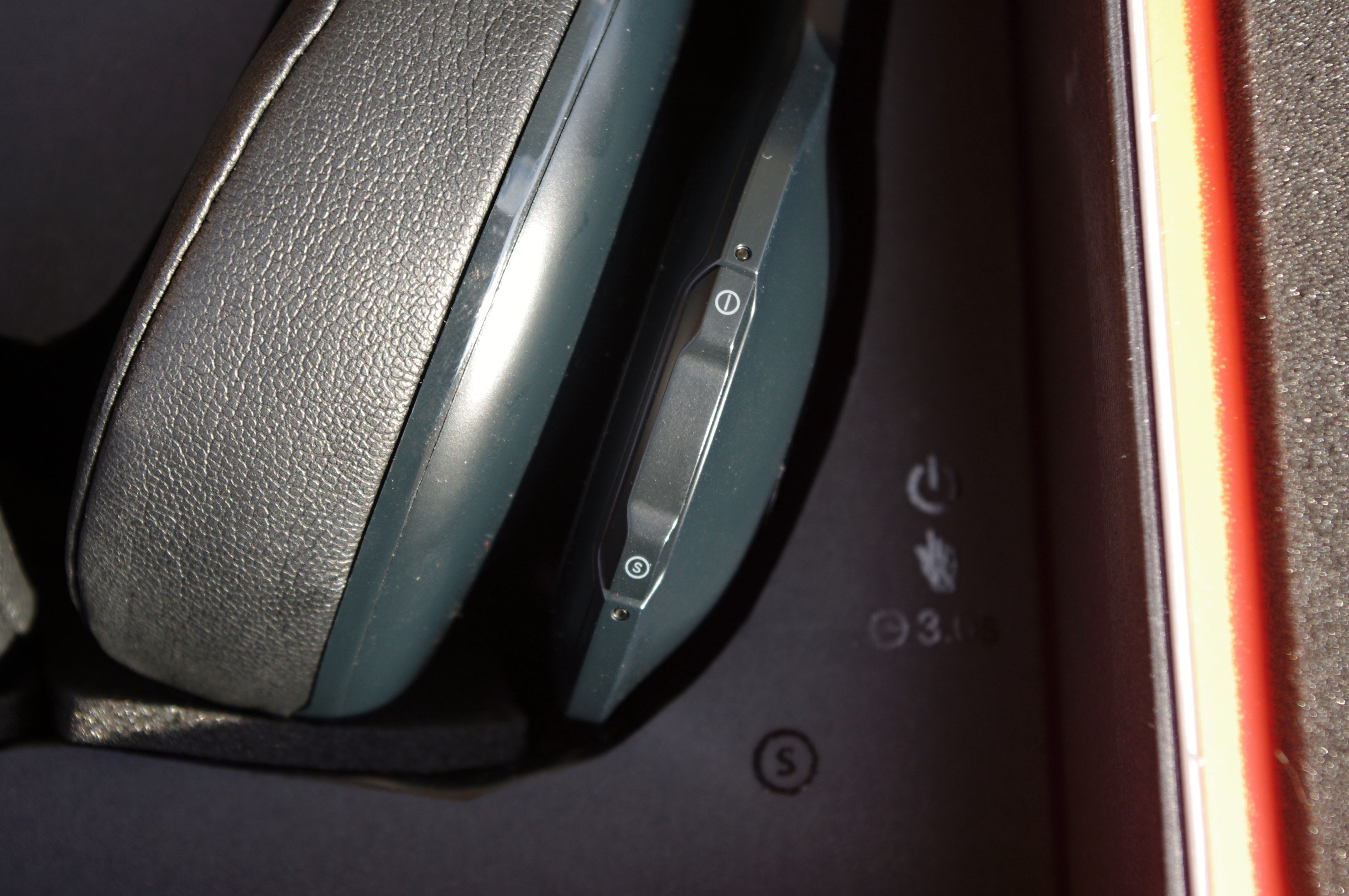
As with the lower model, the headphones can be operated in the classic wired way. This model does not have such a large number of color combinations, you have to settle for only two: black and gray. variaAs already mentioned in the review, the headphones are very similar and offer the same range of features. Again, we have advanced phone control features, the Share Me 2.0 feature, and the same controls, which are flawless.
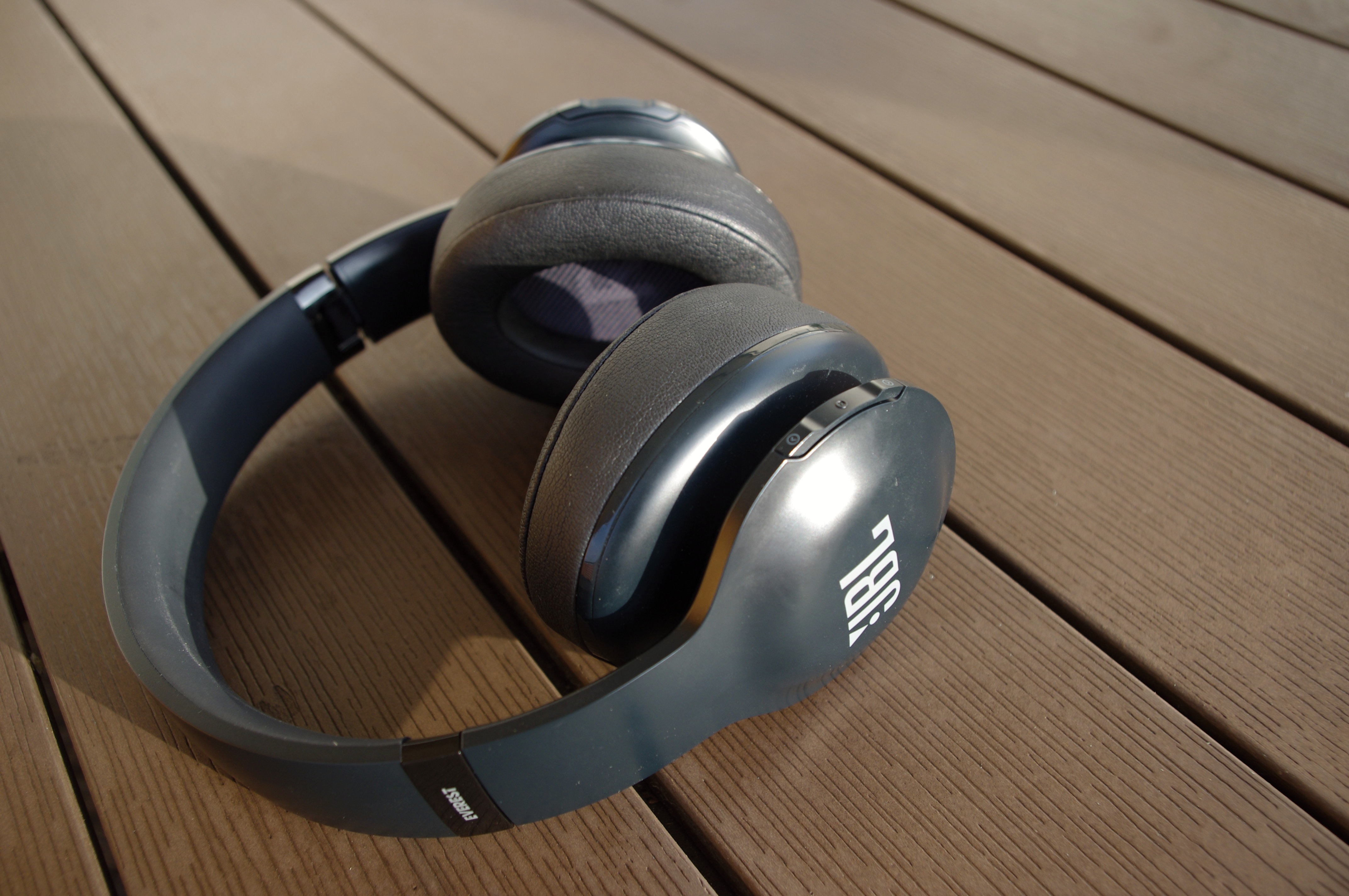
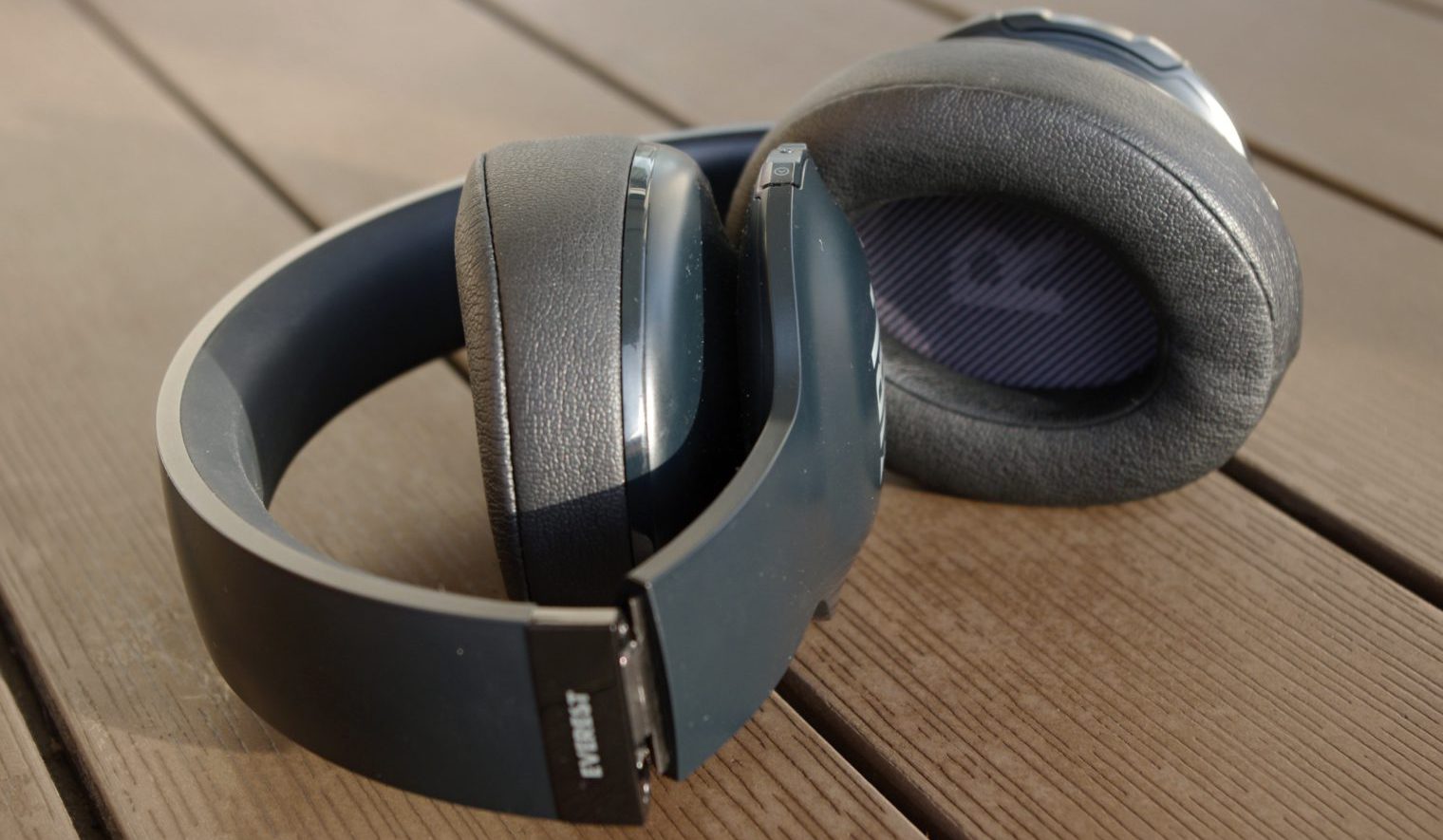
The build quality is at the same high level as the Everest 300. The headphones seem solid and durable. The dark color design looks very good, but the matte gray doesn't have to look bad at all either. In terms of comfort, I don't have the slightest reservations here. Everest 700 are, thanks to their construction, really very comfortable headphones. I did not like the way the headphones sat on the ears with the 300, as they were in-ear headphones that only sat on the ears. Everest 700 wraps your ears beautifully and is very comfortable to wear for a long time. Again, there are very soft, deep and leather ear cups, along with a softly padded and rubberized headband. The ergonomics of the headphones are therefore top notch.
Sound quality
As for the sound quality, I was quite surprised at first. The JBL Everest 700 play very well, however, compared to the 300 model, they are, at least to my ears, more focused on the bass sound spectrum. It is possible that this is due to a different type of construction, which emphasizes the bass a little more, but subjectively I found the 300 model more neutral (although it was still not completely neutral). Due to the stronger bass, individual instruments or music tracks can sometimes merge together, but this really depends on what you are actually listening to. The resulting performance is therefore not as legible as with the Everest 300. However, this is a very subtle nuance.ancIt is possible that most users will not notice this. On the contrary, many potential customers may see more bass sound as a plus (although it is still not the over-bassed sound that can be found in competitors).
I tested the JBL Everest 700 for about a week and very thoroughly. The headphones were my companion everywhere on the road and at home while sitting at the PC. The original impression of a slightly over-bassed sound disappeared very quickly. So it is possible that what I describe in the previous paragraph was rather a subjective feeling (or I simply got used to the sound of the headphones). Anyway, it was a very pleasant experience and out of the whole test package I received from JBL (Everest 300, 700, T450BT and Response) they will be the hardest to return to as I really got used to them. Outdoor use is great, the design excellently (passively) suppresses ambient sound, the headphones offer excellent volume without leaking anything. It is comfortable to wear and even after a few hours I didn't feel any pressure or even pain. What I didn't like too much, which is a problem with all Bluetooth headphones, is a kind of input lag in the sound. If you're listening to music, it doesn't really matter because you won't notice it. However, as soon as you watch the video, the sound is delayed by about a second compared to the picture, which is quite annoying. If you use a cable, this problem disappears, but via Bluetooth it is rather unfortunate. Toward the end, I would also like to mention the battery life, which is top-notch and the headphones lasted me about 4 days on a single charge.
záver
If you had asked me a week ago whether I would pay more than five thousand crowns for wireless Bluetooth headphones, I would have answered definitely not, because I do not like the compromises that Bluetooth transmission offers. Whether it is the aforementioned lag, poorer listening quality or concerns about the battery. For five thousand crowns, I would have had far different buying tips. However, after a week of using the JBL Everest 700, the answer is not so clear. Svoboda, which Bluetooth headphones make available to you, is unprecedented and you don't know about it until you try it. If cables really bother you and you don't have a problem with the negatives that Bluetooth transmission brings (or the positives outweigh the negatives), I wouldn't hesitate to recommend the JBL Everest 700. Especially if you don't mind a slightly bassier sound profile.
Gallery







The article left out one important piece of information.chatThey do not support (the manufacturer's website does not list it) the AptX codec. ProThat's the big lag when watching videos. For headphones costing 5,5 thousand, it's really serious, because in addition to the delay, they also have lower quality audio transmission...
AptX is the same for apple no good minilittle for ios...or am I wrong?
iPhone (min from iPhone 6) apt-X codec is supported. For BT headphones, information about transmission options is quite important.
Yes, the reviewer didn't make it clear at all what codec in BT these are.chatWhat should I use, top-notch AAC or average SBC?
Who has tried wireless with a W1 chip like me from the Solo 3 daughter and has been listening to several newer chips from Apple like us, he never wants to hear about another BT™ pairing again.
iPhone (min from iPhone 6) apt-X codec is supported. For BT headphones, information about transmission options is quite important.
iPhone (min from iPhone 6) the apt-X codec supports.... well, I don't know, are you sure about that?
http://theheadphonelist.com/wireless-fidelity-making-sense-bluetooth-headphone-technology/
nice article, but since I saw this video yesterday https://www.youtube.com/watch?v=Y3s6s4ek6n0 , if I were to go wireless today, I would want it to have a W1 chip..
iOS AptX not supported
I don't know about people, but I can't even agree with the negatives. I have been using the JBL Everest Elite 700 for several months and I definitely do not agree with the article. I don't have any input lag and I don't even have overbass. I use them with the old iP6Plus and they work great. As far as I know, I hear a ton of reviewschatka are exactly the same as mine, only without AC (active sum suppression). I can only recommend them, but I recommend paying extra for the Elite version because it is definitely worth it. And the author is probably just kidding about the reduced sound quality via BT, because I would be interested in what he thinks is worse. I recommend that he go and compare them once again with and without the cable, because we have tested them and there is absolutely no loss of quality...
The Elite version may have different internal electronics, thanks to the already mentioned active NC. I noticed that lag even with the lower Everest 300 series. There is no need to speculate about the deterioration of the transmission quality via BT. It has been proven many times, BT simply cannot transfer as much data as a classic cable. In addition, additional compression takes place, which marks the resulting sound even more.
as for the internal equipment, I know that they should be the same, and I don't argue about that, but in any case, I don't have any of the mentioned phenomena.
and as for the quality, I'm not interested in technical nonsense, whether it doesn't have such a transmission width, or some aptx and nvm what kind of bullshit, I'm interested in the real quality and I'd really like to see if you can hear the difference between BT and the cable, because we tested it several times and we didn't notice any difference. now it seems to me that it's the case when women's androids are driven by higher clock speeds of processors, more cores and other things that are completely unimportant as long as the device simply works as it should. we compared them with the AKG N60AC (or whatever it's called) and they do have a slightly better quality, but not the cable, but the converter as such. so you don't have to tell me about the deteriorated quality because I use them every day... the quality there is top notch and studiolids and cables are not of better quality... (the fact that each one can be aimed at a different spectrum is another thing that is not related to quality as such, but the apples have a balanced sound and are not over-bassed as was the case in the first paragraph, and they definitely have the same converter even if they were in the Elite version with different hoses, so I stand by it).
JBL wired headphones like the jb88(i) were pretty good headphones for the money back in the day.
Z Wireless headphones, I think they are the best of the cheap oneschatOnly Marshall Major...
Then I consider it a messagechatSome higher Sony models, priced from 6K, have a nice design and their meaning comes when you have a mobile phone with LDAP support, only then can you use their full potential.
The only wireless headphones that suit me and meet my needs are the Beoplay H8, I think they are worth paying extra for. On the other hand, for me personally iPhone as a source of music seems completely inappropriate, I consider myself a musical aesthete and iPhone is worse than average, the times when 3GS Wolfson and iPods had great performance are irretrievably gone. Again, I understand that most people are satisfied with this, because the difference in listening between a Chinese Huawei for 2000, - and iPhonem is not one, it even seems to me that even the lowest lines of cheap Chinese phones today save on sound componentsonentach and DAC less than Apple, insert 3.5mm lightning to jack In my opinion, reducing with 4.5db dynamic attenuation is amateurish.
One sheep on MM (dj.kure) on Linkedin aka Petr Maleček, developer and networker, was switching from iPhone 5S on Lenovo A7010 because the Chinese installed a Wolfson DAC in it, which used to be iPhone 3GS. If anyone is interested in a quality music phone, I recommend the Lenovo A7010 among the cheaper ones. Pro (version Pro has better parameters and costs slightly more) or the LG V10 and V20, which have a high-quality 32bit DAC ESS and high performanceance amplifier OPA, that's a completely different league and the performance of these devices is comparable to dedicated mid-range music players. My impression is also confirmed by some of František Bína's reviews.
Regarding the input lag, it depends on the music source, I can say for myself that it is usable minimum is BT 4.x and AptX codec.
The reality is that most Wireless The headphones have a performance two categories worse than wired headphones for a third of the purchase price, so who wants to listenchat music wirelessly in any reasonable quality must count on investing in proper headphones and a phone that can BT4.x and higher and supports the AptX codec. Of course, I would definitely avoid all Beats headphones, I haven't heard the latest ones with the W11 chip yet, I doubt that the sound quality would be higher than the previous generation, I guess the only noticeable benefit of the W11 chip will be longer battery life and range. Apple doesn't even try to market the servicechatheadphones, my view is that whoever leaves the AppleThe story with Beats on the ears is ignorant, especially when they offer significantly better Bose QC25/35 for the same price.
Bose and B&O are the only two brands that always offer very good value for more than reasonable prices. Among other brands, you always have to choose from a long list of options before you find a good one.chatleading model.
They still attack me. wireless MEElectronics Matrix2, they play acceptably for a few crowns. And a good buy are the wired inear RHA T20i, they are among the best in-ears in the category under ten thousand with tax. Only a real fool would listen to music on EarPods.
romane did you write it very well? but I like his bullshit, his weird opinions always make me laugh and the fact that he thinks he knows everything?…