Around 2003, WAP represented more of a threat than a useful feature for the vast majority of mobile phone owners. If you accidentally pressed the dedicated button with the globe symbol on the keyboard, the phone immediately started establishing a connection and users panicked by pressing the red receiver. This fear was completely justified from a financial point of view, because the settings on the phone worked as a perfect money trap. However, times slowly changed with the advent of GPRS technology, which brought a completely new way of operating and billing the mobile network to the Czech Republic.
Fundamental difference in billing and the principle of packet transmission
Older dial-up connections were billed as regular telephone calls by the minute, while the new GPRS technology worked on the principle of packet data transmission. Pro For the user at the time, this meant a revolutionary change, because he paid only for the actual volume of data transferred, not for the time spent on the network. A person could theoretically be connected all the time, but until he loaded a new page, he did not pay a single crown. A fundamental advantage of this solution was also that if someone called you while the page was loading, the data transfer was only temporarily interrupted and automatically resumed after the call ended. The price for this comfort was the speed, which usually did not even reach the values of a standard home modem.
Prosignificant price difference between WAP and Internet
The real problem at that time was the gaping gap between a WAP access point and the standard Internet. Operators charged huge sums for loading pages via a WAP profile. At the Oskar operator, the price for one kilobyte downloaded via WAP ranged between thirty and forty halers. T-Mobile charged thirty to fifty halers for the same service, and similarly expensive was Eurotel. Loading a single slightly more colorful WAP page could immediately drain tens of crowns from your credit.
However, if a more technologically savvy user was able to manually set up a classic Internet access point on their phone, prices dropped sharply. At Oskar, you could surf the Internet profile for just two and a half halers per kilobyte. T-Mobile had a more complex system at the time and was the only one to distinguish between the daily peak hours between seven in the morning and nine in the evening, but even so, its prices for the Internet profile were in units of halers. In addition, billing was done in blocks, most often five or twenty kilobytes, which meant that it was not worth constantly turning the connection on and off.
You might be interested in
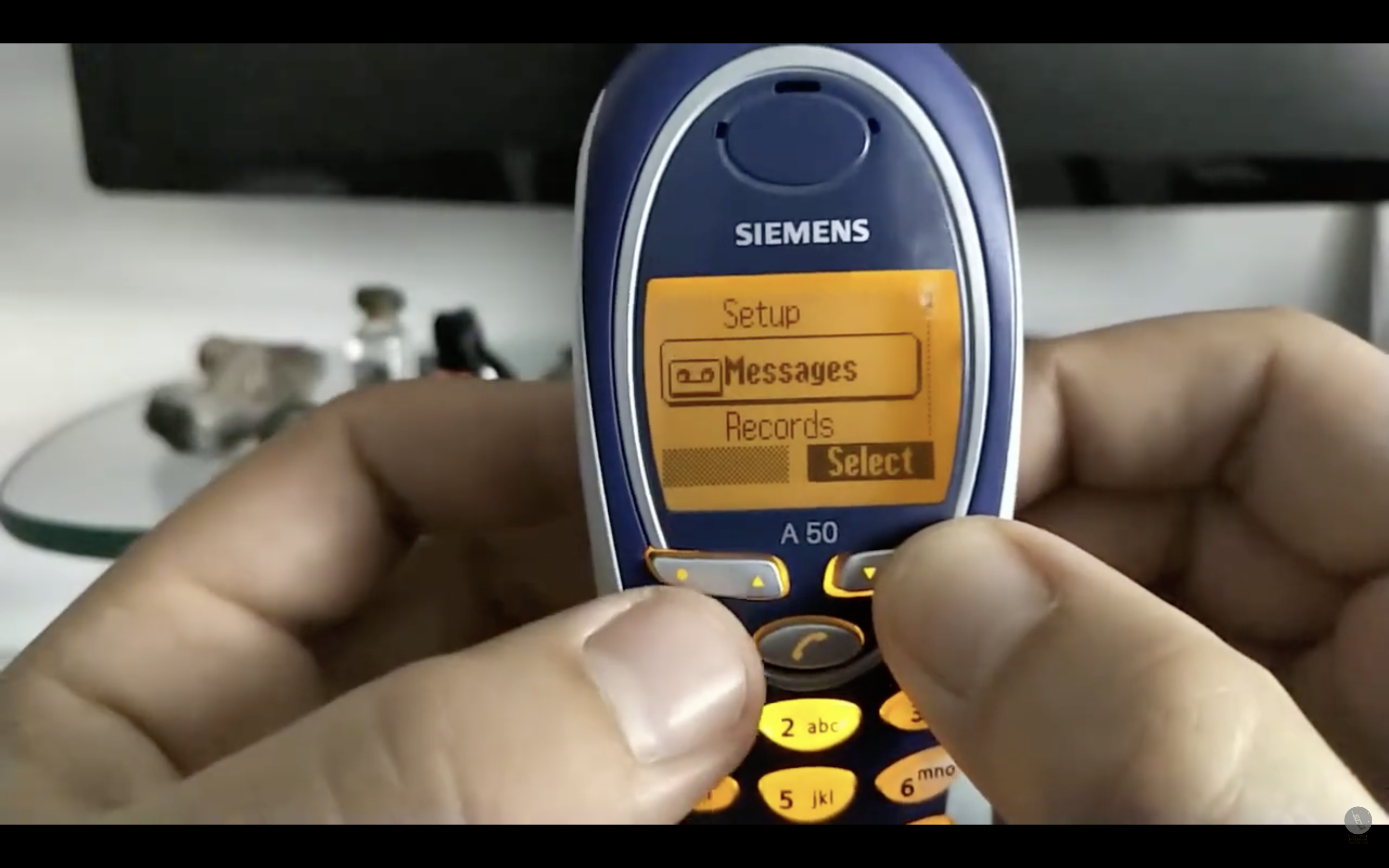
Technical requirements and first unlimited data
In order to fully use the mobile internet on your computer, you had to meet several basic requirements. You needed a phone with GPRS technology and a connection to a laptop or desktop computer using a cable or the then very popular infrared port. Of course, a sufficient signal was also a condition, which had to reach at least half of its maxima, otherwise the connection kept dropping.
However, the high prices for downloaded kilobytes did not last forever. The first unlimited tariffs began to appear on the market. Eurotel was the first to come up with the revolutionary Data Non Stop program, which allowed for completely unlimited data transfer for a flat rate of one thousand crowns per month, excluding tax. T-Mobile tried to counter with promotional offers with unlimited data transfer on its Business tariff, and the development slowly began to move towards the internet as we know it today.