When Nintendo launched the first Switch on March 3, 2017, few people knew that one of the most successful consoles of all time would be born. After the commercial failure of the Wii U, the Japanese icon bet everything on a single card. A hybrid concept that allowed you to play big AAA titles on your TV and continue in handheld mode within a second.
In terms of hardware, it was a masterful compromise between mobility and performance. At the heart of the console was a modified Nvidia Tegra X1 mobile chipset, complemented by 4 GB of LPDDR4 RAM and a modest 32 GB of eMMC storage expandable with microSD memory cards. The body itself carried a 6,2-inch LCD display with a resolution of 1280 × 720 pixels, while when inserted into the docking station, the console sent an image to the TV in up to 1080p via HDMI. Its unmistakable face was given by detachable Joy-Con controllers with motion sensors and HD Rumble haptic feedback, which enabled instant local multiplayer anywhere.
Gallery
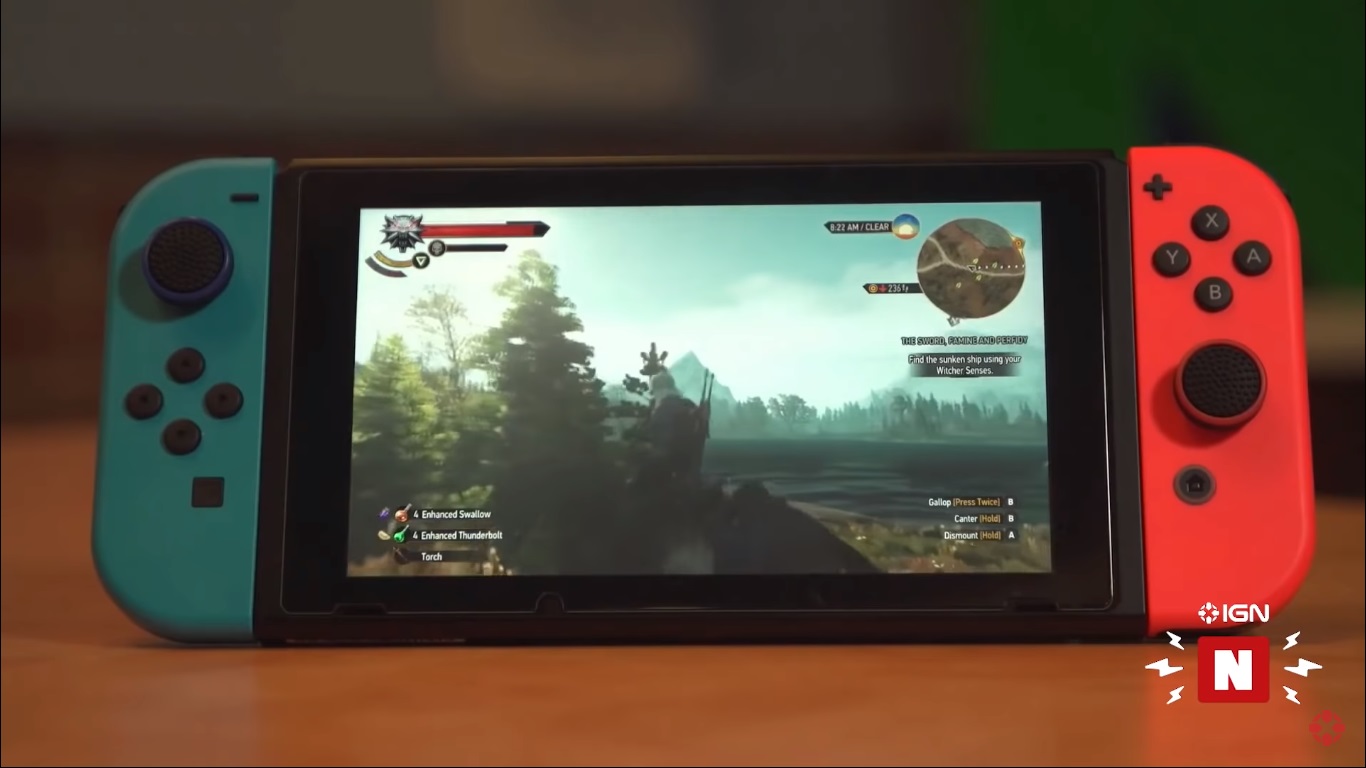
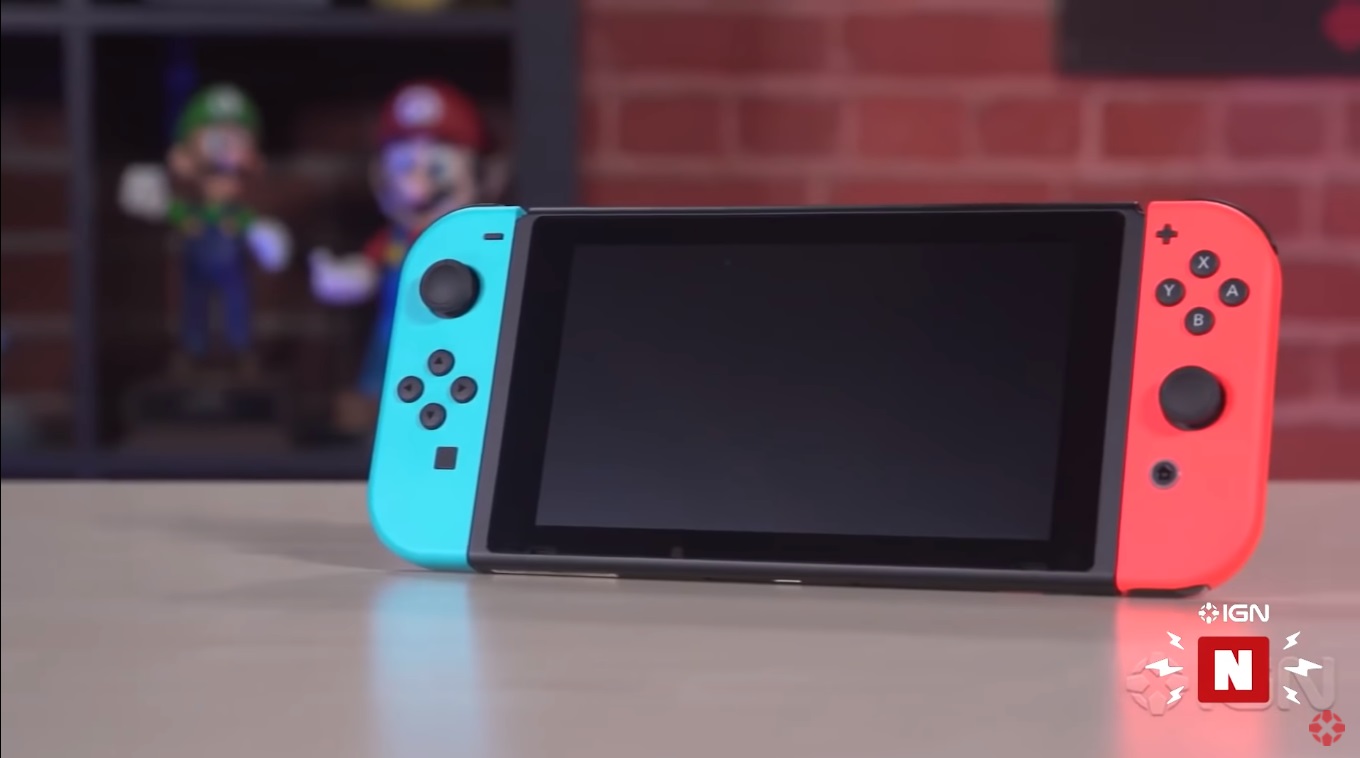
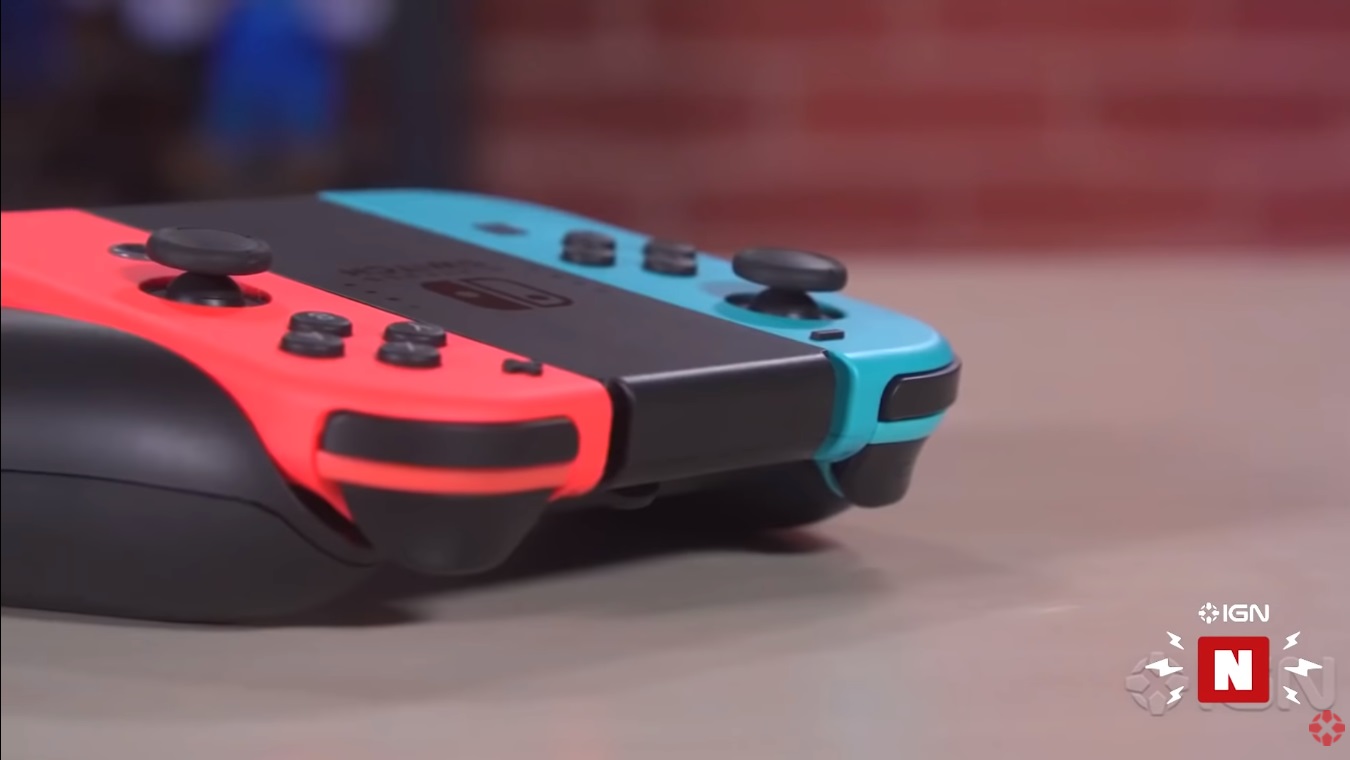
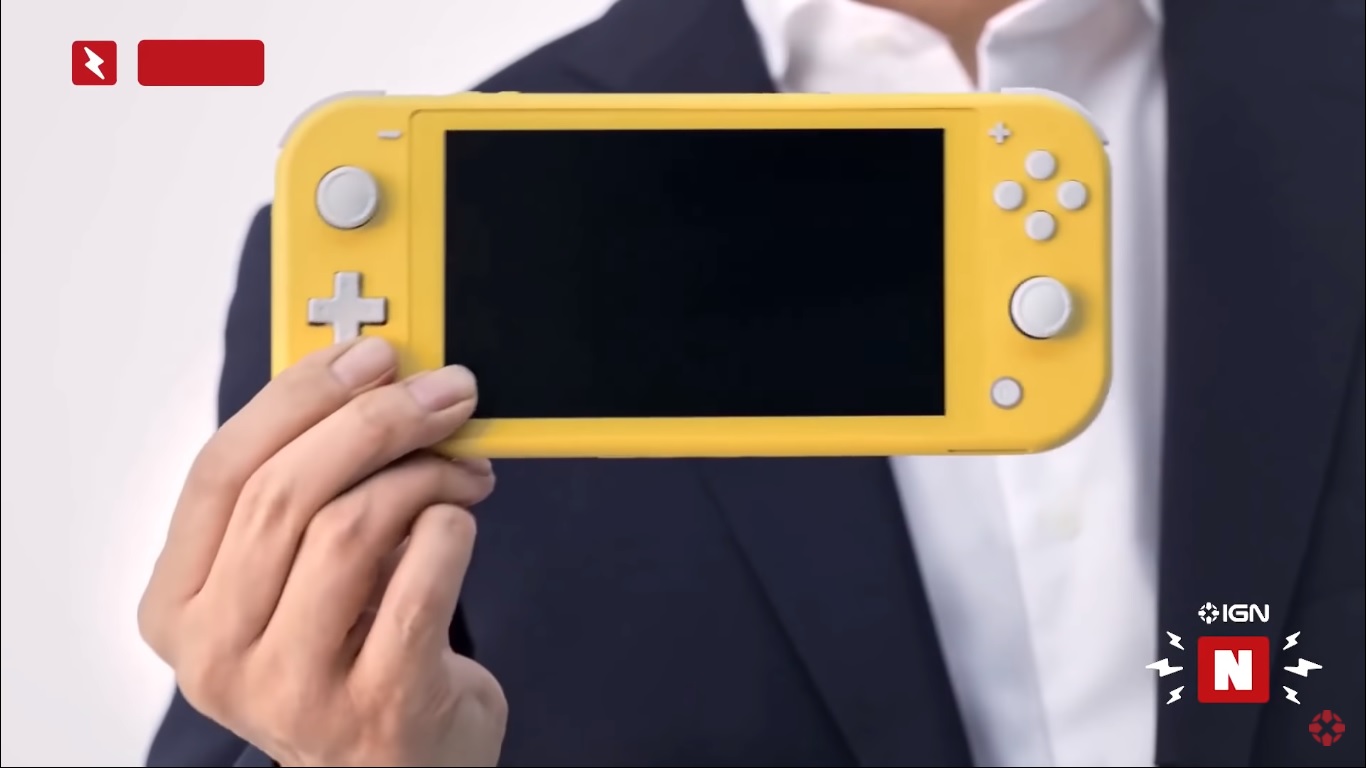
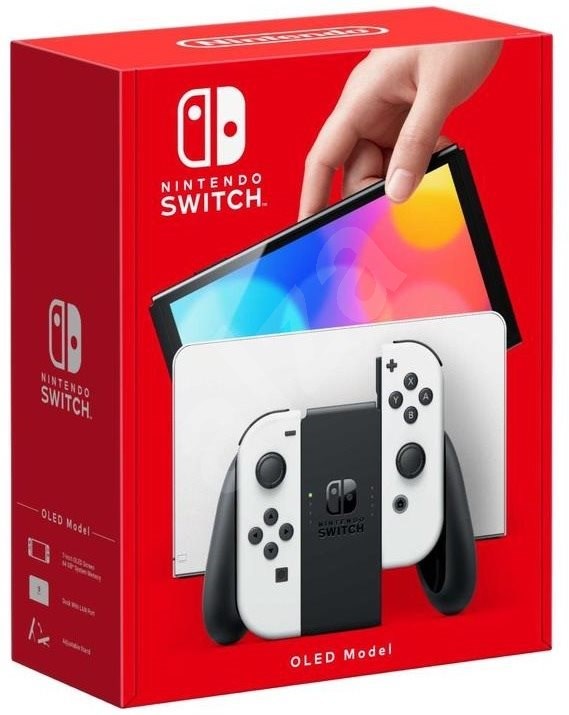
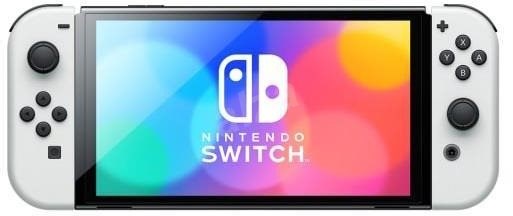
The real key to the global craze, however, was the game offering. The Switch launched with the masterpiece The Legend of Zelda: Breath of the Wild, which redefined the open-world gaming genre. It was followed by an uncompromising whirlwind of exclusives. For example, the platformer Super Mario Odyssey, nestthe smashing racing bestseller Mario Kart 8 Deluxe, the arena phenomenon Super Smash Bros. Ultimate, or the pandemic-era escapist fun Animal Crossing: New Horizons.
The first generation Nintendo Switch clearly showed that the pursuit of photorealistic graphics is not the only way to the hearts of gamers. The emphasis on pure fun and absolute freedom of play turned a risky experiment into a phenomenon that broke the 140 million unit sales mark and rewrote gaming history forever. I've played the Switch a few times and it's a blast. I'm a little biased, as I'm a big fan of handheld gaming. I played mine on the PSP and I play on PS Portal much more often than on TV.