When Apple recently presented iPhone 18 Pro, I admit that my initial enthusiasm was a bit hesitant. On the one hand, we got the new 2nm A20 chip Pro, variaa larger aperture for the main camera, a larger evaporation or, if you prefer, a vapor chamber, faster charging or a smaller Dynamic Island, on the other hand, the new product looked suspiciously similar to last year's iPhone 17 ProAnd since I've been using it practically every day since its release, I was pretty clear about what to expect this year.
You might be interested in
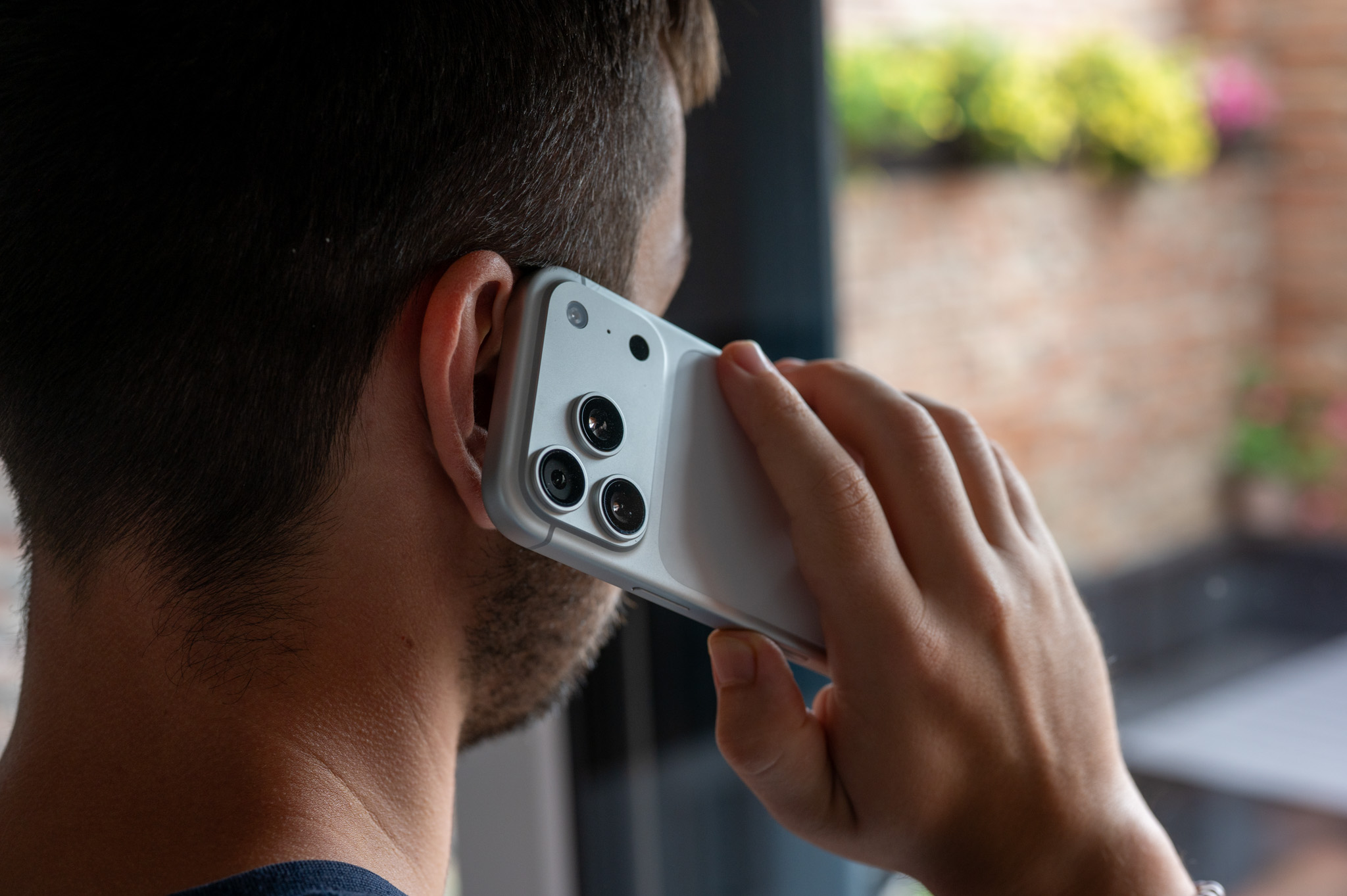
nakonebut me iPhone 18 Pro quite surprised in this respect. Of course, it's not a revolution and I certainly wouldn't say to owners of last year's model that they can't live without it. Nevertheless, Apple We managed to improve several things that you encounter practically every day and which, in the end, are actually quite pleasing.
And it's the sum of these seemingly subtle changes that make it a very enjoyable phone. But it's enjoyable enough to make it worth upgrading from the iPhone 17. Pro? And can it offer anything truly interesting in a world where top smartphones have been so good for several years that their manufacturers have to delve into ever smaller details in search of new things? That's exactly what I will try to answer in the following lines.
A design we already know well
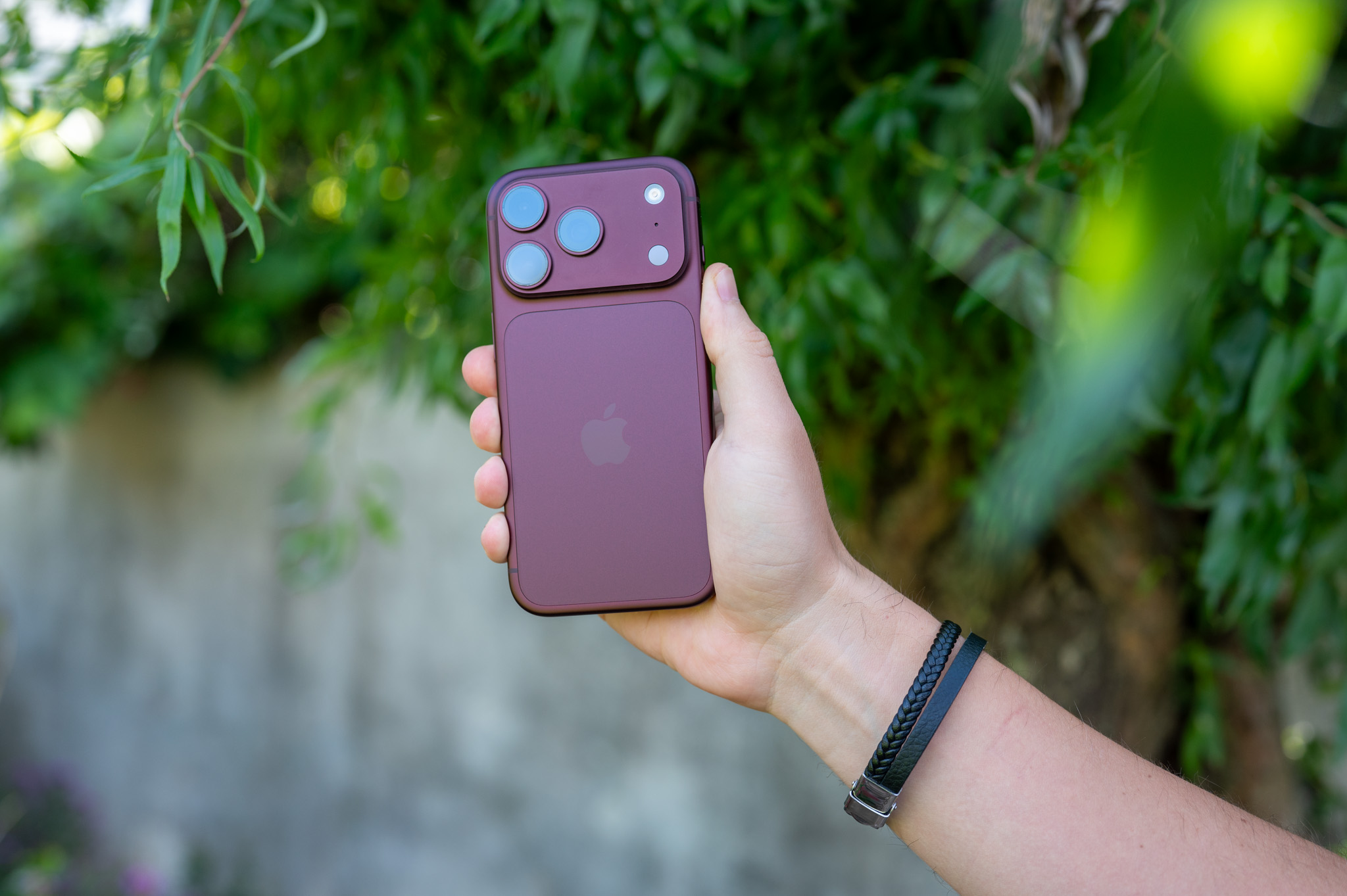
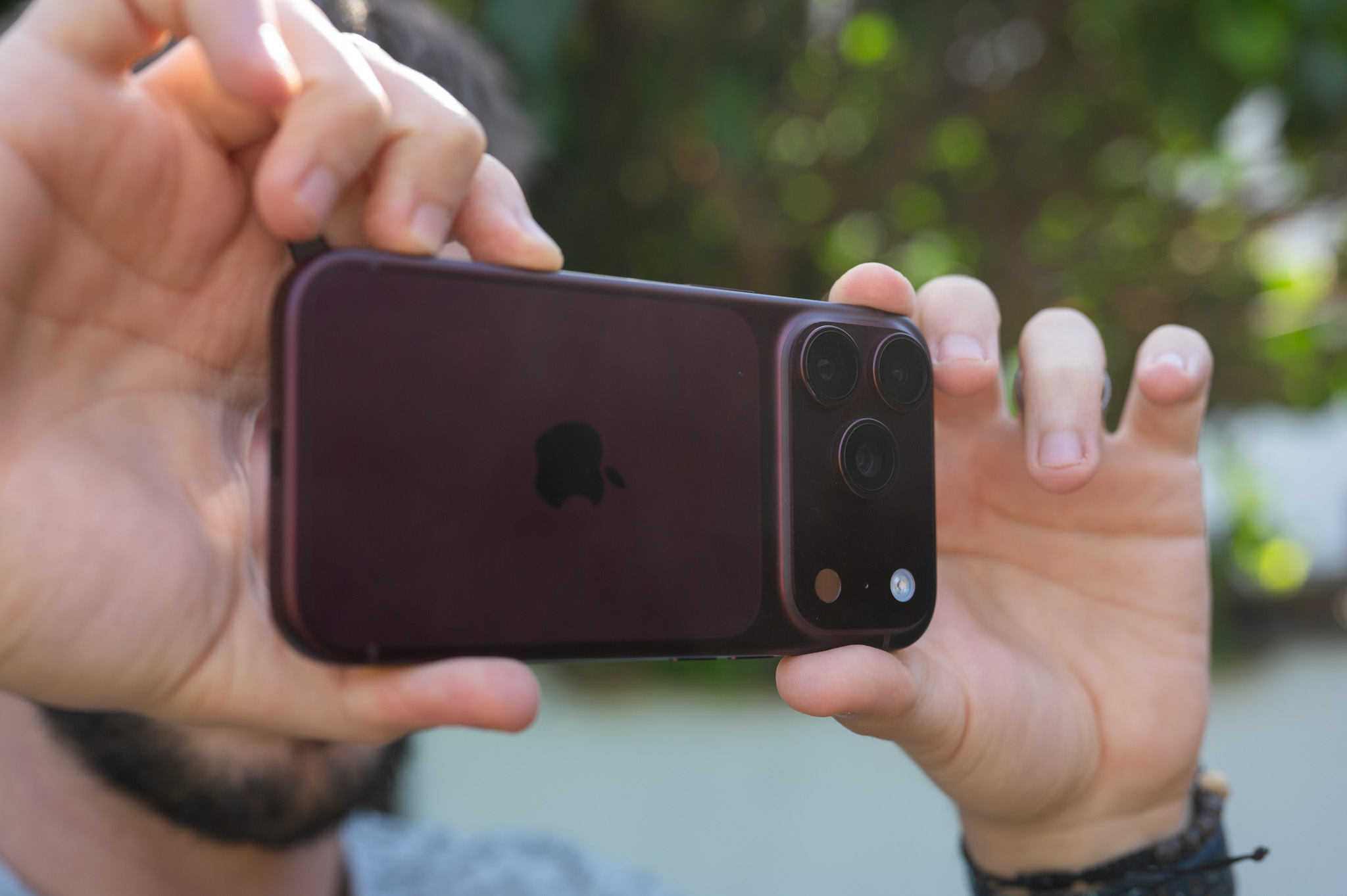
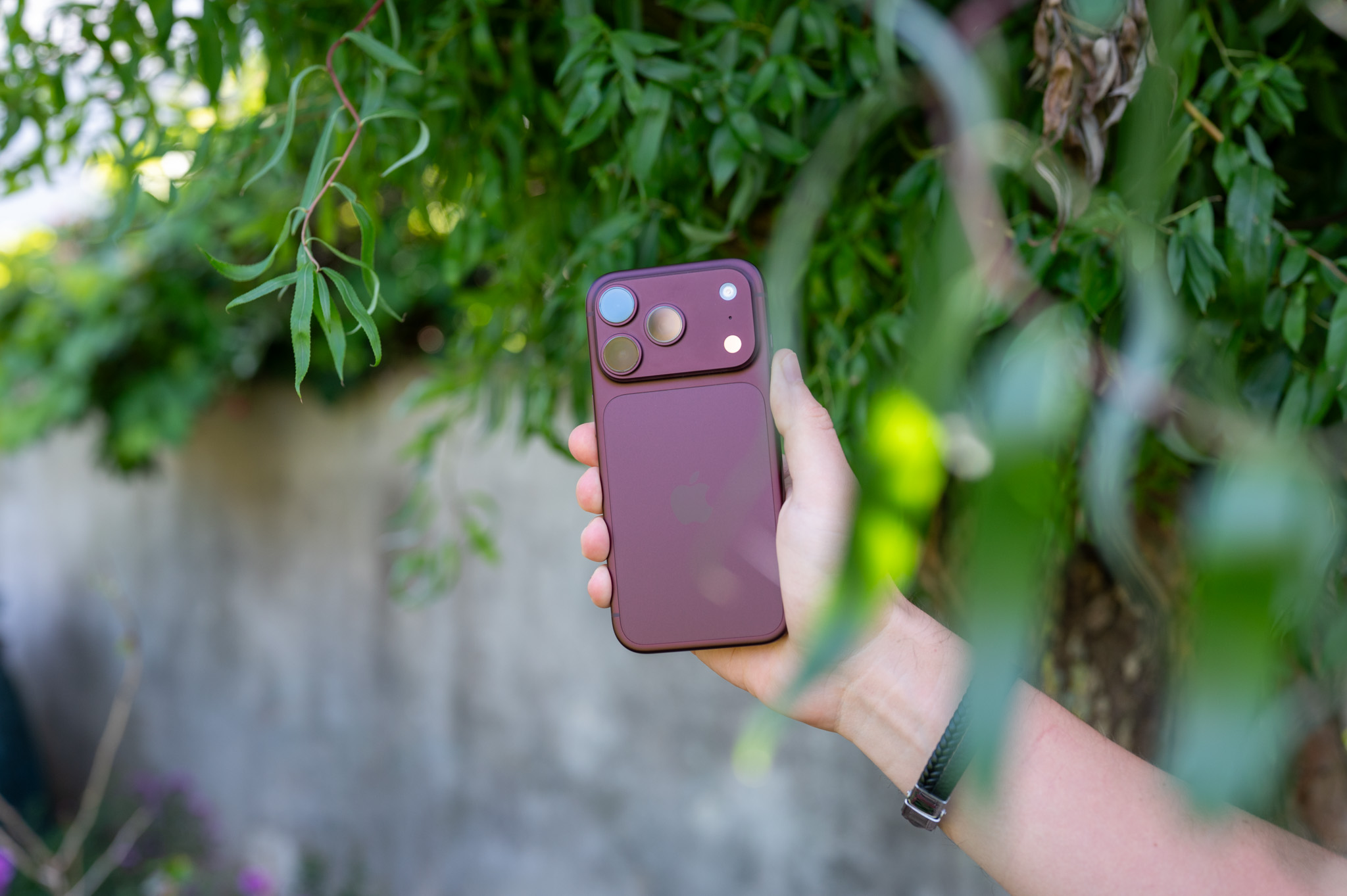
In terms of design, there is no major revolution happening this year. iPhone 18 Pro thus continues the construction that Apple introduced with iPhone 17 Pro, so we again get an aluminum unibody complemented by a glass surface on the back and a distinctive camera module stretched across practically the entire width of the phone.
I admit that when Apple When it first came out with this design, I wasn't entirely thrilled with it. The older generations with their titanium frame and more compact camera module seemed a bit more elegant and overall better to me. However, after a year of use, I got used to the new look and with the iPhone 18 Pro It doesn't really bother me anymore. The phone is still easily recognizable, feels premium enough, and its design also has practical advantages, especially when it comes to heat dissipation. On the other hand, I have to say that due to the reuse of aluminum, it is still more susceptible to scratches.ance, dents and the like. Besides, photos of similar defects are already filling the internet and they are not pretty to look at.
As for the dimensions, they are again 150 x 71,9 x 8,75 millimeters, which in other words means that they have not changed compared to last year. iPhone 18 Pro It is still one of the few truly high-end phones that can be operated relatively comfortably with one hand. Of course, we are still talking about a 6,3″ device, so the term “compact” should be taken with a grain of salt, but compared to today’s giant phones, it is smaller. Pro It feels almost unusually practical. A nice bonus of maintaining the dimensions is the fact that it also maintains compatibility with last year's covers, which is pretty cool.
The weight has increased from 204 to 210 grams, which of course doesn't look dramatic on paper and you'll probably stop noticing it after a few days. But I have to say that when you directly compare the two generations, you can feel the difference a little. So personally, I would definitely prefer it if Apple went in the opposite direction and managed to lose a few grams. The phone is definitely not light and when you hold it for a long time, for example while playing games or watching videos, you feel its weight. On the other hand, it remains very well balanced and the camera module feels great in your hand. nestIt pulls back as much as it might seem when looking at it.
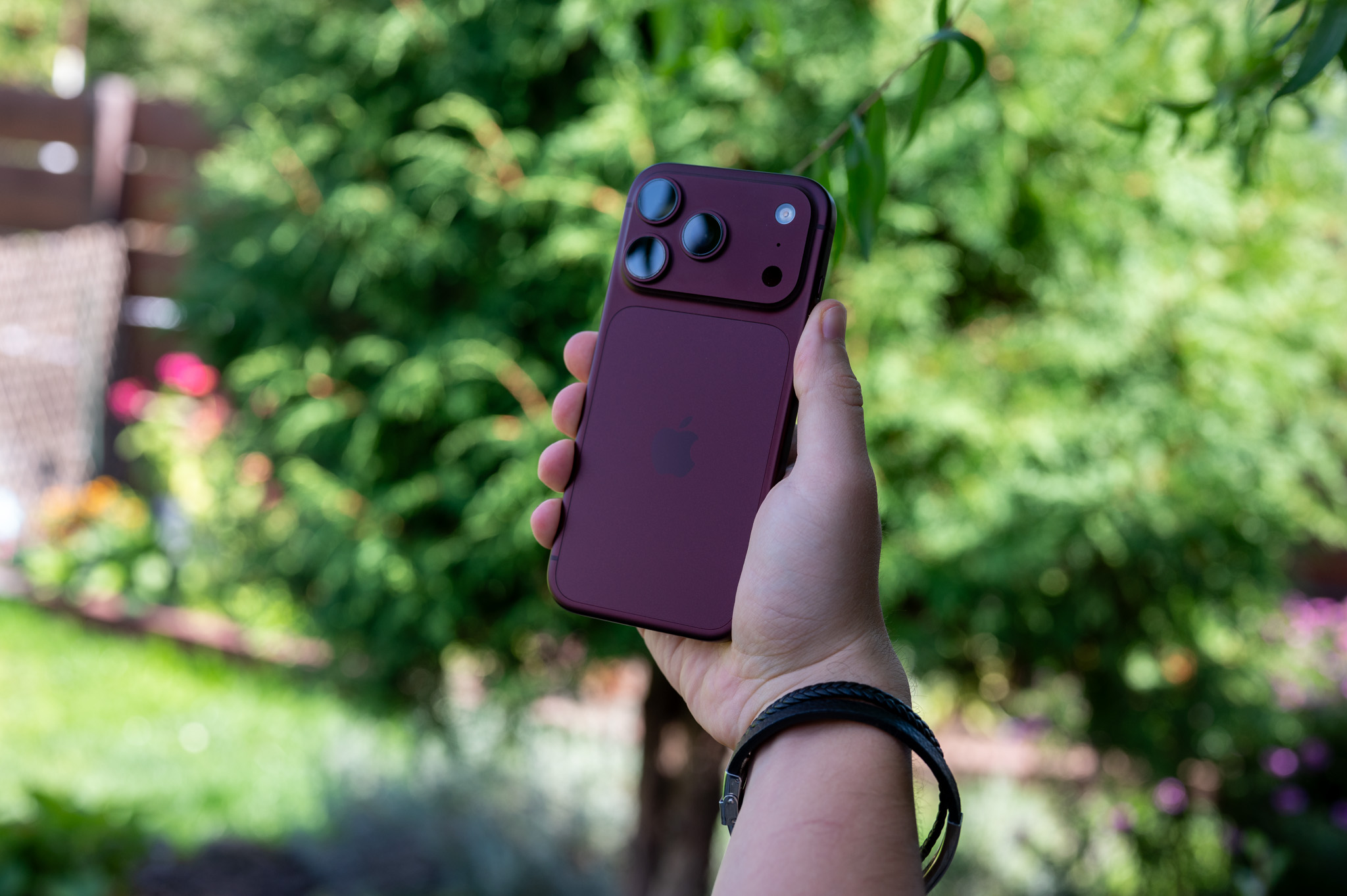
The design is again water and dust resistant according to the IP68 specification, while Apple claims resistance for up to 30 minutes at a depth of six meters. The front side is protected Ceramic Shield 2, which first appeared last year, and Ceramic Shield can also be found on the glass part of the back.
As for the physical controls on the sides, in addition to the classic volume up and down buttons and the Power Button, the Action Button and the Camera Control remain on the side of the phone, in both cases in an unchanged form and with unchanged functionality. I have personally set the Action Button this way since its launch. iPhone 15 Pro to start the flashlight, while I mainly use the Camera Controller to quickly open the photo application. Even after a long time, I haven't found a completely ideal relationship with other gestures and setting parameters via its touch surface, and I admit that even with iPhone 18 Pro This element doesn't make much sense to me.
Burgundy red can surprise
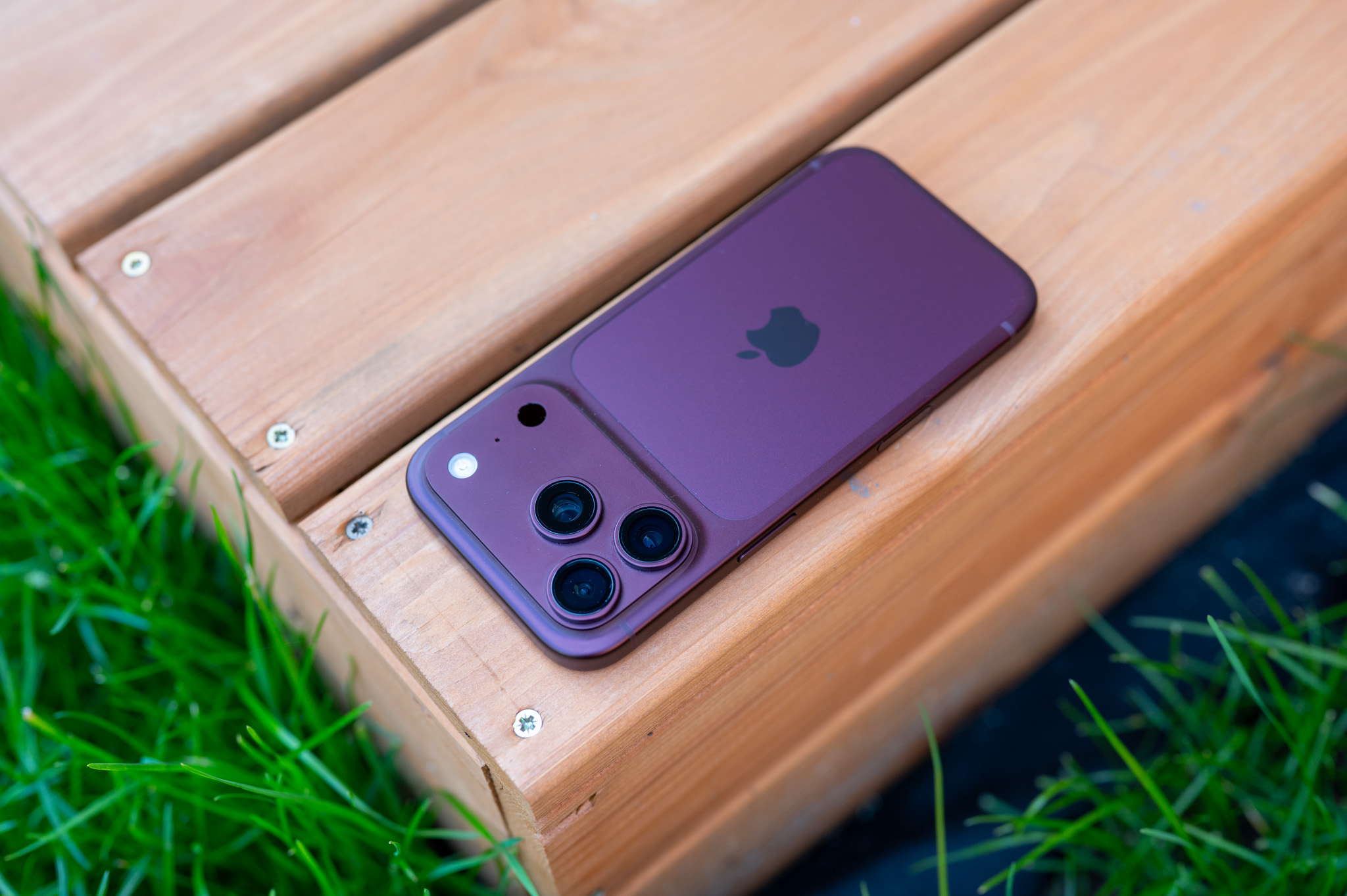
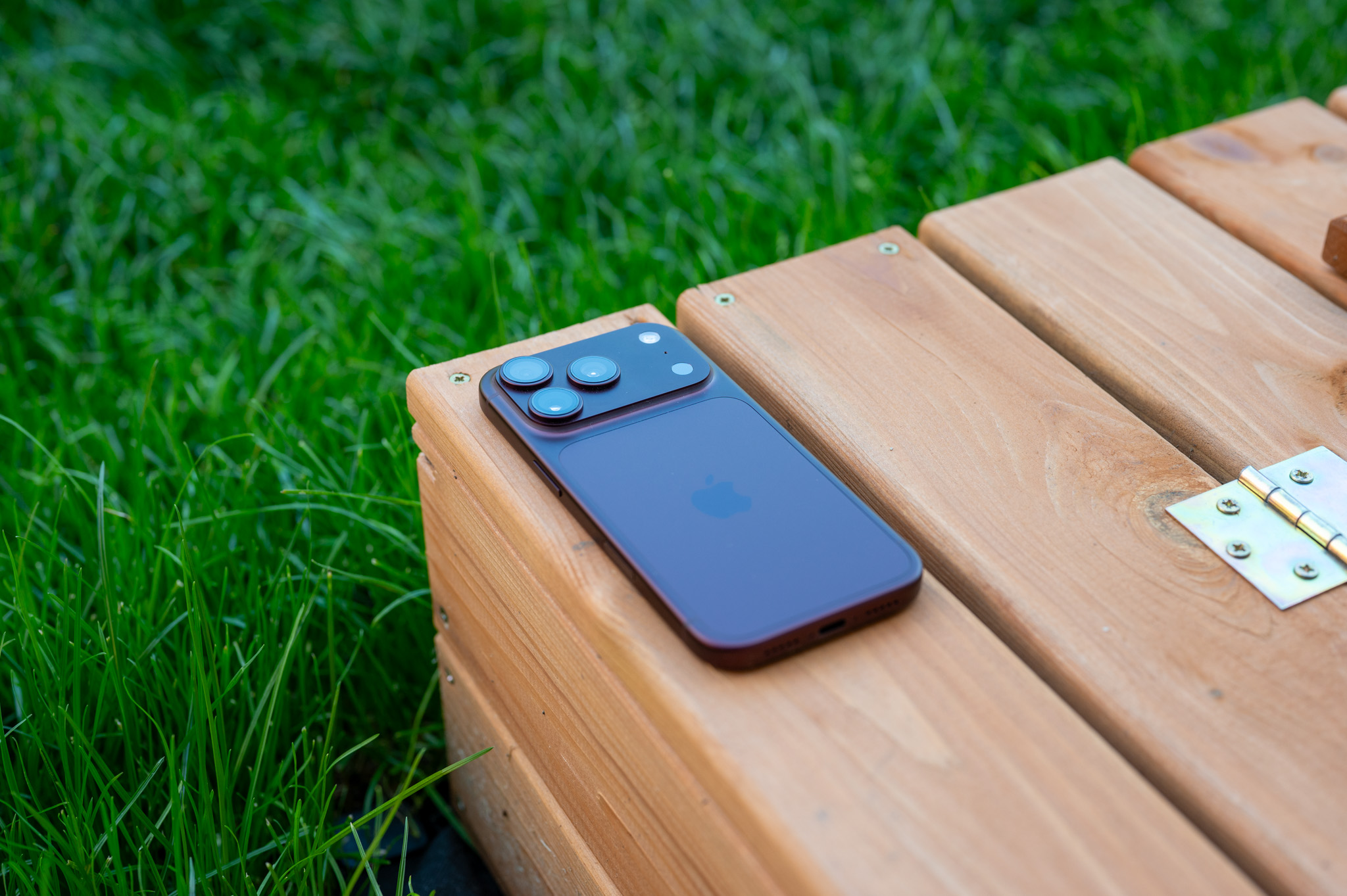
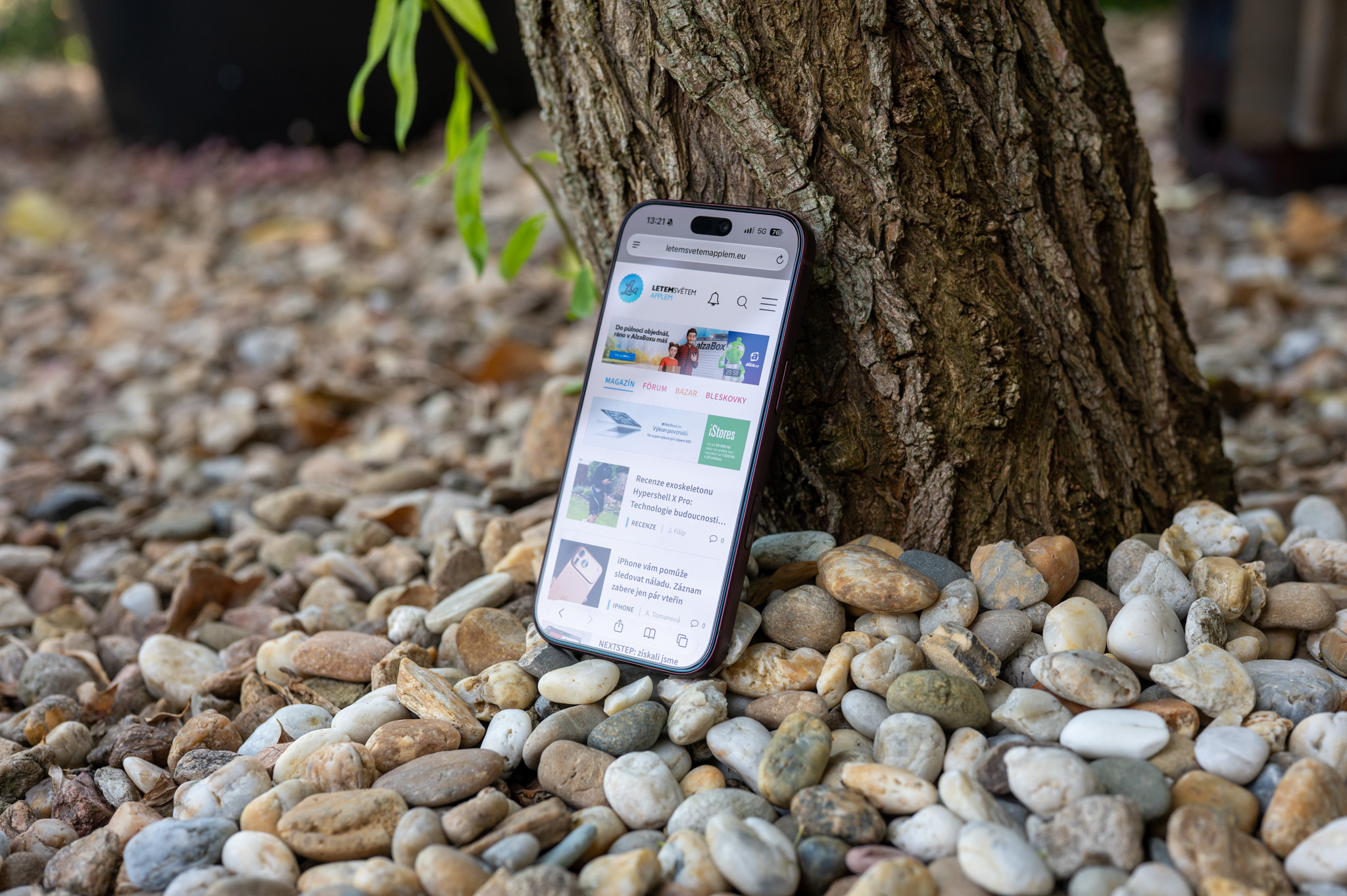
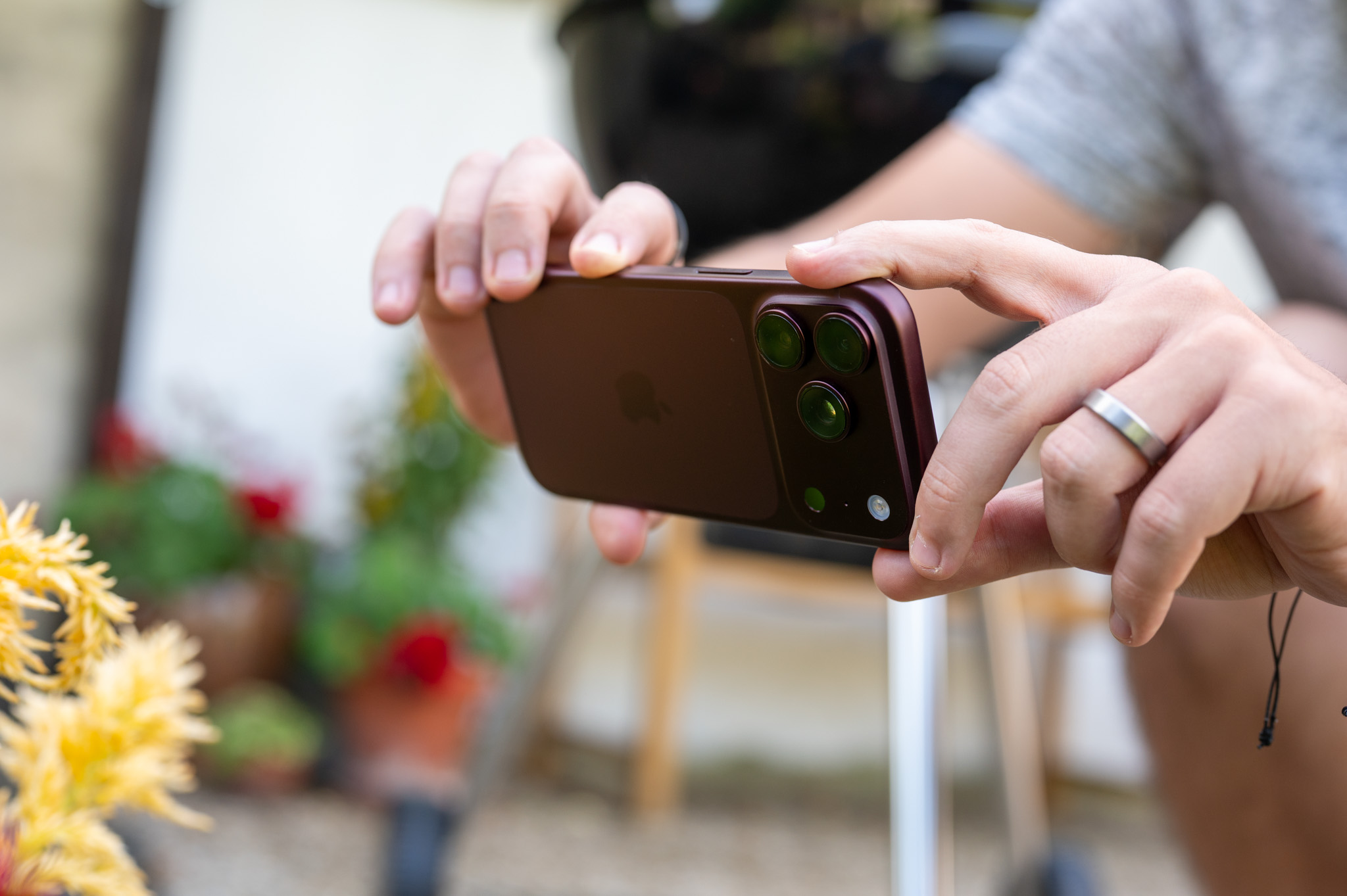
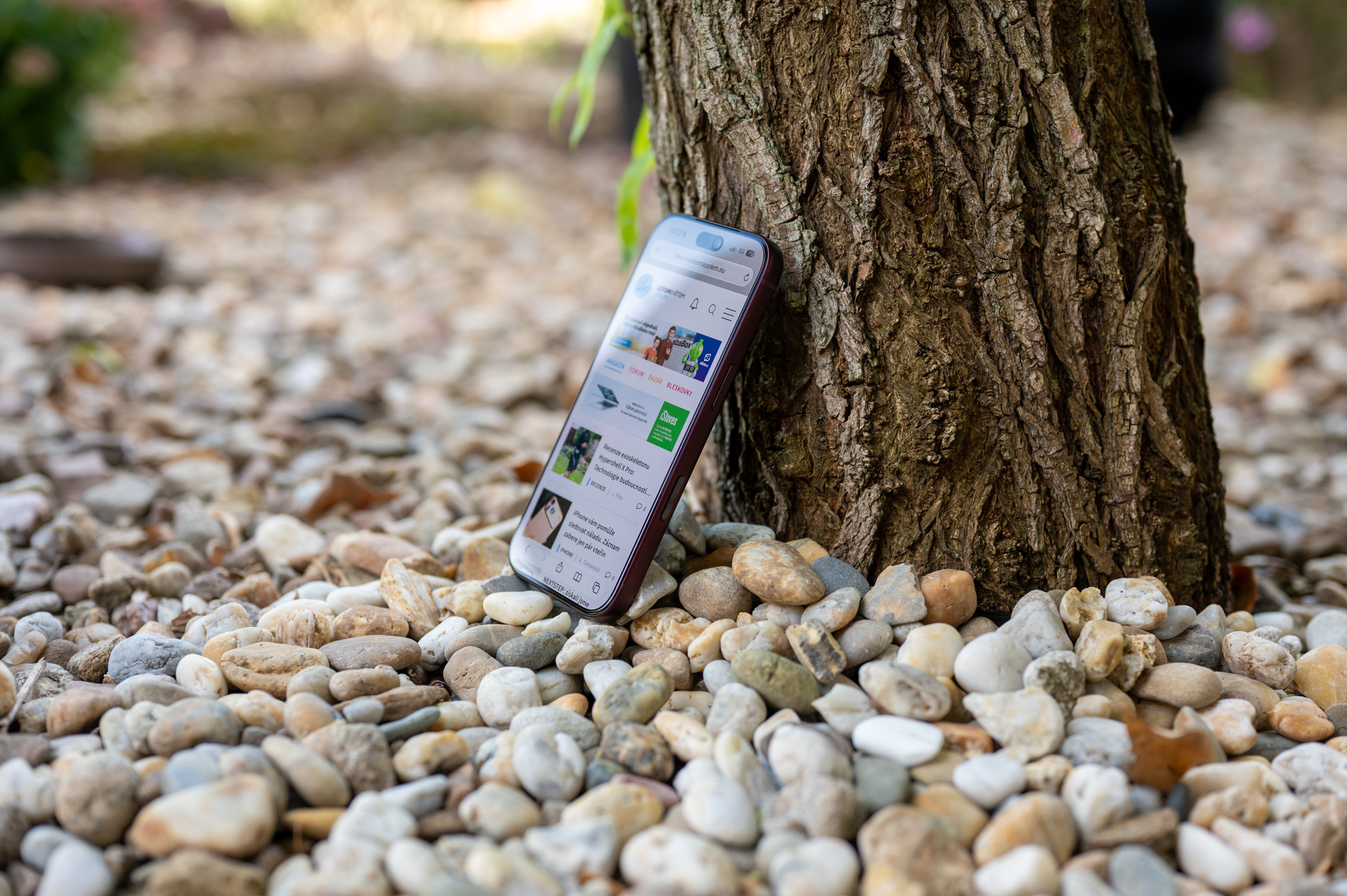
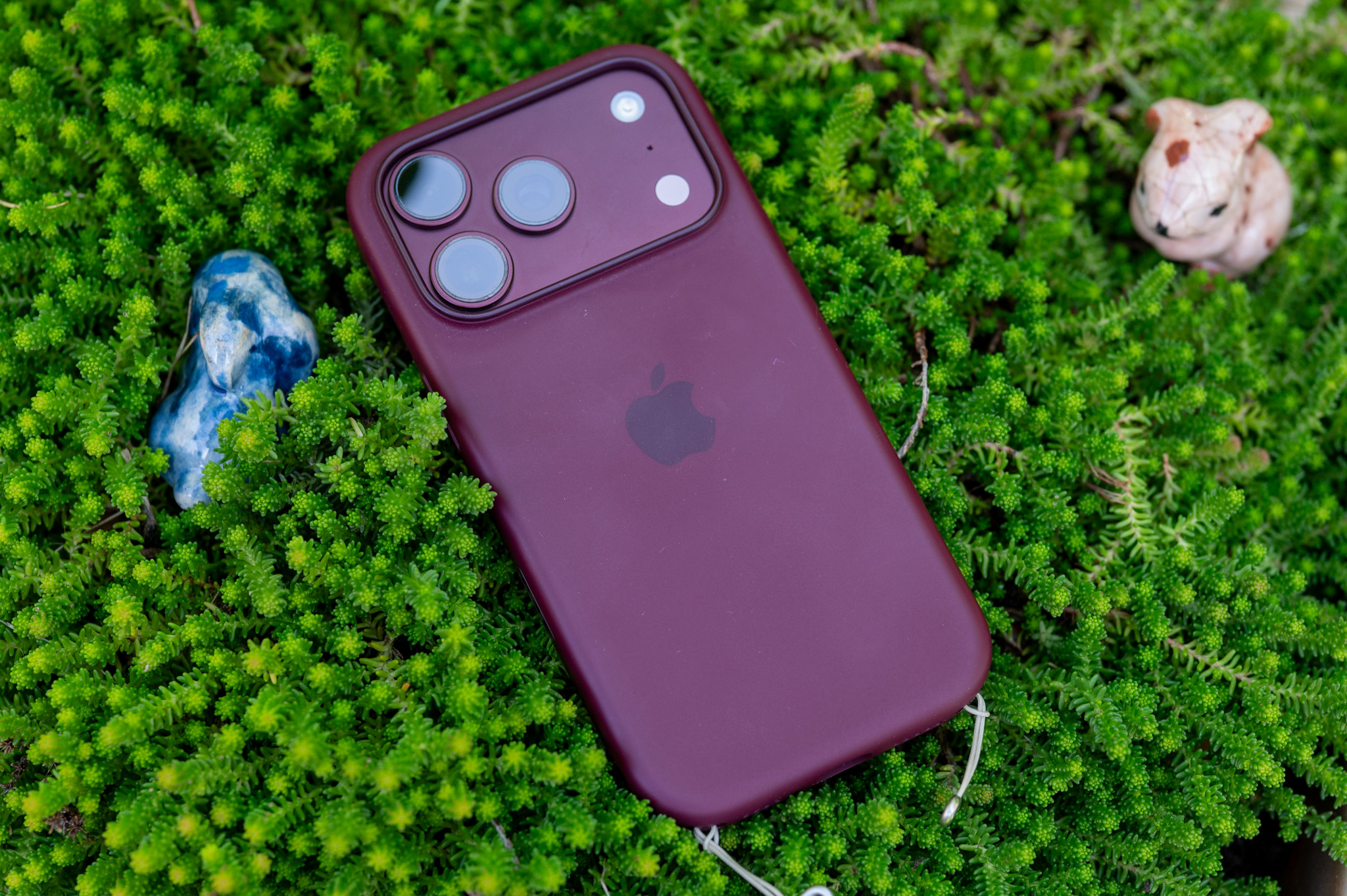
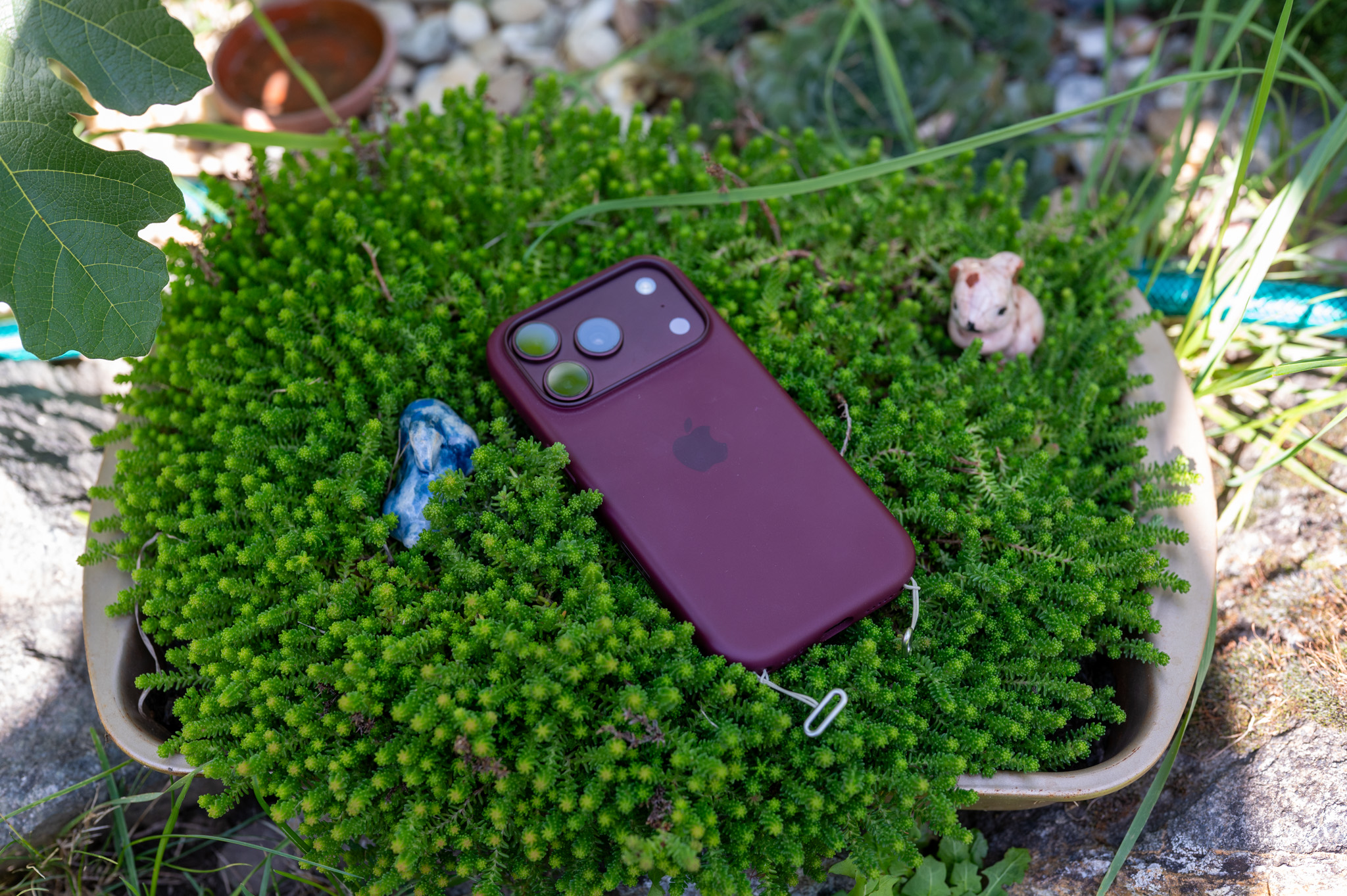
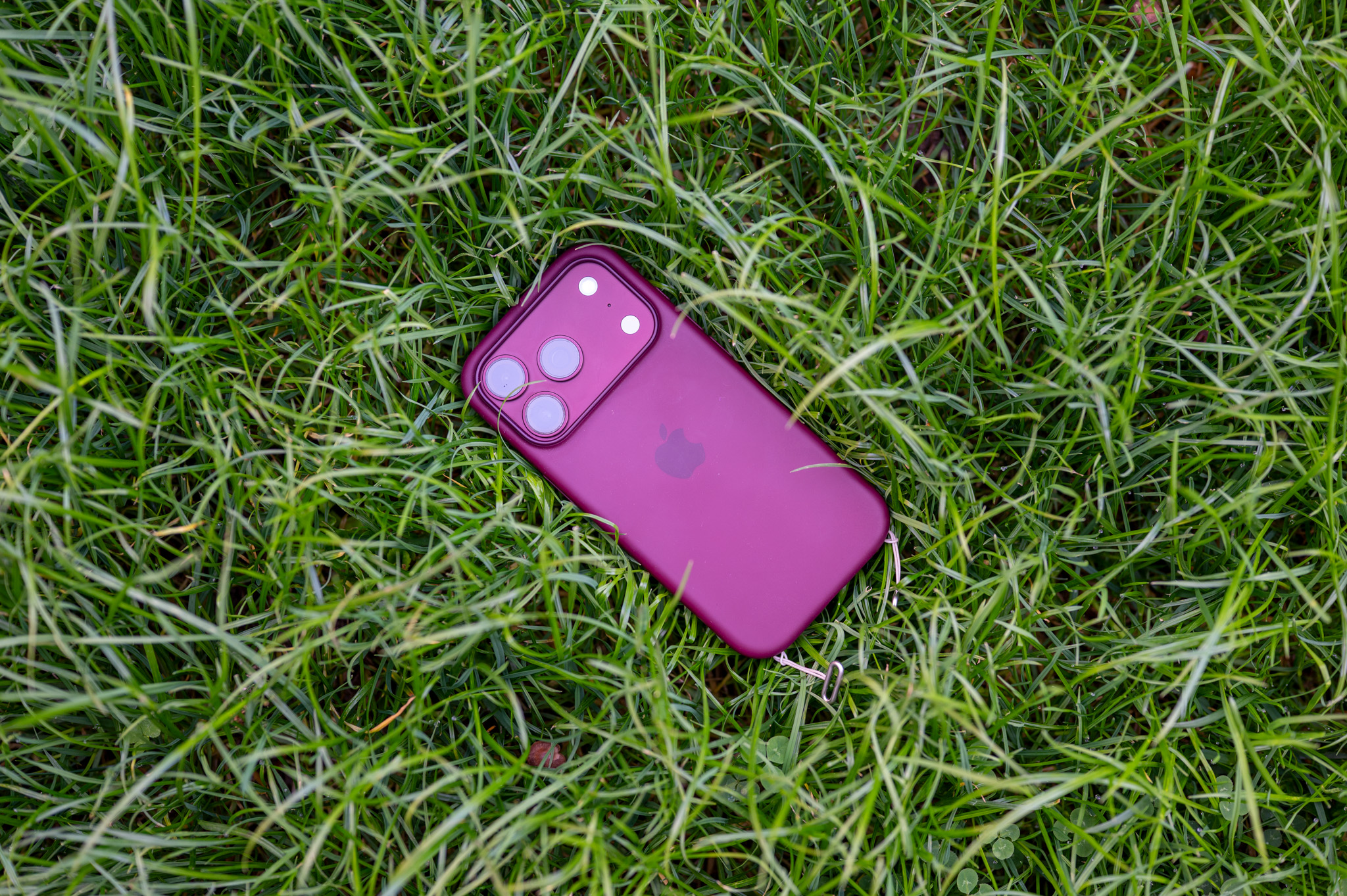
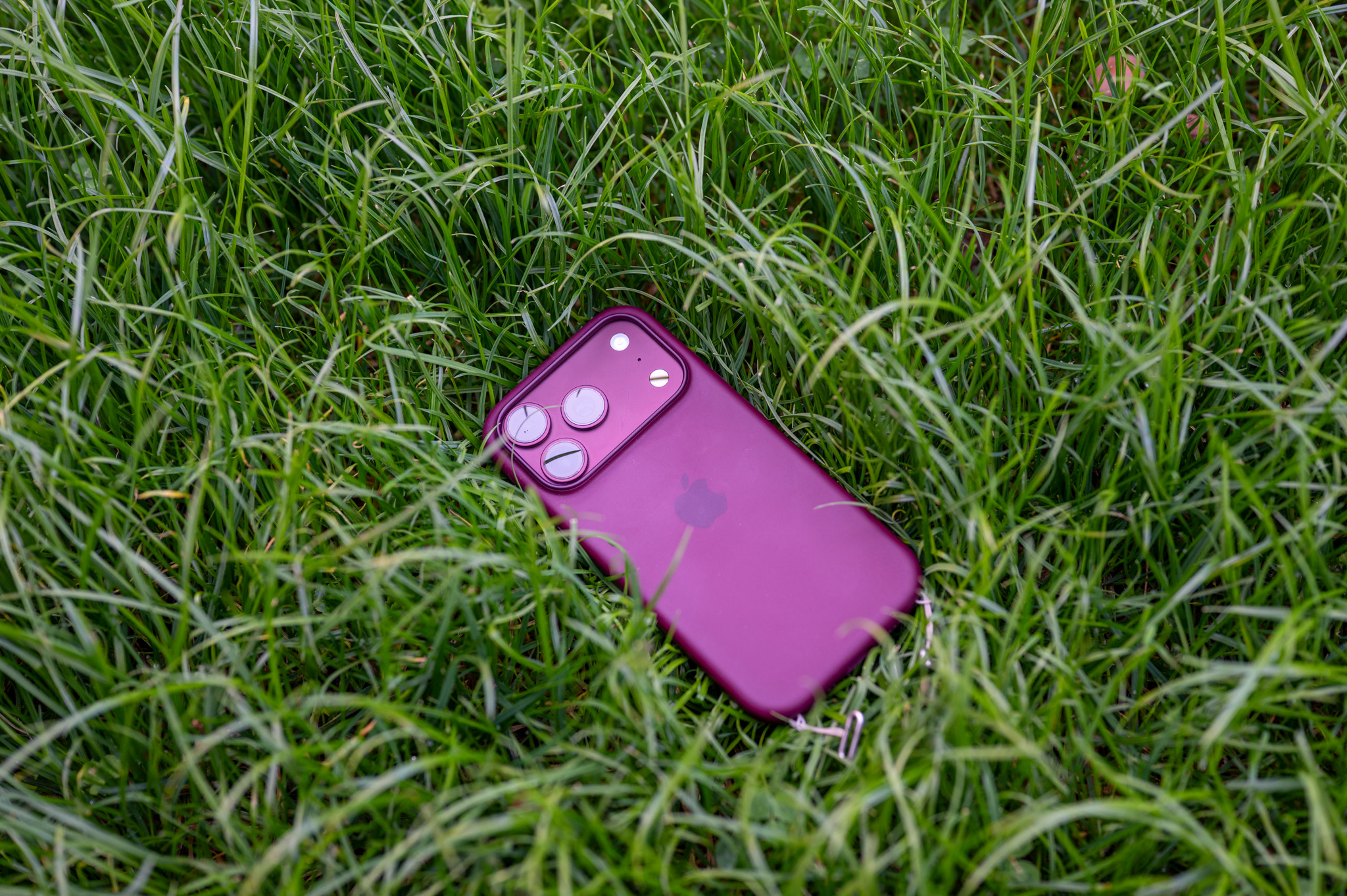
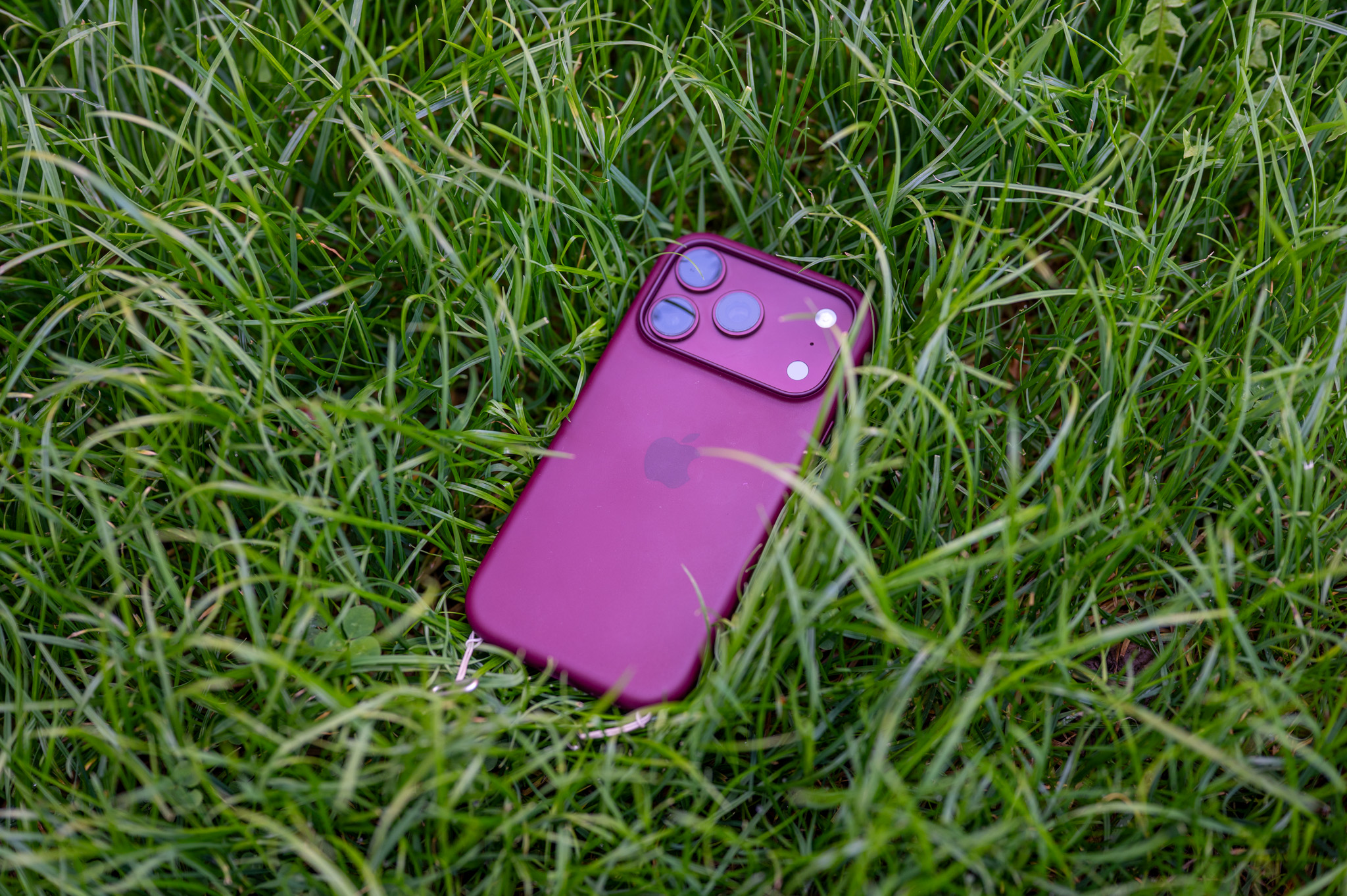
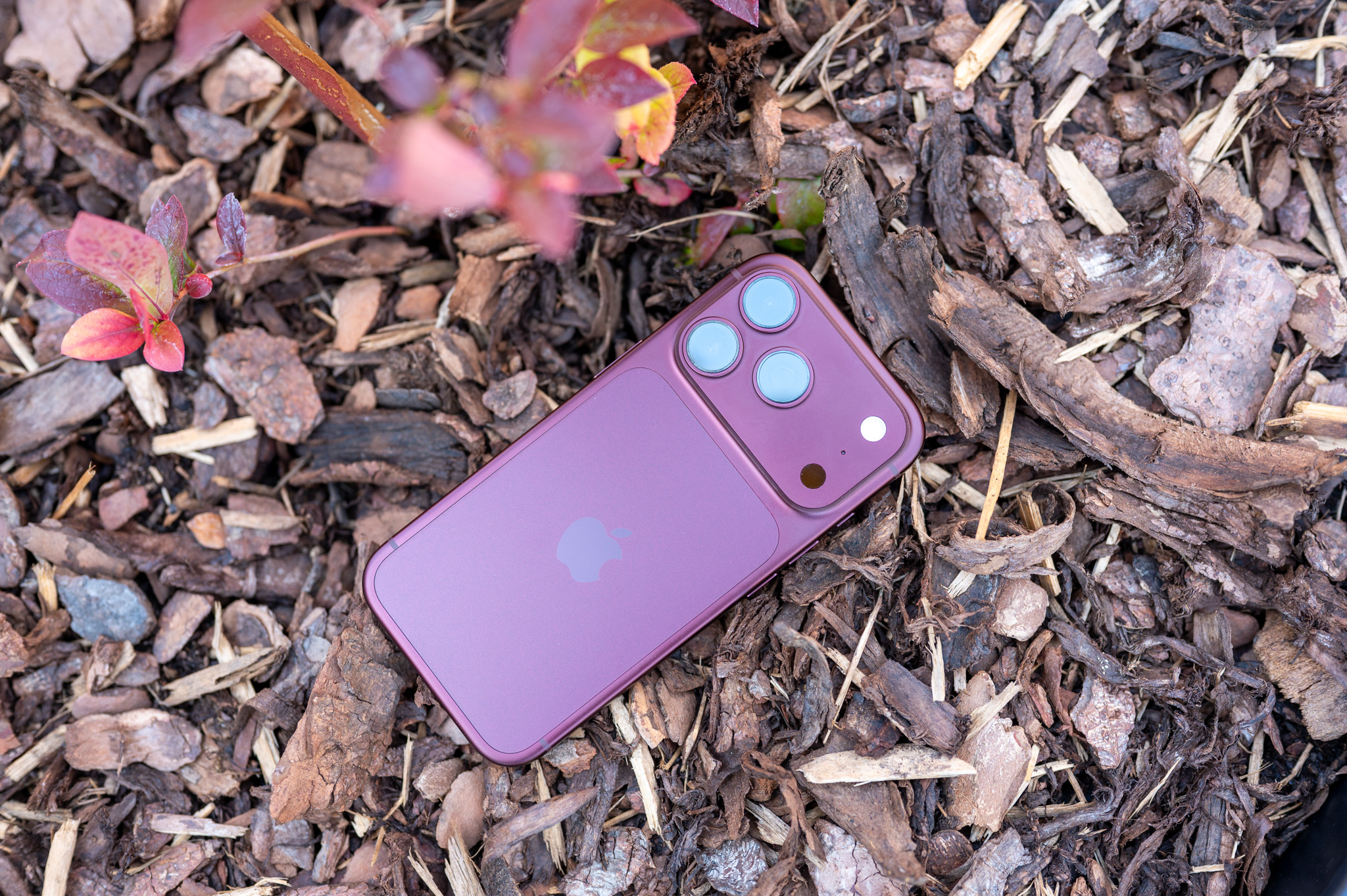
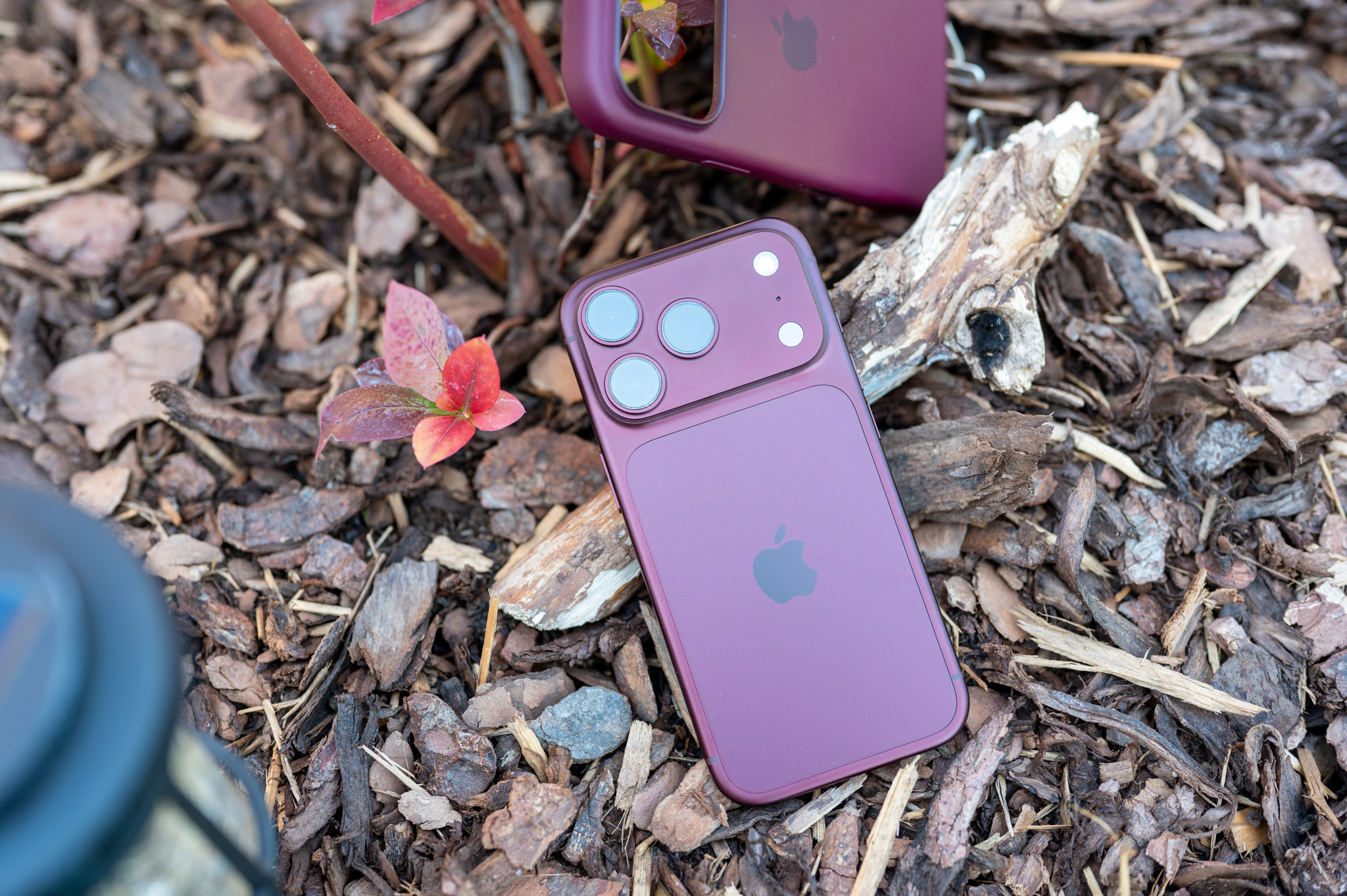
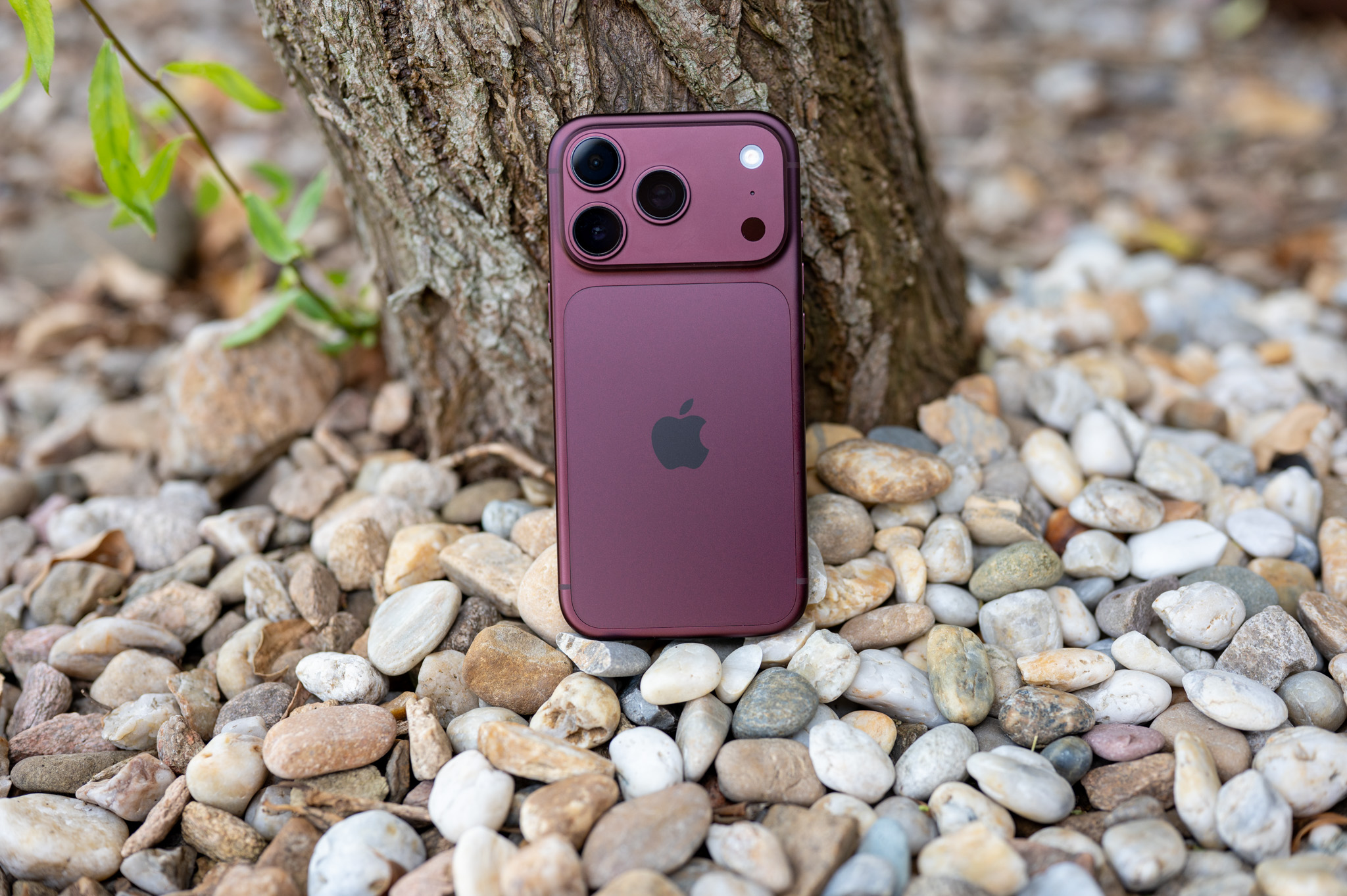
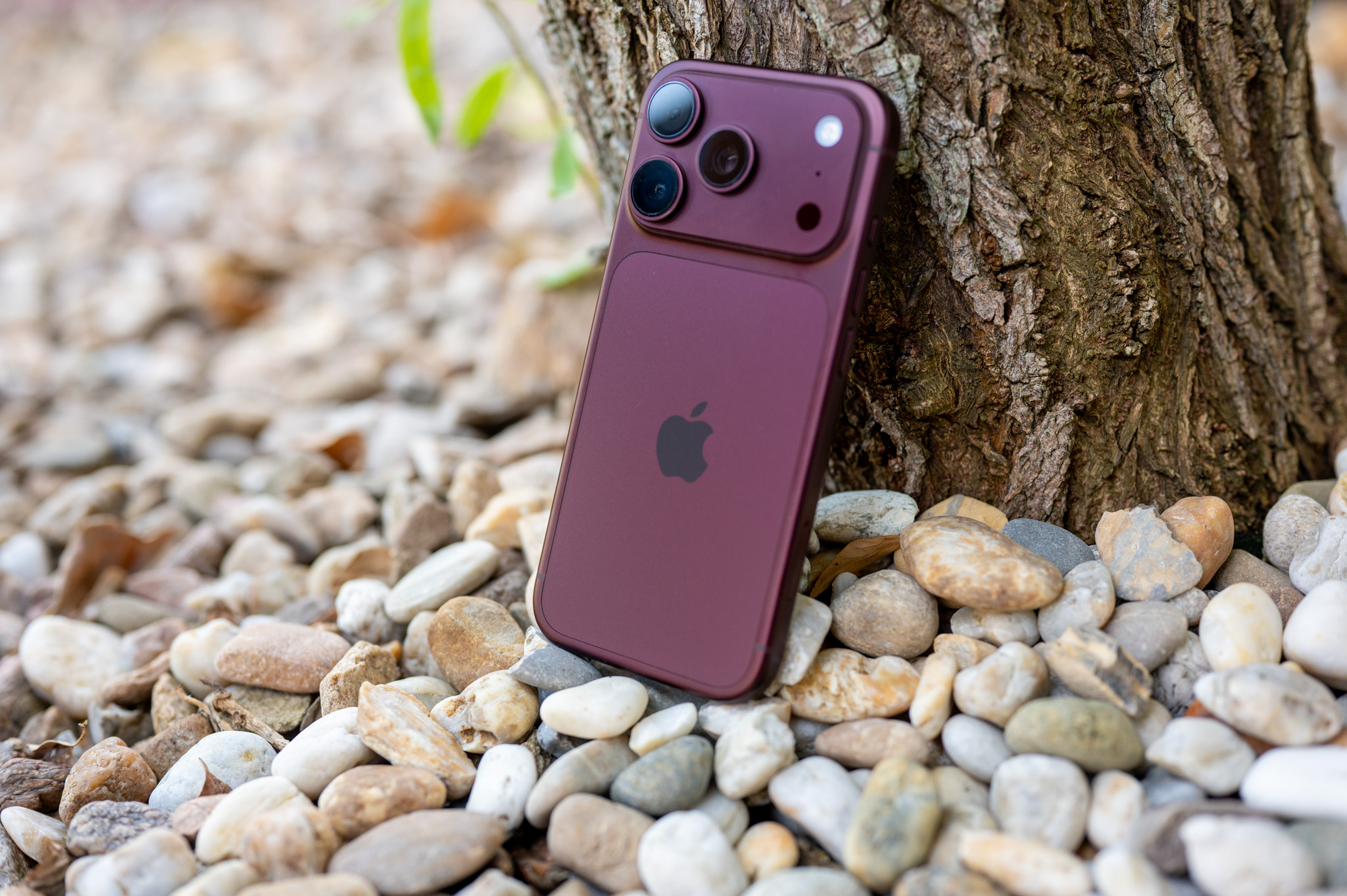
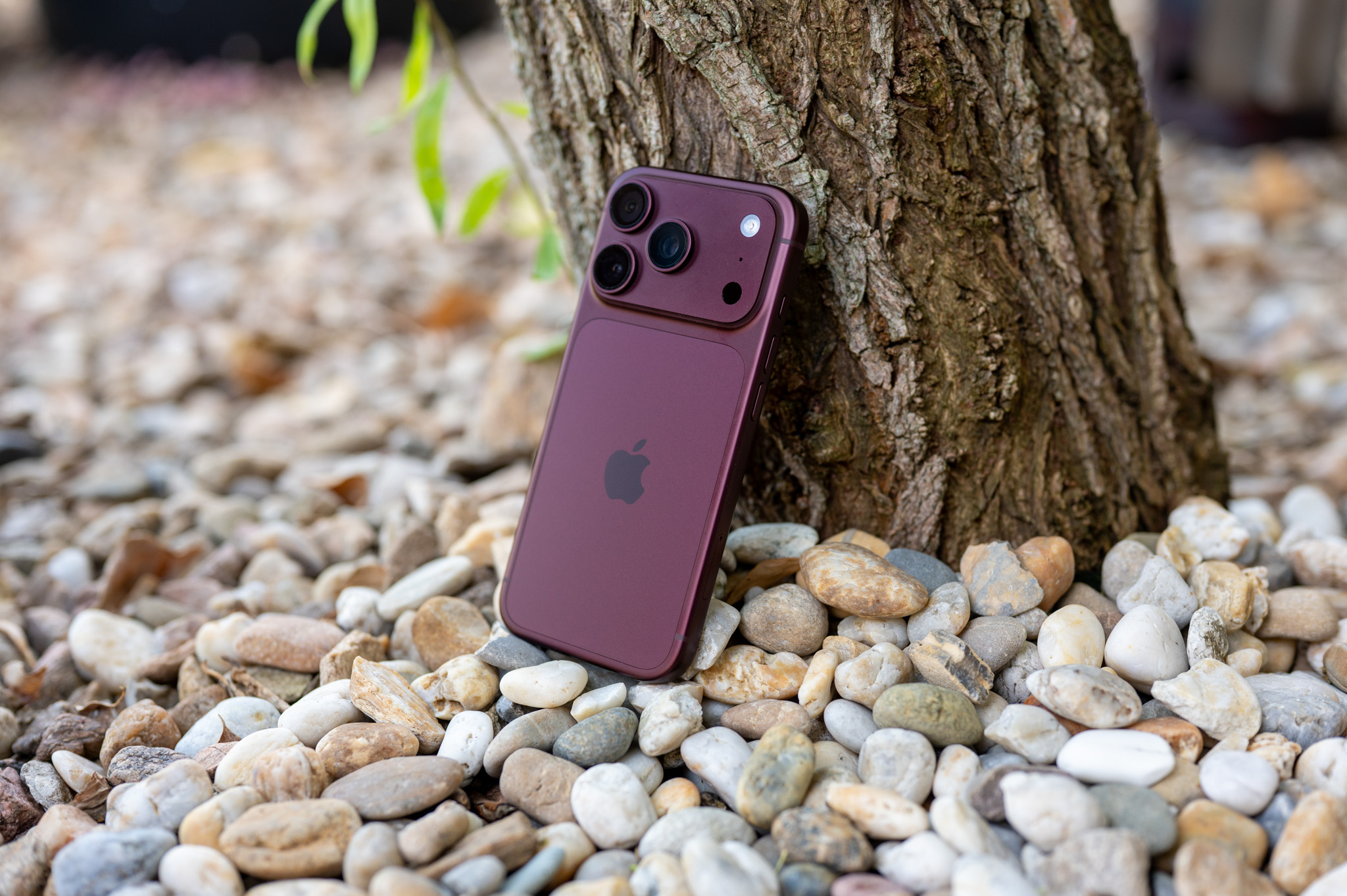
While last year the world chose from orange, silver and dark blue iPhone 17 Pro, this year we have a silver, black, light blue and dark red (burgundy) model available, which I am also testing. This color really caught my attention right after its premiere and I have to say that it still makes my head spin. In the product photos Applu appears quite prominent, but in reality it is darker and, depending on the surrounding light, can range from a deeper red to almost black. However, sometimes in it you can see purple, pink or other similar shades. In the end, in my opinion, it is the ability to change character depending on the light that is probably the most interesting thing about it.
Gallery
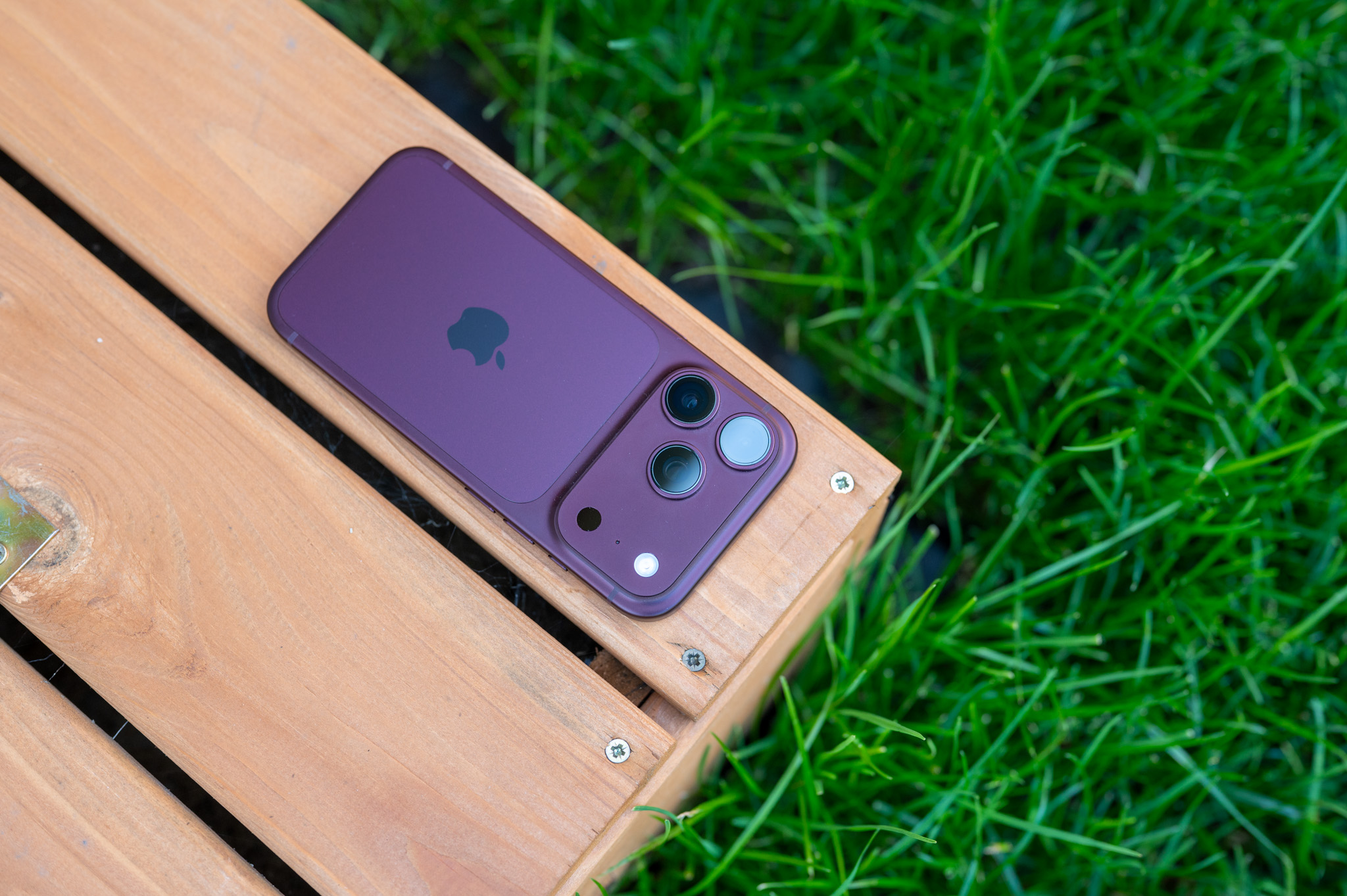
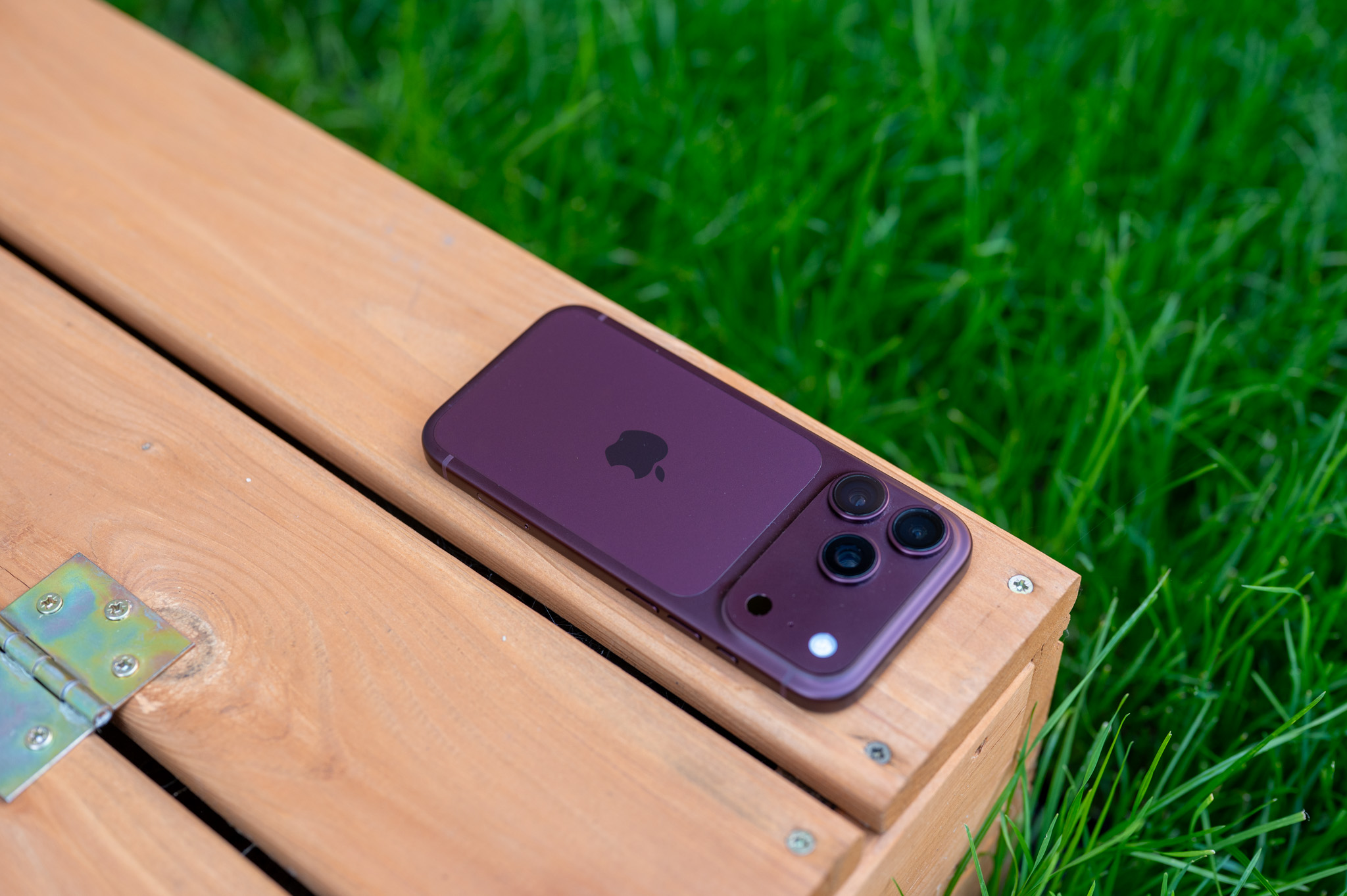
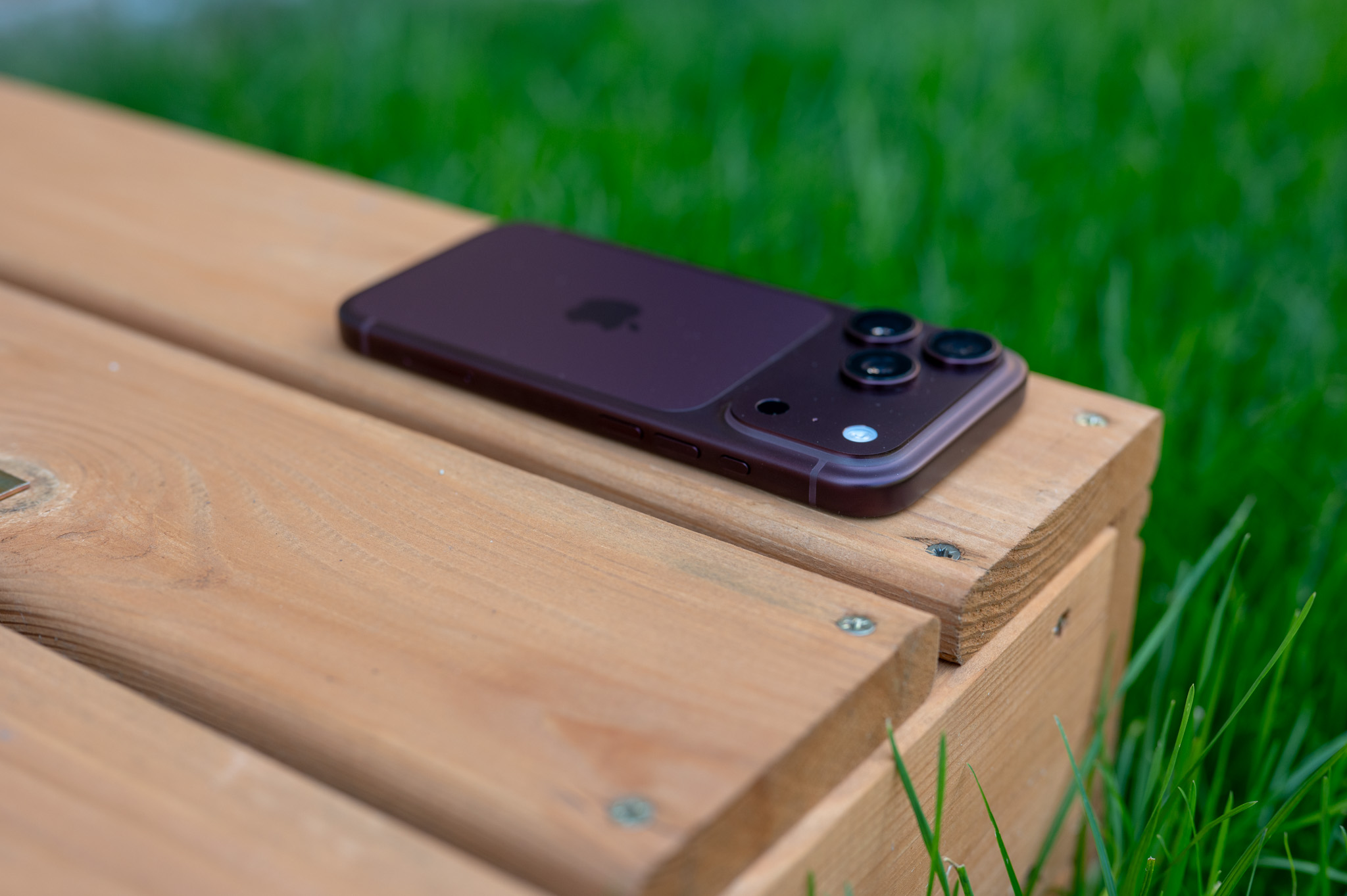
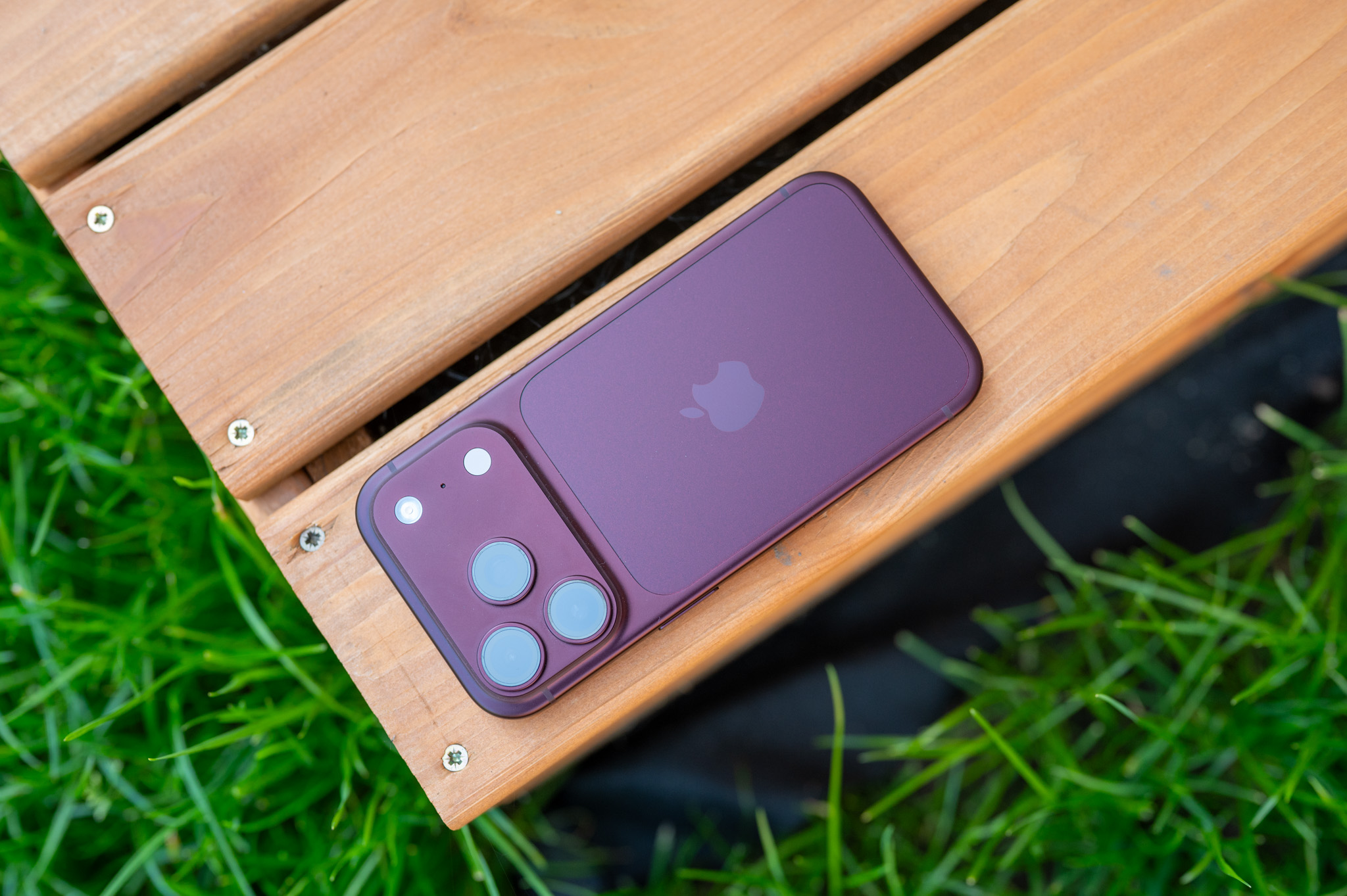
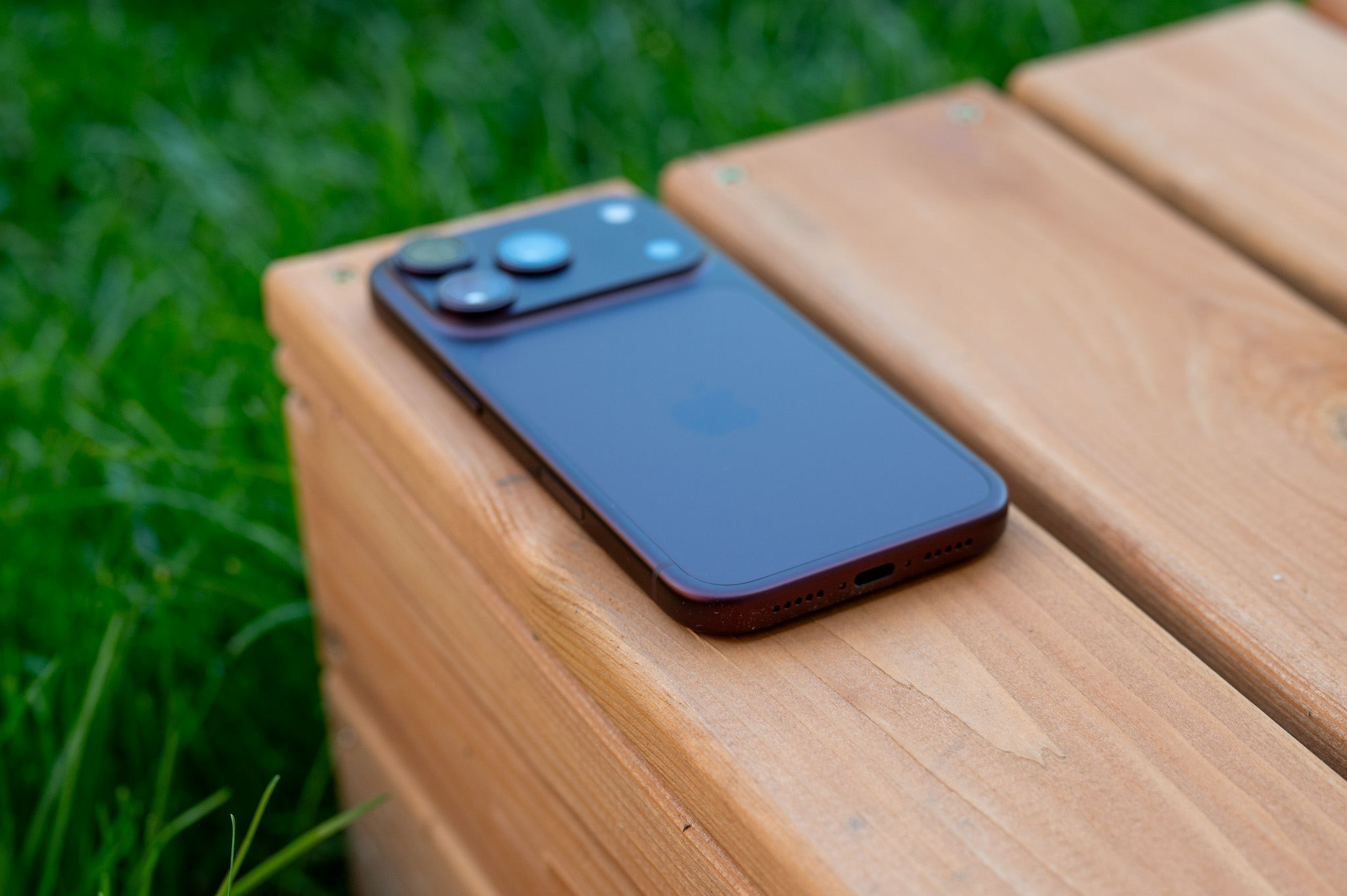
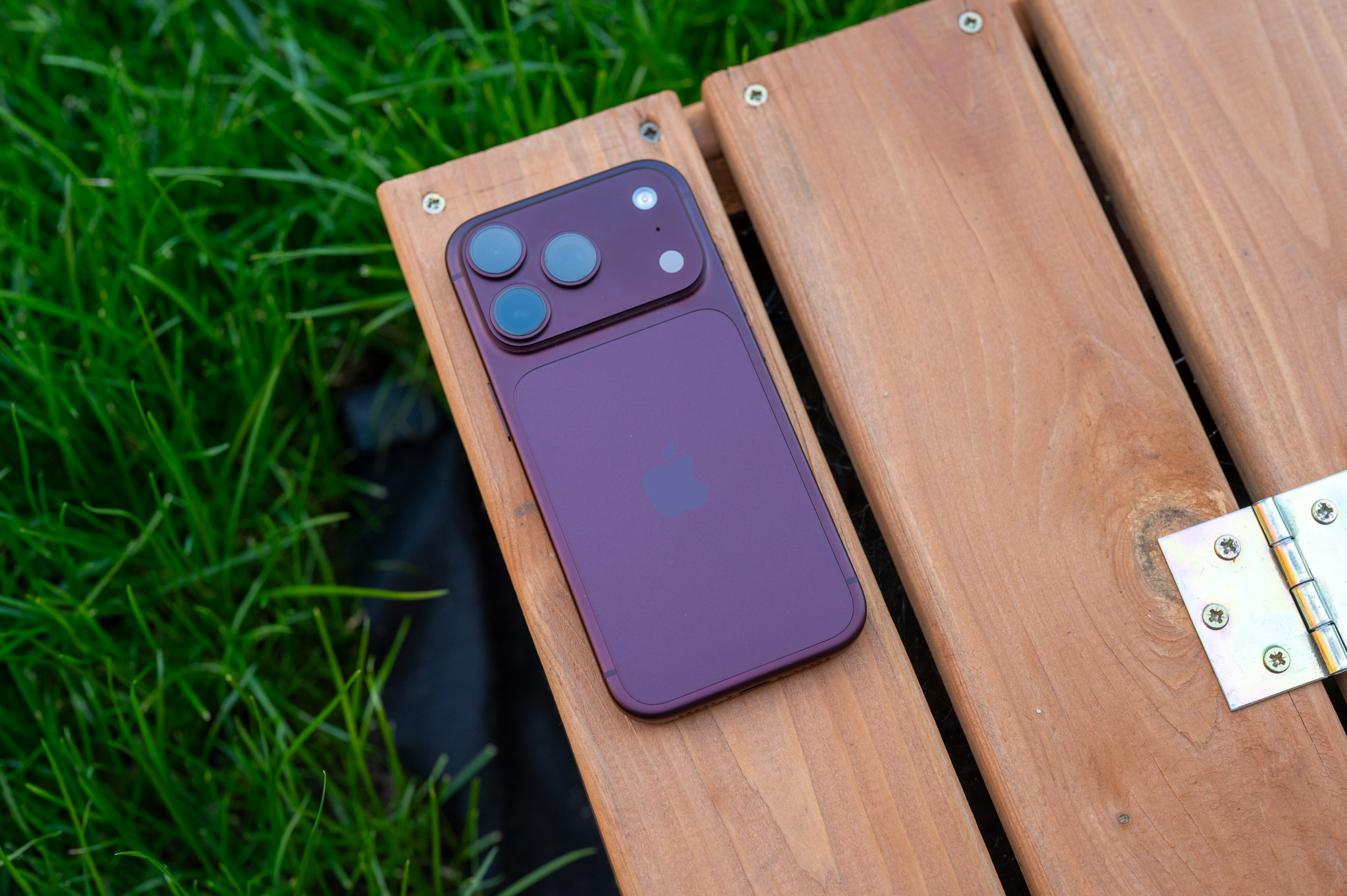
But color is of course purely a matter of taste, so I prefer to skip any major evaluation. But what I definitely have to appreciate is the better alignment of the glass and aluminum parts of the back. While some colors of the iPhone 17 Pro The different shades of both materials were quite pronounced, this year the phone feels much more unified. The glass has a slightly different structure and surface when you look closer, but the color matches the surrounding aluminum very well, which I'm glad about, because the color difference between glass and aluminum on last year's generation wasn't exactly a hit with me.
The question, however, is whether there is any point in dwelling on something like this. If, like me, you use your phone most of the time in a case, you won't have to deal with the different color of the glass and aluminum on the back for very long. So, sure, you might look at it every chance you get for the first few days, but then you'll probably cover it up and remember it. maxespecially when cleaning your phone. Still, it's nice to know that iPhone looks good even without a cover and that it has Apple still have an eye for detail in this regard.
Smaller Dynamic Islandwhich you quickly stop solving
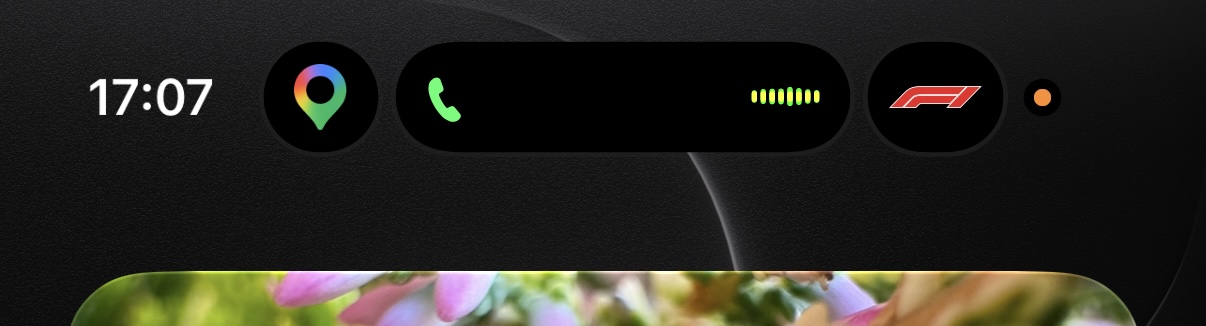
One of the first things that is noticeable at first glance is iPhone 18 Pro is smaller Dynamic Island. Apple he proved part Face ID move it below the display, which makes the cutout narrower and there is suddenly more display area available around it. If, like me, you watched before the show iPhone 18 Pro If you've been following the speculation around it closely, you'll agree with me when I say that this particular change has been talked about quite a lot. It's all the more annoying and annoying that it's actually not as significant as one might expect.
Yes, when directly compared to iPhonem 17 Pro is new Dynamic Island visibly smaller. However, unless you place the two phones side by side, you may not notice the difference at all. So it is definitely not a change that would suddenly make the display appear significantly larger or more modern. We are talking about a narrowing of approximately 3 or 4 millimeters, which is really not much.
But what is significantly more interesting is the quality of the hiding of the part Face ID under the screen, which some journalists warned about after the presentation, saying that this would create a new "bullet hole" that would be visible upon closer inspection. However, I can say with a clear conscience that in normal use, the part is not Face ID Hidden in the upper left corner of the phone, you can barely see anything. The sensor ring can only be seen when the display is off and the phone is tilted quite strongly towards the light. But once the screen lights up, you will no longer be aware of it at all.
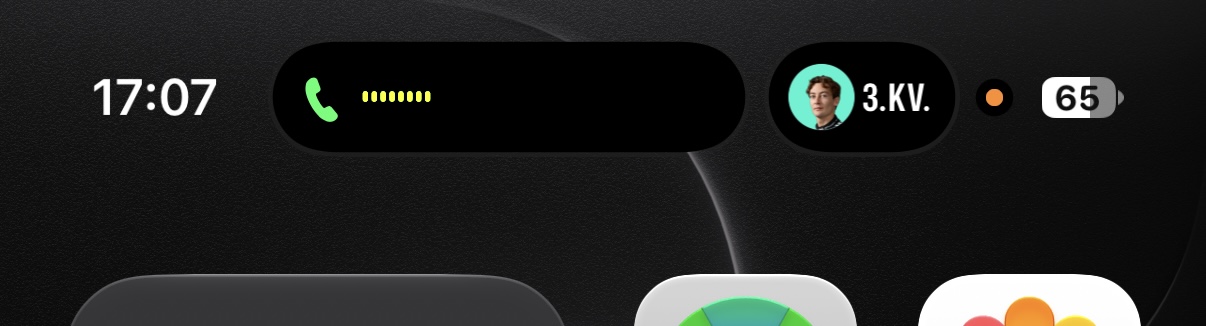
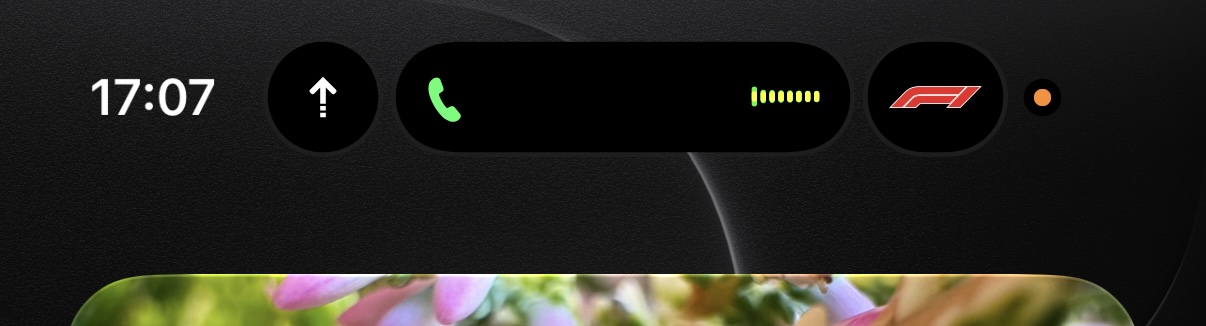
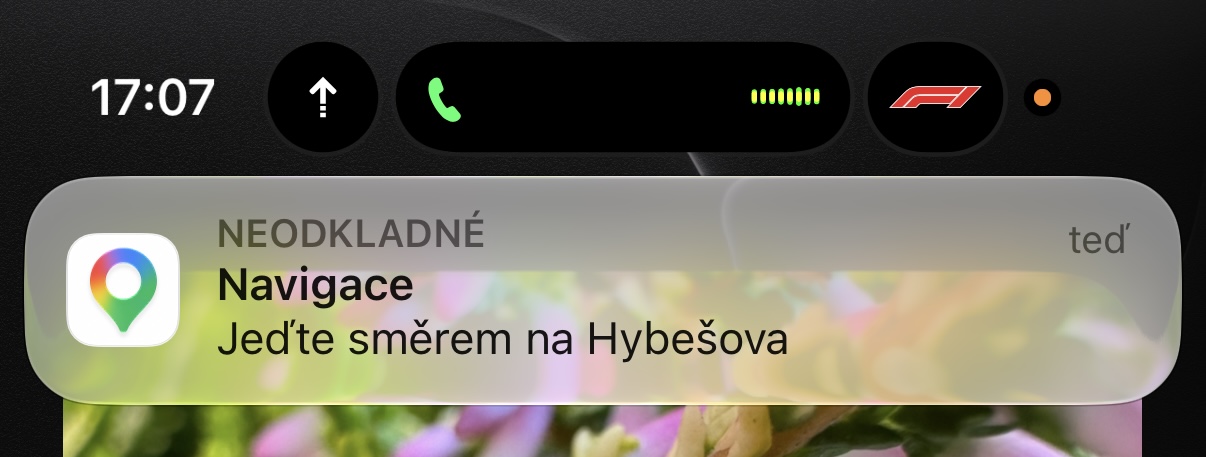
Functionally different Dynamic Island has not changed fundamentally. It still displays the music being played, navigation, timers, sports results and other live activities, although it is now able to display not "just" two narrower live activities, but three narrower ones, or two wider ones. So if you use this function to a greater extent, know that you will come to your senses here. Personally, however, I very often have more than one application with live activity support running I don't have one, so I don't really appreciate the expansion of support in this regard. But I think it's nice to have this option available at least.
Gallery
There's really nothing to complain about with the display.
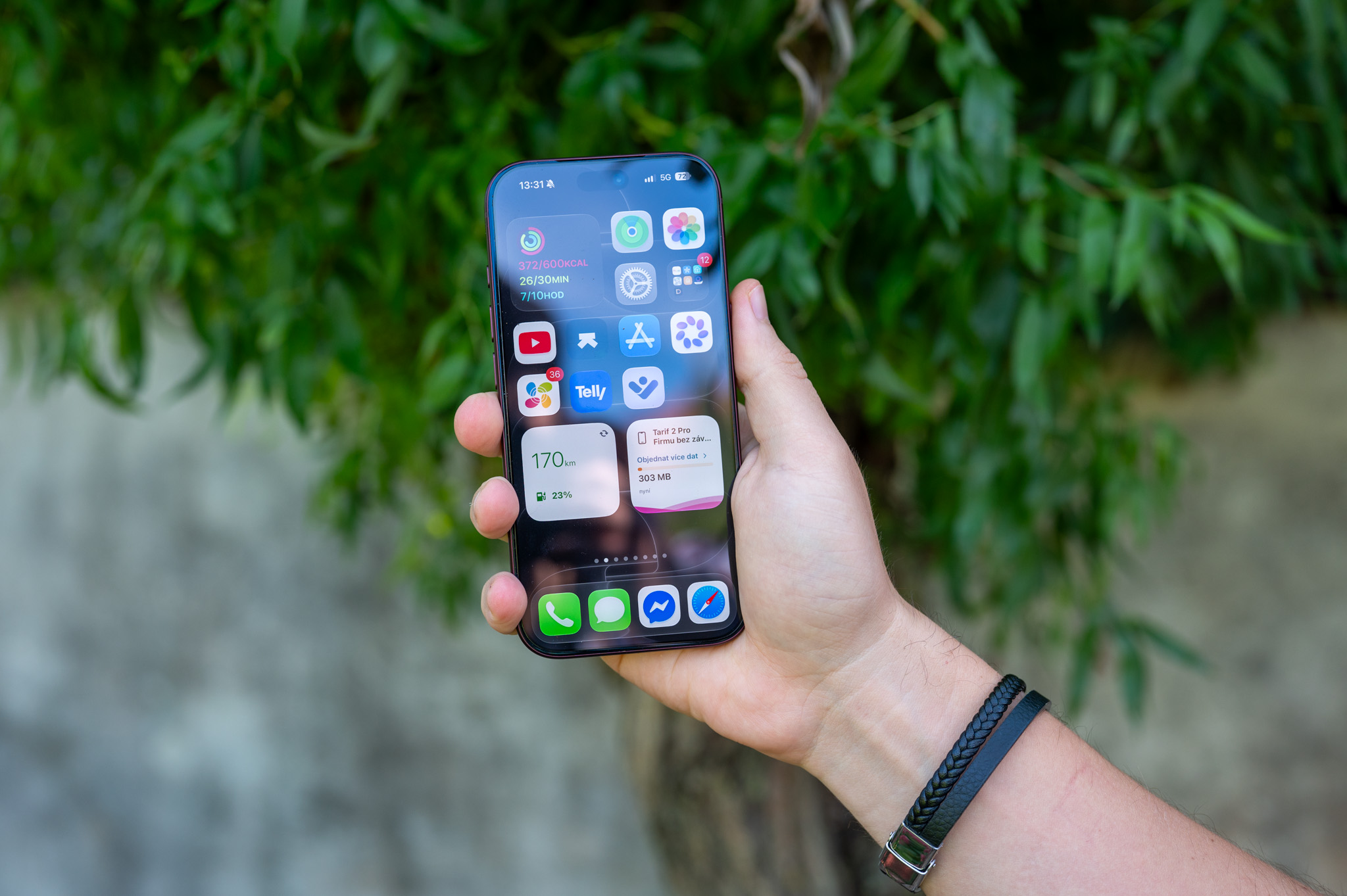
As for the display, iPhone 18 Pro offers 6,3″ Super Retina XDR OLED panel with a resolution of 2622 x 1206 pixels and a fineness of 460 pixels per inch. There is also an adaptive refresh rate ProMotion up to 120 Hz, always-on mode, HDR, True Tone nor wide color gamut P3 Typical maxThe maximum brightness reaches 1000 nits, 1600 nits with HDR content, and outdoors the display can briefly reach 3000 nits. MiniThe minimum brightness is one nit, which you will especially appreciate when using the phone in complete darkness.
If these parameters sound familiar, you're right. The display is identical on paper to the one you're looking at. Apple used on iPhone 17 Pro, which I don't mind at all in the end. Last year's panel was excellent and this year's is logically the same.
The displayed colors are therefore still absolutely accurate, the contrast is perfect and the readability outdoors is problem-free. The anti-reflective coating, which Apple significantly improved over the previous generation. Some competing phones can suppress glare even a little better, but in everyday use I never had a single moment where I had to look at the iPhone's display 18 Pro It should be noted here that in order to appreciate the anti-reflective treatment of the display, you must use it without a protective glass or film.
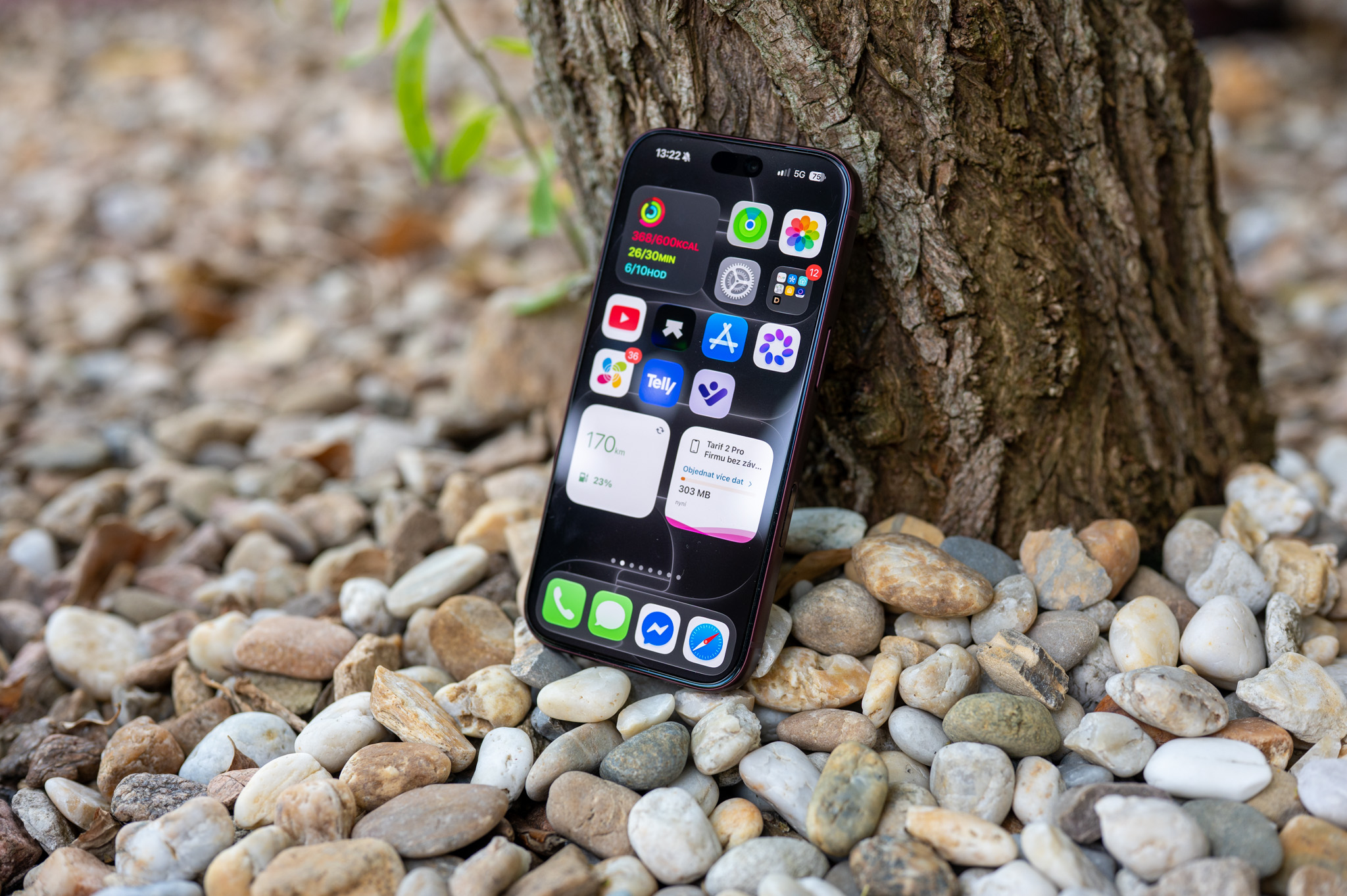
ProMotion is one of those technologies that you may not fully realize until you switch back to a 60Hz screen. Animations, content scrolling, and system responses feel exceptionally smooth. Combined with a faster chip and optimizations iOS 27, in my opinion, the display is one of the reasons why the entire phone subjectively feels faster than the previous generation. And whoever says that a person does not appreciate or see the 120Hz refresh rate should go to a store near you and take a look. iPhone 17e with its 60Hz and 18 Pro with its 120Hz. The difference there is absolutely fundamental.
Of course, there is still room to improve the phone's display, and I admit that it is not entirely small. Apple could of course, for example, Dynamic Island remove it completely, increase the brightness or improve the anti-reflective coating. But none of this is something I would desperately miss in everyday use. The iPhone display 18 Pro so it is not revolutionary, but it is so good that it is difficult to find anything in it that would really need immediate correction and despite de facto zero improvement (except Dynamic Islandu) it's literally a joy to look at.
VariaThe barrel aperture is a major photographic innovation
Improving the camera is already a tradition, and this year it will not be the same with the new one. iPhone is no different. The biggest photographic novelty there is no doubt variathe large aperture of the main 48Mpx Fusion camera, thanks to which it can iPhone switch between f/1,48, f/1,8, f/2,8 and f/4. Unsurprisingly, different apertures allow you to change the amount of light hitting the sensor and the resulting depth of field.
To explain why this is interesting, we need to take a moment to look at how mobile cameras work. Most phones have a fixed aperture, so the amount of light and the resulting look of the image are primarily controlled by exposure time, sensor sensitivity, and software processing. iPhone 18 Pro but it adds another physical variable and can open or close the lens as needed.
At f/1,48, the sensor will unsurprisingly receive the most light, which is useful at night, indoors, or when taking pictures of a moving subject, as the phone can use a shorter exposure time or lower sensitivity. Conversely, at f/4, less light will reach the sensor, but the depth of field will increase. This allows more of the scene to remain truly optically sharp (in other words, the background will not be blurred like in portraits).
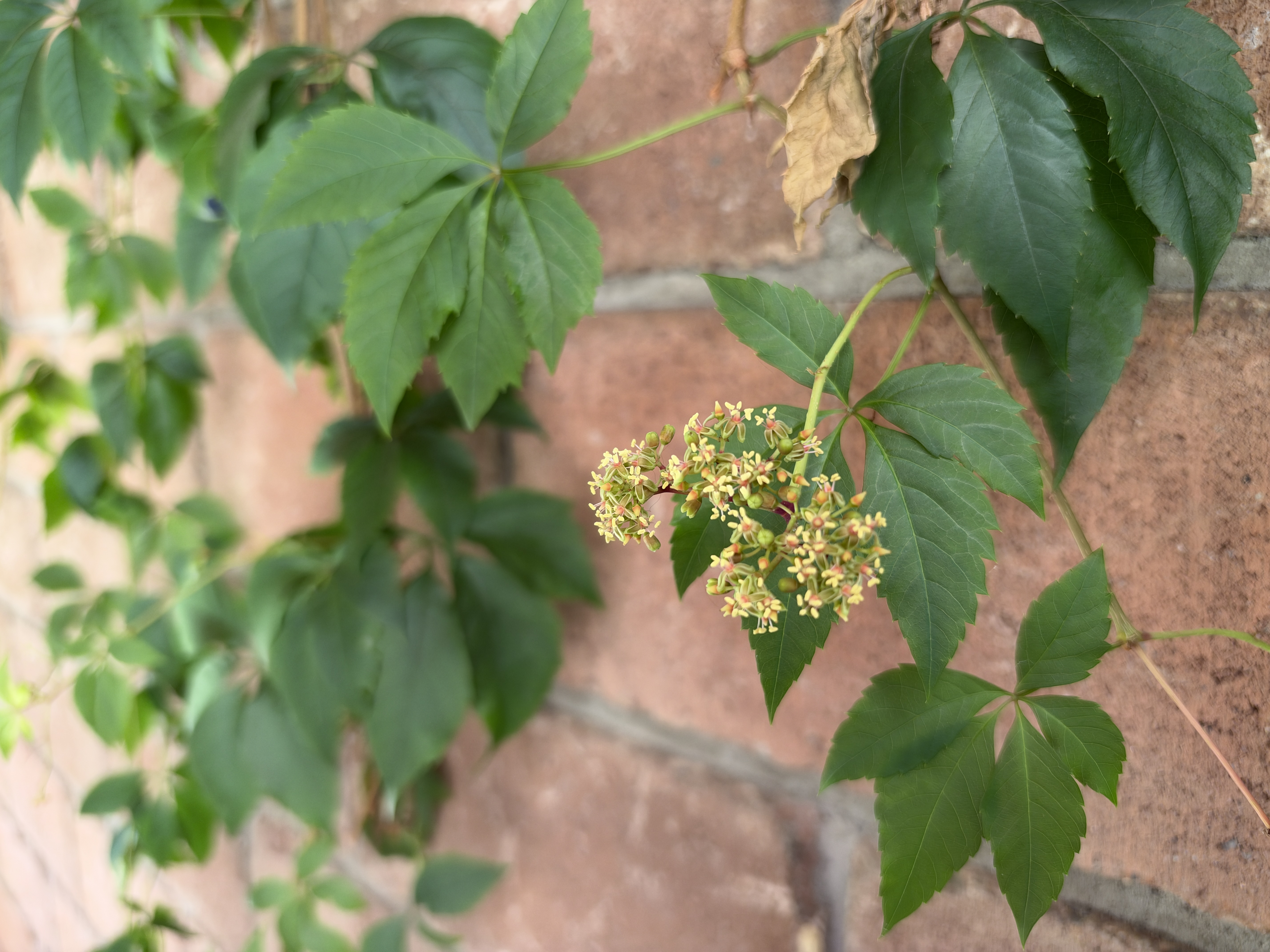
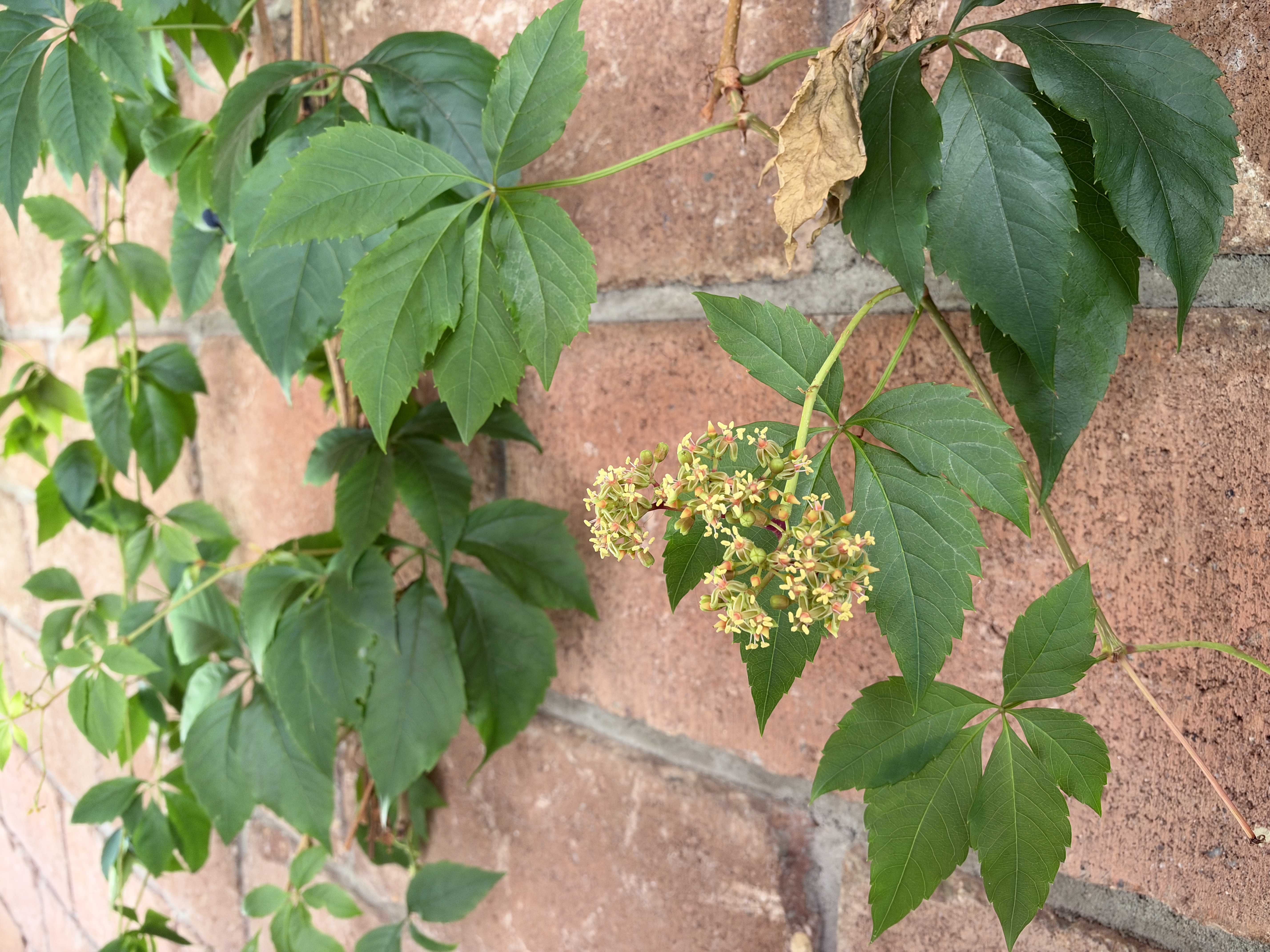
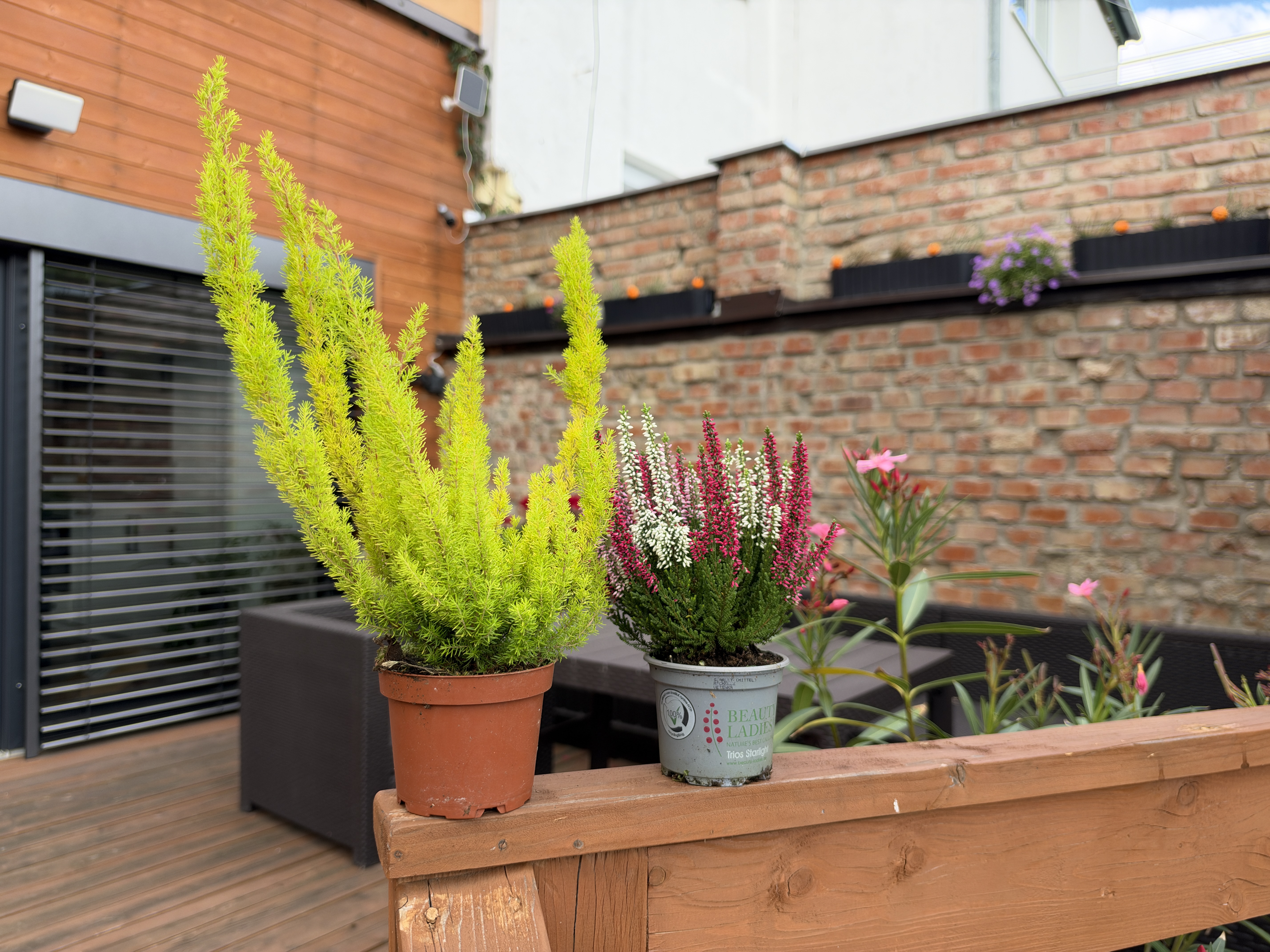
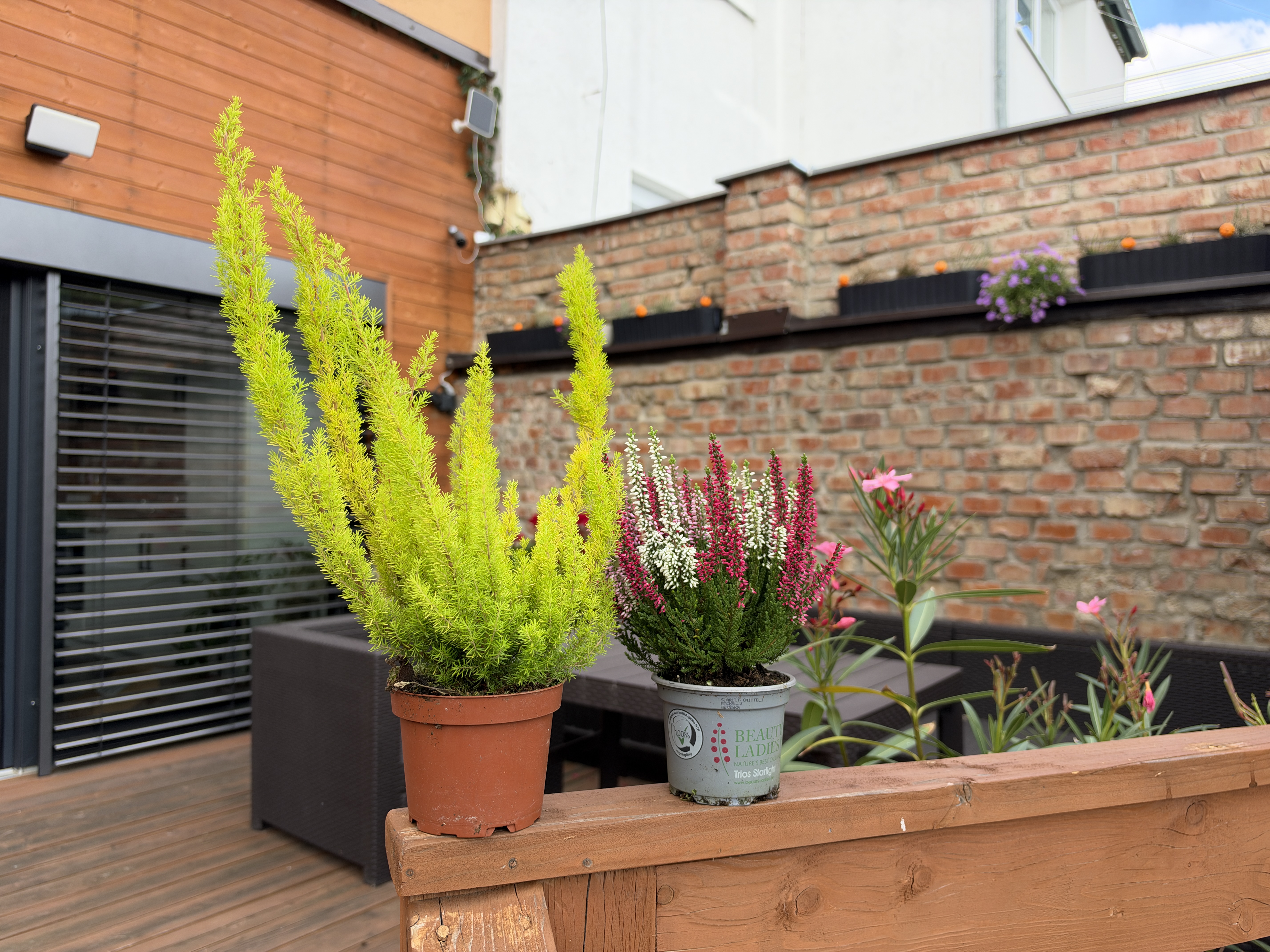
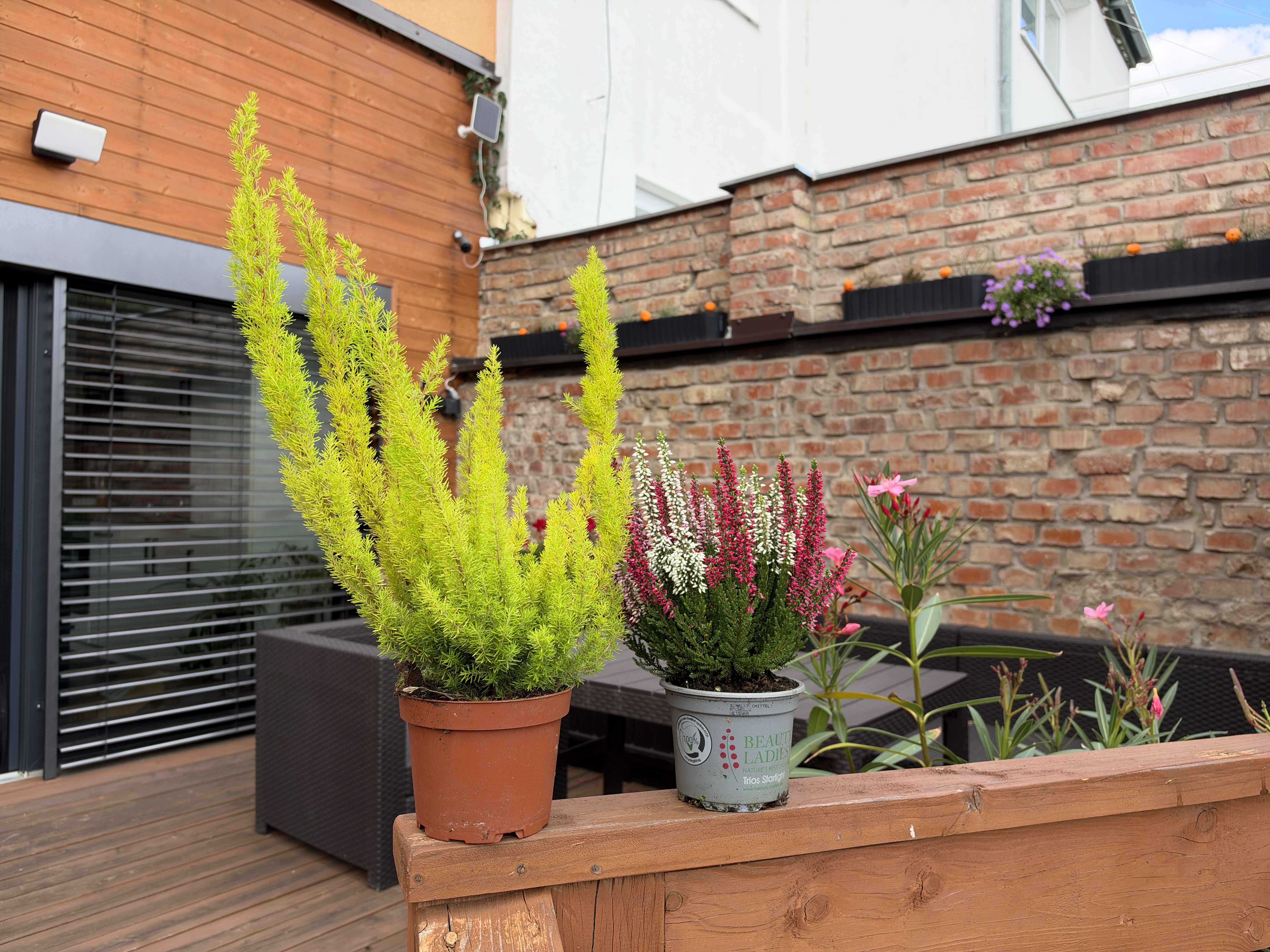
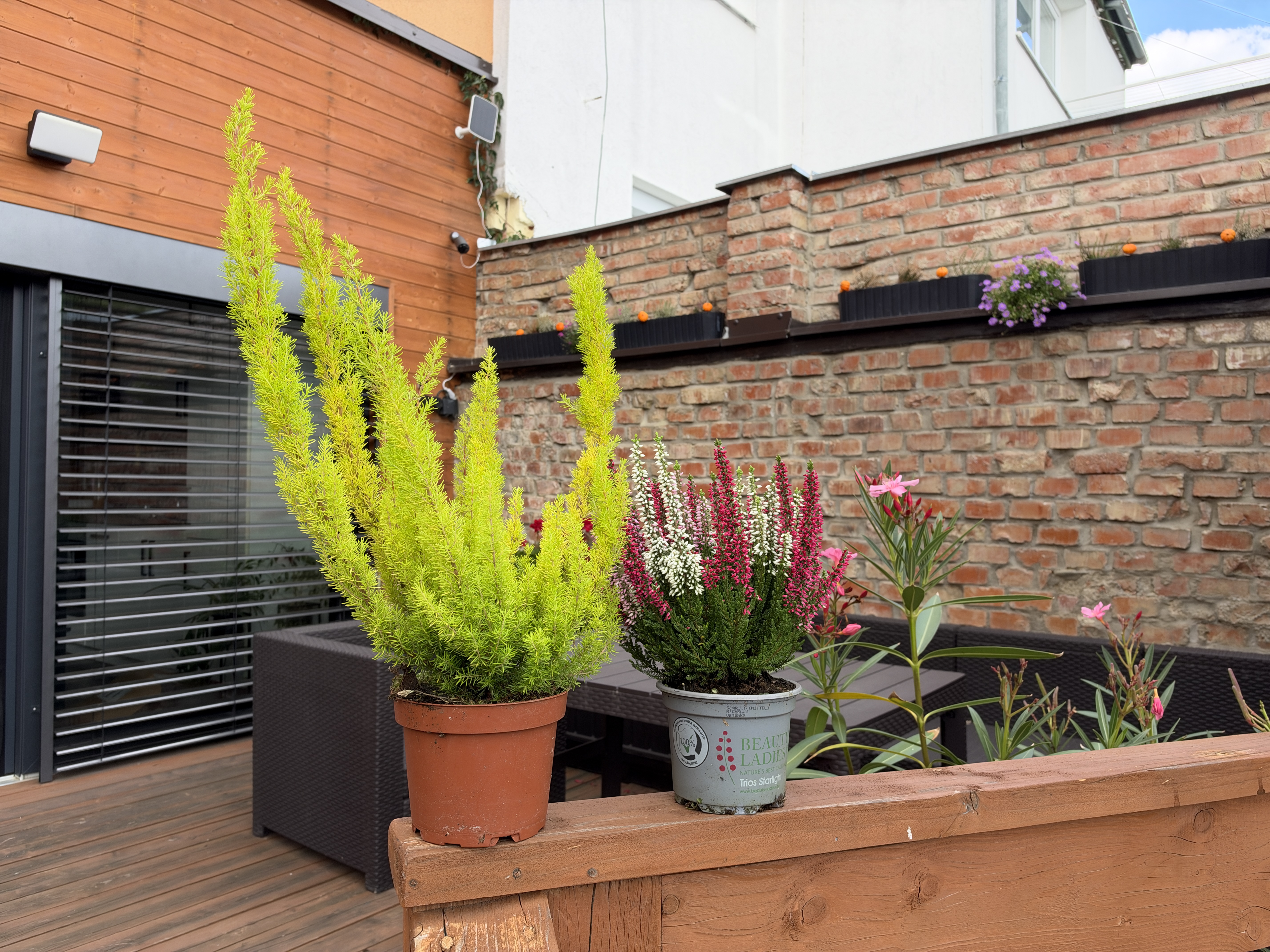
This is not just a software simulation of blur like in portrait mode. Changing the aperture affects the image as it passes through the lens, so the resulting sharpness distribution looks more natural. On the other hand, it must be said that iPhone still uses a much smaller sensor and lens than a conventional camera. The differences between the individual values are therefore not as dramatic as someone might expect based on their experience with a large camera. In other words, I had really high expectations for the differences in apertures and when I started playing with it, I was actually quite disappointed. These are not really major changes, but rather small changes that really raise the bar for your photos a little higher.
Test variawindow screens
Gallery




I really like that if you're not interested in manually adjusting your camera, you don't have to worry about anything. iPhone 18 Pro will take care of everything automatically, just like before. By default, it will evaluate the scene, light, and distance of the photographed objects and choose the appropriate aperture, so you can do everything without any work.
But it seems to me that Apple The automatic settings are quite conservative. In good light, it often happens to me that the phone stays at the proven f/1,8 value and only opens or closes the aperture more significantly when it sees a clear reason for doing so (for example, it is really dark and as much light as possible is needed on the sensor). But maybe it is also because the phone does not "understand" well enough what you actually want to photograph at that moment.
I've noticed that the aperture tends to stay at f/1,8, especially when you're shooting a more complex scene with elements in both the background and foreground, which makes me feel a bit like in such a situation iPhone they simply don't know what to focus on and therefore opt for the more universal f/1,8 rather than f/1,48, which would blur the background a little more. Either way, during normal photography, the aperture doesn't need to be changed nearly as often as you might expect after reading the product materials.
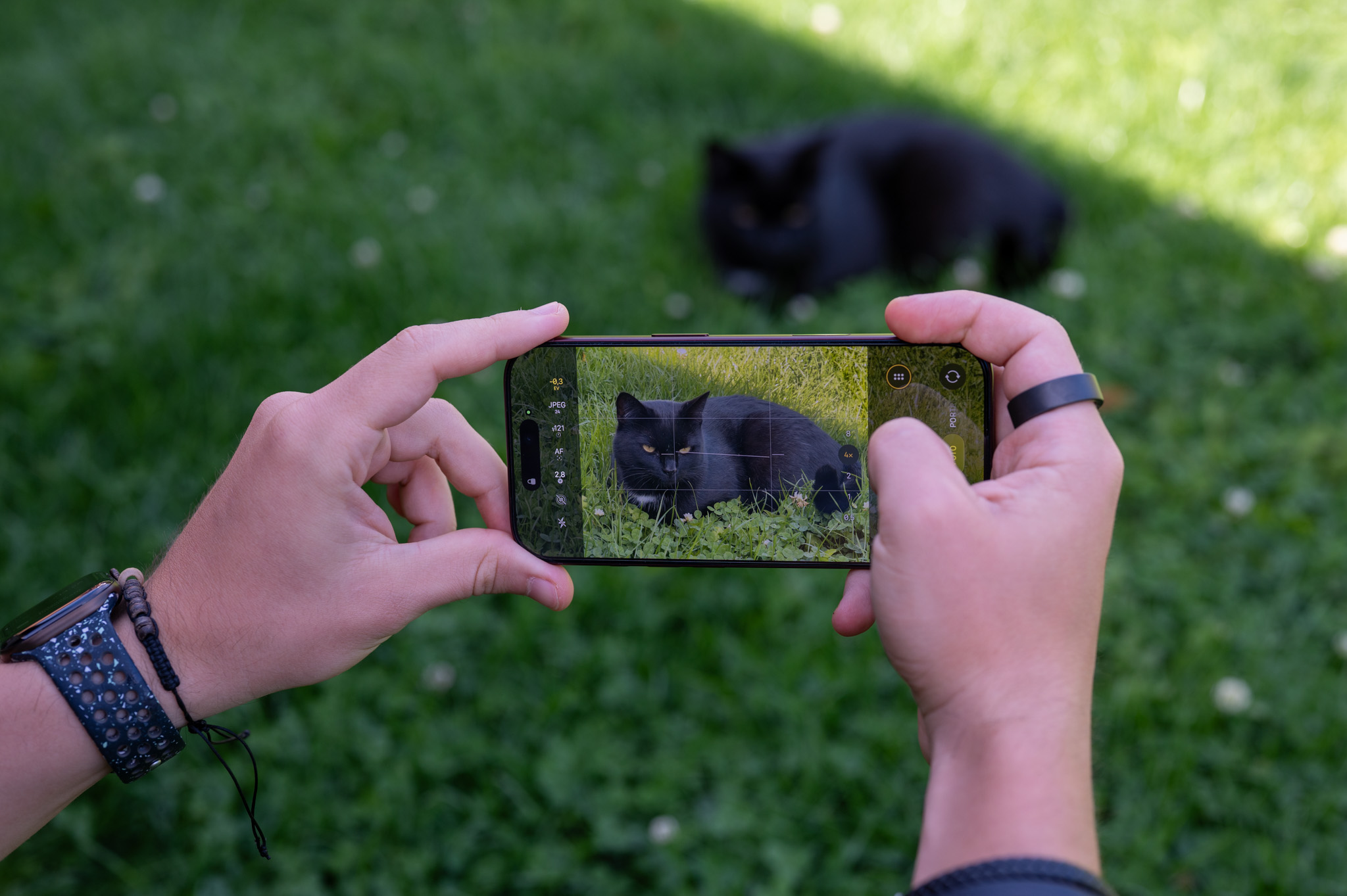
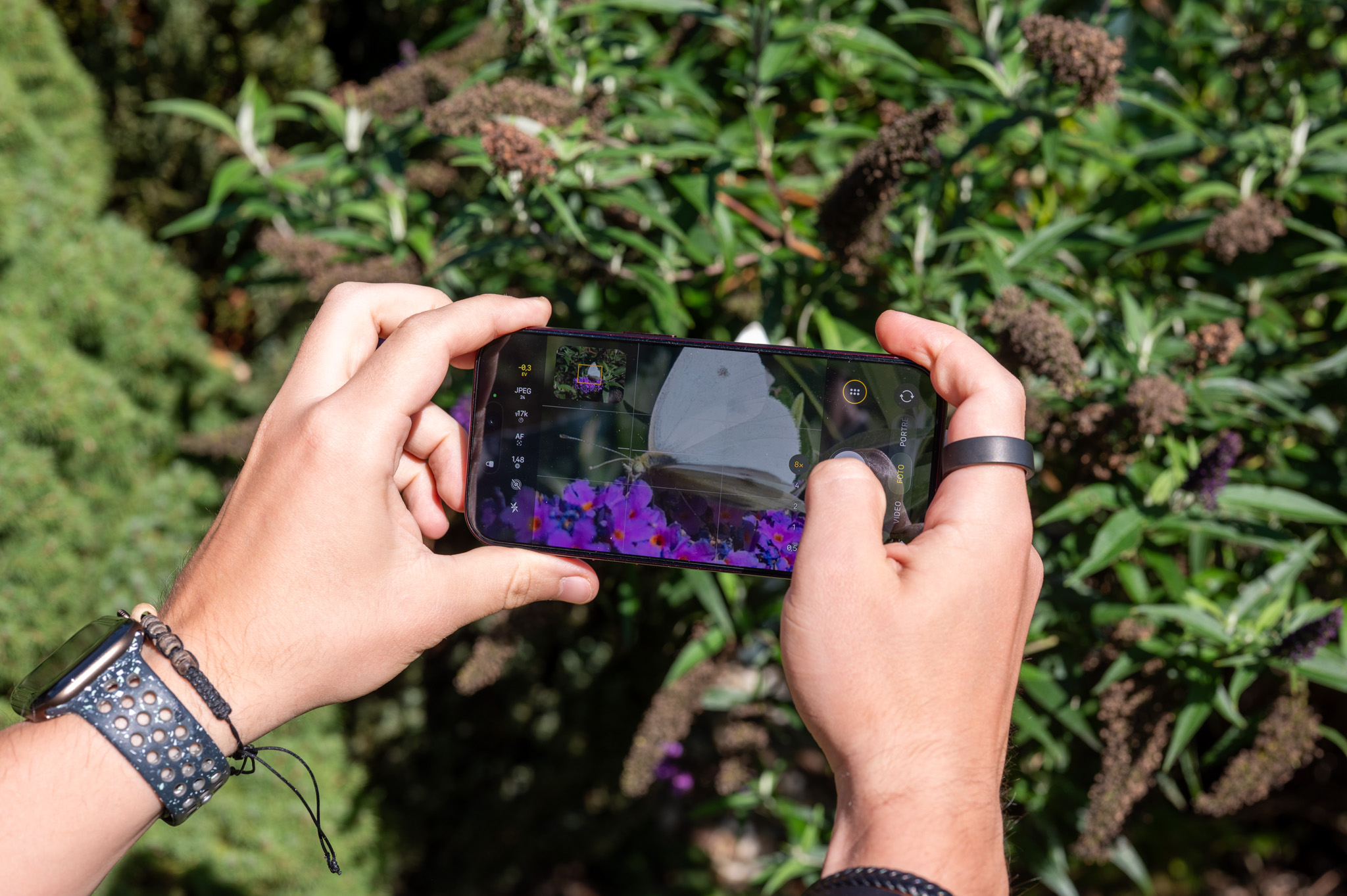
It's even more gratifying that Apple After years, it allows users to better influence the result directly in the basic photo application, without having to install professional third-party applications. There is the option to customize the controls visible directly in the Camera application, thanks to which you can, for example, access the aperture control with a few touches of the display and set everything manually. And not only that. In the native Camera application, you can now also control focus, exposure time and white balance or view the histogram. I find this shift perhaps more interesting than the variathe shutter.
Gallery
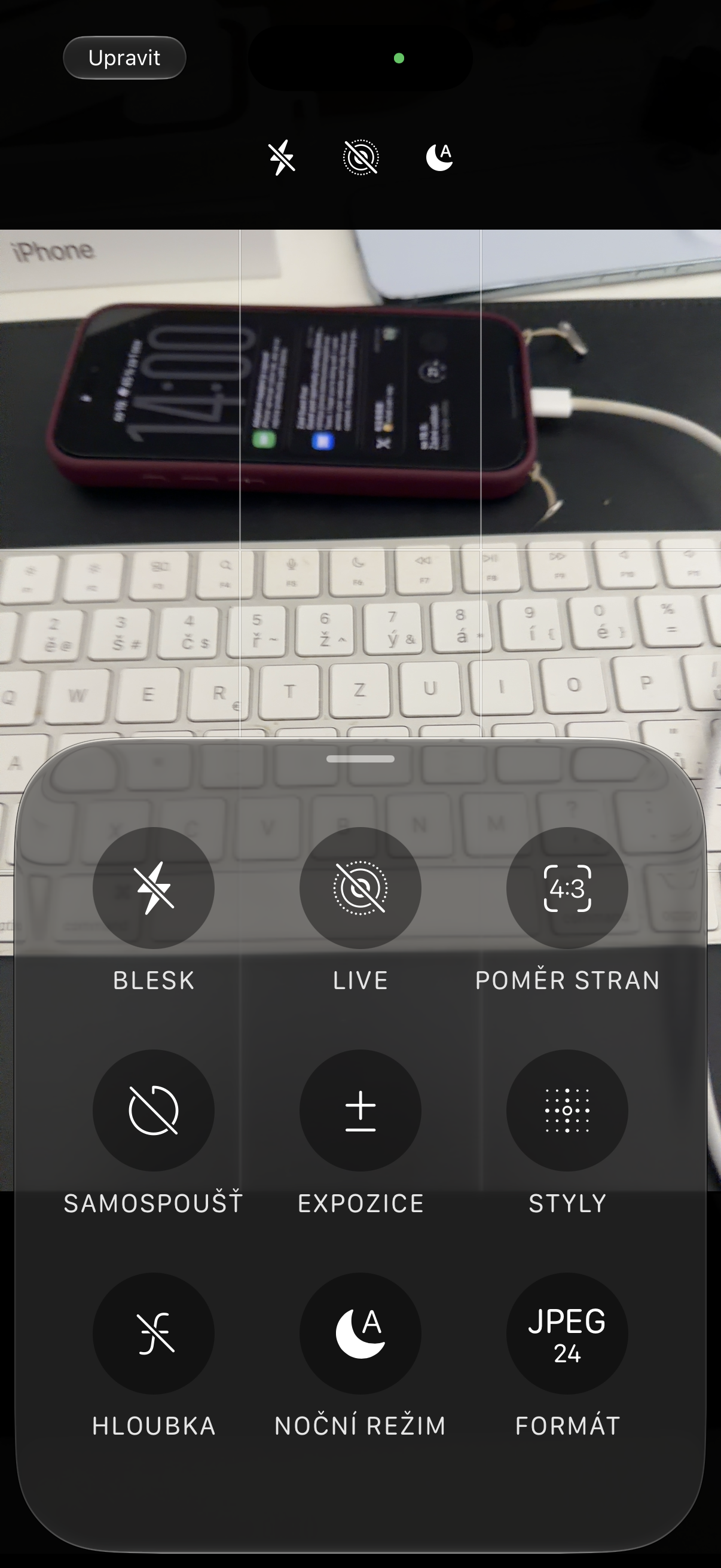
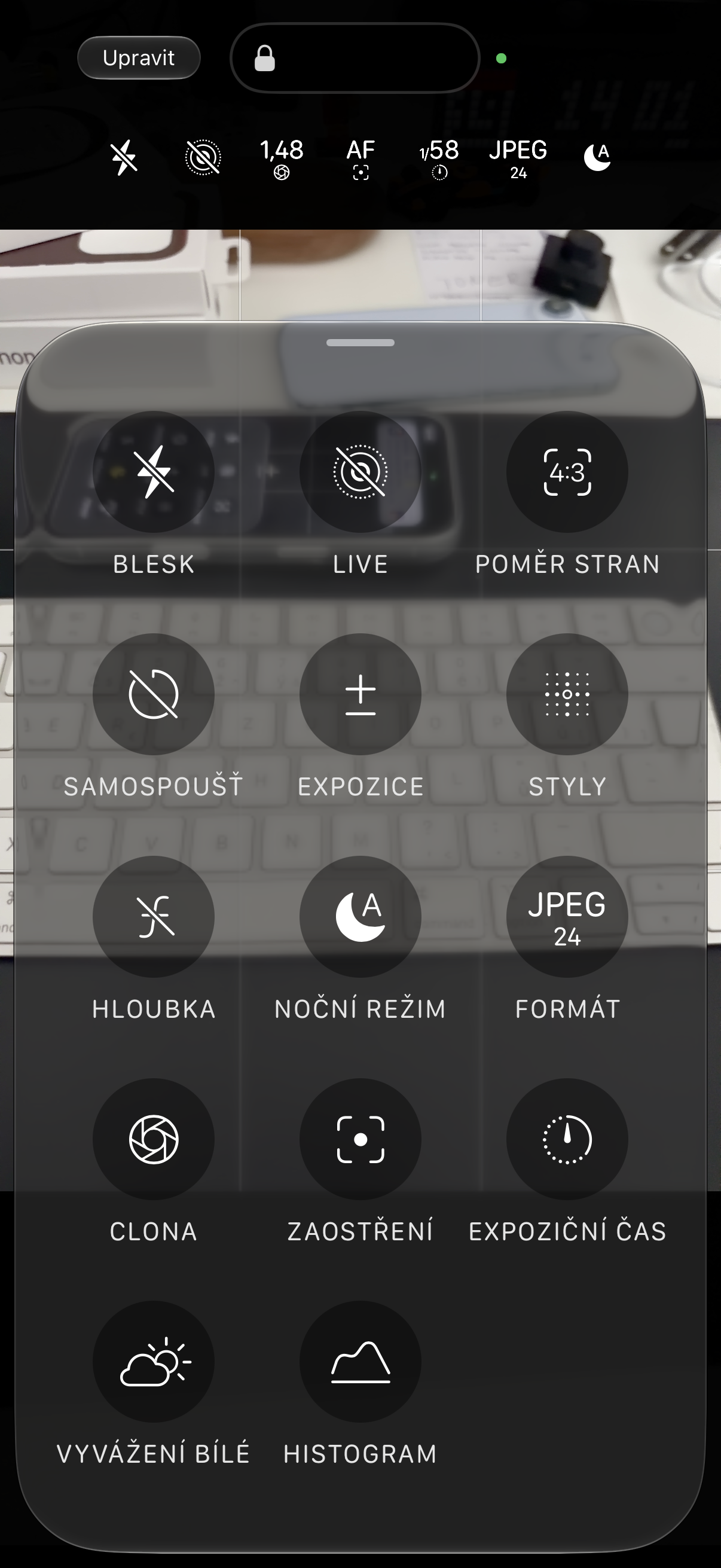
Manual focus adds edge highlighting, so you can see quite clearly on the display which part of the scene will be sharp. For shutter speed, you can choose between freeze motion and longer exposures, while white balance offers preset values for artificial light, day, cloudy skies or shade. A histogram will then help you monitor whether details are lost in bright or dark parts of the image.
Quite frankly, for the vast majority of people, these controls will remain useless and they will continue to take photos by simply pointing and pressing the shutter button, which is of course perfectly fine. Besides, it is definitely a good thing that iPhone Due to new professional features, it has not ceased to be a simple phone.onem, and added another layer to this simplicity for those who know what they want to influence. So far, I quite enjoy these professional elements in the camera even as a non-professional, also because they can actually teach you new things about photography that you may not have considered much before. Honestly, I have to say that years ago I also enjoyed the Camera Control button, but I got tired of it quite quickly.oneI got tired of it.
Daytime photos: you'll sometimes look for differences with a magnifying glass
And how then? iPhone 18 Pro actually takes photos? In good light, the main camera does an unsurprisingly excellent job. The images have a lot of detail, pleasant colors, a wide dynamic range and very reliable autofocus. Overall, according to my review, the photos are quite natural, although some computational processing can of course be seen and sometimes the photo looks better than what you actually took. But as in previous years, it seems to me that Apple u iPhone 18 Pro pushes for the photo to capture as much of reality as possible, even if it doesn't look that pretty, which is probably a good thing in the end. However, be aware that from time to time you may find yourself in a situation where a photo from a technically inferior iPhone (like the aforementioned 17e) will look better visually, because it will offer nicer colors and so on. However, it will also be further from reality.
Gallery











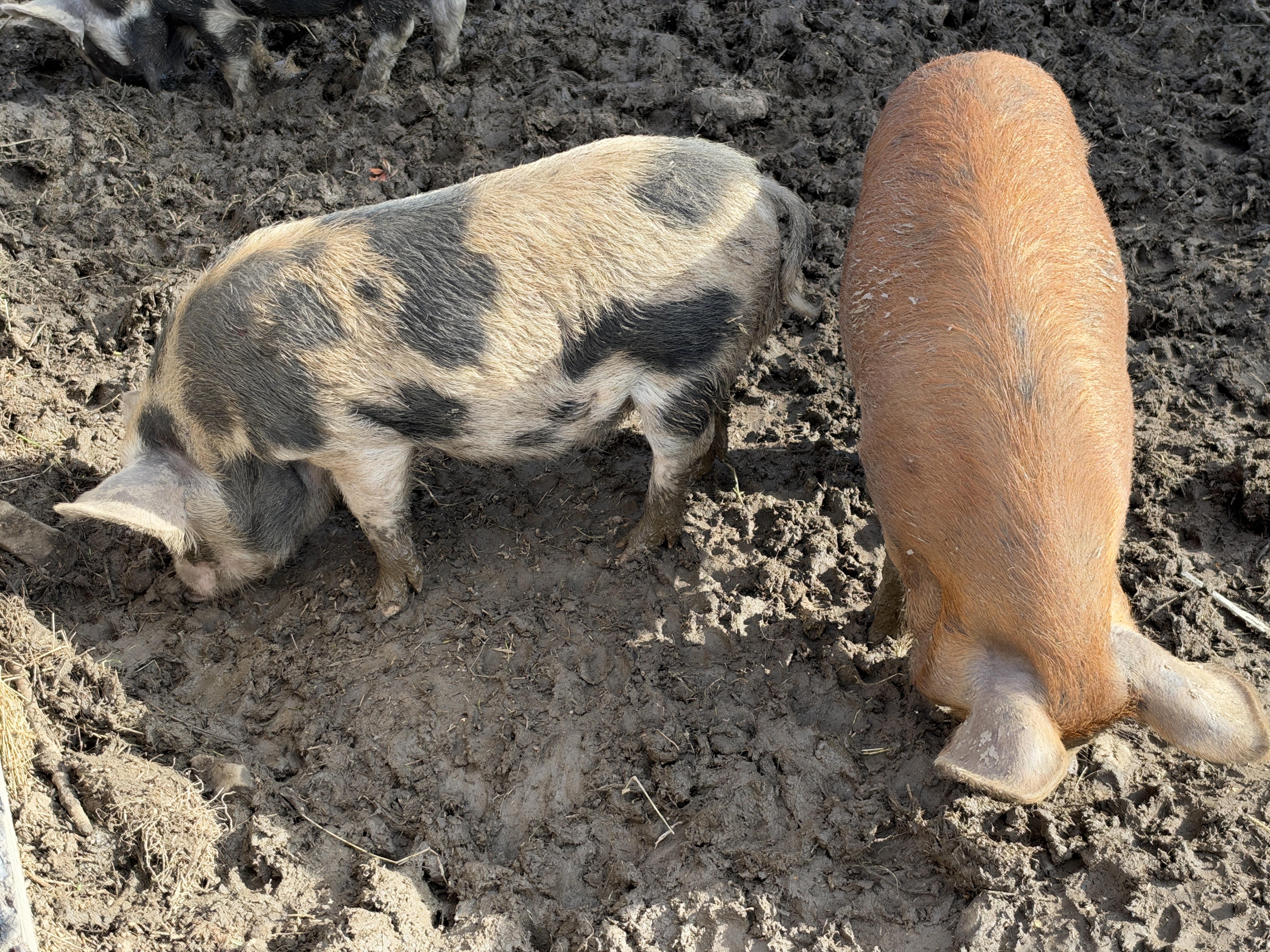

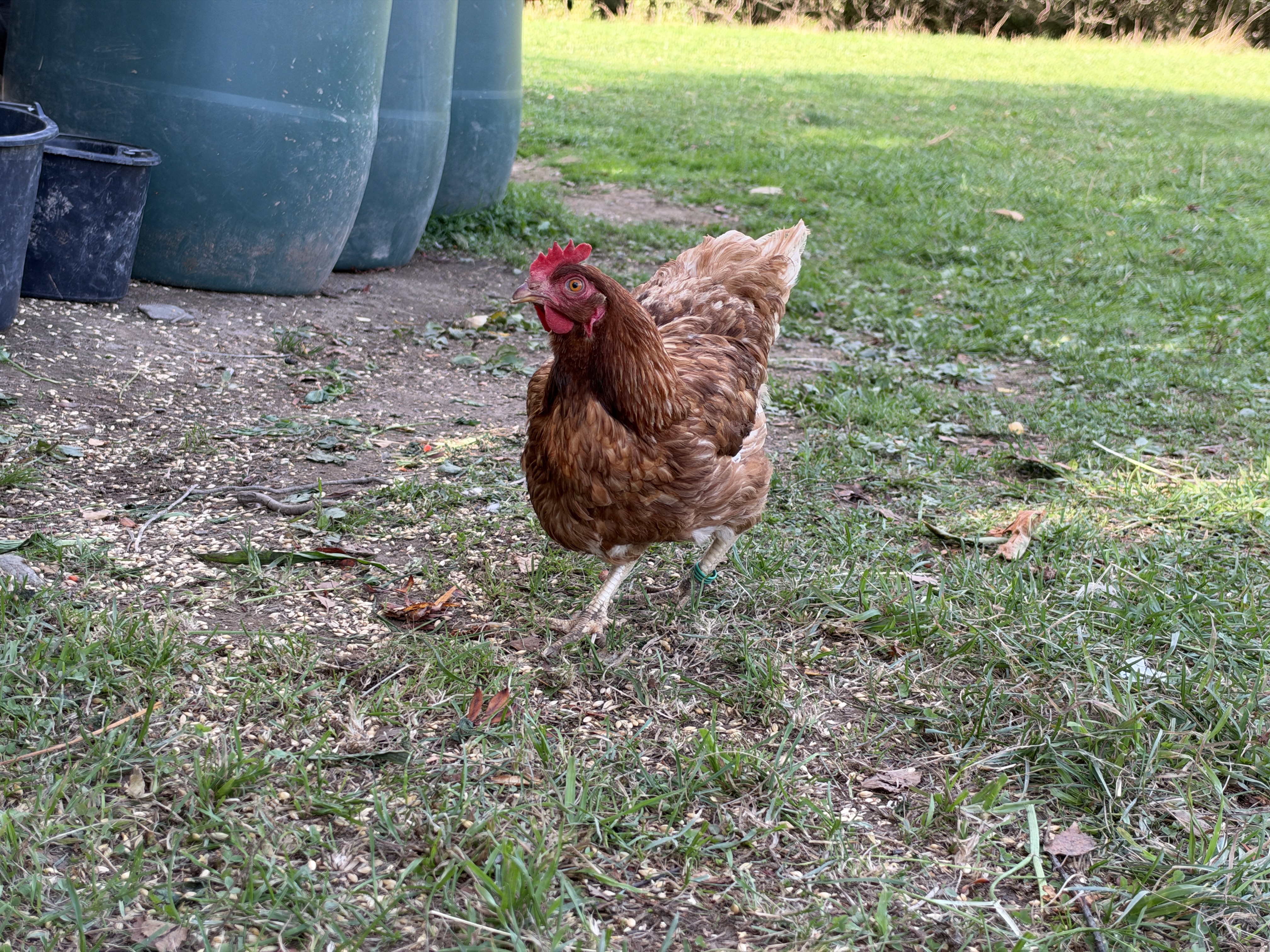

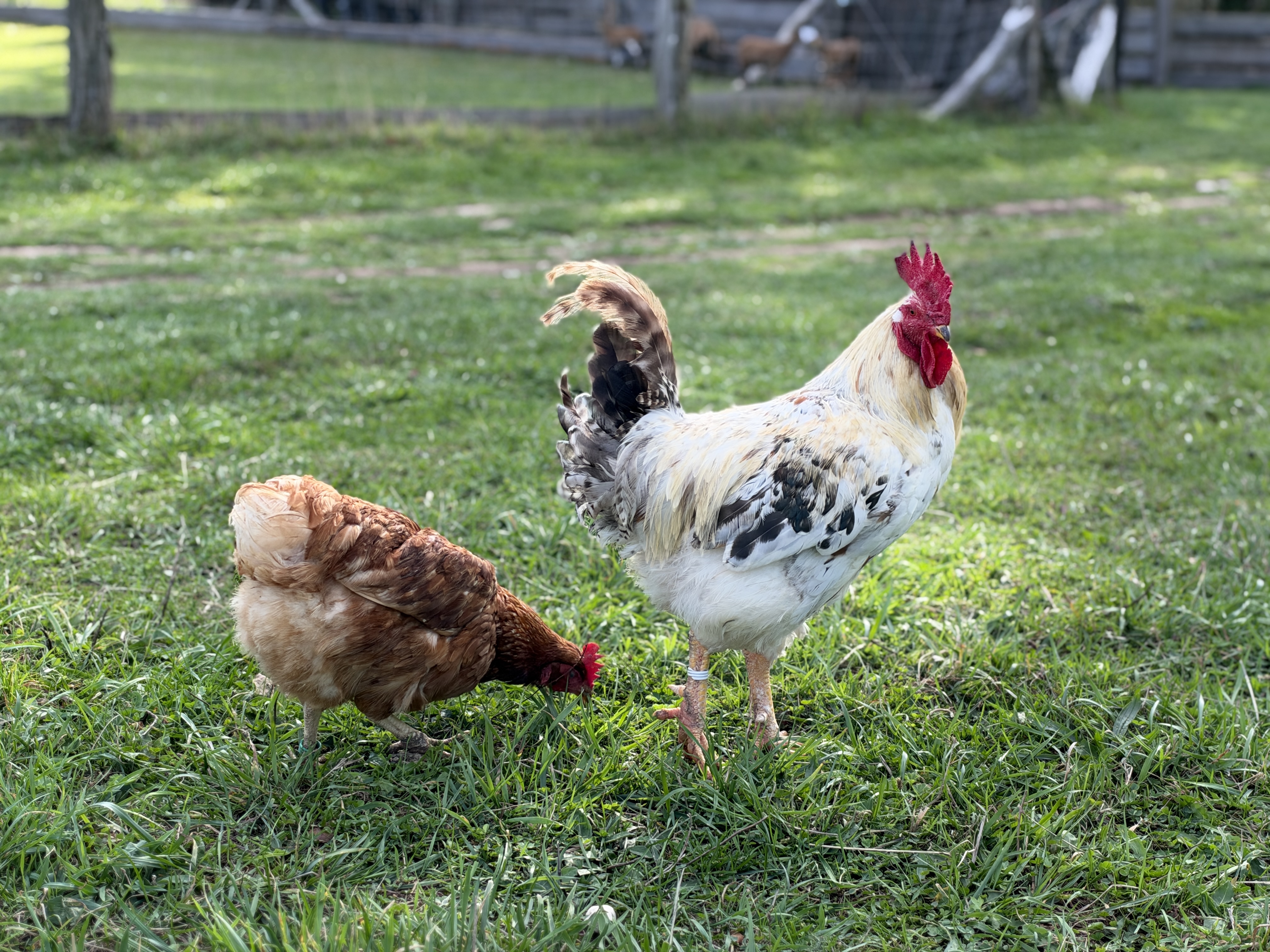





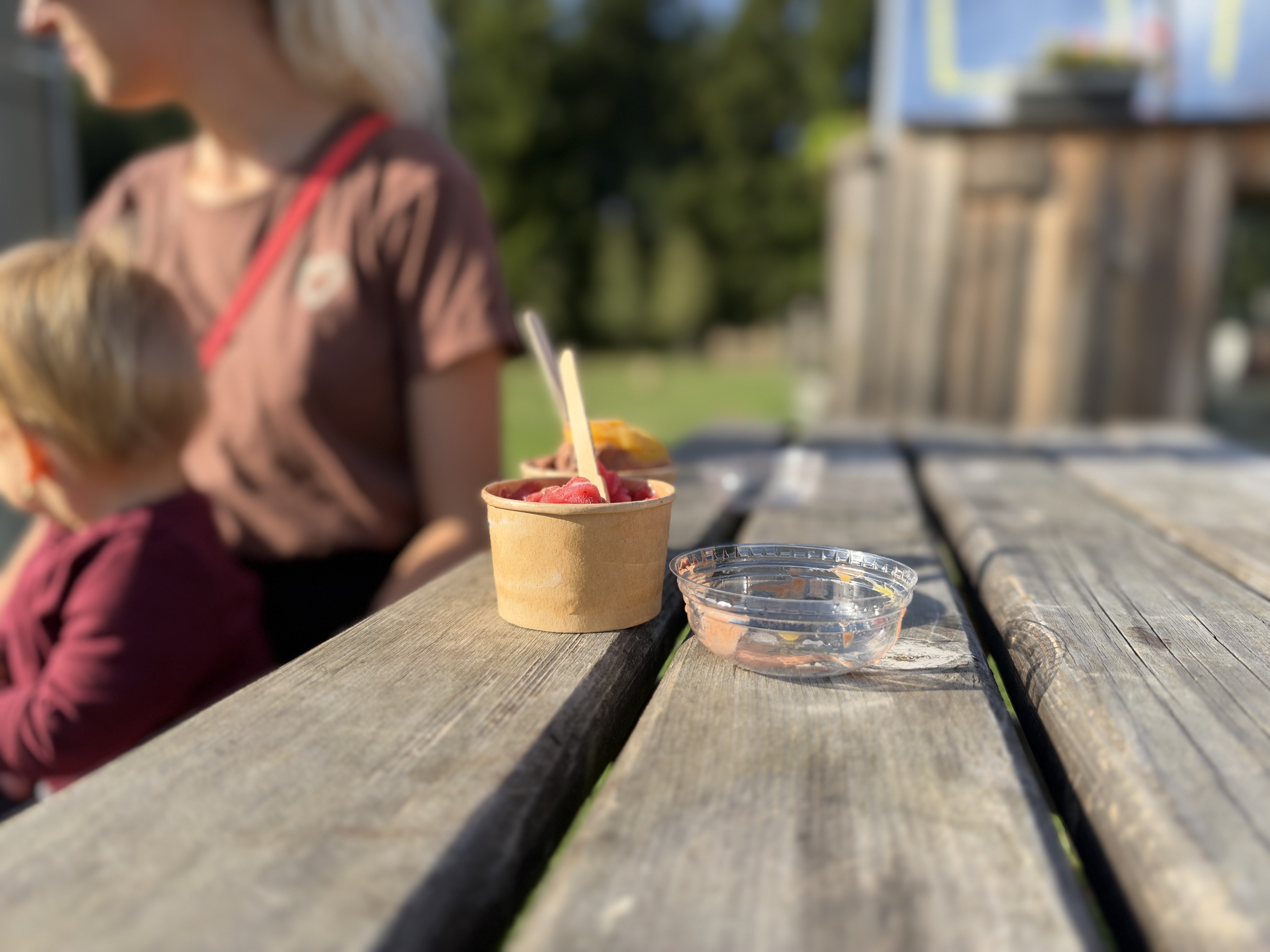

Compared with iPhonem 17 Pro However, don't expect a huge leap. The main sensor still has a resolution of 48 megapixels, and in ideal lighting conditions the previous model was already so good that looking for a dramatic improvement would be rather naive. VariaThe main effect of a wide aperture during the day is the change in depth of field. If you are photographing a subject up close, an open aperture can separate it from the background a little better. A narrow aperture, on the other hand, will help in a situation where you want to have both the foreground and the distant part of the scene in focus.
Gallery
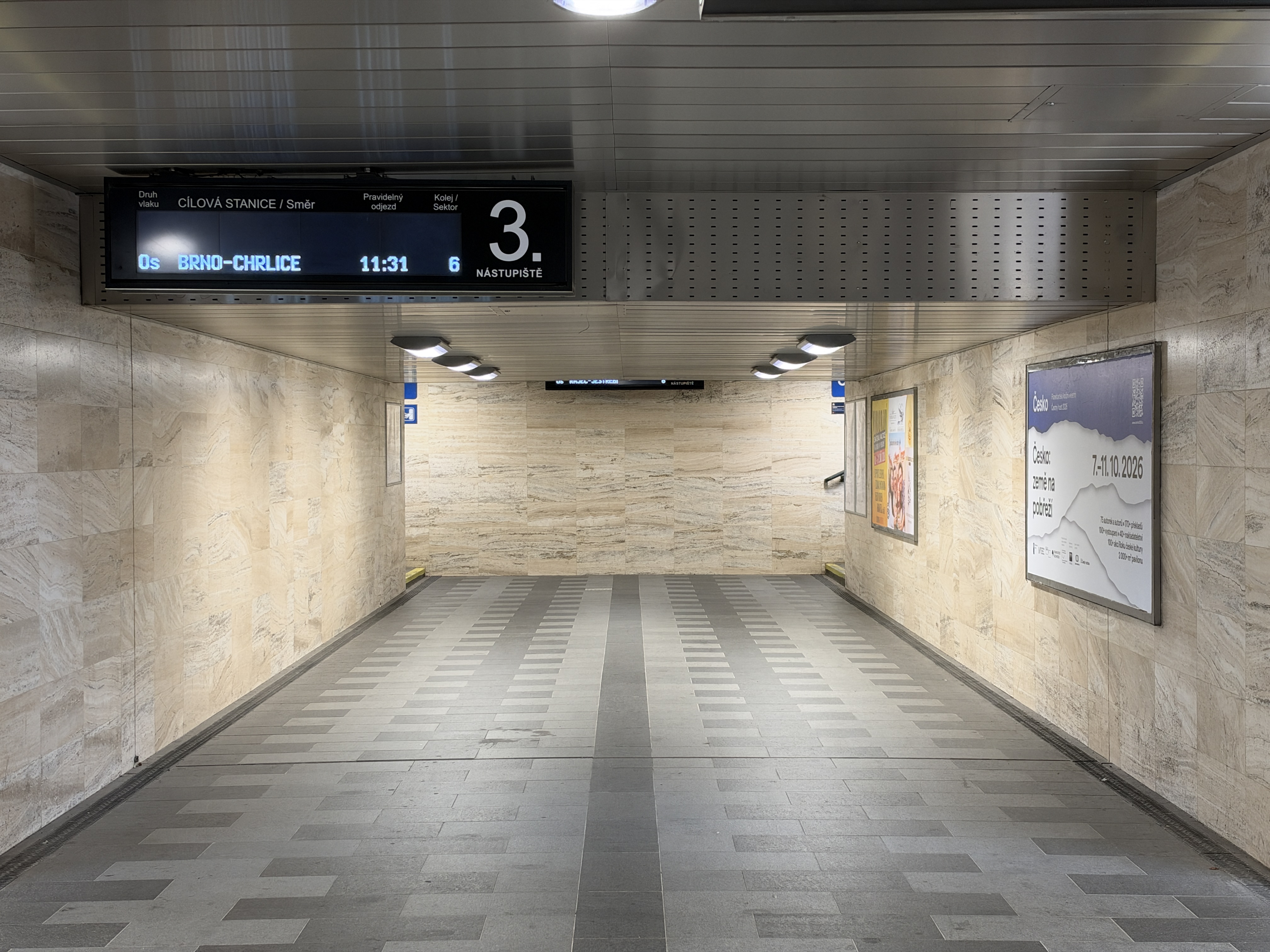

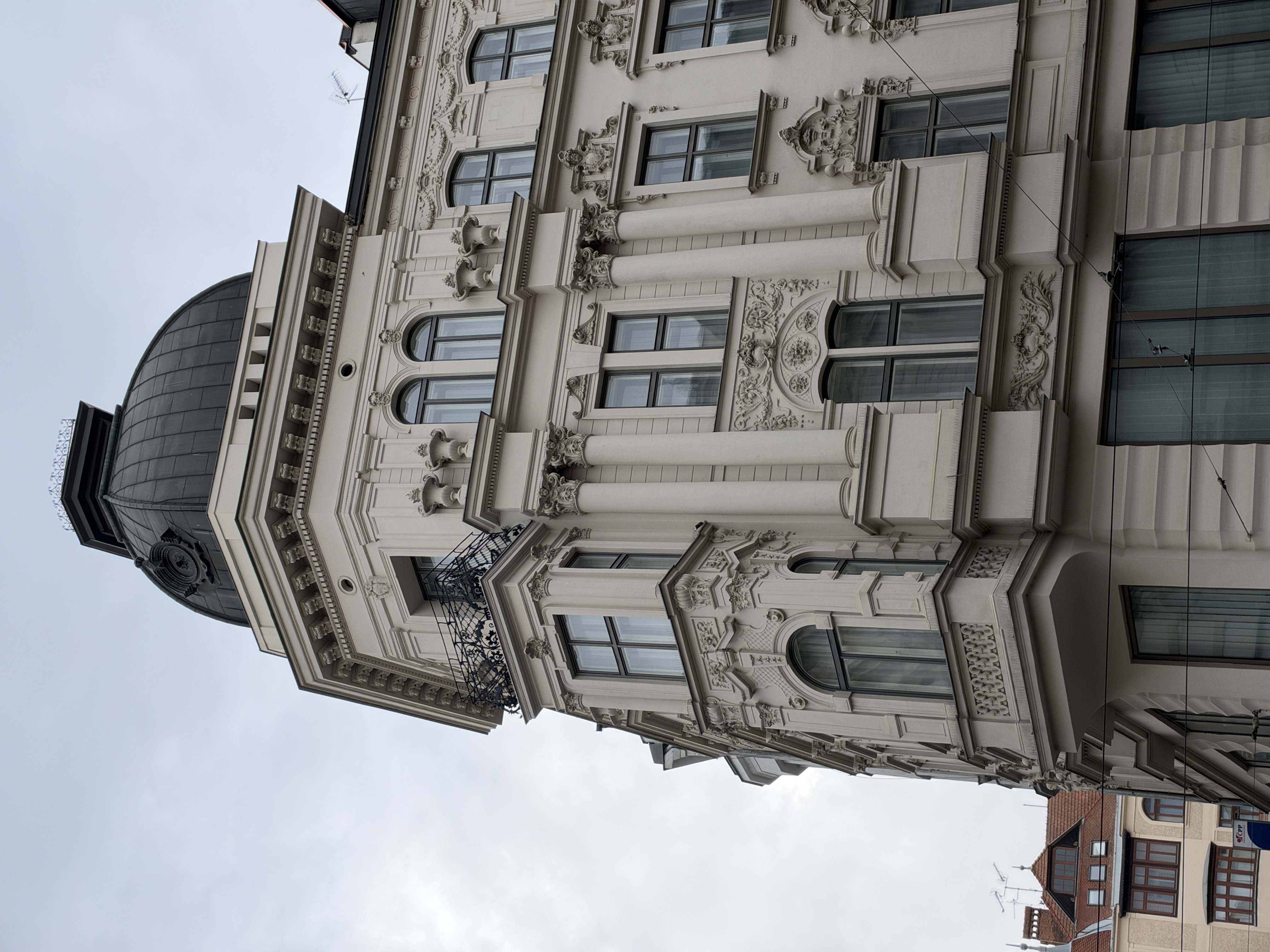

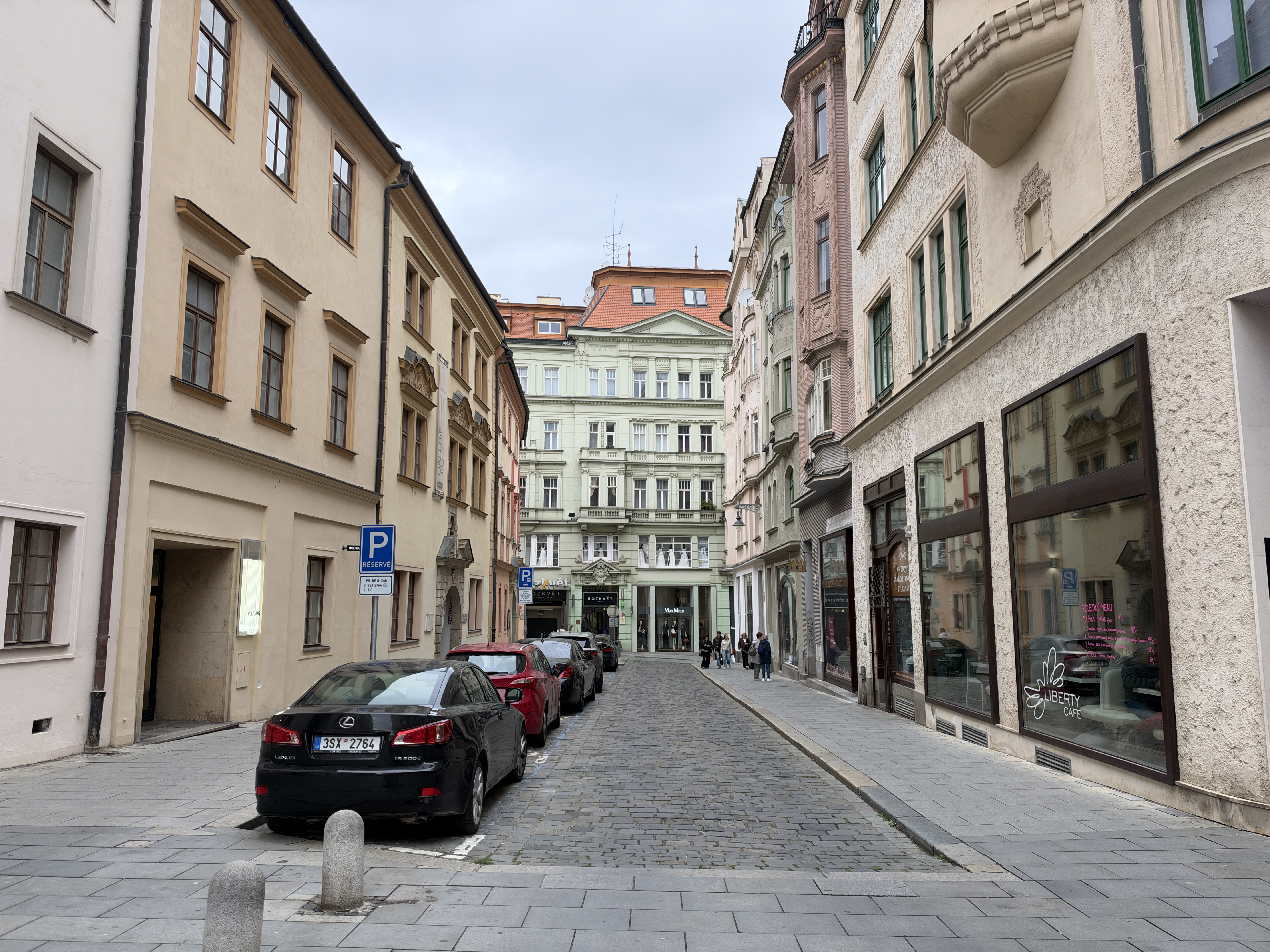

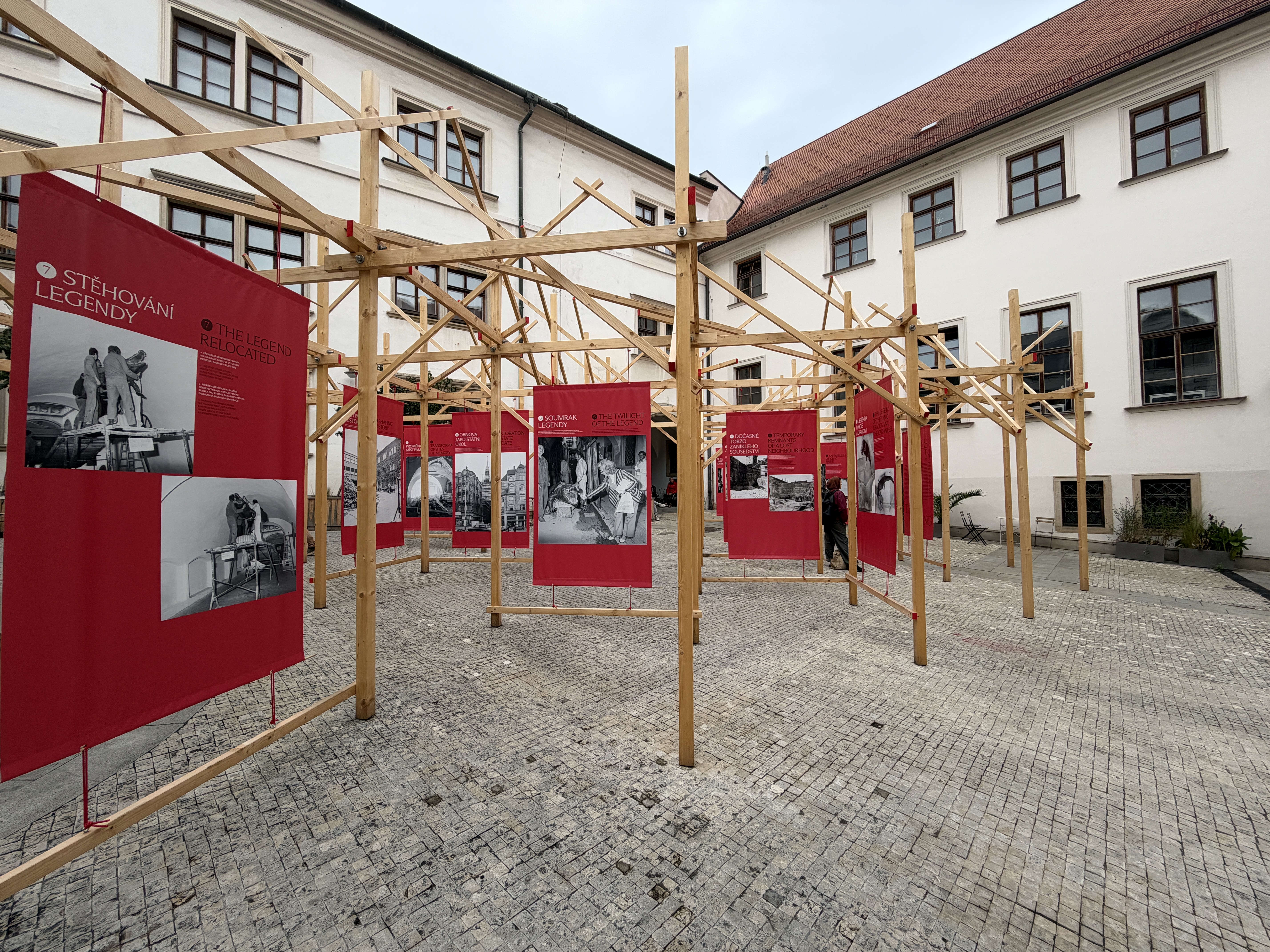


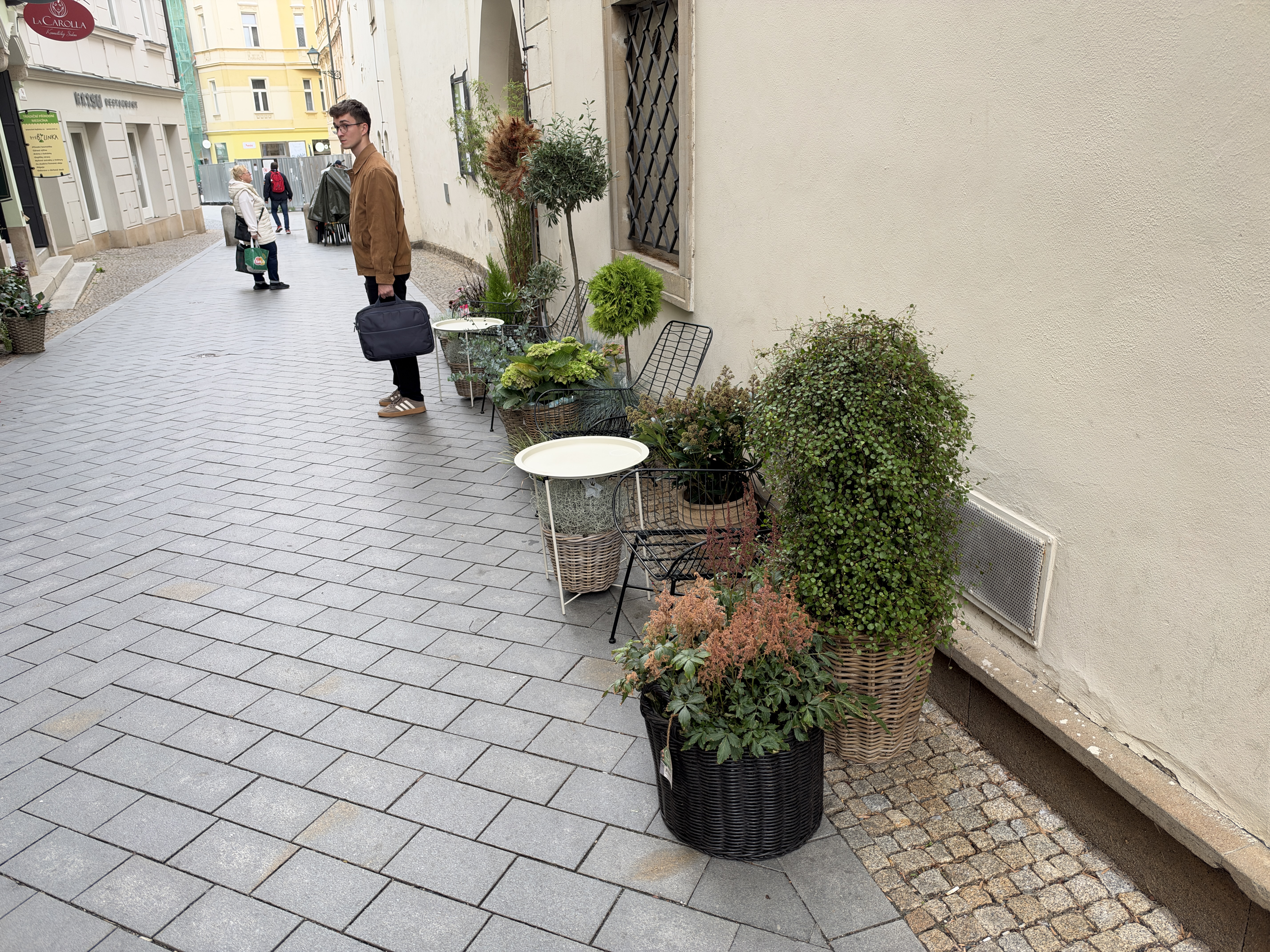

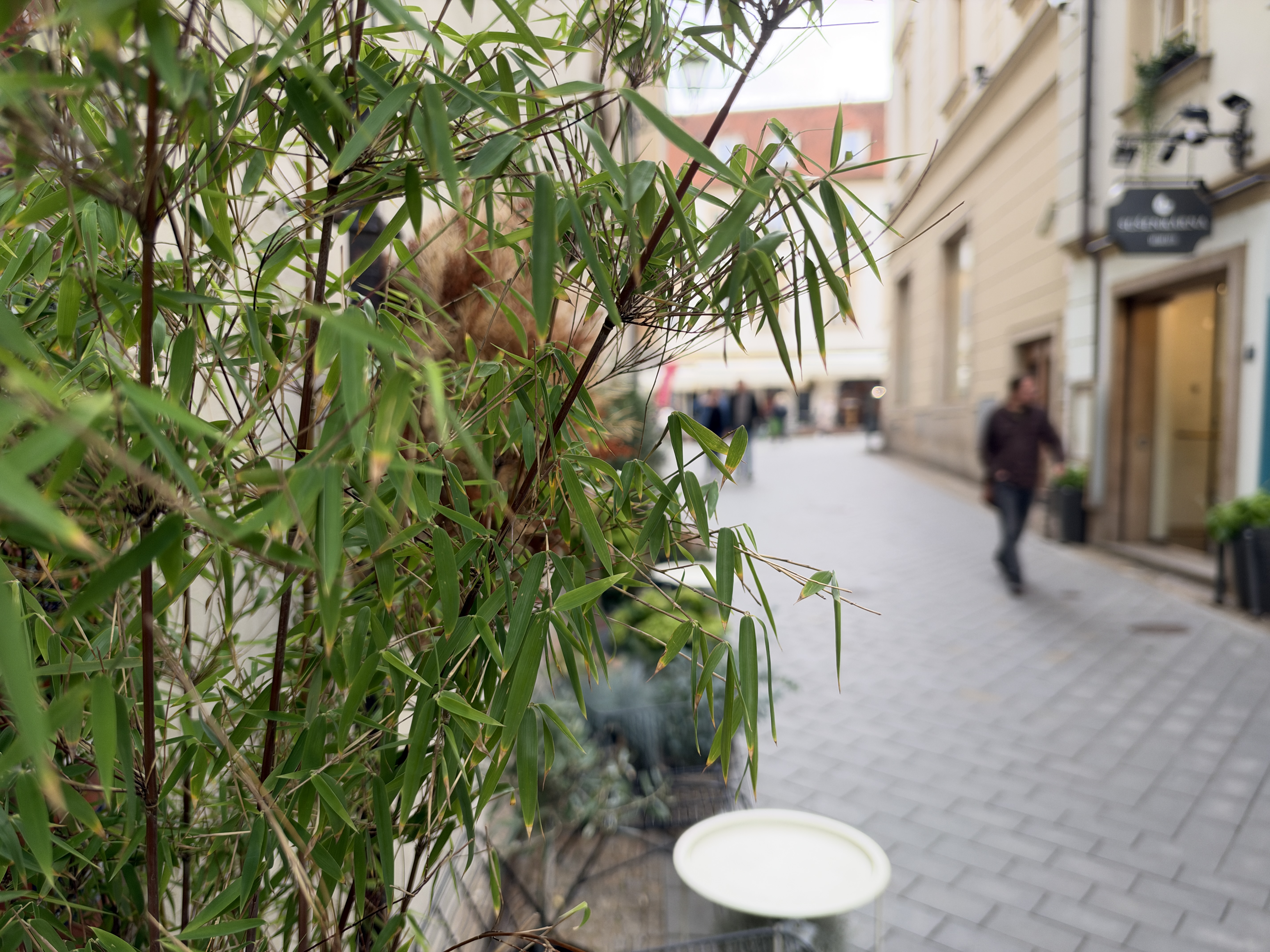




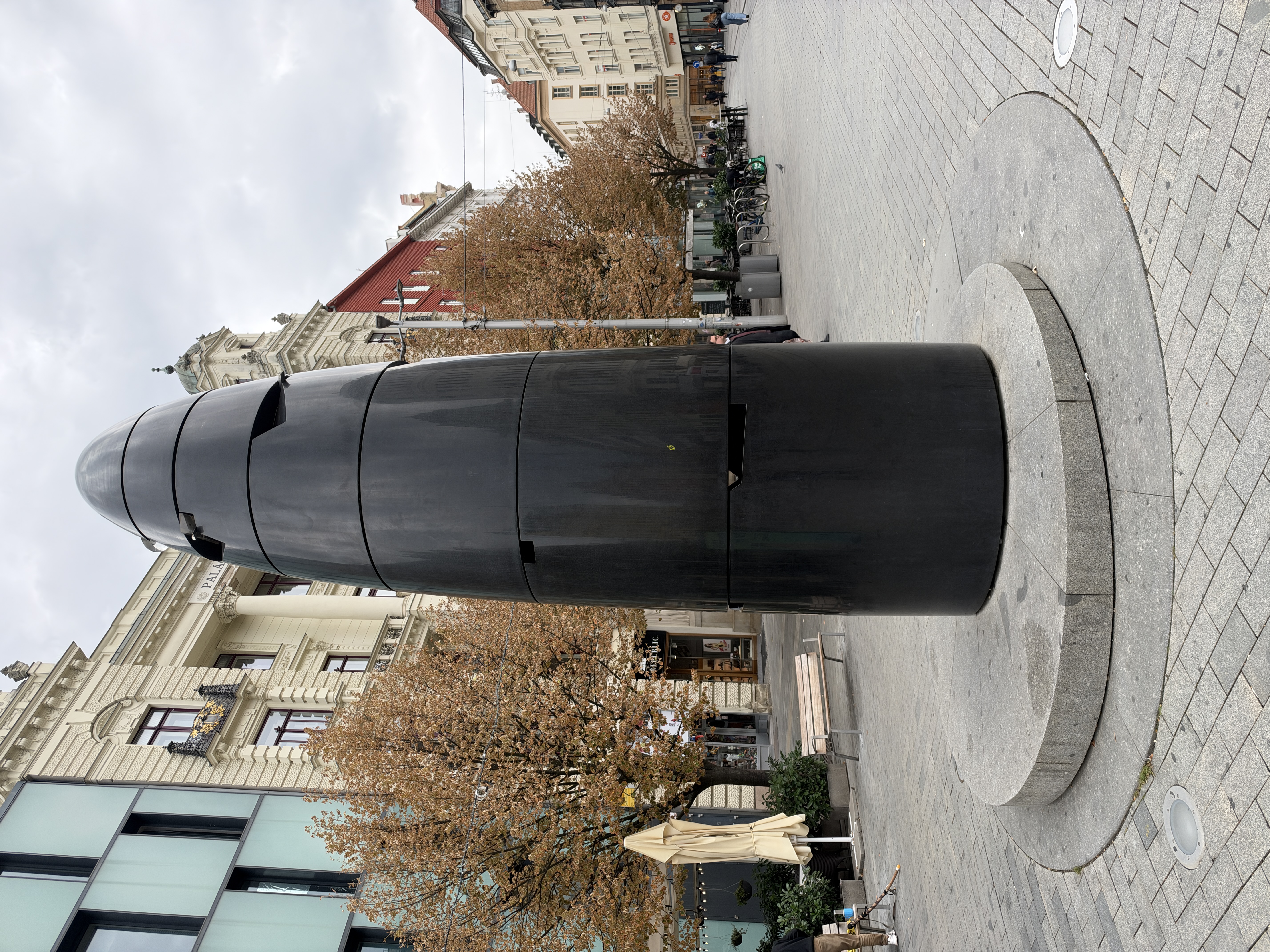

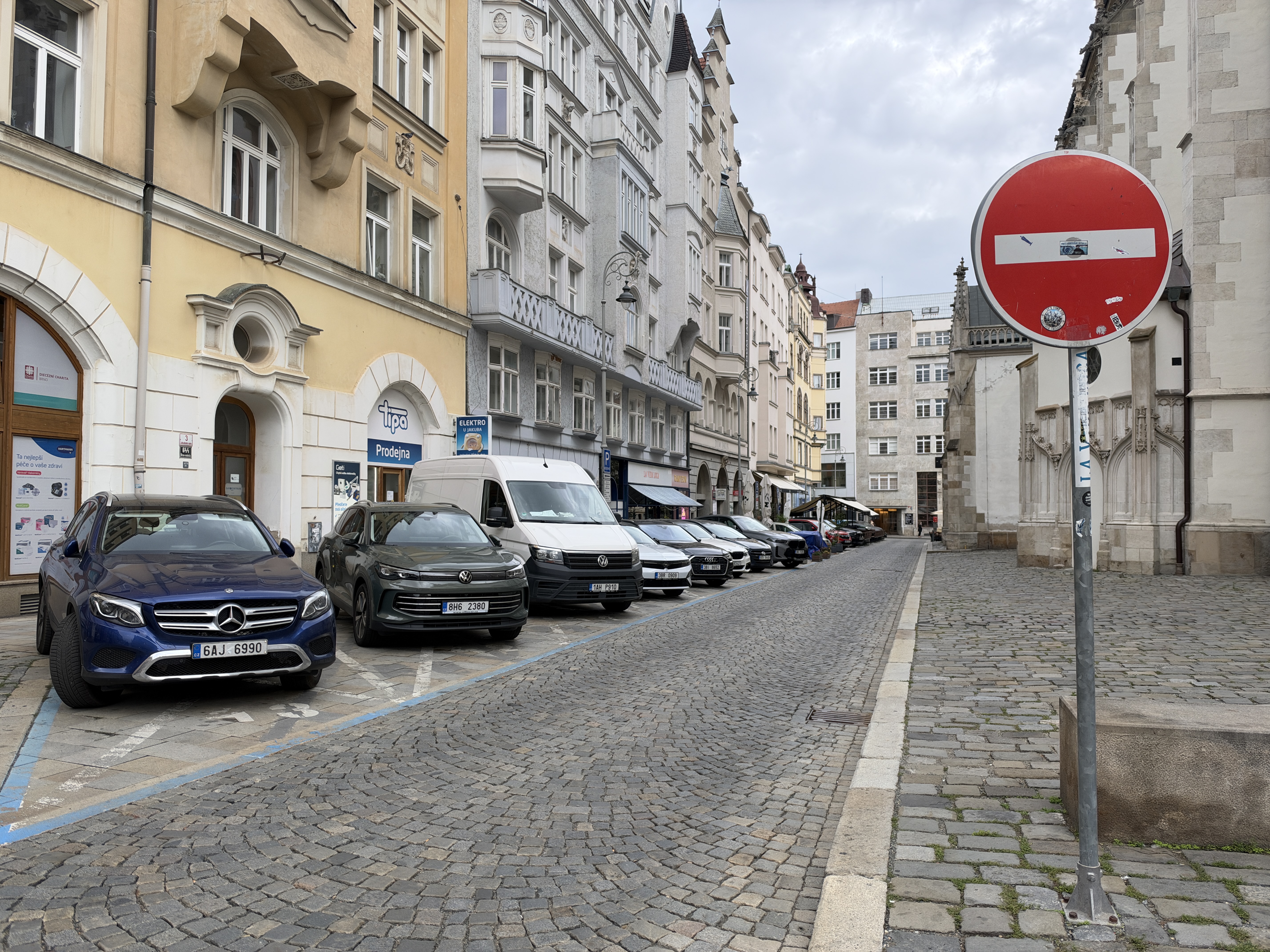
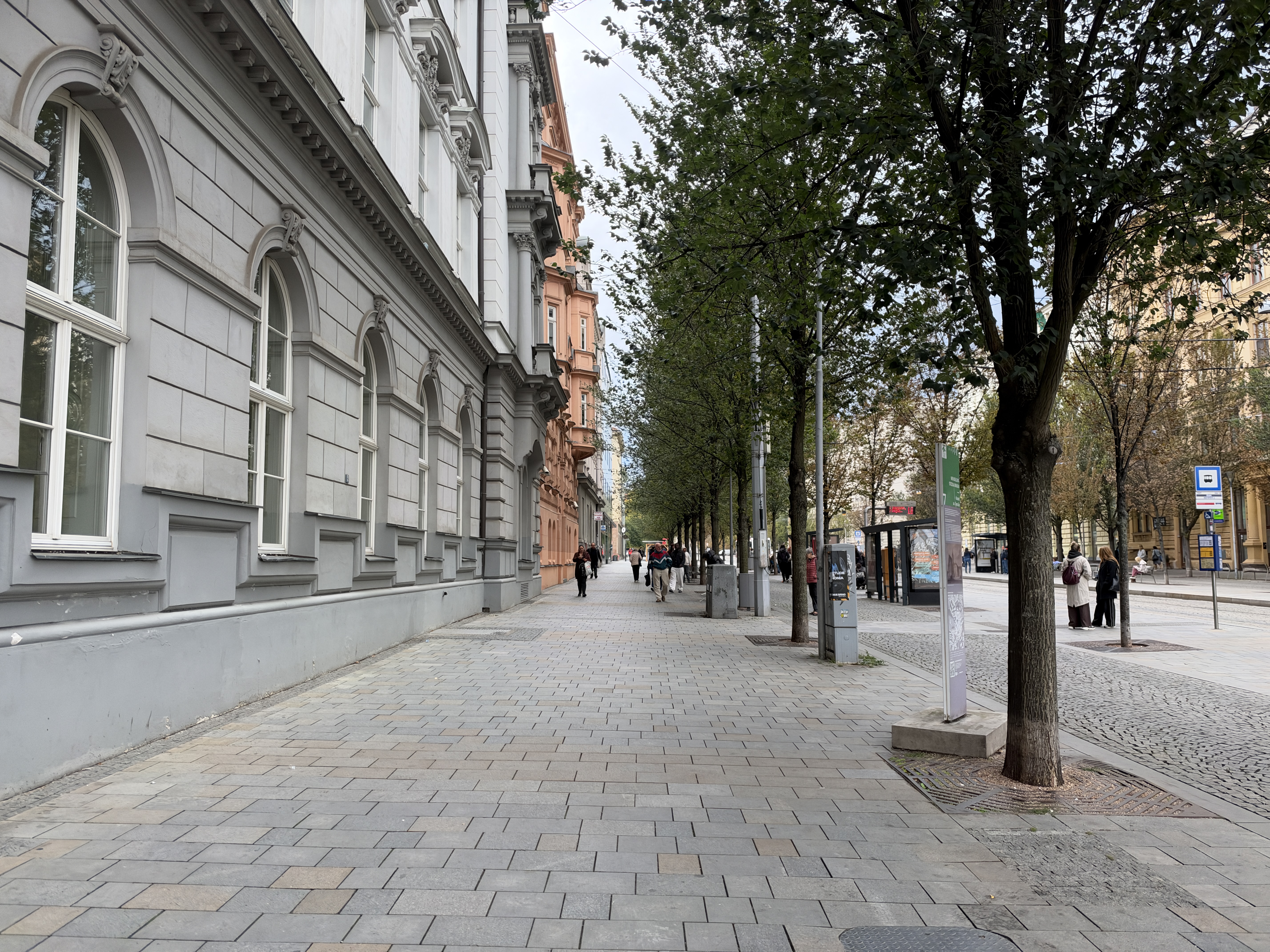
While this may sound great at first glance, I must add that the difference is best seen when directly comparing two almost identical photos. However, when you take photos individually and then view them in the gallery, in most cases you probably won't even think about examining what aperture the phone used. The result will simply look good, but not fundamentally different from before.
It could therefore be said that variaThe variable aperture expands the camera's capabilities and helps in specific situations, but it doesn't change regular photography as fundamentally as last year's switch to a new telephoto lens. Whether this is a shame is of course up to each individual to decide for themselves, depending on what they expect from the camera.
At night, the new aperture starts to make more sense
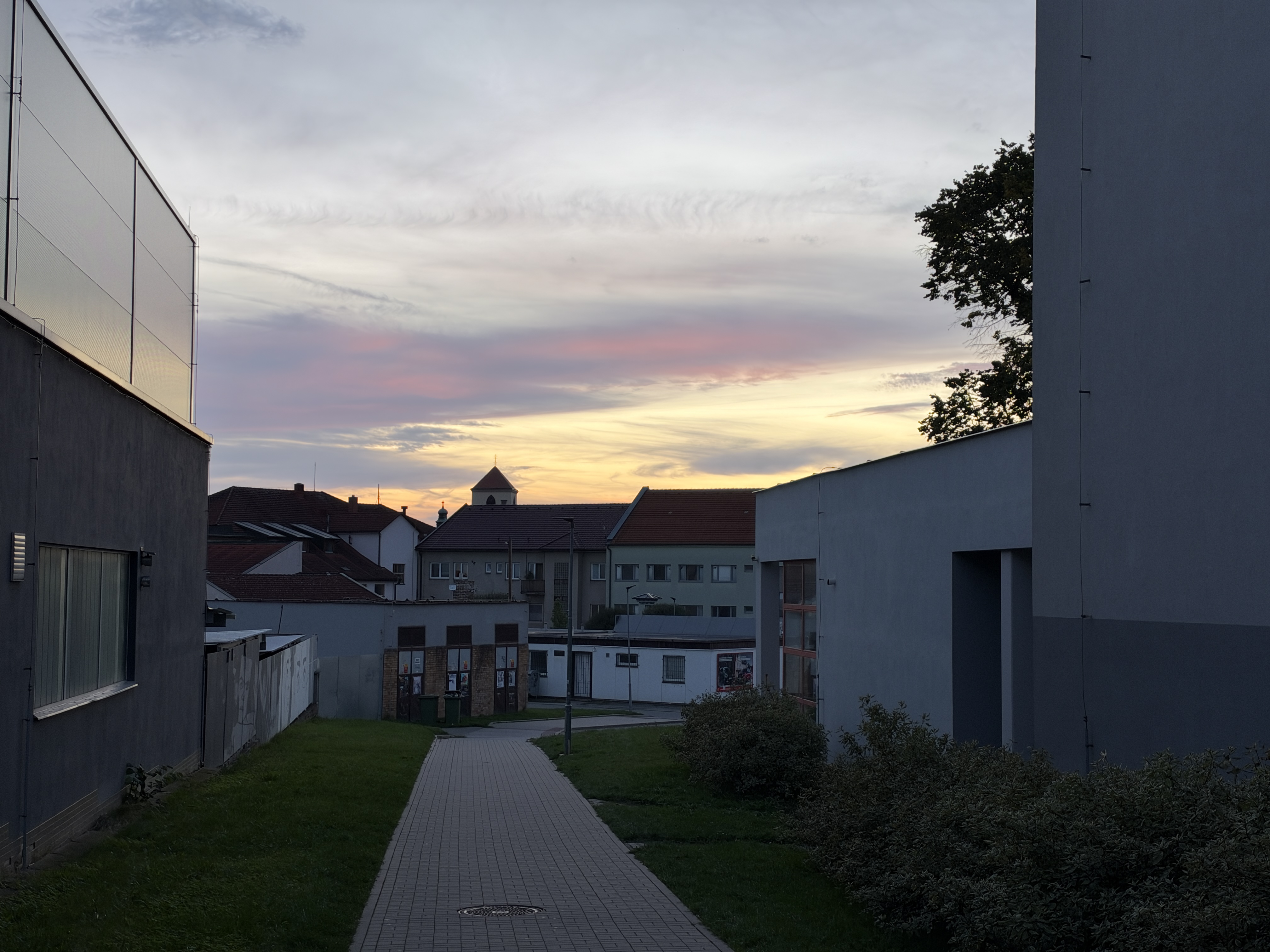
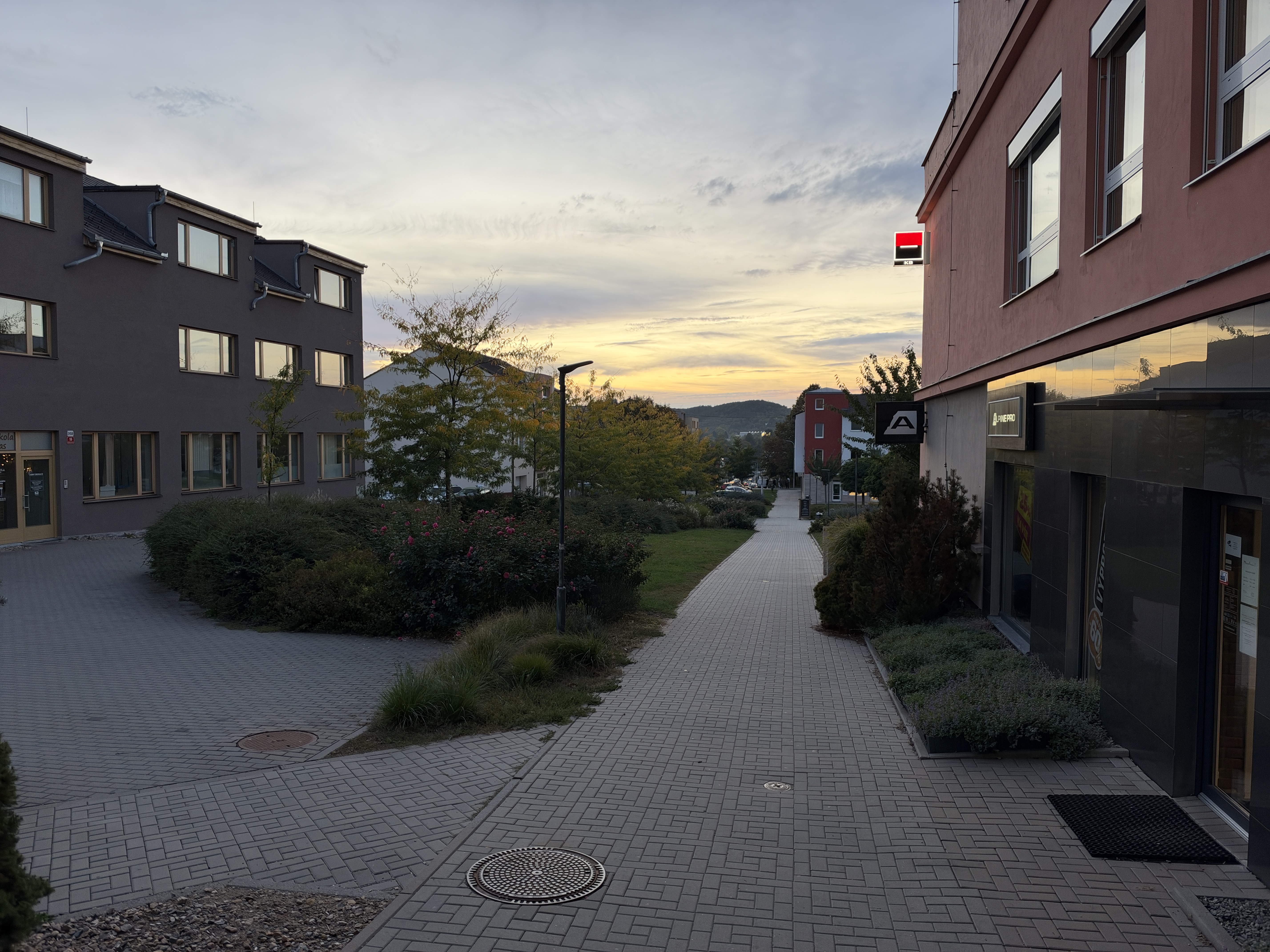
The situation is more interesting in the evening or indoors. When the aperture is opened to f/1,48, more light hits the sensor, so the phone can use a shorter shutter speed or lower sensitivity. As a result, night mode is activated a little later, or it takes a shorter time to take a photo, which brings a number of advantages. The first is of course the fact that the likelihood of motion blur is reduced, which you will appreciate when photographing people, animals or anything that cannot stay perfectly still for several seconds. The second benefit is that the phone brightens the scene less aggressively using computational photography. Evening pictures more often retain the real atmosphere and do not look as if they were taken in the middle of the day. However, here I recommend actually "reaching" into the settings manually and playing with the exposure, for example, so that the result is as good as possible in all aspects.
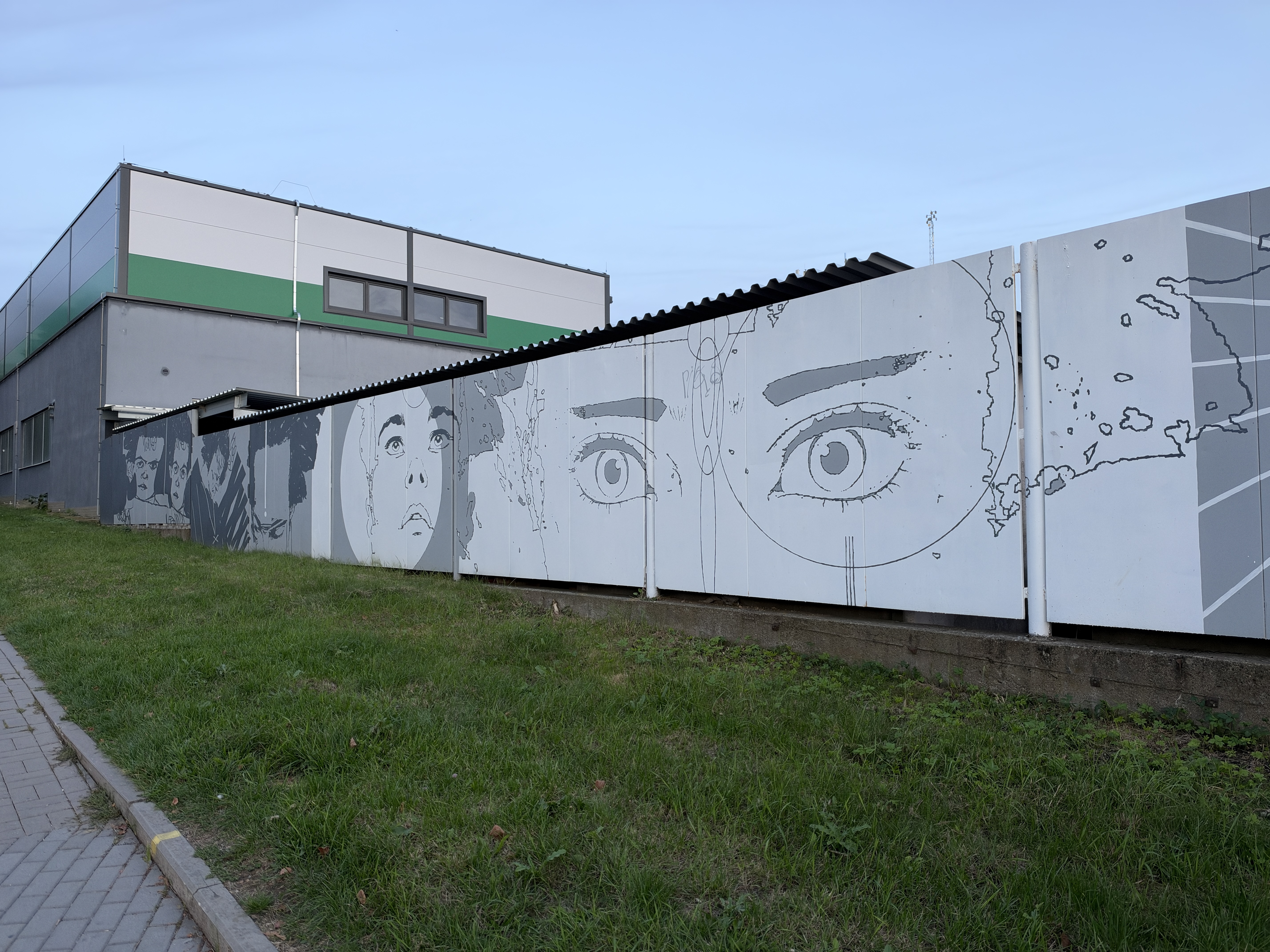
When shooting in poor light or darkness, the result is usually slightly cleaner photos with slightly better preserved small structures. In a few of my photos, I noticed, for example, more detailed drawings of plaster, leaves, hair or fine surfaces. But honestly, don't expect a difference that would make your jaw drop. It's more about further refinement of the camera, which was already at a very high level a year ago.
In low light, the way the phone processes the scene in software still plays a huge role. As I wrote above, for example, lowering the exposure when taking a photo of a lit street can have a greater impact on the result than changing the aperture itself. VariaSo, a variable aperture is not a magic solution for all night photos, but rather a useful tool that gives the camera more options to deal with a problematic scene.
Gallery





The telephoto lens remains excellent and something extra
In addition to the main camera, we find a 48Mpx on the back ultrawide-angle Fusion camera and a 48MP Fusion telephoto lens, which offers 4x optical zoom equivalent to 100 millimeters and 8x optical zoom equivalent to 200 millimeters. Just last year's transition from the 5x telephoto lens of the iPhone 16 Pro I consider the combination of 4x and 8x to be a much more fundamental change than this year's arrival varia4x zoom is versatile enough for portraits, details and general photography of distant objects, while 8x variaIt can pull the scene in more dramatically without making the result look like a regular digital zoom.
In good light, the telephoto lens takes really good photos. Details are very decent, stabilization works reliably, and colors are well-matched to the main camera. At 8x zoom, you have to hold the phone relatively still and aim more carefully, but it's still an exceptionally good affair. However, as soon as the light gets worse, the physical limits of the smaller sensor and f/2,8 lens begin to show. The phone has to rely more on software processing, details are lost, and noise can appear in the image.
Gallery



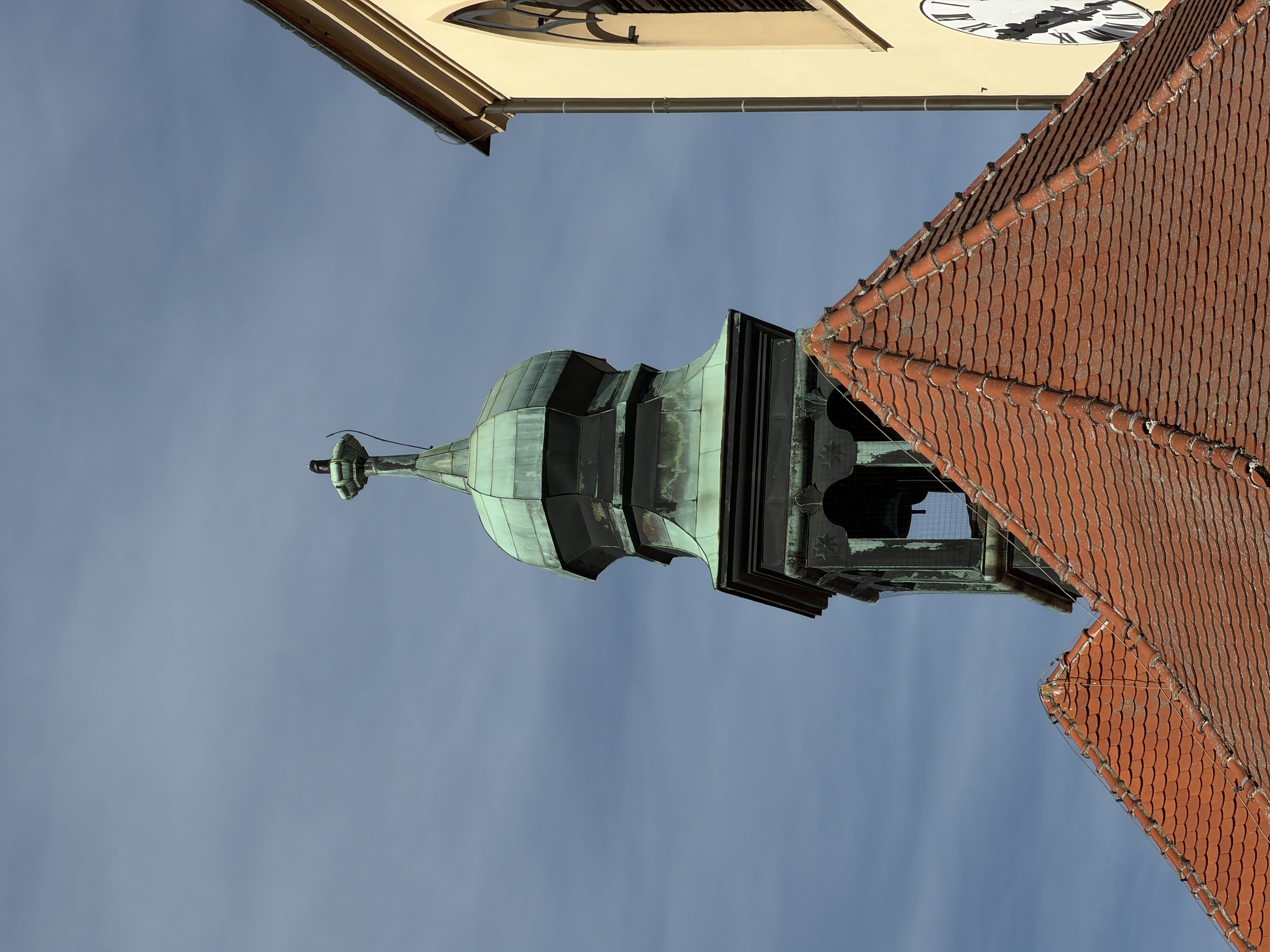

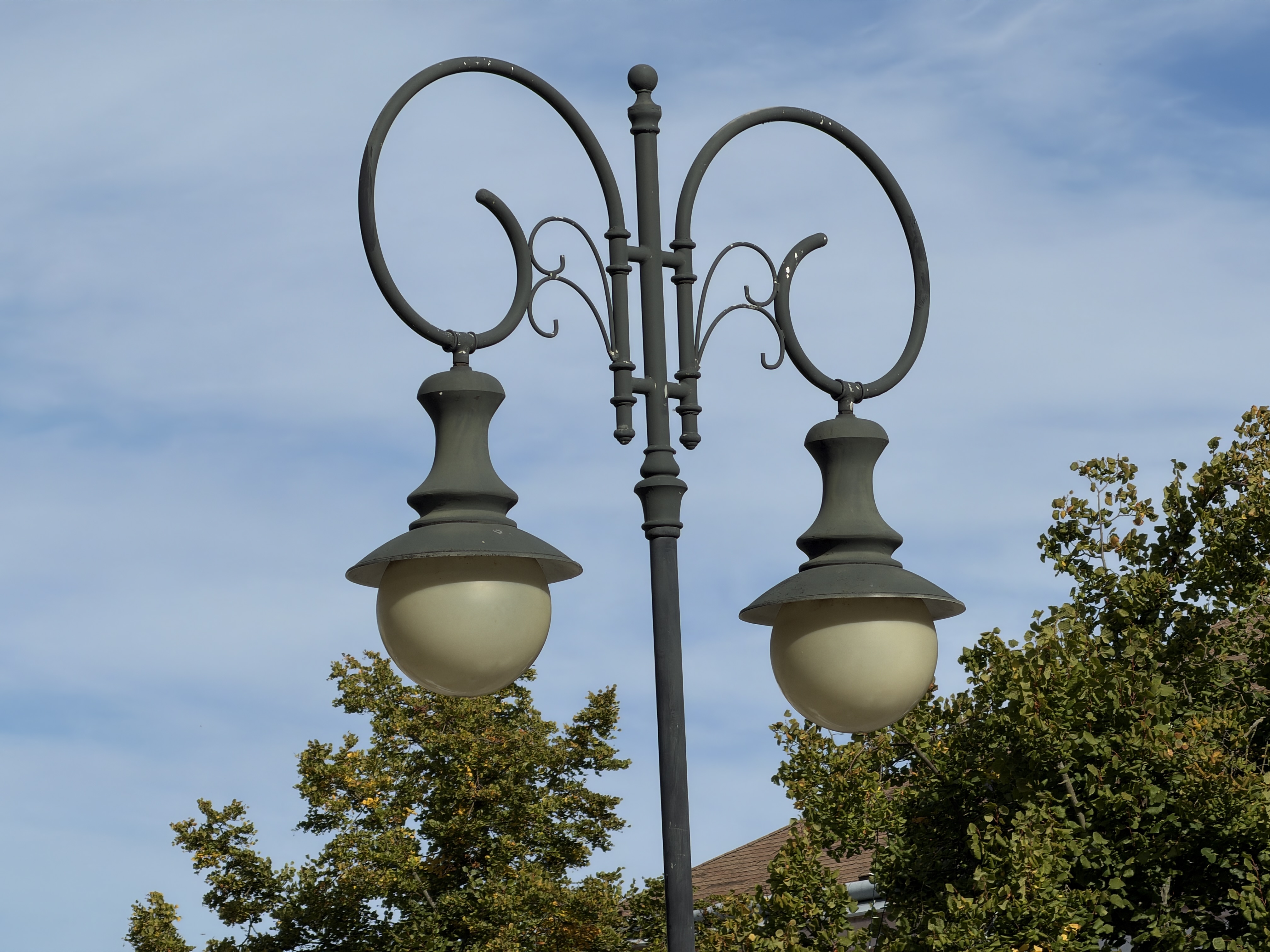



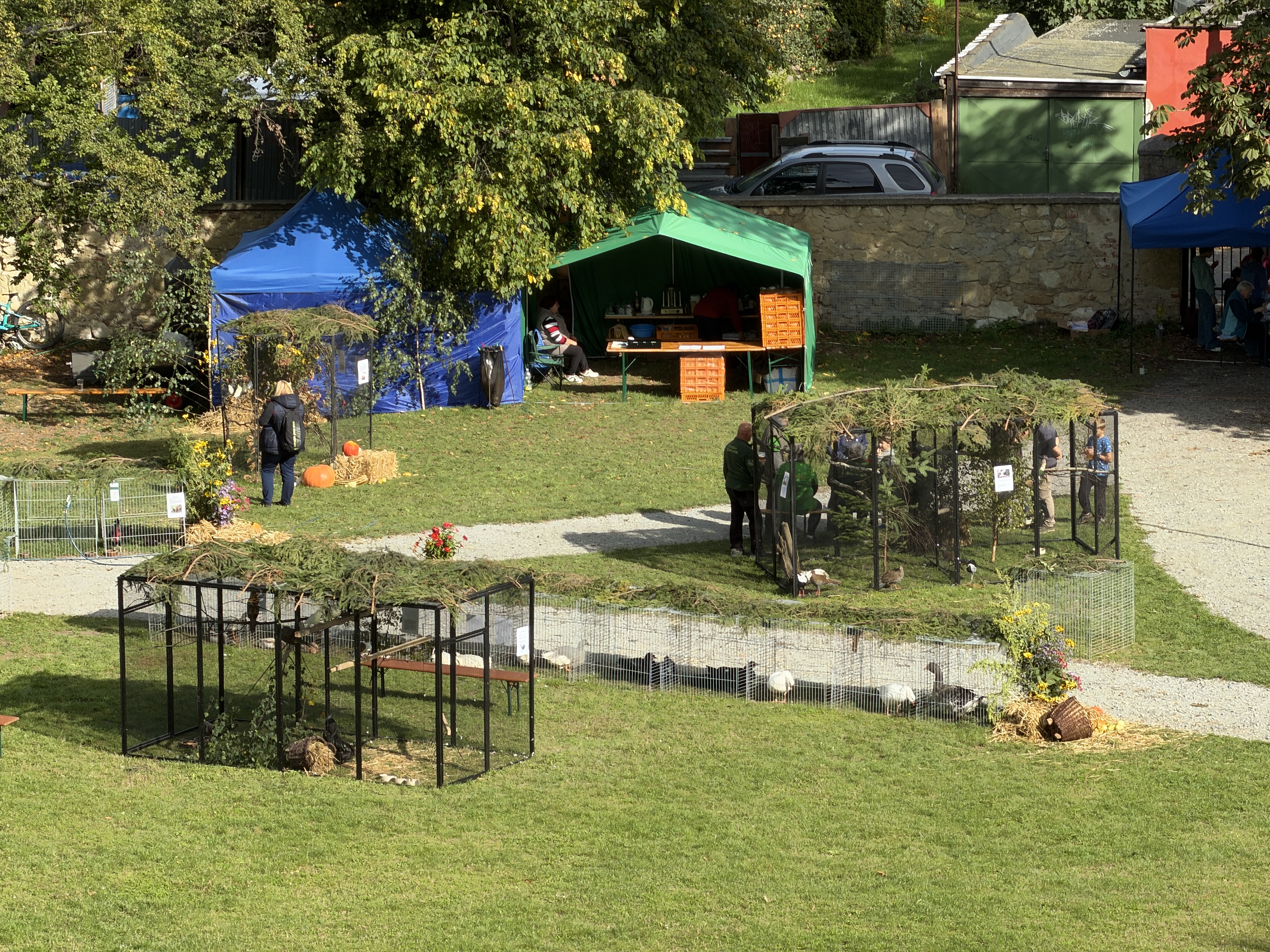

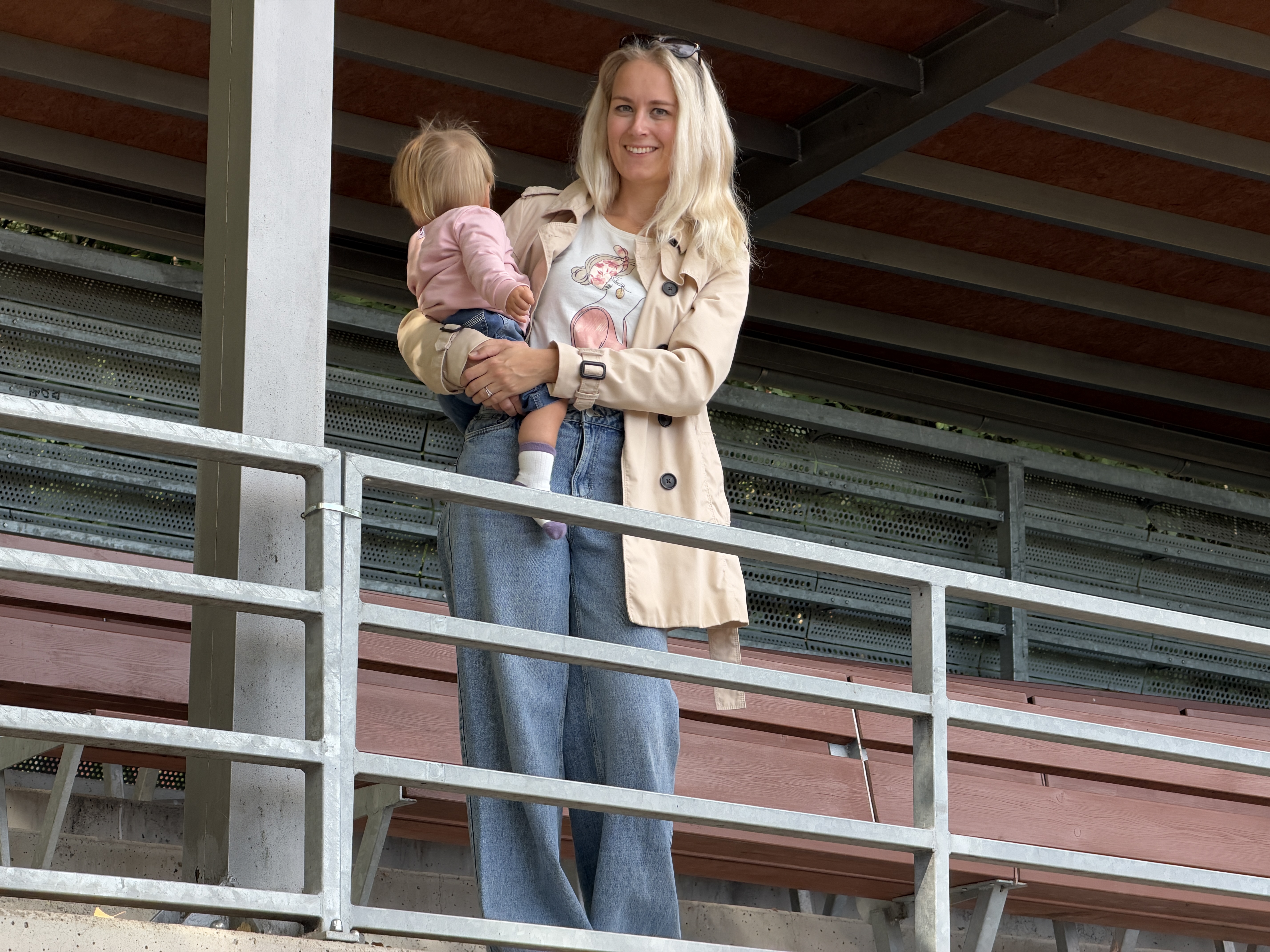


This is where the "something extra" comes into play, which I'm alluding to in the intertitle. I noticed that although the camera hardware hasn't changed (at least on paper), it still achieves slightly better results in poorer light than the previous generation. Zoomed-in images are more detailed, more natural and with less noise. This is probably mainly due to the AI that Apple used in combination with the A20 chip for "fine-tuning" photos Pro, which is logically capable of doing a little more magic in this field than last year's A19 ProSo a really pleasant surprise for me.




Evening photo from iPhone 18 Pro




Evening photo from iPhone 17 Pro




UltraThe wide-angle camera deserves more attention
Even greater spot blurring can be observed at 48Mpx ultrawide-angle camera. It does a very decent job in good light, can capture a wide scene without significant color differences compared to the main camera, and also works as a camera for macro photos, which I honestly still enjoy after years (although it first came with them already iPhone 13 Pro). The phone can focus from a short distance and capture the fine structures of flowers, objects or various materials. In sufficient light, the level of detail is excellent and taking pictures is very easy thanks to the automatic switching. And honestly, macro photography on iPhone it is also extremely fun.
Gallery

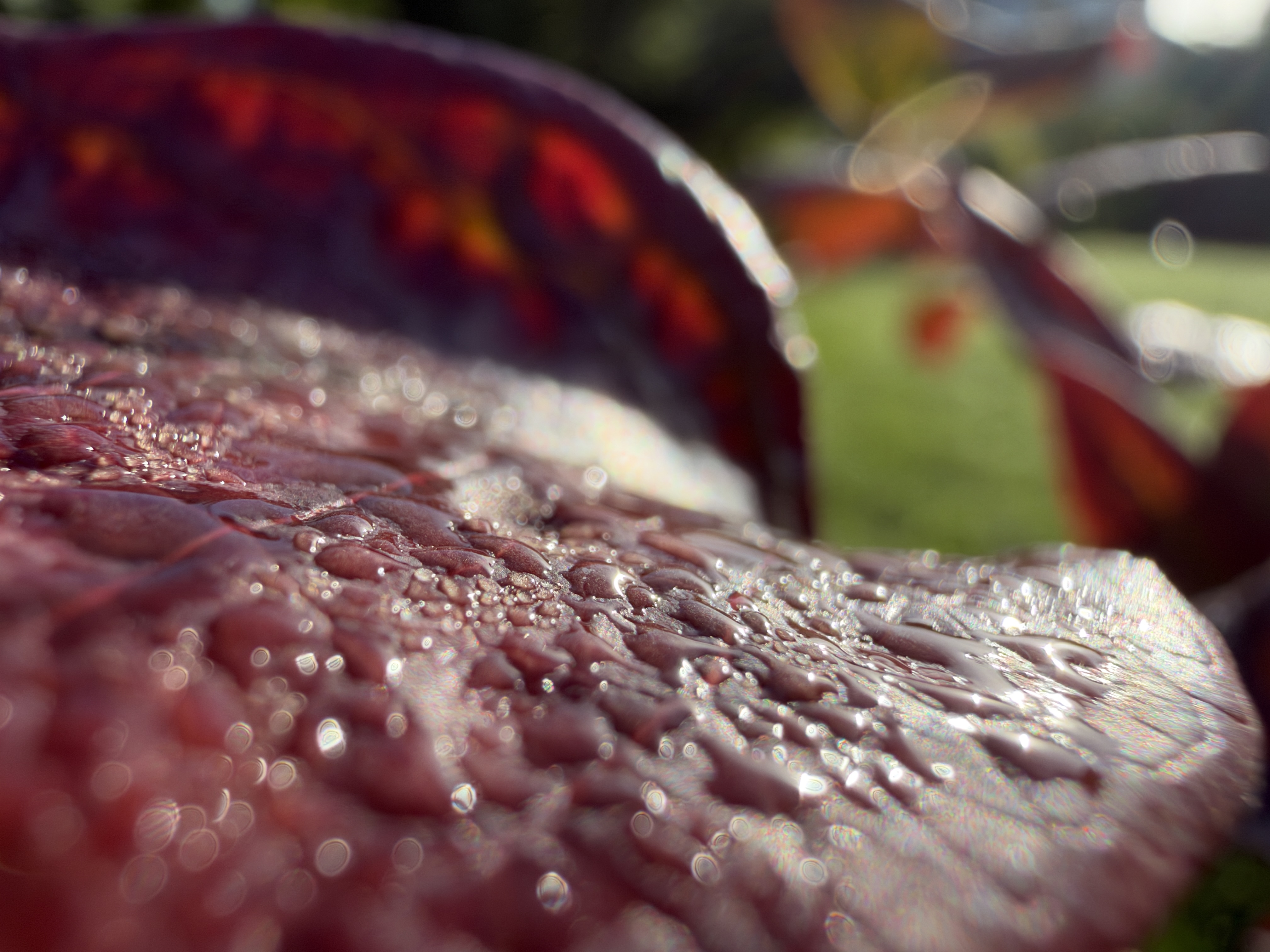








ProHowever, the problem occurs in weaker light. UltraThe wide-angle camera has a smaller sensor, poorer light output, and in challenging conditions, more noise appears in the image. The amount of detail also decreases and the edges of the image can appear softer. However, here, as in the case of the telephoto lens, the results are somehow better between generations, despite the cameras being identical on paper. MiniIn terms of color rendering, the photos are from iPhone 18 Pro definitely more realistic, although I think it's sometimes a little at the expense of detail.
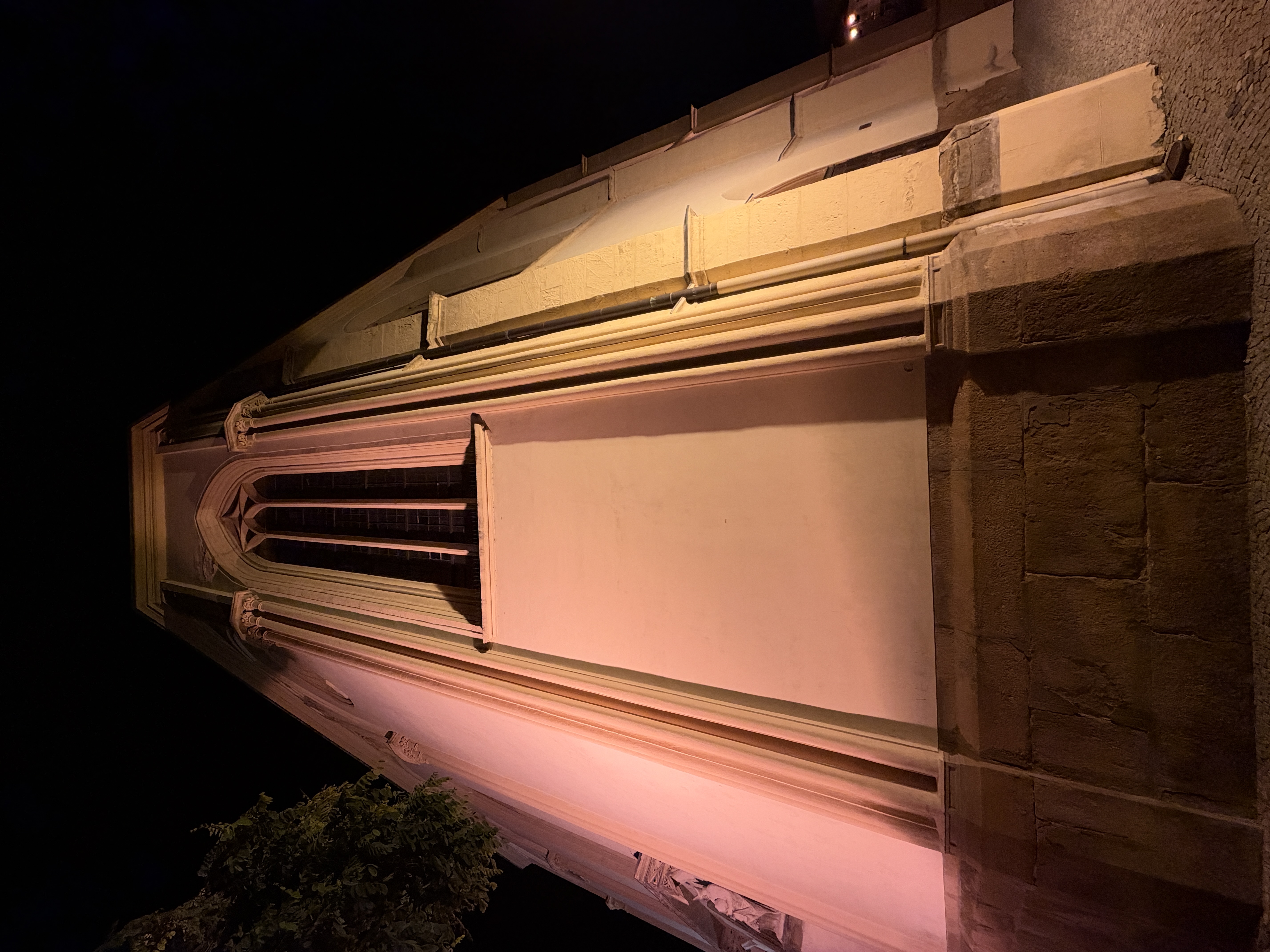
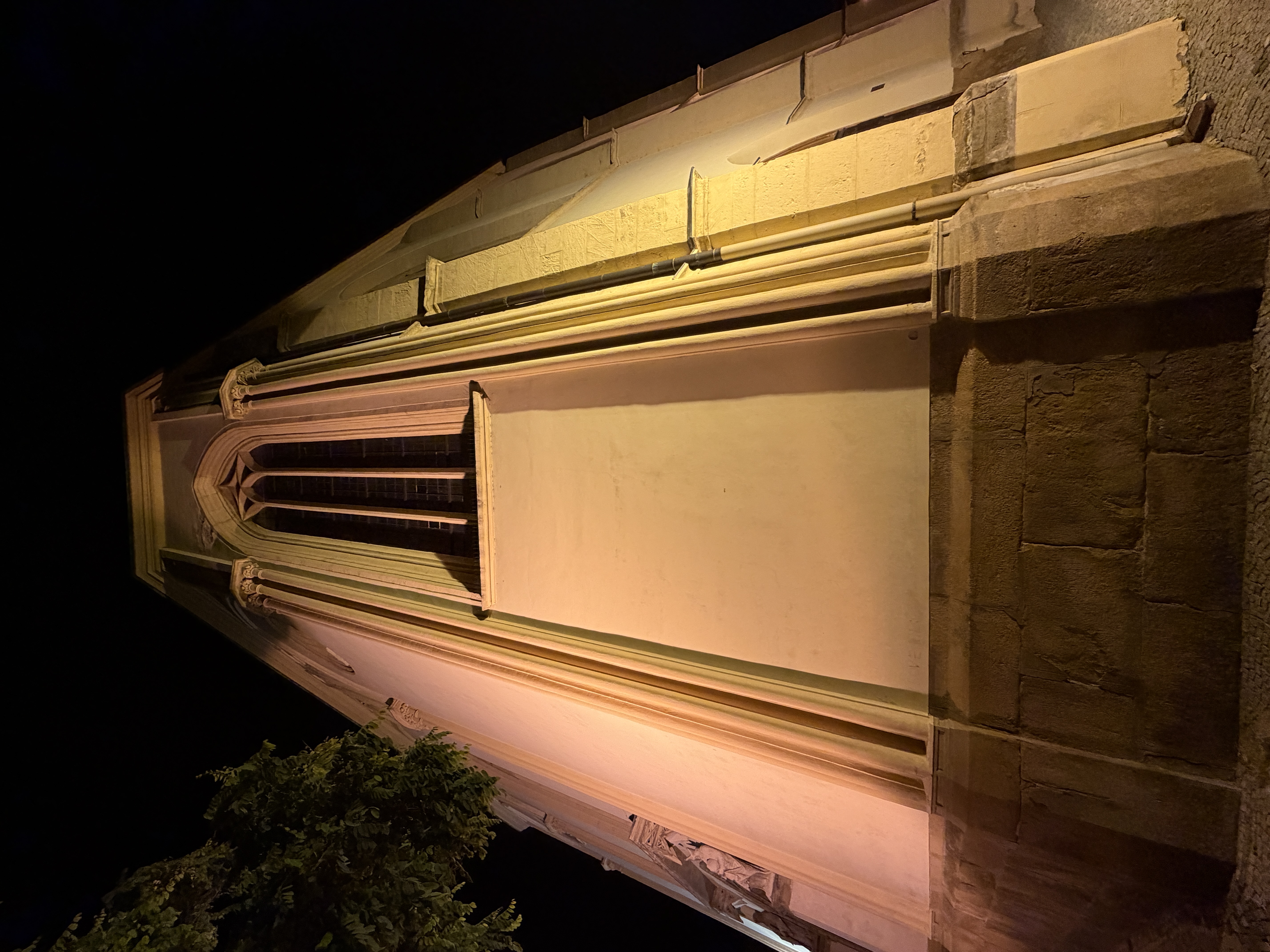


Right at ultraI would like a wide-angle camera Applu expected a bigger improvement. The main camera is excellent, the telephoto lens has improved significantly last year, but ultraThe wide-angle lens is starting to feel a bit like a neglected member of the lineup next to them. It's not bad, by any means, but its limits are the first to be seen of all three rear cameras, and last year's increase in resolution from 12MP to 48MP doesn't really bring that much of a difference.

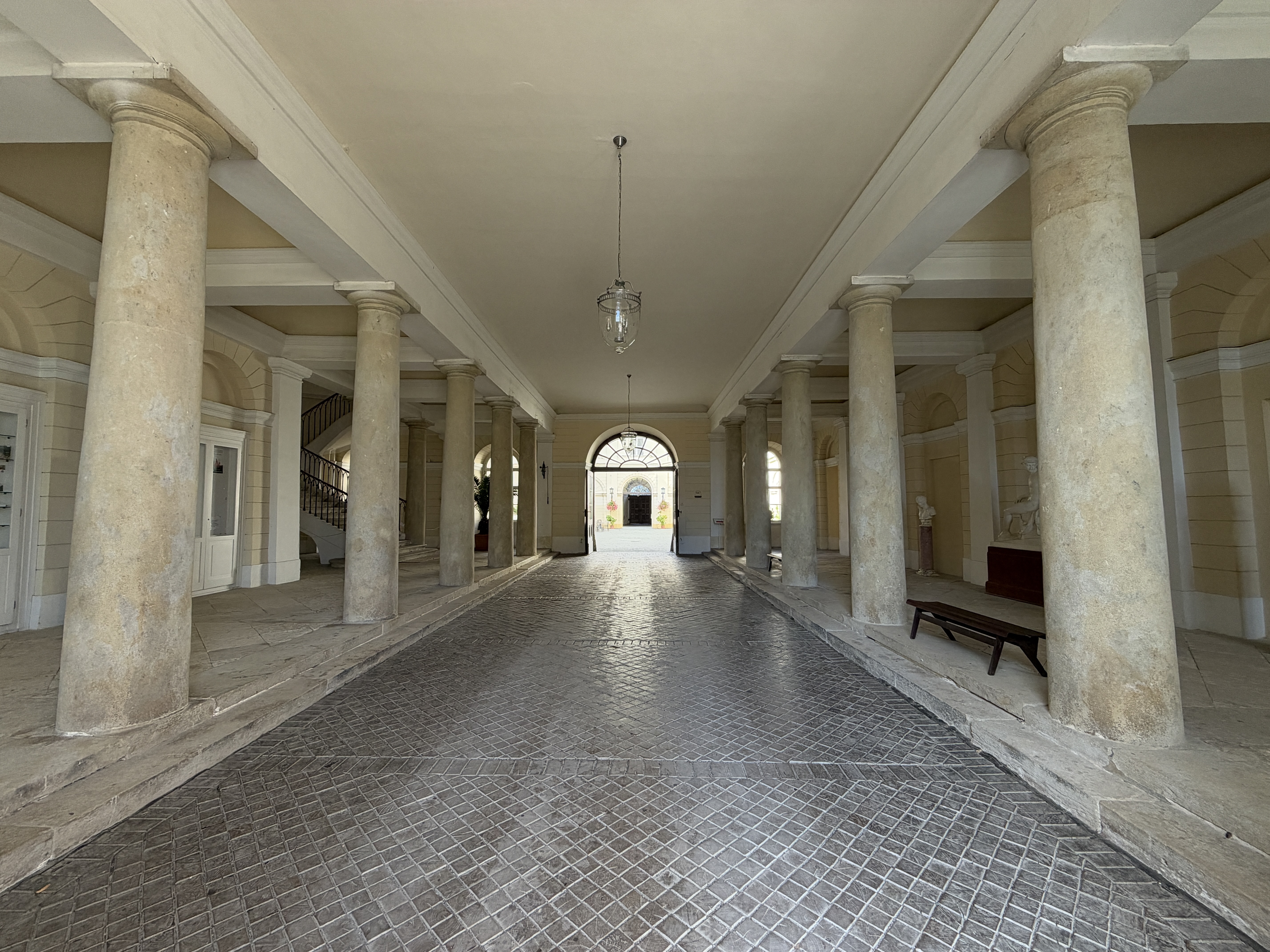

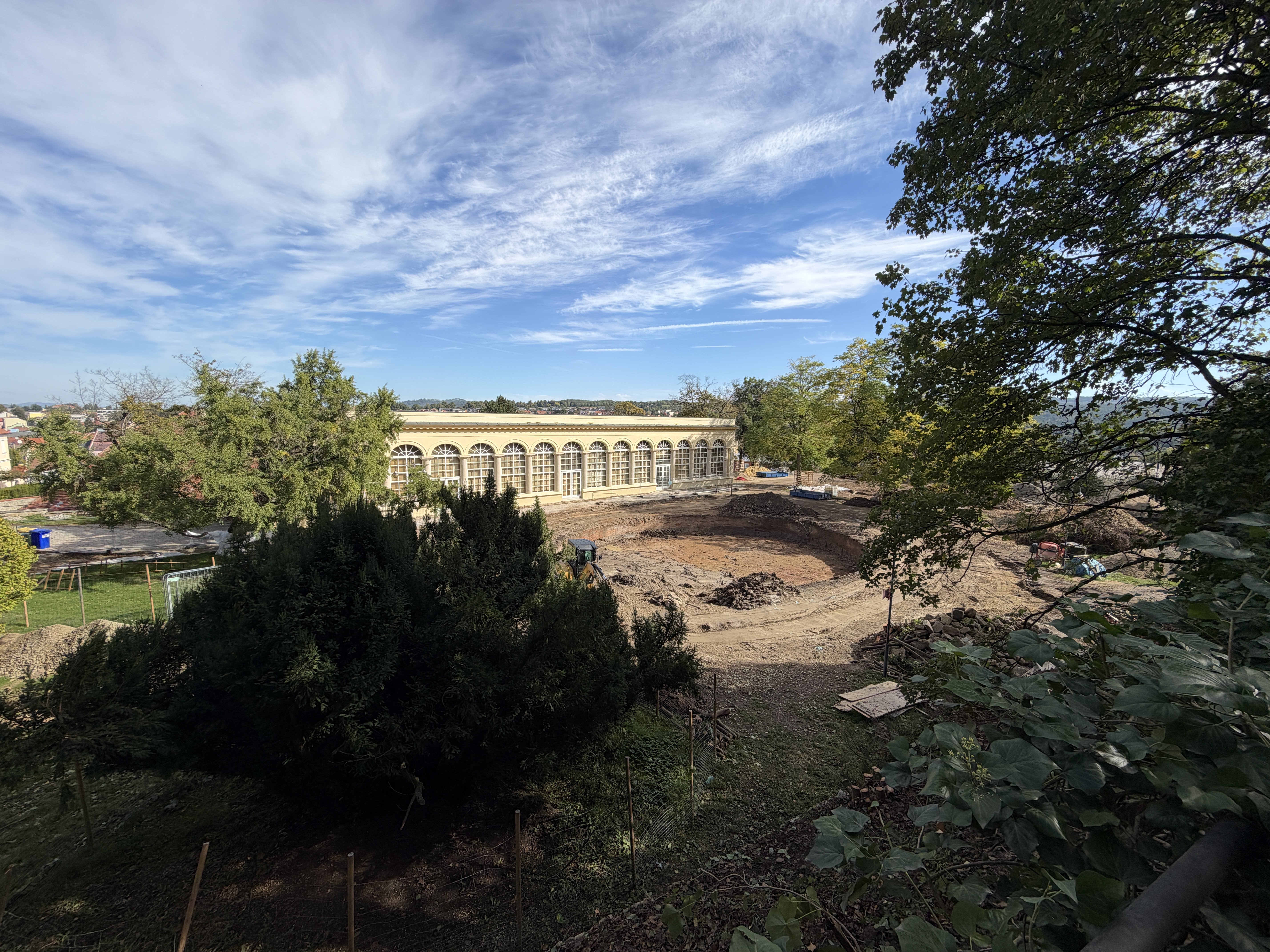
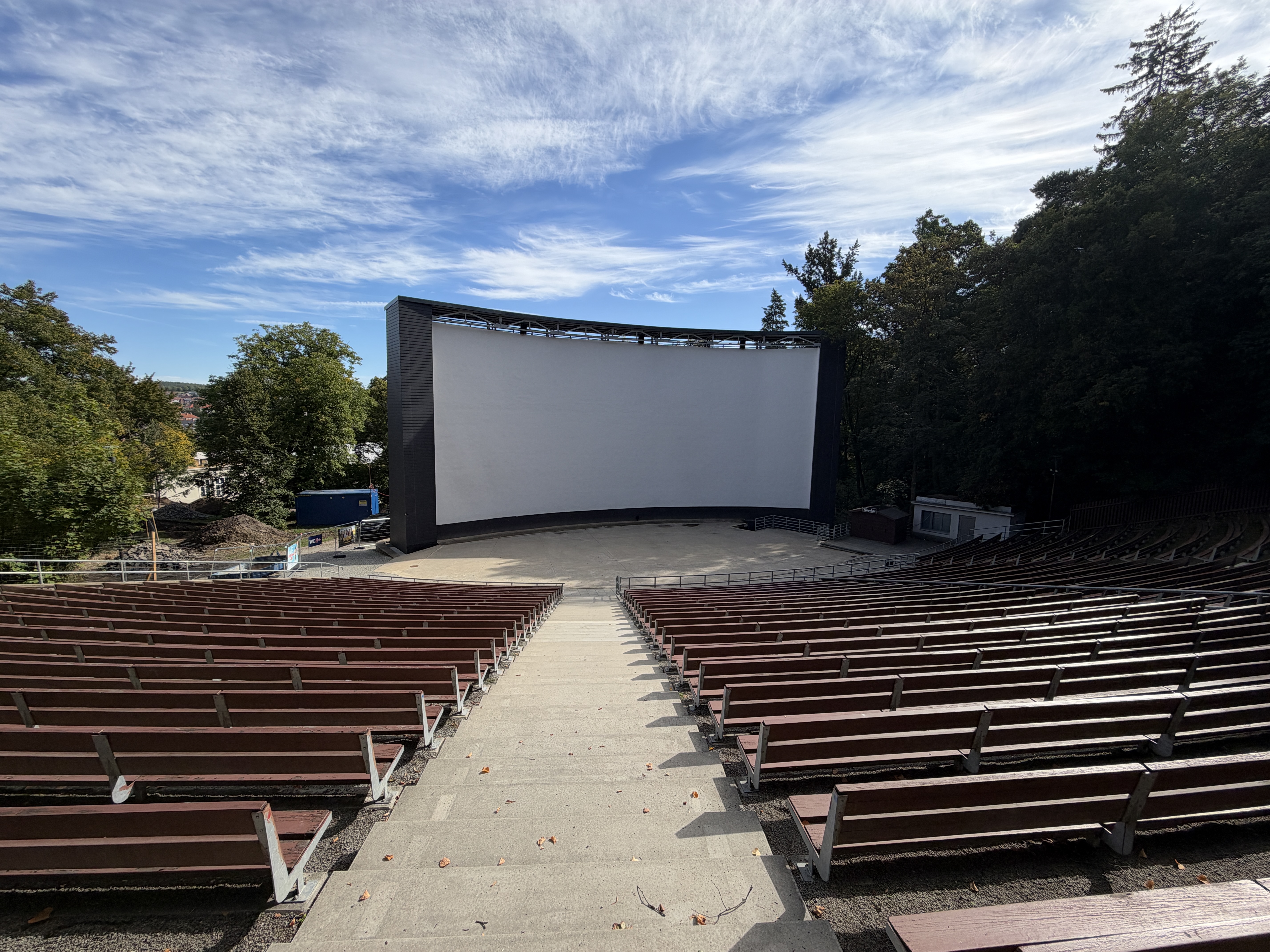
The front camera shows that software can also help
The front remains 18Mpx. Center Stage a camera with a square sensor, the biggest advantage of which is the ability to take portrait and landscape photos without having to physically rotate the phone. In addition, the system can automatically adjust the crop according to the number of people in the frame.
Although the camera hardware has not changed in any way year-on-year, Apple However, it has worked on software processing of wide selfies. While the iPhone 17 Pro While photos taken with a significantly wider aperture could lose some detail around the edges, especially if you held the phone vertically and let it create a horizontal shot, that's not the case this year. Wide selfies look more detailed, and photos taken with different phone positions are much harder to tell apart. For me, it's a nice example of how you don't always need to replace the entire sensor to make a meaningful improvement.
Gallery



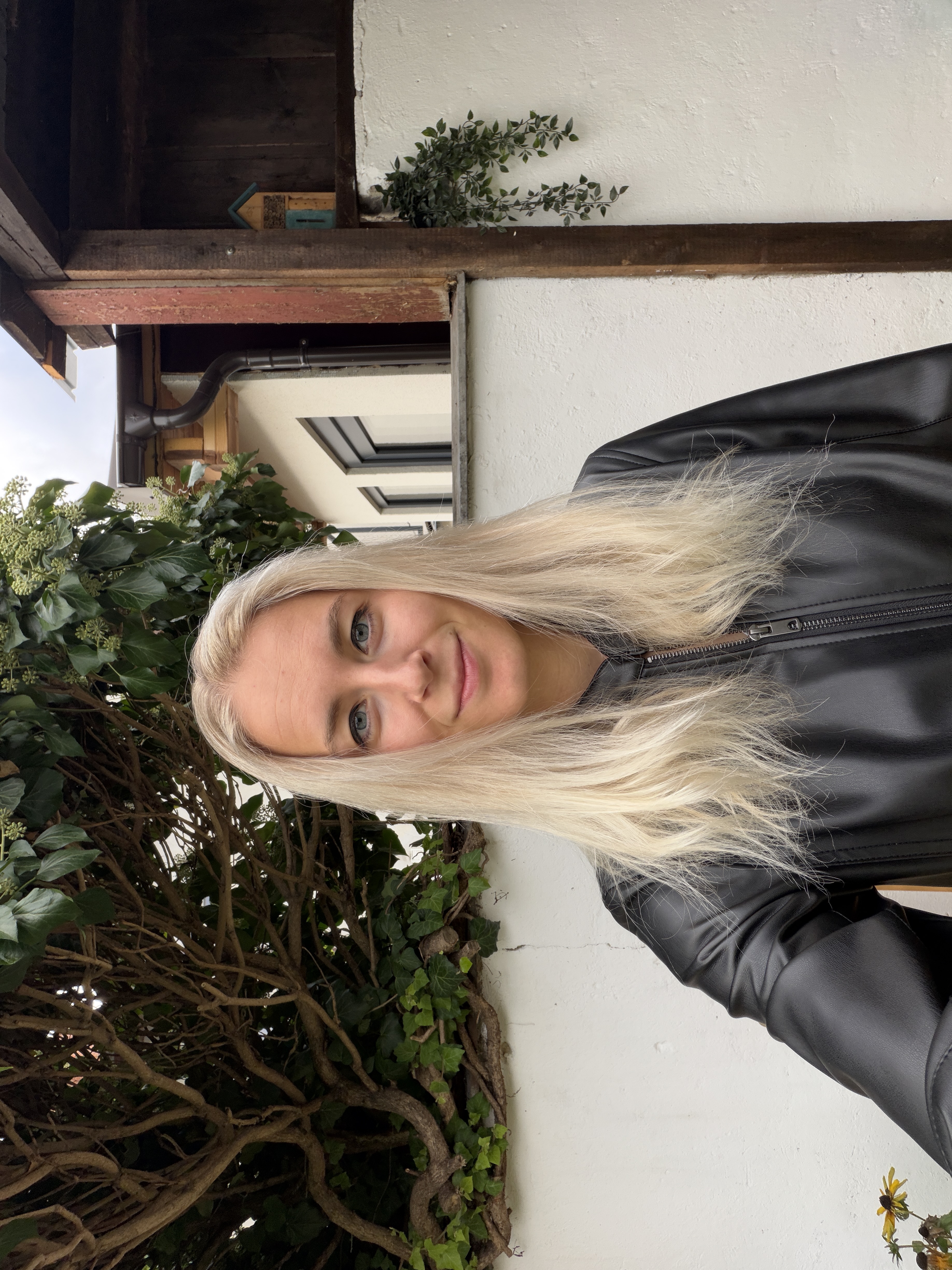








Center Stage is also useful for video calls, where it can keep a person in the picture or expand the view when more people are in front of the phone. Although this is not a new feature that would bring iPhone 18 Pro, but it's still one of those features that only really makes sense in practical use. And the software improvement is actually a nice step forward in my opinion.
Video is getting even closer to professional technology
Apple has long been one of the strongest players in the field of mobile video and iPhone 18 Pro confirms this reputation. The main camera handles Dolby Vision in 4K at up to 120 frames per second, while ultraThe wide-angle camera and telephoto lens support 4K at up to 60 frames per second. What's new is the ability to apply the effects of the film mode to a normally recorded video, even after it's been recorded. So you don't always have to decide in advance that you want to shoot with a shallow depth of field, but you can add the effect later, change the focus point or remove it altogether. How useful this feature is for ordinary people is of course a question, but it's nice to have a similar gadget available.
According to the words Apple Low-light video has also improved. The camera can now combine work variavariable aperture with frame rate changes and other adjustments to make the resulting footage brighter and cleaner. Proprofessional users have at their disposal ProBeef RAW, Apple Log 2, ACES, external 4K recording at 120fps and genlock support. There's also manual aperture, shutter speed, white balance and histogram controls, which are features that the average user will probably never turn on, but can be essential for professional creators.
So in the video area iPhone 18 Pro It doesn't offer one groundbreaking feature that would change everything, but rather further expands the capabilities of a device that was already among the best you can use for mobile filming.
A performance that is truly felt this year
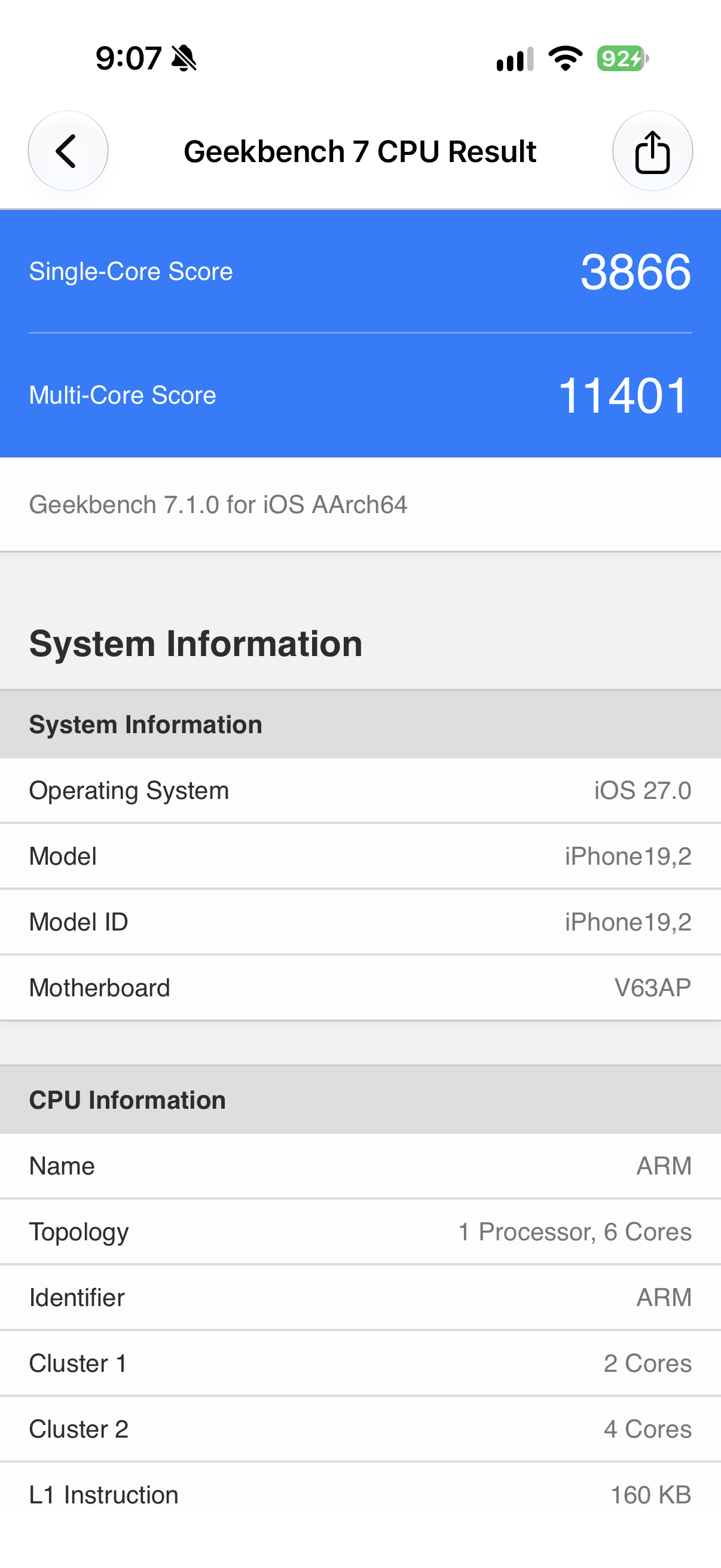
Honestly, in recent years, every new iPhone practically as fast. Whether I went from one generation to another Pro On the other hand, after the initial setup, I felt like I was holding more or less the same phone in my hand, and that's not surprising. The performance of iPhones has long been so high that common applications haven't been able to fully utilize the new chips. But this year is a little different. iPhone 18 Pro It really seems to me to be faster between generations, although I know exactly what makes it faster. The reality is that applications, for example, not only open quickly, but also get to a state where they can be fully used more quickly. The difference, of course, is not that it is next to iPhone 17 Pro It felt slow, but I could feel it when switching between applications on a daily basis, working with photos, or loading more demanding content.
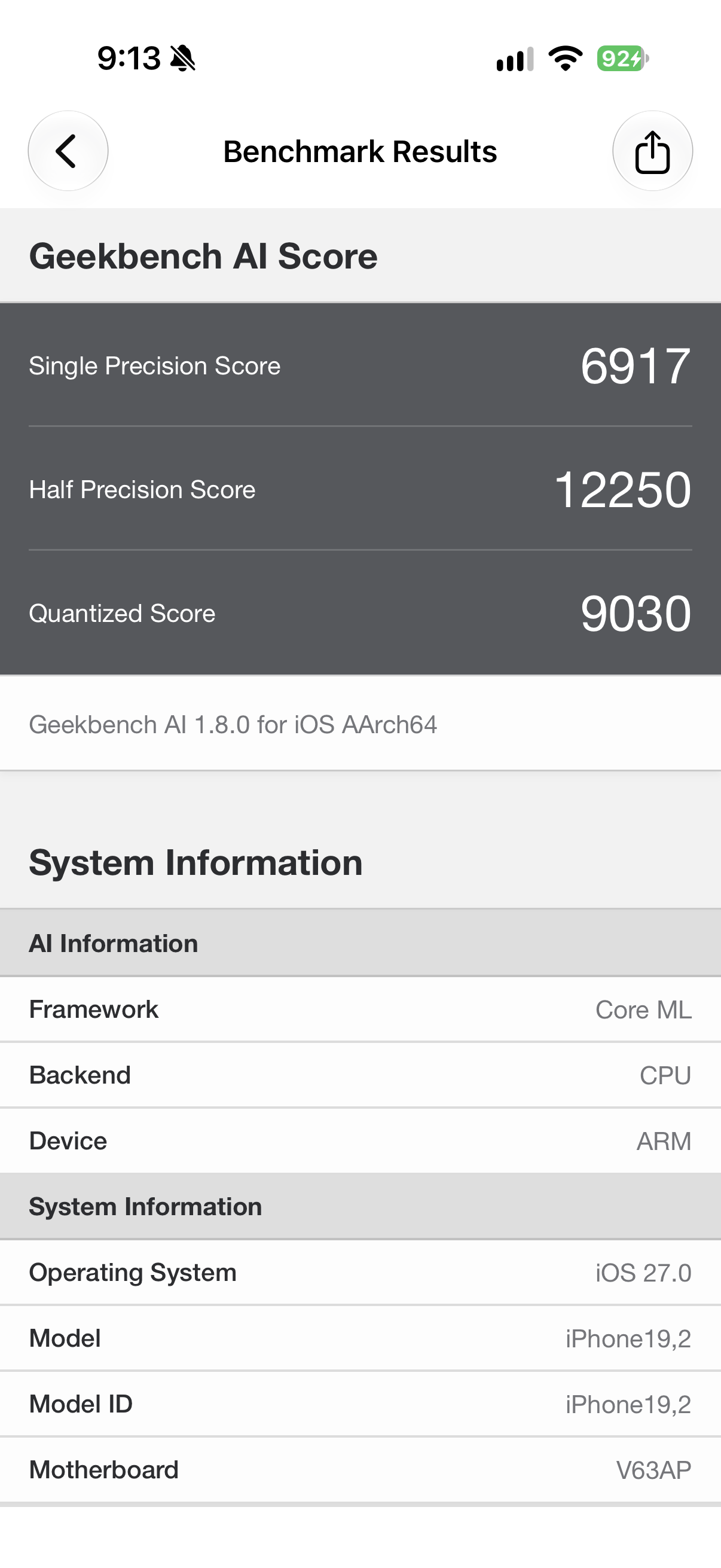
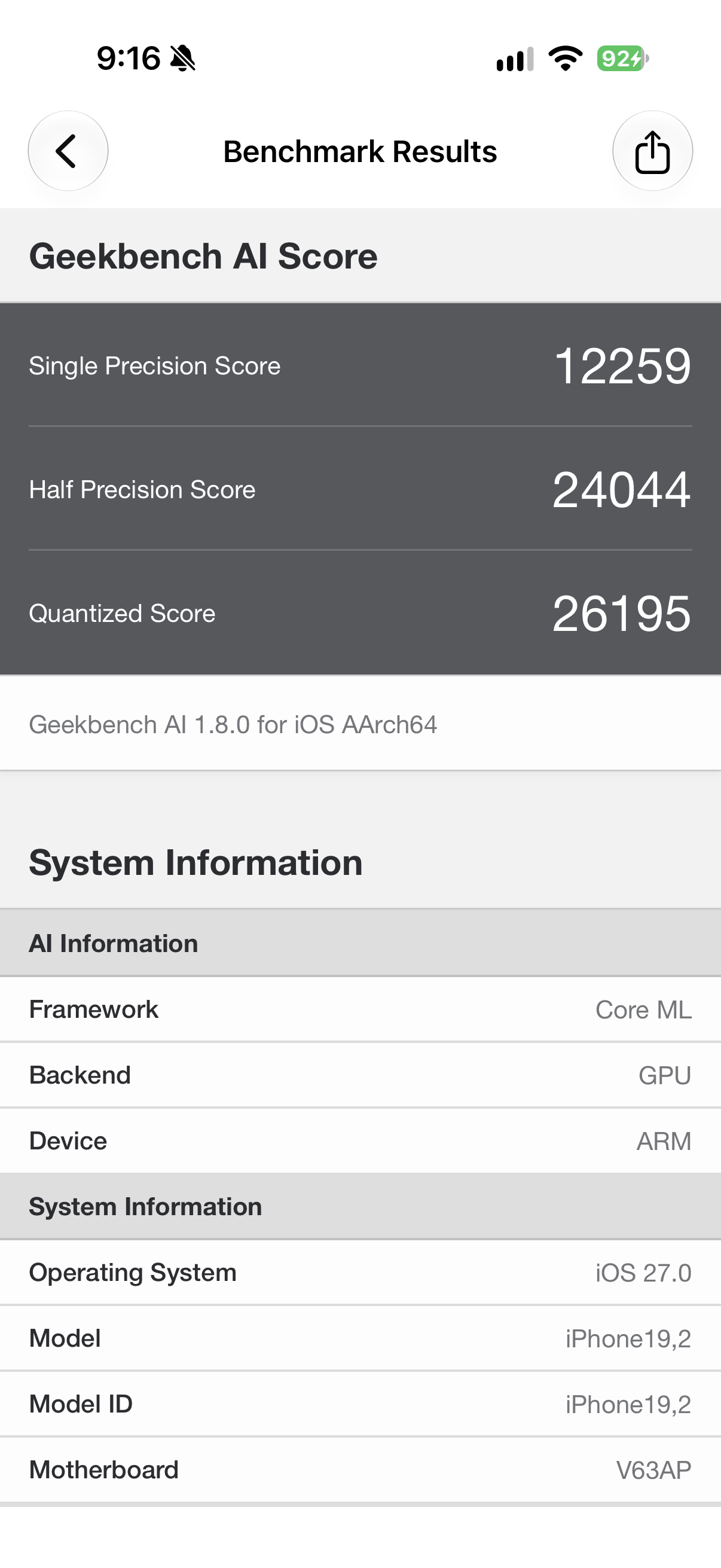
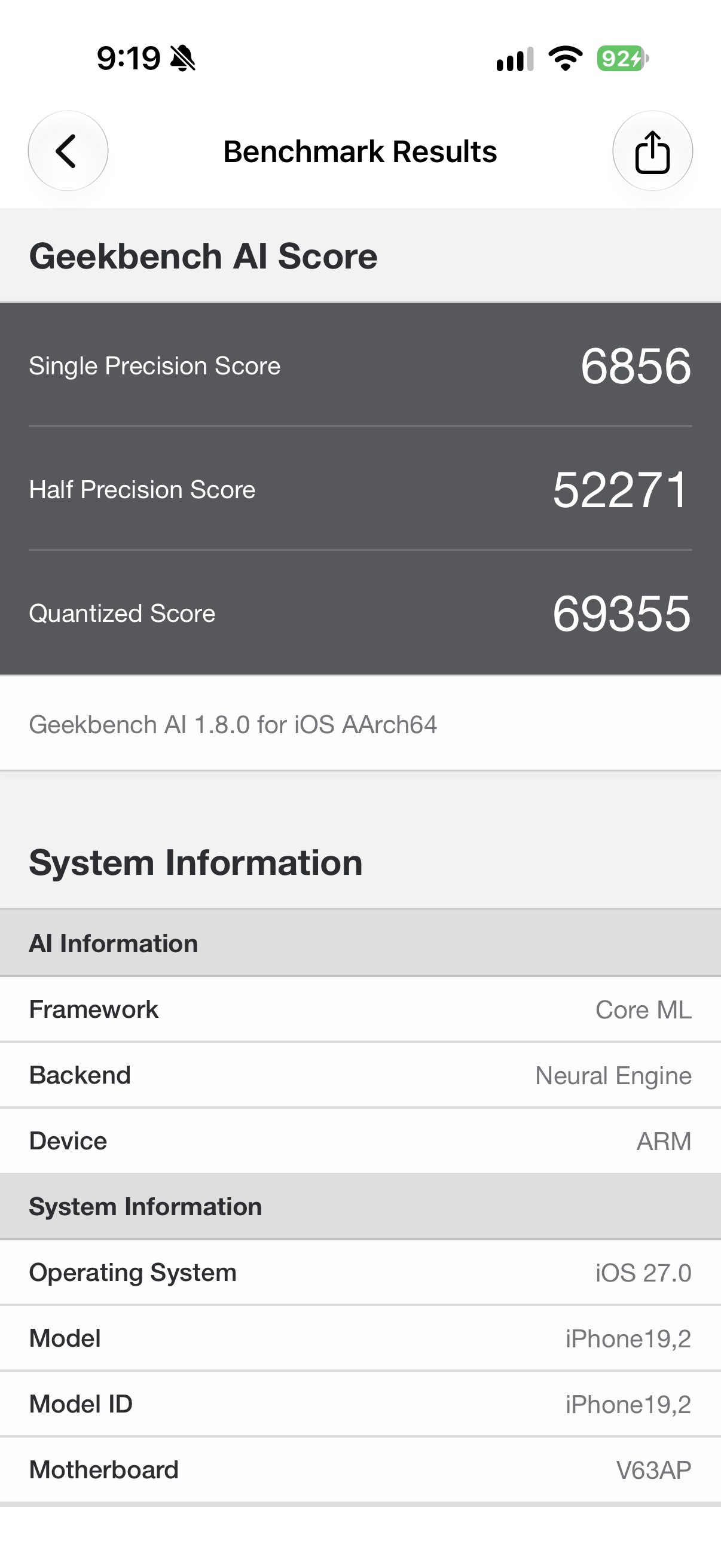
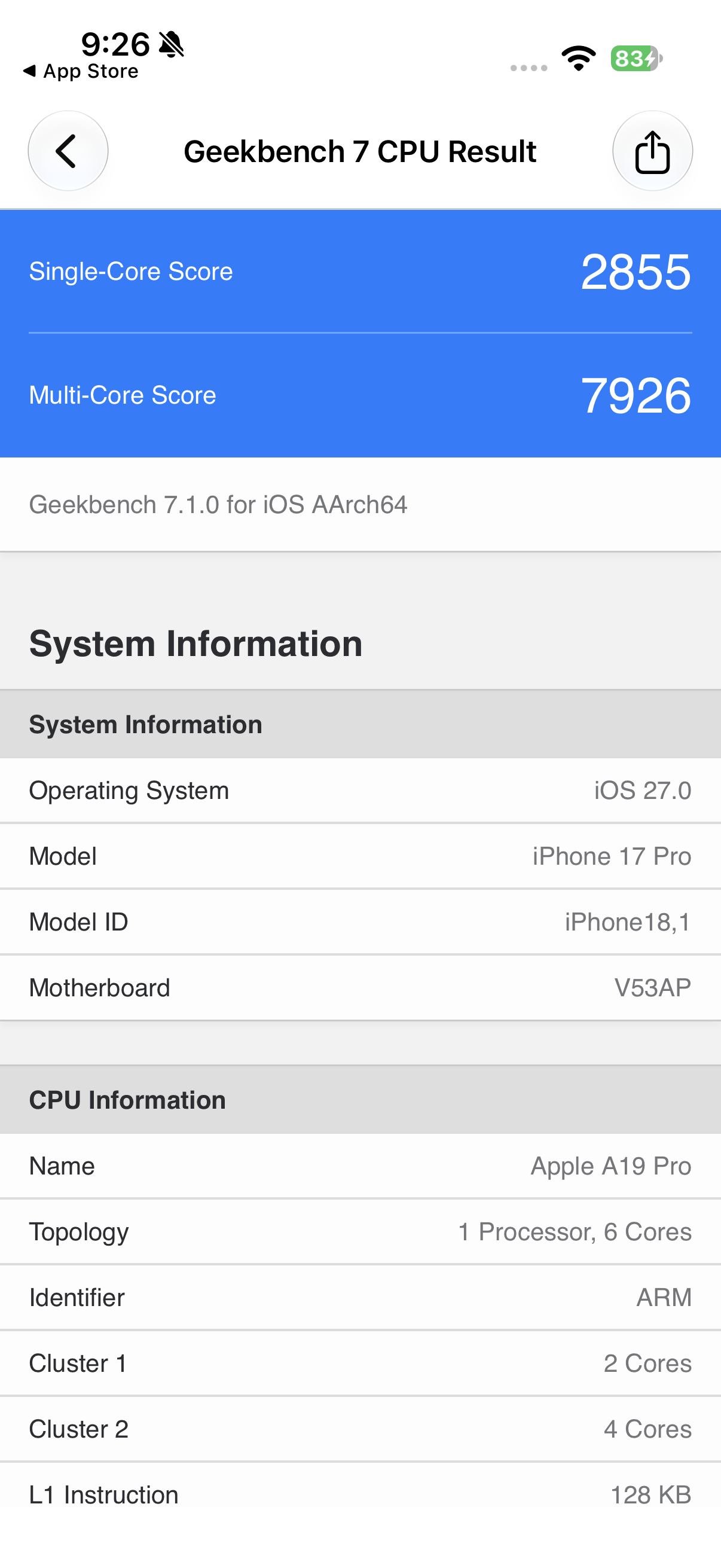
The new 2nm A20 chip undoubtedly plays a role in this. Pro with a six-core processor and seven-core graphics. Apple redesigned its case, placed the memory next to the chip itself, increased its bandwidth, and deployed a new dual 16-core Neural Engine. So on paper, this is a pretty impressive overhaul, but we've seen it done before. That's why I'm all the more pleased that this time the higher speed wasn't just lost in the benchmark charts.
iPhone 18 Pro - Geekbench 7 and AI
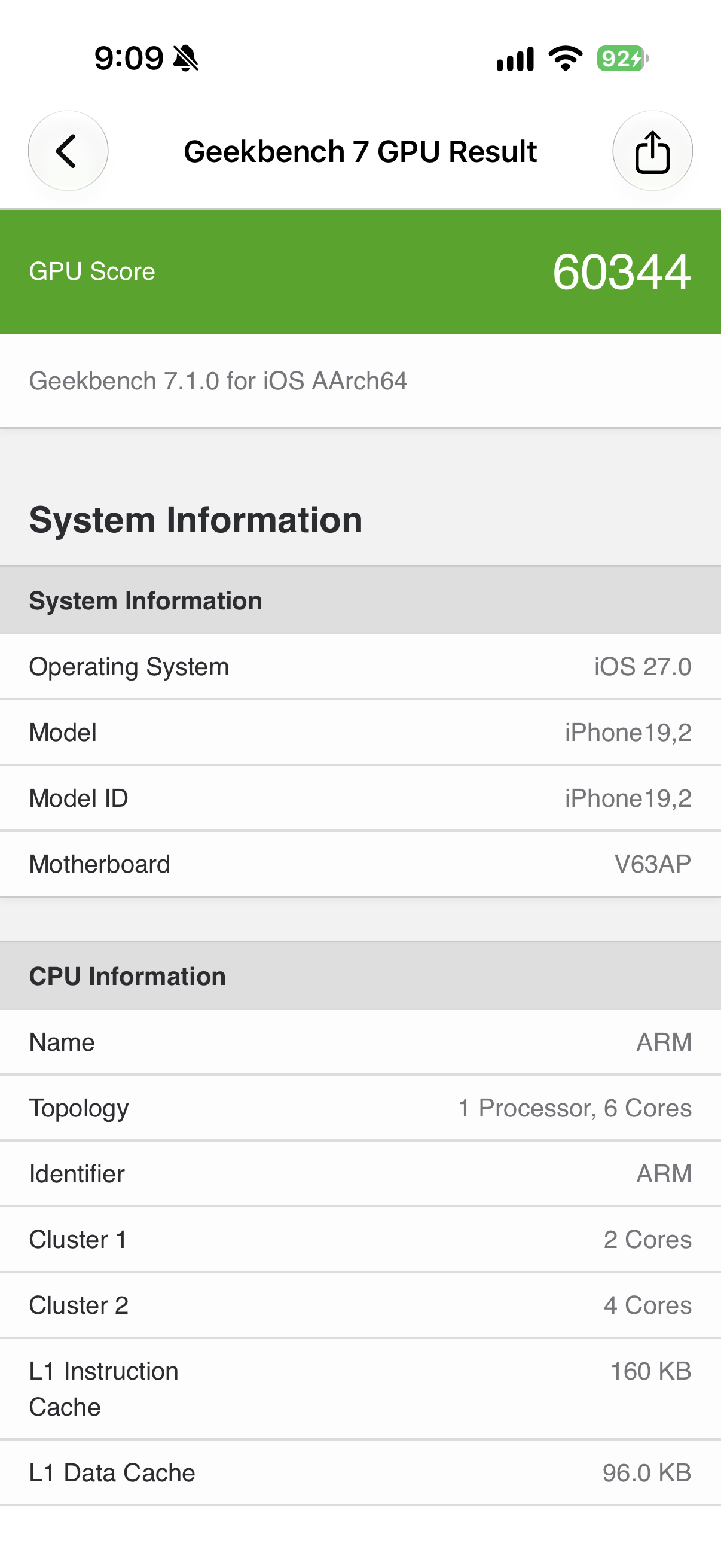
iPhone 17 Pro - Geekbench 7 and AI
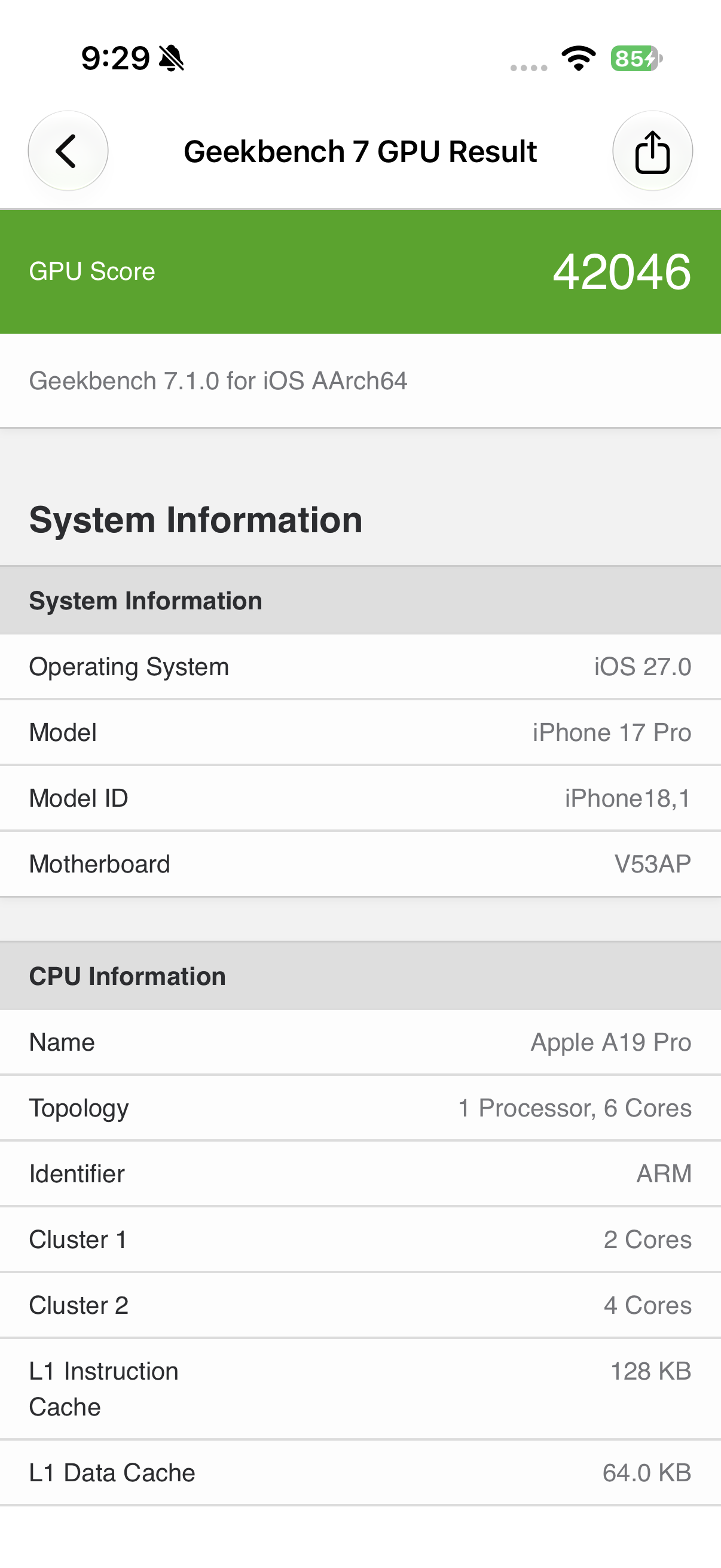
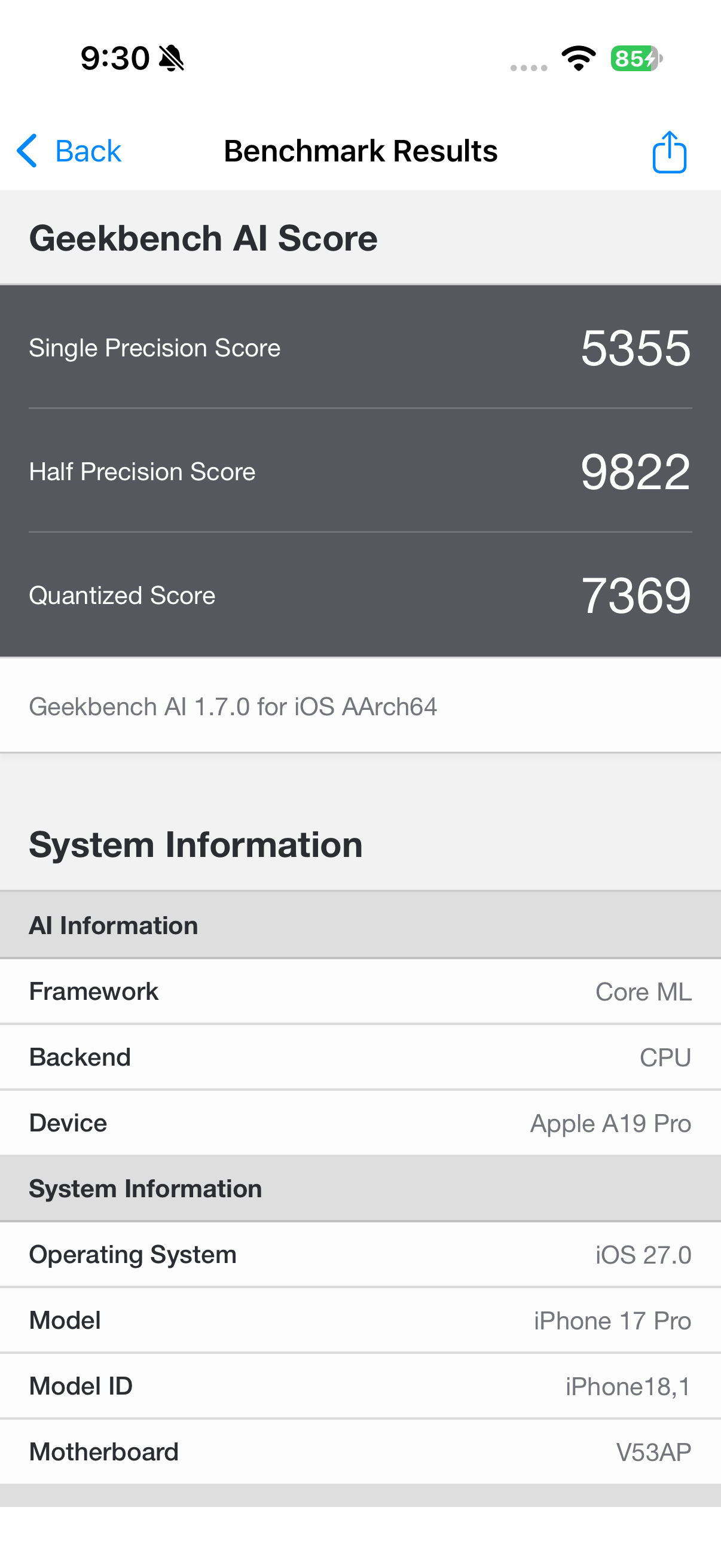
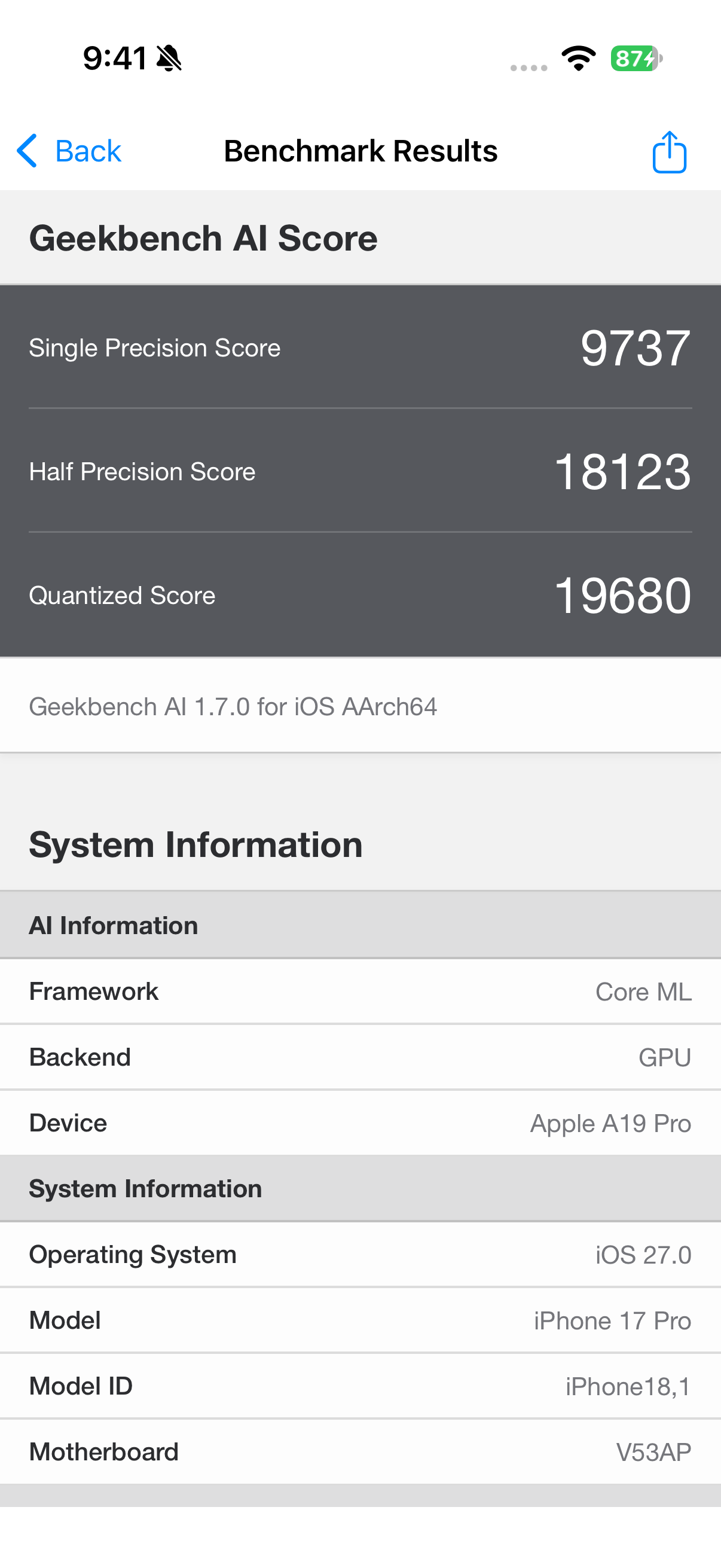
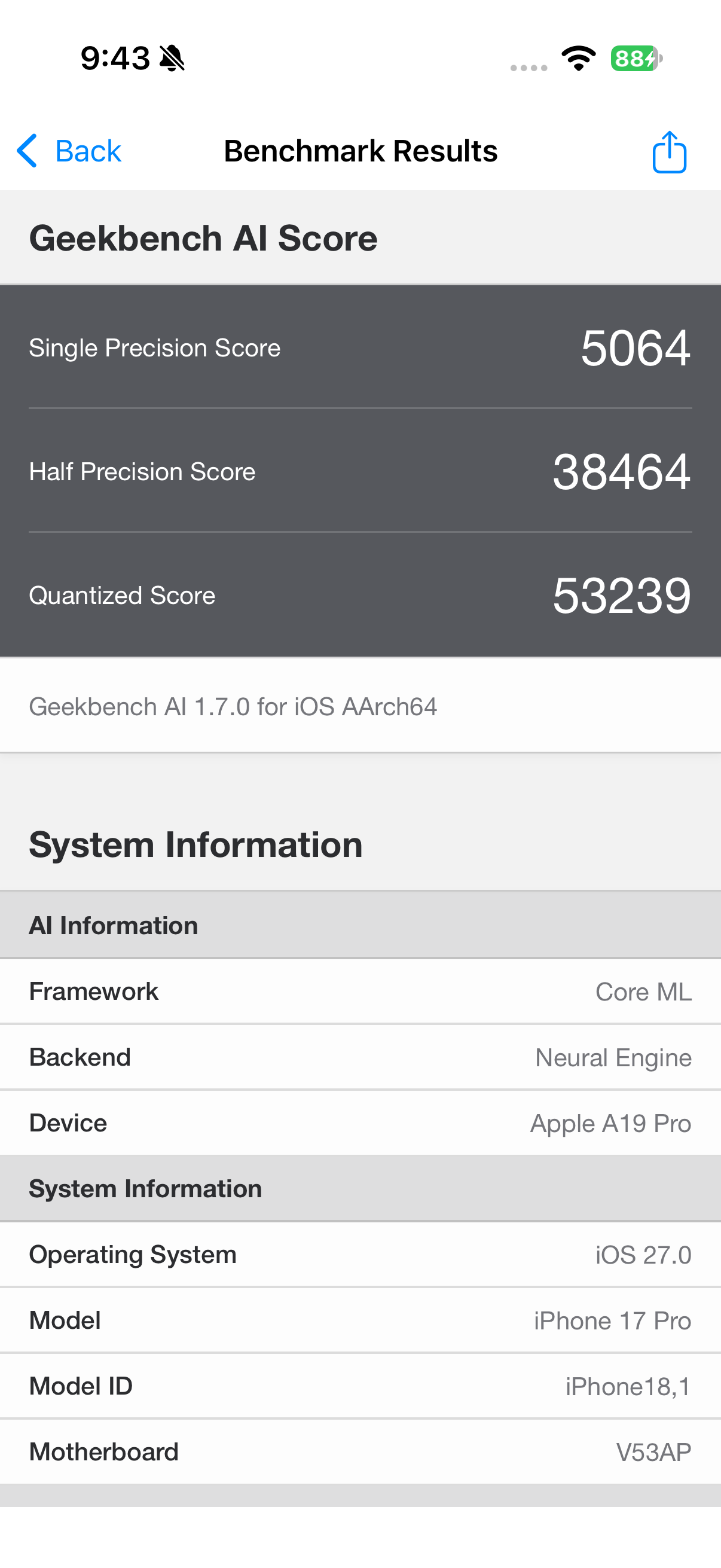
In addition to faster application launch times, the difference is noticeable when editing photos using AI tools, exporting videos, or running games. I am also convinced that the performance reserve will be of great importance in the future, especially with regard to locally operated models. Apple IntelligenceWhether you will actually use them and in what form the individual functions will be available in the European Union is of course another question. I honestly don't want to answer that, but if there was no point, I honestly don't think we will see any support in the near future. Apple Intelligence There is no major turning point in the EU. Or at least, there is nothing much to suggest that.
Hand in hand with the chip A20 Pro, which powers the phone, but also the operating system, which this time is perhaps a much bigger part of the overall "performance impression" than it might seem at first glance. Already on WWDC in the summer, because Apple he let it be known that he planned to iOS 27 compared to its predecessor in many ways to speed up and optimize, which in my opinion it did absolutely fantastically on both older models and the latest one. iOS The 27 actually feels faster and better optimized than its predecessor, which significantly affects the overall impression of the phone.
It's the combination of a faster system, reduced animation loading times, and so on, the A20 chip Pro and 120Hz displays ultimately mean that iPhone 18 Pro subjectively it feels faster and more agile. In my opinion, none of these changes would be dramatic on their own, but together they create the feeling of a phone that is truly lightning fast.
Overheating is better, but physics is better Apple undeceived
Big kudos to you Apple this year deserves for cooling. U iPhone 18 Pro namely, he used a larger evaporation or vapor chamber, which according to him has three times the area, uses materials with better thermal conductivity and helps the chip maintain up to 40% higher long-term graphics performance than the previous generation. However, let's leave marketing numbers aside, because what is important here is mainly practice. And in this, the improvement is really noticeable.
I felt the difference especially when playing demanding AAA games. For example, Assassin's Creed Mirage could heat up the previous models very quickly and after a while some parts of the phone were uncomfortably hot to the touch, with the temperature rising so quickly around the chip and camera module in particular that you knew about it almost immediately. However, this year, that is largely gone.
No, I certainly can't say that this year's generation Pro models do not heat up, because that would of course be a lie. iPhone 18 Pro Unsurprisingly, it also gets hot. But the difference this year will be felt mainly in how quickly the heat builds up and how the phone dissipates it.
Thanks to the improved internal cooling, the new device heats up more slowly, the temperature is not concentrated in such an unpleasantly hot spot, but is rather spread across the entire back, and even after prolonged gaming, holding the phone is not fundamentally uncomfortable. Yes, it still applies that it is iPhone 18 Pro warm, sometimes quite noticeably, but it feels better in the hand than previous models. However, I wonder if the new product would withstand this summer's heat, when phones overheated extremely quickly, no matter what you did on them.
But let's get back to gaming for a moment. The good news is that better cooling also means that the chip doesn't have to reduce performance as quickly, which allows the game to maintain a stable frame rate for longer and therefore doesn't start to stutter after a while (or rather, the fps don't start to drop during more complex scenes). So if you want to run console game ports on your iPhone, cooling is one of the most practical improvements this year.
So that I don't judge the better work with waste heat only in connection with playing games, I have to say that I noticed the same behavior during the initial setup of the phone, when data synchronization, photo indexing, and application downloads were taking place in the background. Older generations could get very hot in this situation, and honestly, it annoyed me quite a bit. Apple In recent years, there has been a lot of pressure on better cooling, and when one of the first experiences you have with a new device is its overheated back, it doesn't feel good. But this year is really a bit different in this regard, even compared to last year, when iPhone for the first time ever, he got into the bowels of an evaporator chamber. I iPhone 18 Pro It was warm, but not uncomfortably hot.
Apple so it didn't completely eliminate the heating problem, which in my opinion is impossible with such a powerful phone. But it managed to significantly reduce it again, and unlike some camera features, it's a change that I believe everyone will feel in their hands sooner or later. However, it's perhaps a bit paradoxical that you won't even know much about it, which is a good thing. ProIf the heating bothers you, it's actually proof that the work with the waste heat was not completely successful.
Gallery
Endurance will please you more than paper numbers
The battery life was actually a pleasant surprise for me. Apple on a smaller iPhone 18 Pro It claims up to 34 hours of video playback and up to 31 hours of streaming video. ProFor those of you who are familiar with the previous generation, these numbers may not seem like a dramatic jump, as on paper the European version gained just one hour, but in normal use the difference is more noticeable. With the same workload, the phone shows me approximately 10 to 15 percent more battery in the evening than iPhone 17 Prowhich I amoneused long ago. My typical day includes communication, working with the web, social networks, taking pictures, playing music and, of course, testing various applications.
However, it's fair to say that last year's model had been in almost a year of daily use, so its battery wasn't in the same condition as a brand new phone. So I definitely attribute some of the difference to wear and tear. Still, the difference is consistent and significant enough that I can't just attribute it to the age of the previous device.
The larger battery, more energy-efficient 2nm A20 chip likely play a role here Pro and optimization iOS 27. Honestly, I don't really care what I owe my better stamina to, because the main thing is that I actually have it available and iPhone 18 Pro It gives me a little more confidence that even after a hard day I will have enough power in the evening and I won't have to think about where to quickly connect my phone to the charger.
Of course, it still applies that this is not a multi-day phone and intensive gaming, video recording or navigation can drain the battery quite quickly. For example, when I do a photo test, I am often horrified by how quickly the battery can drop due to system photo adjustments, which you as users actually have no influence on.
However, in normal work use, the battery life is very good and a noticeable improvement of 10 to 15 percent at the end of the day can mean the difference between nervously searching for a charger and returning home peacefully. On the weekend, when I try to touch the phone as little as possible and devote myself to my family, I am able to get 2 comfortable days on a single charge, so for me it is great - at least for the 6,3" model. And if this battery life is not enough for you nestoh, it's still here iPhone 18 Pro Max.
Faster charging foronemakes more sense
A nice bonus that the phone brings is the acceleration of wired charging, which with a compatible 60W adapter and a cable supporting USB Power Delivery 3.1 with AVS, you can get from a discharged state to 50% in approximately 15 minutes. iPhone 17 Pro it took about 20 minutes to reach the same value and iPhone 16 Pro approximately half an hour. Of course I tried it and the words Apple I can confirm with a calm soul and actually embellish it a little.
I was very pleased that fast charging does not only work when the battery is low, but you can "feed" the phone with higher W even if its charge level is around 60%. Even in that case, the charger I tested it with reported a consumption of around 45 and 55 W. Of course, they don't charge that fast until they are fully charged, and at the same time, the performance varies quite a bit. But it's nice to see that you can quickly "pour" energy into the battery even when the phone's battery is still solidly charged.
However, it must be emphasized that maxYou won't achieve maximum speed with any older charger, but you need a sufficiently powerful adapter supporting the appropriate standard and a suitable USB-C cable. Apple Of course, it is not included in the phone package, so if you want to take full advantage of the new fast charging, you may have to make another investment, which actually makes me wonder whether the saved minutes are worth the extra money from your wallet. But of course, everyone has to answer that for themselves.
As for wireless charging, here you go iPhone 18 Pro he has maintained his speed from last year and can therefore handle maxat least 25W via Qi2.2 chargers. With a 35W or more powerful adapter, you can wirelessly charge your phone to 50% in about 30 minutes, which is still a pretty good value for me. After all, years ago we needed a cable for such fast charging. As a user who primarily charges wirelessly, I have no desire or need to complain about anything in this regard.
But in general it's about charging iPhone 18 Pro without thinking to say that Apple This year, it is by no means chasing the extreme performance of some Chinese phones, which can fill the battery in a few dozen minutes or even faster. However, in my opinion, this strategy is absolutely not harmful in the end. Pro For the average user, both wired and wireless charging is fast enough to charge the phone quickly, reliably, without any significant time requirements, and most importantly, with a relatively small load on the battery, which therefore lasts longer.
Gallery
Koneactivity and other trivia
At the very end of my review, it is not out of place to touch on the little things that the phone brings. For example, the mobile data connection is handled by the new C2 modem, which, in addition to higher speed, is also supposed to offer better reliability and lower energy consumption. In normal use, of course, it is not possible to completely separate the benefit of the modem itself from the quality of the operator's network, signal strength and other conditions. However, the connection worked reliably during testing and I did not notice anything that would surprise me, both in a good and bad way. Prothat is, in places where I had no problem with mobile data over iPhone 17 Pro, I didn't have it either iPhone 18 Pro and vice versa, where there are problems, there they were. For example, the train journey between Blansko and Brno is a complete experience for mobile connections, which will probably have to be solved by Elon Musk.
It is perhaps a bit of a shame that USB-C is not availableonewhich still supports "only" USB 3 with a transfer speed of up to 10 Gb/s. At first glance, this is a great speed, but I think that when Apple These phones are increasingly targeting video creators or photographers, so isn't it time to come up with a higher version of Thunderbolt? Pro However, for normal charging and occasional connection of accessories, 10 Gb/s is absolutely sufficient, and what's more - it is severely oversized.
The basic 256GB storage is also a bit questionable in my opinion. Yes, it's certainly not a lot of storage, but we're talking about a phone that starts at $1199 in the US this year, $1449 in the UK. Euro in the EU and 34,990 CZK in the Czech Republic. Perhaps it would not be a bad idea to start with a higher storage capacity, which would compensate for the price. On the other hand, paradoxically, it is the prices of memory chips that drive the prices of electronics, led by iPhone 18 Pro (Max) increased, so it is logical that such a step Apple he couldn't come. In short, it's a little vicious circle that I don't want to get lost in, so I'll just add that if you're planning to film intensively ProRes video or take photos in ProRAW, the 256GB capacity can fill up surprisingly quickly.
Summary
iPhone 18 Pro is a really great phone. It has a fantastic display, one of the best mobile cameras, extraordinary performance, better cooling, longer battery life and faster charging. It is excellently crafted, pleasant to use and has practically no weakness in any major area that would significantly complicate my use. But that is exactly what is expected from a phone with a price starting at 34,990 CZK.
There are not many intergenerational changes, and I dare say that not everyone can take advantage of them or even appreciate them. VariaThe barrel aperture is technically very interesting, but in everyday photography I don't find it nearly as essential as last year's arrival of the 8x hybrid telephoto lens. Smaller Dynamic Island It's fun, but after a few hours you'll stop worrying about it. Manual camera control is great if you know what to do with it, but most people will probably leave it on auto.
I like it the most.onec amuses changes that are quite difficult to show in product photos. The phone feels faster, with the same load I have about 10 to 15 percent more battery left in the evening and it heats up slower and less when playing demanding games. It doesn't stay cold and the laws of physics Apple It's not impossible, of course, but it feels more comfortable in the hand and lasts longer. At the end of the day, these things determine how well the phone is used after the initial excitement of the new color and a few camera features wears off. iPhone 18 Pro It may not seem like a big upgrade at first glance, but in everyday use it's a little more enjoyable in almost everything it does.
For iPhone 17 owners Pro I would only recommend switching if they can take advantage of variaa larger aperture, professional camera controls, better cooling or faster charging. From iPhone 16 Pro The upgrade may make more sense now, although I wouldn't personally push for it even there. iPhone 15 owners Pro and older devices will get a phone that will feel significantly more modern in practically all important areas. Of course, when upgrading, you need to take into account the fact that you will not only appreciate the features iPhone 18 Pro, but also all other rows that you skip during the transition – i.e. 16 Pro to 17 ProIn that case, of course, there will be something to discover and something to be excited about.
After more than a week of testing, I feel like saying that Apple he didn't come up with a new gem, but took last year's, already extremely shiny, and polished it a little more carefully. The result shines beautifully, copes better with everyday stress, and is actually more pleasant in several ways. You just have to answer the question for yourself whether you need to change the jewelry you already have because of a few new reflections