
When he was Steve Jobs forced to leave one's own company Apple Computer, he didn't hesitate and founded another computer company called NeXT ComputerIt launched the first version of its operating system on September 18, 1989. NeXTSTEP, which was to compete with the Macintosh, MS-DOS, and a year later also Windows 3.0, which was the first ever commercially released Windows with a graphical interface in history. And although the public NeXT never really accepted, experts were enthusiastic about their operating system and that was also the reason why later Apple Computer after Steve Jobs returned to the position of CEO, the company NeXT In 1996, he bought and used it to create the now well-known MacOS, formerly Mac OS X.
Gallery
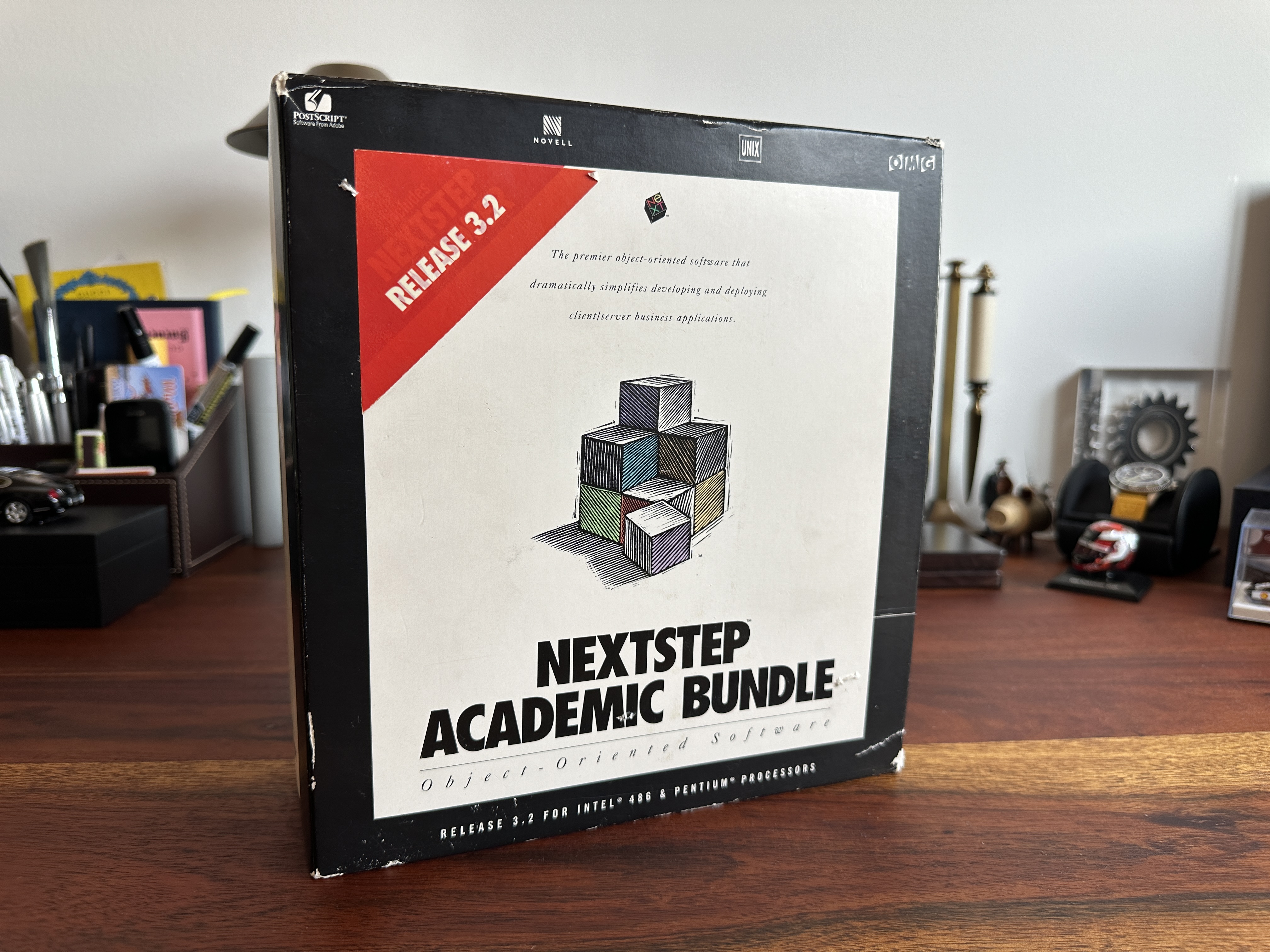
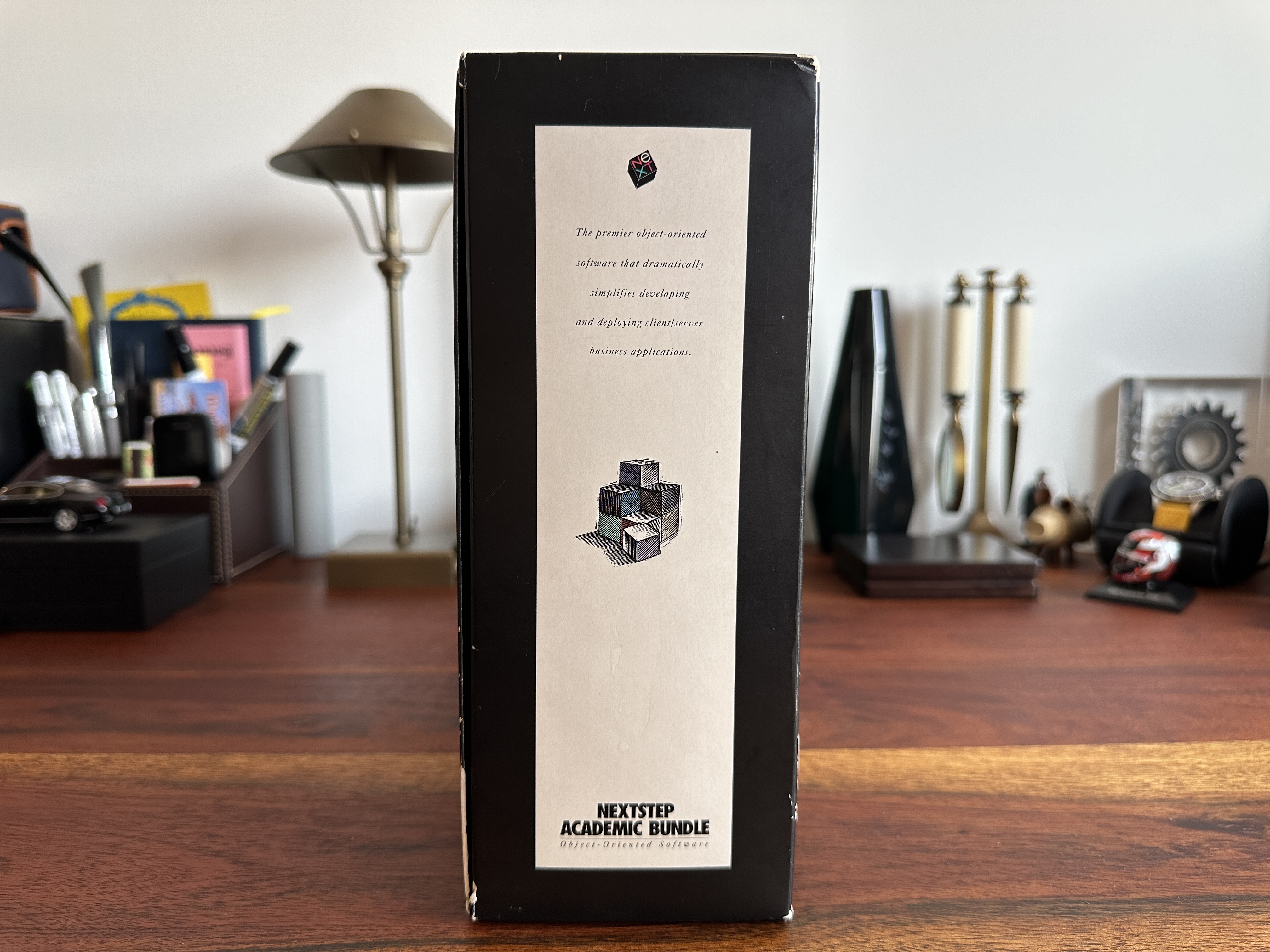
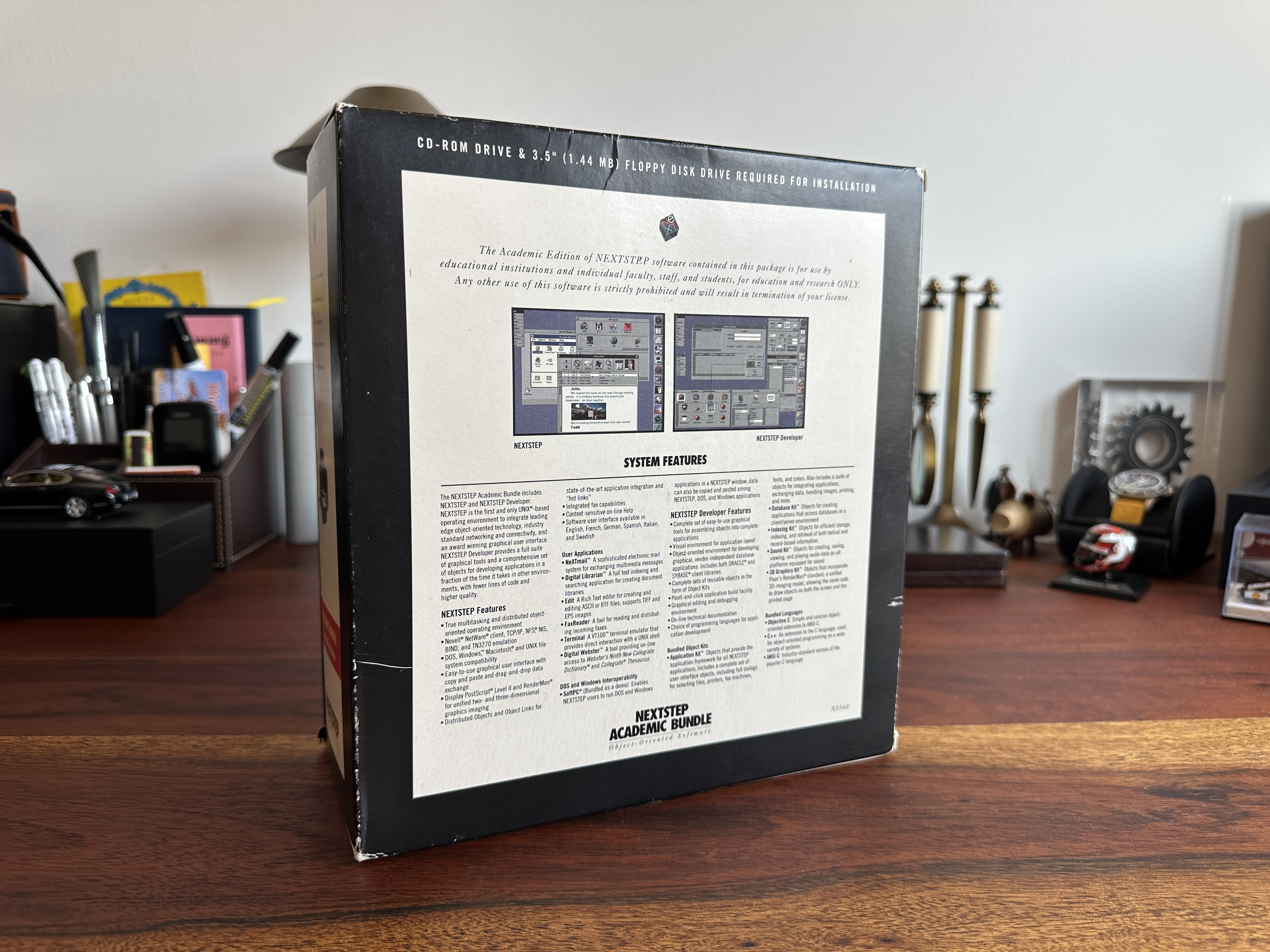
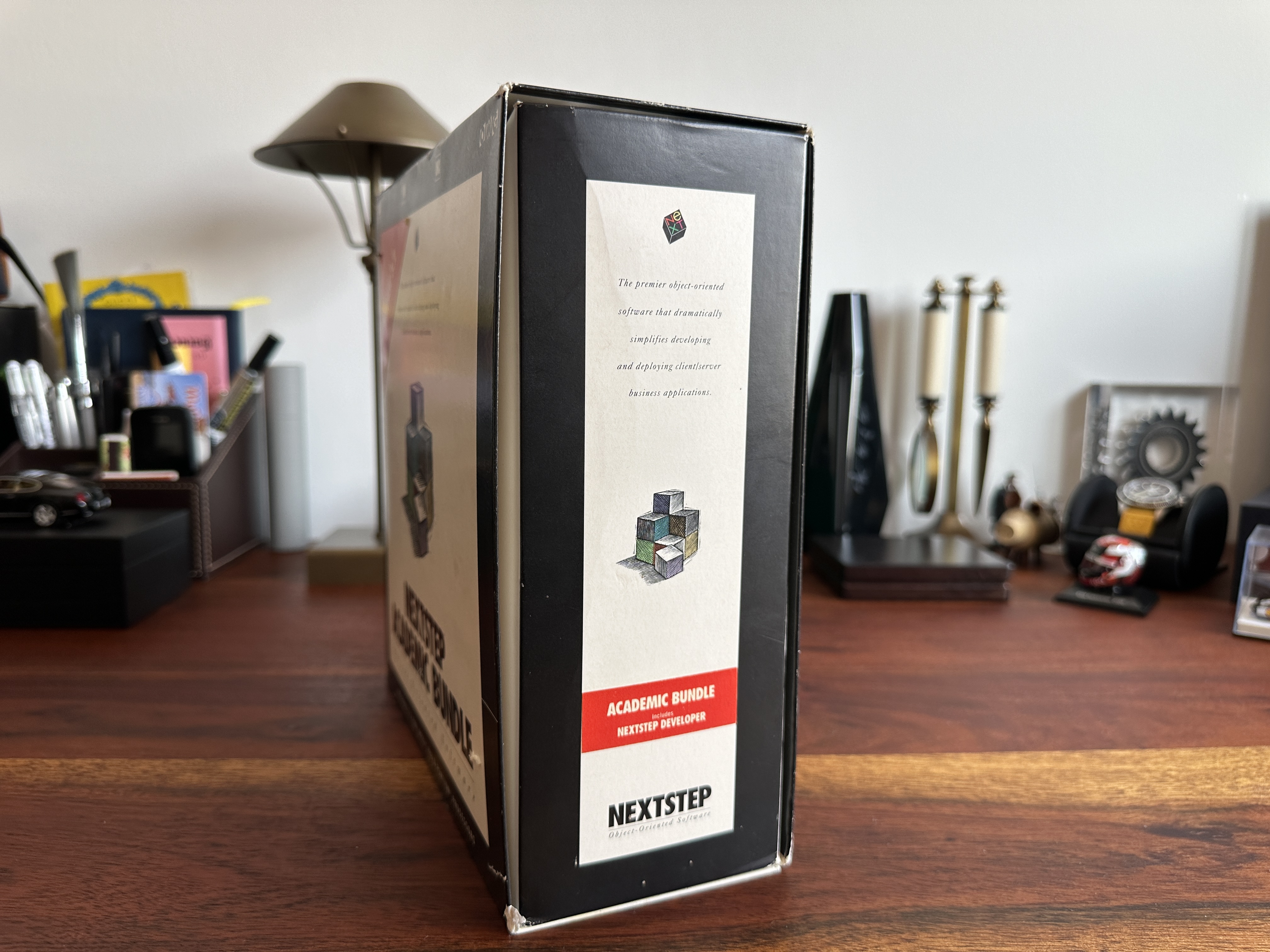
Apple in fact, in 1996, he needed to start competing with simplicity willy-nilly Windows and respond to advanced graphical interface capabilities that Microsoft and his Windows offered, and that's why he took the NeXSTEP operating system and the OpenStep operating system, merged them, improved them, and created Mac OS X, later renamed macOS, which we still use today. It's incredible what it looked like in 1989 NeXTSTEP. The main element that has remained in the macOS operating system to this day is the so-called Dock, who first brought just NeXTSTEP 34 years ago! By the way, you can see what NeXSTEP looked like back then and what it could do in a unique video in which the company's CEO himself introduces the operating system. NeXT, which of course was none other than Steve Jobs.
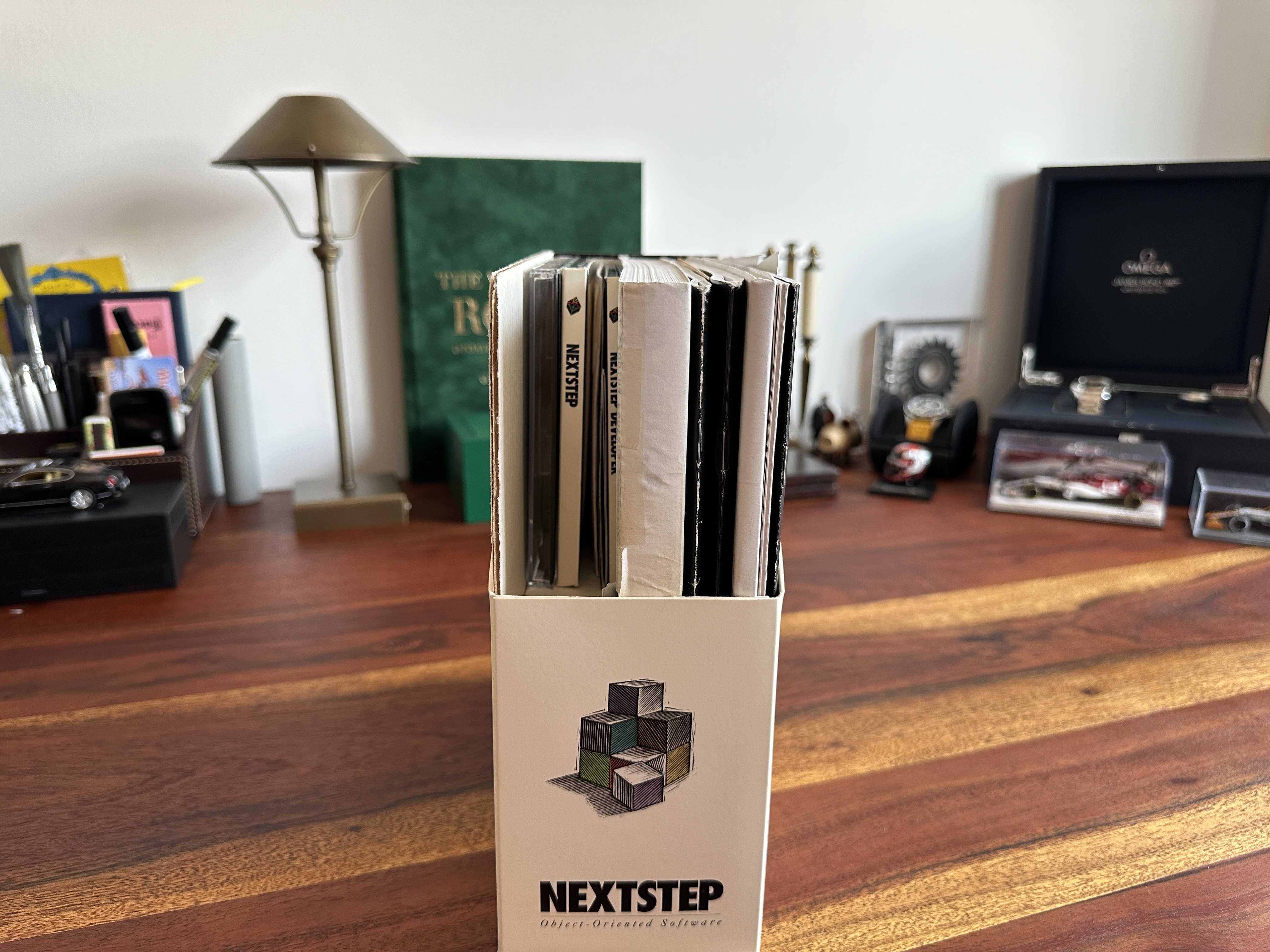
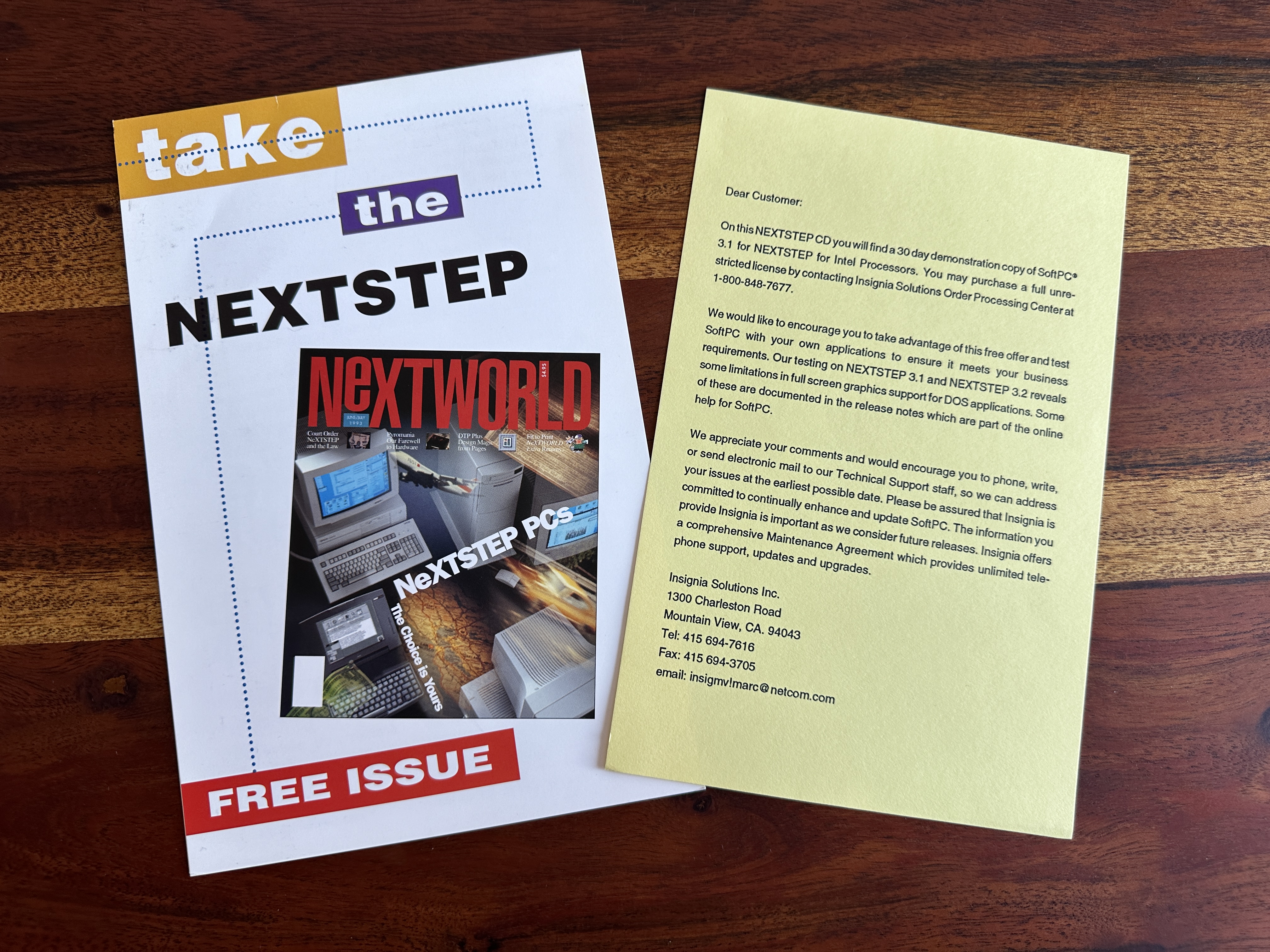
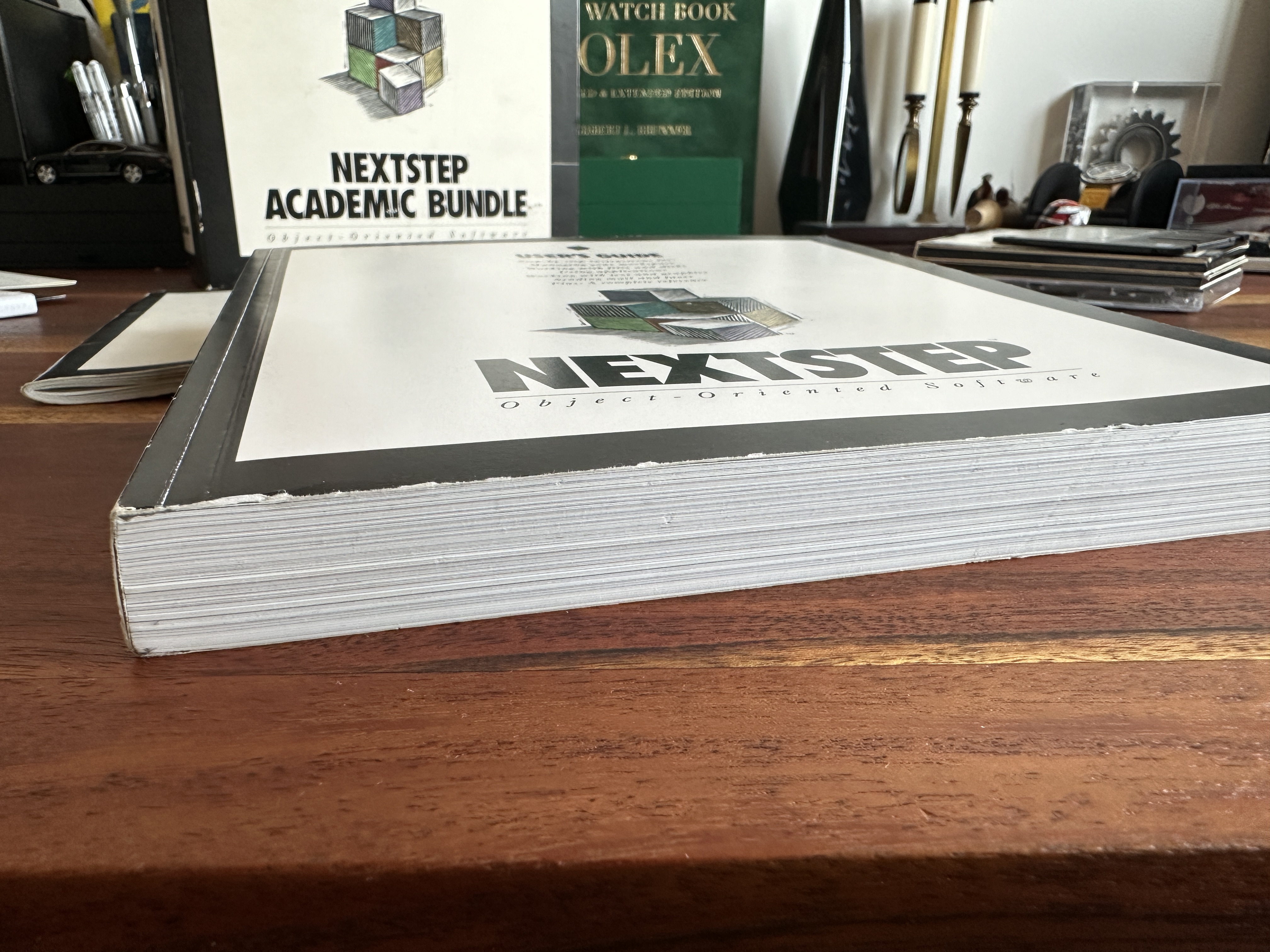
To my great excitement, a few weeks ago one of our readers contacted me and offered me an original NeXTSTEP ACADEMIC BUNDLE in version 3.2 in a complete package including all documents, including a thank-you letter from the head of the development team NeXT STEP, which was Eric Chu, who reported directly to Steve Jobs. I didn't hesitate and we immediately agreed, for which I want to thank you once again. So I got a package with the complete software package at home, and when I say complete, I really mean everything that goes with it. In 1993, when this particular version 3.2 was released, it was customary to include, in addition to floppy disks and CDs, miniAt least five books, a few letters, pre-orders for merch and other software, and pack it all into a neat box.
Gallery
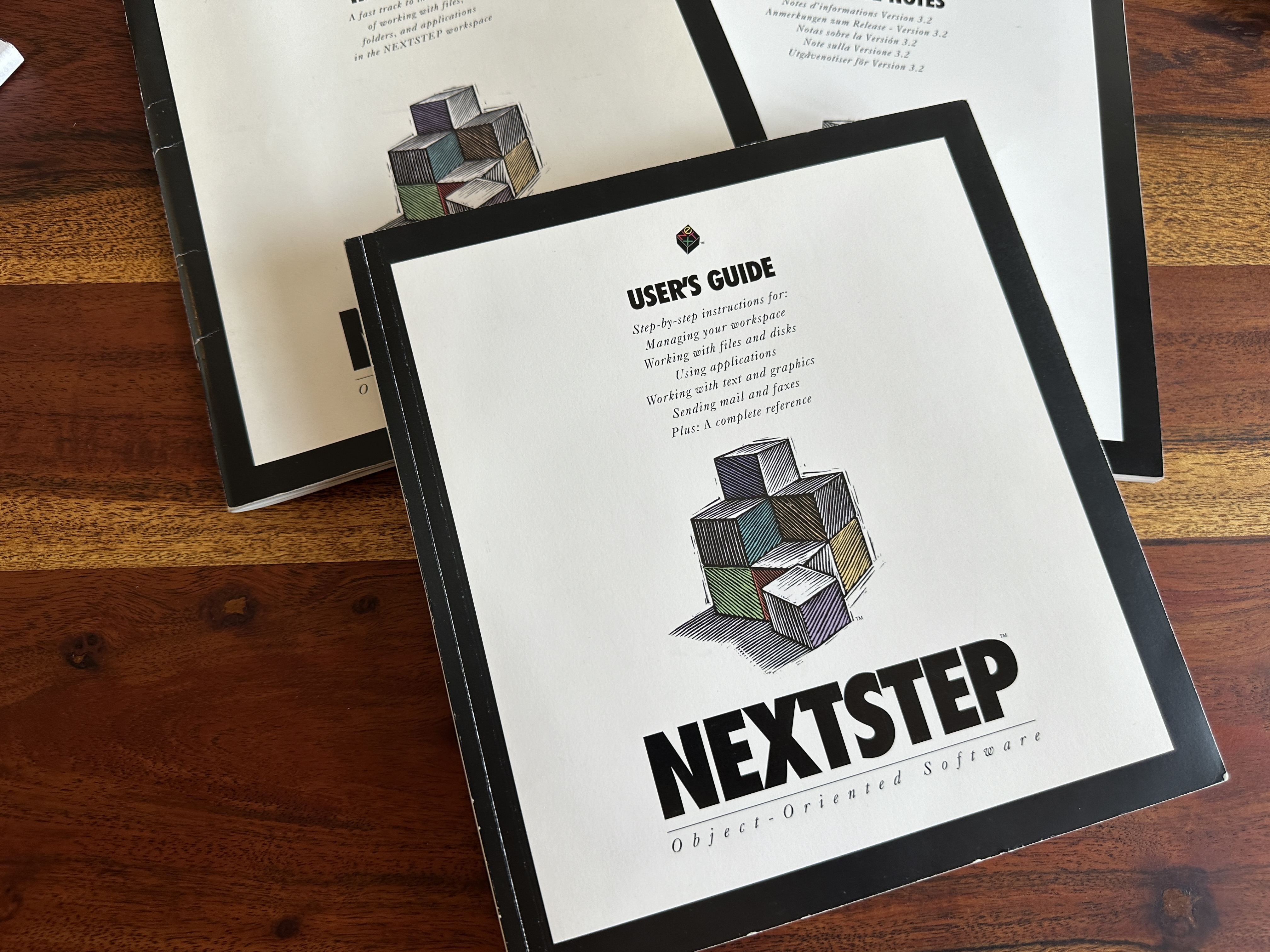
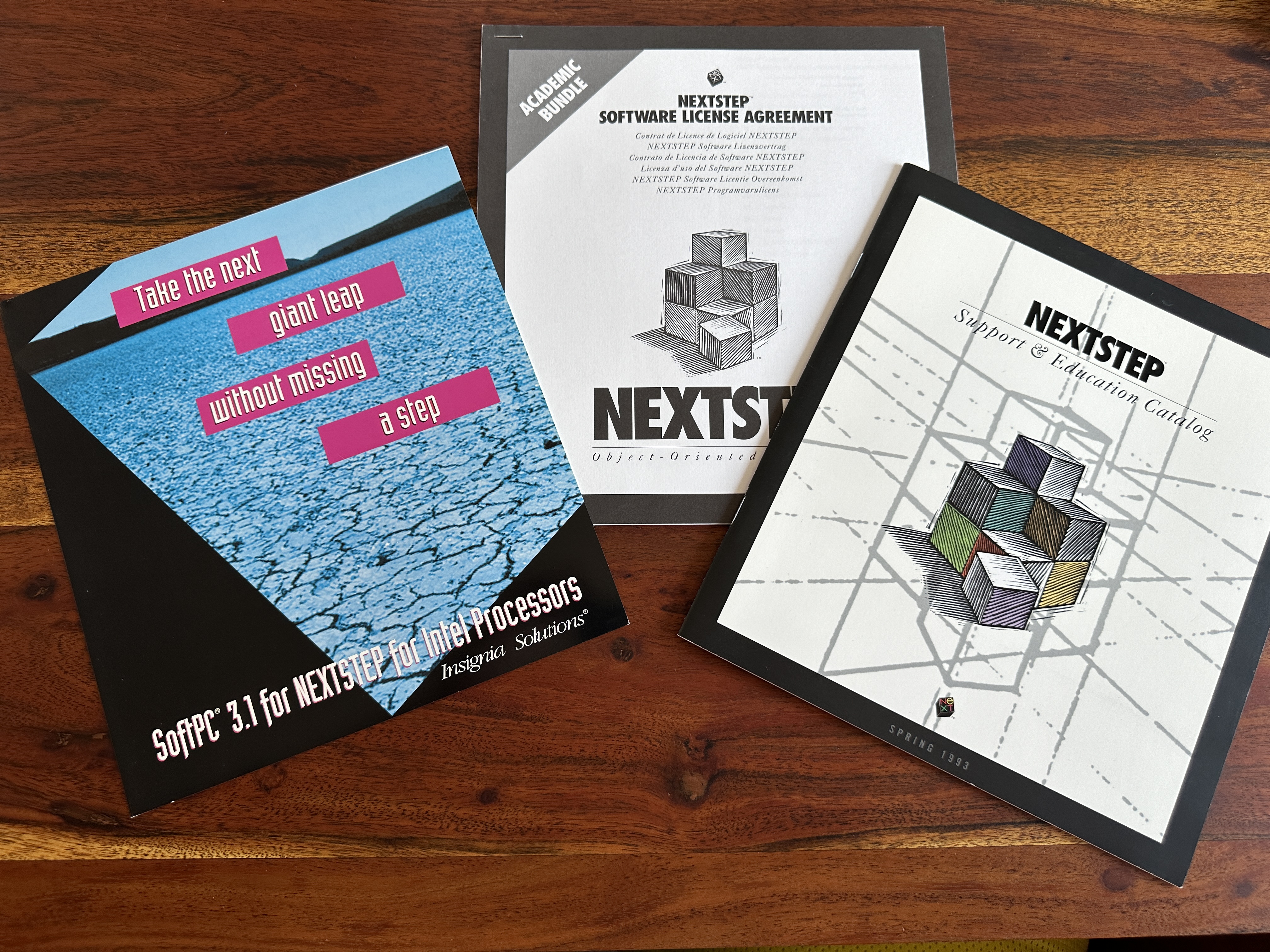
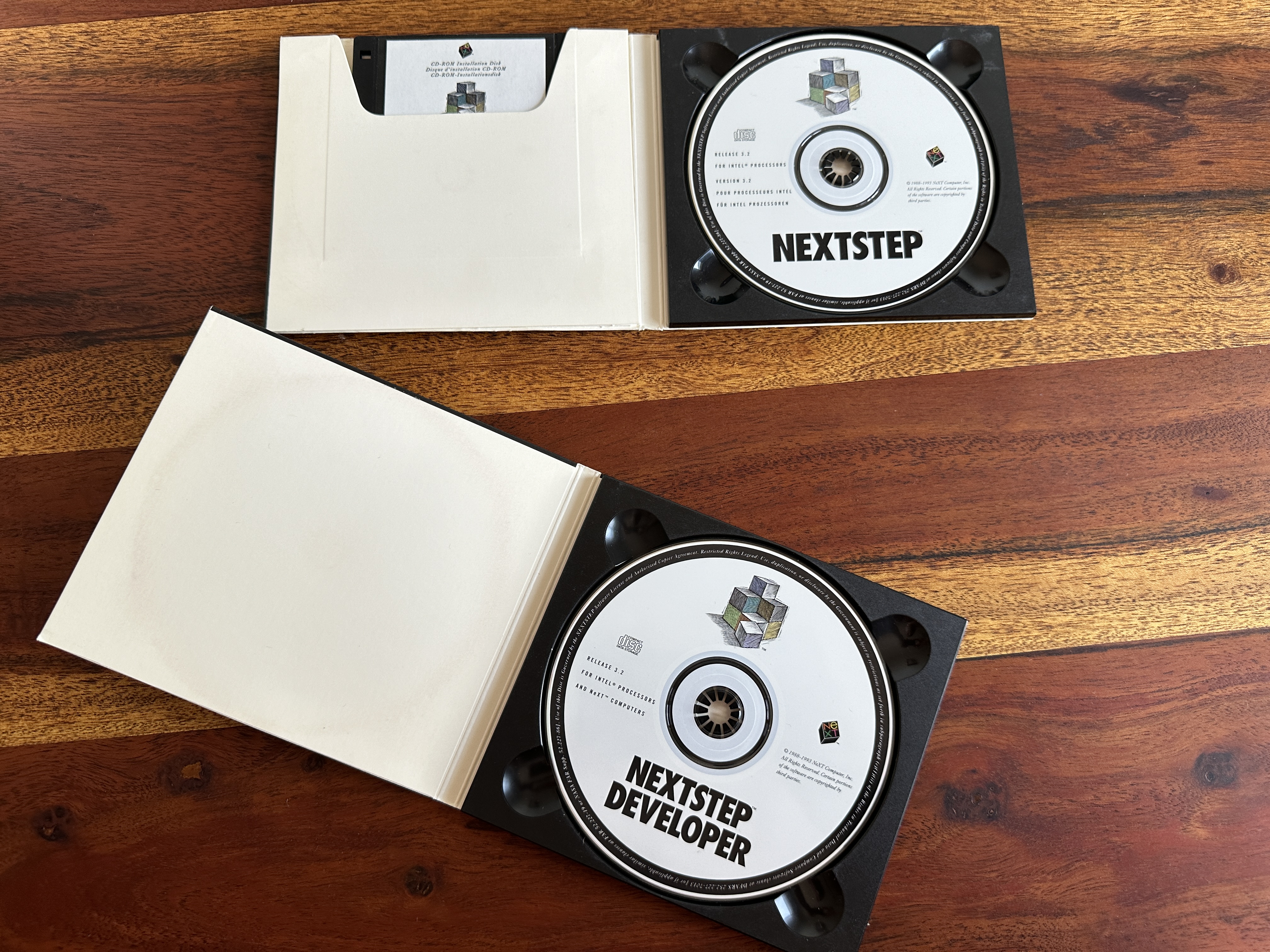
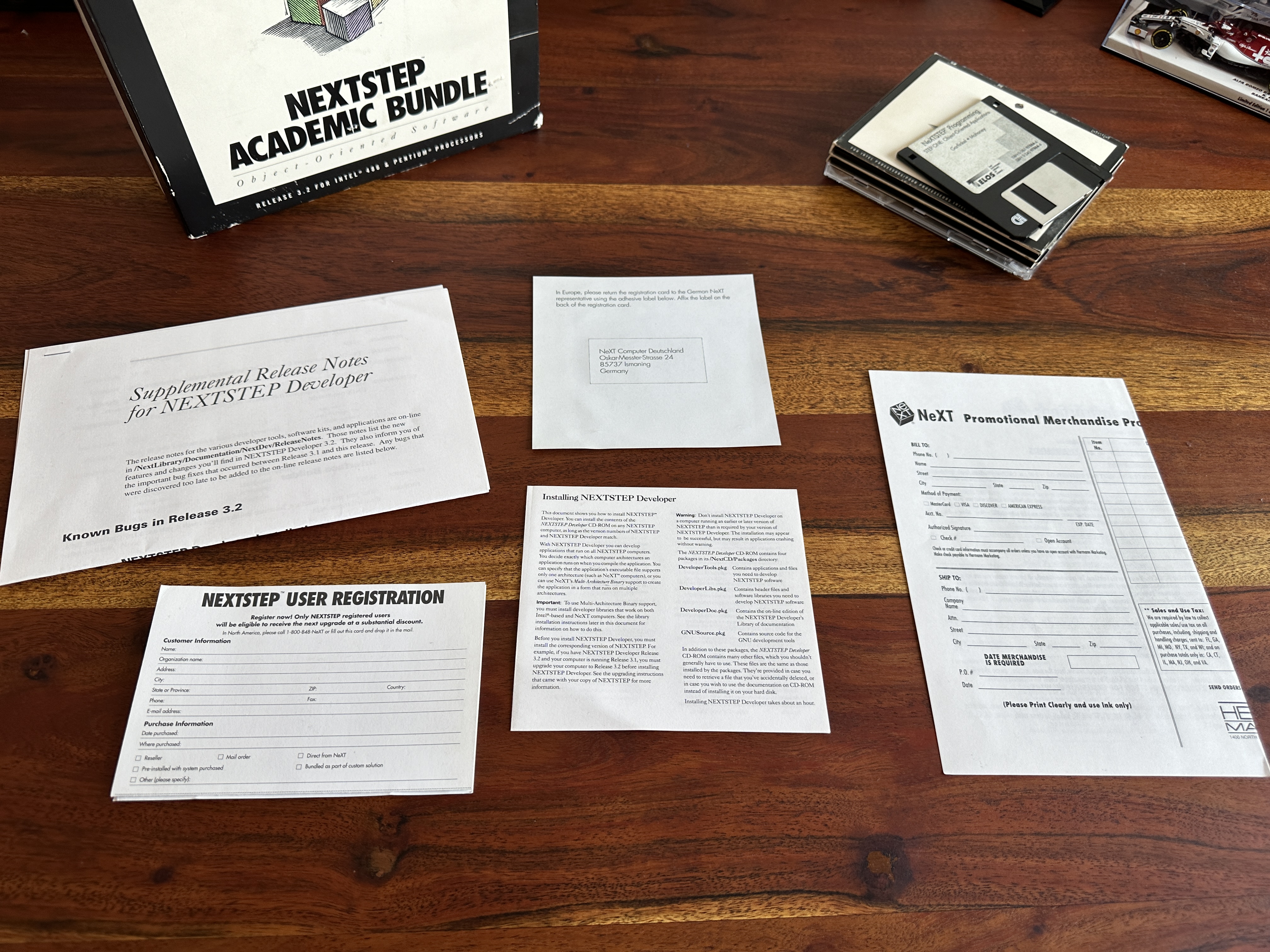
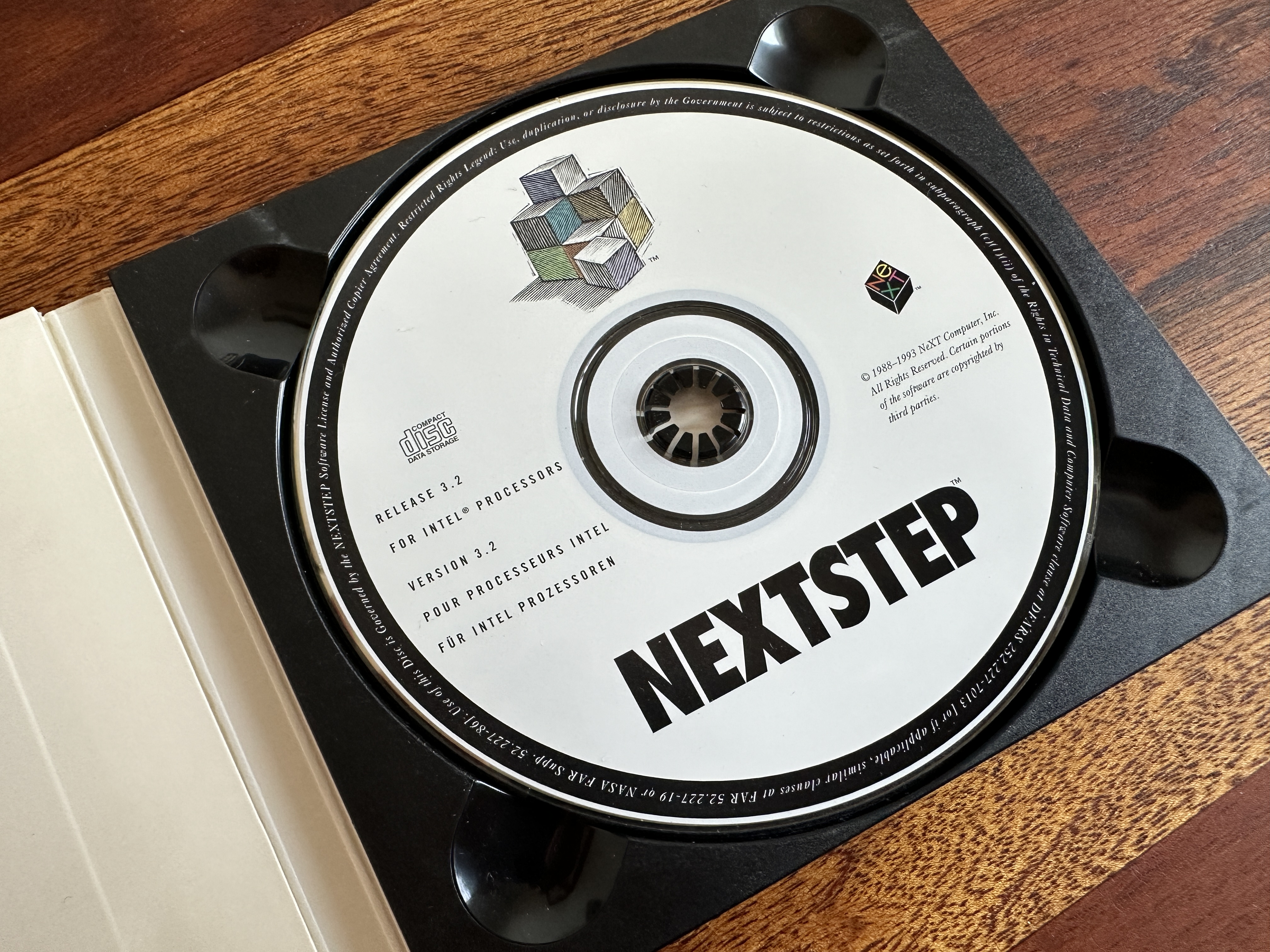
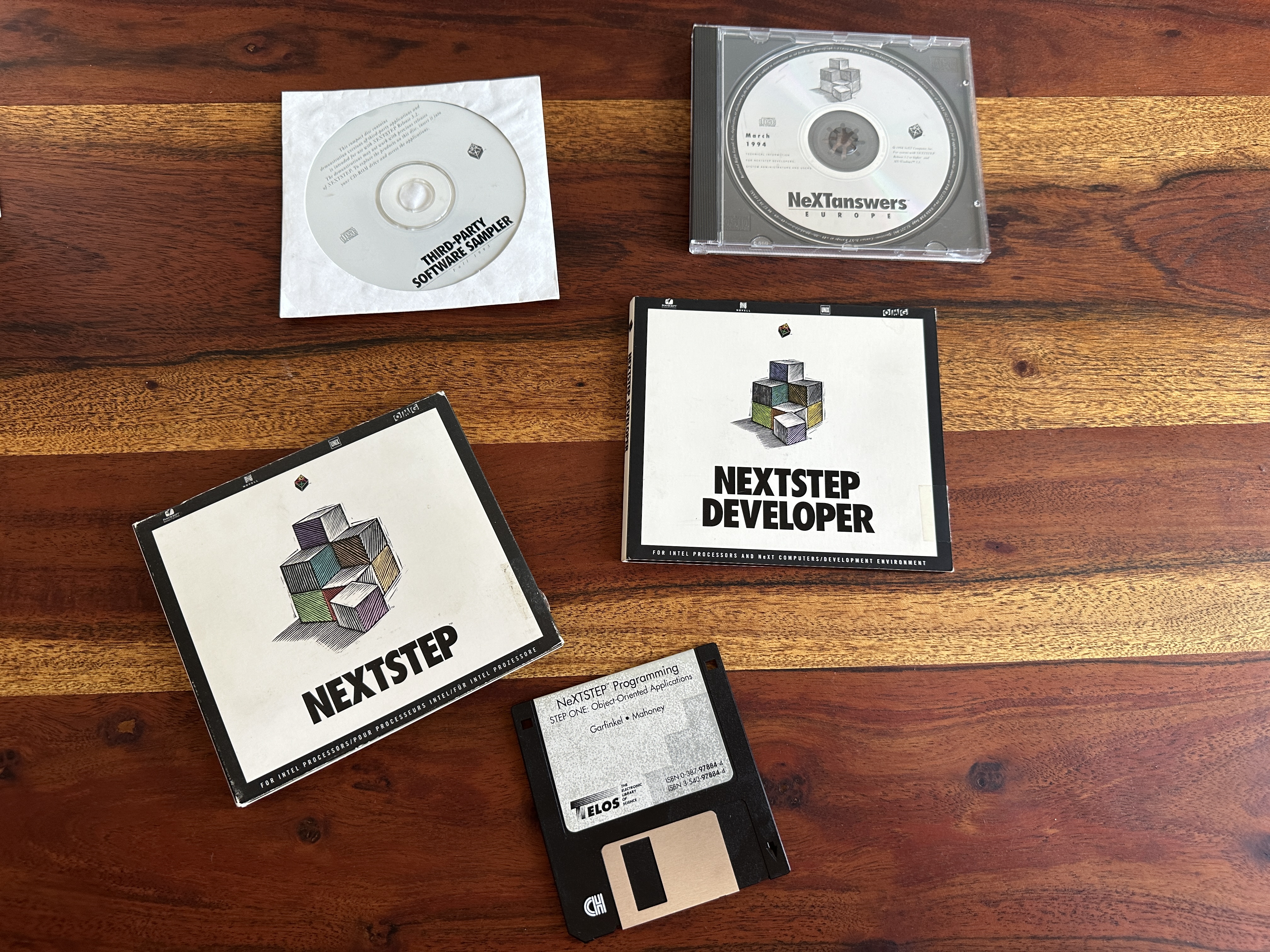
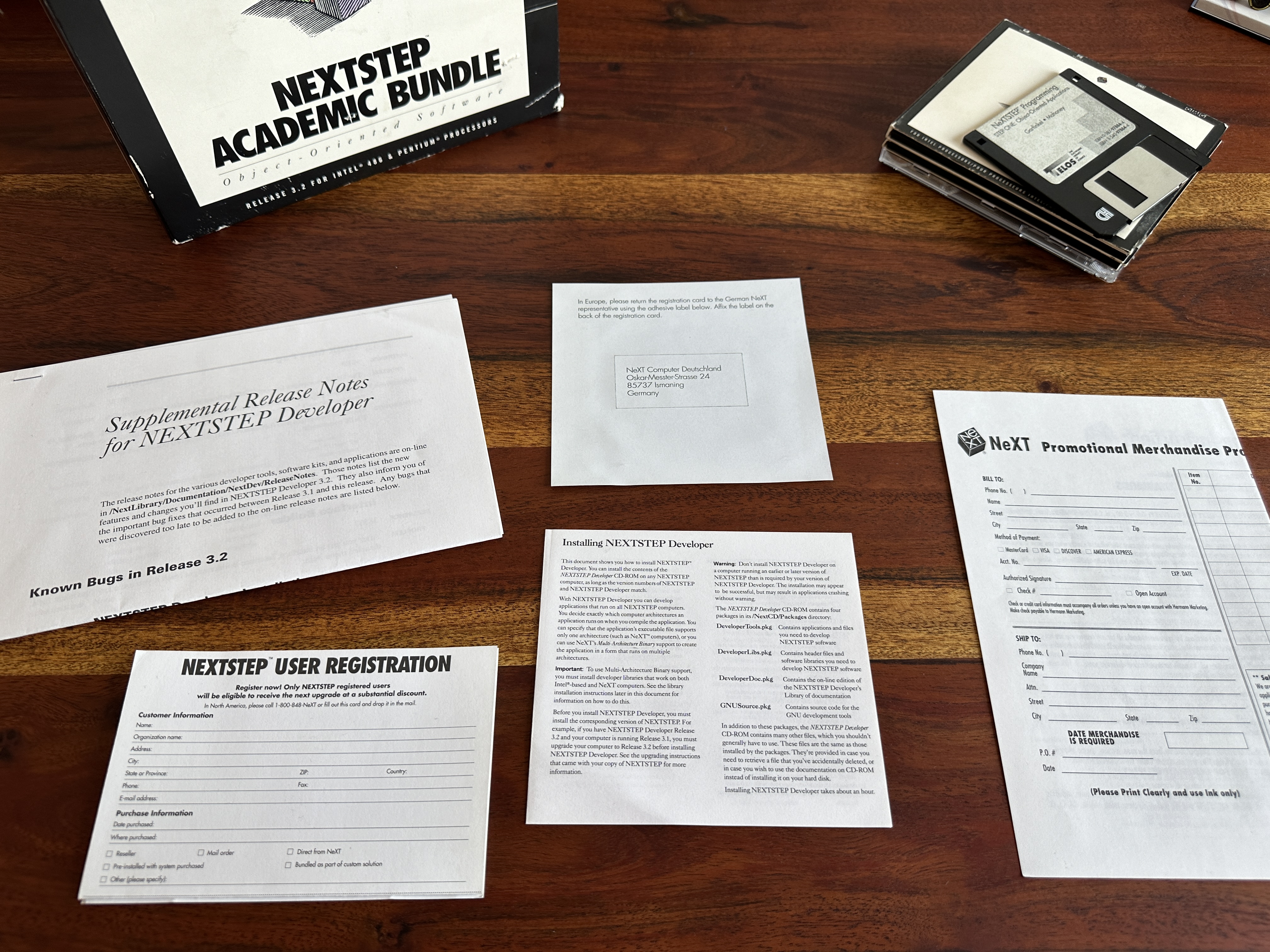
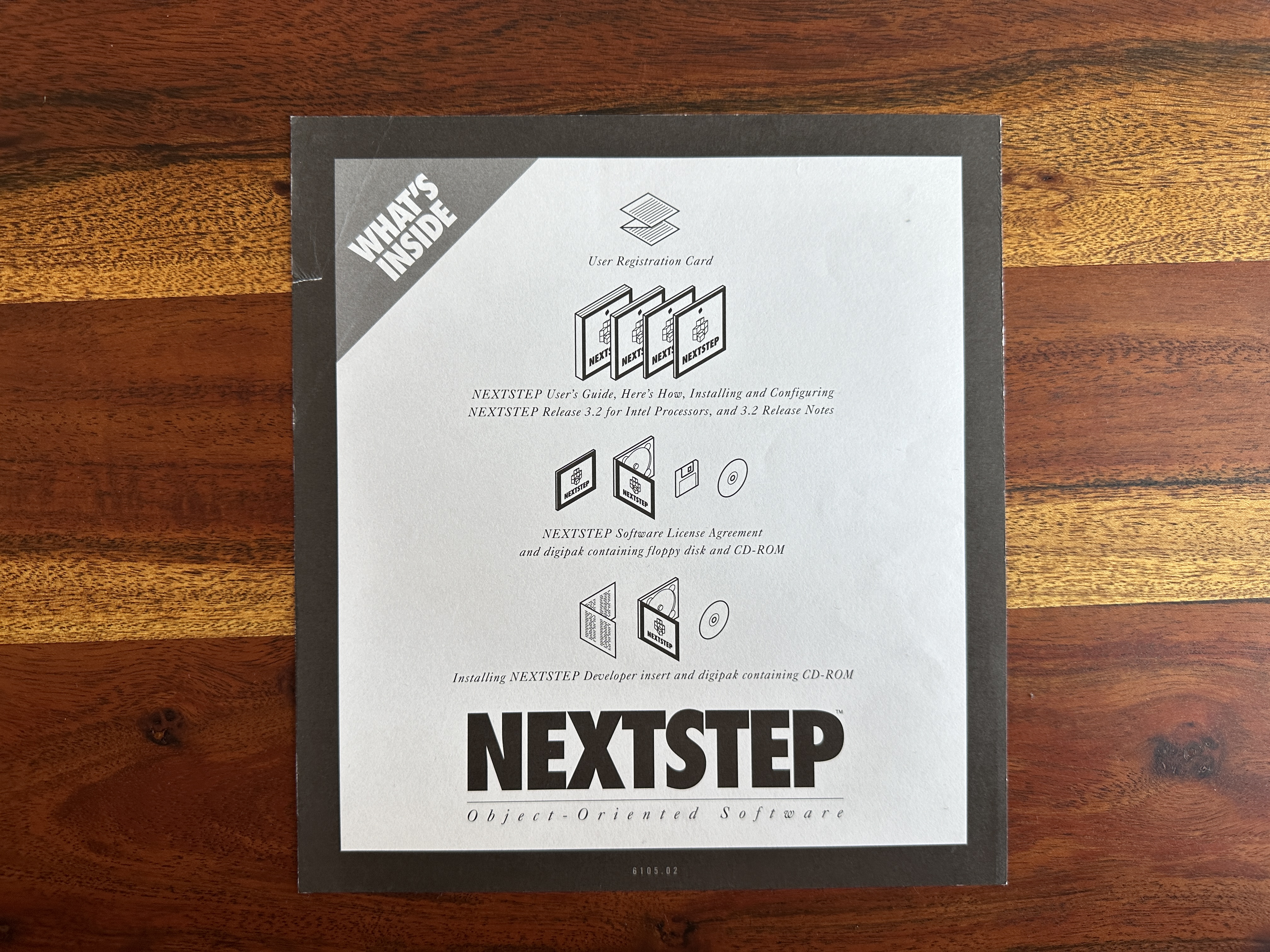
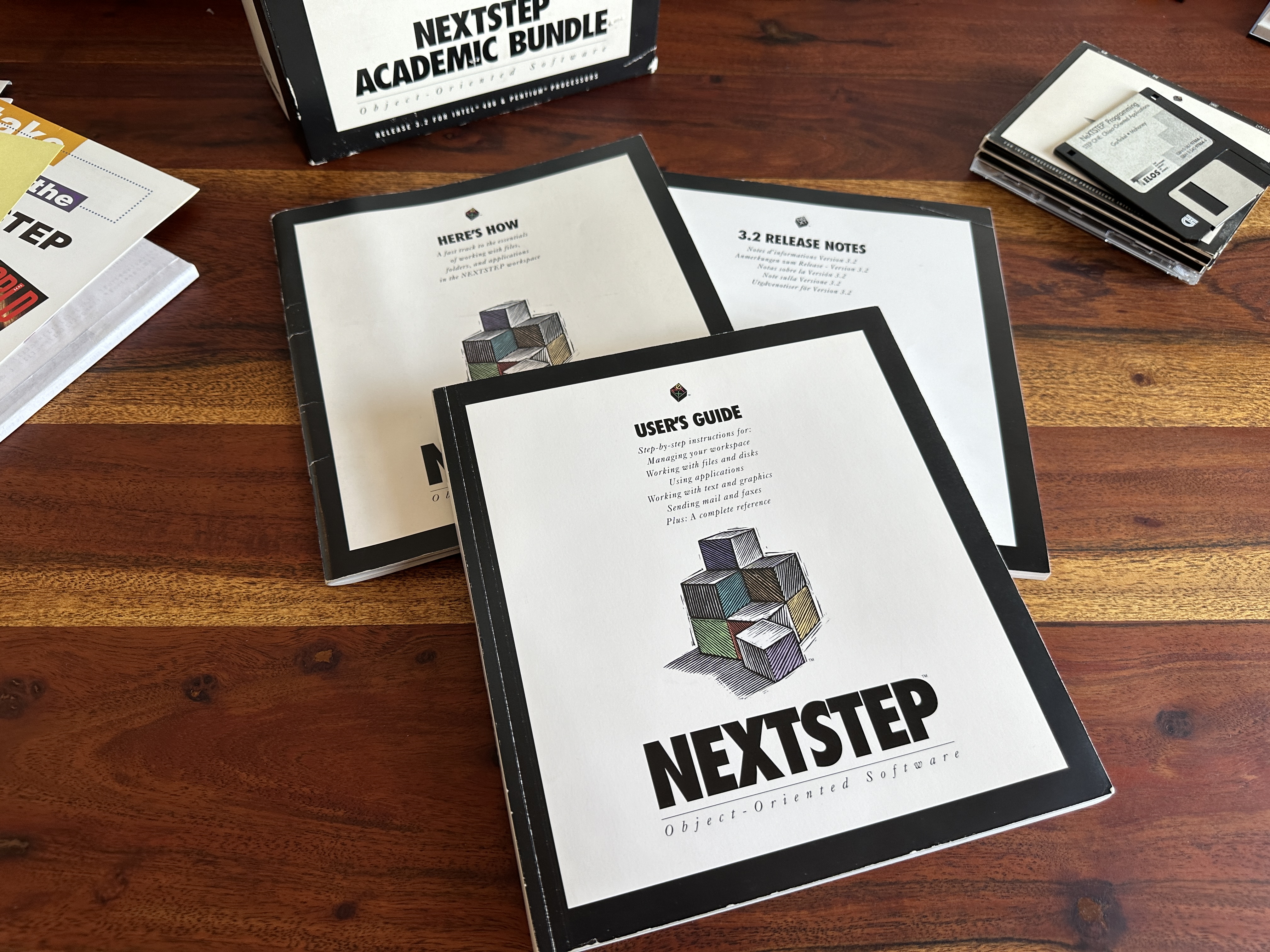
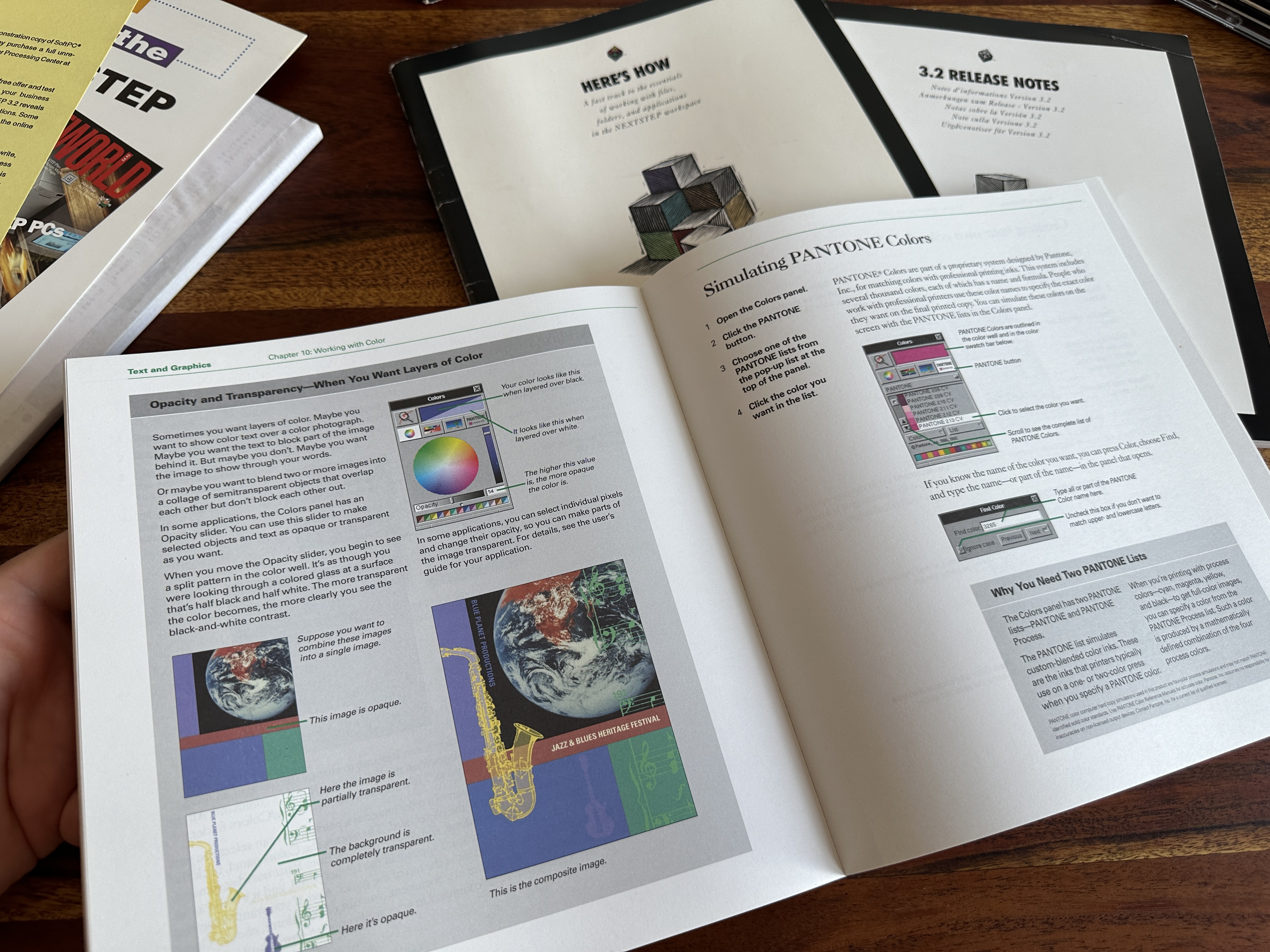
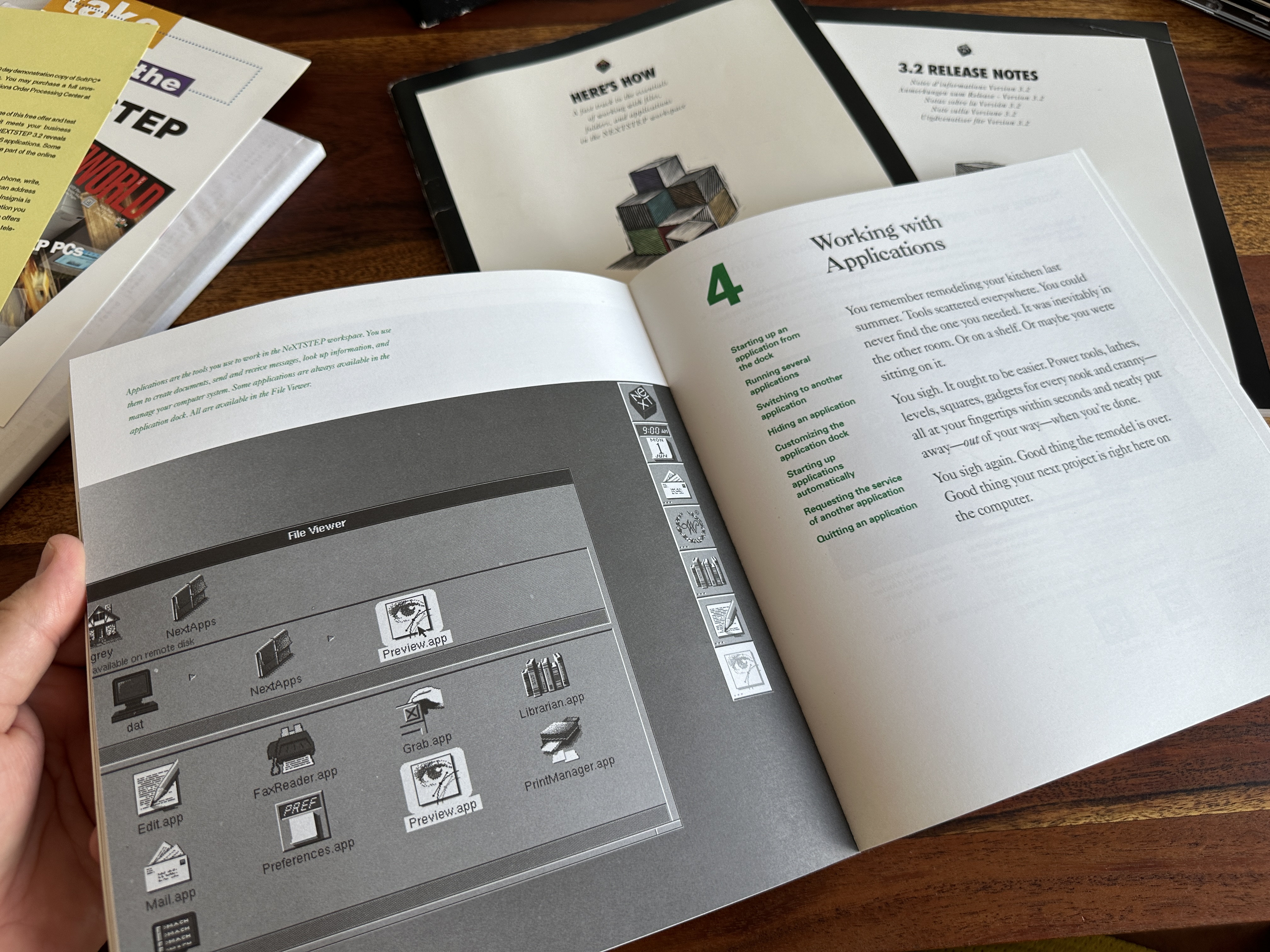
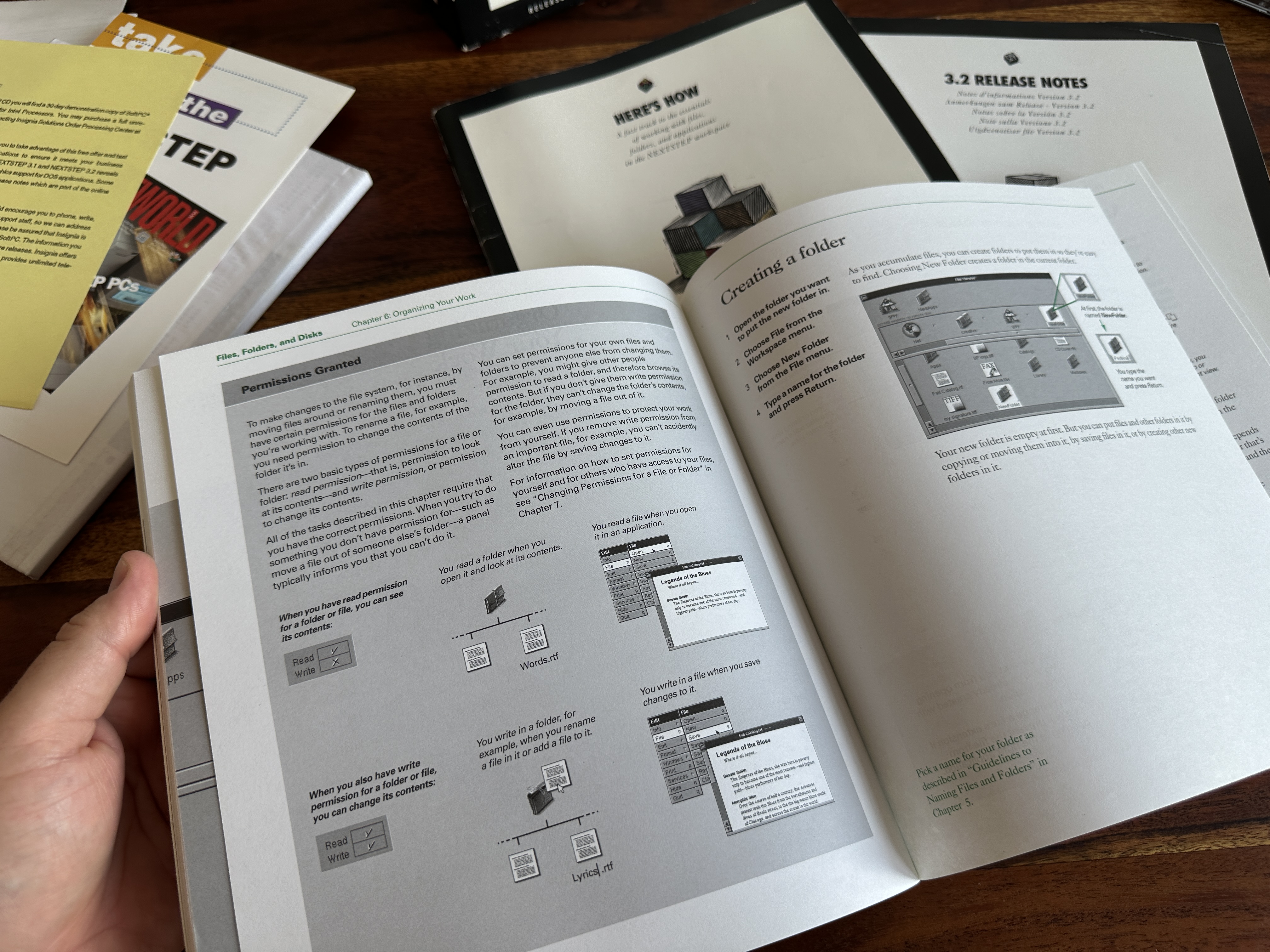
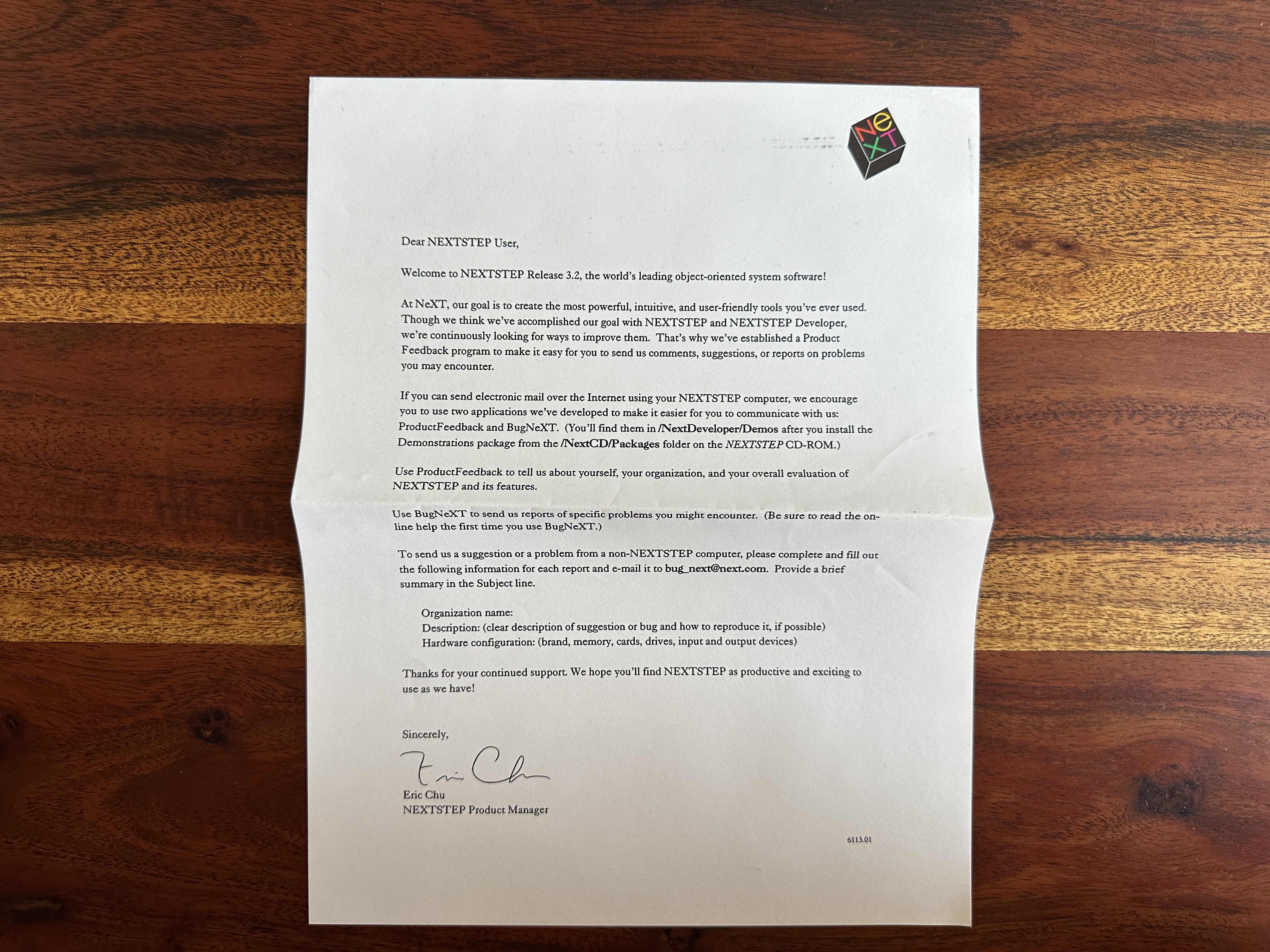
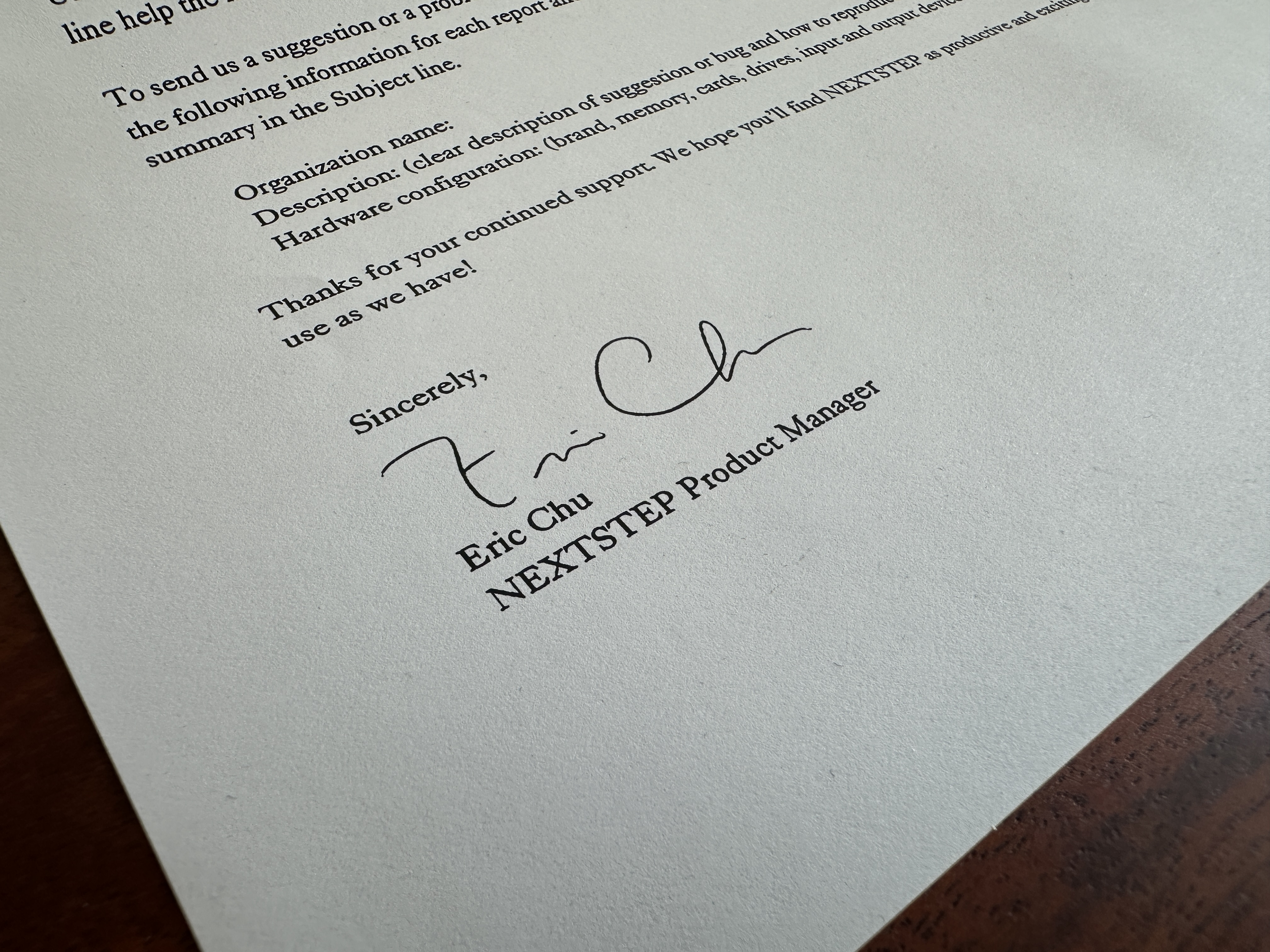
so-called NEXTSTEP ACADEMIC BUNDLE offered both the operating system NeXTSTEP, as well as the NExSTEP Developer development environment, something like today's XcodeAll of this was included in the package and the software was intended exclusively for educational institutions, professors, students, and other people related to education or further education. Pro For installation, you needed a CDROM drive and a 3,5″ floppy drive and a computer with adequate performance.onem. Part of the operating system NEXTSTEP was NeXTmail, which later became Mail, which is used by macOS to this day, also included Edit, which was a text editor that evolved into today's TextEdit. Of course, there was also FaxReader, which, thank God, we no longer use today. Then there was also Terminal, which allowed essentially the same thing as its current version, i.e. access to control the Mac, at that time NeXTSTEP using commands. The last application was Digital Webster, which was software designed to access an online dictionary and other educational documents.
Come join me in our gallery to see what the packaging looks like. NEXTSTEP ACADEMIC BUNDLE, the direct predecessor of Mac OS X and later macOS, from which it is also based iOSWe are just browsing through a piece of history that started what everyone who has a Mac uses today. Pro me personally, as a history fan AppIt's incredible that I can hold something like this in my hand and browse through what preceded everything I use today and every day. I believe that there will be those among our readers who will appreciate it.

Typo (the letter T is missing) right in the title. 🤨
:( thanks for the heads up fixed
First commercially available Windows were also Windows 1.0 to Windows 2.0. Windows 3.0 were the first with a graphical interface.