How is music created that underscores tension, emotions, and great film moments? And what role does Mac play in this today? We talked about this with Karel Havlíček — one of the most prominent Czech authors of film and television music.
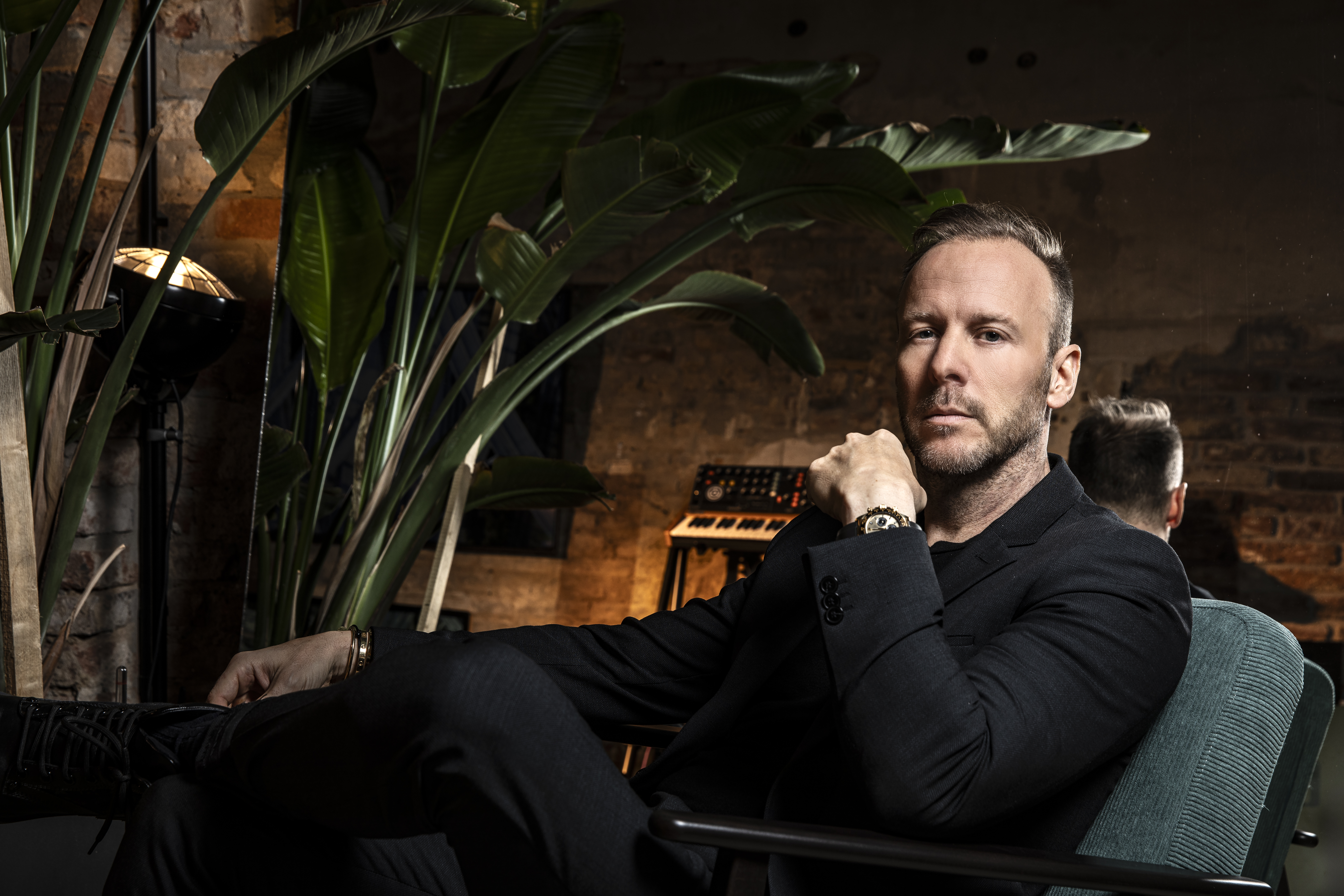
This composer, pianist, multi-instrumentalist and sound designer is behind the music for the HBO series Mammon and Therapy, films and international projects. You could also hear his work in the trailer for the HBO series Tučňák (The Penguin). He was also nominated for a Czech Lion for the music for the film Brothers. He works between Prague and Los Angeles, but his home base is Prague studio Cable house.
When you start talking to Karl about work, you quickly realize that it's not just about sheet music, synthesizers, and big orchestras. It's all about focus — a moment when technology gets out of the way and you can catch an idea before it runs away. That's why he's been loyal to his first Macintosh LC 475 since Applu. Not because of the logo on his desk, but because his tools allow him to do what's essential: write music, search for sound, and tell stories.
We talked about the first Mac, today's studio full of samples and fast disks, AirI also wonder where the role of the computer ends and the real work of the composer begins.
You have been working exclusively in the ecosystem since the beginning of your career AppleDo you remember your first Mac and what convinced you about it?
I remember it perfectly. My first Mac was a Macintosh LC 475. I chose it, among other things, because it allowed easy communication with my Yamaha CS1x and Kawai K1 II keyboards via the Mac's Printer Port. At the time, I was working in Logic, which was not yet part of the Applu, but to the German company Emagic. At that time it was just MIDI, audio was not yet recorded, and projects were often saved on floppy disks. Still, it was a small miracle for me - MIDI editing options back then were basically similar to today's.
What technology does for you Apple do they bring when composing music for films, series or trailers compared to other working tools?
ProI've never had a PC, I know. Apple really perfect. It's a system for me that I don't have to think about - it works like an extended arm. Apple I also chose Logic because of what he later took over and continues to develop. I consider Logic, along with Avid, Pro Tools for one of the most powerful tools for composition and production. Pro I also use Ableton Live for live performances, although lately I've been playing without a computer at times. There's a huge amount of software and hardware these days, and it's easy to get lost in the technology. To stay creative, you have to master it so well that you don't even think about it when you're working. And that's what I love about it. Apple allows.
What does your typical studio work environment look like today? What devices and programs can you not live without? And how powerful a computer does someone in your profession need?
My main computer is Mac Studio in the highest configuration available at the time of purchase. Pro For me, the largest possible RAM is essential, because large sample libraries – for example orchestral ones – are loaded into memory. Fast SSDs are equally important. My data is centralized on a large Synology disk array, which I access from the studio, from home and from my laptop. Cheap MacBook I wouldn't recommend the Neo at all for professional work of this type. I use a powerful laptop as my laptop. MacBook Pro with the M4 chip Max and the largest RAM. In the studio I have a Mac Studio I have three monitors and a TV connected, so I can see everything clearly and quickly find my way around. Speed of work is essential for me.
Where do you think the role of technology ends and the composer's truly creative decision-making begins?
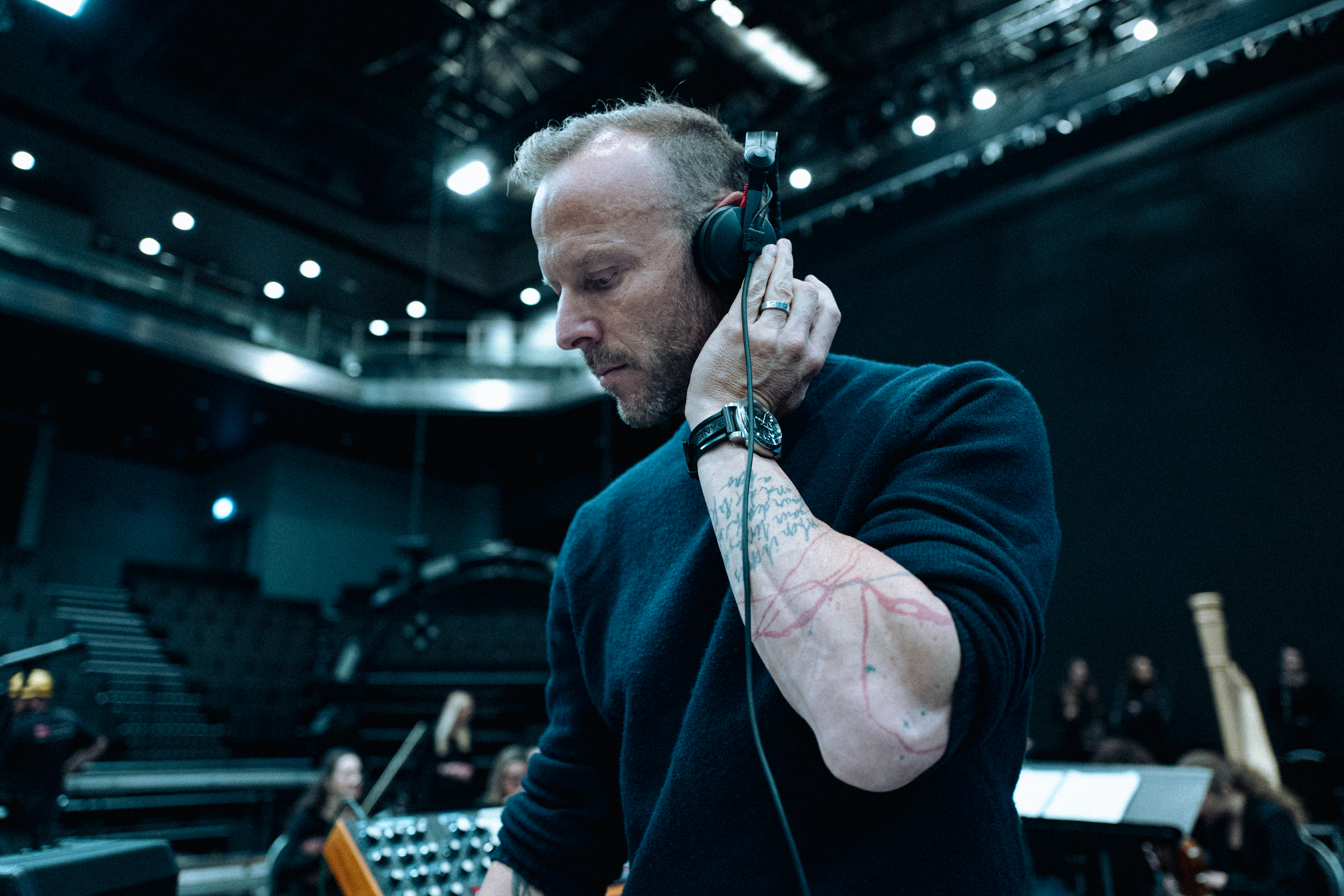
Technique is essential to achieve the goal you have in mind. But a lot of people get stuck around it and gradually become more of a technician. I think that's wrong. You have to learn to control technique so well that you don't have to think about it. I often start by just playing a piece on the piano or guitar. It still has to be music, it has to work as a piece. Of course, sometimes I go through sounds on the computer, but once I choose one, I work with it like an instrument again. I have a lot of technique in the studio, synthesizers, software and microphones, and you need to be able to control everything. But creativity must remain in the first place. There must always be an idea.
Film music is often created under great time pressure. Does technology help you work faster without compromising the originality of the result?
Of course. I love technology because it helps me create and realize things that I wouldn't have had the means to do before. Hans Zimmer once had a huge cluster of computers and his own sampler software built so he could create the music for The Dark Knight. Today, you can get similar capabilities on a laptop. The flexibility and processing power of today's computers are incredible and fascinate me. When I was making an album for my then-band Southpaw on an iMac in 1999, I was constantly having to save memory and disk space, shorten, rewrite, and overcome technical limitations. Today, at the limit of my Mac's performance Studio I almost don't get it. I don't have to freeze tracks or save plugins and inserts. That's wonderful.
How do you perceive headphones? Apple? Are they a good choice even from the perspective of someone who makes a living from music?
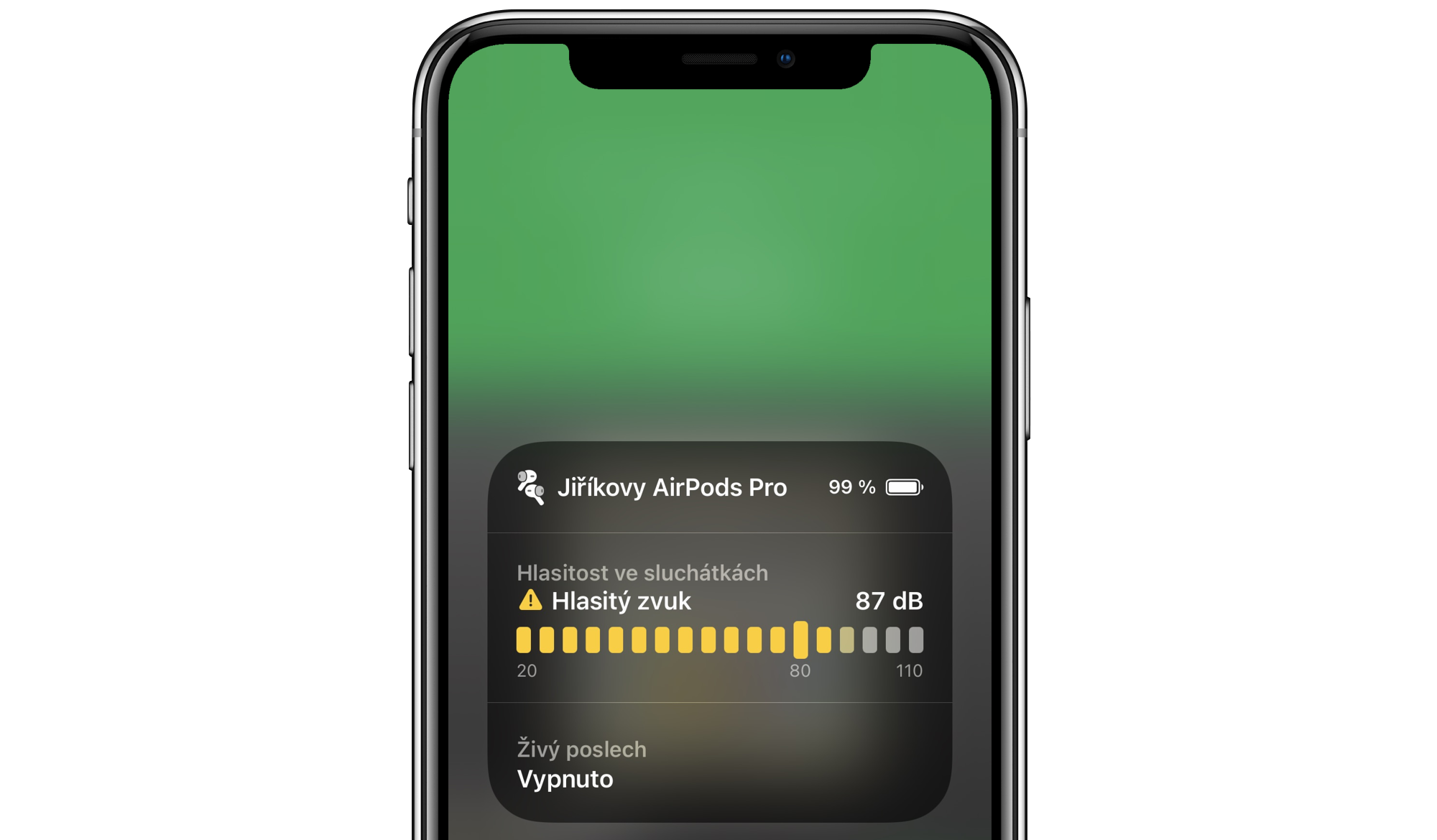
I use AirPods Pro with phoneoneI often wear them while cycling. The new version has great wind suppression, so I have clear conversations: I can hear both myself and the person on the other end. Their connection to the entire ecosystem is also excellent Apple. But I don't make music on them because I have top-notch headphones and monitors in the studio. I also have AirPods MaxThese are great for example for Apple TVwhen I want to watch loud at night and don't want to wake up my family. I enjoy the surround sound on them. I listen to songs on them in Spatial Audio na Apple Music and I also sometimes use them when mixing my own stuff.
You use iPhone, iPad or Apple Watch to capture ideas, organize projects, or do other more demanding work, or do you rely primarily on computers?
iPhone I always have it with me, so I use it as a recorder of ideas. I often hum a melody into it or record interesting sounds from the surroundings, such as the noise of the city. So it also serves as a sampler. I mainly use the iPad in the studio as a remote control for my Mac. When I sit at the piano, I don't have to get up to the keyboard and I control the computer via the iPad. I have also tried various synthesizers and plugins on it and I am following their development, but so far nestal the main working tool. Apple Watch I use it mainly for sleep tracking and fitness apps. Pro But for the actual creation, I still rely mainly on the fastest possible computer.
What do you enjoy most about current technologies in music creation, and what do you find unnecessarily complicated or distracting?
I really enjoy the fact that thanks to virtual instruments and plugins you can try out almost any hardware. This way you can very quickly work out your own result and clarify what you want in the sound and what you don't. I also have a number of original hardware devices in my studio, which are great, but also very expensive. Many of them now have software emulation, so you can try them first and only then decide whether it makes sense to buy the original. The practically unlimited number of tracks is also great. And for me, it's perfect that I can work directly with the image: I import the film I'm composing for into the composition program and the image runs synchronously with the music. I love it. Without today's technology, I wouldn't be able to do my work in this form at all. I appreciate that I live in an era when I can do almost everything myself.
How do you perceive the advent of artificial intelligence in music and sound creation? Do you see it as a useful assistant or rather a threat to creative work?
That's a tough question. Artificial intelligence is here, it will continue to develop, and we all have to deal with it somehow. As a musician who earns his living from royalties, I need fair rules and revenue sharing so that we don't lose our jobs because of it. I never want to use it when composing, because it's what I enjoy the most about making music. I won't leave that to a machine. But I use AI as an assistant: I have tools in the studio that assist with sound, and I also use marketing assistants to help me get my work to people. The composition itself is sacred to me, and I won't let that be taken away.
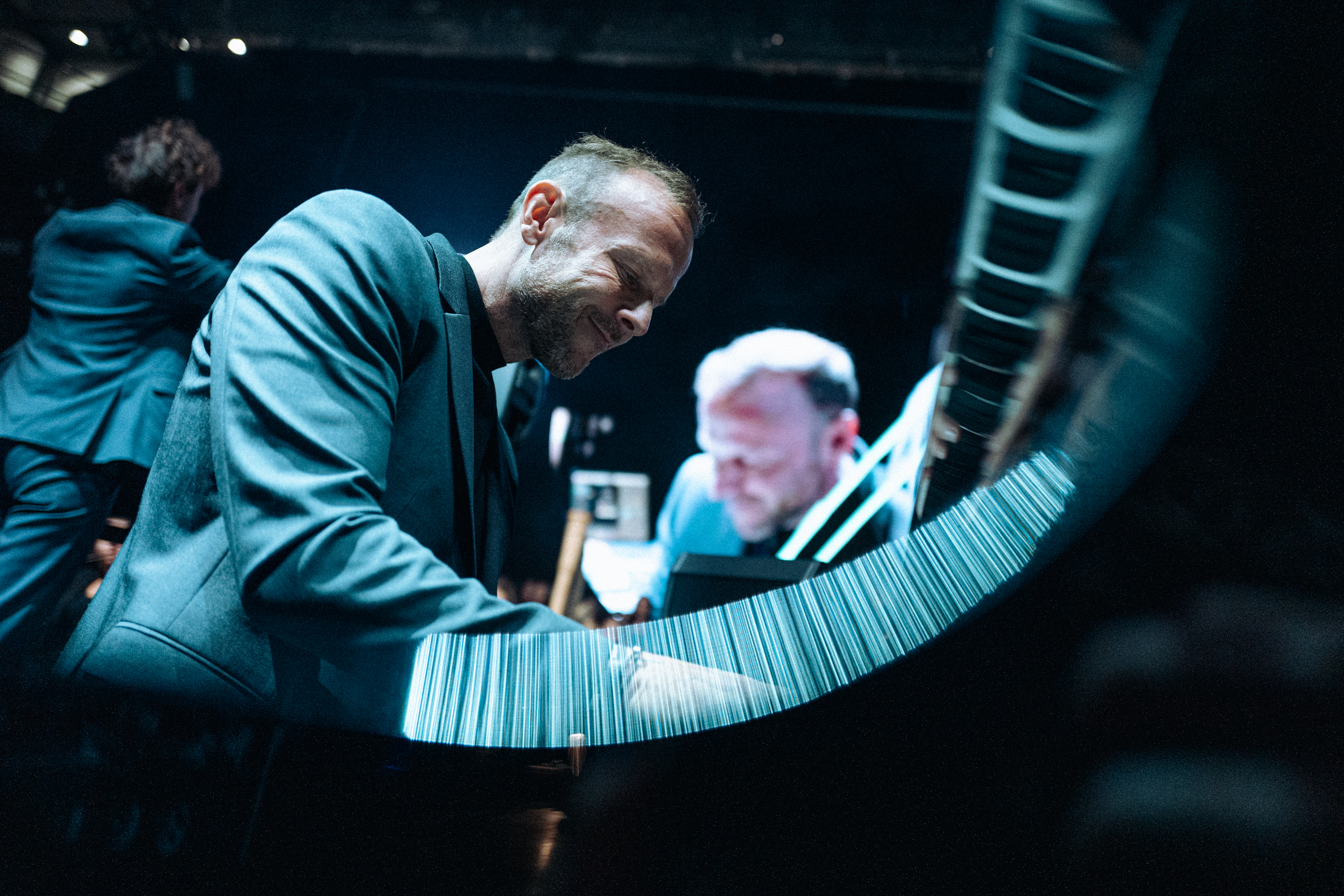
Social media gives composers the opportunity to show the creative process and behind the scenes of projects. What is your relationship with them and what do you want to share with people about them?
Social media is a free marketing tool and these days it’s like a showreel. I share my work, concert dates and behind the scenes – what I do and what tools I use. People can see my studio, the process of creation or equipment on stage. Pro fans, it's a nice way to get a behind-the-scenes look. Today I have a team of people who take care of social media because I don't have time for it myself. I usually only check it once a day for a while. I have a limit of 30 minutes a day and notifications are turned off. So I use what I need, but I hardly consume the content.
Your recording studio Cable room Studioin Holešovice also runs on platforms AppleCan you tell us a little about its technological background?
Apple is in music and audiovisual production is basically standard. For simplicity, all production rooms are equipped with iMac computers. In addition, lighting, blinds, heating, air conditioning, alarmand access codes. That's why there are several iPads in each studio and of course also the main computers AppleThe primary software they run is Avid. Pro Tools, which is studiostandard, and a large number of plugins for professional work with sound. Those interested can studio can look at the website www.kabelovnastudios.cz.
What's coming up in the near future? What projects are you currently working on and where would you like to invite readers?
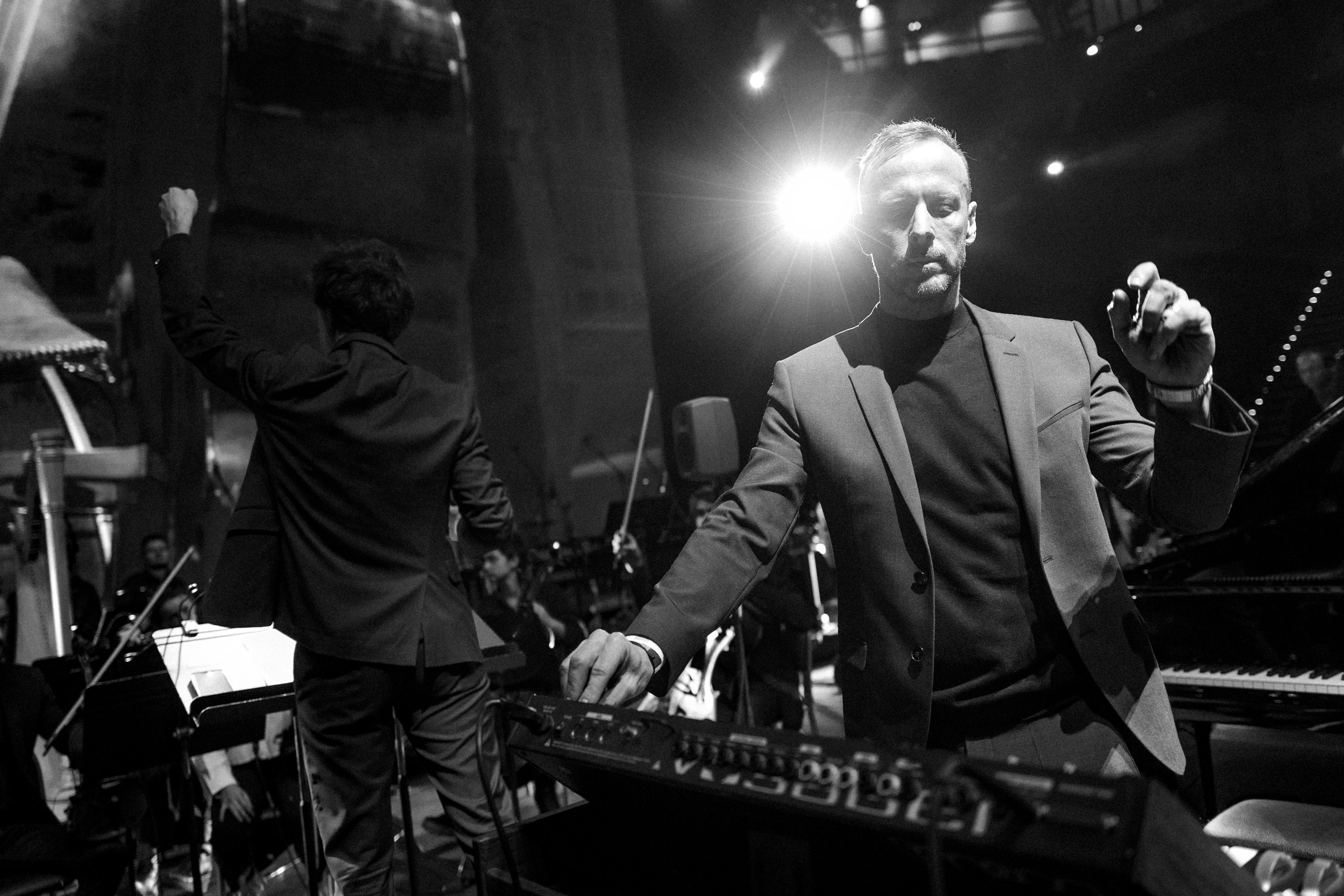
The closest live performance is waiting for me on September 20th in the Jatka78 space. It will be my concert, where I will play piano and synthesizers – this time without Applu. I will be accompanied by the STRO.MY orchestra and the Australian-Czech dance-acrobatic ensemble Czirkidz, so it will be something like a soundtrack played live. I would like to cordially invite you all to the concert.
In addition, I started working on music for two series and am currently working on a new American trailer. I am happy that there is so much work. At the same time, I play a lot, practice the piano and guitar and try to learn something new every day.
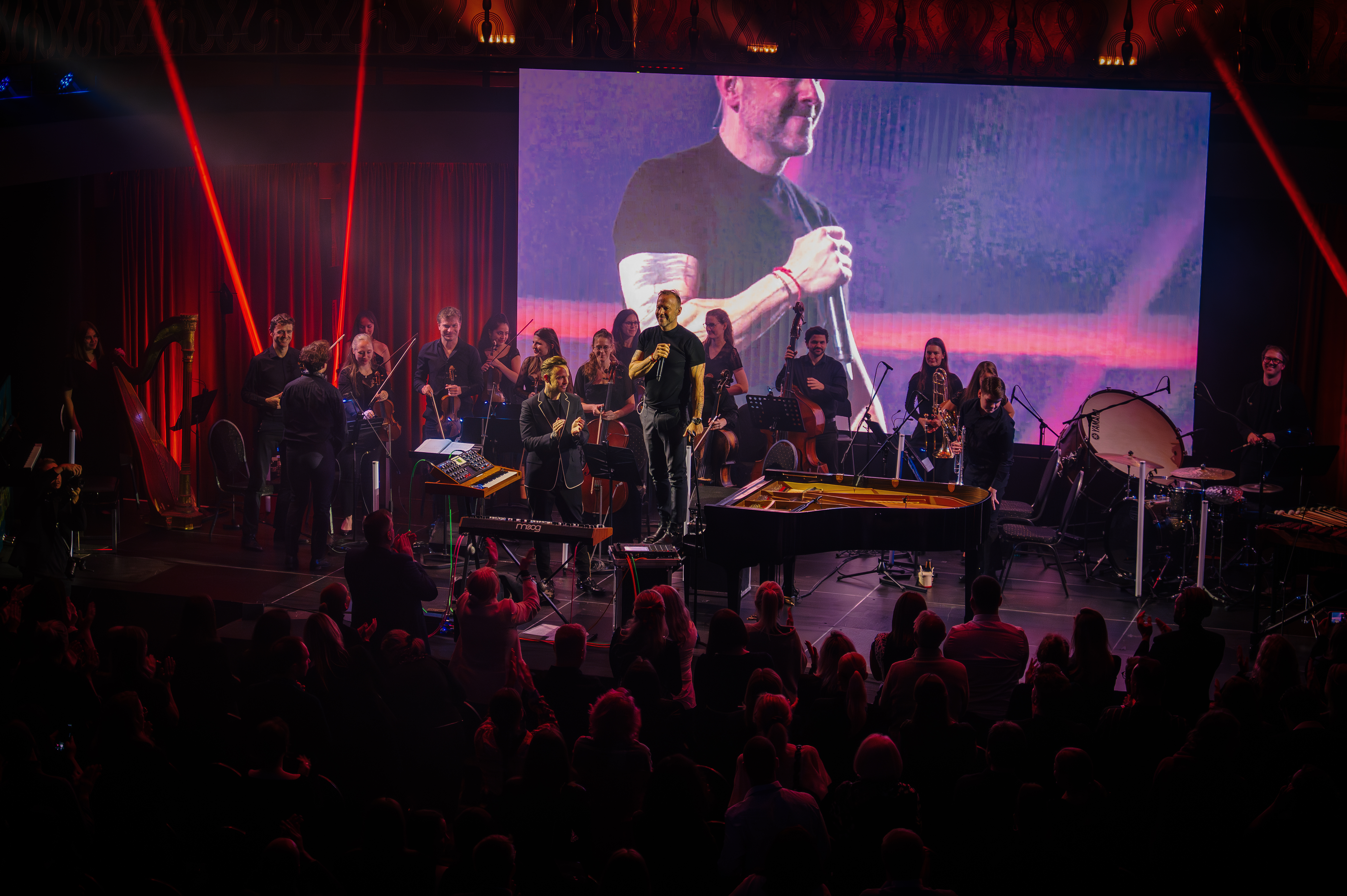
If you are interested in more about Karel Havlíček and his work, visit his social media profiles and website: