Apple today unveiled a new generation of its core chip Apple Silicon and the M6 is more important in several ways than its name might suggest. It is the first ever chip Apple manufactured with 2nm technology. The company has not only redesigned the processor and graphics, but also significantly strengthened the part designed for artificial intelligence. The M6 will be the first to appear in the new Mac mini, which will go on sale on September 22nd. Apple It is therefore deployed in a device that, thanks to its compact dimensions and relatively favorable price, is quite popular among users who want performance for working with local AI.

2nm manufacturing is the biggest change
The transition to a 2nm manufacturing process primarily means the ability to fit more transistors into the same area while improving energy efficiency. Apple This allowed the M6 to be significantly more powerful without having to significantly increase its size. The chip now has a 12-core CPU consisting of two powerful Super Cores, four Performance Core and six energy-saving Efficiency Cores. This means two more cores than the M5. Apple tvThe M6 is said to offer the world's fastest single-threaded performance and up to 1,2x faster multi-core performance than the M5. It is also said to be up to 2,4x faster than the original M1.
The graphics part also has 12 cores, two more than the M5. More interesting than the number itself, however, is the fact that each GPU core now includes its own Neural Accelerator. Apple This is obviously aimed primarily at AI. The GPU's peak performance in AI calculations is said to be almost 30% higher than the M5 and more than eight times higher than the original M1. The new product also gets a redesigned shader architecture, Dynamic Caching and hardware-accelerated ray tracing.
Gallery
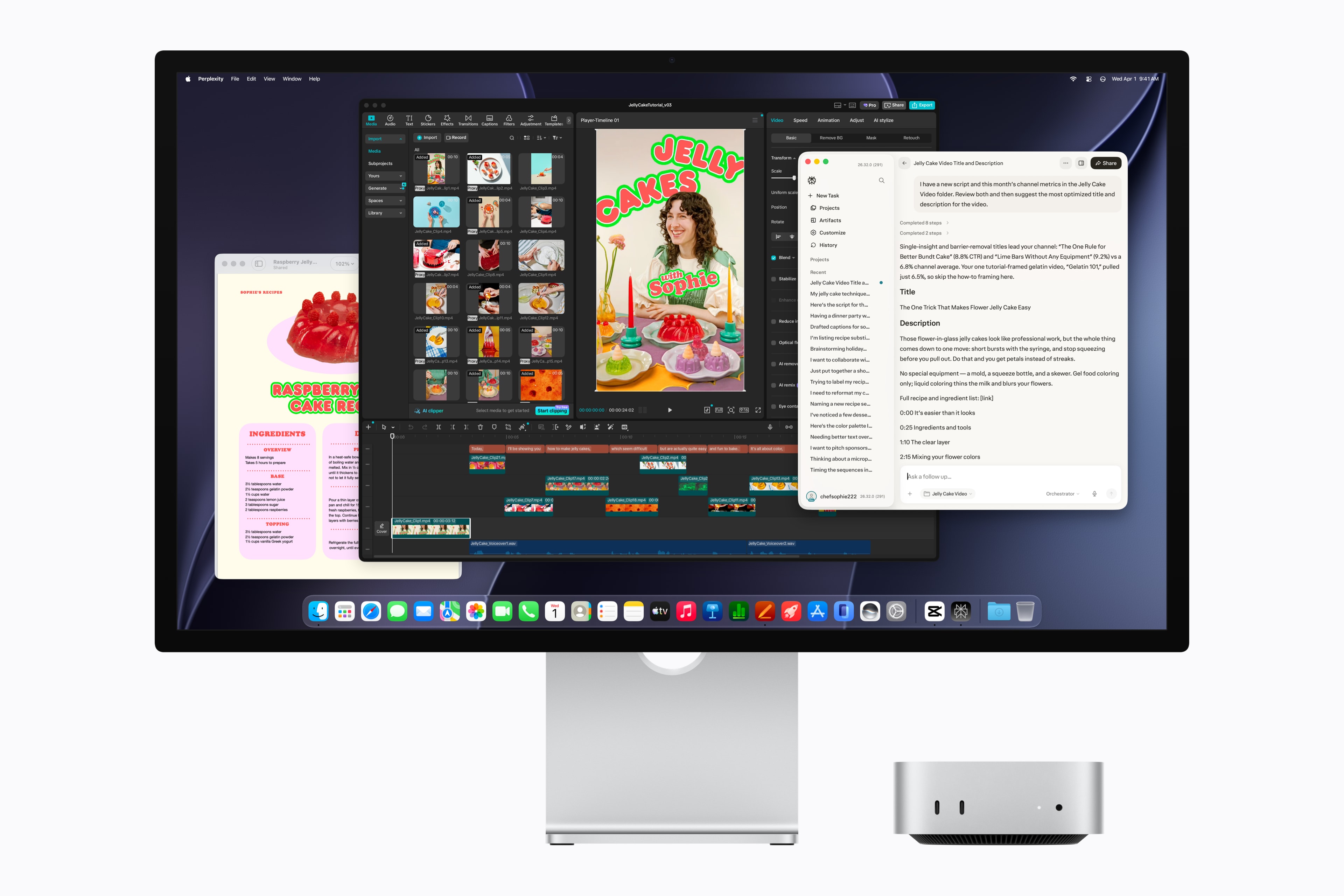
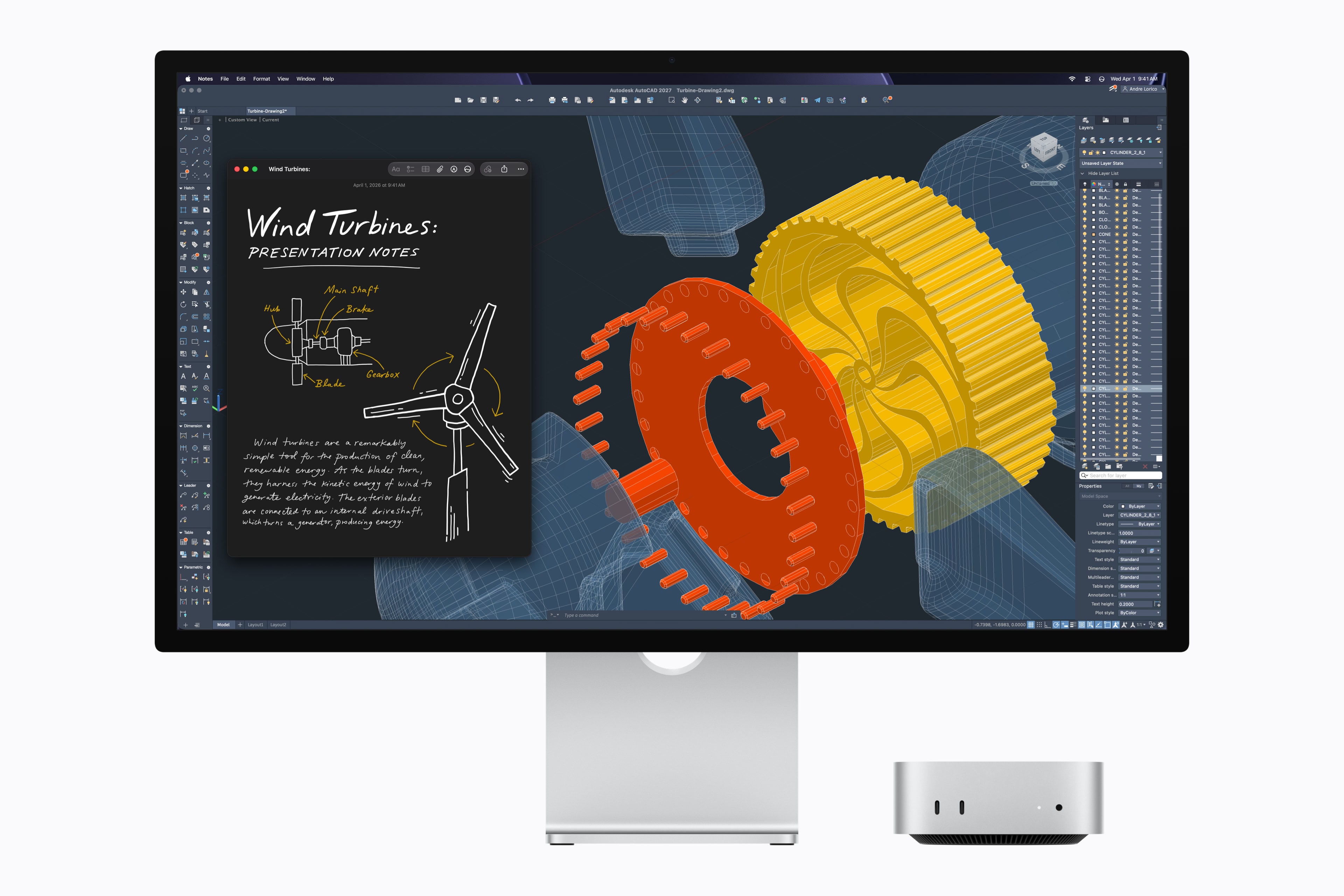

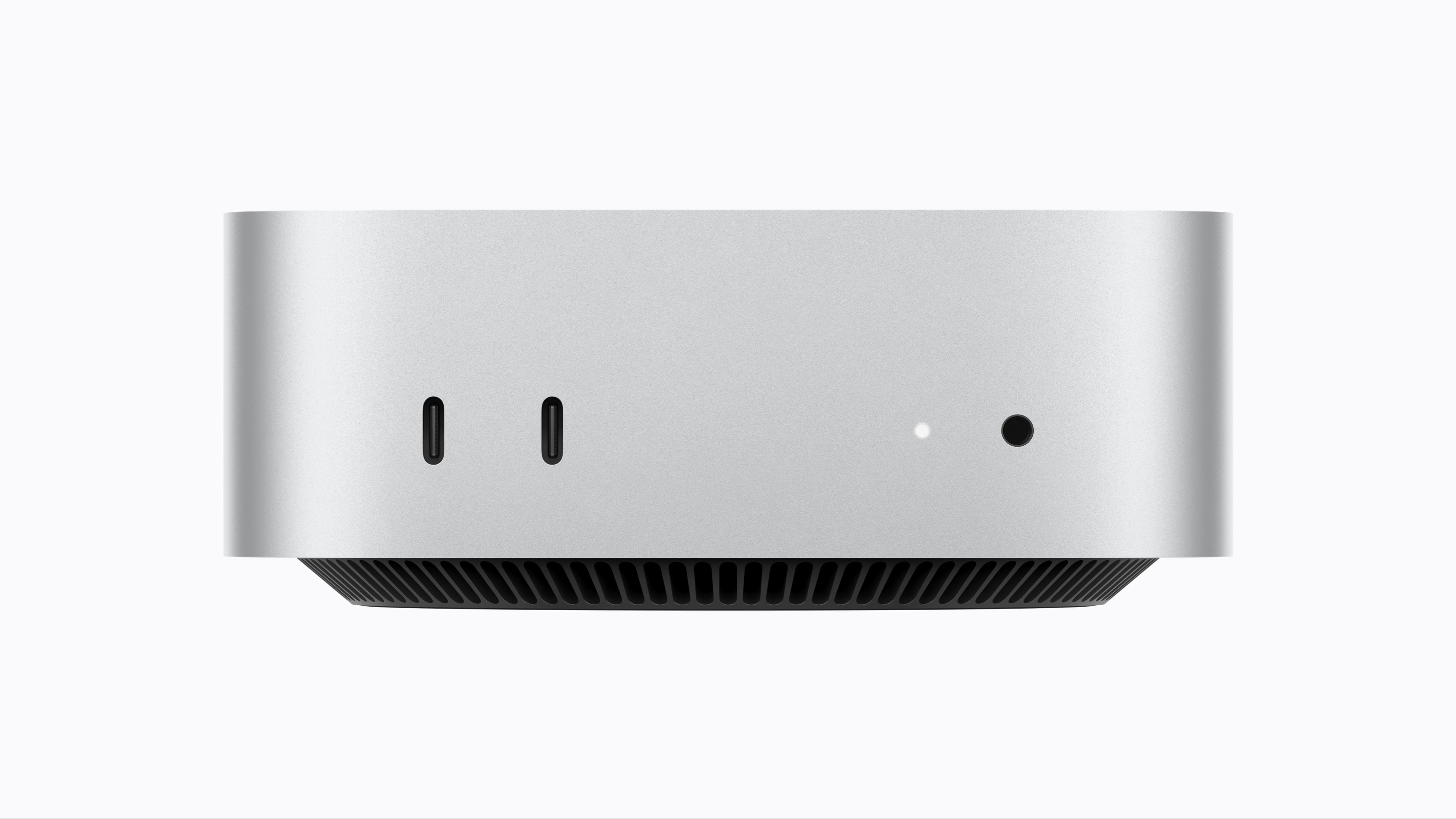
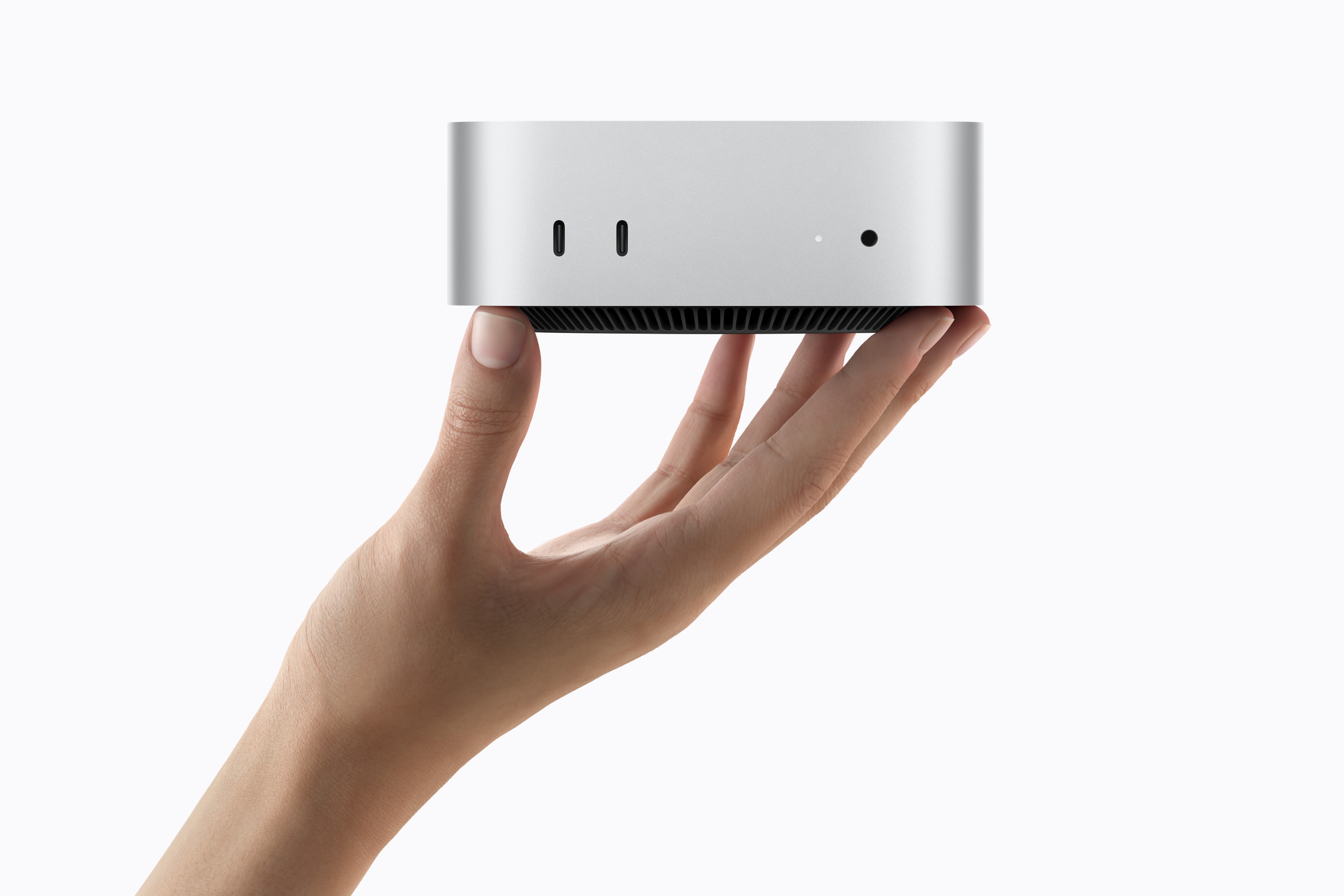

Two Neural Engines instead of one
Even more interesting is the Neural Engine itself. For the first time ever, the M6 has a Dual 16-core Neural Engine, a pair of 16-core blocks designed for AI calculations. Apple It claims up to twice the peak computing performance of previous generations. The system can also use both Neural Engines simultaneously, so applications can process AI models faster.
This, I think, shows where Apple has been reorienting its architecture in recent years. CPU performance is no longer the only measure of how good a new chip is. The ability of a device to work with AI directly on it, without having to send all the data to servers, is playing an increasingly important role.
You might be interested in

The memory also got a major upgrade
The M6 supports up to 32 GB of unified memory and its throughput reaches 170 GB/s, which is only about 10% more than the M5, but it is a 2,5-fold increase compared to the first M1. It is the combination of high throughput, large unified memory, and powerful accelerators that will be important for running local large language models. And this is where the new Mac mini with M6 very interesting.
As a result, the M6 is not just a classic generational improvement. Apple it enters the 2nm era for the first time and at the same time shows that the future Apple Silicon sees increasing emphasis on local artificial intelligence. And given that this is only the first 2nm generation, it will be very interesting to see what Apple will be extracted from this manufacturing process for other chips.