Transition Appfrom Intel processors to custom chips Apple Silicon is one of the biggest changes in Mac history. But new information shows that even while the company was publicly promoting its own processors, it was also reportedly working on a new Mac Pro equipped with Intel. However, this project was notonec never got beyond the walls of Cupertino.
You might be interested in

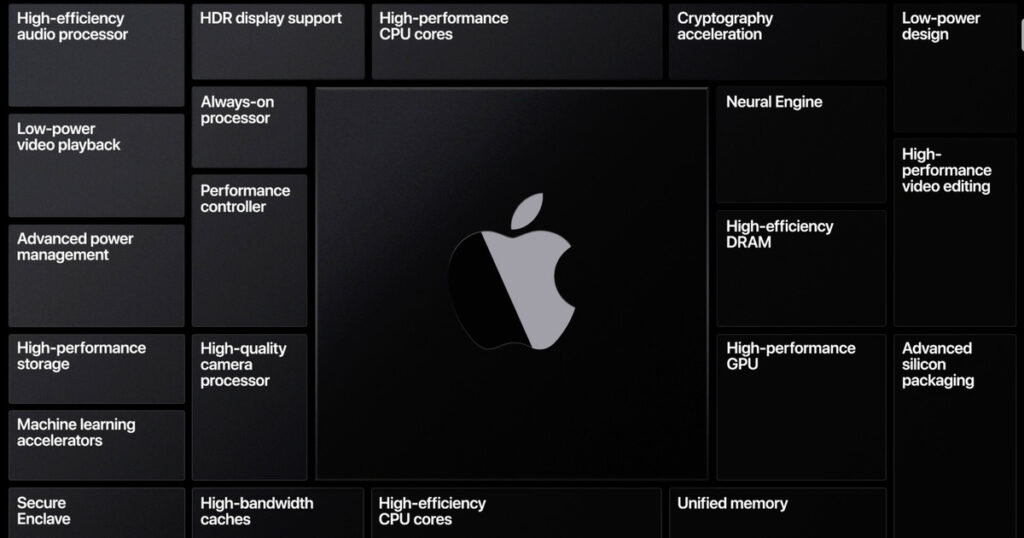
According to information from Mark Gurman from Bloombergyou had Apple develop internally Mac Pro with the designation J190, which was supposed to use an Intel processor. At first glance, this seems surprising, because Apple At that time, he was already working intensively on the transition of the entire Mac range to Apple SiliconBut the reason was quite simple – professional users at the time still relied on specific workflows and PCIe expansion cards, with which Intel processors were more compatible than the first generation of chips. Apple Silicon.


nakonec was preferred Apple Silicon
Although the new Intel was supposed to be Mac Pro an imaginary transitional solution for the most demanding customers, Apple what is itonec decided to cancel the project and focus all efforts on its own chips. Instead of another Mac Pro with Intel, the company continued to develop models based on Apple Silicon, thus definitively closing one of the most successful chapters of its cooperation with Intel. However, as we now know, in the end, neither the bet on chips Apple Silicon could not reverse the fate of Mac Probecause this machine was relatively recently completed.
You might be interested in
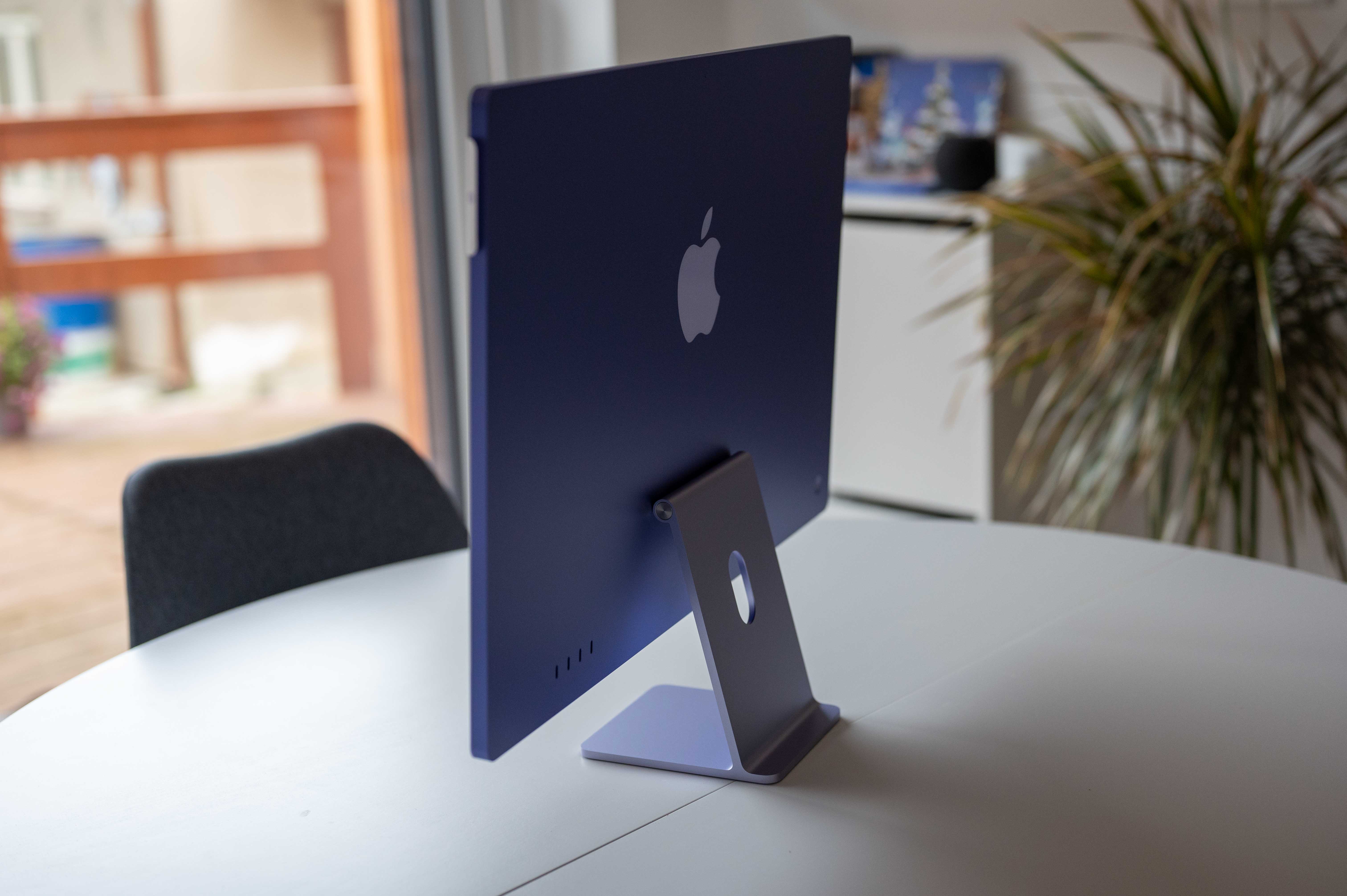
The whole situation shows that the transition to Apple Silicon was not nearly as straightforward as it may seem in retrospect. Apple Apparently, he considered several different scenarios to offer professional users the smoothest possible transition. Nakonec but the strategy of full transition to its own architecture and the upcoming Intel Mac Pro It ended up in a drawer before its official launch. According to available information, it never even reached the public testing phase.