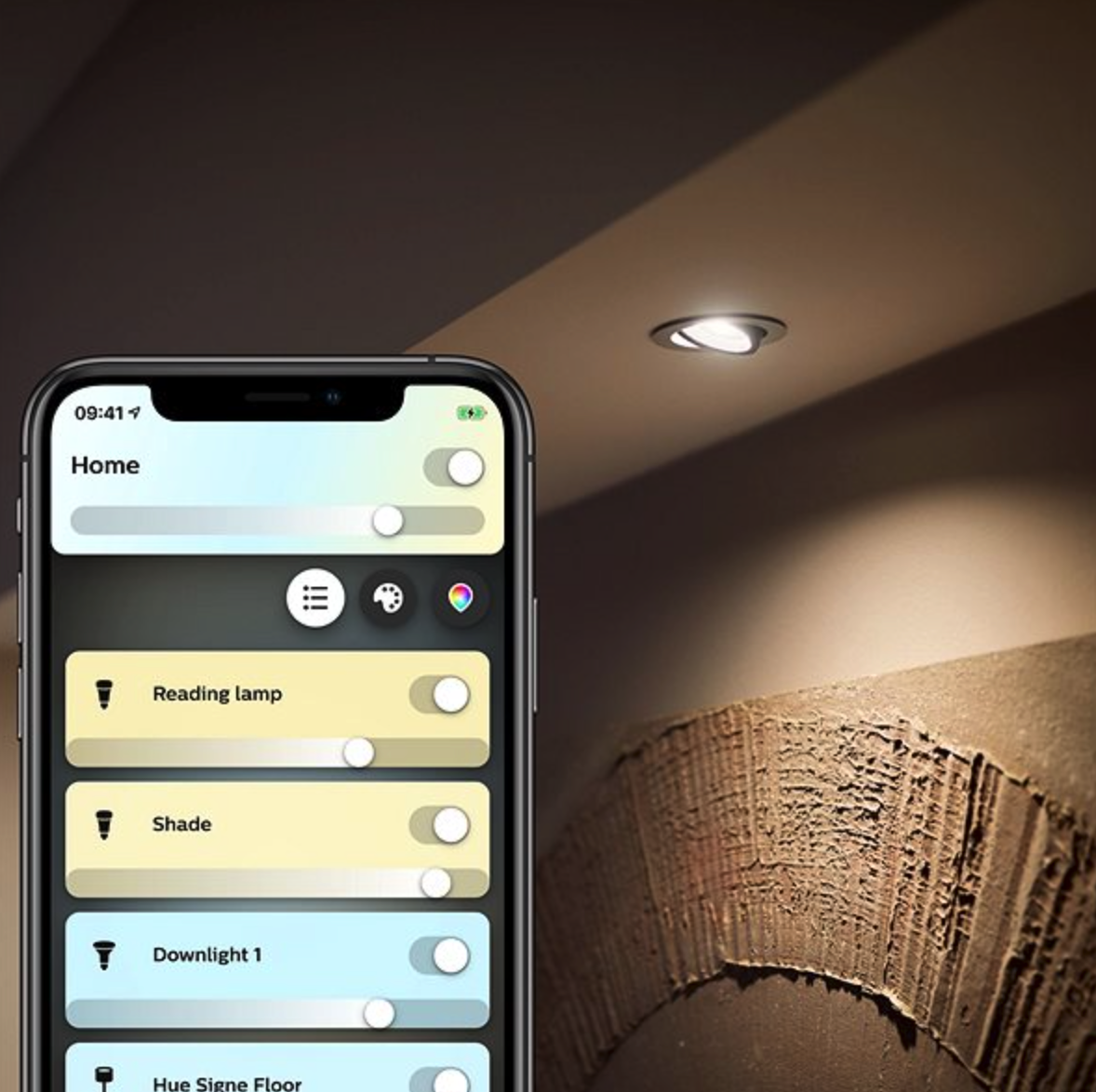
Renovating a house or apartment is an ideal opportunity to customize many things exactly as you wish, but the original solution was not entirely ideal. A typical example is the lighting of the hallway and staircase , as the lights here serve not only to create a pleasant atmosphere, but above all to ensure safe movement. Well-designed orientation lighting can significantly reduce the risk of tripping or falling, especially at night. So if you are currently solving the problem of staircase lighting , renovation is the best time to think not only about the placement of the lights, but also about cabling, motion sensors or future smart home options.
You will appreciate night orientation lighting every day
When planning electrical installations, few people realize how many times a night they will walk down the hallway or down the stairs. Turning on the main ceiling light at such a moment is not only unpleasant for the eyes, but often also for other household members. Therefore, orientation lighting with a lower intensity is much more practical, which will gently illuminate the path and at the same time not dazzle you.
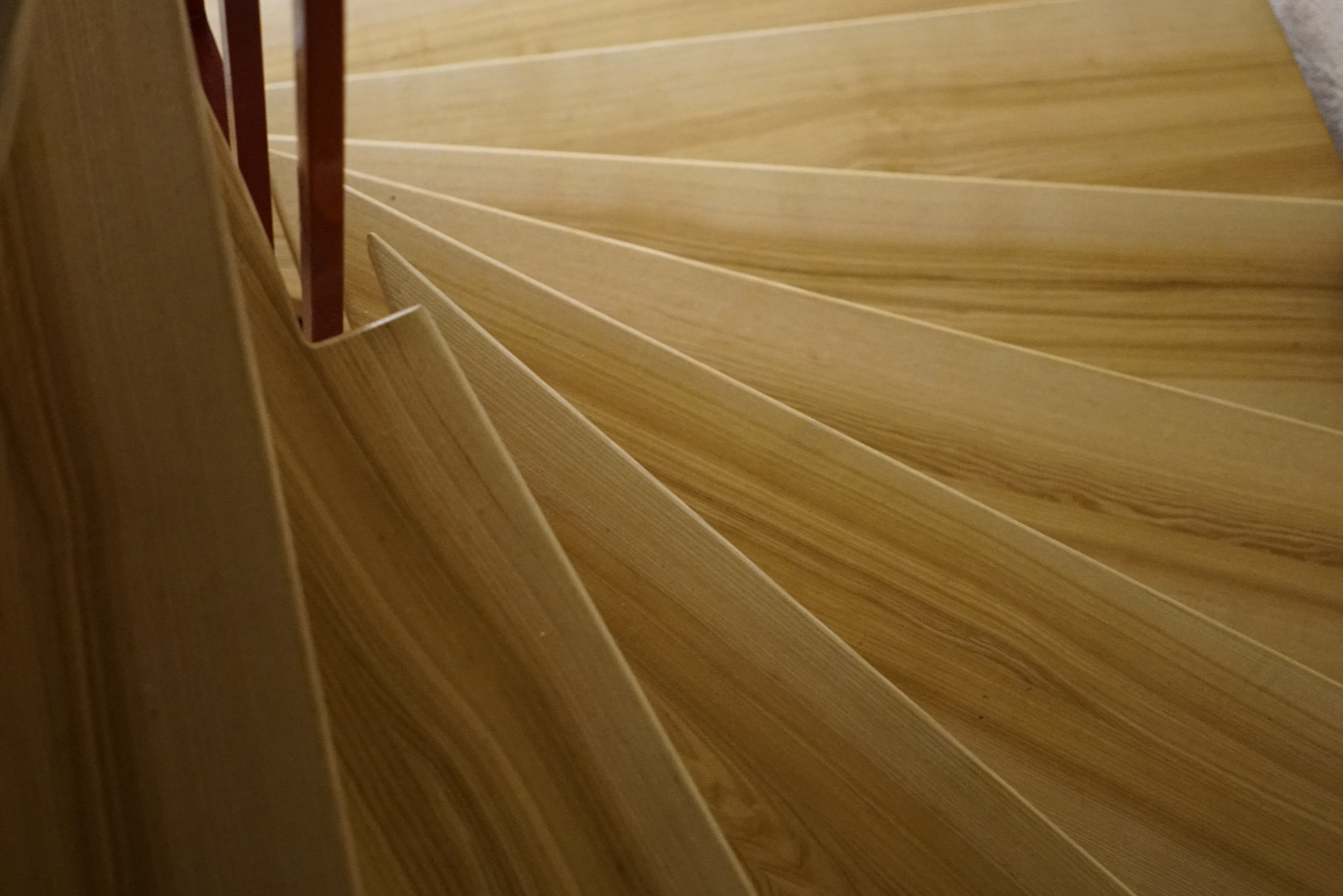
A very popular solution is LED strips or small recessed lights installed directly into the wall along the staircase, making the individual steps clearly visible without making the space look cluttered. The same principle can be used in long corridors or hallways.
So, if you are planning to renovate your stairs, it is worth preparing the wiring for this type of lighting in advance . Additional cutting into finished walls or tiles is unnecessarily expensive and laborious.
Motion sensors increase comfort and energy savings
Another step that makes a lot of sense during renovation is installing motion sensors. These can automatically turn on the light when someone enters the hallway or starts going down the stairs. After a set time, the light will turn off by itself, so you don't have to worry about any switches.
Modern sensors today allow you to set the sensitivity, lighting time and the intensity of the ambient light at which they should react. Thanks to this, orientation lights can be turned on only in the evening or at night, for example, while remaining off during the day. The result is not only greater comfort, but also lower electricity consumption. This is where it starts to make sense to think about smart home solution, as smart motion sensors will provide you with a much greater number of various settings, giving you options you may not have even dreamed of.
For example, you can set different sensitivity depending on the time of day, different lengths of time for the lights to stay on, or, in combination with RGB strips, they can be set to glow warm white in the evening and red at night, so as not to strain the eyes too much.
You might be interested in
Don't forget about the future in the form of smart home
A smart home is something that is worth thinking about now, even if it doesn't make sense to you right now. In a few years, this may change due to the constantly increasing possibilities, and you might regret it. Prepared wiring or appropriately selected installation boxes will later allow you to easily add smart switches, sensors or central lighting control without further construction work.
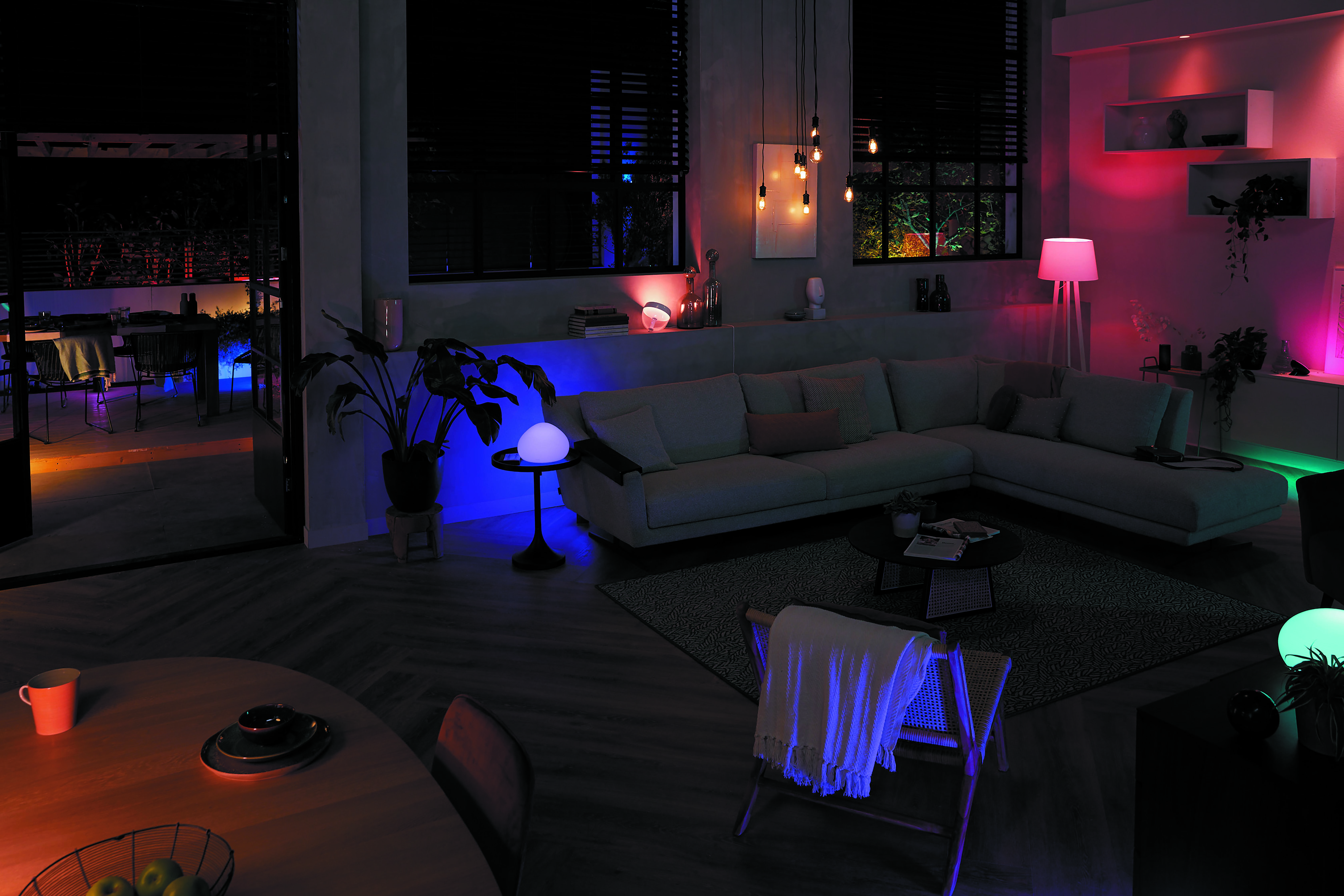
In conjunction with smart home then the lighting can work even smarter. Motion sensors can work with other sensors in the house, the lights can be controlled by mobile phone, set different light scenes or automatically change the intensity according to the time of day. In practice, for example, the staircase is fully lit during the day, while at night it is lit up at only a few percent of the power, which is quite sufficient for orientation and at the same time very pleasant.
It is precisely such details that often determine how comfortable a house will be to live in for years to come. And since cables are best laid during renovation, it pays to think carefully about their placement before the first layer of plaster is applied.