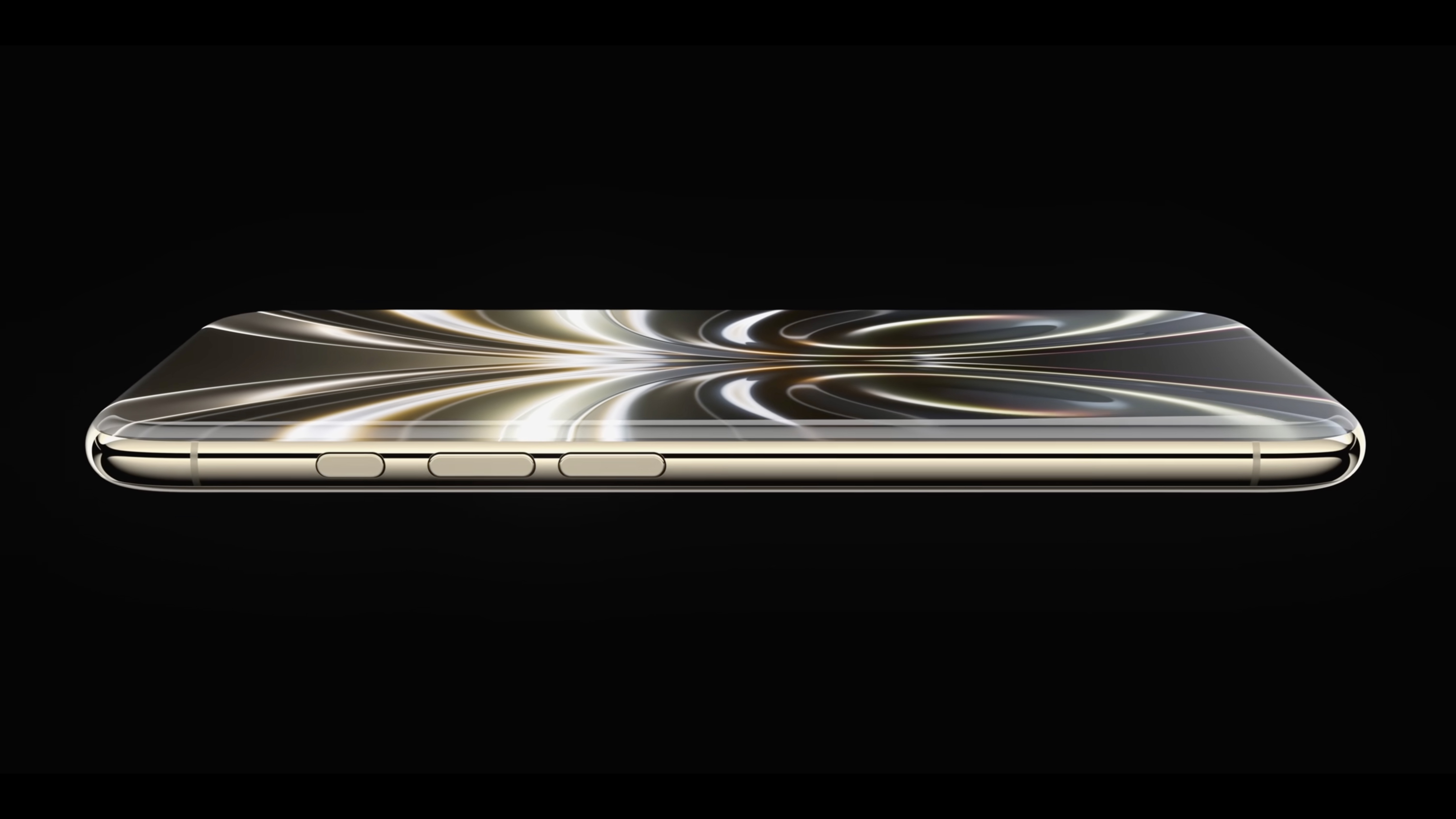
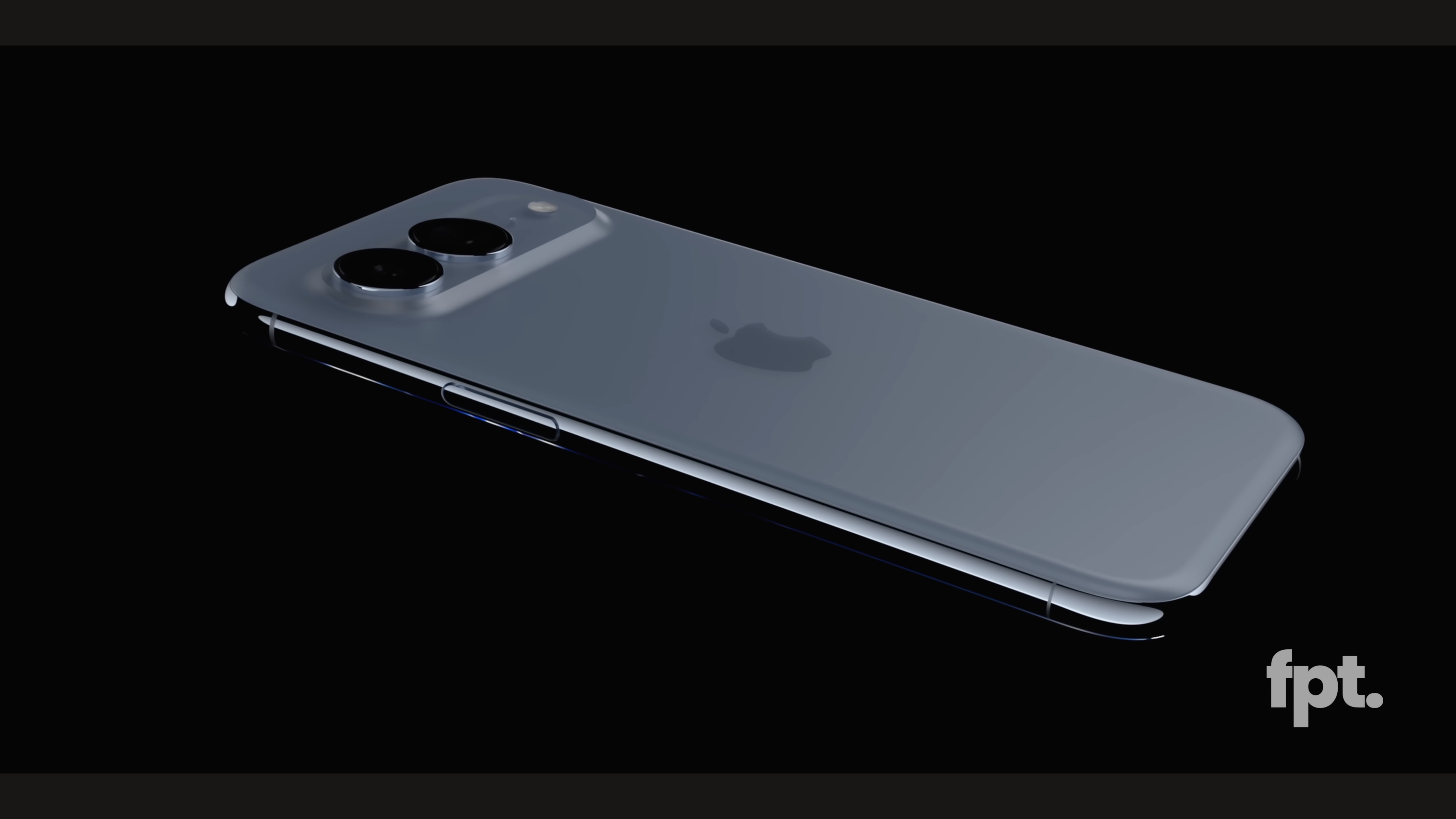
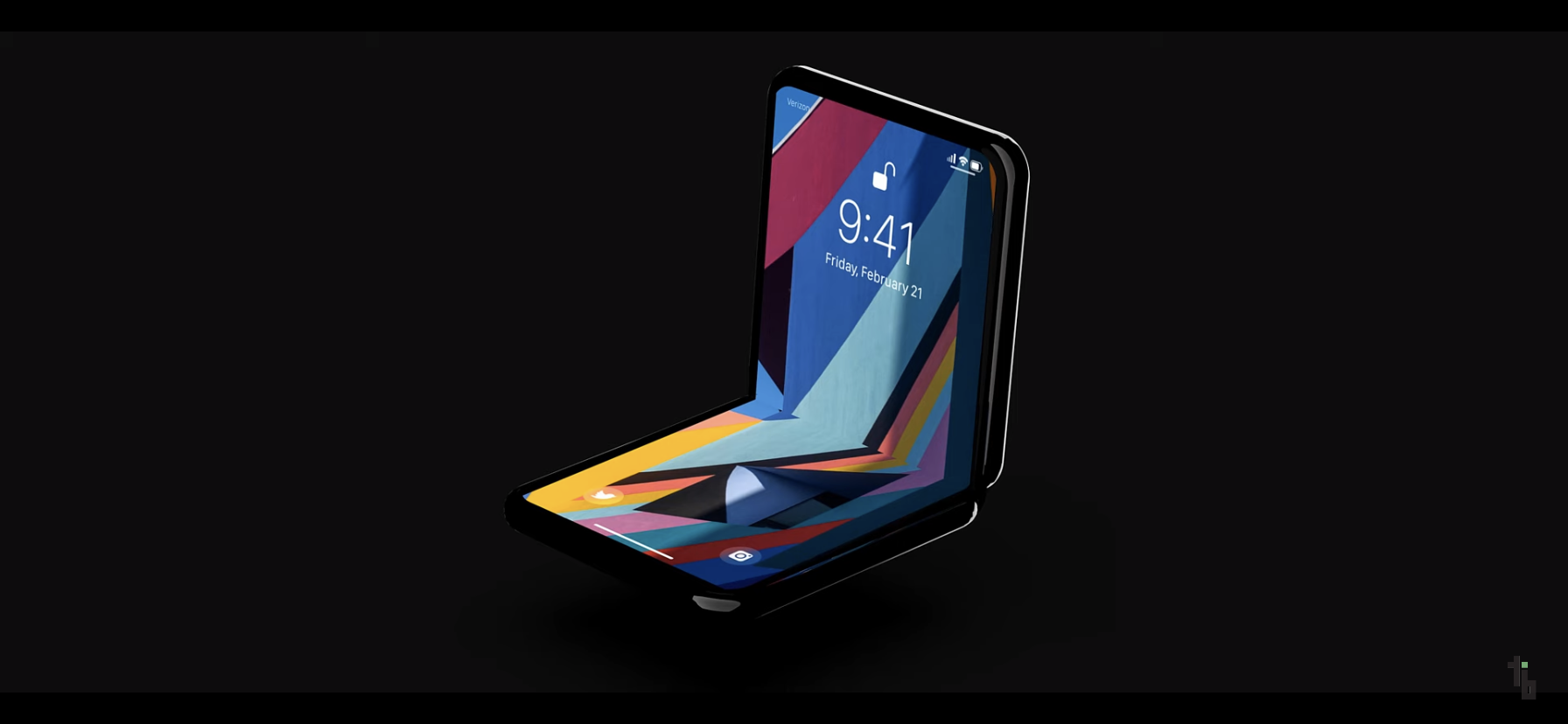
While most fans Applu is eagerly looking forward to this year's iPhone 18 Pro and the first folding iPhone, behind the scenes, the company is already working on technologies that will only reach phones in a few years. According to new information, Apple plans for its top iPhones for 2028 to get a completely new generation of A22 processors Pro manufactured using an advanced 1,4nm process. If these plans are successful, it will be another significant milestone in the development of mobile chips. Apple In just a few years, it would have moved from the current 3nm processors through the 2nm generation to a manufacturing technology that until recently seemed almost futuristic.
A smaller manufacturing process usually means two things – either higher performance with the same power consumption, or the same performance with significantly lower power consumption. And the latter option is often even more important for smartphones. According to available information, the new TSMC manufacturing technology, known as A14, is supposed to offer up to 15% higher performance compared to the current 2nm generation. Alternatively, it can reduce power consumption by up to 30% with the same power. In practice, this could mean longer battery life, less heating and at the same time more space for increasingly demanding artificial intelligence functions, which Apple has been developing aggressively in recent years. From a user perspective, the most interesting thing in my opinion is the dramatic reduction in energy consumption, which will logically be reflected (perhaps also thanks to other more energy-efficient computers).onentům) on battery life.
We are facing several generational leaps in a row.
It is interesting to watch how quickly Apple according to the current roadmap. This year's iPhones use 17 chips manufactured with the 3nm process. They have them this fall iPhone 18 Pro, iPhone 18 Pro Max and the expected folding iPhone move to first generation 2nm A20 chips Pro.
2027 will then be the year of the A21 chips, which will still use 2nm production, but with additional optimizations. And only in 2028 will the generational leap in the form of the A22 arrive. Pro built on a 1,4nm process. In other words, Apple plans two major changes to production technology within four years, a pace we haven't seen too often in recent years.
Perhaps even more interesting is another piece of information. According to several sources Apple is considering entrusting some future chip production to Intel. TSMC would continue to produce the most powerful processors in the Pro, but Intel could win contracts for some of the less powerful varianty designed for basic iPhones, iPads or Macs. If this scenario were to come true, it would be a fundamental change. TSMC produces chips for Apple exclusively for a decade and it is this collaboration that is behind most of the successes Apple Silicon.
Reason why Apple invests in increasingly advanced chips, is relatively simple. The company's future increasingly revolves around Apple Intelligence and locally running AI models. Each new generation of processors brings a more powerful Neural Engine, faster data processing, and more efficient machine learning processing. That's why today Apple focuses not only on CPU and GPU performance, but increasingly on the ability to run complex AI tasks directly on the device without the need to communicate with cloudem.
The year 2028 may be for iPhone groundbreaking
If current plans remain unchanged, 2028 will be the year for Apple extremely interesting. In addition to the new generation of iPhones, the company also plans to further expand AI functions, smart glasses, AirPods with cameras and other devices capable of sensing the world around them. Now the A22 chips Pro are to be one of the fundamental building blocks of this strategy.
Of course, it is important to remember that 2028 is still more than two years away and plans may change. But it is already clear that Apple He doesn't see the future of the iPhone just in better cameras or thinner bezels. The real battle will take place inside the device, and it's the chips that will decide how capable the next generation of artificial intelligence will be.