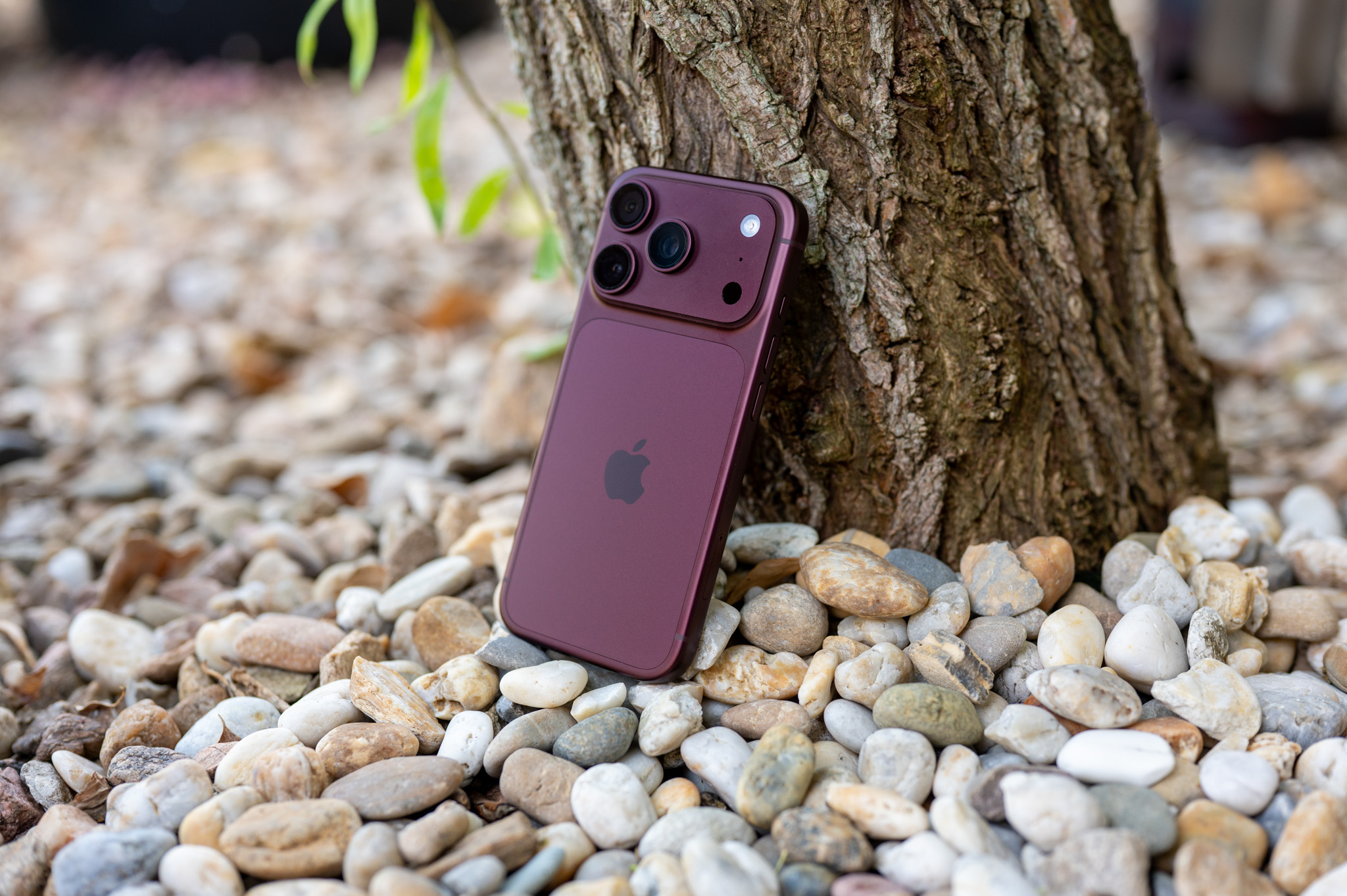
When Apple a few years ago, it first brought satellite tooneactivity to iPhone, it seemed more like an interesting bonus for crisis situations. But today it turns out that it was a much more important step than it seemed at first glance. According to a recent report by Counterpoint Research, iPhones accounted for about 72% of all smartphones sold with satellite connectivity in 2025. In other words, Apple holds a clear lead in this area and the competition is only catching up.
Za Applem is followed by Samsung, but with a significant gap. The rest of the market is made up of smaller players like Huawei or Google. More interesting than the numbers themselves, however, is how differently individual companies approach satellites.
Gallery
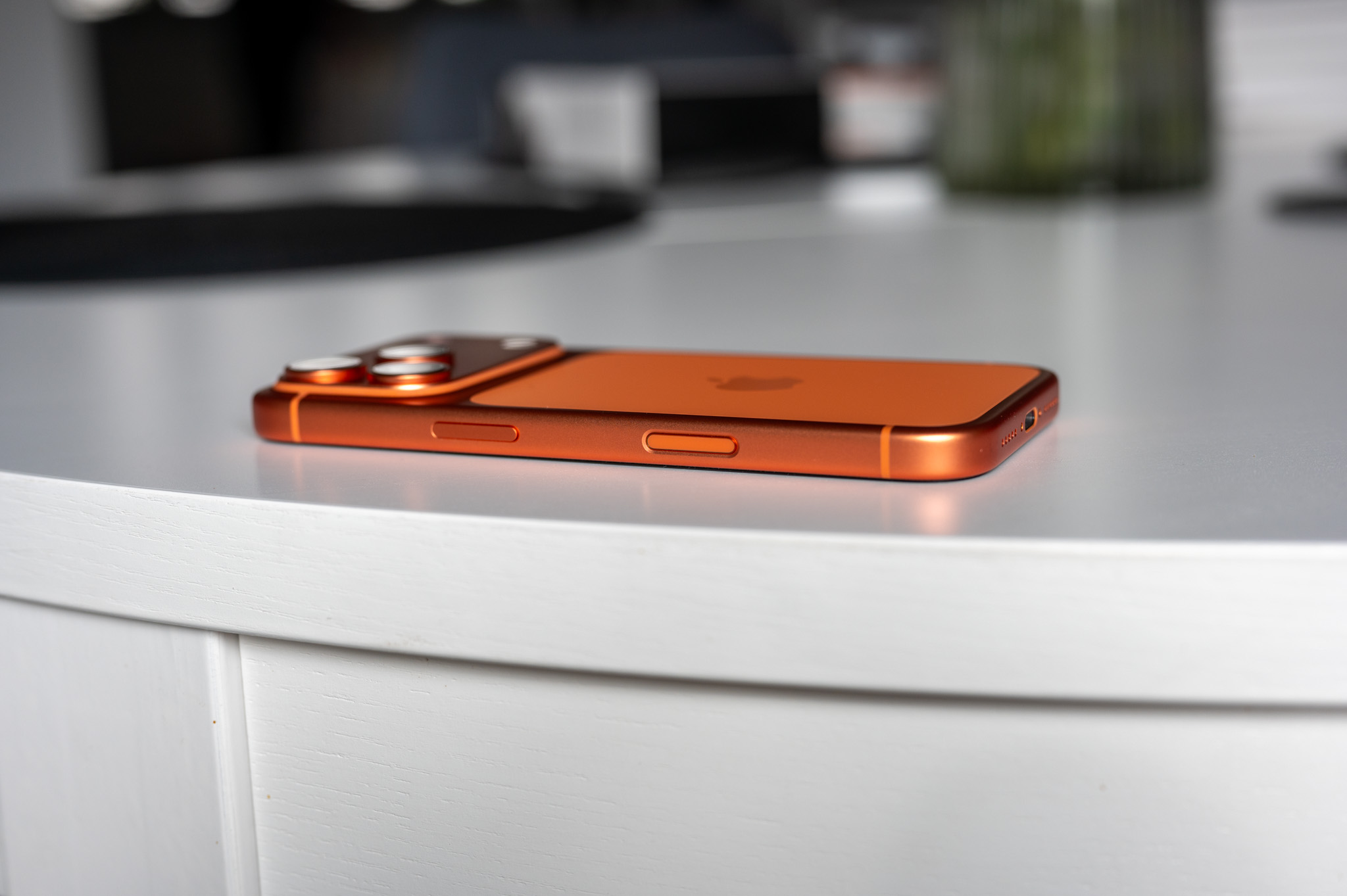
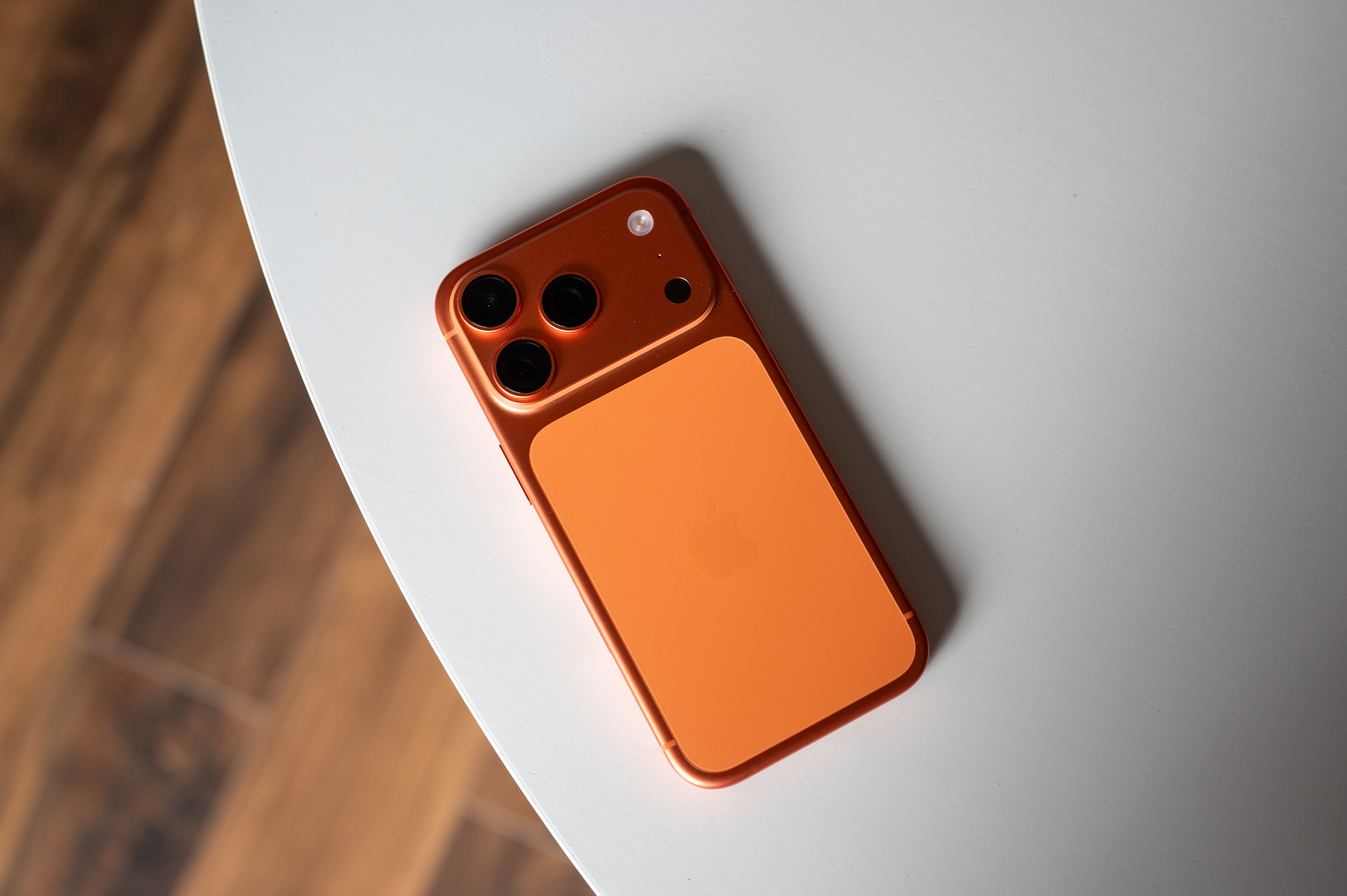
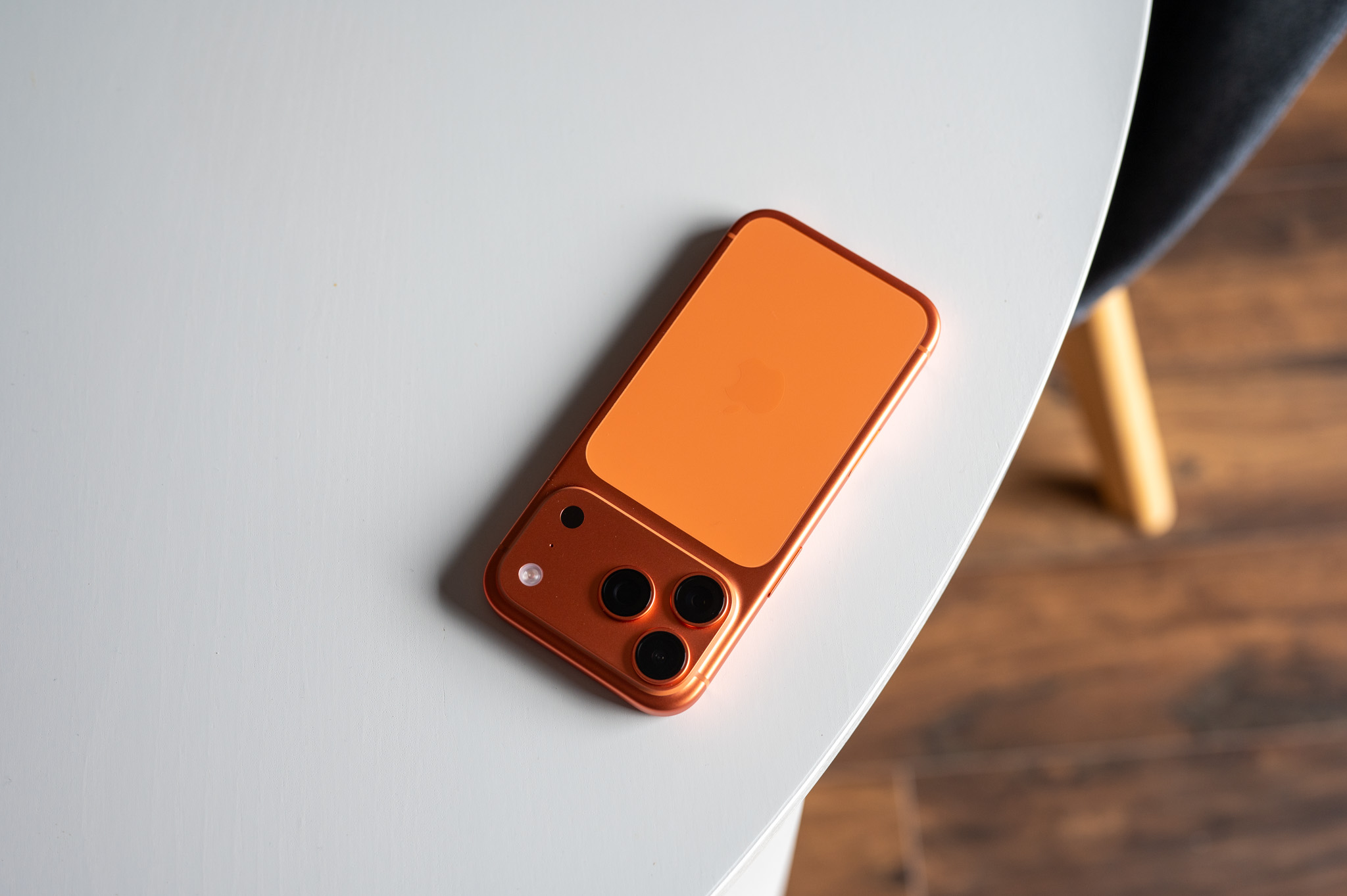
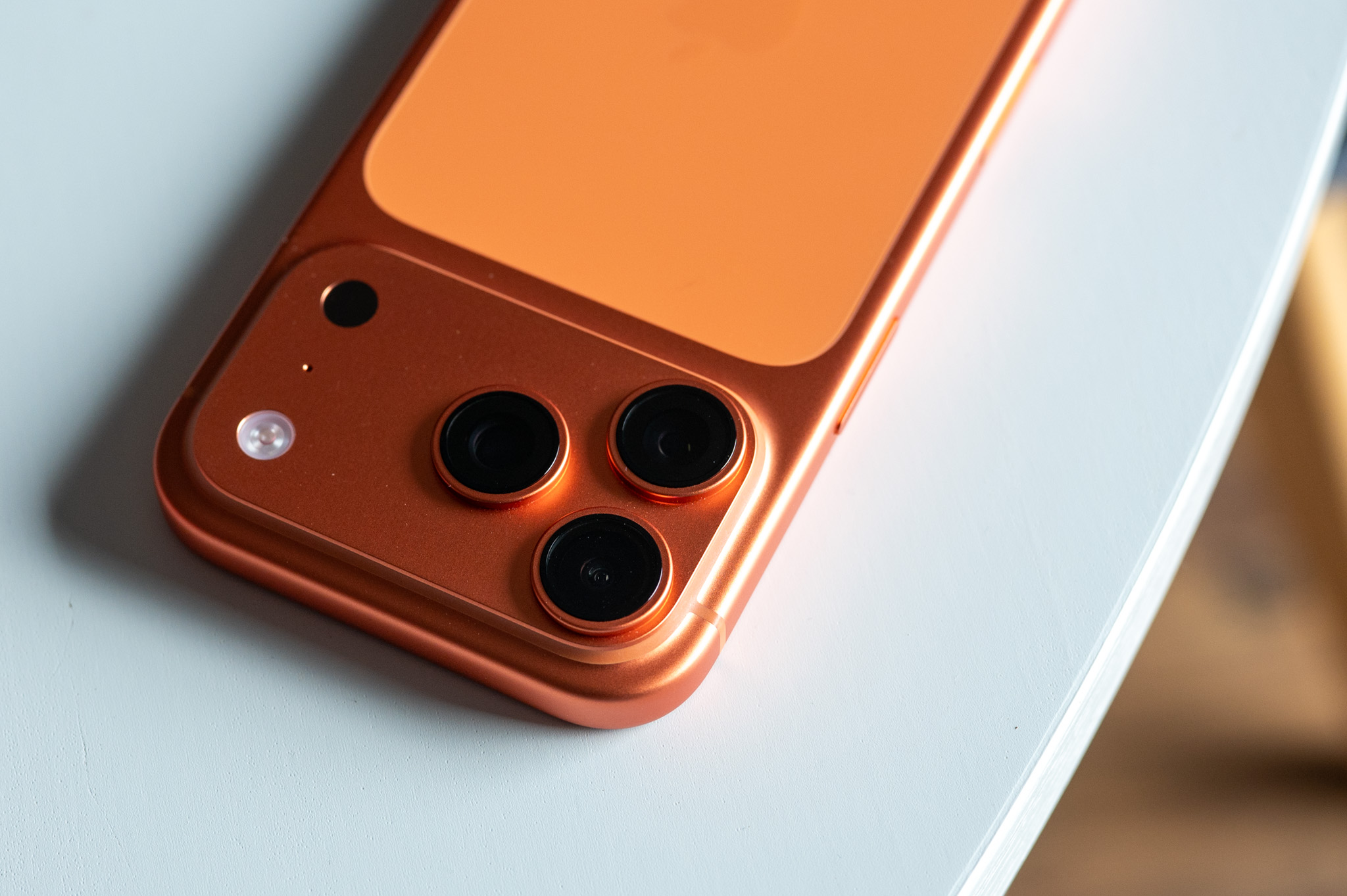
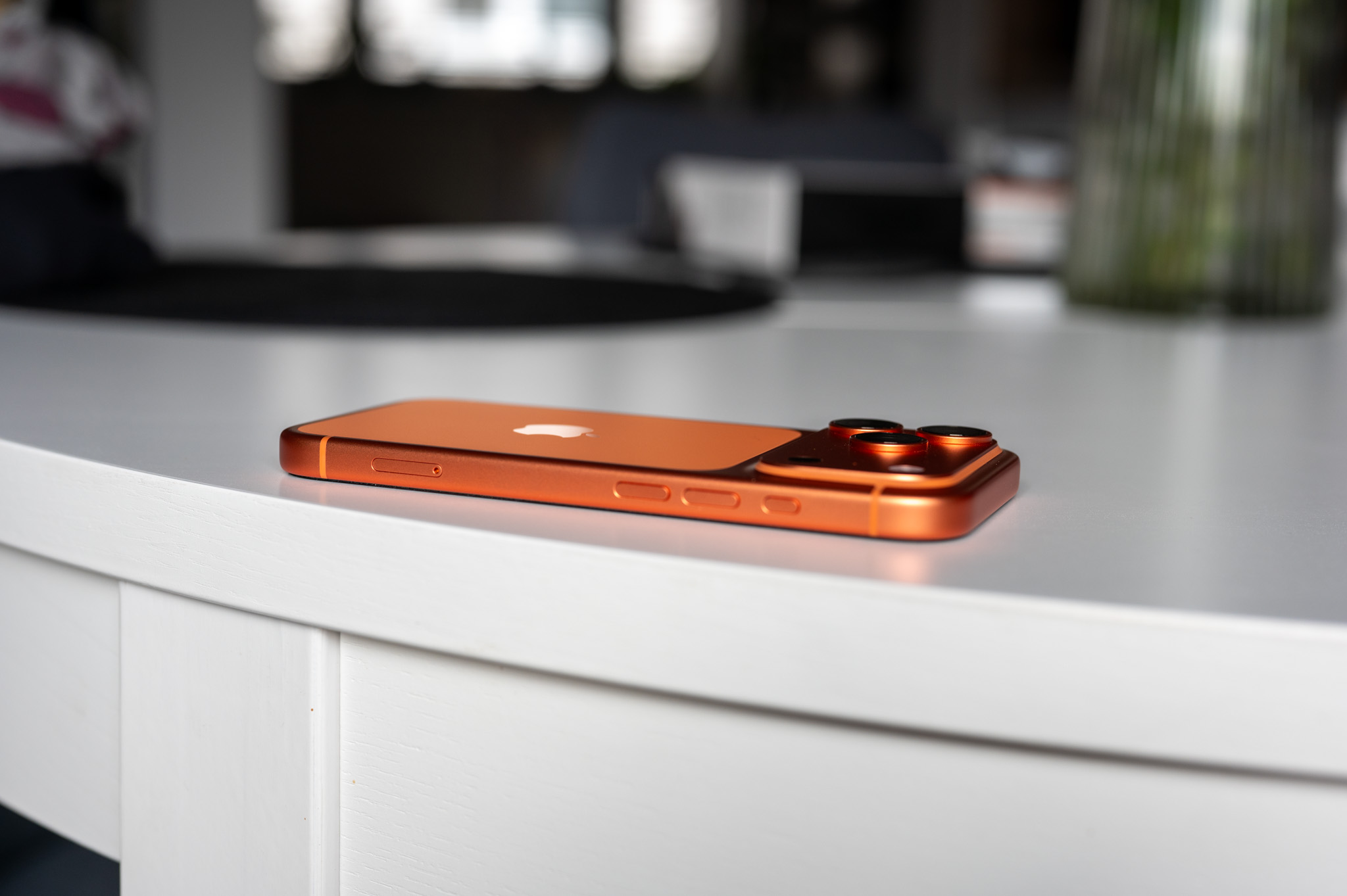
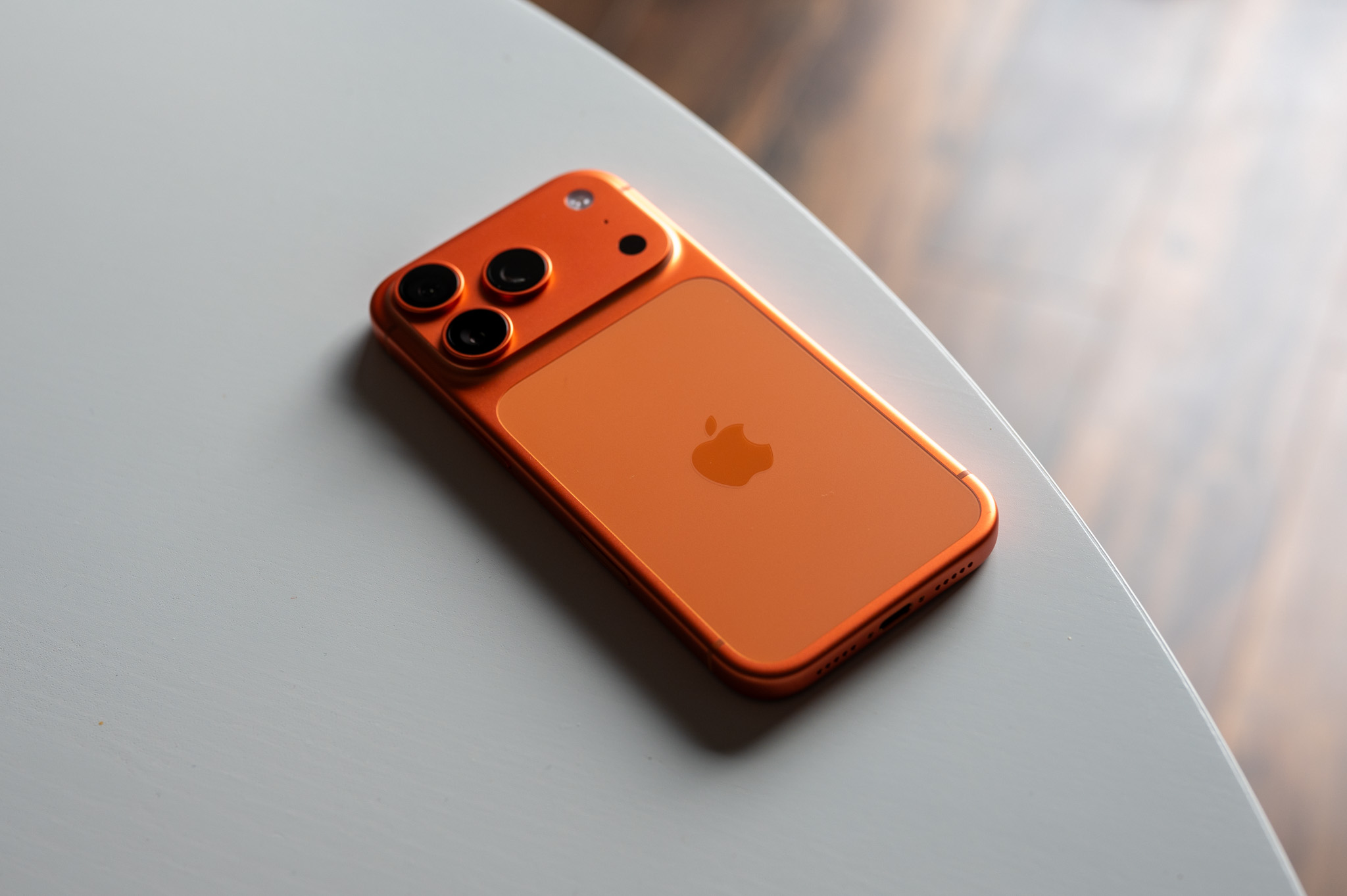
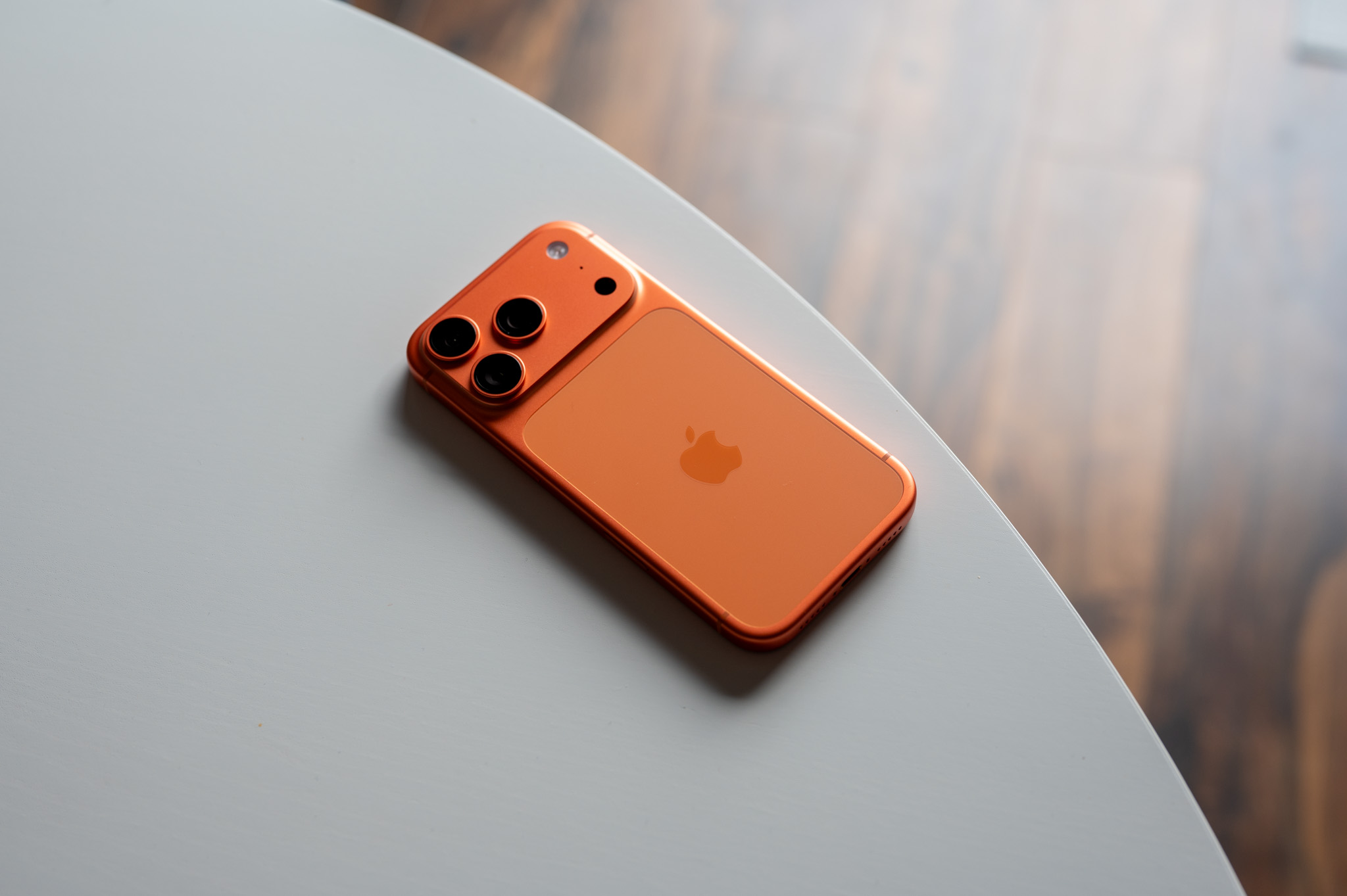
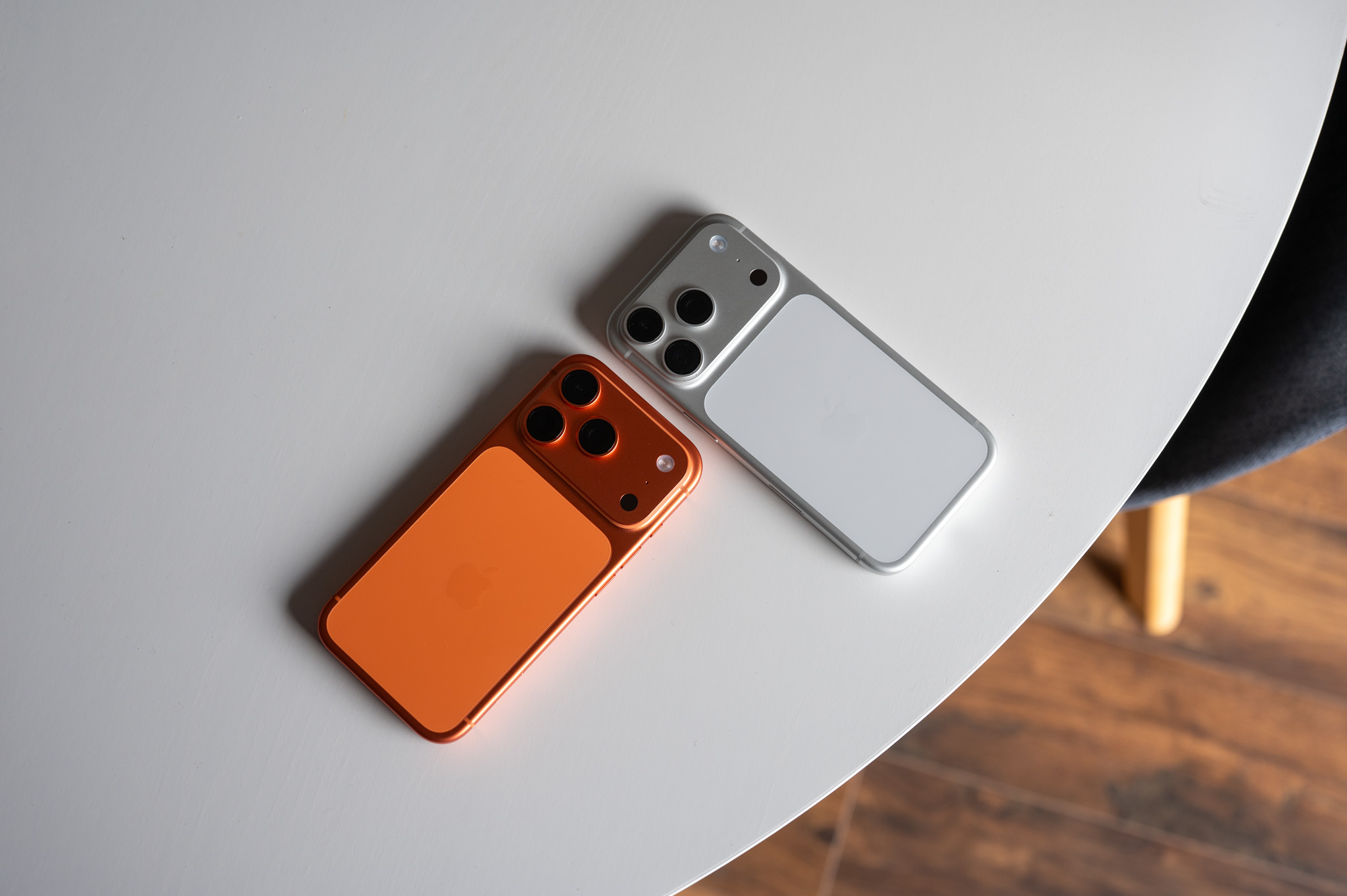
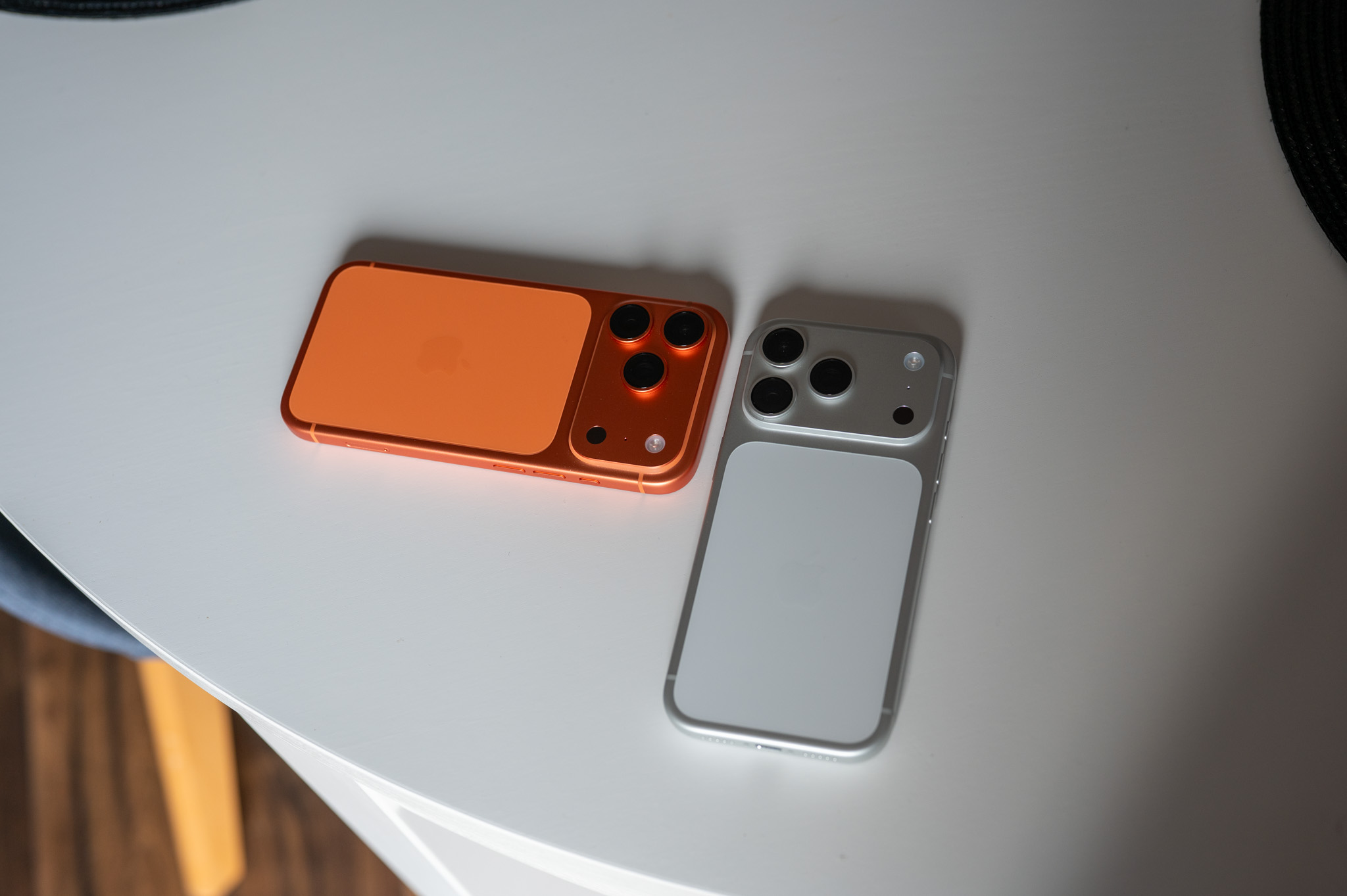
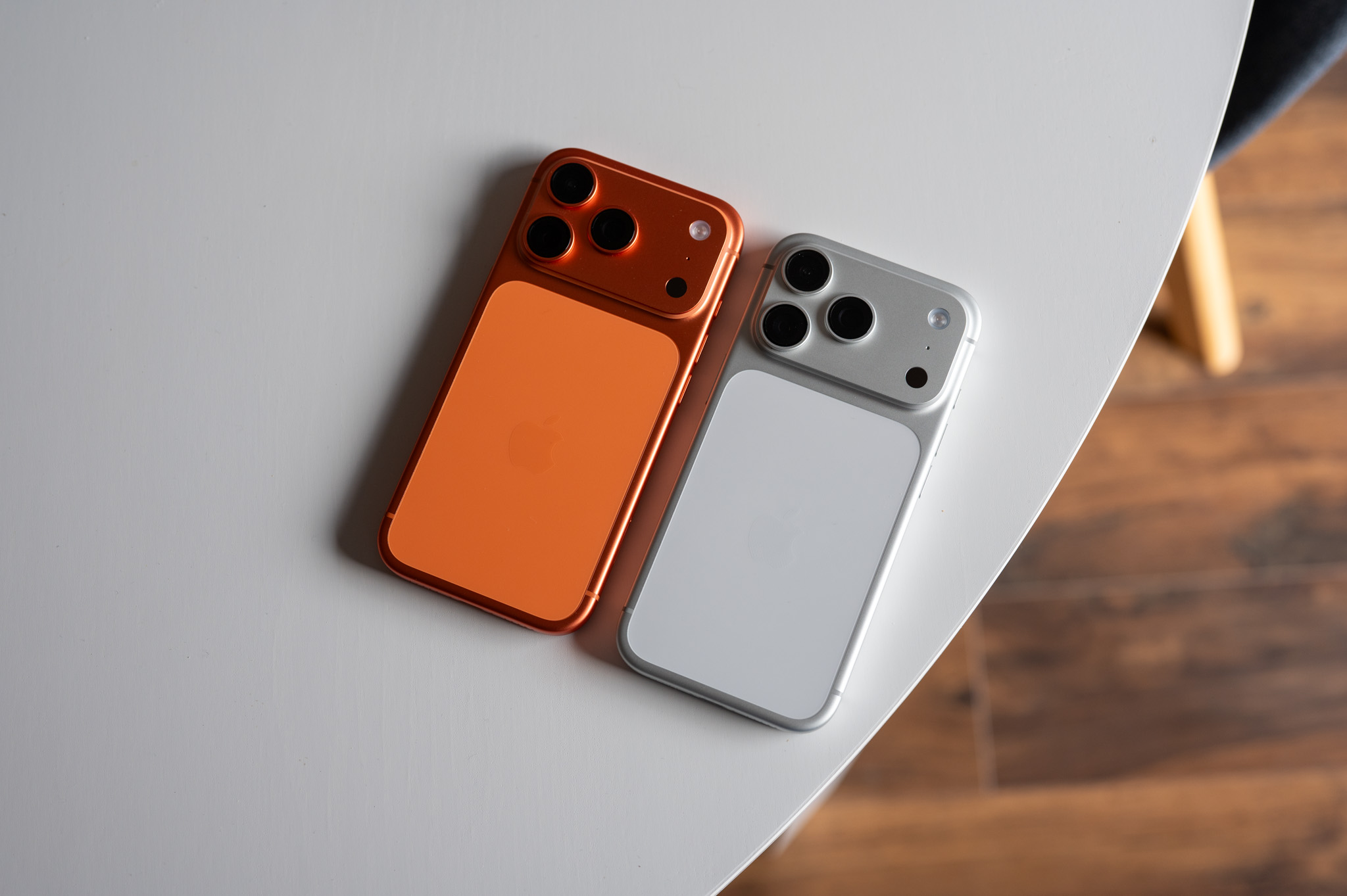
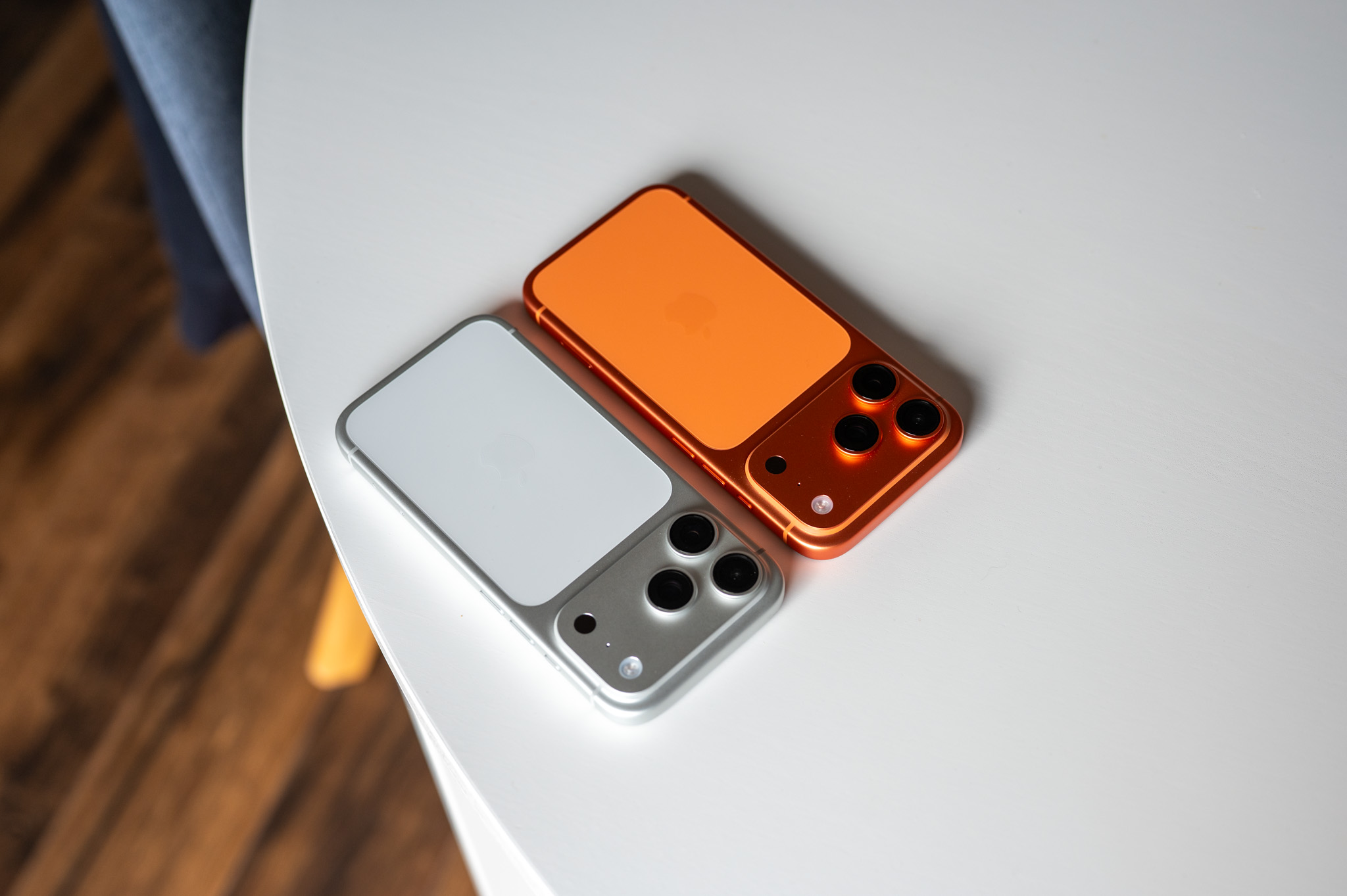
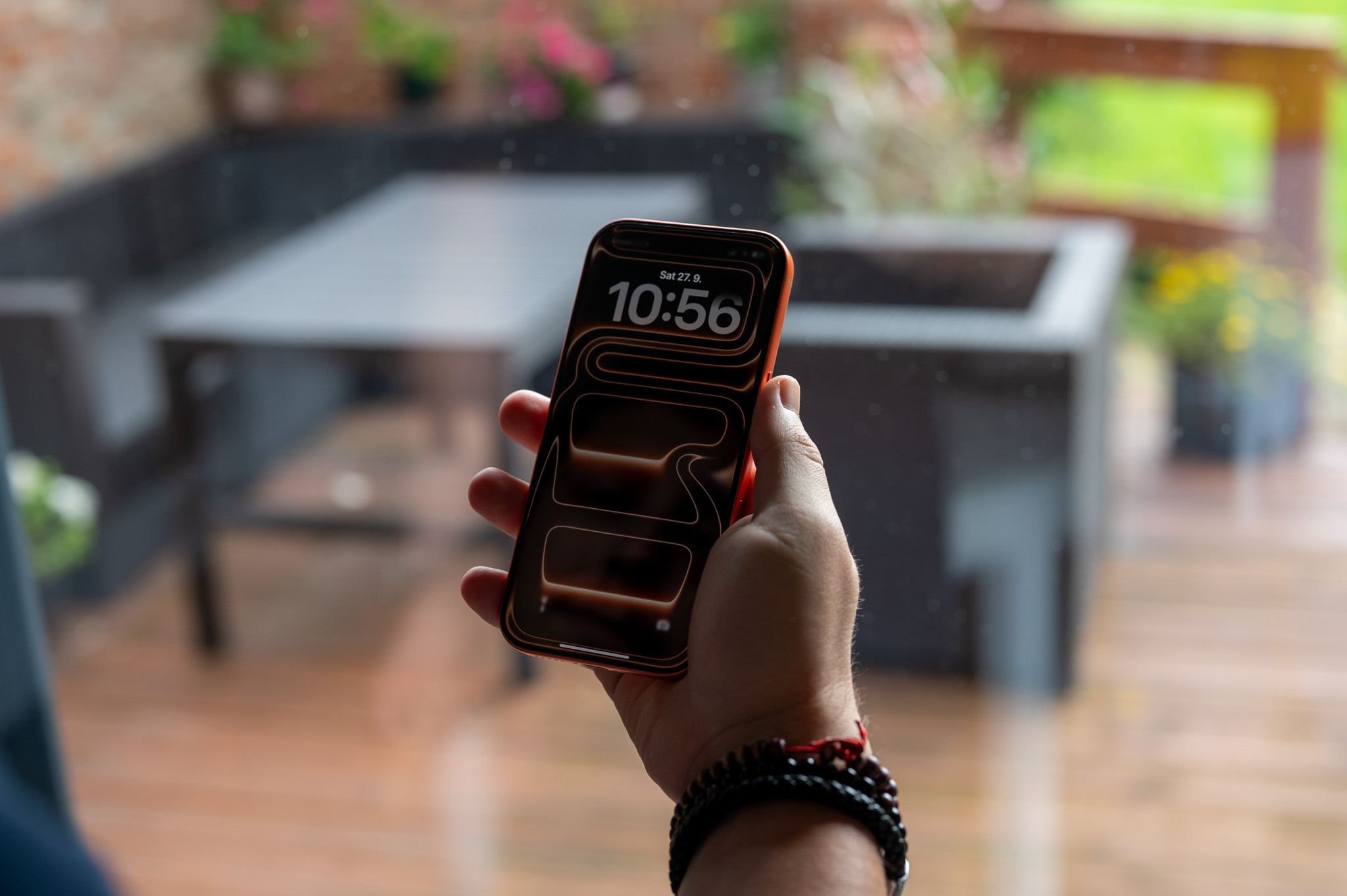
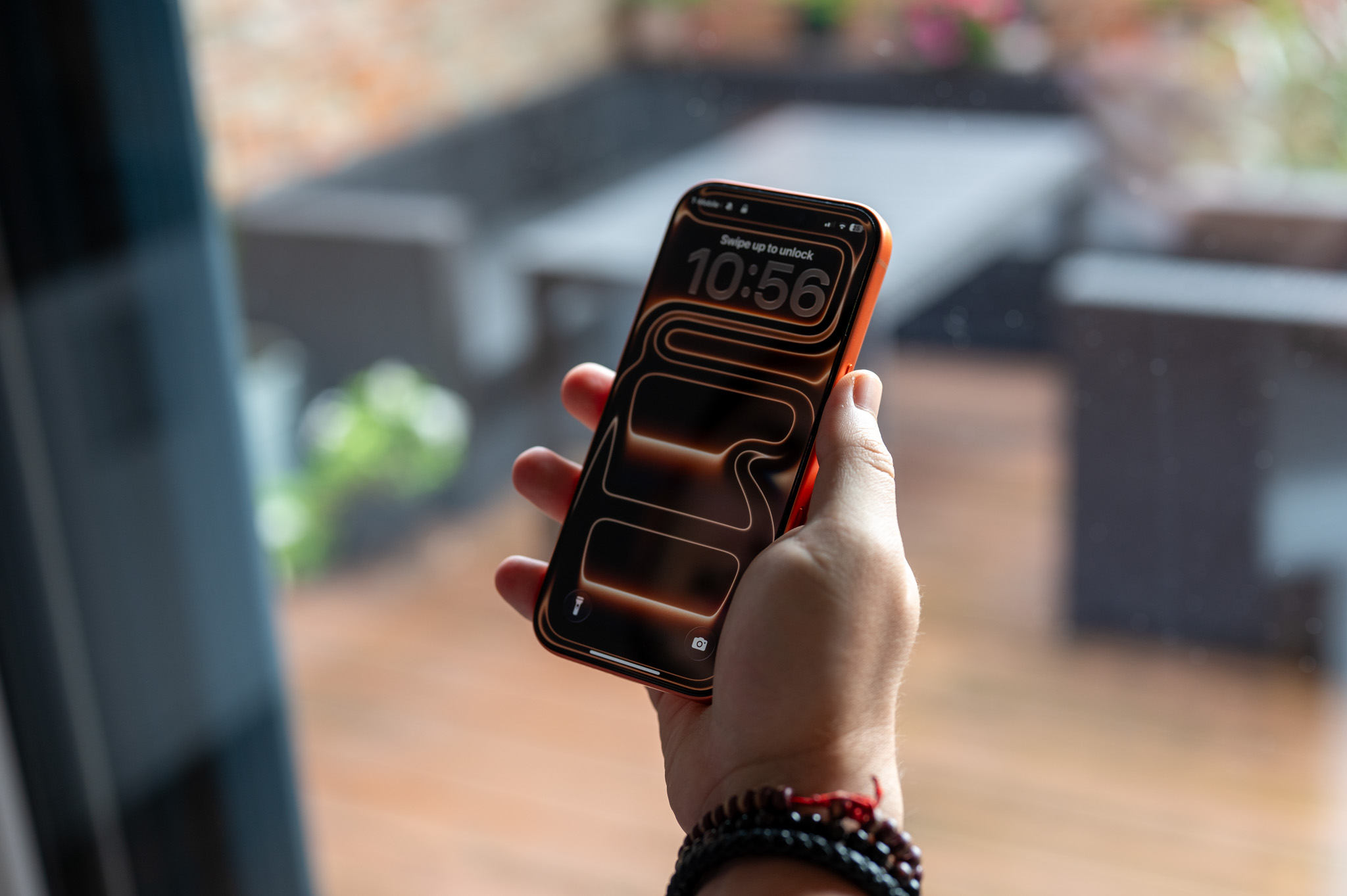
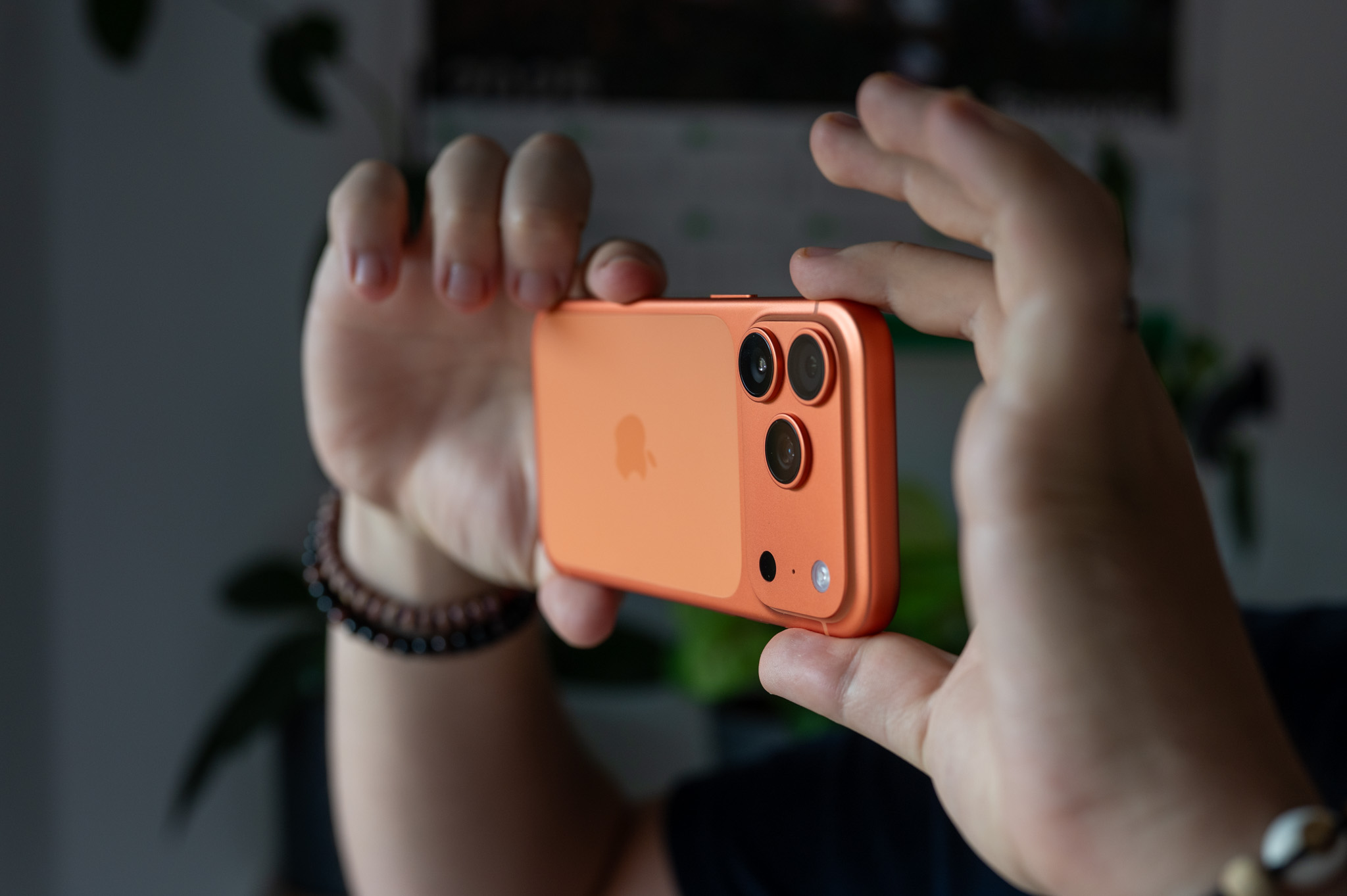

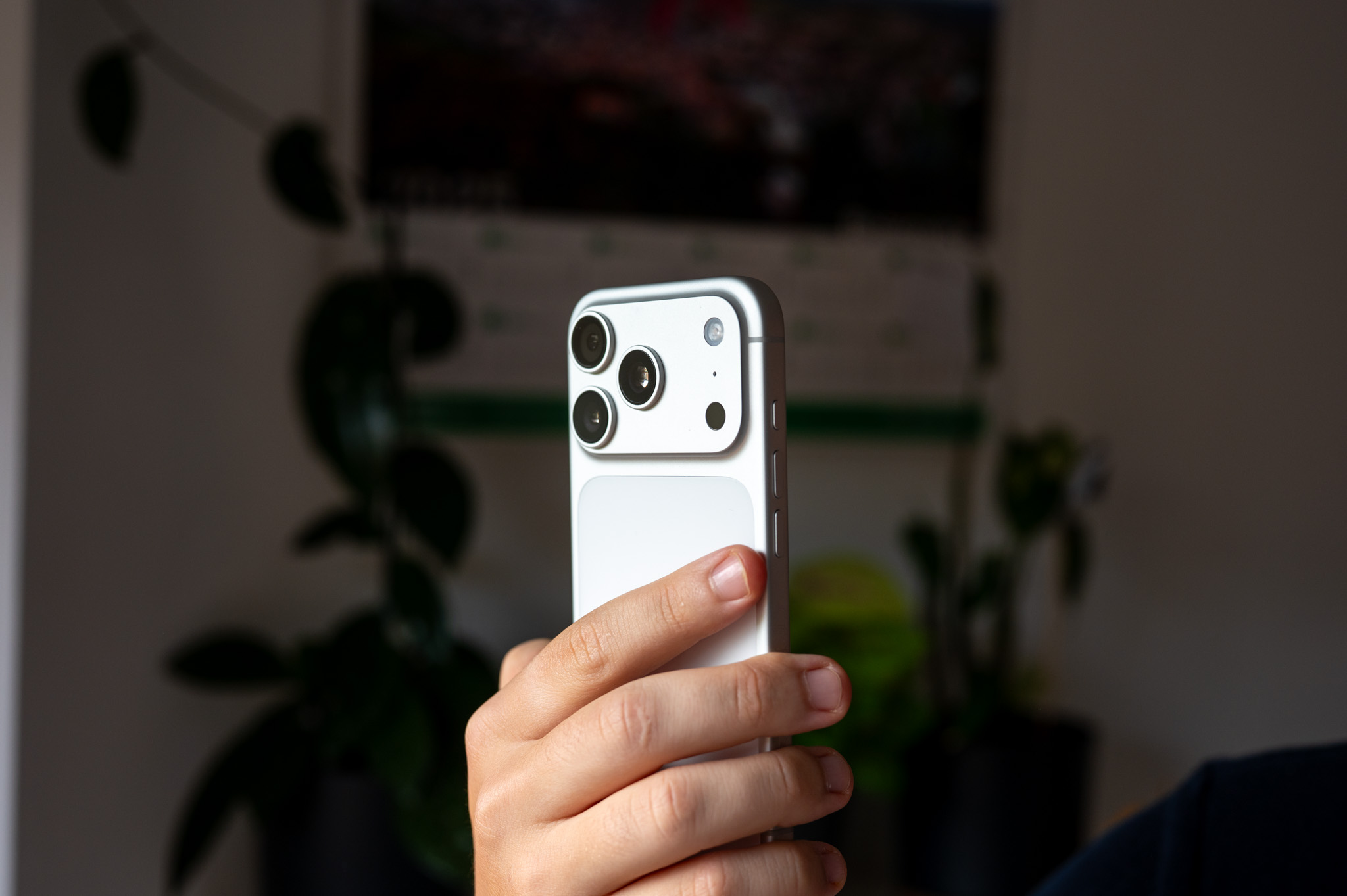
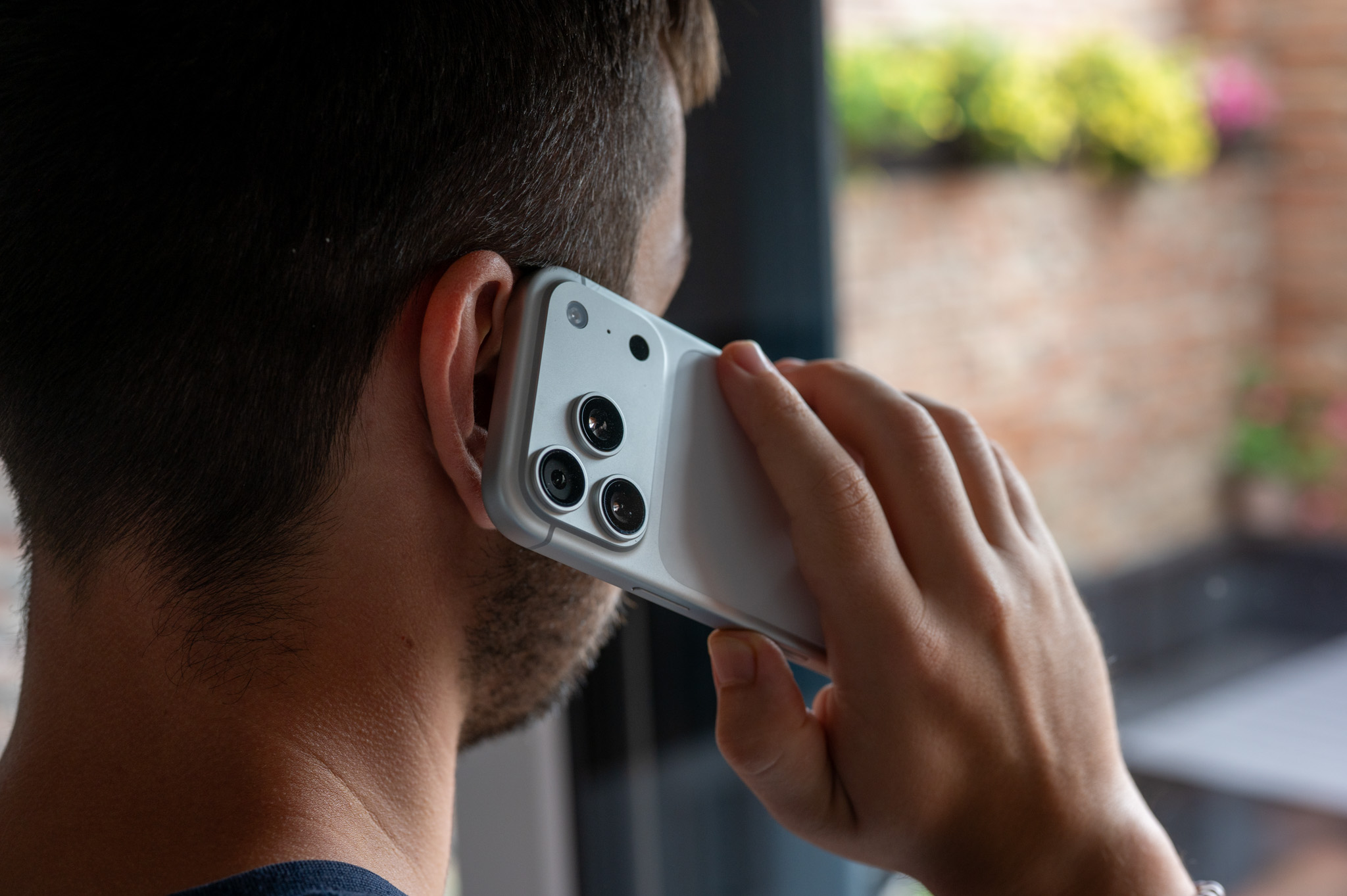
Apple is going its own way and is betting on the tight integration of hardware and software, which allows it to offer features that work immediately and without compromise. On the contrary, a large part of the Android world is trying to unite around the NTN standard, which is supposed to turn satellites into a kind of extension of classic mobile networks in the future. And this is where the bread is broken. Today, satelliteoneThe activity is mainly used for emergency messages and basic communication. That's great, but for mass distribution it's simply nestIt lacks the so-called "killer feature" that would convince people that they really need this every day.
But that could change in the future. New standards are expected to bring wider use across applications and gradually bring satellite connectivity to cheaper phones. And once that happens, today's marginal feature could become a full-fledged standard. Partnerships play an important role in this. Apple is partnering with Globalstar, while carriers like T-Mobile and AT&T are teaming up with players like SpaceX. It is these connections that will determine how quickly the technology spreads to everyday users.
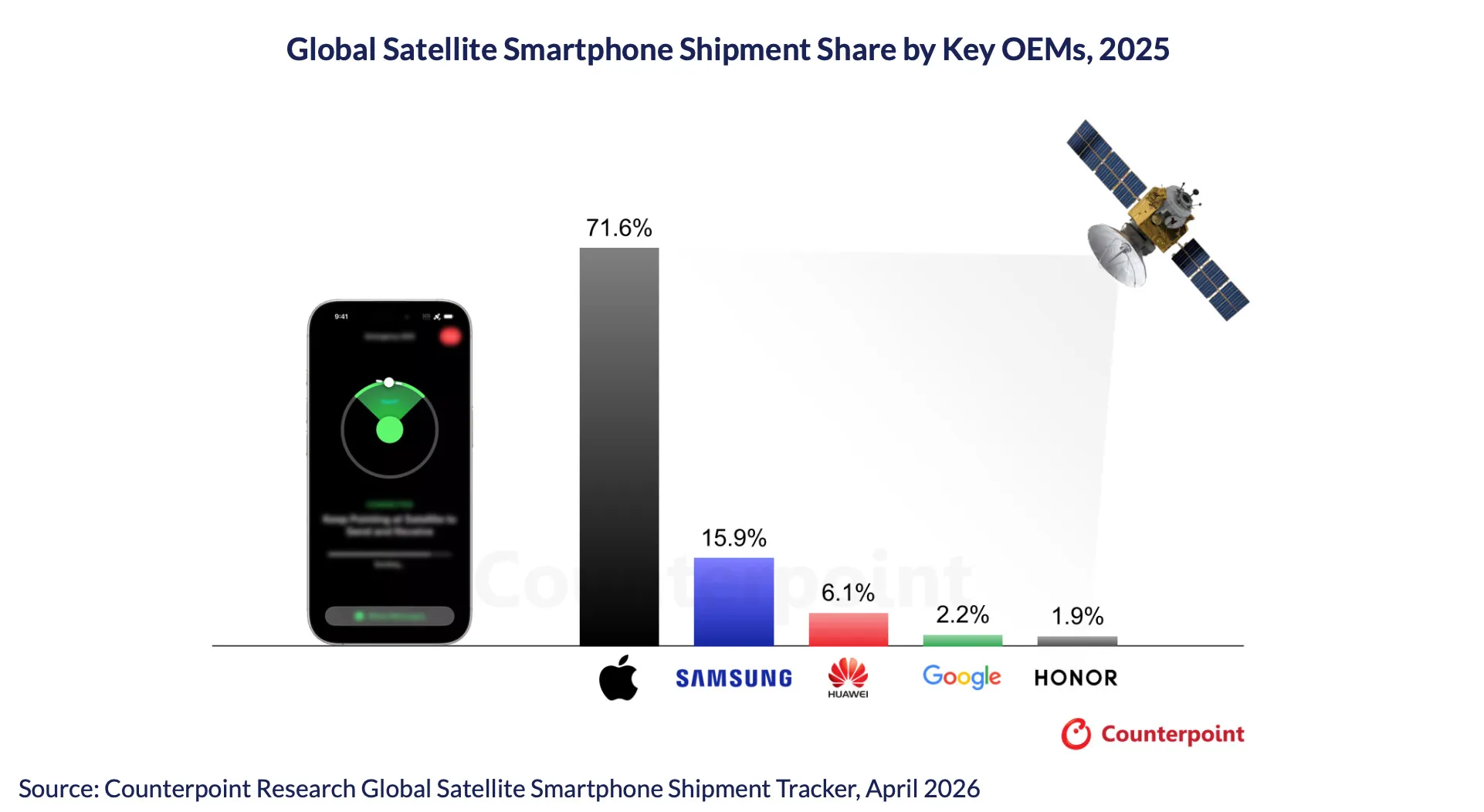
According to estimates, by 2030 the share of satellite phones couldoneactivity can climb to 46%. And even if more manufacturers gradually join the game, Apple has the advantage of being the first to do so and being able to bring the technology to people in real form. From my point of view, we are only at the beginning. Today, we may perceive a satellite in a mobile phone as an insurance policy for extreme situations, but in a few years it may well become something we cannot even imagine using on a daily basis without.