
Apple as a display supplier for its first flexible iPhone Samsung has chosen it. According to the latest reports from The Elec, Applu was offered only limited options by other companies, so it agreed to exclusively purchase foldable OLED panels from the South Korean giant, quite surprisingly for the next three years. So there are no alternatives on the table.
You might be interested in
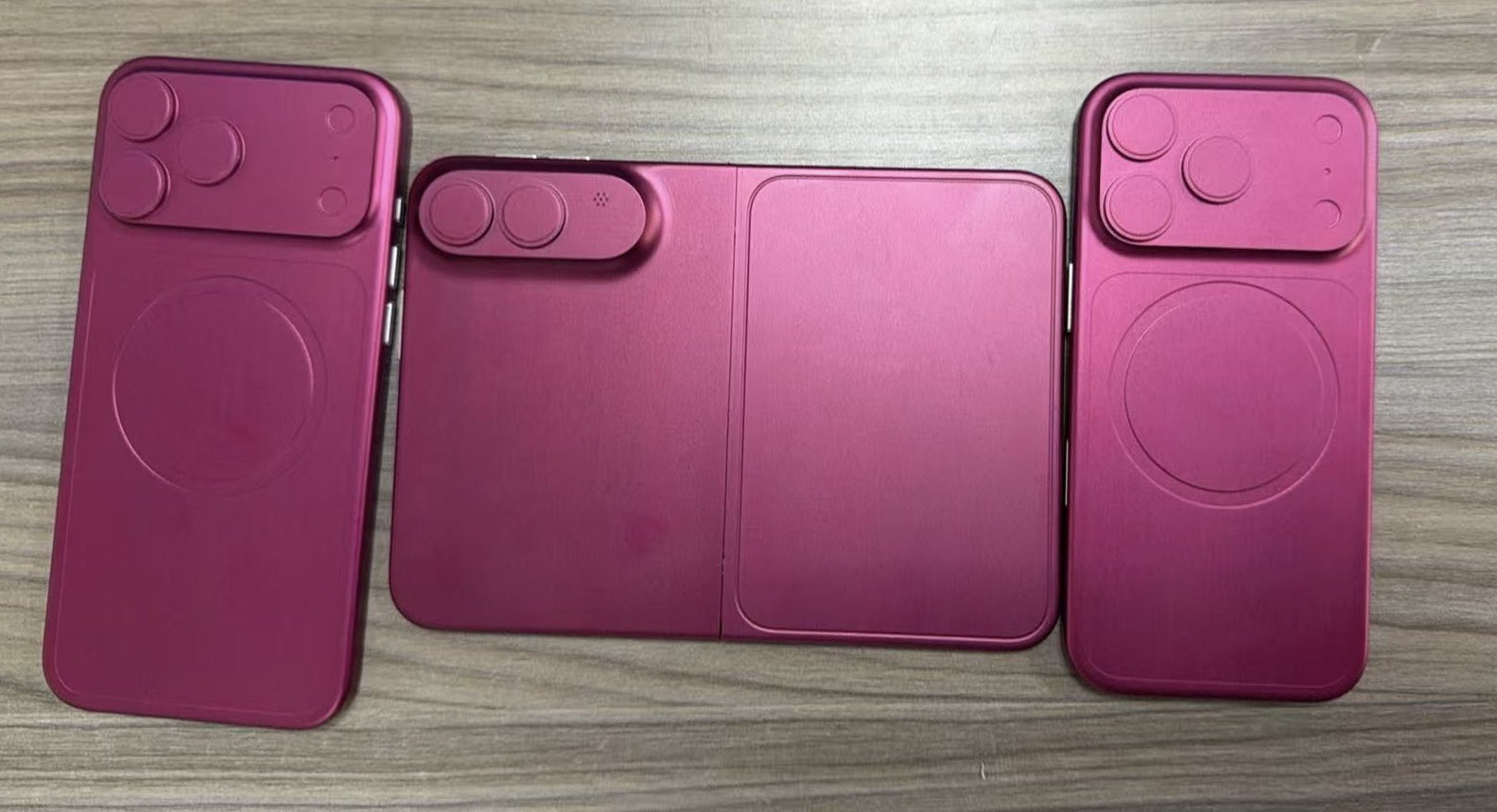
New iPhone, which will be presented this year with a book-type construction (such as Samsung Galaxy Z Fold), will offer an iPad-like internal display when unfolded miniSamsung is no newcomer in this regard, quite the opposite. It has been leading the foldable screen market for many years, and its panels for Apple will use CoE technology, or Color filter on Encapsulation, which means that the polarizer is removed and the colors are created directly on the protective layer. Polarizers often crack when bent, so for foldable iPhone CoE is practically a necessity.
Gallery
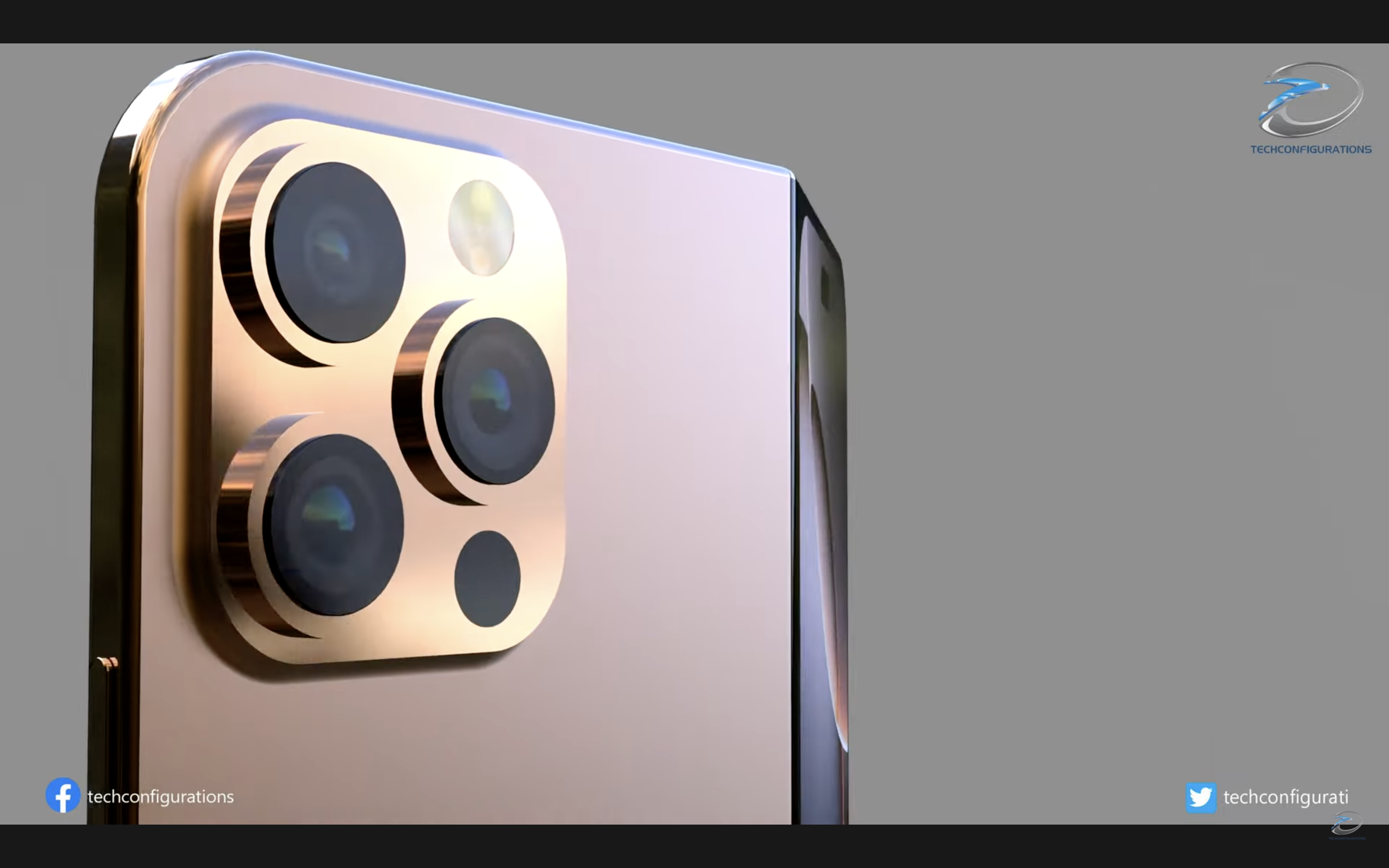
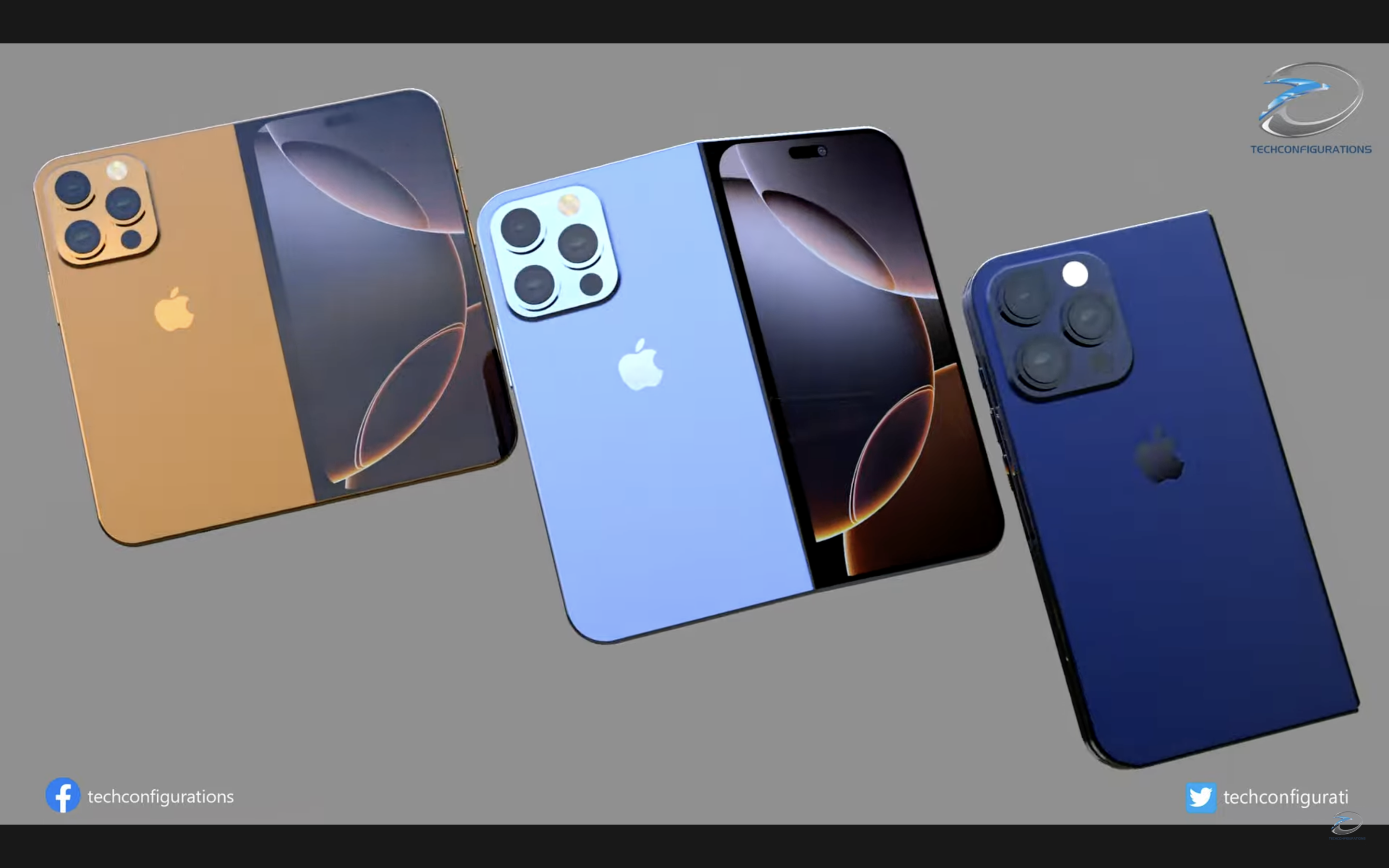
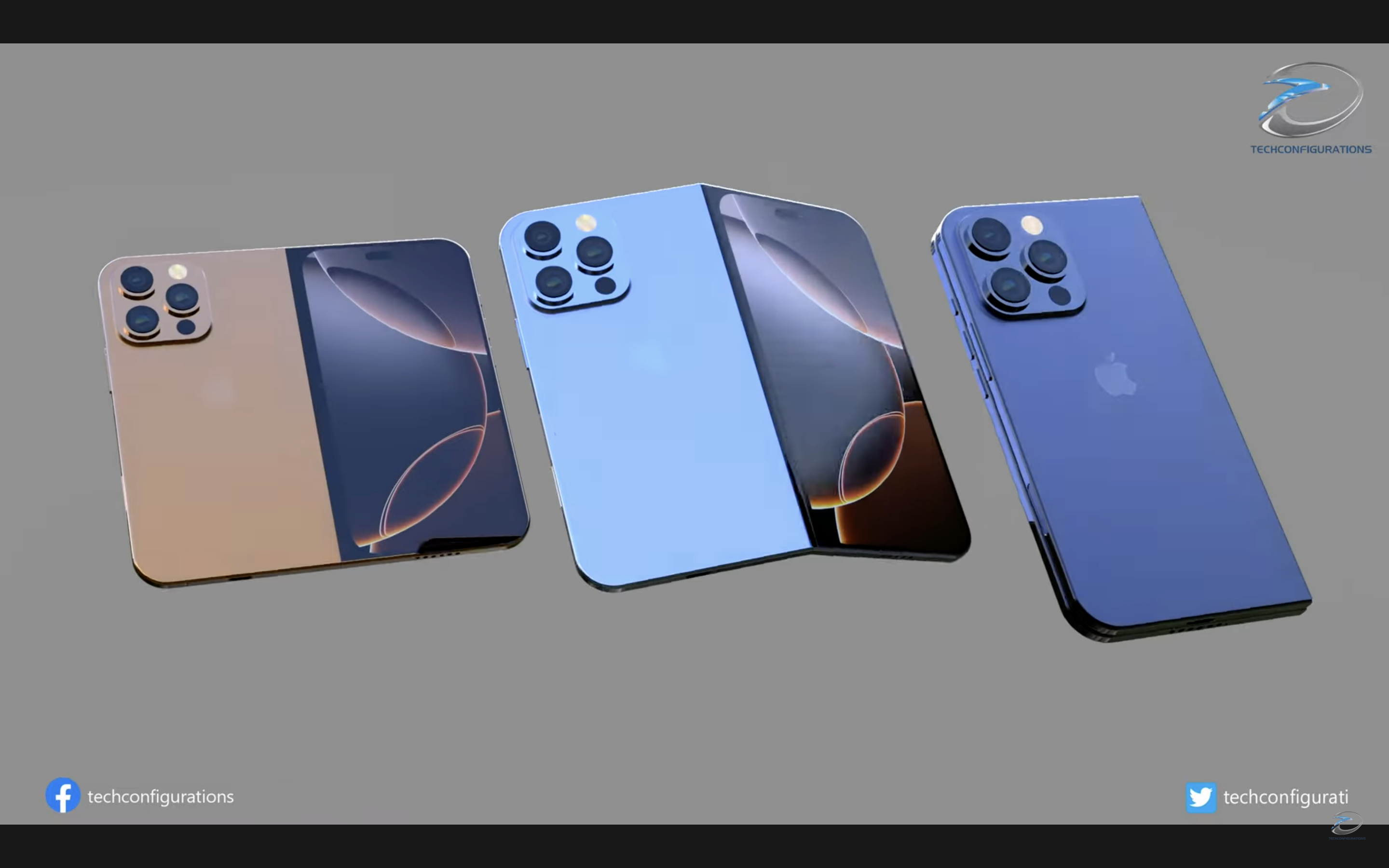
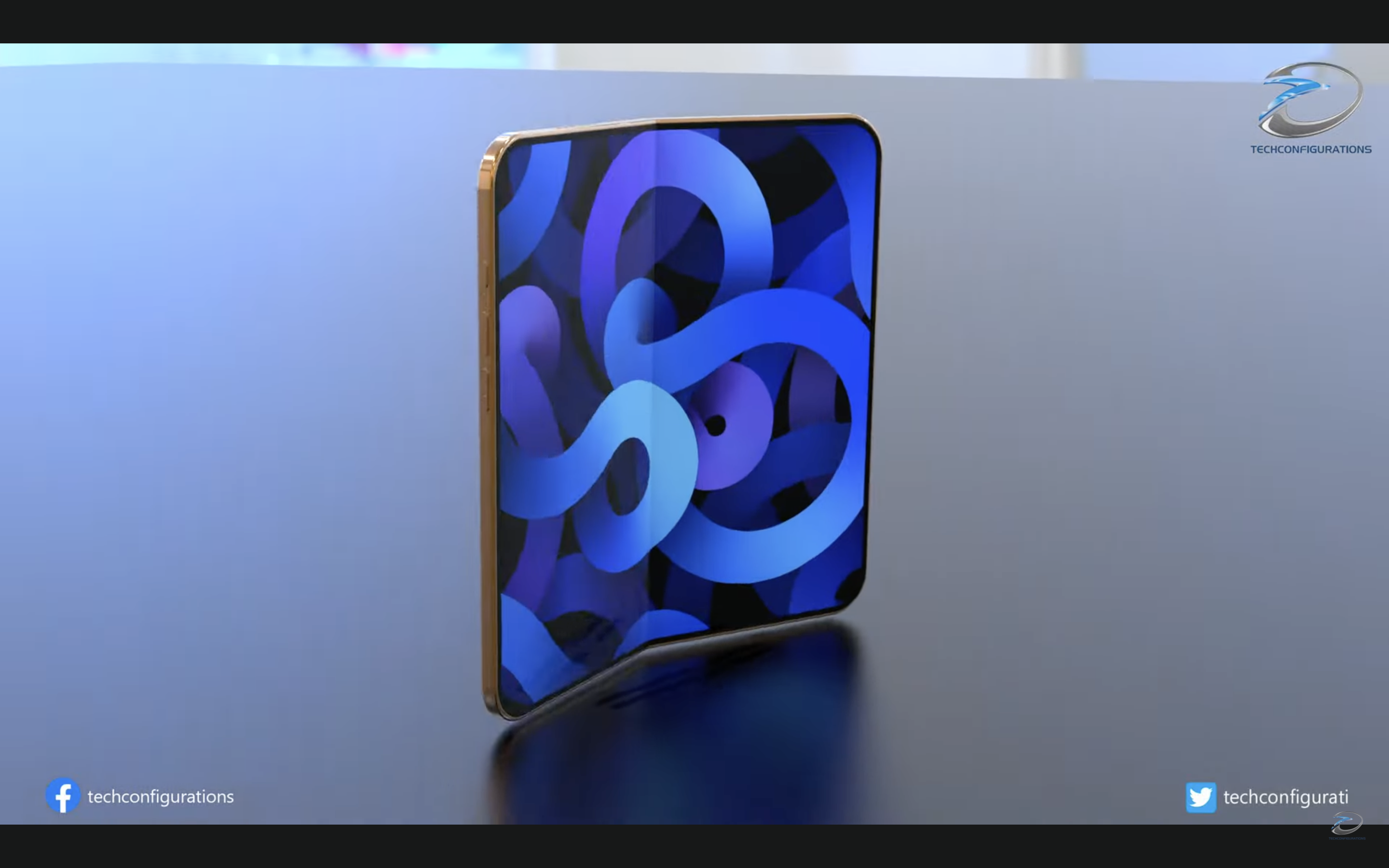
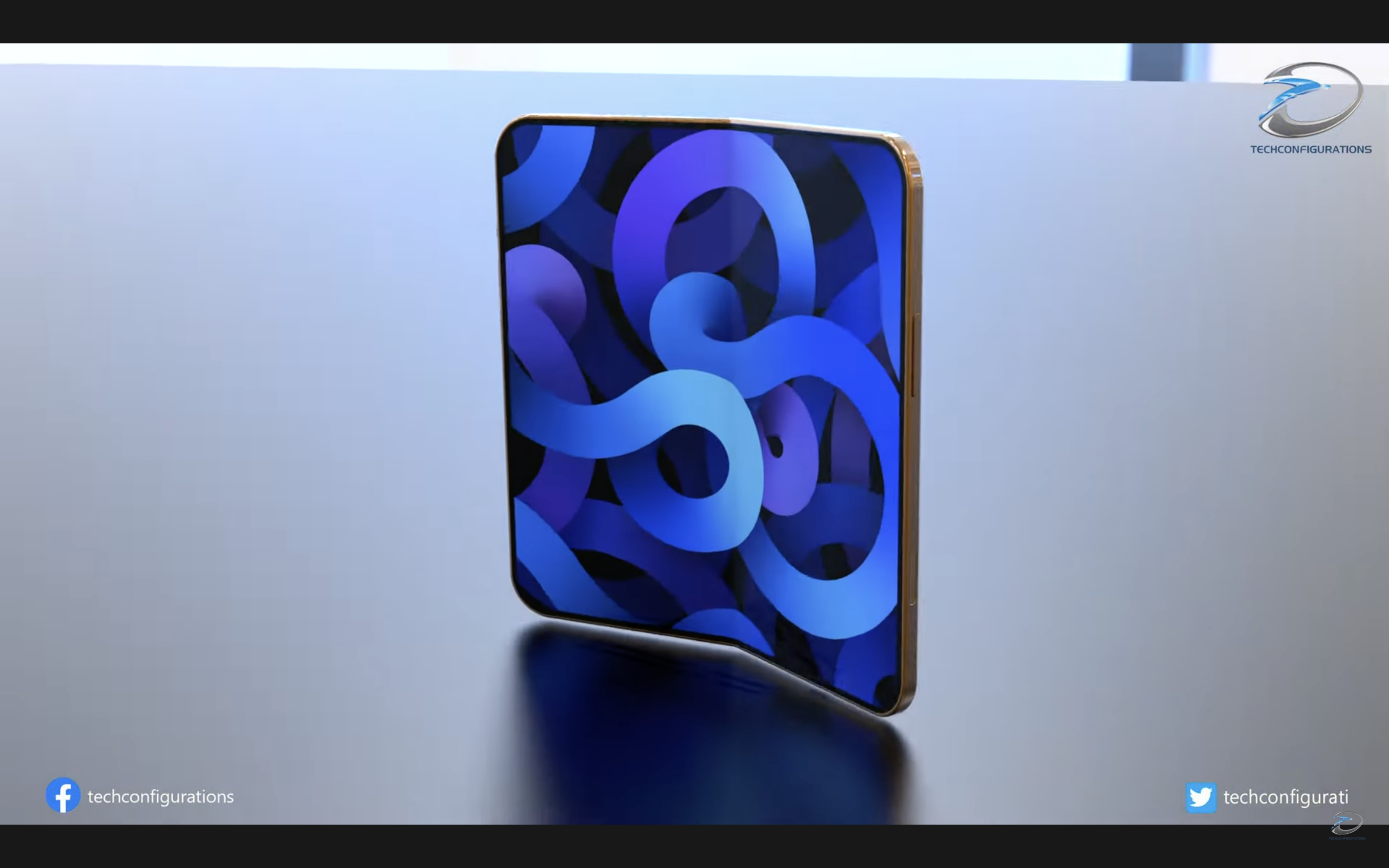

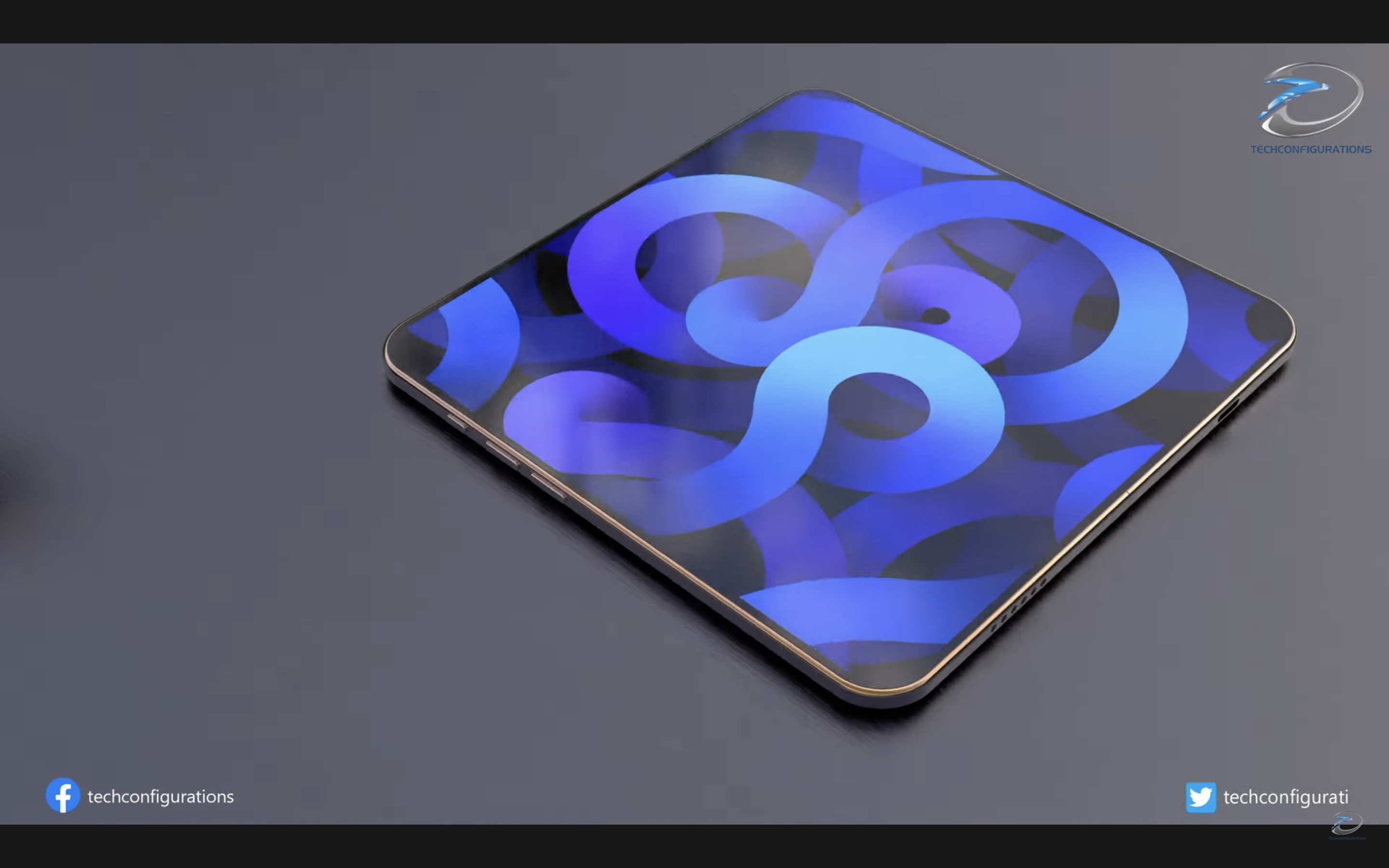
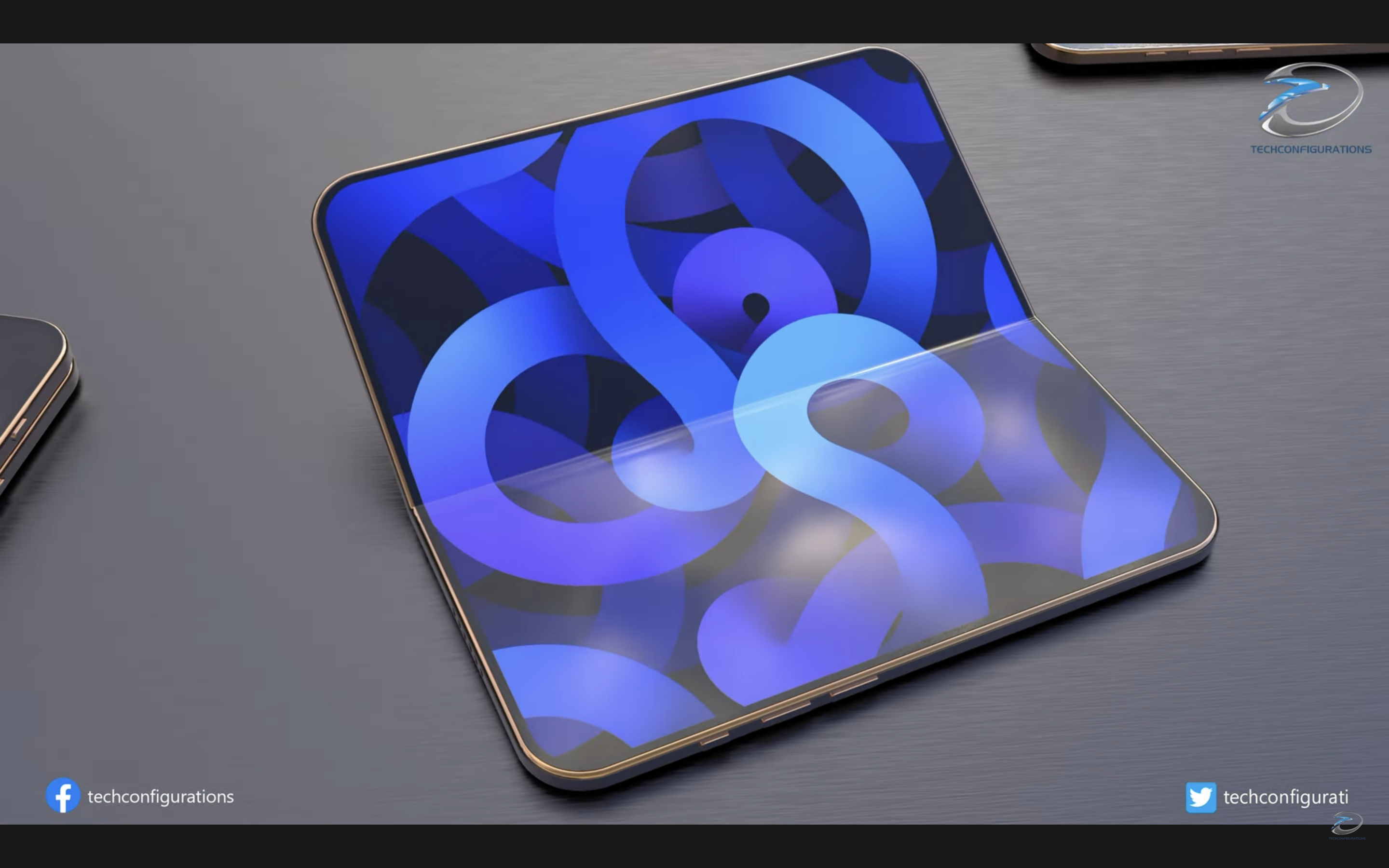
It is also interesting that Apple chose the same M14 OLED materials it uses iPhone 17 Pro Max. The new product will not experiment with anything new, but will instead rely on proven classics. As for the start of production, Samsung is to start panel production in the second quarter of this year with an initial delivery of 3 million units. Apple OLED screens are already used in the iPad Pro a Apple Watch. The cheap iPad will remain LCD, iPad mini could get OLED in 2026. MacBook Pro will see an OLED display this year along with a touch layer and MacBook Air OLED is supposed to come in 2028. So overall it looks like Apple decided not to experiment and opted for a proven solution, thanks to which the foldable iPhone should have been reliable.


Are these the ones that are being advertised heavily? Well, that's a win. Just look at reddit and other various forums.
I especially have to laugh at how the debates were going on here that it should never happen. Apple It won't be nonsense..