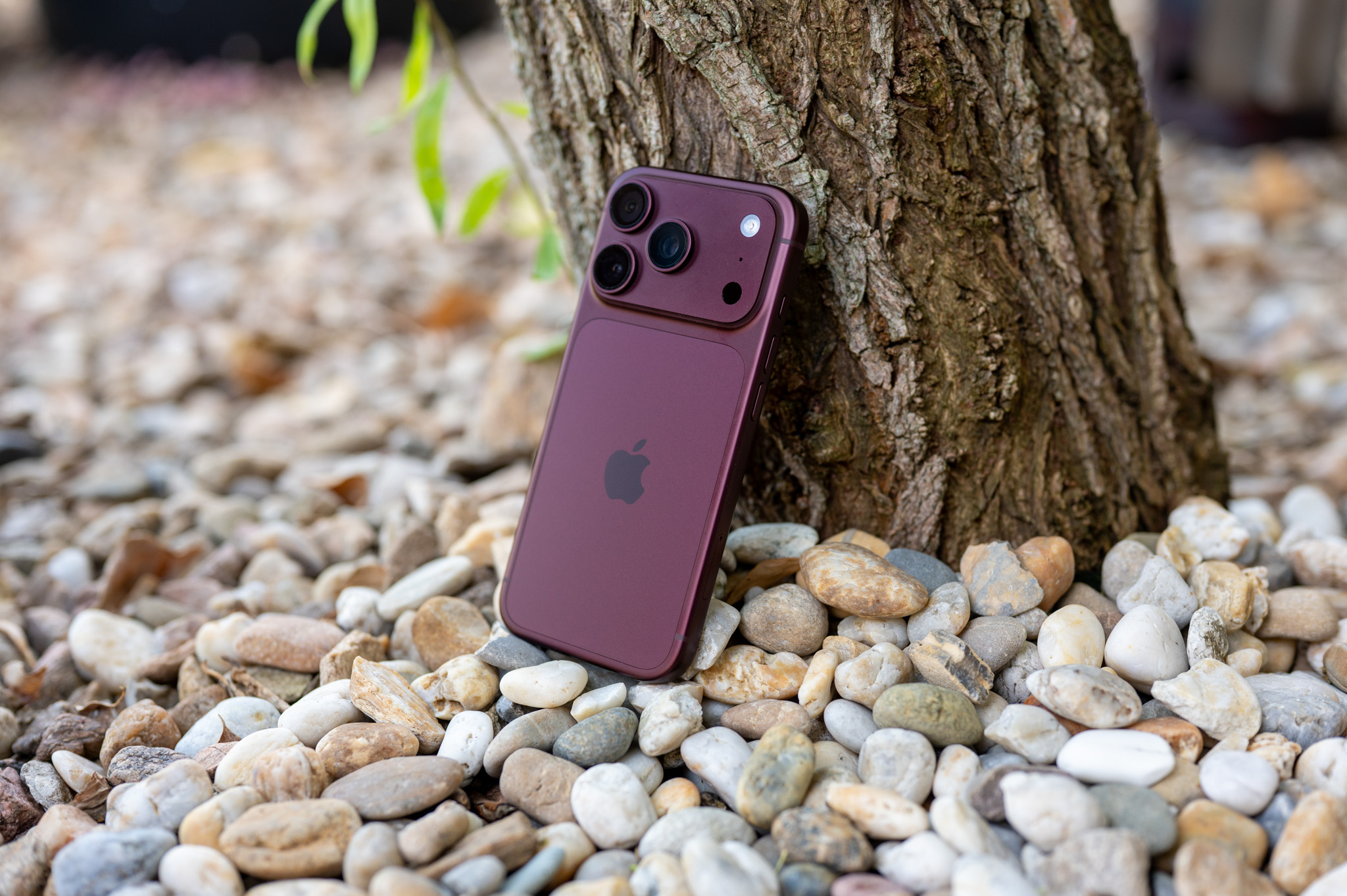
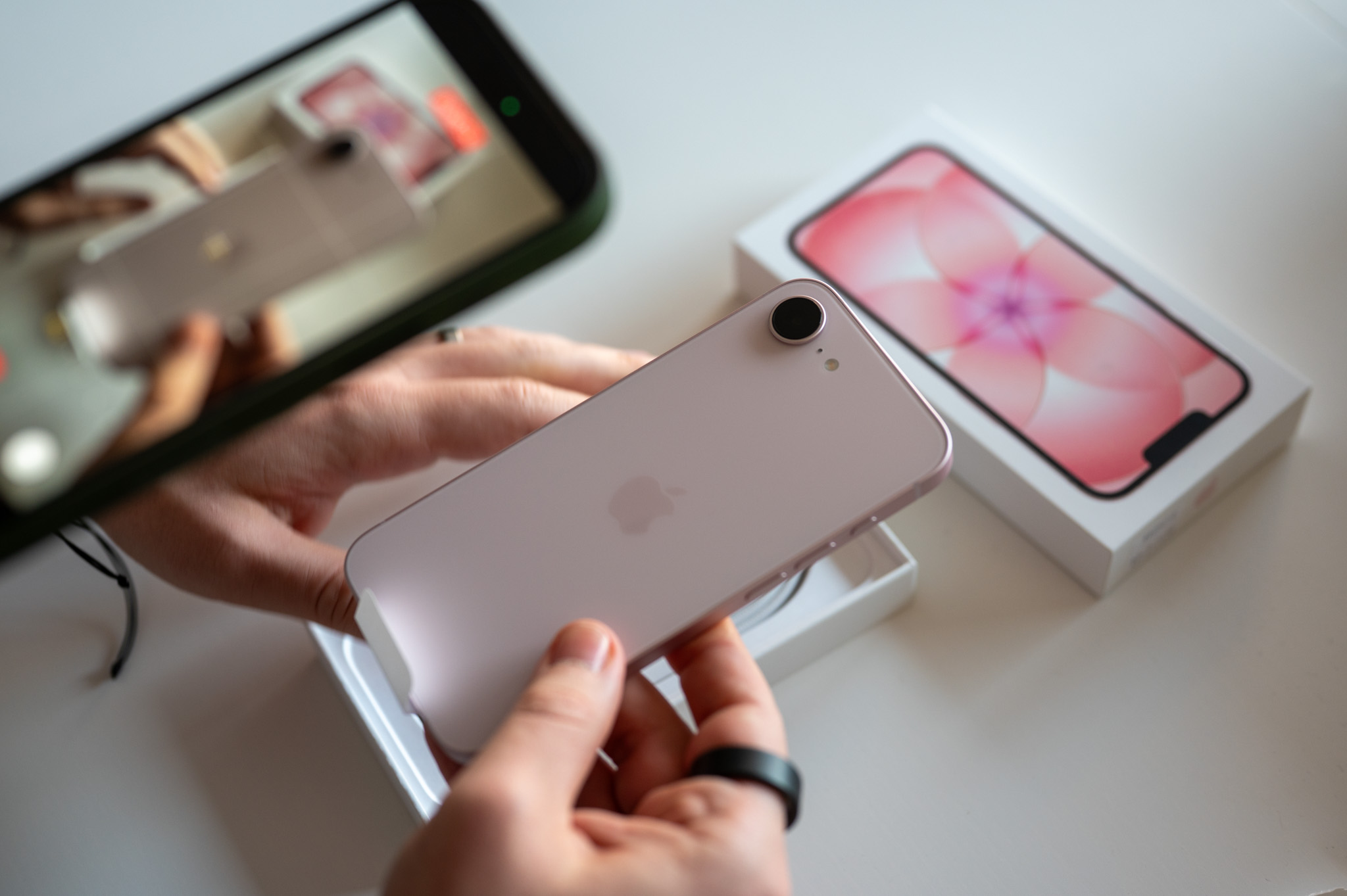
When Apple a few weeks ago he introduced a new one to the world iPhone 17e, quite disappointed many with its technical specifications. We did not get the predicted Dynamic Islandwith a slight rounding of the edges following the example of the iPhone 16 and, according to the technical specifications on paper, no major upgrades in the field of camera, performance or battery life. Probut I know that Apple products are often about details that the Californian giant for some reason does not emphasize, with any major evaluation of this phone I prefer to wait until the review, which will be published in our magazine this weekend. However, I will already give you at least a little peek under the imaginary lid of the tests that gradually reveal the qualities of the new product. Of course, the battery charging test using a cable cannot be missing among them. Pro For completeness, it is appropriate to add that iPhone The 16e and 17e have batteries with exactly the same capacity, so comparing their charging is definitely appropriate.
In recent years, we have become somewhat accustomed to Apple Charging speed via cable for iPhones is gradually increasing (or increasing maximal watts that iPhones are able to "hold" when charging), but it doesn't provide much information about this fact. I was all the more curious to see how wired charging would turn out here, when in the case of more convenient wireless charging we saw an improvement from 7,5W to 15W thanks to the implementation of MagSafe support. And in the case of the cable, it also improved, albeit quite slightly.
Gallery




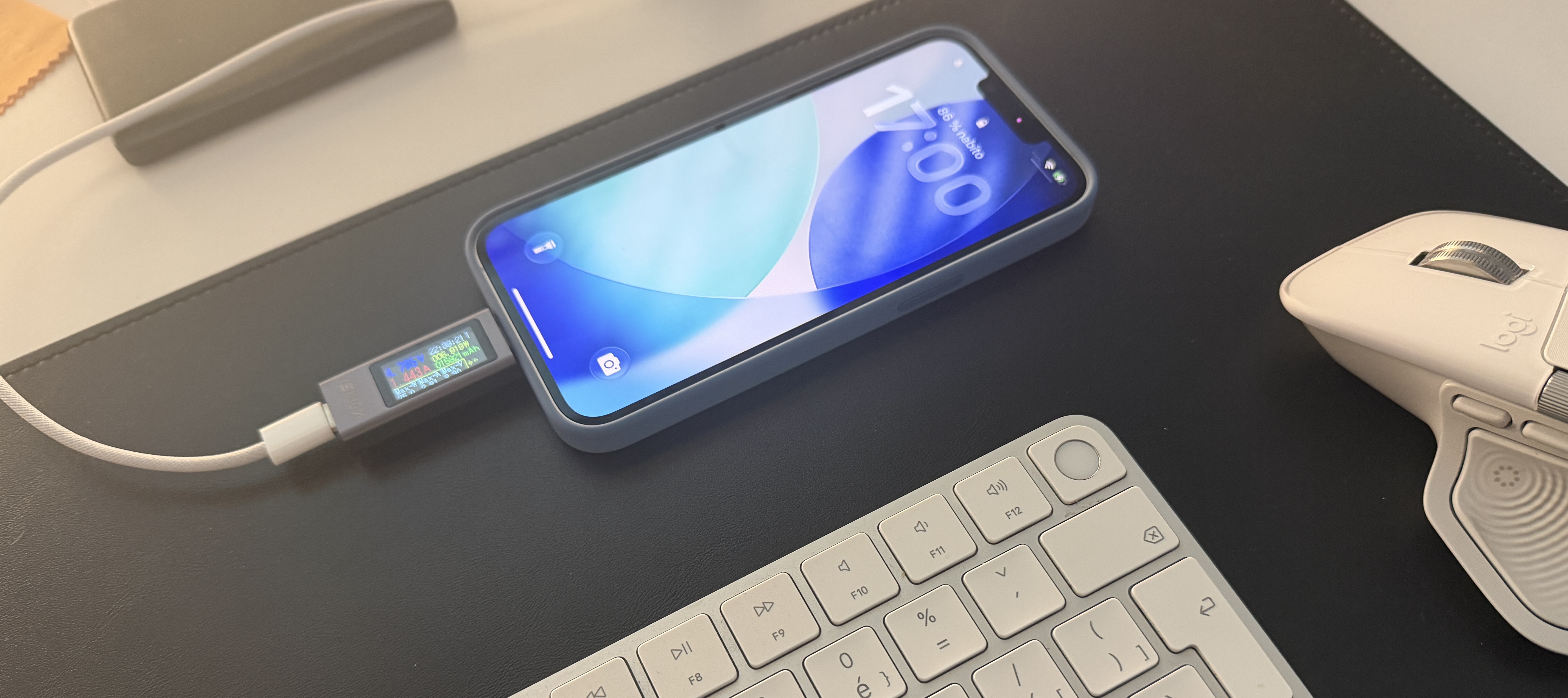
Same as last year I then monitored the phone's consumption via a meter to get a better idea of when it would use what amount of watts. Charging was done using a FIXED GaN adapter with maximal lineonem 100W. Of course, it is necessary to take into account that maxThe phone has its minimum consumption when its battery is most discharged, and over time the consumption or power consumption decreases. I charged the phone twice to check the charging stability, once charging from 0 to 100 %, the second time from 20 to 100%. And I must say that I was quite pleased with the results, because they were better than last year. While iPhone I was able to charge the 16e with a cable in 1 hour and 45 minutes, iPhone The 17e managed to charge 5 minutes faster, which is a relatively negligible difference on the one hand, but on the other hand, in situations where you need to charge your phone really quickly in a short time, every minute will help.
In terms of power consumption, the beginning of the iPhone 17e test was no different from last year. So, even with the new product, the meter showed a consumption of around 27W practically from the start, which is very decent. Over time, as the battery charges, the charging speed naturally slows down, and it was in this direction that it became clear iPhone 17e is a little stronger between generations. While iPhone The 16e started consuming about 30% at "only" around 22W, iPhone The 17e was still consuming around 25W at the same level, where it was clearly able to gain a few minutes.
Thanks to the relatively high consumption, even at a higher charge level, you can handle it iPhone Charge the 17e with a cable with a sufficiently powerful charger from 0 to 50%, not in 30 minutes, as it says Apple on my website, but according to my measurements in about 25 minutes. In 30 minutes I even reached 61%. Perhaps an even more interesting result was achieved when measuring when the battery level was 20%. In that case, 30 minutes was enough for me to charge from 20 to 70%, which is interesting especially considering that the higher the battery charge, the slower the charging speed. Even so, you can still get a relatively solid charge in 30 minutes iPhone "feed" almost three quarters of the battery capacity in half an hour, which is great.
The charging speed, or rather the W consumption, started to drop noticeably around 85% of the battery, where the charging was around 15W and steadily decreasing. The last few percent units were then charged at around 2 to 3W, which was a rather funny contrast compared to the previous results. Just to give you an idea, I charged the last 3% for about 14 minutes, while in just 10 minutes at the beginning of charging I was able to charge the phone from 20 to 38%. The charging speed control is therefore quite evident and works well.
Underlined, summed up – although Apple The iPhone 17e does not boast of improved wired charging, apparently due to the combination of the new iOS and the more modern A-series chip managed to speed it up slightly in this area as well. Of course, as I wrote above, we are not talking about any dramatic improvement, but even a small improvement at the end of the day can slightly increase user comfort. Personally, I am quite happy with this upgrade, although I would like to add that it is of course not something that should make you upgrade. Those few minutes of extra speed are definitely not a must-have improvement.