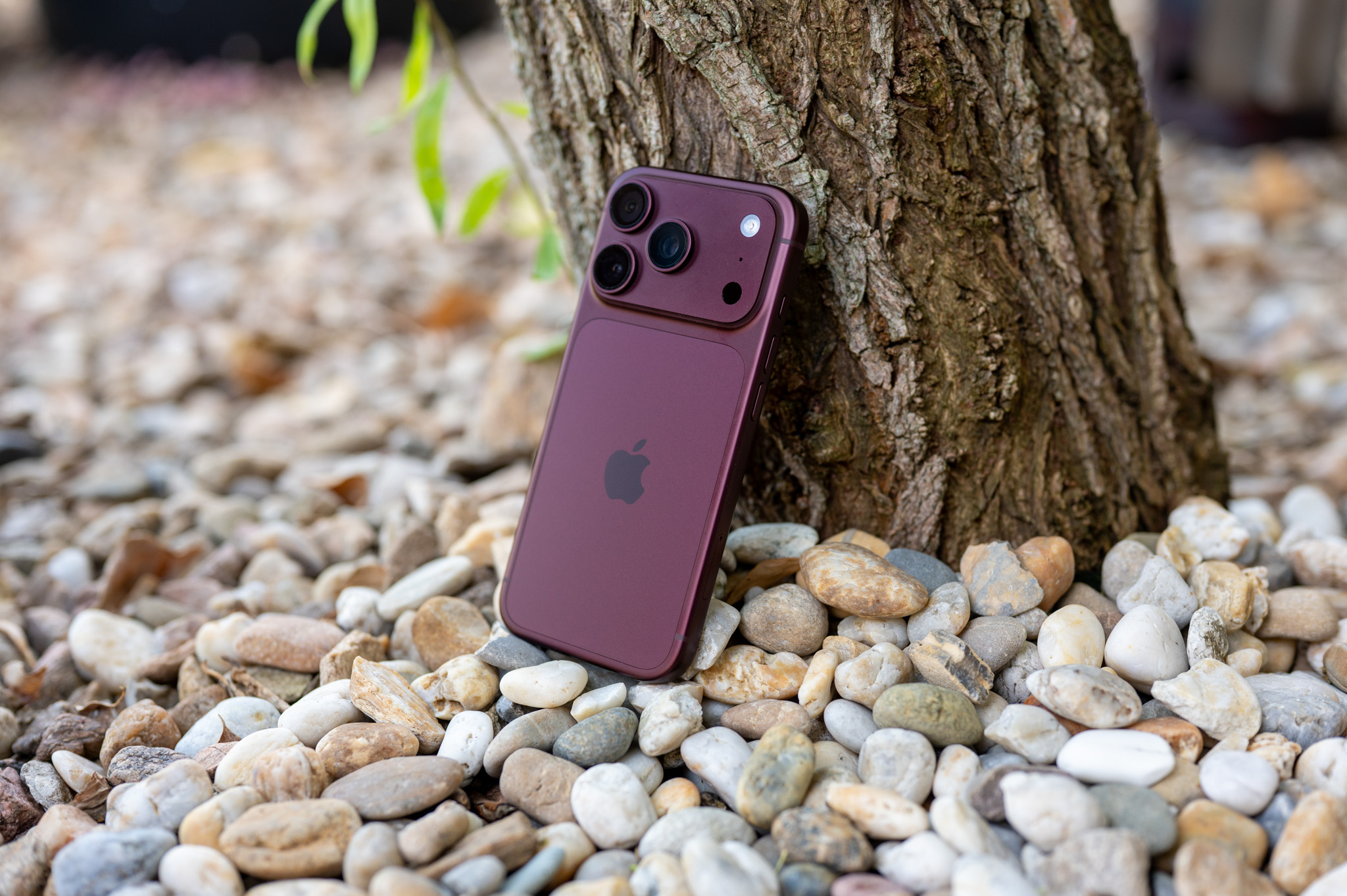
When people talk about navigation today, most people automatically think of smartphones.one. Maps on iPhone, Google Maps or Waze are so commonplace that almost no one remembers the time when navigation was a separate device. However, less than twenty years ago, technology companies tried to experiment and find different ways to get GPS into devices that no one would even think of today. One of the most interesting examples was an accessory for the legendary Sony PSP game console. In 2006, Sony came up with a rather bold idea. What if a portable game console turned into a full-fledged navigation system? The result was an accessory called the PSP 290 Go Explorewho managed to turn the PSP into a pocket GPS navigation for cars and pedestrians.
The module itself was a small GPS receiver that connected via a USB port on the top of the console. Sony offered special software called Go for this purpose. Explore stored on a UMD disc, the same medium on which the games were released. After inserting the disc, the game console became a navigation system that could work completely offline. For its time, it was a surprisingly capable solution. The navigation offered turn-by-turn navigation, voice instructions and maps stored directly on the device. There was also a pedestrian navigation mode, which was more of an exception than a standard for many classic GPS navigation systems at the time. The PSP could thus serve not only as a gaming device, but also as a practical helper on the go.
The big advantage was that all the data was stored locally. Maps were available without an internet connection, which was a huge advantage in the mid-2000s. Mobile internet was slow, expensive, and navigation apps on phones were not very useful.onewere still in their infancy. In practice, the PSP with the Go module Explore It was able to offer similar functionality to the specialized navigation systems of the time from companies like TomTom or Garmin. Of course, there were also weaknesses. The connection to satellites was not always the fastest and the PSP itself was not designed primarily as a navigation device. Another problem was the map data. These were only available for selected regions and their updates were not nearly as simple or frequent as we are used to today.
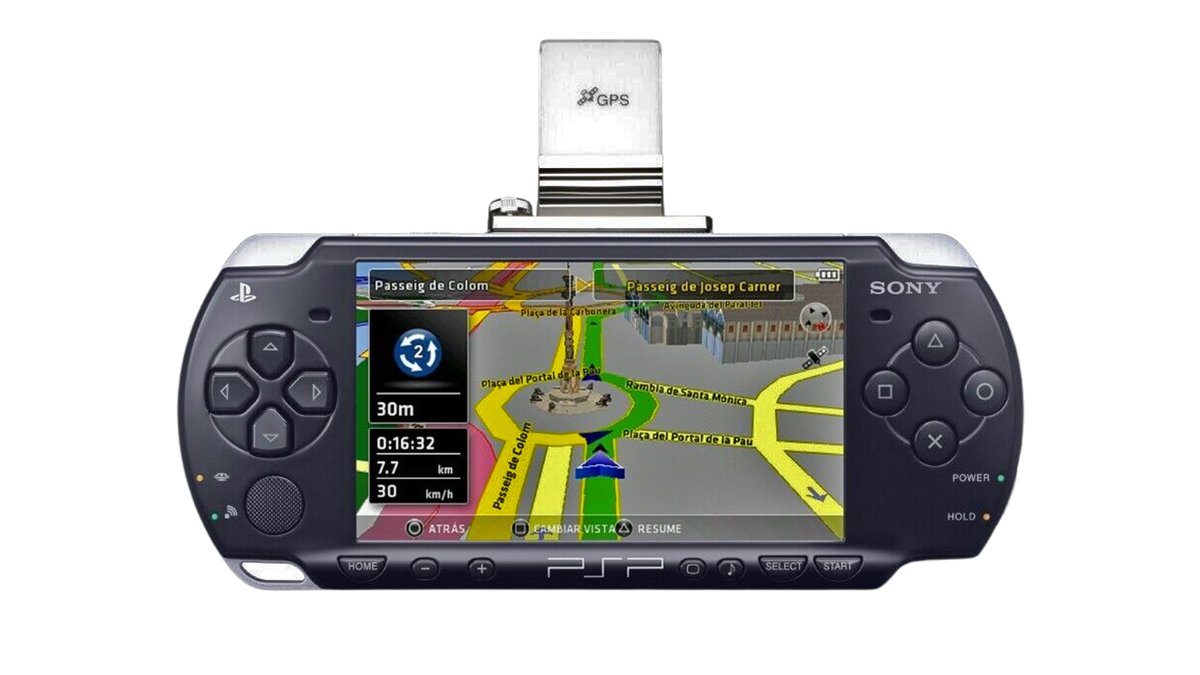
And then came another major turning point. Smartphones became increasingly powerful and gradually received their own GPS modules. With the advent of the iPhone and then Android phones, navigation moved directly to mobile phones. Applications such as Google Maps or later Waze started offering online maps, real-time traffic information, and regular updates. Pro experiments like Sony's PSP suddenly became obsolete. Nevertheless, the PSP 290 Go is Explore It remains a fascinating technological experiment to this day. It shows a time when manufacturers were looking for new ways to use devices and were not afraid to combine the world of games with practical functions from real life. It is also a reminder of how quickly technology develops. What was an interesting innovation twenty years ago can be handled by any ordinary smartphone today.one device without any accessories. Interestingly, the module still works today. If you have maps saved and a working PSP, you can still use the console as a navigation device. Of course, in the age of modern mobile applications, this no longer makes much sense, but as a technological curiosity, it is a beautiful example of a time when manufacturers were not afraid to experiment and try things that seem almost unbelievable today.