Elon Musk is without any exaggeration one of the greatest visionaries of our time and what is most important, he is often able to transform his visions into tangible results. The world could experience this in another really interesting version relatively soon, through highly accessible, but above all fast internet from satellites directly to mobile phones. This is exactly the direction that Starlink Mobile is now heading in with its new generation of satellites.
You might be interested in
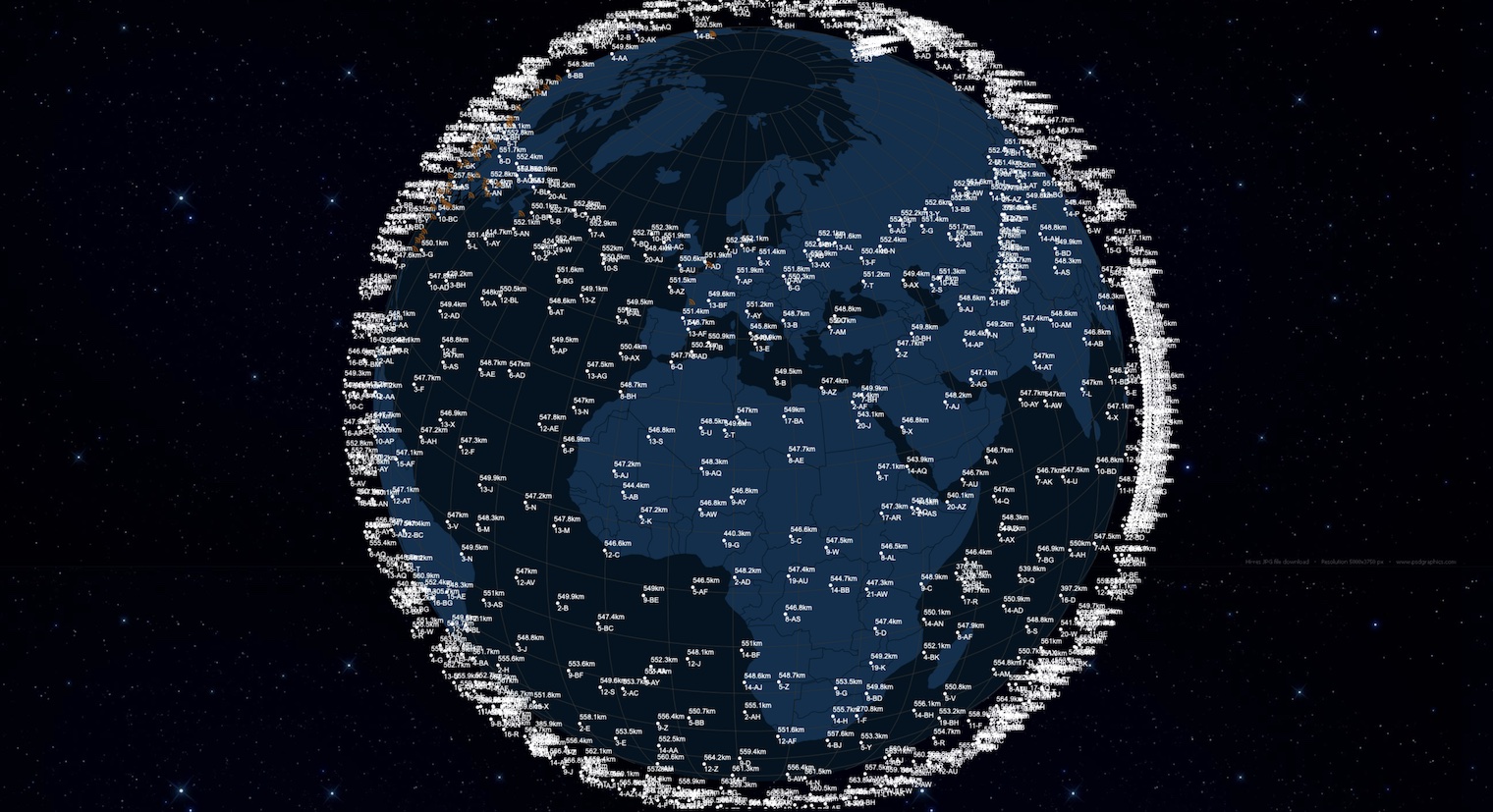
The project is of course being led by SpaceX, or rather its Starlink network, which already covers a large part of the planet with satellite internet, which is also available within T-Mobile in the USA. The previous generation of V1 satellites has done a huge job, but the company's ambitions go further. According to available information, the new generation V2 is expected to offer up to a hundred times higher data density than V, which is an acceleration that could fundamentally change how we perceive mobile connections.
If you're wondering what the "technical" implications of this are, the answer is relatively simple. Starlink will get much more data transmission capacity into the same "space" in orbit, which will ultimately support more people, more devices, and higher speeds without the network choking under heavy load. Capacity has been one of the main limitations of satellite internet, especially if it's intended to work directly for mobile phones without special antennas.
Gallery
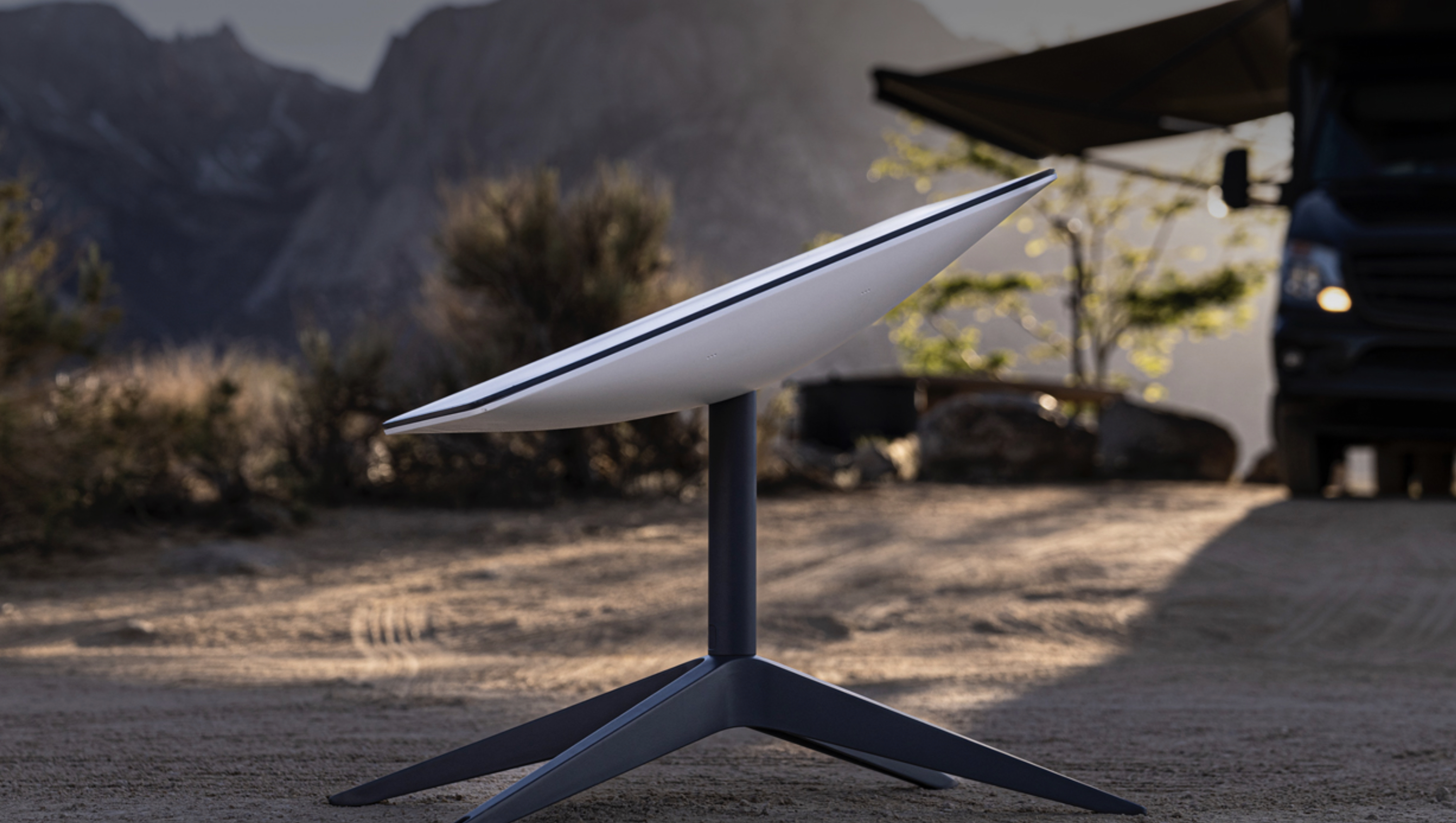


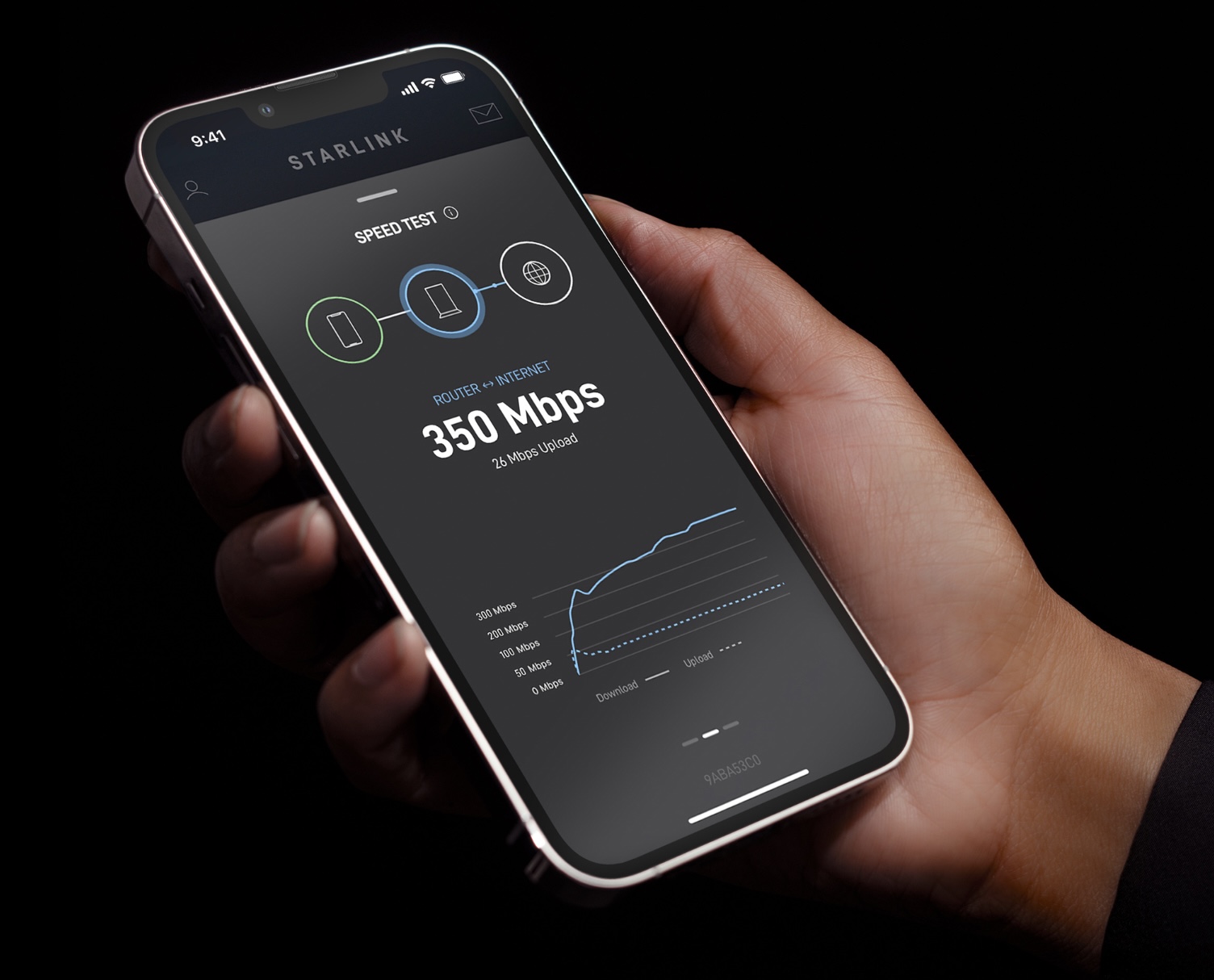
V2 satellites are supposed to be able to offer users a classic mobile experience. Video streaming, regular web browsing, using more demanding applications and voice calls should therefore work just as smoothly as when you are connected to a regular terrestrial 5G network. From a user's point of view, we should not expect any compromises such as "emergency SMS from the mountains", but a full-fledged connection that simply switches to satellite when the operator's signal drops. And for me personally, that is an argument that can convince. A stable 5G connection is still not a given, which I encounter, for example, when traveling by train from Brno to Prague. So if Starlink could completely solve this problem, I would have no problem starting to use it instead of the existing mobile data from the operator.
It is precisely the perception of the "space internet" as a supplement to the services of operators that is important. According to available information, Starlink Mobile does not want to replace classic operators, but to supplement them where their infrastructure ends. In practice, this means deserts, oceans, mountains, but also less covered regions where the construction of transmitters does not make economic sense due to lower population. Moreover, if it is actually possible to achieve 5G speeds from orbit, this could become a relatively significant competitive advantage.
You might be interested in
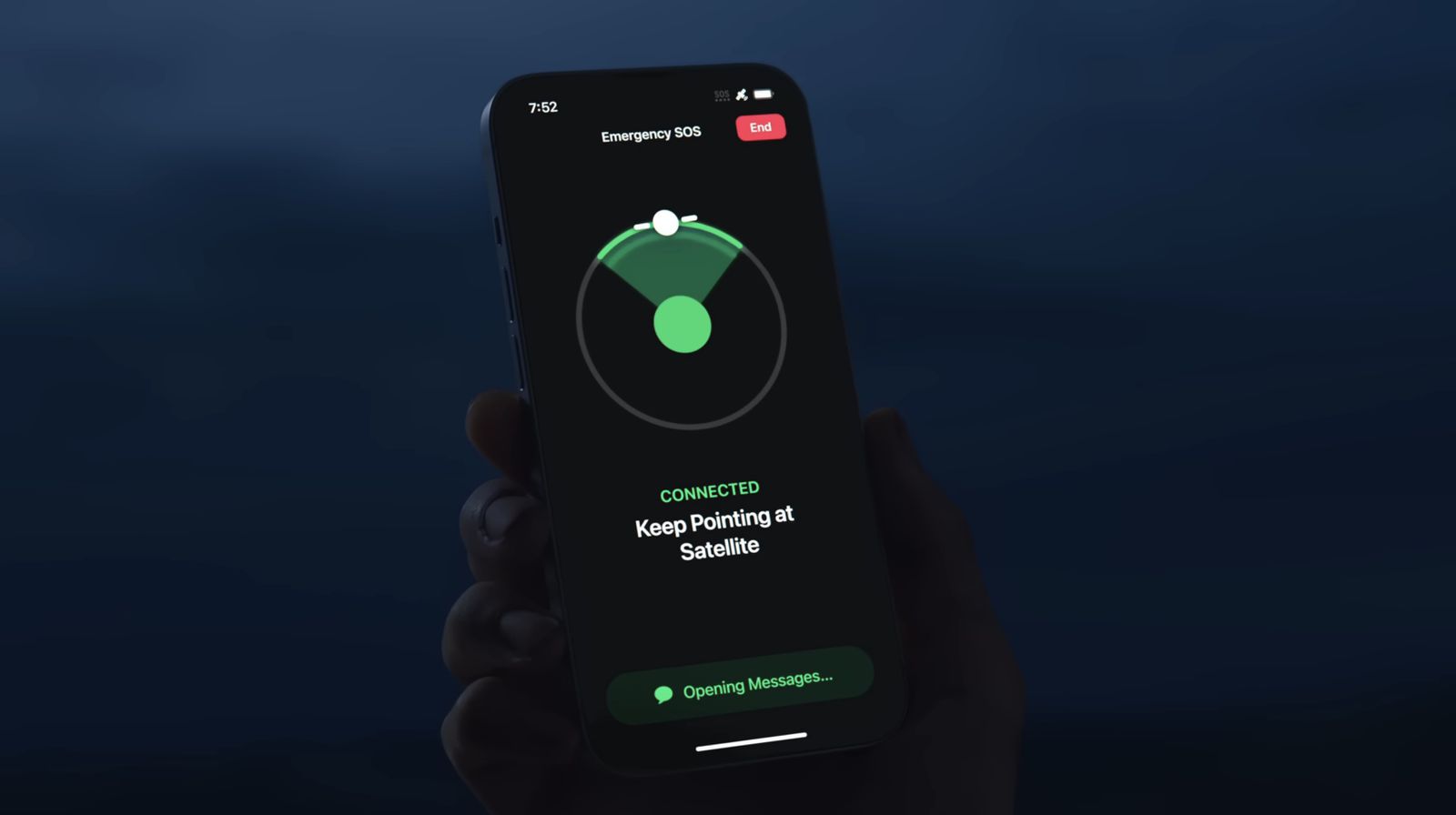
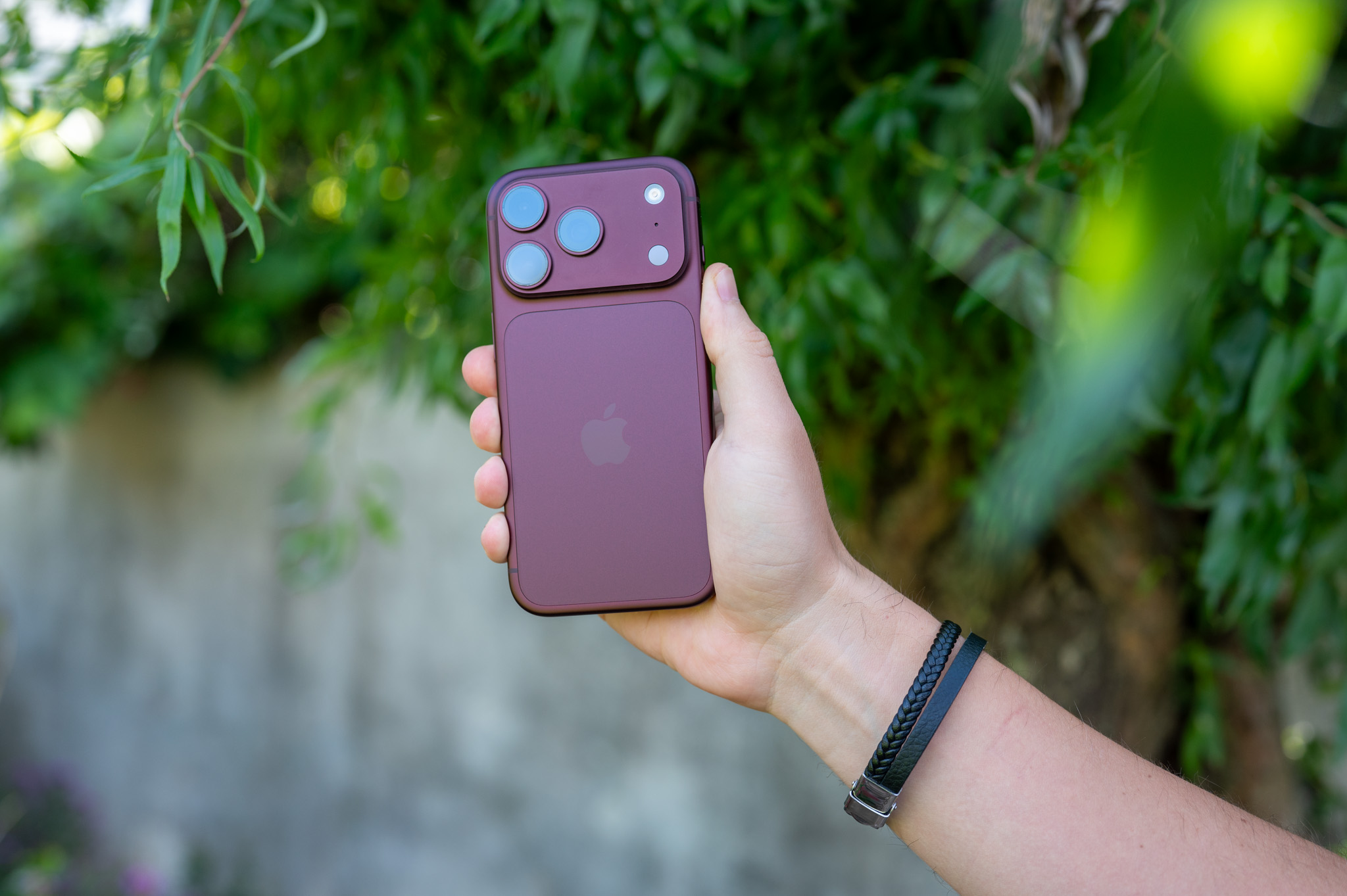
From a technological point of view, it is also interesting that the new satellites are to be significantly more powerful and better prepared for mass use directly by ordinary smartphones. This is not a solution for a select few with an expensive terminal, but an ambition to bring satellite access closer tooneactivity to anyone with a compatible phone, which is quite interesting news for fans as well Apple products. According to many leaks, it is supposed to be one of the main improvements of the iPhones 18 Pro improved satellite communicationoneactivity, thanks to which Apple's new products could be seamlessly connected to the Starlink solution. Whether this will happen or not, however, will only be seen in the fall.