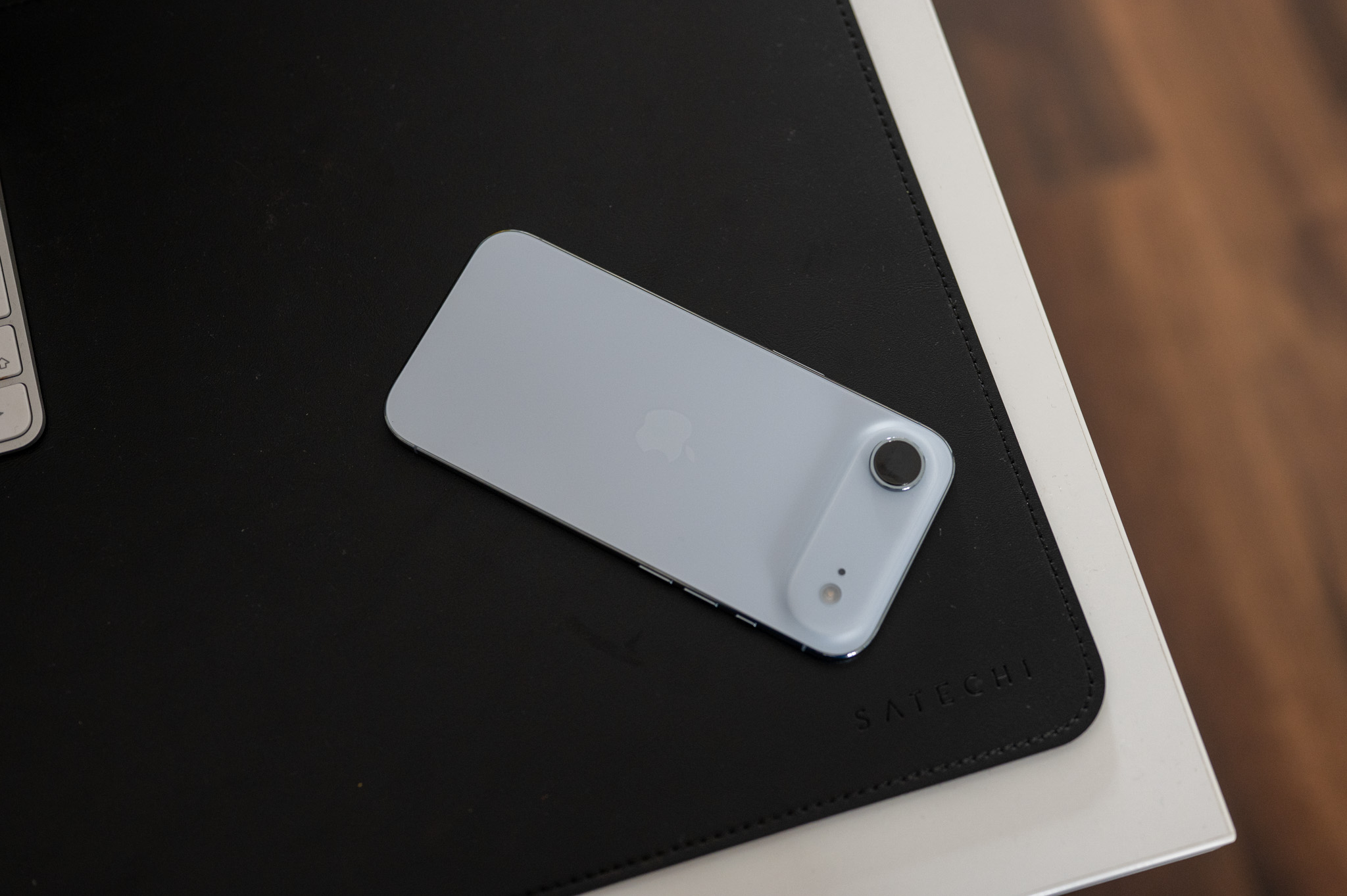
Do you think you are in touch with the recently introduced iPhones? Air and 17 (Pro) have seen absolutely everything? Then we will convince you otherwise. Repair experts from iFixit have now shed light on one of the most interesting details of the iPhone Air, and on its 3D-printed USB-C portAlthough its existence has been known since the phone was introduced, it hasn't received much attention until now. And that's a shame.
You might be interested in

Upon closer inspection, iFixit noticed a surface inside the USB-C module that was at first glance unusual for 3D printing. It resembles a fine chain pattern that even people who have been 3D printing metals for years couldn't immediately place. This ultimately denied earlier speculation that Apple u USB-C portInstead, iFixit came across a technique described in medical research about six years ago that used pulsed laser ablation to create extremely fine 10–50 µm structures on titanium surfaces. The research was focused on antibacterial properties for use in implants. For the iPhone Air Of course, don't expect these capabilities, but the basic manufacturing process seems to be identical.


This process has several advantages: it does not overheat the surrounding material, so there is no risk of deformation or discoloration, it is significantly more energy efficient, and minireduces the amount of waste. In terms of accuracy and efficiency, it gives Applu clear sense. It is just worth emphasizing that, although it seems like it at first glance, this technology does not advance the repairability of the device in any way. In other words, this is really not 3D printing that could be replicated at home on a regular printer.
Gallery


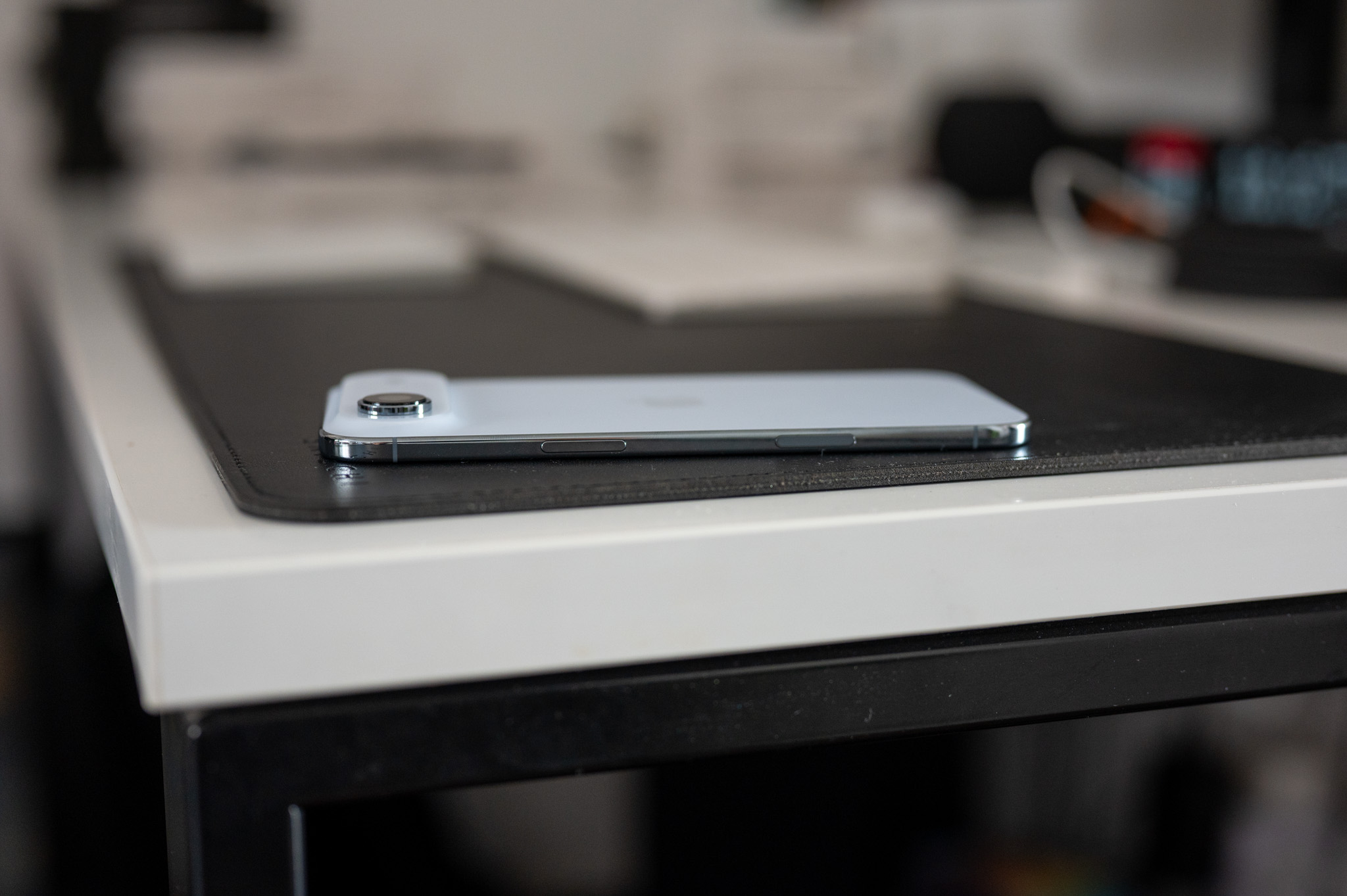



iFixit also touched on the popular phrase “aerospace grade” titanium in its analysis. While that sounds fancy, it’s not an official material category. In practice, it just means that Apple uses high-quality titanium alloyed to aerospace standards, nothing more, nothing less. Yet the whole analysis shows one thing very clearly. Apple is gradually moving 3D metal printing from the experimental fringes to mass production. And while it doesn't yet mean a revolution for service technicians, it's another small piece of evidence that manufacturing processes Applu are starting to become as fascinating as the devices themselves.