With the rise of home automation, smart lighting has become an essential element for creating ambiance, enhancing security and improving energy efficiency. Whether you’re looking to upgrade your existing lighting system or starting a new one, choosing the right smart lighting can be a daunting task. This guide will walk you through the key considerations, with a special focus on the user. Apple and how to make the most of system-compatible lighting HomeKit.
You might be interested in
What is smart lighting?
Smart lighting is the designation for a system of light bulbs, switches and lights that can be controlled remotely using a smartphone, tablet or voice assistant. These systems offer functions such as dimming, color changing, scheduling and integration with other smart home devices. To users of the products Apple provides smart lighting compatible with HomeKitseamless integration with Siri, applications Home and automation through the ecosystem Apple.
Key factors to consider when choosing smart lighting
Compatibility with Apple HomeKit
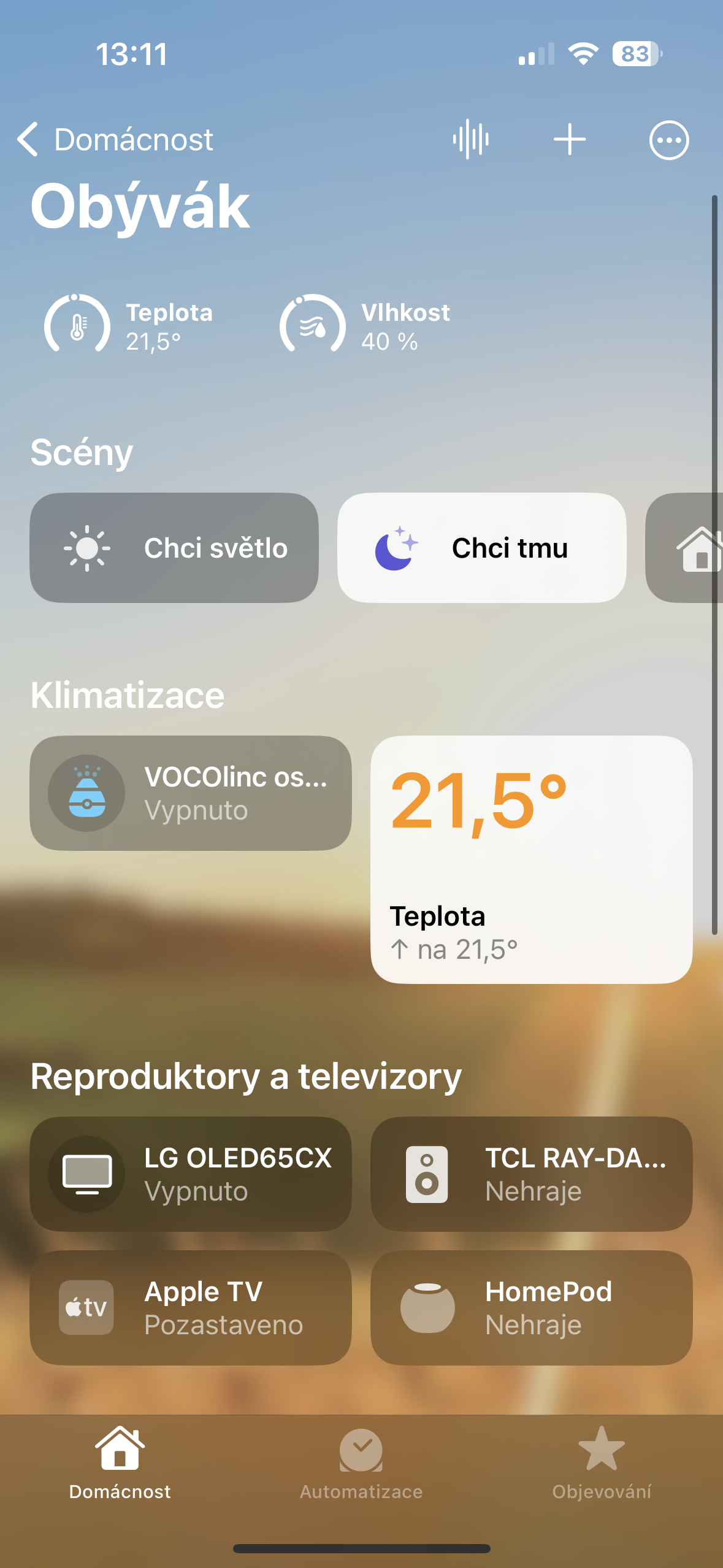
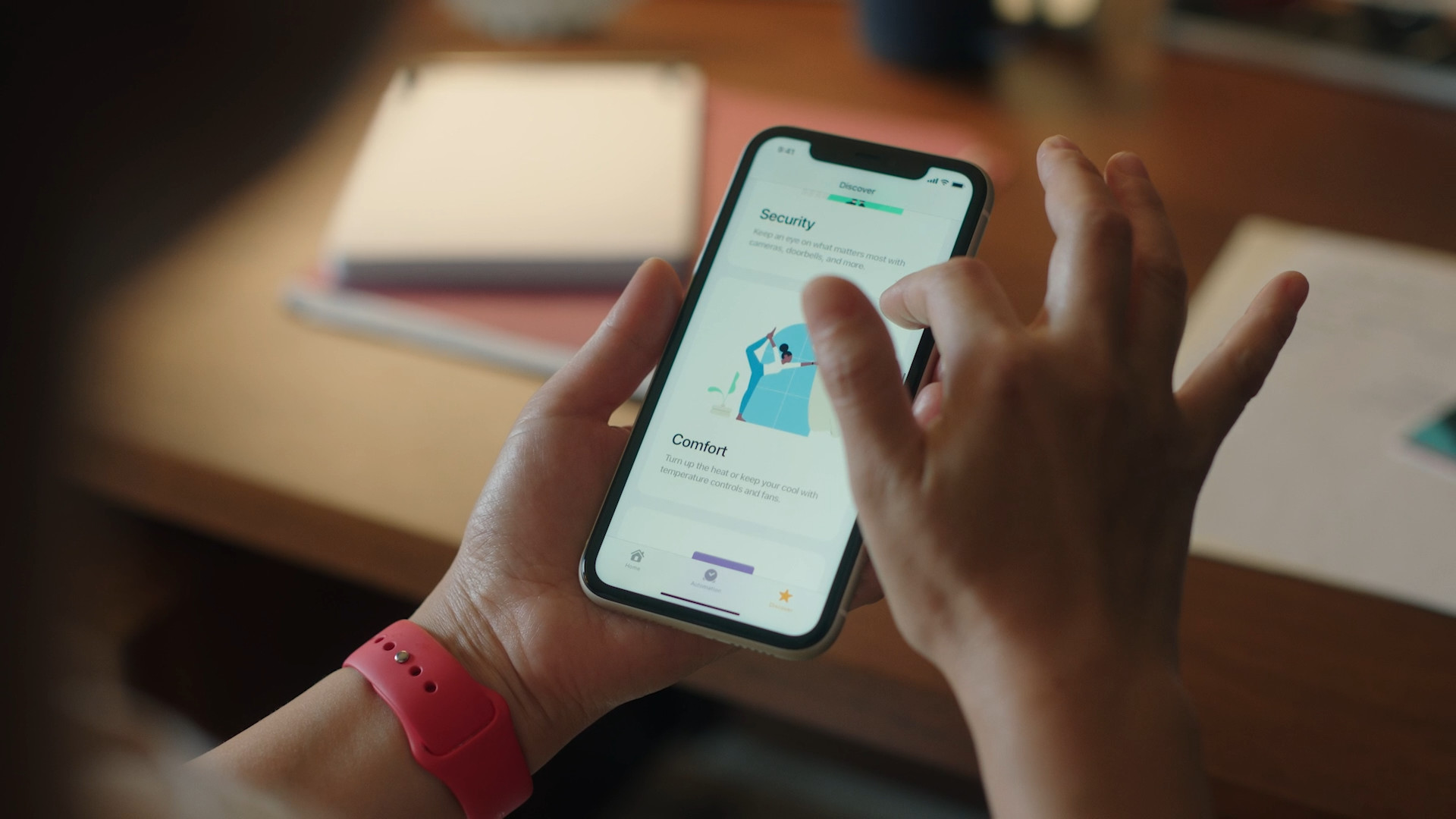
If you are a system user Apple, it is key to ensure that your smart lighting is compatible with the system HomeKit. Integration with HomeKitem lets you control your lights using voice commands Siri, create automation routines and manage everything from the app Apple HomeLook for products that are labeled "Works with" Apple HomeKit.
A type of smart lighting
- There are different types of smart lighting available, each serving different needs:
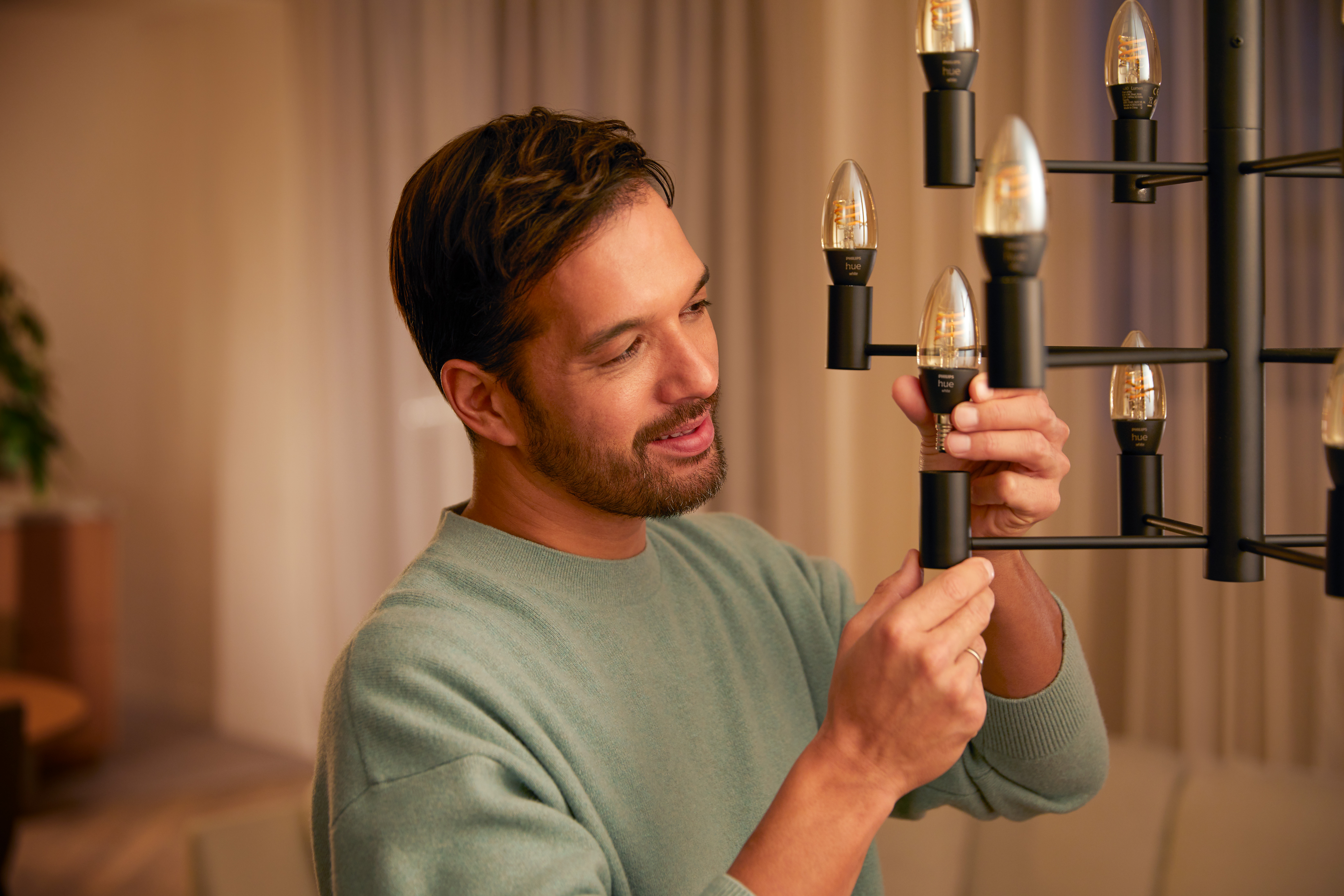
- Smart light bulbs – They are easy to install and available in a variety of colors and brightness levels.
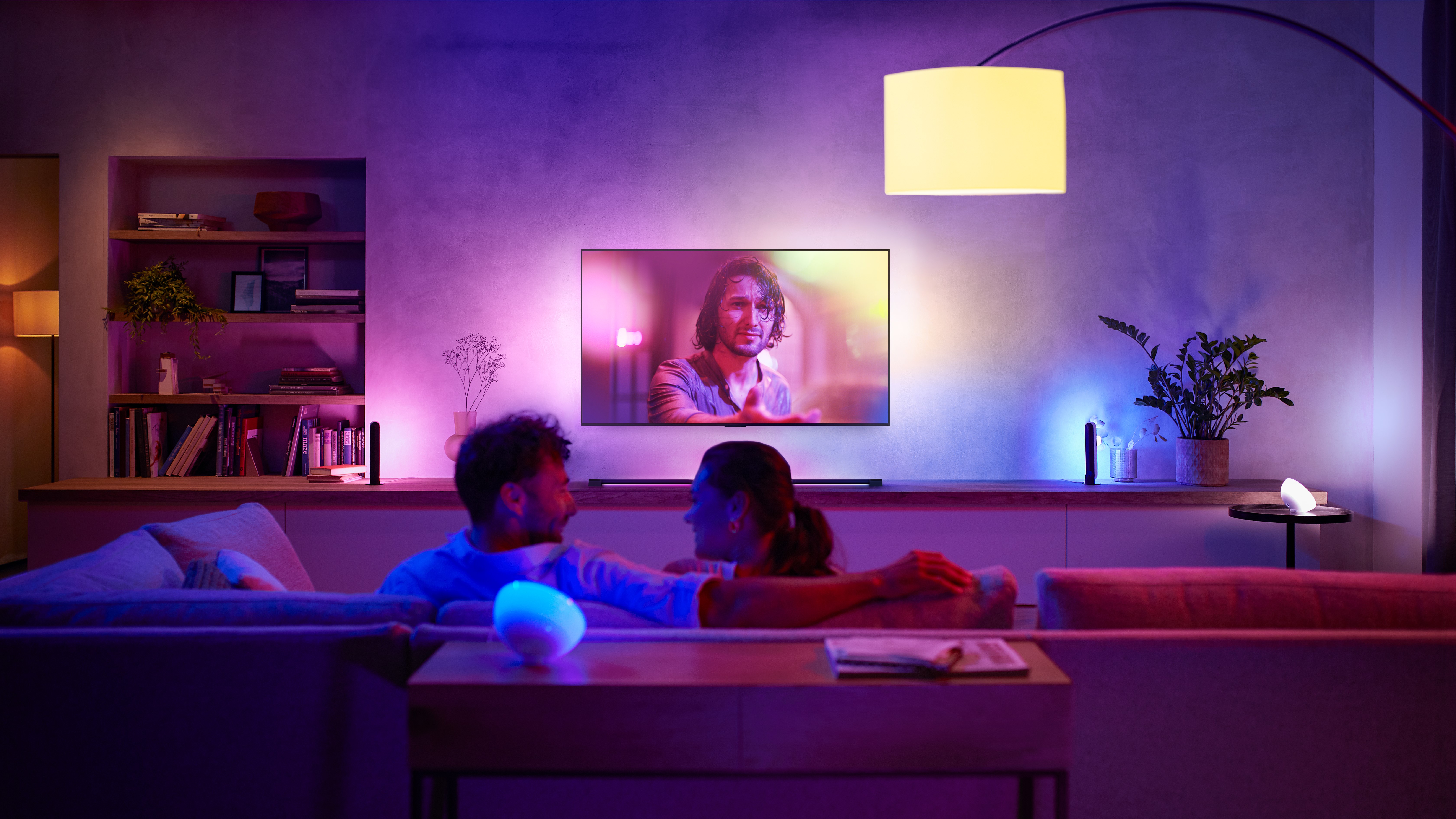
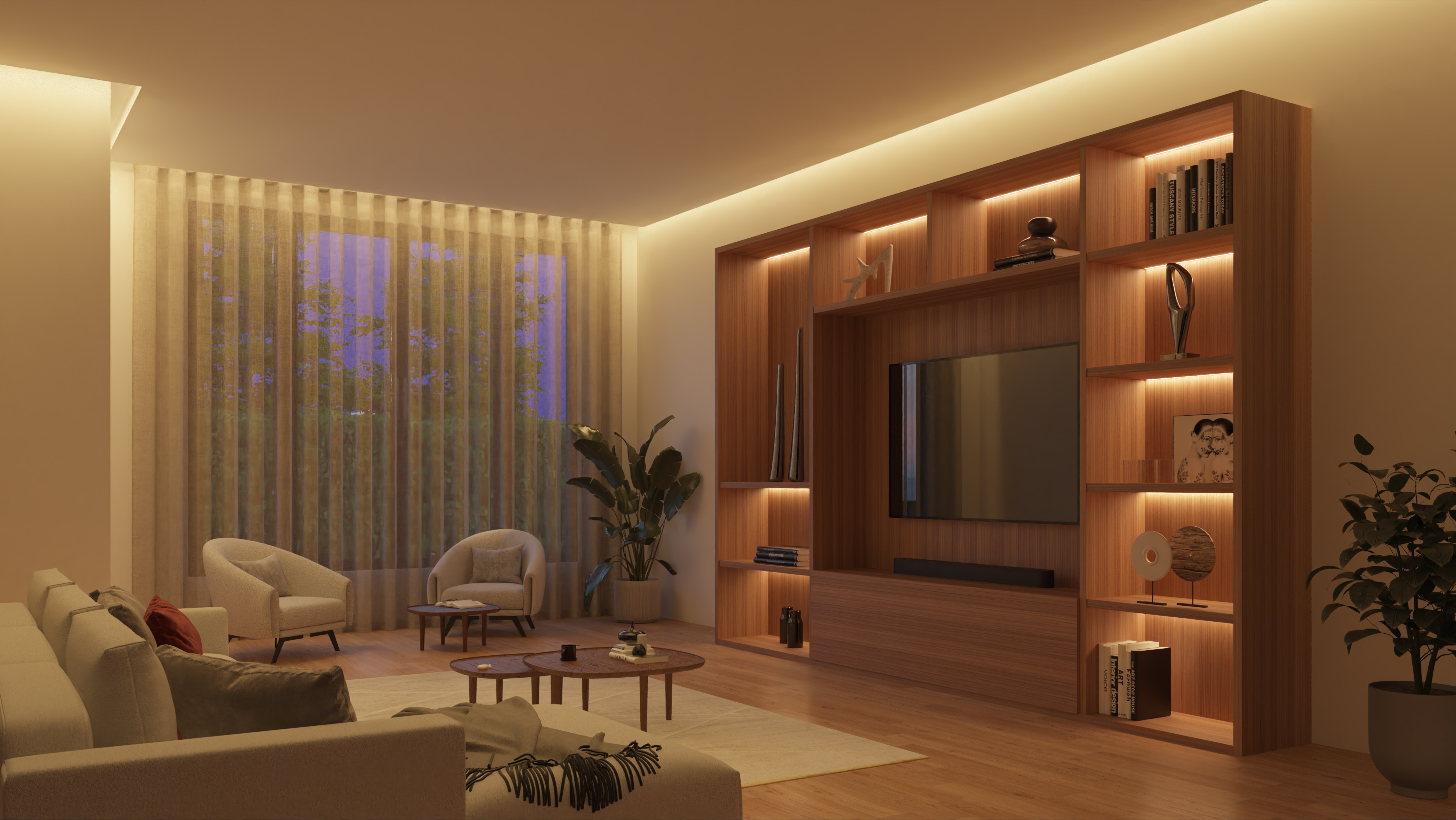
- Smart light strips – Ideal for accent lighting behind furniture, under cabinets or around TVs.
- Smart switches and dimmers – replace traditional switches and enable intelligent control of existing lights.
- Smart outdoor lighting - Adds safety and atmosphere to gardens and terraces.
Connection options
Smart lighting can be connected to the network in different ways:
- Wi-Fi - Connects directly to your home network, but can cause congestion if multiple devices are in use.
- Bluetooth – Does not require a hub but has limited range.
- Zigbee or Thread (via a hub) – a more reliable and efficient option, commonly used by brands like Philips Hue.
- Protokol Matter – A new universal standard designed for better interoperability between smart home devices, including Apple HomeKit.
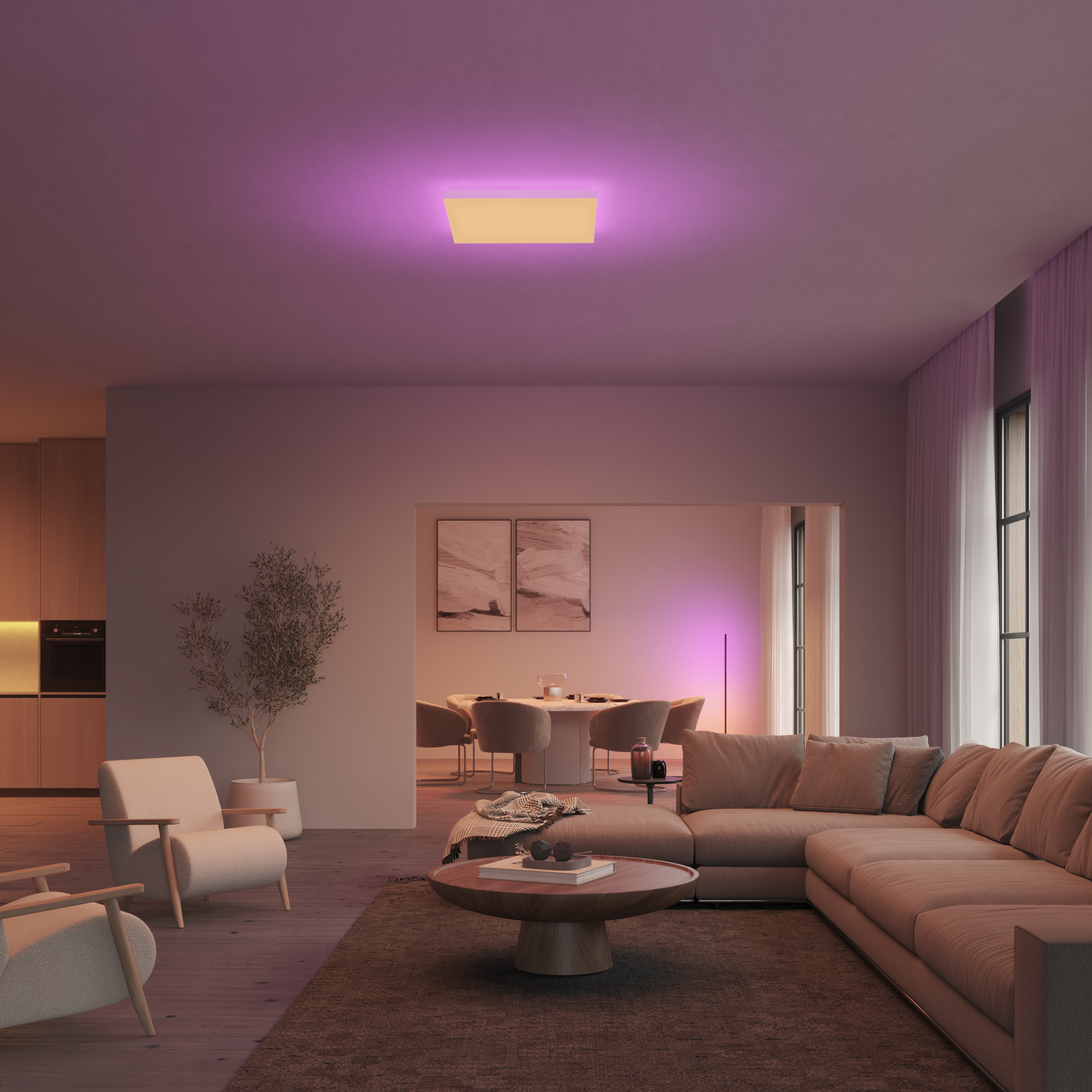
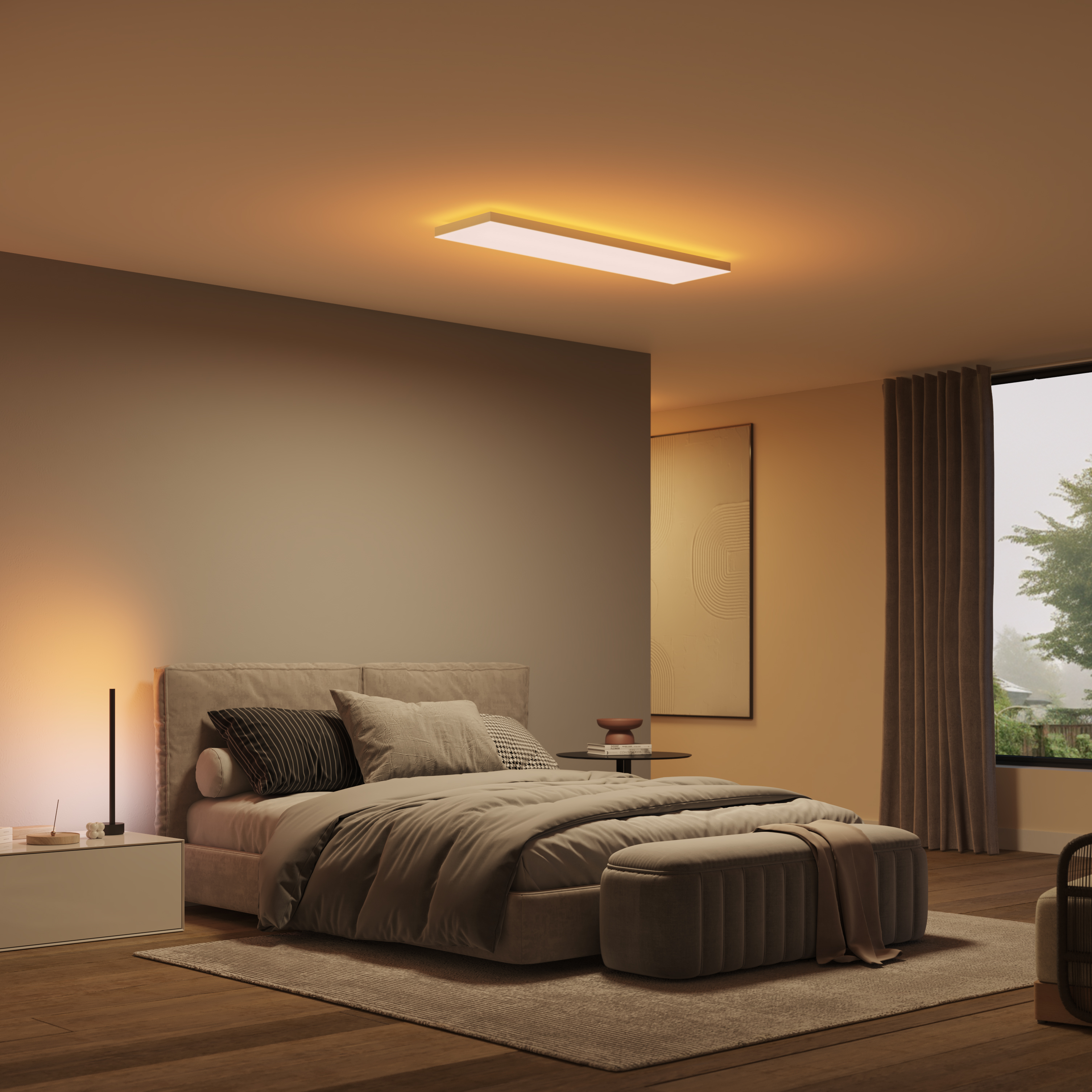
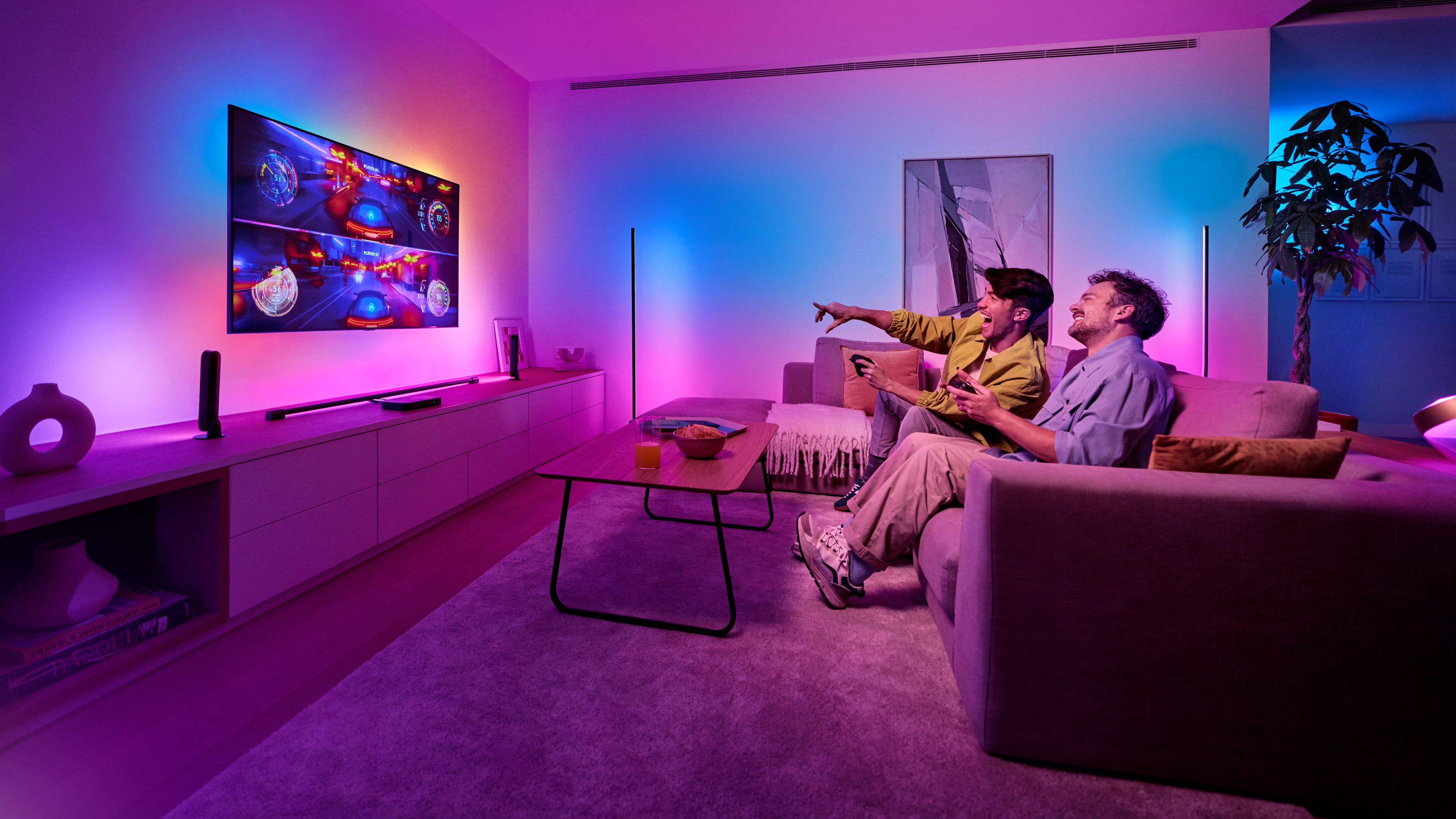
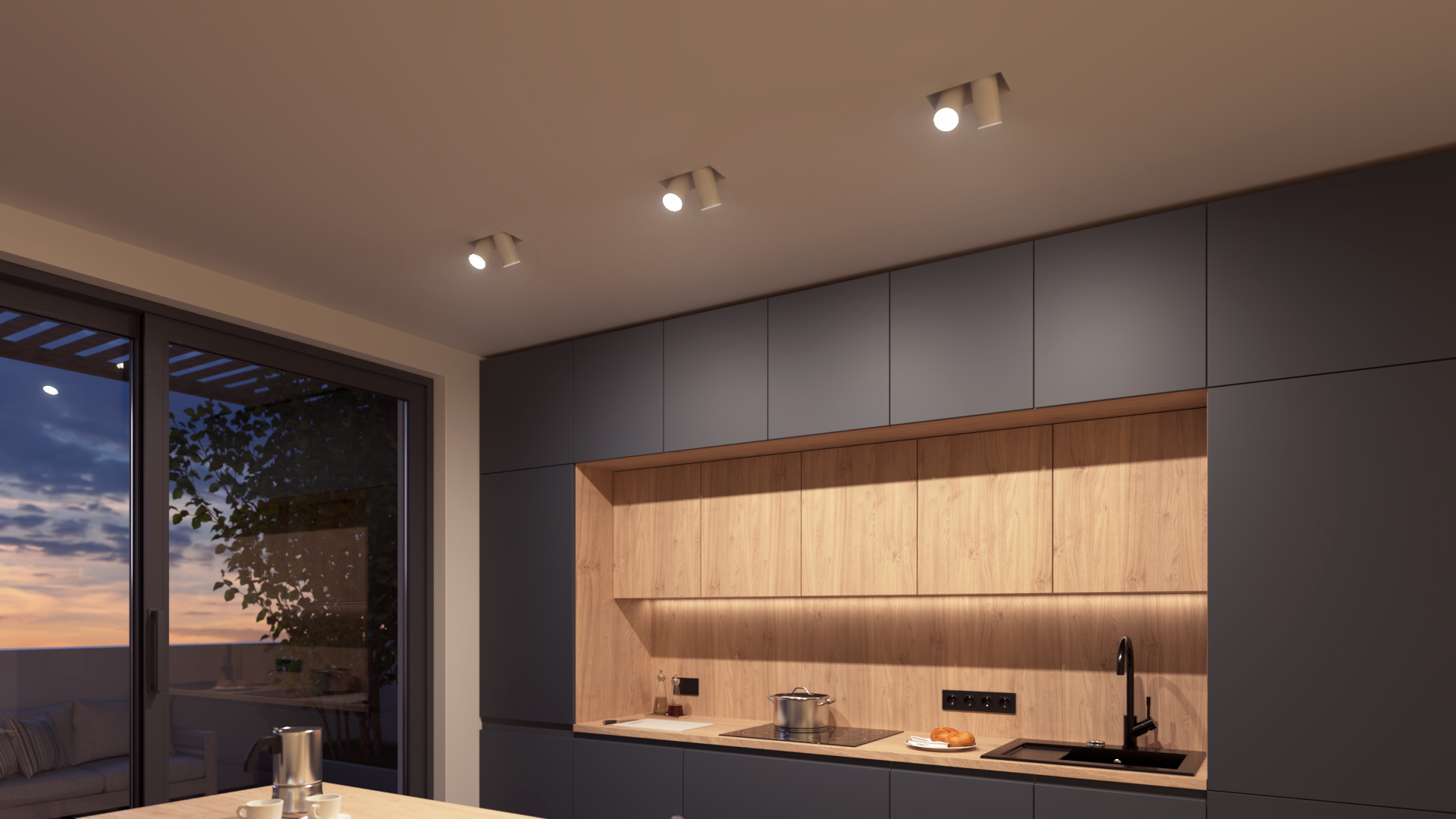
Gallery
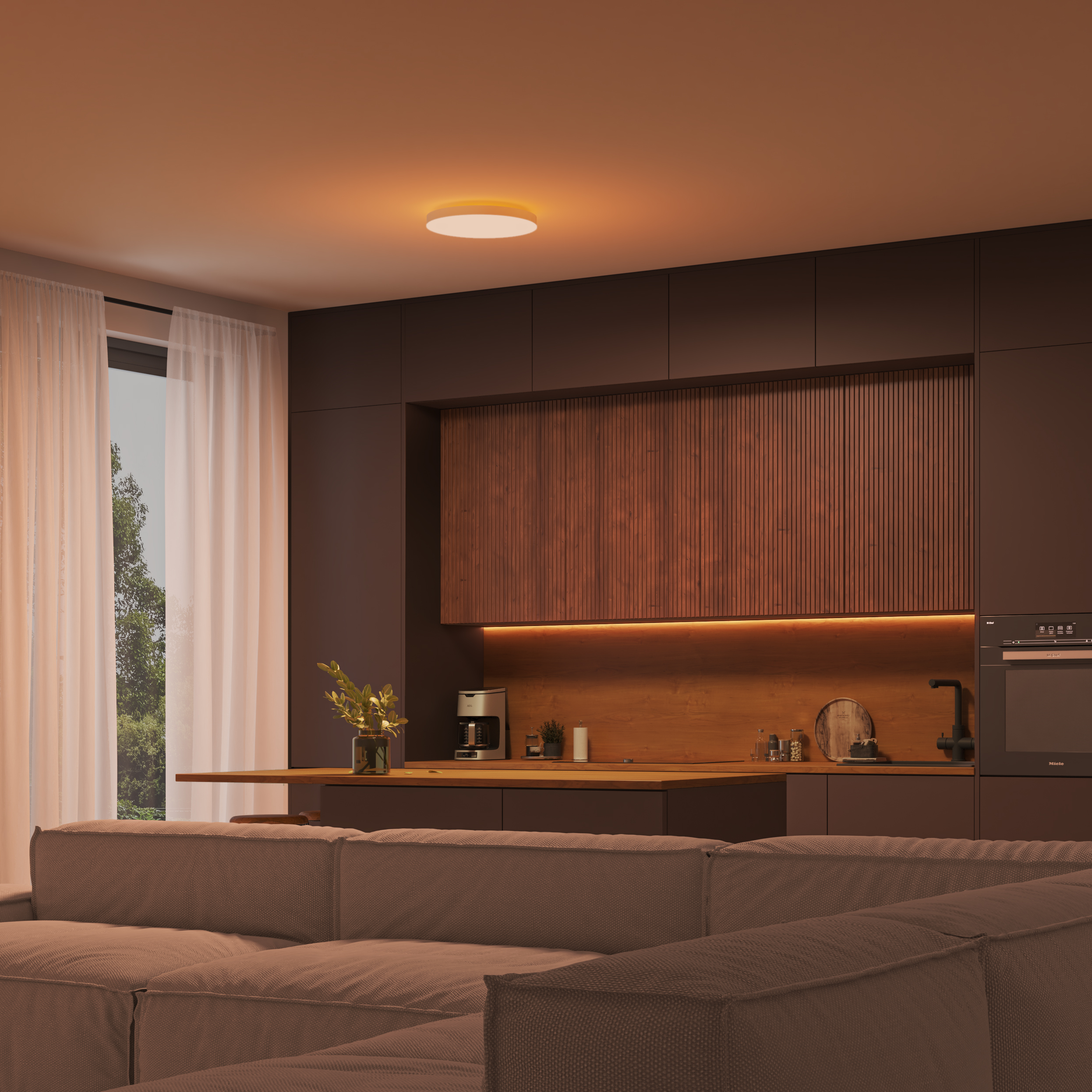
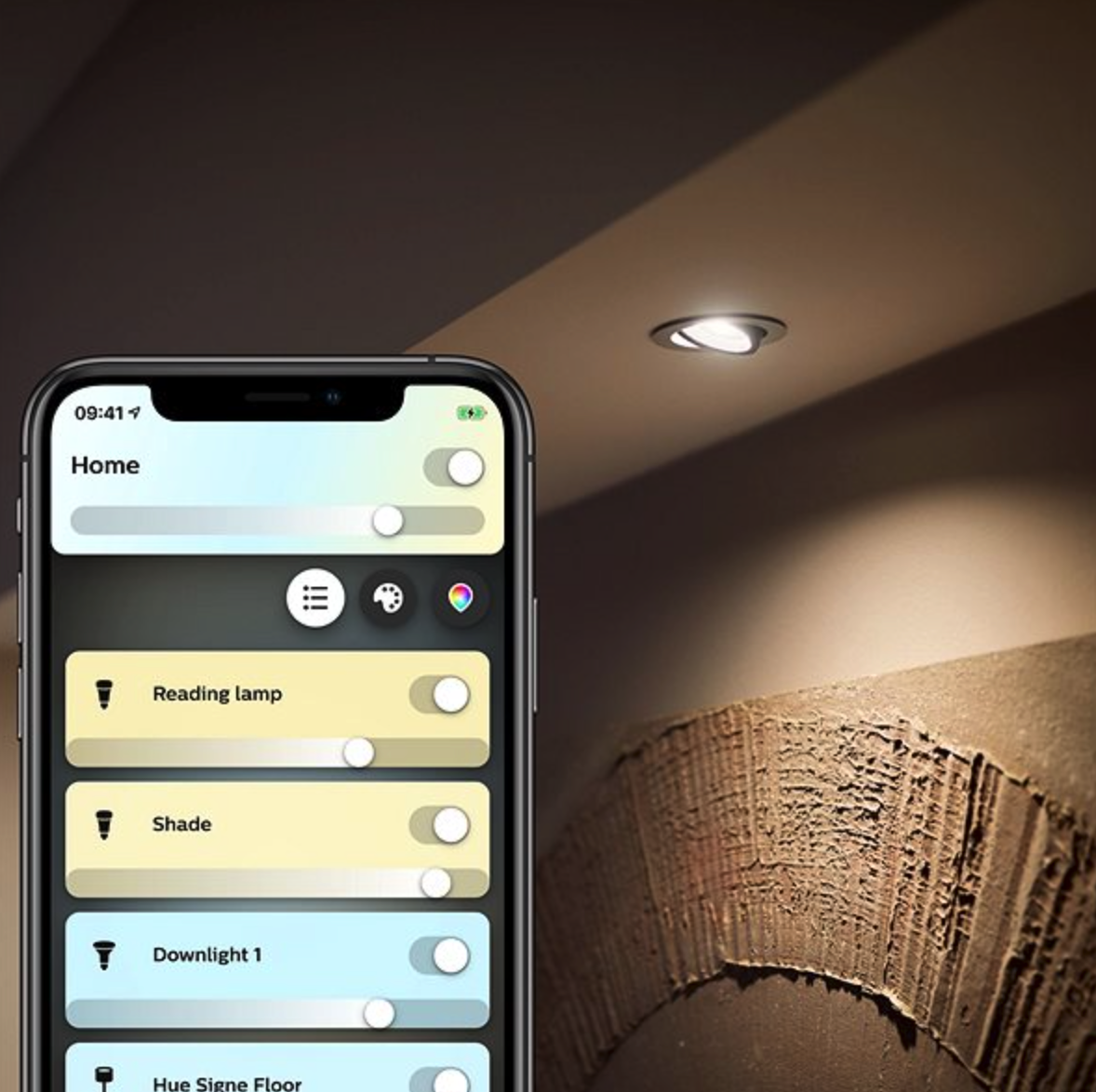
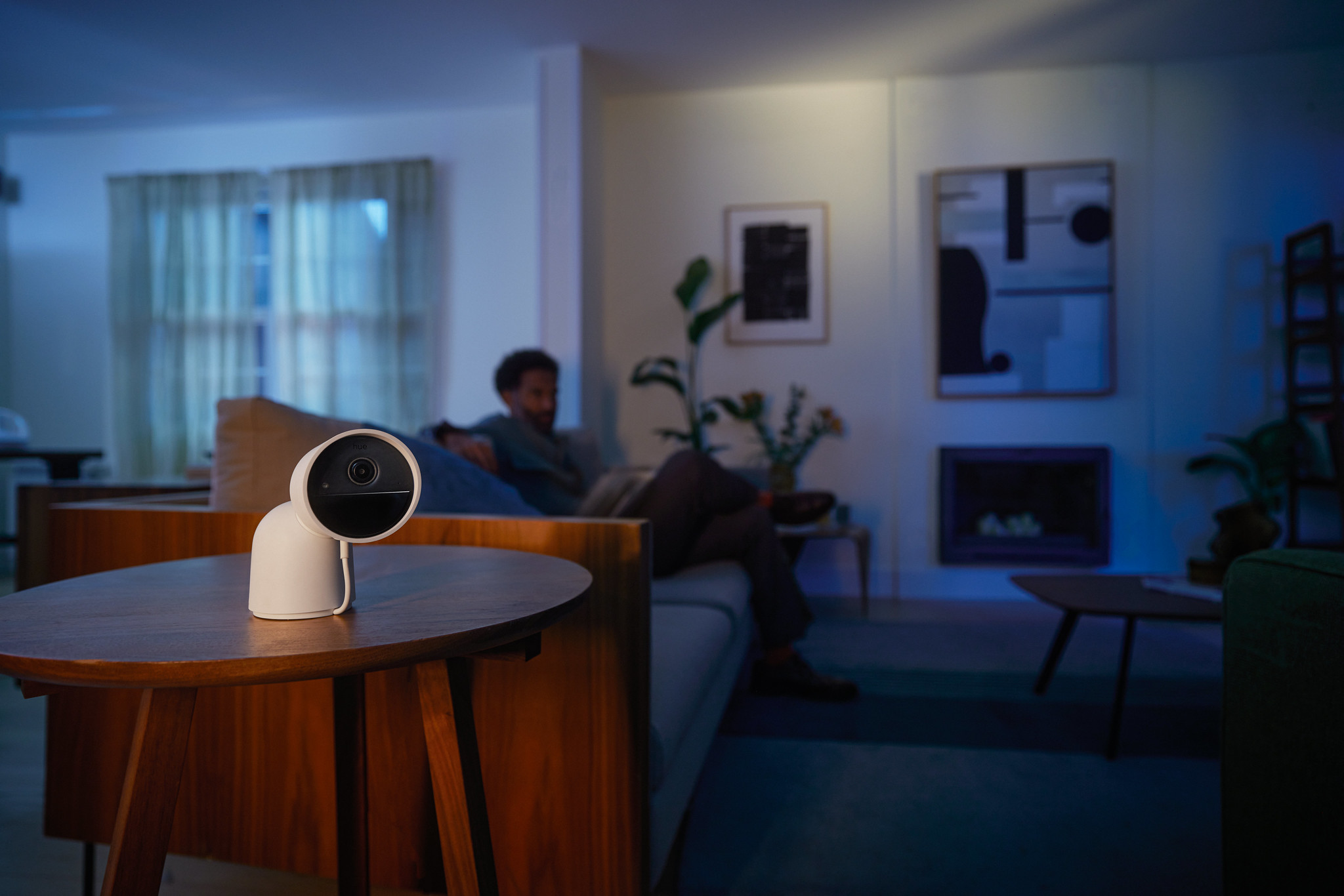
Automation and smart functions
Apple HomeKit allows you to set up automation for convenience and security, such as
- Scheduling – Turning lights on/off at specific times.
- Geofencing – Automatically turn on the lights when you get home.
- Scenes – Set custom lighting moods for different activities.
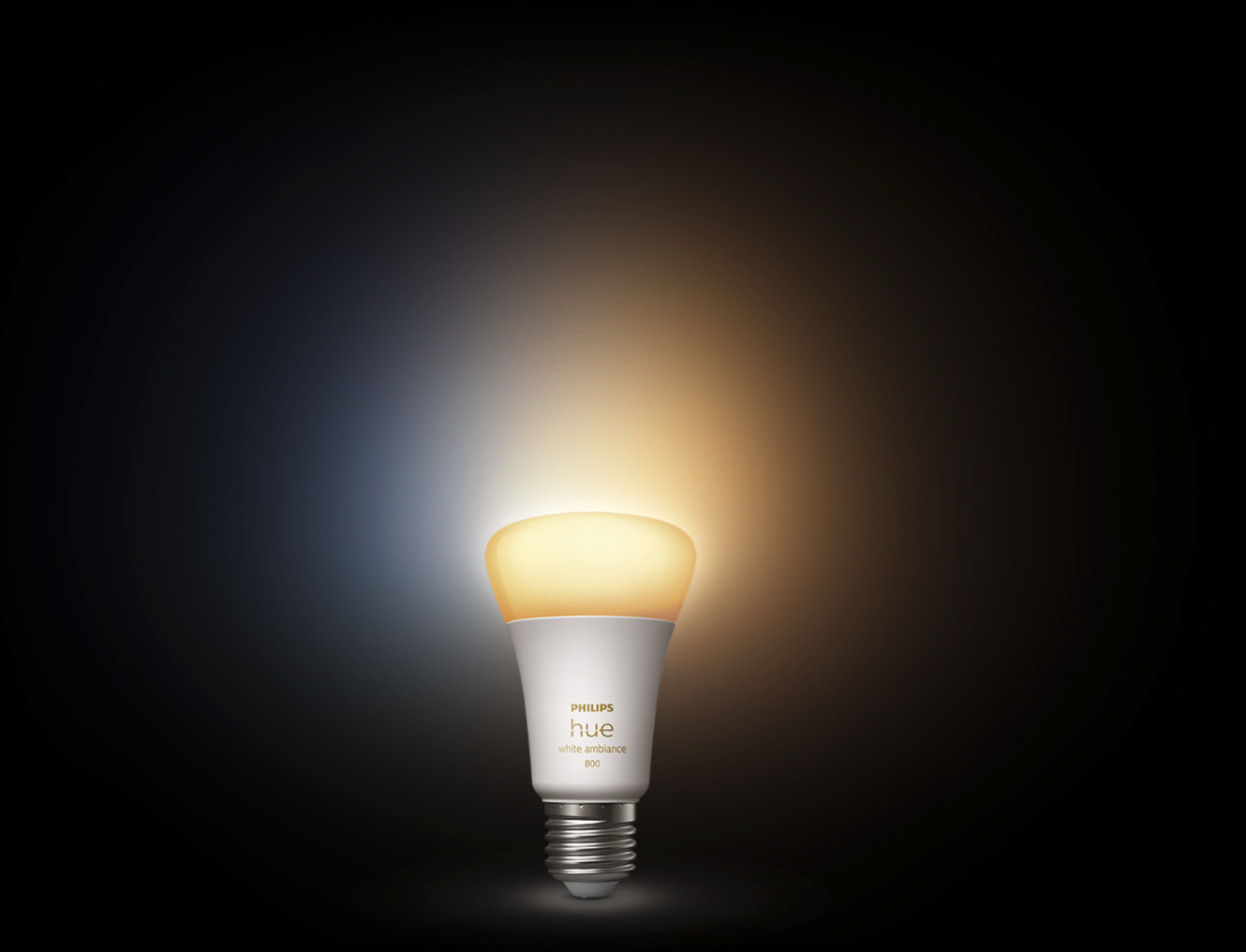
- Adaptive Lighting – Automatically adjusts color temperature based on the time of day (feature) HomeKit supported by selected brands, such as Philips Hue).
Choosing the right smart lighting system depends on your needs, budget, and existing ecosystem. Pro user Apple is the lighting compatible with HomeKitWe guarantee the best user experience through seamless integration, automation and voice control. Brands like Philips Hue or Nanoleaf offer reliable and feature-rich options for creating the perfect smart home lighting. When you consider factors like theoneWith smart features, automation features, and expandability, you can invest in a lighting setup that will improve the ambiance, safety, and efficiency of your home—all while syncing with your ecosystem. Apple.