
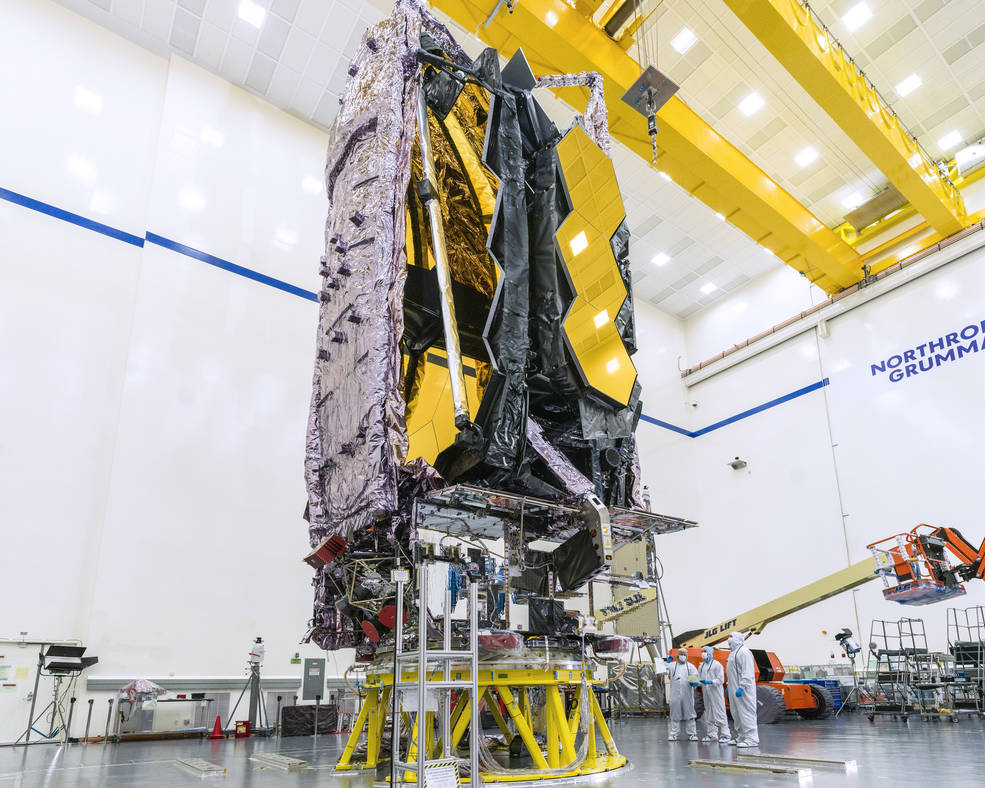
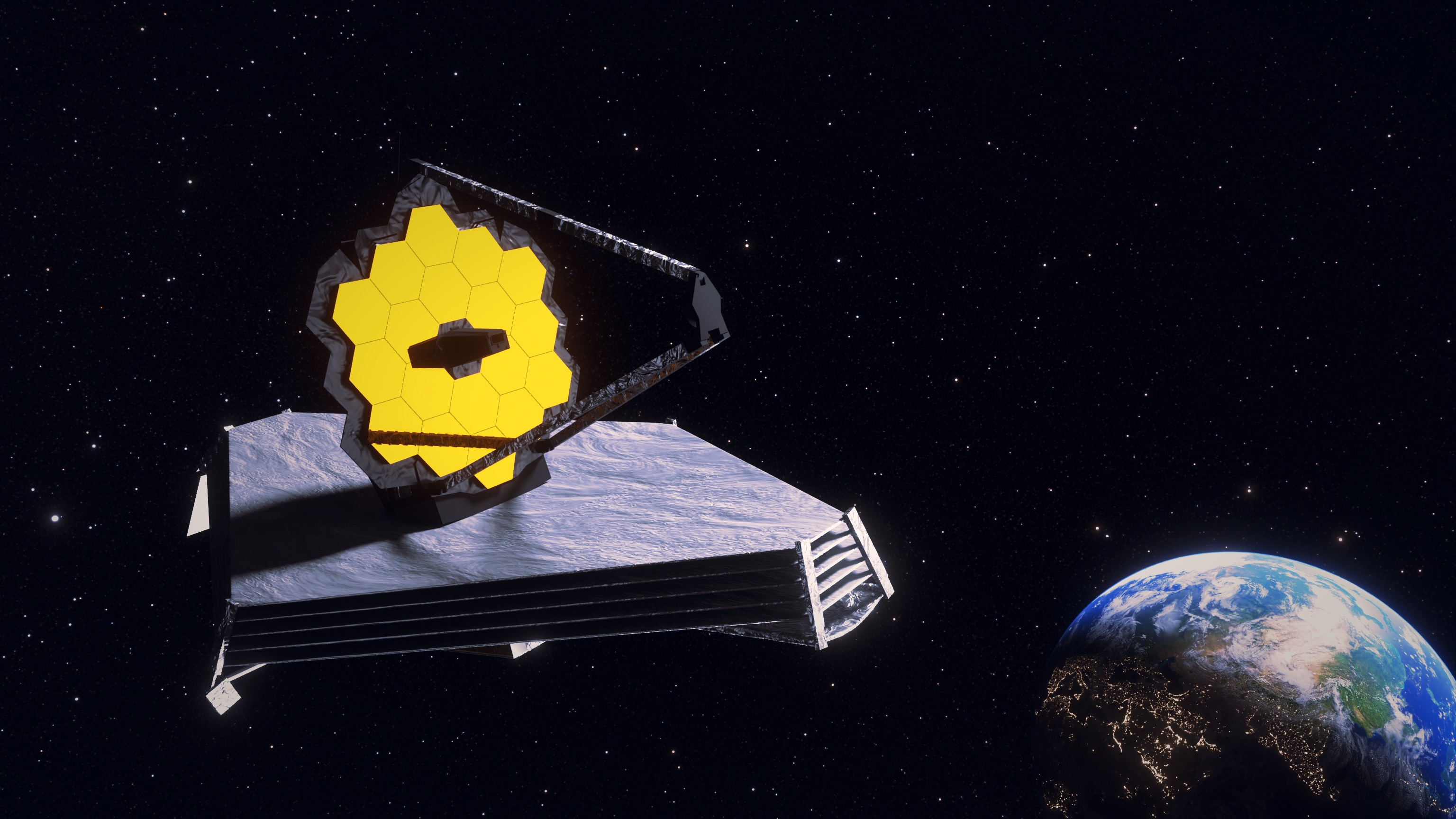
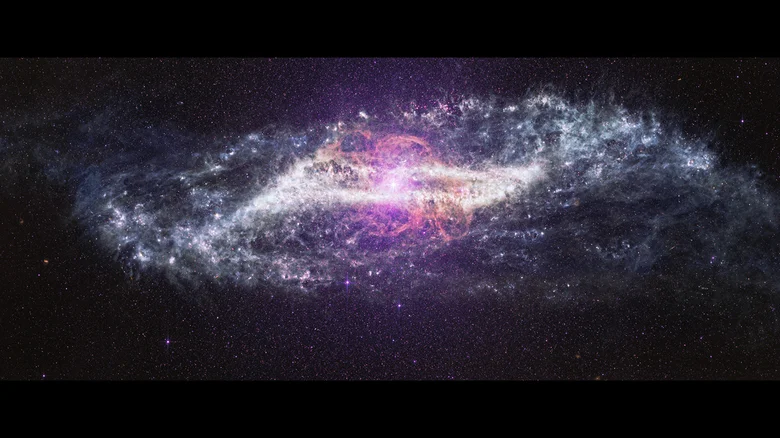
Thanks to the collaboration of NASA, the European Space Agency and the Canadian Space Agency, the James Webb Space Telescope, known as JWST, was launched in 2021. During its operation, it has enabled many new observations and discoveries. Interestingly, however, 6 of the oldest and most massive galaxies that the breakthrough telescope has seen so far appear to be larger and more advanced than they should be given their position in the universe, scientists have warned. The new information follows previous research in which scientists say that although the galaxies in question originate from the very beginning of the universe, they are roughly as advanced as our Milky Way. Now, new work by Professor Boylan-Kolchin has appeared, confirming these conclusions. Profesor's article titled Stress testing ΛCDM with high-redshift galaxy candidates was published this week in the journal Nature Astronomy and uses new techniques to shed light on how galaxies formed.
You might be interested in
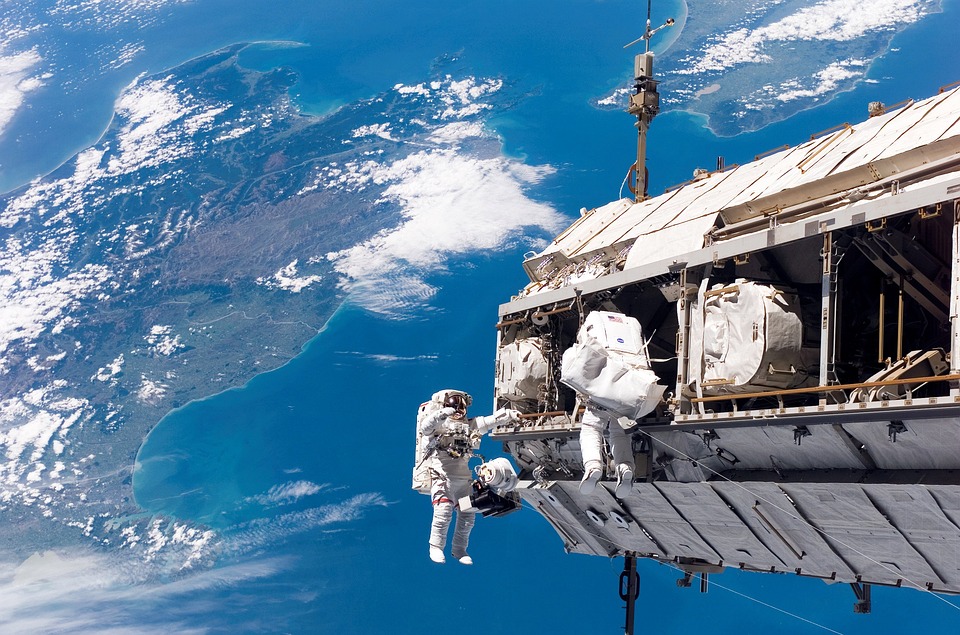
New information suggests that unless scientists are mistaken, we may be missing some pretty crucial information about the universe. "It looks like we're in uncharted territory," said Mike Boylan-Kolchin of the University of Texas at Austin, who studies unusual galaxies. He commented that it may be necessary to come up with something completely new in terms of theories of the origin of the universe, adding: "One of the most extreme possibilities is that the universe expanded faster than we think shortly after the big bang", which would mean that new forces and particles must have entered, which we do not yet know.
Gallery
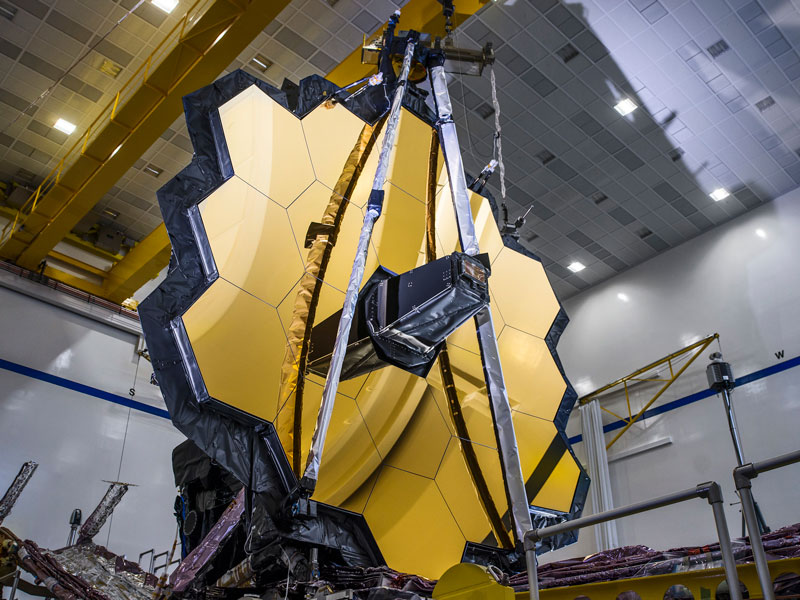
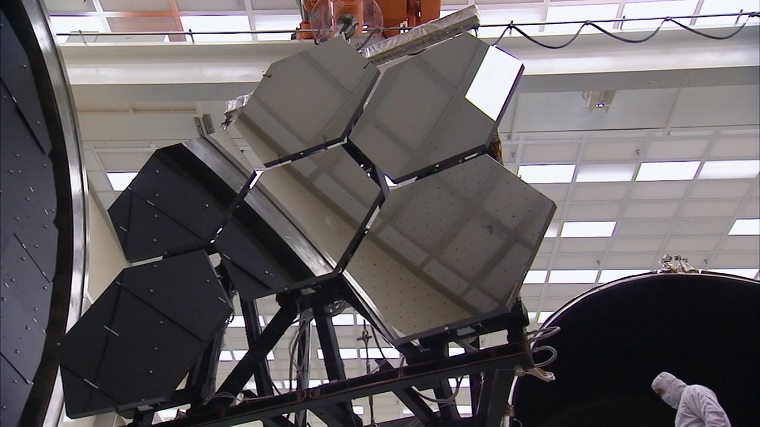
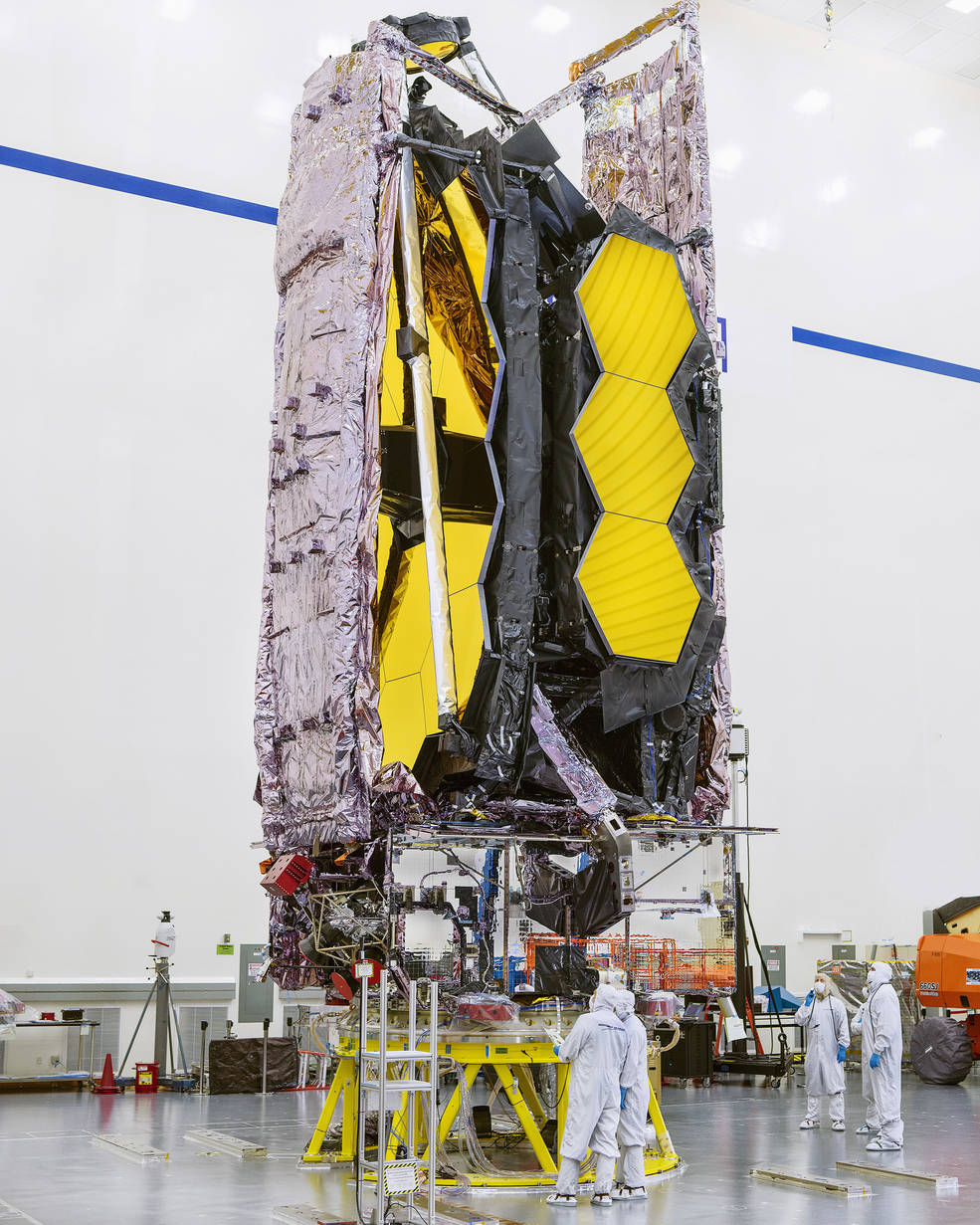
The article goes on to say that the JWST data presents scientists with a profound dilemma. The data suggest that something may be wrong with the dark energy and cold dark matter paradigm, or ΛCDM, the parameterization of the Big Bang cosmological model that holds that the universe is expanding and that cosmologists have been working with for decades.
This is because roughly 10% of the gas in galaxies is usually converted into stars. However, newly discovered galaxies would have to convert almost all of this gas into stars. This is theoretically possible, but at the same time such a development deviates significantly from what scientists would have ever expected.
Further observations should better clarify the age and mass of these new galaxies. Of course, there are also eventqualities that wouldonec could show that the observations are wrong and that, for example, galaxies are heating up supermassive black holes at their centers, making them appear more massive than they are, or that they are actually from a later time than previously thought but appear older due to imaging problems. If the new assumptions are confirmed, then it would mean that astronomers may have to change their current ideas about how galaxies grow and adjust their models to take into account the surprising properties of the new galaxies.




He knows how to fart😊
So Mařenka, tell us what you know, how you see the universe...
Jeníčka, it's obvious, don't you think? After all, what they "knew" not so long ago doesn't apply anymore, etc. etc. And then it will be different again... What do you think? 😊